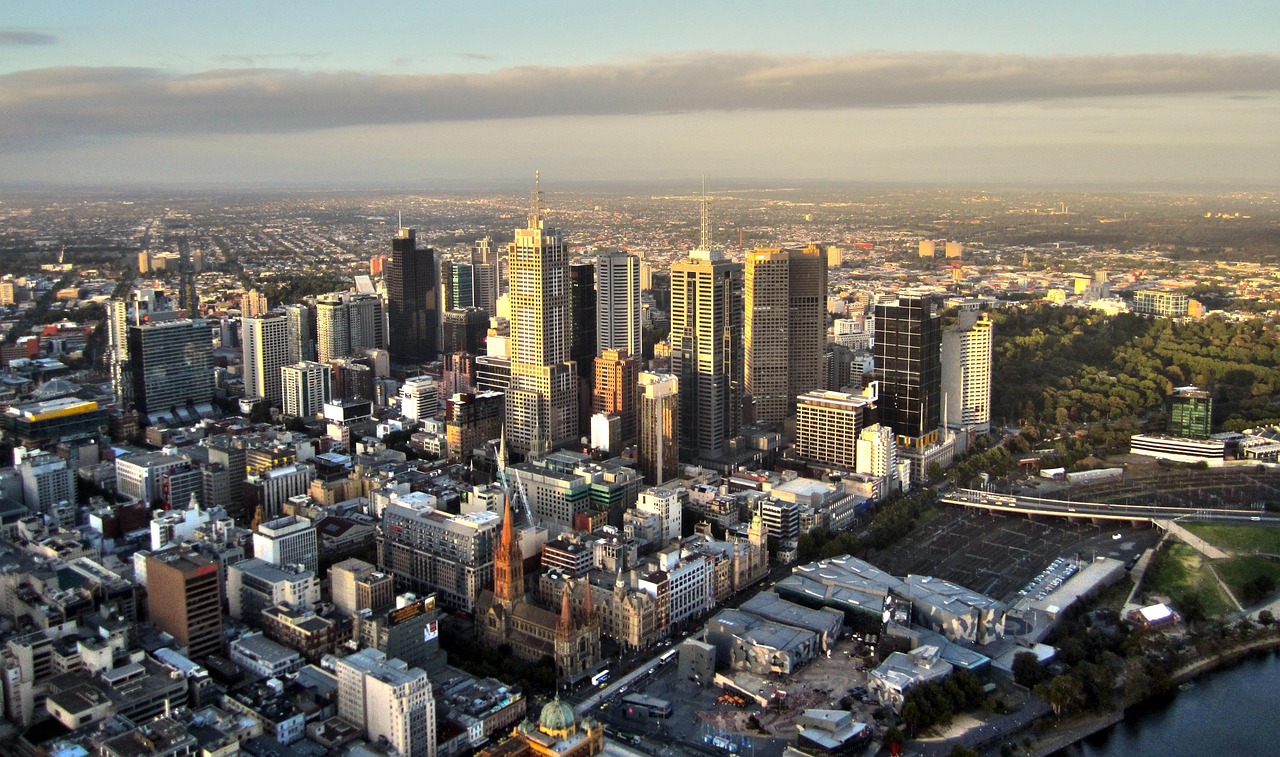
Why Visit Melbourne in 2026?
Melbourne is one of those cities that doesn’t try to impress you at first glance; it slowly wins you over and then refuses to let go. I first arrived “just for a long weekend” more than a decade ago, and I’ve been coming back several times a year ever since. Melbourne is a city of small discoveries: a hidden cocktail bar behind an unmarked door, a perfect flat white served in a hole‑in‑the‑wall laneway café, a live jazz band in a basement you’d never notice unless someone told you to push that heavy black door.
In 2026, Melbourne feels especially vibrant. The city’s famous food scene is booming again, the street art is more daring than ever, and a wave of new small bars and bakeries has filled in old gaps between classic institutions. Whether you have 3 days in Melbourne or you’re planning a 5 day itinerary for Melbourne, you’ll find an almost overwhelming number of things to do in Melbourne, from iconic must‑see attractions to quiet, local corners you won’t find in many guidebooks.
Expect European-style café culture, world-class coffee, multicultural food, sports fanaticism, a thriving arts scene, and that slightly moody, creative energy that makes Melbourne feel like a place where things are constantly being invented. This travel guide for Melbourne is written as if I’m walking you through my own favourite routes and rituals—what I’d recommend to a close friend visiting for the first (or fifth) time.
Table of Contents
- Why Visit Melbourne in 2026?
- Melbourne at a Glance
- 20 Must-See Attractions in Melbourne (With Local Stories & Tips)
- Suggested Itineraries: 3–5 Days in Melbourne
- Melbourne’s Neighbourhoods & Districts
- Local Food in Melbourne: What & Where to Eat
- Nightlife, Entertainment & Cultural Experiences
- Best Day Trips from Melbourne
- Cultural Etiquette & Local Customs in Melbourne
- Practical Travel Tips for Melbourne (Money-Saving, SIM, Transport, Visas)
- What’s New & Major Events in 2026–2027
- Summary & Best Time to Visit Melbourne
Melbourne at a Glance
Melbourne is the capital of the state of Victoria, in southeastern Australia. With around 5 million people, it’s a sprawling city wrapped around Port Phillip Bay, connected by an excellent tram system and a growing rail network. It’s known as Australia’s cultural capital: art, music, food, sport, and coffee are taken very seriously here.
- Best for: Foodies, culture lovers, sports fans, families, couples, solo travellers.
- Ideal trip length: 3–5 days in Melbourne for the city itself, longer if you add day trips.
- Getting around: Trams in the CBD (free zone), Myki card for wider transport, very walkable central areas.
- Vibe: Creative, laid-back but busy, slightly weather-obsessed, proudly local.
20 Must-See Attractions in Melbourne (Deep Dives & Local Tips)
This isn’t just a list; these are places I return to again and again. For each, I’ll share what to do, when to go, how to get there, food ideas nearby, and a few personal anecdotes. These are the building blocks for any 3 day itinerary for Melbourne or longer stay.
1. Federation Square & Flinders Street Station
If Melbourne had a living room, it would be Federation Square. Sitting opposite the iconic butter-yellow Flinders Street Station, this angular, modern plaza is where festivals, protests, New Year’s celebrations, and lazy afternoons all collide.
My ritual on arrival days: I hop off the airport bus at Southern Cross, tram or walk down to Flinders, and stand on the corner of Swanston and Flinders Streets for a moment. The clocks on the station, the rumble of trams, buskers under the station arches—it’s the sound of Melbourne.
What to Do
- People-watch on the steps with a takeaway coffee.
- Pop into ACMI (Australian Centre for the Moving Image) for interactive film and gaming exhibits.
- Visit the Ian Potter Centre: NGV Australia for Australian art, from colonial to contemporary.
- Stroll across the pedestrian bridge over the Yarra River for classic skyline photos.
Food & Coffee Nearby
For something quick, I often grab dumplings a short walk away in Chinatown, but if you’re staying central, the square and nearby laneways have plenty:
- Time Out Fed Square – casual spot right on the square, great for breakfast or an afternoon drink.
- Degraves Street – 3–4 minutes on foot; narrow, buzzing laneway of cafés (go for a long black and smashed avo toast; it’s a cliché for a reason).
When to Visit & Tips
- Best time: Late afternoon into golden hour; evenings in summer when events and live music often pop up.
- Family friendly: Yes, lots of open space and regularly family-oriented festivals.
- Getting there: Any tram or train to Flinders Street Station; it’s the city’s main hub.
2. Hosier Lane & Melbourne’s Laneway Street Art
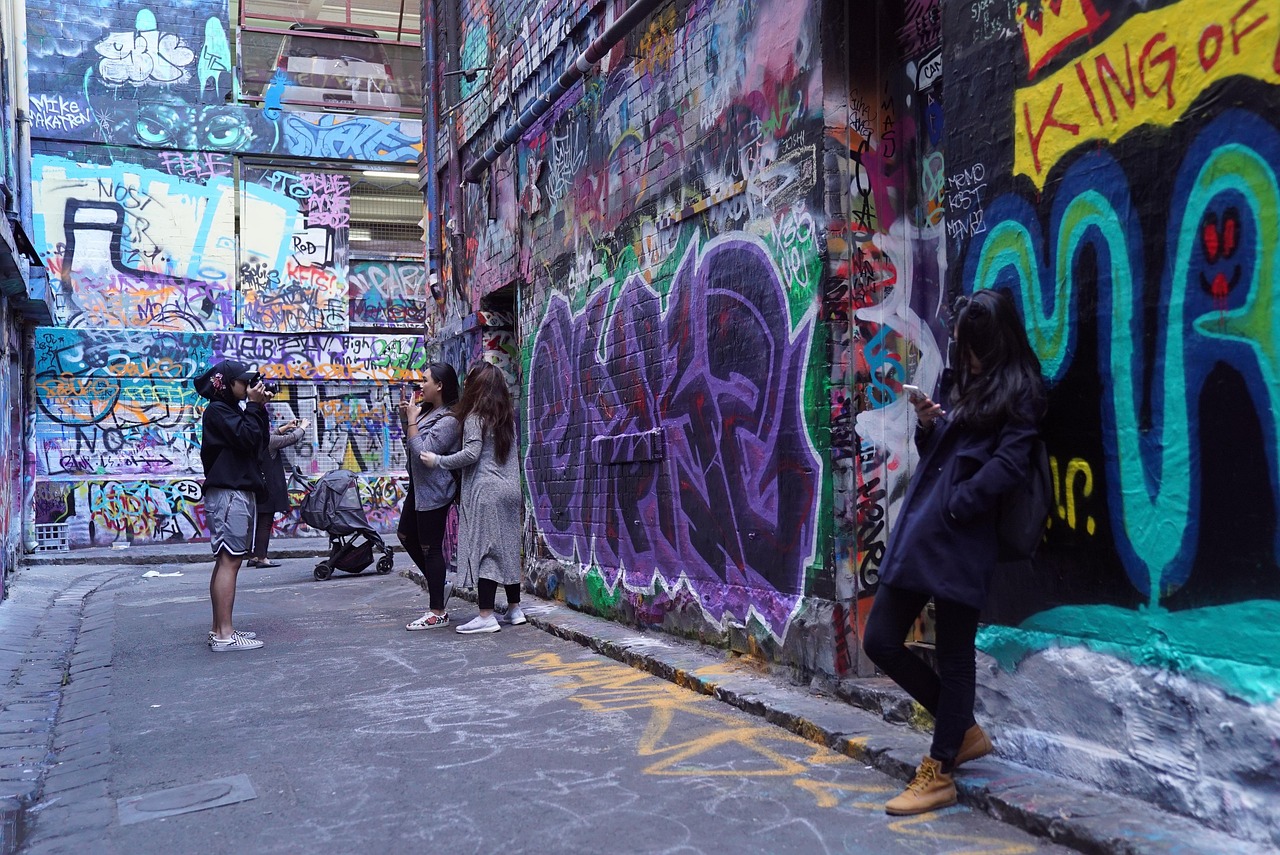
Melbourne’s laneways are where the city’s soul hides. Hosier Lane is the most famous—its walls layered with constantly changing street art. I’ve never seen it look the same twice. Once, I walked through on a Tuesday morning, and by Thursday, an entire section had been repainted.
What to Do
- Wander Hosier Lane slowly; look up and down, not just at eye level.
- Explore nearby AC/DC Lane and Duckboard Place for music-themed murals.
- Join a street art walking tour led by a local artist—one of my top cultural experiences in Melbourne.
Local Tip
Early morning (before 9 a.m.) is best for photos without crowds. If you’re lucky, you might catch artists at work. Be respectful: don’t touch or tag over their pieces.
3. Royal Botanic Gardens & The Tan
When the city feels too intense, I escape to the Royal Botanic Gardens. Just a 15-minute walk from Federation Square, these gardens are my favourite place to reset. I’ve spent entire afternoons here with a book, sun hat, and picnic supplies from a nearby market.
What to Do
- Stroll the lakeside paths and the Australian Rainforest Walk.
- Join an Aboriginal Heritage Walk (book ahead) to learn about Indigenous connections to this land.
- Walk or run “The Tan” – the 3.8 km track circling the gardens, beloved by locals.
- Visit the Guilfoyle’s Volcano viewing deck for city views and unique plantings.
Picnic & Coffee Tips
Pick up cheese, olives, and bread from Queen Victoria Market earlier in the day, then take tram 5/6/16 to the Domain area and walk over. There’s also a café inside the gardens for coffee and snacks.
4. National Gallery of Victoria (NGV International)
The NGV International on St Kilda Road is Australia’s oldest public art museum and an absolute must for art lovers. The building’s water wall is one of those simple but strangely mesmerising sights; I still press my hand to the glass like a kid every time I visit.
Highlights
- European masters, Asian art, and rotating blockbuster exhibitions.
- The Great Hall with its kaleidoscopic stained-glass ceiling—lie on the floor and look up.
- Free permanent collection; ticketed special exhibitions that are often world-class.
Practical Tips
- Best time: Weekdays or early mornings on weekends.
- Combine with: A stroll through the Botanic Gardens or a walk across the bridge into the CBD.
5. Eureka Skydeck
For a literal overview of Melbourne, head up the Eureka Skydeck in Southbank. I’ve gone at sunrise, midday, and sunset; sunset wins by a mile. Watching the city lights blink on as the Yarra River threads its way through the skyline is worth the ticket.
What to Expect
- 88th-floor viewing platform with 360° views.
- The Edge Experience: a glass cube that extends out from the building (not for the faint-hearted).
- Interactive screens to help you identify landmarks.
Tips
- Prebook for sunset time slots in peak season (summer, major event weekends).
- Combine with a riverside dinner in Southbank afterwards.
6. Queen Victoria Market
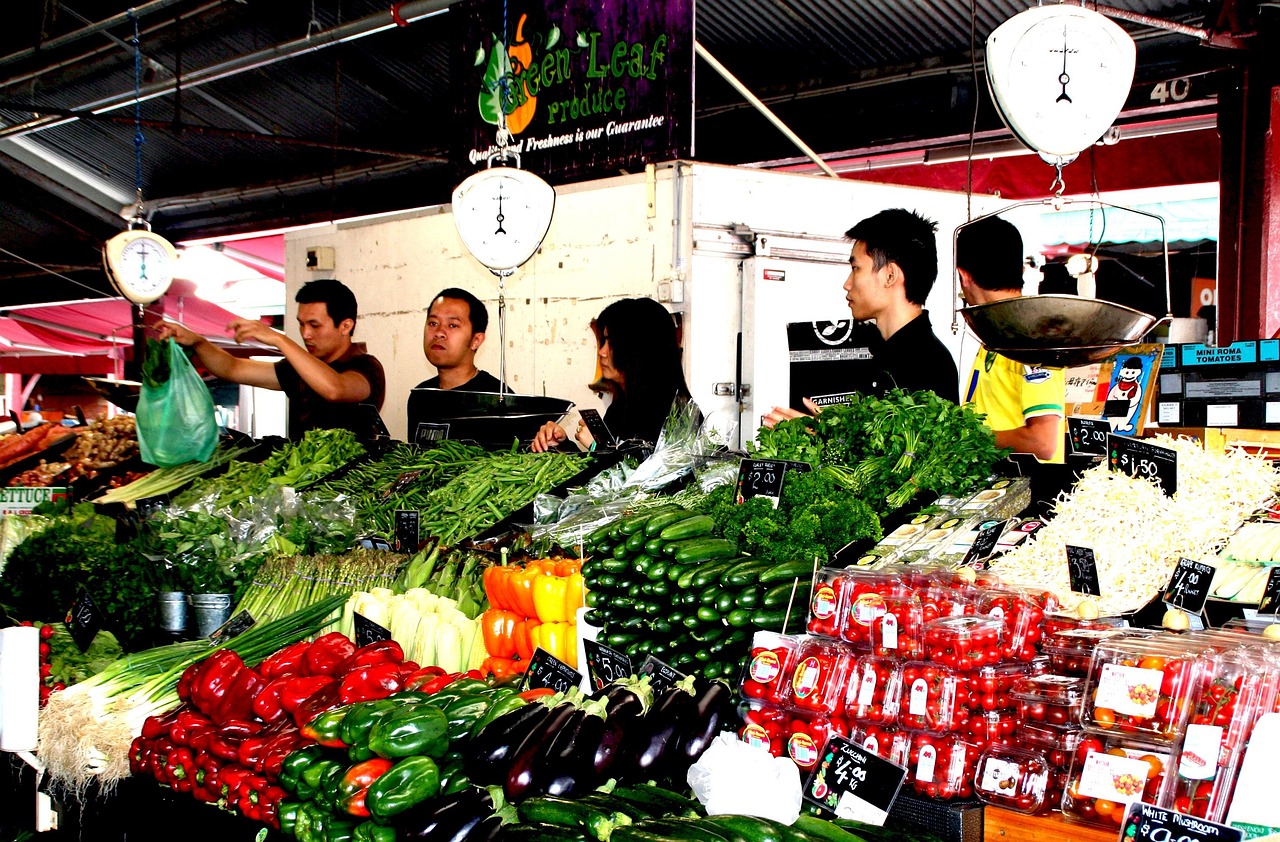
Queen Vic Market is both a tourist attraction and a real, working market. I still come here to stock up on cheese and produce when I’m staying in an apartment. It’s noisy, colourful, and unapologetically old-school.
What to Do & Eat
- Browse the deli hall for cured meats, dips, and olives; assemble a picnic.
- Try a freshly made doughnut from the famous American Doughnut Kitchen van (look for the white truck).
- Pick up souvenirs in the general merchandise section—but bargain gently.
- In summer, check out the Queen Vic Night Market (usually Wednesday evenings) for street food and live music.
Money-Saving Tip
Come towards the end of the trading day; vendors often discount perishable items like fruit and veggies. Perfect if you’re self-catering.
7. State Library Victoria
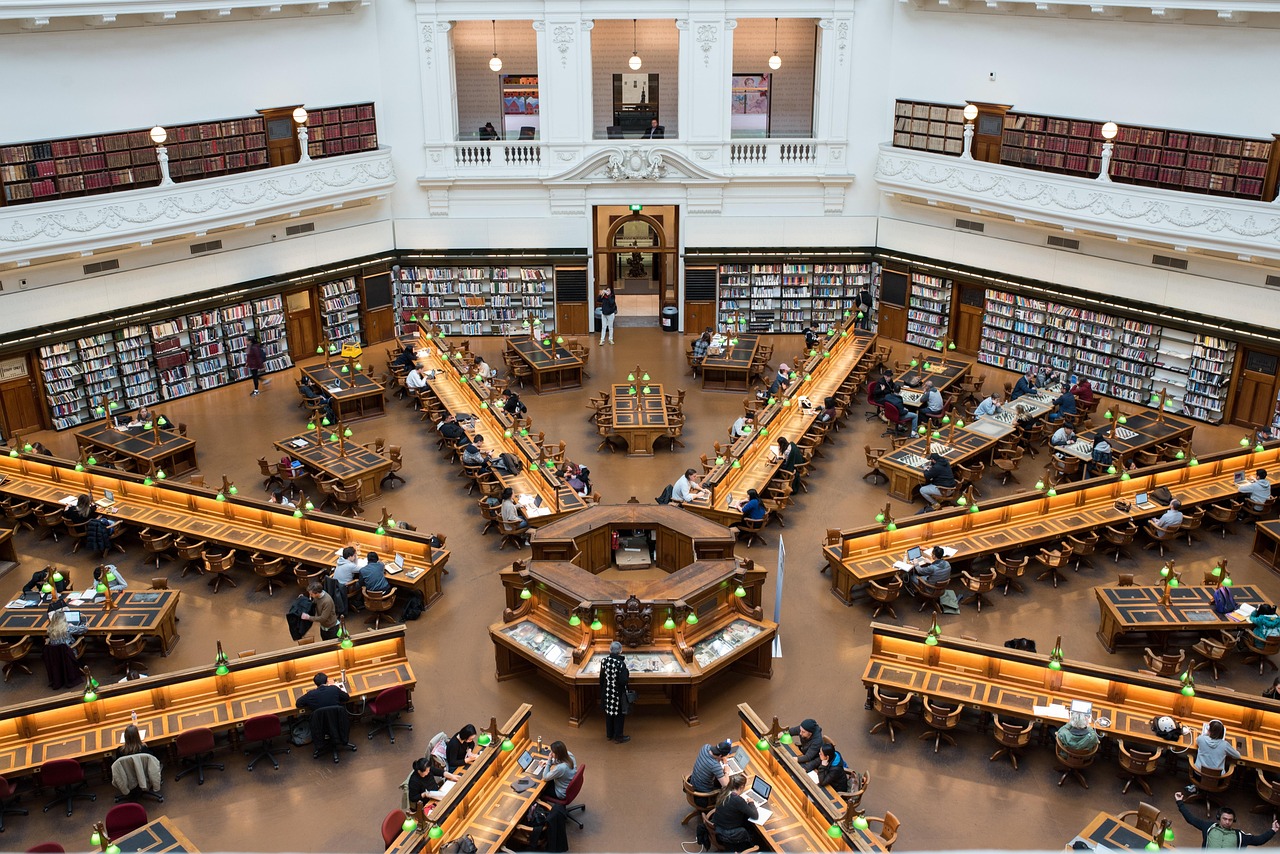
The State Library is one of Melbourne’s quiet treasures. From the outside, it looks like a grand civic building; inside, the La Trobe Reading Room is a soaring, white-domed hall that feels like the set of a period film. I sometimes bring my laptop here just to soak up the atmosphere while I work.
What to See
- The domed reading room—walk up to higher levels for the best views.
- Exhibitions on Victoria’s history, including Ned Kelly’s armour.
- The terraces outside where locals sprawl on the lawn on sunny days.
Tip
It’s a perfect rainy-day stop. Combine with a walk up Swanston Street and into nearby laneways for coffee.
8. Degraves Street, Centre Place & Laneway Cafés
Melbourne’s reputation for coffee isn’t exaggerated. I’ve lost track of how many flat whites I’ve had here, but some of my favourites have been in tiny laneway cafés where you can barely find a seat.
Where to Go
- Degraves Street – bustling and a little touristy, but still good food and people-watching.
- Centre Place – narrower and grittier; I love it early in the morning when the city is just waking up.
- Nearby lanes like Block Arcade and Royal Arcade for elegant, heritage architecture.
What to Order
Try a flat white or magic (a local favourite: double ristretto with milk in a small cup), and pair it with smashed avocado toast, a croissant, or a simple poached eggs and sourdough. Melbourne brunch is an art form.
9. ACMI (Australian Centre for the Moving Image)
ACMI in Fed Square is where film, TV, and video games get the museum treatment. It’s one of my favourite family friendly stops in the CBD; kids and adults both get sucked into the interactive exhibits.
Highlights
- Free permanent collection exploring the history of screen culture.
- Interactive installations where you can remix scenes or try classic games.
- Frequent festivals, talks, and screenings—check the program for your dates.
10. Melbourne Cricket Ground (MCG) & Sports Precinct
Melbourne lives and breathes sport, and the MCG is its cathedral. Even if you’re not a diehard sports fan, seeing a game here is a quintessential Melbourne experience.
I still remember my first AFL match: the roar when someone marked the ball right on the siren, the sea of team scarves, and the smell of hot chips and meat pies in the chill evening air.
What to Do
- Tour the stadium and visit the National Sports Museum.
- Attend an AFL match (winter) or cricket (summer).
- Wander the surrounding sports precinct, including Rod Laver Arena.
Tips
- Buy tickets in advance for major games (especially the Boxing Day Test, AFL finals).
- Trains and trams are crowded after games; be patient, or walk back to the CBD (20–25 minutes along the river).
11. St Kilda Beach & Luna Park
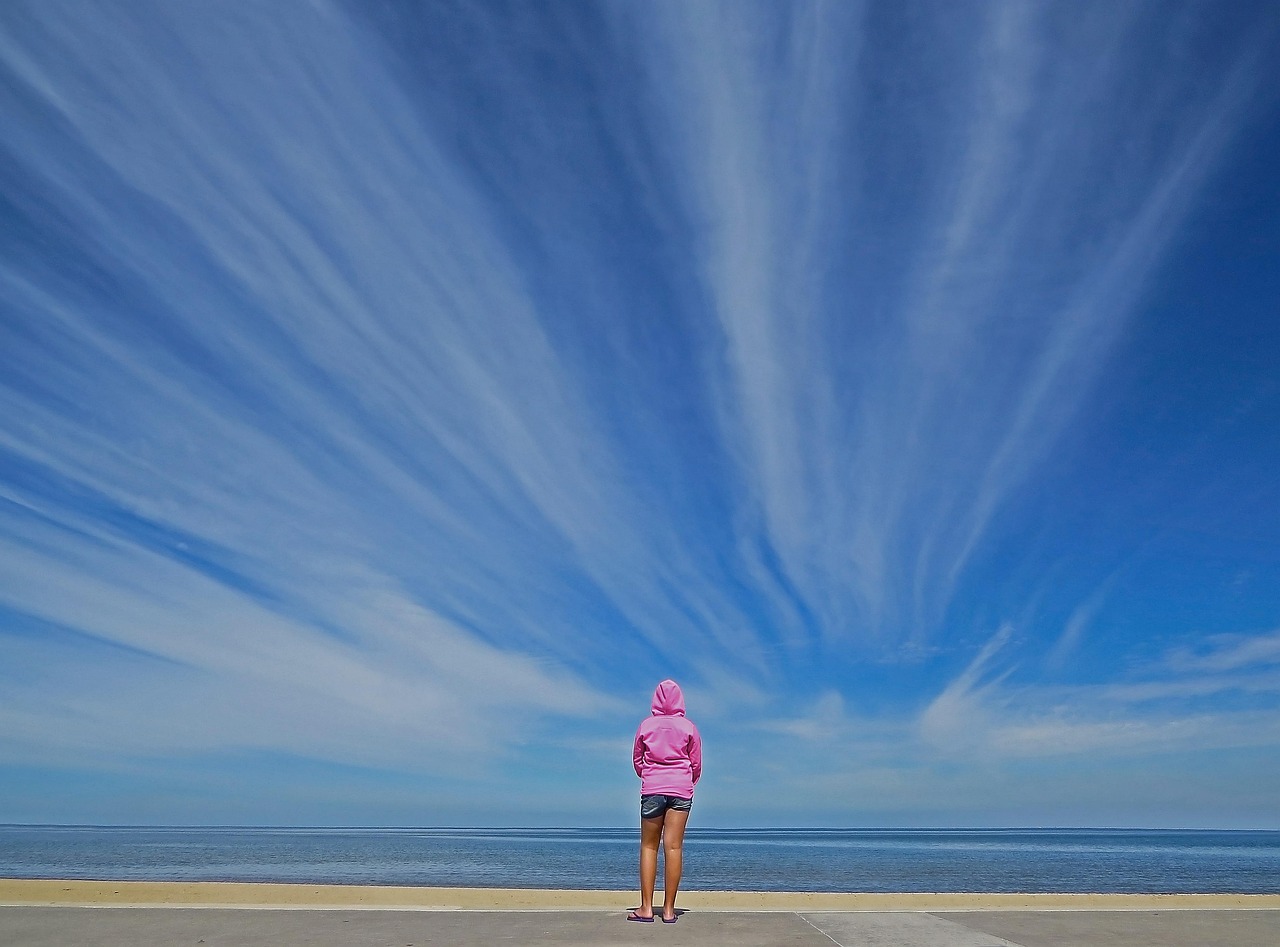
St Kilda is Melbourne’s seaside playground. It’s where I go when I want salty air, sunset views, and a slightly bohemian vibe. The beach isn’t Australia’s most spectacular, but the atmosphere more than makes up for it.
What to Do
- Walk the St Kilda Pier at sunset—you might spot the resident penguins at the breakwater (respect the viewing rules).
- Ride the historic rollercoaster at Luna Park.
- Have cake or coffee along Acland Street, known for its European cake shops.
- On Sundays, browse the St Kilda Esplanade Market.
Romantic Tip
For couples, grab fish and chips, sit on the sand or pier, and watch the sun sink behind the city skyline. It’s one of the city’s most romantic free experiences.
12. Brighton Bathing Boxes
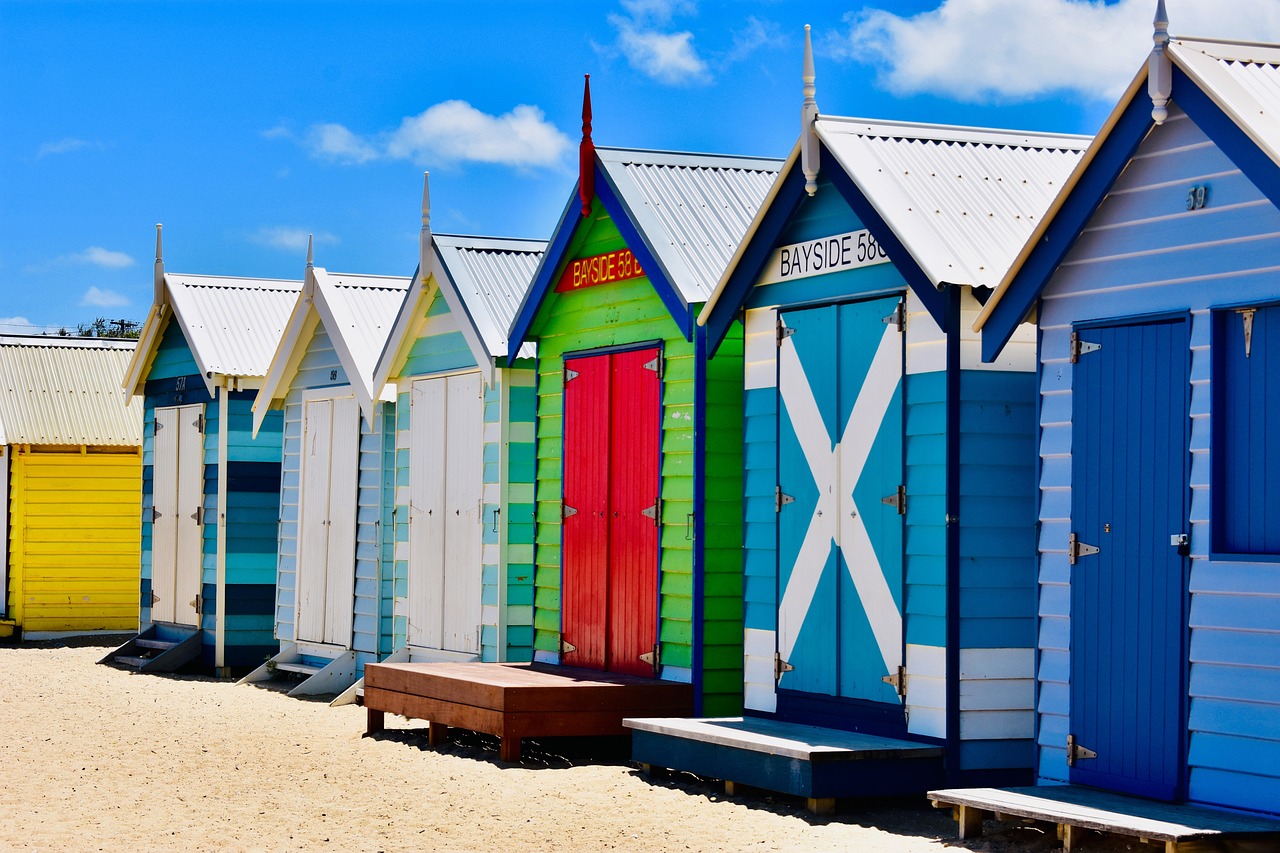
Those colourful huts you’ve seen on Instagram? That’s Brighton Beach. I’ve come here on blustery winter days and hot summer afternoons; it’s photogenic in any weather.
What to Do
- Walk along the beach and admire the bright, uniquely painted bathing boxes.
- Snap photos with the skyline in the distance.
- Swim in summer; it’s usually calmer than surf beaches.
Getting There
Take the Sandringham train line from Flinders Street Station to Brighton Beach station (about 25–30 minutes), then walk 5–10 minutes to the boxes.
13. Fitzroy & Brunswick Street
Fitzroy is Melbourne’s hipster heart: vintage shops, vegan cafés, record stores, and murals around every corner. It’s where I go when I want to browse, snack, and people-watch.
What to Do
- Walk up and down Brunswick Street and get lost in side streets.
- Hunt for vintage clothes and secondhand books.
- Grab a craft beer in a local bar or a natural wine at a small wine bar.
- Look for street art off Johnson Street and Smith Street.
Food Tip
Fitzroy is fantastic for vegetarian and vegan food. You could easily design a whole day of café-hopping here.
14. Collingwood & Smith Street
Collingwood used to be purely industrial; now it’s one of the coolest areas in the city, full of converted warehouses, breweries, and creative spaces. I love coming here in the late afternoon, when locals spill out of offices and studios into casual bars.
What to Do
- Walk Smith Street, once voted one of the “coolest streets in the world.”
- Sample craft beers at a local brewery.
- Check out small galleries and independent boutiques.
15. Docklands & Melbourne Star Precinct
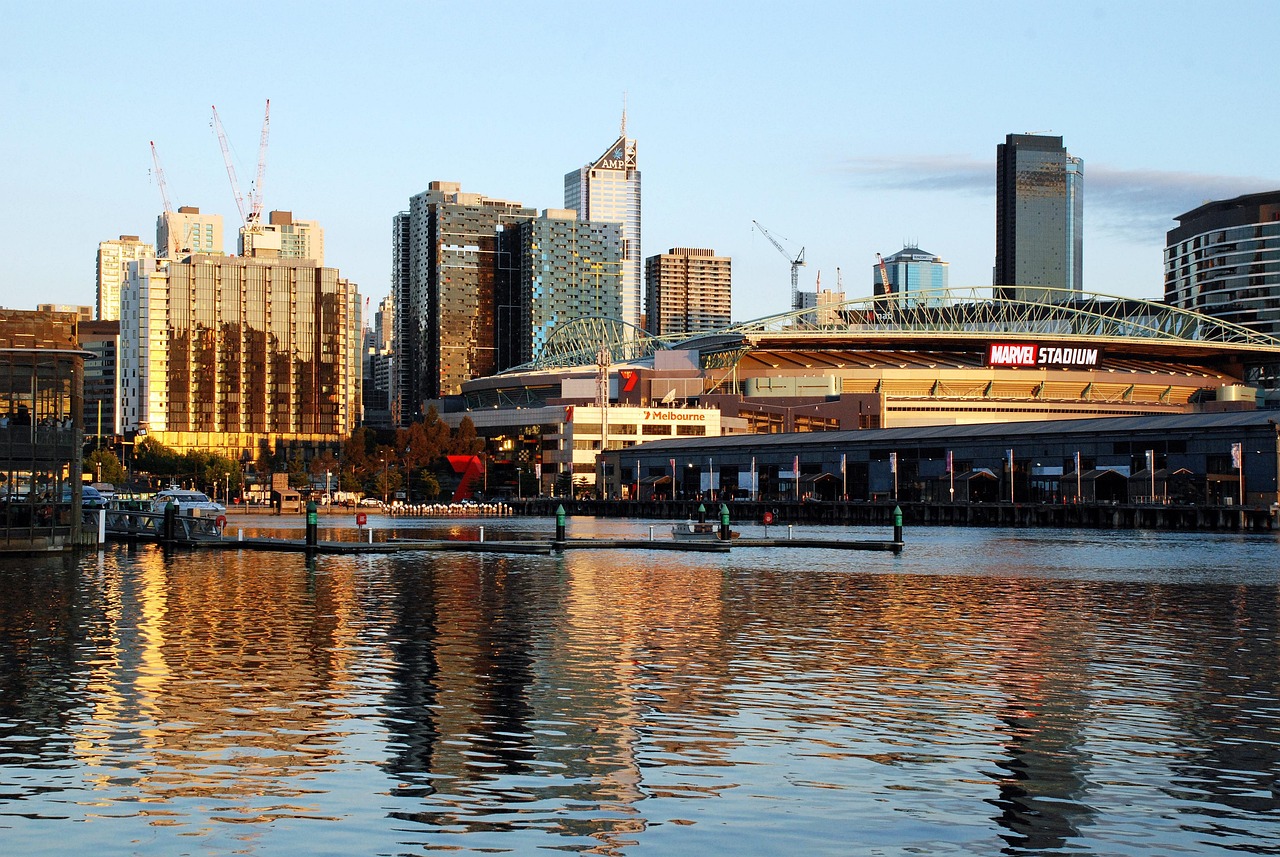
Docklands is a modern waterfront area west of the CBD. It’s not everyone’s favourite, but I like it in the late afternoon for a quieter walk along the water and some contemporary architecture spotting.
What to Do
- Walk along the harbour and check out the public art installations.
- Browse outlet shops if you’re keen on deals.
- Attend events or sports at Marvel Stadium.
16. Southbank Promenade
Southbank runs along the southern edge of the Yarra River opposite the CBD. In the evenings, this is one of the liveliest parts of the city: restaurants, bars, buskers, and the occasional fire show outside Crown.
What to Do
- Walk the riverside path from Princes Bridge to Crown.
- Have a drink at an outdoor terrace overlooking the water.
- Take a river cruise for a different perspective on the skyline.
Romantic Tip
For couples, book a riverside dinner and then stroll along the water afterwards. The city lights reflecting in the Yarra are memorable, even on chilly nights.
17. Royal Exhibition Building & Carlton Gardens
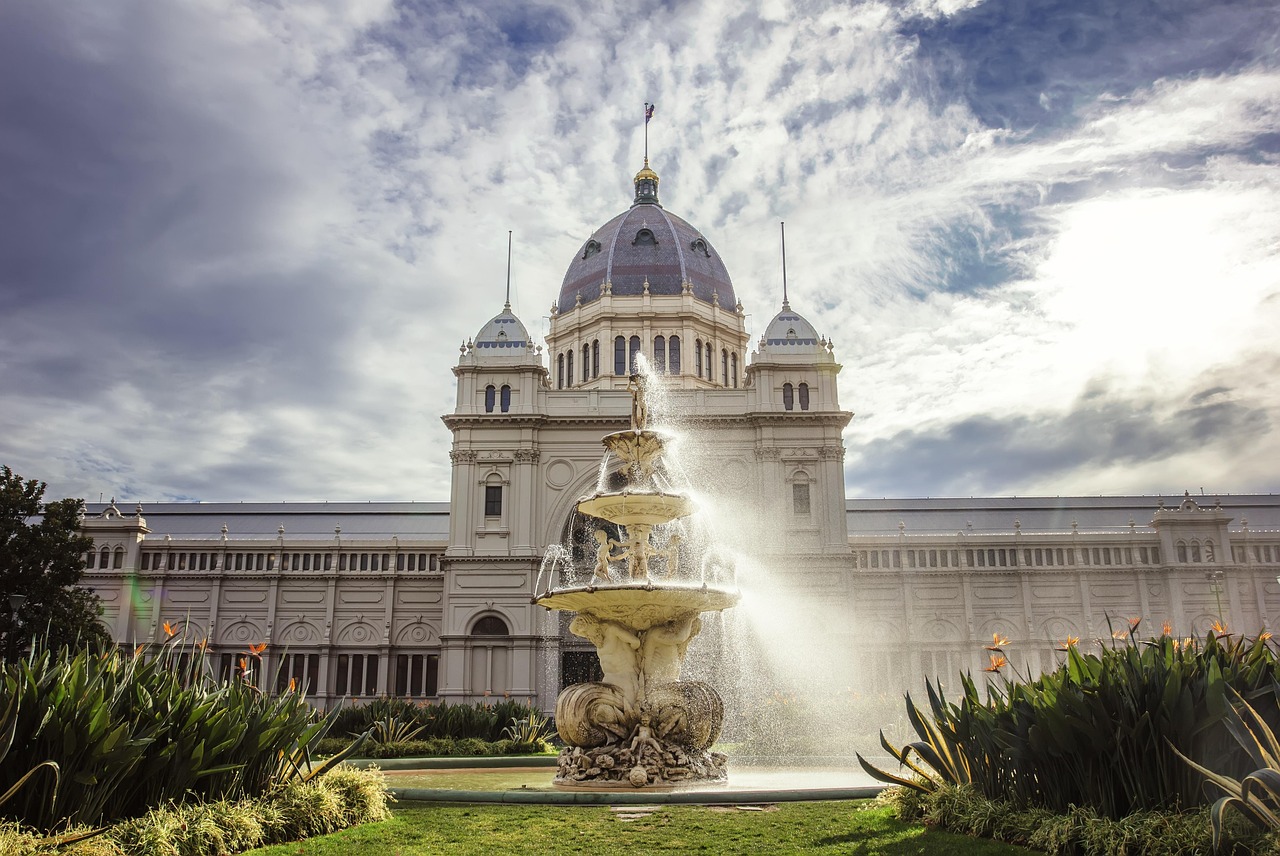
This UNESCO-listed building is a gorgeous slice of 19th-century architecture surrounded by leafy Carlton Gardens. I often cut through here when walking from the CBD to Lygon Street; it’s a peaceful break from the city grid.
What to Do
- Admire the building’s exterior and fountain.
- Visit the adjacent Melbourne Museum (excellent for families).
- Relax on the grass under old trees.
18. Melbourne Museum & IMAX
Melbourne Museum is my top pick when the weather turns or when I’m travelling with kids. The exhibits range from natural history to First Peoples’ stories, all beautifully curated.
Highlights
- First Peoples exhibition—essential for understanding the cultural history of this land.
- Dinosaur skeletons and the forest gallery.
- IMAX cinema for a big-screen break.
19. Lygon Street (Little Italy)
Decades ago, Lygon Street was the heartbeat of Melbourne’s Italian community, and it still carries that legacy. I have a soft spot for this area; some of my best slow, multi-course dinners have been here.
What to Do
- Choose an Italian restaurant (look for those busy with locals).
- Order a proper espresso or gelato afterwards.
- Walk the length of the street and peek into bookshops and delicatessens.
20. Chapel Street & Prahran
Chapel Street stretches across several suburbs, but the Prahran/Windsor section is my favourite for shopping, brunch, and nightlife. It’s stylish without being too pretentious.
What to Do
- Explore Prahran Market for produce and gourmet treats.
- Shop for Australian fashion and homewares.
- Come back at night for bars and late dinners.
Suggested Itineraries: 3–5 Days in Melbourne
Here’s how I’d structure 3 days in Melbourne, and how I’d extend that into 4 days in Melbourne or a full 5 day itinerary for Melbourne. Think of these as frameworks you can tweak based on your interests and pace.
3 Day Itinerary for Melbourne: The Essentials
Day 1: CBD Icons, Laneways & the Yarra
I like to start people in the compact heart of the city so they can feel Melbourne’s rhythm right away. On my last 3-day trip, I followed this exact route with a friend visiting for the first time.
Morning: Coffee & Laneways
Begin around 8:30–9:00 a.m. in Degraves Street or Centre Place. Grab breakfast—eggs, smashed avo, or pancakes—and a coffee. Sitting outside, you’ll see office workers, students, and fellow travellers all packed together.
After breakfast, wander through:
- Block Arcade – stunning Victorian-era arcade; pop into Haigh’s Chocolates.
- Royal Arcade – historic and elegant, with quirky boutiques.
Head towards Hosier Lane for street art, then loop back up to ACMI or NGV Australia in Federation Square if you’re in a museum mood.
Midday: Federation Square & Flinders Street Station
Cross over to Flinders Street Station, step inside, and admire the old ticket hall and timetables. I often grab a quick take-away lunch (a banh mi or sushi roll) and eat it on the steps of Fed Square, watching buskers and festival setups.
Afternoon: Yarra River Walk & Eureka Skydeck
Walk across the bridge to Southbank and follow the promenade. Stop for gelato or a drink overlooking the river. Around 4–5 p.m., head to Eureka Skydeck and time your visit so you see the city both in daylight and lit up after dark.
Evening: Southbank Dinner
Dine along Southbank or cross back into the CBD for a laneway restaurant. For something atmospheric but relaxed, I like small wine bars tucked in side streets. Afterwards, stroll along the river—if you’re near Crown, watch for the gas fire towers that erupt on the hour.
Day 2: Gardens, Culture & Sport
Day 2 is all about green spaces, galleries, and Melbourne’s love of sport. This is a great day for families and couples alike.
Morning: Royal Botanic Gardens & The Tan
Start with a tram or walk to the Royal Botanic Gardens. Grab a coffee at the garden café and then wander the paths. I like to do a leisurely loop around the main lake, stopping at shaded benches. If you’re feeling energetic, jog a lap of The Tan.
Midday: NGV International
Walk up to NGV International. Spend a couple of hours exploring the free permanent collections. When my legs get tired, I head to the Great Hall and lie on the carpeted floor to stare at the stained-glass ceiling. Yes, everyone does it; no, you won’t be the only one.
Afternoon: State Library & CBD Stroll
Tram back into the CBD and walk up Swanston Street to the State Library Victoria. Explore the exhibitions and the reading room. Grab a late lunch or snack from nearby Asian eateries—there are numerous Japanese, Korean, and Chinese spots tucked into arcades and side streets.
Evening: MCG or Arts Performance
Depending on what’s on, do one of the following:
- Sports fan: Head to the MCG for an AFL or cricket match.
- Culture lover: See what’s playing at the Arts Centre Melbourne or a smaller theatre and book a show.
Either way, grab a pub meal beforehand—nothing like a parma (chicken parmigiana) and pint before a game or a show.
Day 3: Neighbourhoods & the Bay
On your final day, see how locals live—then finish with sunset by the water. This day slots perfectly into any 3 day itinerary for Melbourne.
Morning: Fitzroy & Collingwood
Take a tram up to Fitzroy. Have brunch on Brunswick Street (there’s no shortage of options). Wander through vintage shops, bookstores, and small galleries. Then continue to Collingwood and Smith Street for more browsing.
Afternoon: St Kilda
In the afternoon, head to St Kilda via tram from the CBD or Fitzroy (with a change). Walk the esplanade, visit Luna Park if you’re with kids (or just young at heart), and snack on Acland Street.
Sunset & Evening: Pier & Penguins
Time your walk out along St Kilda Pier for sunset. If you stay after dark, you may see little penguins coming in to nest among the rocks at the breakwater—observe from a distance and follow the posted guidelines.
Finish with dinner at a beachside restaurant or a casual fish-and-chips spot before heading back into the city.
4 Day Itinerary for Melbourne: Adding More Depth
With 4 days in Melbourne, you can slow the pace and add more cultural experiences.
Day 4: Museums, Carlton & Little Italy
On my last 4-day trip, I devoted a full day to the Carlton area. It felt almost European: leafy boulevards, elegant terraces, and long, lingering meals.
Morning: Melbourne Museum & Carlton Gardens
Start at Melbourne Museum. Spend a few hours exploring, focusing on the First Peoples gallery and the natural history exhibits. If you’re travelling with children, allow more time—there’s a lot to engage them.
Lunch & Afternoon: Lygon Street
Walk over to Lygon Street. Choose a restaurant that feels warm and lived-in rather than aggressively touting for tourists. Order pasta, a glass of wine, and maybe a tiramisu to share.
After lunch, wander slowly along Lygon, ducking into bookshops and grocers. Grab a gelato and sit on a bench watching local life go by.
Evening: Cinema or Casual Night Out
End the day with a film at a nearby cinema or tram back to the CBD for a relaxed drink. With four days, you can afford an early night.
5 Day Itinerary for Melbourne: The Full Experience
A 5 day itinerary for Melbourne lets you see both the highlights and some of the hidden gems in Melbourne. Use the 3-day plan as your core, add the Carlton day, and then:
Day 5: Chapel Street, Prahran Market & Optional Day Trip Taster
On my favourite 5-day trip, Day 5 turned into a lazy mix of markets, shops, and a sunset tram ride. No rush, just soaking up local life.
Morning: Prahran Market
Take a tram or train to Prahran Market. Grab breakfast from one of the market cafés or bakeries, then wander the stalls. This is a great place for gourmet souvenirs: spices, tea, chocolate, Australian honey.
Midday: Chapel Street
Walk along Chapel Street through Prahran and Windsor. Browse fashion boutiques and homeware stores. If you’re into vintage, keep an eye out for secondhand shops in side streets.
Afternoon: Choose Your Adventure
- Option 1 – Local: Continue exploring South Yarra or Richmond, both great for cafés and bars.
- Option 2 – Short Excursion: If you’re ambitious, take a half-day trip to Brighton Bathing Boxes for a final hit of beach and colour.
Evening: Farewell Dinner
For your last night, pick a neighbourhood you loved most and go back for a repeat dinner: maybe Fitzroy for something edgy, Lygon for Italian, or the CBD for laneway dining. That’s the beauty of having 5 days—you’ll know which pocket of the city feels most like “yours.”
Melbourne’s Neighbourhoods & Districts to Explore
Each Melbourne neighbourhood has its own character. Part of the fun of any travel guide for Melbourne is helping you match your personality to the right areas.
- CBD (Central Business District): Laneways, bars, shopping, major sights. Best base if it’s your first time or you only have 3 days in Melbourne.
- Fitzroy & Collingwood: Creative, grungy, full of street art and indie shops. Great for nightlife, cafés, and younger travellers.
- Carlton: Leafy, academic, and Italy-flavoured, thanks to Lygon Street and the University of Melbourne.
- Southbank: Riverside promenades, high-rises, arts precinct, and Eureka Skydeck.
- St Kilda: Beachy, slightly bohemian, lively at night, good for hostels and relaxed stays.
- Prahran & Windsor (Chapel Street): Trendy shopping, markets, and nightlife.
- Richmond: Vietnamese restaurants, sports bars, and easy access to the MCG.
Local Food in Melbourne: What & Where to Eat
Melbourne is one of the best eating cities I’ve experienced. You can taste the entire world here: Italian, Greek, Vietnamese, Chinese, Ethiopian, Turkish, modern Australian—it’s all done with care.
Must-Try Melbourne Foods & Drinks
- Flat white / Magic: Coffee is a religion. Try it in laneways, Fitzroy, and South Melbourne.
- Brunch: Think poached eggs, smashed avocado, ricotta hotcakes, and seasonal specials.
- Meat pie & parma: Classic pub staples.
- Asian eats: Dumplings in Chinatown, pho in Richmond, banh mi in the CBD and suburbs.
- Gelato & cakes: Especially along Lygon Street and Acland Street.
Where to Eat on a Budget
On my longer stays, I always balance splurge meals with budget-friendly finds:
- Food courts in CBD arcades: Surprisingly good, especially for Asian food.
- Queen Victoria Market: Stock up on picnic supplies and self-cater.
- Chinatown: Numerous dumpling houses and noodle shops.
Nightlife, Entertainment & Cultural Experiences in Melbourne
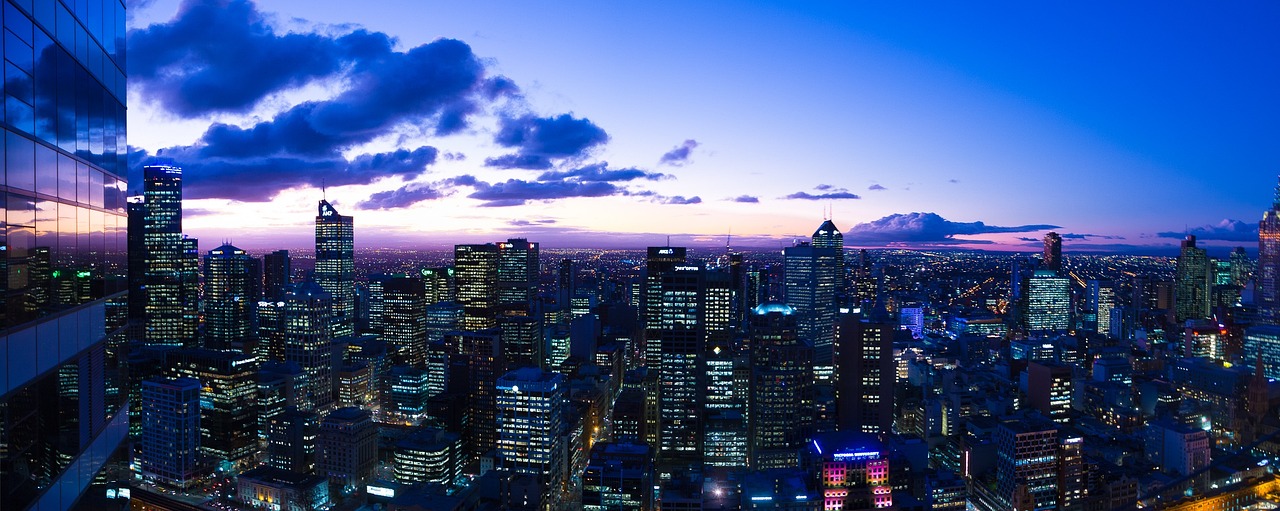
Melbourne really comes alive at night. Whether you want rooftop cocktails, basement jazz, or late-night ramen, there’s a corner of the city for you.
Nightlife
- CBD: Rooftop bars, laneway cocktail dens, and small music venues.
- Fitzroy/Collingwood: Live music, craft beer bars, and casual pubs.
- Chapel Street: Trendy bars and late-night spots for dancing.
Cultural Experiences
- Catch a show at Arts Centre Melbourne or a smaller independent theatre.
- Join a street art tour or coffee roasting workshop.
- Visit ACMI screenings or film festivals.
Family-Friendly Evenings
- Sunset on St Kilda Pier.
- Night markets (seasonal) at Queen Vic Market.
- Early-evening river walk along Southbank with gelato.
Best Day Trips from Melbourne
If you have more than 4–5 days in the region, some incredible landscapes are just a few hours away.
- Great Ocean Road: Iconic coastal drive; ideally an overnight trip, but some tours do it in a (long) day. Expect cliffs, beaches, and the Twelve Apostles.
- Yarra Valley: Wine region with cellar doors, cheese, and chocolate; join a day tour so nobody has to drive.
- Mornington Peninsula: Beaches, hot springs, wineries; hire a car or join a tour.
- Phillip Island: Famous for the nightly penguin parade; very popular with families.
Book day tours from the CBD if you don’t want to drive—pickups are usually around Federation Square or Southern Cross Station.
Cultural Etiquette & Local Customs in Melbourne
Melbourne is relaxed, but there are some unwritten rules that help you blend in.
General Behaviour
- Queueing: Australians line up. Don’t cut queues at cafés, tram stops, or shops.
- Tipping: Not mandatory, but rounding up or leaving 5–10% for good service is appreciated.
- Small talk: Weather, sport, and coffee are safe topics. Politics can be sensitive, so tread lightly.
Respecting First Nations Culture
Melbourne is on the traditional lands of the Wurundjeri and other peoples of the Kulin Nation. You’ll often hear an Acknowledgement of Country at events. Listen respectfully, and consider joining experiences run by Aboriginal guides (like the Botanic Gardens’ Aboriginal Heritage Walk).
Cafés & Restaurants
- Seat yourself or wait? Many cafés will seat you; if in doubt, ask.
- Pay at the counter is common in cafés; at restaurants, you usually pay at the table or when you ask for the bill.
Trams & Public Transport
- Offer your seat to older passengers, pregnant people, or those with disabilities.
- Keep your Myki card ready and move away from doors when others are boarding.
Practical Travel Tips for Melbourne (2026)
Getting Around
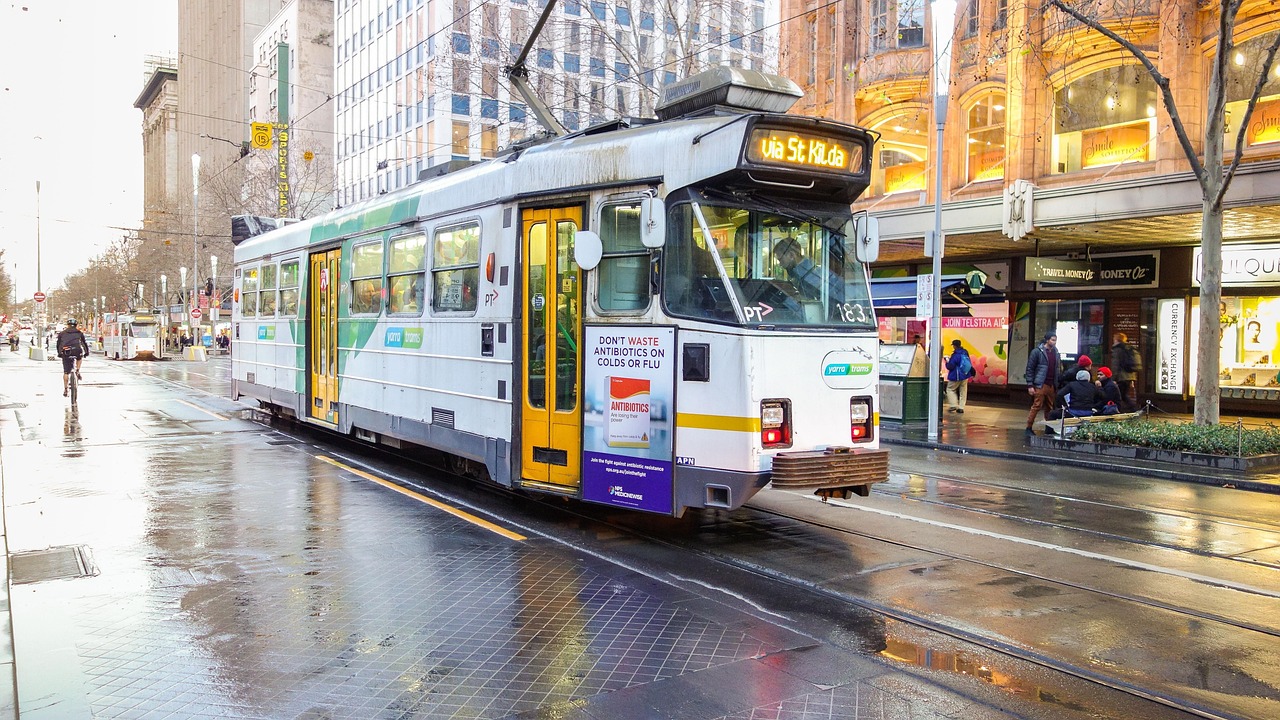
- Free Tram Zone: The CBD has a free tram zone—no Myki card needed within this area. It’s perfect for short hops between central attractions.
- Myki Card: For travel beyond the free zone, buy a Myki card at stations, some shops, or online. Tap on when you board, tap off on trains only.
- Walking: The CBD and inner suburbs are very walkable; wear comfortable shoes.
- Car Rental: Unnecessary for just the city. Rent a car only if you’re doing regional road trips like the Great Ocean Road or Mornington Peninsula.
SIM Cards & Connectivity
- Pick up a local SIM at the airport or in the CBD from providers like Telstra, Optus, or Vodafone.
- eSIMs are increasingly available; check your home provider or travel eSIM apps.
- Coverage in the city is excellent; some rural areas can be patchy.
Money-Saving Tips
- Use the Free Tram Zone for central travel.
- Self-cater some meals using markets and supermarkets.
- Take advantage of free attractions like the State Library, many NGV exhibits, ACMI, and street art.
Visas & Entry (Check Closer to Your Travel Date)
As of 2026, most international visitors need some form of visa or electronic travel authority (ETA) for Australia. Always check the official Australian government immigration website for up-to-date information before booking flights.
Foreign Driver’s Licences
If you plan to rent a car, most foreign licences in English are accepted. If your licence is not in English, you may need an International Driving Permit plus your original licence. Always confirm with your rental company in advance.
Weather & Seasons
Melbourne is famous for “four seasons in one day.” Pack layers.
- Summer (Dec–Feb): Warm to hot, great for beaches, outdoor dining, and festivals.
- Autumn (Mar–May): Mild, often sunny, lovely for gardens and walking.
- Winter (Jun–Aug): Cool, sometimes rainy, perfect for museums, cafés, and footy season.
- Spring (Sep–Nov): Unpredictable but often beautiful; good for flowers and events.
Safety & Health
- Melbourne is generally safe; use normal city precautions.
- Tap water is safe to drink.
- Use sun protection year-round; UV can be high even when it’s cool.
What’s New & Major Events in 2026–2027
Melbourne’s calendar is always full. In 2026–2027, look out for:
- Australian Open (Jan): Grand Slam tennis at Melbourne Park; book accommodation early.
- Formula 1 Australian Grand Prix (usually Mar/Apr): Albert Park transforms into a racetrack.
- Melbourne International Comedy Festival (Mar–Apr): One of the biggest comedy festivals in the world.
- Melbourne International Film Festival (MIFF) (Aug): A highlight for film buffs.
- Melbourne Cup Carnival (Nov): Horse racing and fashion; the city gets a public holiday for Cup Day.
- Ongoing new openings: boutique hotels, rooftop bars, and small galleries across the CBD, Fitzroy, and Collingwood.
Summary & Best Time to Visit Melbourne
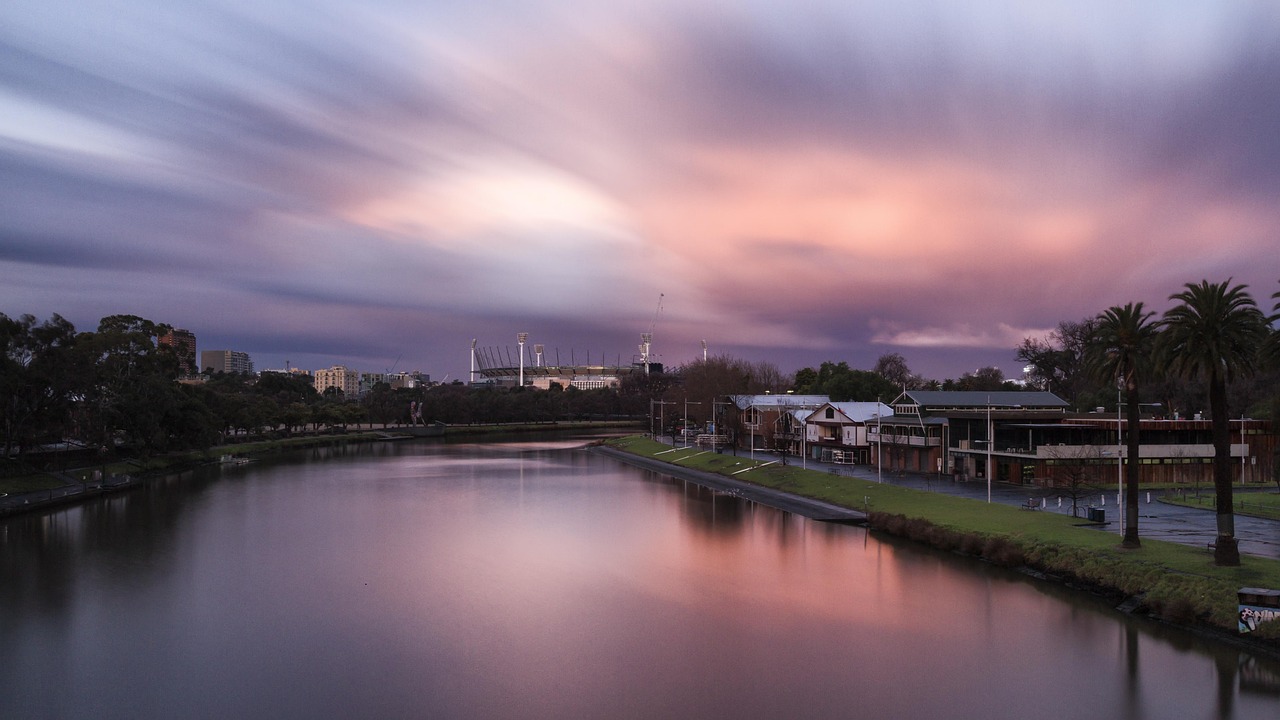
Melbourne rewards curiosity. It’s not about ticking off a list of monuments; it’s about cafés discovered down narrow lanes, chats with baristas, surprise street performances, and evenings that start with “just one drink” and end with live music in a tiny bar you would never have found without wandering.
If you’re planning 3 days in Melbourne, focus on the CBD, Southbank, the gardens, and one neighbourhood like Fitzroy or St Kilda. For 4 days in Melbourne, add Carlton and more museums. With a 5 day itinerary for Melbourne, you can slow down, add Chapel Street and perhaps a taster of a nearby day trip.
Best time to visit: I personally love late summer and early autumn (Feb–Apr) for warm evenings and festivals, and spring (Oct–Nov) for mild weather and blooming gardens. Winter has its charms too—cosy bars, football, and fewer crowds—especially if you’re more into cafés and culture than beaches.
However long you stay, bring comfortable shoes, a light jacket (even in summer), and an open schedule for detours. Melbourne’s best moments often happen when you turn down an unplanned laneway and see what’s there.