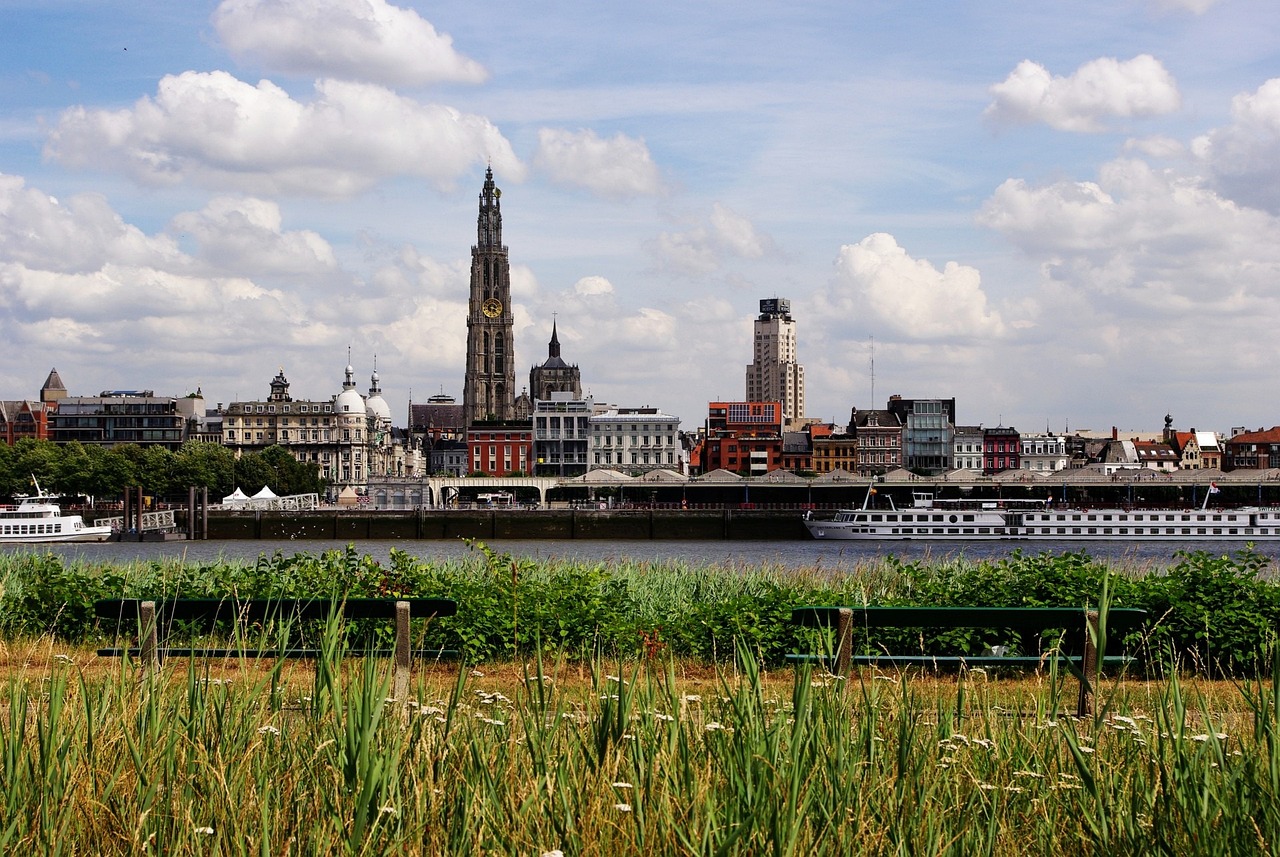
Why Visit Antwerp in 2026–2027
Antwerp is the city that locals from other Belgian towns escape to when they want a bit of edge. It’s smaller and more relaxed than Brussels, less fairy-tale than Bruges, but it’s where fashion students in black coats bump shoulders with diamond dealers, dock workers, art students, and families out for waffles on Sundays.
I’ve been traveling to Antwerp regularly for more than a decade, and every time I return I find a new bar down a cobbled alley, a warehouse turned into an art space, or a tiny café that makes the best smoske (stuffed sandwich) I’ve had in months. It’s a city that rewards wandering, but also one where a good plan lets you pack in a lot in 3–5 days.
In 2026, Antwerp feels especially alive: the harbor districts are evolving fast, new cycling infrastructure makes it easier to get around, and festivals are back in full swing. Whether you’re planning 3 days in Antwerp or a full 5 day itinerary for Antwerp, this travel guide will walk you through must-see attractions, neighborhood vibes, local food, cultural etiquette, and plenty of hidden corners I’ve grown attached to over the years.
Table of Contents
- Why Visit Antwerp in 2026–2027
- Understanding Antwerp’s Neighborhoods
- 20 Must-See Attractions in Antwerp (With Local Insights)
- Suggested Itineraries: 3, 4 & 5 Days in Antwerp
- Local Food in Antwerp & Where to Eat
- Nightlife, Entertainment & Cultural Experiences
- Major Events in 2026–2027
- Best Day Trips from Antwerp
- Cultural Etiquette & Local Customs
- Practical Travel Tips for Antwerp
- Summary & Best Time to Visit Antwerp
Getting Oriented: Antwerp’s Neighborhoods & Districts
Before diving into your 3 day itinerary for Antwerp or stretching it to a 5 day itinerary for Antwerp, it helps to understand the city’s layout. Antwerp is compact, walkable, and well-connected by tram and bike lanes.
- Historisch Centrum (Historic Centre) – Around the Cathedral and Grote Markt. Cobblestones, guild houses, bars, chocolate shops. This is tourist central, but still very charming early in the morning and late at night.
- Meir & Theaterbuurt – The main shopping drag (Meir) plus the theater district. Grand 19th-century architecture, chain shops, but also hidden side streets with independent boutiques.
- Zuid (Het Zuid) – The “South.” Once slightly rough, now filled with galleries, design shops, and restaurants. Great for evenings and art-lovers.
- Eilandje – Former docklands turned hip waterfront district. Home to MAS, Red Star Line Museum, and a string of bars along the docks.
- Het Eilandje–Kattendijkdok area – Further north in the docks, a bit more residential and still developing; nice for a quieter stroll.
- Zurenborg – My personal favorite for architecture. An Art Nouveau and eclectic dream near Berchem station, with a village vibe and café life around Dageraadplaats.
- Jewish Quarter (near Central Station) – Diamond district, kosher shops, Orthodox Jewish community, and some surprisingly good falafel spots.
- Chinatown (Van Wesenbekestraat) – A short but lively street of Asian supermarkets, restaurants, and bubble tea, steps from Central Station.
- Linkeroever (Left Bank) – Across the Scheldt River. Residential, green, and perfect for skyline views and sunset walks along the waterfront.
20 Must-See Attractions in Antwerp (With Local-Style Stories & Tips)
These are the best places to visit in Antwerp if it’s your first or second trip. I’ve woven in personal experiences, history, and practical tips so you can use this as the backbone of your travel guide for Antwerp and build your own 3–5 day itinerary.
1. Cathedral of Our Lady (Onze-Lieve-Vrouwekathedraal)
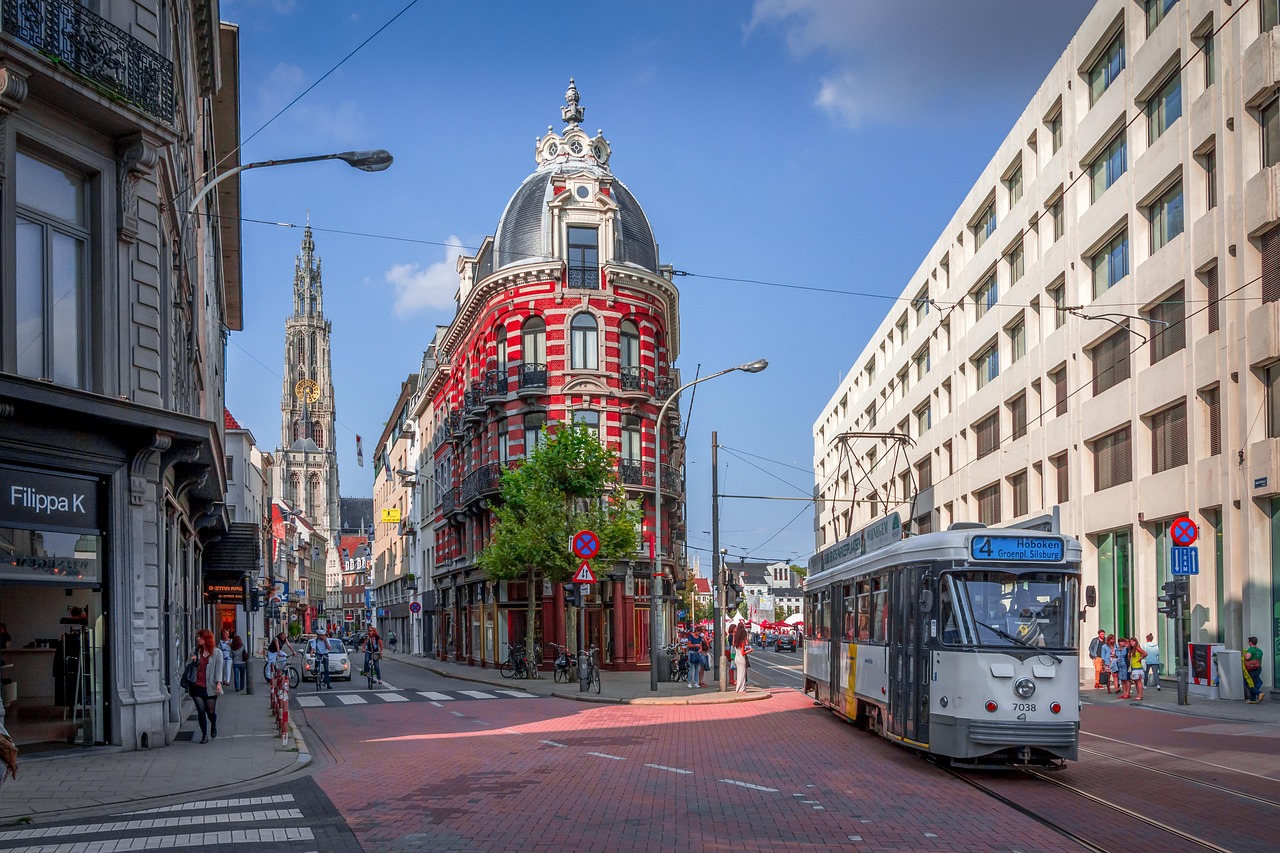
The Cathedral’s spire is the needle that stitches Antwerp’s skyline together. I still remember my first winter visit: mist was hanging low over the city, and the spire rose out of it like something from a painting by Magritte.
Construction started in 1352 and took almost two centuries. The result is a soaring Gothic masterpiece, home to several works by Peter Paul Rubens, including The Descent from the Cross. Even if you’re “churched out” from European travels, make time for this one.
What to Do Inside
- Pause at the Rubens altarpieces – I like to do a slow circle around each painting, then step back and sit for a moment. The interplay of light from the stained glass with the drama of Rubens’ figures is something photos never capture.
- Look up – The vaulted ceilings and slender columns draw your eyes upward. If you come early (around 9–10 a.m.), the light is soft and the interior quiet.
- Check for evening concerts – The acoustics are superb. In 2026 there’s a renewed program of classical and organ concerts, especially around Easter and Christmas.
Practical Tips
- Location: Right in the old town, a 2–3 minute walk from Grote Markt.
- Time needed: 1–1.5 hours if you like art and history, 30 minutes for a quick look.
- When I go: I prefer weekday mornings or around 5 p.m., when day-trippers start to thin out.
- Nearby snack: Grab a pistolet (crusty roll) or waffle from a side-street bakery instead of the pricier places on the main square.
2. Grote Markt & City Hall (Stadhuis)
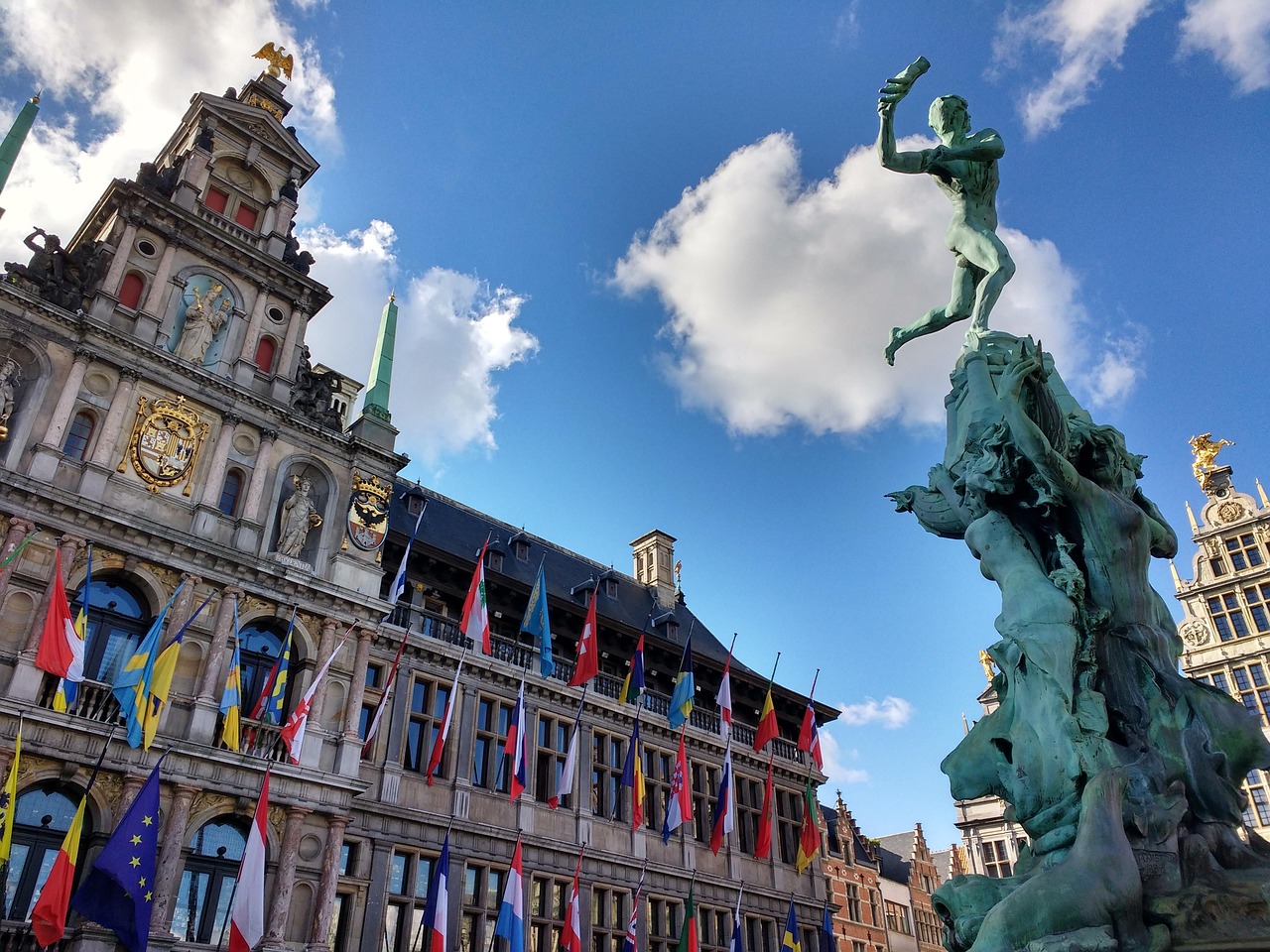
Grote Markt is the postcard heart of Antwerp: a triangular square framed by ornate guild houses and dominated by the Renaissance-style City Hall. I like to walk through early in the morning when café chairs are still stacked and delivery trucks rattle over the cobblestones.
The Brabo Fountain in the middle tells a local legend: the hero Brabo supposedly cut off the hand of a giant who was extorting tolls on the river and threw it into the Scheldt. Hand werpen – “throwing hands” – is one folk etymology for “Antwerp,” and you’ll see hand-shaped chocolates everywhere.
What to Do
- Circle the square – Look closely at the guild house façades; small details reveal the trades they represented.
- City Hall interior – Occasional guided tours (check 2026 schedule with the Tourist Office) let you see the richly decorated rooms.
- Seasonal events – In December, the Christmas market lights up the square; in summer, terraces are packed until late.
Local Tip
Instead of eating on the square, walk 2–3 minutes down a side street like Hoogstraat or Oude Koornmarkt for better-value food and more local atmosphere.
3. Antwerp Central Station (Antwerpen-Centraal)
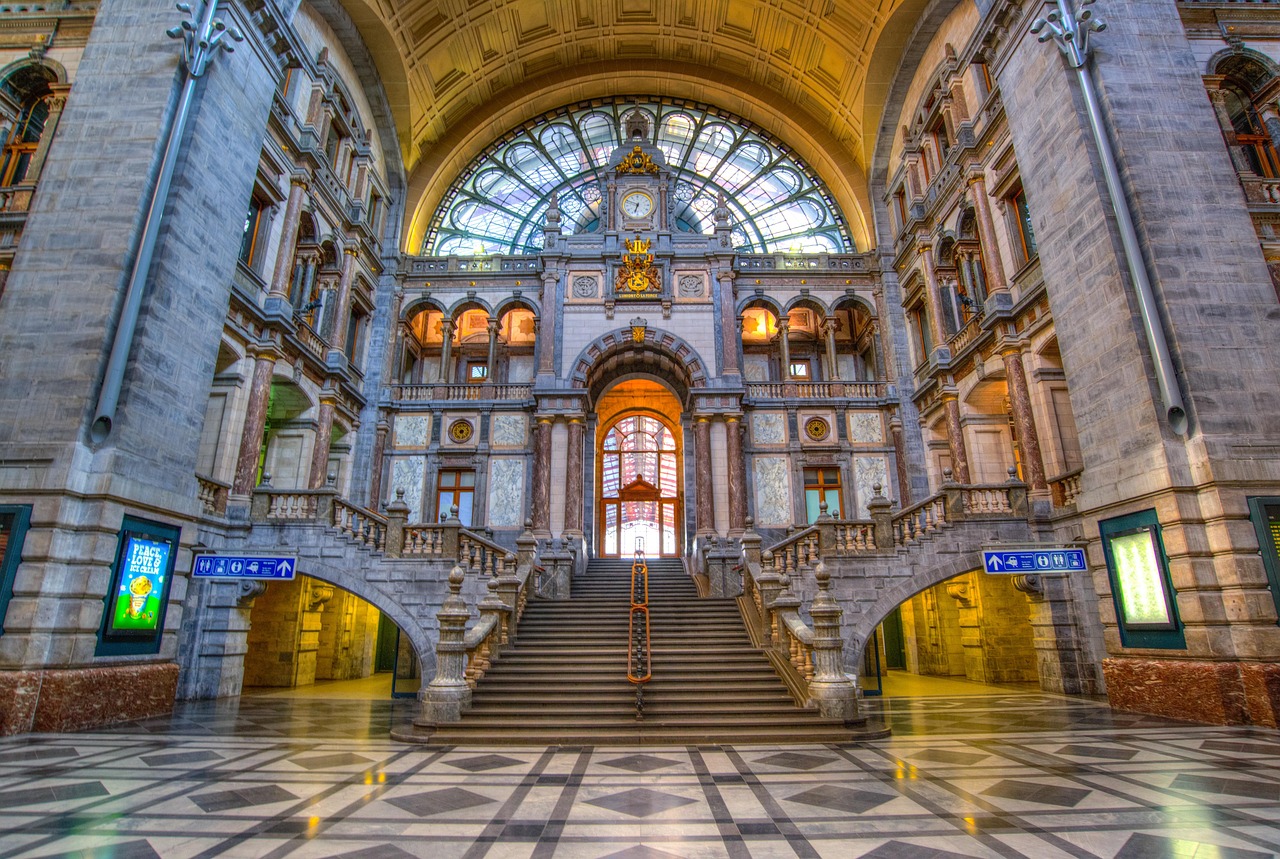
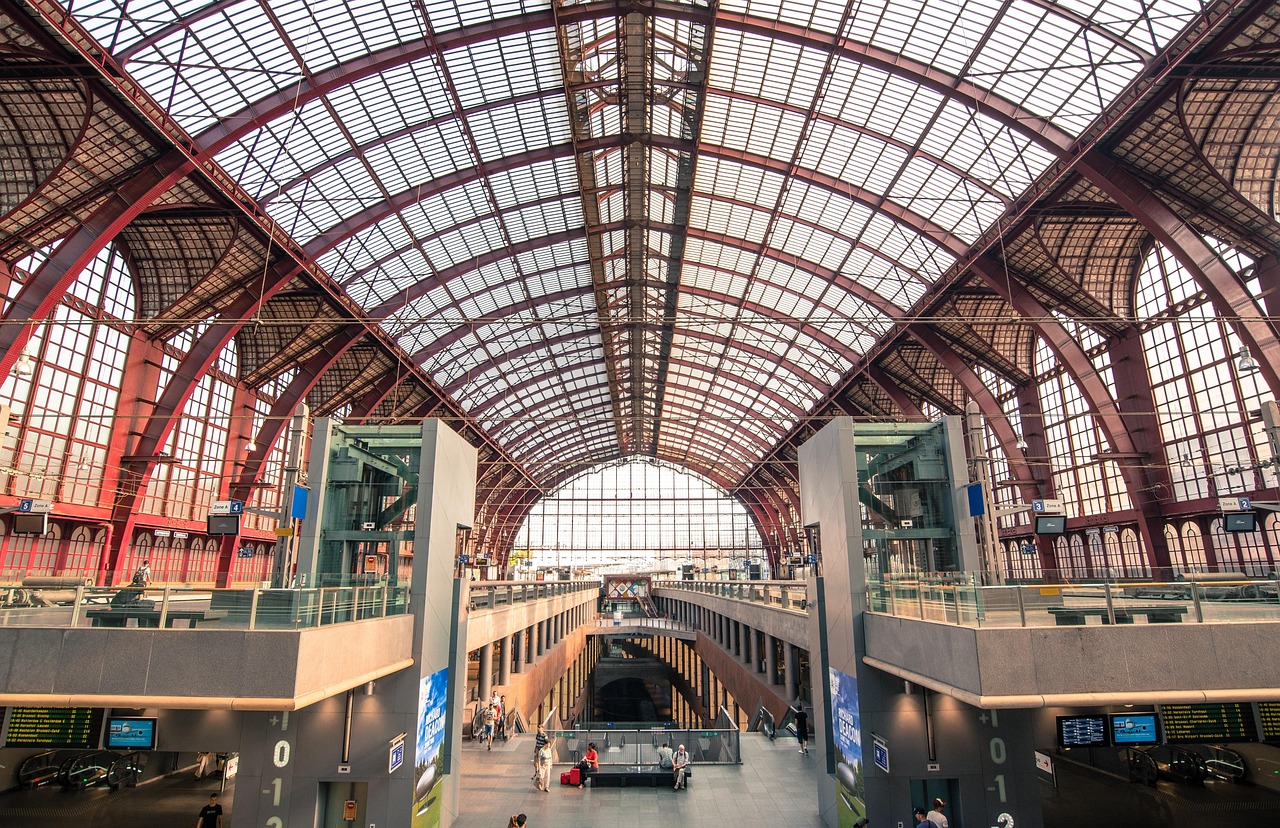
Antwerp’s Central Station is easily one of the world’s most beautiful railway stations. The first time I arrived, I actually walked back up the escalator to look at the iron-and-glass train shed again.
Built around 1905, the station combines an ornate stone entrance hall with a soaring modern multi-level rail system behind it.
What to Do
- Stand at the top of the stairs and look down into the main hall—this is the classic photo spot.
- Walk to the platforms to admire the huge glass canopy.
- Pop into the diamond district just outside, where dealers and workshops cluster around Pelikaanstraat.
Practical Info
- Why it matters for your itinerary: You’ll likely arrive here, especially if you’re doing day trips to Ghent, Brussels, or Bruges.
- Nearby: Chinatown (Van Wesenbekestraat) and the Zoo are next door.
4. MAS (Museum aan de Stroom)
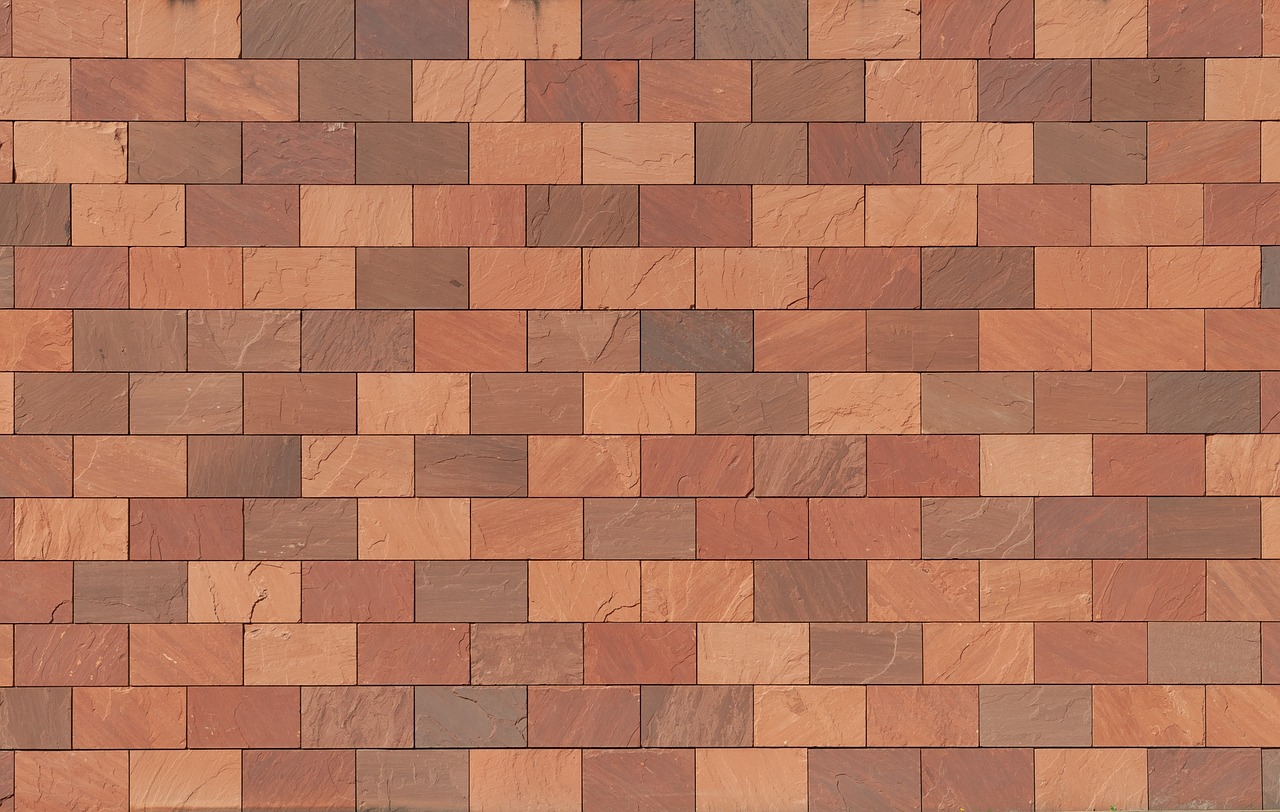
MAS is where Antwerp tells its story as a port, a trading hub, a meeting point of cultures. The building itself is a bold stack of red sandstone boxes with wavy glass walls—a symbol of the city’s 21st-century ambition.
I love coming here late in the afternoon, spending an hour or two in the exhibits, then heading to the rooftop terrace for sunset over the docks and the old town.
Highlights
- Permanent collections on Antwerp’s maritime history, global trade, and the Scheldt River.
- Temporary exhibitions – In 2026, look out for shows focused on migration and port-city culture.
- Rooftop terrace – Free access, 360° views. One of the best views of Antwerp, especially for your first evening.
Practical Tips
- Time needed: 2–3 hours for exhibits + 30 minutes on the roof.
- Family-friendly: Yes; interactive elements and lots of ships, maps, and stories.
- Nearby food: The Eilandje district is full of waterfront cafés and restaurants. For something casual, I often grab a quick snack from a bakery and eat on a bench by the docks.
5. Red Star Line Museum
This museum surprised me the first time I went. Housed in old shipping warehouses, it tells the stories of around two million migrants who left Europe via Antwerp for North America between 1873 and 1934.
You walk through medical inspection rooms, see faded suitcases and family photos, and listen to personal testimonies. It’s moving, and it connects Antwerp to a much larger human story.
Why Visit
- Emotional impact: It’s one of the most poignant museums in Belgium.
- Perspective: If your ancestors left Europe, they may have passed through Antwerp.
- Architecture: The restored brick warehouses are beautiful, with a viewing tower for harbor panoramas.
Tips
- Good for: Couples, families with older kids, history buffs.
- Combine with: MAS and a walk around Eilandje for a full day in the harbor district.
6. Meir & Shopping District
Meir is Antwerp’s main shopping artery, lined with 19th-century buildings that could almost distract you from the chain stores below. While the brands are familiar, the architecture and side streets make it worth a wander.
On rainy days, I’ve spent hours ducking in and out of shops here, then escaping to quieter lanes for coffee.
Don’t Miss
- Stadsfeestzaal – A former city festival hall turned shopping center with a gilded, domed interior. Even if you’re not buying anything, it’s worth a look.
- Side streets: Hop into Huidevettersstraat and Nationalestraat for more fashion-forward boutiques and local designers.
Budget Tip
If you’re saving money, pick up picnic supplies from a supermarket on or near Meir and eat in the nearby Stadspark or on a bench off the main drag.
7. Rubenshuis (Rubens House)
Rubens wasn’t just a painter; he was a celebrity, diplomat, and businessman. His former home and studio in Antwerp give you a sense of his world: a mix of Italian-inspired elegance and Flemish practicality.
I remember the first time I walked into the courtyard: I’d seen Rubens’ paintings in museums, but suddenly he felt more like a real person—someone who drank wine here, argued with clients, and watched apprentices work.
What to See
- Artist’s studio – A large workshop where Rubens and his assistants produced works for clients across Europe.
- Garden – A peaceful, structured space where I like to sit for a few minutes before heading back into the city buzz.
- Decorative arts – Furniture, objects, and art that show off 17th-century upper-class life.
Practical
- Location: Just off Wapper, close to Meir.
- Time needed: 1–1.5 hours.
- Tip: Check ahead: the house has had periodic renovations; in 2026, most of the main rooms are planned to be open again, but exact access can vary.
8. Antwerp Zoo

Antwerp Zoo is one of the oldest in the world (founded 1843) and sits right next to Central Station. It’s surprisingly lush considering its urban setting, and the historic pavilions give it a nostalgic charm.
I’ve visited twice with friends’ kids, and both times we ended up staying longer than planned. The layout is compact enough for little legs but big enough to fill a half-day.
Why Go
- Family-friendly: Excellent for children; play areas and themed zones.
- Architecture: 19th-century animal houses and art deco details.
- Convenience: You can walk straight from your train into the zoo gate.
Tips
- Time needed: 3–4 hours with kids; 2 hours for a quick lap.
- Food: Bring snacks or a simple picnic to save money; on-site food is decent but not cheap.
9. Museum Plantin-Moretus
This is one of my absolute favorite museums in Europe and a UNESCO World Heritage site. The Plantin-Moretus Museum is the preserved home and printing workshop of Christophe Plantin, a 16th-century printer and publisher.
The moment you step into the courtyard, the noise of the city disappears. Inside: old wooden presses, racks of metal type, leather-bound books, and rooms that smell faintly of paper and ink.
Highlights
- Oldest printing presses in the world – Beautiful, heavy machines that changed how ideas spread.
- Library – Floor-to-ceiling shelves of ancient books; it’s like a movie set for book lovers.
- Courtyard & interior rooms – A rare intact humanist printing house.
Why It Belongs in Your Itinerary
If you’re doing 3 days in Antwerp, put this in your first or second day—especially if you love history, design, or books. It’s also a great rainy-day option.
10. Museum Mayer van den Bergh
This small, intimate museum houses the eccentric collection of Fritz Mayer van den Bergh, a 19th-century art collector who had a passion for early Netherlandish art. It’s a gem that many visitors miss.
I stumbled in one rainy afternoon years ago and ended up standing far too long in front of Pieter Bruegel the Elder’s Dulle Griet (Mad Meg), a wild, chaotic painting that alone is worth the entry ticket.
Why Visit
- Off the beaten path: A quiet refuge from crowds.
- Great art: Early Flemish paintings, sculptures, tapestries.
- Atmosphere: Feels like stepping into a private, slightly eccentric mansion.
Tip
Combine this with Rubenshuis and Meir in a single walking loop. It’s ideal if you’re planning 4 days in Antwerp and want some less obvious culture.
11. Zurenborg & Cogels-Osylei (Art Nouveau District)
Zurenborg is where Antwerp lets its architectural imagination run wild. The streets around Cogels-Osylei are lined with Art Nouveau and eclectic mansions, each façade trying to outdo the next.
I like to come here on late sunny afternoons, wander slowly, then end up with a drink on Dageraadplaats, the local square where kids play and neighbors greet each other.
What to Do
- Self-guided walk around Cogels-Osylei and surrounding streets. Look for mythological figures, elaborate balconies, and floral ironwork.
- Café break on Dageraadplaats – Order a Belgian beer or a coffee and soak up the neighborhood vibe.
Getting There
- On foot: About 25–30 minutes from the center.
- By tram or train: Hop off at Berchem Station and walk 5–10 minutes.
12. Het Zuid (The South District)
Het Zuid has reinvented itself from a somewhat forgotten quarter into one of Antwerp’s coolest neighborhoods. Broad boulevards, stylish apartments, and a concentration of museums and galleries make it perfect for a slow, cultured afternoon.
I’ve spent many Saturdays here: a museum in the morning, a long lunch on a terrace, and then gallery-hopping before sunset by the river.
Key Spots
- FOMU (Photography Museum) – Excellent rotating exhibitions.
- M HKA (Museum of Contemporary Art) – For more experimental art and installations.
- Waterfront stroll – Walk along the Scheldt and watch the river traffic.
Vibe
Romantic for couples (especially evenings), great for art lovers, and still relaxed enough for families during the day.
13. Linkeroever & Sint-Anna Tunnel
Antwerp’s best skyline view is from the left bank of the Scheldt, known as Linkeroever. Getting there is part of the fun: you walk or cycle through the Sint-Anna pedestrian tunnel, a 1930s tunnel with wooden escalators that look like they haven’t changed much since opening.
On warm evenings, I love to bring a simple picnic, sit on the grass by the river, and watch the old town glow across the water.
What to Do
- Walk the Sint-Anna Tunnel – About 10 minutes, a quirky piece of infrastructure history.
- Riverbank promenade – Perfect at sunset; kids can run around, couples stroll, and locals walk dogs.
- Skyline photos – The full silhouette of Cathedral and MAS is best captured from here.
14. Scheldt Riverfront & Het Steen Fortress
The Scheldt is Antwerp’s lifeline. A walk along the riverfront takes you past old warehouses, the recently refurbished Het Steen fortress, and open views of passing ships.
Het Steen, a small medieval fortress, has been transformed into a visitor hub with a rooftop terrace and river-facing viewpoints.
What to Do
- Stroll from Het Steen northward towards the modern docks or south towards Het Zuid.
- Visit the visitor center inside Het Steen for city info and interactive exhibits.
- Boat tours: In 2026, several operators run river and harbor cruises from nearby piers.
15. Fashion District & ModeMuseum (MoMu)
Antwerp is a fashion city. The “Antwerp Six” designers who emerged in the 1980s put it on the global map, and their influence still shapes the mood of the Fashion District around Nationalestraat and Kammenstraat.
MoMu, the Fashion Museum, is a compact but well-curated space with changing exhibitions that often combine historical garments with contemporary design.
Why Go
- Design lovers: Essential if you’re into fashion, textiles, or design.
- Shopping: Nearby boutiques range from high-end Belgian designers to quirky streetwear.
- Inspiration: Even if you don’t buy anything, window shopping here is like walking through a mood board.
16. Chocolate & Beer Tasting Spots
Belgium takes chocolate and beer very seriously, and Antwerp is no exception. I’ve spent lazy afternoons hopping between small chocolatiers and cozy beer cafés, gradually forgetting what time it was.
Chocolate
- Historic center: Around the Cathedral and Grote Markt, you’ll find several well-known brands and small artisan shops. Look for hand-shaped pralines as a local specialty.
- Tip: Instead of buying everything at once, pick 1–2 pieces per shop so you can compare flavors without overdoing it.
Beer Cafés
- Old brown cafés – Traditional bars with dark wood, locals reading the newspaper, and long beer lists.
- Modern craft bars – Offer rotating taps, including local Antwerp brews and experimental Belgian beers.
17. Antwerp’s Parks: Stadspark, Rivierenhof & Park Spoor Noord
For a compact city, Antwerp has a lot of green space. I often use the parks as “breathing breaks” between museum visits and shopping.
Stadspark
A small, romantic city park with a pond and winding paths, close to Meir. Perfect for a quick lunch break or a jog if you like to keep active while traveling.
Park Spoor Noord
A former railway yard turned modern park north of the center. In summer, it’s full of families, skaters, and pop-up bars. Great if you’re traveling with kids.
Rivierenhof
A larger park in Deurne, reachable by tram, with lakes, woods, and open-air theater events in summer.
18. Port House (Havenhuis)
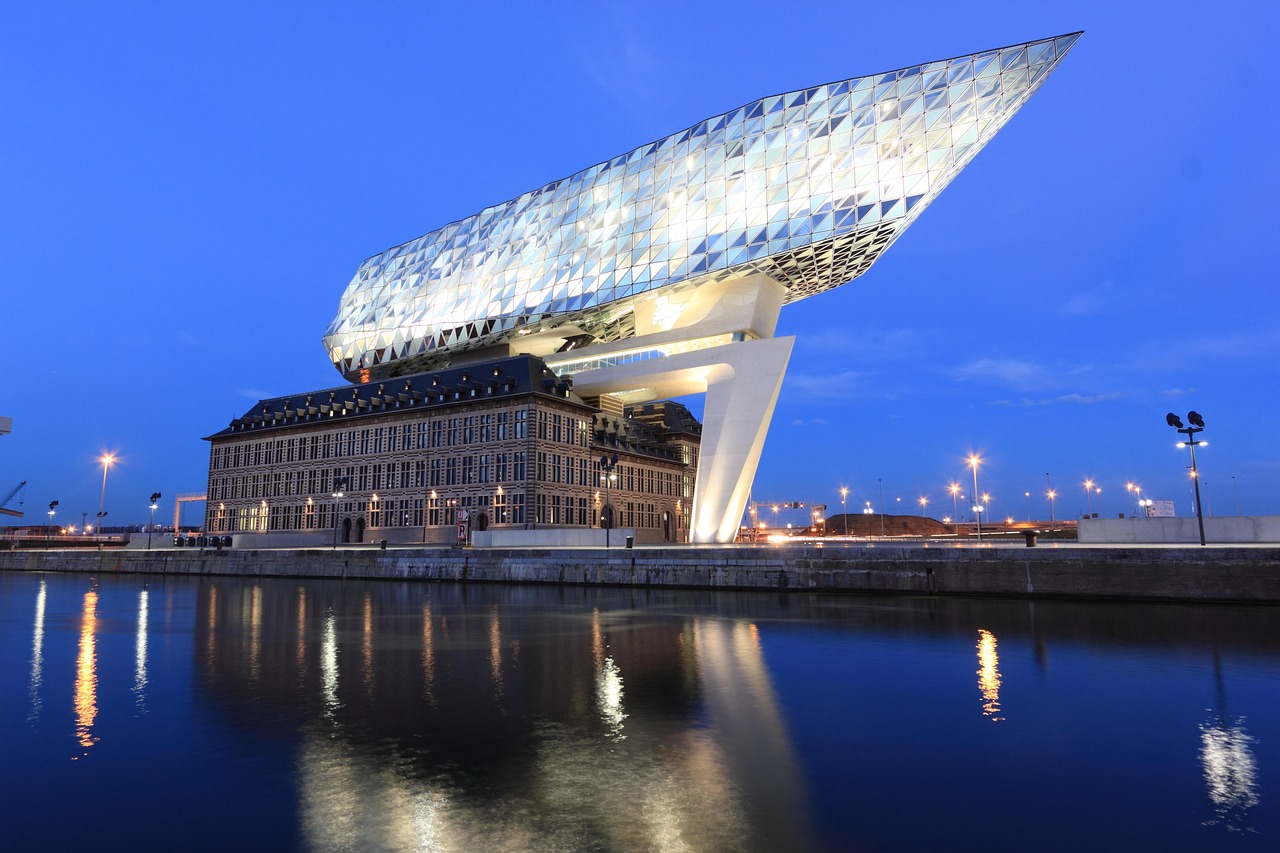
The Port House is one of Antwerp’s boldest architectural statements: a futuristic glass structure, designed by Zaha Hadid Architects, perched atop an old fire station building like a shimmering ship.
It’s a little outside the center, but worth the trip if you’re into architecture or photography.
What to Do
- Walk around the exterior for changing reflections and angles.
- Combine with a bike ride around the northern docks or a harbor tour.
19. Chinatown & International Food Scene
Antwerp’s Chinatown is small but vibrant, centered around Van Wesenbekestraat near Central Station. It’s a great spot if you’re craving Asian food or want to stock up on snacks.
Over the years, I’ve had everything from quick bowls of noodles to long dim sum lunches here.
What to Expect
- Asian supermarkets with all kinds of ingredients and ready-to-eat treats.
- Restaurants ranging from budget canteens to fancier spots.
- Bubble tea shops popular with students.
20. Local Markets & Weekend Vibes
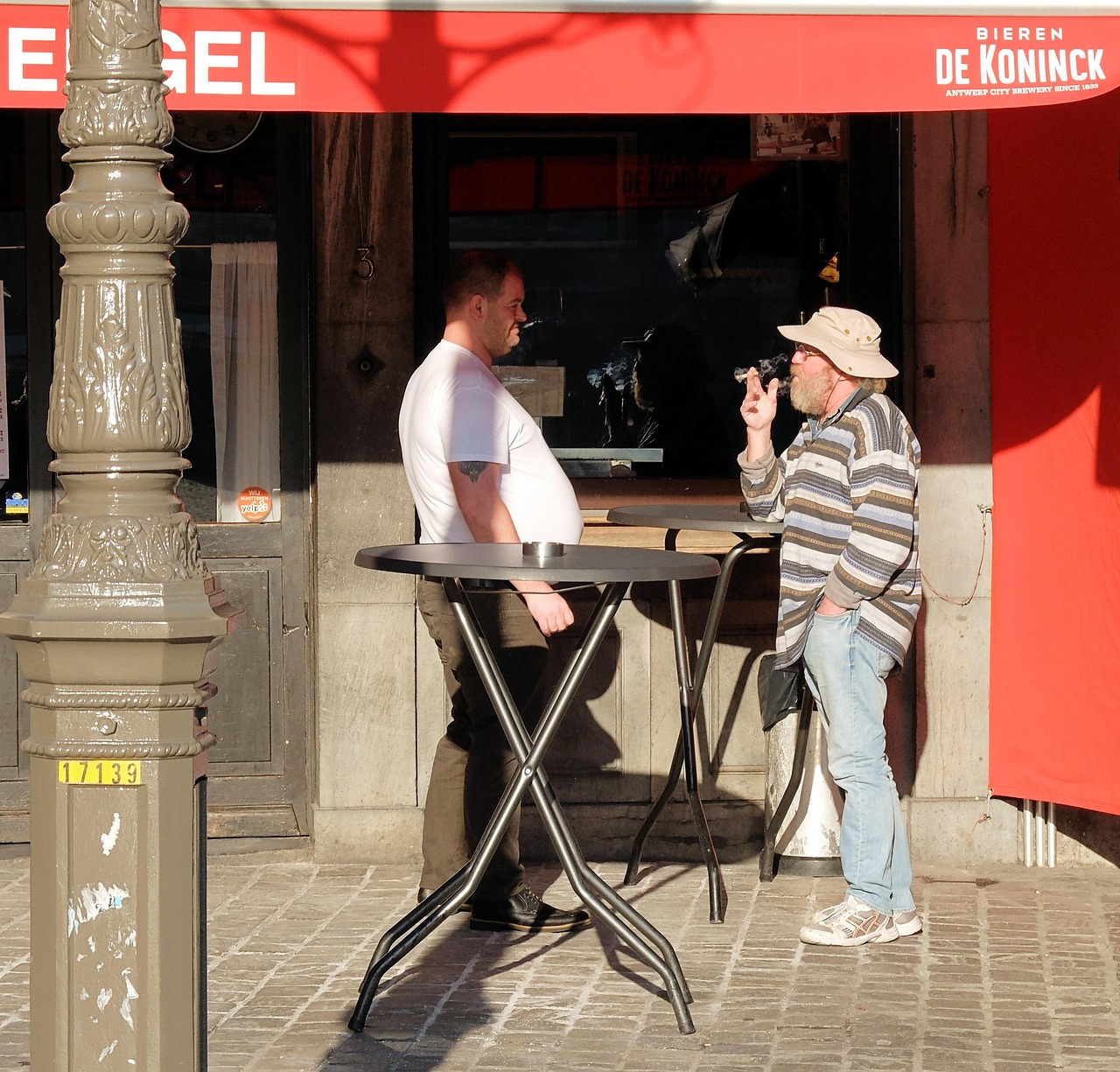
Markets are where Antwerp feels most like itself: locals browsing cheese stands, kids tugging on parents’ sleeves at the candy stall, older couples debating which strawberries are better.
Key Markets
- Saturday & Sunday markets – Various locations around the center, with food, clothes, and odds-and-ends.
- Vogelenmarkt (Bird Market) – Historically a bird and animal market on Sundays, now a mix of everything from flowers to snacks. Even if you’re not buying, the atmosphere is lively.
Suggested Itineraries: 3, 4 & 5 Days in Antwerp
Below are flexible itineraries you can adapt. They combine must-see attractions in Antwerp with local experiences, and they work well whether you’re visiting as a couple, family, or solo traveler.
3 Days in Antwerp: Classic Highlights & Local Flavor
If you only have 3 days in Antwerp, you can still cover a lot of ground. Here’s how I’d structure it.
Day 1 – Old Town, Cathedral & Riverfront
On my favorite “first day” in Antwerp, I always start in the historic center. It’s touristy, yes, but also genuinely beautiful and a great way to orient yourself.
- Morning: Arrive, drop bags at accommodation, walk to Grote Markt and the Cathedral. Visit the Cathedral in mid-morning, then wander the surrounding streets, including Vlaeykensgang, a hidden medieval alleyway that feels like stepping backward in time.
- Lunch: Pick a café on a side street (Hoogstraat, Oude Koornmarkt, or around Groenplaats) and try a stoofvlees (Flemish beef stew) with fries or a hearty sandwich.
- Afternoon: Visit Museum Plantin-Moretus, then walk along the Scheldt riverfront towards Het Steen. If the weather is nice, pause on a bench and watch the ships.
- Evening: Cross through Sint-Anna Tunnel to Linkeroever for a sunset skyline view, then back to the center for dinner and a drink in a traditional beer café.
Day 2 – Eilandje, MAS & Red Star Line
Day two is about the port and Antwerp’s outward-looking character.
- Morning: Walk or tram to Eilandje. Start at MAS: explore a couple of floors in the museum and head up to the rooftop terrace for the view.
- Lunch: Eat on the waterfront—there are plenty of options, from simple brasseries to more creative spots.
- Afternoon: Visit Red Star Line Museum. Give yourself time to absorb the stories; it’s not a place to rush.
- Late afternoon: Stroll around the docks, maybe grab an ice cream, and check out the yachts and harbor cranes.
- Evening: Head back towards the center via the riverfront or stay in Eilandje and enjoy the bar scene.
Day 3 – Central Station, Zoo or Zurenborg, & Fashion District
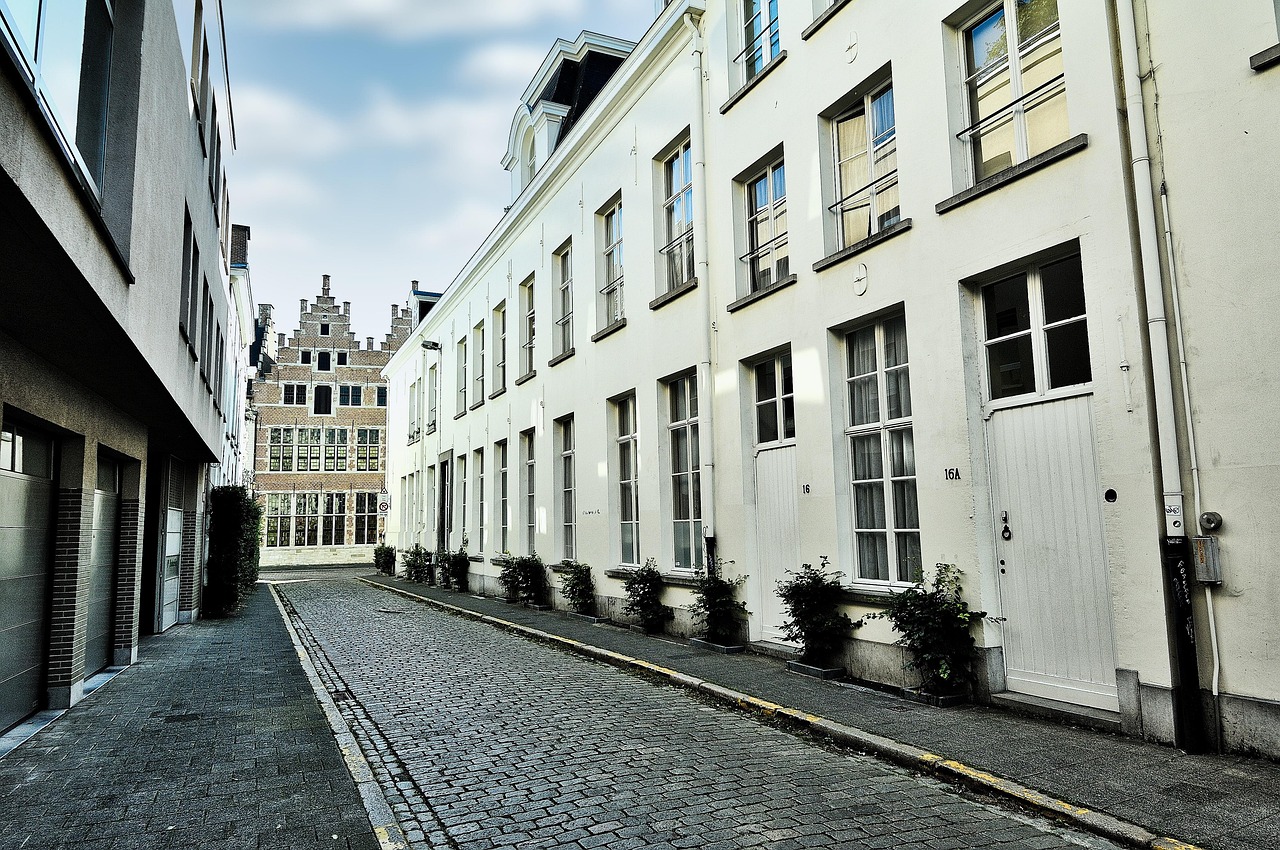
On day three, you can either go more family-focused or more artsy, depending on your interests.
- Morning: Explore Antwerp Central Station and, if you’re with kids or animal lovers, spend a few hours at Antwerp Zoo.
- Alternative: Skip the Zoo and head to Zurenborg for an Art Nouveau walk around Cogels-Osylei.
- Lunch: Have lunch near Central Station or in Zurenborg on Dageraadplaats.
- Afternoon: Wander the Fashion District and visit MoMu. Do some last-minute shopping around Nationalestraat and Kammenstraat.
- Evening: Finish with a special dinner in Het Zuid or the old town—this is where I tend to splurge a little on my final night.
4 Days in Antwerp: Add Art, Parks & Neighborhoods
With 4 days in Antwerp, follow the 3-day itinerary above and add:
- Extra morning in Het Zuid: Visit FOMU and M HKA, then linger over lunch on a terrace.
- Afternoon in Park Spoor Noord: Let kids run wild or simply enjoy a relaxed park vibe.
- Evening: Try a new neighborhood for dinner—maybe Eilandje or Zurenborg—for a different angle on the city.
Alternatively, use the extra day for an easy day trip to Mechelen or Ghent, both under an hour by train.
5 Days in Antwerp: Deep Dive into Hidden Gems
A 5 day itinerary for Antwerp lets you balance sightseeing with living like a local. Add to the 4-day program:
- Half-day architecture walk around Zurenborg and the Port House, perhaps by renting a bike.
- Local markets on the weekend, plus more time in smaller museums like Museum Mayer van den Bergh.
- Slow days with long café breaks, reading in Stadspark, and exploring side streets without a checklist.
On my longer stays, my favorite days are often the “unplanned” ones where I follow my nose from one corner of the city to another.
Local Food in Antwerp & Where to Eat
Belgian cuisine is hearty and comforting, and Antwerp adds its own flavors. Here’s what to look for.
Must-Try Dishes & Drinks
- Frites (Fries) – Double-fried, crispy outside, soft inside. Order with stoofvleessaus (stew sauce), mayonnaise, or andalouse sauce.
- Stoofvlees / Carbonnade – Beef stew cooked in beer, served with fries.
- Moules-frites – Mussels with fries, best in season (roughly September to April).
- Waffles – Brussels (light and square) or Liège (sweet and dense).
- Antwerpse Handjes – Hand-shaped biscuits or chocolates.
- Belgian beer – From Trappist ales to local Antwerp brews; ask staff for their favorites.
Where I Like to Eat (General Pointers)
Restaurants change, but these patterns rarely do:
- Avoid main-square menus if you’re on a budget; walk two streets away for better value.
- Lunch deals often give you a fixed-price menu that’s cheaper than dinner.
- Cafés in Zurenborg and Het Zuid tend to be more local and creative than the ones right next to major attractions.
Saving Money on Food
- Supermarkets (Carrefour, Delhaize, Albert Heijn) are great for picnic supplies.
- Bakeries & sandwich bars serve excellent smoskes for a fraction of restaurant prices.
- Street markets often have stands selling rotisserie chicken, fresh bread, and cheese.
Nightlife, Entertainment & Cultural Experiences in Antwerp
Antwerp’s nightlife is varied: you can sip Trappist beer in a quiet brown café, dance to electronic music in a warehouse, or catch a classical concert in a historic venue.
Beer Cafés & Bars
- Brown cafés – Dim, wooden, lived-in bars where locals chat over a bolleke (local amber beer).
- Trendy cocktail bars – Especially around Het Zuid and Eilandje, perfect for date nights.
Live Music & Culture
- Concert halls & theaters – Check listings for the Queen Elisabeth Hall, De Roma, and local theaters.
- Jazz & smaller venues – Look up local jazz cafés and small clubs, especially in the center and Het Zuid.
Family-Friendly Evenings
- Riverfront walks at sunset.
- Ice cream stops in the old town or Eilandje.
- Early dinners in relaxed brasseries where kids are welcome.
Major Events & Festivals in Antwerp (2026–2027)
Dates can shift slightly each year, so always double-check close to your trip, but here’s what to watch for in 2026–2027:
- Summer music festivals – Antwerp hosts a range of concerts and multi-day events, especially in park venues and former industrial spaces.
- Antwerp Pride (August) – Parades, parties, cultural events; the city becomes very colorful and lively.
- Winter & Christmas Markets (late November–December) – Grote Markt and surrounding streets fill with lights, stalls, and mulled wine.
- Maritime & port-related events – Occasional tall ship visits, harbor open days, and special exhibitions at MAS and Red Star Line.
Best Day Trips from Antwerp
One of Antwerp’s biggest advantages is its rail connections. If you’re staying 4–5 days, consider:
Mechelen
A small, charming city 20 minutes by train. Climb St. Rumbold’s Tower for views, wander the car-free center, and relax by the canals.
Ghent
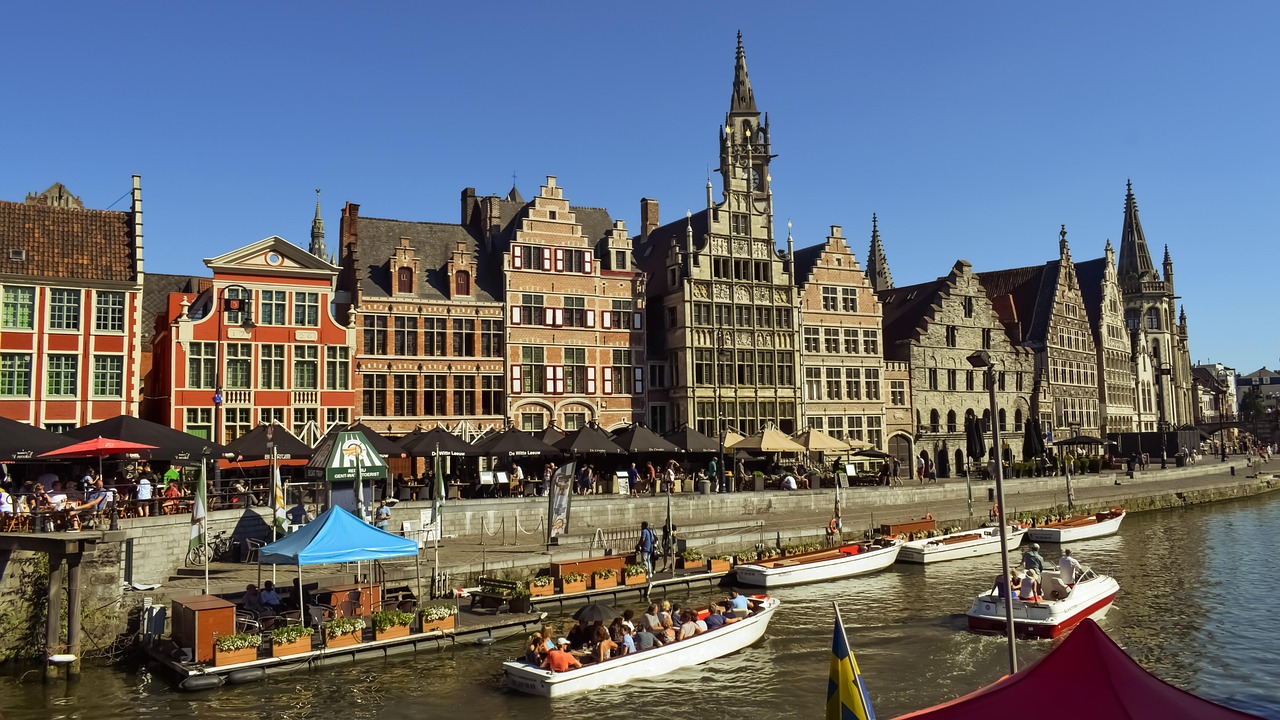
About 50 minutes by train. A lively university city with canals, a castle, and excellent museums. Great for a full day out.
Bruges
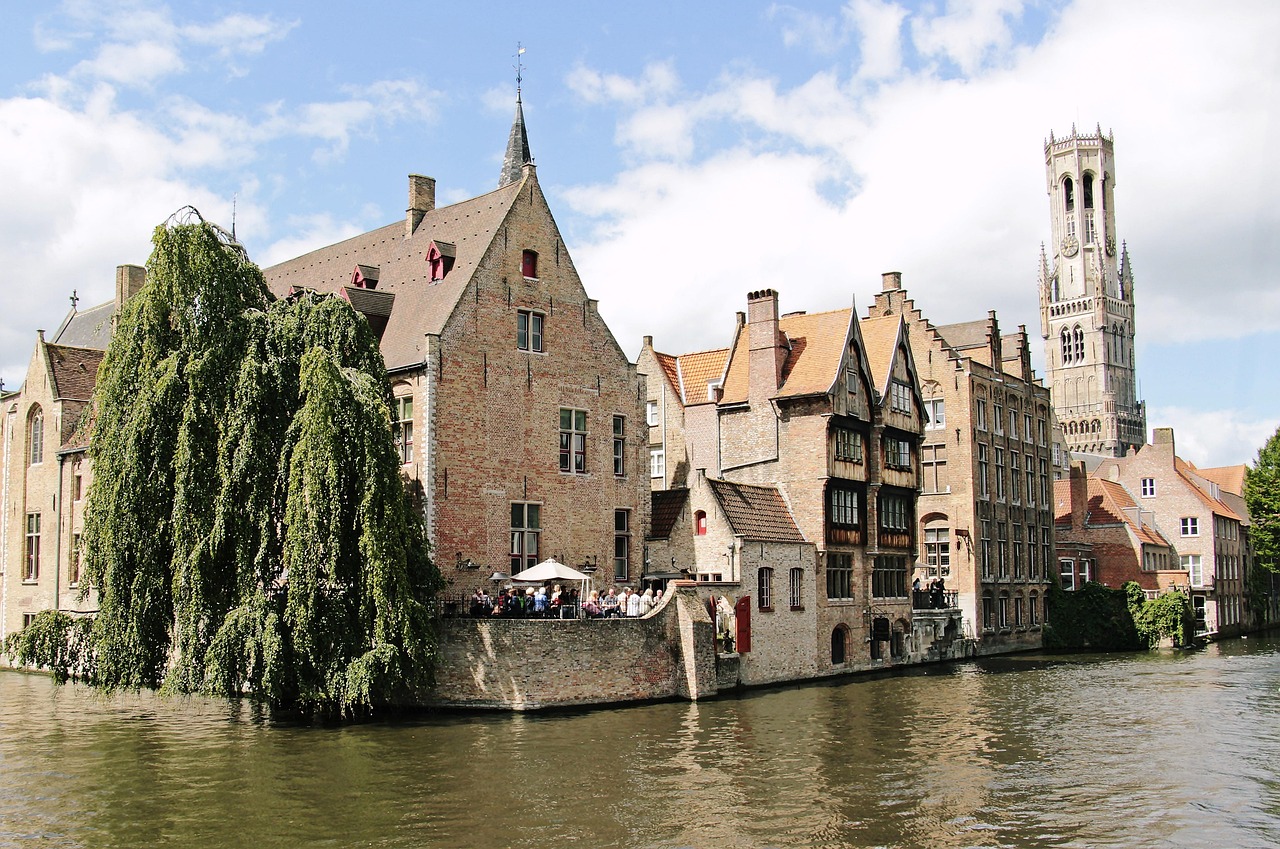
About 1.5 hours by train. Fairy-tale canals, cobbles, and crowds—but still wonderful, especially if you go early.
Cultural Etiquette & Local Customs in Antwerp
Belgians are generally polite, a bit reserved at first, and appreciate good manners and punctuality.
Language
- Primary language: Dutch (Flemish variant).
- English: Widely spoken, especially among younger people and in tourism, but a simple “Dank u” (thank you) is always appreciated.
Behavior & Dress
- Dress: Casual but neat; locals like understated style.
- Noise: Keep voices moderate in restaurants and on public transport.
- Tipping: Service is usually included; rounding up or adding 5–10% for good service is appreciated but not mandatory.
Dining Customs
- Table manners: Continental style (fork in left hand, knife in right).
- Water: Tap water is safe, but restaurants often serve bottled; ask explicitly if you want tap water.
Practical Travel Tips for Antwerp
Arriving & Getting Around
- By train: Most international and domestic trains arrive at Antwerp Central. From there, you can walk, tram, or bike almost everywhere.
- Public transport: Trams and buses are run by De Lijn. Buy tickets via machines, app, or kiosks; validate when boarding.
- Bikes: Antwerp is increasingly bike-friendly. There is a public bike-share system with stations across the city.
- Walking: The historic center is compact; expect 15–25 minutes between most central sights.
Money-Saving Tips
- City cards: Antwerp often offers a city card including museum entries and public transport; check if it suits your itinerary.
- Lunch vs. dinner: Make lunch your main meal; many restaurants offer cheaper midday menus.
- Self-catering: If your accommodation has a kitchen, supermarkets and markets make it easy to cook occasionally.
SIM Cards & Connectivity
- EU visitors: Roam like at home in most cases; check with your provider.
- Non-EU visitors: Buy a prepaid SIM from providers like Proximus, Orange, or BASE at shops near Central Station or shopping areas. Bring your passport.
- Wi-Fi: Common in hotels, cafés, and many public areas.
Car Rental & Driving
- Do you need a car? No, not for Antwerp itself. Public transport and trains cover most needs.
- LEZ (Low Emission Zone): Antwerp has restrictions for high-emission vehicles entering the city center. Check your car’s compliance if you’re driving.
- Parking: Expensive and limited in the center; consider park-and-ride outside with tram connections.
- Foreign licenses: EU/EEA licenses are accepted; many others are valid for short stays, but check Belgian regulations and consider an International Driving Permit.
Visa & Entry Requirements
- Schengen Zone: Belgium is part of Schengen. Many nationalities can enter visa-free for short stays (up to 90 days), but always confirm with official sources.
- Passport validity: Usually must be valid for at least 3 months beyond your planned departure and issued within the last 10 years.
Best Seasons & Weather
- Spring (April–June): Mild, variable weather; great for walking, outdoor terraces, and flower-filled parks.
- Summer (July–August): Warm, sometimes humid; festivals and long evenings. Popular but not as overwhelmed as some other European hotspots.
- Autumn (September–October): My favorite: fewer crowds, pleasant temperatures, golden light on the old buildings.
- Winter (November–February): Cold, grey, but cozy. Christmas markets and indoor museums shine; pack warm layers and a good coat.
Hidden Tips from Experience
- Start early: If you want photos of Grote Markt or the Cathedral without crowds, go before 9 a.m.
- Rain plan: Always have a backup list of indoor sights (museums, churches, cafés); weather can change quickly.
- Café culture: It’s normal to linger over one drink for a long time; you won’t be rushed.
- Sunday rhythm: Many shops close or have shorter hours, but museums, cafés, and markets keep the city alive.
Summary: Key Takeaways & Best Time to Visit Antwerp
Antwerp is a city that reveals itself in layers. In 3 days, you can see its highlights: the Cathedral, Grote Markt, MAS, and the riverfront. With 4 or 5 days, you can start to live like a local: mornings in Zurenborg, afternoons in Het Zuid, evenings watching the skyline from Linkeroever.
If you’re planning a 3 day itinerary for Antwerp, focus on the old town, port museums, and key neighborhoods. For a 4 day or 5 day itinerary for Antwerp, add day trips, smaller museums, and more time in parks and cafés.
For most travelers, the best seasons to visit Antwerp are spring and autumn, when the weather is gentle and crowds manageable. Summer is lively and festival-filled, while winter is perfect for Christmas markets and cozy evenings in brown cafés.
Whatever the season, this travel guide for Antwerp should help you find not just the must-see attractions in Antwerp, but also the hidden gems in Antwerp, local food, and cultural experiences that make the city so rewarding to return to—again and again.