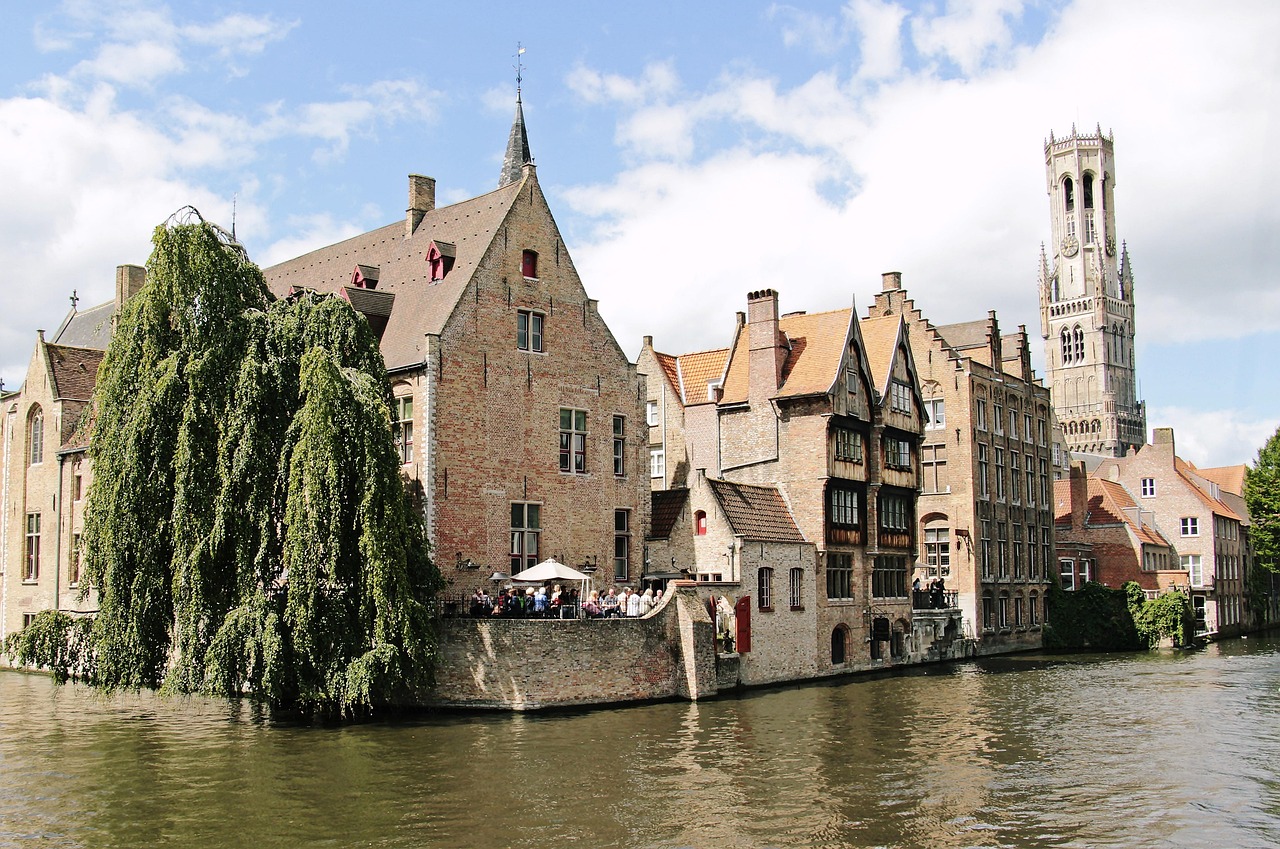
Why Visit Bruges? What Makes This Medieval City Unforgettable
If you’ve ever wondered what it would feel like to step into a perfectly preserved medieval painting, Bruges (Brugge in Dutch) is your answer. Cobbled lanes, canals that gleam in the late afternoon sun, church spires cutting through the mist, and the distant clip-clop of horses pulling carriages through the Markt – this is the daily soundtrack of Bruges.
I’ve been visiting Bruges regularly for over a decade – in biting January wind, tulip-filled April, peak July crowds, and the golden hush of October. Every time, the city reveals something new: a hidden courtyard behind a monastery, a bakery experimenting with sourdough speculoos, a tiny bar pouring a once-forgotten Trappist beer.
This travel guide is written as if I’m walking with you, day by day. It’s designed for those planning 3 days in Bruges, 4 days in Bruges, or even 5 days in Bruges, and who want more than a checklist of “must-see attractions.” You’ll get a deep, story-rich 3–5 day itinerary for Bruges, plus local-style tips on hidden gems in Bruges, local food in Bruges, cultural experiences in Bruges, and practical travel advice for Bruges in 2026–2027.
Bruges is perfect for:
- Romantic getaways: Canal walks at dusk, quiet courtyards, candlelit dinners in centuries-old houses.
- Family trips: Boat rides, windmills, chocolate workshops, and easily walkable streets.
- Slow travelers: Those who like to linger in cafés, chat with locals, and explore beyond the postcard views.
- Food and beer lovers: Flemish stews, waffles, fresh mussels, and some of Europe’s best beers.
Let’s start with an overview, then we’ll dive into detailed itineraries, neighborhood guides, and in-depth looks at at least 20 of Bruges’ most fascinating sights.
Table of Contents
- Why Visit Bruges?
- Bruges at a Glance (2026–2027)
- 3–5 Day Itineraries for Bruges
- 20+ Must-See Attractions in Bruges (Deep Dive)
- Neighborhoods & Areas of Bruges
- Best Local Food and Drink in Bruges
- Nightlife, Entertainment & Cultural Experiences in Bruges
- Best Day Trips from Bruges
- Cultural Etiquette & Local Customs
- Practical Travel Tips for Bruges (2026–2027)
- Final Summary & Best Seasons to Visit Bruges
Bruges at a Glance (2026–2027)
Bruges is the capital of West Flanders, in the Dutch-speaking Flanders region of Belgium. Once a wealthy medieval trading hub, today it’s one of Europe’s best-preserved historic cities and a UNESCO World Heritage Site.
In 2026, the city is focusing heavily on sustainable tourism: pedestrianized zones, expanded bike lanes, and new crowd-management measures around the most popular squares. It’s still busy in summer, but there are more incentives than ever to explore the quieter edges of town and visit in shoulder seasons.
Major Events & What’s New in 2026–2027
- Bruges Triennial 2026 (Triënnale Brugge) – An open-air contemporary art exhibition, usually running from May to October, with large-scale art and architecture interventions installed along canals and in squares.
- Bruges Beer Festival 2026 & 2027 – Typically held in February at the Bruges Meeting & Convention Centre (BMCC); over 80 Belgian breweries, hundreds of beers, and new craft collaborations.
- Bruges Christmas Market & Winter Glow 2026 – Late November 2026 to early January 2027, with ice skating, illuminated walking routes, and market stalls in Markt and Simon Stevinplein.
- Bruges Concert Hall Season 2026–2027 – The Concertgebouw continues its strong program of classical, jazz, and world music; check for special festivals around late winter and spring.
3–5 Day Itineraries for Bruges (With Personal Notes)
I’ve structured these as overlapping itineraries. Use the 3 day itinerary for Bruges if you’re short on time; add the extra days from the 4 and 5 day itineraries if you want to go deeper.
3 Day Itinerary for Bruges: Essential Highlights & First-Time Magic
This is the classic “first visit” route I follow whenever friends come to town. It packs in the best places to visit in Bruges without feeling rushed, and it’s very walkable.
Day 1: Markt, Belfry & Canal Classics
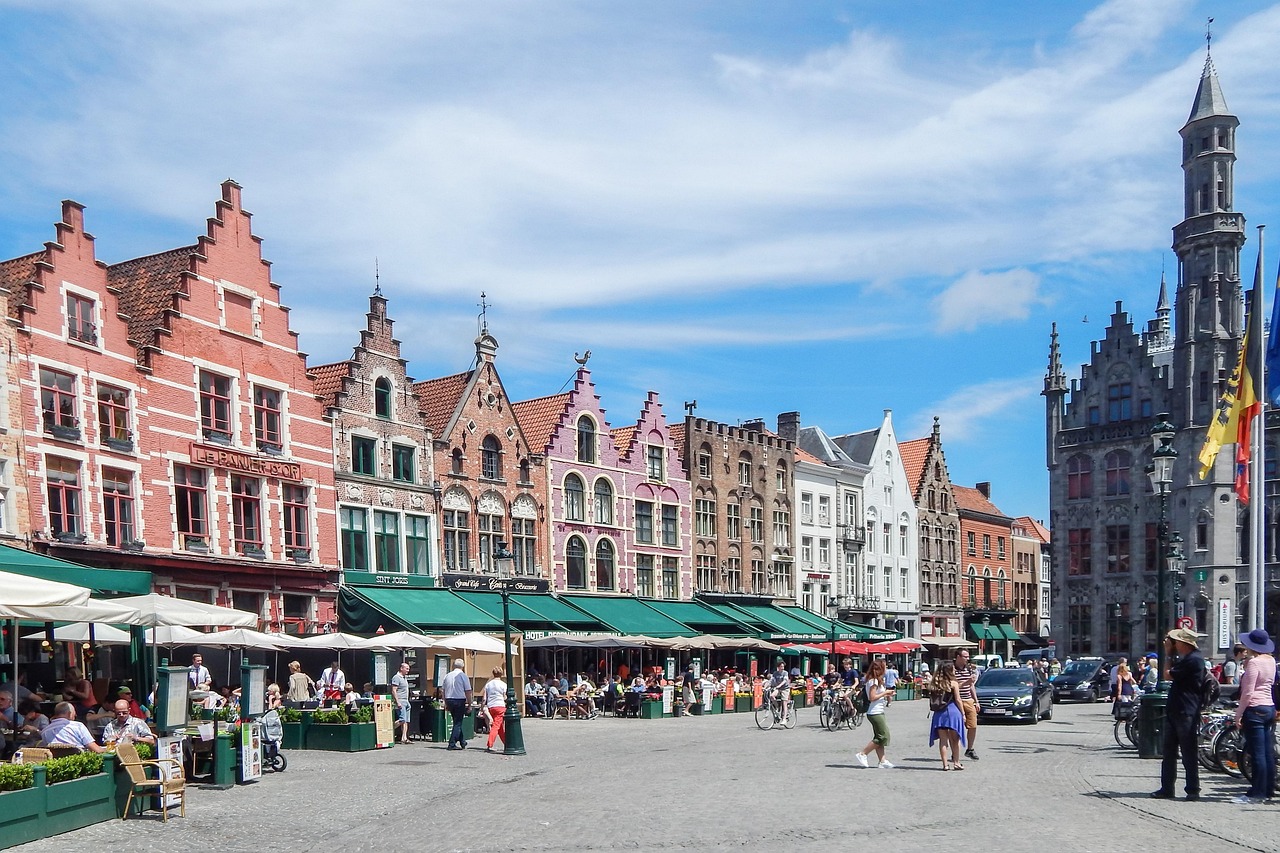
I like to start in the heart of Bruges, on the Markt, just after 9:00 a.m. The delivery vans are gone, the crowds haven’t arrived, and the light hits the colorful guild houses beautifully.
Morning: Markt & Belfry (Belfort)
Head straight to the Belfry of Bruges to climb the 366 steps before the queues build. The first time I climbed it on a crisp March morning, the carillon bells started while I was halfway up; the vibrations through the stone staircase are something you don’t forget.
- Time needed: 1–1.5 hours, including the small exhibits and enjoying the view.
- Tip: If you’re sensitive to noise, bring earplugs – it’s loud when the bells ring.
- Family note: Kids 6+ usually love the climb but keep a close eye on them; the stairs are narrow.
Afterwards, take a slow lap around the Markt, noticing the Provincial Court, the horse-drawn carriages, and the little kiosks selling fries. I often grab a quick coffee from a nearby café and sit on the steps near the statue of Jan Breydel and Pieter de Coninck just to people-watch.
Late Morning: Burg Square & Basilica of the Holy Blood
A short walk from the Markt brings you to Burg Square, one of my favorite corners of Bruges. On one visit in 2024, I arrived just as a couple emerged from the City Hall after their civil wedding, to applause and confetti – Burg is that kind of stage-set square where life’s big moments happen.
Step into the Basilica of the Holy Blood, a small, atmospheric church tucked into the corner of the square. The lower Romanesque chapel is dark and quiet; the upper chapel is ornate and almost theatrical. Whether or not you’re religious, it’s a powerful space to sit in for a few minutes.
Lunch: Traditional Flemish Food
For a first lunch, I usually aim for a place serving classics like stoofvlees (Flemish beef stew with beer) or waterzooi (creamy chicken or fish stew). Ask for local beers like Brugse Zot or Straffe Hendrik. It’s not the cheapest area in town, but if you walk a few streets away from the main squares, prices and quality improve.
Afternoon: Canal Boat Tour & Rozenhoedkaai
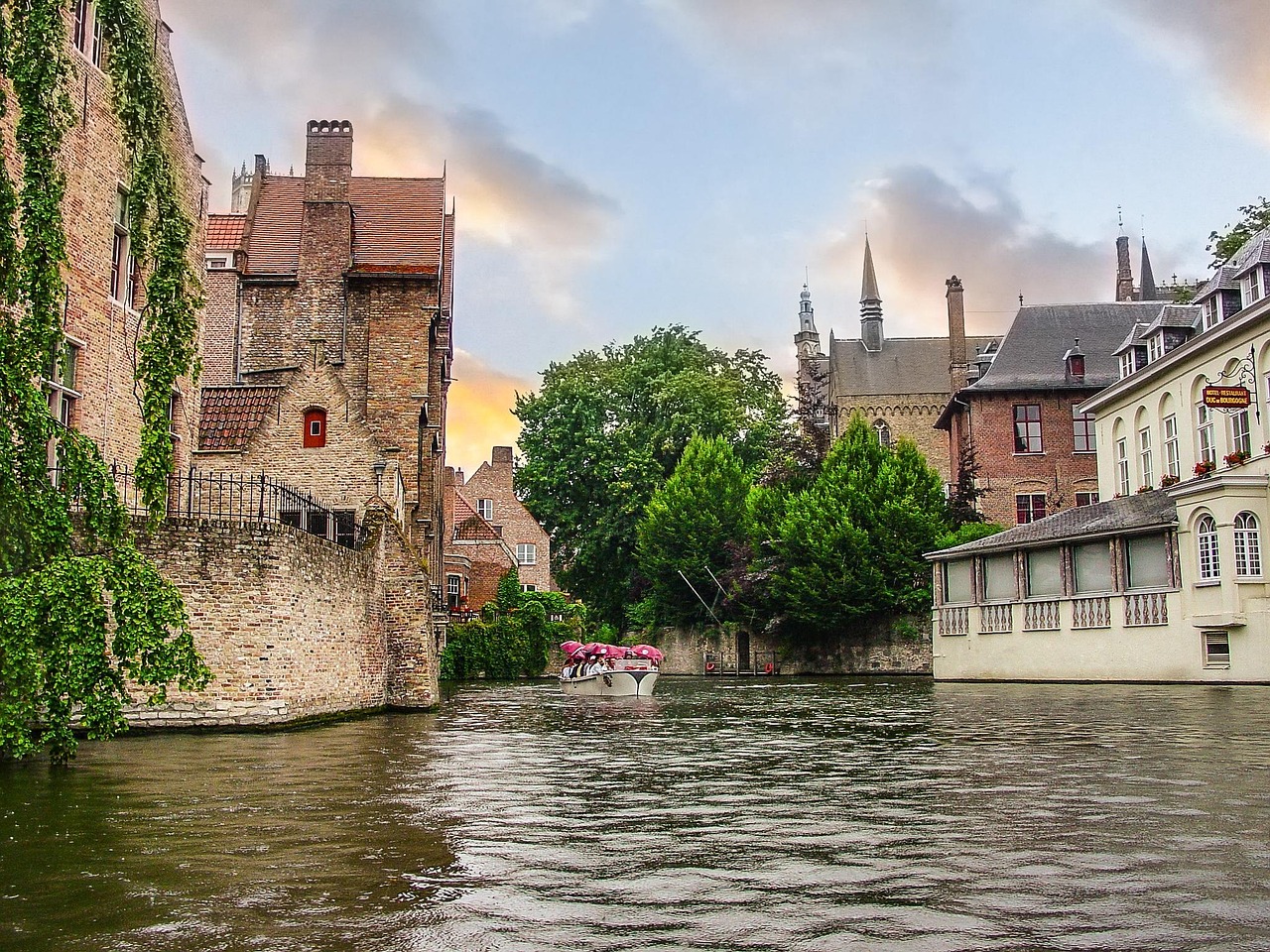
In the afternoon, take a canal boat tour. Yes, it’s touristy; yes, you should still do it. I like going mid-afternoon when the light starts to soften and reflect off the water. The 30-minute ride gives a great overview of the city’s layout and some behind-the-scenes views of gardens and old warehouses.
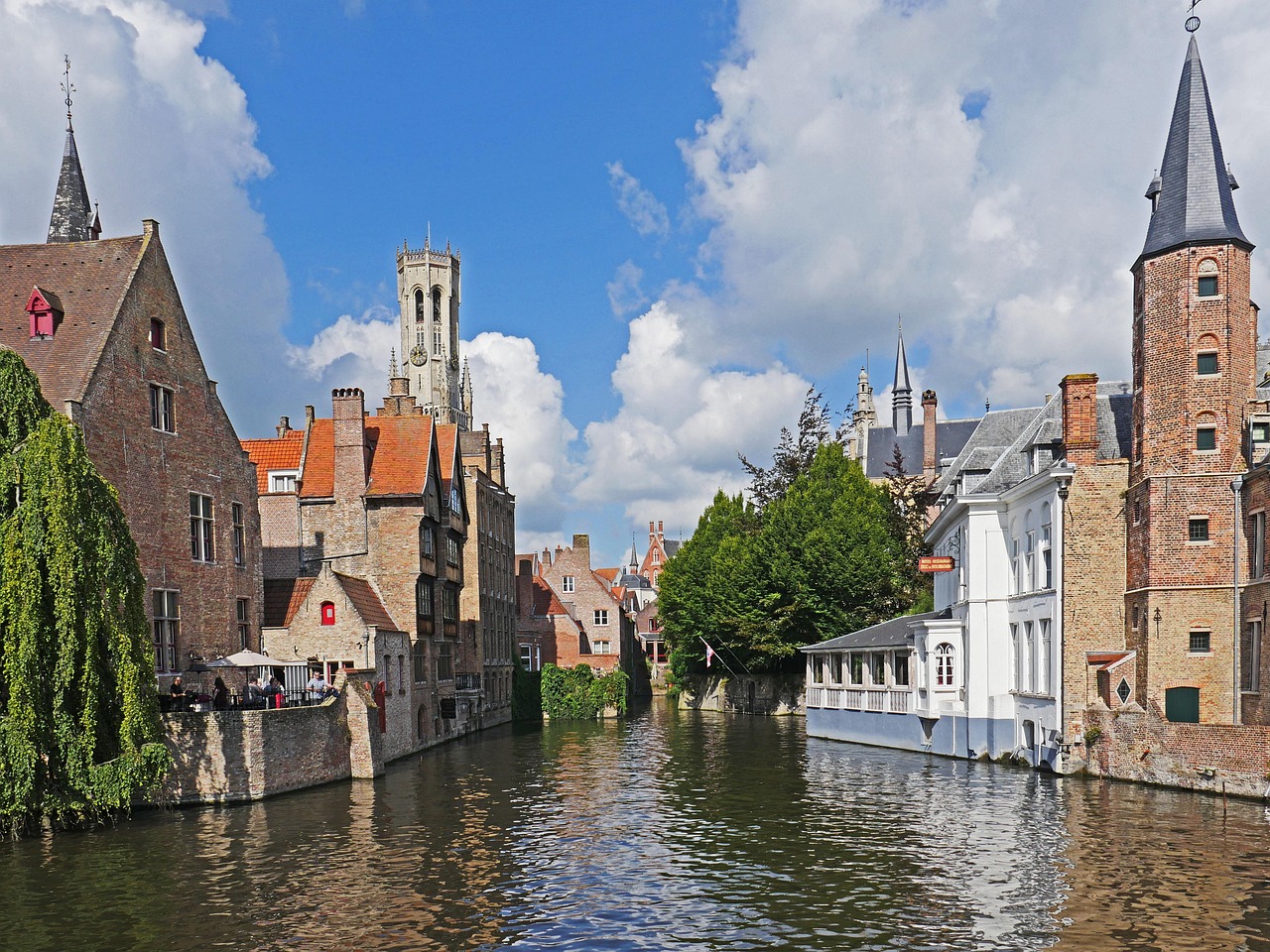
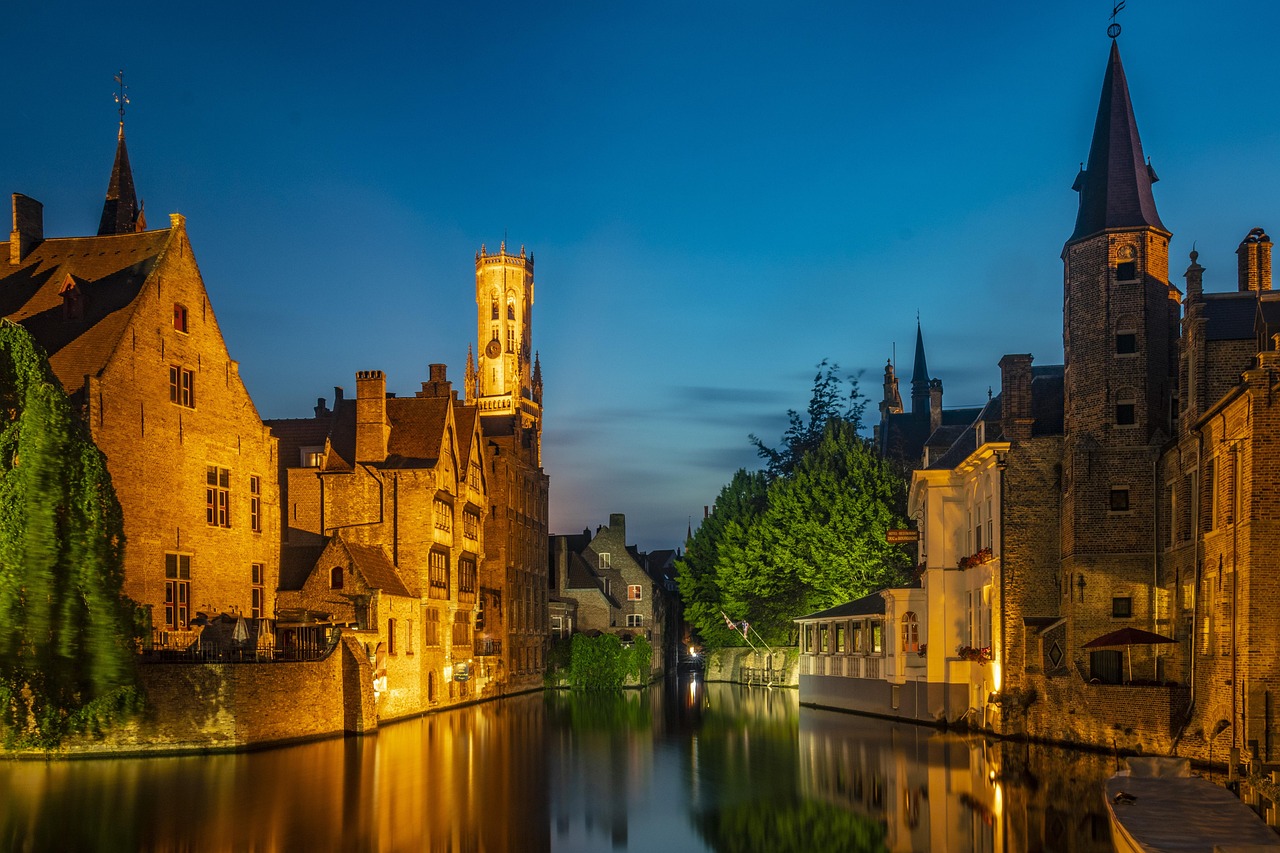
Before or after your boat ride, don’t miss the legendary view from Rozenhoedkaai. On one early autumn visit, I stood there as mist rose off the water and the Belfry loomed in the background – it felt like standing in a painting.
Evening: Sunset Walk & Belgian Beer
End your first day with a gentle loop around the canals. If you’re visiting in summer, the light lingers late. I like to pick a small traditional beer bar – something with wooden interiors and a long beer list – and order a tasting flight. Ask the staff to recommend a mix of blond, dubbel, and tripel styles.
Day 2: Art, Begijnhof & Windmills
Day 2 moves a little further from the crowds and dives into Bruges’ quieter corners.
Morning: Groeningemuseum & Arentshof
The Groeningemuseum holds an outstanding collection of Flemish Primitives – early Netherlandish paintings by artists like Jan van Eyck and Hans Memling. I usually start here when the doors open; the galleries are peaceful and the detailed, symbolic artworks reward slow looking.
Afterwards, step into the Arentshof garden behind the museum, a small, leafy courtyard along the canal. It’s a perfect place to sit for 10 minutes and jot down impressions of the morning.
Late Morning: Church of Our Lady & Michelangelo’s Madonna
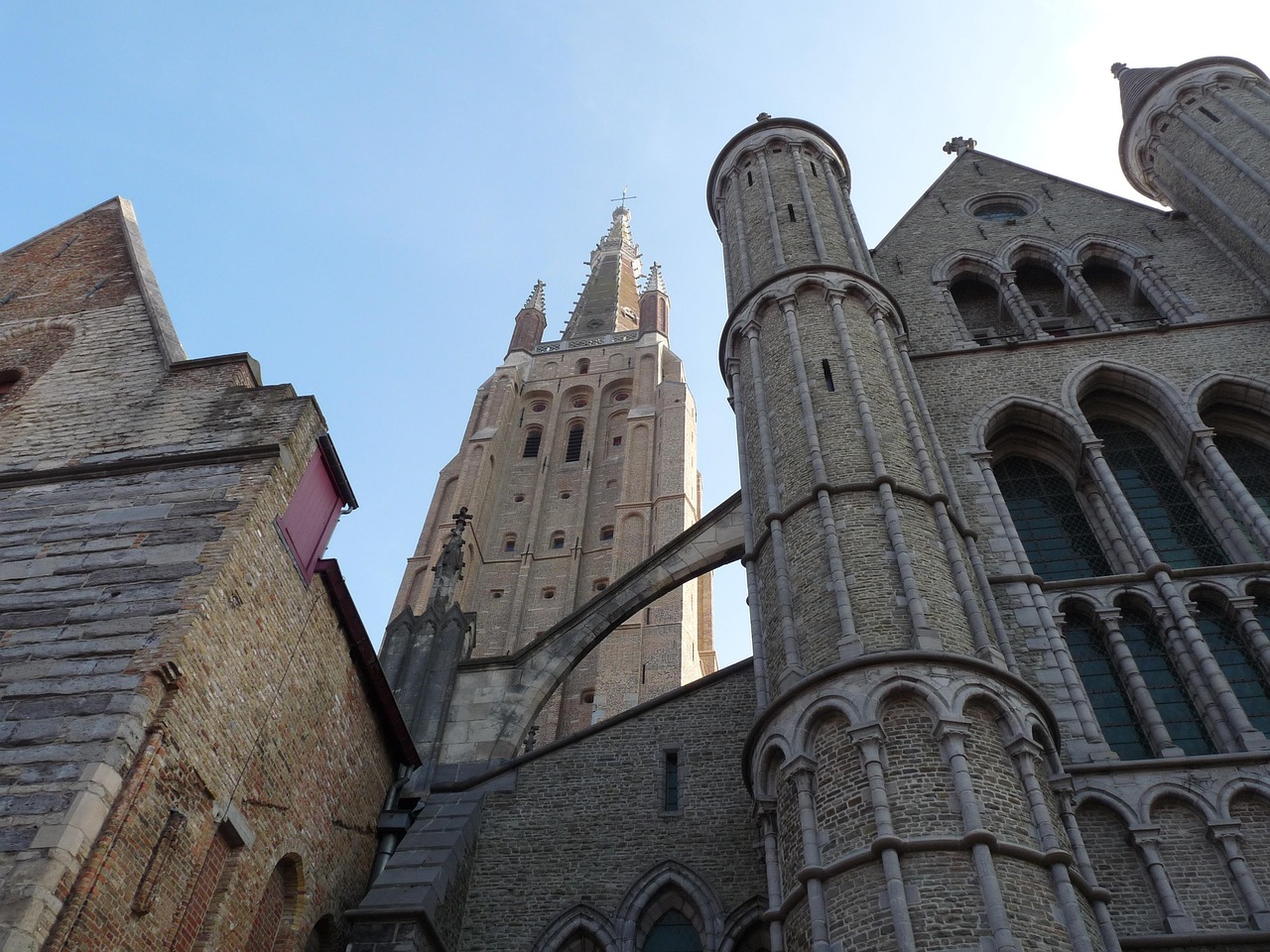
Walk over to the Church of Our Lady (Onze-Lieve-Vrouwekerk), whose brick tower dominates the skyline. Inside, you’ll find Michelangelo’s Madonna and Child – one of the few sculptures by him to leave Italy during his lifetime. I remember visiting on a rainy weekday; the church was nearly empty, and the sculpture’s calm, slightly distant expression matched the quiet.
Lunch: Local Cafés Near the Canal
Grab lunch in one of the small cafés along the canal or on a side street nearby. This is a great time to try croque monsieur (toasted ham and cheese) or a simple lunch salad with local cheese.
Afternoon: Begijnhof & Minnewaterpark
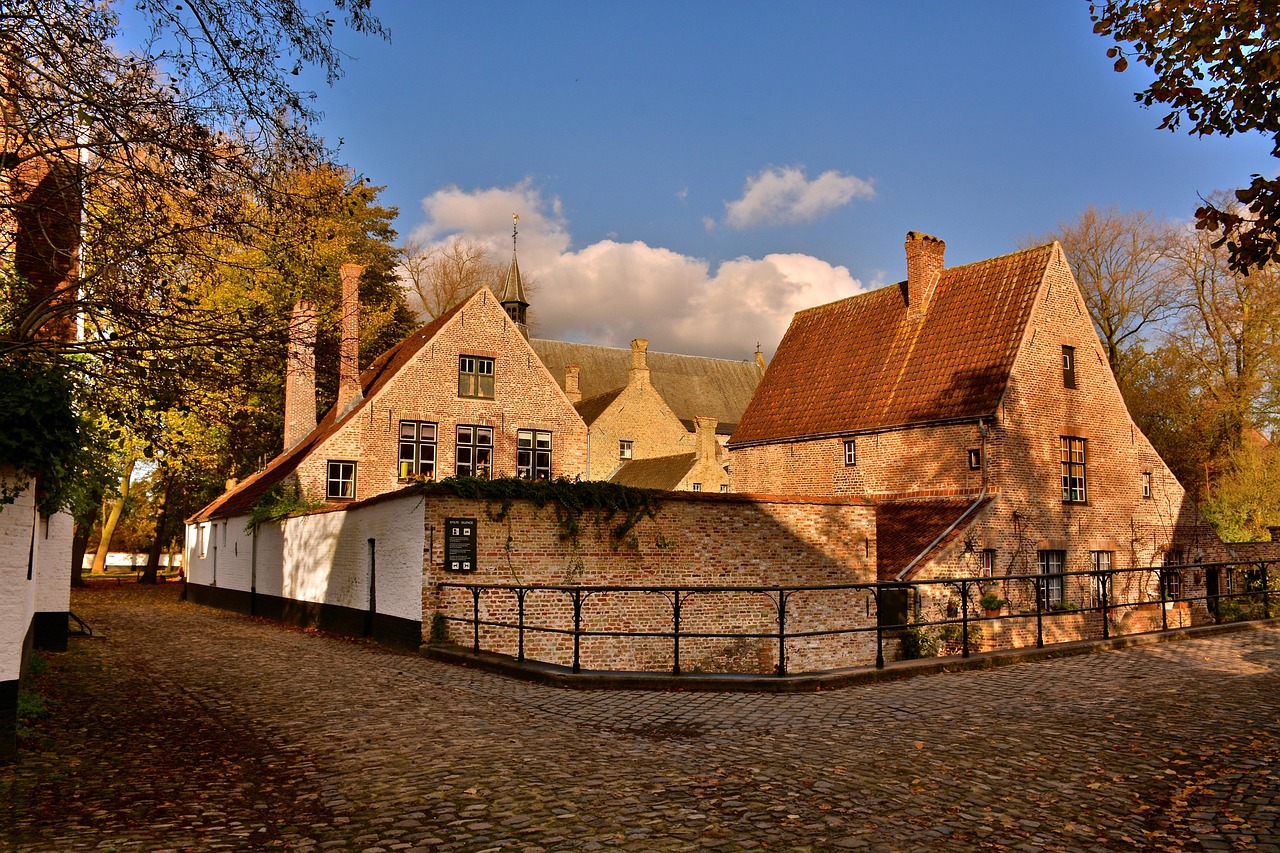
The Begijnhof (Begijnhof Ten Wijngaarde) is one of the most peaceful spots in Bruges. Once home to a community of lay religious women (beguines), it’s now inhabited by Benedictine nuns. In spring, the central lawn is filled with daffodils – I still remember standing there one April morning, everything quiet except birdsong and the occasional distant bell.
From there, stroll to Minnewaterpark and the Lake of Love. Legend says that couples who walk over the bridge together will have eternal love, so it’s a favorite for romantic trips. Families like it too; kids can watch the swans and run around the grassy spaces.
Late Afternoon: Windmills on the Ramparts
If you still have energy, head out toward the windmills along the old ramparts (like Sint-Janshuismolen and Koeleweimolen). The walk along the green ring path is one of my personal rituals in Bruges; it’s where the tourist crowds thin out and you get a more local feel – joggers, dog-walkers, kids biking home.
Evening: Quiet Dinner & Night Photography
Dinner on day 2 is a good time to try more refined Flemish cuisine or a modern Belgian bistro. After dark, Bruges becomes a dream for photographers – the lit canals and reflections are magical. I often walk a loop from Burg to the canals near the Fish Market, then back via Rozenhoedkaai.
Day 3: Museums, Chocolate & Hidden Gems
Your last day in this 3 day itinerary for Bruges focuses on niche museums, chocolate, and a few quieter corners.
Morning: Historium Brugge or Bruges City Hall
If you like immersive experiences, try the Historium Brugge, which uses multimedia to tell stories of medieval Bruges. Alternatively, visit the ornate interior of the Stadhuis (City Hall) on Burg Square, with its elaborately decorated gothic hall.
Late Morning: Chocolate Tasting
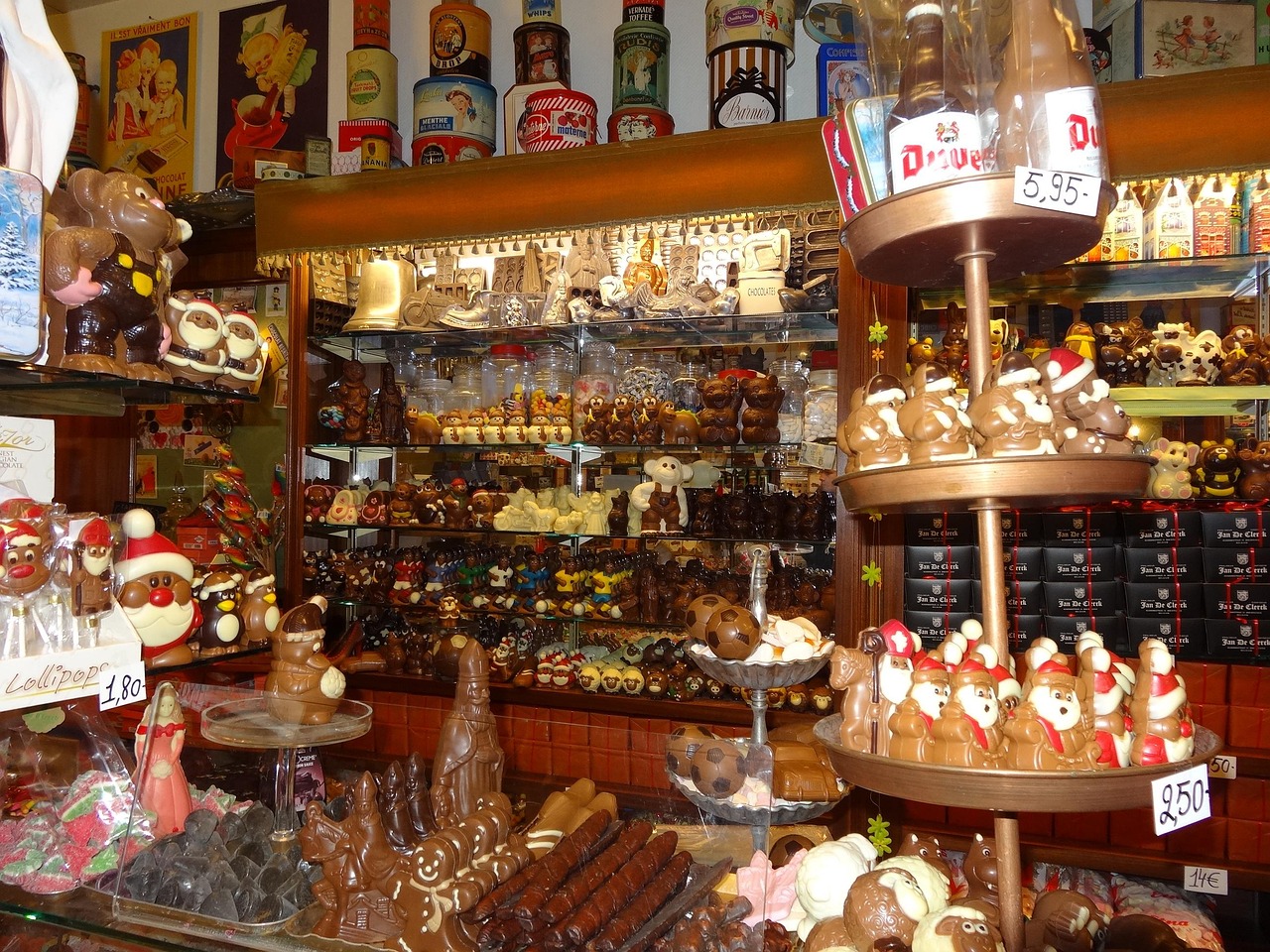
Bruges is full of chocolate shops, but not all are equal. I usually pick 2–3 artisanal chocolatiers and buy a small selection in each – dark pralines, ganaches with local beer, or seasonal flavors. Ask the staff what they’re proudest of; they love guiding you.
Lunch: Waffles & Light Bites
Today is a good day to have Belgian waffles for lunch – why not? Go for a Brussels waffle (light, rectangular) or a Liège waffle (denser, with caramelized sugar). I like mine with just powdered sugar or fresh strawberries to avoid over-sweetness.
Afternoon: Smaller Museums & Hidden Courtyards
Choose one or two of Bruges’ niche museums: the Frietmuseum (dedicated to fries), the Choco-Story Museum (history of chocolate), or a small art museum like Saint John’s Hospital (Sint-Janshospitaal) with its Memling collection.
Spend your final couple of hours intentionally getting lost. On one trip, I turned down a random alley and found a tiny dead-end courtyard with laundry hanging and ivy climbing the walls – the kind of everyday scene that never makes postcards but sticks in your memory.
Evening: Farewell Dinner & Last Canal Stroll
Finish with a special dinner – maybe a restaurant that pairs multiple courses with Belgian beers – then say goodbye to the canals with one last slow walk. That’s your essential 3 days in Bruges.
4 Day Itinerary for Bruges: Slower Pace, Deeper Feel
For a 4 day itinerary for Bruges, follow the first three days above and add:
Day 4: Neighborhood Wandering & Local Life
Morning: Sint-Anna & St. Anne’s Church
On my longer stays, I love exploring the Sint-Anna district, a quiet, residential area with narrow streets and small squares. Visit St. Anne’s Church, with its richly decorated Baroque interior, and enjoy how few tourists make it this far.
Late Morning: Lace & Local Crafts
Bruges is known for lace, and in this area you can still find small lace shops and sometimes demonstrations. I once spent nearly an hour watching an elderly woman’s hands fly across dozens of bobbins, chatting about how the craft has changed over her lifetime.
Lunch: Local Tavern
Choose a modest tavern away from the tourist center. This is a good day to try stoemp (mashed potatoes with vegetables, often served with sausage) or a simple daily special.
Afternoon: Green Ramparts Walk & Local Cafés
Spend your afternoon walking more of the green ring path along the old ramparts, circling back into town via a different gate. Stop in a local café or bakery for coffee and a pastry – I like to bring a book and settle in for an hour, feeling less like a visitor and more like a temporary resident.
Evening: Concert or Cultural Event
Check the program at the Concertgebouw (Concert Hall) – there’s often a classical concert, dance performance, or jazz night. One of my favorite Bruges memories is walking back from a string quartet performance, the streets quiet and glistening after a light rain.
5 Day Itinerary for Bruges: Immersive & Relaxed
If you have time for a 5 day itinerary for Bruges, use days 1–4 and then:
Day 5: Markets, Workshops & A Day Trip Option
Morning: Weekly Market or Local Food Shopping
Depending on the day of the week, explore a local market (the main market day on Markt is usually Wednesday for food, with Saturday also busy). I love browsing cheese stalls, fresh bread, and seasonal fruit, then assembling a picnic.
Late Morning: Workshop – Chocolate or Beer
Book a chocolate-making workshop or a beer tasting class. The hands-on experience deepens your appreciation for the flavors you’ve been enjoying all week. I once joined a small beer workshop where we blind-tasted different Belgian styles; I was sure I’d prefer the hoppy IPA, but ended up falling hard for a malty dubbel.
Afternoon: Optional Short Day Trip
If you want a change of scenery without a long journey, hop to the nearby coast (like Blankenberge or Zeebrugge) or to the small town of Damme. More on these in the day trips section below, but they’re easily reachable by bus, boat (in Damme’s case in summer), or bike.
Evening: Farewell Walk & Nightcap
On my longer stays, I like to spend the last evening revisiting my favorite spots – maybe the Begijnhof at dusk, then one last beer at a bar where the staff now recognizes me. That’s the real charm of spending 4 or 5 days in Bruges: the city stops being a postcard and starts becoming a place you know.
20+ Must-See Attractions in Bruges: In-Depth Stories & Tips
Below are detailed sub-articles on more than 20 of the must-see attractions in Bruges, from iconic landmarks to quieter corners. I’ll mix history, significance, and personal anecdotes with practical advice.
1. Belfry of Bruges (Belfort)
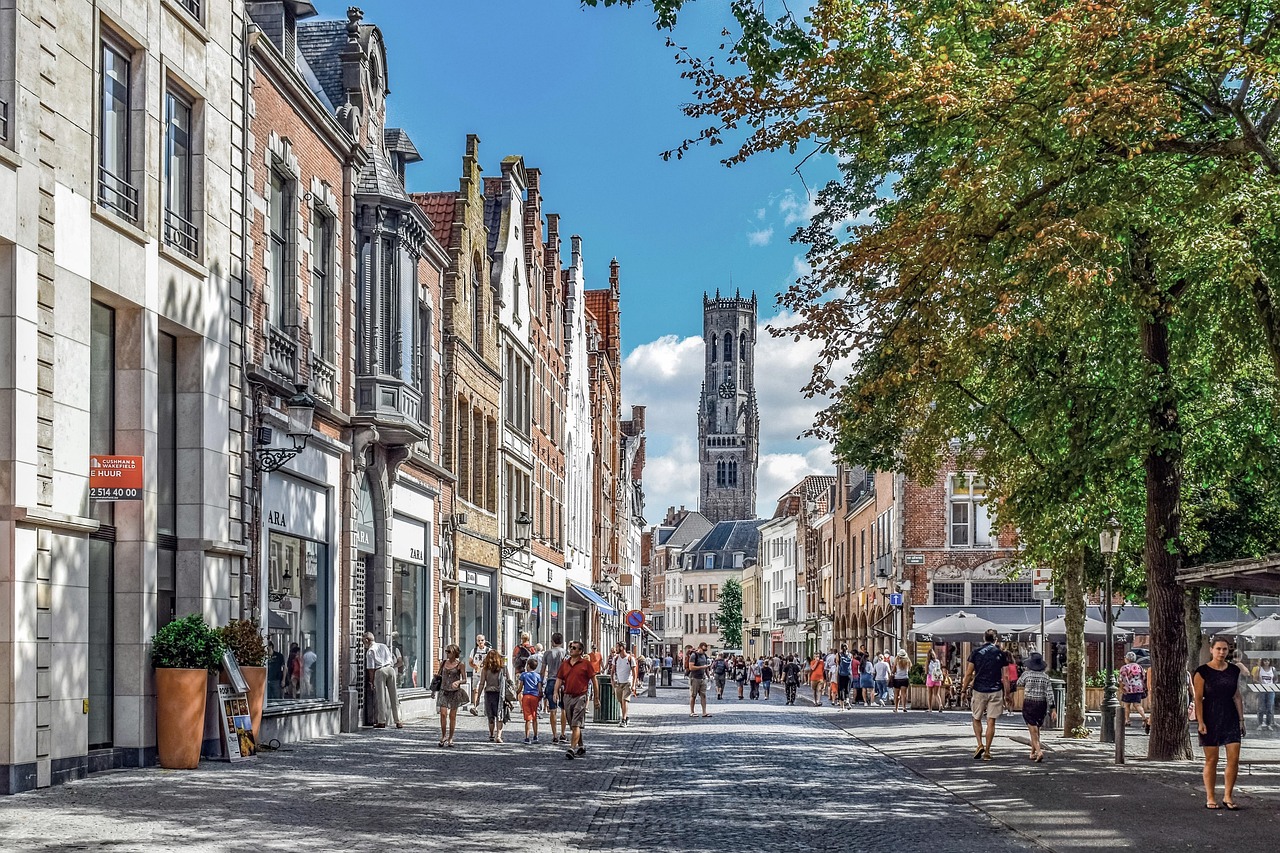
The Belfry of Bruges is the city’s most recognizable silhouette. Built in stages from the 13th century, it once housed the city’s treasury and municipal archives and served as a watchtower.
Every time I climb the 366 steps, I notice something different: the worn grooves in the stone from centuries of feet, the wooden beams supporting the carillon, the faint smell of dust and old metal near the bells. The view from the top – red rooftops, church towers, canals – gives you a real sense of Bruges’ compact size.
- Best time to visit: Right at opening or late afternoon.
- Tickets: Timed slots are common; book ahead on busy weekends.
- Accessibility: Not suitable for those with mobility issues or severe claustrophobia.
2. Markt (Market Square)
The Markt has been Bruges’ beating heart for almost a millennium. Medieval markets, tournaments, executions, and festivals all took place here. Today it’s tourists, carriages, and café terraces – but if you stand still early in the morning, you can almost hear the past echoing.
I love the contrast between the colorful stepped-gable houses and the dark, imposing Belfry. At Christmas, the square transforms into a winter village with lights, stalls, and sometimes an ice rink nearby.
3. Burg Square & Basilica of the Holy Blood
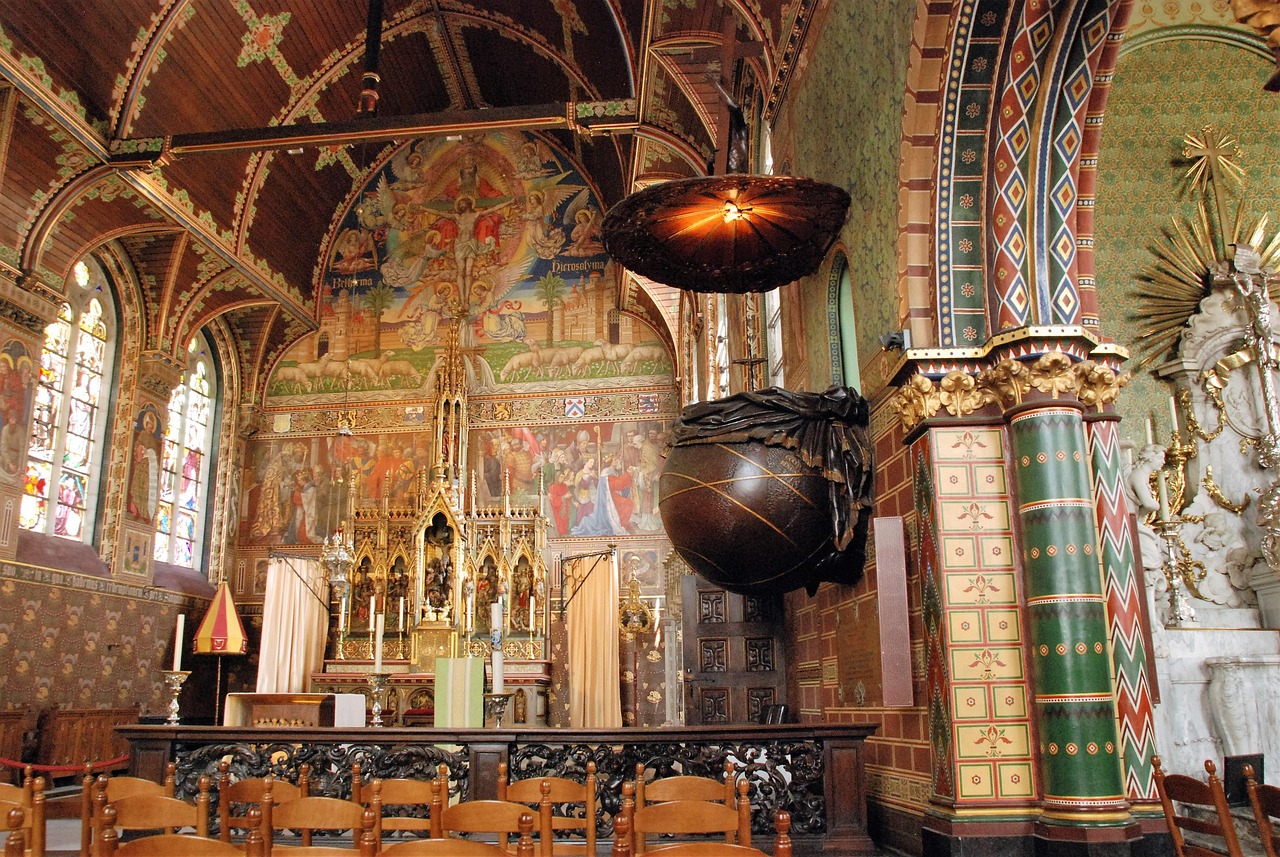
Burg Square is a layered history lesson: Roman foundations, medieval power, religious devotion. The Basilica of the Holy Blood houses a relic said to contain a drop of Christ’s blood, brought from the Holy Land.
I’ve attended the daily veneration of the relic once; people filed past quietly, each with their own reasons. Whether you see it as faith or folklore, it’s a moving glimpse into local religious culture.
4. Rozenhoedkaai (Quay of the Rosary)
This is the postcard view of Bruges: a bend in the canal, medieval houses leaning over the water, the Belfry in the distance. I’ve stood here in summer crowds and in winter drizzle, and it always feels magical.
Visit early morning for peace, or just after sunset when lights reflect in the water. Photographers: bring a tripod and patience.
5. Groeningemuseum
The Groeningemuseum is Bruges’ top art museum, especially for lovers of early Netherlandish painting. Works like Jan van Eyck’s Madonna with Canon van der Paele are astonishing in their detail – the textures of fabrics, reflections in armor, tiny background scenes.
On one quiet January visit, I spent 20 minutes in front of a single painting, noticing new details: a reflection in a glass bottle, a small dog at someone’s feet. That’s the joy of this museum; it rewards slowness.
6. Church of Our Lady & Michelangelo’s Madonna
The Church of Our Lady combines soaring Gothic architecture with the intimacy of Michelangelo’s Madonna and Child. The sculpture is more reserved than many of his works; Mary looks away, the child seems about to step forward. I find it quietly powerful.
The church also holds the tombs of Charles the Bold and Mary of Burgundy, important figures in Bruges’ history.
7. Begijnhof Ten Wijngaarde
The Begijnhof is a former community for beguines – lay religious women who lived communally without taking formal vows. Whitewashed houses, a central lawn, and the soft sound of footsteps on cobblestones create a contemplative atmosphere.
I like visiting in the early evening, when the light is low and the resident nuns are moving quietly around. It’s a place that gently demands you lower your voice and slow your pace.
8. Minnewaterpark & Lake of Love
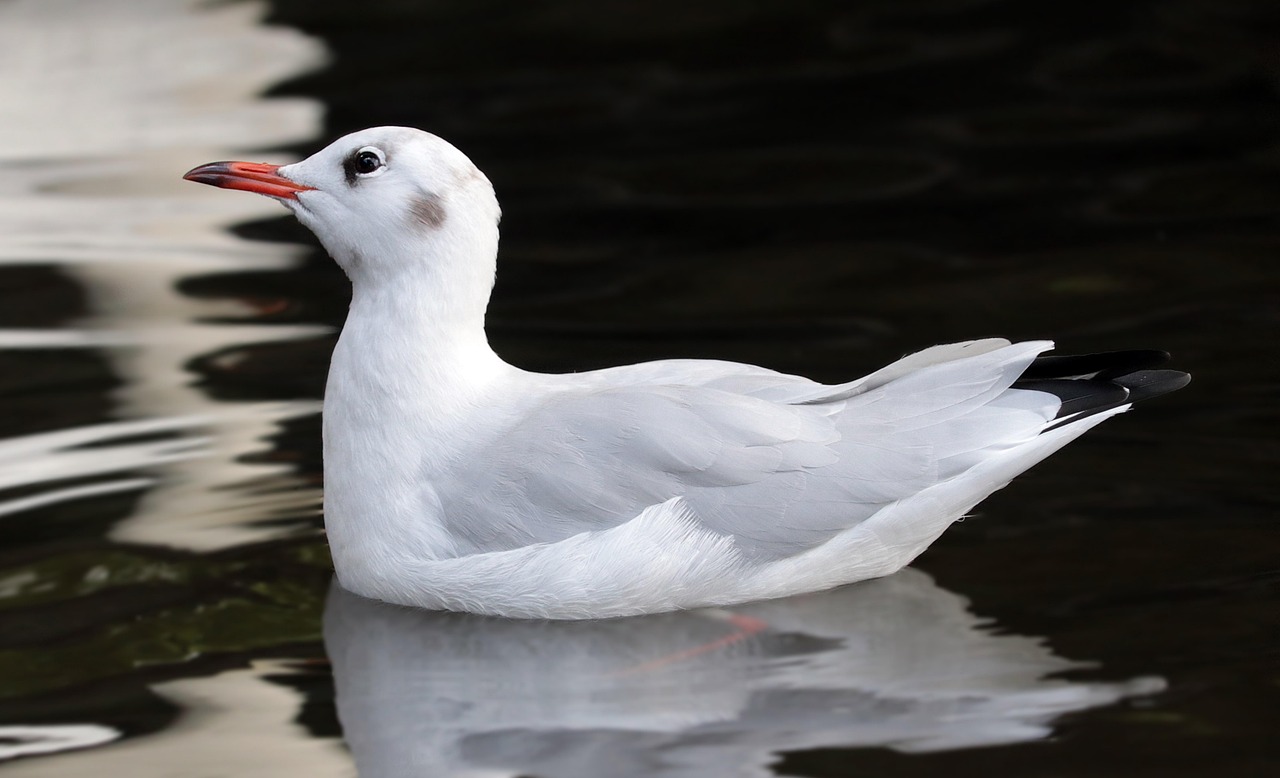
The Lake of Love (Minnewater) is wrapped in romantic legend. One story tells of a girl named Minna whose forbidden love ended in tragedy; the lake became a symbol of eternal love.
On sunny days, the water shimmers and swans glide across; in winter, mist creeps over the surface. It’s a favorite spot for couples and photographers, and a gentle playground for kids.
9. Old Windmills on the Ramparts
Along the eastern edge of Bruges, several historic windmills stand on grassy embankments: Sint-Janshuismolen, Koeleweimolen, and others. Some still grind grain and open as small museums in warmer months.
I love coming here for a picnic: a simple spread of bread, cheese, and fruit from the market, looking out over the canal and the outskirts of the city. It feels far from the bustle of the center, yet it’s only a 15–20 minute walk away.
10. Saint John’s Hospital (Sint-Janshospitaal)
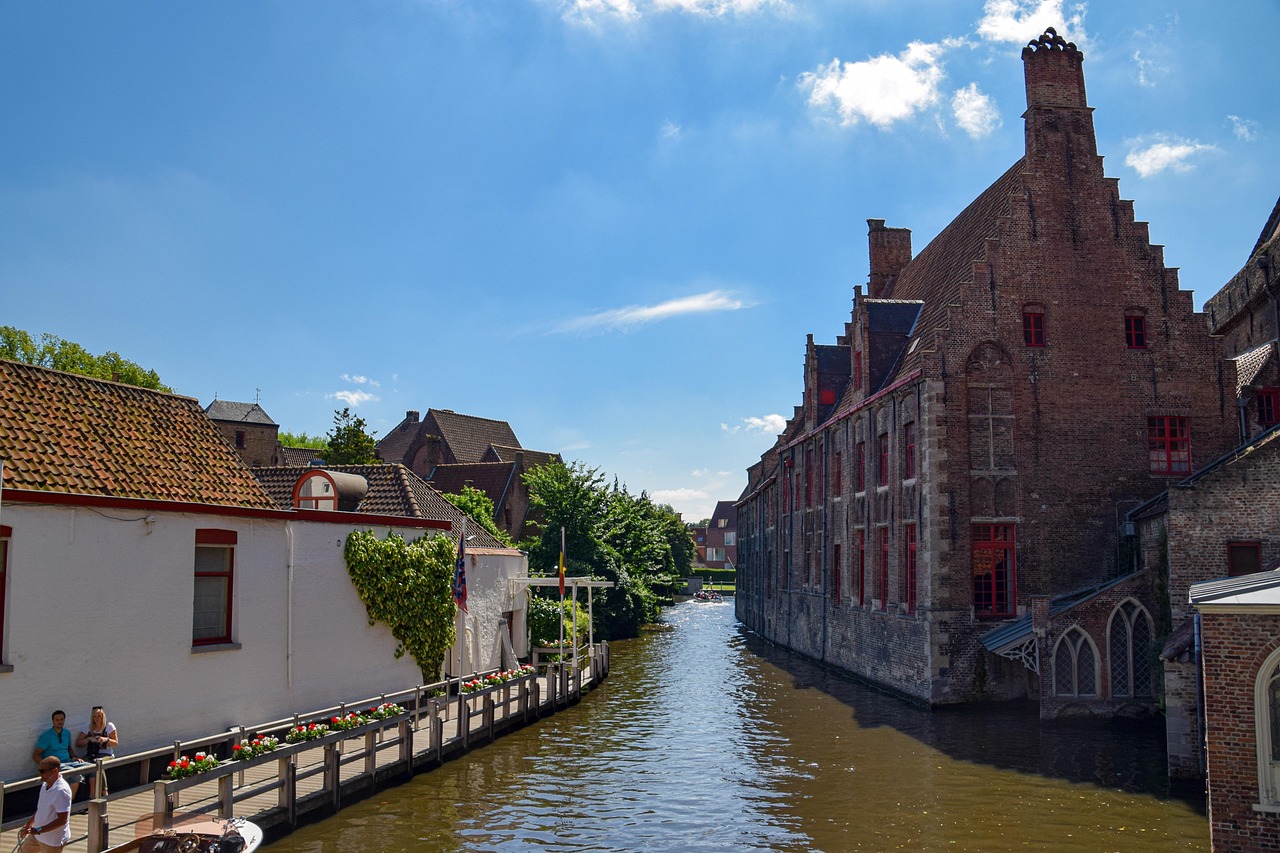
One of Europe’s oldest preserved hospital buildings, Sint-Janshospitaal dates back to the 12th century. Today, it’s a museum that explores medieval medicine and houses artworks, including pieces by Hans Memling.
The combination of art, old medical instruments, and the building’s thick beams and stone walls creates a unique, slightly eerie atmosphere. It’s a must if you like history that feels tangible.
11. Historium Brugge
Historium Brugge is a multimedia attraction that puts you inside a fictional story set in medieval Bruges, with sets, projections, and audio guides. Purists may find it a bit theatrical, but families usually love it.
I tried it with friends who aren’t big museum people, and they came out buzzing with questions about the real history behind the story. For that alone, it’s a win.
12. Bruges City Hall (Stadhuis)
Don’t just admire the gothic façade of the City Hall from Burg Square – go inside. The Gothic Hall is richly decorated with murals and a carved wooden ceiling that tells stories of Bruges’ past.
On one rainy afternoon, I spent a good half hour just studying the ceiling panels, then looking out the windows at the slick cobblestones below – a lovely way to escape a shower and soak up history.
13. Concertgebouw (Concert Hall)
The modern Concertgebouw stands in stark contrast to medieval Bruges, but its brick façade echoes the city’s materials. Inside, the acoustics are superb. I’ve heard everything from Bach to experimental jazz here, and each performance felt intimate.
In 2026–2027, watch for special festivals and the continuation of the city’s classical and contemporary music programming.
14. Brewery De Halve Maan & Beer Experiences
De Halve Maan is Bruges’ most famous brewery, home to Brugse Zot and Straffe Hendrik. The brewery tour is fun and informative, ending with a rooftop view and a fresh beer.
I loved the story of their underground beer pipeline, installed to transport beer from the brewery to a bottling plant outside the center. Only in Belgium would you find such a thing.
15. Choco-Story & Chocolate Culture
Choco-Story tells the story of chocolate from ancient Mesoamerica to modern pralines. Interactive displays and tastings make it a hit with kids and adults alike.
After visiting, I found myself noticing more nuances in chocolate shops: cocoa percentages, origins, fillings. It’s a good foundation before you dive into serious tasting.
16. Frietmuseum (Fries Museum)
Yes, Bruges has a museum dedicated to fries. The Frietmuseum is quirky but surprisingly informative, covering potato history, frying techniques, and the cultural significance of Belgian fries.
It’s a fun, low-pressure stop on a rainy afternoon, especially for families. And of course, you can sample fries at the end.
17. Sint-Anna District & St. Anne’s Church
The Sint-Anna neighborhood feels more local than central Bruges. St. Anne’s Church is an ornate baroque surprise inside a modest brick exterior. The area’s quiet streets, small squares, and occasional cafés make it ideal for unhurried wandering.
18. Fish Market (Vismarkt)
The Vismarkt has been a fish market since the 19th century, housed in a neoclassical colonnade. In the mornings, especially in season, you’ll see fresh fish stalls; later in the day, it turns into a craft and souvenir market.
I like coming here early to see local life before the souvenir stands appear – it feels more like a working city and less like a museum.
19. Sint-Janshuismolen Windmill Interior
Among the windmills, Sint-Janshuismolen sometimes opens its interior as a small museum, showing the workings of a grain mill. Climbing up its wooden steps, you feel the structure creak slightly in the wind – a tangible link to pre-industrial life.
21. Jan van Eyckplein
Jan van Eyckplein was once the bustling commercial hub of Bruges’ port, where merchants from all over Europe traded goods. Today, it’s a picturesque square with a statue of the painter Jan van Eyck and elegant houses lining the canal.
I like sitting on the steps here with a coffee, imagining ships from England, Italy, and the Baltics once moored nearby. In the evening, it’s especially atmospheric.
22. Bruges Triennial Installations (2026)
During the Bruges Triennial 2026, contemporary art and architecture installations appear around the city, often in surprising places along canals or in squares. On past editions, I’ve stumbled across floating pavilions, reimagined bridges, and bold sculptures.
It’s a reminder that Bruges isn’t frozen in time; it’s still a living city engaging with new ideas.
Neighborhoods & Areas to Explore in Bruges
Historic City Center
This is where you’ll spend most of your time on a short visit: the area around Markt, Burg, and the main canals. It’s dense with sights and tourists, but also with hidden alleys and courtyards.
Sint-Anna & East Bruges
More residential, with windmills, godshuizen, and small churches. Ideal for escaping the crowds while still staying close to the center.
Minnewater & Southern Edge
Green, romantic, and home to the Begijnhof and Minnewaterpark. Great for evening walks and a more tranquil vibe.
Outer Ring & Modern Bruges
Beyond the historic core, you’ll find everyday life: supermarkets, schools, and modern housing. If you’re staying more than 3 days in Bruges, it’s worth a small detour to see this side too.
Best Local Food & Drink in Bruges
Belgian cuisine is hearty, comforting, and often beer-infused. In Bruges, you’ll find both traditional taverns and modern bistros putting a twist on classics.
Must-Try Dishes
- Flemish Beef Stew (Stoofvlees) – Slow-cooked beef in beer, usually served with fries. Rich and perfect on a cold day.
- Moules-Frites – Mussels in white wine or cream sauce with fries. Best in mussel season (roughly September–April).
- Waterzooi – A creamy stew with chicken or fish, vegetables, and potatoes.
- Carbonade Flamande – Another beef and beer stew, sometimes slightly sweet.
- Belgian Waffles – Brussels (light, rectangular) or Liège (dense, caramelized sugar).
- Speculoos & Pastries – Spiced biscuits and a variety of pastries filled with cream, fruit, or almond paste.
Where I Like to Eat (General Types)
I tend to rotate between:
- Traditional brown cafés – Wooden interiors, extensive beer lists, hearty food.
- Modern Belgian bistros – Seasonal menus, local ingredients, beer or wine pairings.
- Bakeries & sandwich shops – Perfect for budget-friendly lunches.
Beer Culture
Bruges is a paradise for beer lovers. Along with De Halve Maan, you’ll find bars with hundreds of bottles and rotating taps. Ask for local specialties and don’t be shy about ordering small sizes to try more varieties.
Money-Saving Food Tips
- Eat your main meal at lunch; many restaurants offer cheaper lunch menus.
- Pick up breakfast from bakeries instead of hotel buffets.
- Buy picnic supplies from supermarkets and enjoy them by the windmills or in Minnewaterpark.
Nightlife, Entertainment & Cultural Experiences
Bruges isn’t a wild party city, but it does have a cozy nightlife scene and rich cultural offerings.
Evening Vibes
- Beer bars & brown cafés – The main nightlife; perfect for long conversations and tastings.
- Wine & cocktail bars – A small but growing scene, often tucked into side streets.
- Canal walks – Honestly, one of the best evening activities is just wandering.
Cultural Experiences
- Concertgebouw performances – Classical, jazz, world music, and dance.
- Church concerts – Organ recitals and choral performances in atmospheric settings.
- Festivals – Beer festival in February; Triennial art events in summer; Winter Glow and Christmas markets in December.
Family-Friendly Evenings
- Early evening canal walk and hot chocolate stop.
- Chocolate or ice cream tasting “crawl.”
- Short night photography walk with older kids.
Best Day Trips from Bruges
Damme
Damme is a tiny, picturesque town a few kilometers from Bruges, reachable by bike, bus, or boat (in summer). It’s all about quiet canals, old houses, and a peaceful countryside vibe.
- Getting there: 15–20 minutes by bus, flat bike ride along the canal, or seasonal boat tours.
- What to do: Climb the church tower, browse bookshops, have a slow lunch.
Belgian Coast: Blankenberge & Zeebrugge
A short train or tram ride takes you to the North Sea coast. Blankenberge is more classic seaside resort; Zeebrugge is quieter and more industrial but with wide beaches.
- Getting there: 15–20 minutes by train from Bruges.
- Best time: Warm months for beach walks; stormy days for dramatic skies.
Ghent
Ghent is bigger and more student-driven than Bruges, with its own canals, a medieval castle (Gravensteen), and vibrant street art. It makes a fantastic contrast day trip.
- Getting there: About 25–30 minutes by frequent trains.
- Tip: Start early to make the most of the day; there’s plenty to see.
Cultural Etiquette & Local Customs in Bruges
Belgians, especially in Flanders, tend to be polite, reserved, and appreciative of good manners. Bruges, despite being tourist-heavy, still values local rhythms and respect.
Language
- The local language is Dutch (Flemish), but many people speak good English and some French.
- Starting with a simple Dutch greeting (like “Goedemorgen” for good morning) is appreciated, but switching to English is fine if you’re struggling.
General Etiquette
- Greetings: A simple “Hallo” or “Dag” and a nod or handshake in more formal settings.
- Volume: Keep voices moderate, especially in restaurants and on public transport.
- Queues: Belgians generally respect lines; don’t jump ahead.
- Churches: Dress modestly, speak softly, and avoid taking flash photos during services.
Dining Etiquette
- Table service is slower by design; meals are meant to be savored, not rushed.
- Tipping is modest – service is usually included, but rounding up or leaving 5–10% for good service is appreciated.
- It’s polite to say “Eet smakelijk” (enjoy your meal) at the start.
Local Customs & Sensitivities
- Bikes: Don’t walk in bike lanes; cyclists have priority.
- Residential quiet: Many central streets are residential; keep noise down at night.
- Swans: Swans are iconic in Bruges; don’t feed or harass them.
Practical Travel Tips for Bruges (2026–2027)
Getting To & Around Bruges
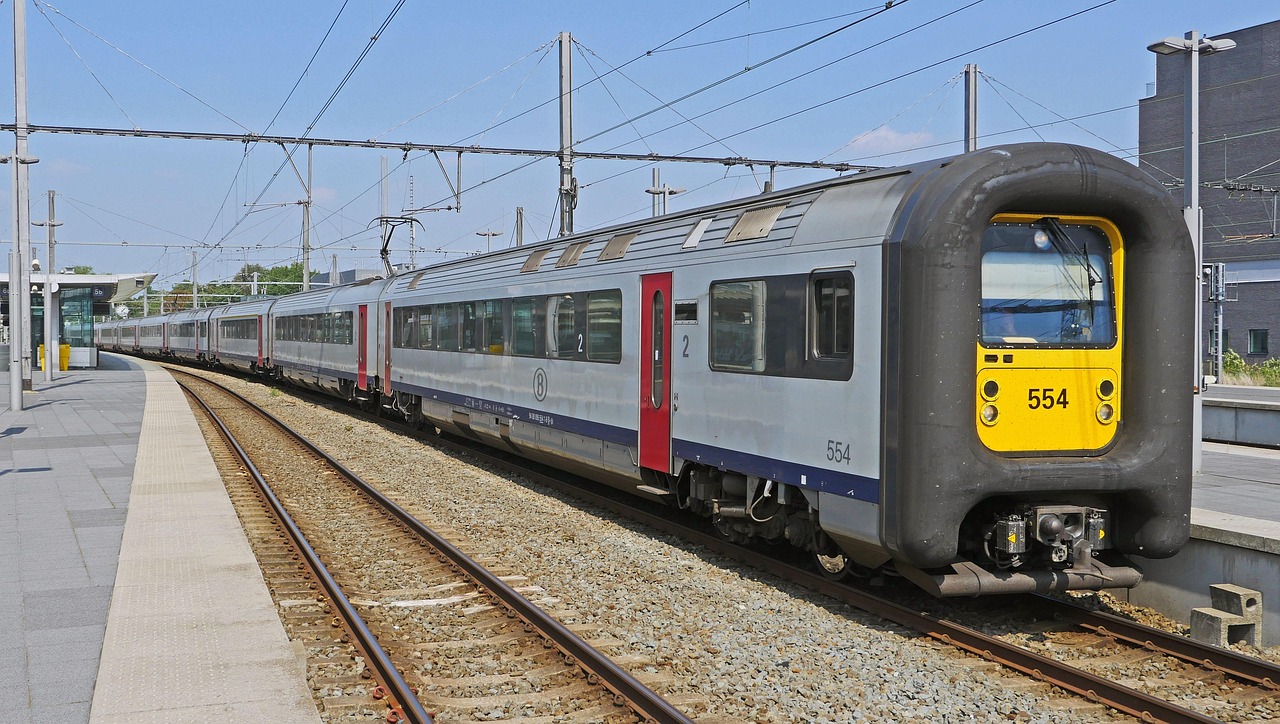
By Train: Most visitors arrive via Brussels or other Belgian cities. The train station is about a 15–20 minute walk from the center or a short bus ride.
By Air: Nearest major airports: Brussels (BRU), Brussels South Charleroi (CRL), and sometimes Ostend-Bruges (OST) for seasonal flights.
Within the City
- Walking: The historic center is compact; you can walk almost everywhere.
- Buses: Local buses connect the train station and outer districts; buy tickets via machines or apps.
- Bikes: Renting a bike is great for exploring the ramparts or riding to Damme. Be careful on cobblestones and in pedestrian-heavy areas.
- Car: Avoid driving in the center unless necessary; parking is limited and streets are narrow.
SIM Cards & Connectivity (2026)
- Belgium has good mobile coverage; major providers include Proximus, Orange, and BASE.
- In 2026, eSIM options are widespread; you can buy tourist eSIMs online before arrival.
- EU roaming rules still mean that EU SIMs work in Belgium without extra charges (check your provider).
Money & Costs
- Currency: Euro (€).
- Cards are widely accepted, but it’s useful to have some cash for small purchases or markets.
- Bruges is not cheap, but you can manage on a moderate budget with smart choices (picnics, lunch menus, budget hotels).
Saving Money in Bruges
- Visit major sights in a clustered way to avoid multiple ticket days; some combination tickets and museum passes exist.
- Stay slightly outside the absolute center; walking 10 minutes can reduce hotel costs.
- Use supermarkets for breakfasts and some lunches.
Accommodation: Where to Stay
For a first visit, I recommend staying inside or just outside the ring of canals to keep everything walkable.
- Romantic stays: Canal-side B&Bs, small boutique hotels in historic houses.
- Family stays: Apartments or family rooms near but not on the main squares (quieter at night).
- Budget stays: Hostels and budget hotels closer to the train station or on the edges of the center.
Visa Requirements & Entry
- Belgium is in the Schengen Area. Many nationalities can enter visa-free for short stays (up to 90 days in 180 days); check current rules before travel.
- From 2025 onward, the EU is rolling out the ETIAS travel authorization for some visa-exempt travelers; by 2026 you may need to apply online before arrival. Check official EU sources.
Driving & Foreign Licenses
- Most visitors don’t need a car in Bruges; it’s more hassle than it’s worth.
- Foreign driver’s licenses from many countries are accepted in Belgium; if in doubt, bring an International Driving Permit (IDP).
- Parking in the center is limited and often expensive; look for park-and-ride options.
Safety & Health
Bruges is generally very safe. Standard city precautions apply: watch your bag in crowded areas, keep valuables secure, and be careful on wet cobblestones.
Best Seasons to Visit Bruges & What They’re Good For
- Spring (March–May): Mild weather, blooming trees, fewer crowds than summer. Great for walking, photography, and outdoor cafés.
- Summer (June–August): Warmest weather, longest days, but also the busiest and priciest. Ideal if you like a lively atmosphere and don’t mind crowds.
- Autumn (September–November): My favorite time: soft light, colorful leaves, comfortable temperatures, and fewer tourists after early October. Excellent for slow travel and photography.
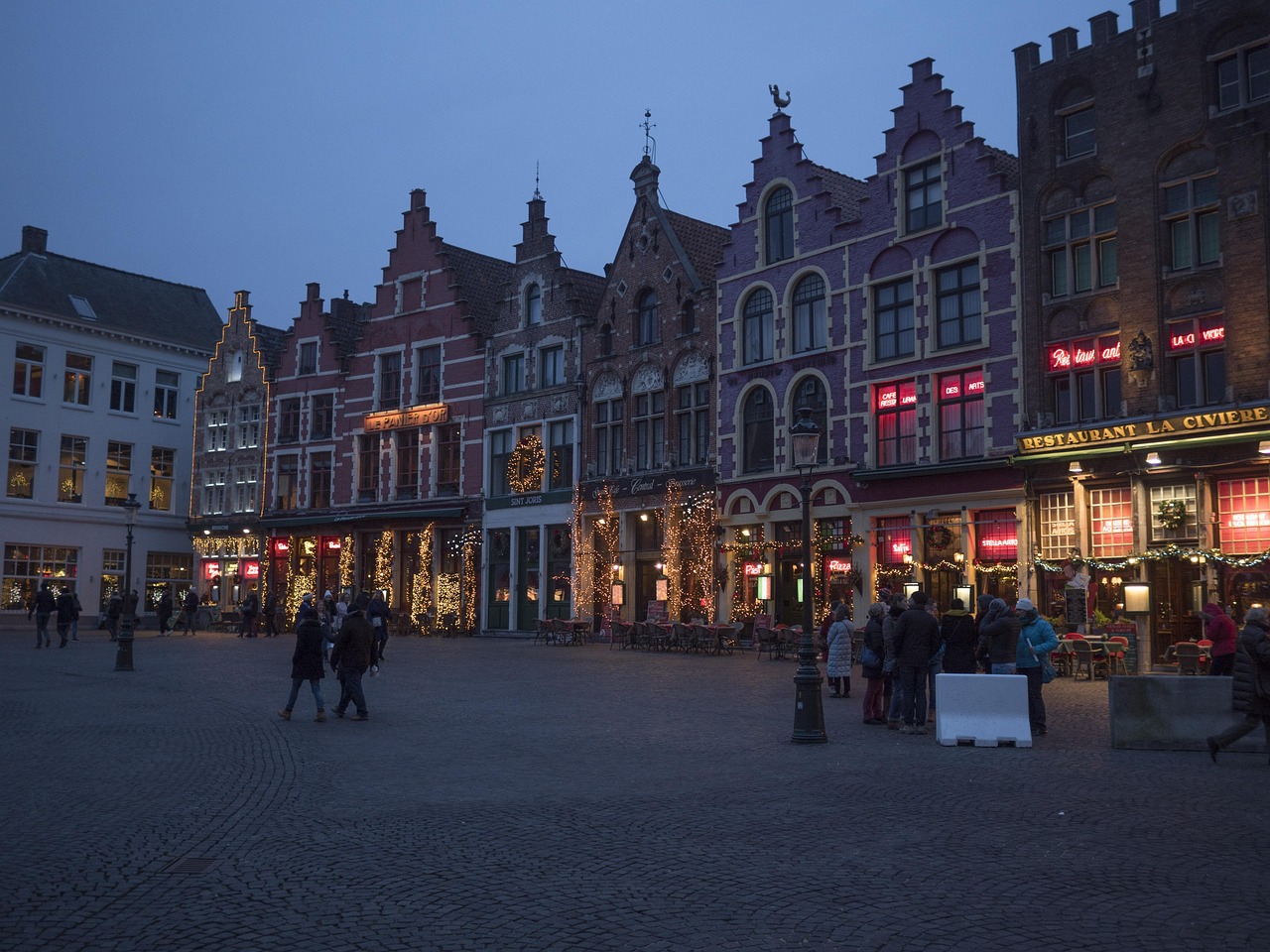
- Winter (December–February): Cold, often damp, but wonderfully atmospheric. Christmas markets and Winter Glow make December especially magical. Great for romantic trips, museums, and cozy cafés.
Hidden Tips from Repeated Visits
- Early mornings are gold: Have one day where you’re out by 7:30–8:00 a.m. to see the city wake up.
- Vary your routes: Don’t always take the same streets; parallel streets often feel completely different.
- Look up: Many façades have intricate stonework, carvings, or small statues you’ll miss if you only watch your feet on the cobblestones.
- Plan one “no-plan” half-day: Use it to wander, linger in cafés, and follow your curiosity – that’s usually when the best memories happen.
Summary: Key Takeaways & Final Recommendations
Bruges is small enough to feel intimate yet rich enough to fill a week. A well-paced 3 day itinerary for Bruges will cover the icons – Markt, Belfry, canals, Begijnhof. 4 days in Bruges lets you breathe, explore Sint-Anna, enjoy concerts, and linger in cafés. 5 days in Bruges turns you into a temporary local, with day trips to Damme or the coast and repeated visits to your favorite spots.
For most travelers, the best seasons to visit Bruges are:
- April–May – blossom, milder crowds, pleasant temperatures.
- September–mid-October – warm colors, softer light, fewer tourists.
- Early December – Christmas markets and winter charm without peak holiday crowds.
Come with comfortable shoes, a curiosity for history, a healthy appetite for beer and chocolate, and a willingness to walk slowly. If you give Bruges your time and attention – beyond a rushed day trip – it will reward you with the kind of layered, sensory memories that linger long after you’ve left its cobbled streets behind.