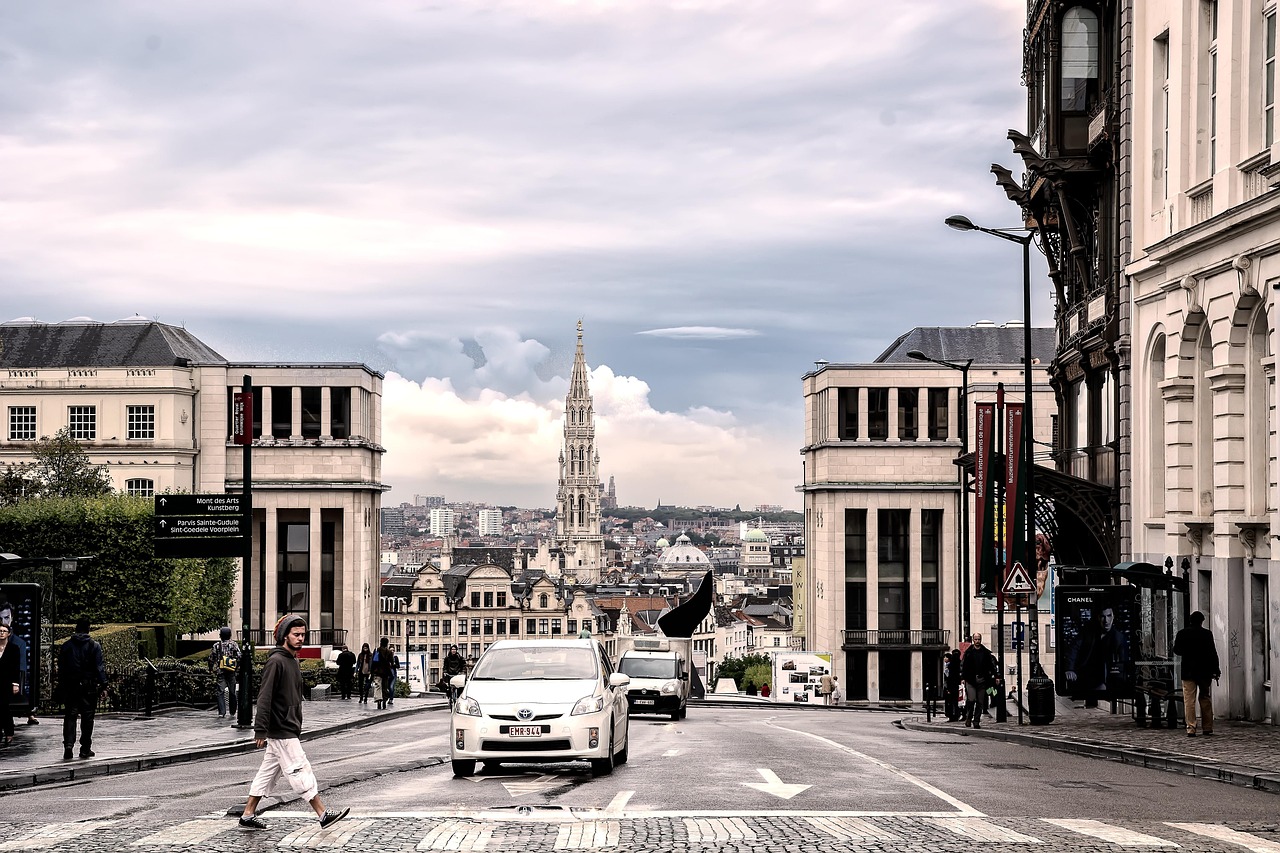
Why Visit Brussels? What Makes This City Special
Brussels is one of those cities people often “pass through” on their way to Paris or Amsterdam—and that’s precisely why it’s still so rewarding. It’s a capital with the soul of a village: grand palaces and EU institutions on one corner, Art Nouveau façades and neighborhood markets on the next, all scented faintly with butter, beer, and chocolate.
I’ve lived in and around Brussels for years, and I still find myself detouring down side streets to admire quirky architecture or lingering too long in tiny cafés where the owner already knows my order. What I love most is the contrast: medieval guild houses and gleaming modern buildings, Michelin-starred restaurants and frites in a paper cone, comic-book murals and solemn political debates over coffee.
Whether you are planning 3 days in Brussels as a city break, a 4 day itinerary for Brussels that includes museums and side trips, or a full 5 day itinerary for Brussels to dig into its neighborhoods and hidden gems, Brussels rewards travelers who slow down and look closely.
This long-form travel guide for Brussels is written as if I’m walking the streets with you, showing you not only the must-see attractions in Brussels but also the tiny bars, overlooked parks, and casual local spots where I actually spend my time.
Table of Contents
- Why Visit Brussels?
- Quick Practical Overview (2026–2027)
- Top 20+ Must-See Attractions in Brussels (Deep Dive)
- Best Neighborhoods & Areas to Explore
- Suggested Itineraries: 3, 4 & 5 Days in Brussels
- Local Food in Brussels: What & Where to Eat
- Nightlife, Entertainment & Cultural Experiences
- Best Day Trips from Brussels
- Local Customs & Cultural Etiquette
- Practical Travel Tips for Brussels (Money, SIM, Transport, Safety)
- When to Visit Brussels & Seasonal Tips
- Major Events in Brussels 2026–2027
- Summary & Final Recommendations
Quick Practical Overview (2026–2027)
Brussels in 2026 is wonderfully connected, slightly chaotic, and friendlier than its serious political façade suggests.
- Language: French and Dutch are official; English is widely spoken in the center.
- Currency: Euro (€). Cards are accepted almost everywhere; some tiny snack bars may be cash-only.
- Best for: Food lovers, architecture geeks, families, beer enthusiasts, couples on a city break, and anyone curious about European culture beyond clichés.
- Perfect trip length: 3–5 days in Brussels is ideal to cover top sights and a few hidden gems.
- Transport: Compact center, walkable; great metro/tram/bus network; easy day trips by train.
Top 20+ Must-See Attractions in Brussels (With Local Insights)
These are the places you’ll see in every list of things to do in Brussels, but here you’ll also get the “how it actually feels” version, with my go-to times, food stops, and small hacks.
1. Grand-Place (Grote Markt)
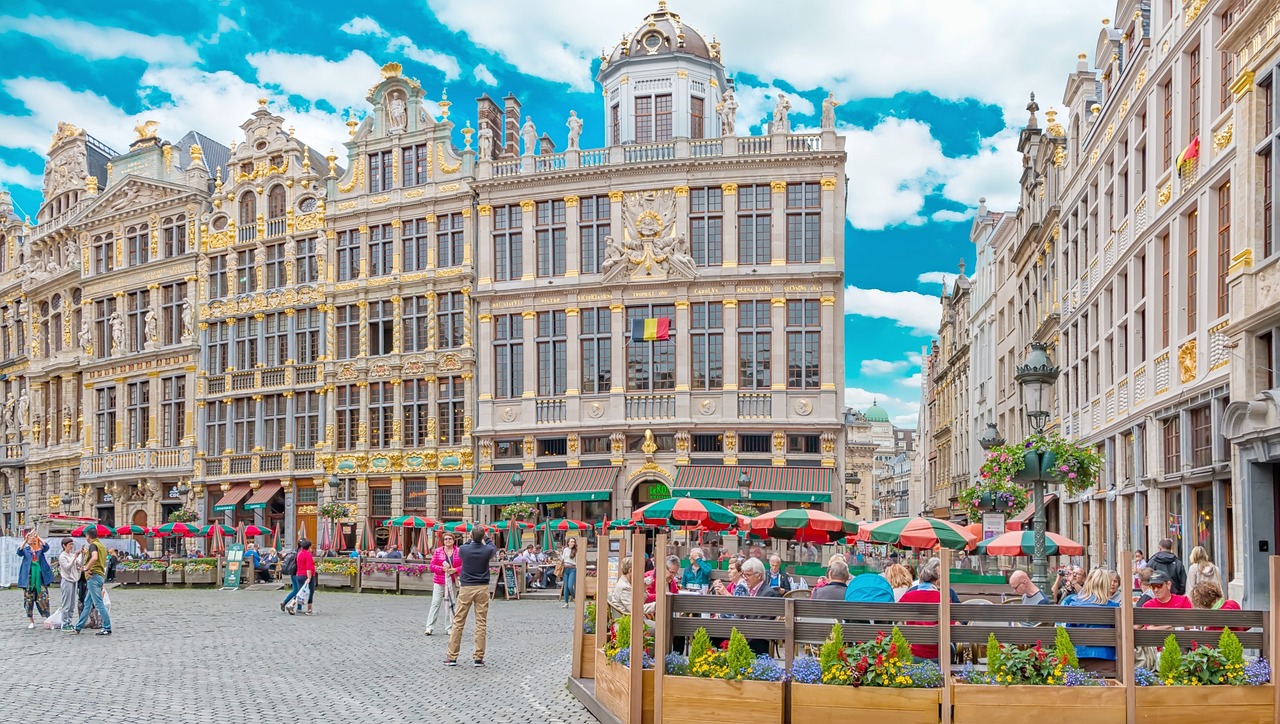
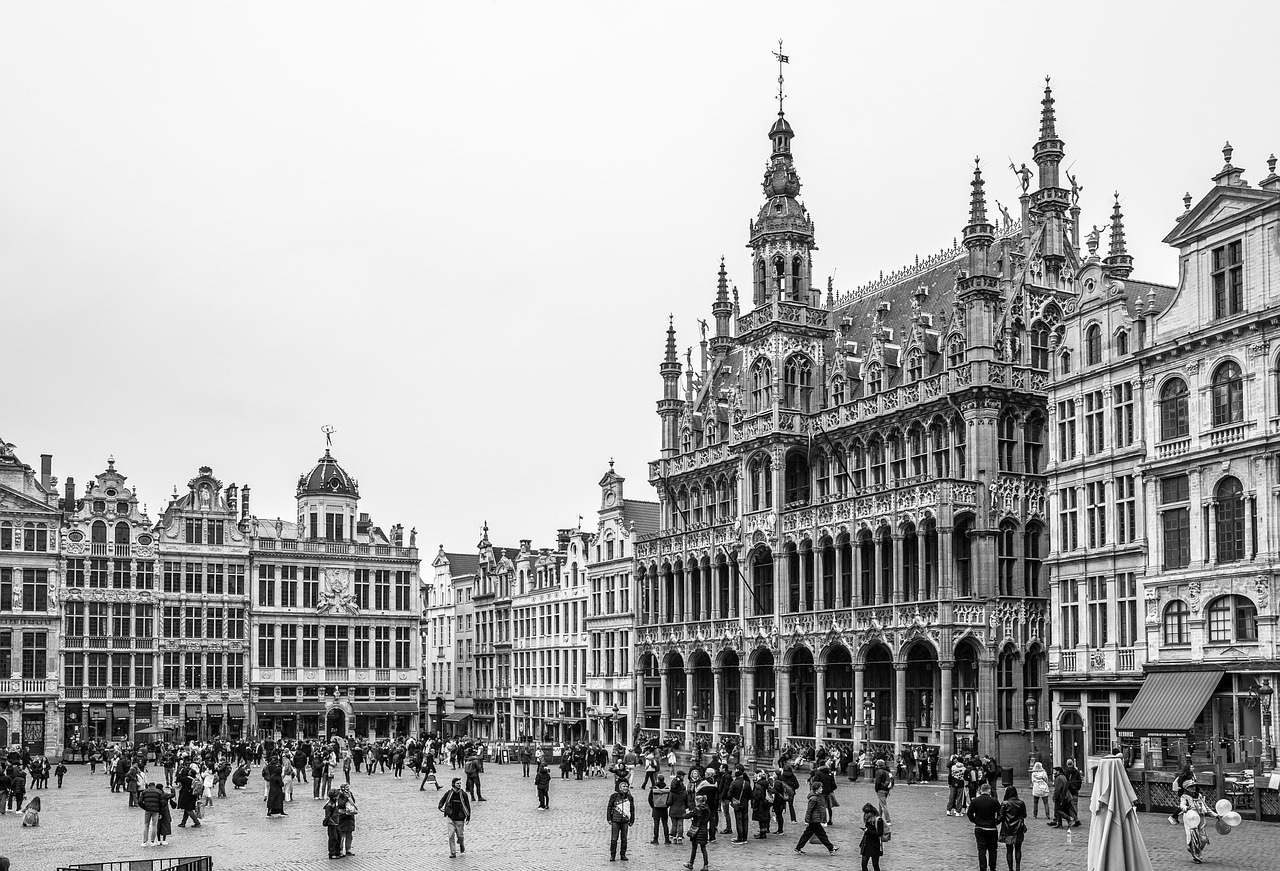
If Brussels had a living room, Grand-Place would be it. I still remember my first time stepping into the square on a drizzly November evening—the rain had just stopped, and the cobblestones were reflecting the golden guild houses like a mirror. I actually stopped mid-sentence and just stared.
The square is surrounded by ornate guildhalls, the Gothic Town Hall, and the neo-Gothic King’s House (Maison du Roi / Broodhuis). It’s stunning by day, but at night, when everything is lit up, it’s downright theatrical.
History in a nutshell: Grand-Place dates back to the 11th century as a market square. Much of it was destroyed in a French bombardment in 1695 and quickly rebuilt, which is why the architectural styles are so harmoniously over-the-top. It’s now a UNESCO World Heritage site and the stage for major events like the Flower Carpet (every two years in August).
My routine here: I like to enter via Rue des Chapeliers so the square suddenly “reveals” itself. I’ll walk a slow full circle (yes, like a tourist; no, I don’t care), then sit on the steps in front of the Town Hall for ten minutes of people-watching.
Best time to visit: Early morning (before 9:00) for quiet photos, or after dark when the façades are illuminated. In summer 2026, expect more evening light shows and projections on the Town Hall as part of Brussels’ cultural programming.
Food tip: Skip the touristy restaurants directly on the square. Instead, slip into nearby Rue des Chapeliers or Rue des Dominicains for more honest brasseries. For a drink with a view, the upstairs of some cafés on the corners gives you a balcony-like vantage point—prices are slightly higher but worth it for one memorable beer.
Practical: Central and walkable from Brussels-Central station (5–7 minutes). Free to visit. Safe day and night, but keep an eye on your bag in crowds.
2. Manneken Pis
Every time I take friends to see Manneken Pis, there’s the same reaction: “Wait… that’s it?” The little peeing boy is tiny—61 cm—but he’s one of the city’s most beloved symbols.
Why it matters: Dating back to the early 17th century (the current version is a replica; the original is in the City Museum), Manneken Pis has become a symbol of Brussels’ irreverent spirit. He has hundreds of costumes, from national outfits to sports uniforms, and there’s often a small ceremony when he changes clothes.
Local tip: Don’t plan a long detour just for him, but combine it with Grand-Place—it’s only a 3–5 minute walk. If you’re lucky, you’ll catch a special day when the statue actually “pees” beer or another drink into cups (yes, really; no, it’s not unhygienic).
Nearby snack: Grab a waffle from a nearby stand, but avoid the places with mountains of toppings and flashing signs—those are mostly for tourists. Look for smaller queues and simpler signs; the best Brussels waffles are usually the least flashy.
3. Atomium
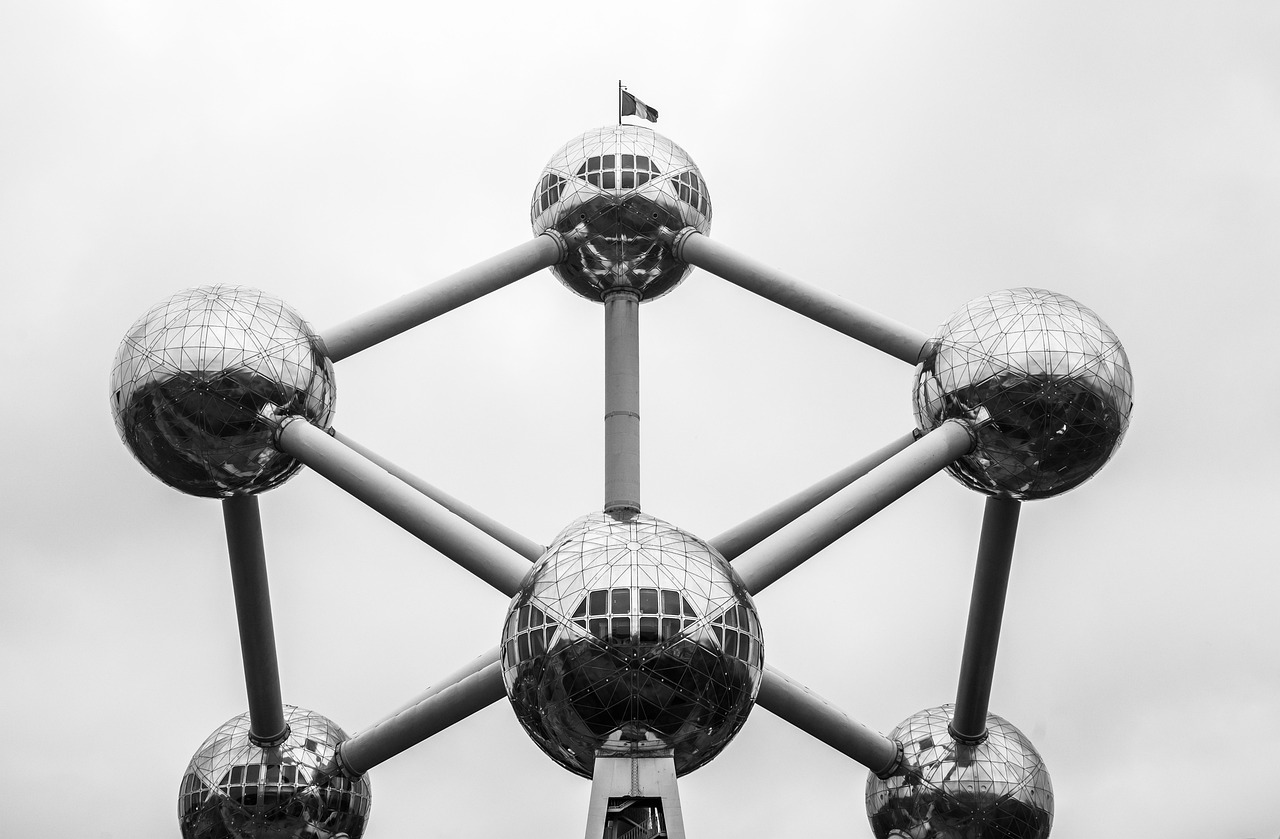
The Atomium always feels to me like stepping into a retro-futuristic movie. Built for the 1958 World’s Fair, it represents an iron crystal magnified 165 billion times, and its gleaming spheres catch the light dramatically at sunset.
My favorite way to visit: Go on a clear afternoon, about two hours before sunset. I take metro line 6 to Heysel, then walk across the park, letting the Atomium gradually grow larger. The 360° panoramic view from the top sphere is one of the best views of Brussels, especially if the air is crisp.
Inside experience: A lift shoots you up to the top sphere for the main panorama. Other spheres hold exhibitions, usually about design, science, or the 1958 Expo. The connecting tubes with escalators feel very “sci-fi tunnel.” Kids love it, and so do adults with a sense of wonder.
Food tip: There’s a panoramic restaurant in one of the spheres. It’s not the cheapest, but for a long lunch or special dinner, it’s quite memorable. I’d book in advance for evenings, especially Fridays and Saturdays.
Practical: Located in northern Brussels, about 25–30 minutes from the city center by metro. Consider combining with Mini-Europe or the nearby park for a half-day outing.
4. Mont des Arts
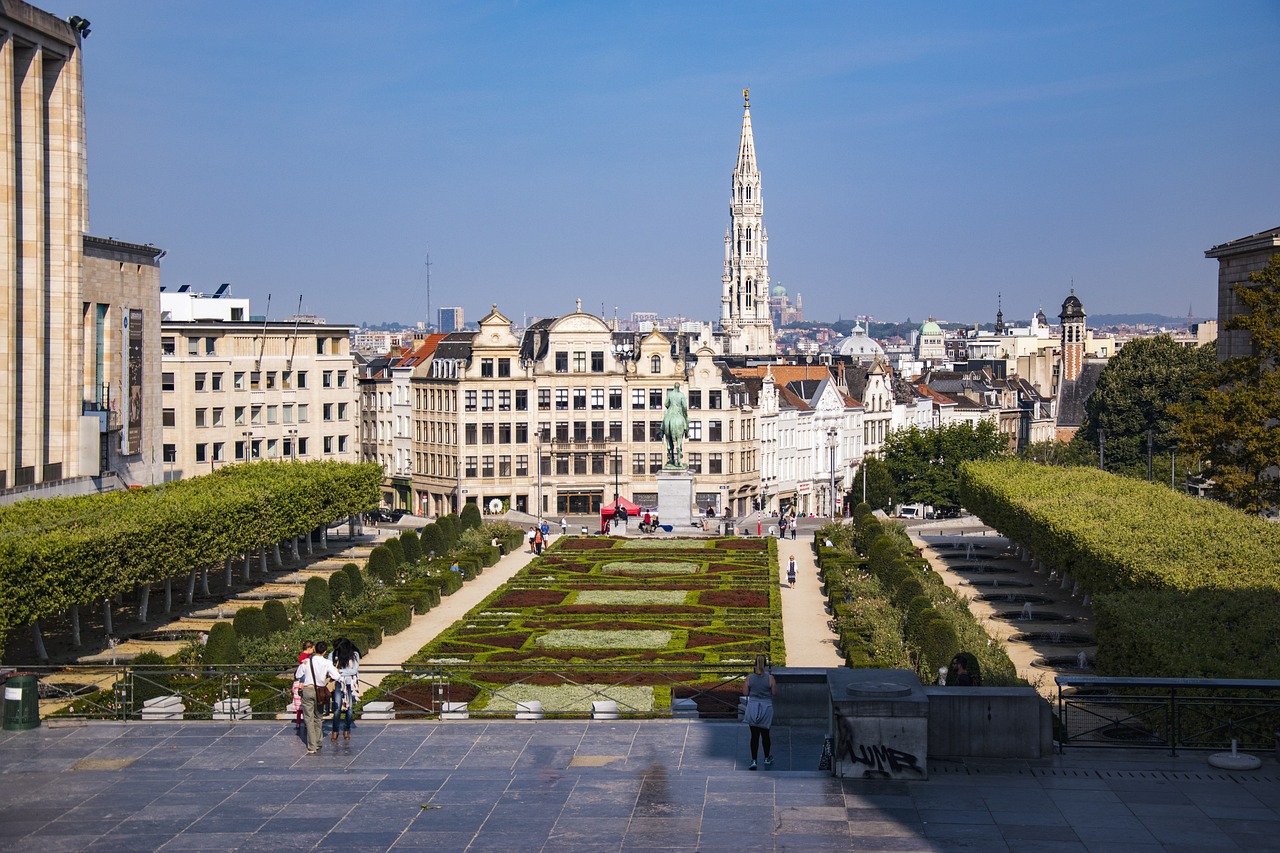
Mont des Arts is where I bring people when I want to convince them that Brussels can be beautiful from every angle. The terraced garden, framed by museums and crowned by a panoramic platform, looks straight toward the Town Hall tower and the distant Atomium on a clear day.
Why go: It’s the classic postcard view of Brussels, ideal if you’re crafting a 3 day itinerary for Brussels and want at least one “wow” cityscape. It’s also conveniently sandwiched between important museums like the Magritte Museum and the Royal Museums of Fine Arts.
My habit: I often come here in the late afternoon with a takeaway coffee from a café near Place Royale, sit on the steps, and watch the light shift across the rooftops. Street musicians often play here, adding an impromptu soundtrack.
Practical: A short uphill walk from Brussels-Central station. The upper level can be a bit windy in winter; bring a scarf. Great at sunset or after dark for city lights.
5. Royal Palace of Brussels
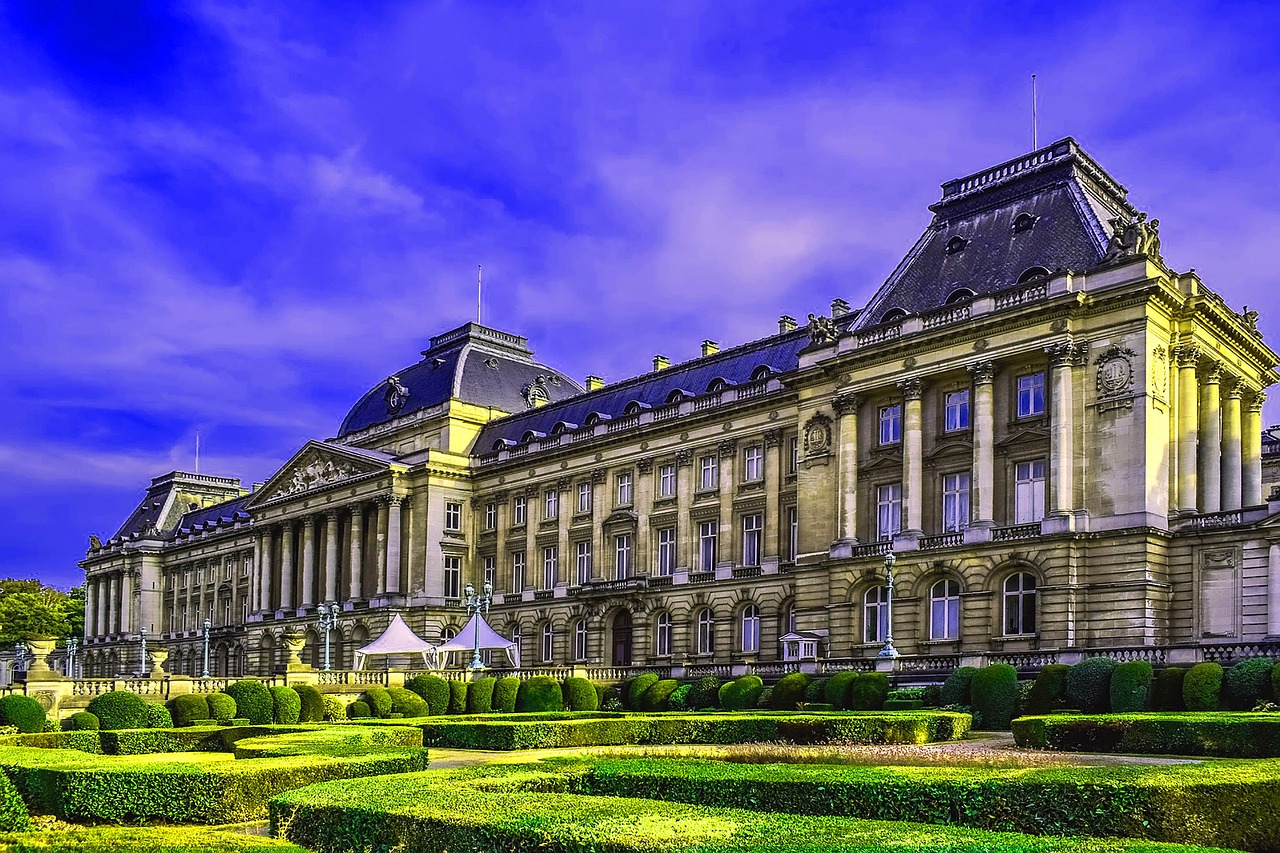
The Royal Palace isn’t the King’s residence (that’s in Laeken), but it is his official workplace and a symbol of the Belgian monarchy. The façade along Place des Palais is stately but not intimidating, and the adjacent Parc de Bruxelles gives the whole area a dignified, almost Parisian feel.
Visiting inside: Each summer (usually late July to early September), the palace opens to the public for free. I try to go every couple of years. The rooms are lavish without feeling suffocating, and the famous “Mirror Room” with its shimmering beetle-wing ceiling is surreal.
Tip: Check 2026 opening dates in advance; there can be queues, especially on weekends. Go early in the day or late afternoon to avoid school groups.
Nearby: Combine with the Magritte Museum, the Fine Arts Museums, and a stroll in Parc de Bruxelles. In good weather, I like grabbing a sandwich from a nearby bakery and picnicking in the park.
6. Magritte Museum
Even if you’re not an art buff, you’ve probably seen Magritte’s bowler hats and floating apples. The Magritte Museum, part of the Royal Museums of Fine Arts, houses the world’s largest collection of his works and does a good job of guiding you through his different periods.
Why I like it: It’s big enough to be satisfying but not so huge that you get museum fatigue. I usually spend about 1.5–2 hours here, then take a break at the nearby cafés around Place Royale.
Family-friendly: Teens and older kids often find Magritte’s surrealism playful and intriguing. In 2026, the museum is expanding its digital installations, making the experience more interactive.
Tip: Buy a combined ticket with the other Fine Arts Museums if you love art. Go early on weekends or late in the afternoon on weekdays for fewer crowds.
7. Sablon District (Place du Grand Sablon & Place du Petit Sablon)
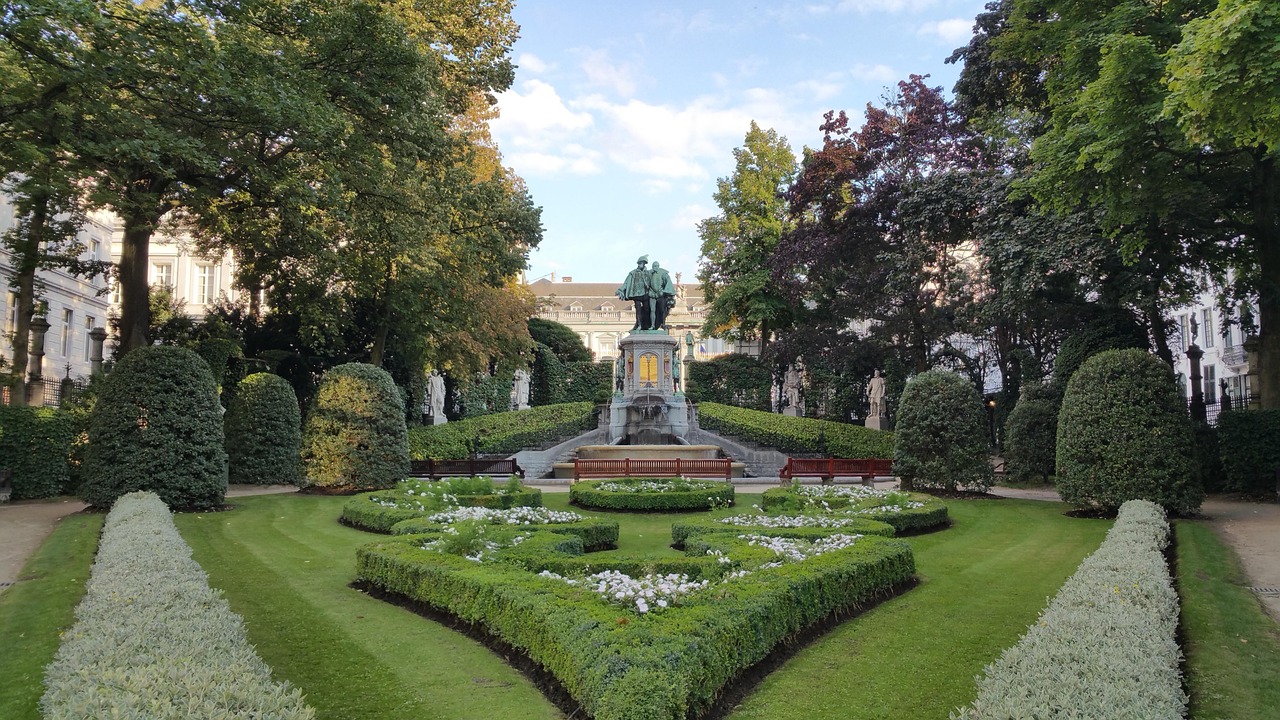
Sablon is where I go when I want to feel fancy without trying too hard. It’s a small, elegant neighborhood with antique shops, high-end chocolatiers, and a lovely church presiding over the square.
Place du Grand Sablon: Lined with cafés and chocolate boutiques (Pierre Marcolini, Wittamer, and more), this square is perfect for an indulgent afternoon. I like to sit on a terrace with a coffee and a small box of chocolates “for sharing” that I mysteriously keep to myself.
Place du Petit Sablon: A small, enclosed garden with statues representing historic guilds. It’s one of those “blink and you’ll miss it” spots, but once you step inside, it feels almost secret.
Weekend antiques market: On weekends, an open-air antiques market takes over part of the Sablon area. I’ve found everything from vintage posters to quirky glassware here (and, once, a 1930s Art Deco lamp I still adore).
8. Galeries Royales Saint-Hubert
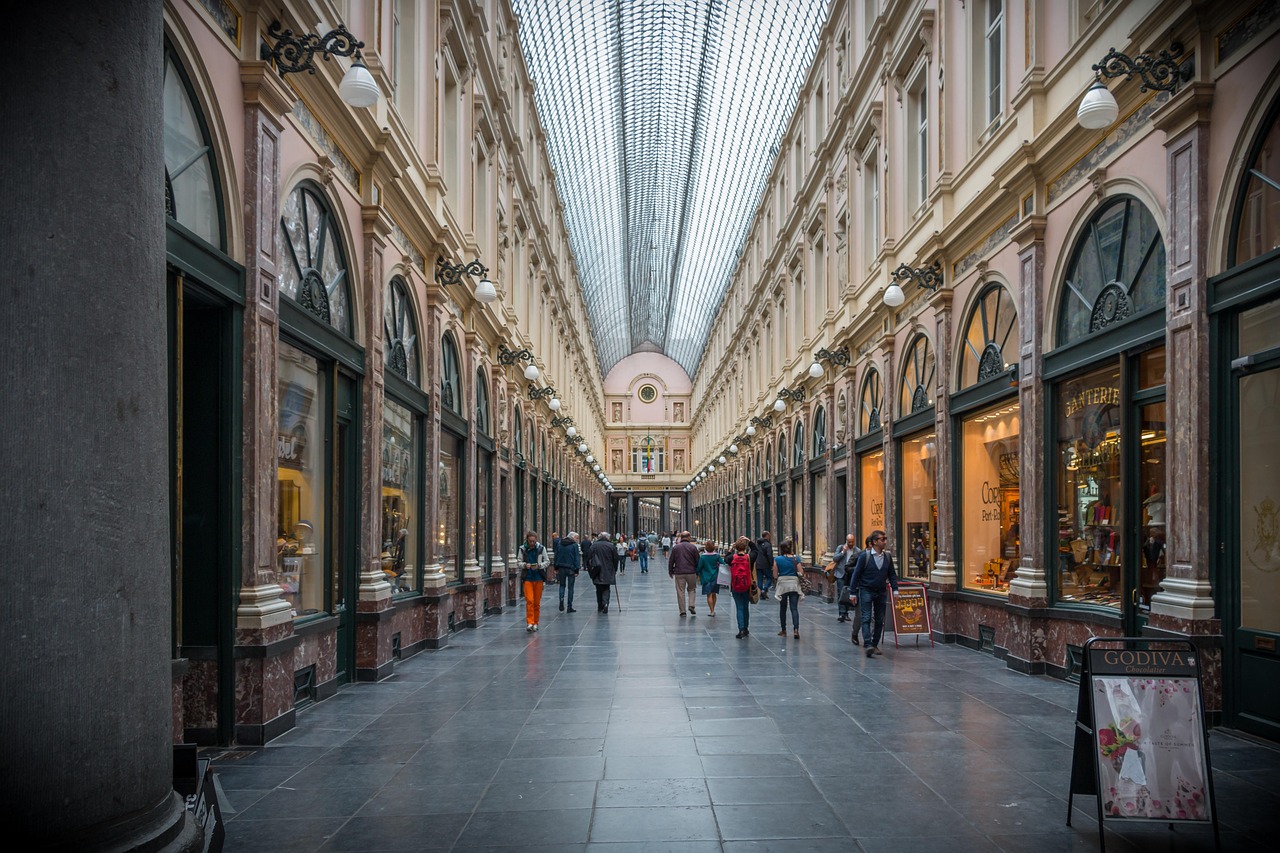
This 19th-century glass-roofed arcade is one of my favorite rainy-day refuges. It’s elegant, slightly nostalgic, and filled with cafés, chocolatiers, and small boutiques.
What I do here: I often stop for a hot chocolate at one of the cafés inside, especially in winter, and watch people wander past under the high, arched ceiling. It’s also a perfect place to buy edible souvenirs—chocolate, biscuits, pralines—without having to dash all over the city.
Tip: Look up as you walk; the architectural details and old signage are beautifully preserved. Early morning visits are quieter and better for photos.
9. Cathedral of St. Michael and St. Gudula
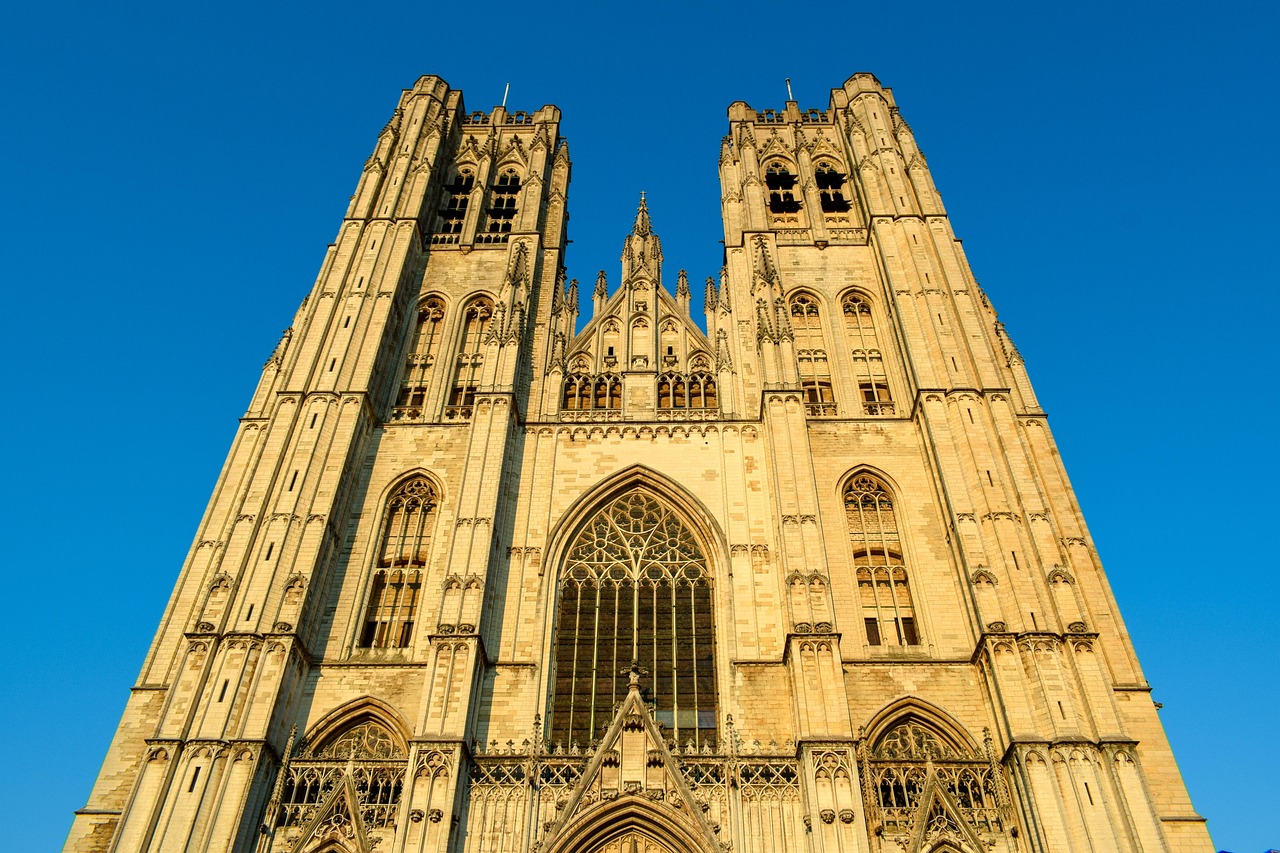
Perched slightly above the city center, this twin-towered Gothic cathedral is one of the most impressive churches in Belgium. I still remember the first time I heard the organ during a short, informal recital—it filled the entire space and gave me goosebumps.
Why visit: Beautiful stained glass, a serene interior, and a sense of history that’s palpable. It’s less crowded than cathedrals in Paris or Cologne, making it easier to actually reflect or admire details.
Tip: Check if there are any concerts during your stay; evening performances here are magical. Modest dress is appreciated, though not strictly enforced.
10. Parc du Cinquantenaire & Triumphal Arch
When locals talk about going for a run or a picnic “near the arches”, they mean Parc du Cinquantenaire. The imposing triumphal arch and colonnaded buildings give the park a stately air, but on sunny days it’s full of joggers, frisbee games, and families.
My routine: I like to walk from Schuman (past the EU buildings) into the park, loop under the arch, and then sprawl on the grass with a takeaway salad or sandwich. In spring, the blooming trees make it especially photogenic.
Museums here: The park houses the Royal Museum of the Armed Forces and Military History, and Autoworld (classic cars). Both are great if you’re traveling with kids or have specific interests.
11. Marolles & Place du Jeu de Balle Flea Market
Marolles is the slightly scruffy, creative side of Brussels that I fell in love with early on. Steep streets, vintage shops, wall art, and a daily flea market at Place du Jeu de Balle where locals genuinely buy and sell their stuff—not just tourist trinkets.
Flea market ritual: The market runs every day, but the best browsing is in the early morning (from about 7:00–9:00). I go with no expectations and usually leave with at least one odd treasure: an old book, a piece of enamelware, a vintage scarf.
Tip: Prices aren’t fixed; gentle haggling is accepted, but keep it friendly. Cash is handy here. Combine with a coffee at a nearby café and a stroll along Rue Haute and Rue Blaes for antiques and design boutiques.
12. Halles Saint-Géry
Halles Saint-Géry is a 19th-century covered market hall turned cultural and nightlife hub. During the day it hosts exhibitions and small events; at night the surrounding bars fill with a mixed, local crowd.
Why I go: It’s central but feels more “Brussels” than some of the touristy streets nearby. I like stopping here for an early evening drink on the terrace when the weather’s warm.
13. European Quarter (EU Institutions & Parc Léopold)
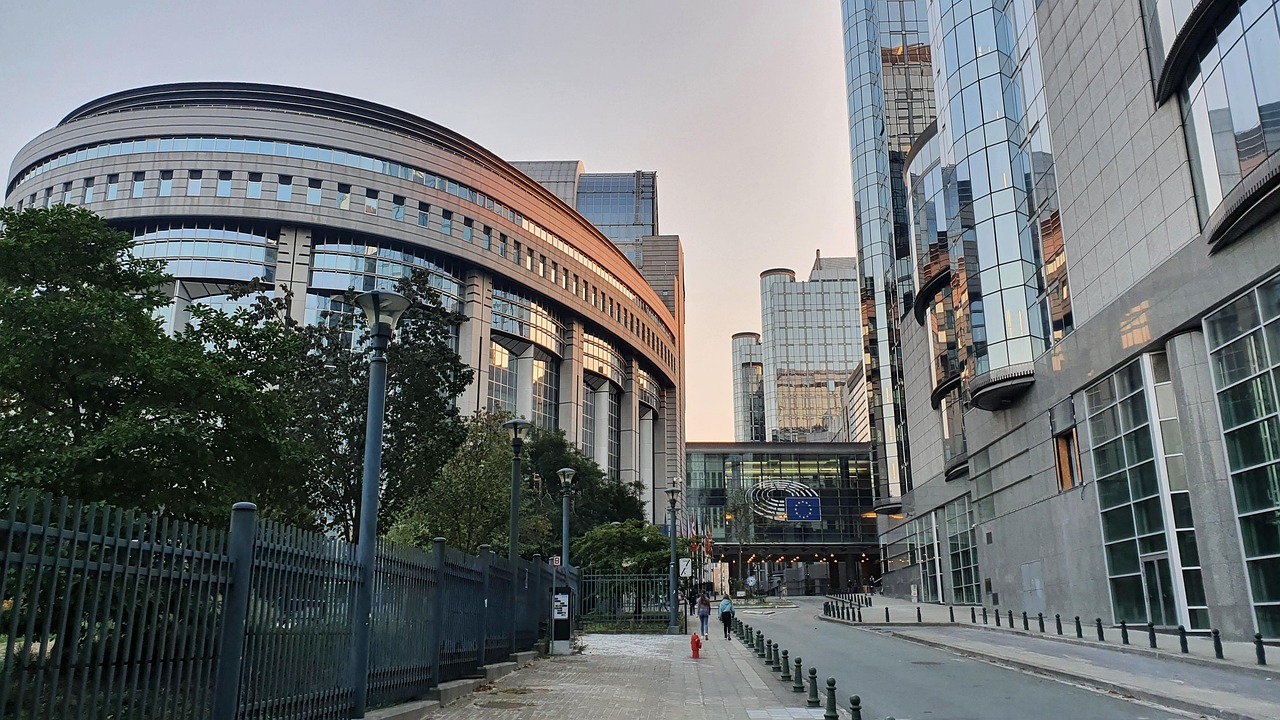
Brussels is more than chocolate and beer; it’s also the de facto capital of the European Union. The European Quarter can look a bit glass-and-steel at first glance, but it’s worth exploring, especially if you have any interest in politics or international relations.
Parlamentarium & European Parliament: The Parlamentarium is an interactive visitor center that explains the EU in surprisingly engaging ways. You can also visit the European Parliament hemicycle on certain days. Both are free and very suitable for older kids and teens.
Local tip: Combine an EU visit with a wander through Parc Léopold, a green pocket with a small lake and some handsome old buildings, and then continue up to Parc du Cinquantenaire.
14. BOZAR – Centre for Fine Arts
BOZAR is one of Brussels’ main cultural engines: concerts, exhibitions, film screenings, talks. I’ve seen everything here from classical concerts to contemporary photography shows.
2026 note: BOZAR continues its expanded program after renovations in the earlier 2020s, with more cross-disciplinary events and late openings. Check the calendar; it’s a great evening option if you’re interested in cultural experiences in Brussels.
15. Belgian Comic Strip Center (Centre Belge de la Bande Dessinée)
Housed in a gorgeous Art Nouveau building by Victor Horta, this museum celebrates Belgium’s rich comic tradition: Tintin, the Smurfs, Lucky Luke, and many more.
Why I like it: It’s cheerful, colorful, and nostalgic, and the building itself is a star. It’s a great place to bring kids, or to reconnect with your own inner child.
Tip: Combine with a self-guided walk to see the many comic strip murals around the city. Pick up a map at the tourist office or download one online.
16. Art Nouveau & Horta Museum
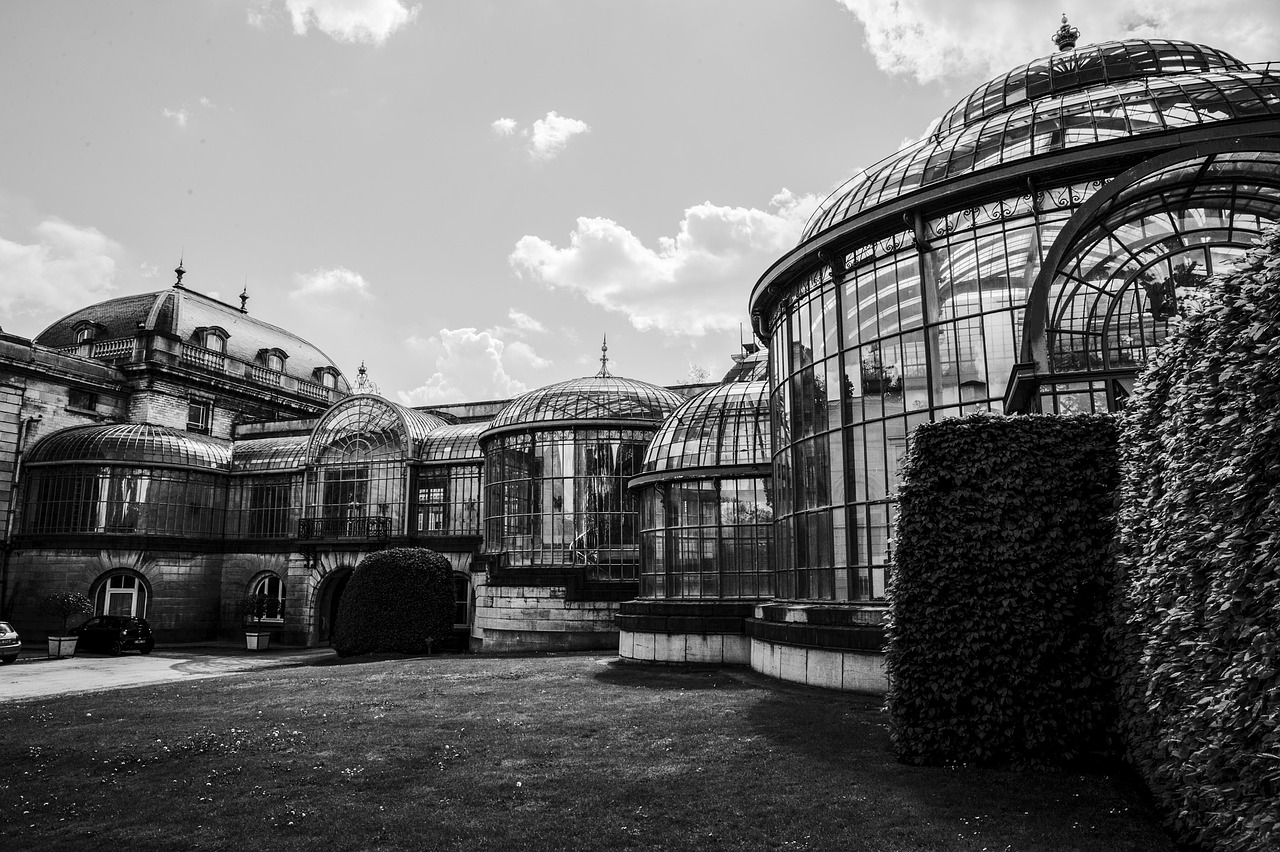
Brussels is a dream for Art Nouveau fans. Architect Victor Horta left his mark all over the city, and the Horta Museum in Saint-Gilles—his former home and studio—is the best place to dive into that world.
My impressions: The first time I walked into the Horta Museum, I found myself tracing the curve of the staircase with my hand, almost unconsciously. The flowing lines, stained glass, and organic details feel like the building is alive.
Tip: Advance reservations may be required; check before 2026 visits, as visitor numbers are often controlled to protect the interiors. Combine with a walk around Saint-Gilles and Ixelles to spot other Art Nouveau façades.
17. Mini-Europe
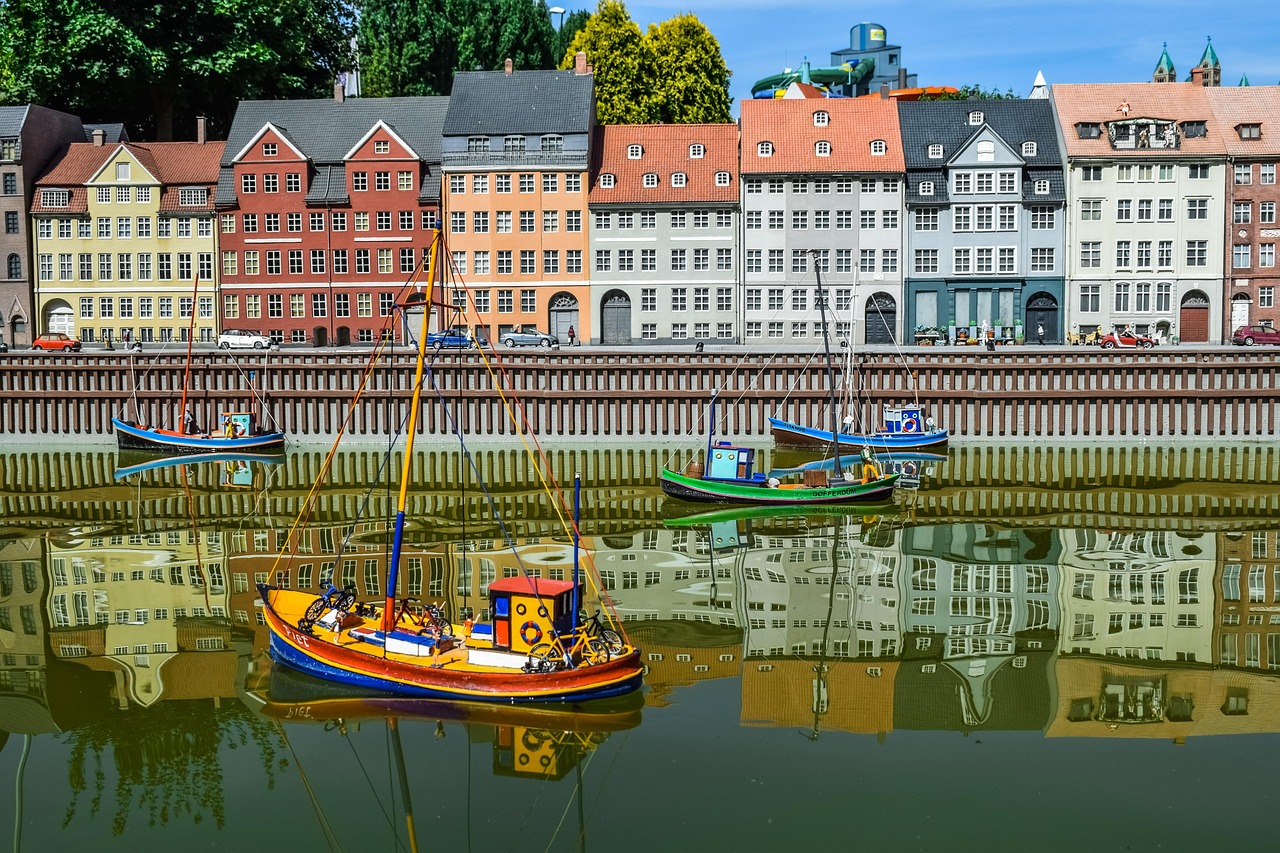
It sounds kitschy, and it is a bit—but in a charming way. Mini-Europe is a park of miniature models of famous European landmarks, from the Eiffel Tower to the Acropolis.
Good for families: Kids love pressing buttons to start tiny trains or boats, and adults can enjoy the surprisingly detailed models. It’s right next to the Atomium, making for an easy half-day combo.
Practical: Open roughly from spring through autumn; check exact dates and hours for 2026. Buy a joint ticket with the Atomium if you plan to visit both.
18. Palace of Justice & Place Poelaert Viewpoint
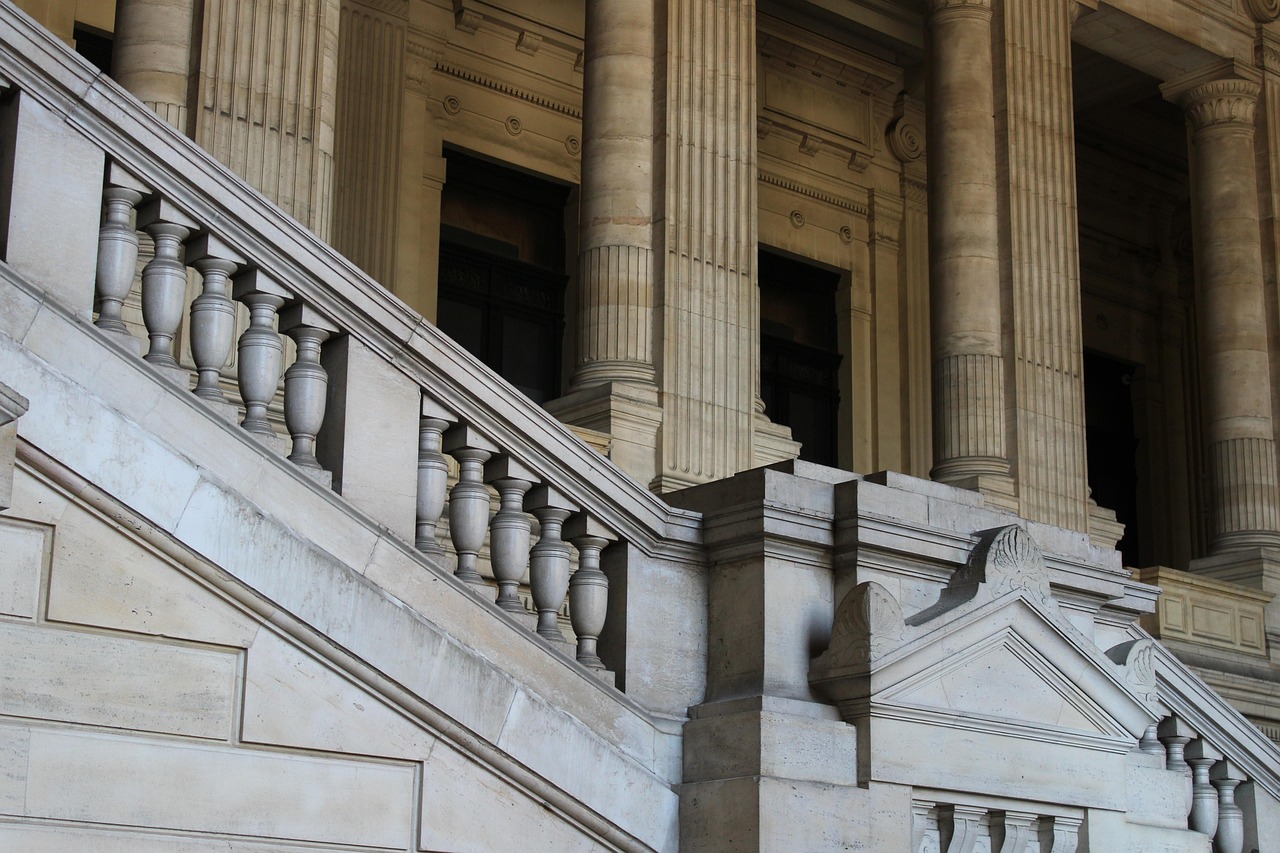
The Palace of Justice looms over the city like a stone spaceship. It’s currently undergoing long-term renovations, so scaffolding has become part of the skyline, but the sheer scale is still impressive.
Viewpoint: The square in front, Place Poelaert, offers one of my favorite free views over the lower city. I often bring visitors here at sunset; we lean against the railing and watch the city blush pink.
Tip: There used to be a small public elevator connecting the upper and lower city here; check if it’s operational during your 2026 visit. If not, the walk down into Marolles is steep but manageable.
19. Train World
Located in Schaerbeek, Train World is Belgium’s national railway museum and one of the best I’ve visited anywhere. Even if you’re not a train nerd, it’s surprisingly engaging.
My visit: I went with a friend’s two kids and ended up more fascinated than they were. The mix of full-size historic locomotives, immersive soundscapes, and creative displays makes the history of rail travel feel very alive.
Practical: Easily reached by train from Brussels-North to Schaerbeek station (just a few minutes), or by tram. Good rainy-day activity; allow 2–3 hours.
20. Cantillon Brewery (Brasserie Cantillon / Musée Bruxellois de la Gueuze)
If you’re curious about traditional Belgian beer, Cantillon is a pilgrimage site. This family-run lambic brewery in Anderlecht feels like stepping back a century: wooden barrels, cobwebbed cellars, and the distinctive aroma of wild fermentation.
My experience: The self-guided tour is simple but authentic; you walk among the old equipment and aging barrels, then taste the beers at the end. Lambic, gueuze, and kriek here are tart, complex, and nothing like mass-produced “fruit beer.” I take friends who say they “don’t like beer” and let Cantillon change their minds.
Tip: Check opening hours and special events (tastings, release days) in 2026. The area around the brewery is perfectly fine during the day but a bit quiet at night; plan your return to the center accordingly.
21. Parc de Bruxelles (Warandepark)
This symmetrical park between the Royal Palace and Parliament is my go-to lunch-break escape when I’m in the center. Gravel paths, fountains, and tree-lined alleys make it perfect for a stroll or jog.
Seasonal tip: In summer, look out for open-air events and concerts; in autumn, the foliage makes for beautiful photos. Benches are plentiful—ideal for resting your feet between attractions.
22. Sainte-Catherine & the Old Port Area
The Sainte-Catherine area is where I often end up for dinner. The square is anchored by a striking black-and-white church and surrounded by seafood restaurants, bars, and cafés.
Why go: It’s lively without being overwhelming. In winter, this is one of the hubs of Brussels’ Christmas market, with lights, stalls, and a festive atmosphere. The side streets hide some excellent restaurants and wine bars.
23. Botanique & Botanical Garden
Botanique is a greenhouse-like building that now serves as a cultural center and concert venue, surrounded by landscaped gardens. I’ve come here for small indie gigs and then lingered outside on the terraces on mild evenings.
Tip: If you’re into live music, check their event calendar—it’s one of the best mid-sized venues in the city.
24. Laeken: Royal Greenhouses & Japanese Tower
In spring, the Royal Greenhouses of Laeken open for just a few weeks, and I try to go almost every year. The vast glass structures, filled with exotic plants and flowers, feel like stepping into a Belle Époque dream.
2026 note: Expect the usual limited opening period (typically April–May); check dates well ahead as this is a very popular event. Tickets are affordable but timed; book early.
Nearby: The Japanese Tower and Chinese Pavilion (historic orientalist follies) are currently in long-term restoration; check their status in 2026 before planning a visit.
Brussels Neighborhoods & Districts: Where to Wander
One of the joys of spending 4 or 5 days in Brussels is having time to explore beyond the historic core. Here’s how I roughly think of the city’s main areas when planning walks or recommending where to stay.
Historic Centre (Pentagon)
This is the heart of the city, roughly within the old city walls. Grand-Place, Manneken Pis, Sainte-Catherine, and the Bourse are all here.
- Vibe: Tourist-heavy but still charming, especially early morning and in the evening.
- Good for: First-time visitors, short stays, being walking distance from most must-see attractions in Brussels.
Sablon & Upper Town
From Sablon to Place Royale and Mont des Arts, this is the “elegant” Brussels: churches, museums, antique shops, and classic cafés.
- Vibe: Sophisticated, slightly quieter at night.
- Good for: Art lovers, couples, travelers who like refined surroundings.
Marolles
Steep streets, vintage stores, the Jeu de Balle flea market. More working-class roots, now mixed with creatives and students.
- Vibe: Gritty-chic, authentic, lived-in.
- Good for: Vintage hunters, street photographers, budget-conscious travelers.
Ixelles & Saint-Gilles
My personal favorite combo. Art Nouveau houses, lakes, lively bars, world cuisines, students from nearby universities.
- Vibe: Bohemian, young, diverse, slightly hipster.
- Good for: Longer stays, foodies, travelers who enjoy local cafés more than big sights.
European Quarter
Office towers, EU institutions, but also Parc Léopold and Parc du Cinquantenaire.
- Vibe: Businesslike on weekdays, quieter on weekends.
- Good for: Business trips, politics buffs, runners who want green space nearby.
Schaerbeek & Laeken
Residential but with gems like Train World, the Royal Greenhouses, and some beautiful avenues.
- Vibe: Mixed, local, slightly off the tourist circuit.
- Good for: Returning visitors, people seeking quieter accommodation at better prices.
Itineraries: 3, 4 & 5 Days in Brussels (With Personal Walkthroughs)
Here’s how I’d actually spend 3 days in Brussels, then how I’d expand that into a 4 day itinerary for Brussels or a 5 day itinerary for Brussels if you have more time.
3 Day Itinerary for Brussels: Classic Highlights with Local Flavor
If you only have 3 days in Brussels, focus on the historic center, a few big-ticket sights, and some neighborhoods, without rushing.
Day 1 – Grand-Place, Historic Centre & Sablon
I like to start newcomers right in the heart of things.
Morning: Arrive and drop your bags (even if your room’s not ready). Head straight to Grand-Place and give yourself time to simply wander. Circle the square, duck into side streets, and follow your curiosity. Pop into the City Museum in the King’s House if you want to see the original Manneken Pis and learn about the city’s history.
Walk to Manneken Pis—accept that it’s tiny—and continue through the narrow streets to the Galeries Royales Saint-Hubert. Stop for a mid-morning coffee or hot chocolate and an early praline “tasting” (research, obviously).
Lunch: For a first simple Belgian meal, look for a brasserie just off the main streets—somewhere with locals on their lunch break, not just tourists with maps. Order stoofvlees (Flemish beef stew with fries) or vol-au-vent.
Afternoon: Walk uphill to Mont des Arts for the view, then continue to the Royal Palace and Parc de Bruxelles. If you’re into art, spend 1.5–2 hours at the Magritte Museum or another of the Fine Arts Museums.
Drift toward Sablon for late-afternoon chocolate shopping. Visit Pierre Marcolini for sleek, modern creations and Wittamer for classic pastries. I like to sit at an outdoor table on Place du Grand Sablon with a coffee and something decadent, just soaking up the atmosphere.
Evening: Walk back down to the center for dinner. For a relaxed first night, choose a bistro serving Belgian classics. Afterwards, return to Grand-Place to see it illuminated—it feels almost like a different place at night.
Day 2 – Atomium, Mini-Europe & Sainte-Catherine
Morning: Take metro line 6 to Heysel and head to the Atomium. Pre-book tickets if you’re visiting in summer or on a weekend. Enjoy the view, the retro-futuristic interiors, and the exhibitions.
Afterwards, decide whether to visit Mini-Europe. With kids, it’s almost a guaranteed hit; without kids, it’s a question of your tolerance for whimsical miniatures (mine is high).
Lunch: Grab a quick bite near Heysel or bring snacks and have a mini-picnic in the park. Then head back by metro to the center.
Afternoon: Visit the Cathedral of St. Michael and St. Gudula, then stroll through the lower city to Sainte-Catherine. Explore the side streets, the old quays, and peek into fishmongers’ windows if you’re considering seafood for dinner.
Evening: Dinner in Sainte-Catherine. I tend to avoid the most aggressively touting restaurants; instead, look for slightly quieter places with shorter menus. After dinner, wander toward Halles Saint-Géry for a drink in a lively but still mostly local crowd.
Day 3 – Marolles, Flea Market & European Quarter
Morning: If it’s a weekend, start at Place du Jeu de Balle flea market in Marolles. Even on weekdays, there’s a market, though a bit smaller. Browse, chat with vendors, maybe pick up a vintage souvenir.
Climb (or descend, depending on direction) toward the Palace of Justice. Take in the view from Place Poelaert, then wander back down through Marolles’ narrow streets, stopping into vintage shops and small cafés.
Lunch: Eat in Marolles or head toward Avenue Louise for a more upscale lunch. I like casual spots serving daily specials—look for chalkboards with handwritten menus.
Afternoon: Metro or walk to the European Quarter. Visit the Parlamentarium and, if available, the European Parliament hemicycle. Then walk through Parc Léopold and on to Parc du Cinquantenaire for a relaxed late-afternoon stroll.
Evening: For your final night, consider exploring Ixelles (Flagey area) for dinner and drinks—lots of local life, from trendy wine bars to relaxed brasseries. Or head back to the center for a last walk under the city lights.
4 Day Itinerary for Brussels: Add Art Nouveau & More Local Life
With 4 days in Brussels, follow the 3-day itinerary, then add:
Day 4 – Art Nouveau, Ixelles & Saint-Gilles
Morning: Start in Saint-Gilles with a visit to the Horta Museum (book ahead). Spend time admiring the details—the staircase, the stained glass, the woodwork.
Afterwards, wander the nearby streets to see more Art Nouveau façades. I like to keep my phone map open but zoomed out so I mostly navigate by feel, turning down streets that “look interesting.”
Lunch: Head toward Ixelles (around Chatelain or Place Fernand Cocq) for lunch. This area is full of cozy cafés and bistros. I often end up in a place with mismatched chairs, chalkboard menus, and lots of plants—the unofficial Brussels café aesthetic.
Afternoon: Walk toward the Ixelles Ponds (Étangs d’Ixelles) for a peaceful stroll. Continue to the Flagey area for a coffee or an ice cream; on weekends, there’s often a market on the square.
Evening: Stay in Ixelles or Saint-Gilles for dinner and drinks. This is where locals actually go out, so you’ll get a better feel for everyday Brussels life than in the tourist center.
5 Day Itinerary for Brussels: Deep Dive & Day Trip
For a 5 day itinerary for Brussels, I’d keep everything above and add:
Day 5 – Train World & Cantillon Brewery (or a Nearby Day Trip)
Option A: Stay in Brussels
Morning: Visit Train World in Schaerbeek. Take the train from Brussels-North to Schaerbeek station; the museum is right there. Allow 2–3 hours, especially if you’re with kids or railway enthusiasts.
Lunch: Have a simple lunch in Schaerbeek or head back toward the center.
Afternoon: Visit Cantillon Brewery for the lambic tour and tasting. Afterwards, explore Anderlecht a bit or head back to the center for some last-minute shopping or museum time.
Evening: Final dinner at a favorite spot you’ve discovered, or try a new place recommended by locals (ask your hotel staff or hosts).
Option B: Day Trip
If you’d rather use one day for a day trip, Brussels is an excellent base. See the day trips section below; my top picks from 2026 remain Bruges, Ghent, and Leuven. Trains are frequent, and you can easily be back in Brussels for dinner.
Local Food in Brussels: What to Eat & Where
Belgian food is hearty, comforting, and quietly sophisticated. In Brussels, you can eat like a king on a student budget if you know where to look—or you can splurge on tasting menus and still feel it was worth every euro.
Essential Dishes to Try
- Frites (Fries): Double-fried, crispy outside, fluffy inside. Try them “nature” with classic mayonnaise or with sauces like andalouse.
- Moules-frites: Mussels with fries, usually in a white wine, garlic, or cream-based broth. Best in season (roughly September–April).
- Carbonade flamande / Stoofvlees: Beef stew slow-cooked in beer, served with fries. Rich and perfect on a cold day.
- Waterzooi: A creamy stew of chicken or fish with vegetables; comforting and mild.
- Waffles: Brussels waffles are light, crisp, rectangular; Liège waffles are denser, sweeter, with caramelized sugar bits.
- Chocolate & Pralines: Brussels is full of excellent chocolatiers, from big names to small artisans.
- Beer: From Trappist ales to sour lambics. Even if you’re not a big drinker, sampling a small glass or two is part of the cultural experience.
Where I Actually Eat (Types of Places)
I won’t list specific restaurant names (they change too quickly), but here’s how I choose where to eat in 2026:
- For frites: Look for a standalone fritkot with a steady stream of locals. I avoid places with extensive tourist menus and photos of food.
- For waffles: I skip shops with towering displays of waffles drowning in toppings; the best spots usually offer simpler, fresher options.
- For good-value lunches: Neighborhood cafés in Ixelles, Saint-Gilles, and Marolles often have daily lunch formulas (dish + drink) at reasonable prices.
- For beer tasting: Small, characterful bars with long beer lists and knowledgeable staff. Ask for a recommendation based on what you normally like (wine, cider, etc.).
- For chocolate: In Sablon and around Grand-Place, I dip into several boutiques and buy 2–3 pieces at each instead of committing to one big box at the first place.
Money-Saving Food Tips
- Lunch deals: Many places offer cheaper fixed menus at lunch than dinner. Eat your “big meal” at midday and go simpler in the evening.
- Picnics: Supermarkets and neighborhood bakeries are perfect for picking up picnic supplies—cheese, bread, cured meats, salads—to eat in parks like Parc de Bruxelles or Cinquantenaire.
- Tap water: Safe to drink; ask for “carafe d’eau” in French or “kraanwater” in Dutch, though some restaurants may push bottled water.
Nightlife, Entertainment & Cultural Experiences in Brussels
Brussels’ nightlife is more about cozy bars and cultural venues than mega-clubs, though you can find those too.
Evening & Nightlife Areas
- Sainte-Catherine & Halles Saint-Géry: Bars and terraces, especially good for beer lovers and casual nights out.
- Ixelles (Flagey, Chatelain): Trendy wine bars, cocktail bars, and restaurants. Great for date nights.
- Saint-Gilles: Slightly more alternative, with a mix of neighborhood bars and creative spaces.
Cultural Venues
- BOZAR: Concerts, exhibitions, performances.
- Ancienne Belgique (AB): One of Brussels’ best concert halls, hosting international acts.
- Botanique: Great for smaller gigs and festivals.
- Theatres & cinemas: Look for VO (original version) screenings for films in English.
Family-Friendly Evenings
- Evening walks through the historic center and along the old port area.
- Seasonal events like Christmas markets or summer light shows at Grand-Place.
- Early dinners in Sainte-Catherine or Sablon, followed by gelato or waffles.
Day Trips from Brussels: Easy Escapes
If you’re spending 4 or 5 days in Brussels, consider adding a day trip. Belgian trains are reliable (mostly), affordable, and frequent.
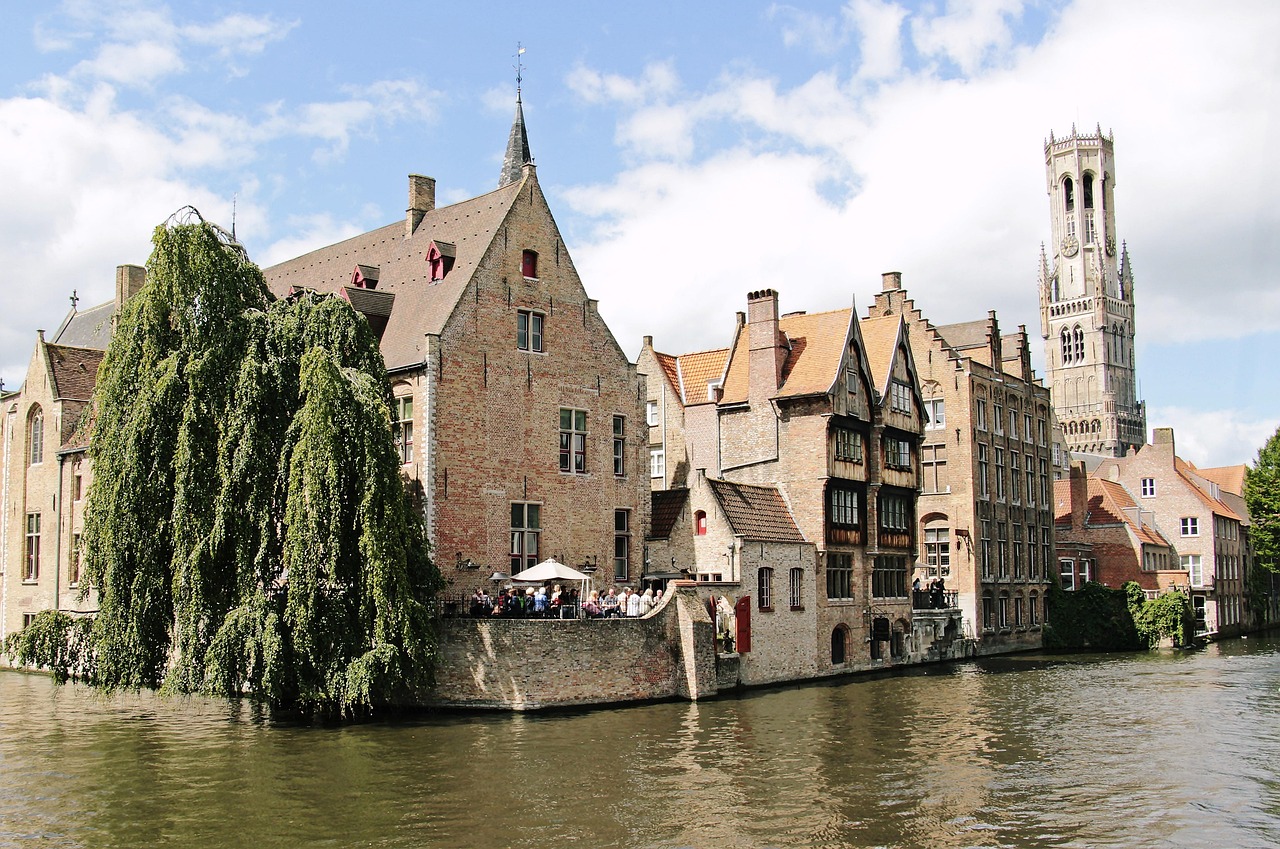
Bruges
Why go: Fairy-tale canals, medieval architecture, cobbled streets. Yes, it’s popular, but going early or staying late can make it feel more intimate.
Getting there: Direct trains from Brussels-Central, Midi, and Nord; about 1 hour. No need to book ahead for standard tickets in 2026.
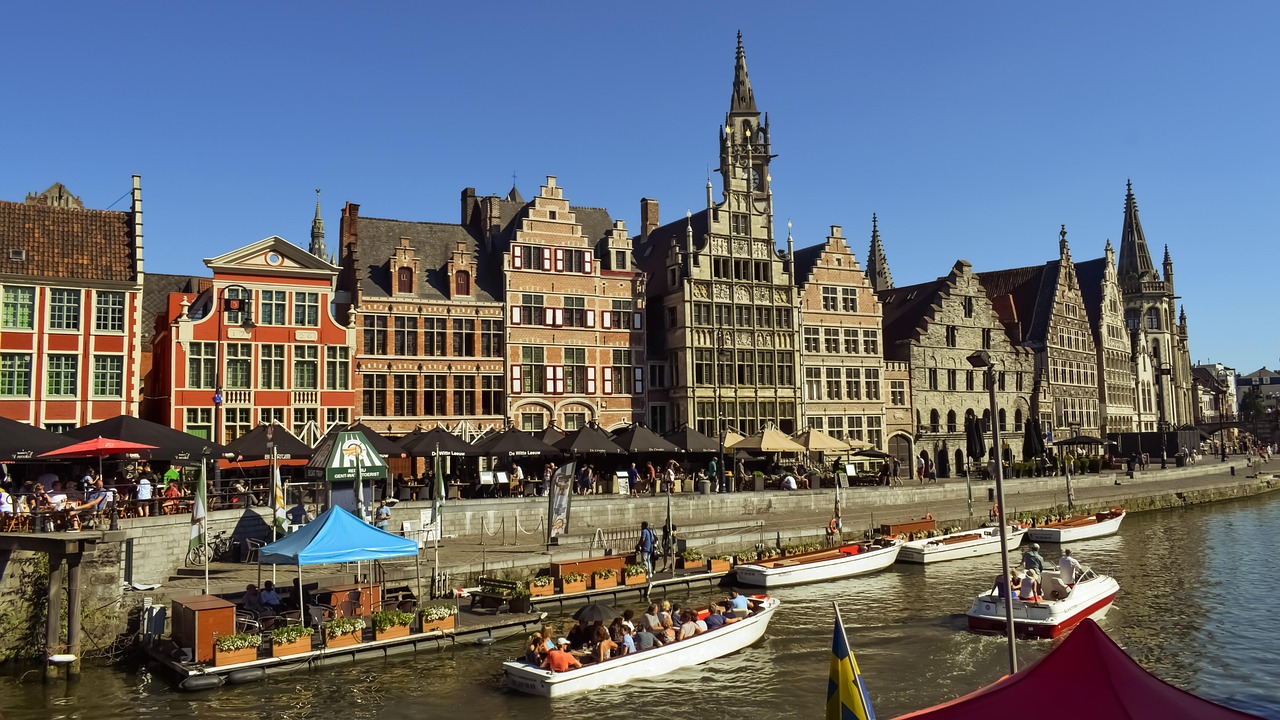
Ghent
Why go: Lively university city with canals, a castle, and excellent food. Less touristy than Bruges and arguably more “real.”
Getting there: Around 30–40 minutes by train.
Leuven
Why go: Historic university town with a stunning town hall, great bars, and a relaxed vibe.
Getting there: 20–25 minutes by train.
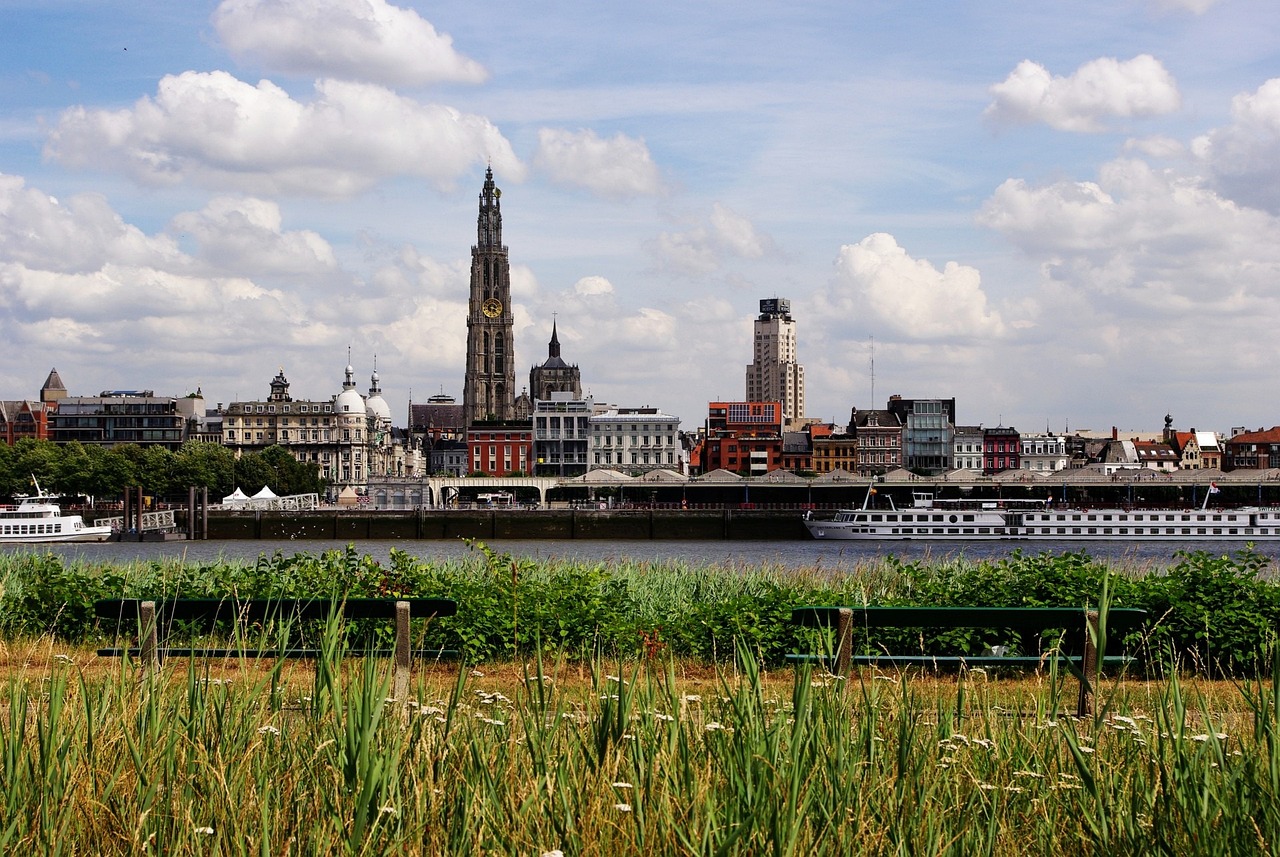
Antwerp
Why go: Fashion, diamonds, a spectacular train station, and a vibrant cultural scene.
Getting there: 40–50 minutes by train.
Local Customs in Brussels & Cultural Etiquette
Belgians in Brussels are polite, somewhat reserved at first, but helpful when approached. A few small things can make your interactions smoother.
Language & Politeness
- Start with “Bonjour” (French) or “Goedendag” (Dutch) when entering shops or speaking to staff, then switch to English if needed.
- “Please” and “thank you” matter: s’il vous plaît / merci in French; alstublieft / dank u in Dutch.
Tipping
- Service is usually included, so tipping is not mandatory, but rounding up or leaving 5–10% for good service is appreciated.
- In cafés, leaving small change is common.
Dining
- Table service is more relaxed; don’t expect rushed turnover. Ask for the bill when you’re ready; it won’t be brought automatically.
- Sharing dishes is fine among friends; just be clear when ordering.
Public Behavior
- Brussels is generally tolerant and diverse. Public displays of affection are fine, though very loud behavior on trams/metro late at night is frowned upon.
- Queueing is mostly respected; don’t cut in line.
Practical Travel Advice for Brussels (2026 Edition)
Getting Around
- Walk: The historic center is compact; many best places to visit in Brussels are within walking distance.
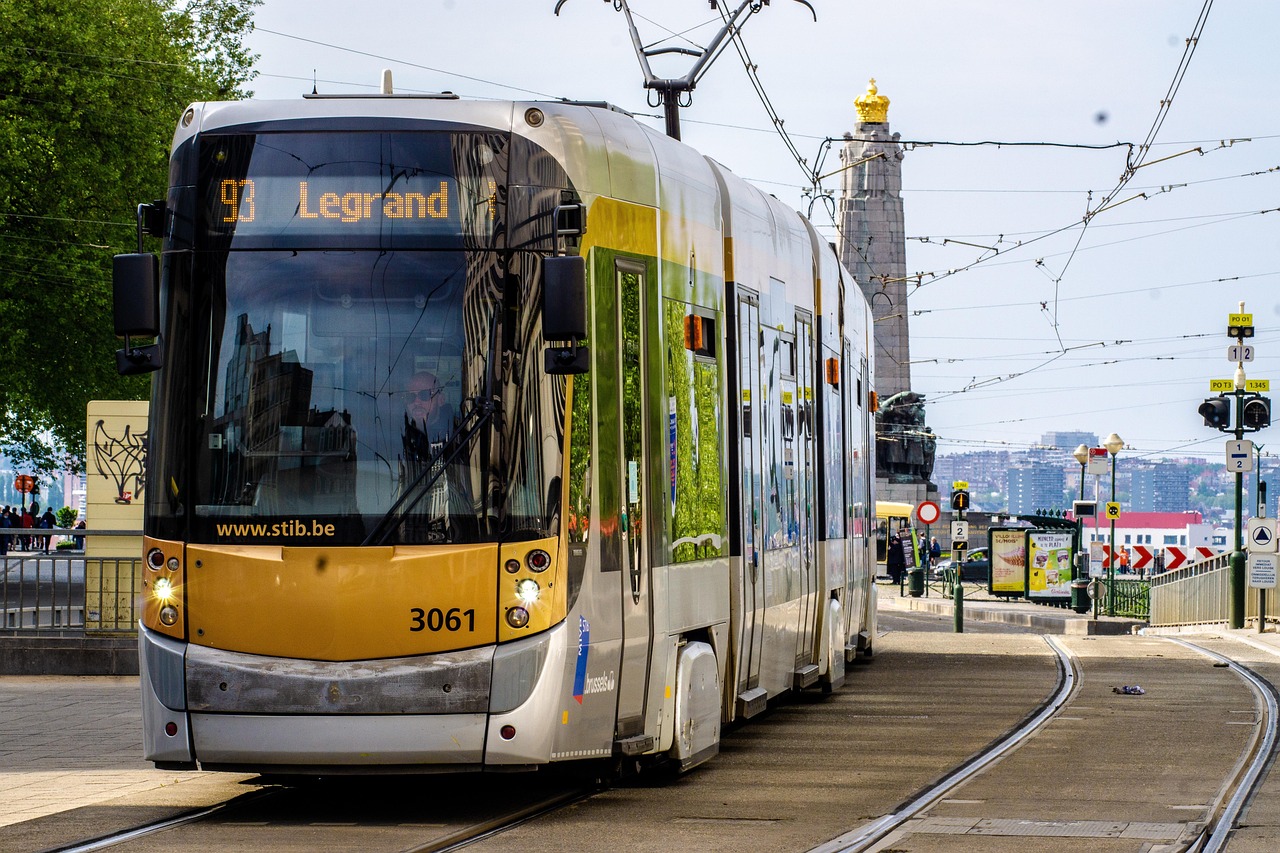
- Public transport: STIB-MIVB runs metro, trams, and buses. Buy a rechargeable card or use contactless payment. In 2026, more contactless readers are installed across the network.
- Tickets: Single rides, day passes, and multi-day passes are available. If you’re here for 3–5 days and plan to move around a lot, a multi-day pass is usually best value.
- Taxis & ride-hailing: Available but not essential. Useful late at night or with heavy luggage.
- Car rental: I strongly recommend not renting a car just for Brussels—traffic and parking are hassles. Rent only if you’re doing broader road trips.
SIM Cards & Connectivity
- EU travelers often roam at domestic rates; check with your provider.
- For others, local SIMs or eSIMs from major providers are easy to get at the airport, train stations, or phone shops. Look for prepaid data plans; even a small package covers a few days of maps and messaging.
- Free Wi-Fi is common in hotels, many cafés, and some public areas.
Money & Costs
- Currency: Euro (€).
- Cards: Widely accepted; some smaller places still prefer cash.
- Budget tips: Use lunch deals, supermarkets for snacks, and multi-day transport passes. Avoid overpaying in tourist traps right on Grand-Place.
Visas & Entry Requirements
- Belgium is in the Schengen Area. Many nationalities can enter visa-free for short stays; others may need a Schengen visa. Check official Belgian or EU websites before your 2026 trip.
- Passport validity: Generally, ensure at least 3–6 months of validity beyond your stay, depending on your nationality.
Driving & Foreign Licenses
- Most foreign driving licenses from EU/EEA countries are recognized. Non-EU travelers may need an International Driving Permit in addition to their national license—check before renting.
- Low Emission Zones (LEZ) rules apply to some vehicles; if you’re driving your own car into Brussels, check LEZ requirements in 2026.
Safety
- Brussels is generally safe, but, like any big city, watch for pickpockets in crowded areas (Grand-Place, around train stations).
- At night, stick to well-lit streets; use taxis or ride-hailing if you feel unsure.
- Keep your valuables secure on public transport and in busy bars.
Hidden Tips From a Local Perspective
- Start early: Even one hour’s head start makes Grand-Place and other things to do in Brussels feel more magical.
- Ask locals: Brussels people may seem reserved, but ask for a restaurant or bar recommendation and you’ll often get a passionate list.
- Use parks: Parks are your friend for resting, picnics, and decompression between sights.
- Weather backup: Always have a rainy-day plan: museums, chocolate shops, covered galleries, Train World, and comic strip museum are perfect options.
When to Visit Brussels & Seasonal Advice
Brussels is a year-round destination, but what you do and how you pack will change with the seasons.
Spring (March–May)
- Good for: Moderate weather, fewer crowds, blooming parks.
- Highlights: Royal Greenhouses of Laeken open (limited weeks), outdoor terraces begin to fill.
Summer (June–August)
- Good for: Long days, outdoor events, festival season.
- Considerations: More tourists, higher prices on some weekends; occasional heatwaves but often mild.
Autumn (September–November)
- Good for: Food and beer, cozy cafés, colorful foliage in parks.
- Vibe: My personal favorite time—less crowded, atmospheric.
Winter (December–February)
- Good for: Christmas markets, hearty food, museums.
- Considerations: Shorter days, cold and damp weather, but fewer crowds after New Year.
Major Events in Brussels 2026–2027
Exact dates can shift, but here are recurring and expected events for 2026–2027. Always check official websites closer to your travel dates.
- Ommegang (June/July 2026 & 2027): Historical pageant in Grand-Place with processions in period costume.
- Flower Carpet (August 2026): Every two years, Grand-Place is covered by a huge floral carpet. The next edition is expected in 2026.
- Brussels Summer Festival: Multi-day music festival across city venues, usually August.
- Belgian Beer Weekend (early September): Brewers from all over Belgium fill Grand-Place with stalls and tasting stands.
- Winter Wonders & Christmas Markets (late November–early January 2026–27): Major Christmas market with lights, stalls, ice rink, and ferris wheel, centered around Grand-Place and Sainte-Catherine.
- Art Nouveau & Art Deco Biennial (2027): Typically includes open-house weekends at private architectural gems. Check if a 2027 edition is scheduled.
Summary: Key Takeaways & Final Recommendations
Brussels is a city that reveals itself slowly. It’s not about one big, iconic monument—though the Atomium and Grand-Place certainly qualify—but about the combination of grand architecture, neighborhood life, and small sensory pleasures: the smell of waffles on a cold day, the curve of an Art Nouveau staircase, the hum of different languages on a tram.
- Plan at least 3 days in Brussels to see the main sights; 4–5 days lets you explore neighborhoods and maybe add a day trip.
- Anchor your days around a few must-see attractions in Brussels—Grand-Place, Atomium, Mont des Arts, Sablon—then fill in with markets, parks, and cafés.
- Use public transport and your feet; skip the car.
- Eat locally: frites from a roadside fritkot, waffles from modest stands, daily specials in neighborhood cafés.
- Balance your time between the historic center and areas like Ixelles, Saint-Gilles, Marolles, and the European Quarter for a fuller picture of the city.
- For the best overall experience, target spring or autumn, but tailor your trip to your interests: summer for festivals and outdoor life, winter for markets and museums.
If you let yourself wander a bit off the obvious paths, Brussels will reward you with the kind of moments that don’t fit neatly into a checklist—quiet courtyards, unexpected views, conversations with chocolatiers and bartenders. That’s where the city really lives, and I hope this guide helps you find those corners as much as the big landmarks.