Why Visit Ghent in 2026–2027
Ghent is the Belgian city that somehow manages to feel both grand and intimate. It’s a medieval canal town with gothic spires and guild houses, but also a buzzing university city with street art, quirky bars, and some of the best food I’ve eaten in Europe. Every time I return (my first visit was in 2012; my latest was early 2026), I end up staying longer than planned.
Unlike Bruges, which can feel like a well-preserved museum, Ghent is very much alive. Locals cycle past 13th‑century churches on their way to work, students spill out of cafés along the Graslei, and on warm evenings the whole city seems to gather along the water with beers in hand.
In 2026, Ghent is leaning into its strengths: sustainability (it regularly ranks among Europe’s most eco‑friendly cities), culture (with a packed festival calendar), and food (from Michelin stars to hole‑in‑the-wall frietkots). Whether you’re planning 3 days in Ghent or a 5 day itinerary for Ghent, it’s one of Europe’s easiest cities to fall in love with.
What makes Ghent special?
- A walkable, largely car‑free historic center that feels like a medieval film set.
- One of the world’s most important altarpieces: the Adoration of the Mystic Lamb by the Van Eyck brothers.
- A thriving arts and nightlife scene fuelled by a huge student population.
- Authentic local food in Ghent, from stoofvlees and waterzooi to vegan junk food and craft beer.
- Easy access: 30–40 minutes by train from Brussels, with great rail links for day trips.
Table of Contents
- Why Visit Ghent
- Practical Overview of Ghent in 2026–2027
- Suggested Itineraries (3–5 Days in Ghent)
- 20+ Must‑See Attractions in Ghent (Deep Dive)
- Neighborhoods & Areas to Explore
- Local Food in Ghent & Where to Eat
- Nightlife, Entertainment & Cultural Experiences
- Best Day Trips from Ghent
- Local Customs & Cultural Etiquette
- Practical Travel Advice for Ghent
- Summary & Best Time to Visit Ghent
Practical Overview of Ghent in 2026–2027
Ghent sits in the Flemish region of Belgium, about halfway between Brussels and Bruges. The main station is Gent‑Sint‑Pieters, with frequent trains to Brussels (and Brussels Airport), Antwerp, and the coast.
Key updates for 2026–2027:
- Low‑Emission Zone & Car Access: The city center remains largely car‑free. If you’re driving, check license plate rules before entering the inner zone and use park‑and‑ride facilities.
- Public Transport: De Lijn trams and buses have been further electrified and are integrated with contactless payments. Trams 1, 2, and 4 are especially useful for visitors.
- Major Events 2026–2027:
- Gentse Feesten 2026 & 2027 (July): A 10‑day city‑wide festival of music, theatre, street performance, and late‑night parties.
- Ghent Jazz Festival (July): International jazz, soul, and fusion artists.
- Festival van Vlaanderen Ghent (Autumn): Classical and contemporary music in historic venues.
- Light Festival Ghent (next edition expected winter 2027): Large‑scale light installations across the city (check exact dates closer to travel).
- Language: Dutch (Flemish variety) is the main language, but English is widely spoken, especially by younger people.
- Money: Euro; cards are accepted almost everywhere. Contactless is the norm.
Suggested Itineraries: 3–5 Days in Ghent
These itineraries are based on my own stays between 2018 and 2026, when I usually base myself near the historic center and move mostly on foot and by tram. You can easily adapt them into a 3 day itinerary for Ghent, a 4 day itinerary for Ghent, or a slower 5 days in Ghent plan.
4 Day Itinerary for Ghent (My Recommended Base Plan)
If this is your first time, 4 days in Ghent is that sweet spot: enough time to see the must‑see attractions in Ghent, enjoy some cultural experiences, and still wander without rushing.
Day 1 – Ghent’s Medieval Heart & Canal Views
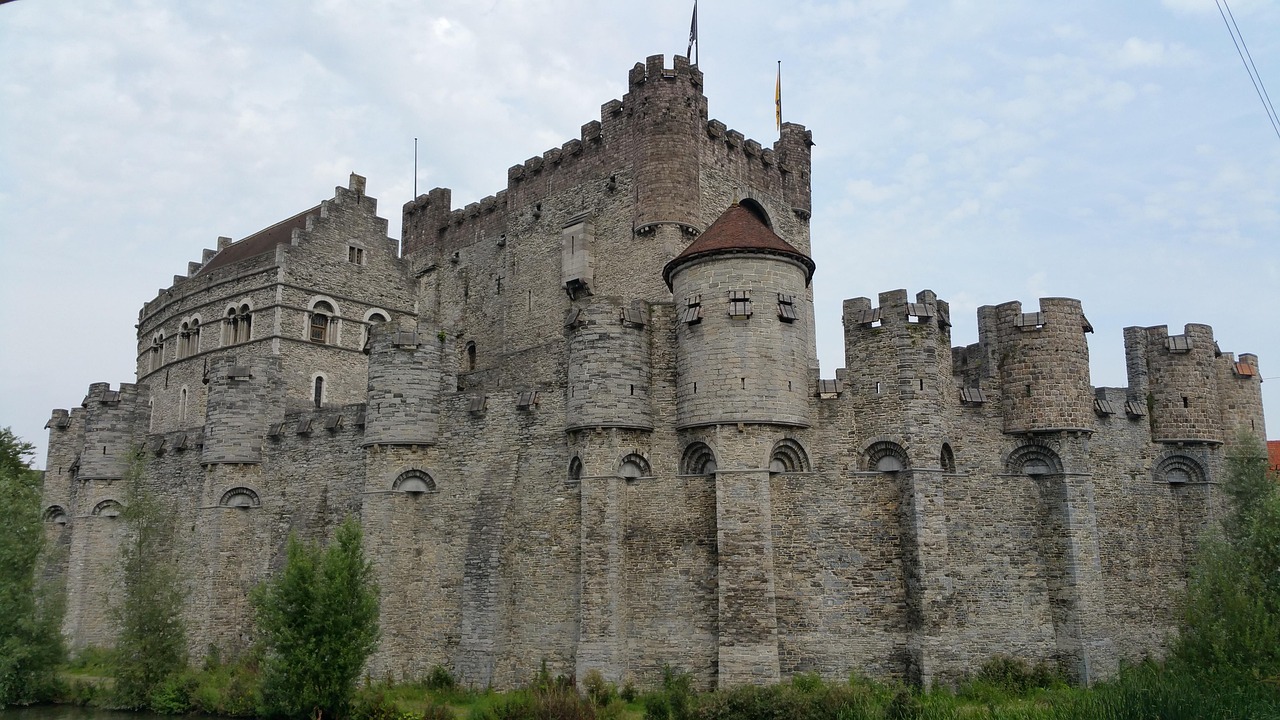
I like to start right at the center, where Ghent shows off its gothic skyline and castle. On my last visit, I dropped my bag at a small guesthouse near Korenlei and walked straight to the Gravensteen while the morning mist still hung over the canals.
- Morning: Gravensteen & Patershol
Begin at the Gravensteen Castle. Arrive at opening time to beat tour groups. The audio guide is genuinely funny and gives a good sense of Ghent’s sometimes brutal medieval history. Climb to the ramparts for one of the best views of the city’s towers.
Afterwards, wander into the Patershol neighborhood, a warren of cobbled lanes and old houses now filled with intimate restaurants and cafés. I usually grab a coffee on a terrace here and just watch locals heading to lunch.
- Lunch: Classic Flemish Food
Try a hearty stoofvlees (Flemish beef stew) with fries and local beer at a traditional brasserie near the Vrijdagmarkt or Korenlei. If you’re vegetarian, look for places serving veggie waterzooi or mushroom‑based stews.
- Afternoon: Graslei & Korenlei + Boat Tour
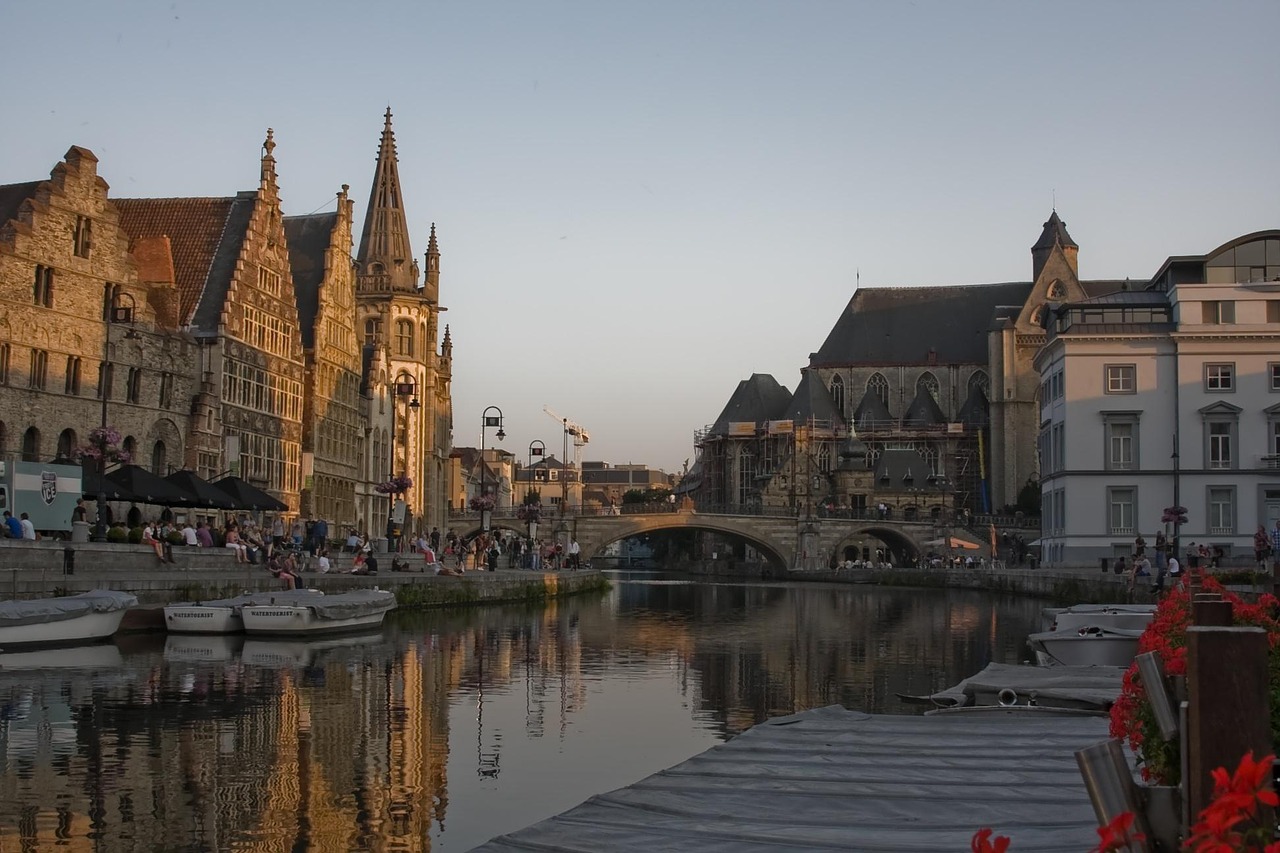
Graslei and Korenlei canal houses in Ghent Walk to the Graslei and Korenlei, Ghent’s postcard‑perfect canal quays. From here, take a 40‑minute boat tour. I’ve done this in both winter and summer; in winter they give you blankets and hot drinks, in summer it’s all about sun and people‑watching.
- Late Afternoon: St. Michael’s Bridge & City Intro
Climb onto St. Michael’s Bridge for the classic view: the three towers of St. Nicholas’ Church, the Belfry, and St. Bavo’s Cathedral aligned perfectly. This viewpoint is magical at golden hour.
- Evening: Canal‑Side Dinner & Night Walk
Have dinner at one of the restaurants along Korenlei or in Patershol. After dark, wander the illuminated streets; Ghent’s lighting plan makes the old buildings glow in a way that feels almost theatrical.
Day 2 – Art, Altarpieces & Hidden Corners
Day 2 is all about Ghent’s cultural experiences: its churches, art collections, and quieter corners. This is also a good day to explore some hidden gems in Ghent off the main tourist routes.
- Morning: St. Bavo’s Cathedral & The Mystic Lamb
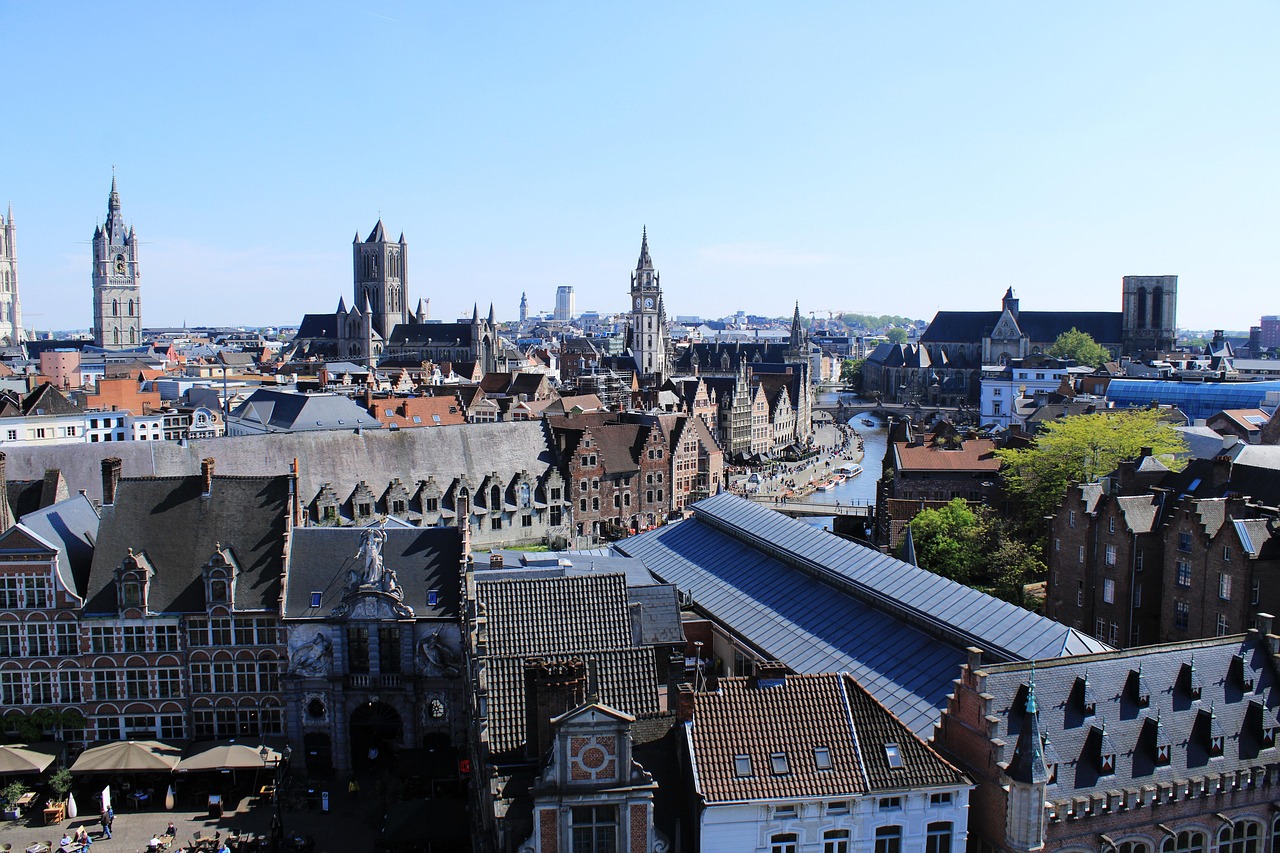
Saint Bavo's Cathedral in Ghent Head early to St. Bavo’s Cathedral to see the Adoration of the Mystic Lamb. Online timed tickets are recommended, especially in summer. The restoration completed in recent years reveals astonishing colors and detail.
- Late Morning: Belfry of Ghent & St. Nicholas’ Church
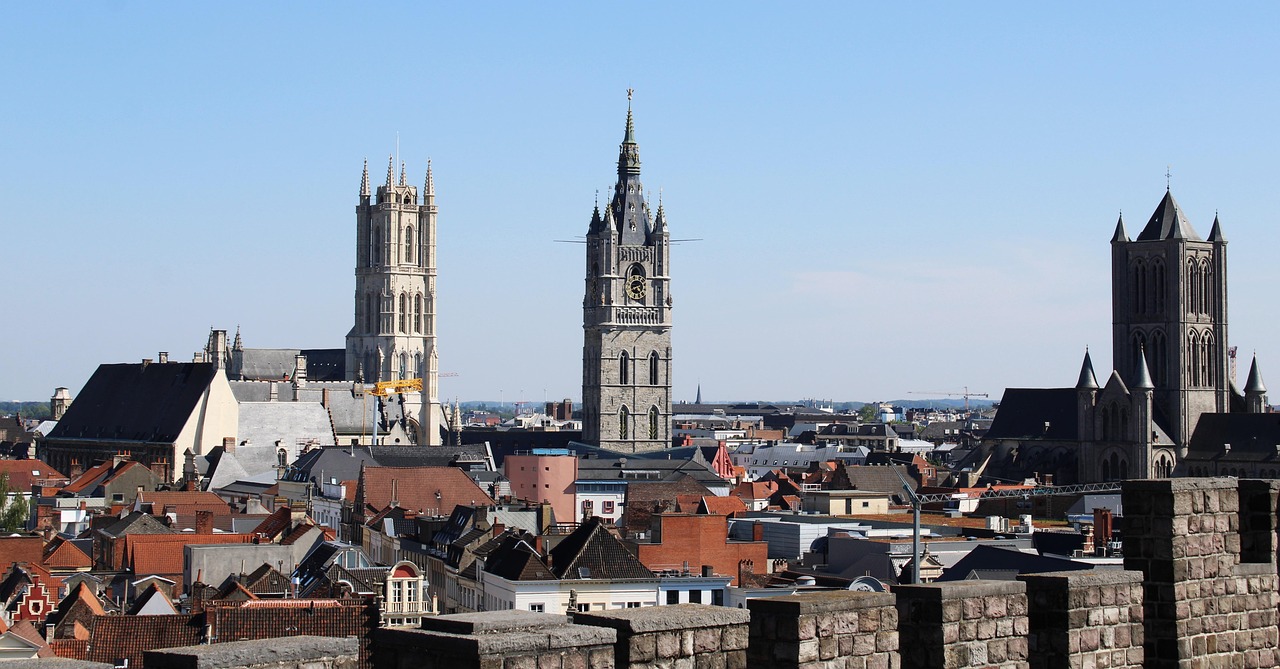
Belfry of Ghent Walk across to the Belfry of Ghent. Climb (or take the lift partway) to the top for 360° views. On one of my visits, I timed it to be up there when the carillon chimed; the bells ringing over the rooftops is something you don’t forget.
Nearby, pop into St. Nicholas’ Church, one of Ghent’s oldest, with a soaring interior and quiet, contemplative atmosphere.
- Lunch: Quick Bite Around Korenmarkt
Grab a sandwich or salad from a local bakery or a student‑friendly spot—this is one of the best ways to save money in Ghent. I often pick up something to‑go and sit on the steps near the river.
- Afternoon: Museum of Fine Arts (MSK) or STAM City Museum
Take tram 1 to the museum quarter. Choose between the MSK Museum of Fine Arts (for classic paintings and sculpture) and STAM Ghent City Museum (for an interactive overview of Ghent’s history). If you have the energy, you can actually do both with a coffee break in between.
- Evening: Ghent by Night Walking Route
The city has a marked “light walk” route taking you past beautifully illuminated sites like the Graslei, Gravensteen, and several churches. I usually wander off route when I see an interesting bar; it’s a good way to discover local hangouts.
Day 3 – Canals, Street Art & Hipster Ghent
Now that you’ve seen the icons, it’s time to dive into neighborhoods and hidden gems in Ghent that many short‑term visitors miss.
- Morning: Sluizeken‑Tolhuis‑Ham & Street Art
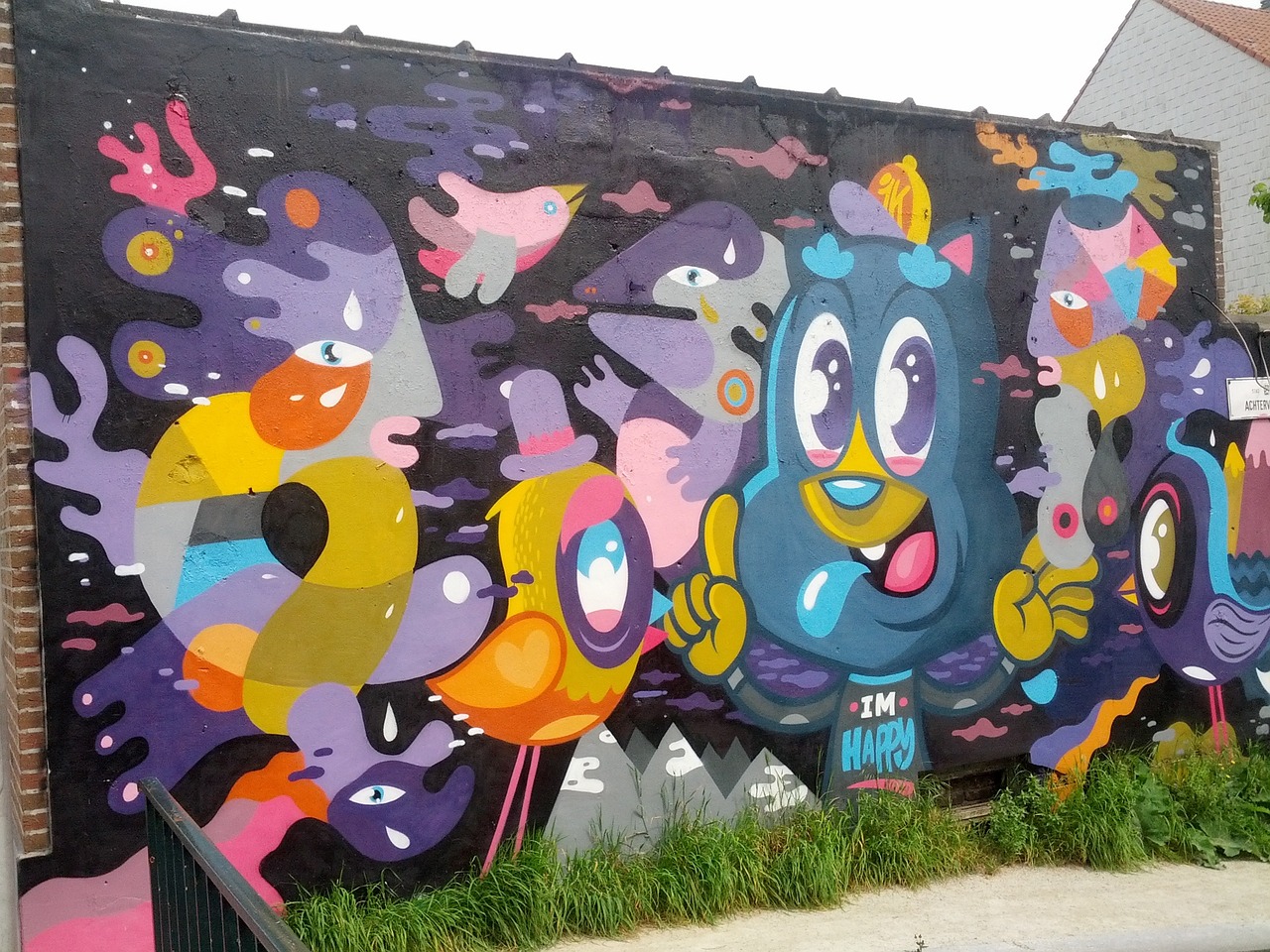
Street art in Ghent Start in the Sluizeken‑Tolhuis‑Ham area, just north of the center, where you’ll see a more local side of Ghent. Don’t miss Werregarenstraatje (Graffiti Street), a constantly changing canvas of legal street art. I like to walk it both ways—new details always pop out.
- Late Morning: Vrijdagmarkt & Local Life
Head to the Vrijdagmarkt, one of Ghent’s historic squares. If you’re there on a Friday morning, it’s full of stalls; I’ve bought everything from cheese to scarves here. Even on non‑market days, it’s a great spot for a coffee break.
- Lunch: Vegetarian or Vegan Ghent
Ghent is famous as a veggie‑friendly city, even running a “Thursday Veggie Day” campaign. Treat yourself to a plant‑based lunch at one of the many vegetarian or vegan cafés around the center or in the student quarter.
- Afternoon: Dok Noord & Ledeberg (Alternative Vibes)
Explore Dok Noord, a redeveloped docklands area with creative spaces, pop‑up bars in summer, and a more industrial feel. On one summer evening, I ended up at a spontaneous outdoor DJ set here after following the sound of music from the tram stop.
If you’re up for more walking, cross towards Ledeberg for local markets and an even more residential vibe, or rent a bike to make the distances easier.
- Evening: Craft Beer & Nightlife
Spend the evening sampling local beers at one of Ghent’s specialist bars (I list my favorites below). If you prefer something quieter, find a wine bar or a café along the water and just soak up the atmosphere.
Day 4 – Parks, Panoramas & Optional Day Trip
Your fourth day can be either relaxed within the city or used for a half‑day or full‑day trip while still sleeping in Ghent.
- Option A: Stay in Ghent – Parks & University Quarter
Start at Citadelpark, Ghent’s largest green space, ideal for a slow morning walk or a picnic brunch. Then explore the university area and the Book Tower surroundings.
In the afternoon, visit St. Peter’s Abbey & Gardens, one of my favorite quiet corners, with vines, orchards, and city views.
- Option B: Day Trip to Bruges, Antwerp, or the Coast
If you’re craving variety, take a train:
- Bruges: 25–30 minutes. Ideal if you want a more “fairytale” feel.
- Antwerp: around 1 hour. Great for fashion, design, and a different kind of urban energy.
- Belgian Coast (Ostend): around 40–50 minutes for a seaside break.
Trains are frequent, and you can still be back in Ghent for a last dinner along the Graslei.
3 Day Itinerary for Ghent (Short but Sweet)
If you only have 3 days in Ghent, condense the above:
- Day 1: Gravensteen, Patershol, Graslei & Korenlei, boat tour, St. Michael’s Bridge, evening in the center.
- Day 2: St. Bavo’s Cathedral & Mystic Lamb, Belfry, St. Nicholas’ Church, STAM or MSK, night walk.
- Day 3: Graffiti Street, Vrijdagmarkt, Dok Noord or Citadelpark, finish with a special dinner and Belgian beer tasting.
Even in only three days, you’ll cover most of the best places to visit in Ghent and get a taste of local life.
5 Day Itinerary for Ghent (Slow Travel Version)
With 5 days in Ghent, you can add more depth and spontaneity. Use the 4‑day plan as a base and add:
- Day 5:
- Spend the morning exploring another museum (like S.M.A.K. Contemporary Art Museum).
- Have a long lunch at a local market or food hall.
- Take a late afternoon bike ride along the canals or towards the outskirts of the city.
- In the evening, catch a performance at the opera, a concert hall, or a jazz bar.
Five days allows your 5 day itinerary for Ghent to become less about checking boxes and more about wandering, which is when Ghent really gets under your skin.
20+ Must‑See Attractions in Ghent (Deep Dive)
These are the core stops I return to on almost every visit. For each, I’ve included history, why it matters, and some personal tips.
1. Gravensteen (Castle of the Counts)
The Gravensteen is Ghent’s fairy‑tale fortress, looming over the city center. Built in the late 12th century as the residence of the Counts of Flanders, it has been everything from a castle and court to a cotton mill and even a prison.
The first time I visited, I went on a drizzly November morning. The stone walls were slick with rain, and the mist rose off the moat—it felt like stepping into a medieval film. The audio guide (included with admission) is delightfully irreverent, poking fun at both history and tourists while still giving you real context.
Highlights:
- The panoramic views from the ramparts over Ghent’s rooftops and towers.
- The restored great hall, which hints at the castle’s former grandeur.
- The small but intense displays on medieval justice and weaponry.
Tips for visitors:
- Arrive at opening time or late in the afternoon to avoid crowds.
- Wear good shoes; the stairways are steep and can be slippery when wet.
- Families: kids usually love this place; the audio guide has enough humor to keep them engaged.
2. Graslei & Korenlei
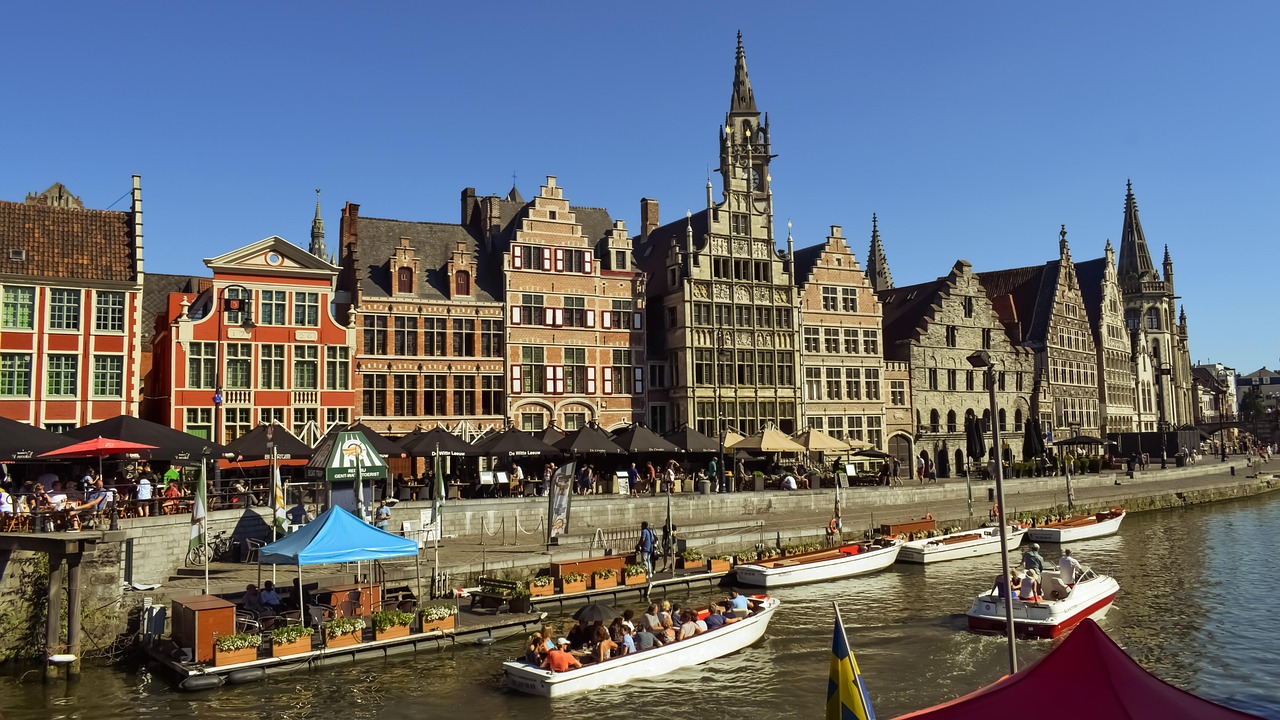
The Graslei and Korenlei quays along the Leie River are Ghent’s signature postcard view: rows of ornate guild houses reflected in the water, boats bobbing at their moorings, and terraces overflowing with life when the weather cooperates.
These quays were once the heart of Ghent’s medieval port and trade. Today, they’re the social heart of the city. In summer, the stone steps become a giant, informal grandstand where students, families, and travelers all mingle with takeaway drinks and snacks.
On one warm evening in 2025, I sat here for hours with a cone of fries and a local IPA, watching as the sky turned from gold to pink to deep blue. Street musicians played, boat tours glided past, and a wedding party even arrived in a boat for photos.
Tips: Come at least twice: once in daylight to appreciate the architecture, and once at night to see the reflections in the water. For a more relaxed drink, pick a café one street back instead of on the front row of the quay.
3. St. Michael’s Bridge
St. Michael’s Bridge might be the single best viewpoint in Ghent. Stand at its highest point and you’ll see the Leie curving past the Graslei and Korenlei in one direction, and in the other the three great towers of Ghent—St. Nicholas’ Church, the Belfry, and St. Bavo’s Cathedral—lined up perfectly.
I like to pass over this bridge multiple times a day, just to see how the light changes. Early morning you’ll often have it almost to yourself; at night the lamps and lit buildings create a cinematic backdrop for photos.
It’s a romantic spot for couples, but also a great place for solo travelers to pause and take it all in.
4. St. Bavo’s Cathedral & The Adoration of the Mystic Lamb
St. Bavo’s Cathedral (Sint‑Baafskathedraal) is where you’ll find one of the most important works of Western art: the Adoration of the Mystic Lamb, painted by Jan and Hubert van Eyck in the 15th century.
I still remember the first time I stood in front of the altarpiece after the restoration. The colors are shockingly vivid, and the faces almost hyper‑real. Having read about the piece’s turbulent history—stolen, hidden, nearly destroyed—it felt like meeting a celebrity that had somehow survived it all.
The cathedral itself, a mix of Romanesque and Gothic, is worth a slow wander. Look up at the vaulting, admire the stained glass, and seek out the side chapels.
Practical tips:
- Book timed tickets for the Mystic Lamb in advance, especially in high season.
- Audio guides and AR options are available and add context without being overwhelming.
- Photography rules may change; always check the signs or ask staff before taking pictures.
5. Belfry of Ghent
The Belfry of Ghent is the middle tower of Ghent’s famous trio and a UNESCO World Heritage site. Built in the 14th century, it symbolized the city’s medieval power and autonomy.
Climbing the Belfry (with a lift for part of the ascent) is a rite of passage. On my most recent visit, I timed my climb so that I was at the top gallery just as the carillon began to play. The sound of the bells washing over the city, with the towers and rooftops spread out below, is one of my favorite Ghent memories.
Inside, small exhibits explain the history of the tower, the dragon weather vane, and the carillon. The narrow stone staircases can feel a bit cramped, but the payoff at the top is worth it.
Tip: Try to go on a clear day for maximum visibility. In peak season, go early to avoid queuing.
6. St. Nicholas’ Church
St. Nicholas’ Church (Sint‑Niklaaskerk) is one of Ghent’s oldest churches, built in the Scheldt Gothic style. Its blue‑grey stone and central tower give it a distinctive profile in the skyline.
Inside, the space feels tall and airy. I like to slip in for a few quiet minutes between sightseeing stops. The contrast between the busy Korenmarkt outside and the calm interior is striking.
Occasionally there are small concerts or organ recitals here; if you see one advertised, it’s worth rearranging your plans a bit.
7. Patershol Neighborhood
Patershol is where I go when I want Ghent to feel small and intimate again. This historic district is a maze of narrow cobblestone streets and old houses, some dating back to the Middle Ages.
Once home to tanners and tradespeople, then a working‑class area, it has now become one of the city’s most desirable and atmospheric neighborhoods. It’s full of small restaurants (from classic Belgian to world cuisine), cozy bars, and tucked‑away courtyards.
One rainy evening, I ducked into a tiny bistro here almost at random and ended up having one of my best meals in Ghent: a slow‑cooked rabbit in prune sauce, with a local dubbel beer. That’s the magic of Patershol—you rarely go wrong by following your nose.
Tip: Wander without a map and let yourself get pleasantly lost. It’s compact enough that you’ll find your way out easily.
8. St. Peter’s Abbey & Gardens (Sint‑Pietersabdij)
St. Peter’s Abbey is one of Ghent’s peaceful secrets. Located a short walk from Sint‑Pieters station, it feels far from the busy center. The abbey complex dates back to the 7th century, with the current buildings mainly from later periods.
What I love most here are the gardens: terraced vineyards, herb patches, and fruit trees, with the city rising beyond. In spring, the flowers are in bloom; in autumn, the vines turn gold. I’ve spent entire afternoons here with a book, occasionally looking up as the bells chime.
Inside, the abbey often hosts exhibitions and events. Even if nothing special is on, the cloisters and historical displays are worth a look.
Tip: Combine with a visit to the nearby Citadelpark and museums for a full day in this part of town.
9. STAM – Ghent City Museum
STAM is where Ghent tells its own story. Housed in a former abbey, this museum uses models, maps, multimedia, and artifacts to show how the city grew from a medieval powerhouse to a modern cultural hub.
My favorite part is the huge aerial photo of Ghent laid out on the floor—you can literally walk across the city, finding the places you’ve visited. It’s a great way to get oriented, especially at the beginning of a trip.
Good for: Families, history lovers, and anyone who likes context with their sightseeing.
10. MSK – Museum of Fine Arts Ghent
The MSK (Museum voor Schone Kunsten) is Ghent’s main fine arts museum, with a collection ranging from medieval to early 20th century masterpieces. Think Rubens, Ensor, and many lesser‑known but fascinating Flemish artists.
On a cold January afternoon in 2024, I spent three hours wandering these galleries almost alone. The building itself is beautiful, with grand staircases and skylit rooms. Labels are detailed but not overwhelming, and temporary exhibitions are often excellent.
Tip: Consider pairing a visit here with S.M.A.K. across the street for a “then and now” art day.
11. S.M.A.K. – Municipal Museum of Contemporary Art
S.M.A.K. is Ghent’s main contemporary art museum, known for bold, sometimes provocative exhibitions. It’s the kind of place where you might walk into a room full of flickering TV screens or an installation made of everyday objects.
I like coming here when I’m in the mood to be surprised. Not everything will resonate with everyone, but that’s part of the fun. The museum shop is also a good stop for design‑y gifts and books.
12. Werregarenstraatje (Graffiti Street)
Werregarenstraatje is Ghent’s legal graffiti alley, a constantly changing open‑air gallery of street art. Layers of tags, murals, and stencils cover every surface.
I walk through here on every visit, and it’s never the same twice. You might see intricate portraits, political slogans, cartoon figures, or abstract color explosions. Sometimes you’ll even catch artists at work.
Tip: Look for the details—tiny stickers, hidden messages, and clever visual jokes.
13. Vrijdagmarkt
The Vrijdagmarkt (Friday Market) square has been a gathering place for centuries. Surrounded by historic buildings, including the striking socialist Vooruit building, it hosts a bustling market on Fridays and Saturdays.
On market mornings, the air fills with the smell of grilled chicken, cheese, and spices. I’ve picked up picnic supplies here more than once—fresh bread, local cheeses, fruit, and maybe a pastry or two.
When the stalls are gone, the square becomes a big outdoor living room, with terraces spilling out under umbrellas.
14. Citadelpark
Citadelpark is Ghent’s largest inner‑city park, built on the site of an old fortress. It’s a leafy escape with winding paths, ponds, statues, and plenty of benches.
On sunny days, you’ll see students revising for exams, families out for walks, and couples picnicking on the grass. It’s also where you’ll find the MSK and S.M.A.K. museums at its edges.
I like to grab a takeaway lunch and find a quiet corner here between museum visits.
15. Gent‑Sint‑Pieters Station
Gent‑Sint‑Pieters station is more than just a transport hub; it’s an architectural gem. Originally built for the 1913 World’s Fair, it features a grand hall, ornate details, and a clock tower.
Most travelers will pass through here, but it’s worth looking up from your phone to admire the tile work and arches. The station has been modernized while keeping its historic charm, with clear signage and good facilities.
16. Dok Noord & Oude Dokken
The Dok Noord and Oude Dokken area showcases Ghent’s post‑industrial, creative side. Old warehouses and docklands have been transformed into event spaces, bars, food spots, and cultural venues.
On summer evenings, pop‑up bars and terraces appear along the water. I once stumbled onto a small outdoor concert here just after sunset, with locals sitting on the quays, drinks in hand, kids playing nearby—it felt like an effortlessly cool neighborhood party.
Tip: Check local event listings when you’re in town; this area is often used for festivals, markets, and performances.
17. Canal Boat Tours
Seeing Ghent from the water gives you a different perspective on its architecture and history. Boat tours typically leave from the Graslei and Korenlei and last about 40 minutes.
I’ve done these in both rain and shine. In bad weather, the boats often have covers and blankets, and you get a cozy, misty view of the city. In sunshine, it’s more about people‑watching and enjoying the reflections.
Family‑friendly: Absolutely—kids usually love seeing the city from this angle.
18. Boekentoren (Book Tower) & University Quarter
The Book Tower, designed by modernist architect Henry van de Velde, is one of Ghent’s more modern symbols. It serves as part of the university library and has been undergoing restoration.
Even if you can’t always go inside, the surrounding university quarter is worth a wander: academic buildings, student bars, and a different, less touristy energy. In exam season, the cafés are full of students with laptops and stacks of notes.
19. De Vooruit (VIERNULVIER Arts Center)
The historic Vooruit building, now part of the VIERNULVIER arts center, is a striking example of early 20th‑century architecture and a living cultural hub. It hosts concerts, performances, talks, and festivals.
I’ve attended both a contemporary dance performance and a small indie concert here; the atmosphere is always warm and engaged. Even if you don’t catch a show, the café is a great place to soak up local creative energy.
20. Local Markets & Food Halls
Beyond the Vrijdagmarkt, Ghent has several local markets worth seeking out: from farmers’ markets to flea markets and seasonal fairs. There are also smaller indoor food halls and specialty shops scattered around the center.
One of my pleasures in Ghent is assembling a DIY meal from different stalls: bread here, cheese there, olives somewhere else, plus a sweet treat from a bakery. It’s an easy way to keep costs down while tasting local products.
There are many more sights—small churches, hidden courtyards, quirky statues—but if you cover these 20, you’ll have a strong sense of the city’s layers.
Neighborhoods & Areas to Explore in Ghent
Historic Center
This is where you’ll find most of the famous things to do in Ghent: the towers, cathedral, Gravensteen, Graslei, and main squares. It’s compact and very walkable, with trams running along some edges.
Good for: First‑time visitors, short stays, and anyone who wants to be in the middle of the action.
Patershol & Prinsenhof
Atmospheric lanes, historic houses, and some of the city’s best restaurants. Prinsenhof, just west of Patershol, is where Emperor Charles V was born; it’s now a quiet residential quarter with charm in spades.
Good for: Romantic evenings, wandering, food lovers.
Kuip (The “Bowl”)
The central shopping and nightlife area around Korenmarkt, Veldstraat, and the university buildings. Busy by day, lively by night, with everything from chain stores to independent boutiques.
Sluizeken‑Tolhuis‑Ham
A slightly grittier, more local area just north of the center, known for Graffiti Street, multicultural shops, and a mix of old and new. If you want to feel the everyday city beyond the postcard views, walk here.
Stationsbuurt & Citadelpark
The neighborhood around Gent‑Sint‑Pieters station feels more residential and student‑heavy, with wide boulevards, townhouses, and green spaces. Citadelpark and the museum quarter anchor this area.
Good for: Cheaper stays, easy train access, longer visits.
Dok Noord & Oude Dokken
Redeveloped docks north of the center. Industrial heritage meets new builds, creative spaces, and waterside hangouts. It’s changing fast; each year I return, there’s something new.
Ledeberg & Around
Primarily residential and local, with markets and everyday life. Not a must for short stays, but if you have 5 days in Ghent and want to see where people actually live, it’s a nice wander.
Local Food in Ghent & Where to Eat
Belgium is a joy for foodies, and Ghent is no exception. The city manages to combine hearty traditional fare with innovative, often plant‑forward cuisine.
Must‑Try Dishes in Ghent
- Waterzooi: A creamy stew originally made with fish, now often with chicken. Comfort in a bowl.
- Stoofvlees / Carbonade Flamande: Slow‑cooked beef in a beer‑based gravy, served with fries.
- Gentse neus (cuberdons): Cone‑shaped purple candies with a soft raspberry interior. Sweet and sticky.
- Belgian Fries: Double‑fried, crispy outside, fluffy inside. Best from a dedicated fry stand (frituur).
- Belgian Waffles: Liege or Brussels style; in Ghent you’ll find both classic and creative versions.
- Local Beer: Try Gentse Gruut (brewed with herbs instead of hops), plus Trappist and abbey beers.
Where I Like to Eat in Ghent (Types of Places)
Instead of listing specific names that can change, here’s how I approach eating well in Ghent:
- Canal‑Side Brasseries: Around Graslei, Korenlei, and near the castle. Great for atmosphere; check menus for tourist‑trappy prices, but some are excellent.
- Patershol Bistros: For intimate dinners and local specialties. I’ve had some of my best Flemish stews here.
- Student Cafés: Around the university and on side streets off Veldstraat. Good for cheaper lunches and veggie options.
- Vegan & Vegetarian Spots: Ghent is known as a veggie city—look up a couple of dedicated places before you go; they’re usually packed.
- Bakeries & Sandwich Shops: My go‑to for budget‑friendly breakfasts and lunches. A filled baguette and a pastry can easily fuel half a day of sightseeing.
Saving Money on Food
Eating out in Belgium isn’t cheap, but you can stretch your budget:
- Have your main meal at lunch, when set menus are often cheaper.
- Buy picnic supplies from markets and supermarkets for at least one meal a day.
- Drink tap water (it’s safe) instead of always ordering bottled.
- Limit sit‑down café coffees and occasionally grab takeaway from bakeries.
Nightlife, Entertainment & Cultural Experiences in Ghent
Ghent’s nightlife reflects its student population and creative scene: there’s something for almost everyone, from quiet wine bars to sweaty rock venues.
Bars & Beer Culture
Belgian beer is an attraction in itself. In Ghent you’ll find:
- Historic Brown Cafés: Dark wood, candlelight, long beer lists. Great for a quiet evening.
- Specialist Beer Bars: Massive selections, tasting flights, and bartenders who love to recommend favorites.
- Canal‑Side Terraces: Perfect on warm nights. Prices can be higher, but the views make up for it.
Live Music & Performance
Check what’s on at:
- Vooruit / VIERNULVIER: For concerts, talks, and artsy events.
- Local Jazz Bars: Ghent Jazz festival is big, but smaller venues host live music year‑round.
- Opera & Classical Venues: For a more formal night out, especially during Festival van Vlaanderen.
Festivals & Annual Events (2026–2027)
- Gentse Feesten (July 2026 & 2027): The entire center becomes a festival ground: stages, performances, food stalls, and late‑night parties. Book accommodation well in advance.
- Ghent Jazz (July): International names and niche acts, often selling out early.
- Film & Arts Festivals: Smaller events pop up throughout the year; keep an eye on city calendars.
- Light Festival Ghent (expected 2027): When scheduled, this transforms winter evenings with large‑scale light art installations.
Day Trips & Nearby Attractions from Ghent
Ghent is a perfect base for exploring other parts of Flanders, thanks to excellent train connections.
Bruges
About 25–30 minutes by train. Bruges is more touristy but undeniably beautiful, with canals, cobbles, and historic squares.
Good for: A day of wandering, canal tours, chocolate shops, and climbing the Belfry.
Antwerp
Roughly an hour away. Antwerp is bigger and more urban, with a world‑class train station, fashion and diamond districts, and a vibrant food scene.
Belgian Coast (Ostend & Beyond)
About 40–50 minutes to Ostend by train. Wide sandy beaches, seafood, and sea air. In summer, it’s a classic Belgian seaside experience.
Brussels
30–40 minutes by train. Easy to combine with Ghent on the same trip; you can visit the Grand Place, museums, and EU quarter in a day if you’re efficient.
Local Customs & Cultural Etiquette in Ghent
Belgians in Ghent are generally friendly but reserved. A little politeness goes a long way.
- Greetings: A simple “Hallo” or “Goedendag” works well. In English, “Hi” or “Hello” is fine. Among friends, a single cheek kiss is common, but not with strangers.
- Language: You’re in Flanders, so Dutch/Flemish is the local language. Many people speak English very well; starting with “Hallo” then switching to English is appreciated.
- Tipping: Service is usually included. Rounding up or leaving 5–10% for good service is appreciated but not mandatory.
- Punctuality: Be on time for tours, reservations, and meet‑ups. Trains and trams mostly run on schedule.
- Noise: Residential areas are fairly quiet at night. Keep voices down when walking home late.
- Cyclists: Bikes have priority in many places. Don’t walk in bike lanes; check carefully before stepping into the street.
- Cash vs Card: Cards are widely accepted. Small markets and some older cafés may still prefer cash, but it’s becoming rarer.
Practical Travel Advice for Ghent (2026–2027)
Getting To & Around Ghent
By Train: From Brussels Airport, take a direct or one‑change train to Gent‑Sint‑Pieters (about 1 hour). From Brussels‑Midi, frequent trains take 30–40 minutes.
From the Station to the Center: Tram 1 is the easiest way to reach the historic center. You can also walk (about 25–30 minutes) if you’re traveling light.
Public Transport
Trams and buses are run by De Lijn:
- Buy tickets via the De Lijn app, ticket machines, or some kiosks.
- Contactless payment is being rolled out; check current rules when you arrive.
- Validate your ticket when boarding; random inspections are common.
Bikes & Walking
Ghent is very walkable, and cycling is popular. You can rent bikes from several shops near the station or center. Always lock your bike well—bike theft exists here, as in any student city.
Car Rental & Driving
You don’t need a car in Ghent and it can be a hassle due to low‑emission zones and limited parking. If you do rent a car:
- Check LEZ (low‑emission zone) rules and register your plate if needed.
- Use park‑and‑ride facilities and take trams into the center.
- Foreign drivers’ licenses from most countries are accepted; if in doubt, carry an International Driving Permit.
SIM Cards & Connectivity
Belgium has good mobile coverage. For 2026–2027:
- EU Visitors: Roaming is usually included in your plan—check with your provider.
- Non‑EU Visitors: Buy a prepaid SIM at the airport, in Brussels, or at mobile shops in Ghent (Proximus, Orange, BASE). eSIMs are increasingly common and easy to set up.
- Many cafés and public spaces offer free Wi‑Fi.
Money & Costs
Ghent isn’t cheap, but it’s manageable with planning.
- Budget Travelers: Stay in hostels or budget hotels near the station, cook some meals if you have a kitchen, use supermarket picnics, and walk or bike.
- Mid‑Range: Central guesthouses and small hotels, 1–2 restaurant meals per day, occasional paid attractions, and plenty of free wandering.
- Cards: Visa and Mastercard are widely accepted; carry some cash for markets or very small purchases.
Visa Requirements
Belgium is in the Schengen Area. As of 2026:
- EU/EEA & Swiss citizens: Can enter freely with ID/passport.
- Many non‑EU nationals: Can enter visa‑free for up to 90 days in 180 (Schengen rules), but may need to complete a travel authorization (like ETIAS) once it is fully in effect—check current regulations before travel.
- Always verify entry requirements with official government sources based on your nationality.
Safety
Ghent feels very safe. Common‑sense tips apply:
- Watch your belongings in crowded trams and tourist areas.
- At night, stick to lit streets; the center is generally fine even late.
- Emergency number is 112 for police, fire, and medical.
Best Seasons for Different Activities
- Spring (April–June): Mild weather, longer days, blossoms in parks and abbey gardens. Great for walking and cycling.
- Summer (July–August): Warmest, busiest, and most festive. Perfect for canal‑side evenings and festivals like Gentse Feesten. Accommodation prices are higher.
- Autumn (September–October): My favorite: fewer crowds, cool but comfortable temperatures, golden foliage. Ideal for a cultural, museum‑heavy trip.
- Winter (November–February): Quiet, sometimes rainy, but very atmospheric. Short days, but cosy cafés and fewer tourists. Check for Christmas markets and possible Light Festival editions.
Hidden Tips from Repeated Visits
- Early Mornings: The center is magical before 9am—great for photos without crowds.
- Lunch Deals: Look for “dagmenu” (day menu) signs for fixed‑price lunches, especially on weekdays.
- Free Views: Not every great view requires a ticket—St. Michael’s Bridge and some riverfront spots offer stunning panoramas for free.
- Carry an Umbrella: Weather changes quickly; a small umbrella or rain jacket will save you more than once.
- Ask Locals: Ghent residents are proud of their city. Ask for bar or restaurant suggestions; you’ll often get passionate answers.
Summary & Final Recommendations
Ghent is one of those cities that rewards both checklists and wandering. You can structure a tight 3 day itinerary for Ghent around the major sights—the Gravensteen, the three towers, the Mystic Lamb, and the Graslei—or you can spread things out into 4 days in Ghent or a 5 day itinerary for Ghent and let yourself meander through backstreets, parks, and student cafés.
If you’re debating how long to stay, I’d say:
- 3 days: Enough for the must‑see attractions in Ghent and a strong first impression.
- 4 days: Ideal for mixing iconic sites, hidden gems, and a slower pace.
- 5 days: Perfect for adding day trips and really feeling like you’ve “lived” in the city for a bit.
In terms of timing, the best seasons for visiting Ghent are spring and autumn for comfort and balance, while summer is unbeatable if you love festivals and long evenings by the water. Winter can be a quietly enchanting time for those who prefer fewer crowds and don’t mind bundling up.
However you structure your travel guide for Ghent in your mind—whether it’s about local food in Ghent, hidden gems in Ghent, or classic things to do in Ghent—this is a city that lingers. I still find new corners every time I go. And I suspect you will too.