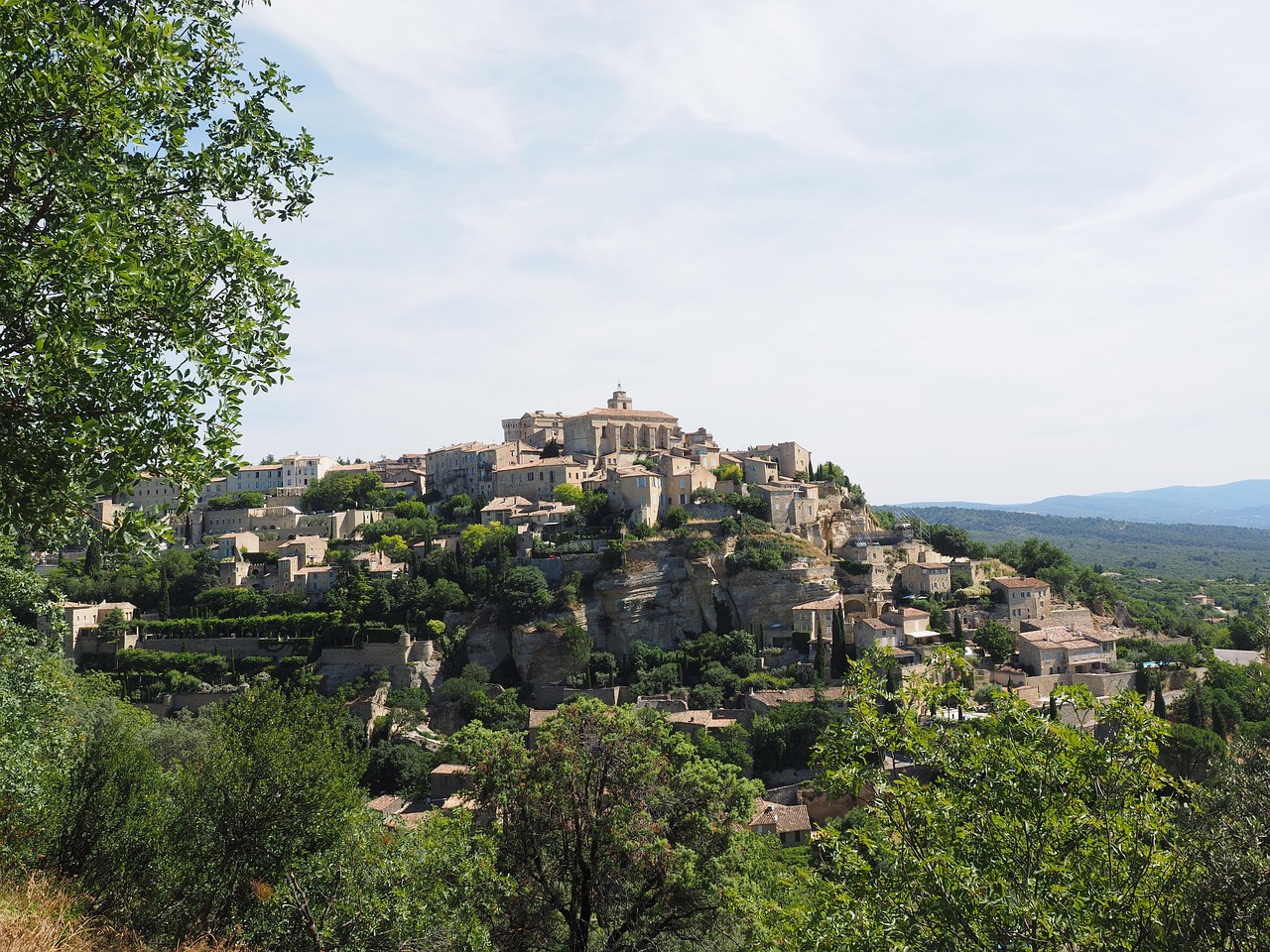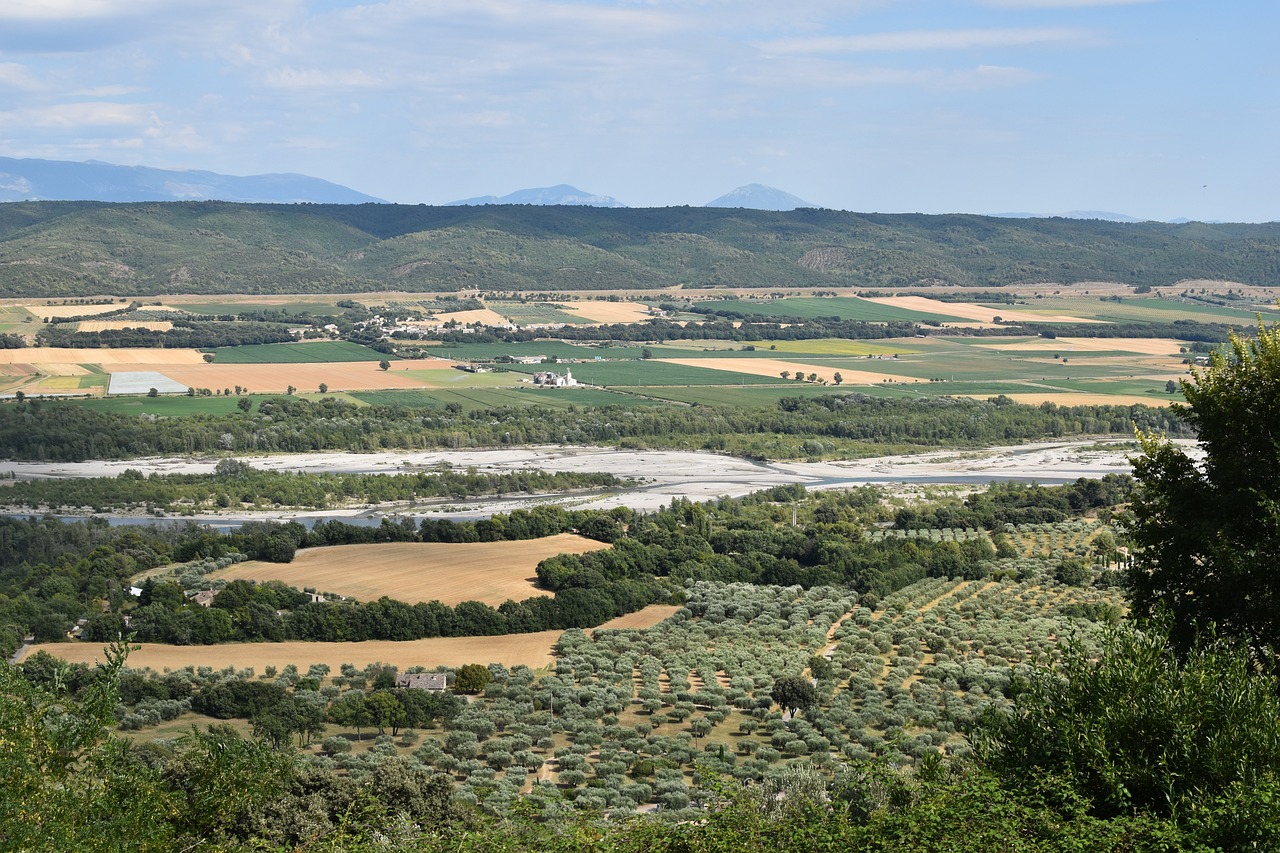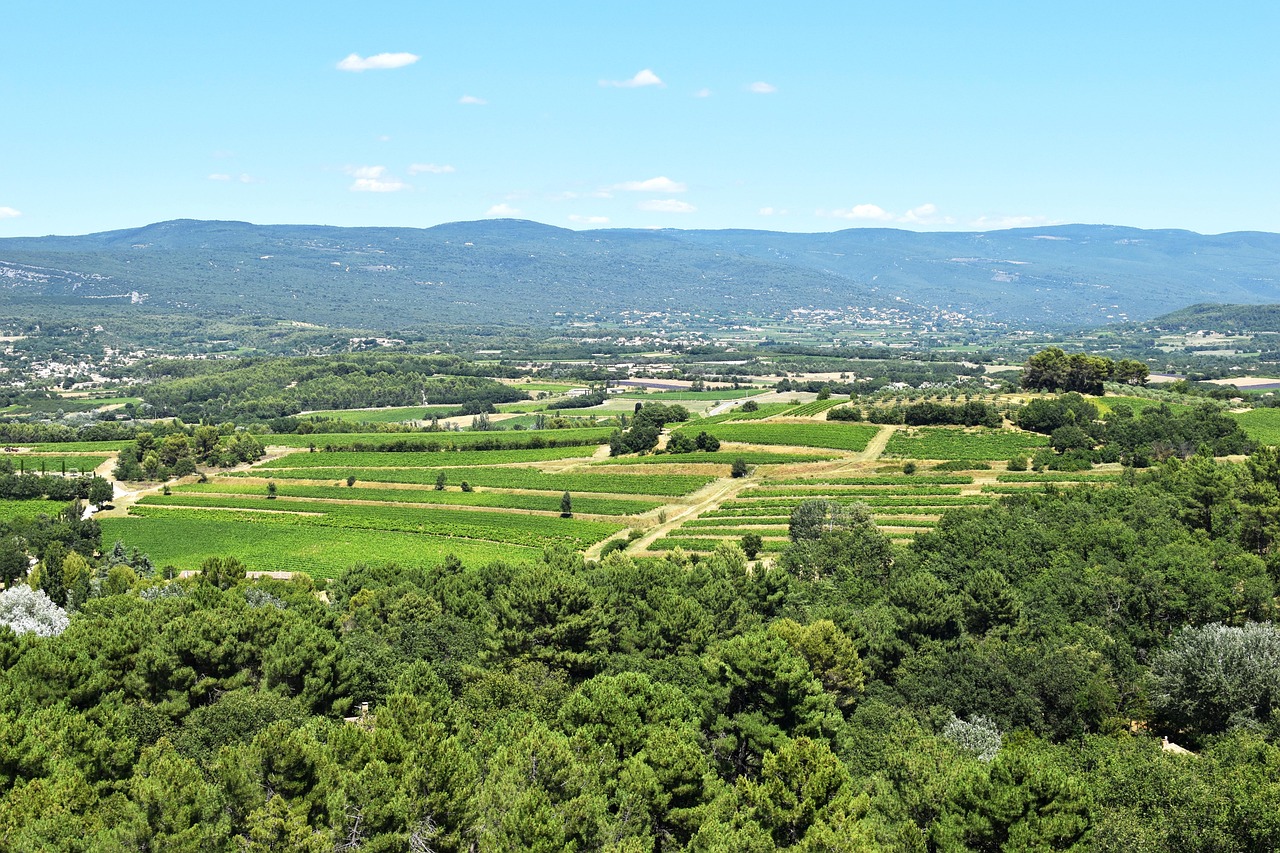
Why Visit Aigues-Mortes?
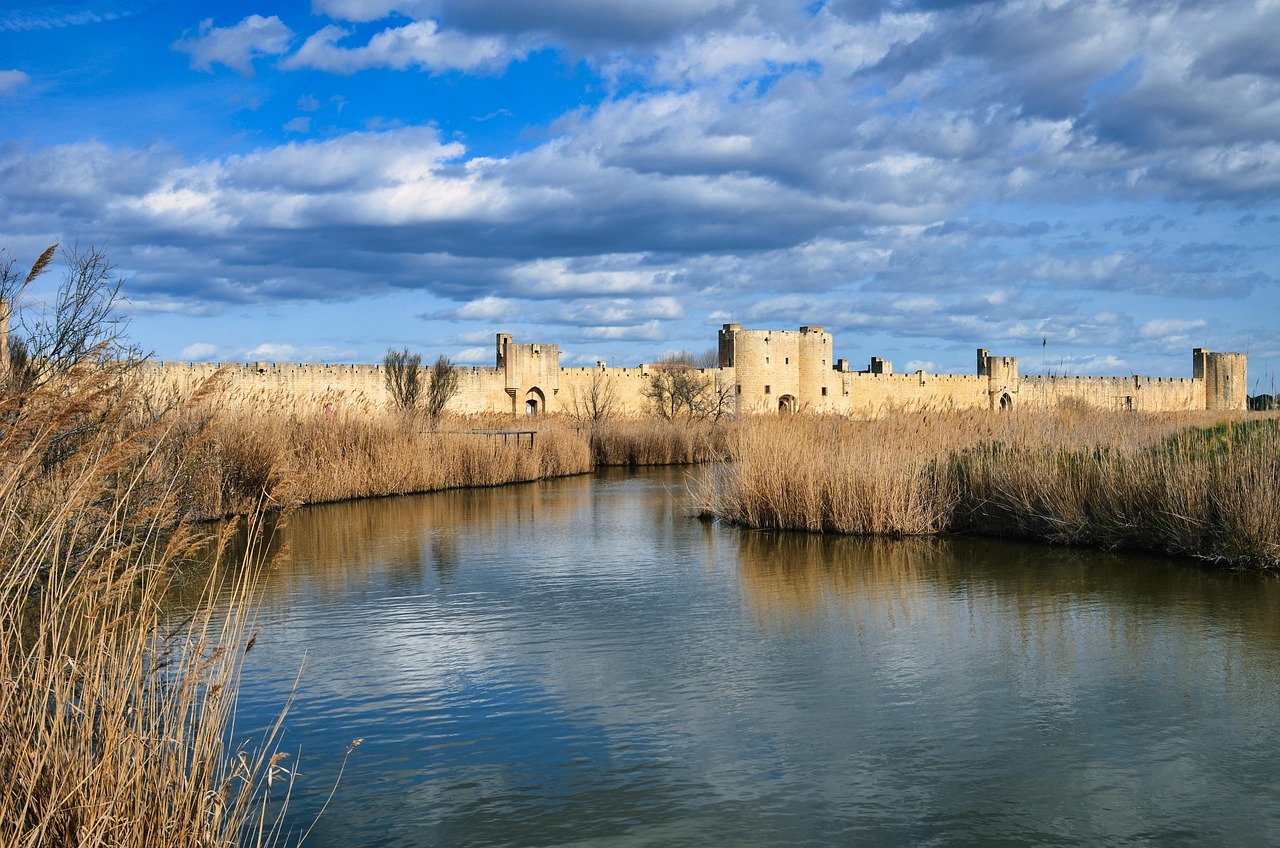
Aigues-Mortes is one of those places that feels like you’ve stepped straight into a medieval painting – only with rosé, sea breezes, and flamingos. Hidden in the Petite Camargue of southern France, this fortified town is wrapped in perfectly preserved 13th-century walls, surrounded by shimmering pink salt pans and wild marshland. You smell the sea, hear swallows echoing between stone towers, and taste garlicky aioli on fresh fish all in the same afternoon.
I’ve been coming here for years – on rushed day trips from Montpellier, lazy long weekends with friends, and quiet solo stays in winter. Every time, Aigues-Mortes surprises me. One trip it was a spontaneous sunset from the ramparts that turned the salt flats neon pink; another, a late-night concert in the main square where half the town seemed to know each other by name. It’s a town that feels small enough to be intimate, but big enough in history and character to keep you exploring.
If you’re looking for a destination that combines medieval architecture, coastal landscapes, wildlife, food, and a slower pace of life, Aigues-Mortes is a perfect base. Whether you have 3 days, 4 days, or 5 days in Aigues-Mortes, you can blend sightseeing with lazy café time, day trips into the Camargue, and evenings watching the sky change color over the ramparts.
Table of Contents
- Quick Overview of Aigues-Mortes
- Neighborhoods & Areas to Explore
- 20 Must-See Attractions in Aigues-Mortes
- 3, 4 & 5 Day Itineraries
- Local Food & Drink
- Nightlife & Cultural Experiences
- What’s New: Events in 2026–2027
- Day Trips from Aigues-Mortes
- Practical Travel Tips & Local Customs
- Getting Around & Where to Stay
- Money-Saving Tips & Connectivity
- Best Time to Visit Aigues-Mortes
- Summary & Final Recommendations
Quick Overview of Aigues-Mortes
Aigues-Mortes lies in the Gard department of Occitanie, about 35 minutes from Montpellier and 45 minutes from Nîmes by car. Founded by King Louis IX (Saint Louis) in the 13th century as a royal port on the Mediterranean, its name means “dead waters” in reference to the surrounding marshes. Today the sea has receded, but the town still sits among lagoons, canals, and the famous Camargue salt flats.
- Population: Around 8,000 residents – it feels like a big village rather than a city.
- Vibe: Medieval, maritime, laid-back, with a mix of locals, French families on holiday, and a growing number of international visitors.
- Best for: Couples, families, photographers, birdwatchers, history lovers, and anyone who wants a slower, atmospheric base near the sea.
- Not ideal for: Hardcore nightlife seekers or those wanting a big city buzz.
Neighborhoods & Areas to Explore in and Around Aigues-Mortes
Aigues-Mortes is compact, but each area has its own flavor. On my repeat visits, I’ve stayed inside the walls, near the canal, and just outside town among vineyards – each stay felt like a different version of the same place.
1. Intra-Muros – Inside the Medieval Walls
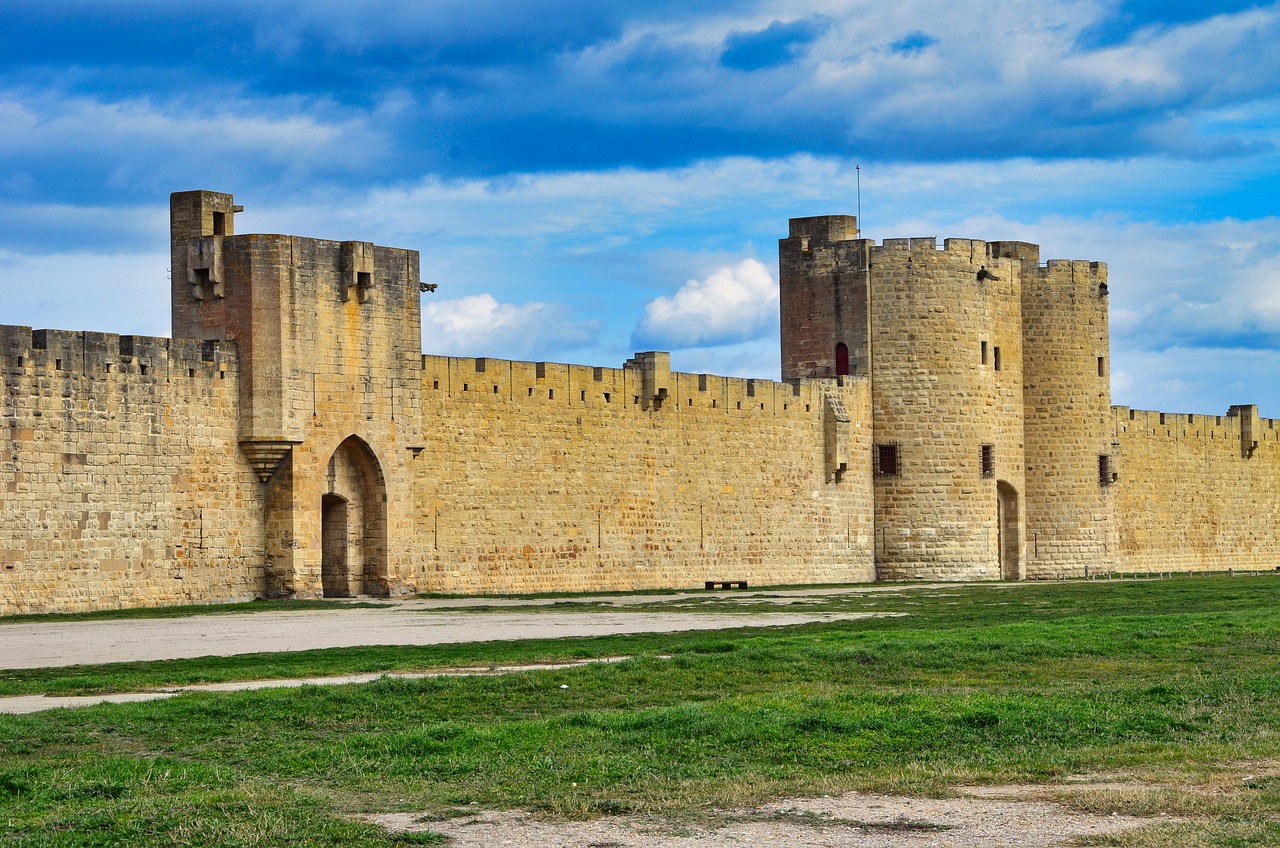
This is the heart of Aigues-Mortes: narrow cobbled streets, stone houses with colorful shutters, and the constant presence of the ramparts overhead. It’s where you’ll find most restaurants, boutiques, and the main squares.
- Best for: First-time visitors, short stays, and anyone wanting to step out of their accommodation straight into medieval charm.
- Highlights: Place Saint-Louis, Rue de la République, Rue Emile Jamais, the ramparts entrances, and hidden courtyards.
- Local tip: In high season, mornings before 10:00 and evenings after 19:30 are the most atmospheric and least crowded.
2. The Canal du Rhône à Sète Waterfront
Just outside the walls, the canal-side promenade is where boats moor, locals walk their dogs, and terraces spill onto the quays. I love staying near the canal when I want a bit more space and easy parking.
- Best for: Longer stays, road-trippers, families, and those arriving by boat.
- Highlights: Boat tours, canal-side restaurants, sunset strolls with rampart views.
- Local tip: This is where you’ll find slightly better-value accommodation than inside the walls.
3. Salin d’Aigues-Mortes & Salt Flats Area
South of town, the saltworks stretch in surreal shades of pink and white, dotted with mounds of salt. It feels otherworldly, especially at sunset. While you won’t “stay” here, it’s an essential area to visit for both wildlife and landscapes.
4. Outskirts & Countryside (Petite Camargue)
Beyond the town are vineyards, marshes, and mas (farmhouses) that have been converted into guesthouses. I’ve stayed in a few of these – waking up to horses in the fields and distant church bells is magic.
- Best for: Travelers with a car, nature lovers, and those seeking peace and quiet.
- Local tip: Check if your accommodation offers bikes; cycling into town along small roads is a joy in spring and autumn.
20 Must-See Attractions & Experiences in Aigues-Mortes
These are the best places to visit in Aigues-Mortes, blending history, scenery, food, and everyday local life. I’ve returned to many of them multiple times, often at different hours or seasons – they feel different in winter mist than in high-summer sun.
1. The Medieval Ramparts (Les Remparts d’Aigues-Mortes)
If you do only one thing in Aigues-Mortes, walk the ramparts. The 1.6 km circuit around the town gives you a bird’s-eye view of terracotta roofs, church towers, pink salt pans, and the Camargue beyond.
The first time I walked them, I went in the midday heat like an amateur and roasted – now I always go in the late afternoon. The light is softer, the breeze stronger, and you can watch shadows stretch across the squares below.
- History: Built in the 13th century under Louis IX and later kings, the ramparts were France’s gateway to the Mediterranean before Marseille became dominant.
- Experience: Allow 1.5–2 hours for a slow circuit with photo stops. There are information panels (French/English) explaining each tower and gate.
- Best time: Late afternoon or just before sunset. In summer, morning also works to avoid heat.
- Family-friendly: Yes, kids love the feeling of being on a castle wall, but keep an eye on little ones; there are railings, yet drops are significant.
- Tip: Wear a hat and bring water – there’s almost no shade.
2. Tour de Constance
Tour de Constance is the town’s massive circular tower, once a lighthouse and later a prison. Climbing up the spiral staircase, the walls seem to close in, and then suddenly you’re out on the terrace with a 360° panorama of the town and marshes.
I still remember the first time I stepped onto the roof at golden hour – the salt flats were pink, the marshes were deep blue, and swallows were looping around the tower. It’s one of the most romantic spots in town, especially if you linger as the crowds thin.
- History: Built under Louis IX, later used as a prison for Huguenots (Protestants) in the 17th–18th centuries; you can still see inscriptions carved into the stone by prisoners.
- Experience: Combine with the ramparts visit (same ticket). The interior has small exhibits; the roof is the highlight.
- Tip: The staircase is narrow and can be a bit claustrophobic. If you’re visiting with older relatives, allow extra time; there’s no elevator.
3. Place Saint-Louis
This is the main square and the beating heart of daily life. Cafés line the edges, plane trees cast dappled shade, and in summer there’s a constant hum of conversation, clinking glasses, and kids running around the statue of Saint Louis.
I’ve lost track of how many mornings I’ve spent here with a café crème and a croissant, pretending to read while actually just people-watching. In the evening, the square shifts: glasses of rosé, tapas plates, musicians setting up in the corner.
- Best for: Coffee, aperitif, casual meals, and watching the town go by.
- Romantic: Yes – sit on the north side of the square at sunset when the façades glow.
- Tip: Prices are a bit higher here than on side streets, but the atmosphere is worth the small premium for at least one drink or meal.
4. Église Notre-Dame-des-Sablons
This simple Gothic church is older than the walls themselves and feels like a quiet refuge from the heat and bustle outside. The interior is understated, but the light filtering through the colored windows gives it a gentle, warm glow.
On one winter visit, I slipped in during a rain shower and found a small choir rehearsing. I sat in the back for 20 minutes, just listening; it’s one of my most peaceful memories of Aigues-Mortes.
- History: Dating from the 13th century, linked closely to Louis IX’s crusades; he is said to have prayed here before departing.
- Tip: Step in for a five-minute reset even if churches aren’t normally your thing – the cool air and calm are a nice contrast to the busy square outside.
5. Salin d’Aigues-Mortes (Salt Flats & Pink Lagoons)
The salt flats are what you’ve probably seen on Instagram – surreal pink water, white salt mounds, and tiny trains snaking through the landscape. In real life, it’s even more striking, especially under a big blue sky.
I’ve done the tour three times now: once by little tourist train, once by bike, and once on foot for a sunset photography walk. Each felt different. The train is easiest and most informative, but cycling gave me more time to stop, watch flamingos, and soak in the quiet.
- History: Salt has been produced here since Roman times; today the salins are among Europe’s largest.
- Experiences: Tourist train tour, guided bike tours, walking circuits (seasonal), and shop selling fleur de sel and other salt products.
- Best time: Late afternoon when the pink tones are strongest. On overcast days, the colors are more subtle but still beautiful.
- Family-friendly: Very; kids love the train and giant salt piles.
6. Camargue Safari & Wildlife Tours
The Camargue begins at Aigues-Mortes’ doorstep: a patchwork of lagoons, reed beds, and grazing land where white horses, black bulls, and flamingos are part of the everyday landscape. Joining a half-day 4x4 safari or boat trip is one of the most must-do things to do in Aigues-Mortes.
On my most recent trip, I booked a late-afternoon safari with a local guide who grew up in a nearby mas. We spotted flamingos feeding, herons hunting, and a group of horses silhouetted against the setting sun. He explained the traditions of the gardians (Camargue cowboys) and the local bull games, which gave me a much deeper appreciation for the region.
- Best for: Nature lovers, photographers, families, and couples looking for something memorable beyond the town walls.
- Tip: Bring binoculars if you’re into birding. In summer, wear long sleeves and insect repellent for mosquitoes.
7. Canal du Rhône à Sète Boat Tours
Seeing Aigues-Mortes from the water changes your sense of scale. The walls rise like a movie set, and you get a glimpse of daily life along the canal: fishermen, live-aboard boats, and herons along the reeds.
I’ve taken both short 1–2 hour cruises and a longer dinner cruise. The dinner cruise felt touristy but charming, with local dishes and live commentary. For families or those short on time, the shorter cruise is ideal.
- Best time: Late afternoon or sunset for golden light on the ramparts.
- Romantic: Yes – sit outside at the back of the boat if the weather allows.
8. Porte de la Gardette & Rue de la République
Porte de la Gardette is the main gate leading into town from the canal side, and Rue de la République is the busy spine street running from the gate to Place Saint-Louis. It’s lined with shops selling salt, local wines, Camargue rice, and the usual Provençal souvenirs.
When I arrive in Aigues-Mortes, I almost always walk in through this gate – it’s like a portal into another era. The first time I brought my parents, they literally stopped under the arch to look up at the stonework and take it all in.
- Best for: A first orientation walk, shopping, taking classic photos of stone arches and bustling streets.
- Tip: For quieter, more local-feeling streets, wander left or right off Rue de la République after the first block.
9. Place de la Viguerie & Side Streets
Just off the main square, smaller places like Place de la Viguerie feel more local. There are a couple of relaxed cafés, and the pace slows dramatically compared to Rue de la République.
I often end up here on my second or third day, when I’m done with “must-sees” and just want to sit somewhere quiet with a glass of something cold.
10. Aigues-Mortes Market (Marché d’Aigues-Mortes)
The weekly market (usually Wednesday and Sunday mornings – confirm locally, as times shift) turns the town into a riot of colors and smells. Stalls spill along the main streets and around the walls, selling everything from pélardons goat cheese to olives, herbs, and clothes.
I love coming here early, grabbing a still-warm fougasse (sweet orange blossom bread) and wandering with a coffee. On one visit, I ended up chatting with a rice producer from the Camargue and left with an absurd amount of rice that I rationed for months back home.
- Best for: Food souvenirs, picnic supplies, people-watching.
- Money-saving tip: If you’re staying in a rental with a kitchen, shop here instead of eating every meal out.
11. Nearby Beaches (Le Grau-du-Roi & Espiguette)
Aigues-Mortes itself isn’t on the open sea anymore, but beautiful sandy beaches are just a short drive or bus ride away at Le Grau-du-Roi and the wild Plage de l’Espiguette.
On hot days, I often spend the morning in town, then escape to the beach after lunch. Espiguette is my favorite: huge, windswept, and feeling far from any resort. Walking a little away from the main entrance quickly thins the crowds.
- Family-friendly: Le Grau-du-Roi beaches are more equipped (snacks, lifeguards); Espiguette is wilder and better for long walks.
- Tip: Bring water and shade for Espiguette; services are limited once you’re on the sand.
12. Salt & Camargue Interpretation Centers
There are small interpretive spaces around town and at the salins that explain how salt is produced and the ecology of the Camargue. They’re modest but useful if you want context for what you’re seeing outside.
I usually pop into these when the weather isn’t ideal – hot midday sun or a sudden shower – and always come out having learned something new about birds, water management, or traditional trades.
13. Artisan Shops & Galleries
Between the more touristy souvenir shops, there are genuine artisans: ceramicists, painters, photographers, and designers inspired by the Camargue palette of pink, blue, and white.
On one trip, I stumbled into a tiny workshop where a local artist was painting horses on weathered wood boards. We chatted about winter in Aigues-Mortes – apparently, the town becomes quiet and introspective, which made me want to return in the off-season (I did; he was right).
14. Local Wine & Rice Tastings
The Petite Camargue isn’t as famous as Provence for wine, but there are excellent local whites and rosés, plus the unique vin des sables (sand-grown wine) from vineyards planted in sandy soils near the sea. You’ll also see Camargue rice in red, black, and brown varieties.
A couple of wine shops in town offer tastings; I like to go late afternoon as an “educational” pre-dinner drink. One evening I ended up in a long discussion with the owner about climate change and how it’s affecting local vines and rice paddies.
15. Horse Riding in the Camargue
Riding a white Camargue horse through marshes and along sandy tracks is a classic local experience. Stables around Aigues-Mortes and nearby Le Grau-du-Roi offer 1–3 hour rides for beginners and experienced riders.
I’m not a seasoned rider, but the horses here are calm and sure-footed. The ride I did at sunset felt almost cinematic: flocks of birds overhead, reeds rustling, and the distant silhouette of the town walls.
- Family-friendly: Yes, many stables accept older children; always check minimum age.
- Tip: Wear long trousers and closed shoes, even in summer, to avoid rubbing and insect bites.
16. Course Camarguaise & Bull Traditions
The Camargue has a strong bull culture, but it’s different from Spanish-style bullfighting. The course camarguaise is a bloodless game where agile young men (raseteurs) try to snatch a ribbon from between the bull’s horns.
Watching a course in a nearby town was one of my most eye-opening cultural experiences. The atmosphere felt like a cross between a village festival and a sports match, with families cheering and brass bands playing. It’s not everyone’s cup of tea, but understanding it helps you grasp local identity.
- Tip: Ask at the tourist office for schedules and locations; events are seasonal and often in nearby arenas rather than right in Aigues-Mortes.
17. Medieval & Camargue Festivals
Aigues-Mortes loves a good festival. Medieval reenactments, Camargue-themed celebrations, and summer music nights all bring extra color to the town. You’ll see people in costume, processions, and special markets.
One August, I stumbled onto a medieval evening where locals dressed as knights and townsfolk paraded through the streets by torchlight. It could have felt kitschy, but the pride and joy were contagious.
18. Sunset Spots: Ramparts, Canal & Salt Flats
Sunset is when Aigues-Mortes really shows off. The sky turns from blue to orange to deep pink, reflecting in the lagoons and bouncing off the stone walls.
- Best viewpoints: Ramparts (if open), canal promenade facing the walls, certain viewpoints near the salins (on guided tours).
- Romantic: This is the romantic hour; pack a small picnic or pick up a bottle of rosé from a local shop beforehand.
19. Hidden Courtyards & Quiet Lanes
Beyond the obvious sights, some of my favorite moments in Aigues-Mortes have been on anonymous side streets. Bougainvillea spilling over stone walls, old doors with intricate handles, cats sunning themselves on window ledges.
I like to go out just after sunrise or during the post-lunch lull to wander without a plan. If you’re into photography, this is when you’ll find the best “secret” shots.
20. Food Experiences: From Fougasse to Seafood
Food is a huge part of any travel guide for Aigues-Mortes. Here, the cuisine mixes Mediterranean seafood, Camargue rice and bull dishes, and Provençal flavors.
Over multiple visits, I’ve developed a routine: fougasse and coffee in the morning, a simple lunch of grilled fish or a gardianne de taureau (bull stew) with Camargue rice, and shared tapas with local wine in the evening.
More on specific dishes and restaurant recommendations in the Food & Drink section below.
3, 4 & 5 Day Itineraries for Aigues-Mortes
Whether you have 3 days in Aigues-Mortes, 4 days, or a 5 day itinerary for Aigues-Mortes, you can balance must-see attractions with slower local experiences. Below are flexible, story-based itineraries drawn from my own visits, which you can adjust depending on your pace and interests.
3 Day Itinerary for Aigues-Mortes
This 3 day itinerary focuses on the classic highlights: medieval walls, salt flats, and an introduction to the Camargue. It’s perfect for first-time visitors or a long weekend.
Day 1 – First Impressions & Medieval Marvels
On my first 3-day trip, I arrived around midday in spring. The air smelled of the sea and warm stone. Here’s how I structured that first day and have repeated it many times since.
- Morning: Arrival & Check-in
Drop bags at your hotel or guesthouse. If you’re staying intra-muros, you’ll likely enter through Porte de la Gardette. Take a slow orientation walk up Rue de la République to Place Saint-Louis. - Lunch on Place Saint-Louis
Choose a terrace on the shady side of the square. Order a simple plat du jour, often grilled fish or a salad with Camargue rice. I like to start with a glass of local rosé – it sets the holiday tone immediately. - Early Afternoon: Explore the Old Town
Wander through the grid of streets. Pop into Église Notre-Dame-des-Sablons, check out a few artisan shops, and note restaurants you might want to return to for dinner. - Late Afternoon: Ramparts & Tour de Constance
Aim for a 16:00–17:00 start for the ramparts in spring/summer. Take your time, stopping at information panels and viewpoints. Finish at Tour de Constance and linger on the roof terrace for panoramic views. - Evening: Apéritif & Dinner
For an apéritif, I love a glass of vin des sables at a side-street wine bar near Place Saint-Louis. Dinner can be grilled fish with aioli or a heartier gardianne de taureau if nights are cool.
Personal tip: Resist the temptation to over-schedule your first day. The magic of Aigues-Mortes is as much about soaking in the atmosphere as ticking off sights.
Day 2 – Salt, Pink Lagoons & Canal Views
Day two of a 3 day itinerary for Aigues-Mortes is about landscapes and salt.
- Morning: Salin d’Aigues-Mortes Tour
Book a morning tour (train or bike) at the saltworks. On my last visit, I chose the bike tour: we cycled between pink basins, stopped to watch flamingos, and climbed a salt mound for photos. The guide explained how wind and sun concentrate the salt – simple, but fascinating. - Lunch: Picnic or Canal-side Meal
If you picked up market supplies, this is a great day for a picnic along the canal. Otherwise, grab a canal-side restaurant table and order something light – perhaps a seafood platter to share. - Afternoon: Free Time & Shops
Use the afternoon to explore shops, galleries, or just take a siesta. I often use this slot to buy salt, rice, and small gifts. - Late Afternoon: Canal Boat Tour
Join a 1–2 hour cruise on the Canal du Rhône à Sète. Sit on the open deck if possible and photograph the walls from the water. - Evening: Sunset Walk & Dinner
Walk the canal promenade as the sun sets behind the walls. For dinner, pick one of the smaller streets to avoid the busiest tourist restaurants; look for menus featuring local rice and seasonal fish.
Day 3 – Camargue Wildlife & Sea Breeze
On your final day, head into the Camargue and out to the sea.
- Morning: Camargue Safari (4x4 or Boat)
Book a half-day safari with a local operator. I prefer the 09:00 departure to avoid midday heat. You’ll drive through marshes, see horses and bulls, and likely spot flamingos and other birds. - Lunch: Le Grau-du-Roi or Back in Town
If your tour ends near Le Grau-du-Roi, have lunch there and taste the more “beachy” side of local life. Otherwise, return to Aigues-Mortes for a final lunch in the square. - Afternoon: Beach Time
If you’re not rushing off, spend a couple of hours at Le Grau-du-Roi beach or Plage de l’Espiguette. On one trip, I rented a bike in Aigues-Mortes and cycled to Le Grau-du-Roi – flat and scenic, but bring water. - Evening: Farewell Apéritif
Back in Aigues-Mortes, have a last drink on Place Saint-Louis or along the canal, and wander the streets one last time as they quiet down.
If you’re planning 3 days in Aigues-Mortes, this itinerary will give you a rich, varied experience without feeling rushed.
4 Day Itinerary for Aigues-Mortes
With 4 days in Aigues-Mortes, you can slow down and add more cultural and culinary experiences. Keep the first three days as above, then:
Day 4 – Markets, Local Life & Deeper Camargue Culture
- Morning: Market Day
If your trip includes a Wednesday or Sunday, dedicate the morning to the market. Have breakfast on the go – a fougasse from a bakery and a coffee from a stand. Wander the stalls and chat with producers. I like to buy cheeses, olives, and fruit, then head back to my accommodation for a balcony picnic. - Late Morning: Église Notre-Dame & Hidden Lanes
Revisit the church, then intentionally “get lost” in the back streets. On one stay, I discovered a tiny courtyard packed with potted plants and an old stone well just by wandering – it’s these details that make the town feel lived-in. - Afternoon: Cultural Visit (Museum or Interpretation Center)
Choose a small museum or interpretation center about salt or the Camargue. This is also a good slot for a wine tasting in town or at a nearby domain if you have a car. - Late Afternoon: Free Time
Use this time to do whatever you’ve been eyeing but haven’t fit in: another stroll on the walls, more shopping, a longer café session. - Evening: Food-Focused Night
Book a table at a slightly nicer restaurant you’ve scoped out. I like to end a 4 day itinerary for Aigues-Mortes with a more elaborate dinner: perhaps oysters from nearby ponds, a refined fish dish, and a local dessert.
Four days lets you feel the rhythm of the town – you’ll start recognizing faces in the square and greeting your favorite café owner by day three.
5 Day Itinerary for Aigues-Mortes
A 5 day itinerary for Aigues-Mortes is ideal if you want to combine sightseeing, relaxation, and at least one substantial day trip.
Day 5 – Day Trip & True Slow Travel
- Option 1: Nîmes or Montpellier Day Trip
Use Aigues-Mortes as a base and take the train to Nîmes or Montpellier. Nîmes offers Roman monuments; Montpellier has a lively old town and modern vibe. I often pick Nîmes for history and Montpellier for food and shopping. - Option 2: Deeper Camargue (Saintes-Maries-de-la-Mer)
Drive or join a tour to Saintes-Maries-de-la-Mer, the spiritual heart of the Camargue. Visit the church, walk the sea wall, and enjoy seafood by the port. - Option 3: Extra Beach or Horse-Riding Day
If you’re feeling lazy (no shame), dedicate day five to a leisurely brunch, horse riding in the afternoon, and a long walk on the beach. - Evening: Last Night in Aigues-Mortes
Return for a final walk under the ramparts. On my last 5-day stay, I ended the trip sitting on the canal wall with takeaway ice cream, watching the walls glow in the dark – simple and perfect.
With 5 days in Aigues-Mortes, you won’t feel like a tourist rushing through – you’ll slip into the town’s slower rhythm, which is the real luxury here.
Local Food & Drink in Aigues-Mortes
One of the joys of this town is discovering local food in Aigues-Mortes that reflects both the sea and the marshes. Here are the key dishes and drinks to look for, plus a few personal recommendations.
Must-Try Dishes
- Fougasse d’Aigues-Mortes
A sweet, fluffy bread flavored with orange blossom water and sugar, often sold in big golden slabs. I buy a piece almost every morning and nibble throughout the day. - Gardianne de Taureau
A rich stew made with Camargue bull meat, marinated in red wine and slow-cooked until tender. Served with Camargue rice. Perfect on cooler evenings. - Camargue Rice
Red, black, and brown varieties served as sides or in salads. It’s nutty, slightly chewy, and very satisfying. - Seafood & Shellfish
Look for grilled fish of the day, mussels, and oysters from nearby Étang de Thau. - Aioli
Garlicky mayonnaise served with fish and vegetables – strong but addictive.
Drinks
- Vin des Sables
Light, often pale rosé made from vines grown in sandy soils. Ideal as an apéritif. - Local Whites & Rosés
Fresh, crisp, and great with seafood. - Pastis
Anise-flavored apéritif popular across the south of France; sip slowly with water and ice.
Where to Eat & Drink (Personal Picks)
Restaurant scenes change, but here’s how I usually structure my food days rather than naming spots that may change by 2026:
- Breakfast: Bakery run for fougasse or croissants, then coffee on Place Saint-Louis.
- Lunch: Simple plat du jour at a bistro inside the walls or canal-side restaurant.
- Apéritif: Glass of rosé or vin des sables in a wine bar near the square or on a quieter side street.
- Dinner: Mix of seafood-focused spots and traditional Camargue cuisine; ask your host or hotel for current favorites – locals are usually delighted to steer you away from tourist traps.
Money-saving tip: Many places offer good-value lunch menus on weekdays; evenings and weekends are pricier. If you’re on a budget, make lunch your main meal and go lighter at dinner with a shared platter and drinks.
Nightlife, Entertainment & Cultural Experiences
Aigues-Mortes is more about lingering evenings than wild nightlife, but there’s still plenty to do after dark.
Evenings in the Squares & Bars
From May to September, terraces stay lively until late. Families linger over ice cream, couples share bottles of wine, and occasionally you’ll find live music in Place Saint-Louis or a side square.
- Best for couples: A quiet wine bar on a side street or a canal-side terrace at sunset.
- Best for families: Early dinners on the square, then a stroll along the walls or canal.
Cultural Experiences
- Medieval-themed events: Evening torchlit parades, reenactments, and markets (mainly in summer).
- Concerts: Occasional classical or contemporary concerts in the church or open-air venues; check posters and the tourist office.
- Local fêtes: Neighborhood festivals with music, dancing, and sometimes bull events in nearby arenas.
For clubbing or late-night bars, most people head to nearby seaside towns like Le Grau-du-Roi or La Grande-Motte.
What’s New: Events & Travel Scene in 2026–2027
As of 2026, Aigues-Mortes continues to focus on sustainable, small-scale tourism. While exact dates shift annually, here are the types of events to look out for in 2026–2027 (verify with the tourist office closer to your trip):
- Spring 2026–2027: Nature and birdwatching festivals in the broader Camargue, focusing on migratory birds and wetland conservation.
- Summer 2026–2027: Medieval-themed weekends, open-air concerts in Place Saint-Louis, and night markets inside the walls.
- Autumn 2026–2027: Harvest and wine events celebrating local vineyards and rice harvests.
- Year-round: Guided thematic walks (history, architecture, photography) organized by local guides and the tourist office.
Accommodation bookings for July–August 2026 and 2027 are filling earlier than in past years; if you plan a peak-season visit, book 4–6 months in advance.
Day Trips from Aigues-Mortes
Aigues-Mortes is a great base for exploring the wider region. Here are some favorite day trips within easy reach.
1. Nîmes – Roman Heritage
About an hour by car or train+tram, Nîmes has some of the best-preserved Roman monuments in France: the arena, Maison Carrée, and Tour Magne. Spend the day wandering its boulevards and shaded squares.
2. Montpellier – Lively University City
Montpellier is a 35–45 minute train or car ride away. Its old town is a maze of medieval streets, full of boutiques, cafés, and street art. It makes a great contrast to the smaller scale of Aigues-Mortes.
3. Saintes-Maries-de-la-Mer
A pilgrimage site and spiritual heart of the Camargue, this seaside town offers a mix of religious heritage, beach life, and strong local traditions.
4. Arles & Wider Camargue
Arles, a bit further afield, combines Roman heritage, Van Gogh history, and access to the western Camargue. It’s a longer but rewarding day trip if you’re staying 5 days or more.
Practical tip: For most of these, having a car gives you maximum flexibility, but Nîmes and Montpellier are doable by public transport. Always check train schedules in advance, especially on Sundays and holidays.
Practical Travel Tips & Local Customs
Cultural Etiquette & Local Customs
- Greetings: A simple “Bonjour” when entering shops, cafés, or speaking to staff is essential. It sets the tone for friendly interactions.
- Language: Many people in tourism speak some English, but trying a few words of French is appreciated.
- Mealtimes: Lunch usually 12:00–14:00; dinner 19:30–21:30. Don’t expect full menus in mid-afternoon.
- Tipping: Service is included, but rounding up or leaving 5–10% for good service is customary.
- Dress: Casual but neat. Beachwear is for the beach; cover up when in town or at restaurants.
- Religious sites: Dress modestly in churches (covered shoulders; no beachwear).
Safety & Health
- Safety: Aigues-Mortes feels very safe, including at night. Usual awareness of belongings in crowded markets is enough.
- Heat: Summer can be very hot; carry water, sunblock, and a hat.
- Mosquitoes: The Camargue is marshy; mosquitoes can be intense at dusk in summer. Bring repellent and light long sleeves.
Getting Around & Where to Stay
How to Get to Aigues-Mortes
- By train: Regional TER trains connect Aigues-Mortes to Nîmes and Montpellier via Le Grau-du-Roi. The station is a short walk from the walls.
- By car: Easy access via well-marked roads; parking lots are available outside the walls (paid in high season). Avoid driving inside the walls unless your accommodation specifically instructs you.
- By plane: Nearest airports: Montpellier (MPL) and Nîmes (FNI). From there, take a train or rent a car.
Getting Around Town
- On foot: The old town is walkable end to end in 10–15 minutes.
- By bike: Great for reaching beaches and the countryside; many accommodations or shops rent bikes.
- By car: Useful for day trips, but you won’t need it inside town.
Where to Stay
- Inside the walls (Intra-Muros): Atmospheric guesthouses, small hotels, and rentals in medieval buildings. Best for first-timers and short stays.
- Canal-side: Slightly more modern hotels and rentals with easier parking and quieter nights.
- Countryside mas: Charming farmhouses and B&Bs with pools and gardens – ideal for longer stays and those with cars.
Money-saving tip: Prices drop significantly outside July–August. Shoulder seasons (May–June, September–October) offer the best balance of cost, weather, and crowds.
Money-Saving Tips, SIM Cards & Practical Advice
Saving Money in Aigues-Mortes
- Visit in shoulder season for lower accommodation prices and easier reservations.
- Make lunch your main restaurant meal and go lighter at dinner.
- Shop at markets and supermarkets for breakfasts and some lunches if you have a kitchen.
- Walk or bike instead of driving for local journeys.
- Consider combined tickets for ramparts and tower if available.
SIM Cards & Connectivity
- Local SIM: Major French providers (Orange, SFR, Bouygues, Free) sell prepaid SIMs at their shops in larger cities (Montpellier, Nîmes) and some supermarkets.
- eSIM: If your phone supports it, buying a European eSIM online before arrival is often the easiest option.
- Wi-Fi: Most hotels, rentals, and many cafés offer free Wi-Fi.
Visa Requirements & Driving
- Visas: Aigues-Mortes is in France (Schengen Area). Check current Schengen visa rules for your nationality for 2026; most visitors from the EU, UK, US, Canada, Australia, and several other countries can stay short-term without a visa but may need electronic travel authorization in future.
- Foreign driving licenses: EU licenses are fully valid. For non-EU visitors, many rental agencies accept your home license if in Roman alphabet; otherwise, an International Driving Permit is recommended.
- Driving tips: Manual transmission cars are standard; request automatic in advance if needed.
Best Time to Visit Aigues-Mortes
Each season offers a different experience, and the best time to visit Aigues-Mortes depends on your priorities.
- Spring (April–June): Mild temperatures, blooming countryside, fewer crowds. Ideal for walking, wildlife, and cycling. My personal favorite time.
- Summer (July–August): Hot, busy, and lively. Best for beach days, long evenings on terraces, and festivals. Book well ahead and be prepared for heat.
- Autumn (September–October): Warm sea, calmer crowds, beautiful light over the salt flats. Great for photographers and food lovers (harvest season).
- Winter (November–March): Quiet and introspective. Some restaurants and tours reduce hours, but you’ll share the town mostly with locals. Good for those who prefer solitude and cooler weather.
For most travelers, I recommend May–June and September as the sweet spots: comfortable weather, open services, and a relaxed yet lively atmosphere.
Summary & Final Recommendations
Aigues-Mortes may look like a postcard-perfect medieval set, but spend a few days here and it becomes much more: a living town with routines, markets, school runs, and a deep connection to the marshes and sea around it.
Use this guide to shape your own experience, whether you’re planning a 3 day itinerary for Aigues-Mortes, 4 days in Aigues-Mortes, or a slower 5 day itinerary that includes day trips and lazy afternoons. Walk the ramparts, watch the salt flats turn pink at sunset, taste fougasse and local wine, and leave space for unplanned wanderings – that’s where the real memories tend to happen.
In 2026 and 2027, as more travelers discover this corner of France, the core of Aigues-Mortes remains the same: stone walls, changing skies, and that gentle mix of sea air and history. Come with curiosity and an unhurried pace, and the town will reward you many times over.