Why Visit Aix-en-Provence?
If Paris is France’s grand stage, Aix-en-Provence is its sun-drenched backstage — where the artists, philosophers, and dreamers go for coffee, conversation, and that particular golden light that made Cézanne obsess over Montagne Sainte-Victoire.
I’ve lived on and off in Aix for years, and I still catch my breath when I step into the cool shade of the Cours Mirabeau on a hot afternoon, or when the evening bells echo from the cathedral while people linger over rosé on tiny terraces. It’s a city that feels intimate but sophisticated, historic but very much alive.
Why you should consider Aix-en-Provence for your next trip:
- Perfect size for 3–5 days: Compact enough to walk everywhere, rich enough in culture, food and day trips to easily fill a week.
- Art & culture everywhere: Cézanne’s studio, elegant 17th–18th century mansions, vibrant festivals, and one of Europe’s top opera events.
- Sun, markets & slow life: Provençal markets, café terraces, fountains at every corner, and around 300 sunny days a year.
- Gateway to Provence: In under an hour you can be in the Calanques, lavender fields, the Luberon hill towns, or Marseille’s port.
- Safe, walkable, family-friendly: An easy base for couples, families, and solo travelers who want a gentle introduction to the South of France.
This 2026 travel guide will walk you through the best things to do in Aix-en-Provence, detailed 3–5 day itineraries, must-see attractions, local food, hidden gems, cultural etiquette, and practical travel tips — based on many, many mornings spent at Aix’s markets and late nights wandering its narrow streets.
Table of Contents
- Why Visit Aix-en-Provence
- Overview of Aix-en-Provence in 2026
- Neighborhoods & Areas to Explore
- Top 20+ Must-See Attractions in Aix-en-Provence
- 3–5 Day Itineraries (With Personal Stories)
- Local Food & Drink in Aix-en-Provence
- Nightlife, Entertainment & Cultural Experiences
- Best Day Trips from Aix-en-Provence
- Cultural Etiquette & Local Customs
- Practical Travel Tips for Aix-en-Provence
- Summary & Best Time to Visit Aix-en-Provence
2026 Overview: What’s New in Aix-en-Provence
As of 2026, Aix-en-Provence feels especially vibrant. The post-pandemic years brought a renewed love for outdoor life, and the city has leaned into its strengths: terraces, markets, and walkable streets.
Key updates and events for 2026–2027:
- Festival d’Aix-en-Provence 2026 (late June–late July): The city’s world-famous opera festival continues to experiment, with open-air performances in the Archbishop’s Palace courtyard and more free public concerts around town.
- Renovated heritage buildings: Several 18th-century hôtels particuliers in the Quartier Mazarin have been carefully restored, some opening as boutique hotels and galleries.
- Expanded bike lanes: 2026 sees more protected cycle paths connecting the city center with nearby vineyards and the countryside, great for adventurous travelers.
- Green events & food festivals: Local producers’ fairs and organic markets are more visible than ever, especially on weekends from spring to autumn.
- 2027 cultural season: Expect special exhibitions around Cézanne and modern Provençal artists at the Musée Granet and Hôtel de Caumont, with bilingual (French/English) programs.
Neighborhoods & Areas to Explore in Aix-en-Provence
Vieille Ville (Old Town)
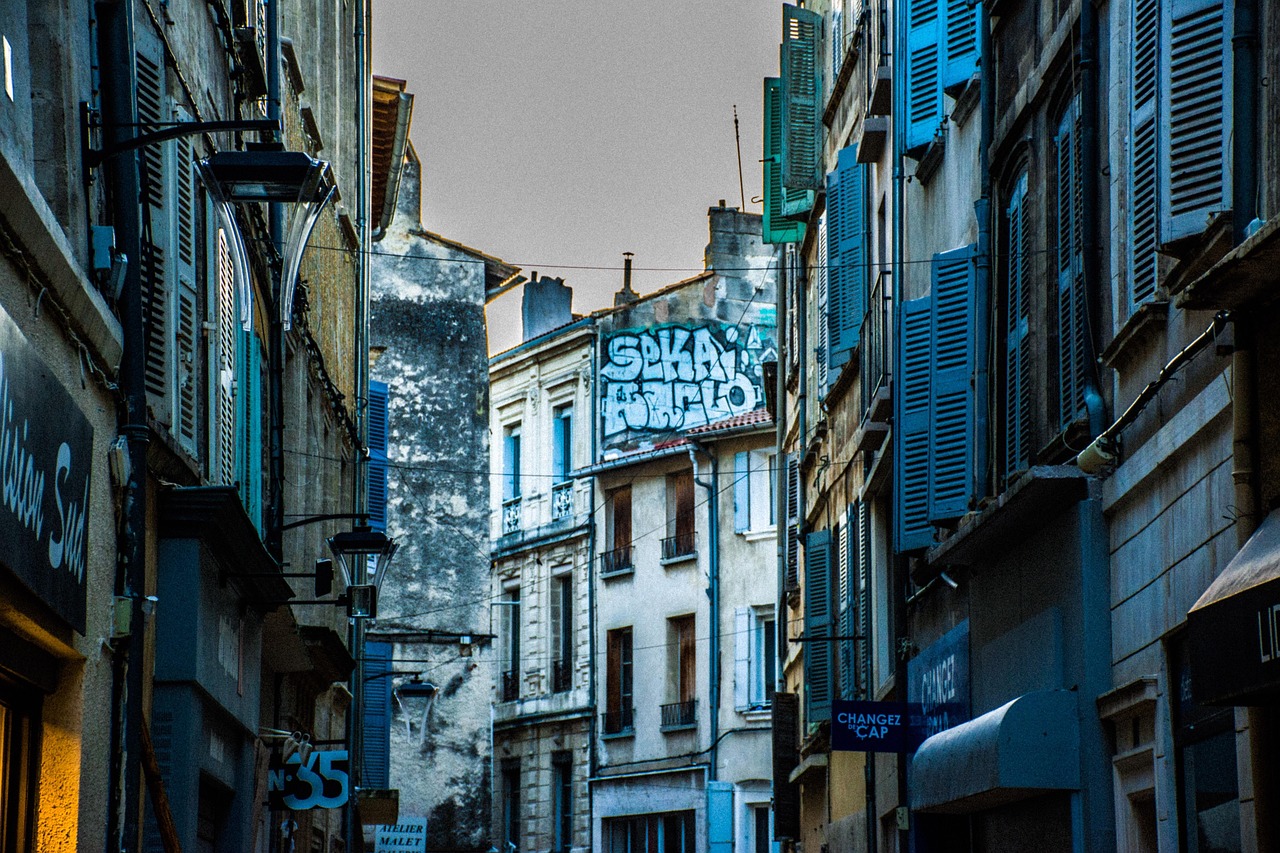
This is where I always tell first-time visitors to stay. The old town is an intricate maze of narrow lanes, stone façades in sun-faded ochre, and tiny squares anchored by fountains. It’s lively without being overwhelming, with bakeries, markets, and wine bars threaded between everyday shops.
- Best for: First-time visitors, foodies, history lovers, people who like to walk everywhere.
- Highlights: Place de l’Hôtel de Ville, Saint-Sauveur Cathedral, daily markets, hidden courtyards.
Quartier Mazarin
South of the Cours Mirabeau, this 17th-century district is a grid of elegant mansions, wrought-iron balconies, and quiet streets. It feels almost aristocratic, especially in the early morning when everything is still.
- Best for: Romantic stays, architecture lovers, quieter evenings.
- Highlights: Place des Quatre Dauphins, Hôtel de Caumont, chic art galleries.
Cours Mirabeau & Rotonde
The Cours Mirabeau is Aix’s main stage. Lined with plane trees and grand terraces, it’s where students, families, and retirees all cross paths. The Rotonde fountain anchors the western end, while cafés like Les Deux Garçons (rebuilt after a fire) recall Aix’s literary past.
- Best for: People-watching, café culture, central access.
- Highlights: La Rotonde fountain, major cafés, seasonal decorations and events.
Les Allées Provençales & Modern Aix
To the west of the Rotonde, you’ll find a more modern face of Aix: shopping galleries, contemporary architecture, and the main bus station (gare routière). I come here when I need practical errands done — and then slip back into the old town’s charm.
- Best for: Shopping, easy bus connections, modern hotels.
- Highlights: Les Allées Provençales mall, Grand Théâtre de Provence.
North Aix & Cézanne Country
Head north and the city thins into leafy residential streets, then vineyards, then the rocky silhouette of Montagne Sainte-Victoire. Cézanne’s studio and the Terrain des Peintres lie in this direction, where city and countryside start to blur.
- Best for: Hikers, painters, travelers who like quieter stays.
- Highlights: Atelier Cézanne, Terrain des Peintres, views over Sainte-Victoire.
Top 20+ Must-See Attractions in Aix-en-Provence (With Personal Notes)
Below are the best places to visit in Aix-en-Provence — not just a list, but how they feel, when to go, and what I’ve loved (and learned) each time I’ve visited.
1. Cours Mirabeau
The Cours Mirabeau is the city’s spine — a wide, tree-shaded boulevard that somehow manages to be both grand and relaxed. I still remember my first afternoon here: jet-lagged, slightly overwhelmed, and then suddenly calmed by the rhythm of people strolling past fountains and terraces.
History & vibe: Laid out in the 17th century to connect the old town with the Mazarin quarter, the Cours was where Aix’s nobility paraded in carriages. Today, it’s more about students with ice cream, families, and couples lingering over coffee.
What to do:
- Start at La Rotonde fountain and walk east under the plane trees, stopping at each smaller fountain along the way.
- Grab a coffee or aperitif at a terrace; I often choose a spot mid-boulevard to avoid the busiest stretch.
- Visit in the early morning (almost empty, golden light) or around 6–7 pm when locals take their promenade.
Personal tip: In summer, I like to pick up a pistachio gelato from a side-street glacier and walk the Cours slowly, using the fountains as informal “benches” to sit and watch people. It’s also magical in December when Christmas lights and markets take over.
2. Place de l’Hôtel de Ville & Clock Tower
This square is Aix in miniature: a Renaissance clock tower, a fountain, café tables spilling into the open, and on many mornings, a colorful flower market. I usually cut through here at least twice a day when I’m in town.
History: The 16th-century clock tower with its astronomical dial once marked civic time for Aix’s citizens. The surrounding façades show layers of architectural styles, from medieval to classical.
What to do:
- Come on Tuesday, Thursday, or Saturday mornings when the flower market fills the square.
- Grab a seat at one of the cafés — I like a corner table where I can see both the clock tower and the fountain.
- Step into the Hôtel de Ville (city hall) courtyard if it’s open; it’s a peaceful mini-oasis.
Family-friendly: Kids love the clock tower and pigeons swirling overhead, while parents can sip coffee and rest their feet.
3. Cathédrale Saint-Sauveur
Tucked away at the northern edge of the old town, Saint-Sauveur Cathedral feels older than time. Every era seems layered into its stones: Roman columns, Gothic arches, Baroque chapels.
History & significance: Built on the site of a Roman forum and possibly an earlier temple, the cathedral evolved between the 5th and 17th centuries. Its mix of styles tells the story of Aix’s long, complex past.
My experience: On hot days, I always duck into the cool gloom of the nave for a few minutes of quiet. Once, I stumbled into a late-afternoon organ rehearsal — the sound shook the floor and gave me goosebumps.
Don’t miss:
- The Romanesque cloister with its carved capitals and play of light and shadow.
- The Baptistry, one of the oldest parts, with its octagonal font and Roman columns.
- Occasional free organ concerts (check the notice board by the entrance).
Tip: Shoulders should be covered; bring a light scarf if visiting in summer.
4. Atelier Paul Cézanne (Cézanne’s Studio)
For art lovers, Cézanne’s studio is almost a pilgrimage. But even if you’ve never looked twice at a still life, there’s something moving about stepping into the quiet room where he painted his final works.
What it is: A modest house on a hill north of the center, with Cézanne’s workroom preserved as it was when he died in 1906. His objects — jugs, skulls, fabrics, fruit bowls — are all still there.
My visits: I’ve been three times, and every time I notice a new detail: the worn floorboards where he must have paced, the north-facing window, the giant easel. The room has a stillness that makes you whisper, even when it’s full.
Practical info:
- About a 15–20 minute walk uphill from the city center; you’ll pass quiet residential streets and glimpses of gardens.
- Visits are timed; in 2026, it’s wise to book online in advance, especially May–September.
- Expect to spend 45–60 minutes; combine with a stop at the nearby Terrain des Peintres (see below).
Tip: Go in the late afternoon for softer light streaming through the big studio window — it somehow makes the objects on his table look more alive.
5. Terrain des Peintres
A short walk beyond Cézanne’s studio, the Terrain des Peintres is a small park on a hillside with big views of Montagne Sainte-Victoire. Panels show reproductions of Cézanne’s paintings with the exact viewpoint.
Why I love it: It’s my go-to spot when I need a breather from the city. I bring a takeaway coffee, sit on the low wall, and watch how the mountain’s colors change as clouds move and the sun shifts.
Best time to visit: Late afternoon or early evening, when the light is warm and the air softer. It’s also a romantic spot for couples at golden hour.
Family-friendly: Kids can run around safely here, and there’s enough space to spread out a simple picnic.
6. Hôtel de Caumont Art Center
If you love beautiful buildings as much as the art inside them, don’t miss Hôtel de Caumont. This refined 18th-century mansion in the Mazarin quarter has been transformed into an art center and café that feels like stepping into a period film.
What to expect:
- Two floors of rotating exhibitions, often focusing on major artists or themed shows (check the 2026–2027 schedule online).
- Lavish salons, stucco ceilings, and views over a symmetrical French garden.
- A tearoom with excellent pastries; I once spent a rainy afternoon here with tea and a book and didn’t want to leave.
Tip: Book timed tickets in advance during peak season. Even if you’re not an “art person,” go for the architecture and garden.
7. Musée Granet & Granet XXe
Musée Granet is Aix’s main fine arts museum, housed in a former priory. It’s one of those places that never feels crowded, even when it’s busy — lots of quiet corners to linger in front of a painting.
Collections: You’ll find works by Cézanne, Rembrandt, Ingres, and 20th-century heavyweights like Picasso and Giacometti (many from the Planque collection). The annex, Granet XXe, focuses on modern and contemporary art.
My favorite corner: There’s a small room of Cézanne works where you can stand very close to the canvases and see the thick, deliberate brushstrokes. I like visiting on weekday mornings when it’s at its calmest.
Tip: Combo tickets often include both the main museum and Granet XXe. Check for special 2026–2027 exhibitions, especially around Cézanne anniversaries and Provençal themes.
8. Quartier Mazarin & Place des Quatre Dauphins
The Mazarin quarter feels like Aix in its Sunday best. Laid out in the 17th century as a planned aristocratic district, its streets are wide, straight, and lined with mansions. At its heart is Place des Quatre Dauphins, with its playful fountain of four dolphins.
How I explore it: I like to wander here mid-morning on a sunny weekday, when the light hits the façades just right and you can hear footsteps echoing on the cobblestones. It’s also a beautiful place for a romantic evening stroll.
Don’t miss:
- Peeking into the courtyards of hôtels particuliers when gates are open.
- Small independent art galleries often tucked behind discrete doors.
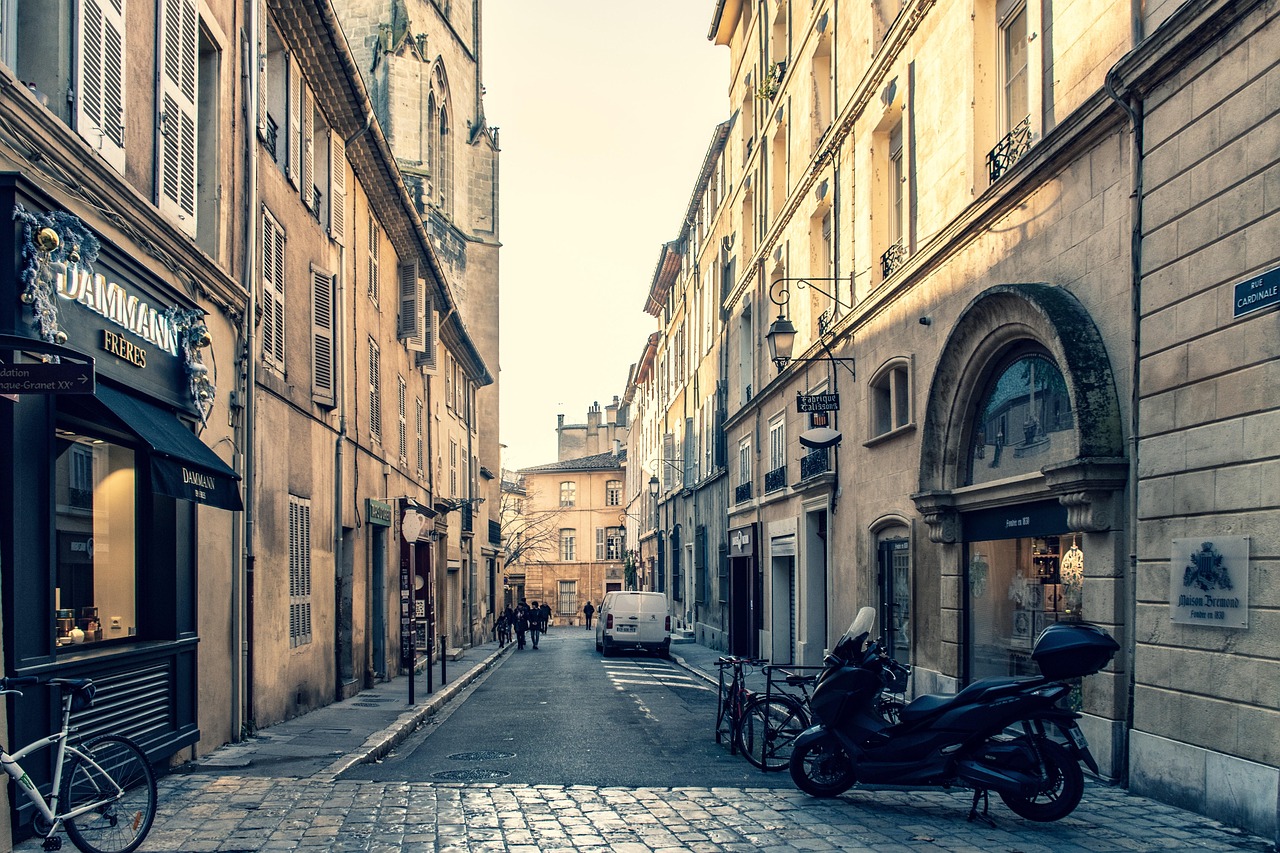
- The tranquil streets around Rue Cardinale and Rue Roux-Alphéran.
9. Aix-en-Provence Markets (Food, Flowers & Antiques)
Aix’s markets are where I fall in love with the city all over again. The sounds, smells, and colors are intoxicating: olives glistening in brine, pyramids of tomatoes, lavender bundles, and the chatter of vendors.
Main markets:
- Place Richelme food market (daily, morning): My favorite for local produce, cheeses, and charcuterie. I often build an impromptu picnic here.
- Place des Prêcheurs & surrounding streets (Tue, Thu, Sat): Larger general market with clothes, textiles, and regional specialties.
- Flower markets: Often on Place de l’Hôtel de Ville or nearby; check current locations as they can shift slightly.
- Antique & flea markets: Selected days on Cours Mirabeau or other squares; great for vintage posters, ceramics, and linens.
Personal ritual: I go early (around 8:30–9:00 am) before it gets too busy, buy cherries or apricots if they’re in season, and then linger with a coffee under the plane trees.
Budget tip: Markets are one of the best ways to save money on meals. A baguette, some cheese, charcuterie, and fruit make a generous lunch for a fraction of restaurant prices.
10. Fountains of Aix-en-Provence
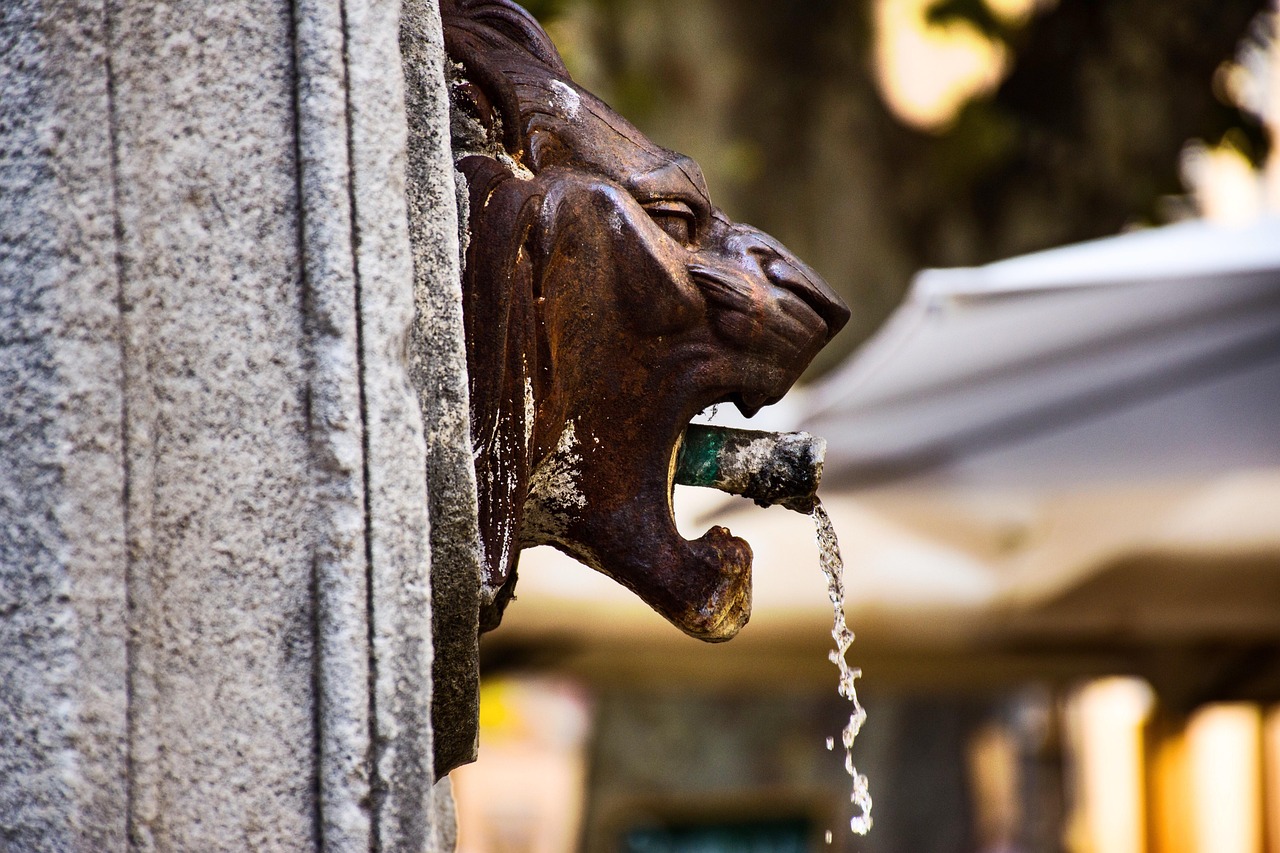
Aix is often called the “City of a Thousand Fountains.” The official count is lower, but it certainly feels like they’re everywhere — from moss-covered trickles to grand monuments.
Fountains to look for:
- La Rotonde: The city’s grandest fountain, anchoring the western end of Cours Mirabeau.
- Fontaine Moussue: A warm-water fountain on the Cours, covered in thick moss, steaming slightly in winter.
- Fontaine des Quatre Dauphins: Playful dolphins in the Mazarin quarter.
- Hidden neighborhood fountains: Small basins in side streets that locals barely notice anymore.
Romantic idea: One evening, my partner and I did our own “fountain walk,” wandering until we’d found a dozen different ones. It’s a lovely way to see residential corners you’d otherwise miss.
11. Montagne Sainte-Victoire (Hiking & Views)
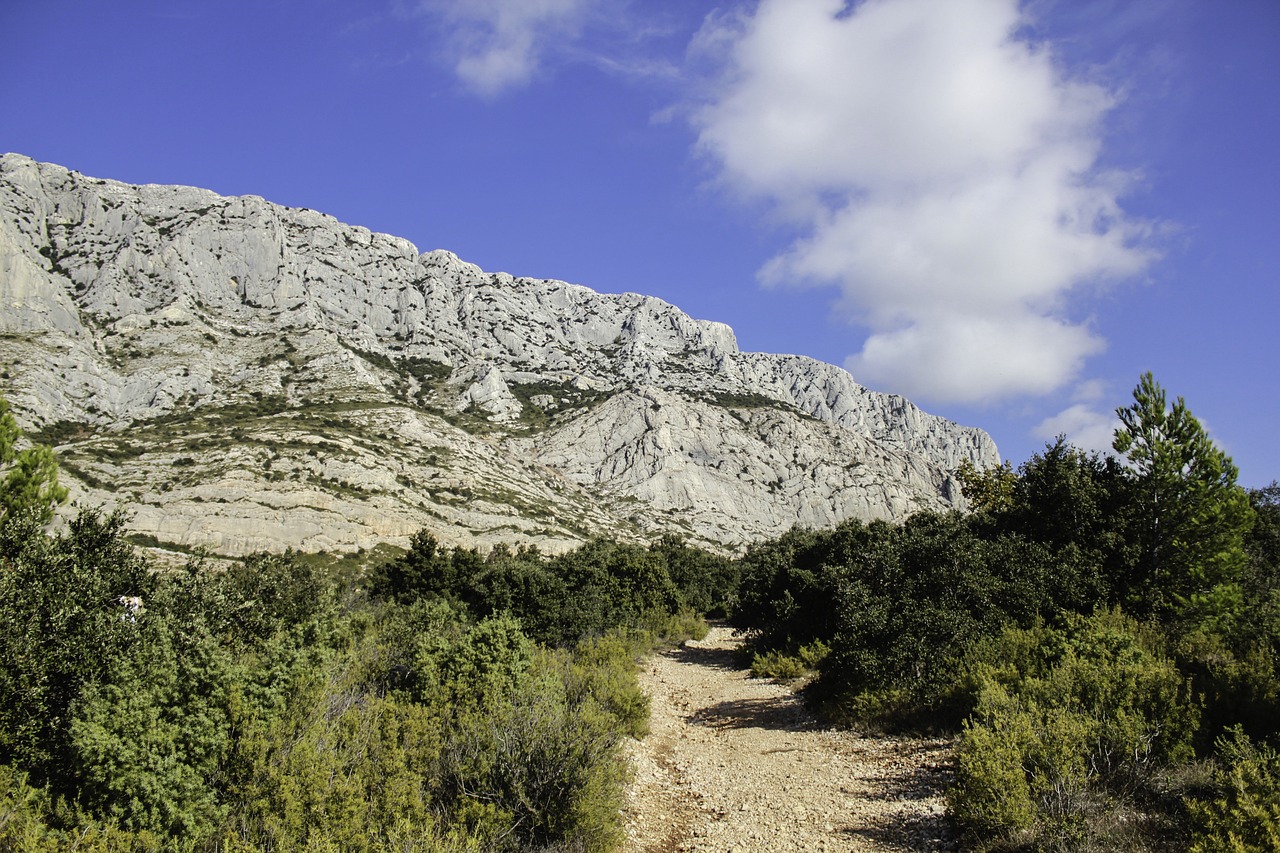
The jagged, pale ridge of Montagne Sainte-Victoire is the backdrop to Aix — and the obsession of Cézanne. It’s also a fantastic hiking destination and day escape into nature.
My hikes: I’ve done several routes over the years, from easy walks near the Bimont dam to more strenuous hikes up to the Croix de Provence cross on the summit ridge. On clear days, the views stretch all the way to the Alps and the Mediterranean.
Practical tips:
- Access by car or bus from Aix; some trailheads are reachable with regional buses, but schedules are limited on Sundays.
- Bring plenty of water, hat, and sunscreen. Shade is scarce and summer heat is intense.
- Spring and autumn are ideal; in high summer, start at dawn if you plan a longer hike.
Family-friendly: Stick to shorter, lower-elevation trails near lakes and picnic spots.
12. Thermes Sextius (Thermal Spa)
Aix’s Roman roots include thermal springs, and Thermes Sextius continues that tradition with a modern spa complex built over ancient baths. After a day of walking or hiking, this is where I go to reset.
What to expect: Pools, saunas, steam rooms, and treatment rooms using thermal water. Some packages include access to outdoor relaxation areas with city views.
My routine: I book a late-afternoon session, float between warm pools and steam rooms, and then walk home through the softly lit streets, feeling blissfully loose-limbed.
Tip: Reserve treatments in advance, especially on weekends and during the Festival d’Aix season (July).
13. Grand Théâtre de Provence & Cultural Hub
The Grand Théâtre de Provence is a sleek, modern performance hall near the bus station, part of Aix’s contemporary cultural face. I’ve seen everything from symphonies to modern dance here.
Why go: For an evening that feels less “tourist” and more like living in Aix. Performances often start around 8 pm, and the programming is diverse.
Tip: Check the online calendar for 2026–2027; you can often find reasonably priced last-minute tickets, and many shows have surtitles in English if they involve text.
14. Pavillon de Vendôme & Gardens
A baroque jewel just north of the center, Pavillon de Vendôme is a small museum set in formal gardens framed by clipped hedges and gravel paths. It’s one of my favorite quiet spots in Aix.
Inside: Rotating exhibitions, often focused on local history, photography, or decorative arts.
Outside: Benches, lawns, and perfectly symmetrical lines of trees — a lovely place to sit with a book or snack.
Tip: Visit around lunchtime; many locals come here to eat sandwiches on the grass, and the atmosphere is relaxed.
15. Rue Espariat, Rue d’Italie & Shopping Streets
Aix is made for wandering and window-shopping. The main pedestrian streets between the Rotonde and the old town are lined with boutiques, bookstores, and cafés.
Streets to explore:
- Rue Espariat: Lively, with a mix of chains and independent shops.
- Rue d’Italie: Trendier boutiques, small restaurants, and wine bars.
- Side alleys: Look for artisan chocolatiers, soap shops, and local designers.
Personal tip: I avoid peak afternoon on Saturdays when it can feel crowded; weekday mornings or early evenings are more pleasant.
16. Musée du Vieil Aix (Old Aix Museum)
Housed in a historic mansion, the Musée du Vieil Aix is a small, charming museum dedicated to the city’s past: furniture, costumes, puppets, and paintings that tell the story of Aix’s daily life.
Why I like it: It’s intimate and human-scale, with quirky details (like old puppets from Provençal folk theater) that kids find fascinating.
Tip: Combine with a walk through the surrounding old town streets; this part of Aix feels especially atmospheric.
17. Parc Jourdan
Parc Jourdan, just south of the center, is where students sprawl on the grass, children play, and couples share ice cream on benches. If you need greenery without leaving the city, this is where to go.
What I do here: I bring a book from a local secondhand shop, find a shady spot under a plane tree, and occasionally look up to watch dogs chasing each other along the paths.
Family-friendly: There are play areas and plenty of open space for kids to run.
18. University Quarter & Cultural Life
Aix is a major university city, and the student presence gives it energy and affordability. The campuses around Avenue Robert Schuman and the surrounding streets are dotted with cheap eats, bars, and bookstores.
Why visit: To see a less polished, more everyday side of Aix. Grab a budget-friendly lunch menu, browse a bookshop, or attend a public lecture or film screening.
19. Coteaux d’Aix & Sainte-Victoire Vineyards
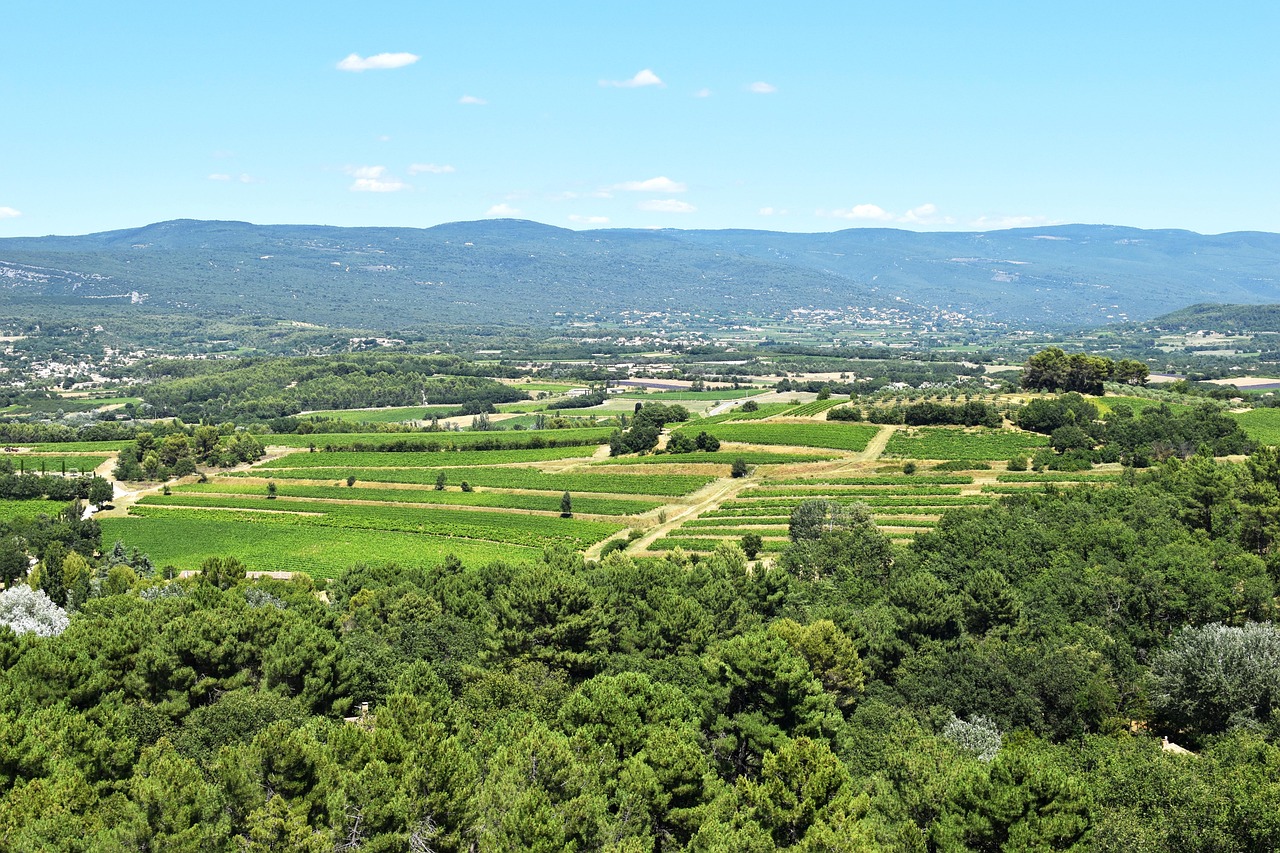
The countryside around Aix is dotted with vineyards producing rosé, red, and white wines under appellations like Coteaux d’Aix-en-Provence and Côtes de Provence Sainte-Victoire.
My experience: I’ve visited several small family-run estates where the owner’s dog greets you at the door and tastings are unhurried and generous. Many are reachable by car in 15–30 minutes from Aix.
Tips:
- Book tastings in advance, especially in harvest season (Sept–Oct).
- Consider a half-day guided wine tour from Aix if you don’t want to drive.
- Always have a designated driver; French police are strict about drinking and driving.
20. Festival d’Aix-en-Provence (Opera & Music Festival)
Every summer, usually from late June to late July, Aix transforms into an open-air opera and classical music festival. The Festival d’Aix is one of Europe’s most respected, known for creative productions and high artistic standards.
Venues: The most atmospheric is the courtyard of the Archbishop’s Palace, but performances take place in several theaters and outdoor spaces around town.
My memory: One warm July night, I sat in the stone courtyard listening to Mozart as swallows circled overhead and the sky turned deep blue. It was one of those moments when you think, “Yes, this is why I travel.”
Practical tips:
- Tickets for star productions sell out early; check the 2026 program and book months ahead if possible.
- There are often free or low-cost concerts and public rehearsals — great for budget travelers and families.
21. Street Art & Contemporary Culture
Aix isn’t known for gritty street art like Marseille, but you’ll still find murals and creative touches if you look — especially in student-heavy areas and near cultural centers.
Where to look: Around the university, in small alleys off Rue d’Italie, and sometimes on temporary construction fences. It’s a fun contrast to the city’s classical elegance.
3–5 Day Itineraries for Aix-en-Provence (With Personal Stories)
Whether you have 3 days in Aix-en-Provence or a full 5 days, you can experience a rich mix of art, food, markets, countryside, and hidden gems. Below are flexible itineraries based on how I typically show friends around when they visit me.
3 Day Itinerary for Aix-en-Provence
This 3 day itinerary for Aix-en-Provence is perfect if you want a relaxed but complete introduction: historic center, Cézanne, markets, and an easy countryside escape.
Day 1: First Taste of Aix – Cours Mirabeau, Old Town & Markets
Morning: Arrival & Cours Mirabeau
I like to start every visit with the same ritual. After checking into a small hotel near the old town, I walk straight to the Cours Mirabeau. Even if I’ve arrived groggy from a train or flight, the dappled shade of the plane trees and the murmur of terrace conversations bring me back to life.
- Drop your bags (or check into your accommodation) by 10–11 am if possible.
- Stroll slowly from La Rotonde up the Cours, noting the fountains and grand façades.
- Choose a café terrace for a light lunch: a salade niçoise or tartine with a glass of chilled rosé.
Early Afternoon: Getting Lost in the Vieille Ville
After lunch, I always turn my back to the Cours and slip into the old town’s narrow lanes. The temperature drops a couple of degrees in the shade, and the noise fades into a quieter, more intimate hum.
- Head towards Place de l’Hôtel de Ville, pausing at little shops and bakeries along the way.
- If it’s a market day (Tue, Thu, Sat), wander the flower stalls and pick up a small bouquet for your room.
- Visit Saint-Sauveur Cathedral; spend time in the cloister if you can.
On one visit, I arrived during a soft spring rain and ducked into the cathedral just as the bells started. When I stepped back out, the stones were glistening and the air smelled like wet earth and coffee — a perfect welcome.
Late Afternoon: Coffee & People-Watching
Find a spot at a café in the old town or back on the Cours. I favor slightly tucked-away places on side streets, where you can still watch life go by but not pay Cours-front prices.
Evening: First Provençal Dinner
- Choose a bistro in the old town or Mazarin quarter; look for smaller menus that change with the seasons.
- Try aïoli (garlic mayo with fish and vegetables), daube provençale (wine-stewed beef), or simply grilled fish.
- After dinner, wander back via the lit fountains — Aix is particularly pretty at night.
Day 2: Cézanne & Views of Sainte-Victoire
Morning: Atelier Cézanne
On your second morning, after a croissant and coffee at a local bakery (I like grabbing mine and eating it on a bench near a fountain), head uphill to Atelier Cézanne.
- Book a late morning timed entry (around 10:30–11:00) so you can walk up leisurely.
- Take the residential streets: watch for cats on windowsills and gardens over low stone walls.
Every time I enter the studio, I notice how quiet everyone becomes. Even kids seem to whisper. It’s like stepping into a paused moment in 1906.
Midday: Terrain des Peintres
- From the studio, continue upwards 10–15 minutes to the Terrain des Peintres.
- Bring a simple picnic from the market or a boulangerie; sit and face Montagne Sainte-Victoire.
I once sat here sketching badly in a notebook, and an elderly local man paused, nodded at the mountain, and just said, “On ne s’en lasse jamais” — you never get tired of it. He’s right.
Afternoon: Musée Granet or Hôtel de Caumont
Walk back down into town and spend the afternoon in one of Aix’s major art spaces:
- Musée Granet: If you want a broader overview and more Cézanne plus other masters.
- Hôtel de Caumont: If you’re drawn to beautiful houses and elegant temporary exhibitions.
On a hot July afternoon, I like the hushed, cool rooms of a museum as a break from the sun.
Evening: Wine Bar & Tapas-Style Dinner
For your second evening, shift to a more informal dining style:
- Find a wine bar with outdoor tables; many around Rue d’Italie and Rue de la Verrerie.
- Order local rosé and a selection of small plates — charcuterie, cheeses, olives, grilled vegetables.
- End with a stroll through the old town, perhaps with a gelato in hand.
Day 3: Markets & Countryside
Morning: Market Immersion
On your last day, dive fully into Aix’s market culture. Try to align your visit so day 3 falls on a Tuesday, Thursday, or Saturday for the biggest markets.
- Start at Place Richelme food market: taste olives, cheeses, and seasonal fruits.
- Continue to Place des Prêcheurs and neighboring streets for textiles, clothes, and more produce.
- Buy picnic supplies for lunch: a baguette, local cheese, saucisson, fruit, and maybe a small bottle of rosé (if you’re not driving).
Afternoon: Easy Countryside Escape
With just 3 days in Aix-en-Provence, I recommend a gentle half-day escape rather than a big day trip:
- Option 1: Vineyard visit near Aix with a pre-booked tasting.
- Option 2: Short hike or walk on the lower slopes of Montagne Sainte-Victoire.
- Option 3: Parc Jourdan & city parks if you prefer to stay urban but greener.
One spring afternoon, I took visiting friends to a small winery 20 minutes outside Aix. We sat under a mulberry tree tasting rosé while the owner’s dog slept at our feet — they still talk about that afternoon more than any “big sight.”
Evening: Farewell Dinner
For your final night, book a table at a slightly special restaurant — perhaps one focused on seasonal Provençal cuisine with a creative twist. Toast the trip with a last glass of rosé and, if you have room, a lavender crème brûlée.
4 Day Itinerary for Aix-en-Provence
With 4 days in Aix-en-Provence, you can follow the 3-day plan and add a dedicated day trip to the sea or the Luberon.
Day 4: Sea Breezes – Marseille or Cassis
Option A: Marseille (Culture & Port)
- Take a direct bus from Aix to Marseille (about 30–35 minutes).
- Visit Le Panier (old quarter), MuCEM museum, and the Vieux-Port.
- Have a seafood lunch on the port; if budget allows, try a classic (but pricey) bouillabaisse.
I often bring friends to Marseille for a contrast: its rougher edges and multicultural buzz are a striking complement to Aix’s polished calm.
Option B: Cassis & Calanques (Sea & Cliffs)
- Bus or train to Cassis via Marseille (allow 1.5 hours total in transit).
- Walk the pretty harbor, then take a boat tour of the Calanques (limestone fjord-like inlets).
- In warm months, bring a swimsuit for a quick dip.
Evening back in Aix: A casual dinner near your accommodation and a glass of wine at a quiet bar — your feet will thank you after a big day.
5 Day Itinerary for Aix-en-Provence
A 5 day itinerary for Aix-en-Provence lets you really settle in: linger in cafés, add another day trip, or dive deeper into local culture.
Day 5: Hill Towns & Lavender (Seasonal) or Deeper Aix
Option A: Luberon Villages (Full-Day Trip)
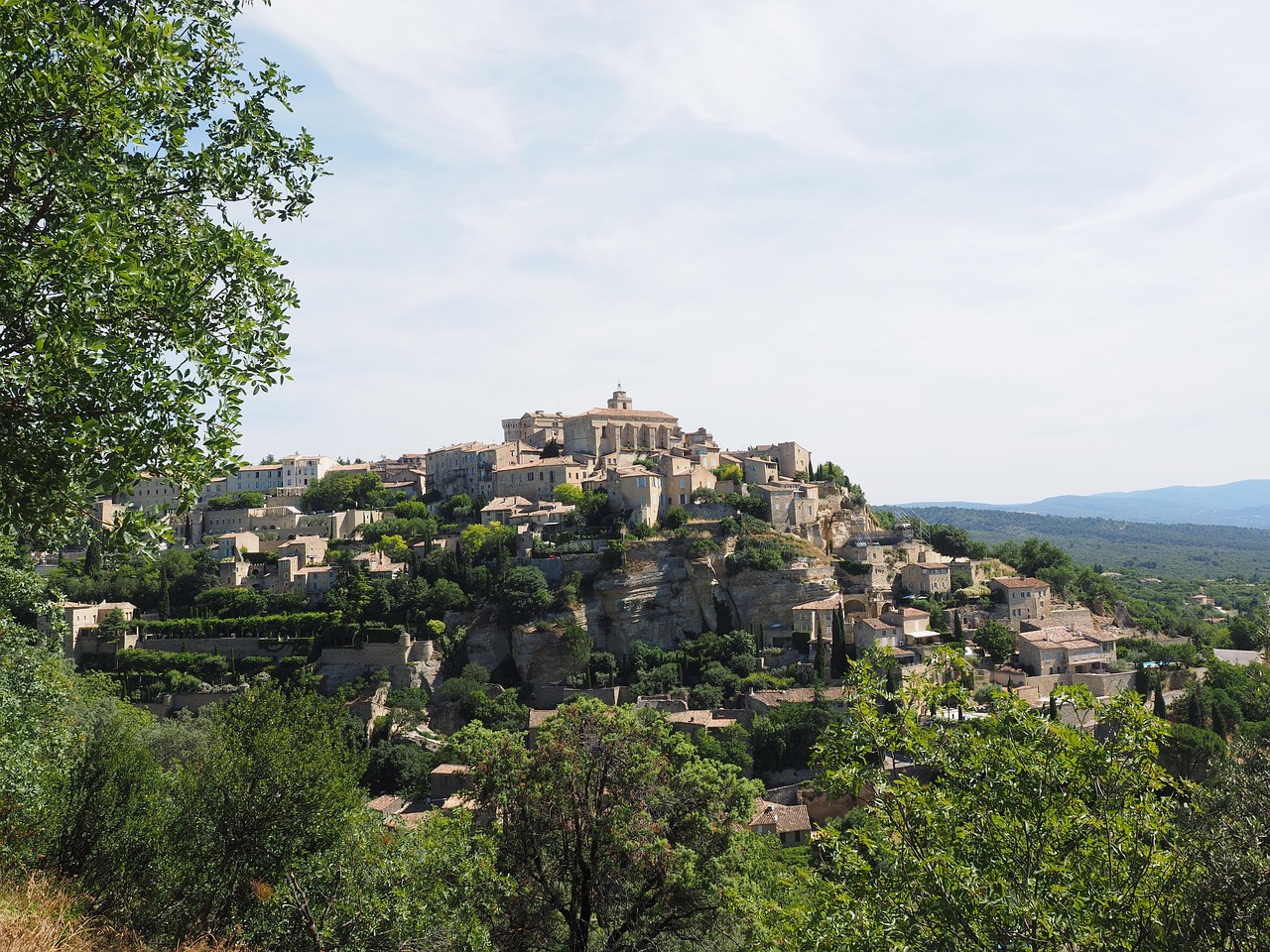
- Rent a car or join a small-group tour to visit Lourmarin, Bonnieux, Roussillon, Gordes, or similar villages.
- In June–early July, combine with a stop at nearby lavender fields (Valensole plateau is a bit farther but spectacular).
- Have lunch on a village terrace overlooking the valley.
I’ve done this loop many times, and it’s still one of my favorite days in Provence: each village feels like a postcard, but if you walk a little beyond the main square, you quickly find quiet, real life.
Option B: Slow Aix & Cultural Immersion
- Take a cooking class using ingredients from the morning market.
- Visit Pavillon de Vendôme and relax in its gardens.
- Browse independent bookshops and art galleries.
- In the evening, go to a concert or play at the Grand Théâtre or another venue.
This slower option is what I choose when I’m tired from previous travel and want Aix to be my reset button rather than another “checklist” destination.
Local Food & Drink in Aix-en-Provence
What to Eat: Provençal Specialties
- Calissons d’Aix: Almond and candied melon pastries shaped like lozenges, topped with royal icing. I always buy a small box at the start of a trip and nibble them with afternoon coffee.
- Aïoli: Garlicky mayonnaise served with steamed vegetables and often fish. Powerful but addictive.
- Tapenade: Olive paste (black or green) spread on bread or toast; perfect with a glass of wine.
- Soupe au pistou: Summer vegetable soup with basil-garlic paste — comforting and fragrant.
- Daube provençale: Slow-cooked beef in red wine with herbs and olives, wonderful in cooler months.
- Bouillabaisse (in Marseille): Traditional fish soup, best tried on a dedicated trip to the coast.
Where to Eat: Personal Favorites
I won’t list specific addresses (these change frequently), but here’s how I choose places in 2026:
- Look for short menus that change daily or weekly.
- Avoid spots with heavy tourist photos or multilingual shouty menus right on the Cours.
- Check blackboards on side streets off Rue d’Italie or in the Mazarin quarter.
- For budget meals, explore the university quarter where lunch menus are often under 15–18€.
Drinks: Rosé, Pastis & Coffee Culture
Rosé: Light, dry rosé is practically a food group here. Always order by the glass or carafe of local appellations.
Pastis: An anise-flavored aperitif diluted with water and ice. Try it once on a terrace at sunset; it’s part of the local ritual.
Coffee: Espresso is the default; order “un café” for a small espresso, “un café allongé” for a longer one, or “un café crème” for something closer to a latte (more common mornings).
Markets & Picnics (Save Money, Eat Well)
One of my favorite money-saving strategies is the market picnic:
- Morning: Buy bread, cheese, charcuterie, olives, and fruit at Place Richelme.
- Midday: Find a bench in a shaded square or head to Parc Jourdan.
- Afternoon: Treat yourself to a coffee or ice cream with the money you saved on lunch.
Nightlife, Entertainment & Cultural Experiences
Evening Terraces & Wine Bars
Aix’s nightlife is more about conversation than clubs. The typical evening rhythm:
- 6–8 pm: Aperitif on a terrace (rosé, pastis, or a beer).
- 8–10 pm: Dinner at a bistro or restaurant.
- 10 pm–late: Wine bars and a few small pubs, especially near the university.
Live Music & Festivals
Beyond the Festival d’Aix in summer, the city has year-round cultural offerings:
- Jazz nights in small bars.
- Classical concerts in churches and the Grand Théâtre.
- Pop-up events and open-air cinema in warmer months.
Check the tourist office or local event listings when you arrive; many events are low-cost or free.
Family-Friendly Evenings
For families, evenings might mean:
- Gelato and a stroll among the fountains.
- A simple dinner on a terrace where kids can people-watch.
- Early-evening street performances during festival periods.
Best Day Trips from Aix-en-Provence
Aix is a perfect base to explore Provence. Here are classic day trips with practical notes.
1. Marseille
- Getting there: Direct bus from Aix bus station (about 30–35 minutes).
- Highlights: Vieux-Port, Notre-Dame de la Garde basilica, Le Panier, MuCEM, fresh seafood.
- Tip: Wear comfortable shoes; Marseille’s hills are real.
2. Cassis & Calanques
- Getting there: Bus/train via Marseille; allow about 1.5 hours each way.
- Highlights: Harbor, boat tours of the Calanques, beaches, cliffside walks.
- Family-friendly: Boat tours are great for kids; bring hats and sunscreen.
3. Luberon Villages
- Getting there: Best with a car or organized tour.
- Highlights: Gordes, Roussillon (ochre cliffs), Bonnieux, Lourmarin.
- Tip: Start early to avoid midday heat in summer.
4. Lavender Fields (Seasonal)
- When: Late June to early/mid-July is usually peak bloom.
- Where: Valensole plateau or fields nearer to the Luberon.
- Practical: Go early morning or late afternoon for best light and fewer crowds.
5. Arles & Camargue
- Getting there: Train or car (about 1–1.5 hours).
- Highlights: Roman amphitheater, Van Gogh sites, white horses and pink flamingos in the Camargue.
- Best for: History lovers and nature enthusiasts.
Cultural Etiquette & Local Customs in Aix-en-Provence
Greetings & Politeness
French politeness can make or break small interactions:
- Always start with “Bonjour, Madame / Monsieur” when entering a shop or café.
- Switch to “Bonsoir” in the evening (after about 6–7 pm).
- A simple “Merci, au revoir” when leaving goes a long way.
Eating & Drinking Customs
- Lunch is typically 12–2 pm; dinner starts around 7:30–8:30 pm.
- It’s considered rude to rush a meal; service may feel slower than in some countries. If you need the bill, ask: “L’addition, s’il vous plaît.”
- Tipping: Service is included, but locals often leave small change or 5–10% for good service.
Dress & Behavior
- Aix is relaxed but slightly stylish; smart-casual clothing helps you blend in.
- Beachwear is for the beach, not the city center.
- Keep voices moderate in restaurants and on terraces; loudness stands out.
Language
Many people in Aix speak at least basic English, especially younger locals and those in tourism. Still, starting in French is appreciated.
- “Bonjour, parlez-vous anglais ?” (Hello, do you speak English?)
- “S’il vous plaît” (please), “Merci beaucoup” (thank you very much).
Practical Travel Tips for Aix-en-Provence (2026–2027)
Getting To & Around Aix-en-Provence
Arrival:
- By air: Nearest major airport is Marseille Provence (MRS), about 25–30 minutes away. Frequent shuttle buses connect the airport to Aix’s bus station.
- By train: High-speed TGV trains stop at Aix-en-Provence TGV station (outside town); a shuttle bus connects to the city center. Regional trains also link Aix with nearby cities.
Getting around the city:
- The historic center is very walkable; you rarely need public transport within the core.
- Local buses cover farther neighborhoods and surrounding villages.
- Bikes & e-scooters are increasingly common; use bike lanes where available.
Car Rental & Driving
Renting a car is useful if you plan multiple day trips to the countryside.
- Pick up at MRS airport or Aix TGV station for easiest access to highways.
- Parking in the historic center is limited; use public parking garages on the edges and walk in.
- Foreign driver’s licenses are generally accepted for short stays; some nationalities may need an International Driving Permit — check current rules before you travel.
SIM Cards & Connectivity (2026)
Staying connected in Aix is straightforward:
- EU travelers usually roam at domestic rates (check your plan).
- Non-EU visitors can buy a prepaid SIM from major providers (Orange, SFR, Bouygues) at shops or kiosks; bring your passport.
- eSIM plans for Europe are widely available online if your phone supports them.
- Many cafés and hotels offer Wi-Fi, but a local data plan is useful for maps and timetables.
Money & Costs
- Currency: Euro (€).
- Cards are widely accepted, including contactless; still carry some cash for markets and small purchases.
- Budget tips: Market picnics, lunch menus (often cheaper than dinner), and avoiding the priciest Cours Mirabeau terraces help keep costs down.
Safety
Aix is generally safe, with low violent crime. Usual city precautions apply:
- Watch your bag in crowded markets and on buses.
- Stick to well-lit streets late at night.
- For hiking, inform someone of your route and check weather forecasts.
Visa Requirements (Overview)
Aix-en-Provence is in France, part of the Schengen Area. Visa rules depend on your nationality:
- Many travelers (including from the EU, UK, US, Canada, Australia, etc.) can enter visa-free for short stays (up to 90 days in 180). Check if an electronic pre-travel authorization is required as rules evolve.
- Others may need a Schengen visa obtained before travel. Always verify with the official French consulate or embassy well ahead of time.
Best Seasons to Visit & What They’re Good For
- Spring (April–June): Mild weather, markets bursting with produce, ideal for hiking and city walks. My personal favorite season.
- Summer (July–August): Hot and busy; Festival d’Aix in full swing, great for nightlife and outdoor events. Plan early mornings and evenings outside, midday siestas inside.
- Autumn (September–October): Warm days, cooler nights, grape harvest, fewer crowds — perfect for wine and countryside trips.
- Winter (November–March): Quiet, cooler but often sunny; Christmas markets in December; good for lower prices and a more “local” feel.
Summary: Key Takeaways & Final Recommendations
Aix-en-Provence is not a city of headline-grabbing monuments; it’s a city of light, fountains, and small pleasures. The best things to do in Aix-en-Provence revolve around simply being here: sipping coffee on the Cours Mirabeau, wandering market stalls, standing in Cézanne’s studio, or watching evening settle over Montagne Sainte-Victoire.
If you remember nothing else:
- Ideal stay: 3–5 days in Aix-en-Provence for a rich but relaxed visit.
- Must-see attractions: Cours Mirabeau, Vieille Ville & markets, Saint-Sauveur Cathedral, Atelier Cézanne & Terrain des Peintres, Hôtel de Caumont or Musée Granet, and at least a glimpse of Montagne Sainte-Victoire.
- Don’t skip: A morning at the markets, an evening aperitif on a terrace, and at least one countryside or coastal day trip.
- Best time to visit: Late spring (May–June) and early autumn (September–early October) for comfort, colors, and fewer crowds.
Come to Aix-en-Provence ready to slow down a little: to browse, to taste, to sit in the sun, to listen to the fountains and church bells, and to understand why so many people — myself included — keep coming back.