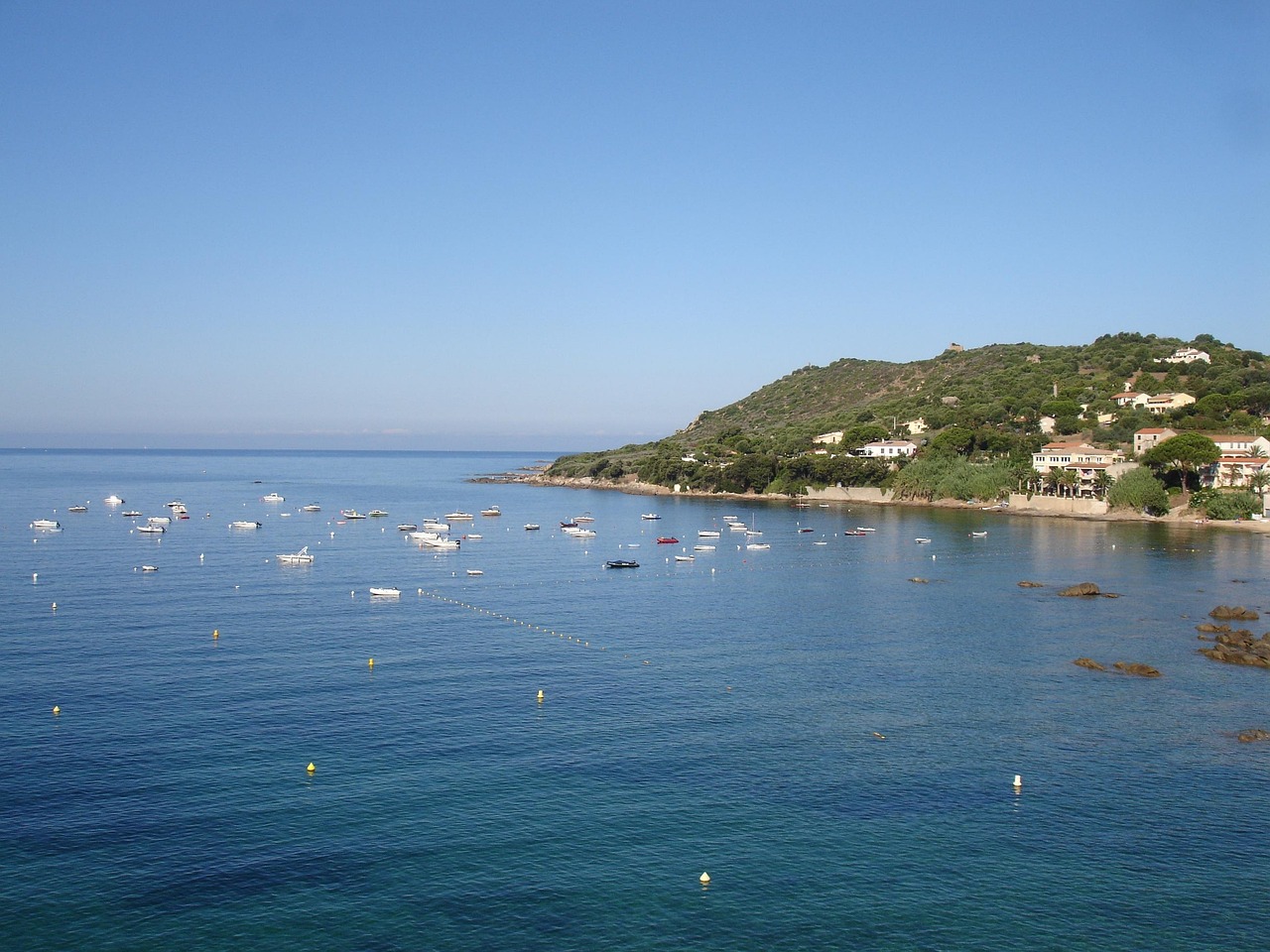
Why Visit Ajaccio in 2026
Ajaccio, capital of Corsica, is often overshadowed by famous mainland destinations, but that’s exactly why it feels so special. It blends a relaxed Mediterranean seaside vibe with rugged mountain backdrops, a strong island identity, and layers of history (Napoleon’s birthplace is just the start).
- Stunning coastal scenery: Turquoise bays, dramatic cliffs, and soft-sand city beaches you can literally walk to from the Old Town.
- Walkable historic center: A compact, lived-in old town where locals still buy vegetables at the market and gossip in Corsican dialect.
- Food with a sense of place: Chestnut flour, wild boar, island cheeses, fresh fish, and citrusy wines you don’t see much off the island.
- Easy base for day trips: From the blood-red rocks of the Sanguinaires Islands to hilltop villages and mountain gorges, all reachable in a day.
- Distinct culture: Corsican music, language, and traditions are very much alive here—this is not just “French Riviera, part two.”
In 2026–2027 Ajaccio is leaning even more into culture and sustainability: expanded pedestrian zones around the Old Port, more frequent shuttle buses to the Sanguinaires peninsula in summer, and a growing calendar of music and food festivals (more on those later).
Table of Contents
- Why Visit Ajaccio
- 20+ Must-See Attractions in Ajaccio
- 3–5 Day Itineraries for Ajaccio
- Neighborhoods & Areas to Explore
- Local Food in Ajaccio & Where to Eat
- Nightlife & Cultural Experiences
- Best Day Trips from Ajaccio
- Cultural Etiquette & Local Customs
- Practical Travel Tips for Ajaccio (2026–2027)
- Summary & Best Time to Visit Ajaccio
20+ Must-See Attractions in Ajaccio (with Local Insights)
These are the best places to visit in Ajaccio—some iconic, some quietly magical. I’ll start with the most famous sights and gradually move into the lesser-known hidden gems, weaving in my own visits, tips, and ways to combine them in your 3–5 day itinerary for Ajaccio.
1. Place Foch & Ajaccio Old Port
If Ajaccio has a “living room,” it’s Place Foch. The square opens toward the Old Port, framed by tall palms and pastel facades, with a statue of a toga-clad Napoleon presiding from the center. This is usually my first stop after dropping my bags.
In the mornings, especially from spring to early autumn, the square hosts a lively market: heaps of clementines, cured meats, local cheeses, and jars of fig and myrtle jam. I like to grab a slice of fiadone (Corsican lemony cheesecake) and a coffee from one of the terrace cafés and just watch the city wake up.
The Old Port itself is a mix of fishing boats, small yachts, and ferries. In 2026, the promenade has been expanded a bit and made more pedestrian-friendly, so it’s even nicer for evening strolls. Kids love watching the fishing boats unload; couples linger over apéritifs as the sky slowly turns coral.
- Family-friendly: Plenty of space to run, ice cream stands, and boats to look at.
- Romantic: Come around sunset, then stay for dinner at a port-side restaurant.
- Getting there: It’s central—most city buses stop within a 5–10 minute walk.
- Tip: For cheaper snacks, buy from the market stalls rather than the cafés ringing the square.
2. Maison Bonaparte (Napoleon’s Birthplace)
Napoleon Bonaparte was born in Ajaccio in 1769, and his family home—now the Maison Bonaparte museum—is one of the city’s must-see attractions. Even if you’re not a history buff, it’s worth it to understand how this small island nurtured such an outsized personality.
The house stands on Rue Saint-Charles, squeezed between other tall townhouses. Inside, you’ll find a series of rooms with family portraits, period furniture, and documents tracing the Bonaparte lineage. I’ve visited three times now; each visit I notice something new, like the baby cradle tucked in a corner or the subtle references to Corsican identity in a house that would later be associated with imperial France.
Audio guides (including English) were updated recently and do a good job of linking the intimate details of family life with the larger political shifts of the time. It’s not a huge museum—budget about an hour—but it’s dense with stories.
- Best time: Early morning or late afternoon to avoid cruise ship groups.
- Tickets: Modest fee; combinations with other city museums are often available.
- Tip: Pair this with a wander through the nearby Old Town lanes and a stop at a café on Rue Fesch.
3. Ajaccio Cathedral (Cathédrale Notre-Dame-de-l’Assomption)
A few streets up from the waterfront, the salmon-hued façade of Ajaccio Cathedral rises rather modestly—until you step inside. This baroque church is where Napoleon was baptized, and it feels like a quiet counterpoint to the more overt Napoleon museums.
Inside, the light is warm and golden, filtered through small windows and bouncing off painted ceilings and side chapels. I like to sit in a back pew for a few minutes, especially on hot days: it’s naturally cool and surprisingly peaceful even when the city is buzzing outside.
Look for the painting of the Virgin by Delacroix and the baptismal font linked to Napoleon. But also pay attention to the smaller details—flower offerings, hand-written notices in French and Corsican, the quiet rhythm of a working parish church.
- Dress code: Shoulders covered, no beachwear; it’s a functioning church.
- Family-friendly: Short visit; kids often enjoy spotting the ornate ceilings.
- Tip: Combine with a walk down to the nearby Citadelle Miollis area and seafront.
4. Musée Fesch (Fine Arts Museum)
The Musée Fesch is a surprise: a serious fine arts museum in a relatively small city. Cardinal Joseph Fesch, Napoleon’s uncle, was an avid collector, and his legacy is now housed in this ochre-colored palace just a few minutes’ walk from the port.
Inside you’ll find one of the largest collections of Italian paintings in France outside the Louvre, plus Corsican art and Napoleonic memorabilia. I’ve spent rainy afternoons here, drifting between Madonnas and portraits, then stepping out into the arcaded courtyard for air.
The building itself is half the pleasure: high ceilings, tall windows, and a sense that the art is part of the city’s own story, not just an imported collection. Temporary exhibits in 2026–2027 focus more on Mediterranean and island cultures, which adds a nice local context.
- Good for: Culture lovers, couples, and anyone needing a break from the sun.
- Plan: 1.5–2 hours for the main collection, more if you’re thorough.
- Tip: Check the museum + Maison Bonaparte combined ticket if you’re doing both in one day.
5. Ajaccio Citadel (Citadelle Miollis) & Waterfront Promenade
The star-shaped Citadelle Miollis guards the entrance to the bay, a reminder that Ajaccio has always been both a gateway and a stronghold. For many years, the citadel was used by the military and closed off; now, parts of it have been gradually opened for cultural events, exhibitions, and viewpoints.
My first real exploration of the citadel was during a summer evening event, with live Corsican polyphonic singing echoing off the old stone walls. From the ramparts, the view over the Old Town roofs and the bay at dusk is one of the best in the city.
Even when the interior isn’t open, the area around the citadel is perfect for a stroll. The seafront walkway curves around the base, lined with benches and pockets of sandy beach. In 2026, the city has added more lighting and seating, making it more inviting at night.
- Romantic: Sunset or twilight walk along the walls and waterfront.
- Family-friendly: Kids enjoy clambering (safely) on the low walls and watching waves.
- Tip: Check the city’s cultural calendar for open-door days or concerts inside the citadel.
6. Plage Saint-François (City Beach)
One of the joys of Ajaccio is that you don’t have to choose between city and sea. Plage Saint-François is a sandy arc right in front of the citadel, a few minutes’ walk from the Old Town. On hot summer days, I’ve often broken up sightseeing with a quick swim here.
The beach has a mix of locals and visitors: office workers taking a lunchtime dip, families spreading towels, teenagers playing beach volleyball. The water is usually calm and clear, with views back to the pastel facades and palm trees lining the road.
In the evening, the promenade behind the beach fills up with people out for their passeggiata—strolling, chatting, maybe stopping for a gelato. It’s one of the simplest pleasures in Ajaccio and costs nothing.
- Good for: Families, casual swimmers, and those short on time.
- Facilities: Showers and some seasonal beach bars; bring your own towel.
- Tip: For quieter sunbathing, walk further toward the citadel end.
7. Route des Sanguinaires & Les Îles Sanguinaires
If you only have time for one “wow” coastal experience, make it the Route des Sanguinaires. This road traces the edge of the Gulf of Ajaccio westward toward the craggy Îles Sanguinaires, a small archipelago famed for fiery sunsets.
I’ve done this route by car, bus, and on foot. My favorite is renting an e-bike and stopping at small coves along the way. The sea changes color as you go—emerald, then turquoise, then inky blue near the cliffs. In late afternoon, the light gets warmer and the rocks start to glow.
At the end of the road, near the Parata peninsula, you can hike up to a Genoese tower for panoramic views across to the islands. Boat trips circle the Sanguinaires or land on the main island when conditions allow. In 2026, eco-operators have increased, with quieter electric boats and better interpretation about local wildlife.
- Adventurous: Hike the coastal paths, snorkel in sheltered coves, or take a sunset boat trip.
- Family-friendly: The main paths near Parata are manageable with older kids.
- Getting there: City bus from Ajaccio center (summer frequency is higher); or drive/scooter.
- Tip: Bring water, a hat, and decent shoes—paths are rocky and shade is limited.
8. Pointe de la Parata & Genoese Tower
Technically part of the Sanguinaires area, Pointe de la Parata deserves its own mention. It’s a finger of land jutting into the sea, topped by a 16th-century Genoese watchtower. From here, the Sanguinaires Islands seem almost within reach.
I like coming here in late afternoon, doing the circular loop trail around the headland. The path alternates between sweeping sea views and more intimate glimpses of wild scrub, fragrant with maquis—the aromatic Corsican shrubland that Napoleon supposedly missed when abroad.
The climb up to the tower is a bit steep but short, and the payoff is huge: 360-degree views over the sea, the islands, and back toward Ajaccio’s distant skyline. On some visits I’ve just sat there, letting time stretch, as cormorants and gulls wheel overhead.
- Best time: Golden hour for photography and cooler temperatures.
- Shoes: Trainers or hiking sandals; avoid flip-flops for the tower path.
- Tip: There’s a small paid parking area and, in high season, food trucks with snacks and drinks.
9. Plage du Ricanto & Plage de Capitello
East of the city center, near the airport, lie the long sandy stretches of Plage du Ricanto and further on, Plage de Capitello. These are where I go when I want more space and fewer buildings in the background.
Ricanto is easy to reach by bus or even on foot/bike from town. Parts of it are backed by dunes and scrub rather than development, and there’s usually room to spread out, even in high season. Capitello is a touch wilder and a little less busy.
Wind can pick up here, making it popular with kite-surfers, but on calm days the shallow water is good for kids. Bring snacks and shade if you’re planning to stay long; services are more scattered than at Saint-François.
- Family-friendly: Wide, shallow entry, but keep an eye on wind and flags.
- Budget: Free, and cheaper snack bars than in the center.
- Tip: If you’re flying out late, this is a great “last swim before the airport” beach.
10. Ajaccio Market (Marché d’Ajaccio)
For me, the heart of any city is its market, and Ajaccio’s doesn’t disappoint. Located near Place Foch and Place Campinchi, the Marché spills over with produce, cheeses, charcuterie, herbs, honey, and baked goods. It’s also one of the best places to explore local food in Ajaccio on a budget.
I like to start the day here: a coffee at a stand, then wandering between stalls trying samples of lonzu (cured pork loin), coppa, brocciu cheese, and olives. Vendors are usually happy to chat about where their products come from; some slip into Corsican among themselves, which is always a treat to hear.
If you’re staying in an apartment, this is your source for picnic supplies and simple dinners. Even if you’re in a hotel, you can assemble a picnic to eat on the beach or on a bench overlooking the port.
- Best time: Morning; some stalls start packing up by early afternoon.
- Tip: Bring a reusable bag and small bills; card acceptance is improving but not universal.
- Budget hack: Ask for “chutes” or offcuts of cheese/charcuterie for cheaper tastings.
11. Place de Gaulle (Place du Diamant)
Place de Gaulle, also called Place du Diamant, is Ajaccio’s grand open square overlooking the sea. A statue of Napoleon on horseback and his brothers dominates the center, with the sea on one side and elegant buildings on the other.
This is where festivals, concerts, and big public gatherings happen. I’ve watched live music here during summer nights, and a particularly memorable Christmas market one December when the square was strung with lights and the air smelled of mulled wine and chestnuts.
Kids ride scooters across the wide paved expanse; teens hang out on the low walls; older locals claim their favorite benches. In 2026–2027, more events are being scheduled here, especially during the Napoleon-themed festivals and national holidays.
- Good for: People-watching and orienting yourself—many main streets radiate from here.
- Tip: Climb a side street above the square for a higher viewpoint over the bay.
12. Rue Fesch & Shopping District
Rue Fesch is Ajaccio’s main pedestrian shopping street, stretching inland from near the port. Lined with boutiques, cafés, and gelato stands, it’s where I go for a slow amble, window-shopping and people-watching.
You’ll find everything from chain stores to small Corsican product shops selling soaps, jams, knives, and wines. In between, there are side alleys leading to tiny squares that feel almost secret. On hot afternoons, the shade here is a welcome break from the sun.
One of my habits is to pick a café terrace, order a café noisette or a Corsican beer, and watch the flow of life: locals greeting each other, delivery bikes zigzagging through, kids with melting ice creams. This is Ajaccio at its everyday best.
- Good for: Casual shopping, snacks, and a break between sights.
- Tip: Look up: many upper-floor balconies have charming wrought-iron details and plants.
13. Ajaccio Old Town (Vieille Ville)
The Vieille Ville is a warren of narrow lanes, worn stone staircases, and houses painted in soft yellows, oranges, and pinks. It’s compact but layered, and I still get pleasantly lost sometimes.
I recommend wandering with only a loose plan: start near the cathedral, then drift toward the citadel, then up and away from the sea into more residential backstreets. You’ll pass laundry hanging above, old men playing cards, and tiny shrines to the Virgin tucked into walls.
One favorite memory: stumbling on a tiny bar where a group of locals were singing Corsican polyphonic songs late one autumn evening. They waved me in, poured me a glass of wine, and carried on. That’s Ajaccio—proudly local, but welcoming when you show genuine curiosity.
- Best time: Early morning for photos, late afternoon/evening for atmosphere.
- Tip: Wear flat shoes; some streets are steep and cobbled.
14. Grotte & Monument du Casone (Napoleon’s Grotto)
Up in the residential Casone district lies a park with a large monument to Napoleon and a rocky alcove known as his “grotto,” where he supposedly played as a child. Whether the grotto story is strictly true or more legend, the spot has become a local landmark.
I often walk up here late afternoon. The park offers a breather from the busier waterfront, with shady paths, benches, and good views back toward the sea. The statue of Napoleon in Roman garb feels both grandiose and a little surreal in such a relaxed setting.
Nearby streets are lined with residential buildings, small bakeries, and corner shops—this is more “real Ajaccio” than touristy. Grab a pastry from a local boulangerie and enjoy it in the park.
- Family-friendly: Open space and a bit of Napoleon-themed fun.
- Tip: Combine this with an exploration of the quieter Casone and Albert 1er neighborhoods.
15. Ajaccio Marina & New Port
Beyond the historic Old Port, Ajaccio’s newer marina hosts sleek yachts, sailing boats, and a growing cluster of waterfront bars and restaurants. It’s a more modern face of the city, but with the same easygoing Corsican pace.
I’ve spent evenings here with friends, sharing seafood platters and local rosé as the masts clicked gently in the breeze. The reflections of the city lights in the water make a pretty backdrop for dinner.
From here, many boat excursions depart: coastal cruises, dolphin-spotting tours, and trips down to the UNESCO-listed Scandola Reserve (usually via Porto). In 2026, more operators are offering eco-certified tours with smaller groups and quieter engines.
- Good for: Dinner with a view, booking boat trips, evening strolls.
- Tip: Compare boat tour prices and group sizes before booking; not all are equal.
16. Palais de Justice & Place Campinchi
The area around the Palais de Justice (courthouse) and Place Campinchi shows Ajaccio’s more contemporary side. The square was redeveloped with underground parking and a modern, open plaza above, close to the market area.
I like this contrast: on one side, classic French stone buildings; on the other, sleek lines and open space. Cafés have spilled out onto terraces, and in the evenings locals gather here, especially younger crowds.
It’s also a practical hub—many buses pass nearby, and it’s a useful landmark when orienting yourself in the city.
- Good for: Casual drinks, a central meeting point, people-watching.
17. Chapelle Impériale
Tucked into the Fesch Palace complex, the Chapelle Impériale is a small but ornate chapel commissioned by Napoleon III as a mausoleum for the Bonaparte family. It’s easy to miss, but worth seeking out if you’re interested in the Napoleonic saga.
Inside, it’s all marble, gilding, and solemnity. The atmosphere is hushed, especially compared to the lively streets outside. I found it moving the first time I visited—history here feels very personal and close.
- Tip: Combine with Musée Fesch; check opening hours as they can be limited.
18. Vizzavona Forest (Forêt de Vizzavona) & Cascade des Anglais
While not in Ajaccio proper, the Vizzavona Forest is one of the best nearby escapes into the mountains and is often visited as a day trip from Ajaccio. It’s also a famous stop on the GR20 long-distance hiking trail.
From Ajaccio, I’ve taken the little train up into the interior, watching the coastline recede and the landscape turn into dense forest and jagged peaks. The trail to the Cascade des Anglais (Englishmen’s Waterfall) is a popular, relatively easy hike along a rocky stream with natural pools.
On hot summer days, the cool air and cold mountain water feel like a different world from the beaches. Families and couples spread out on the rocks, dipping feet into clear pools. Just remember to pack layers; even in summer, temperatures are much lower up here.
- Adventurous: Longer hikes and sections of the GR20 for experienced walkers.
- Family-friendly: Shorter walk to the falls with supervision.
- Getting there: Train from Ajaccio to Vizzavona; or rental car via twisty mountain roads.
19. Porticcio Beach Resort Area
Across the bay from Ajaccio lies Porticcio, a low-rise beach resort area with sandy shores and plenty of water sports. It’s technically another commune, but functionally part of Greater Ajaccio’s holiday scene.
I’ve taken the shuttle boat across several times; the ride alone gives you beautiful views back to Ajaccio’s skyline. Once there, the vibe is more overtly “beach holiday”—larger hotels, beach clubs, jet-ski rentals, and so on.
It’s not where I’d stay if I wanted character, but it’s fun for a day of easy beach lounging with all the amenities, especially if you’re traveling with kids or a group of friends.
- Good for: Beach day with facilities, water sports, families.
- Getting there: Shuttle boat from Ajaccio port (summer), or bus/car around the bay.
20. Coastal Paths & Secret Coves Near Ajaccio
Some of my favorite Ajaccio moments have been far from any signboard or “top 10 list”—just on unassuming coastal paths between the city and the Sanguinaires peninsula. Scrubby paths wind through maquis, occasionally opening onto tiny coves of smooth pebbles or sand.
I won’t geotag every little cove (locals like to keep some secrets), but if you follow signed coastal paths and use common sense, you’ll find your own spots. Bring water, a hat, and reef-safe sunscreen, and be prepared to scramble a bit.
One late September afternoon, I found myself alone in a small bay, the sea glass-clear and the only sound the rhythmic shush of waves. No facilities, no crowds—just Ajaccio’s wild edge, minutes from the “civilized” city.
- Adventurous: Off-the-beaten-path swimming and snorkeling.
- Tip: Don’t leave trash; the coast is fragile and locals are protective of it.
3–5 Day Itineraries for Ajaccio (with Personal Stories)
Whether you have 3 days in Ajaccio, 4 days, or a full 5 days, you can craft a trip that balances sea, city, and mountains. Below are flexible itineraries based on my own visits. Mix and match depending on your interests and pace.
3 Day Itinerary for Ajaccio (3 Days in Ajaccio)
This 3 day itinerary for Ajaccio focuses on the essentials: Old Town, Napoleon history, nearby beaches, and a taste of the Sanguinaires coast.
Day 1: Old Town, Napoleon, and City Beach
I like to start a short trip by grounding myself in the historic center. Drop your bags, then head straight to Place Foch for a market wander and coffee. Let the smells of cheese and citrus wake you up.
- Morning:
- Explore Place Foch and the Ajaccio Market.
- Walk up to Ajaccio Cathedral; step inside for a moment of quiet.
- Stroll through the Old Town lanes toward the citadel.
- Lunch:
- Grab picnic supplies from the market: charcuterie, cheese, bread, fruit.
- Eat on a bench overlooking the Old Port or on Plage Saint-François.
- Afternoon:
- Tour Maison Bonaparte for the Napoleon story.
- Walk Rue Fesch for shopping and a mid-afternoon gelato.
- Relax or swim at Plage Saint-François.
- Evening:
- Apéritif on the waterfront near the Old Port.
- Dinner at a traditional Corsican restaurant in the Old Town—try wild boar stew or aziminu (Corsican fish soup).
On one such first day, I ended the night with a slow walk past the citadel, listening to waves slapping against the wall and thinking how lucky the locals are to have this as their everyday backdrop.
Day 2: Musée Fesch, Place de Gaulle, and Sunset at Parata
Day two is about culture and that showstopper coastal sunset.
- Morning:
- Head to Musée Fesch when it opens; spend a couple of hours.
- Visit the Chapelle Impériale if open.
- Coffee on Rue Fesch or Place Campinchi.
- Lunch:
- Lunch near Place de Gaulle—several brasseries offer plats du jour that are cheaper at midday.
- Afternoon & Evening:
- Take the bus or drive along the Route des Sanguinaires to Pointe de la Parata.
- Walk the loop trail and climb to the tower.
- Stay for sunset—bring a light jacket, even in summer it can be breezy.
- Dinner back in Ajaccio or at a restaurant along the route (book ahead in July–August).
My favorite memory from a similar day: sitting on a rock near Parata, sharing a simple baguette and cheese picnic while the islands turned from orange to deep red, then finally fading into silhouettes.
Day 3: Longer Beach Day or Vizzavona Forest
Your third day in Ajaccio can lean sea or mountains, depending on your mood and the weather.
- Option A – Sea:
- Head to Plage du Ricanto or Porticcio for a full beach day.
- Try water sports (kayak, paddleboard, jet ski in Porticcio).
- Return to Ajaccio for a relaxed final evening, perhaps exploring a few new streets in the Old Town.
- Option B – Mountains:
- Take the morning train or drive to Vizzavona.
- Hike to the Cascade des Anglais; picnic by the water.
- Return to Ajaccio by late afternoon.
- Farewell dinner with Corsican specialties and a glass of local red.
Either way, you’ll feel like you’ve seen multiple sides of Ajaccio in just three days.
4 Day Itinerary for Ajaccio (4 Days in Ajaccio)
With 4 days in Ajaccio, you can slow down and add more local neighborhoods and hidden gems into the mix.
Day 1–2:
Follow the first two days from the 3 day itinerary for Ajaccio: Old Town, Napoleon sites, Musée Fesch, and Sanguinaires/Parata.
Day 3: Casone, Local Life & Secret Coves
Use this day to explore Ajaccio beyond the postcard views.
- Morning:
- Walk or bus up to the Casone district.
- Visit the Monument du Casone and Napoleon’s grotto.
- Coffee and pastry at a local bakery (this is where you’ll really feel the everyday rhythm).
- Afternoon:
- Head back down toward the coast, exploring residential streets along the way.
- Pick up snacks and water, then follow a signed coastal path west of town.
- Swim in a smaller cove; bring a mask and snorkel if you have one.
- Evening:
- Try a different area for dinner—maybe around the new marina or Place Campinchi.
Day 4: Flexible Day Trip & Nightlife
Your fourth day can be a wild card:
- Return to your favorite beach or viewpoint.
- Take a boat trip further along the coast (e.g., toward Porto or for dolphin watching).
- Or revisit the mountains if you fell in love with Vizzavona.
In the evening, explore Ajaccio’s gentle nightlife: wine bars in the Old Town, a cocktail bar near the marina, or live music at a café. One of my most enjoyable nights was simply hopping between two small bars where local bands played Corsican-tinged rock and folk.
5 Day Itinerary for Ajaccio (5 Days in Ajaccio)
A 5 day itinerary for Ajaccio lets you blend relaxation, culture, and real exploration without rushing.
Day 1–3:
Follow the 3 day itinerary: Old Town, Napoleon, Musée Fesch, Sanguinaires, and either a long beach day or Vizzavona.
Day 4: Full Mountain Day & Hilltop Village
On my longer stays, I love using one full day to dive deeper into the island interior.
- Rent a car (or join a small group tour) and drive inland along twisting mountain roads.
- Visit a hilltop village such as Bocognano or Bastelica (famous for chestnuts and charcuterie).
- Have lunch in a village restaurant—order whatever’s local and seasonal, from wild boar to chestnut-based desserts.
- Stop at viewpoints along the way; the combination of sea glimpses and peaks is unforgettable.
I still remember an old man in Bastelica who insisted I taste his homemade chestnut liqueur “for courage” before tackling the drive back. It was strong, but the warmth matched the hospitality.
Day 5: Slow Day, Shopping, and Cultural Evening
Use your fifth day in Ajaccio to slow down and savor the city:
- Sleep in, then have a leisurely coffee and croissant on Rue Fesch or near Place Foch.
- Pick up souvenirs: Corsican knives (if checking luggage), soaps, honey, charcuterie (vacuum-packed), or wine.
- Revisit a favorite spot—maybe one last swim or a final walk through the Old Town.
- In the evening, look for a Corsican music performance or cultural event (especially in summer and early autumn 2026–2027).
Leaving Ajaccio after five days always feels like leaving a place I could live in, not just visit.
Ajaccio Neighborhoods & Areas to Explore
Old Town (Vieille Ville)
The atmospheric heart of Ajaccio: narrow lanes, historic buildings, and a mix of tourist-facing restaurants and genuine local life. Great for staying if you want charm and walkability, though it can be noisy in peak season nights.
Fesch & City Center
Centered around Rue Fesch and Place Campinchi, this area is slightly more modern but still central. Ideal if you want easy access to shops, buses, and the port. Accommodations here are a bit more varied in price and style.
Casone & Albert 1er
Residential, leafy, and slightly uphill from the center. Good if you prefer quieter nights and don’t mind walking or taking the bus. The Monument du Casone and nearby parks make it pleasant for evening strolls.
Seafront toward Sanguinaires
Lined with mid-range and upscale hotels, this stretch offers sea views, easy access to coastal paths, and a quieter vibe than the very center. Perfect if you’re prioritizing sunsets and beach time, still within bus or walking distance of Old Town.
Ricanto & Airport Area
Not the most charming for staying (more practical than pretty), but convenient for late arrivals/early flights and for quick beach access on Plage du Ricanto. Car rentals and larger supermarkets are often located in this area.
Local Food in Ajaccio & Where to Eat
Corsican cuisine is robust, fragrant, and deeply linked to the land: chestnuts, wild herbs, free-range pigs, mountain cheeses, and fresh Mediterranean fish. Ajaccio is a fantastic place to taste it all.
Must-Try Corsican Dishes
- Charcuterie: Coppa, lonzu, figatellu (smoked liver sausage, usually in winter), and local hams.
- Cheese: Brocciu (fresh whey cheese, seasonal), aged sheep and goat cheeses.
- Seafood: Grilled fish, aziminu (fish soup), octopus stew.
- Meat: Wild boar stew (civet de sanglier), lamb with herbs.
- Chestnut specialties: Chestnut flour cakes, bread, and some beers or liqueurs.
- Desserts: Fiadone (brocciu cheesecake with lemon), canistrelli biscuits.
Drinks to Try
- Wines: Ajaccio AOC wines—rosés and reds from Sciaccarellu and Niellucciu grapes.
- Beers: Corsican craft beers, often with chestnut or maquis herbs.
- Liqueurs: Myrtle (myrte), citron, chestnut; sip slowly.
Where to Eat (Personal Favorites)
I won’t name specific restaurants that may change by 2026, but here’s how I choose:
- For traditional Corsican: Look in the Old Town and side streets off Rue Fesch; menus featuring wild boar, aziminu, and brocciu dishes are a good sign.
- For seafood: Restaurants along the Old Port and marina, but check for daily specials written on boards—this usually means fresher catch.
- For budget eats:
- Bakeries for sandwiches, fougasse, and slices of pizza-style bread.
- Takeaway stands near the port for paninis and simple hot dishes.
- Picnics from the market or supermarkets.
- For coffee & pastries: Cafés around Place Foch, Place Campinchi, and Rue Fesch—watch where locals queue in the morning.
Money-Saving Food Tips
- Opt for lunch menus—many places offer good-value set menus at midday.
- Share charcuterie and cheese platters as a meal, especially at wine bars.
- Buy water and basics from supermarkets rather than kiosks.
- For families, look for pizzerias and crêperies, which are generally more affordable.
Nightlife, Entertainment & Cultural Experiences in Ajaccio
Ajaccio’s nightlife is more about atmosphere than big clubs. Think wine bars, café terraces, live music, and seaside strolls rather than all-night partying.
Evening & Nightlife Options
- Old Town wine bars: Great for tasting Corsican wines with small plates.
- Marina bars: Cocktails with a yacht-filled backdrop.
- Cafés on Place Foch & Place de Gaulle: People-watching into the night.
- Occasional clubs: A few late-night spots exist, often more active in July–August.
Cultural Experiences
- Corsican music concerts: Look for polyphonic singing performances—haunting, powerful harmonies often held in churches or small venues.
- Festivals:
- Napoleon-related events: Around August 15th, with parades and reenactments.
- Summer music festivals: Open-air concerts on Place de Gaulle or the waterfront (2026 schedule to be confirmed closer to summer).
- Exhibitions & talks: Musée Fesch and temporary spaces in the citadel often host special exhibits.
Major Events in 2026–2027
While exact dates and names can shift year to year, you can expect:
- Summer cultural program (2026–2027): Expanded open-air concerts, film screenings, and exhibitions, especially July–September.
- Napoleonic commemorations: Parades, markets, and themed events in mid-August.
- Food & wine festivals: Autumn events showcasing Corsican produce and wines—keep an eye on the city’s official tourism site for 2026–2027 dates.
Day Trips & Nearby Attractions from Ajaccio
Ajaccio makes a convenient base for exploring more of western Corsica. Here are some popular options:
1. Vizzavona Forest & Cascade des Anglais
Already covered above, but as a day trip it’s a classic: cooler air, forest hikes, and mountain streams.
2. Porto & Calanques de Piana / Scandola (Long Day)
From Ajaccio you can join boat excursions that take you north along the coast to the Calanques de Piana and the Scandola Nature Reserve (a UNESCO site). Expect towering red cliffs, sea caves, and possibly dolphin sightings. It’s a long day but spectacular.
3. Porticcio & South Gulf Beaches
For a lower-key day, cross the bay by shuttle boat to Porticcio, then explore beaches further south—often with clearer water and a more open feel than city beaches.
4. Hilltop Villages (Bocognano, Bastelica, etc.)
Rent a car and head inland to villages that feel a world away from the coast. Wander stone streets, visit small churches, and eat hearty mountain food.
5. Filitosa Prehistoric Site
About an hour’s drive south of Ajaccio lies Filitosa, a prehistoric site with enigmatic stone menhirs and remains of ancient settlements. It’s one of Corsica’s most important archaeological sites and offers a fascinating window into human presence on the island thousands of years ago.
Cultural Etiquette & Local Customs in Ajaccio
Corsica is French, but with its own strong identity and customs. A bit of awareness goes a long way.
Language
- French is the main language; Corsican (Corsu) is also spoken and seen on signs.
- Learn a few words: Bonjour (good day), Bonsoir (good evening), Merci (thank you), S’il vous plaît (please).
- Locals appreciate even small efforts in French; English is understood in tourist areas but not everywhere.
Greetings & Politeness
- Always greet shopkeepers and staff with Bonjour when entering and Au revoir when leaving.
- Use vous (formal “you”) with adults you don’t know.
- Patience is valued more than speed; rushing or raising your voice is frowned upon.
Dining Customs
- Lunch is typically 12:00–14:00; dinner from around 19:30–21:30.
- Tipping is not obligatory (service is included), but rounding up or leaving 5–10% for good service is appreciated.
- Don’t switch tables or move chairs without asking; many terraces are carefully arranged.
Beach & Nature Etiquette
- Topless sunbathing is generally accepted on many beaches, but nudity is limited to designated spots.
- Take all trash with you; leaving cigarette butts in sand is strongly frowned upon.
- Respect signs in protected areas (no picking plants, no off-trail walking where indicated).
Local Sensitivities
- Corsican identity and autonomy are sensitive topics. Avoid making offhand political jokes or assumptions.
- Showing respect for local culture—music, language, history—will open doors.
Practical Travel Advice for Ajaccio (2026–2027)
Getting To and From Ajaccio
- By air: Ajaccio Napoléon Bonaparte Airport (AJA) has flights from mainland France and some European cities. It’s about 15 minutes by car or taxi from the center.
- By ferry: Regular ferries connect Ajaccio with Marseille, Toulon, and Nice, plus sometimes Italy. Arrivals are right by the city center.
Getting Around Ajaccio
- On foot: Old Town and central areas are very walkable.
- Bus: Local buses connect the center with beaches (Ricanto, Sanguinaires) and suburbs; tickets are inexpensive.
- Car rental: Ideal for exploring the island beyond Ajaccio; book ahead in summer 2026–2027.
- Scooters/e-bikes: Great for the Sanguinaires route; always wear a helmet.
- Boat shuttles: Seasonal boats to Porticcio and some beaches.
Foreign Driver’s License & Driving
- EU/EEA licenses are valid in France, including Corsica.
- Many non-EU licenses are accepted; an International Driving Permit (IDP) is recommended and sometimes required by rental agencies—check before you come.
- Mountain roads are narrow and winding; drive defensively and avoid nighttime mountain driving if you’re not used to it.
Money, Costs & Saving Tips
- Currency: Euro (€).
- Cards: Widely accepted, but carry some cash for markets and small cafés.
- Costs: Ajaccio is cheaper than the French Riviera but pricier than inland France.
To save money:
- Choose lunch over dinner for restaurant splurges.
- Use the market and supermarkets for breakfasts and some lunches.
- Stay in an apartment and cook simple meals with local ingredients.
- Use buses rather than taxis inside the city.
SIM Cards & Connectivity
- As Corsica is part of France, any French or EU SIM with roaming will work as on the mainland.
- For non-EU visitors, consider:
- Buying a French prepaid SIM (Orange, SFR, Bouygues) in town or at the airport.
- Using an eSIM from an international provider before arrival.
- Wi-Fi is common in hotels and many cafés; speeds are generally decent in Ajaccio.
Visa Requirements (2026–2027)
- Ajaccio is in France, part of the Schengen Area.
- EU/EEA/Swiss citizens can enter freely with a valid ID card or passport.
- Many other nationalities (e.g., UK, US, Canada, Australia) can visit short-term visa-free but must comply with Schengen rules (typically 90 days in any 180-day period); check up-to-date rules before travel.
- From 2026, some travelers may need to complete ETIAS-style pre-travel authorization for Schengen—verify requirements for your nationality.
Best Seasons to Visit Ajaccio & What They’re Good For
- Spring (April–June):
- Mild temperatures, blooming maquis, fewer crowds.
- Great for hiking, sightseeing, and a bit of early-season swimming by late May/June.
- Summer (July–August):
- Hot, lively, and busiest; sea is warm and perfect for swimming.
- Best for beach time, boat trips, and festivals; book accommodations and cars well ahead for 2026–2027.
- Early Autumn (September–October):
- My personal favorite: warm seas, slightly cooler air, fewer crowds.
- Ideal for a balanced 3–5 day itinerary of Ajaccio with both hiking and swimming.
- Winter (November–March):
- Quieter, some tourist services reduced.
- Good for lower prices, a more local feel, and exploring the city and mountains (sometimes with snow on peaks).
Hidden Tips from Repeat Visits
- Early mornings are magic: Walk the seafront or Old Town before 8:30; you’ll share it mostly with locals.
- Carry a light scarf or shawl: Handy for churches, cool breezes, or unexpected sun.
- Try speaking a few Corsican words: Even a simple “Salute” (cheers/hello) or “Grazie” (thank you) can delight locals.
- Explore side streets: Step one block off the main drag to find quieter cafés and more authentic prices.
- Respect quiet hours: Ajaccio isn’t a party town; keep noise down in residential streets late at night.
Ajaccio Travel Guide Summary & Final Recommendations (2026)
Ajaccio is a city where you can swim in clear water before breakfast, wander centuries-old streets before lunch, and watch the sun set over wild, rocky islands by evening. It’s big enough to feel interesting, small enough to feel human, and surrounded by landscapes that will stay with you long after you leave.
For a first visit, 3 days in Ajaccio are enough to catch the highlights; 4 days give you time to breathe; 5 days let you settle into a rhythm, add mountain excursions, and discover hidden gems at your own pace.
If you can choose your season, I recommend:
- Late May–June or September–early October: Best balance of weather, sea temperature, and crowds.
- July–August: For festival energy and hot beach days, if you don’t mind higher prices and more people.
Come with curiosity, a willingness to slow down, and an appetite—for food, for stories, and for long looks at the sea. Ajaccio rewards all three.