Why Visit Aurillac?
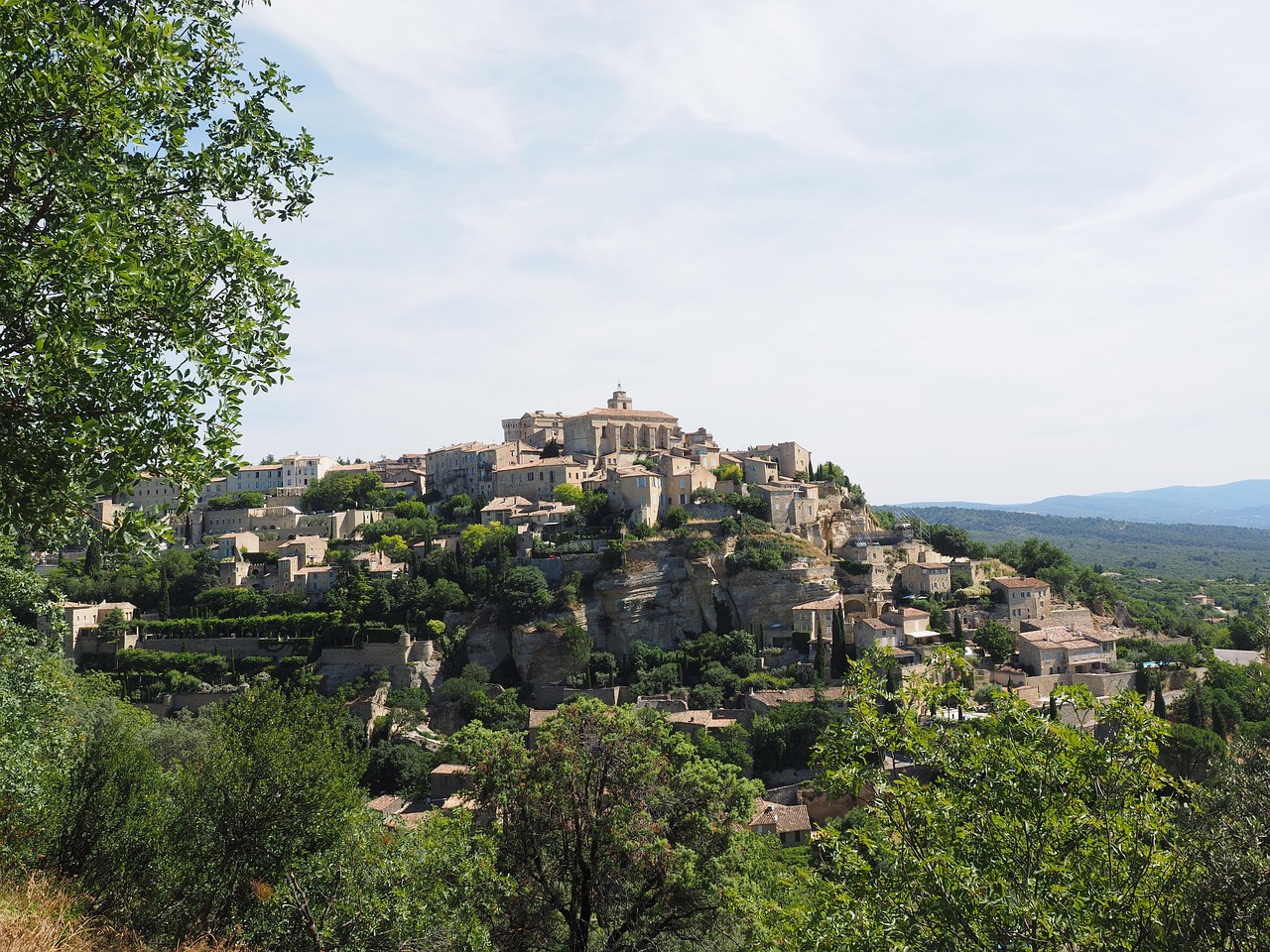
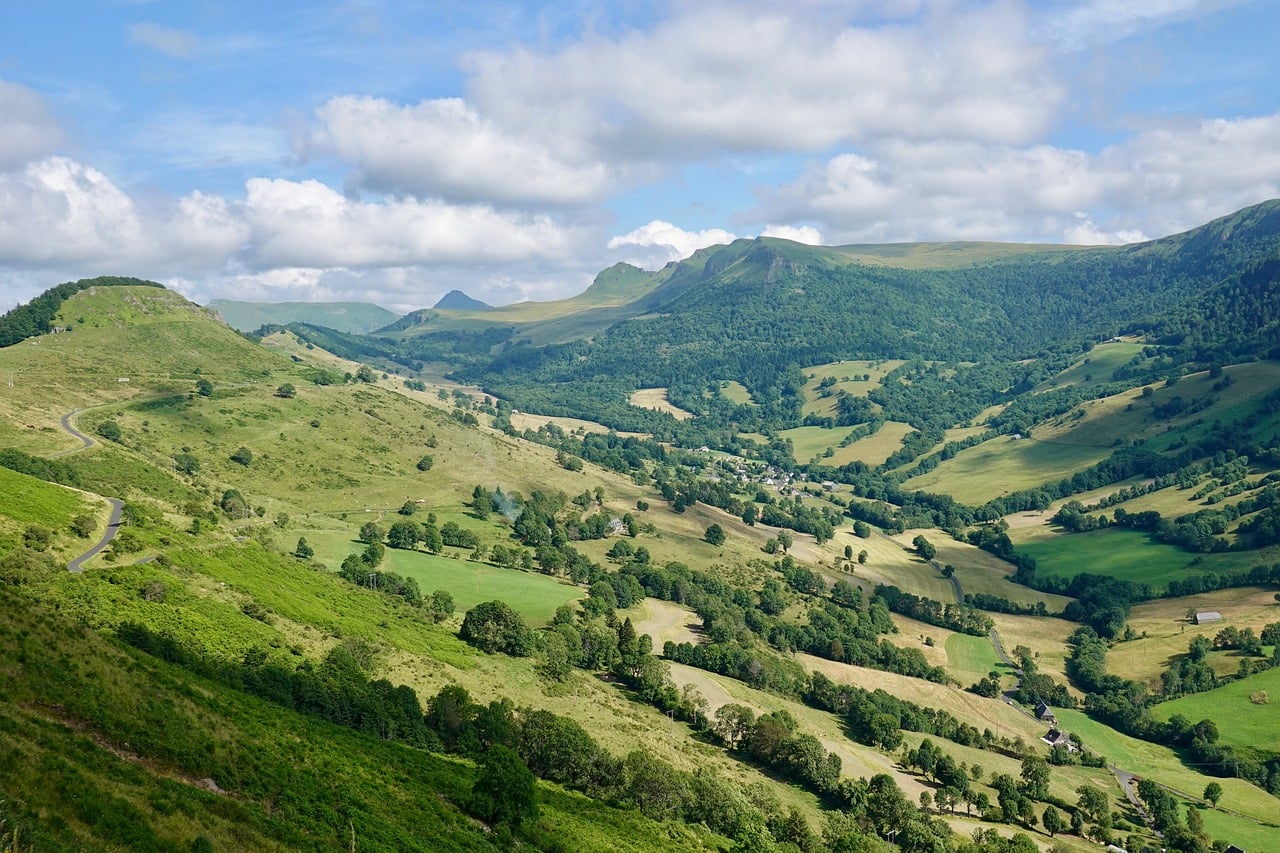
Aurillac is the kind of place you go when you’re tired of racing between “must‑see” sights and just want France to feel human again. Tucked into the Cantal department in the Auvergne region, Aurillac sits in a bowl of extinct volcanoes, red‑tiled roofs climbing up gentle hills, with a river (the Jordanne) quietly threading through the middle. It’s small, walkable, and wonderfully lived‑in.
My first trip to Aurillac was almost by accident—I was chasing cooler summer weather and cheaper prices than the coast in August. I ended up staying two weeks, coming back again the following winter, and then again one spring just to see the town in bloom. Each season felt like a different personality: festival‑mad in August, misty and introspective in November, bright and floral in May.
What makes Aurillac special isn’t a single blockbuster monument. It’s the mix of stone houses with slate roofs, a serious love of cheese and charcuterie, the way locals greet you with a “Bonjour” even if they’ve never seen you before, and the feeling that you are, just for a little while, living in a small French town rather than “visiting” it.
- For slow travelers: Walkable center, markets, café terraces, and easy day trips into the Cantal mountains.
- For families: Safe streets, riverside walks, small museums, and plenty of outdoor spaces to let kids run around.
- For couples: Romantic stone lanes, quiet squares at night, and scenic drives to volcanic plateaus and medieval villages.
- For outdoor lovers: Hiking, cycling, paragliding around Puy Mary and the Monts du Cantal, all reachable as day trips.
- For culture lovers: The world‑famous International Street Theatre Festival, local crafts, and a very proud regional identity.
In this 2026 guide, I’ll walk you through how I structure 3, 4, and 5 days in Aurillac, the must‑see attractions, the hidden gems, and the small details—like how to order cheese without being overwhelmed—that make travel in Aurillac feel effortless.
Table of Contents
- Why Visit Aurillac?
- Aurillac at a Glance (2026–2027)
- Neighborhoods & Areas to Explore
- 20 Must‑See & Hidden‑Gem Attractions in Aurillac
- Suggested Itineraries: 3, 4 & 5 Days in Aurillac
- Local Food in Aurillac: What & Where to Eat
- Nightlife, Entertainment & Cultural Experiences
- Best Day Trips from Aurillac
- Local Customs & Cultural Etiquette
- Practical Travel Tips for Aurillac
- Summary & Best Time to Visit
Aurillac at a Glance (2026–2027)
Aurillac is the prefecture of the Cantal department in the Auvergne region, central France. It’s about as far from mass tourism as you can get while still having decent infrastructure, a train station, and a tiny airport.
- Population: Around 26,000 in the town, ~40,000 including the wider urban area.
- Landscape: Nestled in the Jordanne valley, surrounded by the Monts du Cantal, part of Europe’s largest extinct volcano.
- Climate: Semi‑continental mountain climate. Cool, fresh evenings even in summer, chilly and sometimes snowy winters.
- Vibe: Lived‑in, provincial, friendly. A mix of students, families, retirees, and farmers coming in from the countryside.
What’s New in 2026–2027
- Street Theatre Festival 2026–2027: The Festival International de Théâtre de Rue d’Aurillac continues as one of Europe’s biggest street theatre events, held each August with hundreds of companies performing in the streets.
- Green mobility push: The city has been expanding bike lanes and improving pedestrian streets in the old town. In 2026, expect more car‑free zones around key squares including Place du Square.
- Heritage restorations: Ongoing renovation of façades around the historic center, especially near the Jordanne and Place Gerbert, means Aurillac is looking prettier than ever.
- Events calendar highlights 2026–2027:
- May: Local food and cheese fairs featuring Cantal, Salers, and regional charcuterie.
- July: Outdoor concerts and cinema nights along the Jordanne.
- August: International Street Theatre Festival (book accommodation far in advance).
- December: Christmas markets with regional specialties and crafts.
Neighborhoods & Areas to Explore in Aurillac
1. Centre Historique (Old Town)
This is where you’ll probably spend most of your time: narrow stone streets, small squares, and slate roofs stacked along the hillsides. The old town straddles both sides of the Jordanne river, with a cluster of key sights—the castle, churches, museums—and plenty of cafés.
I usually stay within a 10‑minute walk of Place du Square; from there everything feels close: the market, the main shops, and the best bakeries.
2. Quartier Saint‑Géraud
Anchored by the majestic Saint‑Géraud church, this area feels like Aurillac’s medieval heart. Stone houses, uneven cobblestones, and a quieter, almost village‑like atmosphere. It’s my favorite area for early morning walks before the cafés fill up.
3. Jordanne Riverside & Promenades
Follow the Jordanne south and north of the center for leafy paths, parks, and small footbridges. Locals come here to jog, walk dogs, or simply sit on benches watching the water. Families love the open space and playgrounds along the route.
4. Modern Aurillac & Commercial Areas
To the west and north, you’ll find more modern residential blocks, retail parks, and the main shopping zones. Architecturally it’s less charming, but useful if you need supermarkets, chain stores, or budget hotels.
5. Surrounding Villages & Countryside
Technically not “neighborhoods”, but the villages around Aurillac—like Arpajon‑sur‑Cère, Naucelles, and Ytrac—are close enough to feel like extensions of the town. This is where you’ll glimpse farm life, stone barns, and small parish churches tucked into the hills.
20 Must‑See & Hidden‑Gem Attractions in Aurillac
Instead of just a list, here are 20 places in and around Aurillac that I’ve visited multiple times, with history, context, and plenty of personal tips. These are the backbone for most 3, 4, and 5 day itineraries in Aurillac.
1. Château Saint‑Étienne & Volcanology Museum
The Château Saint‑Étienne is Aurillac’s most recognizable silhouette, perched on a small hill just above the center. The first time I climbed up there was at the end of a drizzly autumn day, when the lights of the town were just flickering on below—a soft, golden bowl surrounded by dark hills.
The castle’s origins go back to the Middle Ages, though it’s been rebuilt and repurposed several times. Today, it hosts exhibitions and the European Center for Volcanology, a nod to the region’s volcanic past. Inside, interactive displays explain how the Cantal massif formed and why the landscape around Aurillac looks the way it does: smooth ridges, deep valleys, and dramatic basalt cliffs farther out.
What to do:
- Walk the castle grounds and viewpoints; they offer one of the best views of Aurillac without leaving town.
- Visit the volcanology exhibits if you’re heading out to Puy Mary or Salers later—understanding the geology makes those day trips richer.
- Check the schedule for temporary exhibitions or cultural events, especially in summer.
My tip: Go up about an hour before sunset. I like to grab a pastry from a nearby bakery, climb the hill, and watch the sky soften over the red and slate roofs. It’s also a nice family outing; kids usually love the volcano displays.
How to get there: It’s a short, moderately steep walk (10–15 minutes) from the center. Wear decent shoes; the incline can be slippery in rain. No need for a car or public transport.
2. Basilique Saint‑Géraud
Saint‑Géraud is less flashy than big French cathedrals, but it has a gravity that grows on you. Dedicated to Saint Géraud d’Aurillac, the town’s founding figure, the church has Romanesque roots and has been altered over the centuries. Stepping inside on a hot summer day, the cool stone and faint smell of wax and incense feel like entering another timeline.
Why it matters: Aurillac grew around the abbey founded by Géraud in the 9th century. The basilica and its surroundings are the spiritual and historical heart of the town.
What to look for:
- The mix of Romanesque and later additions—pillars, arches, and chapels show different eras.
- Stained glass and small details like carved capitals and side altars.
- The quiet square outside, where older locals often sit and chat after mass.
My experience: I like to pop in early in the morning, when it’s nearly empty. Once, during a winter visit, a small choir was rehearsing—three voices filling the nave, echoing off the stone. It felt like a private concert.
Visiting tips: Dress modestly (shoulders covered) and speak quietly; it’s still an active place of worship. If you see a service underway, you can stay at the back or return later.
3. Wandering the Centre Historique
The real “museum” of Aurillac is the old town itself. The streets around Saint‑Géraud, Place du Square, and Place Gerbert are full of stone houses, wooden shutters, and hidden courtyards. On my first stay, I made it a habit to do one aimless walk every day, turning down any lane that looked interesting.
Highlights:
- Place du Square: The main square, lined with cafés and shops, often hosting markets and events.
- Rue des Forgerons & nearby lanes: Narrow streets that feel timeless, with local boutiques and bakeries.
- Place Gerbert: Smaller, more intimate square with a few restaurants and a quieter vibe.
Family‑friendly: Kids tend to enjoy the “maze” of streets and small fountains. Just keep an eye out for occasional car traffic in some lanes.
Photo tip: Early morning or late afternoon gives the best light for capturing the texture of stone walls and slate roofs.
4. Musée d’Art et d’Archéologie d’Aurillac
This small museum packs in more variety than you’d expect: regional archaeology, fine art, and rotating exhibits. It’s perfect for a couple of hours when the weather turns or when you want a deeper sense of where Aurillac sits in the broader story of the region.
What you’ll see:
- Archaeological finds from the Cantal region, including prehistoric and Gallo‑Roman pieces.
- Paintings and sculptures, with a focus on regional artists.
- Temporary exhibitions that can range from contemporary art to historical themes.
My take: I’ve been three times now, and each visit had a different temporary exhibit—once contemporary photography, another time a deep dive into rural life in Cantal. It’s not overwhelming, which I appreciate; you can actually see everything without rushing.
Practical tips: Check opening hours in advance; like many small French museums, it closes for lunch and may have a day off during the week. Often free or low‑cost entry, making it a budget‑friendly cultural stop.
5. Jardins & Promenades le long de la Jordanne
The Jordanne is Aurillac’s quiet heartbeat. Walk south from the center and you’ll quickly find landscaped gardens, footpaths, and small bridges. On summer evenings, I’ve seen half the town out here: teenagers on bikes, parents with strollers, and couples sharing a quiet bench.
What to do:
- Take a leisurely walk or jog along the river.
- Let kids run in the grassy areas and play on playgrounds.
- Pack a simple picnic with local cheese and bread and eat by the water.
My tip: If you’re staying in Aurillac for more than a couple of nights, make this your daily ritual. It’s the best way to feel the town’s rhythm.
6. Place du Square
Place du Square is Aurillac’s living room. Shaded by trees, ringed by cafés and shops, it’s where you feel the town’s social life. I’ve lost count of how many coffees and glasses of wine I’ve had here, just watching life go by.
Why visit:
- Ideal for people‑watching at any time of day.
- Central meeting point; most streets lead back here.
- Frequent host to small events, markets, and festival performances.
Budget tip: Order a simple “café” (espresso) or a “demi” (half‑pint of beer) and linger. In France you’re paying for the seat as much as the drink—no one will rush you.
7. Place Gerbert
Smaller and more intimate than Place du Square, Place Gerbert feels like a tucked‑away living room. Named after Gerbert d’Aurillac, who became Pope Sylvester II, it has a quietly intellectual air.
I like coming here in the late afternoon, when the sun hits the façades at an angle and locals trickle in for a drink. If Place du Square feels a bit busy, this square often has a calmer vibe.
8. Hôtel de Ville & Civic Architecture
The town hall (Hôtel de Ville) is a good example of Aurillac’s 19th‑century civic architecture. Even if you don’t go inside, it’s worth a look from the outside to appreciate the symmetry and stonework.
Photography tip: Capture the façade in the morning when the light is softer, and frame it with nearby trees or lampposts for a classic “French town” look.
9. Umbrella & Local Industry Heritage (Parapluies d’Aurillac)
Aurillac has a quirky claim to fame: it’s historically known for its umbrella manufacturing. You’ll still find traditional umbrella makers and shops in town.
What to do: Visit a traditional umbrella shop, learn about how they’re made, and, if your budget allows, buy one as a durable and very local souvenir.
My experience: I bought a small folding umbrella my second year in Aurillac. It’s still with me years later, a little reminder of rainy walks along the Jordanne.
10. Festival International de Théâtre de Rue (Street Theatre Festival)
If you’re in Aurillac in August, the International Street Theatre Festival is unavoidable—in the best way. Streets turn into stages, squares into open‑air theatres, and nearly every corner seems to host acrobats, actors, musicians, or avant‑garde performances.
What it feels like: My first festival visit was overwhelming in the best sense. Crowds, laughter, drums echoing down alleyways, and a constant sense of discovery. One evening, I followed music into a back street and found a troupe performing a surreal, wordless show with giant puppets. I stayed, mesmerized, for an hour.
Tips for 2026–2027:
- Book accommodation early: Months in advance if you want central lodging.
- Wear comfortable shoes: You’ll be on your feet for hours.
- Carry cash: Many performances are “pay what you want” with hats or boxes passed around.
- Family note: Daytime shows are often family‑friendly; check program details for content and age recommendations.
11. Maison Consulaire & Historic Houses
Scattered through the old town are several historic mansions and consular houses, reminders that Aurillac was once a more prominent administrative and commercial center. The Maison Consulaire is one notable example, with its distinctive stonework and windows.
My tip: Take a self‑guided walk and look up—so many of Aurillac’s details are above eye level: carved stone frames, old wooden beams, dates engraved in lintels.
12. Local Markets (Marché d’Aurillac)
The markets are my favorite part of Aurillac. Several times a week, stalls pop up with pyramids of Cantal and Salers cheese, cured sausages, fresh vegetables, honey, and sometimes live chickens and rabbits if you wander far enough.
Why go:
- Taste the best local food in Aurillac at the source.
- Stock up for picnics and budget‑friendly meals.
- People‑watch farmers and town folk trading gossip along with produce.
Money‑saving tip: Buy picnic supplies at the market—cheese, bread, fruit, charcuterie—and you can eat royally for a fraction of restaurant prices.
13. Boulangeries & Pâtisseries of Aurillac
In a town this size, you quickly find your favorite bakery. Mine is a small boulangerie near Place du Square, where the baguettes are reliably crisp and the pastries dangerously good.
What to try:
- Baguette tradition: For sandwiches or simple breakfasts.
- Croissants & pains au chocolat: For early morning walks.
- Regional specialties if on offer—ask the staff: “Vous avez une spécialité de la région ?”
Personal ritual: I buy a croissant, walk a loop through the old town, then sit by the Jordanne to eat it. Simple, perfect.
14. Cultural Centers & Local Theatres (e.g., MJC, Local Halls)
Aurillac punches above its weight in culture. Beyond the big street theatre festival, there are year‑round performances in smaller venues: local theatres, cultural centers (like the MJC), schools, and civic halls.
What to look for: Posters on notice boards and in café windows; many events are affordable or free. Plays, concerts, film screenings, talks—often in French, but even if you don’t speak the language, live music always translates.
15. Église Notre‑Dame‑aux‑Neiges & Other Parish Churches
Apart from Saint‑Géraud, Aurillac has several smaller parish churches. Notre‑Dame‑aux‑Neiges is one of the more notable, with a peaceful interior and typical Auvergne stone construction.
I like visiting these lesser‑known churches in the late afternoon. They’re usually empty, the light is soft, and the atmosphere is deeply calming.
16. Parks & Playgrounds (Family‑Friendly Aurillac)
Aurillac has several small parks and green spaces scattered through town. They’re not huge, but they’re perfectly placed when you need a breather or a place for kids to burn off energy.
What to do: Bring a takeaway coffee, find a bench, and do nothing for a while. This is slow travel at its best.
17. Architecture Walk: Slate Roofs & Stone Façades
One of Aurillac’s quiet attractions is its architecture: thick stone walls, dark slate roofs, and wooden shutters that feel unmistakably Auvergne. Take an hour or two just to wander and notice patterns: how some houses have external staircases, how courtyards hide behind simple doors.
Bring a camera or just your eyes; this kind of exploration is free and endlessly rewarding.
18. Local Cafés & Wine Bars
Café culture in Aurillac is low‑key but strong. On my longer stays, I gradually found “my” spots: one for morning coffee, another for afternoon writing sessions, and a third for a glass of wine at sunset.
What to order:
- Café: A simple espresso, the default order.
- Café crème: Coffee with milk, for longer sipping.
- Verre de vin: Glass of local or regional wine in the early evening.
Custom: Always say “Bonjour” when you enter, even if the place is busy. It’s a small sign of respect and makes interactions warmer.
19. Sports Centers & Pools
For longer stays or family trips, Aurillac’s sports facilities—like public pools and gyms—are a great resource. In summer, an outdoor swim with a view of the hills feels especially good after a day of sightseeing.
Check local listings or ask at the tourist office for current opening times and any special summer facilities.
20. Hilltop Viewpoints Around Aurillac
Aurillac’s bowl‑shaped valley means that short climbs in any direction reward you with big views. Besides Château Saint‑Étienne, there are several hilltop spots where locals go for walks or runs.
My favorite moment: One evening, I followed a local jogging route up a hill on the town’s edge. When I turned around, Aurillac lay below in a soft orange glow, the volcano‑rimmed horizon stretching out behind. It was a reminder of how small the town is—and how big the landscape around it feels.
3, 4 & 5 Day Itineraries for Aurillac
Whether you have 3 days in Aurillac, 4 days in Aurillac, or a full 5 days, you can build a satisfying slow‑travel stay. Below is how I’d structure each option, based on my own trips.
3 Day Itinerary for Aurillac
This 3 day itinerary for Aurillac focuses on the town itself: the historic center, riverside walks, and local food. It’s ideal if you’re passing through on a longer Auvergne trip.
Day 1: First Taste of Aurillac – Old Town & Riversides
My “arrival day” ritual in Aurillac always looks similar. I drop my bags, stretch my legs in the old town, then let the town’s rhythms set my pace.
Morning / Arrival: Check into your hotel or guesthouse near the center. If you arrive before check‑in, leave your bags and head straight to Place du Square for your first coffee.
- Order a “café” or “café crème” and sit outside, even in cooler weather—blankets may be offered.
- Take in the architecture: stone façades, traditional shutters, and the backdrop of green hills.
Late Morning: Gentle Old Town Loop
- Walk from Place du Square toward Saint‑Géraud, zigzagging through side streets.
- Pop into Saint‑Géraud for a quiet visit; sit in a pew for a moment just to take in the space.
- Explore lanes around the church; look for small boutiques and bakeries.
Lunch: Choose a simple bistro near the center; many offer lunch menus (menu du jour) that are great value. Look for dishes featuring Cantal cheese or truffade (potatoes with melted cheese).
Afternoon: Jordanne Promenade
- Head down to the Jordanne river and walk along the promenade.
- Cross a few bridges, watching reflections of houses in the water.
- If you’re with kids, stop at playgrounds and grassy areas.
Late Afternoon: Castle View
- Climb up to Château Saint‑Étienne for your first panoramic view of Aurillac.
- Visit the volcanology exhibits if they’re open—especially useful context if you plan a day trip to Puy Mary.
Dinner & Evening: Return to the center and choose a restaurant with a terrace if weather allows. Try a hearty Auvergne dish—this region doesn’t do light, fussy cuisine. End the evening with a stroll through softly lit streets; the town feels safe and calm at night.
Day 2: Markets, Museums & Hidden Corners
Day 2 in this 3 days in Aurillac plan digs a bit deeper: food markets, a museum, and some quieter corners I’ve grown attached to.
Morning: Market & Food Discovery
- Start early at the Marché d’Aurillac (check which day is the biggest market; usually one or two larger weekly markets).
- Sample Cantal, Salers, and Bleu d’Auvergne cheeses. Vendors are usually happy to offer small tastes.
- Buy picnic supplies: cheese, cured sausages, bread, fruit.
Midday: Museum Time
- Head to the Musée d’Art et d’Archéologie.
- Spend 1–2 hours with the archaeological and art collections.
- Check out any temporary exhibitions; they often surprise me with quality and originality.
Lunch: If the weather’s good, make your own picnic along the Jordanne or in a small park. Otherwise, choose a café or brasserie.
Afternoon: Umbrellas & Architecture
- Visit a traditional umbrella shop to discover this unexpected local craft.
- Do an architecture walk through the old streets: look for slate roofs, carved stone window frames, and wooden beams.
- Drop into a lesser‑known church like Notre‑Dame‑aux‑Neiges.
Evening: Try a different square—Place Gerbert—for an apéritif. Order a glass of wine and maybe a small charcuterie plate if available. Dinner at another local restaurant; ask for recommendations where you’re staying.
Day 3: Hills, Viewpoints & Local Life
For your final day in this 3 day itinerary for Aurillac, mix nature with one more dose of town life.
Morning: Hilltop Walk
- After breakfast, follow a marked trail or local jogging route to a hilltop viewpoint around town.
- Enjoy wide views of the town in its volcanic bowl.
- Bring water and a light snack; paths are usually manageable but can be steep in parts.
Midday: Back in Town
- Return to the center for lunch—maybe revisit a favorite spot from previous days.
- Do any last‑minute shopping: local cheese to take home, an Aurillac umbrella, or regional crafts.
Afternoon & Departure: Spend your last hours doing whatever you enjoyed most—another riverside walk, a final coffee at Place du Square, or a quiet hour in a church. That’s the spirit of Aurillac: nothing rushed.
4 Day Itinerary for Aurillac
With 4 days in Aurillac, you can add a light day trip into the countryside while still savoring the town. Follow the 3 day plan above, then:
Day 4: Countryside Taster – Nearby Villages
On my second visit, day four was when Aurillac stopped being just a town and started feeling like a home base for a whole world of valleys and hills around it.
Option 1: Arpajon‑sur‑Cère (Easy Half‑Day)
- Short drive, bus ride, or even bike ride from Aurillac.
- Explore the village center and riverside areas.
- Have lunch in a local restaurant or café.
Option 2: Naucelles or Ytrac (Rural Glimpse)
- Head to one of these smaller communities for a feel of everyday rural life.
- Look for small churches, local bakeries, and quiet lanes.
Afternoon Return: Come back to Aurillac mid‑afternoon.
- Take a final stroll along the Jordanne.
- Spend a lazy hour in a park or on a café terrace.
Evening: Celebrate your extra day with a slightly nicer dinner—maybe order a bottle of regional wine and a full three‑course meal.
5 Day Itinerary for Aurillac
A 5 day itinerary for Aurillac is where the town really shines. You have time not only to see Aurillac and its nearby villages, but also to make a proper day trip into the Cantal mountains. For 5 days in Aurillac, I recommend:
Day 4: As Above – Nearby Villages & Countryside
Use Day 4 as described in the 4 day itinerary: a gentle rural exploration around Aurillac.
Day 5: Full‑Day Excursion to the Monts du Cantal (Puy Mary or Salers)
This is the day that stays with most travelers. The Monts du Cantal are the eroded remains of a giant volcano, and from Aurillac you can reach some of the most spectacular spots in under 1.5 hours by car.
Option A: Puy Mary (For Hikers & View Lovers)
- Drive (or join a tour) to Puy Mary, one of France’s “Grand Sites”.
- From the pass (Pas de Peyrol), hike up to the summit—short but steep, rewarded with a 360° view of ridges and valleys.
- Picnic lunch with regional products or eat at a mountain inn.
Option B: Salers (Medieval Village Charm)
- Head to Salers, one of the most beautiful villages in France.
- Wander cobbled streets lined with dark volcanic stone houses.
- Taste Salers cheese and local specialties in village restaurants.
My personal note: On my last 5 day stay in Aurillac, I did Puy Mary one day and Salers the next; if you only have one extra day, pick based on your style: more hiking (Puy Mary) versus more medieval ambiance (Salers).
Evening Back in Aurillac: You’ll likely be pleasantly tired. A simple dinner, maybe takeaway eaten in your room or a quiet restaurant, is the perfect end to 5 days in Aurillac.
Local Food in Aurillac: What & Where to Eat
Food in Aurillac is hearty, rustic, and deeply satisfying. This is cheese and potato country; portions are generous, and no one expects you to order light.
Must‑Try Dishes
- Truffade: Slices of potatoes cooked with tome fraîche cheese and garlic. Sticky, golden, addictive.
- Aligot: Mashed potatoes blended with cheese into an elastic, silky ribbon. You’ll often see it theatrically stretched in restaurants.
- Cantal & Salers cheeses: Try different ages—from young and mild to old and sharp.
- Charcuterie: Local cured hams and sausages, perfect with crusty bread.
- Auvergne beef & lamb: Often served simply grilled or in hearty stews.
Where to Eat (General Types)
Instead of listing specific businesses (which can change), here’s how I choose where to eat in Aurillac:
- Traditional Auvergne bistros: Often near the old town squares, with wood or stone interiors and blackboards listing daily specials. I look for locals eating there—a reliable sign.
- Market stalls: During market days you can grab ready‑to‑eat items—roast chicken, prepared salads, slices of tart—and build a quick meal.
- Bakeries & sandwich shops: For budget lunches, grab a sandwich made with local ham and Cantal cheese.
- Cafés with simple menus: Great for salads, omelets, or cheese/charcuterie plates.
Drinks
- Regional wines: Try wines from Auvergne and nearby regions; ask for recommendations by the glass.
- Beer: Local or regional craft beers sometimes appear on menus; ask “bière locale ?”
- Digestifs: After a heavy meal, locals may order a small digestive liqueur—ask what’s regional.
Money‑Saving Food Tips
- Go for lunch menus: Fixed‑price lunch menus often cost less than dinner for similar food.
- Self‑cater part‑time: If you have a kitchenette, buy ingredients at markets and supermarkets; cook simple dinners and eat out for lunch.
- Picnic often: With such good cheese and bread, picnics are a pleasure, not a compromise.
Nightlife, Entertainment & Cultural Experiences in Aurillac
Aurillac is not a clubbing destination. Nightlife here means café terraces, wine bars, small music venues, and seasonal events.
Evenings in Town
- Terraces on Place du Square: For a relaxed drink and people‑watching.
- Bars near Place Gerbert & side streets: Slightly quieter, more intimate spots; some with a younger crowd.
- Wine bars: Good for tasting regional wines and small plates.
Cultural Experiences
- Street Theatre Festival (August): The biggest event of the year. Performances run late into the night.
- Concerts & theatre: Check local listings and the tourist office for scheduled events.
- Cinema: The town cinema sometimes shows films in original language with French subtitles; look for “V.O.” on listings.
Romantic Ideas
- Sunset walk to Château Saint‑Étienne followed by dinner in the old town.
- Evening promenade along the Jordanne, ending with dessert and coffee at a café.
Family‑Friendly Evenings
- Early dinner followed by ice cream and a short riverside walk.
- Outdoor events in summer—music, open‑air cinema, and festival performances are often family‑oriented early in the evening.
Best Day Trips from Aurillac
Aurillac makes an excellent base for exploring the wider Cantal region. Here are the most rewarding excursions I’ve done.
1. Puy Mary & the Monts du Cantal
Travel time from Aurillac: Around 1–1.5 hours by car, depending on route.
Why go: Some of the best volcanic mountain scenery in France. From Puy Mary’s summit you see ridges radiating out like spokes of a wheel.
What to do:
- Drive to Pas de Peyrol and hike up to Puy Mary’s summit.
- Explore surrounding valleys and viewpoints.
- Picnic or eat at a mountain inn.
Tips: Bring layers—even in summer, weather can change quickly at altitude. Check road conditions in winter and shoulder seasons.
2. Salers
Travel time: About 1–1.5 hours by car.
Why go: A medieval hilltop village built in dark volcanic stone, listed among “Les Plus Beaux Villages de France”. It’s like stepping into a picture book.
What to do:
- Wander cobblestone streets and admire stone houses.
- Taste Salers cheese and local specialties in restaurants.
- Enjoy views over surrounding valleys.
3. Cantal Valleys & Plateaus
Beyond the headline spots, simply driving (or cycling if you’re fit) through the valleys and plateaus around Aurillac is a joy.
What to expect: Pastures with cows, stone barns, winding roads with big sky views, and tiny hamlets perched on hillsides.
4. Nearby Villages: Arpajon‑sur‑Cère, Naucelles, Ytrac
For quick, easy outings without committing to a long drive, these nearby communities give you a taste of small‑village life.
How to go: Short drives, local buses, or even cycling depending on your fitness and the weather.
Local Customs & Cultural Etiquette in Aurillac
Cantal is friendly but traditional. A few small habits go a long way to making your stay smoother.
Greetings & Politeness
- Always say “Bonjour”: When you enter a shop, café, or office, greet the staff. Leaving, say “Merci, au revoir”.
- Use formal address first: “Monsieur”, “Madame”, and “vous” (formal “you”) unless invited to switch to “tu”.
- Patience: Life moves slower here. Don’t expect the hyper‑efficiency of a big city.
In Restaurants & Cafés
- Wait to be seated, especially at restaurants; at casual cafés you can often pick a table, but if in doubt, ask “On peut s’installer ?”
- Service is unhurried by design; flag your server politely when you’re ready to order or pay.
- Tips are appreciated but not obligatory; rounding up or leaving 5–10% for good service is common.
Religious Sites
- Dress modestly (covered shoulders and knees recommended).
- Keep voices low; avoid phone use inside churches.
- Avoid visiting during mass unless you’re participating; otherwise, stay at the back quietly.
Local Rhythm
- Lunchtime: Many shops close for lunch (roughly 12–2 pm).
- Sundays: Town is quieter, many businesses closed; cafes and some restaurants remain open.
- Be mindful of noise at night, especially in residential lanes of the old town.
Practical Travel Tips for Aurillac
Getting To Aurillac
- By train: Regional trains connect Aurillac with larger hubs in the region. Schedules can be sparse; check ahead.
- By car: Driving is often the easiest way to reach Aurillac and explore Cantal; roads are scenic but sometimes winding.
- By air: Aurillac’s small airport has limited flights; most international travelers arrive via larger cities and then continue by train or car.
Getting Around Aurillac
- On foot: The best way to experience Aurillac. Most attractions are within a 15–20 minute walk of the center.
- Local buses: Useful for some outlying areas and nearby communities; check current routes and times.
- Car rental: Recommended if you plan multiple day trips into the mountains. Book ahead, especially in high season.
- Cycling: Increasingly bike‑friendly, but be prepared for hills.
SIM Cards & Connectivity
- France has several major operators (e.g., Orange, SFR, Bouygues, Free) offering prepaid SIMs.
- You’ll find SIMs at phone shops and some supermarkets; bring your passport for registration.
- Coverage in Aurillac is generally good; in remote mountain areas it can be patchy.
Money & Costs
- Currency: Euro (€).
- Cards: Widely accepted; small markets and some very small businesses may prefer cash.
- Budget tips: Use market picnics, lunch menus, and self‑catering to keep costs down.
Accommodation
- Hotels & guesthouses: Small, family‑run places dominate; book early for August and major festivals.
- Self‑catering apartments: Ideal for longer stays and food lovers who want to cook with market produce.
- Rural stays: Nearby countryside offers farm stays and rural gîtes for a deeper immersion.
Visa Requirements & Driver’s Licenses
- Visas: Aurillac follows French and Schengen rules. Many nationalities can visit visa‑free for short stays; check current regulations before travel.
- Driver’s licenses: EU licenses are accepted. Many non‑EU visitors can drive with their home license plus (ideally) an International Driving Permit; verify for your nationality ahead of time.
Best Seasons & What They’re Good For
- Spring (April–June): Mild weather, blooming countryside, fewer crowds. Great for hiking, town walks, and photography.
- Summer (July–August): Warm days, busy evenings, festival season (especially the Street Theatre Festival). Best for lively atmosphere, outdoor events, and long daylight hours.
- Autumn (September–October): Cooler, beautiful colors in the hills, harvest season. Ideal for food lovers and hikers who prefer quieter trails.
- Winter (November–March): Quiet, sometimes snowy, atmospheric. Good for those who like off‑season travel and don’t mind cold weather; some rural activities may be limited.
Hidden Tips from Multiple Visits
- Start your days early: The town is especially photogenic in morning light, and bakeries are at their best.
- Use the tourist office: They’re genuinely helpful, especially for current events and small local festivals.
- Learn a few phrases: Even basic French gets you warmer smiles and sometimes extra help.
- Respect the slow pace: Don’t over‑schedule. Allow time for aimless walks, long lunches, and spontaneous discoveries.
Summary & Final Recommendations
Aurillac will never compete with Paris or the Riviera for star power, and that’s its charm. It’s a place where you can still feel the texture of everyday French life: grandparents waiting for grandkids outside school, bakers who recognize you by your second visit, and café owners who let you linger as long as you like.
If you’re planning 3 days in Aurillac, focus on the historic center, the Jordanne, local markets, and the castle. With 4 days in Aurillac, add nearby villages and countryside. With 5 days in Aurillac, make time for at least one full day in the Monts du Cantal—Puy Mary or Salers will stay in your memory long after you’ve left.
Best time to visit Aurillac: For a balanced mix of weather, activities, and manageable crowds, choose late spring (May–June) or early autumn (September). Come in August if you crave the energy of the Festival International de Théâtre de Rue, but book early and embrace the buzz. Winter is for quiet souls who like misty mornings, empty streets, and the feeling of having a small French town almost to themselves.
However long you stay, let Aurillac slow you down. Sit in the squares, walk by the river, talk to the cheese vendors, and remember that sometimes the best travel memories come not from ticking off sights, but from letting a place breathe around you.