Why Visit Avignon in 2026?
Avignon isn’t just another pretty Provençal town. For nearly a century in the 14th century, it was the seat of the papacy, and the city still feels like a compact medieval capital: thick stone ramparts, a hulking papal palace, and a bridge made famous by a children’s song. But it also has a vibrant, lived-in side: a big student population, a legendary performing arts festival, packed terraces, and a food scene that ranges from humble tapas provençales to Michelin-starred tasting menus.
- Perfect size: Big enough to keep you busy for 3–5 days, small enough to cross on foot in 20 minutes.
- A base for Provence: Easy day trips to lavender fields, the Luberon hill towns, the Pont du Gard, Châteauneuf-du-Pape, and even the Camargue.
- Accessible: High-speed trains from Paris, Lyon, and Marseille, plus regional trains and buses everywhere.
- Cultural heavyweight: The Festival d’Avignon in July turns the city into one giant stage.
- Food & wine heaven: Rhône Valley wines, Provençal cuisine, and excellent markets.
In 2026–2027, Avignon is especially interesting thanks to renewed investments in riverfront spaces, updated exhibits at the Palais des Papes, and expanded festival programming. I’ll flag 2026–2027 events and new openings throughout this guide.
Neighborhoods & Areas to Explore in Avignon
Avignon is compact, but each corner of the walled city—and the nearby islands and suburbs—has its own mood. Understanding them helps you choose where to stay and how to plan your 3, 4, or 5 days in Avignon.
Intra-Muros (Within the Ramparts)
When people say “Avignon,” they usually mean the intra-muros area: everything within the medieval walls. This is where you’ll likely spend most of your time.
Centre Historique (Around Palais des Papes)
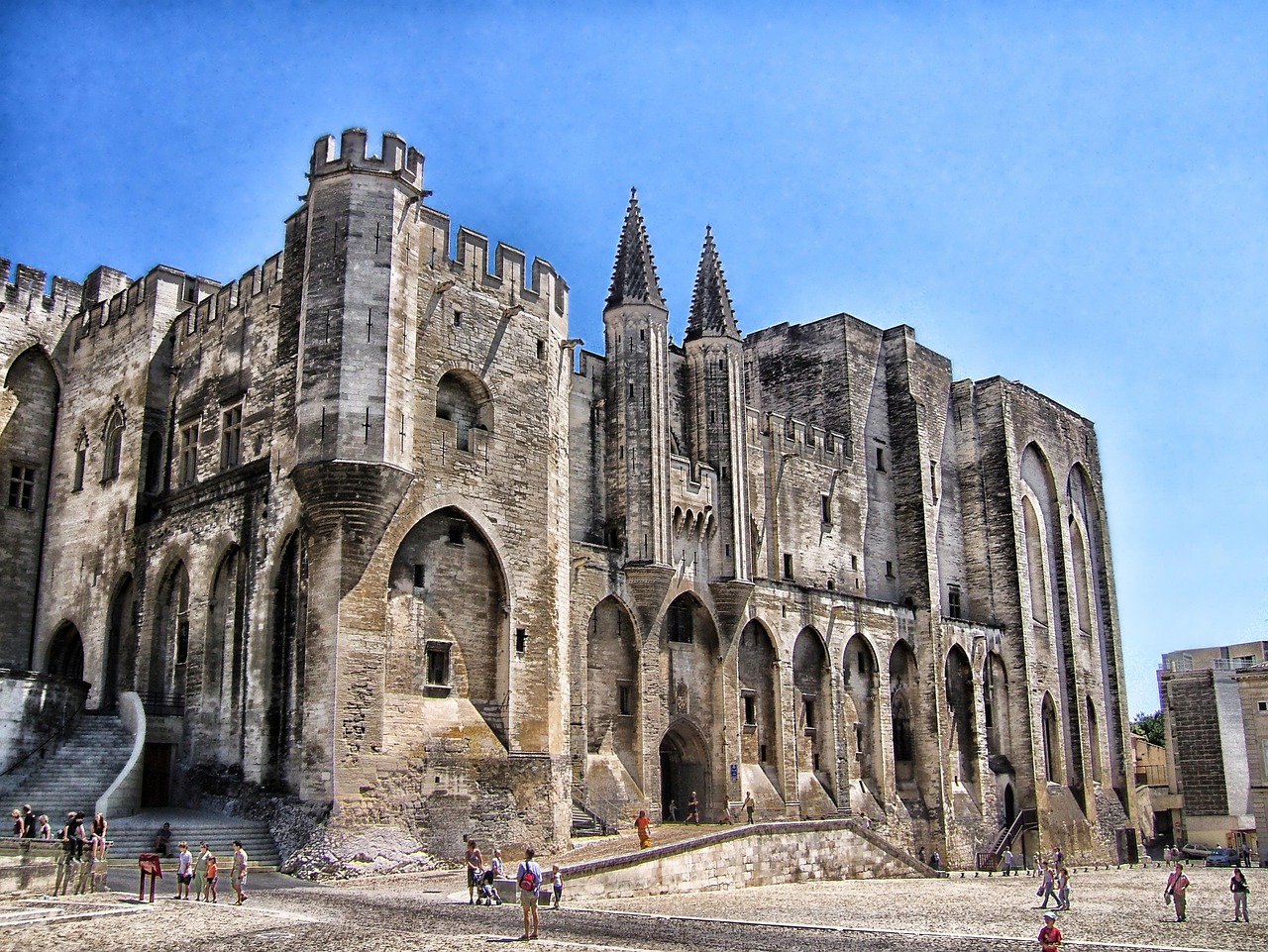
Cobbled streets, stone façades, and the looming Palais des Papes. It’s touristy but gorgeous, especially early in the morning when only bakers and street sweepers are out. I love grabbing a coffee near Place du Palais and watching the city slowly wake up.
Rue de la République & Shopping Axis
This wide, tree-lined boulevard runs from the train station up to the Place de l’Horloge. Here you’ll find chain stores, pharmacies, mid-range hotels, and practical services. Not the most charming, but very convenient if you want everything at your doorstep.
Place des Carmes & Quartier des Carmes
A bit more local and bohemian, with student bars, organic shops, and smaller squares. I often stay near Place des Carmes to be close enough to walk everywhere, but far enough from the most touristy streets. The Saturday morning market here feels less curated and more like real life.
Rue des Teinturiers & Quartier Vernet
My personal favorite area: cobbled lane along a narrow canal with old waterwheels, leafy terraces, and a slightly arty feel. During the Festival d’Avignon it’s buzzing with pop-up venues. Off-season, it’s wonderfully calm for an evening drink.
Les Halles Area
Around the covered market Les Halles you’ll find a mix of food shops, everyday cafés, and some great bistros. It’s a practical area to stay if you love cooking with fresh ingredients or grabbing picnic supplies.
Just Outside the Walls & Across the Rhône
Île de la Barthelasse
A huge river island just across from the city, reachable by a short ferry or bridge. It’s all about nature: cycling paths, farms, and some of the best skyline views of Avignon. I like to bike here in late afternoon and watch the sun set behind the Palais des Papes.
Villeneuve-lès-Avignon
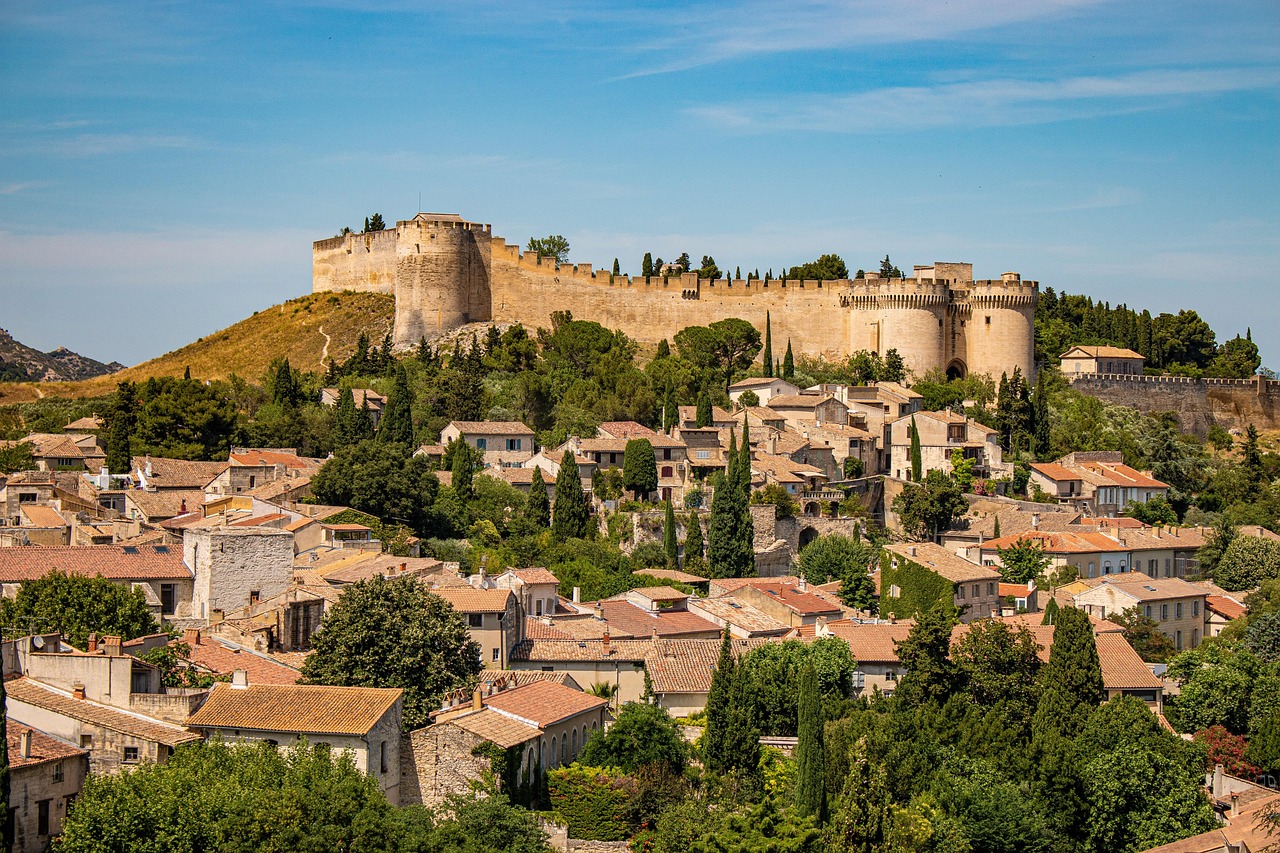
Technically a separate town on the other side of the Rhône, but spiritually part of Avignon life. Quieter, more residential, with a fantastic hilltop fortress and some stunning viewpoints. Great if you want a base that’s calmer at night.
Avignon TGV Area & Suburbs
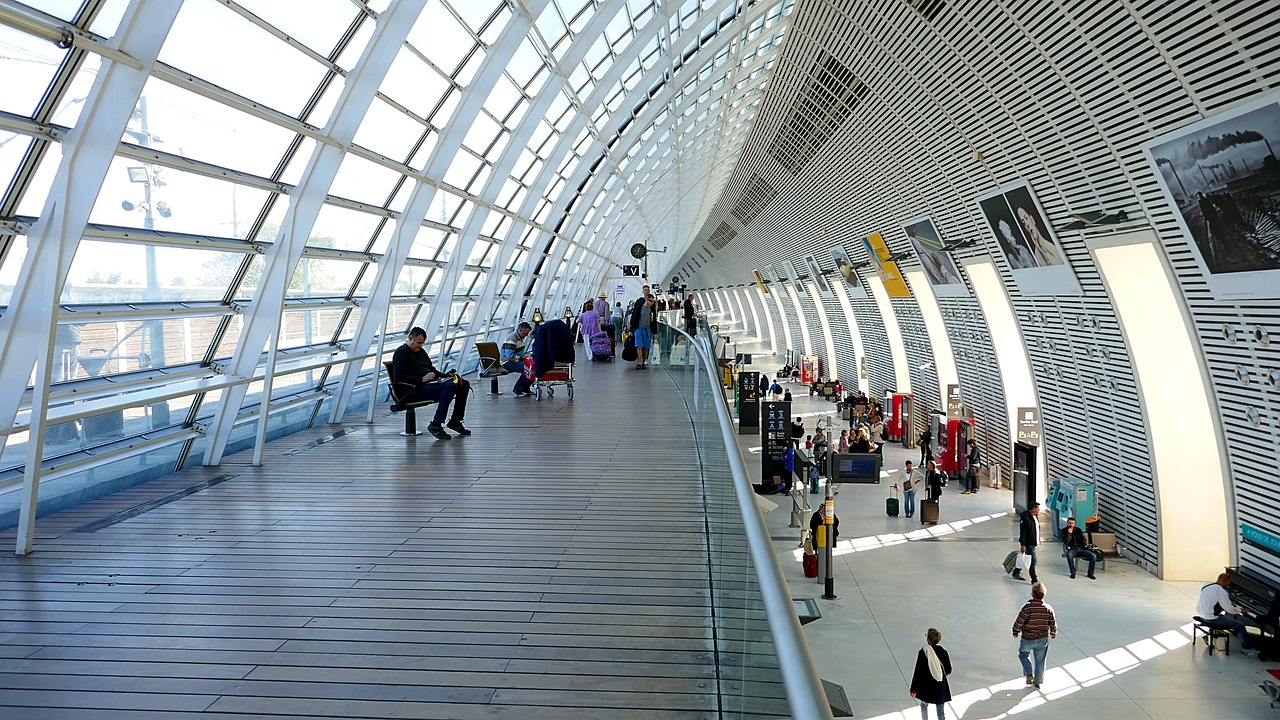
Modern, functional, and not especially charming, but convenient if you’re picking up a rental car. I only stay here when I have a very late or early train; otherwise I always base myself within the walls or in Villeneuve-lès-Avignon.
Top 20 Must-See Attractions in Avignon (with Local Insights)
These are the must-see attractions in Avignon that I return to again and again. For each, I’ll mix history, why it matters, and how I personally like to experience it. This section doubles as a menu of things to do in Avignon when building your own itinerary.
1. Palais des Papes (Palace of the Popes)
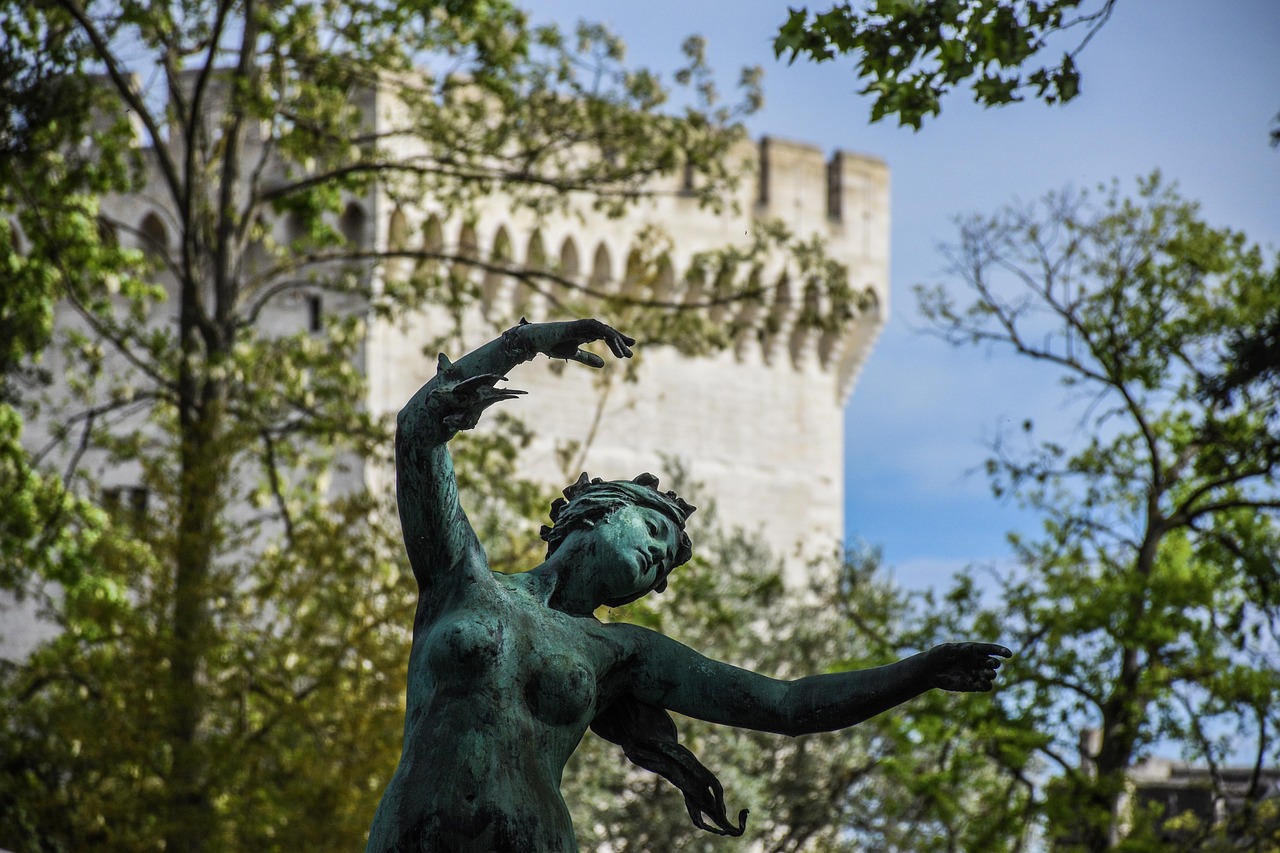
The Palais des Papes is the reason Avignon became a medieval superpower. In the 14th century, the papacy moved here from Rome, and this massive, fortress-like palace was built to house the popes and their court. It’s one of Europe’s largest Gothic palaces, and it dominates the skyline.
The first time I visited, I made the mistake of going mid-afternoon in July—queues, heat, and crowds. Now, I always go right when it opens, ideally on a weekday outside peak festival season. In 2026, timed entry is standard in high season; book in advance if you’re visiting in July or August.
Inside, you’ll wander through cavernous halls, private papal apartments, chapels, and terraces. The rooms are more austere than many expect; a lot of decoration has been lost. But the scale is incredible, and the newer multimedia guides (updated again for 2026) do a good job of bringing the palace to life with reconstructions and stories.
Don’t miss the upper terraces if they’re open during your visit—they offer one of the most sweeping views over Avignon’s rooftops and the Rhône. I like to linger up here a bit and mentally map the rest of my day’s wanderings.
- Best time: Morning at opening; late afternoon in shoulder season.
- Family-friendly? Yes; older kids appreciate the “castle” vibe and interactive guides.
- Tip: Get the combined ticket with Pont Saint-Bénézet to save money and time.
2. Pont Saint-Bénézet (Pont d’Avignon)
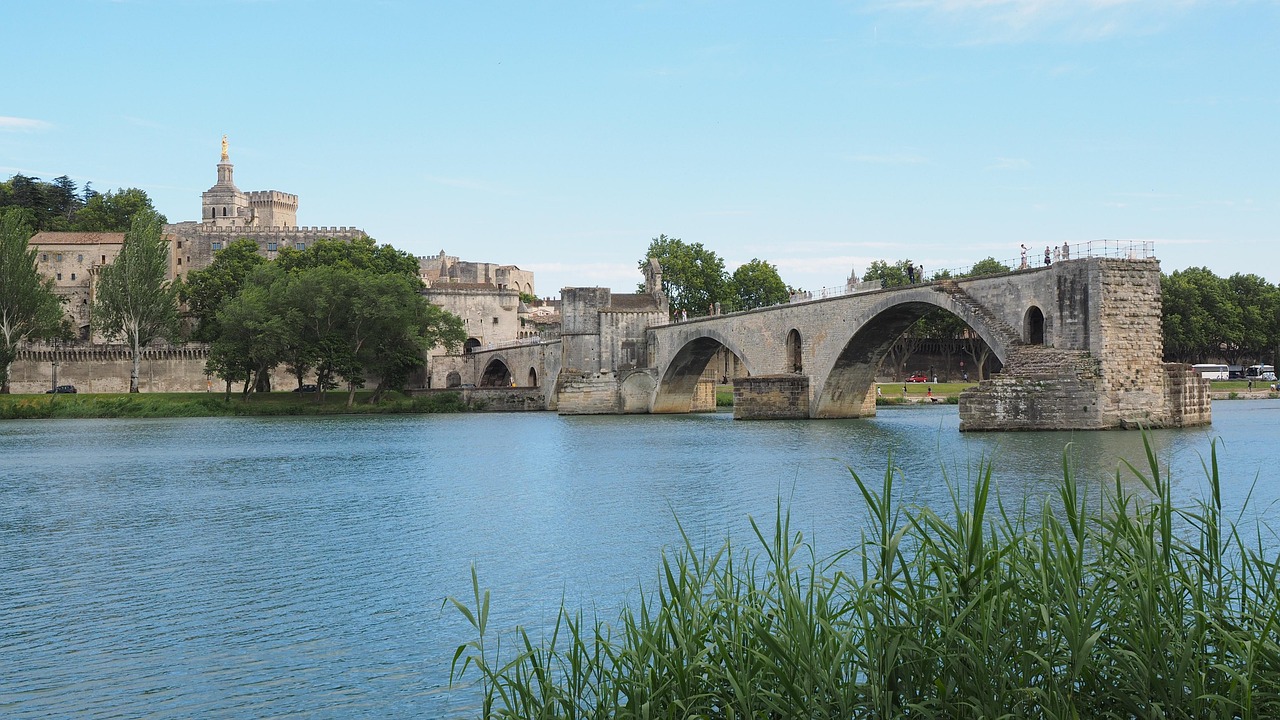
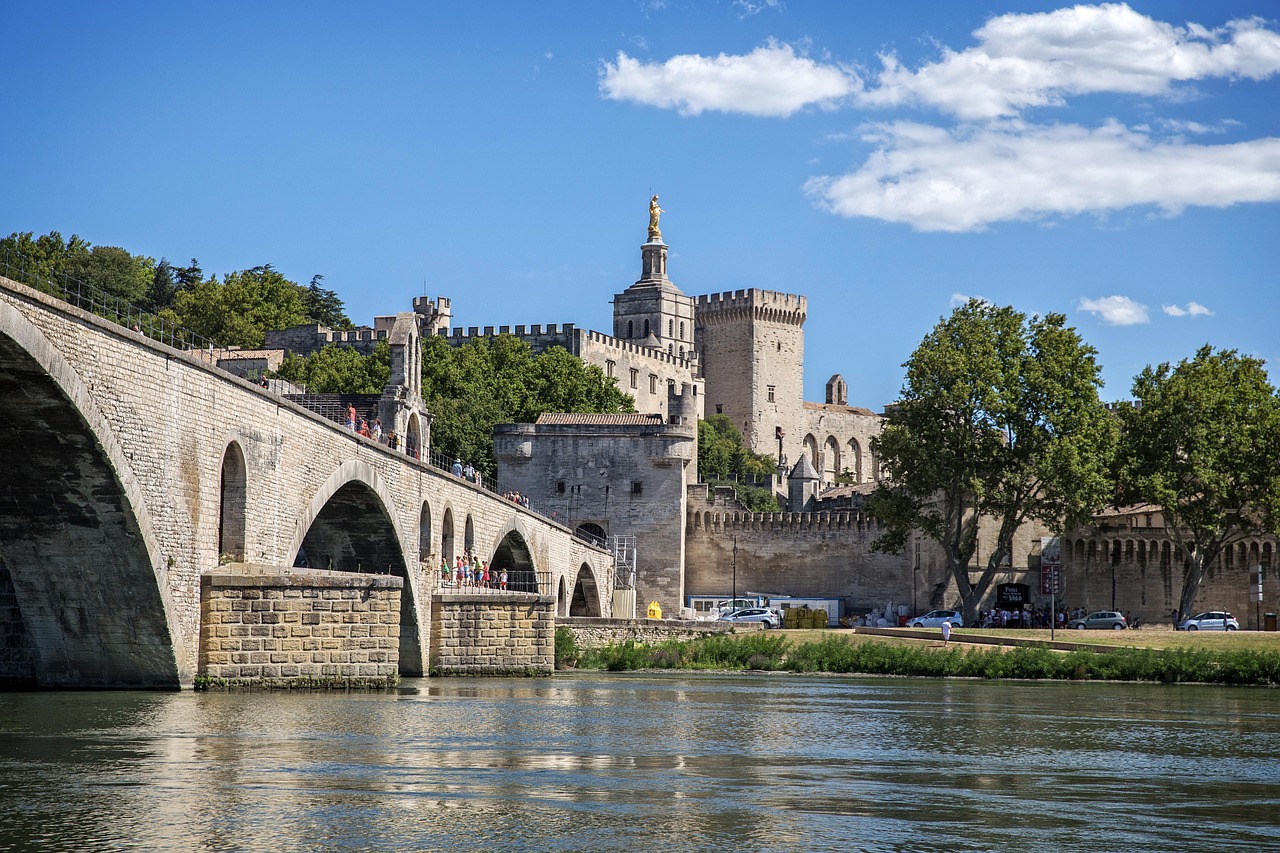
You’ve probably heard the song “Sur le pont d’Avignon”—this is the bridge. Only a few arches of the original 12th-century span remain, jutting halfway across the Rhône like a fragment of a dream.
I prefer visiting the pont in late afternoon, when the light is soft and the wind off the river is refreshing. On one sunset visit, a violinist was playing under the small chapel halfway along, and couples were quietly dancing. It felt like we’d stepped straight into the song.
The small museum space at the entrance explains the bridge’s history—how it was repeatedly damaged by floods and ultimately abandoned. The views of the city walls and the Palais des Papes from the end of the bridge are among the best perspectives on Avignon’s architecture.
- Best time: Golden hour or just before sunset.
- Romantic? Absolutely—ideal for couples’ photos.
- Tip: Pair with a stroll along the riverbank or a ferry to Île de la Barthelasse for skyline photos.
3. Place du Palais & Place de l’Horloge
These two squares are Avignon’s social heart. Place du Palais spreads out dramatically in front of the palace, while Place de l’Horloge is lined with cafés, the town hall, and the opera house.
I like to start my mornings here with a coffee on a terrace, watching deliveries, locals hurrying to work, and tour groups forming. In July, these squares transform into festival hubs: posters plaster every surface, street performers draw crowds, and pop-up stages appear.
At night, the façades are beautifully lit. During some summers, an evening light show projects onto the palace walls—check the 2026 schedule closer to your visit.
4. Les Halles d’Avignon (Covered Market)
If you want to understand local food in Avignon, start here. Les Halles is the city’s covered market, a bustling indoor labyrinth of produce stalls, butchers, fishmongers, cheese counters, wine shops, and snack bars.
My ritual: I go around 9 a.m., before it gets too crowded. I’ll grab a coffee and a tartelette from one of the bakeries, then wander the aisles, chatting with vendors. Once, a cheesemonger insisted I try four different goat cheeses to “understand the terroir” before I bought anything.
This is the place to assemble picnic supplies: olives, tapenade, local charcuterie, a wedge of Banon or Picodon cheese, sun-dried tomatoes, and a baguette. Many stalls also do eat-in plates of the day or oysters with a glass of white wine—perfect for lunch.
- Best time: Morning; it’s usually closed Monday.
- Budget tip: Picnic lunches from Les Halles are cheaper and more delicious than many tourist menus.
5. Rue des Teinturiers
Once the street of dyers, powered by the canal, Rue des Teinturiers is now one of the most atmospheric spots in Avignon. Old wooden waterwheels still turn in the stream, and leafy trees create a green tunnel over the cobblestones.
I usually come here late afternoon for a drink at one of the terraces. During the festival, every doorway seems to hide a tiny theater; posters turn the street into a riot of color. Off-season, it’s calmer, and you can really appreciate the architecture and the sound of the water.
6. Musée du Petit Palais
In the shadow of the Palais des Papes, the Musée du Petit Palais is often overlooked—but if you like medieval and early Renaissance art, it’s a gem. The collection includes Italian primitives, religious paintings, and sculptures, all housed in a serene former episcopal palace.
I particularly love ducking in here on hot afternoons; the thick walls and quiet galleries are a cool, contemplative refuge from the crowds outside. The courtyard offers a different angle on the palace complex.
7. Rocher des Doms Gardens
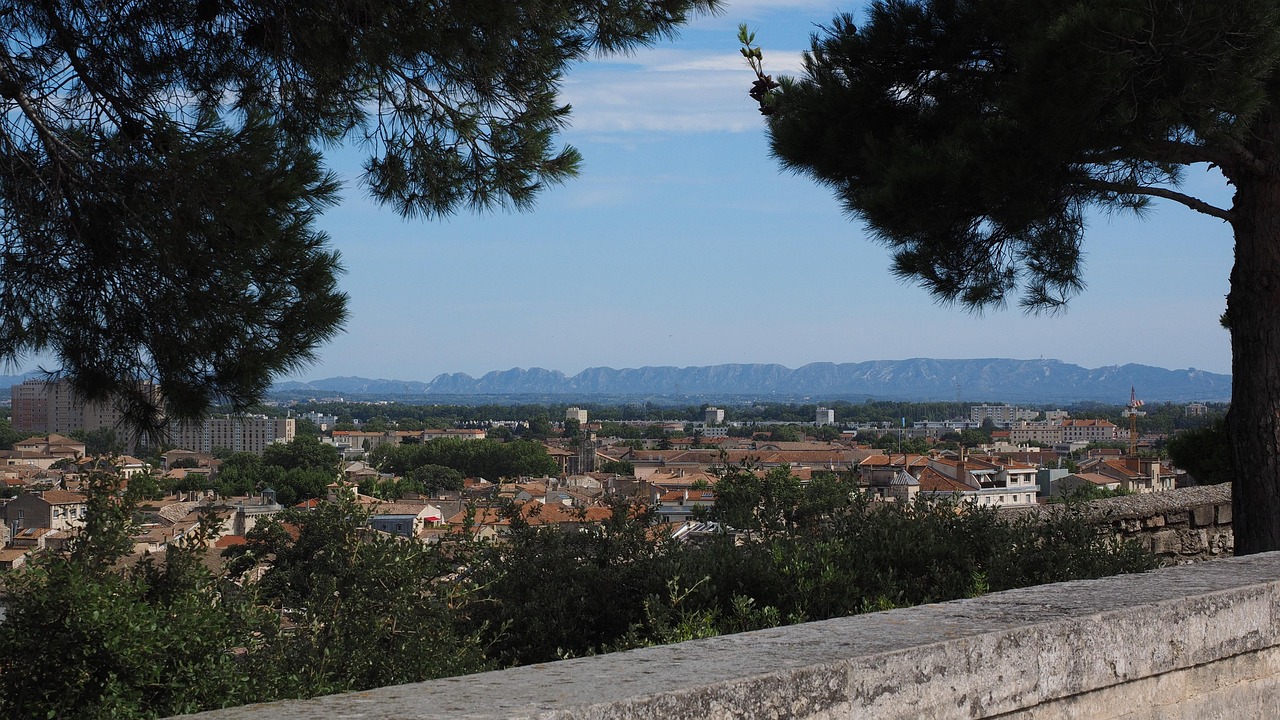
Perched above the Palais des Papes, the Rocher des Doms gardens are Avignon’s balcony over the Rhône. Landscaped paths, ponds with ducks, shady benches, and viewpoint terraces make this ideal for a break between sightseeing.
I often bring a takeaway sandwich up here and eat it facing the river and the Pont Saint-Bénézet. Families love the small playground; couples gravitate to the viewpoints. At sunset, it’s one of the most romantic spots in town.
8. Cathédrale Notre-Dame des Doms
Right next to the Palais des Papes, this cathedral is topped by a gilded statue of the Virgin Mary that catches the sun for miles around. Inside, it’s intimate compared to the palace, with a mix of Romanesque and later additions.
I like to step in for a quiet pause after touring the palace. If you’re in Avignon for major religious holidays, you may catch special services or choral concerts here.
9. Place des Carmes & Les Carmes Church
Place des Carmes is a lively square with a blend of students, locals, and visitors. The Carmes church and its old cloister anchor one side; cafés and markets animate the rest.
On Saturdays, I love browsing the open-air market here; it’s less polished than some tourist markets and feels more like neighborhood life on display. On warm evenings, terraces spill into the square and musicians sometimes set up in the corner.
10. Collection Lambert (Contemporary Art)
When I need a dose of contemporary art after all the medieval stone, I head to the Collection Lambert. Housed in two elegant 18th-century townhouses, the museum showcases rotating exhibitions from its impressive contemporary collection.
I’ve seen everything here from minimalist installations to bold political works. The architecture alone is worth a visit, and the small bookstore is a nice place to pick up art books or design objects.
11. Musée Calvet
The Musée Calvet is Avignon’s fine arts and archaeology museum, set in an 18th-century mansion. It’s a likeable, slightly old-school museum combining paintings, sculptures, antiquities, and decorative arts.
I enjoy wandering through without a strict agenda—one room will have Egyptian artifacts, another Provençal painting, another ornate furniture. It’s rarely crowded, making it a peaceful cultural stop.
12. Église Saint-Pierre
A Gothic church with a stunning carved wooden façade, Église Saint-Pierre is tucked just off Place de l’Horloge. Inside, you’ll find beautiful altarpieces and stained glass.
I like stopping here on the way from the square to the Palais des Papes. The contrast between the bustling café terraces outside and the hushed interior always feels striking.
13. The Ramparts (City Walls)
Avignon’s medieval walls almost completely encircle the old town, punctuated by gates and towers. Driving in, they’re impressive; walking along them, you get a sense of just how fortified this papal city was.
There are places where you can climb up for short stretches, but even just walking at their base, especially along the river side, offers great photos. Early morning, when traffic is light and the light is soft, is my favorite time.
14. Île de la Barthelasse Viewpoints
For the postcard view of Avignon—walls, palace, bridge, and all—head to Île de la Barthelasse. A free shuttle boat (in season) or the bridge takes you across.
I like to rent a bike and follow the riverside paths, stopping at viewpoints for photos. In summer, locals picnic here, and you’ll see joggers and families out enjoying the greenery.
15. Villeneuve-lès-Avignon & Fort Saint-André
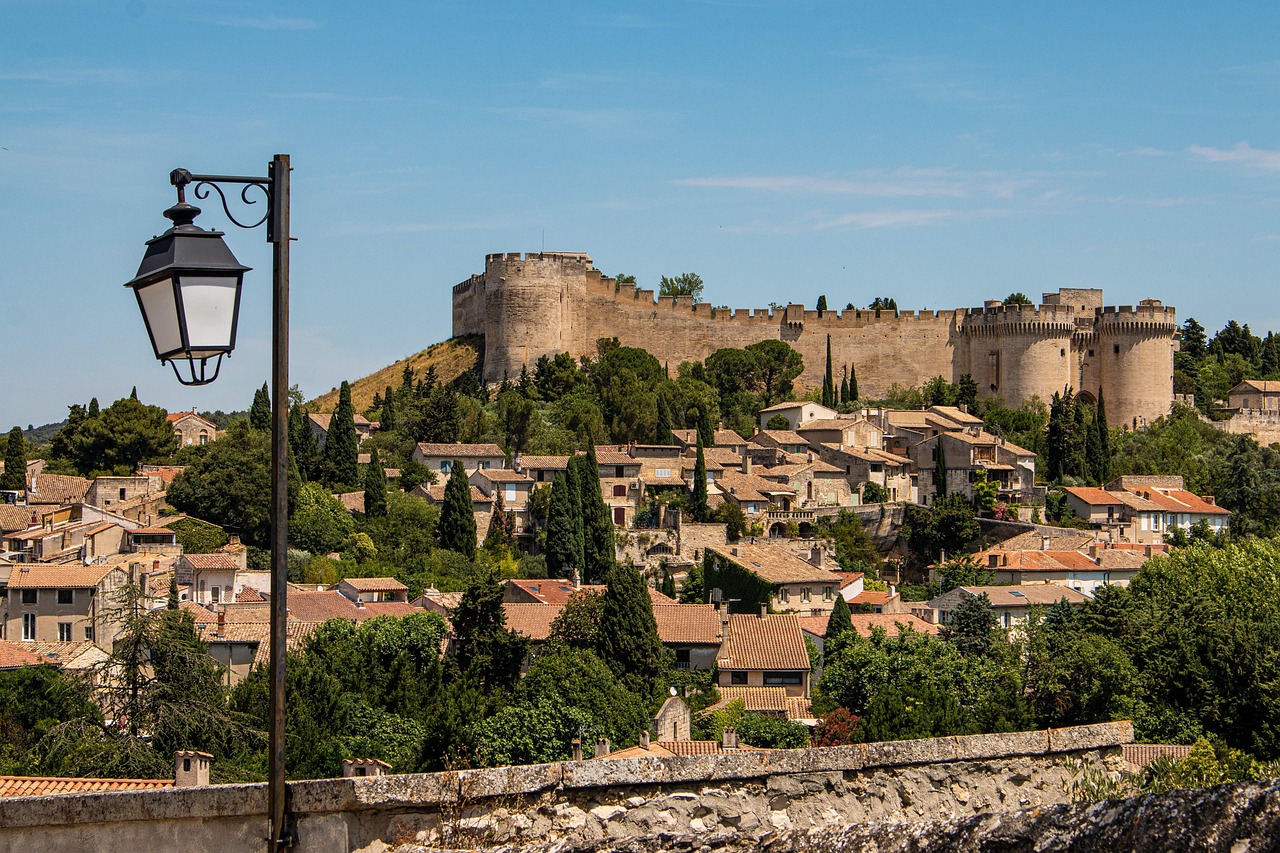
Across the river, Villeneuve-lès-Avignon feels like a calmer cousin to Avignon. Its star attraction is Fort Saint-André, a hilltop fortress with commanding views over the Rhône valley and Avignon’s skyline.
Climbing up on a clear day, you can see the patchwork of tiled roofs and the full outline of the Palais des Papes. I’ve spent many afternoons just wandering the quiet streets of Villeneuve, enjoying the slower pace and small restaurants.
16. Chartreuse du Val de Bénédiction
Also in Villeneuve-lès-Avignon, this former Carthusian monastery is a tranquil, sprawling complex of cloisters, chapels, and gardens. It’s one of my favorite hidden gems in Avignon’s orbit.
The Chartreuse often hosts artist residencies and cultural events; wandering its spaces, you feel a mix of monastic history and contemporary creativity. It’s never as crowded as the Palais des Papes, making it ideal if you crave quiet.
17. Festival Venues on Rue des Teinturiers
During the Festival d’Avignon (July), Rue des Teinturiers turns into a corridor of tiny theaters and performance spaces. Some are official festival venues; many are part of the “off” festival.
I’ve stumbled into unforgettable shows here: intimate monologues in vaulted cellars, experimental dance in old courtyards. If you’re in Avignon in July 2026, block an evening just to wander and see what catches your eye.
18. Opéra Grand Avignon
Facing Place de l’Horloge, the Opéra Grand Avignon is a graceful 19th-century building hosting opera, dance, and concerts. It’s a great way to add a formal cultural evening to your trip.
Check the 2026–2027 program in advance; I’ve seen everything from classic operas to contemporary ballet here. Dress is smart-casual to elegant; you don’t need a ballgown, but a nice shirt or dress doesn’t hurt.
19. Synagogue & Jewish Quarter Remnants
Avignon had a significant Jewish community in medieval times, and the synagogue stands as a reminder of that heritage. The current building dates from the 19th century but sits on a much older site.
It’s a short but meaningful visit if you’re interested in the city’s diverse religious history. Walk the small surrounding streets to get a feel for what was once the Jewish quarter.
20. Everyday Street Life: Markets, Cafés & Squares
Finally, one of Avignon’s biggest attractions is simply the street life. Wandering without a rigid plan, stopping where the terraces look lively or where music drifts out of a doorway, is how I’ve found many of my favorite spots.
Spend time in smaller squares like Place Saint-Didier, Place Saint-Pierre, and the lanes between Rue Joseph Vernet and Rue des Marchands. These are the streets that will make you fall in love with Avignon beyond the big monuments.
3–5 Day Itineraries for Avignon (With Personal Stories)
Whether you have 3 days in Avignon, 4 days in Avignon, or are planning a full 5 day itinerary for Avignon, you can experience the city deeply without rushing. Below are flexible itineraries based on how I actually structure my own trips, including family-friendly options, romantic moments, and a few adventurous detours.
3 Day Itinerary for Avignon
A 3 day itinerary for Avignon is perfect for first-time visitors. You’ll see the headline attractions, explore the riverfront, and squeeze in a small nearby excursion.
Day 1 – Icons & First Impressions
I like to treat the first day as an orientation: hit the big sights, but leave enough space to get pleasantly lost in the old town.
- Morning: Palais des Papes + Cathédrale Notre-Dame des Doms
- Midday: Lunch near Place du Palais or Place de l’Horloge
- Afternoon: Pont Saint-Bénézet & Rocher des Doms
- Evening: Stroll through the old town, dinner on Rue des Teinturiers
Start early at the Palais des Papes to avoid crowds. On one October trip, I arrived right at opening and had some of the grand halls almost to myself; the echo of my footsteps made the history feel very immediate.
After touring the palace, step into the cathedral next door, then walk up into the Rocher des Doms gardens. Take a slow loop, pausing at the viewpoints over the river and the city.
For lunch, I often head back down to Place de l’Horloge or a nearby side street. Avoid the most aggressively touristy menus; look for shorter menus that change with the season.
In the afternoon, walk to the Pont Saint-Bénézet. Use your combined ticket, then linger at the end of the bridge. If the weather is good, consider crossing by ferry to Île de la Barthelasse for a short riverside stroll.
In the evening, wander towards Rue des Teinturiers for dinner. The first time I ate here, I ended up chatting for hours with a couple from Lyon and the waiter, who scribbled extra wine recommendations on my map. It’s that kind of place.
Day 2 – Markets, Museums & Hidden Corners
- Morning: Les Halles market & coffee, stroll through lesser-known streets
- Midday: Musée Calvet or Collection Lambert
- Afternoon: Petit Palais & free time for shopping or café-hopping
- Evening: Dinner near Place des Carmes, optional live music or wine bar
Start at Les Halles for breakfast and people-watching. Grab a coffee and a pastry or a simple omelet at one of the counters. Pick up picnic supplies for lunch if you’re in a self-catering mood.
Then meander through the old town, taking smaller streets: Rue des Marchands, Rue Joseph Vernet, and around Place Saint-Didier. Pop into Église Saint-Pierre and admire its carved doors.
Choose a museum that fits your tastes: Musée Calvet for a more traditional collection, or Collection Lambert for contemporary art. I alternate between them on different trips, depending on my mood.
In the afternoon, head to the Petit Palais. Even if medieval religious art isn’t usually your thing, the setting and a few standout works may surprise you. Afterwards, reward yourself with an ice cream or a glass of rosé on a terrace.
For dinner, I like the Place des Carmes area. It feels more local, and prices can be gentler. Post-dinner, there are a couple of intimate wine bars tucked in side streets where you can end the night sampling Rhône wines.
Day 3 – Across the Rhône: Villeneuve-lès-Avignon
- Morning: Walk or bus to Villeneuve-lès-Avignon, Fort Saint-André
- Midday: Lunch in Villeneuve’s old town
- Afternoon: Chartreuse du Val de Bénédiction, optional stroll along Rhône
- Evening: Return to Avignon for a farewell dinner
Cross the river to Villeneuve-lès-Avignon. You can walk across the bridge or take a short bus ride. Head up to Fort Saint-André first for the panoramic views; I’m always struck by how compact Avignon looks from up here.
Wander down through Villeneuve’s quiet streets to find a spot for lunch—there are a few excellent bistros with shaded terraces. Then spend the early afternoon exploring the Chartreuse du Val de Bénédiction. The layered history and peaceful cloisters make it easy to linger.
Return to Avignon by late afternoon. For your final dinner, choose somewhere special—maybe a slightly more upscale restaurant you spotted earlier. End the night with a slow stroll through the lit-up streets, letting the city sink in.
4 Day Itinerary for Avignon
With 4 days in Avignon, you can follow the 3-day plan above and add a dedicated day trip.
Day 4 – Roman Wonders: Pont du Gard & Uzès
- Morning: Head to Pont du Gard
- Midday: Picnic or café lunch near the aqueduct
- Afternoon: Explore Uzès (if you have a car) or enjoy more walking/swimming at Pont du Gard
- Evening: Return to Avignon, relaxed dinner
The Pont du Gard, a monumental Roman aqueduct, is about a 30–40 minute drive from Avignon. Buses and organized tours also run regularly. I’ve visited in all seasons; my favorite was a mild September day when the river was still warm enough for a quick swim.
Walk the trails, visit the museum, and if it’s warm, bring a swimsuit and towel. The sight of the aqueduct reflected in the water is unforgettable. If you have a car, continue on to the charming town of Uzès for a few hours: arcaded squares, narrow streets, and a relaxed café culture.
5 Day Itinerary for Avignon
A 5 day itinerary for Avignon lets you dive deeper into Provence without changing hotels. Add the following to the 4-day plan:
Day 5 – Wine or Hill Towns: Châteauneuf-du-Pape or the Luberon
Option 1: Châteauneuf-du-Pape (Wine Lovers)
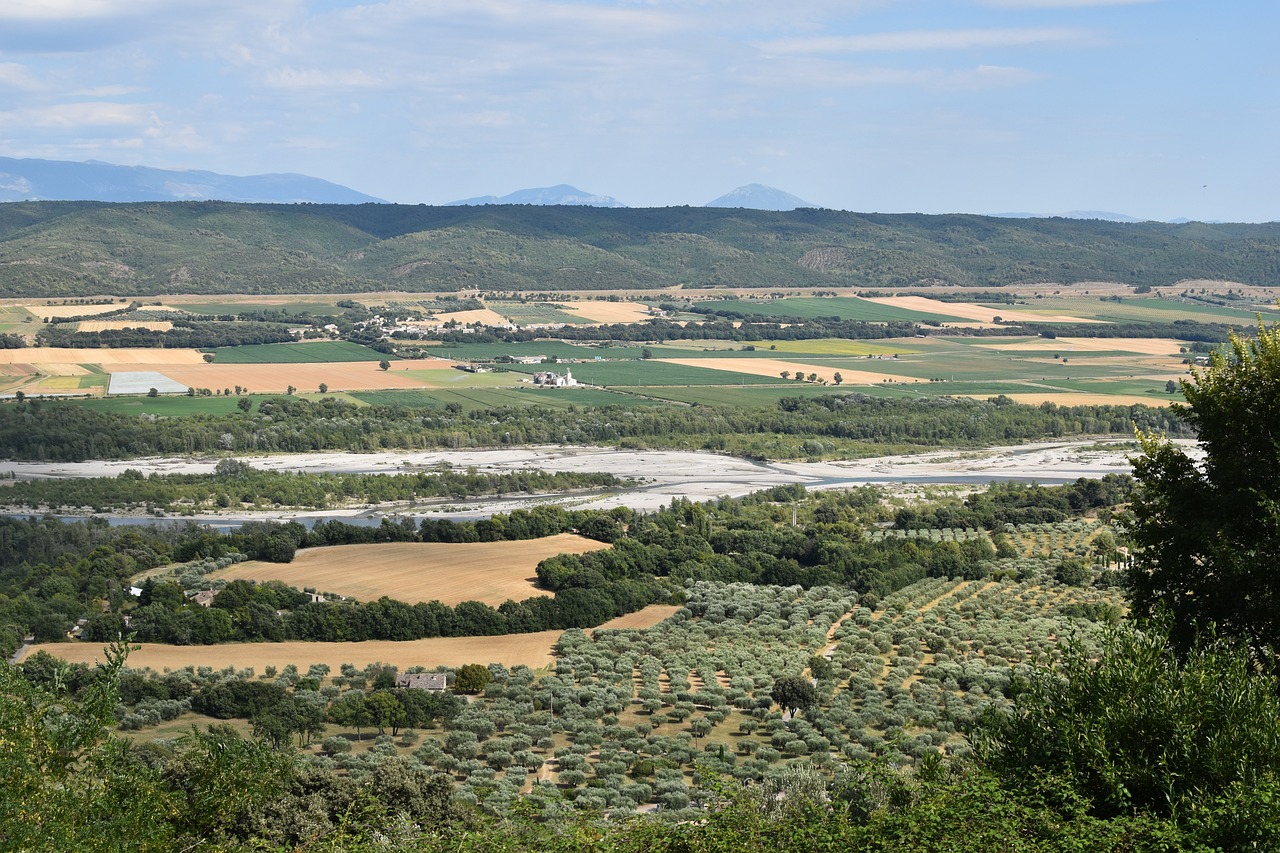
This famous wine village is a short drive or bus ride from Avignon. Spend the day tasting in cellars, walking through vineyards, and visiting the ruins of the papal summer palace.
On one spring trip, I joined a small group tour from Avignon; our guide drove us to three different estates ranging from very traditional to quite modern. Tasting the differences between vintages and terroirs was like a masterclass in Rhône wine.
Option 2: Luberon Hill Towns (Scenery & Villages)
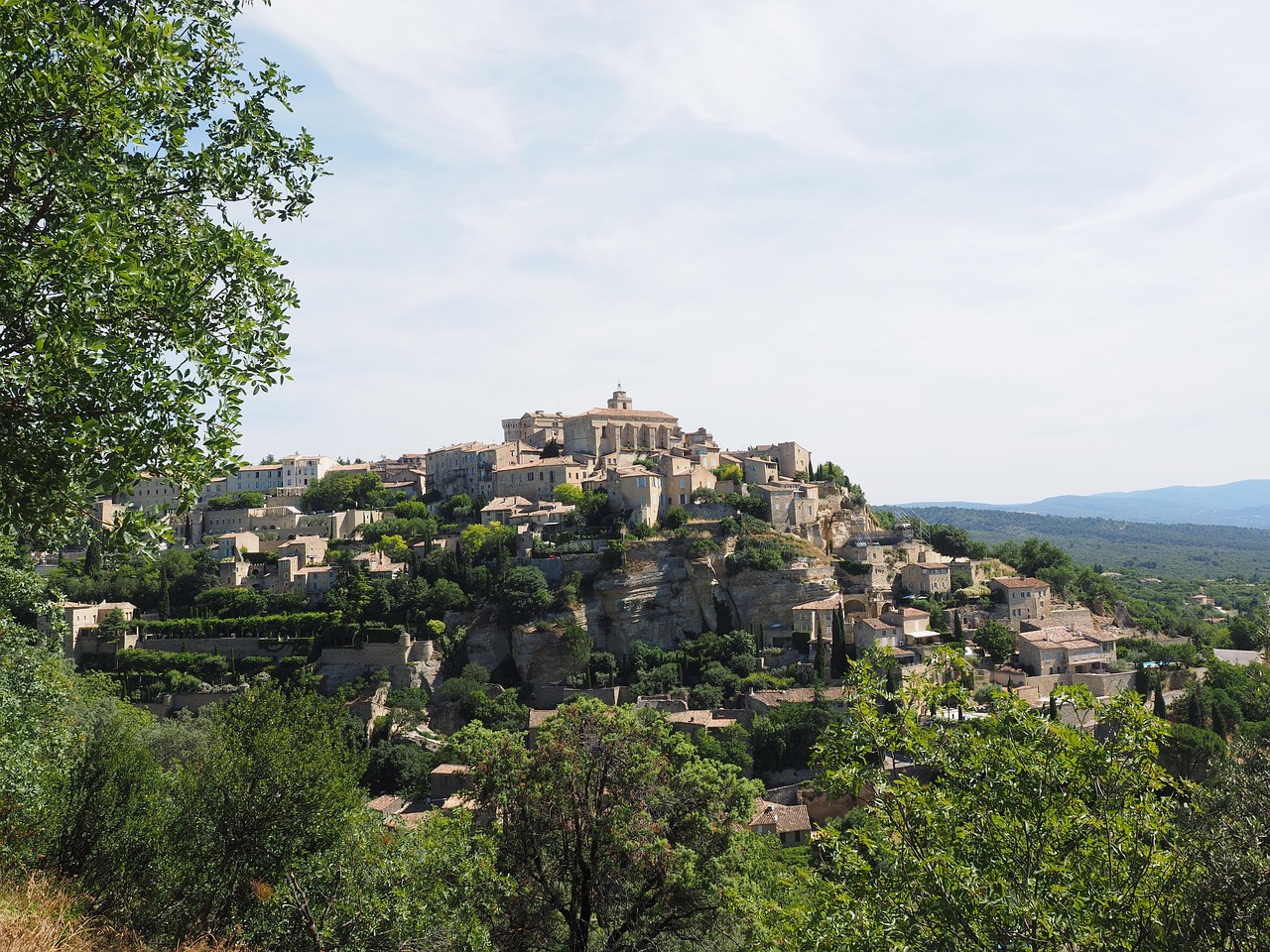
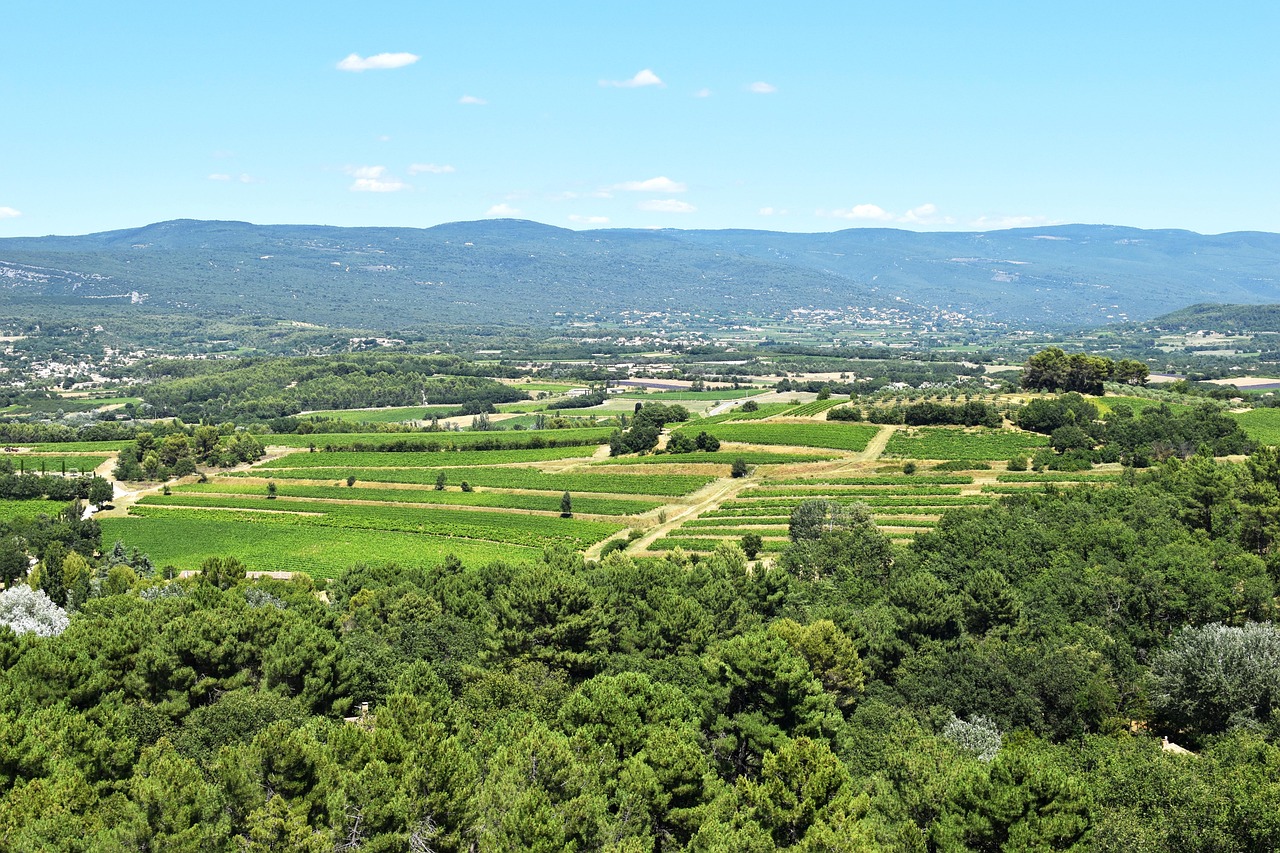
If you prefer scenery to wine, book a tour or drive yourself to Luberon villages like Gordes, Roussillon, and Ménerbes. Lavender season (late June to mid-July) is peak beauty but also peak crowd; shoulder seasons are calmer.
After your day out, return to Avignon for a final evening: a leisurely dinner, a walk along the ramparts, and maybe one last glass of wine on a terrace.
Local Food in Avignon & Where to Eat
Avignon’s food scene is firmly anchored in Provençal tradition: olive oil, tomatoes, herbs, garlic, and fresh produce. But there’s also a modern streak, with creative bistros and wine bars. Over the years, I’ve eaten my way through many corners of the city; here’s how to taste it well.
What to Eat in Avignon
- Tapenade: Olive paste spread on bread; usually black or green olive-based.
- Daube Provençale: Slow-cooked beef stew in red wine with herbs and olives.
- Ratatouille: Stewed vegetables—eggplant, zucchini, peppers, tomatoes—often a side dish.
- Brandade de morue: Salt cod purée with olive oil and potatoes, served warm.
- Aioli: Garlicky mayonnaise served with fish and vegetables.
- Tarte tropézienne & fruit tarts: For dessert, plus plenty of ice cream in summer.
- Rhône wines: Côtes du Rhône, Châteauneuf-du-Pape, Gigondas, Vacqueyras.
Markets & Budget-Friendly Eating
To save money while still eating well, I often do one market or picnic meal per day:
- Les Halles: Ideal for breakfast, snacks, and picnic supplies.
- Place des Carmes Market (Sat): Fresh produce, some street food stands.
- Supermarkets & bakeries: Pick up simple sandwiches, quiches, and salads.
On one extended stay, I rented a small apartment; cooking half my meals from market ingredients cut costs drastically while still letting me indulge at restaurants in the evenings.
Restaurants & Bistros I Love
Avignon’s restaurant scene changes, but certain types of places consistently deliver:
- Traditional bistros around Place des Carmes and Rue des Trois Faucons for classic Provençal dishes.
- Modern wine bars near Rue des Teinturiers and in side streets off Place de l’Horloge, offering small plates and extensive wine lists.
- Fine dining spots in restored townhouses around Rue Joseph Vernet for special-occasion dinners.
In 2026, expect some new openings around the revamped riverfront; Avignon’s young chefs are increasingly focusing on local, seasonal menus with a lighter touch.
Cafés, Bakeries & Sweets
Don’t underestimate the joy of a simple coffee on a sunny terrace. I rotate between a few favorite spots near Place Saint-Didier, Place des Carmes, and quieter side streets off Rue de la République.
For breakfast, bakeries (boulangeries) throughout the old town serve excellent croissants, pains au chocolat, and viennoiseries. In summer, I’m loyal to a couple of artisanal ice cream shops near Place de l’Horloge and Rue des Marchands.
Nightlife, Entertainment & Cultural Experiences in Avignon
Avignon isn’t a clubbing mecca, but it has a lively, cultured nightlife: wine bars, theaters, live music, and a legendary performing arts scene.
Festival d’Avignon (July)
The Festival d’Avignon turns the city into a stage each July. The official festival hosts major productions in iconic venues (including the Palais des Papes courtyard), while the “Off” festival brings thousands of smaller shows.
I’ve visited during festival years and non-festival years; each has its charm. In festival years, the energy is electric, but accommodation prices skyrocket and the streets are packed. In 2026, the festival will again run mid-July, with expanded programming in some new riverfront spaces.
Theaters, Music & Dance
- Opéra Grand Avignon: Opera, classical music, and dance.
- Smaller theaters: Scattered across the old town, offering plays, stand-up, and more (mainly in French).
- Live music bars: Look around Rue des Teinturiers and Place des Carmes for jazz and acoustic sets.
Wine Bars & Late-Night Terraces
My ideal Avignon night is simple: dinner, then a wine bar. There are plenty of intimate spots where staff are happy to walk you through the local appellations and suggest pairings.
In warm months, terraces in Place de l’Horloge, Place des Carmes, and along Rue des Teinturiers stay busy late into the evening. It’s very normal to linger over one or two drinks; there’s no rush to vacate your table.
Best Day Trips from Avignon
One of Avignon’s biggest strengths is how easy it is to explore Provence and the Rhône valley from here. With 4 or 5 days in Avignon, you can easily fit in one or two of these.
Pont du Gard
As mentioned earlier, the Pont du Gard is a must for Roman history fans and nature lovers. Practical tips:
- Getting there: Car (easiest), regional bus, or organized tour from Avignon.
- What to bring: Swimsuit, towel, water shoes (for rocky riverbed), sun protection.
- Family-friendly? Very; kids love the river and open space.
Châteauneuf-du-Pape
For wine lovers, this is non-negotiable. Many cellars accept walk-ins, though bookings are recommended on weekends and in harvest season (September–October).
If you don’t want to drive after tasting, join a small-group tour from Avignon. On a recent tour, our guide also stopped at a viewpoint over the Rhône and a smaller, lesser-known appellation nearby, which felt like a bonus hidden gem.
Luberon Villages
Hilltop villages like Gordes, Roussillon, and Lourmarin are stunning. They’re best explored with a car or on a guided tour. Expect stone houses, winding alleys, art galleries, and panoramic views.
In 2026, some tour companies are adding more sustainable, small-group options that include farm visits and wine tastings with lower environmental impact.
Arles & the Camargue
A bit farther afield but doable, Arles offers Roman monuments and Van Gogh connections; the nearby Camargue brings flamingos, white horses, and salt marshes. This is better as a long day or even a separate overnight trip if you have time.
Local Customs & Cultural Etiquette in Avignon
Avignon is relaxed, but a few French customs will make your visit smoother and more pleasant.
Greetings & Politeness
- Always say “Bonjour” (daytime) or “Bonsoir” (evening) when entering shops, cafés, or speaking to staff. It’s considered rude not to.
- Use “S’il vous plaît” (please) and “Merci” (thank you) liberally.
- A simple “Parlez-vous anglais?” after greeting in French goes a long way.
Dining Etiquette
- Meals are slower; don’t expect rapid turnover. If you’re in a hurry, mention it when ordering.
- It’s normal to linger at your table after the meal; you usually need to ask for the bill (“L’addition, s’il vous plaît”).
- Tipping is not obligatory; service is included. Locals often leave small change or round up if service was good (5–10% is generous).
Dress & Behavior
- Casual but neat is standard. Beachwear belongs at the beach, not in city centers or churches.
- In churches, cover shoulders and avoid very short shorts; it’s about respect, not strict rules.
- Public drunkenness is frowned upon; wine culture here is about enjoyment, not excess.
Practical Travel Tips for Avignon (2026–2027)
When to Visit Avignon
- Spring (April–June): Mild weather, blooming landscapes, fewer crowds than summer. Great for walking and day trips.
- Summer (July–August): Hot, busy, and vibrant. Festival d’Avignon in July is a huge draw; book months in advance.
- Autumn (September–October): My favorite: warm days, cooler nights, harvest season in vineyards, fewer tourists.
- Winter (Nov–March): Quiet, some places reduce hours, but you’ll have the city mostly to yourself and prices drop.
Getting To & Around Avignon
Arrival
- Train: High-speed TGV to Avignon TGV from Paris (~2h40), Lyon (~1h), Marseille (~35–40 min), then shuttle train or bus to Avignon Centre.
- Plane: Nearest major airports are Marseille and Lyon. From there, take a train.
Within the City
- On foot: Best way to explore; the old town is compact.
- Buses: Local buses connect the center with suburbs and nearby towns like Villeneuve-lès-Avignon.
- Bikes: Rentals are available; cycling is great on Île de la Barthelasse.
- Car: Useful for day trips, but a hassle inside the walls. Park outside or in designated garages.
Car Rental & Foreign Licenses
Major rental agencies operate at Avignon TGV station and near Avignon Centre. A valid license from your home country is usually sufficient for short stays; some non-EU visitors are advised to carry an International Driving Permit (IDP)—check your country’s rules.
Driving inside the old town can be stressful due to narrow one-way streets and pedestrian areas. I prefer picking up a car only on days I’m leaving town.
Money-Saving Tips
- Stay slightly away from the major squares for better accommodation value.
- Do one picnic or market meal per day.
- Use combined tickets (e.g., Palais des Papes + Pont Saint-Bénézet).
- Visit in shoulder seasons (April–June, Sept–Oct) for lower prices and fewer crowds.
SIM Cards & Connectivity (2026)
By 2026, most travelers rely on eSIMs, but physical SIMs are still available.
- eSIM: Buy a European or France-specific eSIM before arrival via apps; activate as soon as you land.
- Physical SIM: Available at phone shops and some supermarkets in Avignon; you’ll need your passport.
- Cafés and hotels widely offer Wi-Fi; speeds are generally good.
Visa Requirements
Avignon is in France, part of the Schengen Area. Visa rules depend on your nationality:
- Many travelers (e.g., from EU, UK, US, Canada, Australia) can enter visa-free for short stays (normally up to 90 days in 180).
- Others need to apply for a Schengen visa in advance.
Always check up-to-date requirements with official French or EU sources before you travel, as rules can change.
Safety & Health
Avignon is generally safe. Use normal city awareness: keep an eye on bags in crowded areas, especially during the festival and in markets. Tap water is safe to drink. Pharmacies are easy to find and can advise on minor health issues.
Hidden Tips Only Regulars Know
- Early mornings: Roam the old town between 7–9 a.m. for near-empty streets and soft light.
- Lunchtime deals: Many restaurants offer a formule déjeuner (set lunch) that’s cheaper than dinner.
- Festival posters: If you’re in town in July, grab a coffee and just read posters—some of my favorite shows were chosen that way.
- Quiet corners: When crowds overwhelm you, slip into side streets around Place Saint-Didier or sit in Rocher des Doms; both feel worlds away from the main arteries.
Summary & Final Recommendations for Visiting Avignon
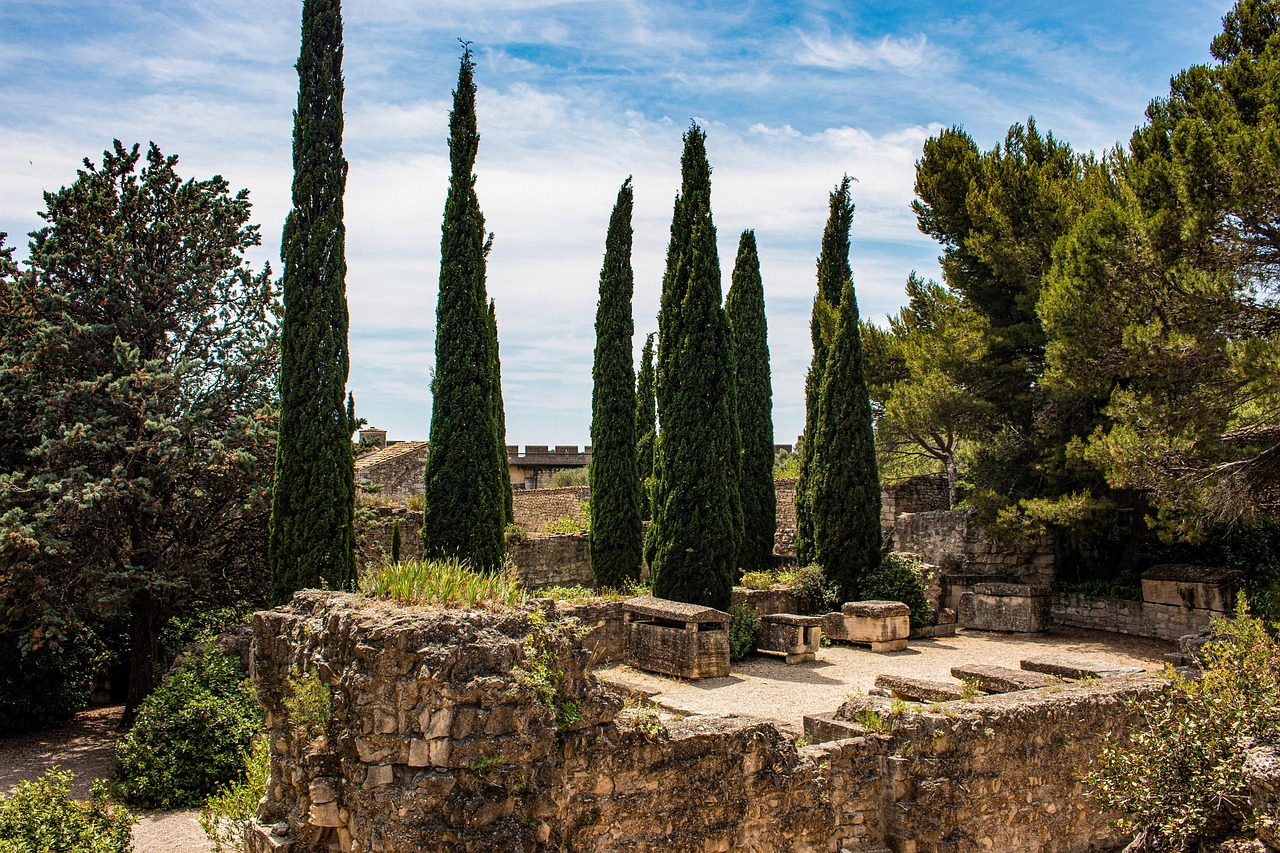
Avignon is one of those cities that reveals more with each visit. On the surface, it’s all about the Palais des Papes and the Pont d’Avignon. But stay a few days and you’ll discover café rituals, quiet cloisters, hidden viewpoints, and a rhythm of life that’s deeply, pleasantly Provençal.
For a 3 day itinerary for Avignon, focus on the old town, key monuments, and one river-crossing excursion. With 4 days in Avignon, add a major day trip like Pont du Gard. With a full 5 days in Avignon, you can fold in wine country or hill towns and still have time to linger in markets and squares.
In terms of timing, late spring (May–June) and early autumn (September–October) are ideal: warm, lively, but manageable. Come in July if you crave the energy of the Festival d’Avignon and don’t mind crowds and higher prices; come in winter if you prefer empty streets and introspective museum visits.
Whatever season you choose, give yourself permission to slow down. Sit under plane trees with a glass of wine, listen to the bells, watch the light shift on stone. That’s when Avignon stops being a stopover and starts feeling like a place you might, one day, come back to again and again—just like I do.