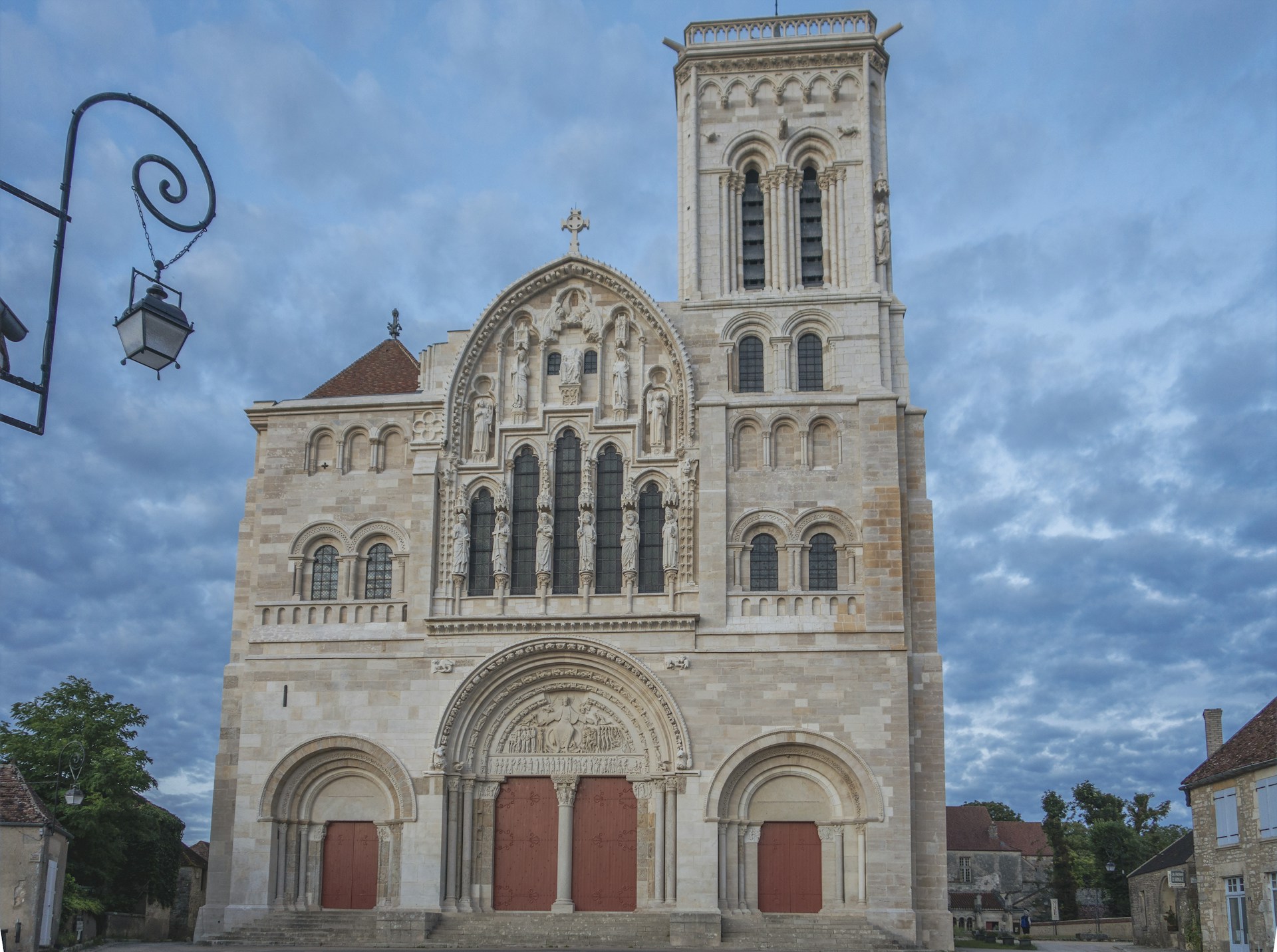
Why Visit the Basilica of Vézelay – And Why Now
The first time I saw the Basilica of Sainte-Marie-Madeleine in Vézelay, it was in winter light – that pale, milky Burgundy sun that makes stone glow from within. I had driven up through the fog from Avallon, parked just below the medieval ramparts, and climbed the last stretch by foot. When I stepped into the nave, a monk was quietly rolling away a ladder after adjusting a candle. No tour groups, no chatter. Just ribbed arches, a wash of light, and the faint scent of cold incense and old stone.
Since that first visit more than a decade ago, I’ve returned to Vézelay at least once a year. I’ve seen the basilica in July heat, in October mist, under a spring downpour that turned the hilltop streets into little rivers. I’ve come as a rushed day-tripper, as a slow pilgrim with a backpack, and once as a slightly frazzled aunt trying to entertain two teenagers who “didn’t like churches” – until they met this one.
In 2026, the UNESCO-listed Basilica of Vézelay feels both remarkably timeless and quietly renewed. Ongoing conservation over the past decade has cleaned façades, stabilized sculpture, and subtly improved lighting. The result is that the basilica – and the little hilltop village that clings to it – is perhaps more beautiful now than at any point in living memory.
This guide is not just a list of things to do in Vézelay. It’s a deep, lived-in travel guide to the basilica and its hilltop village: where to walk, where to sit, what to notice in the carvings, which family-run restaurants still feel truly local, and how to weave a stay of 2–4 days that feels like more than a box-ticking stop on the way to somewhere else.
If you’re looking for a 2 day itinerary for Basilica of Vézelay, a slow 3 days in Basilica of Vézelay soaking up silence and wine, or even a contemplative 4 day itinerary for Basilica of Vézelay that includes day trips into the surrounding Morvan and vineyards, you’re in the right place.
Table of Contents
- 1. Getting Oriented: The Hill, the Basilica, and the Layers of Time
- 2. Suggested Itineraries (2, 3, and 4 Days)
- 3. Twelve Essential Quarters, Monuments & Key Sites
- 4. Traditional Cuisine & Local Food in Vézelay
- 5. Evenings in and Around the Basilica
- 6. Cultural Experiences, Local Customs & Etiquette
- 7. Vézelay in 2026–2027: Festivals & What’s New
- 8. Day Trips & Nearby Attractions
- 9. Practical Travel Advice & Logistics
- 10. Summary & When to Visit
Getting Oriented: The Hill, the Basilica, and the Layers of Time
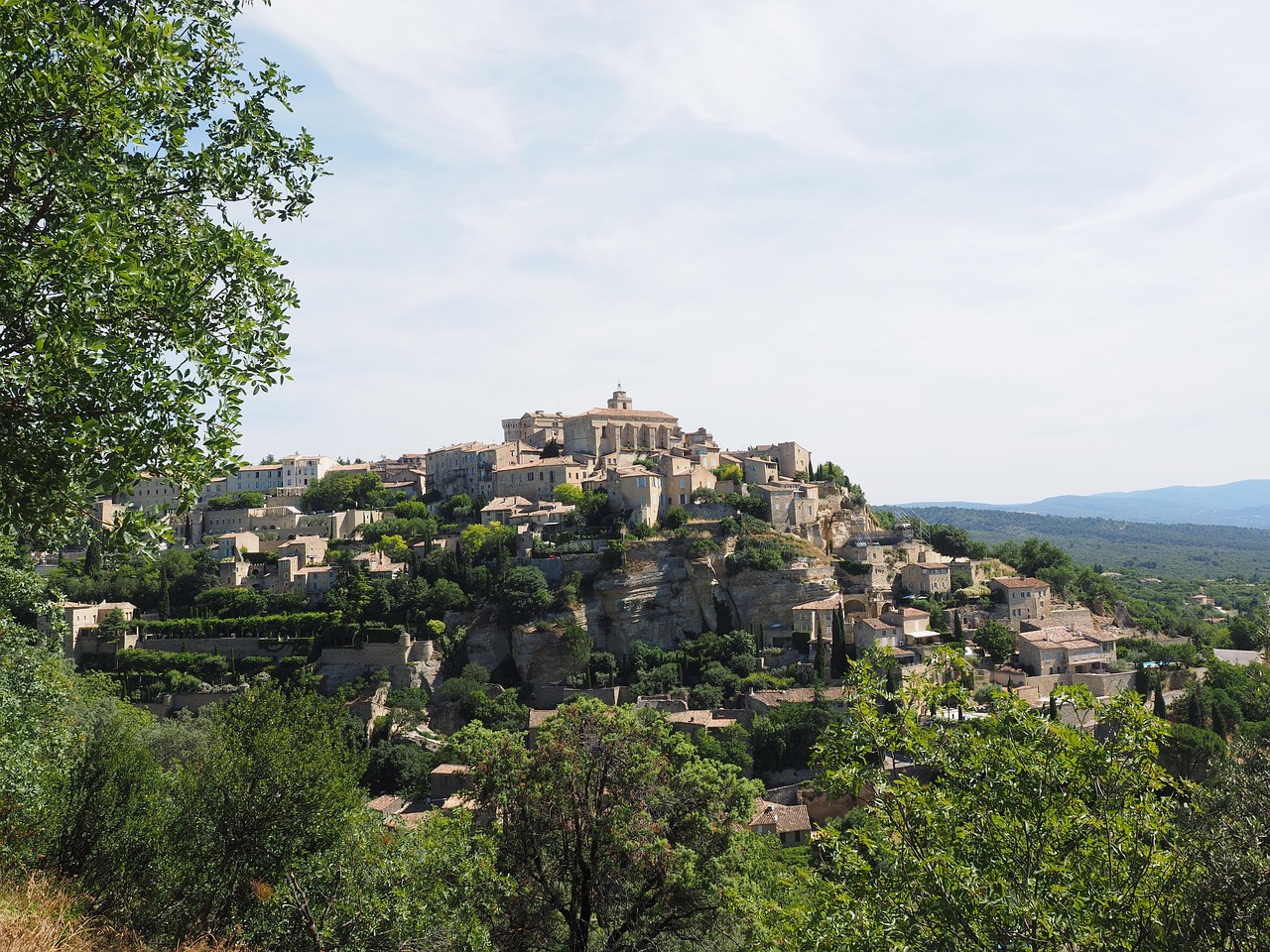
Vézelay is not a city; it’s a hilltop village wrapped around a single great idea: a pilgrimage church at the “end of the world.” Everything – streets, viewpoints, restaurants, even the way light falls in the evenings – leads your eye and your feet back to the basilica.
The layout is simple but layered:
- The Lower Gate & Village Entrance: where modern life (car parks, buses, souvenir shops) meets stone walls and the first cobbles.
- The Grand Rue: the main spinal street climbing up the hill beneath half-timbered houses and wine merchants.
- The Upper Town & Basilica Forecourt: where domestic life yields to monastic space; the basilica dominates all.
- The Cloister and Monastic Precinct: quieter side spaces, gardens, and walls that once defined the abbey’s boundaries.
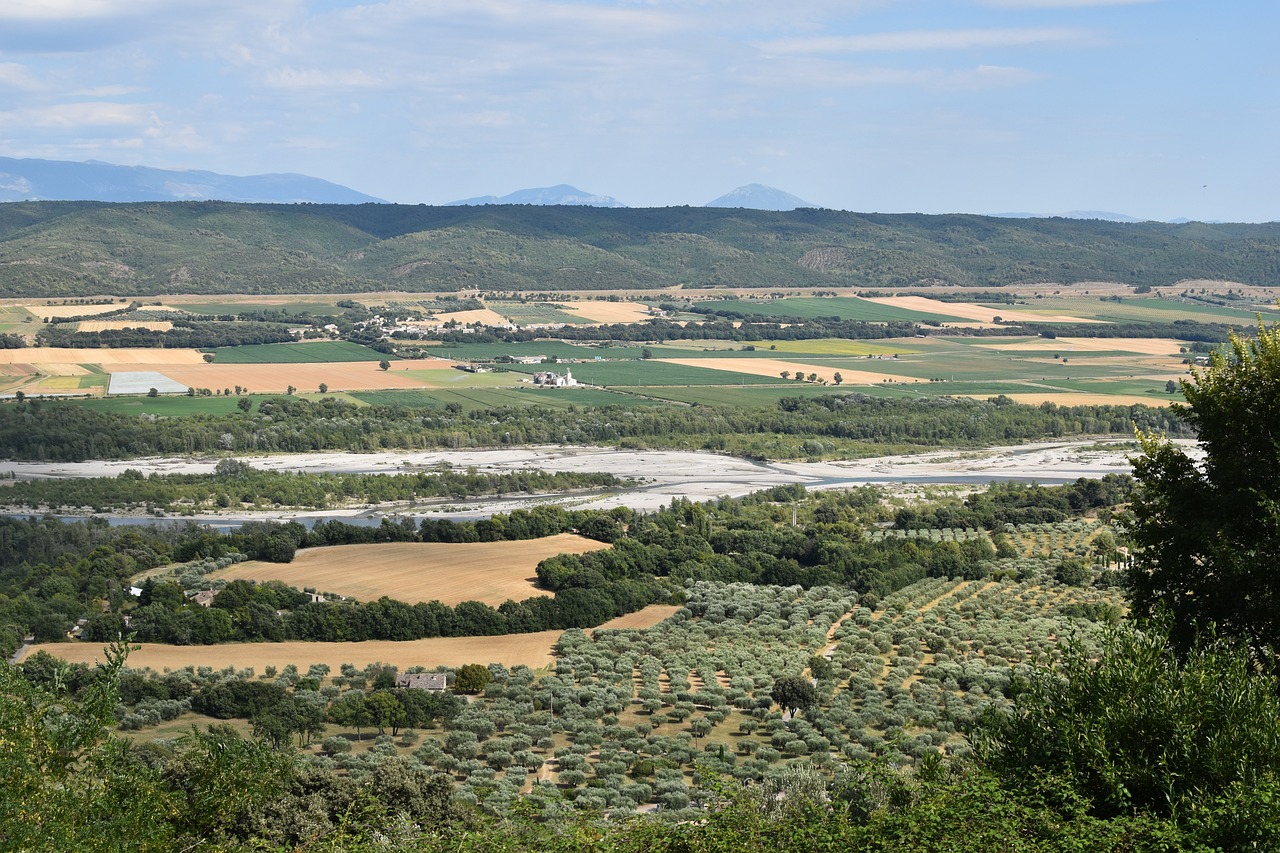
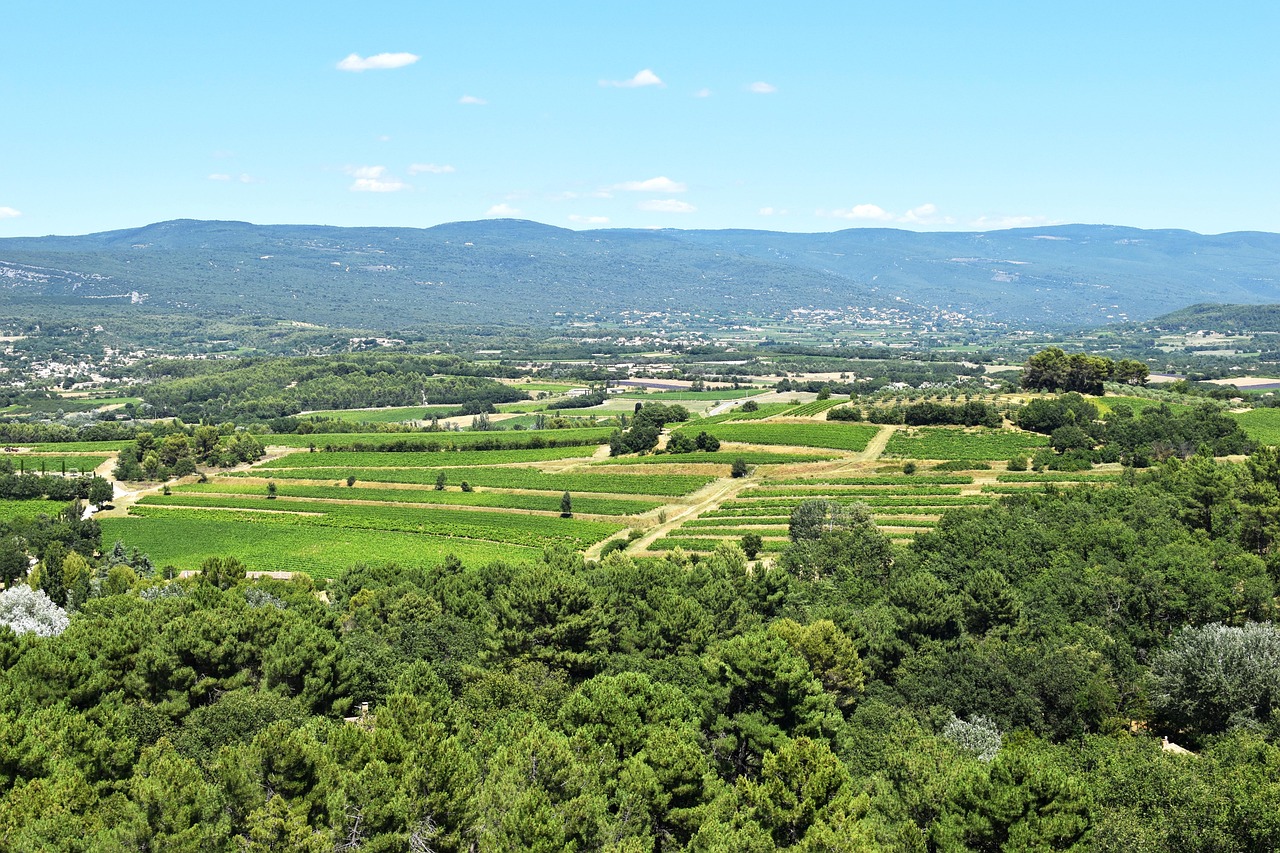
- Ramparts & Belvederes: viewpoints looking across Burgundy’s patchwork of vines and forests.
Historically, the village grew in pulses:
- 9th–11th centuries: the first monastery and relics of Mary Magdalene draw pilgrims.
- 12th century: Vézelay booms as a major starting point for the Camino de Santiago; the current basilica takes shape.
- Late Middle Ages: wars and religious conflict bring decline; houses shrink into the shell of grander medieval lots.
- 19th century: Prosper Mérimée and Viollet-le-Duc “rediscover” and restore the basilica, shaping much of what we see now.
- 20th–21st centuries: UNESCO recognition, pilgrimage revival, and gentle, mostly thoughtful tourism.
Walk from the lower gate to the basilica and you’re basically walking forward through that story. One of my favorite ways to experience Vézelay is to do that walk three times in a day: early morning (locals and delivery vans), afternoon (tour buses, school groups), and late night (just you, a few cats, and the murmuring silence of the basilica). You’ll swear it’s three different villages.
Suggested Itineraries: 2, 3 and 4 Days in and Around the Basilica of Vézelay
These itineraries are built from my own stays – including a recent February 2026 research trip – and are designed so you can mix, match, and stretch them. They combine the must-see attractions in Basilica of Vézelay with quieter corners and the kind of hidden gems in Basilica of Vézelay that rarely make it into quick guidebooks.
2 Days in Basilica of Vézelay: Essentials with Soul
This 2 day itinerary for Basilica of Vézelay assumes you arrive by midday on Day 1 and leave late afternoon or evening on Day 2. It’s ideal for a couple’s romantic escape, a solo retreat, or a short family break with older kids.
Day 1 – First Encounter with the Hill and the Basilica
On my last winter visit, I arrived just after lunch and parked in the lower car park below the village walls. I always recommend walking up rather than driving to the top – the climb is part of the experience, and it helps the hill breathe by keeping traffic light at the summit.
From the lower gate, follow the Grand Rue. This is Vézelay’s spine: cobbled, gently climbing, hemmed in by limestone houses. Look for:
- Old wine merchants’ signs above doors – some still in business, others ghostly.
- Pilgrim scallop shells carved into thresholds and lintels. These mark Vézelay’s long history as a starting point for the Camino de Santiago.
- Quiet courtyards down side alleys. If a door is open and unmarked, you can usually peek respectfully.
About halfway up, I usually stop for a coffee or glass of Bourgogne Vézelay at a small café terrace. Even in winter, you’ll see a hardy local or two nursing a glass outside. This is a good time to simply look uphill at the basilica façade drawing you in, and downhill to the patchwork of fields beyond the village walls.
First Visit to the Basilica
Arriving in the forecourt, the basilica suddenly fills your field of vision – not just as an architectural object, but as a presence. The narthex (western porch) is Vézelay’s masterpiece: step in slowly and let your eyes adjust.
- Central Tympanum: Christ in a mandorla, arms flung wide, sending the apostles into the world. It’s all movement and energy – a sermon in stone. The capitals around it are worth a slow circle; I like to walk clockwise, one capital at a time, the way you’d read a comic strip.
- Sculpted Capitals in the Nave: once you move into the main body of the church, look up. No two are quite the same – there are sirens, wrestlers, prophets, and parables. On a gray day, the carved details stand out even more clearly.
- Light and Stone: Vézelay is famous for the way light travels across its arcade columns at different times of year. Around noon on sunny days, the stripes of light on the floor create a kind of moving sundial of the liturgical year.
I usually do my first visit as a quiet wander without a guide – just 20–30 minutes drifting, pausing in the transept to sit. If you’re with kids, make a game of finding the most surprising capital (mine: the man being swallowed by a giant fish-like creature near the choir).
Late Afternoon on the Ramparts
After the basilica, walk along the north side of the hill to the Belvedere viewpoint. This is where Vézelay lifts you above the surrounding countryside: forests of the Morvan in the distance, fields rolling away beneath the hill. In late afternoon light, the stone walls turn honey-gold.
On my last summer trip, I watched two teenagers quietly put their phones away here – a small miracle – just to watch swallows dive and rise against the sky. It’s that kind of place.
Dinner in the Old Town
For your first evening, choose a family-run restaurant along the upper Grand Rue or a lane just off it. Look for:
- Short menus that change with the seasons.
- Local wines by the glass from nearby appellations (Bourgogne Vézelay, Irancy, Chablis).
- Classic Burgundian dishes: oeufs en meurette (eggs in red wine sauce), boeuf bourguignon, escargots, and jambon persillé.
Ask for a table away from the main door if the evening is cool; old stone can be drafty. My own guilty pleasure is to choose a seat where I can see a fragment of the basilica tower at the end of a street, lit up against the night.
Night Walk Around the Basilica
After dinner, stroll back up. The basilica at night is one of the best places to visit in Basilica of Vézelay if you like atmospherics. Often the church itself is closed, but the exterior lighting is subtle and warm. The forecourt, usually busy in daytime, becomes a kind of outdoor nave with stars for a ceiling.
I like to walk a slow circle around the basilica, tracing the outline of the old monastic precinct walls. Watch for the contrast between lit stone and the dark countryside beyond – it gives you a visceral sense of why this hilltop was chosen.
Day 2 – Layers of History, Cloisters, and Quiet Corners
On your second day, dig deeper into the basilica’s history and the village’s backstreets. This day works well for both couples and families; younger kids might prefer a shorter time inside and more rampart wandering.
Morning: Guided Visit or Audio Tour of the Basilica
While your first visit was about mood, this one is about understanding. In 2026, the basilica offers:
- French-language guided tours by the monastery community or lay guides (check posted times near the entrance).
- Audio guides in several languages that cover the main sculptural themes and architectural phases.
If possible, take a guided tour. On my last visit, a soft-spoken brother pointed out subtle details: how some capitals bear the marks of medieval repair, where Viollet-le-Duc “corrected” things a bit too vigorously, how the nave’s unusual striped effect was calculated for feast days.
Highlights to look for:
- Chronology of Construction: note the difference between the Romanesque narthex and the slightly later Gothic choir. The shift in style mirrors a shift in theology and taste.
- Mary Magdalene’s Relics: Vézelay’s original claim to fame. The relics’ authenticity has been debated for centuries, but their spiritual and artistic legacy is beyond doubt.
- Crusade Preaching: from here, Bernard of Clairvaux preached the Second Crusade; Richard the Lionheart and Philippe Auguste met here before the Third. Your guide may point to the exact spot in the narthex where sermons are thought to have been delivered.
Late Morning: Cloister and Monastic Garden
Behind and beside the basilica lies a small cloister and garden area – sometimes accessible only at certain times or during cultural events. When open, this is one of the most peaceful hidden gems in Basilica of Vézelay.
On a sunny day in 2025, I spent an hour here with a notebook, listening to bees and the occasional distant car on the road below. The garden is simple – herbs, flowers, stone. It frames the basilica’s exterior differently, making you notice buttresses and windows you’d otherwise miss.
Lunch: Simple and Local
For lunch on Day 2, I like something uncomplicated and local: perhaps a plate of charcuterie and cheeses, a green salad, and a glass of crisp white wine. Look for places that serve:
- Goat’s cheese from the nearby Morvan.
- Jambon persillé – parsleyed ham in a delicate jelly; far better than it sounds.
- Seasonal tarts: in spring, asparagus; in autumn, onions or mushrooms.
Afternoon: Backstreets, Ramparts, and the Pilgrim Route
Use your last afternoon to explore the quieter lanes that fan out behind the Grand Rue and along the walls. Follow any street that feels like it’s trying to slip away from the obvious route.
One of my favorite walks is to trace the start of the Camino de Santiago as it leaves Vézelay. Look for scallop shell markers and yellow arrows. Even a short stretch – a kilometer or two out and back – gives you a feel for the landscape that pilgrims step into after the hill.
Families often enjoy the ramparts path along the southern side: it’s atmospheric but not too long, with little corners where kids can clamber (within reason) and imagine medieval defenders.
Departure or One Last Coffee
Before you leave, take one last coffee or tea at a terrace with a view. I like the slightly melancholy feeling of looking back up at the basilica knowing I’m about to drive away. It makes the promise of return more likely.
3 Days in Basilica of Vézelay: Deep Dive into Stone, Wine, and Countryside
A 3 day itinerary for Basilica of Vézelay lets you layer experiences: repeat visits to the basilica at different times of day, a gentle hike, and more time for wine and food. This is my favorite length of stay for couples or solo travelers looking for a romantic or contemplative break.
Day 1 – As per 2-Day Itinerary: Arrival and First Encounter
Follow the Day 1 plan above – arrival, Grand Rue, first basilica visit, ramparts, dinner, and night walk.
Day 2 – Stone and Stories: From Crypt to Roofline (Figuratively)
On your second day, we’ll go deeper into the basilica’s iconography and craft, then balance it with village life and wine.
Morning: Sculptural Treasure Hunt
Armed with a good guidebook or notes from a previous guided tour, spend a morning on a sculptural “treasure hunt”. I like to do this alone or with one other enthusiast; it’s less fun in a big group.
- Choose a theme: demons and monsters; Old Testament stories; virtues and vices; or nature motifs.
- Walk slowly from west to east, column by column, using a small flashlight (respectfully) to pick out carved details in shadow.
- Pause in the choir to look back down the nave – this reversal of perspective is important. You see the “forest” again after having explored the “trees.”
On a chilly March morning, I once shared a bench with an art student sketching a particularly wild capital. We ended up comparing favorite details – hers was the tight curl of a carved beard; mine was the tiny, almost hidden hand of a figure grasping a column like a child clinging to a parent’s leg.
Late Morning: Crypt and Lower Spaces
When open, the crypt beneath the choir offers a different atmosphere: lower ceilings, simpler forms, and a sense of compressed time. Even if you’re not religious, this is a powerful space – the stone feels closer, more human-scaled.
Spend 10–15 minutes here in silence. For many, this is where Vézelay “clicks” emotionally after the visual fireworks of the nave and narthex.
Lunch: Picnic with a View
On at least one day, I recommend a picnic rather than a restaurant lunch. There are small grocery shops and bakeries in the village; pick up:
- Fresh bread.
- A local cheese or two.
- Cured meats or pâté.
- Fruit and a small bottle of wine or juice.
Then head for one of the viewpoints just outside the walls. Find a low wall or bench, and eat with the basilica watching over you. In spring 2024, I did this while a light rain moved across the valley like a curtain – the sort of weather show you can only appreciate with nowhere urgent to be.
Afternoon: Wine Tasting – Bourgogne Vézelay
In the afternoon, explore one of Vézelay’s other callings: wine. The hill and its immediate surroundings produce increasingly respected whites under the Bourgogne Vézelay appellation – fresh, mineral, and a little wilder than their Chablis cousins.
You can:
- Drop into a village wine shop for a tasting of several producers – this is easy and flexible.
- Book ahead with a nearby domaine for a cellar visit and vineyard walk (you’ll need a car or taxi).
On a sunlit September afternoon, I walked from the village down into the vines with a winemaker who’d grown up here. He pointed out how the basilica, floating above the slopes, offers a kind of compass – “a reminder,” he said, “of how long people have been working these hills.”
Evening: Music or Silence
Check if there’s an evening concert or organ recital at the basilica (more on annual events later). Vézelay’s acoustics are legendary; a simple choral piece can feel like it’s coming from the walls themselves.
If there’s no event, consider a silent evening visit near closing time. Once, on a snowy January evening, I sat in the half-light of the choir with just one other person in the church. The silence was so deep I could hear the occasional drip of melting snow from the roof channels.
Day 3 – Hill and Horizon: Walks, Views, and Village Life
Morning: Short Hike in the Surroundings
On your third morning, stretch your legs on a short hike through the surrounding countryside. Several marked trails loop from the village into the fields and woods below.
Ask at the tourist office for a map of local walks. A popular circuit is 2–3 hours and includes:
- Descending through vineyards.
- Crossing small streams and hedgerows.
- Re-ascending to the village with changing views of the hill and basilica.
This is where Vézelay reveals its full context: it’s not just a hill with a church; it’s a node in a lived-in rural landscape of farmers, foresters, and winemakers.
Lunch: Return to Village – Casual Meal
Back in the village, choose a casual spot for lunch – perhaps a crêperie or bistro that feels less formal than your first night’s restaurant. Try something lighter: a galette, a salad with warm goat’s cheese, and a carafe of local wine.
Afternoon: Art, Crafts, and Quiet Corners
Use your last afternoon to explore local crafts and small galleries. Vézelay has long attracted artists and writers drawn by its light and quiet intensity.
- Step into artisan shops specializing in ceramics, woodwork, or religious art.
- Visit any small temporary exhibitions often hosted in village halls or side chapels.
- Find a quiet café to write postcards or simply sit and watch the rhythm of local life.
On a lazy August afternoon, I watched a group of local children playing an impromptu football game in a small square, weaving around café tables and laughing. It reminded me that Vézelay is not just a museum village; it’s a place people grow up in, fall in love in, grow old in.
Final Evening: Favorite Spot Revisited
On your last evening, return to whichever spot has spoken to you most: the ramparts, a particular bench in the basilica, a viewpoint, or a wineshop barstool. Repetition is how Vézelay seeps in; each time you see the same place, you notice something new.
4 Days in Basilica of Vézelay: Slow Pilgrimage and Day Trips
A 4 day itinerary for Basilica of Vézelay turns a visit into a mini-retreat. You’ll have time for day trips, more walks, and deeper immersion – ideal for travelers who enjoy history, landscape, and quiet more than nightlife.
Days 1–3 – Follow the 3-Day Itinerary
Use the 3-day plan above as your backbone. Then add:
Day 4 – Day Trip and Return to the Hill
Option A: Morvan Regional Natural Park
The Morvan Regional Natural Park lies just to the east – rolling forested hills, lakes, and small rural villages. It’s perfect if you’re craving trees after days of stone.
- Getting there: you’ll need a car. Drive 30–45 minutes to a lake such as Lac de Saint-Agnan or Settons.
- Activities: gentle lakeside walks, picnics, swimming in summer, or simple forest drives.
- Family-friendly: absolutely – plenty of space for kids to run and splash.
Option B: Avallon and the Cousin Valley
The small town of Avallon, about 20 minutes’ drive, offers fortified walls, a charming old town, and access to the scenic Cousin river valley.
- Wander Avallon’s medieval streets and ramparts.
- Walk along the river Cousin on shaded paths.
- Have lunch in a local bistro, then return to Vézelay for the evening.
Option C: Chablis Vineyards
Wine lovers can devote a day to the Chablis region, about an hour’s drive north. Tour vineyards, taste world-famous whites, then return to your hilltop base in Vézelay.
Whichever day trip you choose, aim to return to Vézelay before sunset. Use your final evening for a slow farewell to the basilica: one last walk, one last glance back from the lower car park before you leave the hill behind.
Twelve Essential Quarters, Monuments & Key Sites Around the Basilica of Vézelay
Below are twelve places and “micro-quarters” that together make up the must-see attractions in Basilica of Vézelay and its immediate surroundings. Think of them as stations in a personal pilgrimage through architecture, history, and lived life.
2. The Narthex: Sculpted Theology and Stone Storytelling
The narthex is a masterpiece of Romanesque sculpture. Its central tympanum, capitals, and side portals present a vision of the world transformed by the Gospel – complete with wild-eyed figures, restless drapery, and fantastical creatures.
Spend time circling slowly, head tilted up. Some tips:
- Morning light often brings out the depth in the carvings; late afternoon can be moodier.
- Bring a small, non-intrusive flashlight to pick out faces and details in shadowed corners.
- Look for humor: a monk’s slightly crooked smile, an almost cartoonish demon.
My strongest memory is of a stormy afternoon when thunder echoed outside while I traced the outlines of the apostles on the tympanum. The energy in those figures suddenly felt less historical and more immediate – as if they were still being sent out into a turbulent world.
3. The Choir and Apse: Gothic Lift and Quiet Focus
Move east and the style shifts. The choir and apse are later, with more Gothic lightness. The vertical lines draw your gaze upward; the windows, though not heavily stained, frame the sky in subtle color.
This is where the community gathers for liturgy, and where many visitors find a quiet center. Sit off to one side and watch how other people move through – some rush, some sink into a pew, some circle the altars with care.
Over the years, I’ve noticed a pattern: even the most hurried tour group often slows here, if only for a moment. There’s something about the proportion and light that invites deceleration.
4. The Crypt: Compressed Time and Low Stone
The crypt feels like a different world: low vaults, heavy columns, a sense of being closer to the hill’s bedrock. This is where relics were kept and venerated, and where the weight of centuries is almost physical.
When I first visited, I was struck by the simple geometry – the play of circles and squares in the vaults. Later, a guide explained how these lower spaces often hold the “memory” of earlier churches on the site. You’re literally standing in a palimpsest of sacred architecture.
It’s not always open, so check schedules. When it is, go when the basilica is quieter; the crypt amplifies both noise and silence.
5. The Cloister and Monastic Precinct: The Hidden Heart
The remnants of the cloister and monastic precinct sit to the south of the basilica. Though not as visually dramatic as the nave, they’re crucial to understanding Vézelay as a working abbey, not just a freestanding church.
Here, monks once moved in a daily circuit of prayer, work, and study. Today, you may see members of the present religious community or retreatants moving quietly along similar paths.
On a crisp autumn morning, I sat on a low wall here listening to the murmur of distant traffic and the closer rustle of leaves. The basilica’s tower rose just above a line of trees – monumental yet somehow domesticated by the garden context.
6. The Forecourt and Upper Square: Threshold Between Worlds
The forecourt in front of the basilica is where pilgrims once gathered before entering and where modern visitors now orient themselves. It’s a space of thresholds: between road and church, village and abbey, talking and quiet.
Watch how people behave here:
- Some pause to take photos, then hurry inside.
- Others sit on the low walls, adjusting backpacks or calming children.
- Locals cut across diagonally, entirely at ease with this monumental neighbor.
I love the late afternoon light in this square – it hits the façade at an angle that reveals every chisel mark. In winter, a thin frost can make the cobbles gleam, adding a slight slipperiness that makes everyone walk more carefully, more consciously.
7. The Grand Rue Quarter: Shops, Inns, and Everyday Pilgrims
The Grand Rue is Vézelay’s living room – a mix of restaurants, small inns, art galleries, and souvenir shops. It’s easy to write off as “touristy,” but look closer and you’ll see layers.
Many façades hide medieval structures behind 18th or 19th-century fronts. Peek through open doorways to glimpse stone arches, old beams, and courtyards. Notice how some buildings step back slightly from the street, marking former larger townhouses or trading spaces.
Over the years, I’ve watched shops come and go, but a core of family businesses remains: a bakery where the owner still leans in the doorway on quiet afternoons, a wine merchant who recognizes repeat customers, a crêperie where you can overhear locals grousing about property taxes.
8. The Village Gates and Lower Entrances: First Impressions
The lower entrances to the village – especially the gate near the main car parks – are where your relationship with Vézelay begins. Don’t rush this part.
Walk through the gate and pause. Look up at the stone, down at the worn threshold, and ahead at the street rising toward the basilica. This is the first chronological layer you encounter: defensive walls and gateways that once protected an entire economic ecosystem centered on the abbey.
In the early morning, delivery vans and bakers’ carts give this area a backstage feel; by mid-morning, the first tour buses arrive. Late at night, it’s just you, the wind, and the sense of the hill looming above in darkness.
9. Ramparts and Belvedere: The Wider World from the Hilltop
The ramparts and belvedere viewpoints encircle Vézelay like a balcony over Burgundy. From here, you grasp why this hill was chosen: not just for defense, but for symbolism. The basilica doesn’t just sit in the landscape; it commands and blesses it.
Walk the northern and southern stretches at different times of day. In the morning, mists often pool in the valleys; in the evening, the setting sun can turn the fields copper. Look for:
- Traces of old defensive works: angled walls, filled-in arrow slits.
- Modern life below: tractors in the fields, occasional trains or cars.
- Birdlife: swallows, kestrels, and, if you’re lucky, a circling buzzard.
One of my favorite Vézelay memories is of a summer evening on the northern belvedere, sharing a bottle of local white with friends while watching a distant thunderstorm flash silently on the horizon.
10. Backstreets and Lateral Lanes: The Quiet Vézelay
Step off the Grand Rue and you discover the real village: narrow lanes with stone houses, small vegetable gardens, cats sunning themselves on windowsills, laundry hung out to dry.
These backstreets show the scale of everyday life that has always coexisted with pilgrimage. Look for:
- Subtle religious markers: a small niche with a statue, a cross above a door.
- Architectural patchwork: 12th-century foundations with 17th-century additions and 20th-century repairs.
- Views back to the basilica: framed between houses, often in surprising alignments.
I like to wander these lanes without a map, letting my feet choose at random. On a spring afternoon in 2022, I stumbled upon a tiny shared garden where neighbors had planted lavender and herbs around a communal bench – a perfect microcosm of village life.
11. The Pilgrim Route Out of Vézelay: First Steps Toward Santiago
Even if you’re not walking the whole Camino, the first stretch of the pilgrim route out of Vézelay is worth experiencing. It’s a cultural experience as much as a walk: you’re participating, however briefly, in a tradition that has carried people along these paths for almost a thousand years.
Find the scallop shell markers and follow them downhill. The transition from stone village to earth path is symbolic; you leave the protected hill and enter the open countryside.
On a misty April morning, I walked this route for about an hour with a German pilgrim starting her journey. We talked about her reasons for walking, then fell into companionable silence. Turning back toward Vézelay later, seeing the basilica brooding over the fields, I understood anew why starting here matters to so many.
12. The Basilica by Night: Stone, Light, and Deep Quiet
I’ve mentioned it in the itineraries, but the nighttime exterior of the basilica deserves its own place among Vézelay’s key sites. The combination of subtle lighting, deep shadows, and surrounding darkness transforms the architecture into something almost cinematic.
Walk slowly around the church: north side, apse, south side. Listen: you may hear owls, distant dogs, or nothing at all. The stone seems to absorb and then release the day’s heat and energy.
One December night, light snow had just started to fall as I circled the basilica. The flakes caught the floodlights, drifting down like tiny comets. For a hill that has seen so much history – crusades, reforms, revolutions – it felt remarkably peaceful.
Traditional Cuisine & Local Food in Vézelay
Burgundy is one of France’s great food regions, and Vézelay is no exception. The village may be small, but its restaurants, wine bars, and cafés punch above their weight, especially if you seek out places that cater to locals as much as tourists.
Signature Dishes to Try
- Oeufs en Meurette: Poached eggs in a rich red wine sauce with lardons and onions, traditionally served on toasted bread. I’ve had revelatory versions in modest-looking bistros; the key is deeply reduced sauce.
- Boeuf Bourguignon: Slow-cooked beef in red wine. In Vézelay, it’s often served in generous portions – ideal after a chilly day on the ramparts.
- Escargots de Bourgogne: Snails baked in garlic and parsley butter. Even snail skeptics in my family have been won over by these.
- Jambon Persillé: Ham set in a parsleyed jelly, usually as a starter. Surprisingly delicate and very Burgundian.
- Local Goat’s Cheese: Fresh or lightly aged, often served warm on salad or with honey.
Family-Run Restaurants and Local Haunts
The names and owners shift over time, but the pattern of good places stays similar: short menus, local sourcing, and a mix of French and foreign voices at the tables.
My recurring favorites tend to be:
- Small bistrots tucked just off the Grand Rue, with stone walls and a handful of tables.
- Wine bars that serve generous boards of cheese and charcuterie – perfect for a light dinner.
- Crêperies that double as neighborhood meeting points, especially in the shoulder seasons.
Ask your hotel or guesthouse which places they themselves eat at; Vézelay is small enough that these recommendations are usually honest and up-to-date.
Where to Sit in the Evening
For an atmospheric evening meal, I like:
- A terrace with a glimpse of the basilica tower – magical at dusk.
- An inner courtyard, sheltered from any wind, where stone walls hold warmth well into autumn.
- A table near a window overlooking a side street, where you can watch late-night walkers heading up or down the hill.
Reserve in high season (June–September, Easter, and major festivals). Off-season, many places close midweek, so plan ahead. In January 2026, I found myself happily eating a simple but perfect onion soup and tart in one of the few open spots, surrounded mostly by locals.
Staying Inside the Old Quarter vs. the Modern Surroundings
Inside the old quarter:
- Atmosphere is unbeatable – you step out the door onto cobblestones.
- You can easily pop into the basilica early or late, avoiding daytime crowds.
- Rooms may be smaller, older, and pricier; parking can be tricky.
Outside or below the hill:
- Quieter nights, slightly lower prices.
- More space and easier parking; good for families or those with cars.
- You’ll need to walk or drive up each time, but the approach is half the charm.
Personally, I prefer to sleep inside the old village when traveling alone or as a couple, and to stay just below the hill when with a car-heavy group or young kids.
Navigating Narrow Historic Streets
Vézelay’s streets are narrow, often cobbled, and occasionally steep. Tips:
- Wear good walking shoes; heels are a bad idea.
- If you have luggage, consider dropping bags at your accommodation before parking further away.
- At night, carry a small flashlight – some side streets are dimly lit.
Evenings in Vézelay: Light, Silence, and Subtle Music
Evenings around the Basilica of Vézelay are less about nightlife and more about mood and contemplation. The day’s visitors thin out, restaurants glow warmly, and the basilica presides over a quieter hill.
Lit-Up Monuments After Sunset
The basilica is illuminated in a way that highlights its contours without garishness. The effect is almost sculptural: flying buttresses in relief, towers as silhouettes against the sky.
Walk the forecourt and side paths between 9 and 11 pm in summer (earlier in winter). The contrast between lit stone and dark countryside drives home Vézelay’s “edge of the world” feeling.
Evening Tours and Sound-and-Light
Some seasons see evening guided visits or themed tours focusing on medieval life, symbolism, or the pilgrim experience. These change year to year; check with the tourist office upon arrival.
Occasional sound-and-light events or illuminated art installations have taken place in recent years, often during festivals or cultural programs. In 2025, for instance, a subtle projection mapped interior capitals with explanatory light. Watch for similar initiatives in 2026–2027.
Traditional Music and Performances
The basilica’s acoustics attract choirs, organists, and early music ensembles. Summer festivals (see below) often include evening concerts that fill the nave with sound yet leave sightlines clear.
Even outside festival times, you may encounter simple evening prayer with chant by the resident community – a gentle way to experience the basilica as a living church rather than just a monument.
Atmosphere at Different Hours
- Busy tourist hours (late morning to mid-afternoon): school groups, bus tours, a buzz of languages; the basilica feels like an international hall.
- Early morning: bread deliveries, locals heading to work, pilgrims quietly setting out; interior light soft and clean.
- Late night: almost no one on the streets, an occasional cat, perhaps a distant conversation; the basilica broods rather than shines.
Walking the same route – say, from lower gate to basilica – at these three times is one of the simplest yet richest cultural experiences in Basilica of Vézelay.
Cultural Experiences, Local Customs & Etiquette
Vézelay is both a UNESCO heritage site and a living religious community. A bit of cultural sensitivity goes a long way toward making your visit smoother and more meaningful.
In the Basilica: Dress Code and Behavior
- Dress modestly: shoulders covered, shorts or skirts at least mid-thigh. No need for strict formal wear, but avoid beachwear and loud slogans.
- Hats off inside the church (for all genders), unless for medical or religious reasons.
- Keep voices low; this is an active place of worship. Whisper if you must talk.
- Respect prayer areas: if a section is roped off or marked as reserved for silent prayer, observe from a distance.
- Photography: generally permitted without flash; avoid photographing people in prayer or during liturgy unless clearly invited.
Local Customs in the Village
- Greetings: a simple “Bonjour” when entering a shop or café is expected and appreciated.
- Meal times: lunch typically 12:00–14:00, dinner from 19:00 or 19:30. In low season, some places close on certain days; always check.
- Sunday quiet: Sundays can be calm; some shops may close or have reduced hours.
- Respect for residents: remember that those pretty houses belong to real people. Avoid peering too obviously into windows or stepping into private courtyards.
Pilgrims and Spiritual Seekers
You’ll likely encounter Camino pilgrims with backpacks and scallop shells. Many begin or pass through Vézelay; for them, this is not just sightseeing, but a life chapter.
- Be mindful when photographing; ask if in doubt.
- If staying in pilgrim lodgings, respect early bedtimes and quiet.
- Feel free to ask about their journey – many are happy to share.
Archaeological and Architectural Etiquette
- Do not touch fragile carvings or capitals; oils from hands damage stone.
- Stay behind ropes and barriers, even if no one is watching.
- If participating in a guided visit that enters restricted areas, follow instructions closely; these spaces are often structurally delicate.
Vézelay in 2026–2027: Festivals, Events & What’s New
Each year brings a pattern of liturgical feasts, music festivals, and cultural events. Dates can change slightly, but expect the following highlights in 2026–2027 (always confirm closer to your travel dates):
Major Annual Events
- Easter and Holy Week (Spring 2026 & 2027): Rich liturgy, increased pilgrim presence. The basilica is at its most spiritually intense; crowds larger but atmosphere moving.
- Mary Magdalene Feast (22 July): Vézelay’s patron feast, with special services and often processions. The village fills with pilgrims and visitors; book accommodation well in advance.
- Summer Music Festivals (July–August): Classical, sacred, and early music concerts featuring international ensembles, often under the label of festivals like “Rencontres Musicales de Vézelay” or similar. Evening concerts in the basilica are particularly memorable.
- Camino Pilgrim Season (April–October): A steady stream of pilgrims starting or passing through. Certain pilgrim-specific events and blessings may be held.
- Christmas and New Year (December 2026–January 2027): More subdued but atmospheric; midnight mass and seasonal music if you like winter travel.
2026–2027 Travel Scene
By 2026, Vézelay continues to balance its roles as pilgrimage site, heritage monument, and rural village. Trends to note:
- Incremental restoration work on sculptures and stonework continues; some areas may be scaffolded but usually with minimal visual disruption.
- Sustainable tourism initiatives encourage arriving via train + shuttle or car-sharing, rather than multiple individual cars up to the hilltop.
- Small-scale cultural programs – workshops, thematic tours, and retreats – are increasingly offered, particularly outside peak summer.
If your main goal is quiet contemplation, consider visiting in March, April (avoiding Easter if you dislike crowds), late September, or October, when events are fewer and tour bus traffic lighter.
Day Trips & Nearby Attractions from Vézelay
Vézelay makes an excellent base for exploring parts of Burgundy and the Morvan. Here are a few day trip ideas with practical tips.
Avallon & the Cousin Valley
Distance: ~20 minutes by car.
Why go: fortified town, river walks, more varied shops and cafés.
Avallon offers a denser urban fabric than Vézelay while still feeling small-town. Stroll its ramparts and old quarter, visit the church of Saint-Lazare, then descend into the Cousin river valley for shaded walks.
Tip: Combine Avallon with a supermarket stop for supplies if you’re staying self-catered in or near Vézelay.
Morvan Regional Natural Park
Distance: 30–60 minutes by car, depending on destination.
Why go: forests, lakes, rural France off the beaten track.
Head for lakes like Settons or Saint-Agnan for picnics, swimming (in season), and relaxed walking. The Morvan’s soft hills are a good antidote to stone and history overload.
Tip: Weather can be cooler and wetter than on the plain; pack layers even in summer.
Chablis Wine Region
Distance: ~1 hour by car.
Why go: world-class white wines, gently rolling vineyards.
Spend the day visiting Chablis producers, walking the vineyards, and tasting different crus. Then return to Vézelay’s more contemplative hilltop for the night – the contrast can be delightful.
Tip: Appointments are often needed for cellar visits; book ahead, especially on weekends.
Other Abbeys and Romanesque Churches
Burgundy is rich in Romanesque architecture. From Vézelay, you can visit smaller churches that echo or complement what you’ve seen on the hill, deepening your sense of the region’s sacred stone tradition.
Ask locally for current recommendations; I’ve had wonderful afternoons “collecting” modest rural churches with surprising capitals or frescoes, often with no one else around.
Practical Travel Advice & Logistics for Vézelay
Getting There
- By train + bus/taxi: Take a train to Avallon (from Paris Bercy, Dijon, or Auxerre), then a taxi or seasonal bus/minibus to Vézelay (20–25 minutes).
- By car: The easiest way, especially with family. Highways connect Paris, Lyon, and Dijon to the region. From the A6, follow signs to Avallon, then Vézelay.
- By bike: Possible for the adventurous; the hill is steep, but the surrounding countryside is bike-friendly.
Getting Around Vézelay
The village itself is walkable. Cars are best left in designated car parks below the old town.
- Wear sturdy shoes for cobbles and slopes.
- Allow extra time if anyone in your group has mobility issues; some streets are uneven and steep.
- There is limited accessible parking closer to the top for those with mobility permits; check signage.
Accessibility
Historic fabric makes full accessibility challenging, but efforts have increased in recent years:
- Some ramps and smoother paths exist near the basilica entrance; ask at the tourist office for current accessibility maps.
- The interior nave is relatively even once you’re inside, but side chapels and the crypt may involve steps.
- Guides are increasingly trained to adapt tours for visitors with mobility or sensory needs.
Tickets, Opening Hours & Combined Strategies
The basilica is a functioning church and generally free to enter. However, certain tours, exhibitions, or special areas (like towers or specific guided experiences) may have fees.
- Check opening hours seasonally; winter hours are shorter.
- Avoid peak tour-bus times (roughly 10:30–15:30). Early morning and late afternoon/evening are calmer.
- Combine a self-guided roam with a guided tour at a different time of day for contrast.
Seasonal Considerations
- Spring (March–May): Mild temperatures, blossoms, fewer crowds. Occasional rain; bring a light waterproof.
- Summer (June–August): Warm to hot, busier with tourists and festivals. Book accommodation early; midday can be hot on the exposed streets.
- Autumn (September–October): Beautiful light, vineyard colors, generally fewer crowds; my favorite season.
- Winter (November–February): Quiet, some closures, shorter days; magical if you like solitude and don’t mind chill and limited restaurant options.
Money-Saving Tips
- Visit in shoulder seasons (April–early June, late September–October) for lower rates.
- Opt for picnics for some lunches instead of restaurants every day.
- Use regional trains instead of long-distance taxis when possible.
- Book multi-night stays for occasional discounts at small inns or guesthouses.
SIM Cards and Connectivity
- France uses standard EU mobile networks; coverage in Vézelay is generally good, though some thick stone interiors can dampen signal.
- For non-EU travelers, buy a prepaid French SIM (Orange, SFR, Bouygues) at larger towns or airports before arriving.
- Many accommodations and cafés offer Wi-Fi, but speeds may be modest.
Car Rental and Foreign Driving Licenses
- Rent a car in larger hubs like Paris, Dijon, or Lyon, or in Avallon (limited options; reserve ahead).
- Most visitors can drive in France with a valid foreign license for short stays; some nationalities may need an International Driving Permit. Check before travel.
- Village streets are narrow and often one-way; follow signs and avoid trying to drive all the way to the basilica unless permitted.
Visas and Entry Requirements
Vézelay is in France and the Schengen Area. Travelers from many countries can enter visa-free for short stays; others require a Schengen visa. Regulations may evolve, so check official French consular or EU sources before planning.
Hidden Tips from Repeat Visits
- Walk the hill three times in a day – morning, afternoon, night – to truly feel Vézelay’s rhythms.
- Sit still in one place (a bench in the nave, a rampart wall) for at least 20 minutes; notice how many layers of life move around you.
- Talk to locals – café owners, shopkeepers, guides. Ask what they love about Vézelay in winter; their answers can be surprising.
- Carry a light scarf or shawl for chill inside the basilica even on hot days.
- If you’re a photographer, embrace gray days; soft light brings out stone texture better than harsh sun.
Summary & Final Recommendations
Vézelay is not a place you “do.” It’s a hill you come back to – in memory, if not in person. The Basilica of Sainte-Marie-Madeleine dominates the skyline, but what stays with you is the layering: of stone and light, pilgrim footsteps and local routines, ancient sculpture and present-day conversations.
For most travelers, 2 days in Basilica of Vézelay is enough to see the essentials; 3 days lets you breathe; 4 days lets you settle into a rhythm that feels almost local. Whether you come for faith, art, history, or simply the pleasure of walking cobbled streets with a view, Vézelay rewards slowness.
As for best seasons:
- Spring and autumn balance light, weather, and manageable crowds – ideal for most travelers.
- Summer brings festivals, music, and long evenings, with more people but also more cultural offerings.
- Winter is for those who value solitude and don’t mind that some doors – and restaurants – will be closed.
Whatever you choose, give yourself time to walk the hill slowly, to sit in the basilica with no agenda, and to let this small corner of Burgundy leave its quiet mark on you. Vézelay is modest in size but vast in resonance – and that, more than any checklist of things to do in Basilica of Vézelay, is why it’s worth your journey in 2026 and beyond.