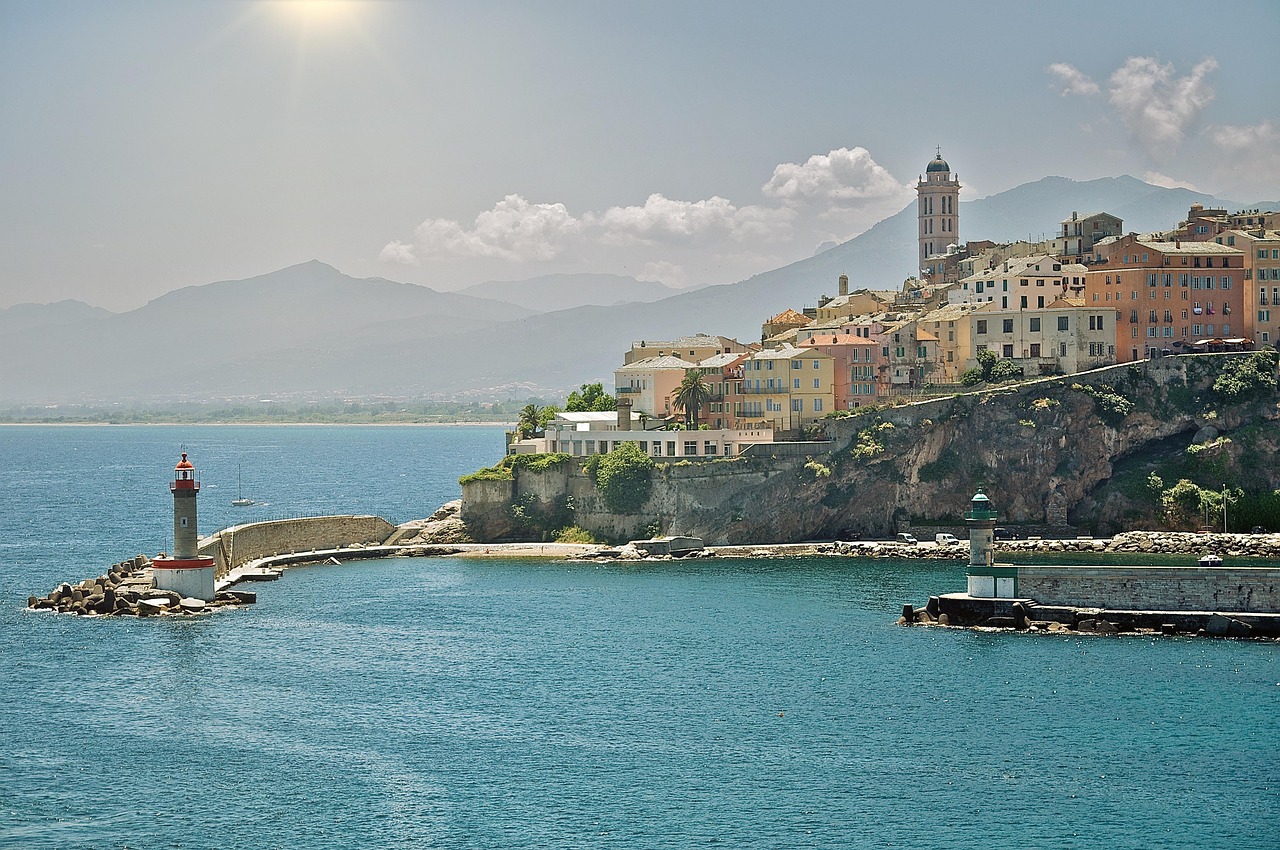
Why Visit Bastia in 2026?
Bastia is often the first place people see in Corsica—thanks to its busy ferry port—and yet many rush straight through to the island’s beaches and mountains. That’s a shame. Bastia is one of the most authentic, atmospheric cities in the Mediterranean, with fewer crowds than the Côte d’Azur and a far more local feel than many coastal hubs.
- A real, lived-in port city – Fishermen repair nets next to yacht crews, kids play football in centuries-old squares, and nonna-style grandmothers haggle loudly at the produce market.
- Layers of history – Genoese ramparts, Baroque churches, and narrow lanes tell a story that’s half Tuscan, half French, with a stubborn Corsican heart.
- Perfect base for Cap Corse & northern Corsica – You can be in tiny fishing villages, mountain hamlets, or hidden coves in under an hour.
- Food that tastes like the island – Chestnuts, wild boar, brocciu cheese, fresh fish, and excellent local wines, at prices still kinder than mainland hotspots.
- Easy to reach – Direct ferries from Marseille, Toulon, and Nice; flights from major French cities and select European hubs.
In 2026–2027, Bastia is leaning more into its cultural side: new exhibitions, a growing street-music scene, and festivals that make the city feel like a village that invited the world over for dinner.
Table of Contents
- Why Visit Bastia in 2026?
- Bastia at a Glance
- Neighborhoods & Areas to Explore
- 20 Must-See Attractions in Bastia (With Local Stories)
- Suggested Itineraries: 3, 4 & 5 Days in Bastia
- Local Food in Bastia: What & Where to Eat
- Nightlife, Entertainment & Cultural Experiences
- Day Trips & Nearby Adventures
- Events & Festivals in 2026–2027
- Cultural Etiquette & Local Customs
- Practical Travel Tips for Bastia
- Summary & Best Time to Visit Bastia
Bastia at a Glance
Bastia sits on the northeastern coast of Corsica, facing Italy across the sea. It’s the island’s second-largest city but feels compact: a waterfront, an Old Port, a citadel district, and neighborhoods climbing the hills behind.
- Population: ~50,000 in the city proper.
- Language: French is official; Corsican (Corsu) is widely spoken; Italian is often understood; English is increasingly common with younger locals.
- Vibe: Mediterranean workaday during the week, lazy-café on weekends, buzzing on summer nights.
- Best for: Food lovers, culture seekers, couples, families who like cities as much as beaches, and independent travelers who enjoy “real life” places.
Neighborhoods & Areas to Explore
Vieux Port (Old Port)
The heart of Bastia. The Vieux Port is a small, horseshoe-shaped harbor ringed by tall, peeling houses in ochre and faded green. Fishing boats bob alongside small pleasure craft, and cafés spill onto the quayside. I’ve lost hours here just watching the light change.
Terra Vecchia (Old Town Below the Citadel)
This is the labyrinth between the Old Port and the main square (Place Saint-Nicolas). Expect narrow alleys, laundry strung between windows, tiny grocers, and hidden bars. It’s where Bastia feels most lived in.
Terra Nova (Citadel / Upper Town)
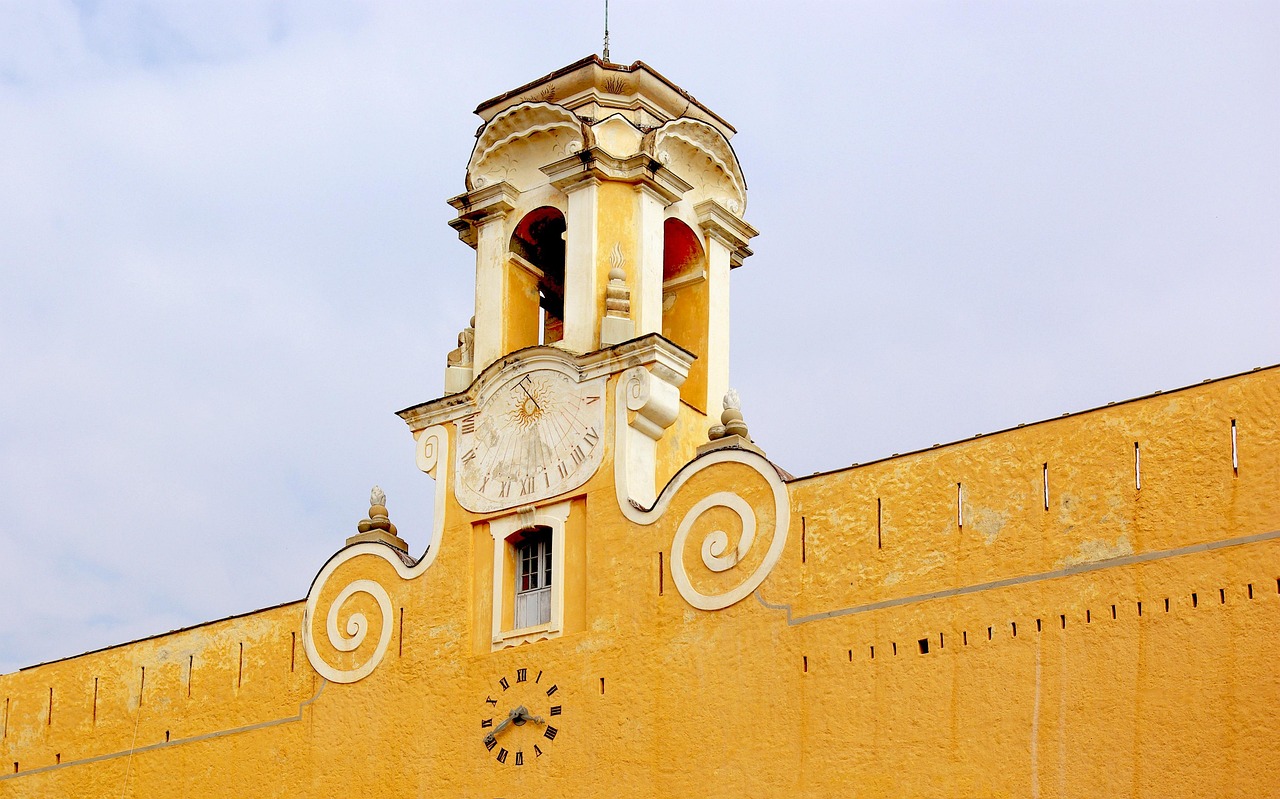
Terra Nova is the fortified upper town, with ramparts, the Governor’s Palace, and panoramic sea views. It’s quieter and more formal than the Old Port, especially dreamy at sunset.
Place Saint-Nicolas & Boulevard Paoli
Place Saint-Nicolas is a huge seafront square—Bastia’s living room. To its west, Boulevard Paoli is the city’s main shopping street. This area is busier and more modern but still charming, especially during markets and festivals.
Fango & Lupino
Residential neighborhoods to the south and southwest. You’re unlikely to linger here on a short trip, but some good-value accommodation and local eateries are tucked away in these districts.
Cardo & Hills Above Bastia
Up the hill above the city, former villages like Cardo now feel like leafy suburbs with views. Great for hikes and a different perspective on Bastia.
20 Must-See Attractions in Bastia (With Local Stories)
These are the best places to visit in Bastia, from iconic landmarks to quiet corners I almost don’t want to share. I’ve ordered them roughly from most famous to more hidden gems.
1. Vieux Port (Old Port)
If you only see one place in Bastia, make it the Vieux Port. At dawn, fishermen unload their catch; by mid-morning, café chairs scrape across the cobbles and the smell of espresso and butter drifts on the sea breeze.
History & significance: The Old Port dates back to Genoese times (14th–18th centuries), when Bastia was the island’s main commercial harbor. The name “Bastia” itself comes from “bastiglia,” the Genoese fortress that once towered above the port.
My experience: On my first trip, I stayed in a simple room above the harbor. Every morning, I’d lean out of the window and watch the port slowly wake up: shutters creaking open, fishermen arguing in Corsican, the church bells of Saint-Jean. I still start every Bastia trip with a coffee at a quayside table, notebook in hand, pretending I live here.
What to do:
- Walk the full loop around the harbor, crossing to the far side for the best views back toward the old town.
- Stop at a café for a café noisette (espresso with a splash of milk) and watch the world go by.
- Look up at the tall, narrow houses painted in faded pastels—this vertical architecture is typical of old Mediterranean ports.
Food tip: For a quick, local snack, try a slice of pizza à la part or a beignet au brocciu (fried pastry with fresh cheese) from a nearby bakery and eat it on the quay.
Getting there: From Place Saint-Nicolas, it’s a 5–10 minute downhill walk through Terra Vecchia. Wear flat shoes; the cobbles are uneven, especially after rain.
2. Bastia Citadel (Terra Nova)
Perched above the Old Port, the citadel is Bastia’s crown—stone walls, narrow lanes, and views stretching across the sea to the Tuscan islands on clear days.
History: Built by the Genoese from the 14th century onwards, the citadel (Terra Nova) was both fortress and administrative center. From here, governors controlled trade, tax, and political life on the island’s north coast.
My experience: One late afternoon in October, I wandered up here just as a storm was clearing. The wet stone walls glistened, the air smelled of damp earth and salt, and the sky turned from bruised purple to gold. I stood on the ramparts alone, watching ferries glide out of the harbor and thinking, “Yes, I could live here.”
What to see:
- Ramparts & viewpoints – Multiple terraces offer sweeping views over the Old Port and out to sea.
- Quiet lanes – The backstreets are peaceful, with cats napping on doorsteps and laundry flapping above your head.
Best time: Late afternoon into sunset. The light on the facades and the sea is magical, and the citadel is calmer than the lower town.
Getting there: From the Vieux Port, climb via the stone staircases (a bit steep but short) or follow the signed gentle road around the hill. Allow 10–20 minutes walking.
3. Palais des Gouverneurs (Governor’s Palace & Bastia Museum)
In the heart of the citadel, the salmon-pink Governor’s Palace is one of Bastia’s most distinctive buildings and houses the city museum.
History: Originally built in the 14th century and modified over time, this was the residence of the Genoese governors who ruled Corsica. Today, it’s a museum of Bastia’s history, art, and urban development.
My experience: On a rainy April day, I ducked inside “just for a quick look” and spent almost three hours there. The exhibits—old maps, paintings, models of the city—brought Bastia’s story to life. But my favorite part was the garden terrace, with a view that made me forget the drizzle entirely.
What to expect:
- Permanent exhibitions on Bastia’s Genoese era, religious art, and local culture.
- Temporary exhibitions—2026 is expected to feature a show on Corsican maritime heritage (check local listings).
- Beautiful views from the upper floors and gardens.
Practical tips: The museum is a great option on hot midday hours or bad-weather days. Information panels are increasingly bilingual (French and English), but not always; a translation app helps.
4. Place Saint-Nicolas
Place Saint-Nicolas is one of the largest squares in France, a vast open space lined with plane trees and café terraces, overlooking the sea.
History & vibe: Once used for military parades and markets, it’s now the city’s main gathering place. Locals stroll in the evenings, kids ride scooters, and events from antique fairs to concerts animate the square.
My experience: I’ve written half this guide from this square—sitting at a terrace with a café crème in winter or a pietra beer in summer, watching ferries glide in. I love it most at dusk, when the streetlights flicker on and the mountains behind the city turn deep blue.
What to do:
- Settle into a café on the eastern edge for sea views.
- Visit the statue of Napoleon (yes, Napoleon, though he was born in Ajaccio) and the war memorial.
- Check for markets: in summer, you’ll often find art or antique stalls.
Family-friendly: This is a great spot for kids to run around safely, away from traffic.
5. Église Saint-Jean-Baptiste
Overlooking the Old Port, Saint-Jean-Baptiste is Bastia’s emblematic church, with twin bell towers dominating the skyline.
History: Built in the 17th century, this Baroque church reflects Genoese influence. Inside, gilded altars, marble, and paintings create a rich, theatrical atmosphere.
My experience: One summer afternoon, fleeing the heat, I stepped inside and found a small choir rehearsing. Their voices filled the nave, and for 20 minutes I forgot the world outside. Bastia can be noisy; this is where it whispers.
What to look for:
- The ornate main altar and side chapels.
- The marble pulpit and ceiling decorations.
- Views of the facade from the Old Port—photogenic from almost every angle.
Respect: This is an active place of worship; dress modestly (covered shoulders, no beachwear), and keep voices low.
6. Terra Vecchia (Old Town Streets)
Between the Old Port and Place Saint-Nicolas lies Terra Vecchia: a maze of alleys, staircases, and tiny squares.
My experience: I love getting deliberately lost here. On my second visit to Bastia, I turned a corner and found a tiny square with just four doors and one tree. An old man sat on a chair, shelling beans into a bowl. He nodded, I nodded back. That small, shared silence felt more authentic than any guided tour.
Highlights:
- Faded painted signs from another era.
- Little shrines tucked into wall niches.
- Hidden bars and wine cellars behind unassuming doors.
Tip: Go in the morning for peaceful photos and in the evening when locals are out chatting. Some alleys can be steep and uneven; good shoes are essential.
7. Bastia Market (Place du Marché / Place de l’Hôtel de Ville)
The weekend market is where Bastia’s soul shows up hungry. It’s noisy, fragrant, and absolutely unmissable for food lovers.
When & where: Typically Saturday and Sunday mornings around Place du Marché, just inland from the Old Port (schedules can shift slightly; in 2026 it’s expected to maintain this pattern).
My experience: One cool March morning, I followed my nose to a stall frying beignets on the spot. The vendor handed me one, dusted in sugar, still hot with brocciu cheese inside. I burned my tongue and didn’t care.
What to buy & taste:
- Seasonal fruits and vegetables—Corsican clementines in winter, figs and tomatoes in summer.
- Corsican charcuterie (coppa, lonzu, prisuttu), cheeses, and olives.
- Local honey, jams, and chestnut-based products (cakes, flour, cookies).
Money-saving tip: This is one of the best ways to eat well on a budget in Bastia. Pick up picnic supplies instead of always eating in restaurants.
8. Anse de l’Arinella & Southern Seafront
While Bastia isn’t primarily a beach city, the Arinella area to the south offers a long strip of sandy shoreline, popular with locals.
My experience: During a hot June stay, I took the local bus south after lunch and spent the afternoon alternating between the sea and a shady café on the promenade. It’s not the wildest Corsican beach, but it’s perfect for a lazy city break afternoon.
Good for:
- Families – shallow areas and space to play.
- Jogging or sunset walks along the seafront path.
- Casual beach bars in summer.
Getting there: Short drive or local bus from central Bastia toward the south (ask at your accommodation for current bus routes; they tend to be simple and inexpensive).
9. Cardo Village & Hill Views
Cardo, once a separate village, now feels like Bastia’s balcony. It sits above the city, with stone houses, narrow lanes, and broad views over the sea and port.
My experience: I went up to Cardo on a slightly overcast day, thinking it might be a bust. Instead, I found soft light over the rooftops, swallows looping above, and that quiet feeling of being apart yet still connected to the city below. A tiny bar served me a perfect glass of local white wine and a bowl of olives, and I stayed much longer than planned.
What to do:
- Stroll the lanes and admire traditional houses.
- Seek out viewpoints over Bastia and the sea.
- Use it as a starting point for light hikes into the hills.
Getting there: Short drive or taxi from central Bastia; some buses run but schedules change—ask locally. You can also hike up from Bastia if you’re fit and it’s not too hot.
10. Cathédrale Sainte-Marie
Hidden in the citadel’s lanes, Sainte-Marie is Bastia’s cathedral, more modest outside than inside.
History: Originally built in the 16th century and reworked in later centuries, the cathedral is dedicated to the Assumption of Mary and contains notable religious artworks.
My experience: On my third Bastia visit, I finally made time to really look at its details. The scent of wax and old stone, the soft light coming through high windows—if you’re interested in religious art or just seek calm spaces, this is worth lingering in.
Tip: Combine with a slow wander of Terra Nova. It’s easy to miss if you rush straight for the ramparts.
11. Oratoire de l’Immaculée-Conception
A small, richly decorated oratory near the market area, this is one of Bastia’s Baroque jewels.
My experience: I stumbled upon it after the market one Sunday. From outside, it looked almost like just another façade; inside, the Baroque exuberance hit me like stepping into a jewel box—carved wood, gilding, paintings everywhere. I sat in the back pew, watching a few locals light candles quietly.
Note: Opening hours can be irregular; if you see the door open, take the chance to peek in.
12. Oratoire Saint-Roch
Another intimate oratory, dedicated to Saint Roch, protector against plagues. It showcases more religious art and Bastia’s long-standing devotional traditions.
My experience: I visited during a heatwave and found it pleasantly cool and quiet. The caretaker, seeing my interest, pointed out a few details in rapid French and Corsican; I understood maybe half, but his pride in the place was crystal clear.
13. Théâtre Municipal de Bastia
The municipal theater near Place Saint-Nicolas is a lovely example of 19th-century architecture and the heart of Bastia’s performing arts scene.
My experience: I once caught a contemporary dance performance here on a whim. The show was in French, with some Corsican, but the energy and audience reaction transcended language. If you’re in town when something’s on, go—it’s a great window into local cultural life.
Tip: Look up the theater’s program online or check posters in the square; 2026–2027 are expected to include more touring productions and local festivals.
14. Port de Commerce (Commercial Port)
This is where the big ferries arrive and depart—a functional place, yes, but also strangely captivating if you like ships and waterfront energy.
My experience: On a foggy winter morning, I walked along the edge of the commercial port as a huge ferry slowly materialized out of the mist. Trucks rumbled, gulls screamed, and the whole scene felt like a black-and-white film.
What to do: You’ll pass through here if you arrive by ferry; it’s worth pausing to take in the scale and contrast with the tiny Vieux Port just around the corner.
15. Jardin Romieu & Escalier Romieu
The Romieu garden and staircase link the Old Port to the citadel via scenic terraces and greenery.
My experience: I adore this route. One evening, climbing the Escalier Romieu, I stopped halfway just to lean on the balustrade. Below, the Vieux Port glowed golden; above, the citadel walls darkened against a pink sky. Couples took photos; kids darted up and down the steps. It felt like Bastia’s most romantic spot.
Best for: Couples at sunset, photographers, anyone who likes pretty urban walks.
16. Remnants of Genoese Walls & Bastions
Scattered around Terra Nova and parts of Terra Vecchia, you’ll find remnants of Bastia’s old defenses: thick stone walls, bastions, and lookout points.
My experience: I’m a history nerd, so I love tracing these lines and imagining how the city once looked. Even if you’re not, the viewpoints and quiet corners they create are rewarding.
17. Marina de Toga
A modern marina just north of central Bastia, with boats, restaurants, and a more contemporary feel.
My experience: One evening, I walked up from Place Saint-Nicolas along the seafront to Toga. It’s less atmospheric than the Old Port but quieter and good for a change of scene and a seaside drink.
Good for: Evening strolls, casual dinners, families with strollers.
18. Chapelle Notre-Dame de Monserrato
A small chapel set above the town with peaceful views, used historically for processions and pilgrimages.
My experience: I went up here late one afternoon and found just two other people sitting quietly on the steps. The city felt far away, though you could see it below. It’s a lovely, contemplative spot.
Tip: Combine with a short hike in the surrounding hills; bring water and a hat in summer.
19. Plage de Miomo & Northern Coves
Heading north out of Bastia toward Cap Corse, small beaches and coves like Miomo offer quick escapes from the city.
My experience: On a hot September morning, I took a local bus up the coast and hopped off at Miomo. The beach was quiet, the water glassy, and a handful of locals swam slow laps. I napped on the pebbles and felt my stress levels drop several notches.
Good for: A half-day trip if you want sea time without going far; more relaxed and local than major resort beaches.
20. Street Art & Everyday Bastia
While not famous as a street-art capital, Bastia has a growing set of murals and artistic interventions, particularly in some newer districts and on the edges of Terra Vecchia.
My experience: Wandering aimlessly one afternoon, I turned into a side street and found a wall-sized mural of a Corsican shepherd and mountains, painted in intense blues and greens. Bastia is full of these small discoveries: art, old doors, cats, and unexpected sea views.
Tip: Keep your eyes open beyond the “official” sights; some of the city’s charm is in its imperfections.
How Many Days in Bastia? 3, 4 & 5 Day Itineraries
Whether you have 3, 4, or 5 days in Bastia, you can build a trip that mixes iconic sights, hidden gems, and real local life. Below are flexible itineraries based on my own stays, with personal notes and practical tips interwoven.
3 Day Itinerary for Bastia: Essential Highlights
If you have 3 days in Bastia, you can see the core of the city, savor local food, and take a quick dip into Cap Corse or nearby beaches.
Day 1: First Taste of Bastia – Old Port, Terra Vecchia & Citadel
Morning: Arrival & Place Saint-Nicolas
Arriving by ferry, you’ll step straight into Bastia’s working harbor. Drop your bags at your hotel or guesthouse (I like staying near the Vieux Port or Terra Vecchia for atmosphere) and head to Place Saint-Nicolas.
- Grab a late breakfast or early coffee at a terrace overlooking the square and sea.
- Take a slow lap around the square, orienting yourself: sea to one side, Boulevard Paoli and the hills behind.
Midday: Wander Terra Vecchia to the Vieux Port
From the square, slip into Terra Vecchia—follow any narrow lane downhill. You’ll eventually spill out at the Vieux Port.
- Take time exploring side alleys; if you see a small grocery or bakery, pop in for a bottle of water or a pastry.
- Arrive at the Old Port and walk the full loop around. Find your favorite angle on the tall houses and boats.
For lunch, choose a quayside restaurant. Try grilled fish, a simple salade bastiaise, or a Corsican charcuterie board. Prices are higher right on the water but still reasonable compared to many Mediterranean hotspots.
Afternoon: Romieu Stairs & Citadel
Climb the Escalier Romieu from the port—stop on the terraces for photos—and emerge into Terra Nova.
- Visit the Palais des Gouverneurs (museum) for an overview of Bastia’s history.
- Stroll the citadel lanes, peek into Cathédrale Sainte-Marie, and walk the ramparts for views.
Evening: Aperitif with a View
Stay in the citadel area for an aperitif overlooking the sea. Order a glass of patrimonio white or rosé (from nearby vineyards) and some olives or local cheese.
For dinner, either:
- Book a citadel restaurant for a romantic, quieter evening, or
- Head back down to the Vieux Port for more bustle and people-watching.
End the day with a slow walk back through Terra Vecchia, taking in how different it feels at night.
Day 2: Markets, Churches & Local Life
Morning: Market & Oratories
If it’s a weekend, be at the Bastia market by 9–10am.
- Have breakfast on the go: fresh fruit, beignets, local cheeses, charcuterie in a baguette.
- Chat with vendors; most are happy to explain products if you show interest.
After the market, visit nearby Oratoire de l’Immaculée-Conception and Saint-Jean-Baptiste. This gives a deep dive into Bastia’s religious art and architecture.
Midday: Siesta & Sea Breeze
By midday, especially in summer, the heat and light can be intense. This is a perfect time to:
- Take a rest at your accommodation.
- Or walk to the seafront north of Place Saint-Nicolas and find a shaded bench with a view.
Afternoon: Boulevard Paoli & Everyday Shopping
Explore Boulevard Paoli, Bastia’s main shopping street.
- Browse local shops for Corsican products—avoid the most touristy spots near the port if you’re budget-conscious.
- Stop for a coffee or ice cream; I like choosing places where locals outnumber visitors.
Evening: Nightlife Lite
For dinner, aim for a more local restaurant slightly inland from the port or in Terra Vecchia. Try stufatu (Corsican stew) or civet de sanglier (wild boar) if you eat meat.
Afterward, sample Bastia’s low-key nightlife:
- A wine bar in Terra Vecchia with Corsican wines by the glass.
- A stroll through Place Saint-Nicolas, which often has a lively, friendly atmosphere.
Day 3: Sea or Hills – Cap Corse Taster or Cardo
Use your last day to step slightly outside the city.
Option A: Cap Corse Taster (Miomo & Northern Coast)
- Take a morning bus or drive north to Miomo or another small beach village.
- Swim, relax, and have lunch at a seaside café.
- Return by mid-afternoon and spend your last hours in the Vieux Port or citadel.
Option B: Hills above Bastia (Cardo & Walks)
- Head up to Cardo for village atmosphere and views.
- If you’re up for it, take a short signed trail in the hills behind.
- Picnic with market-bought food overlooking the sea.
Evening: Have a farewell dinner in your favorite spot from the trip. I like to walk the Old Port one last time and promise myself I’ll return.
4 Day Itinerary for Bastia: Deeper Exploration
With 4 days in Bastia, you can follow the 3-day rhythm and add more cultural depth and relaxation.
Day 4: Culture & Beach Combo
Morning: Museums & Theater Area
- Return to the Palais des Gouverneurs if you rushed it, or check for new temporary exhibitions.
- Explore the area around the Théâtre Municipal. Even if you don’t attend a performance, the building and nearby streets are worth a look.
Midday–Afternoon: Arinella Beach
Head to Arinella or the southern seafront.
- Swim, nap, read, and let the city pace fall away.
- Have a light lunch at a beach bar; nothing fancy, but the setting is perfect.
Evening: Marina de Toga
For a change, spend your evening at Marina de Toga. It’s more modern, with a slightly different crowd and vibe than the Old Port.
5 Day Itinerary for Bastia: Full Experience & Day Trips
With 5 days in Bastia, you can fully settle in and use the city as a base for a memorable day trip into Cap Corse or the interior.
Day 5: Full-Day Excursion – Cap Corse or Inland Villages
Option A: Cap Corse Loop (by Car)
- Rent a car for the day and drive north from Bastia.
- Stop in villages like Erbalunga (gorgeous harbor), Nonza (dramatic black-pebble beach), and others depending on pace.
- Return to Bastia by early evening.
Option B: Inland Villages & Vineyards
- Head toward the Patrimonio wine region for tastings (designated driver needed).
- Visit small villages and enjoy mountain/valley views.
Evening: Back in Bastia, treat yourself to a special final dinner—perhaps a tasting menu of Corsican classics or a seafood feast.
Local Food in Bastia: What & Where to Eat
Corsican cuisine is rustic, flavorful, and rooted in the island’s mountains and sea. In Bastia, you’ll taste both coastal and inland influences.
Must-Try Dishes
- Charcuterie corse – Air-dried ham (prisuttu), cured pork loin (lonzu), and coppa. Often served as a starter.
- Brocciu – Fresh sheep’s or goat’s cheese, used in beignets, omelets, pastries, and more.
- Stufatu – Hearty stew, often made with beef or veal and red wine.
- Civet de sanglier – Wild boar stew, a Corsican classic, rich and deeply flavored.
- Seafood – Grilled fish, mussels, octopus; always ask what’s freshest.
- Fritelli – Fritters, often chestnut-flour-based.
- Canistrelli – Crunchy biscuits with anise, lemon, or almond.
Drinks
- Patrimonio wines – Whites and rosés are perfect with seafood; reds pair well with charcuterie and stews.
- Pietra beer – Made with chestnut flour; light and slightly nutty.
- Cap Corse aperitif – A local fortified wine, often served with ice and a slice of lemon.
Where to Eat (Styles & Areas)
Instead of listing specific places (which can change quickly), here’s how I choose where to eat in Bastia:
- Vieux Port: Great for atmosphere and seafood. Slight price premium but worth it for the view; I usually pick spots where menus are in French first and not overly multilingual.
- Terra Vecchia: More tucked-away restaurants and wine bars; good mix of traditional and creative cooking.
- Market area: Casual spots for breakfast or lunch on market days.
- Boulevard Paoli backstreets: Budget-friendly bakeries, sandwich shops, and small bistros.
Money-Saving Food Tips
- Have one restaurant meal a day (often lunch) and make the other picnic-style from the market or supermarkets.
- Look for formule or menu du jour at lunchtime—often excellent value.
- Order carafes of tap water (une carafe d’eau) instead of bottled to cut costs.
Nightlife, Entertainment & Cultural Experiences
Bastia’s nightlife is more about wine bars and café terraces than huge clubs, but summer evenings can be wonderfully lively.
Evening Vibes
- Old Port: Bars and restaurants along the water, great for aperitifs and people-watching.
- Place Saint-Nicolas: Terraces buzzing late into the night in summer; families, couples, groups of friends.
- Terra Vecchia: Smaller, more intimate bars and wine spots—often with a local crowd.
Cultural Experiences
- Theater & music: Check the Théâtre Municipal and local listings for concerts, plays, and festivals.
- Religious processions: Around major Catholic holidays, you may see processions involving Bastia’s oratories and churches.
- Local music: Look out for live Corsican polyphonic singing (a haunting, powerful vocal tradition) at cultural centers or special events.
Romantic & Family-Friendly Evenings
- Romantic: Sunset in the citadel followed by a quiet dinner with sea views.
- Family-friendly: Evening stroll on Place Saint-Nicolas and gelato; kids can run around freely.
Day Trips & Nearby Adventures from Bastia
Cap Corse
The finger-like peninsula north of Bastia is one of Corsica’s most beautiful regions: rugged coastlines, tiny villages, and wild views.
Highlights: Erbalunga, Nonza, Centuri (further away), coastal hikes.
Getting there: Best by car; some buses reach main villages like Erbalunga and Miomo. For a taste in half a day, visit Erbalunga and one or two other nearby stops.
Patrimonio Wine Region
Rolling vineyards west of Bastia produce some of Corsica’s best wines.
What to do: Visit wineries (call ahead where possible), taste whites, rosés, and reds, and enjoy the countryside. You’ll need a car or a private driver; don’t drink and drive.
Saint-Florent
A charming coastal town about 30–40 minutes from Bastia, sometimes called the “Saint-Tropez of Corsica” (though smaller and more relaxed).
Good for: A day of harbor strolling, beach time, or taking boat trips to remote beaches like Saleccia (in high season).
Events, Festivals & What’s New in 2026–2027
While exact programs can change, here are recurring and expected highlights around 2026–2027 in Bastia:
- Spring cultural festivals: Theaters and cultural centers typically host music and theater festivals in spring, including Corsican polyphonic concerts.
- Summer events on Place Saint-Nicolas: Open-air concerts, markets, and sometimes film screenings, especially from June to August.
- Religious festivals: Catholic feast days often involve processions and special services in Bastia’s churches and oratories.
- Art & photography exhibitions: The Palais des Gouverneurs and other galleries increasingly host contemporary exhibitions; 2026 is expected to feature shows connected to maritime heritage and Mediterranean identity.
Before your trip, check Bastia’s official tourism site or local event calendars for precise dates and details.
Cultural Etiquette & Local Customs in Bastia
Bastia is friendly, but like anywhere, a bit of cultural awareness goes a long way.
Language & Interaction
- Start interactions with “Bonjour” (day) or “Bonsoir” (evening). It’s important in French culture.
- Many locals speak some English, especially younger people, but trying a few words of French is appreciated.
- You’ll hear Corsican spoken between locals; it’s not expected that you know any, but recognizing it is a sign of respect for their distinct identity.
Dining Etiquette
- Table service is standard; you don’t typically seat yourself inside unless indicated.
- Tip by rounding up or leaving 5–10% if service was particularly good; service is officially included, so it’s not mandatory.
- Lunch is generally 12:00–14:00; dinner from around 19:30–21:30 (later in summer).
Religious & Cultural Sites
- Dress modestly in churches and oratories—no swimsuits, cover shoulders when possible.
- Keep voices low; avoid flash photography if services are in progress.
Local Sensibilities
- Corsicans are proud of their island and identity; avoid making comparisons that belittle Corsica in favor of mainland France or Italy.
- Political graffiti or flags (Corsican Moor’s head flag) are common; photographing is fine, but don’t joke lightly about local politics.
Practical Travel Tips for Bastia (2026)
Getting To & Around Bastia
Arrival:
- By ferry: From Marseille, Toulon, Nice, and some Italian ports. You’ll arrive at the Port de Commerce, walking distance (10–15 minutes) to the center.
- By air: Bastia-Poretta Airport (BIA) is about 20 km south of the city. Shuttle buses and taxis connect to Bastia.
Getting Around the City
- On foot: The historic center, citadel, and main areas are walkable, though hilly in parts.
- Local buses: Useful for reaching beaches (Arinella), suburbs, and nearby villages. Buy tickets on board or at kiosks; ask drivers for help with stops.
- Car rental: Ideal if you plan to explore Cap Corse or inland regions. Streets in the old center are narrow with limited parking; if you rent, aim for accommodation with parking or park slightly outside and walk in.
- Taxis & rides: Taxis are available but not as plentiful as in big cities; it’s wise to pre-book for early or late trips.
Money & Costs
- Currency: Euro (€).
- Cards vs cash: Cards widely accepted, but small cafés and markets may prefer cash.
- Budget tips: Markets and bakeries for breakfast/lunch; main meal at lunch; avoid the priciest waterfront spots every night.
SIM Cards & Connectivity
- As of 2026, eSIMs and EU-wide roaming make things easy if you’re from the EU.
- For non-EU visitors, buy a French SIM (Orange, SFR, Bouygues) at airports, major shops, or online; top-up plans with data are affordable.
- Wi-Fi is common in hotels and many cafés, though speeds vary.
Visa & Entry Requirements
- Bastia is in France, part of the Schengen Area.
- EU/EEA/Swiss citizens can travel with ID cards or passports.
- Many other nationalities can enter visa-free for short stays (up to 90 days) but must comply with Schengen rules and, from 2025–2026, may need ETIAS travel authorization. Check your country’s requirements before travel.
Driving & Foreign Licenses
- Most visitors with an EU driving license can drive without extra paperwork.
- Non-EU travelers may need an International Driving Permit (IDP) alongside their home license—check your country’s agreements with France.
- Roads around Bastia can be narrow and winding; drive cautiously.
Safety
- Bastia is generally safe; standard city precautions apply.
- Keep an eye on belongings in crowded markets or ferry terminals.
- At night, main areas (Old Port, Place Saint-Nicolas, citadel) feel fine to walk; use usual common sense.
Best Seasons & Weather
- Spring (April–June): My favorite. Mild to warm, wildflowers in the hills, fewer crowds, good for sightseeing and light hiking.
- Summer (July–August): Hot, busy, lively. Best for beach and nightlife, but expect higher prices and more people.
- Autumn (September–October): Still warm, sea pleasant for swimming, harvest season in the vineyards; a wonderful time for food and wine lovers.
- Winter (November–March): Quiet, some places closed or with shorter hours, but a very local feel. Can be rainy and cool; good if you prefer atmosphere over sunbathing.
Hidden Tips Only Regulars Mention
- Early mornings are gold: The Old Port and Terra Vecchia are at their most atmospheric and least crowded before 9am.
- Carry a light jacket: Even in summer, sea breezes in the evening can be cool, especially on the citadel ramparts.
- Market timing: Go early for best selection; by late morning, some items sell out and heat rises.
- Water fountains: You’ll find public fountains in some squares; if marked potable (eau potable), they’re fine to refill bottles.
- Sea vs hills: If the sea is too windy or rough for comfort, head up into Cardo or the citadel—often calmer and cooler.
Summary & Final Recommendations
Bastia is not a polished resort. It’s a working port city with flaking paint, loud markets, Baroque churches, and some of the most evocative sea views I’ve found in the Mediterranean. That’s exactly why I love it—and why I keep coming back.
If you’re planning a 3 day itinerary for Bastia, focus on the Old Port, Terra Vecchia, citadel, and one short excursion to the sea or hills. With 4 days in Bastia, add more cultural stops and beach time. With 5 days in Bastia, use the city as a base for a full-day Cap Corse or Patrimonio trip while still having time to just sit in cafés and watch local life unfold.
For most travelers, the best time to visit Bastia is late spring (May–June) or early autumn (September–early October), when the weather is pleasant, the sea is inviting, and the city feels lively but not overwhelmed. Summer is great if you love heat and nightlife; winter is for those who prefer empty streets and a sense of being let in on a local secret.
However you shape your trip, give yourself at least one unplanned afternoon: no checklist, just wandering through lanes, following the smell of coffee or the sound of church bells. That’s when Bastia truly gets under your skin.