Why Visit Bayonne, France in 2026?
If you’ve ever wanted the charm of the French Basque Country without the crowds of Biarritz or the prices of Saint-Jean-de-Luz, Bayonne is your city. I’ve been coming here regularly for over a decade, and in 2026 it feels like Bayonne has finally stepped into the spotlight while still keeping its soul.
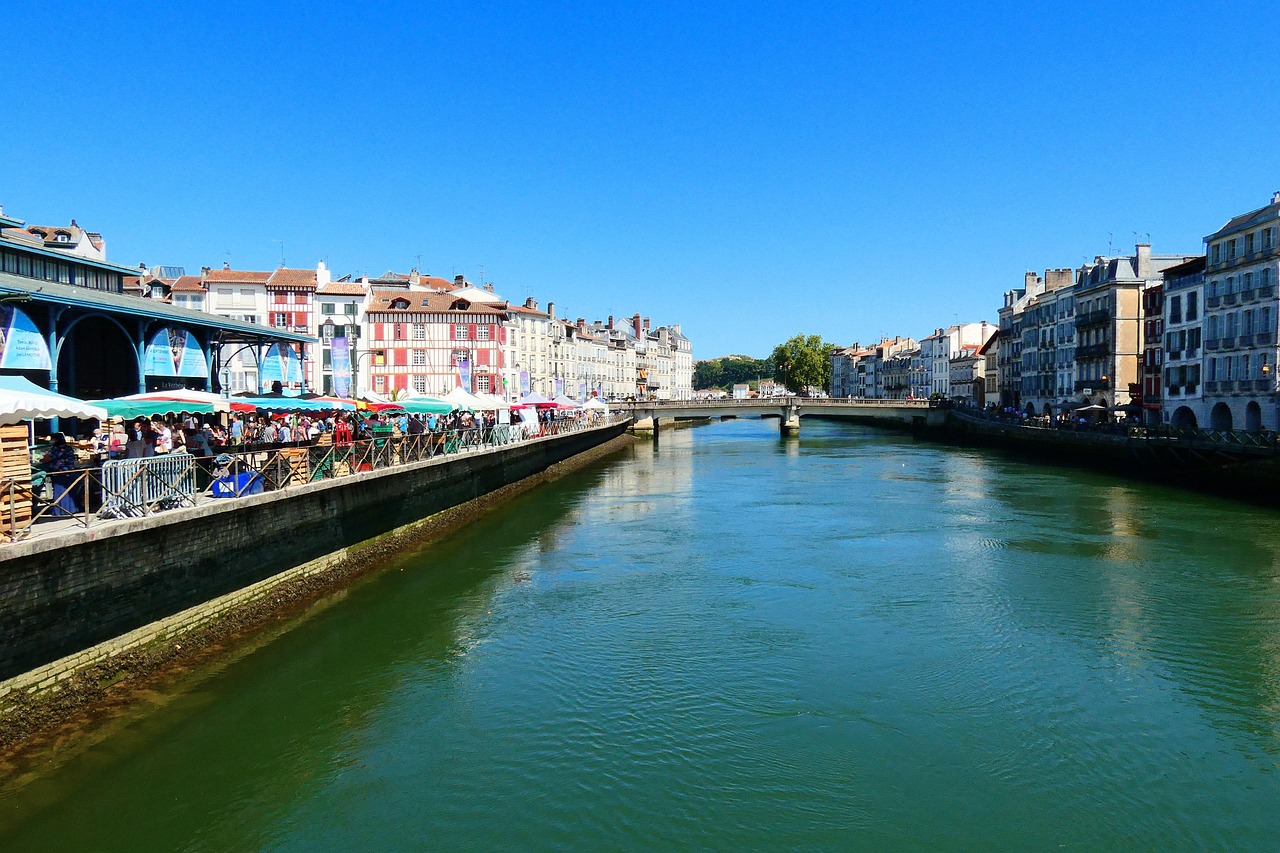
Bayonne sits where the Nive and Adour rivers meet, a small city of half-timbered houses with bright Basque shutters, Gothic spires, and chocolate shops perfuming the cobbled streets. You’ll hear French, Basque, and Spanish in the same café, see surfers walking past medieval ramparts, and smell ham slowly curing in narrow alleys.
This travel guide is written as if I’m walking beside you: how I structure 3, 4, or 5 days in Bayonne, the best places to eat without breaking the bank, the must-see attractions, the hidden gems locals love, and the little cultural customs that make your trip smoother and more meaningful.
Bayonne is perfect for:
- Culture lovers – cathedrals, museums, Basque identity, festivals.
- Foodies – ham, chocolate, cider, peppers, seafood, and pintxos.
- Families – walkable streets, riverside paths, parks, safe and relaxed vibe.
- Couples – romantic riverside evenings, wine bars, small guesthouses.
- Adventurous travelers – surfing, day trips to the Pyrenees, coastal hikes.
In 2026–2027, Bayonne’s calendar is full: expanded programming around the famous Fêtes de Bayonne, new Basque cultural events, and more sustainable travel options. Whether you have 3 days in Bayonne or a full 5 day itinerary for Bayonne, this guide will help you make the most of every hour.
Table of Contents
- Quick Overview of Bayonne
- Neighborhoods & Areas to Explore
- 20 Must-See Attractions in Bayonne (With Local Tips)
- 3–5 Day Itineraries for Bayonne (Day-by-Day Plans)
- Best Local Food & Drink in Bayonne
- Cultural Etiquette & Local Customs
- Nightlife, Entertainment & Cultural Experiences
- Major Events & Festivals 2026–2027
- Best Day Trips from Bayonne
- Practical Travel Advice for Bayonne
- Summary & Best Time to Visit Bayonne
Quick Overview of Bayonne
Bayonne is the cultural capital of the French Basque Country, in the Pyrénées-Atlantiques department. It’s about 8 km from the Atlantic coast and shares an airport and train links with Biarritz. The city is compact, walkable, and divided into atmospheric quarters along the Adour and Nive rivers.
What I love most about Bayonne is that it feels like a real city first and a tourist destination second. On a Tuesday morning in January you’ll still find locals chatting over coffee, workers queuing at their favorite boulangerie, and kids heading to school through centuries-old streets.
Neighborhoods & Areas to Explore in Bayonne
Before diving into the attractions and itineraries, it helps to understand Bayonne’s main neighborhoods. They’re all close together, but each has its own feel.
Grand Bayonne (Upper Town)
This is the postcard-perfect heart of the city. Grand Bayonne stretches between the Adour and Nive rivers and is dominated by the twin spires of the cathedral. You’ll find:
- Narrow medieval streets packed with shops and cafés
- The cathedral and cloister
- Many chocolate shops
- The main shopping streets like Rue d’Espagne
I usually stay just across the Nive in Petit Bayonne and wander into Grand Bayonne for my morning coffee and evening strolls along the river.
Petit Bayonne (Lower Town)
Across the Nive from Grand Bayonne, Petit Bayonne has a more bohemian, student, and nightlife vibe. It’s where I go for casual dinners, pintxos, and evenings at wine bars. Here you’ll find:
- Basque Museum
- Street art and smaller galleries
- Plenty of bars and late-night spots
- Colorful riverfront façades
Saint-Esprit
Across the Adour from Grand Bayonne, Saint-Esprit feels quieter and more residential. It has a long history tied to trade and the Jewish community, and it’s also where the main train station is. I like wandering here when I want a calmer walk and local bakeries with fewer tourists.
Citadel & Ramparts District
On the higher ground behind Grand Bayonne you’ll find the Vauban-designed fortifications and quiet green spaces. Perfect for a sunset walk or an early-morning jog, this area offers some of the best city views without much effort.
20 Must-See Attractions in Bayonne (With Local Insights)
These are the places I return to again and again, both with friends visiting for the first time and on my own lazy Saturdays. They’re in roughly descending order of fame, from the iconic to the pleasantly obscure. Each one can anchor a part of your 3, 4, or 5 day itinerary for Bayonne.
1. Cathédrale Sainte-Marie de Bayonne & Cloister
The cathedral is Bayonne’s most recognizable landmark and, in my opinion, one of the most atmospheric Gothic churches in southwest France. I still remember the first time I walked into the cloister on a drizzly afternoon: the sound of the rain on the stone, the faint smell of incense drifting from the main nave, and the sudden quiet after the busy streets outside.
Built mainly between the 13th and 16th centuries, the cathedral is part of the UNESCO World Heritage listing for the Routes of Santiago de Compostela. Inside, look for the colorful stained glass, the carved choir stalls, and the side chapels. The cloister, attached on the south side, feels like a hidden courtyard, even though it’s just off the main square.
Tips:
- Go early (before 10:00) for a peaceful visit and photography without crowds.
- Dress modestly (shoulders covered) out of respect; this is an active place of worship.
- If you’re here on a Sunday, slip in briefly during Mass to hear the organ.
2. Historic Old Town (Grand Bayonne & Petit Bayonne)
Bayonne’s Old Town is not a single attraction but an atmosphere. For me, the joy is in wandering: crossing bridges, ducking into side streets, and emerging into sunlit squares. The half-timbered houses with red, green, or blue shutters are quintessentially Basque, and the laundry strung between windows reminds you that people really live here.
My favorite loop: start at the Pont Saint-Esprit near the train station, cross into Grand Bayonne, drift up to the cathedral, then cross the Nive into Petit Bayonne and follow the river back. Allow a couple of hours if you stop for coffee and photos (you should).
Family-friendly: Kids love watching boats on the rivers and exploring small squares where they can run around.
3. Musée Basque et de l’Histoire de Bayonne
The Basque Museum is where Bayonne’s story really clicks into place. Housed in a 17th-century mansion in Petit Bayonne, it’s a deep dive into Basque culture: traditional houses, boats, festivals, music, and everyday life. I always bring first-time visitors here early in their stay; afterwards, the rest of the city makes more sense.
Highlights include the reconstructed interiors of old Basque farmhouses and the exhibits on river trade. Plan at least 1.5–2 hours if you like to read the displays. Some explanations are in English, and the staff are happy to answer questions.
Tip: The museum is a great rainy-day activity and an excellent choice if you’re traveling with curious kids or teens.
4. Les Halles de Bayonne (Central Market)
Les Halles is my happy place in Bayonne. It’s an indoor market by the Nive, buzzing every morning with locals shopping for fresh produce, cheese, charcuterie, and seafood. When I’m in town, I build at least one morning of my 3 days in Bayonne around a slow wander here followed by a riverside snack.
Try slices of jambon de Bayonne, local sheep’s cheese (Ossau-Iraty) with black cherry jam, and seasonal fruit. On weekends, the area around Les Halles spills into an outdoor market, and the bars nearby are packed with people enjoying late-morning tapas-style bites.
Money-saving tip: Stock up on picnic supplies here—cheese, bread, fruit, and a bottle of local cider—and you’ve got a gourmet lunch for a fraction of restaurant prices.
5. Bayonne Ramparts & Citadel
Designed in part by Vauban, the ramparts that surround Bayonne are now one of the city’s most relaxing green spaces. I love coming up here in the early evening for a walk. Locals jog, couples sit on benches with takeaway ice cream, and kids cycle along the paths.
The Citadel itself is a military zone and not fully open to the public, but the surrounding ramparts provide sweeping views over the city rooftops and the Pyrenees on a clear day. It’s a great place to understand Bayonne’s strategic position between rivers, sea, and mountains.
Romantic tip: Bring a bottle of Basque cider and some snacks for an impromptu sunset picnic on the grassy slopes (just take any rubbish with you).
6. Quays Along the Nive & Adour Rivers
The riverfront is Bayonne’s living room. At any hour, you’ll see people sitting on the quays with their feet dangling over the water, chatting with friends, or simply watching boats drift by. I’ve spent entire evenings here doing nothing more than sipping a drink and letting the city pass by.
Along the Nive, the colorful façades of Petit Bayonne reflect in the water. Along the Adour, the view opens up and feels wider, especially near the Pont Saint-Esprit. If you only have one evening in Bayonne, make sure you spend part of it strolling these quays.
7. Bayonne’s Historic Chocolate Shops
Bayonne is one of the historic chocolate capitals of France, thanks to Jewish and Spanish chocolatiers who settled here centuries ago. Walking through Grand Bayonne, you’ll pass several traditional chocolate shops; the smell alone is worth the detour.
My ritual: an afternoon chocolate tasting “crawl.” I buy a few individual pieces in each shop—dark chocolate with Espelette pepper is a must-try—and compare. Staff are usually happy to explain the differences between their specialties.
Family-friendly: Kids light up in these shops, and many offer small hot chocolates perfect for a mid-walk treat.
8. Jambon de Bayonne Producers & Tasting Bars
Bayonne ham is famous across France, and tasting it at the source is a different experience. Around Les Halles and Grand Bayonne, you’ll find bars and delicatessens specializing in jambon de Bayonne, often served thinly sliced with bread, olive oil, and a glass of local wine.
I once spent an hour chatting with a ham producer who explained how the wind drying in the Adour valley gives Bayonne ham its distinctive character. If you’re interested, ask about the curing process—locals are proud of their product and usually delighted to talk.
9. Bayonne Botanical Garden (Jardin Botanique)
Tucked above the ramparts behind the cathedral, the small Botanical Garden feels like a secret. It’s Japanese-inspired in parts, with ponds, bridges, and shaded paths. The real bonus is the view: from certain spots you can see across the rooftops of Bayonne.
On hot summer days, I escape here with a book. It’s also a good spot for a picnic if the ramparts feel too busy.
Tip: Check the seasonal opening hours; in winter the garden may have shorter hours or be closed.
10. Église Saint-Esprit & Saint-Esprit Quarter
Often overlooked, the Saint-Esprit district across the Adour has a quieter, more everyday feel. The church of Saint-Esprit and the surrounding streets tell the story of Bayonne’s trading and multi-cultural past, including the influence of the Jewish community that helped shape Bayonne’s chocolate tradition.
When I’m catching an early train, I like to arrive a bit ahead of time and wander around this area, grabbing a coffee in a local bar and watching the morning routine.
11. Musée Bonnat-Helleu (Fine Arts Museum) – Reopening Phase
The Bonnat-Helleu Museum has been undergoing renovation, but its collection—featuring works by Degas, Goya, El Greco, and others—is one of the most impressive in southwest France. Check in 2026–2027 for updated opening phases and temporary exhibitions; when I last visited a special preview, the staff were genuinely excited about bringing these artworks back into public view.
Art lovers: Keep an eye on the city’s official website or tourist office for the latest on exhibitions and possible timed-entry slots during reopening phases.
12. Arènes de Bayonne (Bayonne Arena & Events)
The Bayonne arena, north of the city center, hosts bull-related events (including non-lethal courses landaises), concerts, and big shows, especially during summer and the Fêtes de Bayonne. Even if bull-related traditions aren’t your thing, the arena area is an important cultural focal point.
One summer evening, I came for a music festival here: the mix of Basque, Spanish, and French influences in the crowd was as interesting as the performance on stage.
13. Fêtes de Bayonne (Bayonne Festival) Sites & Traditions
The Fêtes de Bayonne, usually held in late July, transform the entire city into a sea of red and white. While the festival itself is a time period rather than a single attraction, certain squares, bridges, and public spaces become the beating heart of the celebrations: Place de la Liberté, the quays, and the arena area.
In 2026, the city continues to work on safety and sustainability for the Fêtes, encouraging reusable cups and improved transport. If you’re planning your 3 or 4 day itinerary for Bayonne around the festival, book accommodation as early as possible.
14. Street Art in Petit Bayonne
One of my favorite “hidden gems in Bayonne” is the growing collection of street art in Petit Bayonne. Tucked behind traditional façades, you’ll find murals, stencils, and small interventions on doors and shutters. It’s like a visual conversation between the old city and contemporary artists.
Pick an hour with good light (morning or late afternoon) and wander away from the rivers, keeping an eye on side alleys and parking lots for surprises.
15. Bayonne’s Bridges (Pont Mayou, Pont Saint-Esprit, and More)
The bridges of Bayonne are not just practical; they’re prime viewing spots. Pont Mayou is my go-to at sunset: from here you can see the cathedral, the riverside houses, and the first lights coming on in the bars below. Pont Saint-Esprit offers a wider, more open panorama.
For romantic walks, I recommend crossing from Grand Bayonne to Petit Bayonne just as the sky turns pink, then following the river to find a spot for dinner.
16. Public Gardens & Squares (Place Paul Bert, Place Pasteur, etc.)
Beyond the famous sites, Bayonne has a network of small squares and gardens that make it a genuinely pleasant city to live in—and visit. Place Paul Bert, Place Pasteur, and the shaded spots near the ramparts are where you see daily life unfold: kids playing, older residents chatting on benches, teenagers practicing skateboard tricks.
On long stays, I often rotate through these squares as my “office,” working a bit from a café terrace while watching the city go by.
17. Smaller Churches & Chapels (Saint-André, Saint-Amand, etc.)
While the cathedral gets the attention, Bayonne’s smaller churches are lovely quiet refuges. Église Saint-André and others around the city are worth slipping into when you pass; the cool air, flickering candles, and carved altars offer a peaceful contrast to the streets outside.
I make a habit of stepping into at least one small church in every city I visit—it’s where you feel the local rhythm of life most strongly.
18. Traditional Cider Houses & Bodegas-Inspired Bars
Bayonne sits at a crossroads between French and Spanish Basque influences, and you taste that in its bars. Several spots in Petit Bayonne mimic the feel of Basque cider houses, with long tables, shared plates, and the ritual of pouring cider from a height to aerate it.
I like coming here with friends, ordering a mix of tortilla, grilled peppers, cod, and of course, cider. It’s noisy, convivial, and very Basque.
19. Architectural Walk: Timbered Houses, Shutters & Facades
For architecture lovers, Bayonne is a joy to photograph. The classic Basque house style—white walls with red or green timbering and shutters—is everywhere, but look closer and you’ll see variations in carving, balconies, and ironwork.
One afternoon, I took a “facade walk” with a local architecture buff who pointed out tiny details: a date carved into a lintel, an old merchant’s symbol over a doorway, or changes in window styles marking different centuries. Even if you’re not that nerdy, simply looking up as you walk turns the city into an open-air gallery.
20. Hidden Fortifications & River Views North of the Center
If you keep walking north along the Adour from the main center, you’ll eventually reach quieter paths where the city thins out. Here, remnants of fortifications and industrial history sit alongside river views and casual fishing spots.
This is one of my favorite “reset” walks when I’m in Bayonne for more than a few days: no crowds, just water, wind, and the occasional dog walker.
3–5 Day Itineraries for Bayonne (With Personal Day-by-Day Stories)
Below I’ll walk you through how I typically structure 3, 4, or 5 days in Bayonne. Consider these as flexible blueprints: mix and match depending on your interests and energy levels. The 3 day itinerary for Bayonne covers the essentials; adding a fourth and fifth day lets you dig deeper and enjoy more day trips.
3 Day Itinerary for Bayonne: Essential Highlights
Day 1 – Getting Your Bearings: Old Town, Cathedral & Chocolate
Whenever I bring friends to Bayonne for the first time, our first day is all about understanding the layout, soaking in the atmosphere, and tasting the flavors that define the city.
Morning: Riverside Arrival & Grand Bayonne
I like to arrive by train at Gare de Bayonne—it’s a gentle way to ease into the city. From the station, we cross Pont Saint-Esprit, pausing halfway to look downriver along the Adour and upriver towards the meeting of the Nive and Adour. This first view always sets the tone.
We drop bags at our accommodation (I often stay in Petit Bayonne in a small guesthouse or apartment) and head straight for Grand Bayonne. Cutting into the streets near the cathedral, the cobblestones, timbered houses, and cathedral spires make it hard to believe the beach is just a few kilometers away.
Breakfast tip: Grab a coffee and croissant or pain au chocolat at a local bakery near the cathedral. Standing at the counter (“au comptoir”) is cheaper than sitting at a table.
Late Morning: Cathédrale Sainte-Marie & Cloister
Once caffeinated, we step into the cathedral. I always walk slowly down the central nave, letting my eyes adjust. After admiring the stained glass and side chapels, we slip into the cloister. It’s one of my favorite spots in Bayonne: enclosed, green, and peaceful.
On one trip in early spring, the cloister garden was filled with blooming flowers and the sound of birds; we sat on a stone ledge and just listened. In summer, it’s a cool respite from the heat.
Lunch: First Taste of Bayonne Ham
By now hunger usually kicks in. We head back towards the main streets of Grand Bayonne and pick a simple bistro or ham bar. I like to order a platter of jambon de Bayonne, a mixed cheese board, and a salad. If you’re saving money, you can split a large platter between two and still leave satisfied.
Local food in Bayonne to try: ask for Ossau-Iraty cheese with black cherry jam, and if it’s on the menu, a seasonal tarte basque for dessert.
Afternoon: Chocolate Trail in Grand Bayonne
The afternoon is for chocolate. I usually pick 2–3 historic chocolate shops and organize a mini tasting. We’ll buy a small selection in each: dark chocolate with chili, pralines, and a square or two of something experimental (olive oil, floral infusions, or local honey).
In between shops, we wander the narrow streets, ducking into any church or courtyard that catches our eye. If the weather turns, chocolate shops make cozy refuges.
Late Afternoon: First Walk Across to Petit Bayonne
As golden hour approaches, we cross one of the bridges over the Nive into Petit Bayonne. The light on the colorful façades here is incredible; I always end up stopping for photos. We follow the river down, watching people set up for the evening at café terraces.
Evening: Dinner & Drinks in Petit Bayonne
Dinner is usually in Petit Bayonne on this first night. For a relaxed start, I choose a place offering Basque-inspired dishes and a few pintxos-style small plates. We might order grilled squid, a simple fish of the day, and shared appetizers.
After dinner, we stroll back along the river or settle into a wine bar for a glass of Irouléguy (local Basque wine). For couples, this first evening walk by the Nive is unfailingly romantic.
Day 2 – Culture Deep-Dive: Basque Museum, Les Halles & Ramparts
Day two is when you really get under the skin of Bayonne: its Basque identity, its food culture, and its strategic history.
Morning: Les Halles Market Breakfast
We start at Les Halles. I like to arrive by 9:00 when the market is lively but not yet packed. First stop: coffee at a bar inside or just outside the hall, accompanied by a simple pastry or a slice of tortilla. Then we wander the stalls, chatting with vendors, sampling cheese, and maybe buying fruit for later.
Once, a cheesemonger insisted we taste three different ages of Ossau-Iraty; we ended up buying the middle one and carrying it around all day, happily snacking in parks.
Late Morning to Early Afternoon: Musée Basque
From Les Halles, it’s a short walk to the Basque Museum in Petit Bayonne. I recommend at least 2 hours here. Start with the exhibits on traditional Basque life—farmhouses, clothing, games—then move to the sections on Bayonne’s history and river trade.
Don’t rush. This museum will enrich everything else you see in the city, from flags and street names to certain dishes on menus.
Lunch: Casual Bites in Petit Bayonne
After the museum, we stay in Petit Bayonne for a casual lunch: maybe a café with a daily menu (plat du jour) or a spot serving pintxos at the counter. It’s easy to eat well for a reasonable price if you look for lunch specials.
Afternoon: Ramparts Walk & Botanical Garden
In the afternoon, we climb up towards the ramparts behind Grand Bayonne. The path winds through shaded areas and open grassy slopes. Families with kids like this area too; there’s room to run and explore without car traffic.
We detour into the Botanical Garden, enjoying the cool shade and city views. Then we continue along the ramparts, circling part of the old town. If it’s sunny, I always bring a hat and water; there’s more sun exposure than you’d expect.
Evening: Sunset & Dinner in Grand Bayonne
For sunset, we head to the Adour side of Grand Bayonne. Standing on Pont Mayou or Pont Saint-Esprit, we watch the sky change colors over the rivers and rooftops. It’s one of those simple, everyday moments that make travel feel profound.
Dinner might be a slightly more “special” place tonight: somewhere with a creative Basque-influenced menu. I like to book ahead if traveling in summer or on weekends, especially for popular spots with terrace seating.
Day 3 – Hidden Corners, Street Art & River Time
The third day of a 3 day itinerary for Bayonne is more relaxed. You’ve seen the big sights; now you can savor the details and choose your own pacing.
Morning: Café Hopping & Street Art in Petit Bayonne
We start slowly today. Perhaps we sleep in a little, then find a café in Petit Bayonne for a leisurely breakfast. After that, we wander deeper into the neighborhood, hunting for street art and smaller squares.
Sometimes I’ll pick a theme: doors and shutters, street art, or balconies. Photography lovers can spend hours here capturing textures and colors.
Late Morning: Bridges & Saint-Esprit
We cross the Nive and then the Adour, heading towards Saint-Esprit. The idea is to see Bayonne from another angle and appreciate how the rivers shape the city. In Saint-Esprit, we dip into a local bakery for a snack and wander past the church.
Lunch: Picnic by the River or Return to Les Halles
If the weather is good, we pick up picnic supplies—bread, cheese, cured meats, fruit—and find a spot along the river or on the ramparts. If it’s raining, we happily retreat to Les Halles or a cozy bistro.
Afternoon Options: Museums, Shopping, or Quiet Time
For the final afternoon, I usually offer choices depending on mood:
- Art & Culture: Check temporary exhibitions (including any opening of the Bonnat-Helleu Museum).
- Shopping: Browse for Basque linens, berets, or gourmet products in Grand Bayonne.
- Quiet Time: Return to a favorite spot—maybe the cathedral cloister, Botanical Garden, or a riverside bench—and simply be.
Evening: Final Night – Cider & Shared Plates
On the last night, I almost always end up in a cider-focused bar or bodega-style place in Petit Bayonne. We order shared plates—grilled meats or fish, tortilla, peppers—and raise glasses of cider to a city that feels small but rich in layers.
If you only have 3 days in Bayonne, this is where you’ll promise yourself you’ll come back for 4 or 5 days next time.
4 Day Itinerary for Bayonne: Adding Depth & Flexibility
With 4 days in Bayonne, you can keep the 3 day itinerary as your core and add either a deeper dive into local culture or a short half-day trip nearby.
Day 4 – Deeper Culture or Mini Excursion
Here are two ways I’ve spent a fourth day, depending on the season and who I’m traveling with.
Option A: Culture & Neighborhood Immersion
- Morning: Revisit your favorite market (Les Halles) and then join a guided walking tour focused on history, Jewish heritage, or architecture. The tours often reveal stories you’d never guess on your own.
- Lunch: Try a new restaurant in Saint-Esprit or a quieter side street in Grand Bayonne.
- Afternoon: Explore smaller churches, hidden courtyards, and any exhibitions at local galleries. This is an ideal day for slow photography, sketching, or journaling in cafés.
- Evening: Attend a concert, theater performance, or traditional Basque music event if available. The tourist office can tell you what’s on.
Option B: Half-Day Coastal Escape (Biarritz or Anglet)
If your feet are itching for the sea, use your fourth day to touch the Atlantic while still sleeping in Bayonne:
- Morning: Take a short bus or train to Biarritz or Anglet (about 15–20 minutes). Walk the coastal paths, enjoy ocean views, and maybe dip your toes in the water.
- Lunch: Seafood by the beach (grilled fish, moules-frites, or a seafood platter).
- Afternoon: Return to Bayonne for a siesta, museum visit, or more ramparts walking.
- Evening: Back in Bayonne, enjoy a relaxed dinner and perhaps a nightcap at a quiet wine bar.
This 4 day itinerary for Bayonne blends city and seaside without the hassle of changing hotels.
5 Day Itinerary for Bayonne: City, Coast & Countryside
With 5 days in Bayonne, you can fully enjoy the city and add at least one full day trip into the Basque countryside or along the coast. This 5 day itinerary for Bayonne is my personal favorite way to introduce people to the region.
Day 4 – Coastline Wander: Biarritz & Anglet
On one of my longer stays, we dedicated a full day to the coast:
- Morning: Catch an early bus to Biarritz. Walk from the lighthouse down past the Rocher de la Vierge, stopping for coffee with ocean views.
- Late Morning: Stroll or bus to Anglet’s long beaches, popular with surfers. Watch the waves, maybe rent a bike along the promenade.
- Lunch: Beachfront restaurant or a casual snack bar—try grilled sardines or a fish burger.
- Afternoon: Return to Bayonne by mid/late afternoon, giving yourself time to relax in your favorite Bayonne spot (I go straight to the Nive quays or the Botanical Garden).
Day 5 – Countryside or Cross-Border Adventure
For the fifth day, you have two excellent options:
Option A: Basque Countryside & Villages
Take a train or bus to a nearby Basque village like Saint-Jean-Pied-de-Port or Espelette:
- Morning: Travel to the village; wander through its streets and local markets.
- Lunch: Enjoy a hearty Basque meal—think axoa (spiced veal stew) or grilled lamb.
- Afternoon: Short countryside walk; buy local products (Espelette pepper, cheese) to bring back.
- Evening: Return to Bayonne for a final farewell dinner.
Option B: Cross-Border Taste of Spain (San Sebastián)
If you’re comfortable with a slightly longer journey, you can day trip to San Sebastián in Spain by bus or train connection. Spend the day eating pintxos, walking the bay, and comparing Spanish Basque culture with French Basque. Just remember to check return schedules and bring your ID/passport.
Back in Bayonne for your last night, you’ll appreciate how central and yet self-contained this small city is—you’ve touched sea, mountains, and even another country, all without moving your base.
Best Local Food & Drink in Bayonne
Food is one of the main reasons I keep coming back to Bayonne. The city may be smaller than Biarritz, but its food scene is rich, authentic, and often better value. Here are the essentials to build into your meals, whether you’re on a tight budget or ready to splurge.
Must-Try Local Specialties
- Jambon de Bayonne: Air-dried ham, typically served thinly sliced. Try it plain, with bread, or paired with melon in summer.
- Ossau-Iraty: Local sheep’s cheese, best with black cherry jam.
- Gateau Basque: Basque cake filled with cream or black cherry.
- Espelette Pepper: A mild, flavorful chili used in many dishes.
- Basque Cider: Slightly funky, tart cider traditionally poured from a height.
- Bayonne Chocolate: Dark, often with spices like Espelette pepper.
- Seafood: Fresh fish, squid, and mussels, thanks to the nearby Atlantic.
Where to Eat (With Styles & Price Points)
I’ll avoid specific names that might change, and instead focus on types of places and areas.
- Les Halles & Around (Casual, Budget-Friendly): Pintxos bars, market counters, and simple cafés ideal for breakfast, lunch, or early evening snacks.
- Grand Bayonne Side Streets (Mid-Range Bistros): Classic French and Basque restaurants with daily menus. Look for chalkboard menus and locals at the tables.
- Petit Bayonne (Social, Lively Evenings): Cider bars, tapas-style spots, and modern Basque cuisine. Great for shared plates and late nights.
- Saint-Esprit (Local Feel): Fewer tourists, more neighborhood spots where you can snag good-value daily specials.
Money-Saving Food Tips
- Lunch as Main Meal: Many places offer cheaper set menus at lunch than at dinner.
- Market Picnics: Grab ingredients at Les Halles and eat by the river or on the ramparts.
- Counter vs. Table: Standing at the bar is usually cheaper than table service in cafés.
- House Wine & Cider: Local house options are usually good quality and affordable.
Cultural Etiquette & Local Customs in Bayonne
Bayonne is relaxed, but a few cultural habits will help you blend in and avoid awkward moments.
Language
French is the main language; Basque is also present in signage and some conversations. English is spoken in tourist-facing places, but not everywhere.
- Always start with a polite “Bonjour” (daytime) or “Bonsoir” (evening) before launching into a question.
- If you don’t speak French, a simple “Bonjour, parlez-vous anglais ?” goes a long way.
Greetings & Behavior
- In shops: Greet staff when entering and say “Merci, au revoir” when leaving.
- In markets: Don’t touch produce without permission; point or ask.
- Noise: Bayonne can be lively, but late-night shouting in residential streets is frowned upon, especially outside festival times.
Basque Identity
Bayonne is proudly Basque. You’ll see the Basque flag, traditional symbols, and bilingual signs. Locals appreciate sincere interest in their culture—music, language, history—but not stereotypes.
Religious Sites
- Dress modestly in churches (covered shoulders, no beachwear).
- Keep voices low; avoid phone calls inside.
- Photography may be restricted during services.
Nightlife, Entertainment & Cultural Experiences
Bayonne’s nightlife is sociable rather than wild, except during the Fêtes de Bayonne when the city doesn’t sleep.
Evening Patterns
- Early Evening (18:00–20:00): Apéro time—drinks and small bites on terraces, especially around Les Halles and along the Nive.
- 20:00–22:30: Dinner time in restaurants; reservations recommended on weekends and in summer.
- After 22:30: Bars in Petit Bayonne fill up; music, cider, and wine flow.
Types of Night Spots
- Wine Bars: Ideal for couples or friends wanting conversation and good local wines.
- Cider & Pintxos Bars: Lively, informal, great for groups.
- Live Music Venues: Check for Basque music nights, jazz sessions, or small concerts.
- Summer Outdoor Events: Pop-up concerts, open-air cinema, and cultural events appear on the calendar—ask at the tourist office.
Family-Friendly Evenings
Families often enjoy early dinners on terraces, then a walk along the river for ice cream. The city center feels safe and lively without being overwhelming outside peak festival periods.
Major Events & Festivals in Bayonne (2026–2027)
If you’re planning 3–5 days in Bayonne, it’s worth checking if your dates overlap with any major events. Here’s what to look for in 2026–2027 (always confirm exact dates closer to travel):
- Fêtes de Bayonne (Late July 2026 & 2027): The city’s biggest event; expect crowds, music, parades, and all-night festivities. Dress code: white clothes with a red scarf and belt.
- Basque Cultural Events (Year-Round): Traditional music, dance, and sports events spread through the calendar; look for posters and check with the tourist office.
- Food & Wine Festivals: Periodic events celebrating Bayonne ham, chocolate, and regional products.
- Christmas Markets (December): Bayonne’s festive decorations and markets add a cozy touch to winter visits.
- 2026–2027 Museum & Art Updates: Keep an eye on the Bonnat-Helleu Museum’s reopening stages and special exhibitions.
During big events, book accommodation early, expect higher prices, and consider using public transport rather than driving into the center.
Best Day Trips from Bayonne
One of the joys of basing yourself in Bayonne is how easy it is to reach the sea, mountains, and even Spain.
Biarritz
Just 15–20 minutes by bus or train, Biarritz is the glitzy seaside cousin. Great for:
- Coastal walks and viewpoints
- Surf watching
- Beaches and sea swimming in summer
Anglet
Known for its long beaches and surf culture, Anglet feels more laid-back than Biarritz. Ideal for long walks, bike rides, and picnics by the ocean.
Saint-Jean-de-Luz
A charming fishing town with a protected bay, about 30–40 minutes away. Perfect for a romantic day trip or a family-friendly beach outing.
Espelette & Inland Villages
Espelette, famous for its red peppers, is a pretty inland village with characteristic Basque houses decorated in drying peppers. Combine with other small towns for a countryside loop (best with a car or organized tour).
Saint-Jean-Pied-de-Port
A medieval town in the foothills of the Pyrenees and a major stop on the Camino de Santiago. Expect cobbled streets, stone houses, and sweeping hill views.
San Sebastián (Spain)
A bit further, but still doable as a day trip via bus or train with a connection. Famous for its pintxos and beautiful bay. Remember to bring your passport/ID and check border/travel conditions.
Practical Travel Advice for Bayonne (2026 Edition)
How to Get To Bayonne
- By Train: TGV and regional trains connect Bayonne with Paris, Bordeaux, and other major cities. The station is walking distance from the center.
- By Air: Fly into Biarritz-Pays Basque Airport (BIQ) and take a short bus or taxi to Bayonne.
- By Car: The A63 and A64 motorways link Bayonne with the rest of France and Spain. Parking in the center can be tricky; look for park-and-ride or outer parking lots.
Getting Around Bayonne
Bayonne’s center is compact and best explored on foot. For longer distances:
- Local Buses: Connect Bayonne with neighboring towns (Biarritz, Anglet, etc.). Tickets are inexpensive; passes available.
- Bikes: Rental options exist, especially for river paths and coastal rides (for trips to Anglet/Biarritz).
- Taxis & Ride-Share: Available but not always abundant late at night; plan ahead after midnight.
SIM Cards & Connectivity
- EU travelers often roam as at home; check with your provider.
- Non-EU visitors can buy prepaid SIM cards from major French providers (Orange, SFR, Bouygues) in shops or kiosks in larger cities; some may be available near Bayonne.
- Free Wi-Fi is offered in many cafés, hotels, and some public areas.
Money & Costs
- Currency: Euro (€)
- Cards: Widely accepted; contactless works almost everywhere.
- Budget Tips: Lunch menus, self-catering breakfasts, and market picnics keep costs down.
Accommodation: Where to Stay in Bayonne
- Grand Bayonne: Best for first-time visitors who want to be in the heart of things. Slightly higher prices, but unbeatable atmosphere.
- Petit Bayonne: My personal favorite—lively, characterful, great for nightlife and food.
- Saint-Esprit: Good for those arriving/departing by train and seeking quieter, more local surroundings.
- Budget Options: Look for guesthouses, small hotels, and apartment rentals a short walk from the center.
Car Rental & Driving
You don’t need a car for Bayonne itself, but it’s useful for countryside day trips.
- Foreign Driver’s Licenses: Many foreign licenses (especially from EU/EEA) are accepted; non-EU visitors may need an International Driving Permit alongside their national license. Check current French regulations before travel.
- Parking: Expect paid street parking and some public garages; read signs carefully to avoid fines.
Visa Requirements
France is in the Schengen Area. Visa requirements depend on your nationality:
- EU/EEA/Swiss citizens can enter freely with an ID card or passport.
- Many other nationalities can enter visa-free for short stays (up to 90 days in 180) but may be subject to ETIAS or similar systems when implemented—check official EU sources.
- Others require a Schengen visa; apply well in advance.
Always verify the latest requirements with your country’s French consulate or official government websites before booking.
Safety & Health
- Bayonne is generally safe; standard city precautions apply.
- Pickpocketing can occur in crowded spots (markets, festivals); keep valuables secure.
- Tap water is safe to drink.
Best Seasons to Visit Bayonne
- Spring (March–May): Mild weather, blooming gardens, fewer tourists. Great for walking and culture.
- Summer (June–August): Warm to hot, busy, especially around the Fêtes de Bayonne and coastal towns. Best for combining Bayonne with beach time.
- Autumn (September–November): My favorite: pleasant temperatures, harvest season for food and wine, softer light.
- Winter (December–February): Quiet, cooler and wetter, but atmospheric; Christmas lights and fewer crowds.
Hidden Tips for Travelers
- Early Mornings: Get up early at least once to see Bayonne before it fully wakes; the light on the rivers is magical.
- Return to Favorites: Don’t feel pressured to “see everything.” Returning to the same café or bench can be as rewarding as ticking off new sights.
- Ask Locals: If you’re unsure about a dish, a wine, or a viewpoint, ask. Bayonnais are proud of their city and often eager to help.
- Weather Flexibility: Have indoor backups (Basque Museum, chocolate shops, cafés) for rainy days and outdoor plans (ramparts, rivers, day trips) for sunshine.
Summary: Key Takeaways & Final Recommendations
Bayonne is one of those places that quietly wins people over. It doesn’t shout; it hums. In 3 days in Bayonne you can see the essentials: cathedral, Basque Museum, markets, rivers, and ramparts. With 4 or 5 days in Bayonne, you can settle into its rhythms, add day trips to the coast or mountains, and start to feel almost local.
For most travelers, the best time to visit Bayonne is late spring (May–early June) or early autumn (September–early October): pleasant weather, rich food experiences, and fewer crowds than peak summer. If you want maximum energy and don’t mind crowds, time your trip around the Fêtes de Bayonne in late July—but book far ahead and be ready for late nights.
Whether you’re crafting a 3 day itinerary for Bayonne focused on must-see attractions, a 4 day itinerary for Bayonne that mixes city and sea, or a full 5 day itinerary for Bayonne with countryside adventures, this city rewards slow exploration. Walk along the rivers at sunset, taste ham and chocolate where they’re made, and listen to the blend of languages in the streets. That’s where the real magic of Bayonne lives.