Why Visit Beaune?
Beaune is special because it blends world-class wine culture with an unpretentious, small-town soul. You can spend the morning tasting Grand Cru Pinot Noir in a centuries-old cellar, the afternoon cycling through vineyards, and the evening eating local food in Beaune at a tiny bistro where the chef might come out and chat about the cheese board.
What makes Beaune worth considering for your next trip:
- Wine capital of Burgundy: Legendary names like Pommard, Volnay, Meursault, and Corton are minutes away.
- Walkable medieval core: No need for a car to enjoy the main things to do in Beaune.
- Authentic atmosphere: It’s a working town, not a theme park; locals still do their weekly shop at the market.
- Perfect base: Easy day trips to Dijon, Chalon-sur-Saône, and the Route des Grands Crus.
- All-season charm: Spring and autumn for vineyards, summer evenings on café terraces, winter coziness during the famous wine auction.
If you’re dreaming of a 3–5 day itinerary for Beaune that mixes wine, history, and slow travel, this town delivers more than its size suggests.
Table of Contents
- Why Visit Beaune?
- Beaune at a Glance (2026 Overview)
- Neighborhoods & Areas of Beaune
- 20 Must-See Attractions in Beaune
- Suggested 3, 4 & 5 Day Itineraries for Beaune
- Local Food & Wine in Beaune
- Nightlife, Entertainment & Cultural Experiences
- Events & Festivals 2026–2027
- Best Day Trips from Beaune
- Practical Travel Tips for Beaune
- Hidden Tips, Local Customs & Cultural Etiquette
- Summary & Best Time to Visit Beaune
Beaune at a Glance (2026 Overview)
Beaune sits in the Côte-d’Or department of eastern France, about 45 minutes south of Dijon by train. The town is small — around 20,000 residents — but it punches far above its weight in terms of gastronomy and culture.
In 2026, Beaune continues to lean into sustainable wine tourism: more e-bike rentals, more organic domaines, and more bilingual tours. High-speed trains to Dijon and Lyon make it easy to reach without a car, and the town center remains mostly walkable.
Neighborhoods & Areas to Explore in Beaune
1. Intra-Muros (Inside the Ramparts)
This is the historic core, wrapped in medieval walls and narrow lanes. Most must-see attractions in Beaune are here: the Hospices, Notre-Dame, wine bars, and boutiques. I always stay inside the ramparts if I can — it turns Beaune into your extended living room.
2. Les Remparts & Parc de la Bouzaize Area
Walking the ramparts is one of my favorite free things to do in Beaune. Just outside the western walls lies Parc de la Bouzaize, a tranquil park and lake where locals walk their dogs and kids feed ducks. It’s great for families and anyone needing a break from tastings.
3. Route de Pommard / Southern Vineyard Fringe
Head south out of town and you’re quickly in vineyard country. This area is ideal for bike rides to Pommard or Volnay. The road itself is not just a route but a gateway to some of the best Pinot Noirs on earth.
4. Northeastern Edge & Wine Estates
Towards Savigny-lès-Beaune, you’ll find a patchwork of domaines and small roads where I’ve spent lazy afternoons walking between tasting appointments. It’s less polished than the famous Route des Grands Crus but more relaxed.
20 Must-See Attractions & Experiences in Beaune
These are the best places to visit in Beaune — a mix of iconic sites, cultural experiences, and a few hidden gems. I’ve visited each of these multiple times over the years; consider this section your deep-dive travel guide for Beaune’s highlights.
1. Hospices de Beaune (Hôtel-Dieu)
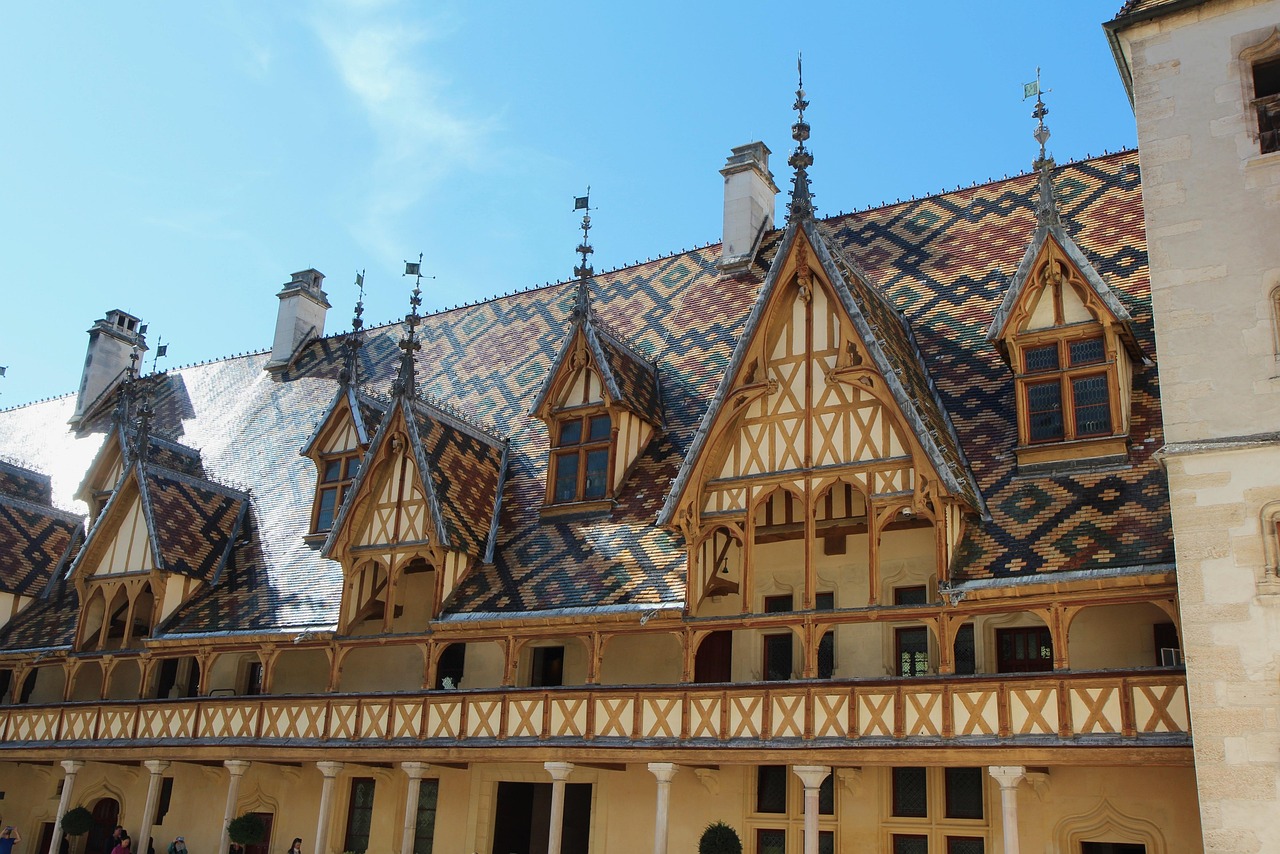
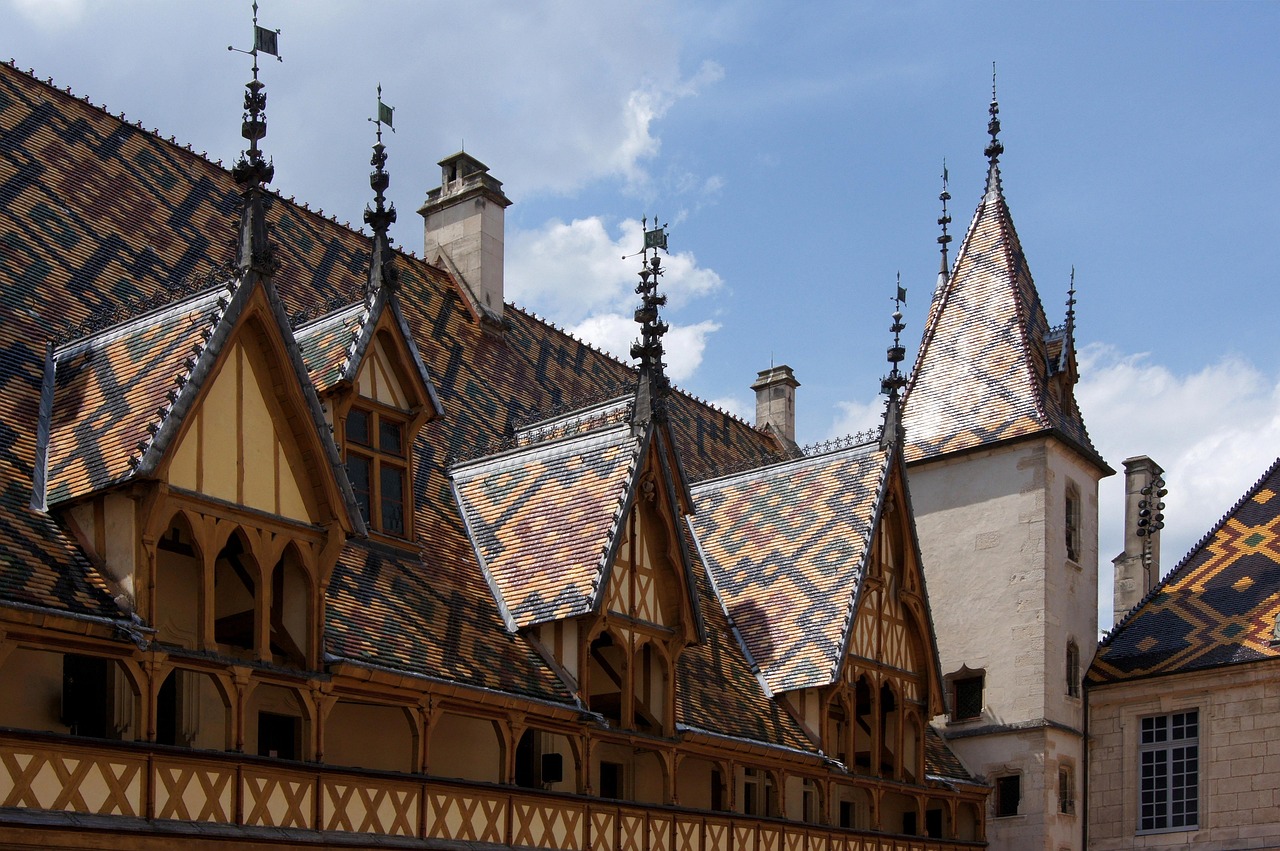
If Beaune had a skyline, it would be the patterned roof of the Hospices de Beaune. This former charity hospital, founded in 1443, is the town’s most iconic building and an absolute must-see attraction in Beaune.
The first time I stepped into the Cour d’Honneur, the courtyard took my breath away — the glazed, multicolored tiles are even more vivid than in photos. I usually recommend visiting early in the morning when the tour groups haven’t fully arrived; you’ll get more quiet moments to soak in the atmosphere.
Inside, you can explore the Grande Salle des Pauvres, the old pharmacy stocked with jars and herbs, the chapel, and the kitchens. The audio guide (available in multiple languages) is worth it; it brings to life the story of how the poor were treated here and how the Hospices’ vineyards funded their care.
Tip: Buy your ticket online in high season (May–October) to avoid waiting. The visit usually takes 1–1.5 hours. For families, the building itself is visually impressive enough to keep kids engaged, and there are often kid-friendly explanations in the guide.
In November, the Hospices become the center of the famous wine auction, when barrels from their vineyards are sold to buyers from all over the world — affecting wine prices and making this one of the most important cultural experiences in Beaune.
2. Basilique Notre-Dame de Beaune
Just a few minutes’ walk from the Hospices, Notre-Dame is a Romanesque-Gothic basilica that feels surprisingly serene despite being in the town center. I often stop in here in the late afternoon when the sun filters through the stained glass.
The highlight is the 15th-century tapestries depicting the life of the Virgin Mary. On one visit, I found myself alone in the side chapel with these tapestries and an older local couple who quietly pointed out a tiny detail I’d never noticed: a hidden grape motif woven into a border. It felt like a very Burgundian touch — even sacred art here nods to wine.
Tip: Dress modestly (shoulders covered) and keep voices low; this is still an active place of worship. Entry is usually free, with a small fee or donation for the tapestry area.
3. Beaune Old Town & Ramparts
One of the best things to do in Beaune is simply to wander. The old town is a compact maze of cobblestones, half-timbered houses, and carved stone doorways. I still discover new courtyards tucked behind heavy wooden gates.
Start at Place Carnot, the leafy central square, and weave your way through Rue Carnot and Rue Monge. Look up often — some of my favorite architectural details in Beaune are perched above eye level: stone faces on window frames, wrought-iron signs, sun-bleached shutters.
Walk a section of the ramparts at sunset. The path isn’t continuous, but different stretches give you glimpses of gardens, vineyard edges, and the town’s tiled roofs. It’s romantic without trying too hard — a perfect pre-dinner stroll.
Family tip: Kids usually love spotting parts of the old defensive walls and towers. Turn it into a “castle hunt” as you walk.
4. Musée du Vin de Bourgogne (Burgundy Wine Museum)
Housed in the former Palais des Ducs de Bourgogne, this museum is a must for anyone who wants to understand why Burgundy wines are so revered. I used to think wine classifications were opaque until I spent an afternoon here.
The exhibits cover everything from old wine presses to the concept of “terroir.” On one rainy day, I lingered over a map showing the patchwork of climats (vineyard plots) around Beaune — later, cycling past those same names made them feel familiar instead of intimidating.
Tip: Combine a visit here with a tasting later in the day; you’ll appreciate the nuances more after seeing the history behind them. Information panels are increasingly bilingual, but having a basic idea of French wine terms helps.
5. Parc de la Bouzaize
When I need a break from stone streets and wine glasses, I head to Parc de la Bouzaize on the western edge of town. It’s a lush park with a small lake, walking paths, and plenty of benches. On warm days, families rent little boats to paddle around.
I’ve had many simple picnics here: a baguette, local goat cheese, some jambon persillé (parsley ham), and cherries from the market. It’s a perfect budget-friendly meal with one of the best “restaurants” in town — a park bench under the trees.
Family tip: There’s a small animal area that’s a hit with young kids. Bring some stale bread for the ducks (if allowed; check signs).
6. Beaune Market (Saturday & Wednesday)
The Saturday market in Beaune is one of my favorite cultural experiences in town. It’s where local life really reveals itself: grandmothers inspecting cheeses, chefs selecting herbs, and visitors hovering over crates of strawberries.
I usually start with a coffee at a terrace on Place Carnot and then wander through the stalls: seasonal fruits, charcuterie, escargots prepped with garlic butter, and regional specialties like Époisses cheese. If you’re staying in an apartment, this is the place to stock up.
Money-saving tip: Assemble a picnic from the market instead of eating every meal at restaurants. You’ll get better ingredients for less and a chance to try more local food in Beaune.
7. Patriarche Cellars
Beneath Beaune lies a labyrinth of cool, dimly lit cellars, and Patriarche offers one of the most atmospheric introductions. Their network stretches for kilometers under town; wandering through with a glass and a tasting card feels like a wine-themed treasure hunt.
I still remember my first visit here on a hot July afternoon — stepping into the 12°C cellar was bliss. Candles flicker along stacked bottles, and stations are set up along the route for tastings. It’s self-paced, so you can linger over the wines that interest you most.
Tip: Wear a light jacket even in summer and comfortable shoes (the floor can be damp). This is a good rainy-day option and can be surprisingly fun for couples — it has a naturally romantic feel.
8. Maison Bouchard Aîné & Fils
One of the grand old négociant houses, Bouchard Aîné offers guided tastings that walk you through Burgundy’s key appellations. I’ve come here with friends who were new to wine, and the staff were patient and never snobbish — a relief in a region known for complex labels.
The historic cellars and elegant tasting rooms also provide a nice contrast to more rustic domaines. If you’re crafting a 3 day itinerary for Beaune that includes both “big names” and small producers, this is a solid big-name stop.
Tip: Book ahead in summer, especially if you prefer an English-language tour. Ask about vertical tastings if you’re curious about how vintages differ.
9. Maison Joseph Drouhin
Joseph Drouhin’s cellars run beneath several historic buildings, including parts of the old Dukes of Burgundy palace. The tours here feel like a deep dive not just into wine, but into Beaune’s layers of history.
My favorite moment was standing in a vaulted stone cellar, listening to the guide explain how some of these spaces date back to the 13th century. Then we tasted a Beaune Premier Cru made from vines just outside town — the geography becomes almost tactile.
Tip: This is better suited to those already somewhat interested in wine, as the information can be quite detailed. For complete beginners, pair it with a simpler tasting elsewhere.
10. Route des Grands Crus (Southbound from Beaune)
The Route des Grands Crus — often called the “Champs-Élysées of Burgundy” — passes right by Beaune. Cycling or driving this route is one of the most memorable things to do in Beaune and beyond.
I love renting a bike from a local shop and heading south towards Pommard, Volnay, and Meursault. The road rolls gently past vineyards with stone walls, tiny chapels, and signs marking legendary climats like Les Rugiens or Les Caillerets.
Tip: For a romantic day, pack a picnic and stop in a vineyard-edge clearing (respect private property). For families, keep distances shorter and build in plenty of snack stops in village squares.
11. Villages of Pommard & Volnay
Just a few kilometers south of Beaune, Pommard and Volnay are classic red-wine villages. I often include them on a 3 or 4 day itinerary for Beaune as an easy half-day escape.
Pommard feels slightly more serious, with big-name domaines and a compact center; Volnay is quieter and perched on a slope. I remember one autumn visit where the vineyards around Volnay were turning every shade of gold and rust — we ended up dawdling so long on a hillside path that we almost missed our tasting appointment.
Tip: You can walk here (about 1.5–2 hours one way) or cycle in under 30 minutes. Always book tastings ahead; many domaines don’t accept walk-ins.
12. Savigny-lès-Beaune & Château de Savigny
Savigny-lès-Beaune, just north of town, is one of my favorite hidden gems near Beaune. The village is pretty, with narrow lanes and stone houses, but the real curiosity is Château de Savigny.
The château’s owner is an avid collector, and the grounds are dotted with old airplanes, fire trucks, and racing cars. It’s delightfully eccentric. I once visited with friends who had kids and they declared this the best “museum” of the trip — they could run around the park, and the grown-ups could enjoy the wine from the estate.
Tip: This is a fun, slightly offbeat option if you’ve had your fill of traditional cellars. It’s easy to reach by bike or a short drive from Beaune.
13. Beaune’s Clock Towers & Church Spires
Beaune doesn’t have modern skyscrapers, but its “skyline” of church towers and tiled roofs is uniquely charming. One of my little rituals is to find a vantage point — often near the northern ramparts — where you can see multiple spires rising above the rooftops.
Early morning, when the town is just waking up and the bakeries are opening, is the best time to appreciate the silhouette of the basilica and surrounding architecture without crowds.
14. Hôtel-Dieu Museum Exhibitions (Beyond the Main Visit)
Beyond the classic visit to the Hospices, the museum often hosts temporary exhibitions related to medicine, art, or wine history. On one visit, I stumbled into a small exhibition about medieval herbal remedies and recognized some of the same plants growing in my grandmother’s garden.
If you’re visiting in 2026–2027, it’s worth checking the current exhibition schedule on their website. These rotating displays add layers to your understanding of Beaune’s past.
15. La Moutarderie Fallot (Mustard Mill)
You’re in Burgundy, so it’s not just about wine — mustard is a big deal too. Fallot is one of the last traditional mustard makers, and their mill in Beaune offers fun, interactive tours.
I still laugh remembering my first tasting here: from classic Dijon to blackcurrant mustard, I underestimated the heat of one fiery sample and needed an emergency piece of bread. Kids enjoy the interactive displays, and adults enjoy the gift shop a little too much.
Tip: Book ahead for English tours. This is a great non-wine activity to balance your itinerary, and it’s very family friendly.
16. Beaune’s Wine Bars (Bars à Vins)
Some of the most relaxed cultural experiences in Beaune happen at its wine bars. My personal rotation includes a couple of tiny spots where the chalkboard list changes daily and the owner might recommend a glass based on your mood, not a script.
I like to pop into a bar à vins in the late afternoon, order a glass of something from a nearby village, and watch the world pass in the street outside. It’s a low-pressure way to explore Burgundy wine without committing to full tastings.
Budget tip: Glasses at wine bars can be cheaper than doing multiple paid cellar tours. Ask for local appellations (like “Bourgogne Rouge” or “Beaune Villages”) if you want quality without Grand Cru prices.
17. Artisan Chocolate & Pastry Shops
For a sweet break, Beaune has lovely chocolatiers and pâtisseries. On one winter visit, I holed up in a tiny tea room with a hot chocolate that tasted like melted dark chocolate bars, watching snowflakes drift past the window.
Look for macarons in Burgundian flavors (sometimes with cassis), seasonal fruit tarts, and classic éclairs. They make excellent gifts if you can resist eating them on the way back to your room.
18. Small Art Galleries & Artisan Workshops
Between wine shops, you’ll find small galleries and artisan studios: painters inspired by the vineyards, ceramicists, and makers of handcrafted jewelry. I once spent an hour in conversation with a local painter who had captured the same Savigny vineyard I’d hiked through earlier that week.
These spaces are rarely crowded and offer a window into contemporary local creativity beyond wine.
19. Bike & E-Bike Rides Through the Vineyards
Renting a bike or e-bike is one of the best ways to experience Beaune’s surroundings. I’ve done both the classic human-powered rides and lazier e-bike days, and the latter are especially handy in summer heat or if you’re not a regular cyclist.
Most rental shops provide maps and suggested routes. I like the loop Beaune–Pommard–Volnay–Meursault–Beaune: small roads, vineyard views, and plenty of places to stop for lunch. Just remember: wine tasting and biking require moderation and lots of water.
20. Beaune by Night & Illuminations
After dark, Beaune softens. Streetlights cast a warm glow on stone facades, and in summer, certain monuments are lit up in a way that highlights their details. Some years there are specific illumination routes or light projections on historic buildings; check the tourist office for 2026 schedules.
Walking through the old town at night after dinner — perhaps with an ice cream or just the memory of a good bottle — is one of the simplest, most romantic things to do in Beaune.
Suggested 3, 4 & 5 Day Itineraries for Beaune
These itineraries mix must-see attractions in Beaune with hidden gems and local experiences. Use them as a framework and tweak them to match your pace and interests.
3 Day Itinerary for Beaune
If you have 3 days in Beaune, you can comfortably see the highlights without rushing, plus enjoy a vineyard excursion.
Day 1: Old Town, Hospices & First Tastes
I like to start a 3 day itinerary for Beaune with a slow wander to get oriented.
- Morning: Arrive, drop bags at your hotel inside the ramparts if possible. Walk to Place Carnot, grab a coffee and croissant, and watch the town wake up. Visit Hospices de Beaune late morning.
- Lunch: Choose a simple bistro in the old town; order a set lunch (formule) with a glass of local wine. Many places offer good-value midday menus.
- Afternoon: Stroll the old streets, step into Notre-Dame, and maybe visit the Musée du Vin if you’re not too jet-lagged.
- Evening: Aperitif at a wine bar, then dinner at a traditional restaurant. End with a nighttime walk past the illuminated Hospices façade.
Day 2: Vineyards & Villages
Day two is all about the vineyards that make Beaune famous.
- Morning: Rent bikes or e-bikes. Ride south on the Route des Grands Crus towards Pommard and Volnay.
- Late Morning: Short stroll in Pommard village, then continue to Volnay. If you’ve pre-booked, do a tasting at a small domaine.
- Lunch: Picnic among the vineyards or a terrace lunch in Meursault if you extend the ride.
- Afternoon: Cycle back to Beaune via quiet vineyard roads. Rest in Parc de la Bouzaize.
- Evening: Casual dinner in Beaune; consider a wine bar that focuses on by-the-glass selections so you can try multiple appellations without overdoing it.
Day 3: Cellars, Mustard & Market (If Saturday)
On your final day, dive deeper into local flavors.
- Morning: If it’s Saturday, hit the Beaune market early. Otherwise, start with a tour at Patriarche or Joseph Drouhin.
- Lunch: Light lunch from market finds or a café.
- Afternoon: Visit Moutarderie Fallot for mustard tasting. Pick up gifts at local shops: mustard, wine, chocolates.
- Evening: Final dinner in Beaune; try a more modern bistro or a special occasion meal if your budget allows.
This 3 days in Beaune plan balances sightseeing, wine, and simple wandering — exactly how I like to introduce friends to the town.
4 Day Itinerary for Beaune
With 4 days in Beaune, you can add a side trip and slow the pace. This is my favorite length for a first visit.
Day 4: Savigny-lès-Beaune & Château de Savigny
For your extra day:
- Morning: Walk or cycle to Savigny-lès-Beaune. Enjoy the quieter, more rural side of the region.
- Midday: Visit Château de Savigny, exploring its quirky collections and gardens.
- Lunch: Eat in the village or return to Beaune for a terrace lunch.
- Afternoon: Free time back in Beaune: maybe a second visit to a favorite wine bar, a pastry-hopping walk, or a nap.
- Evening: Choose a restaurant you haven’t tried yet; make this a slow, celebratory final dinner.
A 4 day itinerary for Beaune lets you truly relax into the rhythm of the town instead of feeling like you’re checking boxes.
5 Day Itinerary for Beaune
If you have 5 days in Beaune, you can add a full-blown day trip and indulge in deeper cultural experiences. This is the pace I often choose for myself when I want a working “retreat” with good food breaks.
Day 5 Option A: Day Trip to Dijon
Dijon, the regional capital, is about 45 minutes away by train and offers grander architecture, museums, and more urban bustle.
- Morning: Early train to Dijon. Explore the old town, the Palace of the Dukes, and the covered market.
- Lunch: Try Burgundian dishes in a brasserie.
- Afternoon: Follow the “Owl Trail” walking route, then train back to Beaune.
- Evening: Low-key dinner or wine-bar grazing in Beaune.
Day 5 Option B: Deep Dive Day in Beaune
If you’d rather stay put:
- Morning: Take a second, more relaxed pass at the old town — visit any smaller museums or galleries you missed.
- Midday: Enjoy a long lunch with a proper wine pairing menu.
- Afternoon: Book a cooking class or wine-tasting workshop (often available in 2026 through local schools and wine bars). Learn to pair Burgundy wine with local cheeses.
- Evening: End with a walk along the ramparts at sunset, taking in the tiled roofs one last time.
A 5 day itinerary for Beaune transforms your trip into a genuine immersion — you’ll start recognizing bakers, bartenders, and even some local dogs on the street.
Local Food & Wine in Beaune
Eating and drinking well is not a side activity in Beaune; it’s the main event. Here are the essential dishes and drinks to try, plus some personal favorite spots.
Must-Try Burgundian Dishes
- Boeuf Bourguignon: Slow-cooked beef in red wine sauce. I like it best on cooler evenings with a glass of village-level red.
- Œufs en Meurette: Poached eggs in red wine sauce with bacon and onions. Rich, comforting, and very Burgundian.
- Escargots de Bourgogne: Snails in garlic-parsley butter. Try them once, even if just to say you did.
- Jambon Persillé: Parsley ham terrine — great as a starter or picnic food.
- Époisses Cheese: A strong, creamy local cheese. Best tackled at the end of a meal with bread and wine.
- Pain d’Épices: Spiced bread, often with honey — delicious with coffee or as a snack.
Wine Styles to Explore
- Red (Pinot Noir): From simple Bourgogne Rouge to village, Premier Cru, and Grand Cru.
- White (Chardonnay): Especially from nearby Meursault, Puligny-Montrachet, and Chassagne-Montrachet.
- Crémant de Bourgogne: Local sparkling wine — an excellent value alternative to Champagne.
- Aligoté: A lighter white often mixed with cassis as a Kir.
Where to Eat (Sample Types of Places)
I won’t list every restaurant (they change), but here’s how I typically structure my eating:
- Traditional Bistros: For boeuf bourguignon, œufs en meurette, and hearty classics. Many are clustered around the old town.
- Modern Bistros: Younger chefs reinterpreting regional flavors with lighter touches.
- Wine Bar + Small Plates: My go-to for evenings when I want to taste several wines with charcuterie, cheese, and simple warm dishes.
- Market Picnics: Saturday market + Parc de la Bouzaize equals a budget-friendly feast.
Saving Money on Food & Drink
- Opt for lunch menus (formule midi) — often 2–3 courses at a much better price than dinner.
- Buy a bottle at a caviste (wine shop) and enjoy it with picnic food instead of ordering glasses at restaurants every night.
- Stay in an apartment with a small kitchen to cook simple meals with market ingredients.
Nightlife, Entertainment & Cultural Experiences in Beaune
Beaune isn’t a wild nightlife destination — it’s more about long dinners, wine bars, and lingering conversations than nightclubs. That said, evenings here are very satisfying.
Evening Ideas
- Wine Bars: Rotate through different spots over your stay; ask for recommendations based on what you liked the previous night.
- Candlelit Dinners: Many small restaurants have cozy, stone-walled dining rooms perfect for romantic evenings.
- Summer Events: In July and August, look for open-air concerts, occasional cinema screenings, or special nighttime museum openings.
Cultural Experiences
- Wine Workshops: Short classes on Burgundy appellations or food pairings — great for deepening your understanding.
- Cooking Classes: Learn to cook boeuf bourguignon or local desserts with a local chef.
- Church Concerts: Sometimes held at Notre-Dame; check posters around town or the tourist office.
Events & Festivals in Beaune (2026–2027)
Event dates can shift slightly each year, so confirm closer to your trip, but here are key happenings for 2026–2027:
Hospices de Beaune Wine Auction (November)
The third weekend of November is when Beaune transforms. The Hospices de Beaune Wine Auction, one of the most important wine events in the world, draws buyers, winemakers, and wine lovers. The town buzzes with tastings, dinners, and street festivities.
If you’re visiting Beaune in November 2026, book accommodation very early and expect higher prices. It’s a thrilling time to be in town if you enjoy crowds and wine culture.
Saint-Vincent Tournante (Late January, region-wide)
This rotating festival honors Saint Vincent, patron saint of winegrowers. Each year a different village hosts it. While not always in Beaune itself, the town is often involved in side events and tastings. In 2026–2027, expect the whole region to be in a festive, wine-focused mood that weekend.
Summer Cultural Events (June–August 2026)
Look for:
- Open-air concerts in Beaune and nearby villages.
- Occasional classical music performances in churches.
- Special evening tours or illuminated walks around key monuments.
Best Day Trips from Beaune
Dijon
Dijon offers a more urban contrast to Beaune: grand squares, museums, and more varied shopping. It’s an easy 45-minute train ride away.
What to do: Follow the “Owl Trail” around historic sights, visit the Palace of the Dukes, explore the Musée des Beaux-Arts, and indulge in mustard shops and bakeries.
Practical tip: Trains run frequently; no need for a car. Buy tickets ahead on the SNCF app if traveling in peak season.
Route des Grands Crus (Northbound)
North of Beaune lies the Côte de Nuits, home to some of Burgundy’s most famous reds (Gevrey-Chambertin, Vosne-Romanée). It’s ideal for a car or organized tour day trip.
Tip: If you’re driving, taste moderately and make use of spittoons. Alternatively, join a small-group tour where someone else handles logistics and driving.
Chalon-sur-Saône & the Saône River
For a different vibe, head to Chalon-sur-Saône, a river town with a charming old quarter and riverfront promenades. It’s a relaxing break from vineyards.
Practical Travel Tips for Beaune
How to Get to Beaune
- By Train: Regular regional trains from Dijon (about 45 minutes) and connections from Paris via Dijon (2–2.5 hours total).
- By Car: Beaune sits near the A6 motorway; several exits lead into town. Paid and free parking options are available around the ramparts.
- By Air: Nearest major airports are Lyon and Paris, then train or car to Beaune.
Getting Around Beaune
- On Foot: The old town is compact; you can walk between most attractions in 10–15 minutes.
- Bike / E-Bike: Ideal for vineyard excursions and nearby villages.
- Car: Useful only if you’re exploring further afield or multiple villages in a day.
- Taxi / Transfers: Available but not as ubiquitous as in big cities; book ahead for evenings if needed.
SIM Card & Connectivity
- EU Travelers: Roam as usual with EU plans.
- Non-EU Travelers: Buy a French SIM (e.g., Orange, SFR, Bouygues) at major train stations or airports before coming to Beaune.
- Many hotels, cafés, and wine bars offer free Wi-Fi.
Money-Saving Tips
- Travel in shoulder seasons (April–May, September–October) for better rates and fewer crowds.
- Prioritize one or two paid wine tours and supplement with wine bars instead of multiple expensive cellar visits.
- Use the market for breakfasts/lunches and save restaurant budgets for dinners.
- Stay slightly outside the old town if you’re on a tight budget, but within walking distance of the ramparts.
Accommodation Options
- Charming Hotels inside the Ramparts: Best for atmosphere and convenience.
- Guesthouses & B&Bs: Often more personal, with local hosts ready to share tips.
- Apartments: Great for longer stays and cooking with market produce.
Visa Requirements & Driving
- Schengen Zone: Beaune is in France, part of the Schengen Area. Check your nationality’s visa requirements before travel.
- Length of Stay: Many travelers can stay 90 days within 180 days in Schengen, but rules vary.
- Driving Licenses: EU licenses are valid. Non-EU visitors may need an International Driving Permit (IDP) alongside their home license — check before renting a car.
- Driving Tips: Drive on the right; watch for narrow village streets; never drink and drive, especially in wine country.
Seasons & What They’re Best For
- Spring (April–June): Fresh green vineyards, mild weather, fewer crowds. Great for cycling and outdoor café time.
- Summer (July–August): Warm to hot, lively terraces, longer days. Book ahead; can be busy.
- Autumn (September–October): Vines turn golden, harvest season atmosphere, fantastic for photographers and wine lovers.
- Late Autumn (November): Hospices auction weekend is intense and festive; the rest of the month is quieter but often cool and atmospheric.
- Winter (December–March): Quiet, cozy, and potentially snowy. Great if you want low-key, fireplace evenings and fewer tourists.
Summary & Final Recommendations
Beaune may be small, but it’s endlessly rich: in wine, in history, in flavors, and in the gentle rhythm of everyday life. Whether you follow a 3 day itinerary for Beaune, extend it to 4 days in Beaune, or savor a full 5 day itinerary for Beaune, you’ll find no shortage of things to do in Beaune and its surroundings.
For most travelers, the best time to visit Beaune is spring (April–June) or autumn (September–October): comfortable weather, vineyard colors, and a lively but not overwhelming town. Summer is ideal if you want warm evenings on terraces and don’t mind some crowds. Winter suits those who prefer quiet streets, cozy cellars, and lower prices (outside the November auction).
Come hungry, curious, and ready to walk, taste, and linger. Beaune rewards those who slow down — and once you’ve watched the sun set over the tiled roofs with a glass of local wine in hand, you’ll understand why so many of us keep coming back.