Why Visit Bonnieux?
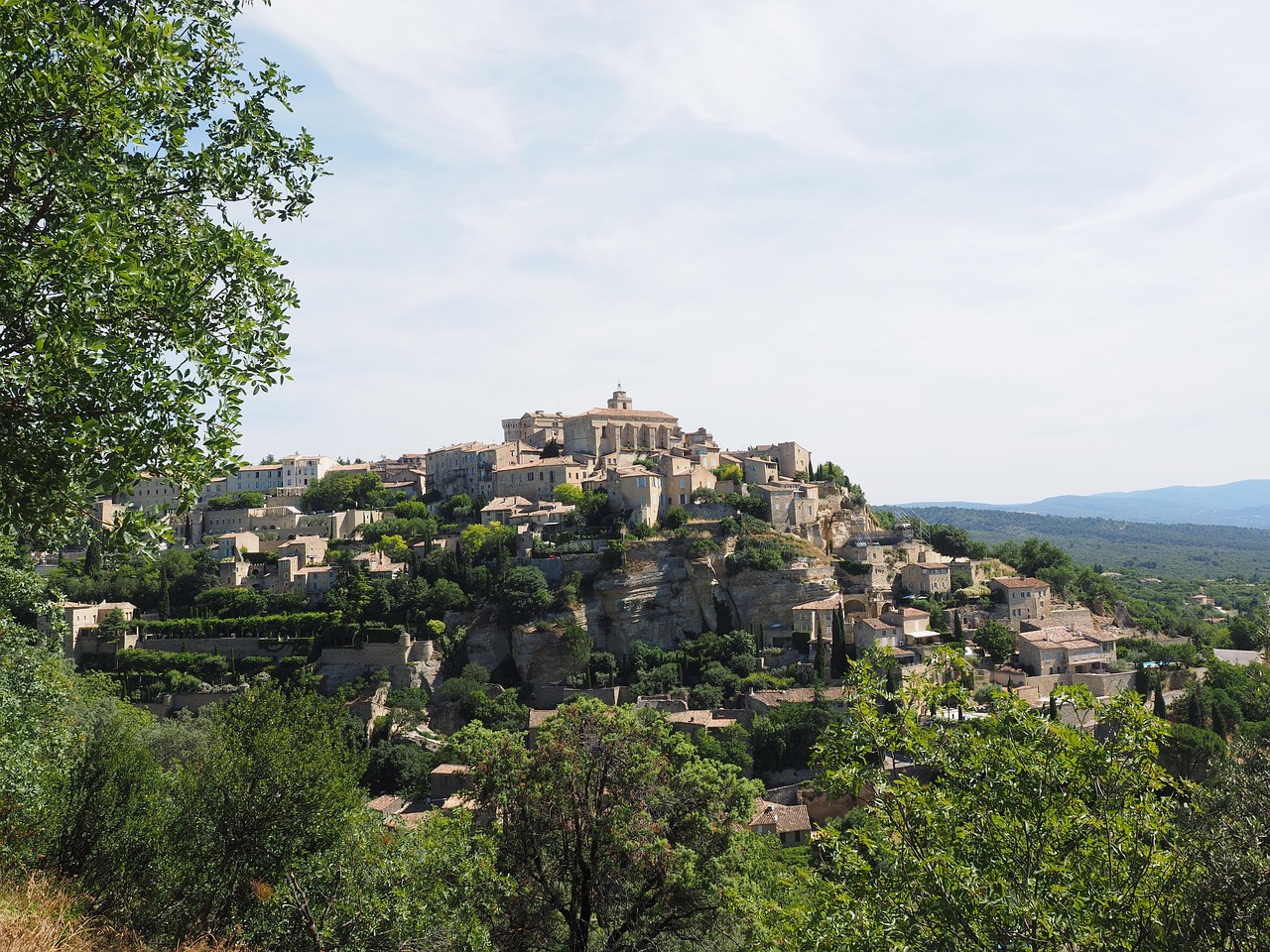
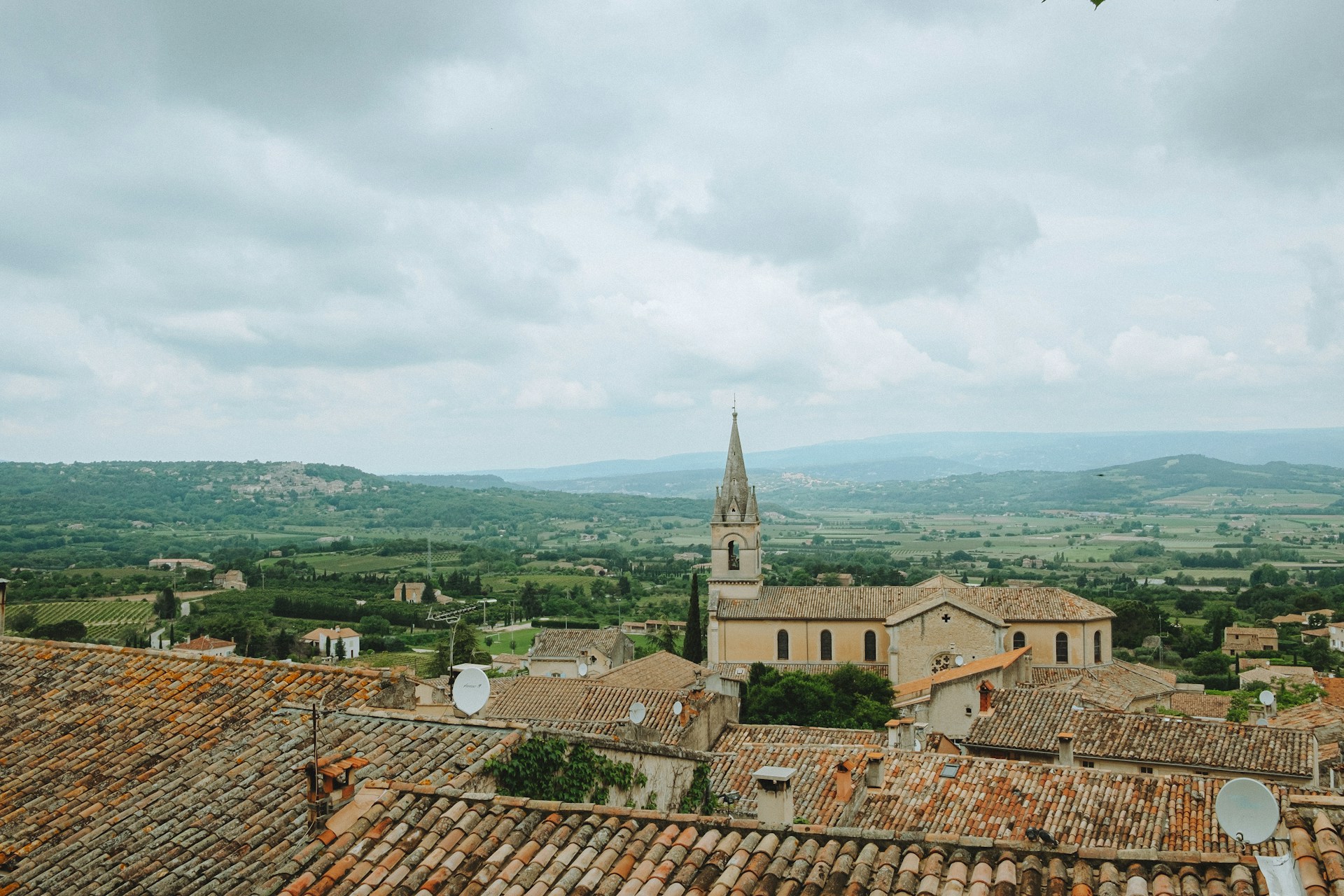
Bonnieux is one of those Luberon hilltop villages that looks almost too perfect to be real: a cascade of creamy stone houses sliding down a ridge, two churches stacked on different levels, and a patchwork of vineyards, cedar forests, and lavender fields spreading out in every direction. I’ve been coming here on and off for more than a decade, usually in shoulder seasons when the light is soft and the village feels like it belongs to locals again. Every time I arrive at the bend in the road below the village and see Bonnieux perched above the valley, I remember exactly why I keep returning.
Unlike some better-known Provencal villages that can feel like open-air museums, Bonnieux remains a real, lived-in place. You’ll see children racing up the stone steps after school, elderly men arguing about the grape harvest over pastis, and bakers who still know their regulars by name. At the same time, it’s quietly sophisticated: there are excellent restaurants, thoughtful wine bars, artisanal boutiques, and a food scene that punches far above the village’s size.
If you’re planning 3 days in Bonnieux, 4 days in Bonnieux, or even a full 5 day itinerary for Bonnieux, this travel guide for Bonnieux is written as if I’m handing you my own notebook: the routes I walk, the cafes where I linger, the must-see attractions in Bonnieux, and the hidden gems I share only with friends who promise to come back.
Table of Contents
- Why Visit Bonnieux?
- About Bonnieux in 2026
- Areas & Districts of Bonnieux
- 20 Must-See Attractions in Bonnieux
- Suggested 3–5 Day Itineraries
- Local Food in Bonnieux & Where to Eat
- Nightlife, Entertainment & Cultural Experiences
- Day Trips from Bonnieux
- Cultural Etiquette & Local Customs
- Practical Travel Advice for Bonnieux
- Summary & Best Time to Visit Bonnieux
About Bonnieux in 2026
Bonnieux sits on the northern side of the Luberon massif, in the Vaucluse department of Provence. It’s part of the Parc naturel régional du Luberon, which means strict rules about development and signage – one reason it’s stayed so photogenic.
In 2026, Bonnieux continues to evolve gently rather than dramatically. A couple of new guesthouses have opened in restored stone farmhouses, a young chef has taken over a bistro near the main square, and there’s a noticeable (but still manageable) increase in cyclists exploring the valley. Yet the rhythms remain the same: Friday market mornings, long lunches, and golden-hour strolls under the plane trees.
Upcoming Events 2026–2027
- Bonnieux Spring Wine Week (May 2026 & 2027) – Local domaines in and around Bonnieux host tastings, vineyard walks, and food pairings. I went in 2024 and discovered two family-run wineries I’d never have found otherwise.
- Luberon Music Evenings (June–August 2026 & 2027) – Small classical, jazz, and folk concerts in village churches and courtyards, including Bonnieux’s lower church and sometimes the old upper church terrace.
- Lavender & Artisan Fête (late June 2026 & 2027) – Not as big as the famous lavender festivals elsewhere, but I love Bonnieux’s smaller version: lavender distillation demos, soap makers, honey producers, and food stalls.
- Harvest Celebrations (September–October 2026 & 2027) – Informal, but you’ll find wine and olive harvest menus in several restaurants, and occasional open days at nearby farms.
Areas & Districts of Bonnieux
Bonnieux is compact, but it helps to think of it in layers as you explore during your 3 or 4 day itinerary for Bonnieux.
The Upper Village (Le Haut Village)
This is the oldest and most atmospheric part of Bonnieux, climbing steeply up to the old church and cedar forest beyond.
- Best for: viewpoints, history, sunrise/sunset photography, romantic walks.
- Highlights: Vieille Église, ramparts, narrow cobbled lanes, stone archways.
The Middle Terrace (Central Bonnieux)
Centered around the main square and town hall, this is where daily life happens.
- Best for: cafes, restaurants, people-watching, Friday market.
- Highlights: Place Gambetta, lower church, bakeries, boutiques, wine bars.
The Lower Slopes & Outskirts
Below the village, roads wind through vineyards, cherry orchards, and old farmhouses.
- Best for: countryside walks, cycling, family-friendly stays with gardens and pools.
- Highlights: old railway bridge, vineyard routes, B&Bs in restored mas (farmhouses).
The Cedar Forest Plateau (Forêt des Cèdres)
Technically just above the village, this cedar forest feels like another world.
- Best for: easy hikes, picnics, cool escapes on hot days.
- Highlights: panoramic viewpoints over the Luberon, shaded walking paths.
20 Must-See Attractions & Hidden Gems in Bonnieux
These are the best places to visit in Bonnieux, drawn from many long stays. Whether you have 3 days in Bonnieux or a full 5 days, weave as many of these into your travel guide for Bonnieux as you can.
1. Vieille Église (Old Church of Bonnieux)
The old church crowns the very top of Bonnieux, surrounded by ancient cypress trees and a little cemetery that feels more like a garden than a graveyard. The first time I climbed up here, I misjudged the heat, underestimated the number of steps, and arrived breathless, red-faced, and utterly spellbound.
Dating back to the 12th century with later additions, the Vieille Église is Romanesque at heart: thick stone walls, tiny windows, and a quiet, cool interior that smells faintly of wax and stone dust. It was Bonnieux’s main church until the 19th century, when the newer church lower down took over.
What I love doing here: arriving early, before 9 am, when the village is still half asleep. The light coming over the valley hits the terracotta roofs, and the sound of swallows echoes around the bell tower. I often bring a coffee in a reusable cup from the bakery and sit on the low wall outside, watching the mist burn off the vineyards.
Family-friendly? Yes, but the climb is steep. Little kids usually find the maze of stairways fun; just keep an eye on them near the low walls.
Romantic? Extremely. Sunset up here is one of the most romantic things to do in Bonnieux – bring a light scarf; the wind can be surprisingly cool even in summer.
How to get there: From the main square, follow signs for the Vieille Église and climb steadily up. It’s 10–15 minutes on foot but feels more because of the gradient. Wear shoes with grip; the polished stones can be slippery.
Tip: After your visit, drop back down via a different staircase to discover micro-alleys you’d otherwise miss. I like zigzagging back down and mentally noting door colors and quirky details – perfect photography fodder.
2. Église Neuve (New Church of Bonnieux)
The “new” church, officially the Church of Saint Gervais and Saint Protais, anchors the central terrace of Bonnieux with its neo-Gothic spire. Built in the 19th century when the village expanded, it was considered daring and modern; now it simply feels like the heart of town.
I like to sit on the steps here in the late afternoon, watching the play of shadow and light on the stone façade. On festival days, this is where processions gather, and on market mornings locals cluster on the square below with overflowing baskets.
Inside, the stained glass casts soft colored light on the interior. It’s not as ancient or dramatic as the Vieille Église, but it tells the story of Bonnieux’s shift from a defensive hilltop hamlet to a more open, prosperous village.
Tip: Step inside even if churches aren’t usually your thing. It’s a quick visit, and it gives you a quiet moment away from the sun and bustle.
3. Panoramic Terrace & Village Viewpoint
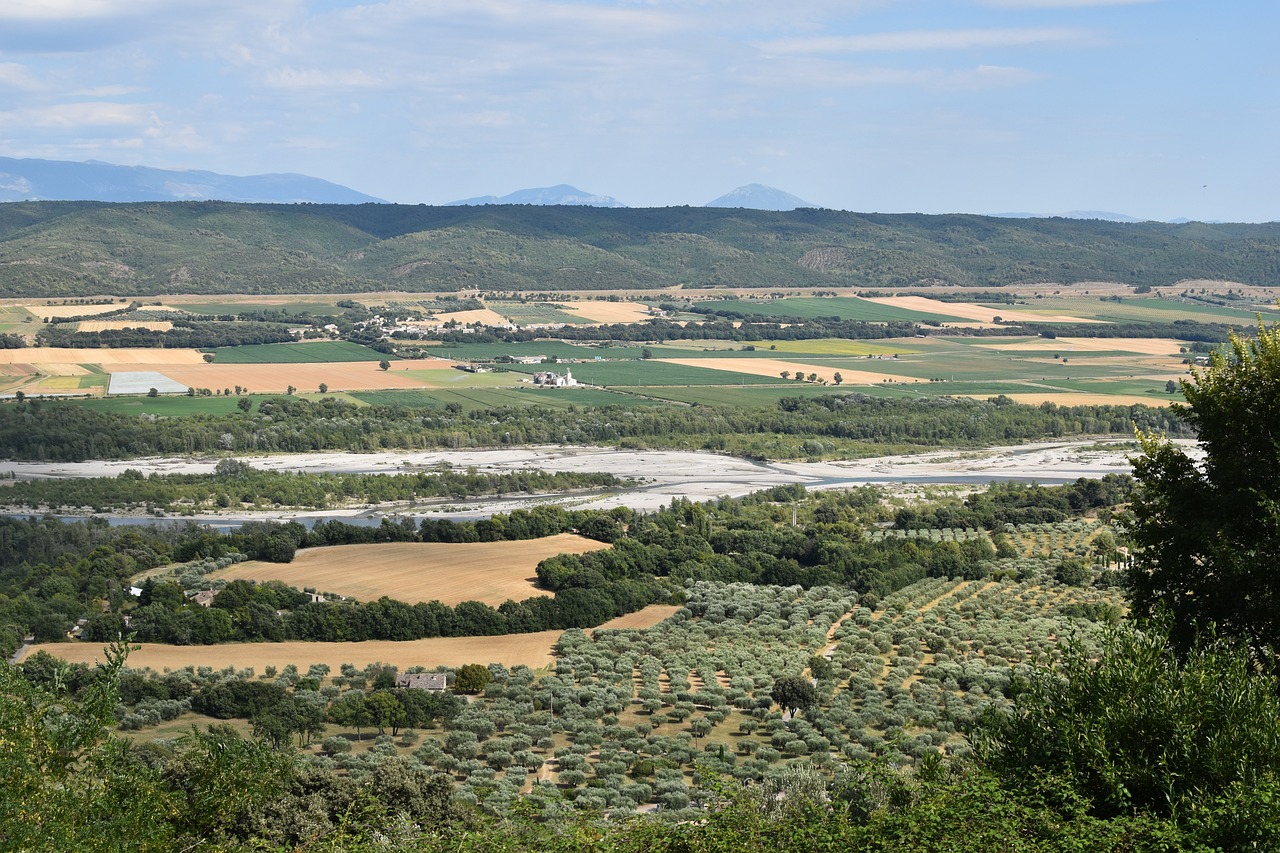
Just below the upper church, there’s a terrace where the entire Luberon seems to unfold at your feet: the valley, the patchwork of fields, and on clear days, the faint line of Mont Ventoux in the distance. I’ve watched storms roll in from here, lavender fields glowing before the rain, and once, a rainbow stretching from Bonnieux to Lacoste.
This is one of the must-see attractions in Bonnieux for photographers. Arrive during golden hour for silhouettes of cypress trees and stone houses. In winter, crisp blue skies and snow-capped mountains feel almost Alpine.
Family tip: There’s a low wall, so keep toddlers close, but primary-age kids usually sit happily sketching or taking photos.
4. Bonnieux Friday Market (Marché de Bonnieux)
If you’re planning 3–5 days in Bonnieux, try to include a Friday. From mid-morning, the streets around the main square transform into a classic Provençal market: olives in every shade of green and black, pyramids of goat cheese, glistening fruit tarts, lavender sachets, and piles of sun-ripened tomatoes.
I always start at the cheese stall run by a family from the nearby plateau. They’ve watched me graduate from timidly asking for “a small goat cheese” to specifying exactly which age and texture I want. Then I move on to buy seasonal fruit – cherries in May, apricots in June, figs in late summer – and maybe a roast chicken if friends are coming over.
Budget tip: This is one of the best ways to save money in Bonnieux. Stock up on picnic supplies for lunch instead of eating out every day. Fresh bread, cheese, fruit, and a bottle of local wine can feed two for less than a single restaurant main course.
Timing: 8:30 am–12:30 pm roughly. Arrive before 10 am to avoid the worst crowds in high season.
5. The Cobblestone Lanes & Secret Passages
One of the best things to do in Bonnieux is simply…wander. No map, no specific destination, just curiosity. Particularly between the upper and middle parts of the village, tiny passages open onto interior courtyards, sudden viewpoints, or staircases that seem to double back on themselves.
On my second visit, I made it a game: every day, I’d try a different set of steps or alleyways. I discovered stone fountains I’d never noticed, a tiny door with a carved date from the 1600s, and an elderly woman who always sat sewing in the same doorway at 4 pm, happy to chat about the weather and the grape harvest.
Tip: Wear flat shoes with good grip. The polished cobbles are beautiful but unforgiving if you slip. In rain, take it slow.
6. Bonnieux Municipal Library & Cultural Center
It might sound odd to list the library as an attraction, but for long stays and digital nomads, this little space is a lifeline. Tucked off a side street, the bibliothèque sometimes hosts small exhibitions – photography of old Bonnieux, local artists, or displays about regional wildlife.
I’ve ducked in here during summer thunderstorms and winter cold snaps, used the Wi-Fi to answer urgent emails, and picked up local event flyers from the bulletin board. It’s a good pulse-check on village life beyond tourism.
7. Forêt des Cèdres (Cedar Forest)
A short drive or a longer hike above Bonnieux takes you to the Forêt des Cèdres, an unexpected forest of towering cedars imported from the Middle East in the 19th century. On hot days, this is where locals go to breathe.
There are several marked walking paths, from easy stroller-friendly loops to longer hikes along the ridge. I’ve done most of them at different times of year: in spring when wildflowers edge the trails, in July when the forest offers a blessed temperature drop, and in November when the light is slanting and melancholy.
Family-friendly? Absolutely. There are picnic tables, gentle paths, and enough space for kids to run safely.
How to get there: By car, follow signs from Bonnieux toward the Forêt des Cèdres (about 15 minutes). On foot, it’s a steady uphill hike of 1.5–2 hours one-way; start early and bring water.
8. Old Railway Bridge & Valley Walk
Below Bonnieux, hidden among vineyards, stands a graceful stone railway viaduct from a long-vanished line. It’s one of those hidden gems in Bonnieux that you only discover if someone points it out or you enjoy getting “lost” on purpose.
I stumbled onto it years ago while following a farm track on a borrowed bicycle. Now I make a point of visiting each spring, when poppies erupt along the verges and the bridge frames the village perfectly in the distance.
Tip: Ask your accommodation host for the best walking or cycling route – there are several, and some cross private property. Respect fences and signs; this is working farmland.
9. Local Wineries & Wine Tasting
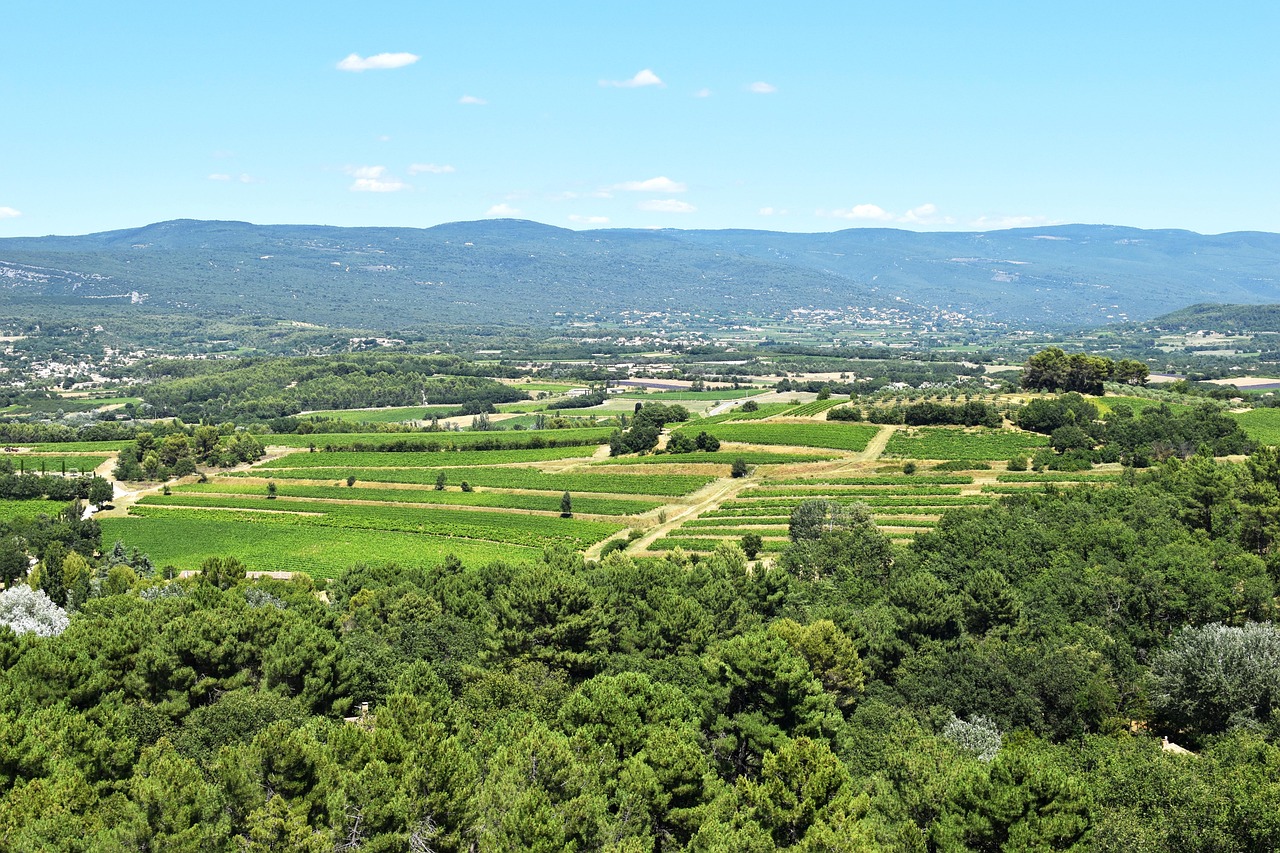
Bonnieux sits in a sea of vineyards producing AOC Luberon wines: fresh whites, rosés perfect for hot days, and increasingly impressive reds. While this guide isn’t tied to specific domaine names (they change hands and styles), your 3 or 4 day itinerary for Bonnieux should include at least one tasting.
On my last visit, I spent an afternoon cycling between two small estates, both family-run. In one, the winemaker’s dog accompanied the tasting, politely sitting under the table. In another, the owner drew maps on the back of a price list, explaining the different soil types.
How it works: Many domaines offer free tastings if you buy a bottle or two. Others charge a small fee that’s often deductible from purchases. Always call or check opening hours – some close at lunch and on Sundays.
Don’t drive drunk: If you’re tasting seriously, go by bike (carefully), arrange a taxi, or designate a driver.
10. Cycling the Luberon from Bonnieux
For adventurous travelers, Bonnieux is an excellent base for cycling. Quiet back roads thread through vineyards, cherry orchards, and neighboring hilltop villages like Lacoste and Ménerbes.
One of my favorite loops starts in Bonnieux, drops gently into the valley, swings past the old railway bridge, and then climbs back up toward Lacoste before returning. It’s not flat – this is hill country – but the gradients are manageable if you take your time or rent an e-bike.
Tip: Start early in summer to avoid heat and traffic. Wear a helmet (not legally required for adults, but strongly recommended) and bring water and snacks; village fountains don’t always have potable water.
11. Sunset Spots & Evening Strolls
Sunset is when Bonnieux seems to exhale. The stone changes color minute by minute, from honey to rose-gold to deep amber. I have three favorite sunset spots:
- The terrace by the upper church.
- A small overlook near the cemetery gate.
- A bend in the road below the village where the whole skyline is visible.
Pack a light jacket even in summer – the wind can pick up, and you’ll enjoy lingering longer if you’re comfortable.
12. Traditional Bakeries & Pastry Stops
Some of the best local food in Bonnieux isn’t found in restaurants, but behind fogged-up bakery windows early in the morning. There are usually a couple of boulangeries open, and both are excellent for crusty baguettes and croissants.
My personal ritual: a still-warm pain au chocolat eaten on a bench overlooking the valley, crumbs blowing away in the breeze. On market days, grab a tarte aux abricots or tarte aux figues if they’re in season.
Budget tip: Bakeries are your friend if you’re trying to save money in Bonnieux. A pastry and a coffee from a bakery cost far less than a sit-down breakfast.
13. Local Art Galleries & Studios
Scattered through Bonnieux’s lanes are a handful of small galleries and artist studios. Some show work inspired by the Luberon landscape – watercolors of lavender fields, oil paintings of cypress-lined roads – while others veer into more contemporary territory.
I like ducking into these spaces in the heat of the afternoon. Even if you’re not planning to buy, you’ll get a sense of how locals and long-term residents see the village and valley.
14. Bonnieux’s Restaurant Scene
For a village of its size, Bonnieux has an impressive range of restaurants: from simple family-run places serving plat du jour to refined bistros with tasting menus and carefully curated wine lists. The scene shifts a little each year, but the pattern remains: terraces with valley views, seasonal ingredients, and long, leisurely meals.
I’ll go into specifics later in the food section, but know that you can plan 3 days in Bonnieux eating somewhere different each night and still have places left to try during a 5 day itinerary for Bonnieux.
15. Village Playground & Family Corners
Traveling with children? Bonnieux has a small but welcome playground area not far from the central part of the village. It’s modest – a couple of swings, a slide, some climbing structures – but it gives kids a chance to burn energy while adults take a breather on a bench.
I’ve watched many an international game of chase unfold here, with kids from half a dozen countries quickly working out their own shared language of play.
16. Historic Fountains & Washhouses
Scattered through Bonnieux are old fountains and lavoirs – communal washhouses where villagers once did laundry and swapped news. They’re easy to overlook, but I love imagining the social life that once revolved around them.
On hot days, the sound of trickling water makes these little corners feel cooler. Some fountains provide potable water, others don’t – look for signs saying “eau potable” or “eau non potable.”
17. Walking Trails Around Bonnieux
Beyond the cedar forest, Bonnieux is crisscrossed by walking paths connecting it to neighboring villages and viewpoints. Some are signposted with yellow markers, others appear on local hiking maps you can buy at the tourist office.
My favorite half-day walk follows a loop through vineyards and truffle oak plantations, with Bonnieux always visible on its ridge. In spring, the paths are edged with wild thyme; in autumn, the smell of damp earth and woodsmoke is intoxicating.
Tip: Wear proper footwear, bring water, and tell someone your route if you’re heading out alone. Phone signal is usually good but not guaranteed in every hollow.
18. Sunrise Over the Luberon
If you’re an early riser (or jet lagged), make the most of it. Sunrise in Bonnieux is quieter than sunset; you’ll often share the streets only with cats and the occasional baker.
Pick a viewpoint on the eastern side of the village and watch as the first light slides across the valley. On particularly still mornings, a layer of low mist hovers over the fields, making the hilltop villages look like islands in a pale sea.
19. Seasonal Festivals & Cultural Events
Bonnieux doesn’t have huge, flashy festivals, but it does have a steady rhythm of smaller events: music evenings in summer, local produce days, art openings, and religious celebrations around Easter and Christmas.
On one July evening, I stumbled onto an outdoor concert in the lower church square: a jazz trio playing under the plane trees, kids dancing around the fountain, and locals sipping rosé from plastic cups. It didn’t appear in any guidebook, but it’s one of my strongest memories of village life.
20. Starry Nights & Dark Skies
Far from major cities, Bonnieux enjoys relatively dark skies. On clear nights, step away from bright streetlights – perhaps down a lane toward the lower village or out into the vineyards if you’re staying in the countryside – and look up.
I’ve had surreal evenings lying on a stone terrace, counting shooting stars during the Perseids in August. Bring a light sweater; the temperature drops more than you might expect after sunset.
Suggested 3–5 Day Itineraries for Bonnieux
These itineraries are based on real stays I’ve pieced together over the years. Mix and match them depending on whether you have a 3 day itinerary for Bonnieux, 4 days in Bonnieux, or a full 5 days in Bonnieux. All assume you’re staying in or very close to the village.
3 Day Itinerary for Bonnieux
Day 1 – First Impressions & Village Heart
Arriving in Bonnieux for the first time feels a bit like stepping onto a film set. My advice for your first of 3 days in Bonnieux: don’t rush. Let the village introduce itself slowly.
Morning: Park on the lower edge of the village (or drop your bags at your accommodation) and head up on foot. Stop at a bakery for a coffee and pastry, then wander toward the central square and the new church.
Spend the late morning exploring the central terrace: peek into the church, note where the small grocery and pharmacy are (practicalities matter), and choose a cafe with a view. I usually sit on a terrace with my notebook, watching the ebb and flow of the village and beginning to understand its rhythm.
Lunch: Choose a simple bistro with a plat du jour. Seasonal vegetable tarts, grilled fish, and local lamb dishes are common. Ask for a glass of local Luberon wine – it’s an easy introduction to the region’s flavors.
Afternoon: Start your slow ascent toward the upper village. Take whatever stairways and lanes appeal, as long as they’re heading generally up. Pause often: at tiny fountains, at sudden glimpses of the valley, at doorways fragrant with jasmine or wisteria in spring.
By mid-afternoon, you’ll likely reach the Vieille Église. Step inside for a moment’s coolness, then wander around the cemetery and out to the panoramic terrace. This is your first full view over the Luberon; take your time with it.
Evening: Walk back down a slightly different route, perhaps stopping for an early evening drink at a wine bar or terrace cafe. Try a glass of chilled rosé with a small plate of olives or local charcuterie.
Dinner: For your first night, I like choosing a restaurant with a valley view terrace if the weather is good. Book ahead in high season, especially for sunset hours. Enjoy a long, lingering meal – Provençal cooking isn’t meant to be rushed.
Night: On warm evenings, take a short post-dinner stroll through the quiet lanes. The village feels different after dark, when only the murmur of conversation and the scent of herbs are left.
Day 2 – Markets, Countryside & Wine
If your 3 day itinerary for Bonnieux includes a Friday, make this your market day. If not, you can easily adjust: visit a neighboring village market instead or spend more time on the trails.
Morning (Market version): Head down to the central square after 9 am. Wander the stalls, tasting olives, cheeses, and tapenades. Buy supplies for a picnic: bread, a couple of cheeses, cured meats or a quiche, fruit, and perhaps a half-bottle of wine.
Morning (Non-market version): Visit the small grocery and bakery, assemble your picnic, and then set off for a walk or drive into the valley.
Late Morning–Afternoon: Choose one of these options depending on your energy and interests:
- Easy countryside walk: Follow a marked trail through vineyards below the village, aiming for a shaded spot for lunch. Keep Bonnieux in sight, using it as your natural landmark.
- Wine tasting drive: If you have a car, plot a mini route visiting one or two nearby domaines. Call ahead if possible; explain that you’d like to taste and possibly purchase. Bring a cooler bag in the trunk if you plan to buy wine and keep it in the August heat.
- Cycle the valley: Rent bikes and tackle a gentle loop, stopping for your picnic under a tree or near the old railway bridge.
Afternoon: Return to Bonnieux by mid- to late-afternoon. This is siesta time; shops may close, and the light can be harsh. Nap, read on a terrace, or duck into the library or a gallery.
Evening: If you didn’t catch sunset from the upper church on Day 1, do it tonight. Bring a light sweater and maybe a small thermos of tea or a discreet picnic of snacks (but always carry out your trash). Afterward, choose a different restaurant or a more casual pizzeria or bistro. Ask about the plat du jour – it’s usually the best value.
Day 3 – Cedar Forest & Neighboring Villages
For your final of 3 days in Bonnieux, head upward into the Forêt des Cèdres or outward to a nearby village like Lacoste. If you’re continuing on to other Luberon bases, consider reversing this day with a future itinerary.
Morning: Drive or hike up to the Cedar Forest. If driving, park at the main car park and choose one of the clearly marked walking trails. If hiking from Bonnieux, leave early, bring a hat, sunscreen, and plenty of water.
Spend a couple of hours exploring among the trees, enjoying the cooler air and the soft, resinous scent. At viewpoints, look down at Bonnieux perched on its ridge and realize just how high you’ve climbed.
Lunch: Picnic among the cedars or return to Bonnieux for lunch on a shaded terrace. Try something classic like daube provençale (slow-cooked beef stew) if it’s on the menu, or lighter salads piled with local vegetables in summer.
Afternoon: Drive or cycle to a neighboring village – Lacoste, Ménerbes, or even Lourmarin if you don’t mind a slightly longer trip. Each has its own character, and visiting them makes you appreciate Bonnieux’s particular mix of authenticity and elegance.
Evening: Spend your last night in Bonnieux strolling slowly through the lanes you’ve come to know: your favorite bakery, the corner where the cat always sleeps, the steps you climbed that first afternoon. Have a final glass of wine at a bar you haven’t tried yet. Mentally start planning your return, maybe for a longer 4 or 5 day itinerary for Bonnieux next time.
4 Day Itinerary for Bonnieux
With 4 days in Bonnieux, you can slow down more and add deeper countryside exploration and cultural experiences. Use the 3 day itinerary for Bonnieux as a base, and add this extra day.
Day 4 – Deep Luberon Culture & Trails
Morning: Start with a leisurely breakfast – maybe at your accommodation’s terrace or at a cafe where you’ve become a semi-regular. Then visit any village spots you might have missed: an art gallery that was closed, the library, or a fountain walk. Ask locals about any events that evening; with 4 days in Bonnieux, you’re more likely to coincide with a concert or special dinner.
Late Morning–Afternoon: Choose a longer walking trail connecting Bonnieux with another village, or loop through the valley via truffle oak groves and cherry orchards. Pack snacks and enough water. If you’re visiting in late spring, watch for cherries ripening on roadside trees; in autumn, you’ll hear the crunch of leaves underfoot.
Alternatively, dedicate the day to a cultural deep-dive:
- Visit several local producers: an olive oil mill, a goat cheese farm, and a winery. Many welcome visitors if you call ahead; tastings are often accompanied by casual tours.
- Time your visit to coincide with a small festival, such as the spring wine events or lavender celebrations. Check posters around the village or ask at the tourist office.
Evening: For your last night of 4 days in Bonnieux, treat yourself to the village’s most celebrated restaurant (ask locals or your host for the current favorite – it changes). Opt for a tasting menu or chef’s choice if available. Let the flavors of the Luberon – thyme, olive oil, tomatoes, lamb, local cheeses – be your farewell.
5 Day Itinerary for Bonnieux
With 5 days in Bonnieux, the village becomes less of a destination and more of a temporary home. You’ll start recognizing faces in the bakery, learning which dog belongs to which shopkeeper, and feeling the slower Provençal pace seep into your bones.
Day 5 – Slow Day & Creative Time
Use your fifth day for the kind of slow, unscripted experiences that never appear in traditional lists of “things to do in Bonnieux” but often become the most cherished memories.
Morning: Sleep in if you like. Wander down for coffee and a pastry. Bring a book or a journal and claim a cafe table for an hour or two. Notice how the light moves across the square, how locals greet each other, what’s on the chalkboard menus.
Late Morning–Afternoon: Pick a gentle project:
- Photography walk: Challenge yourself to capture Bonnieux’s textures – doors, shutters, stone walls, reflections – rather than just postcard vistas.
- Sketching or writing: Find a quiet corner, like the terrace near the upper church or a bench by a fountain, and spend a couple of hours drawing or writing about what you see.
- Cooking inspiration: Shop at the small grocery and specialty stores, then experiment with a simple Provençal recipe in your rental kitchen: ratatouille, salad niçoise, or a pan of roasted vegetables with local herbs.
Evening: On your final night of 5 days in Bonnieux, do whatever has become “your” routine: a certain terrace for an apéritif, a stroll up a favorite lane, a quiet look back at the village lights from the road below. Long stays are about rituals, and by now, you’ll have your own.
Local Food in Bonnieux & Where to Eat
The food in Bonnieux is a delicious summary of the Luberon itself: simple ingredients treated with respect, generous use of herbs, and an unhurried approach to eating.
Must-Try Dishes & Flavors
- Tapenade: Olive paste (black or green) served with bread or crudités. Perfect with a glass of rosé.
- Ratatouille: Stewed vegetables (aubergine, courgette, peppers, tomatoes) – better than any version you’ve had elsewhere when made with truly ripe produce.
- Daube Provençale: Slow-cooked beef stew in red wine with herbs and sometimes orange zest. Excellent on cooler evenings.
- Aïoli: Garlicky mayonnaise traditionally served with fish and vegetables.
- Local goat cheeses: Ranging from fresh and creamy to firm and tangy. Try a few at different ages.
- Seasonal fruits: Cherries, apricots, peaches, figs, grapes – eat them at peak ripeness from the Friday market or local farm stalls.
Eating Out: Restaurants & Bistros
Names and ownership change over time, but here’s the general landscape you can expect when planning meals for your 3–5 day itinerary for Bonnieux:
- View restaurants: A handful of places offer panoramic terraces over the valley. These are ideal for special dinners or romantic evenings. Reserve at least a day ahead in summer.
- Casual bistros: Serving plat du jour, salads, burgers, pizzas, and seasonal dishes. Good for families, groups, and budget-conscious travelers.
- Wine bars / tapas-style spots: Great for small plates, charcuterie boards, and local wines by the glass. Perfect for lighter dinners or late-evening snacks.
- Hotel restaurants: Some of the nearby boutique hotels and guesthouses open their restaurants to non-guests, offering refined multi-course menus.
Budget-Friendly Eating & Saving Money
Bonnieux isn’t cheap, but you can keep costs reasonable with a few habits:
- Make breakfast at your accommodation using bakery goods and fruit from the market.
- Turn lunch into a picnic most days instead of a sit-down restaurant meal.
- Look for lunchtime menu du jour deals; they’re often better value than dinner.
- Share starters and desserts rather than ordering three courses each.
- Drink carafes of water (carafe d’eau) instead of bottled.
Markets & Food Shops
In addition to the Friday market, Bonnieux has:
- A small supermarket / grocery for basics.
- A couple of bakeries for bread and pastries.
- Cheese, wine, and specialty shops (varies by year, but there’s usually at least one good option).
For self-caterers, these are more than enough to assemble simple but excellent meals. Even during a 5 day itinerary for Bonnieux, you won’t get bored cooking with local ingredients if you enjoy being in the kitchen.
Nightlife, Entertainment & Cultural Experiences in Bonnieux
Bonnieux’s nightlife is low-key. You won’t find clubs or loud bars here; instead, evenings revolve around terraces, wine, and conversation.
Evening Terraces & Wine Bars
Most restaurants and cafes stay open late enough for a post-dinner drink. Sit with a glass of wine, a pastis, or a herbal tea and watch the village wind down. Summer evenings are lively but never rowdy.
Cultural Experiences
- Summer concerts: Look for posters advertising classical, jazz, or folk performances in the lower church or open-air venues.
- Art openings: Gallery vernissages (openings) sometimes offer free wine and a chance to meet artists.
- Local fêtes: Small-scale festivals with music, food stalls, and dancing – ask locals what’s on during your stay in 2026–2027.
Family-Friendly Evenings
Families often stroll together after dinner, grabbing ice cream if available, or letting kids play in the playground while adults chat on a bench. The atmosphere is relaxed and safe; children’s voices are part of the soundscape until relatively late in summer.
Day Trips from Bonnieux
One of Bonnieux’s strengths is its location. During 4 or 5 days in Bonnieux, you can easily explore the wider Luberon without ever spending more than 30–45 minutes in the car.
Lacoste
A neighboring hilltop village with its own castle ruins and art-school vibe. Walk its steep lanes, visit small galleries, and enjoy the views back toward Bonnieux.
Ménerbes
Another “most beautiful village of France,” perched on a hill across the valley. Its stone streets and viewpoints are an excellent half-day outing.
Lourmarin
A little further, but worth the drive: Lourmarin has a Renaissance château, bustling cafes, and a famous Friday market (if you’re not in Bonnieux that day).
Roussillon & the Ochre Trails
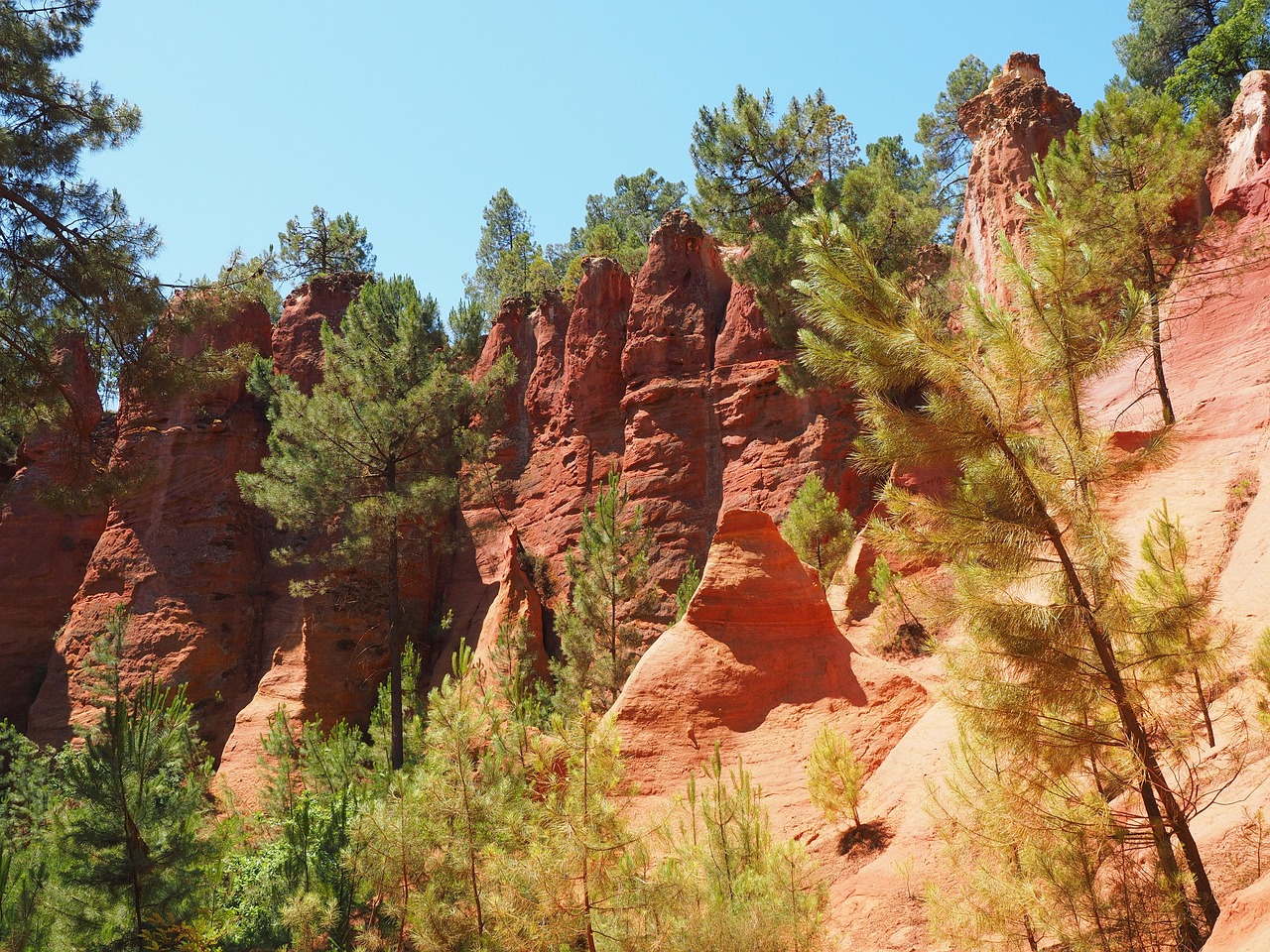
Walk the ochre paths through red and orange cliffs for a completely different landscape. Wear old shoes; the ochre dust clings.
Practical Tips for Day Trips
- Start early in high season to find parking more easily.
- Check market days and avoid arriving in a village at the exact moment everyone else is there unless you’re going for the market itself.
- Carry some cash; smaller rural parking lots or stalls may not take cards.
Cultural Etiquette & Local Customs in Bonnieux
Understanding local customs in Bonnieux will make your visit smoother and more enjoyable. Provence is friendly, but also values politeness and a certain unhurried approach to life.
Greetings & Politeness
- Always say “Bonjour” (daytime) or “Bonsoir” (evening) when entering a shop, cafe, or bakery, and “Au revoir” when leaving.
- A simple “Bonjour, Madame / Monsieur” goes a long way.
- Don’t launch straight into English; start with French greetings, then politely ask, “Parlez-vous anglais ?”
Dining Etiquette
- Meals are meant to be leisurely; don’t expect fast service in the American sense. This isn’t rudeness – it’s a different relationship to time.
- It’s fine to linger over your table after finishing, but in peak hours, consider leaving once you’re done if people are clearly waiting.
- Splitting checks evenly is common among friends; itemized splits may be possible but take more time.
- Tipping: Service is included, but rounding up or leaving 5–10% for good service is appreciated.
Dress & Behavior
- Casual dress is fine, but beachwear or very revealing clothing feels out of place in the village, especially in churches.
- Speak softly in churches, cemeteries, and after 10 pm in residential lanes.
- Ask before photographing people, especially children or shopkeepers at work.
Driving & Parking Customs
- Streets are narrow. Drive slowly and be ready to reverse to a wider spot to let others pass.
- Don’t block gateways or park in spaces reserved for locals or deliveries.
- Use designated parking lots on the village edge; walking a few extra minutes preserves the village’s calm.
Practical Travel Advice for Bonnieux
How to Get to Bonnieux
Bonnieux is best reached by car, but there are workable public transport options with some planning.
- By Air: Nearest major airports are Marseille Provence (about 1.5 hours) and Avignon (about 1 hour).
- By Train: High-speed TGV to Avignon or Aix-en-Provence, then regional connections and/or bus plus taxi.
- By Car: Renting a car from the airport or TGV station is the most flexible option for exploring the Luberon.
Getting Around: Public Transport & Car Rental
Public transport within the Luberon is limited, with infrequent buses connecting major villages. If you’re comfortable driving, a rental car makes 3–5 days in Bonnieux far easier.
- Car rental: Reserve ahead for summer 2026–2027. Small cars are best for narrow village streets.
- Parking: Use the signed lots below the village; walking up is part of the experience.
- Buses: Check current schedules locally; they change seasonally and can be sparse on weekends.
SIM Cards & Connectivity
For data and calls in 2026:
- Buy a French or EU SIM at major airports, train stations, or supermarkets in larger towns. Orange, SFR, and Bouygues are common providers.
- eSIM options are increasingly available and convenient if your phone supports them.
- Wi-Fi is available in most accommodations and some cafes, but speeds vary. For remote work, confirm with your host ahead of time.
Visa Requirements & Driver’s Licenses
As of 2026:
- France is in the Schengen Area. Visitors from many countries (including most of Europe, North America, Australia, and others) can enter visa-free for short stays; check up-to-date requirements before you travel.
- Some nationalities will need to complete ETIAS authorization (an EU travel information system) when it comes into effect; confirm current rules close to your departure date.
- Foreign driver’s licenses from many countries are accepted along with an International Driving Permit (IDP) recommended or required depending on your origin. Arrange an IDP before you leave home if needed.
Money & Costs
- Currency: Euro (€).
- Cards are widely accepted in restaurants and shops, but some small market stalls and rural spots are cash-only.
- ATMs are available in Bonnieux or nearby larger villages and towns.
- Bonnieux is more mid- to upper-range in cost; plan accordingly if you’re on a tight budget.
Best Seasons for Different Activities
- Spring (April–June): Ideal for hiking, cycling, and wildflowers. Temperatures are pleasant, though nights can be cool. Village life is lively but not overwhelmed.
- Summer (July–August): Peak season. Lavender blooms early to mid-July, fields are at their most photogenic, and events abound. Also the hottest and busiest time; book accommodation early.
- Autumn (September–October): My personal favorite season. Harvest time, softer light, fewer crowds, and still-warm days.
- Winter (November–March): Very quiet. Some restaurants and accommodations close. Great if you want solitude, lower prices, and don’t mind limited services.
Hidden Tips for Travelers
- Carry a lightweight scarf or shawl – useful for sun, wind, and church visits.
- Always have a reusable water bottle; refill at potable fountains or your accommodation.
- Plan a “buffer” day with no big plans if you’re staying 4–5 days – that’s often when the most authentic experiences happen.
- Ask locals for current recommendations; the best wine bar or bakery can change hands from one year to the next, and 2026–2027 will bring new openings.
- Respect rest times: many shops close for a long lunch; use that window for a nap or slow lunch yourself.
Summary & Final Recommendations
Bonnieux is not a place you “do” in a day; it’s a place you inhabit, even briefly. Whether you follow a 3 day itinerary for Bonnieux, stretch to 4 days in Bonnieux, or settle in for a full 5 day itinerary for Bonnieux, the real magic lies in the accumulation of small, quiet moments: the smell of bread at 7 am, the sound of church bells echoing off stone, the way the light changes on the Luberon hills.
Best time to visit: For most travelers, late April–June and September–October strike the best balance of weather, crowds, and open services. Visit in July if lavender fields and festivals are your priority, and in winter if you crave solitude and don’t mind limited restaurant options.
Use this travel guide for Bonnieux as a framework, but leave space for detours and discoveries. Say hello to the baker, linger over coffee, wander down a lane just because it looks inviting. The village will reward your curiosity – and by the time you leave, you might find yourself already planning your next return to this quietly radiant corner of the Luberon.