Why Visit Cap Ferrat?
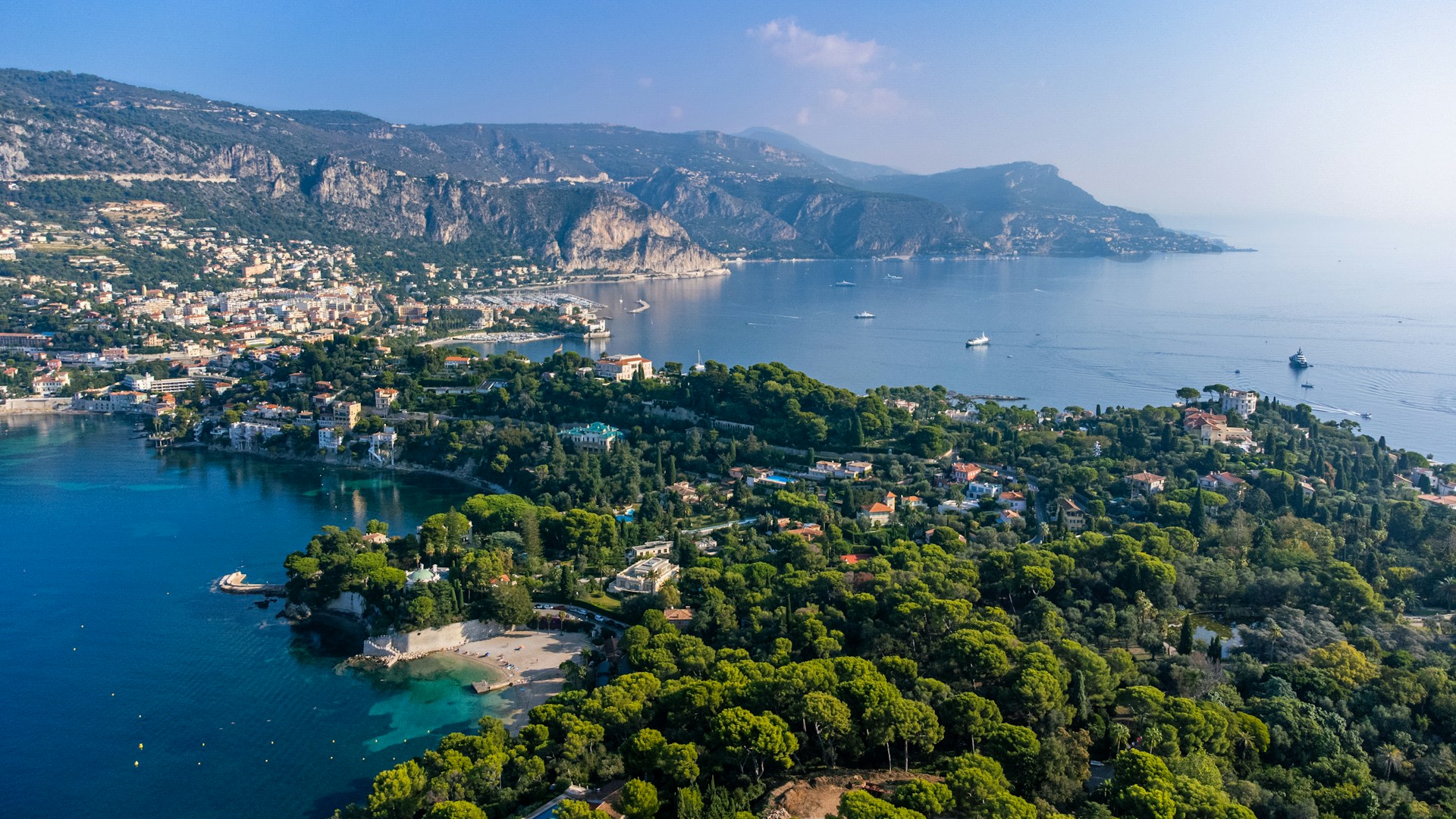
Cap Ferrat is where the Côte d’Azur exhales. Wedged between Nice and Monaco, this small, pine‑covered peninsula has long been the Riviera’s quiet refuge: a place of old‑money villas, secret footpaths, and a coastline that always seems to catch the light just right.
I’ve been coming here since my mid‑20s, first on a shoestring backpacking trip, later as a travel writer, and most recently as a pseudo‑local who uses Cap Ferrat as a reset button whenever the rest of the Riviera feels too loud. Each visit, I end up doing the same things: walking the coastal path until sunset, lingering too long over coffee on the port, and timing swims to when the sea turns that very specific shade of electric turquoise.
In 2026, Cap Ferrat is still mercifully low‑rise and human‑scaled. There are no mega‑resorts; instead, you’ll find Belle Époque villas, family‑run restaurants, pine forests tumbling down to the sea, and a village (Saint‑Jean‑Cap‑Ferrat) that still feels like somewhere people actually live. It’s romantic without being saccharine, family‑friendly without being theme‑parky, and adventurous if you know where to look.
If you’re weighing up 4–7 days in Cap Ferrat, this guide will walk you through everything: detailed day‑by‑day itineraries, the best places to stay, where to swim, what to eat, and the subtle cultural codes that make the south of France feel welcoming instead of intimidating.
Table of Contents
- Why Visit Cap Ferrat?
- Cap Ferrat at a Glance
- 4–7 Day Itineraries for Cap Ferrat (2026)
- Towns, Sub‑Areas & Landscapes of Cap Ferrat
- Local Food in Cap Ferrat & Where to Eat
- Evenings in Cap Ferrat
- Events & What’s New in 2026–2027
- Day Trips from Cap Ferrat
- Cultural Etiquette & Local Customs
- Practical Travel Advice for Cap Ferrat
- Summary & Final Recommendations
Cap Ferrat at a Glance
Cap Ferrat is a small peninsula on the French Riviera, anchored by the village of Saint‑Jean‑Cap‑Ferrat. To the west is Villefranche‑sur‑Mer; to the east, Beaulieu‑sur‑Mer and the steep roads up to Èze‑sur‑Mer. The area is stitched together by buses, coastal paths, and a lifestyle that revolves around the sea.
Despite its reputation as a billionaire’s bolt‑hole, Cap Ferrat can absolutely be done on a moderate budget if you’re smart about where you stay and how you eat. The peninsula itself is compact: you can walk from one end to the other in under an hour. Yet each cove, each headland, each little cluster of houses has a distinct character.
- Best bases: Saint‑Jean‑Cap‑Ferrat (if you want to walk everywhere), Beaulieu‑sur‑Mer (for good transport links and slightly lower prices), Villefranche‑sur‑Mer (for views and atmosphere).
- Best for beaches: Paloma Beach, Plage Cros Dei Pin, Plage des Fosses, Plage Petite Afrique (Beaulieu).
- Best for views: Coastal path around the point, Villa Ephrussi de Rothschild gardens, Mont Boron above Villefranche.
- Best for food: Port of Saint‑Jean‑Cap‑Ferrat for seafood, Beaulieu market and bistros, Villefranche’s old town.
4–7 Day Itineraries for Cap Ferrat
The biggest mistake I see travelers make is treating Cap Ferrat as a quick photo stop between Nice and Monaco. The peninsula rewards slowness: early swims, long walks, and meals that stretch into the afternoon. Below are flexible itineraries for 4, 5, 6, and 7 days in Cap Ferrat, all based on how I actually spend my time here.
4 Day Itinerary for Cap Ferrat
If you have 4 days in Cap Ferrat, you can experience the essentials: the coastal paths, the villas, a village or two, and plenty of sea time.
Day 1 – First Swim & First Walk: Getting Acquainted with Saint‑Jean‑Cap‑Ferrat
Whenever I arrive, I drop my bags and walk straight to Plage Cros Dei Pin, the main village beach. It’s not the most dramatic, but it’s where Cap Ferrat feels most local: kids splashing in the shallows, grandparents set up with chairs, a casual volleyball game in the sand. The water is usually calm, especially in the morning.
After a swim, wander the port of Saint‑Jean‑Cap‑Ferrat. The fishing boats are increasingly outnumbered by sleek yachts, but there’s still a working‑harbour feel. If you arrive around lunch, do what I do: find a table on the terrace of one of the port restaurants and order a salade niçoise and a glass of chilled rosé. You’re officially on Riviera time.
Afternoon is for orientation: stroll through the village streets, note the small supermarket and the bakery (they’ll be your budget savers), then pick up the coastal path from the port, heading east toward Paloma Beach. This short section gives you a taste of what makes Cap Ferrat special: pines bending over the sea, villas hidden behind stone walls, the distant outline of the Alps behind Nice.
End the day at Paloma Beach. The eastern view back to Eze and Cap d’Ail is one I never tire of, especially at golden hour. There’s a beach club with loungers if you want a splurge, but the public section is perfectly fine. On my last visit in late September, I swam here until nearly 7 pm; the water was still warm and the beach almost empty.
Day 2 – Villas & Gardens: Villa Ephrussi and Villa Kerylos
Villa Ephrussi de Rothschild is Cap Ferrat’s star attraction, and it’s one that lives up to the hype. I always tell people: go early. The villa opens at 10 am; be there when it does. The Belle Époque mansion, designed by Béatrice de Rothschild in the early 20th century, feels like stepping into someone’s very theatrical daydream of Italy, Spain, and the Orient all at once.
The real magic, though, is in the nine themed gardens, from the French formal garden with its musical fountains to the more relaxed Provençal and rose gardens. I like to do a slow circuit, then settle in the café terrace with a coffee, watching the fountains “dance” every 20 minutes. The double‑sided views – one way to the bay of Villefranche, the other to Beaulieu – are some of the best on the Riviera.
In the afternoon, walk or take the bus down to Villa Kerylos in Beaulieu‑sur‑Mer. It’s a meticulous re‑creation of an ancient Greek villa, perched right on the sea. On my first visit, I expected it to feel kitschy; instead, it’s oddly calming, all clean lines and marble and blue water below.
End the day with a swim at Plage Petite Afrique in Beaulieu, a family‑friendly beach framed by cliffs and palms, then either bus or walk (about 25–30 minutes) back to Saint‑Jean. If you still have energy, take an evening stroll along the port and out toward Pointe Saint‑Hospice; the lights of Monaco glitter in the distance.
Day 3 – The Grand Coastal Circuit & Hidden Coves
Day 3 is for the full coastal path loop around Cap Ferrat, one of my favourite walks in all of France. Wear proper shoes (the path is rocky in places), bring water, and set out in the morning to avoid the harshest sun, especially in July and August.
From the port, follow signs for the Sentier Littoral and head clockwise around the peninsula. The path hugs the cliffs, dipping into small coves and climbing over rocky headlands. On one spring trip, I counted at least a dozen wild swimmers slipping into the sea from flat rocks, towels piled on the path above.
About halfway, near the Grand Hôtel du Cap‑Ferrat, the landscape opens up. In 2026, the hotel’s terrace remains one of the most glamorous (and expensive) drink spots on the coast. You don’t have to be a guest to stop for a coffee or a glass of wine; even just walking past, you’ll catch glimpses of the legendary seawater pool carved into the rocks below.
Continue around the tip and back up the eastern side, where the rocks are lower and there are several semi‑secret access points to the water. Ask locals about their favourite calanques; most will point vaguely east and say, “Just follow the path, you’ll see.” They’re not being evasive. That’s how you find them: by walking.
Day 4 – Villefranche‑sur‑Mer & a Last Long Lunch
On your last day, give yourself over to nearby Villefranche‑sur‑Mer, one of the most beautiful small bays in the Mediterranean. It’s an easy bus ride from Cap Ferrat or a coastal walk if you’re feeling energetic.
Wander the old town, a warren of ochre and terracotta houses, laundry hanging across narrow lanes. Don’t miss the Rue Obscure, a vaulted medieval passageway that runs under the old town like a secret spine. I like to grab a coffee on the small square by the church and just watch village life shuffle past.
Midday, head down to Plage des Marinières, the long curve of sand and pebbles along the bay. This is an excellent family beach – shallow, sheltered, with a train line right behind it that makes for some great travel‑porn photos when the regional TER curves along the coast.
For your farewell meal, splurge on a waterside restaurant in Villefranche or head back to Saint‑Jean for something more low‑key on the port. Either way, linger. One of the best things to do in Cap Ferrat is simply to sit, eat, talk, and realise that you’ve started moving at local pace.
5 Day Itinerary for Cap Ferrat
With 5 days in Cap Ferrat, add a day of inland village magic or a deeper dive into Beaulieu and the hills above.
Day 5 – Hilltop Escape to Èze or Relaxed Day in Beaulieu
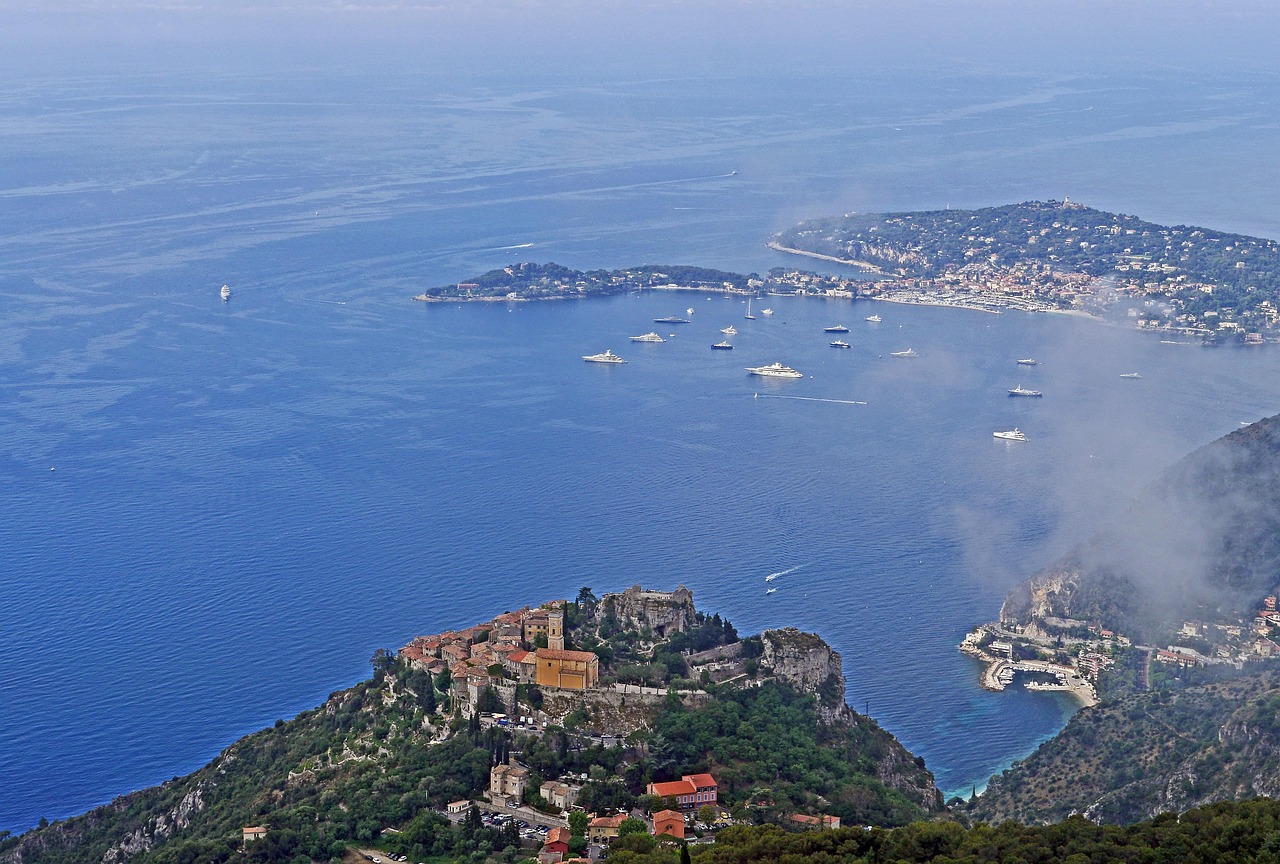
If you’re feeling adventurous, take the bus or train to Èze‑sur‑Mer and up to the eagle’s nest village of Èze. The climb (or bus ride) is steep, but the payoff is huge: cobbled lanes curling up to a cactus‑filled exotic garden with panoramic views over the entire coast. Èze is undeniably busy in peak season, but if you get there early or linger late, you’ll find quiet corners and unexpected viewpoints.
On one October visit, I spent an hour sitting on a low stone wall here, sketching the coastline while a local cat commandeered my scarf. It was one of those unplanned pauses that end up defining the trip.
If you’d rather not climb hills, stay closer to base and explore Beaulieu‑sur‑Mer in depth: its daily market (except Monday), the small but atmospheric port de plaisance, and a slow lunch under the plane trees on the main square.
Return to Cap Ferrat for a final sunset walk – I recommend the short stretch from the port to the chapel of Saint‑Hospice and the Belgian military cemetery, where the path opens up to the sea on one side and olive trees on the other.
6 Day Itinerary for Cap Ferrat
With 6 days in Cap Ferrat, you can layer in more cultural experiences and some real do‑nothing time, which is essential here.
Day 6 – Art, Markets & Lazy Swimming
Dedicate a day to Nice, only 20–30 minutes away but a different universe in scale and energy. Go in the morning to the Cours Saleya market for flowers, fruit, and socca – the chickpea pancake that’s a local obsession. Then dive into the modern art museum (MAMAC) or the smaller galleries in the old town, depending on your taste.
Return to Cap Ferrat by mid‑afternoon, when the light softens and the peninsula feels like it’s exhaling after the day’s heat. This is your lazy swimming day: pick your favourite beach (for me, it’s usually Plage des Fosses on the eastern side) and do very little.
In the evening, if it’s summer, check if Saint‑Jean is hosting any concerts on the port or local events; 2026’s program continues the trend of small jazz nights and open‑air cinema sessions on certain weekends.
7 Day Itinerary for Cap Ferrat
Spending 7 days in Cap Ferrat lets you slow down entirely and start living like a local. This is where the magic really seeps in.
Day 7 – Free Day: Live Like a Local
Choose your own mix of the things you’ve loved most: another loop of the coastal path, a return visit to Villa Ephrussi when the gardens are quieter, or a ferry or bus jaunt to Monaco if you’re curious about the high‑gloss side of the Riviera.
Personally, my seventh day usually looks like this:
- Morning: coffee and croissant on the port, a quick dip at Cros Dei Pin.
- Late morning: a walk up into the residential streets to admire old villas and their gardens (respecting privacy, of course).
- Afternoon: long lunch, then reading under the pines near the coastal path.
- Evening: a final sunset at Paloma Beach or on the rocks near Saint‑Hospice, watching the sky fade to lavender.
This is when Cap Ferrat stops being a place you’ve visited and becomes somewhere you’ve inhabited, even if only for a week.
Towns, Sub‑Areas & Landscapes of Cap Ferrat
Though small, Cap Ferrat and its immediate surroundings are a tapestry of micro‑areas, each with its own rhythm. Below are 18 of the most prominent villages, sub‑areas, and landscapes that shape the experience of staying here, with personal notes and tips for visiting.
1. Saint‑Jean‑Cap‑Ferrat: The Beating Heart
Saint‑Jean‑Cap‑Ferrat is the only true village on the peninsula and the natural base for most travelers. Centered around the port and a small cluster of streets, it somehow blends locals, long‑term residents, and visitors into something that still feels like a community.
Historically, the area was a humble fishing village until the late 19th century, when European aristocrats and industrialists began building villas on the surrounding hills. That legacy is still visible in the grand gates and manicured gardens you glimpse along the roads.
My favourite thing about staying in Saint‑Jean is scale: you can walk everywhere – from your guesthouse to the supermarket to the beach – in under 10 minutes. The port is the social hub; mornings are for coffee and boats, evenings for aperitifs and people‑watching.
Where to stay: If budget allows, small boutique hotels near the port are ideal. On tighter budgets, look for apartments a little uphill; you’ll trade sea views for savings but gain a sense of residential life.
Good for: First‑time visitors, families, couples wanting a car‑free base.
2. Plage Cros Dei Pin: The Village Beach
Cros Dei Pin sits at the edge of Saint‑Jean’s port, a sandy‑shingle mix beach that’s easygoing and democratic. It’s where I go for quick dips between writing or when I don’t feel like trekking to the more “famous” spots.
The beach has showers, a snack kiosk in season, and a small playground at the back, making it particularly family‑friendly. On summer evenings, you’ll often see informal games of pétanque nearby and teenagers hanging out on the low wall by the water.
Come at sunrise if you’re an early riser; you’ll share the bay only with a few swimmers and paddleboarders, and the light over the hills of Villefranche is magic.
3. Paloma Beach & the Eastern Bays
Paloma Beach has become Instagram‑famous over the past decade, but in person it still retains its charm. Named after Picasso’s daughter, it sits in a protected cove with a shaded, pine‑backed slope rising above it.
The western view back to Cap d’Ail and Monaco is one of the best sunset vistas on the peninsula. I like to arrive mid‑afternoon, swim out to the buoys, and float just watching boats come and go.
In high season there’s a private beach club with loungers (pricey but convenient), while the public section can get crowded. For a quieter experience, come in shoulder season (May–June or September–October) or earlier in the morning.
Walk a bit north or south along the coastal path from Paloma and you’ll find smaller, rockier spots where locals slip into the sea. These are less comfortable for sunbathing but sublime for quick, quiet swims.
4. Plage des Fossettes & Plage des Fosses: The Eastern Twins
On the quieter eastern side of the peninsula, Plage des Fossettes and Plage des Fosses sit back‑to‑back, separated by a low, rocky point. These are my go‑to beaches when Paloma is too busy.
Fossettes, to the north, has clearer water and a wilder feel; Fosses, to the south, is slightly larger and more social. Both offer classic Riviera pebble conditions – bring water shoes if you have sensitive feet.
Early in the morning, you’ll find mostly locals here: a retired couple who always bring a thermos of coffee, a group of friends doing water aerobics, a lone swimmer dutifully doing laps along the buoys. It’s an easy place to slip into a routine, even if you’re only here for a week.
5. Pointe Saint‑Hospice & the Chapel
Pointe Saint‑Hospice is a low, green finger of land jutting out from the eastern side of Cap Ferrat. At its tip stands a small chapel and a giant bronze statue of the Virgin Mary looking out to sea, along with a Belgian military cemetery from World War I.
History aside, this is one of my favourite “thinking walks” on the peninsula. The path undulates above the sea, with benches tucked under pines; the chapel, usually quiet, offers a cool, contemplative break on hot days.
If you’re traveling with kids, the relatively flat path, occasional stairs aside, makes this a good little adventure. For couples, come near sunset; the light on the rocks and chapel is incredibly romantic without being staged.
6. Grand Hôtel du Cap‑Ferrat & the Southern Cliffs
The Grand Hôtel du Cap‑Ferrat (now Four Seasons) is a legend – the kind of place where literary ghosts seem to linger by the bar. Even if you’re not staying, it defines the character of the peninsula’s southern tip: manicured elegance meeting raw rock and sea.
The surrounding cliffs host some of the most dramatic sections of the coastal path. On stormy days, waves smash against the rocks in a way that’s both thrilling and humbling; on calm days, the sea is a flat, glassy blue that looks almost unreal.
If you do stop at the hotel for a drink, expect high prices but also impeccable service and a sense that you’ve momentarily stepped into a 1930s movie. Dress smart‑casual; you don’t need a suit, but flip‑flops will feel out of place.
7. Villa Ephrussi de Rothschild Gardens
While I mentioned Villa Ephrussi in the itineraries, it deserves its own place in the mental map of Cap Ferrat. The villa’s central location on the ridge means you see it from all over; its gardens, meanwhile, are a world unto themselves.
I’ve visited in all seasons: spring, when wisteria and roses explode; summer, when the fountains are a blessed respite; autumn, when fewer visitors mean you can almost imagine you have the place to yourself. In 2026, the villa continues to host occasional evening events and concerts – worth checking their program if you’re a music lover.
Tip: the Italian garden on the sea‑facing side is my favourite spot for photos, but for quiet reading, slip into the Provençal garden with its herbs and stone benches.
8. Beaulieu‑sur‑Mer: Elegant Neighbor
Beaulieu‑sur‑Mer feels like Cap Ferrat’s slightly more urban cousin: a small town with Belle Époque façades, proper grocery stores, and a sense that people have been wintering here for generations.
Historically a luxury resort from the late 19th century onward, Beaulieu still carries that faded‑grand charm. The Central Market bustles in the mornings with locals buying produce, flowers, and cheese; the two main beaches (Fourmis and Petite Afrique) bookend the town with palms and promenades.
For travelers, Beaulieu makes an excellent base if you want easy train access to Nice, Monaco, and Menton while still being able to walk onto Cap Ferrat. Accommodation is often slightly more affordable than on the peninsula proper.
9. Villefranche‑sur‑Mer: The Painted Bay
Villefranche‑sur‑Mer is technically a separate commune, but emotionally it’s part of the Cap Ferrat “constellation”. Its perfect, horseshoe‑shaped bay has lured artists, writers, and filmmakers for decades; Jean Cocteau famously decorated the local fishermen’s chapel with his murals.
The old town feels like an amphitheatre above the water, all warm colours and steep staircases. I’ve spent entire afternoons just wandering here, camera in hand, ducking into tiny art galleries and cafés.
It’s also a good alternative base: the train station connects you to Nice and Italy, while buses and coastal walks put Cap Ferrat within easy reach.
10. Èze‑sur‑Mer & the Coastal Foot of the Eagle’s Nest
Èze‑sur‑Mer is the seaside hamlet at the base of the famous hilltop village of Èze. It’s smaller and quieter than Villefranche or Beaulieu, with a long pebble beach and a few restaurants.
If you’re into hiking, this is where the Nietzsche Path begins its climb up the mountain to Èze village – a steep, rocky trail that rewards with views and a sense of achievement. Do it in the cooler months or early in the morning; I once made the mistake of starting at 11 am in July and swore never again.
11. Mont Boron & the Western Lookout
Mont Boron is the wooded hill that rises between Nice and Villefranche, offering some of the best panoramic views of Cap Ferrat. A network of trails crisscrosses the forest; it’s a popular spot for Sunday walks and picnics.
On one February visit, I hiked up here with a thermos of coffee and watched a storm roll in over the Ligurian Sea. Even in bad weather, the view remains compelling: the peninsula is suddenly revealed as this small, green spear in a vast expanse of water and sky.
12. Nice Port & Eastern Neighborhoods
While not technically part of Cap Ferrat, Nice’s port district is so close and so intertwined with local life that it deserves a mention. Many workers on the peninsula live in Nice and commute by bus; many visitors stay in Nice and pop over for day trips.
The port area has gentrified considerably since my first visits, now full of design shops and wine bars, but it retains a working edge. It’s also where you’ll catch coastal ferries or boat tours in 2026, including some that cruise past Cap Ferrat for sea‑level views of the villas and cliffs.
13. Monaco & Cap d’Ail: Glitter on the Horizon
From many points on Cap Ferrat, you see Monaco glinting on the horizon, a vertical city of glass and stone. It’s the region’s magnet for superyachts and high‑stakes glamour, but also home to an excellent Oceanographic Museum and some surprisingly pretty gardens.
Closer and calmer is Cap d’Ail, with a gorgeous coastal path and small coves worth a detour. If you’re day‑tripping, pair Monaco’s intensity with Cap d’Ail’s nature to balance things out.
14. Saint‑Michel Plateau Above Villefranche
Above Villefranche, the Saint‑Michel plateau offers walking paths through olive groves and scrubland, with intermittent views down to the sea. This is where locals go to walk dogs, jog, or just escape the coastal crowds.
I discovered it almost by accident, following a small path up from the back of the old town. Suddenly I was among farmhouses, garden plots, and a small chapel, with bells drifting up from below. It felt a world away from the bustle of the bay.
15. Cap Ferrat Interior Lanes & Villas
Most visitors focus on the coast, but the interior of the peninsula – a tangle of quiet lanes lined with cypresses, bougainvillea, and discreet gates – is worth wandering. You won’t see inside the villas (unless you’re very well‑connected), but the architecture and gardens are a slow‑burn pleasure.
Walk respectfully; these are residential areas. But do take time to notice details: an old letterbox, a wrought‑iron balcony, a jasmine‑covered wall. For me, these small things make up the soul of Cap Ferrat as much as the big vistas.
16. Small Marinas & Mooring Fields
Around the peninsula and in Villefranche and Beaulieu, you’ll notice several small marinas and mooring fields. They’re not just practical infrastructure; they’re social hubs and windows into local maritime culture.
In the evenings, families stroll the quays, children counting boat names; older men tinker with fishing gear; the clink of rigging against masts becomes a kind of soundtrack. If you’re into sailing, this is a good place to look into day charters or sailing lessons.
17. Pine Woods & Maquis Scrub
Between the built‑up areas, pine woods and maquis scrub blanket much of Cap Ferrat’s interior and edges. The scent – a mix of pine resin, wild herbs, and salt – is one of my strongest sensory memories of the peninsula.
These areas are crisscrossed by smaller, often unsigned paths. I like to wander them in the late afternoon, when the sun filters through the trees and the cicadas start their chorus. Take care in summer; the risk of fire can lead to temporary path closures.
18. The Sea Itself
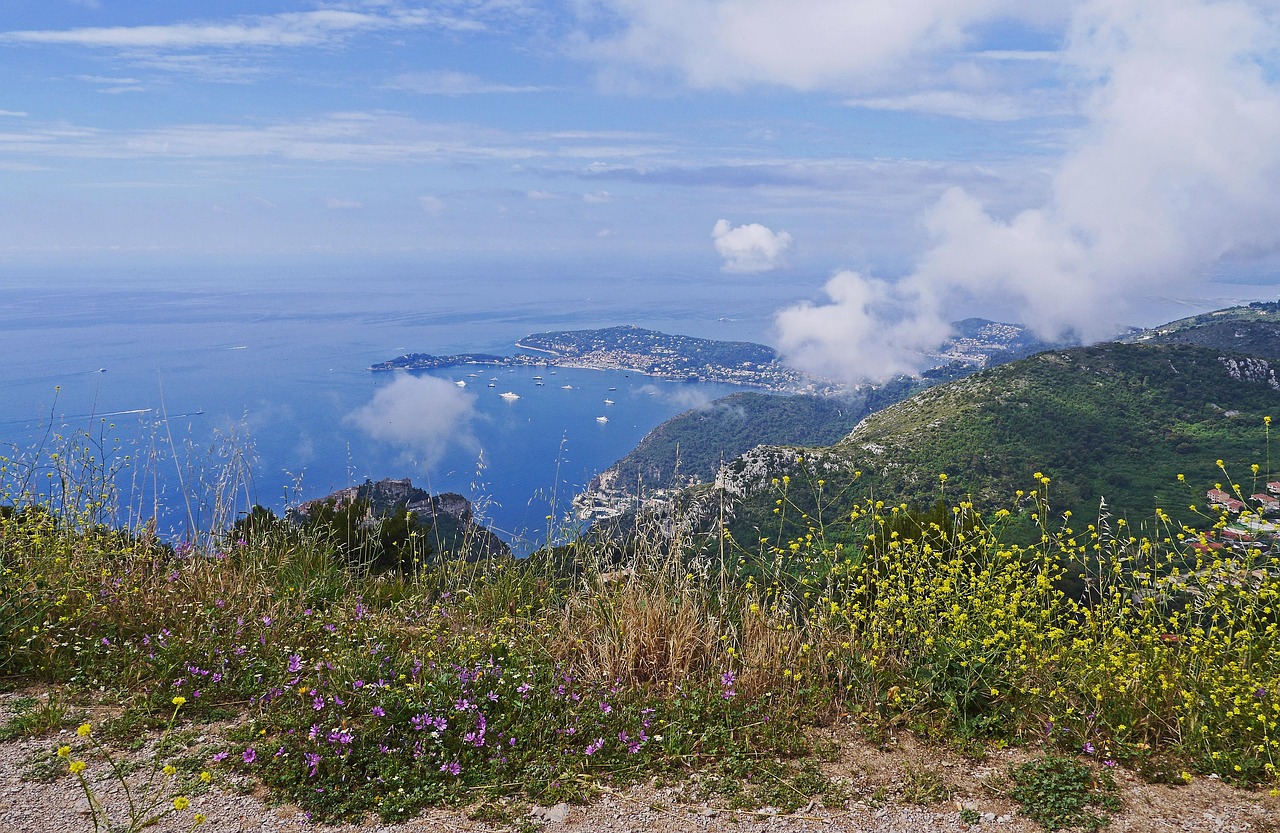
It may sound sentimental, but the Mediterranean itself is the unifying “town” of Cap Ferrat – the backdrop and foreground of almost everything you do here. It dictates the light, the weather, the food, and often the mood.
From winter storms to summer flat‑calm mornings, the sea is always there, changing colour and texture. If you can, build some kind of daily contact with it into your stay: a swim, a paddleboard session, a simple sit on a rock with your feet in the water. It will shape your memory of the place more than any individual sight.
Local Food in Cap Ferrat & Where to Eat
Cap Ferrat sits at the meeting point of Provence and Liguria, and its cuisine reflects that: olive oil, tomatoes, anchovies, lemons, and herbs in endless combinations. Because the peninsula itself is small, you’ll often head to nearby towns for broader options, but there’s plenty to eat without going far.
Signature Dishes to Try
- Salade niçoise – done properly, with no green beans or potatoes, just tomatoes, eggs, anchovies or tuna, olives, and local vegetables.
- Socca – chickpea pancake, best tried in Nice but sometimes appearing at local markets.
- Pissaladière – caramelised onion tart with anchovies and olives.
- Petits farcis – stuffed vegetables, often zucchini flowers or peppers.
- Bouillabaisse or fish soups – more Marseillaise in origin, but good seafood restaurants along this coast do their own versions.
- Local rosé – from Provence and nearby Bellet; pale, crisp, and dangerously drinkable.
Where to Eat on and Around Cap Ferrat
On the Port of Saint‑Jean‑Cap‑Ferrat, you’ll find several restaurants ranging from simple pizzerias to more refined seafood spots. For budget‑friendly options, look for plat du jour boards at lunchtime, which often offer fresh fish or pasta at a better price than the à la carte menu.
In Beaulieu‑sur‑Mer, the central streets behind the market feature family‑run bistros where you can eat well without breaking the bank. I’ve had some of my best daube niçoise (local beef stew) here on rainy winter evenings, when the tourist crush has vanished and the atmosphere is purely local.
Villefranche‑sur‑Mer’s waterfront restaurants are more scenic but can be more touristy; choose those with shorter menus and seasonal specials, and you’re more likely to hit on something genuinely good.
Markets & Self‑Catering
If you’re staying in an apartment, self‑catering some meals is both a money saver and a joy. The small supermarket and bakery in Saint‑Jean cover basics, but for real food porn, head to:
- Beaulieu Market – excellent fruit, vegetables, cheese, and prepared foods.
- Villefranche Market (limited days) – smaller but atmospheric.
- Nice Cours Saleya – the fullest range, though prices can be higher.
My typical routine: buy fresh tomatoes, mozzarella, olives, and a baguette, plus a bottle of local rosé, and assemble picnic lunches to eat on the coastal path or beach. It’s cheaper, healthier, and more flexible than restaurant lunches every day.
Agriturismi & Farm‑Style Experiences
While Cap Ferrat itself is not farming country, the backcountry above Nice (Vence, Saint‑Jeannet, etc.) offers agritourism and farm‑stay experiences. Several farms host weekend lunches or tastings of olive oil, cheese, and wine. If you have a car and are staying a week, I recommend a half‑day excursion inland for a literal change of air and pace.
Evenings in Cap Ferrat
Evenings here are about slowing down. The day‑trippers head back to Nice and Monaco, the light softens, and the peninsula feels like it belongs again to those who are actually staying.
Sunset Rituals
- Paloma Beach: Westward views and rocks glowing orange; bring a light sweater outside of peak summer.
- Saint‑Hospice Path: More solitude, with long views to Italy on clear days.
- Villefranche Seawall: Watch the sky turn pink over the bay while children ride scooters behind you.
Piazzas, Concerts & Local Life
Saint‑Jean doesn’t have a huge central square, but the port area effectively functions as one: families strolling, dogs being walked, café terraces slowly filling. In summer 2026, the commune continues to host:
- Open‑air concerts on select weekends – jazz, classical, and chanson.
- Local fêtes including a Fête de la Saint‑Jean with fireworks and music.
- Occasional night markets where artisans sell crafts and local food products.
Nearby, Villefranche’s old town has a more bohemian, youthful energy at night, with wine bars tucked into stone arches and live music on some evenings.
Events & What’s New in 2026–2027
For 2026–2027, here are some notable events and trends affecting travel to Cap Ferrat and its surroundings:
- Nice 2026 Cultural Season: Expanded exhibitions and performances spilling into the region, with special shuttle buses from coastal towns including Villefranche and Beaulieu on big event nights.
- Cap Ferrat Music Evenings: The summer classical and jazz series at Villa Ephrussi de Rothschild continues, with more dates added in July and August 2026.
- Eco‑friendly Transport Initiatives: Local authorities are testing expanded electric shuttle services around the peninsula in high season to reduce traffic and parking pressure.
- Harbor Renovations: Saint‑Jean’s harbour improvement works, begun earlier in the decade, are largely complete by 2026, with better pedestrian access and updated mooring facilities.
Always check local tourism websites closer to your travel dates for exact schedules and any temporary path or road closures.
Day Trips from Cap Ferrat
Nice
Distance: ~20–30 minutes by bus or car. Why go: Big city energy, museums, markets, and a strollable seafront.
Monaco & Cap d’Ail
Distance: ~25–35 minutes by train from Beaulieu or Villefranche. Why go: Glitz, the Oceanographic Museum, cliffside walks.
Menton & the Italian Border
Distance: ~50–60 minutes by train from Beaulieu. Why go: Old town, gardens, citrus heritage, a more relaxed vibe.
Backcountry Villages: Eze, La Turbie, Vence, St‑Paul‑de‑Vence
These hilltop villages offer art, history, and cooler air. They’re easiest to reach by car, but buses do run from Nice. Combine a couple in a single day if you’re efficient, or linger in one for a slower pace.
Cultural Etiquette & Local Customs
Cap Ferrat is international, but it’s still very much France, with its own cultural rhythms.
- Greetings: Say bonjour (daytime) or bonsoir (evening) when entering shops or cafés. It changes everything.
- Meals: Lunch is typically 12:30–14:00; dinner rarely before 19:30. Don’t expect full meals at 17:00; that’s aperitif time.
- Dress: Beachwear is for the beach. Cover up in town and on buses; it’s about respect, not prudishness.
- Tipping: Service is included, but rounding up or leaving an extra 5–10% for good service is appreciated.
- Noise: Residential areas are quiet at night; keep voices low when walking home late.
- Language: English is widely understood, but a few French phrases go a long way.
Practical Travel Advice for Cap Ferrat
When to Visit & Seasonal Considerations
- Spring (March–May): Wildflowers, cooler temps, fewer crowds – ideal for hiking and sightseeing.
- Summer (June–August): Beach weather, warm seas, crowded and pricier; coastal paths can be hot at midday.
- Autumn (September–October): My favourite: warm sea, softer light, calmer atmosphere.
- Winter (November–February): Quiet, some closures, but good for walkers and those seeking tranquility.
Getting There & Around
By air: Fly into Nice Côte d’Azur Airport. From there, take tram or bus into Nice and onward bus/train to Villefranche or Beaulieu, then local bus or taxi onto Cap Ferrat.
By train: The closest stations are Beaulieu‑sur‑Mer and Villefranche‑sur‑Mer, both served by regional TER trains.
Local buses: Reliable and cheap, linking Nice, Villefranche, Beaulieu, and Saint‑Jean‑Cap‑Ferrat. In high season, they can be crowded; allow extra time.
Car vs Public Transport
Is a car essential? No. For a typical 4–7 day itinerary for Cap Ferrat, you can comfortably rely on buses, trains, and your feet, especially if you base in Saint‑Jean, Beaulieu, or Villefranche.
When a car helps: If you plan multiple inland day trips (Vence, Saint‑Paul‑de‑Vence, backcountry villages) or are traveling with a large family and lots of beach gear.
Parking: Limited and often paid on Cap Ferrat; park once and walk whenever possible. Avoid trying to drive into narrow historic centres in Villefranche and old Nice.
Money‑Saving Tips
- Stay in Beaulieu or Villefranche instead of directly on Cap Ferrat for better value accommodation.
- Use markets and supermarkets for breakfasts and some lunches; save restaurant meals for evenings.
- Take advantage of free coastal paths and beaches rather than paying for beach clubs every day.
- Consider a regional transport pass if you’ll be doing multiple train/bus trips.
SIM Cards & Connectivity
French SIMs from providers like Orange, SFR, Bouygues, Free are easily available in Nice. EU travelers can typically roam for free with their home plans. Coverage on Cap Ferrat is generally excellent, though some coastal nooks can be patchy.
Visa Requirements & Driving Licenses
France is in the Schengen Area. Many nationalities can enter visa‑free for short stays; always check the latest rules for your passport. If you’re driving, most foreign licenses are accepted for short tourist visits; an International Driving Permit can be helpful if your license is not in Roman script.
Safety & Health
Cap Ferrat is generally very safe. Usual big‑city precautions apply more in Nice than on the peninsula. In summer, the main risks are sun, heat, and slippery rocks; wear proper footwear on coastal paths, and respect any warning signs or closures.
Summary & Final Recommendations
Cap Ferrat is small on the map but big in experience: a place where you can spend a week doing what looks, from the outside, like very little – walking, swimming, eating, watching light on water – and come away feeling deeply reset.
For 4 days in Cap Ferrat, focus on the essentials: Saint‑Jean village, the coastal path, Villa Ephrussi, one or two beaches, and a side trip to Villefranche or Beaulieu. With 5, 6, or 7 days, stretch outward to Èze, Nice, or inland villages, and build in generous blank space for just being here.
The best seasons for most travelers are late spring (May–early June) and early autumn (September–early October), when the sea is swimmable, crowds are manageable, and prices are gentler than in high summer. Winter has its quiet charm, especially for walkers; summer is for those who love heat, buzz, and long, luminous evenings.
If there’s one piece of travel advice for Cap Ferrat I’d insist on, it’s this: slow down. Skip a museum, linger over a coffee, take the long way along the water. This peninsula reveals itself to those who don’t rush it – and that, in 2026, is a rare luxury.