Why Visit Carcassonne in 2026?
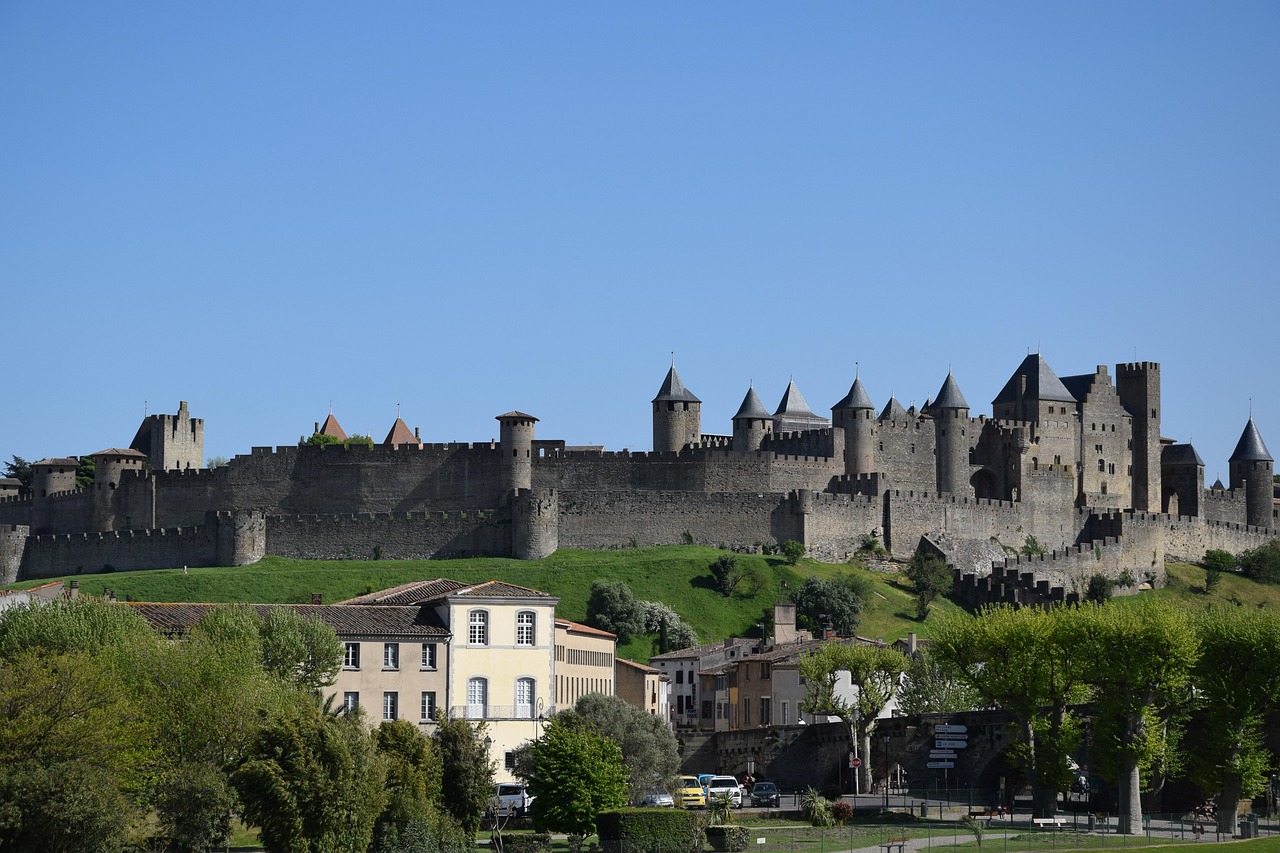
Carcassonne is the kind of place you sketch in the margins of your notebook as a kid and then one day realize it actually exists. A double-walled medieval fortress perched above vineyards and the River Aude, its spiky towers and drawbridges look almost too cinematic to be real. Yet the city is very much alive: kids race through cobbled lanes, locals argue about rugby, and the smell of slow-simmered cassoulet drifts out of tiny kitchens.
I’ve been coming to Carcassonne for years—first as a backpacker who arrived on a cheap train from Toulouse, later as a part-time local guiding friends through the maze of walls and bastions. Each visit feels different. Sometimes I linger in the Lower Town’s cafés and watch the light change on the ramparts; other times I’m up at dawn walking the outer walls almost alone while the rest of the city sleeps.
In 2026, Carcassonne is especially exciting. Restoration works on parts of the ramparts have just finished, several new wine bars and artisanal bakeries have opened in the Bastide, and the city is doubling down on cultural festivals—from summer medieval spectacles to winter illuminations.
If you’re looking for a destination that combines storybook beauty with real local life, Carcassonne is hard to beat. It’s ideal for:
- Romantic getaways: sunset walks on the ramparts, candlelit dinners in stone courtyards, and riverside strolls.
- Family trips: kids love the castle, the knights, and boat rides along the Canal du Midi.
- History & culture lovers: Cathar history, Roman roots, Gothic churches, and well-curated museums.
- Slow travelers & foodies: vineyard visits, hearty southwestern cuisine, local markets, and small producers.
- Outdoor & adventure seekers: cycling the Canal du Midi, hiking in the nearby Corbières hills, and exploring Cathar castles on day trips.
Table of Contents
- Why Visit Carcassonne in 2026?
- Quick Overview of Carcassonne
- Neighborhoods & Areas to Explore
- 20 Must-See Attractions in Carcassonne (with Personal Tips)
- Perfect 3, 4 & 5 Day Itineraries for Carcassonne
- Local Food in Carcassonne: What to Eat & Where
- Nightlife, Entertainment & Cultural Experiences
- Day Trips from Carcassonne
- Events & Festivals in 2026–2027
- Cultural Etiquette & Local Customs
- Practical Travel Advice for Carcassonne
- Summary & Best Time to Visit
Quick Overview of Carcassonne
Carcassonne actually consists of two main parts:
- La Cité Médiévale (The Medieval Citadel): the fortified upper town with ramparts, towers, and the Château Comtal. This is the postcard view.
- La Bastide Saint-Louis (The Lower Town): a grid-planned town from the 13th century on the other side of the River Aude—this is where most locals live, shop, and socialize.
The magic of Carcassonne comes from moving between these two worlds: wandering through the crowded, medieval lanes of the Cité in the late morning, then retreating to a quiet café in the Bastide in the afternoon, and finally heading back up to the fortress at dusk when the day-trippers disappear and the city glows golden.
Neighborhoods & Areas to Explore in Carcassonne
1. La Cité Médiévale (The Medieval Citadel)
This is the star of every travel guide for Carcassonne—the walled city perched above everything else. Inside, you’ll find narrow cobbled streets, half-timbered houses, small plazas, and the impressive Château Comtal at its heart.
It’s touristy, yes—but also atmospheric, especially in the early morning or at night. I like to slip in via Porte d’Aude just after sunrise. You hear the crows, the distant hum of the city waking up, and almost nothing else.
2. La Bastide Saint-Louis (The Lower Town)
The Bastide is where Carcassonne’s everyday life plays out. Laid out on a grid, it centers around Place Carnot, a lively square surrounded by cafés and shops, and shaded by plane trees. This is where you’ll sip your morning coffee, buy picnic supplies, and watch kids chase pigeons around the fountain.
The Bastide is great for:
- Cafés and wine bars with locals, not just tourists.
- Affordable accommodation and restaurants.
- Markets, especially on Tuesdays, Thursdays, and Saturdays.
3. River Aude & Pont Vieux Area
Between the Bastide and the Cité lies the River Aude, crossed by the historic Pont Vieux (Old Bridge). This area is perfect for peaceful walks and dramatic views of the fortress, especially at sunset. On my summer visits, I love picking up a bottle of local wine and some snacks from the Bastide, then sitting by the river as the fortress lights come on.
4. Around the Canal du Midi
The UNESCO-listed Canal du Midi skirts Carcassonne’s northern edge. Here you’ll find shaded towpaths, moored boats, and departure points for canal cruises. It’s quieter than the Cité and makes a lovely contrast—a different kind of history, focused on trade, engineering, and leisurely travel.
5. Residential Hills & Vineyard Edges
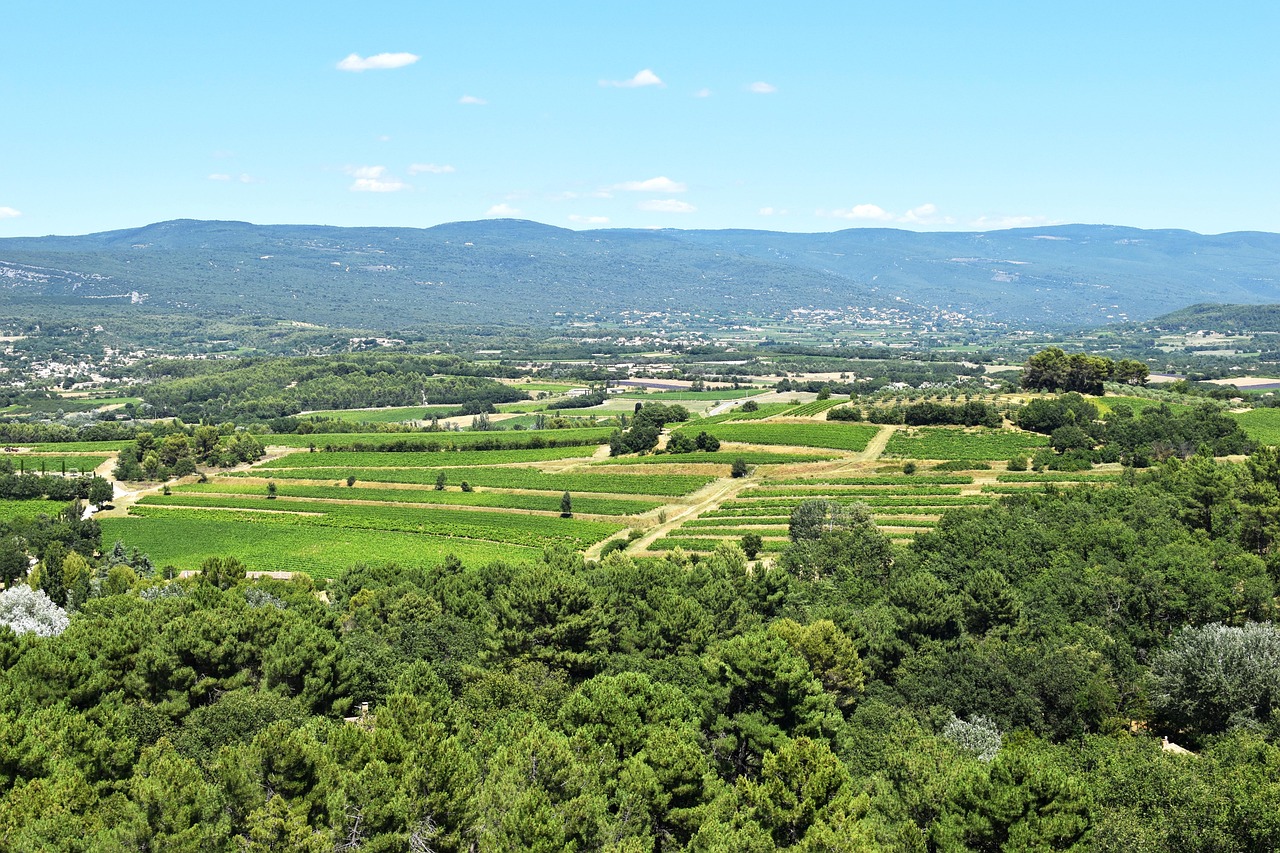
To the south and east of the Cité, low hills roll into vineyards. Some guesthouses and small wineries here have spectacular views back toward the fortress. If you have a car or rent a bike, it’s worth exploring these edges—this is where you’ll find some of the best sunrise and sunset viewpoints that don’t appear on typical lists of things to do in Carcassonne.
20 Must-See Attractions in Carcassonne (With Personal Stories & Tips)
These are the best places to visit in Carcassonne if you want more than just a checklist. I’ve organized them from the most iconic to the more hidden gems.
1. La Cité Médiévale (The Medieval Fortress)
The Cité itself is the number-one must-see attraction in Carcassonne. It’s not just one building but an entire fortified town, with 52 towers, double ramparts, and a living neighborhood within.
My first time entering the Cité, I came through Porte Narbonnaise, the main gate, on a foggy winter morning. The towers loomed above like something out of a fantasy film. School kids on a field trip were marching ahead of me, their chatter echoing off the stones. It felt unreal that people still live and work inside these walls.
Highlights inside the Cité:
- Wandering the main street, Rue Cros Mayrevieille, lined with shops and restaurants.
- Ducking into quiet side alleys where you suddenly get a glimpse of the countryside below.
- Watching street performers in summer, especially around the small squares.
Tips: For families, the Cité is basically an open-air playground; just be mindful of uneven cobblestones and steep slopes. For couples, go back after dinner to wander under the rampart lights—the crowds are thinner and the atmosphere is pure romance.
Best time to visit: Early morning (before 9:00) or in the evening after 19:00 to avoid day-trip crowds.
2. Château Comtal (Count’s Castle)
The Château Comtal is the castle within the fortress—the fortified residence of the counts who ruled the region. Visiting it turns a simple walk through the Cité into a deeper dive into architecture and history.
On one spring visit, I booked the earliest time slot and practically had the ramparts to myself. Walking along the walls, looking out over red-tiled roofs and vineyards, I understood why this is often considered one of the world’s most impressive fortified complexes.
What to see inside:
- Exhibitions on the restoration by Viollet-le-Duc in the 19th century.
- Access to the inner ramparts with sweeping views over both the Cité and the Bastide.
- Details like arrow slits, machicolations, and carved stonework that bring medieval defense to life.
Practical tips:
- Tickets: Buy online in advance in high season (July–August) to skip lines.
- Footwear: Wear good shoes; staircases are steep and uneven.
- Photography: The best rampart views for photos of the Bastide and Canal du Midi are from the northern side.
3. Basilique Saint-Nazaire-et-Saint-Celse
Inside the Cité, the Basilique Saint-Nazaire blends Romanesque solidity with Gothic grace. It’s smaller than big-city cathedrals but rich in atmosphere, especially when light pours through the stained-glass windows.
One chilly December afternoon, I slipped inside to warm up and found a small choir rehearsing. Their voices filled the vaulted ceilings, and for ten minutes everyone just sat in silence, listening. It’s one of my favorite memories in Carcassonne.
Don’t miss:
- The stunning rose window on the western façade.
- Carved capitals and side chapels with centuries of wear visible on the stone.
- Occasional organ or choral concerts—ask the tourist office for the schedule.
Tip: Entry is usually free, but consider leaving a small donation to support maintenance and music programs.
4. The Ramparts & City Walls
The double ring of walls around the Cité makes Carcassonne unique. Some sections are free to wander; others are accessed with your Château Comtal ticket.
I like to walk the outer path around sunset. You see the walls turning honey-gold and the countryside stretching away. Locals walk their dogs there, and you get a quiet reminder that this isn’t just a museum—it’s still part of a living city.
Family tip: Kids love spotting arrow slits and pretending they’re defending the fortress. Just keep a close eye near any low walls.
5. Porte Narbonnaise
Porte Narbonnaise is the dramatic twin-towered entrance to the Cité on the eastern side. You’ll pass through it many times, but pause at least once to look up at the crenellations and carved details.
Early one morning in May, a low mist was curling around the towers when I arrived. A delivery van rattled through the gate, the driver giving a casual wave to the guards—just another workday under medieval battlements. Those little collisions of past and present are what I love about Carcassonne.
Photo tip: The best frontal shots are from just outside the gate, slightly off-center so you capture depth and the approach road.
6. Porte d’Aude & Western Approach
Less busy than Porte Narbonnaise, Porte d’Aude on the western side overlooks the River Aude and the Bastide. The path leading up here from the Pont Vieux is one of my favorite approaches.
On warm evenings, I often walk up this way after dinner in the Bastide. You hear the crunch of gravel, crickets in the grass, and occasionally a distant laugh from a terrace inside the walls. It’s a quietly spectacular way to experience the fortress.
7. Place Carnot & the Market
Place Carnot is the beating heart of the Bastide. With its fountain, cafés, and plane trees, it feels quintessentially southern French. On market mornings (Tuesday, Thursday, Saturday), it turns into a riot of color and noise.
I like to grab a coffee at a terrace table and just watch: an elderly man chatting with his favorite cheesemonger, kids getting pastries bigger than their faces, locals greeting each other across the square. For food lovers, this is where you assemble the perfect picnic: ripe tomatoes, local goat cheese, olives, a baguette still warm from the oven.
Money-saving tip: Markets are a great way to eat well on a budget in Carcassonne. A few euros go far if you’re happy to picnic.
8. Canal du Midi in Carcassonne
The Canal du Midi, a 17th-century engineering marvel, runs just north of the Bastide. In Carcassonne, you can walk, cycle, or take boat trips from near the train station.
One lazy July afternoon, I joined a two-hour boat tour. We glided under stone bridges, through shady stretches lined with plane trees, and past people fishing from the banks. The guide explained how the canal was once a vital trade route linking the Atlantic and Mediterranean. It’s a different slice of local life—slower, more watery, and very relaxing.
Adventure note: If you’re into cycling, consider renting a bike and riding a section of the towpath. It’s flat and family-friendly.
9. Pont Vieux (Old Bridge)
The Pont Vieux is the old stone bridge connecting the Bastide with the Cité. It’s pedestrian-only now, and crossing it at sunset is one of the classic things to do in Carcassonne.
On my last autumn trip, I watched the fortress turn from gold to pink to deep blue from the middle of the bridge. Street lamps flickered on, and a busker started playing guitar at the far end. Couples drifted by, families herded kids toward bedtime, and the whole scene felt like a perfectly staged play.
Romantic tip: If you’re visiting as a couple, this is the spot for hand-in-hand sunset photos with the Cité as your backdrop.
10. Cathédrale Saint-Michel
In the Bastide, Cathédrale Saint-Michel is a Gothic church that feels more local and less visited than the basilica in the Cité. Step inside on a hot day and you’ll appreciate its cool, dim interior.
One weekday morning, I wandered in and found an elderly woman lighting a candle. A few teenagers slipped into a side pew to whisper and check their phones. It felt like a living church, not just a monument.
11. Small Chapels & Hidden Corners (e.g., Chapelle Notre-Dame-de-la-Grésigne)
Carcassonne is dotted with small chapels and quiet corners that rarely appear on must-see lists. One afternoon, trying to escape a brief summer downpour, I ducked into a tiny chapel near the Cité’s outer walls. The scent of wax and old stone, the creak of the wooden door—these details are what stay with you.
Tip: Leave time to wander without a plan inside both the Cité and the Bastide. Some of the best “attractions” are unnamed corners and unexpected views.
12. Inquisition & Medieval Torture Exhibitions (Touristy but Interesting for Some)
There are a couple of small, privately run museums in the Cité focusing on the Inquisition and medieval torture devices. They’re more theatrical than strictly academic, but some travelers (especially teens) find them fascinating.
I went once out of curiosity. The displays are a bit grisly, but they opened up a conversation later at dinner about the Cathars, religious persecution, and how we remember dark parts of history. I wouldn’t put them at the top of your list, but if you have extra time and a strong stomach, they’re an option.
13. Aude River Walks & Green Spaces
Along the River Aude, you’ll find walking paths and grassy banks. On hot days, locals come here to sit in the shade or let their kids run around.
On one visit in late spring, I packed a simple picnic and spent an afternoon reading by the river with the fortress in view. It cost nothing and was one of the most peaceful experiences of my trip.
Family tip: This area is great for kids to burn off energy between more structured sightseeing stops.
14. Local Wine Bars & Cellars
Carcassonne is surrounded by wine regions: Minervois, Corbières, Cabardès. Several wine bars in both the Cité and Bastide specialize in local pours by the glass.
One rainy November evening, I ducked into a tiny wine bar near Place Carnot. The owner walked me through three different reds from just outside town, explaining the soils and grape blends. For under 10€, I had a mini wine class and a very pleasant buzz.
Romantic tip: A relaxed wine bar evening, with small plates of local cheeses and charcuterie, is a perfect low-key date night.
15. Cassoulet Restaurants & Gastronomy Spots
Cassoulet—a slow-cooked stew of white beans, duck confit, sausage, and sometimes pork—is the signature dish of Carcassonne and the broader region. Debates rage about which town makes the best version (Carcassonne vs Castelnaudary vs Toulouse), but you’ll find passionate chefs here.
On a chilly January day, I ducked into a small, family-run restaurant in the Bastide. The cassoulet arrived in a bubbling earthenware dish, topped with a crackling crust. It was rich, comforting, and exactly what you want after walking the windy ramparts.
16. Wandering the Streets of the Bastide Saint-Louis
Beyond Place Carnot, the Bastide’s side streets are full of small discoveries: an old wooden door with a carved knocker, a wine shop tucked into a corner, laundry strung above a worn stone alley.
One late afternoon, I got “lost” on purpose, following whichever street looked prettiest. I passed an open window where someone was practicing piano, a barber shop full of laughter, and a tiny gallery where the artist himself was happy to chat with a curious stranger. These streets are where you feel Carcassonne as a living town, not just a monument.
17. Parks & Gardens (e.g., Jardin du Calvaire, small neighborhood parks)
Carcassonne has several small parks that offer greenery and views. Jardin du Calvaire, perched on a hill near the Bastide, has a contemplative feel, with religious statues and a somewhat wild charm.
I once climbed up here with a takeaway coffee in hand and found only an elderly couple and a cat for company. From certain angles, you can see the fortress peeking over the rooftops, reminding you where you are without being in the thick of the tourist flow.
18. Artisan Shops & Local Crafts
Inside the Cité and in the Bastide, you’ll find artisan workshops selling pottery, jewelry, leather goods, and regional specialties. Some are touristy, but others are genuinely local.
I have a favorite small ceramics shop in the Bastide, where the owner once showed me the clay he uses from a nearby quarry. I still drink my morning coffee from one of his mugs, a little piece of Carcassonne in my daily life.
Money-saving tip: Ask shopkeepers where items are made. “Fait ici?” (Made here?) is a simple question that can help you avoid mass-produced souvenirs.
19. Carcassonne by Night: Illuminations & Evening Atmosphere
At night, the Cité is floodlit, and the bastions glow against the sky. This is when Carcassonne feels most like a dream. In summer, streets buzz with diners and strolling families; in winter, the quiet is deeper and more mysterious.
My favorite routine: dinner in the Bastide, a stroll across Pont Vieux, then a wander inside the Cité, ending with a glass of wine on a terrace if the weather allows.
20. Winter & Christmas Markets (Seasonal)
From late November into December, Carcassonne hosts Christmas festivities, mainly around the Bastide. Wooden chalets sell mulled wine, cheese, charcuterie, and local crafts. Sometimes there’s a small ice rink or light installations.
One December visit, I wandered through in a thick coat, sipping vin chaud while kids queued for a carousel. The fortress loomed in the distance, lit up like a fairy tale castle. If you’re considering 3 days in Carcassonne in winter, this is a magical time.
Perfect 3, 4 & 5 Day Itineraries for Carcassonne (With Personal Stories)
If you’re planning a 3 day itinerary for Carcassonne, or stretching to 4 days in Carcassonne or even a full 5 day itinerary for Carcassonne, here’s how I’d structure your time based on my own trips.
3 Day Itinerary for Carcassonne: The Essentials
Day 1 – First Encounter with the Fortress
When friends visit for the first time and only have 3 days in Carcassonne, I always dedicate Day 1 to the Cité.
Morning: I like to start with a slow breakfast in the Bastide—coffee and a croissant at a café on Place Carnot—before walking across Pont Vieux. The approach to the fortress when it suddenly fills your field of vision is unforgettable.
Enter through Porte Narbonnaise, wander the main street to get your bearings, then head straight for the Château Comtal. With your ticket, explore the castle interior and the ramparts walk. Plan at least 2–3 hours if you like history and photography.
Lunch: I usually avoid the most obvious tourist menus and look for a simple brasserie or crêperie on a side street. A savory crêpe and a glass of local cider make a light but satisfying midday meal.
Afternoon: Visit the Basilique Saint-Nazaire, then give yourself time to just wander. Pop into a few artisan shops, grab an ice cream or coffee, and explore some of the quieter lanes leading toward the outer walls.
Evening: Head back down to the Bastide for dinner at a local bistro—this is where you’ll find better value and more locals. I often order a lighter dish on this first night, knowing cassoulet awaits on Day 2.
After dinner, stroll back over the Pont Vieux for your first taste of Carcassonne by night. Even if you’re tired, it’s worth it.
Day 2 – Canal du Midi, Lower Town Life & Cassoulet
Day 2 of a 3 day itinerary for Carcassonne is about balance: water, markets, and food.
Morning: If it’s a market day, start at Place Carnot. Grab fruit, cheese, bread, and maybe a pastry. Then walk toward the Canal du Midi. I like to stroll along the towpath first, then join a late-morning boat cruise when available.
Lunch: You can either picnic by the canal or return to the Bastide. On cooler days, I opt for a warm lunch in a café near the cathedral.
Afternoon: Explore the Bastide in more depth. Visit Cathédrale Saint-Michel, wander side streets, maybe stop into an art gallery or two. If you’re interested in wine, this is a good time to drop into a wine bar for a tasting.
Dinner: Tonight is cassoulet night. Book ahead at a traditional restaurant known for its version of the dish. Go hungry—it’s rich and filling. Pair with a local red wine.
Afterwards, if you have energy, another evening walk up to the Cité is lovely; otherwise, a relaxed drink in the Bastide is perfect.
Day 3 – Hidden Corners & River Walks
On Day 3, you choose your focus: more history, more nature, or more food.
Option 1 (History): Revisit the Cité to see places you missed: smaller museums, additional rampart sections, and lesser-known chapels. Go earlier to avoid repeat crowds.
Option 2 (Nature & Views): Spend the morning walking along the River Aude and up to viewpoints on the hills. Bring a picnic and find a grassy spot with fortress views.
Option 3 (Slow Travel): Use the time for a long lunch, more market browsing, and maybe a cooking class or wine tasting if available.
Afternoon: However you spend the morning, I recommend a final, slow wander through your favorite part of town in the afternoon—whether that’s the Bastide’s lanes or the Cité’s ramparts.
Evening: For your farewell dinner, pick somewhere with a terrace if the weather is good. Toast your trip with a local wine and watch the sky darken over the rooftops.
4 Day Itinerary for Carcassonne: Add Depth & Relaxation
With 4 days in Carcassonne, you can take the 3-day itinerary above and add a day of slower exploration or a short nearby excursion.
Day 4 – Vineyard Visit or Short Cathar Castle Excursion
Option A – Vineyard & Wine Tasting: Arrange a visit to a nearby winery in the Cabardès or Minervois appellation. Many can be reached by short taxi ride or organized tour. You’ll taste several wines, tour the cellars, and usually have a chance to buy bottles at good prices.
One of my favorite days involved a late-morning tasting followed by a leisurely lunch under a plane tree in a small village, then a gentle walk through the vines with distant views of the Cité.
Option B – Short Cathar Castle Excursion: If you don’t want to commit to a full day trip, choose a closer site recommended by the tourist office. Even a half-day outside Carcassonne offers a sense of the region’s broader history.
Evening: Return to Carcassonne for a relaxed dinner somewhere you haven’t tried yet—maybe a modern bistro in the Bastide or a hidden courtyard in the Cité.
5 Day Itinerary for Carcassonne: Full Experience & Day Trips
If you’re fortunate enough to plan 5 days in Carcassonne, you can combine everything above with at least one full day trip and real downtime.
Day 4 – Full-Day Cathar Castles or Narbonne
For a full 5 day itinerary for Carcassonne, I recommend dedicating Day 4 to a big excursion:
- Cathar Castles (e.g., Peyrepertuse, Queribus): Dramatic ruins perched on rocky outcrops, about 1.5–2 hours away by car or tour.
- Narbonne: A charming town with a magnificent cathedral and canal, about an hour away by train.
On my most memorable trip, I joined a small-group tour to two Cathar castles. Standing on the crumbling ramparts with the wind whipping around us, the guide brought to life the tragic history of the Cathars and the Albigensian Crusade. It gave me a new perspective on Carcassonne’s own past.
Day 5 – Your Carcassonne, Your Way
On Day 5, I always tell visitors to design their “perfect Carcassonne day” based on what they now know they love:
- Return to the Cité for one last lap along the walls.
- Spend hours in cafés people-watching and journaling.
- Walk or cycle another stretch of the Canal du Midi.
- Shop for local products to take home: wines, cassoulet tins, olive tapenades, ceramics.
End with a final sunset from Pont Vieux or a hillside viewpoint. It’s a gentle way to say goodbye to a place that tends to linger in your memory.
Local Food in Carcassonne: What to Eat & Where
Southwestern France is serious about its food, and Carcassonne is no exception. Here’s what to look for if you want to eat like a local and save money where possible.
Must-Try Dishes
- Cassoulet: White beans, duck confit, sausage, sometimes pork, slow-cooked in an earthenware pot. Heavy but unforgettable.
- Confit de canard: Duck leg preserved and cooked in its own fat, usually served crisped up with potatoes.
- Foie gras: Controversial but traditional; you’ll see it on many menus in terrines or seared.
- Magret de canard: Duck breast, often grilled or pan-seared, served pink.
- Local cheeses: Especially goat cheeses from nearby producers.
- Regional wines: Minervois, Corbières, Cabardès, Fitou.
Where to Eat (General Recommendations)
While I won’t name specific restaurants that may change by 2026, here’s how I choose where to eat:
- In the Cité, look one or two streets away from the busiest lanes for better value.
- In the Bastide, streets radiating from Place Carnot often hide excellent bistros.
- Check daily specials boards (plats du jour) for seasonal, good-value dishes.
- Avoid places with overly translated, laminated menus and aggressive touts.
Saving Money on Food
- Picnics: Shop at markets and supermarkets for picnic supplies—bread, cheese, charcuterie, fruit.
- Lunch menus: Many restaurants offer formules or set menus at lunch that are cheaper than dinner.
- Coffee strategy: Drink your coffee at the bar instead of on the terrace to save a bit (though terrace people-watching is often worth the extra).
Local Drinks
- Wine: Try reds from Minervois and Corbières, whites from Limoux, and sparkling Blanquette de Limoux.
- Pastis: Anise-flavored aperitif popular in the south.
- Local craft beers: A small but growing scene—ask bars what’s regional.
Nightlife, Entertainment & Cultural Experiences in Carcassonne
Nightlife
Carcassonne isn’t a party city, but it has a pleasant, low-key nightlife scene.
- Wine bars & bistros: Ideal for relaxed evenings, especially in the Bastide.
- Bars in the Cité: More touristy but atmospheric at night, especially in summer.
- Rugby nights: When local or national rugby games are on, bars can be lively.
Cultural Experiences
- Guided tours: Themed walks (medieval history, Cathar stories, nighttime tours) are a great way to deepen your understanding.
- Concerts: Basilique Saint-Nazaire and other venues occasionally host classical or choral concerts.
- Workshops: Depending on the season, you may find cooking classes, wine tastings, or artisan craft workshops.
Family-Friendly Evenings
- Evening strolls in the Cité, perhaps with ice cream or crêpes.
- Watching the fortress illuminations from Pont Vieux.
- Early dinners at family-friendly brasseries in the Bastide.
Day Trips from Carcassonne
Carcassonne makes a great base for exploring the Languedoc (now part of Occitanie). With 4 or 5 days in Carcassonne, I highly recommend at least one day trip.
Cathar Castles
Scattered through the Corbières hills, these ruined fortresses—like Peyrepertuse and Queribus—are spectacular. They require a car or organized tour, and some hiking to reach, but the views are unforgettable.
Adventure tip: Wear sturdy shoes and bring water; the climbs can be steep and exposed.
Limoux
A small town about 30 minutes away by train or car, famous for its sparkling wine Blanquette de Limoux. It has a relaxed central square and a slower pace than Carcassonne.
Narbonne
About an hour away by train, Narbonne offers an impressive cathedral, covered market, and canal-side walks. It’s a nice contrast if you want a different city vibe for a day.
Canal du Midi Cycling
Rent a bike in Carcassonne and follow the canal either east or west for a day. Pack a picnic and stop wherever looks inviting.
Events & Festivals in Carcassonne (2026–2027)
Each year, Carcassonne hosts a range of events that can shape your travel plans. Dates vary, but here’s what to expect around 2026–2027 (always confirm exact dates closer to your trip):
- Festival de Carcassonne (Summer Festival): Usually in July, with concerts, theater, and performances in and around the Cité and Bastide.
- Bastille Day (14 July): Huge fireworks over the fortress—if you’re in town, this is a spectacular (and busy) night.
- Medieval-themed events: Throughout summer, especially weekends, with reenactments, costumed parades, and markets.
- Christmas markets & winter festivities: Late November through December in the Bastide and sometimes the Cité.
In 2026, the city is expected to highlight sustainable tourism initiatives during its summer festivals, with more local producers and eco-focused events.
Cultural Etiquette & Local Customs in Carcassonne
Basic French Politeness
Even a few words in French go a long way:
- Always greet shopkeepers and staff with “Bonjour” (daytime) or “Bonsoir” (evening).
- Say “Merci, au revoir” when leaving.
Dining Etiquette
- Meals are leisurely; don’t expect fast service like in some countries.
- It’s considered polite to keep your hands visible on the table (wrists, not elbows), rather than in your lap.
- Tipping is modest: service is included, but rounding up or leaving 5–10% for good service is appreciated.
- Lunch hours are generally 12:00–14:00; many kitchens close outside these times.
Dress & Behavior
- Casual but neat dress is the norm; swimwear is for the beach or pool, not town streets.
- In churches, dress modestly and keep voices low.
- Be mindful with loud conversations in quiet residential streets at night.
Photography
- It’s fine to photograph public spaces, but ask before photographing individuals, especially children or inside small private shops.
- During religious services, avoid flash photography and respect signs.
Practical Travel Advice for Carcassonne (2026)
How to Get to Carcassonne
- By air: Carcassonne Airport has flights from several European cities; otherwise, Toulouse or Montpellier are larger gateways with good train connections.
- By train: Direct regional trains connect Carcassonne with Toulouse, Narbonne, and beyond.
- By car: The A61 motorway runs nearby; driving is convenient for exploring the countryside.
Getting Around Carcassonne
- On foot: The best way to explore the Cité and Bastide; distances are manageable.
- Local buses: Connect the Cité, Bastide, and some outlying areas; check current routes.
- Taxis / ride services: Useful for airport transfers or late-night returns, especially if staying outside the center.
- Car rental: Handy for day trips to Cathar castles and rural areas; parking is available outside the Cité and in the Bastide.
SIM Cards & Connectivity
- EU travelers can typically use their home plans with roaming.
- Non-EU visitors can buy prepaid SIM cards from major French operators (Orange, SFR, Bouygues) in larger cities or some supermarkets; eSIM options are increasingly common.
- Wi-Fi is widely available in hotels and many cafés.
Visa Requirements & Driving Licenses
- Visas: France is in the Schengen Area. Many nationalities can enter visa-free for short stays; check updated requirements before travel.
- Driving licenses: EU licenses are valid. Non-EU visitors may need an International Driving Permit (IDP) alongside their home license—verify before renting a car.
Money & Costs
- Currency: Euro (€).
- Cards are widely accepted, but small cash is handy for markets and small cafés.
- Carcassonne is generally more affordable than Paris or the Riviera, but the Cité can be pricier than the Bastide.
Best Seasons & What They’re Good For
- Spring (April–June): Mild weather, blooming landscapes, fewer crowds—ideal for walking the ramparts and day trips.
- Summer (July–August): Lively festivals, long evenings, but also heat and crowds. Book early and plan early-morning and late-evening sightseeing.
- Autumn (September–October): Warm days, cooler nights, grape harvest in nearby vineyards—my personal favorite time for a 3 or 4 day itinerary for Carcassonne.
- Winter (November–March): Quiet, some businesses may reduce hours, but Christmas markets add charm. Great for those who prefer fewer tourists and don’t mind cooler weather.
Hidden Tips to Save Money & Stress
- Stay in the Bastide rather than directly in the Cité for better value and a more local feel.
- Visit the Cité early and late; use the midday for relaxing lunches and siestas.
- Carry a reusable water bottle; refill at public fountains where marked safe.
- For parking, use designated lots outside the Cité and walk up; it’s part of the experience.
- In high season, pre-book major experiences (castle visit, boat tours, special dinners).
Summary: Key Takeaways & Best Time to Visit Carcassonne
Carcassonne is more than a fortress on a hill. It’s a place where you can spend 3 days in Carcassonne absorbing medieval history, 4 days in Carcassonne blending canal walks with vineyard visits, or a full 5 days in Carcassonne exploring Cathar castles and quiet riverbanks.
Key takeaways:
- Balance time between the Cité and the Bastide to see both the fairy-tale and the everyday sides of the city.
- Don’t rush—Carcassonne rewards slow wandering, café time, and aimless exploration.
- Prioritize the Château Comtal, ramparts walks, Basilique Saint-Nazaire, Place Carnot & markets, and Canal du Midi.
- Eat at least one proper cassoulet meal and sample local wines.
- Consider a day trip to Cathar castles or nearby towns like Narbonne or Limoux.
Best time to visit:
- April–June and September–October offer the best balance of weather, crowds, and prices—ideal for most travelers and especially good for walking-heavy itineraries.
- July–August are perfect if you want festivals, fireworks, and long, lively evenings and don’t mind the heat and bustle.
- Winter is great if you’re after quiet streets, atmospheric fog around the fortress, and Christmas markets, with some trade-offs in opening hours.
Whether you’re planning a packed 3 day itinerary for Carcassonne or a leisurely 5 day itinerary for Carcassonne, the city has a way of slowing you down, inviting you to linger on bridges, pause on ramparts, and savor each meal. That, more than anything, is why I keep coming back.