Why Visit Cévennes National Park?
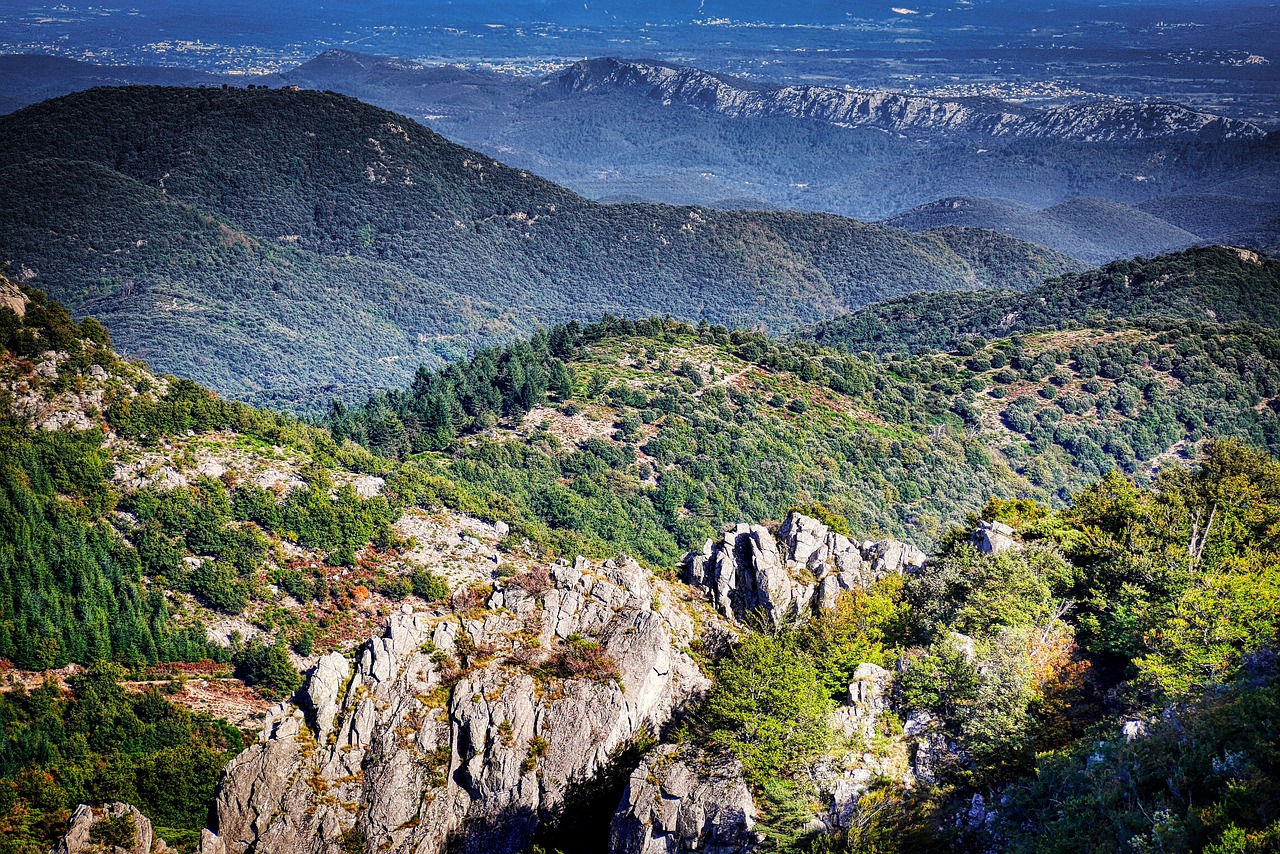
Some national parks impress you; Cévennes seeps into your bones. Straddling the southern edge of the Massif Central, this UNESCO-listed biosphere reserve feels wilder and more intimate than many of France’s headline parks. Here, chestnut forests slide into limestone gorges, sheep graze on windswept causses, and stone hamlets cling to hillsides that seem barely changed since the Camisard wars of the 18th century.
I’ve been coming back to Cévennes for over a decade, usually in early June or late September, and every time I’m struck by the same things: the silence at night, the density of stars, the smell of broom and wild thyme on the wind, and the way the light changes minute by minute across the ridges. It’s a place where you slow down almost against your will.
Whether you’re planning a 3 day itinerary for Cévennes National Park focused on highlights, or 5 days in Cévennes National Park diving deep into remote valleys, this corner of France rewards curiosity and a willingness to wander off the main road—sometimes literally.
- For families: gentle river walks, swimming holes, steam trains, and farm visits.
- For couples: stone villages, candlelit dinners, sunrise ridges, and dark-sky stargazing.
- For adventurers: canyon hikes, multi-day treks, long-distance cycling, and wild bivouacs (where allowed).
- For culture lovers: Protestant history, transhumance traditions, chestnut culture, and literary landscapes (Stevenson, anyone?).
Table of Contents
- 1. Overview: Key Zones & Gateway Towns
- 2. Recommended Itineraries (3–5 Days)
- 3. The 15 Essential Trails, Viewpoints & Zones
- 4. Where to Eat & Drink: Local Food in Cévennes National Park
- 5. Where to Stay: Gîtes, Campgrounds & Cabins
- 6. After Dark: Stargazing & Quiet Experiences
- 7. Events & What’s New in 2026–2027
- 8. Day Trips & Nearby Attractions
- 9. Cultural Etiquette & Local Customs
- 10. Practical Travel Advice & Park Logistics
- 11. Summary & Best Seasons to Visit
1. Key Zones & Gateway Towns of Cévennes National Park
Cévennes National Park covers a vast and very varied area across Lozère, Gard, Ardèche, and a slice of Hérault. Understanding its main zones helps you choose where to base yourself and how to plan your travel guide for Cévennes National Park into something coherent rather than frantic.
1.1 Corniche des Cévennes & Central Ridges
The Corniche des Cévennes (D9) is the historic balcony road that once linked Florac to Saint-Jean-du-Gard. It rides the spine of the park, offering big, cinematic viewpoints over chestnut valleys and schist ridges. This is where I like to bring friends on their first afternoon: a slow drive, a few pull-outs, a picnic, and they “get” the Cévennes in one sweep.
Best for: scenic drives, sunrise/sunset viewpoints, accessible “wow” moments with minimal walking.
1.2 Gorges du Tarn & Gorges de la Jonte
To the north, the Tarn and Jonte rivers have carved colossal limestone canyons, flanked by the high plateaus of the Grands Causses. Think vertical cliffs, vulture-filled skies, cliff-hugging villages, and emerald water. It’s one of the best places to visit in Cévennes National Park for dramatic geology and water-based activities.
Best for: canoeing, cliffside hikes, vulture watching, and photogenic villages like Sainte-Enimie.
1.3 Mont Lozère
Mont Lozère, the park’s highest massif, is a rolling granite upland striated with ancient drovers’ paths. Above the tree line you’ll find moor-like expanses, granite boulders, and a feeling of big sky rarely found in France outside the Pyrenees. In winter, snow lingers; in summer, cows and sheep graze under huge clouds.
Best for: longer hikes, cooler summer temperatures, wildflowers, and big open vistas.
1.4 Southern Cévennes & Vallées Cévenoles
South of the Corniche, the Cévennes folds into deep, terraced valleys. Stone hamlets, chestnut groves, mulberry trees (a memory of the silk trade), and narrow roads that require patience and a good horn. This is quintessential Cévennes: austere and beautiful.
Best for: history, chestnut culture, remote gîtes, and slow, immersive stays.
1.5 Gateway Towns
- Florac-Trois-Rivières – Official park headquarters, central, with supermarkets, cafés, and access to both Corniche and Tarn. My usual base for mixed itineraries.
- Le Vigan – Southern gateway, more Mediterranean, good if you’re combining Cévennes with the Hérault gorges or the coast.
- Alès – Larger town with better public transport, useful for bus connections, but you’ll want to sleep in the hills, not in town.
- Mende – To the north, good for Mont Lozère and Tarn, with more year-round services.
- Millau – Technically outside the park, but an excellent base for the Grands Causses and the western Tarn.
2. Recommended Itineraries for 3–5 Days in Cévennes National Park
These itineraries are built from my own recent trips (2023–2025), updated for 2026, and are designed to be flexible. You can compress, extend, or cherry-pick depending on your interests and whether you prefer a 3 day itinerary for Cévennes National Park or a more leisurely 5 days in Cévennes National Park.
2.1 Classic 3 Day Itinerary for Cévennes National Park (First-Time Visitors)
This 3 day plan focuses on must-see attractions in Cévennes National Park—ideal if you’re visiting for the first time and want a blend of iconic landscapes, river time, and village life.
Day 1 – Corniche des Cévennes & Southern Valleys
I like to start strong: picking up a rental car in Alès or Nîmes mid-morning, then climbing into the park via the D907 and D9 toward the Corniche des Cévennes. The air shifts quickly: warmer valley air gives way to fresher, resin-scented ridge breezes.
Morning: Drive the Corniche from Saint-Jean-du-Gard to Florac. Stop at:
- Col de l’Exil viewpoint – A wide lay-by with interpretive panels about the Camisards. I usually brew a quick coffee here with my camping stove and just sit watching the layers of blue hills recede.
- Plan de Fontmort – Short walk to a memorial stone; a quiet introduction to the region’s Protestant history.
Lunch: Picnic on the ridge. Pick up bread, cheese, charcuterie, and local pélardon goat’s cheese in Saint-Jean-du-Gard before you climb. I keep a lightweight cooler in the boot for exactly this.
Afternoon: Roll down into Florac-Trois-Rivières, check into your accommodation (I favour small gîtes or simple hotels in the old centre), then stretch your legs on the Vallée du Tarnon riverside walk—a flat, family-friendly stroll along the water, often with kids paddling in late spring.
Evening: Dinner in Florac: try a restaurant that serves gardianne de taureau (bull stew) or daube de sanglier (wild boar) if in season. End the day with a walk up to the belvedere above town (10–15 minutes) for a first look at the stars.
Day 2 – Gorges du Tarn: Canyons & Canoes
Morning: From Florac, head north via the D907bis toward the Gorges du Tarn. I usually stop for coffee in Quézac (famous for its mineral water) or Ispagnac, both gateway villages with stone bridges and sleepy squares.
Continue to a canoe base near La Malène or Sainte-Enimie. Book a 2–3 hour downstream paddle—long enough to feel immersed, short enough to leave time for viewpoints. This is family-friendly in summer: the water is mostly gentle, and kids love the tiny rapids.
Midday: Glide through the heart of the gorge. Vultures often spiral overhead; I’ve had them shadow me for entire bends of the river. Bring a waterproof bag for your phone/camera and wear river shoes or sandals that won’t slip off.
Lunch: Many canoe routes include pebble beaches where you can pull up for a picnic and a swim. The Tarn is chilly but delicious on a hot day. Avoid glass bottles; pack everything out.
Afternoon: After returning your canoe, drive up to Point Sublime above the Gorges de la Jonte for a bird’s-eye view of the canyons.
There’s a short path from the car park, suitable for most abilities, leading to a jaw-dropping panorama—arguably one of the must-see attractions in Cévennes National Park. Stay until the late-afternoon light turns the cliffs honey-gold.
Evening: Either return to Florac or overnight in a riverside village like Sainte-Enimie. I often book a small inn here when I want to fall asleep to the sound of the river.
Day 3 – Mont Lozère & Stevenson Country
Morning: From Florac or the Tarn, head toward Mont Lozère via the D16 and D20. Hairpins lift you quickly to a different world: granite outcrops, peat bogs, and wide skies. This is prime 3 days in Cévennes National Park material: a final high-level hike.
Walk a segment of the famous GR70 “Chemin de Stevenson”. I like the stretch near Le Pont-de-Montvert, where Stevenson crossed in 1878 with his donkey Modestine.
- Option A (family-friendly): 2–3 hour loop from the Col de Finiels, mostly on gentle tracks, with views toward the Alps on a clear day.
- Option B (more adventurous): Ascend to the Pic de Finiels, the highest point in the Cévennes (1,699 m), then loop back on cairned paths.
Lunch: Either pack a picnic or eat at a simple auberge in Le Pont-de-Montvert—my go-to is a terrace overlooking the river, where locals linger over coffee and debates about weather and wolves.
Afternoon: Visit the Maison du Parc in Le Pont-de-Montvert or Florac for exhibits on park ecology and history. If you’re driving back to Nîmes or Alès, allow extra time for slow mountain roads.
Evening: Last Cévennes sunset from a roadside belvedere on your way out. If you can, stay one more night; leaving at dusk always feels like cutting a story short.
2.2 Immersive 4 Day Itinerary for Cévennes National Park
With 4 days in Cévennes National Park, you can slow the pace, add a chestnut valley, and spend a full evening stargazing.
Day 1 – Arrival & Florac Riversides
Mirror the 3-day itinerary’s Day 1, but add more time wandering Florac’s old lanes, visiting the weekly market (usually Thursday), and stocking up on local honey, chestnut products, and goat’s cheese. I like to book a gîte for at least three nights to avoid packing and unpacking.
Day 2 – Gorges du Tarn & Sainte-Enimie
As above, but give yourself time to thoroughly explore Sainte-Enimie, officially one of “Les Plus Beaux Villages de France.” Wander up to the abbey ruins and look back over the river. Many visitors rush through; the village is best appreciated in the quieter evening once day-trippers have gone.
Day 3 – Southern Valleys & Chestnut Terraces
Drive south from Florac into the Vallée Française or Vallée Longue, where terraces of stone support old chestnut trees. This is the heart of Cévenol identity.
Walk one of the short circular sentiers d’interprétation (interpretive trails) around villages like Saint-Germain-de-Calberte or Saint-Étienne-Vallée-Française. Panels explain chestnut culture, mulberry plantations, and the silk trade.
Lunch: Seek out a ferme-auberge (farm inn) that serves agneau des Cévennes (local lamb) and chestnut-based desserts. These are among the most authentic local food in Cévennes National Park experiences you can have.
Evening: Return to Florac or stay in a rural gîte. On clear nights, this is where the Milky Way feels close enough to touch.
Day 4 – Mont Lozère or Grands Causses Finale
Choose your finale based on weather and mood:
- Mont Lozère: For cooler temps and big skies, repeat the Day 3 plan from the 3-day itinerary.
- Grands Causses: For more limestone drama, spend the day exploring the Causse Méjean or Causse Noir (see the dedicated section below), then exit via Millau.
2.3 Deep-Dive 5 Day Itinerary for Cévennes National Park
A 5 day itinerary for Cévennes National Park allows you to mix hiking, culture, river time, and proper rest. This is the rhythm I default to when I bring friends for their first serious introduction to the region.
Day 1 – Corniche des Cévennes & Florac
Same as 3-day Day 1, but take every scenic stop you fancy. When I have five days, I’m liberal with stops: improvised viewpoints, roadside farms selling cheese, short 30-minute walks off the ridge.
Day 2 – Gorges du Tarn by Water & Road
Combine a morning canoe trip with an afternoon drive along the gorge road, stopping at viewpoints and tiny hamlets. Add a short hike to a belvedere such as Roc des Hourtous (see below).
Day 3 – Stevenson Trail & Mont Lozère
Spend a full day on the GR70 “Chemin de Stevenson,” either as a point-to-point hike using a taxi shuttle or as an out-and-back from Le Pont-de-Montvert. In the evening, attend any park-organised talk or film if available (these increase in summer).
Day 4 – Chestnut Valleys & Protestant History
Immerse yourself in the southern valleys: visit the Musée du Désert (Camisard history), walk terrace paths, and linger in a café in Saint-Jean-du-Gard or Anduze. This is your key cultural experiences in Cévennes National Park day.
Day 5 – Grands Causses & Vulture Cliffs
End high and wide: drive up onto the Causse Méjean or Causse Noir, visit vulture viewpoints above the Gorges de la Jonte, and maybe squeeze in a cave visit (like Aven Armand) if you’re keen on geology. Finish in Millau or loop back to Florac, depending on onward travel.
3. The 15 Essential Trails, Viewpoints & Zones in Cévennes National Park
Below are 15 of the most important areas and routes, each with its own character, history, and my personal notes. Think of this as a menu: you won’t “eat” everything in one trip, but you’ll know what to come back for.
3.1 Gorges du Tarn
The Gorges du Tarn is the park’s poster child, and for good reason. Sheer limestone walls, turquoise water, and villages that appear glued to the cliffs. Despite its fame, it never feels overrun compared to Alpine hotspots.
Landscape & Activities: The gorge runs roughly from Quézac/Ispagnac to Le Rozier. The road snakes along the river, often single-lane under overhangs. Canoeing, swimming, and short riverside walks dominate summer days; shoulder seasons are better for hiking the balcony paths above.
Signature hike: Sentier des Corniches and various balcony trails that climb from the river to the Causse Méjean. These are moderately strenuous—switchbacks, some exposure—but the payoff is superb. I try to hit them in late afternoon when vulture shadows sweep across the cliffs.
My tip: In July–August, go early. I like launching a canoe around 9:00, when the river is still quiet and mist may hang in shaded bends.
3.2 Sainte-Enimie
Sainte-Enimie is the prettiest village in the gorge, all steep alleys, arches, and stone houses. It’s also busy in peak season, but evenings and off-season reveal its quieter soul.
History: Named after a Merovingian princess reputedly cured of leprosy by the local spring, the village grew around a 10th-century Benedictine abbey. It later prospered through river trade and agriculture.
What I do here: I usually park at the top, wander the lanes down to the river, then climb to a viewpoint on the opposite bank in late afternoon to watch the village catch the golden light. For families, a simple ice cream by the water is a fine “hike.”
Hidden gem: A tiny chapel tucked above the village; ask locals for the short path, as signage is minimal. I’ve had solo sunsets here more than once.
3.3 Gorges de la Jonte & Vulture Viewpoints
Quieter than the Tarn but just as dramatic, the Jonte canyon is vulture heaven. Reintroduced griffon and black vultures now breed successfully here, and watching them ride the thermals is one of my favourite Cévennes pastimes.
Key hike: Le Sentier des Corniches de la Jonte – a medium to challenging hike skirting the cliff edge with rock formations like the famous “Vase de Sèvres.” Not for vertigo sufferers, but safe enough for sure-footed teens and adults.
Best viewpoint for non-hikers: Roadside belvederes between Le Rozier and Meyrueis. Bring binoculars. On my last visit (September 2025), rangers had a pop-up scope one afternoon, letting kids watch vultures on nests.
3.4 Causse Méjean
The Causse Méjean is a high limestone plateau above the Tarn and Jonte, a world of big skies, stone shepherds’ huts, and tiny hamlets. In some stretches, you can drive for 20 minutes without seeing another car.
Landscape: Karst fields, sparse trees, juniper, and scattered sheep. It’s reminiscent of parts of Scotland or Mongolia, but with French road signs and the occasional Romanesque chapel.
Activities: Road cycling (wind can be fierce), long-distance walking, and visiting sites like the Ferme Caussenarde d’Autrefois, an open-air museum of traditional caussenarde life.
My ritual: Stop at a lonely crossroad, turn off the engine, and just sit. The silence up here is thick. At night, it’s one of my favourite stargazing spots in the region.
3.5 Mont Lozère & Pic de Finiels
Mont Lozère feels very different from the causses and chestnut valleys: more granite than limestone, more peat than scrub, more big sky than enclosed canyon.
Pic de Finiels hike: From the Col de Finiels, a well-marked path climbs gently to the highest point in the Cévennes. It’s a fairly easy half-day walk for anyone used to hiking, though weather can turn quickly.
History: The area is crisscrossed with ancient drailles—drovers’ paths used for transhumance (seasonal movement of livestock). Many are still in use, and you may encounter flocks in late spring or early autumn.
Tip: Even in summer, pack a windproof layer. I’ve had picnics up here where the cheese tried to roll away under the force of the breeze.
3.6 Chemin de Stevenson (GR70)
Robert Louis Stevenson’s 1878 journey with his donkey Modestine put the Cévennes on the literary map. Today the GR70 roughly follows his route, from Le Puy-en-Velay to Alès, and many walkers tackle it over 10–12 days.
Within the park: The section between Le Pont-de-Montvert and Florac is particularly evocative, crossing moors and chestnut valleys.
Personal note: I’ve never done the full trail in one go, but I’ve pieced it together over several trips. There’s something special about dropping into a village at day’s end with the Stevenson book in your pack and seeing the same church towers and ridges he described.
Logistics: For a day hike, arrange a taxi or second car; local shuttles operate in high season, but check 2026 schedules in advance.
3.7 Corniche des Cévennes (D9 Scenic Drive)
This historic ridge road was once a key strategic route; now it’s one of the most beautiful drives in southern France. It stitches together multiple viewpoints, short walks, and picnic spots.
Driving tips: Take it slow. Locals know the bends and sometimes drive quickly; pull into lay-bys to let them pass. In mist or heavy rain, visibility can drop sharply.
Best time: Early morning for atmospherically layered valleys, or sunset for warm light on the schist ridges.
Family-friendly stop: Some lay-bys have simple interpretive panels about geology and history—great for kids who like stories more than long walks.
3.8 Cévennes Chestnut Valleys (Vallée Française & Vallée Longue)
These intimate valleys are where the Cévennes feels most lived-in: terraced slopes, chestnut groves, and hamlets where everyone knows everyone.
Significance: Chestnuts were once the “bread tree” of the Cévennes, sustaining communities through poor harvests. Many old trees still bear; chestnut festivals each autumn celebrate this heritage.
Hikes: Numerous short circuits start from villages like Saint-Germain-de-Calberte and Saint-Étienne-Vallée-Française. Stone-walled paths, old bread ovens, and occasional lavoirs (wash houses) dot the routes.
My experience: I often spend a full day here with almost no agenda: a short morning walk, a long lunch at a farm inn, and a lazy afternoon reading on a terrace while cicadas drone.
3.9 Saint-Jean-du-Gard & Steam Train
On the park’s southern fringe, Saint-Jean-du-Gard is a lively small town and the terminus of the Train à Vapeur des Cévennes, a heritage steam train to Anduze.
Family highlight: The train ride is one of the top things to do in Cévennes National Park with kids. It’s more about the experience (steam! whistles!) than the scenery, though the views are pleasant.
Market & museums: The local museum explores Cévenol history; market days bring producers from the surrounding valleys.
Tip: Reserve train tickets in summer, especially on themed days. In 2026, special “Nocturne” evening rides are planned on select July and August Saturdays.
3.10 Florac & Three Rivers
Florac-Trois-Rivières is the administrative heart of the park and a practical base for many itineraries. It sits at the confluence of the Tarnon, Mimente, and Tarn rivers.
Walks: A sentier de découverte loops along the rivers and through the old town. In summer, locals sun themselves on rocks and dip in pools; in autumn, mist hugs the water in the mornings.
My habit: I always spend my first evening walking circuits along the riverbanks to reset after travel. It’s gentle, meditative, and good for all ages.
3.11 Le Pont-de-Montvert
This stone village on the Tarn’s upper reaches is the gateway to Mont Lozère and an important Stevenson waypoint.
History: The assassination of the abbé du Chayla here in 1702 helped spark the Camisard revolt, a key episode in French Protestant history. The old bridge and stone houses whisper that past, even as swimmers splash in the river below.
Experience: Have a coffee on the riverside terrace, then wander alleys up to the church. If you have time, walk a short segment of the GR70 upstream or downstream.
3.12 Mont Aigoual & Ridge Trails
On the park’s western edge, Mont Aigoual (1,567 m) straddles the meteorological divide between Atlantic and Mediterranean climates. The summit hosts an observatory and weather station.
Trails: Numerous circuits loop around spruce forests and open ridges. On a clear day, views can stretch from the Alps to the Pyrenees, with the Mediterranean glinting to the south.
Weather warning: This is one of the wettest, windiest spots in France. I’ve been up in June in full fog and 5°C while the valleys baked at 30°C. Always check forecasts and bring layers.
3.13 Causse Noir & Chaos de Montpellier-le-Vieux
Across the Tarn from the Causse Méjean, the Causse Noir hosts the extraordinary “Chaos de Montpellier-le-Vieux,” a labyrinth of erosion-sculpted rocks.
Family-friendly: Waymarked circuits of varying lengths weave through natural arches, towers, and rock windows. Kids love naming the shapes; adults enjoy the surreal geology and far-reaching views.
Logistics: Paid entry site, usually open April–November; check 2026 times. Combine with a drive over the Millau Viaduct for a full day.
3.14 Hérault Gorges & Southern Outskirts
Just south of the official park boundary, the Gorges de l’Hérault and villages like Saint-Guilhem-le-Désert make excellent add-ons to a Cévennes trip, especially if you’re based near Le Vigan or Anduze.
Activities: Swimming, canoeing, and visiting the abbey at Saint-Guilhem. It’s busier than the Cévennes valleys but worth a day if you love medieval architecture.
My advice: Use this as a “re-entry” day when heading back toward Montpellier or the coast after a deeper Cévennes immersion.
3.15 Dark-Sky Zones for Stargazing
Cévennes is a recognised International Dark Sky Reserve, and its plateaus and ridges are among the best places in France for stargazing.
Top spots:
- High plateaus of the Causse Méjean and Mont Lozère
- Remote lay-bys along the Corniche des Cévennes away from villages
My routine: I keep a headlamp with red light, a light blanket or down jacket even in summer, and lie back on a patch of grass. In August, the Perseids meteor shower can be spectacular.
4. Where to Eat: Local Food in Cévennes National Park
Cévennes cuisine is hearty, rustic, and seasonal. Expect simple ingredients—chestnuts, lamb, goat’s cheese, wild boar, river trout—prepared in unfussy ways. Portions tend to be generous; after a long hike, that’s exactly what you want.
4.1 In-Park & Village Restaurants
- Florac-Trois-Rivières: A cluster of small bistros around the main square and riverside. I look for daily chalkboard menus—often the best value and most seasonal dishes.
- Sainte-Enimie & La Malène: Riverside terraces serving trout, salads, and magret de canard. Quality varies; ask your gîte host for current favourites.
- Le Pont-de-Montvert: Simple but satisfying fare: tartes salées, omelettes with local mushrooms in autumn, and hearty stews in the cooler months.
4.2 Ferme-Auberges & Farm Tables
Some of the best local food in Cévennes National Park is served on farms. Ferme-auberges typically serve set menus built around their own produce: lamb, pork, chestnuts, honey.
My advice: Book ahead, especially in July–August and on weekends. These are slow dinners: plan at least two hours, more if you get pulled into conversation with the owners.
4.3 What to Eat
- Pélardon: Small, tangy goat’s cheese, often served with honey or herbs.
- Chestnut-based dishes: Soups, purées, cakes, and crème de châtaigne (sweet chestnut spread).
- Charcuterie: Dry-cured hams and saucisson from local pigs.
- Wild boar (sanglier): Usually in a red wine stew; more common in autumn/winter.
- Trout: From local rivers, grilled simply with lemon and herbs.
4.4 Saving Money on Food
Eating out every meal adds up, especially for families. My usual strategy:
- Book accommodation with a small kitchen.
- Do a big supermarket shop in Alès, Mende, or Millau before heading into the park.
- Picnic for lunch most days—bread, cheese, cured meats, fruit.
- Eat out at dinner 2–3 nights per week, focusing on places known for regional specialties.
5. Where to Stay: Campgrounds, Gîtes & Cabins
Accommodation in and around Cévennes National Park runs from riverside campgrounds to characterful gîtes and small hotels. There are no massive resorts here, and that’s part of the charm.
5.1 Gîtes & Self-Catering
Gîtes ruraux (self-catering cottages) are my preferred option, especially for 4–5 day stays. Many are renovated stone houses with terraces and wood stoves.
Pros: Space, kitchens, and the feeling of “living” in a village. Ideal for families and groups.
5.2 Small Hotels & Auberges
Found in gateway towns like Florac, Sainte-Enimie, and Le Vigan. They’re convenient for short stays or if you don’t want to cook. Expect simple rooms, often family-run hospitality, and sometimes an on-site restaurant.
5.3 Campgrounds
There are several excellent campgrounds along the Tarn, near Florac, and in valley villages.
- Riverside sites: Great for families—kids can paddle, and you can cook under the trees.
- Plateau sites: Quieter, cooler at night, and better for stargazing.
My tip: Reserve in July–August, but outside those months you can often just roll up. Many open from late April to late September; check 2026 dates in advance.
5.4 Budget Tips
- Travel in May–June or September–October for lower rates and milder weather.
- Share larger gîtes with friends if you can; per-person costs drop significantly.
- Look for weekly rental discounts—common in rural France.
6. After Dark: Stargazing & Quiet Experiences
Evenings are one of the Cévennes’ best-kept secrets. Once day-trippers depart, the valleys fall quiet and the sky opens.
6.1 Stargazing
Cévennes’ status as an International Dark Sky Reserve means light pollution is strictly controlled. On clear nights, the Milky Way is vivid even with the naked eye.
- Best spots: Causse Méjean, Mont Lozère, and high points along the Corniche away from villages.
- When: New moon periods are ideal; August for meteor showers.
6.2 Ranger Talks & Astronomy Nights
In summer, the park organises soirées astronomie (astronomy evenings) with telescopes and guides, often in partnership with local associations. In 2026, expect a slightly expanded program around the Causse Méjean and Mont Lozère.
6.3 Campfire & Night Walks
Open fires are heavily restricted due to fire risk; use designated campground fire pits if allowed, or rely on gas stoves. Some lodges and associations organise guided full-moon hikes, which are a magical way to experience the ridges without headlamps.
7. Events & What’s New in 2026–2027
While Cévennes isn’t festival-mad like some regions, there are recurring events and a few updates for 2026–2027 worth noting.
7.1 Annual & Recurring Events
- Transhumance Festivals (May–June): Celebrations marking the seasonal movement of flocks to high pastures, with parades of sheep, music, and food. Look for events around Mont Lozère and Mont Aigoual.
- Chestnut Festivals (October–November): Villages like Saint-Étienne-Vallée-Française host fêtes de la châtaigne with tastings, music, and markets.
- Festival du Désert (early September): Annual Protestant gathering at the Musée du Désert in Mialet, drawing thousands. Important if you want to avoid traffic, or fascinating if you’re into history.
- Summer Astronomy Nights: Expanded dark-sky programs across the park, particularly on new moon weekends.
7.2 New & Ongoing in 2026–2027
- Trail maintenance projects: The park continues to refurbish sections of the GR70 and local loops, with some short-term diversions possible; check the 2026 trail bulletin on the park website.
- Visitor centre upgrades: The Florac Maison du Parc has refreshed exhibits on climate change, wolves, and forest management for 2026.
- Shuttle experiments: In peak summer 2026, limited shuttle services may run to reduce car use in the busiest gorges; watch for updated info closer to your trip.
8. Day Trips & Nearby Attractions
If you have a car and 4–5 days, it’s easy to tack on nearby sights.
- Millau & Its Viaduct: About 1–1.5 hours from the western park, the world’s tallest bridge is impressive from the viewpoints and the visitor centre.
- Saint-Guilhem-le-Désert & Gorges de l’Hérault: A UNESCO-listed village and scenic gorge area; ideal between Cévennes and Montpellier.
- Nîmes & Roman Monuments: Amphitheatre, Maison Carrée, and Jardins de la Fontaine—perfect urban counterpoint to the wild valleys.
- Ardèche Gorges: Another canyon playground, busier than the Tarn but great if you’re looping north or east.
9. Cultural Etiquette & Local Customs
Cévennes people can seem reserved at first, but warmth comes quickly once you show respect for their land and time.
9.1 Everyday Courtesies
- Always greet with a “Bonjour, Madame/Monsieur” when entering shops, cafés, or passing people on a quiet trail.
- In small villages, a nod and “Bonjour” to drivers and pedestrians alike is common courtesy.
- Don’t expect stores to stay open through lunch; many close roughly 12:30–14:30.
9.2 On Trails & in Nature
- Close gates behind you; many paths cross private land.
- Keep noise down near farms and hamlets, especially early or late.
- Wild camping is heavily regulated; bivouacking may be allowed in certain zones above a set altitude and distance from roads—always check current rules.
9.3 Religious & Historical Sensitivities
The region’s Protestant history (Camisard wars, clandestine worship) still shapes identity. If you visit sites like the Musée du Désert, approach with curiosity and respect; it’s living history for many locals.
10. Practical Travel Advice & Park Logistics
This is the nuts-and-bolts section—travel tips for Cévennes National Park that matter once you’re actually here.
10.1 Getting There & Around
By train: Nearest major stations: Nîmes, Montpellier, Alès, Mende, and Millau. From there, regional buses reach some gateway towns, but services are limited.
By car: A car is by far the easiest way to explore. Mountain roads are narrow and winding; drive calmly and expect slow progress.
Car rental: Best options in Nîmes, Montpellier, and larger cities. Book ahead in summer.
Foreign driver’s licences: EU licences are accepted. Non-EU visitors should carry an International Driving Permit alongside their home licence.
10.2 Park Fees & Permits
Cévennes is a French national park with a large inhabited zone; there’s no single entrance gate or universal entry fee. However:
- Some caves, museums, and private sites charge admission.
- Paid parking may apply at certain hotspots in high season.
- Bivouac and certain activities (like organised canyoning) may require permits or guides.
10.3 Seasons & Weather
- Spring (April–June): Wildflowers, fresh greens, variable weather. Rivers can be high. Great for hiking and lighter tourist numbers.
- Summer (July–August): Hot in valleys (up to 35°C+), cooler on plateaus. Best for swimming, canoeing, and evening stargazing, but busiest time of year.
- Autumn (September–October): My favourite: stable weather, chestnut and mushroom season, rich colours. Ideal for hiking and photography.
- Winter (November–March): Quiet, some accommodations closed, snow possible on Mont Lozère and Aigoual. Lovely if you’re prepared, but limited services.
Best season for:
- Hiking: May–June, September–October
- Wildflowers: May–early June
- Fall colour & chestnuts: October
- Stargazing: Year-round on clear nights, best in colder months & new moon periods
- Canoeing & swimming: June–September (depending on rainfall)
10.4 Wildlife & Safety
There are no bears or bison here, but wildlife is still abundant: deer, wild boar, vultures, and a slowly returning wolf population.
- Wild boar: Usually shy; avoid approaching and don’t feed. Take care driving at dawn/dusk.
- Snakes: Some venomous vipers exist but are rarely encountered; stick to paths and watch where you step in rocky areas.
- Ticks: Present in grassy/wooded zones; use repellent and check your body after hikes.
- Livestock guardian dogs: If you encounter patous (big white dogs) with flocks, give a wide berth, stay calm, and never run. Skirt the flock slowly and speak in a calm voice.
10.5 Connectivity & SIM Cards
Mobile coverage is patchy: decent in towns and along main roads, unreliable in deep valleys and on some plateaus.
- SIM options: Major French operators (Orange, SFR, Bouygues) all function; Orange tends to have the widest rural coverage.
- eSIM: Many international travellers now use eSIM plans; buy before arrival or at airports/city shops.
- Offline prep: Download offline maps (e.g., Maps.me, IGN Rando) and key info before heading into the hills.
10.6 Public Transport Within the Park
There are some regional buses linking larger towns, but they’re infrequent and rarely match trailheads perfectly. For a truly car-free trip, base yourself in a gateway town (Florac, Mende, Millau) and focus on nearby walks and organised excursions.
10.7 Front-country vs Backcountry Experiences
- Front-country: Drive-up viewpoints, short waymarked loops, villages, and riverside strolls. Perfect for families and those with limited mobility.
- Backcountry: Multi-day treks on GR routes, remote plateau crossings, and high ridges. Requires route-finding skills, proper gear, and respect for weather.
10.8 What to Pack
- Sturdy walking shoes or light hiking boots
- Light jacket and warm layer even in summer (nights can be cool)
- Rain shell; weather can shift quickly
- Sun hat, sunglasses, and high SPF sunscreen
- Refillable water bottle (streams may not be safe to drink untreated)
- Small first-aid kit, including blister care and tick remover
- Headlamp (useful for late returns or stargazing)
10.9 Leave No Trace
The Cévennes’ charm depends on its relative wildness. Simple practices help preserve it:
- Pack out all rubbish, including food scraps.
- Stay on established paths to reduce erosion.
- Don’t pick flowers or disturb wildlife.
- Respect local fire regulations; summer fire bans are strict.
10.10 Visas & Entry (International Visitors)
For non-EU visitors, France is part of the Schengen Area. Many nationalities can enter visa-free for up to 90 days in any 180-day period; others need a Schengen visa in advance. Check official French government or consular websites for current rules.
11. Summary: Key Takeaways & Best Seasons to Visit Cévennes National Park
Cévennes National Park is not a place you “do” in a weekend; it’s a landscape you slip into. Still, even a 3 day itinerary for Cévennes National Park can deliver canyon vistas, river swims, and chestnut valley walks.
- For 3 days: Focus on the Corniche des Cévennes, Gorges du Tarn, and a taste of Mont Lozère.
- For 4 days: Add a full day in the chestnut valleys or on the Grands Causses.
- For 5 days: Layer in Stevenson’s trail segments, vulture cliffs, and proper stargazing nights.
Best overall seasons: Late May–June and September–October balance pleasant weather, open services, and fewer crowds. Summer brings warm water and lively evenings; winter offers solitude and snow on the high ground if you’re properly equipped.
Above all, leave space for serendipity: a conversation with a farmer about wolves, an unscheduled stop at a tiny chapel, or a night pulled over on a ridge road just to watch shooting stars. That’s where Cévennes stops being a line on your itinerary and starts becoming a place you’ll return to, again and again.