Why Visit Champagne in 2026
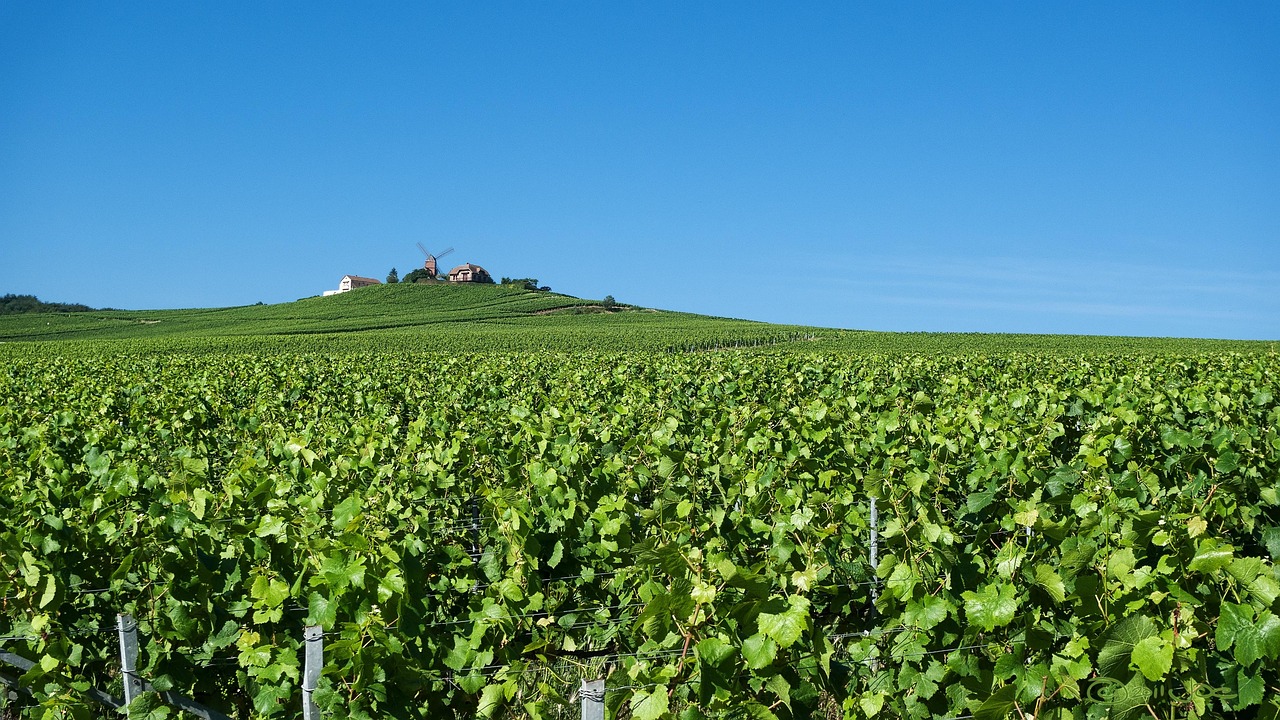
Champagne is one of those rare places where the clichés are true, but they’re only the beginning. Yes, you’ll drink world-class sparkling wine in candlelit cellars carved into chalk. You’ll wander through neat rows of vines that roll like green waves toward church spires. But if you give the region four to seven days—and a willingness to drive the small roads—you’ll discover a countryside that feels surprisingly intimate, lived-in, and quietly proud of its craft.
I’ve been coming to Champagne regularly since my early twenties—first as a backpacker doing tastings on a shoestring, later as a travel writer with enough curiosity (and, finally, budget) to see what lies beyond Reims and Épernay. My latest visits in late 2025 and early 2026 reminded me how much the region has evolved: younger winemakers opening tiny tasting rooms in farm courtyards, wine bars pouring independent growers by the glass, and a growing food scene that finally keeps pace with the wine.
Champagne is special because it feels real. This is not a theme park of luxury; it’s a working landscape where harvest days still decide the rhythm of life. Visit in September and you’ll see pickers in the vines before sunrise. Come in winter and you’ll share near-empty village cafés with locals talking yields and weather. In spring, wildflowers thread themselves between the rows, and the chalky paths are quiet except for your steps.
If you’re considering a 4 day itinerary for Champagne or stretching to 7 days in Champagne in 2026–2027, this guide is written for you: detailed, opinionated, and anchored in the actual drives, tastings, and walks I’ve done over the years.
Understanding Champagne as a Region
Champagne sits just northeast of Paris, close enough for a day trip yet deep enough to reward a week. It’s not one single valley but a patchwork of sub-regions—each with its own personality, grape focus, and pace of life. The names you’ll see on bottles—Montagne de Reims, Vallée de la Marne, Côte des Blancs, Côte des Bar—are not marketing labels but real places with muddy roads, sleepy villages, and town halls that double as tasting venues during harvest festivals.
What ties it all together is the chalk. The same ancient seabed that gives Champagne’s wines their signature tension gives the landscape its texture: white cliffs, pale soils, cool caves. You’ll feel it under your feet in the vineyards, see it in the crumbly walls of old cellars, and taste it—literally—in the flinty edge of a Blanc de Blancs.
For travelers, the reality of Champagne is this: trains connect you to the main cities (Reims, Épernay, Troyes), but the magic lies in the in-between. To make the most of things to do in Champagne, especially the hidden gems in Champagne, you’ll either want a rental car or a willingness to hire local drivers for a day. I’ll talk about both options in detail later.
Where to Base Yourself in Champagne
Choosing your base shapes your entire experience. Over multiple visits, I’ve experimented: staying in Reims for its cathedral and food scene, in Épernay to be within walking distance of Avenue de Champagne, and in tiny wine villages where the loudest noise at night is a tractor.
- Reims – Best for first-timers, culture lovers, and those arriving by train. Big-city conveniences, major houses, and good restaurants. Great anchor for a 4 day itinerary for Champagne.
- Épernay – Compact, walkable, and sensibly obsessed with bubbles. Ideal if you want most things on foot and easy access to the surrounding hills of the Côte des Blancs and Vallée de la Marne.
- Hautvillers / Aÿ-Champagne / Mareuil-sur-Aÿ – Atmospheric villages surrounded by vines; perfect for couples and slow travelers wanting romance and early-morning vineyard walks.
- Verzenay / Verzy (Montagne de Reims) – For panoramic vineyard landscapes, forest walks, and a more rural feel, still within reach of Reims.
- Avize / Le Mesnil-sur-Oger (Côte des Blancs) – Blanc de Blancs country; great if you’re particularly into Chardonnay and don’t mind quieter evenings.
- Les Riceys or Bar-sur-Seine (Côte des Bar) – For a more off-the-radar, southern-Champagne experience; better for longer (6–7 day) itineraries.
- Troyes – A medieval half-timbered town just outside the main wine zones; excellent for families and anyone wanting more than just vineyards.
My personal favorite for a 5 day itinerary for Champagne is to split time between Reims (2–3 nights) and a smaller wine village (2–3 nights) to feel both the region’s urban and rural sides.
4–7 Day Itineraries in Champagne (2026)
Below, you’ll find suggested routes for 4 days in Champagne up to 7 days in Champagne. Each one is built from real days I’ve spent on the ground, with time for both must-see attractions in Champagne and quieter cultural experiences in Champagne.
4 Day Itinerary for Champagne: The Essentials
If you have only four days, you’ll want to focus on Reims, Épernay, and the classic heart of the wine country. This is ideal for first-timers, couples, and groups of friends. You can do it mostly by train and taxi, though a car adds freedom.
Day 1 – Reims: Cathedrals, Chalk Cellars & First Tastes
I still remember my first arrival in Reims, stepping off the train just after 10 a.m., slightly under-caffeinated and a bit too excited. The city feels unassuming at first—wide boulevards, tram lines, a faint scent of yeast hanging in the air—but then you turn a corner and the cathedral hits you like a revelation.
Morning: Notre-Dame de Reims & City Stroll
Walk from the station (about 10–15 minutes) to Notre-Dame de Reims, the Gothic cathedral where French kings were once crowned. Even if you’re “cathedral-ed out,” this one is different: taller, lighter, with a façade that looks like lace carved in stone.
- Tip: Arrive at opening (usually 8 a.m.) if you can; the nave is almost echoingly quiet, and the morning sun catches the stained glass at just the right angle.
- Family-friendly: Kids tend to love spotting gargoyles and the famous “Smiling Angel” statue on the façade.
Afterward, wander the pedestrian core: Place Drouet-d’Erlon for café life, Rue de Vesle for shops, and the covered market if it’s open that day. I like to grab a coffee and a flaky croissant at a local boulangerie, then sit on a bench and watch the city wake up.
Afternoon: Champagne House Visit in Reims
Reims is home to some of Champagne’s biggest houses, each with its own personality. In recent years (2024–2026), many have updated their visitor experiences: more storytelling, better English tours, and improved food pairings.
- Veuve Clicquot or Taittinger: Great classic choices, with impressive crayère (chalk) cellars and polished tours. Book at least a couple of weeks ahead in 2026, especially on weekends.
- Personal note: The first time I descended into the chalk tunnels at Taittinger, the temperature drop was so sudden that my glasses fogged completely. Take a light sweater—even in August, it’s cold underground.
After your tour, allow time to walk back through the city, perhaps stopping at a wine bar for a glass from a smaller grower. Reims’ newer bars now highlight independent winemakers you won’t find in supermarkets.
Evening: Bistronomy & First Toast
For dinner, I like to choose a modern bistro that works closely with local producers—think chalkboard menus, seasonal dishes, and well-curated Champagne lists. In 2026, reservations are increasingly essential, especially on Fridays and Saturdays.
- Tip: Order at least one dish with jambon de Reims (local ham) or lentillons de Champagne (tiny pink lentils); they’re part of the region’s quiet culinary pride.
- Romantic angle: After dinner, a slow stroll back toward the cathedral, which is beautifully lit at night, makes for a memorable first evening.
Day 2 – Épernay & Avenue de Champagne
On my most recent 4 days in Champagne, I dedicated an entire day to Épernay and didn’t regret a minute. Take an early train from Reims (around 30–40 minutes) or drive (roughly the same). Épernay is smaller, more compact, and feels like a town that grew around one idea: bubbles.
Morning: Avenue de Champagne
The Avenue de Champagne is a UNESCO-listed boulevard lined with grand mansions—many of which hide miles of cellars beneath. The air always smells faintly of damp chalk and toasted bread.
- Pick one major house for a tour (for example, Moët & Chandon) and book ahead.
- Leave time simply to walk the avenue, reading plaques, peeking through gates, and admiring manicured gardens.
Afternoon: Hot-Air Balloon View & Grower Tastings
Weather permitting, I love taking the tethered balloon ride at the edge of town for a panoramic introduction to the surrounding vineyards. It’s family friendly, fairly quick, and gives context to everything you’ll taste later.
After lunch (simple brasserie fare works fine here), head slightly beyond the Avenue for a tasting with a smaller, family-run producer. These grower visits are where you feel the region’s soul: dogs wandering between barrels, grandparents remembering difficult harvests, and winemakers who pour you just one “extra” cuvée they’re testing.
- Tip: In 2026, many smaller houses require appointments; send an email a week or two beforehand.
Evening: Quiet Town, Big Bubbles
Evenings in Épernay are calm. Have an early aperitif on a terrace if the weather is kind, then dinner at a local inn or wine bar. If you’re on a 4 day itinerary for Champagne and based in Reims, you can train back after dinner; if you’re staying in Épernay, enjoy the slower pace and early nights.
Day 3 – Montagne de Reims & Hautvillers
This is the day that usually makes people fall in love with Champagne: the drive (or cycle) through the Montagne de Reims, a forested plateau edged with vineyards and dotted with small villages.
Morning: Verzenay Lighthouse & Vineyard Views
Drive (or join a local tour) to Verzenay. Here, a quirky lighthouse stands in the middle of the vines—a relic of early 20th-century advertising that now serves as a museum and viewpoint.
- Climb to the top for a spectacular view of the Montagne de Reims slopes and the sea of vines.
- Inside, a small museum explains the region’s geology and wine-making in an accessible way; kids tend to enjoy the interactive displays.
Afternoon: Hautvillers – The Cradle of Champagne
Continue to Hautvillers, the hillside village associated with Dom Pérignon. I first came here on a blustery March afternoon and still remember the way the wind carried the smell of damp earth and fermenting grape must.
- Visit the abbey church where Dom Pérignon is buried.
- Wander the narrow lanes, looking for wrought-iron signs above doorways—each depicting the trade of the house.
- Drop into a small grower’s cellar; many offer simple, friendly tastings with no fuss.
From the viewpoint just above the village, you can see the Marne River snaking through the valley. It’s one of my favorite spots for a picnic if the weather allows.
Evening: Back to Base
Drive slowly back via different backroads—Champagne’s magic is in the in-between landscapes. In 2026, GPS is reliable, but I still keep a paper map in the car; reception can be patchy between the forests and deeper valleys.
Day 4 – Côte des Blancs or Free Day
On your final day, you can either head to the Côte des Blancs (if you have a car) or linger in Reims/Épernay for more cellars, markets, and slow strolls.
Côte des Blancs Option (Chardonnay Country)
Drive south from Épernay into a series of villages—Avize, Cramant, Le Mesnil-sur-Oger—where Chardonnay reigns. The light seems different here: paler, sharper, reflecting off the chalk.
- Visit one or two small producers focused on Blanc de Blancs; tastings here often feel like science lessons in acidity and minerality.
- Walk a vineyard path; many villages have signed routes that are easy and family friendly.
Alternatively, use the day to revisit a favorite cellar, explore more of Reims’ museums, or simply sit in a café and watch local life—a valid and often underrated thing to do in Champagne.
5 Day Itinerary for Champagne: Adding Depth
With five days in Champagne, you can slow the pace, add a night in a village, and begin to feel like a temporary local. My favorite way to structure 5 days in Champagne is: 2 nights in Reims, 2 nights in Épernay or a nearby village, and 1 night in the south or in Troyes.
Day 5 – Troyes & the Southern Gateway
On one of my recent trips, I drove down to Troyes for a change of scene and ended up staying longer than planned. The town is a half-timbered dream: crooked medieval houses, narrow alleys, and churches glowing with stained glass.
Morning & Afternoon: Exploring Troyes
- Stroll the historic center, particularly the “Bouchon de Champagne” area, named for its cork-like street layout.
- Visit at least one church for its glass; the colors are softer than those in Reims but more intimate.
- Have lunch at a traditional brasserie; this is a good place to try andouillette de Troyes (for adventurous eaters) or local cheeses.
Evening: Half-Timbered Nights
As evening falls, the streets quiet and the timber frames take on a warm glow. This makes Troyes a lovely spot for a last-night dinner if you’re looping back to Paris the next day.
6 Day Itinerary for Champagne: Into the Côte des Bar
With six days in Champagne, I strongly recommend venturing into the Côte des Bar in the south—a patchwork of hills and forests closer to Burgundy than to Reims in spirit.
Day 6 – Côte des Bar: Les Riceys & Bar-sur-Seine
The first time I drove into the Côte des Bar, the landscape felt different: softer hills, more mixed agriculture, and fewer tour buses. This is the Champagne of insiders and sommelier whispers.
Les Riceys
- Explore the three hamlets that make up Les Riceys; each has its own church and quiet square.
- Seek out a tasting of Rosé des Riceys, a still rosé with a cult following.
Bar-sur-Seine
Continue to Bar-sur-Seine, a small town straddling the river. Have a simple lunch by the water, then visit a local producer in the afternoon. Winemakers here often have more time to talk; I’ve spent entire afternoons in modest tasting rooms deep-diving into soil maps.
- Tip: Public transport is thin here; a car is almost essential for this part of Champagne.
7 Day Itinerary for Champagne: A Full Week of Bubbles & Backroads
Seven days in Champagne lets you fully inhabit the region: long lunches, slow drives, repeat visits to favorite winemakers, and perhaps even a vineyard picnic or bike ride. Combine everything above with more time in the villages around Aÿ, Avize, and Verzy.
Day 7 – Aÿ-Champagne, Mareuil-sur-Aÿ & Canal Walks
Spend your final full day around Aÿ-Champagne and Mareuil-sur-Aÿ. These villages feel like the distilled essence of the region: stone houses, cellar doors, and vines right to the edge of the streets.
- Walk or cycle along the Marne canal; the towpath is flat and easy, ideal for families.
- Visit a small producer in Aÿ, perhaps focusing on Pinot Noir-dominant blends.
- Enjoy a long lunch at a village inn; this is the perfect day to linger.
In the evening, raise one last glass to the week, ideally with a bottle you’ve come to love and a view over the vines.
18 Key Towns, Villages & Landscapes of Champagne
Below is a more detailed look at 18 of the most important places in Champagne, each with its own character and reasons to visit. I’ll group them loosely by sub-region, but remember: part of the joy is connecting them yourself via small roads.
1. Reims – The Coronation City
Reims is where I tend to start or end my trips. It balances grand history—a cathedral that shaped a kingdom—with the everyday life of a modern French city. Beyond the big champagne houses, you’ll find markets filled with local produce, bakeries competing in pastry art, and neighborhoods that tourists rarely stray into.
History & Significance: For centuries, French kings were crowned here, which is why you’ll find royal symbolism throughout the architecture. Reims also played a key role in both World Wars; several buildings were heavily rebuilt in the Art Deco style, giving the city an unusual mix of Gothic and 20th-century design.
My Take: I like Reims best in shoulder season (April–May, September–October), when the streets are lively but not crowded. I’ll often start my day with a walk past the cathedral, grab a coffee, then head out to a morning cellar tour.
- Best for: Culture, food, first-time visitors, train-based travelers.
- Don’t miss: Cathedral, Palais du Tau, Saint-Remi Basilica, one major house tour, and at least one independent wine bar.
2. Épernay – Capital of Bubbles
Épernay is smaller than Reims and feels more specialized: this is where you come to immerse in Champagne as an industry and a way of life. The Avenue de Champagne is its spine, but the backstreets hide bakeries, cheese shops, and discreet cellar doors.
Significance: Many of the region’s most recognized names have their headquarters here. The cellars beneath the avenue alone stretch for kilometers, storing millions of bottles in cool, dark conditions.
Traveler’s Note: I like to stay in Épernay for 2–3 nights, using it as a base to explore the Côte des Blancs and Vallée de la Marne. Walking back from a tasting rather than worrying about driving is a small but significant luxury.
3. Hautvillers – The “Cradle of Champagne”
Hautvillers sits perched above the Marne, draped in vines. It’s touristy by local standards but still charmingly real. You’ll hear pruning shears snipping in winter and tractors grumbling through the lanes in September.
History: Dom Pérignon, the Benedictine monk often associated (somewhat mythically) with the invention of Champagne, worked here in the 17th century. His grave in the abbey church is modest, but the mythos around him is not.
My Tip: Visit early or late in the day; midday bus tours can make the tiny streets feel crowded. I love late-afternoon visits, when the light over the vineyards turns golden.
4. Aÿ-Champagne – Pinot Noir Stronghold
Aÿ is one of those villages where wine is not just a product—it’s an identity. Grand cru vineyards climb steeply behind the houses, and famous names share space with modest garage doors hiding tiny production cellars.
Significance: Historically renowned for powerful Pinot Noir, Aÿ’s wines were once more prized than many still Burgundies. Today, it’s one of the region’s most prestigious Grand Cru villages.
How I Visit: I like to park once and explore on foot, pausing at viewpoints above the village. On my last trip, a grower poured me three vintages of the same cuvée from different harvests; we spent an hour simply talking about weather patterns and how they show in the glass.
5. Mareuil-sur-Aÿ – Canal-Side Calm
Just downriver from Aÿ, Mareuil-sur-Aÿ feels gentler. The canal towpath is perfect for easy walks or bike rides, and the village square has just enough life to feel lived-in without being busy.
Why Go: It’s a great place to stay if you want a peaceful base close to many top vineyards. I’ve rented simple guest rooms here and woken to mist rising off the canal—a quietly beautiful start to a day of tastings.
6. Verzenay – Lighthouse in the Vines
Verzenay is known for its lighthouse, but the village itself is worth a slow wander. Small lanes, views up and down the slopes, and a palpable sense that everyone here either grows or knows someone who grows grapes.
Highlight: The lighthouse museum gives a concise, engaging introduction to the region’s geology and viticulture. When I bring first-time visitors, we always start here—it frames everything else you’ll see.
7. Verzy – Forests & Fabled Beeches
Verzy is less about cellars and more about nature. Above the village, the Forêt de Verzy hides twisted, contorted beech trees known as Faux de Verzy—gnarled, low-branching shapes that feel almost mythical.
Family Friendly: The forest trails are perfect for kids, with gentle gradients and plenty of weirdly shaped trees to photograph. In spring, the fresh green canopy is especially beautiful.
8. Bouzy – Powerhouse Pinot
Bouzy is a Grand Cru village famous for full-bodied Pinot Noir and still red wines (Coteaux Champenois Bouzy Rouge). The slopes are steep, the aspect is prime, and the wines reflect it: intense, structured, memorable.
Personal Note: One blustery March, I walked the upper vineyards here in a biting wind and came back to a tiny tasting room with numb fingers. The first sip of a still red was like blood returning to my hands—warming, vivid, deeply satisfying.
9. Villers-Marmery – Chardonnay on the Montagne
Villers-Marmery is an anomaly on the Montagne de Reims: mostly planted to Chardonnay rather than Pinot Noir. The result is Blanc de Blancs with a different character than those from the Côte des Blancs—often more floral, sometimes a touch more generous.
Why I Like It: It’s a good place to appreciate how geography shapes flavor. Tasting here after Avize or Le Mesnil is like hearing different interpretations of the same piece of music.
10. Avize – Heart of the Côte des Blancs
Avize is one of my favorite bases in Champagne: a working wine village with just enough services (bakery, small grocery, wine bar) and the vines literally at your doorstep.
Significance: This is prime Blanc de Blancs country. Many wines from here are razor-sharp when young, with a beautiful aging curve.
My Routine Here: Early wake-up, coffee and a pastry from the boulangerie, then a walk along the vineyard roads as the sun rises over chalky slopes. Tastings late morning, a simple lunch, maybe a nap, then a second tasting and an easy evening.
11. Le Mesnil-sur-Oger – Chalk & Precision
Le Mesnil feels almost austere in its precision, much like the wines it produces. The village is compact, quiet, and intensely focused on Chardonnay.
For Wine Lovers: If you’re serious about understanding terroir, tasting here is essential. I’ve spent long afternoons in small cellars comparing base wines from different parcels; it’s a deep dive but a rewarding one.
12. Vertus & Bergères-lès-Vertus – Southern Whites
Vertus marks the southern end of the classic Côte des Blancs. The vineyards here can give slightly rounder, more approachable Blanc de Blancs, and the village itself has a friendly, low-key feel.
Why Visit: A good area for walking and cycling, with gentle slopes and less traffic than around Épernay.
13. Vallée de la Marne – Meandering River & Meunier
The Vallée de la Marne follows the Marne River west of Épernay. It’s a landscape of terraces, river bends, and villages hugging the slopes. Here, Pinot Meunier—often the overlooked grape—comes into its own.
Highlights: Villages like Cumières, Damery, and Chatillon-sur-Marne each have their own charm. I like driving one side of the river and returning on the other, stopping wherever a view or a cellar door catches my eye.
14. Sézannais – Quiet, Rolling Vines
Southwest of Épernay, the Sézannais area is less visited but increasingly interesting. The vineyards roll over gentle hills, and the pace of life feels distinctly slower.
Why Go: If you’re on a 6 or 7 day itinerary for Champagne and want to escape the more touristed core, this is a good direction to point your car. Winemakers have more time, and tastings feel unhurried.
15. Côte des Bar – Southern Soul of Champagne
The Côte des Bar in the Aube department is Champagne’s southern outpost, geographically closer to Chablis than to Reims. It’s a patchwork of forests, vines, and small villages, with a slightly more rustic, less polished atmosphere.
My Experience: The first time I came here, I felt like I’d discovered a different region entirely. Tastings happened in kitchen-like spaces, winemakers poured experimental cuvées, and there was a sense of being just ahead of the wider world’s attention.
16. Les Riceys – Triple Village, Triple Appellation
Les Riceys is unique: it’s the only village in Champagne with three appellations (Champagne, Coteaux Champenois, and Rosé des Riceys). The hills here feel wilder, and the wines often show a savory, serious side.
Why It Matters: Rosé des Riceys is a cult favorite among sommeliers—structured, age-worthy rosé that drinks more like a light red. If you like exploring beyond the obvious, this is your spot.
17. Bar-sur-Aube – Riverside Gateway
Bar-sur-Aube is one of the key towns in the Aube, with a modest historic center and a calm riverside atmosphere. It’s not a major tourist draw, which is exactly why I enjoy overnighting here: simple hotels, real-life cafés, and easy access to surrounding cellars.
18. Troyes – Medieval Jewel at the Edge of Champagne
Though not in the core appellation area, Troyes is historically tied to Champagne through trade fairs and proximity. Its half-timbered houses lean over stone lanes like something from a storybook, and the town offers a welcome shift from vineyards to cobbles.
Best For: Families, history buffs, and anyone needing a visual break from vine rows.
Local Food in Champagne & Where to Taste It
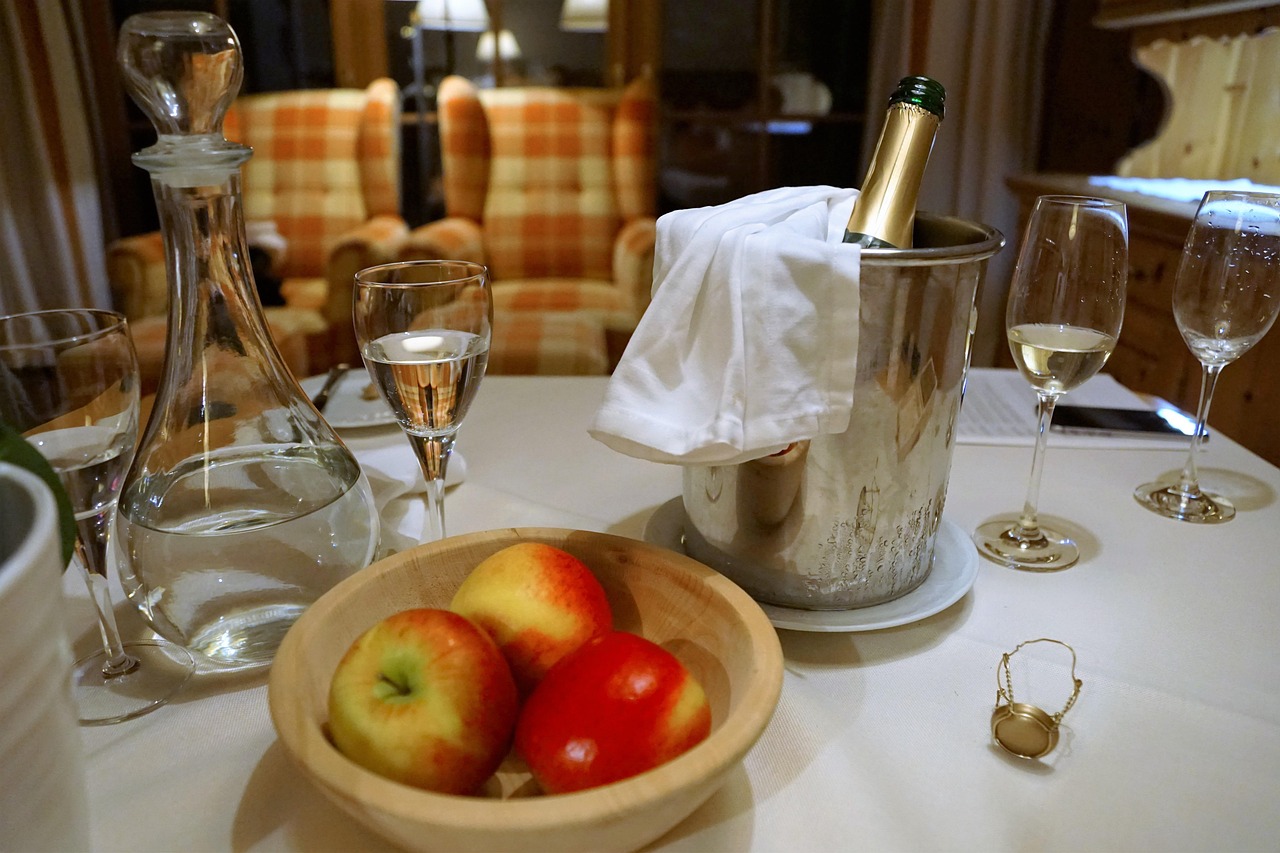
Champagne’s cuisine has long lived in the shadow of its wines, but in the past decade the food scene has grown teeth. You’ll find everything from Michelin-starred dining in Reims to farm-style lunches in wine villages.
Signature Dishes & Products
- Jambon de Reims: A coarse ham, usually served in thick slices or terrine form; excellent with a glass of Brut.
- Lentillons de Champagne: Small pink lentils, often stewed with vegetables or sausages.
- Andouillette de Troyes: A tripe-based sausage with a powerful aroma—strictly for adventurous eaters.
- Chaource & Langres: Soft, creamy cheeses from nearby areas; wonderful with richer Champagnes.
- Biscuit rose de Reims: Pink biscuits traditionally dipped in Champagne.
Where to Eat: From Farm Stays to Bistros
While Champagne doesn’t have agriturismi in the Italian sense, it does have ferme-auberges (farm inns) and winegrower guesthouses where you can eat extremely well.
- Family-Run Inns: In villages like Avize, Aÿ, and Verzenay, look for simple inns serving set menus based on what’s seasonal. I’ve had some of my best meals here: roast chicken with local mushrooms, lentils with smoky bacon, pear tarts made that morning.
- Reims “Bistronomie”: A new generation of chefs is doing modern, technique-driven cooking at bistro prices. It’s a great way to experience sophisticated pairings without the formality of fine dining.
- Épernay Wine Bars: Small plates, charcuterie boards, and flights of grower Champagnes—ideal for casual evenings.
Markets & Picnics
Village and city markets are perfect for assembling picnics: a wedge of cheese, cured meat, fresh bread, and fruit from local orchards. Many vineyard viewpoints around Hautvillers, Avize, and the Vallée de la Marne make ideal picnic spots.
Saving Money on Food & Wine
- Lunch Main, Light Dinner: Do your main meal at lunch when set menus are often cheaper, then opt for lighter bites in the evening.
- Cellar Door Purchases: Buying bottles directly from producers can be more affordable, especially for grower Champagnes; just be mindful of airline luggage limits.
- Self-Catering: Renting an apartment or gîte with a kitchen lets you cook with market produce and spend more of your budget on tastings.
Evenings in Champagne: Quiet Magic After Dark
Champagne is not a late-night party region; its energy is daytime-focused, following the rhythm of work in the vines and cellars. But evenings here have a different charm—a quieter, more intimate one.
Small Town Squares & Village Bars
In villages like Aÿ, Hautvillers, or Avize, evenings revolve around a small number of cafés and wine bars. Locals drop in for an apéro, kids cycle around the square, and visitors blend into the background.
Sunset Viewpoints
- Above Hautvillers: West-facing slopes give classic golden-hour views over the Marne.
- Verzenay Lighthouse Hill: You don’t have to climb the lighthouse; just being on the hill as the light softens is special.
- Côte des Blancs Ridges: Near Avize or Cramant, the long, even lines of vines glow at dusk.
Seasonal Festivals & Concerts
Summer brings open-air concerts, village fêtes, and occasional night-time cellar events. In 2026, expect more music and gastronomy pairings as local tourism boards emphasize “experiential” travel.
Champagne Events & Festivals 2026–2027
Events shift slightly year by year, but certain rhythms are dependable.
- Harvest (Vendanges): Typically early to late September. Not a public “festival” as such, but many villages feel alive with activity. Some estates in 2026 may offer limited harvest-experience days by reservation.
- Fêtes de la Champagne: Rotating village celebrations with tastings, parades, and music, usually in summer. Check local tourism sites for 2026–2027 dates.
- Reims Christmas Market (Marché de Noël): Late November through December. One of France’s largest Christmas markets, with Champagne stands, crafts, and regional food.
- Viti-vinicole fairs in the Côte des Bar: Smaller, producer-focused events showcasing local wines; excellent for dedicated enthusiasts.
Day Trips from Champagne
While a week in Champagne hardly exhausts the region, you may want to look beyond the vines for a day or two.
Paris
Just 45 minutes by TGV from Reims, Paris makes an easy day trip. Personally, I prefer starting in Paris and then decompressing in Champagne, but it works either way.
Châlons-en-Champagne
Known as the “Venice pétillante,” this small city has canals, half-timbered houses, and evening boat tours in season. It’s a pleasant, low-key contrast to Reims and Épernay.
Lac du Der
One of Europe’s largest artificial lakes, Lac du Der is a haven for birdwatchers (especially migrating cranes in autumn) and water-sports fans. Great for families needing a break from tasting rooms.
Cultural Etiquette & Local Customs in Champagne
Champagne is French at heart: polite, a touch formal at first, but genuinely warm once you make an effort.
Greetings & Politeness
- Always begin interactions with a “Bonjour Madame/Monsieur”, even in shops and at cellar doors.
- In tastings, a simple “Merci beaucoup, c’était délicieux” goes a long way.
At Tastings
- Spitting is normal, especially when driving; ask for a crachoir if one isn’t obvious.
- Buying a bottle after a tasting is appreciated but not absolutely mandatory if there’s a paid fee.
- Don’t rush; tastings are as much about conversation as the liquid.
Dress Code
Smart-casual works almost everywhere. For high-end houses or restaurants, avoid sportswear and very casual shorts. Comfortable shoes are crucial for cellar steps and vineyard walks.
Family Travel
Children are generally welcome in most tasting rooms, provided they’re calm and supervised. Some estates offer juice or grape must so they feel included.
Practical Travel Advice for Champagne (2026–2027)
Getting There
- By Train: TGV from Paris-Est to Reims (approx. 45 minutes). Regional trains connect Reims–Épernay–Châlons-en-Champagne.
- By Car: From Paris, allow 1.5–2 hours via the A4 motorway to Reims or Épernay.
Getting Around
Is a Car Essential?
- For a compact 4 day itinerary for Champagne focused on Reims and Épernay: trains + taxis + local tours can work.
- For deeper exploration (Côte des Blancs, Vallée de la Marne backroads, Côte des Bar): a car is highly recommended, especially for 5–7 day itineraries.
Driving Distances (Approximate):
- Reims–Épernay: 30–40 minutes.
- Épernay–Avize: 15–20 minutes.
- Épernay–Hautvillers: 10–15 minutes.
- Reims–Verzenay: 30 minutes.
- Reims–Les Riceys (Côte des Bar): 2–2.5 hours.
- Épernay–Troyes: about 1.5 hours.
Car Rental & Parking
- Pick up a rental in Reims, Épernay, or Paris. Reims often has the best combination of choice and convenience.
- Historic centers: In Reims and Troyes, favor public car parks just outside the most historic streets and walk in.
- Villages: Usually easy street parking; always avoid blocking cellar doors or tractors’ access points.
Public Transport
Regional trains and buses connect main towns but rarely sync with tasting schedules. For countryside exploration without driving, consider:
- Hiring a local driver-guide for a day.
- Joining small-group wine tours that pick up in Reims or Épernay.
SIM Cards & Connectivity
- In 2026, eSIMs are widely available; consider purchasing a French or EU eSIM online before arrival.
- Physical SIMs can be bought in phone shops in Reims and Épernay; you’ll need ID.
- Coverage is generally good but expect occasional dead zones in forests and deeper valleys.
Visa Requirements & Driving Licenses
- Visas: Champagne is in France, part of the Schengen Area. Check your nationality’s rules; many visitors get 90 days within 180.
- Driving Licenses: EU/EEA licenses are valid. Many other countries’ licenses are accepted; an International Driving Permit is recommended for non-EU licenses, especially if not in Latin alphabet.
Budget Tips
- Base partly in smaller villages or gîtes for better value than city hotels.
- Mix top-tier house visits with free or low-cost tastings at small producers.
- Use supermarkets for picnic supplies rather than always eating out.
Best Seasons & What They’re Good For
- Spring (April–May): Vines leaf out, wildflowers bloom, fewer crowds, cool but pleasant. Great for walking and photography.
- Summer (June–August): Warmest weather, longer days, most events. Also busier and pricier; reserve tastings well ahead.
- Harvest (September): Fascinating energy in the villages; some tastings limited as producers are busy. Book very early.
- Autumn (October–early November): Vines turn gold and red; beautiful light, quieter atmospheres. My personal favorite time for a 5–7 day itinerary in Champagne.
- Winter (late November–March): Cold, often gray, but very atmospheric. Reims Christmas market adds sparkle. Great for focused cellar visits and lower prices.
Summary: Key Takeaways & Final Recommendations
Champagne rewards those who slow down. It’s easy to race from famous cellar to famous cellar, but the real joy lies in connecting the dots: the chalk under your boots, the vines on the slopes, the smell of the cellars, the stories in the glass.
- For 4 days in Champagne: Base in Reims or split with Épernay; focus on cathedral, major houses, Hautvillers, and a glimpse of the Côte des Blancs.
- For 5 days in Champagne: Add Troyes or an extra night in a wine village for a deeper feel for local life.
- For 6–7 days in Champagne: Venture to the Côte des Bar, explore more villages in the Montagne de Reims and Vallée de la Marne, and allow unscheduled time for serendipity.
- Best overall seasons: Late spring and autumn for balance of weather, crowd levels, and vineyard beauty.
If you let Champagne be more than a day trip—if you give it a full 4–7 day itinerary—it becomes not just a place you visited, but a rhythm you lived for a little while: early light on vines, cool air in the chalk, the soft pop of a cork at dusk. And chances are, like me, you’ll find yourself planning your return before you’ve even finished your last glass.