Why Visit Château d’Amboise?
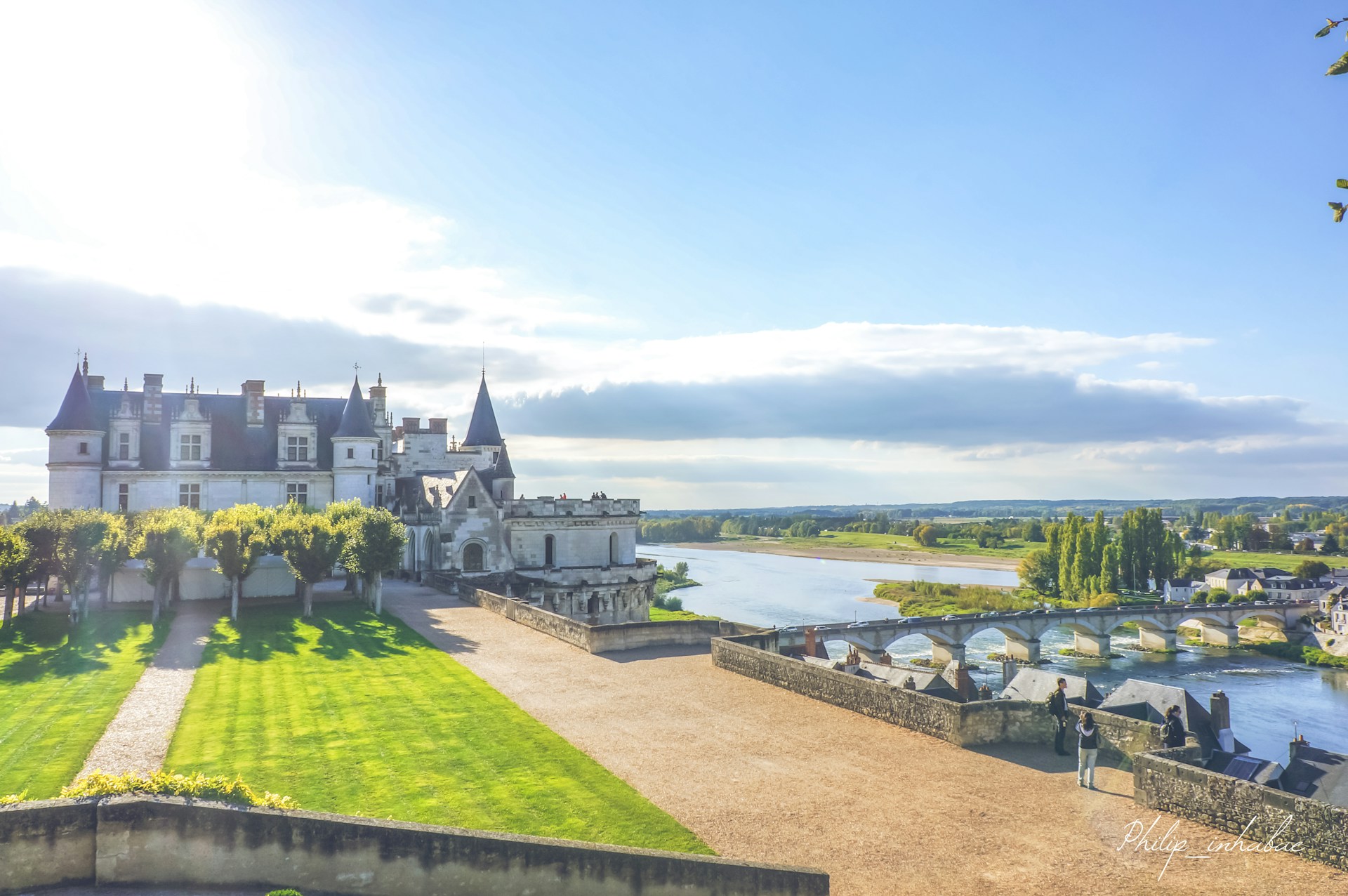
Perched on a rocky spur above a slow, wide curve of the Loire, the Château d’Amboise is one of those places that rearranges your inner map of France. It is at once a royal fortress, a Renaissance palace, a small lived-in town, and a river landscape that feels unchanged in centuries.
On paper, it’s “just another Loire Valley castle.” In person, it’s a dense layering of French history: Charles VIII and Anne of Brittany, François I and the Italian Renaissance, Leonardo da Vinci’s final years, the Wars of Religion, the Revolution, and then the fragile rebirth of a royal residence in the 19th and 20th centuries. All of that sits above a town where kids still cycle along the levee, bakers know their morning regulars, and locals grumble about summer parking the way only people who secretly like visitors can.
I’ve been visiting Amboise since my student days, usually in shoulder seasons when the light is low and the mist sits on the Loire. Over the years I’ve watched the town shift from sleepy local hub to polished but still authentic base for exploring the Loire Valley. It’s the place I send friends who want France in miniature: a walkable historic center, a manageable castle, riverside paths, easy day trips, and enough cafés to make you feel like you’re in on a gentle secret.
Whether you’re planning a 2 day itinerary for Château d’Amboise as part of a larger Loire Valley loop, or settling in for a 3 day itinerary for Château d’Amboise or even a 4 days in Château d’Amboise stay, this guide is designed to give you both the big-ticket sights and the little, local rhythms that make the town worth savoring rather than just ticking off.
Table of Contents
- Understanding Amboise & the Château: Layout, History & How It All Fits Together
- Suggested Itineraries: 2–4 Days in Château d’Amboise
- 12 Key Quarters, Monuments & Sites – Deep Dives
- 1. Château d’Amboise: The Royal Fortress
- 2. Chapelle Saint-Hubert & Leonardo’s Tomb
- 3. The Royal Logis & Renaissance Apartments
- 4. Ramparts & Panoramic Gardens
- 5. Vieux Amboise (Old Town)
- 6. Loire River Quays & Levees
- 7. Clos Lucé – Leonardo da Vinci’s Last Home
- 8. Île d’Or Island
- 9. Église Saint-Denis & Upper Town Streets
- 10. Amboise Markets & Food Streets
- 11. Troglodyte Houses & Caves Around Amboise
- 12. Surrounding Vineyards & Countryside Lanes
- Traditional Cuisine & Local Food in Château d’Amboise
- Evenings in Château d’Amboise
- Major Events & Festivals 2026–2027
- Best Day Trips from Amboise
- Cultural Experiences, Local Customs & Etiquette
- Practical Travel Advice for Château d’Amboise
- Summary & Final Recommendations
Understanding Amboise & the Château: How the Town Is Layered
From above, Amboise is a triangle: the château and its gardens occupying the rocky promontory; the old town fanning out beneath its walls; and the Loire curving around with levees and small bridges tying everything together. The layout is key to making the most of your visit.
The town grew under the protection of a medieval fortress that once occupied far more space than the refined Renaissance palace you see today. Over the centuries, large sections of the fortress were demolished, reshaped, or turned into gardens. If you stand on the place Michel Debré and look up, you see the surviving 15th-century round towers and the graceful logis royale of the 16th century. Walk the ramparts, and you can follow how power, taste, and warfare changed the site.
The lower town is mostly 15th–19th century: slate roofs, limestone facades, and a jumble of alleys that still follow medieval patterns. The main streets run parallel to the river, with smaller lanes climbing up toward the château or away into newer residential zones. The Loire quays and levees were fortified against floods; today they are the town’s promenade, especially at sunset.
When you plan your days here, think in vertical and horizontal layers: start on the heights (château, chapels, ramparts), then descend to the town for food and wandering. Loop out to the river, the island, and the countryside, then back to the illuminated castle at night. The charm of Amboise is in moving constantly between these layers of time and topography.
Suggested Itineraries: 2–4 Days in Château d’Amboise
Below are flexible, story-driven itineraries drawn from my own recent stays in 2024 and early 2026. They are built to balance must-see attractions in Château d’Amboise with slow, local experiences and room for weather or whim.
2 Day Itinerary for Château d’Amboise
If you have just 2 days in Château d’Amboise, focus on the essentials: the château itself, the old town, and Leonardo’s Clos Lucé, with enough time to feel the river and the evening atmosphere.
Day 1 – The Royal Heights & Riverside Dusk
I like to start the first morning in Amboise by crossing the bridge from the railway station side just after breakfast. The château rises ahead like a crenellated ship, the Loire mist still lifting off the water. In 2026, the town is busier earlier than it used to be, thanks to tighter tour-bus schedules, so arriving at the château right when it opens (usually around 9:00) is more important than ever.
Walk up via the rue de la Concorde and then the rampe du Château, letting the streets narrow and the angles of the towers shift as you climb. At the ticket office, consider the combined tickets that include Clos Lucé if you know you’ll visit both; they’re often a few euros cheaper and save you a queue later (details in the logistics section).
Inside the château, I always head straight for the ramparts before exploring the interiors. The light is best in the morning, and you’ll have fewer people in your photos. Standing on the terraces, the view is a lesson in geography and power: the Loire bending toward Tours, the roofs of Amboise clustered protectively around the rock, the Île d’Or like a green barge moored midstream.
Make a slow loop of the gardens and ramparts, pausing to read the discrete panels about the château’s transformation from a medieval stronghold into a Renaissance showpiece. The 15th-century towers, with their massive internal ramps once used by horses and carriages, are some of my favorite spaces: cool, echoing, and a little uncanny.
Then turn inward to the logis royale, the royal apartments. In recent years, the curators have done a better job of balancing period reconstruction with clear information in French and English. As you move through the rooms—guardroom, council chamber, royal bedroom, oratory—look for small details: the coffered ceilings, the carved mantelpieces, the heraldic symbols of the kings who stayed here.
Don’t rush the Chapelle Saint-Hubert, perched just outside the main residential block. This tiny flamboyant Gothic chapel, with its delicate stonework and royal symbols, houses the tomb traditionally associated with Leonardo da Vinci. Whether his remains are truly here or not, the chapel is a powerful symbol of the links between Amboise, the Loire, and the Italian Renaissance.
By late morning, the groups begin to swell. This is when I duck out into the old town for lunch. Exit down the main ramp and emerge onto place Michel Debré, the central square lined with cafés and restaurants. Most visitors stop here—and it’s not a bad idea if you pick carefully. For something a little more local, step one street back, into the narrow lanes between rue Nationale and rue de la Concorde, where you’ll find smaller bistros and bakeries catering as much to residents as to visitors.
Order something regionally anchored: rillettes de Tours on toast, a salad with local goat cheese (chèvre de Sainte-Maure or Valençay), maybe a glass of Vouvray white. In 2026, more menus highlight local producers; don’t be shy about asking where the wine or cheese comes from—it’s a conversation starter, not a test.
After lunch, wander the old town without a list. Start with the main pedestrian street, then peel off into the side alleys that step up toward the château walls. Look for remnants of old town fortifications—arches, stairways, thick walls half-swallowed by later houses. In the afternoon light, the limestone facades glow, and the shadows lengthen in the narrow lanes.
Mid-afternoon is a good time to stroll down to the river. Cross the main bridge, pont du Maréchal Leclerc, and then drop onto the levee path along the opposite bank. This is where you get the postcard view: the château stretching along the skyline, the church spires pricking upward, the houses lined up behind the quay. Families walk dogs here; teenagers lean on the railing and gossip; visiting cyclists rearrange panniers.
Stay out until sunset. The light over the Loire can be extraordinary—bronze, then pink, then a soft grey-blue. As darkness falls, the château lights up in warm tones, reflected in the water. If you’re here in summer, you may catch one of the evening sound-and-light shows (more on those later); in other seasons, just enjoy how the town softens and quiets once the day-trippers leave.
Dinner is best back in the old town. Book ahead in high season; walk-ins are easier in spring or autumn. Aim for somewhere tucked in a side street rather than directly on the main square if you want a slightly more local crowd. Walk home under the watchful silhouette of the château.
Day 2 – Leonardo, Gardens & Hidden Corners
Your second day in this 2 day itinerary for Château d’Amboise is all about Leonardo da Vinci and expanding your sense of the town beyond the obvious axes.
Start with a slow breakfast in a bakery-café—there are a couple on rue Nationale that open early. A warm pain aux raisins or tarte au sucre, a strong coffee, and a few minutes of people-watching as the town wakes up is one of my quiet pleasures here.
Then walk up to Clos Lucé, about 10–15 minutes from the château. The route threads through residential streets and then narrows into a lane that feels surprisingly rural. The first time I did this walk years ago, I remember being startled by how fast the town fell away; even now, with more visitor traffic, that shift from urban to leafy is one of Amboise’s charms.
Clos Lucé is the manor where Leonardo spent his last years under the patronage of François I. Today it’s a lively, sometimes busy site that manages, on quiet mornings, to feel unexpectedly intimate. Inside, you’ll see rooms furnished in the style of Leonardo’s time: his bedroom, the kitchen, a small chapel, and spaces dedicated to models of his inventions. Some are fanciful reconstructions; others are grounded in his actual designs.
The real magic, to me, is in the gardens. Designed as an “interactive” park of Leonardo’s ideas, they could easily feel gimmicky, but if you go early—before the biggest groups—you can wander the paths, listen to the small streams, and stumble upon full-scale models of bridges, flying machines, and war devices nestled among the trees. Kids love this; adults can enjoy both the engineering and the atmosphere. It’s one of the best family-friendly things to do in Château d’Amboise.
Plan to spend at least two to three hours at Clos Lucé. There’s a café on site, but I prefer to head back toward town for lunch. On the way, detour up small streets such as rue Victor Hugo, where stone houses pile up against the slope and you occasionally glimpse the château’s walls looming above.
After lunch, explore the parts of town most visitors skip: the upper town around Église Saint-Denis, a 12th-century church with later additions, and the residential streets that climb gently away from the old center. This is where you feel Amboise as a lived-in place rather than an open-air museum. There are little squares with benches, kids playing football, laundry on balconies.
Mid-afternoon, if the weather is kind, cross to the Île d’Or, the long island in the middle of the Loire. When the river is low and the sun is out, its fields and trees feel at once central and slightly wild. There’s a camping ground at one end, but walk far enough and you’ll find quieter stretches where you can sit in the grass and look back at the château’s profile.
For your final evening, repeat the riverside walk—but this time, pay attention to how the town’s personality shifts compared with the night before. On weekends, there’s more of a buzz; on weekdays, you may have long stretches of levee almost to yourself. If you’re here during the summer’s sound-and-light season, consider booking an evening show at the château; if not, a simple glass of local wine on a terrace as the lights come on is its own reward.
This 2 day's in Château d’Amboise plan hits the highlights while leaving enough breathing room to feel the rhythms of the place. If you can, though, stay longer.
3 Day Itinerary for Château d’Amboise
With 3 days in Château d’Amboise, you can broaden your experience: add vineyards, troglodyte sites, and more time to simply wander. I’ll assume you follow the first two days as above and add:
Day 3 – Vineyards, Troglodytes & Slow Loire
On my most recent 3-day stay, I dedicated the third day to going just beyond the town’s obvious orbit. After two days of castles and cobblestones, it felt good to stretch my legs in the countryside.
Begin with a leisurely breakfast and then either rent a bike (several shops in town, especially near the station and along the main bridge) or prepare for a day of gentle walking combined with short taxi rides. Local taxis are used to shuttling visitors to nearby cellars; ask your accommodation for a trusted number.
Head east or west along the Loire on one of the marked cycling routes that are part of the larger La Loire à Vélo network. Within 20–30 minutes, the town falls away and you’re surrounded by vineyards, poplar stands, and small hamlets. In 2026, more signage points out local wine appellations and producers; keep an eye out for Vouvray, Montlouis-sur-Loire, and Touraine-Amboise labels.
Stop at a small family-run cave for a tasting—often in converted troglodyte caves dug into the soft tuffeau rock. Some of these cellars stay a steady, cool temperature year-round and feel like underground cathedrals of wine. Tastings are usually informal; there’s no pressure to buy, though you’ll probably want to. It’s one of the more memorable cultural experiences in Château d’Amboise’s surroundings.
For lunch, pack picnic supplies from Amboise’s market (if it’s a Friday or Sunday) or from a good charcuterie and bakery in town. Find a quiet spot along the river or at the edge of a vineyard. I still remember one misty spring lunch sitting on an old stone wall, a hunk of baguette, some rillettes, and a still-cool bottle of local white, watching tractors move like slow insects along the vine rows.
On the way back, detour to a troglodyte village—clusters of cave dwellings carved directly into the rock, sometimes with modern facades; sometimes left in semi-ruin. A few near Amboise are open as small museums or artisans’ workshops. They offer a fascinating counterpoint to the polished stone of the château: the everyday, underground architecture that has sustained people here for centuries.
Return to town in the late afternoon for a coffee or ice cream on the square. For your last evening, I recommend a slightly more “dressed” dinner—nothing too formal, but perhaps one of the town’s better bistro-gastronomique addresses. Reserve ahead, especially in summer.
Walk off dinner with one last loop: up the quiet back streets behind rue de la Concorde, past darkened doorways and the occasional warm rectangle of a window, then down again to the river. This is when Amboise feels most like itself to me: after the day’s narratives have quieted, when the castle is just a luminous backdrop to people going about their lives.
4 Day Itinerary for Château d’Amboise
A 4 day itinerary for Château d’Amboise lets you make the town your base for exploration: add a major Loire château day trip, plus more time to sink into Amboise’s slower cadences. Again, assume you follow days 1–3 and add:
Day 4 – Day Trip to a Neighboring Château & Nighttime Amboise
On my favorite four-day stay in 2025, I used the last day to visit Château de Chenonceau, arguably the most romantic of the Loire castles, built over the Cher River. It’s about 20 minutes by car from Amboise or 30–40 minutes by regional train plus a short walk or taxi. You could also choose Château de Chaumont-sur-Loire, with its world-class garden festival (see day-trip section), or Chambord if you’re drawn to grand architectural experiments.
Whichever you choose, aim to leave Amboise after breakfast and return by late afternoon. You’ll appreciate the contrast: seeing another great château helps you understand what makes Amboise different—more compact, more visibly layered, more tightly embedded in its town.
Back in Amboise, spend your last late afternoon revisiting any corner you loved: another walk through the château gardens if you bought a multi-entry ticket (occasionally available during special events), a final glass of wine on the levee, or a last meander in the old alleys. I often find myself drawn again to the Chapelle Saint-Hubert at twilight, when the stained glass glows softly and the chapel is almost empty.
Consider an evening themed tour if available: some seasons offer night visits of the château with guides in period costume or special illumination of the gardens. These can be touristy, but they also offer rare access to spaces and stories not always highlighted in the daytime circuits. Book ahead; dates and formats change yearly.
End your 4 days in Château d’Amboise with a late stroll along the Loire. Even after all these years, my favorite Amboise memory is a simple one: standing on the bridge around 11 p.m., a light breeze coming off the river, the château hovering above like a warm ship, and the town around me quiet, almost breathless, as if holding its history and its present gently together.
12 Key Quarters, Monuments & Sites in and Around Château d’Amboise
To truly understand Amboise, you need to see how its main sites fit together—not as isolated attractions, but as chapters of one long story. Below are twelve places that form the backbone of any deep travel guide for Château d’Amboise, with personal notes on what to look for and how to experience them.
1. Château d’Amboise: The Royal Fortress
Once one of the most important royal residences in France, the Château d’Amboise is now both a ruin and a palace, part fragment and part restoration. That duality is key: unlike some Loire castles that present a seamless, museum-perfect facade, Amboise wears its scars openly.
The first fortifications here date back to at least the 11th century; by the 15th, the powerful House of Amboise had turned it into a formidable medieval fortress. When the French crown seized the site, Charles VIII and later Louis XII and François I transformed it into a residence suitable for a new, Renaissance-inflected monarchy. Italian architects and artisans were invited; terraces, gardens, and elegant logis rose where once there had been only walls and towers.
But revolutions and changing tastes were not kind. Large sections were demolished in the 18th and 19th centuries; stones were reused in local houses. What you walk through today is about a quarter of the château at its peak. The result is a site where you can read history in the negative space as much as in the surviving buildings.
On my last visit, I spent close to four hours here, following the official circuit but also intentionally taking wrong turns—down a side stair, into a less-trafficked garden corner. That’s how I found one of my favorite views: a small opening in the ramparts framing the Loire, a single willow tree, and a strip of sky. It felt like a camera obscura of the valley.
Practical tips:
- Arrive at opening time or late afternoon to avoid peak bus tours, especially in May–September.
- Allow at least 2–3 hours; more if you like to linger with views and details.
- Check for temporary exhibitions; in 2026, several focus on the Italian connections of the Valois court.
- Wear soft-soled shoes; some floors creak and echo, and stairs can be uneven.
2. Chapelle Saint-Hubert & Leonardo’s Tomb
Small but intricate, the Chapelle Saint-Hubert feels like a jewel-box pinned to the edge of the château’s rock. Built in the late 15th century, it’s dedicated to Saint Hubert, patron saint of hunters, which makes sense in a court whose leisure and power were expressed partly through grand hunts in the surrounding forests.
The exterior stonework is deliriously ornate: pinnacles, crockets, and royal emblems carved in tuffeau that has weathered to a soft, honeyed tone. Inside, the chapel is surprisingly intimate, with stained-glass windows that cast jewel-toned light on the simple stone floor. In a niche lies the tomb attributed to Leonardo da Vinci, who died in Amboise in 1519.
The story of Leonardo’s remains is complex and partly speculative. His original burial was in the now-vanished collegiate church of Saint-Florentin; later excavation and reinterment led to the current tomb. Whether this is truly his resting place or not, the chapel has become a symbolic pilgrimage site for admirers. I’ve watched engineers, artists, and schoolchildren pause here with a quiet intensity that has little to do with the sometimes hurried flow of the rest of the château.
Tip: Visit either early or toward closing, when fewer people are inside. Stand near the back, let your eyes adjust, and notice how the space balances vertical aspiration with grounded, human scale.
3. The Royal Logis & Renaissance Apartments
The logis royale—the main residential block—is where you feel the transition from fortress to palace most acutely. It’s not Versailles; the scale is still human, the rooms connect in ways that feel domestic, even if they once hosted councils of war and affairs of state.
Much of what you see is 15th–16th century, but interiors have been restored and refurnished in the 19th century and beyond. This is not a perfectly preserved Renaissance interior; it’s a palimpsest of tastes. Still, certain rooms resonate: the guardroom with its massive fireplace and dark beams, the king’s chamber with its heavy bed and tapestries, the oratory with its painted vaults.
I like to walk the logis twice: once quickly, to get the flow, and once slowly, focusing on small things—a carved figure in a fireplace jamb, the pattern of floor tiles, a view framed by a window. In one corner room, I stood at the glass watching a passing rain squall move along the Loire, the river surface stippled, the opposite bank fading to grey. It felt like a private weather theater, a reminder that these rooms have always been more than museum sets; they are places where people have watched storms, sunrises, and political tides roll past.
Tip: Audio guides and printed booklets both exist; choose based on your attention span. I often skip the audio in favor of reading a bit in each room and leaving space for imagination.
4. Ramparts & Panoramic Gardens
The ramparts are where the château breathes. Once purely defensive, these walls and towers are now the stage for gardens, lawns, and viewpoints. As you walk them, you trace the changing logic of power: from brute height and thickness to graceful display.
On the western side, terraced lawns open toward the town and the Loire beyond. The view has barely changed in a century: slate roofs, stone facades, the river’s silver band. On misty mornings, it feels like looking down into a bowl of clouds. On clear summer afternoons, the light can be almost Mediterranean, white-hot on stone and water.
On the eastern flank, the gardens are more structured, with clipped hedges and flowerbeds. Look for the remains of the old royal gardens that once extended further; interpretive panels and subtle earthworks hint at their original design. The idea that kings once walked here planning campaigns, alliances, and marriages adds a quiet drama to what might otherwise be “just” a lovely garden stroll.
Tip: These paths can be sloped and, in wet weather, a bit slippery. Good shoes are essential, and visitors with limited mobility may find some sections challenging; check access information at the ticket office.
5. Vieux Amboise (Old Town)
Beneath the château’s stone hull, the old town of Amboise spreads like a soft landing. Its lanes and houses are not a stage set; people live, work, and argue here. That lived-in quality is what keeps the town from tipping into pure postcard.
Start on place Michel Debré, the main square, then slip into the narrower rue Victor Hugo, rue Nationale, and the alleys connecting them. Look up: many houses have carved stone lintels, old painted signs, or tiny iron balconies. The closer you get to the château walls, the more the town bunches and climbs, roofs stacked at odd angles to follow the rock’s shape.
I like to approach the old town chronologically: begin near the river, where buildings are generally 18th–19th century, then work inward and upward to find older, 15th–17th century cores. There are spots where you can still see remnants of earlier fortifications or stairways that once connected directly to the château above.
Hidden gems in the old town:
- A tiny wine bar in a side street where locals cluster after work (ask at your lodging; names change faster than guidebooks).
- A courtyard glimpsed through an open gate—cobbles, a fig tree, an old well—inviting a stolen photograph taken quickly and respectfully.
- Small artisans: a potter, a bookbinder, a maker of honey and jams from nearby villages.
Keep your pace slow. This is the quarter where Amboise rewards meandering, not marching.
6. Loire River Quays & Levees
The Loire is France’s last great wild river, and in Amboise, it’s both a boundary and a connective tissue. The quays were originally practical—places to unload goods, to manage floods. Today they are the town’s lung.
Walk the paved promenade on the town side for easy views and café access. Cross the bridge to the opposite levee for a more expansive panorama and fewer people. In spring, the river runs higher, more muscular; in late summer, sandbanks appear, creating shifting islands where birds gather. Autumn sunsets can paint the water with improbable oranges and violets.
Early mornings here are my favorite: dog-walkers, joggers, the occasional fisherman, and a surprising quiet given how close you are to the center. In contrast, summer evenings bring picnics, impromptu gatherings of students and campers from the Île d’Or, and sometimes small concerts or pop-up food trucks.
Tip: The river is beautiful but dangerous; currents are strong and sandbanks unstable. Swimming is generally not advised except in designated spots (rare around town). Enjoy it with your eyes, not your body.
7. Clos Lucé – Leonardo da Vinci’s Last Home
Clos Lucé is both museum and myth. The red-brick-and-stone manor stands slightly apart from town, surrounded by trees that feel older than they probably are. It was here that Leonardo, invited by François I from Italy, spent his final years working on projects that blended art, engineering, and visionary speculation.
Inside, some rooms have been recreated in a way that risks sentimentality, but there are corners where you feel a genuine intimacy: worn stair treads, low beams, small windows pooling light on a desk. The exhibitions of Leonardo’s drawings and models are aimed at a broad audience; I’ve seen teenagers light up here in a way they never did in art class.
The gardens, with their walkways and full-scale models of Leonardo’s inventions, are where the site truly comes alive, especially for families. I’ve spent happy hours watching children test a rotating bridge or a paddle-boat concept while parents half-read the explanatory panels and half-enjoy the dappled shade.
Practical: Clos Lucé can be very busy in July–August and on holiday weekends. Go right at opening or later in the day; consider a combined ticket with the château to save a bit. There’s a restaurant and a crêperie on site; I prefer to eat back in town, but the garden café is fine for a drink and a snack.
8. Île d’Or Island
The Île d’Or is technically part of Amboise, but emotionally it’s a separate realm: a strip of green in the middle of the Loire, accessible by bridge yet feeling half-wild. On one end, you’ll find a camping ground and sports facilities; on the other, quieter stretches of grass, poplars, and riverbank.
On warm days, locals spread blankets here, kids play, and the air smells of sunscreen and barbecues. In the off-season, I’ve had the island almost to myself, the only sounds the wind in the trees and the mutter of the river. The view back to the château is one of the best in town, especially in late afternoon when the western light hits the stone square-on.
Romantic tip: Bring a small picnic, a bottle of Loire white, and sit facing the château as dusk deepens. It’s a quietly romantic setting that feels more private than most “romantic spots” in guidebooks.
9. Église Saint-Denis & Upper Town Streets
Up the hill from the main tourist routes, Église Saint-Denis has been watching over Amboise since at least the 12th century. Its Romanesque and Gothic elements blend into a humble, sturdy whole rather than architectural fireworks. Step inside for cool, dim air and a hush often missing from the more visited spaces below.
The surrounding streets are residential, with small gardens, parked cars, and a pace that has nothing to do with tourist timetables. Walking here, you see laundry, schoolbags, recycling bins—all the quiet signs that this is a town where people live year-round, not a preserved medieval quarter.
I like to come up here late afternoon, sit on a bench near the church, and watch light fall over the rooftops below. On my last visit, an elderly couple sat nearby, discussing (from what I could catch) nothing more momentous than the state of their tomato plants. It was perfect.
10. Amboise Markets & Food Streets
No travel guide for Château d’Amboise is complete without the markets. They are where you feel the region’s agricultural richness: cheeses, charcuterie, breads, fruits, vegetables, wines, and the occasional stall of river fish or game.
The main market typically takes place along the river on Fridays and, more substantially, on Sundays (check 2026 schedules locally; times can change slightly). On market mornings, the town is at its liveliest. Stalls line the quay; the air smells of rotisserie chickens, ripe melons, and coffee from nearby cafés.
Walk the length of the market first, then circle back to buy. Taste-before-you-buy is normal for cheeses and some cured meats; a polite “Puis-je goûter, s’il vous plaît ?” goes a long way. Pick up supplies for picnics or light suppers: a wedge of goat cheese, a jar of rillettes, a bag of cherries, a baguette still warm from the oven.
Off-market days, food streets like rue Nationale host good bakeries, butchers, and small grocery shops. Look for windows piled with tarte Tatin, flan, and regional specialties. These are the places that survive on locals rather than tour buses; spending a few euros here is a small way to support the town beyond its big-ticket sites.
11. Troglodyte Houses & Caves Around Amboise
One of the Loire Valley’s quirks is its troglodyte heritage: homes, cellars, and chapels carved directly into the soft limestone cliffs. Around Amboise, you’ll spot these as doorways and windows set into rock faces, sometimes with modern facades; sometimes left in charming semi-ruin.
Some are private homes (please respect that); others host wine cellars, mushroom farms, or small museums. A visit to one offers a fascinating glimpse into a way of life that balanced practicality (constant indoor temperature, efficient use of space) with a certain cave-dweller romance. On one particularly hot August day, I escaped into a troglodyte cellar where the air was a stable, deliciously cool 12°C and the only sound was the clink of bottles.
Tip: Ask at the tourist office for current troglodyte sites open to visitors in 2026; a few have changed hands recently, and opening hours can be irregular.
12. Surrounding Vineyards & Countryside Lanes
The countryside around Amboise is low-drama but high-charm: gently rolling hills, rows of vines, small mixed farms, and lanes that seem designed for unhurried wandering. For me, this is where the Loire’s fabled douceur de vivre—sweetness of life—feels most tangible.
By bike, you can explore signed routes that connect Amboise with neighboring villages. On foot, choose shorter loops: a lane between vineyards, a path down to the river, a track through a patch of woodland. In early summer, the vines are lush; in autumn, the leaves flame red and gold; in winter, everything pares back to stark geometry and big skies.
These are not “sites” in the monumental sense, but they shape the town’s mood and its food. The wine you drink, the goat cheese you eat, the fruits on your breakfast table—they all come from this mosaic of fields and farms.
Traditional Cuisine & Local Food in Château d’Amboise
The Loire Valley is often called the “garden of France,” and Amboise sits squarely in that pantry. The food here is not as showy as in some regions, but it’s rooted, generous, and often quietly elegant.
What to Eat
- Goat cheese (chèvre): Sainte-Maure-de-Touraine (log with straw), Valençay (pyramidal), and others. Try them at different ages—from fresh and mild to older and more assertive.
- Rillettes de Tours: Slow-cooked, shredded pork confit, usually eaten spread on bread. Rich, comforting, perfect with pickles and a glass of wine.
- River fish: Sandre (pike-perch), brochet (pike), and others, often served with butter or light wine sauces.
- Tarte Tatin: Caramelized upside-down apple tart, not unique to Amboise but ubiquitous and often excellent here.
- Fouées / fouaces: Small hollow bread pockets (more common further west but sometimes found here), traditionally baked in wood-fired ovens and stuffed with rillettes, beans, or goat cheese.
Where to Eat: Local & Family-Run Spots
In 2026, Amboise’s food scene is a mix of tourist-oriented terraces and genuinely local haunts. A few patterns to look for:
- Side-street bistros just off place Michel Debré, often run by couples or families. Menus change with the seasons, chalkboards list daily specials, and you’ll hear as much French as English.
- Bakeries on rue Nationale and nearby: ideal for breakfast, snacks, and picnic preparations. Watch where locals queue in the morning.
- Wine bars featuring Loire bottles by the glass with small plates of charcuterie and cheese. Great for a light dinner or pre-meal drink.
One of my favorite Amboise evenings involved nothing more complex than a late visit to the Sunday market, picking up cheese, charcuterie, bread, and strawberries, and eating them on my small hotel balcony as the bells rang for evening mass. If you have a room with even a tiny outdoor space, consider at least one such “home” meal.
Staying in the Old Quarter vs. Modern Town
Staying inside the old quarter (around the château and main square) is magical: you step out your door straight into narrow lanes and can nip up to the river or the château in minutes. The trade-offs: higher prices, more noise in peak season, and trickier parking.
Staying in the more modern parts of town or just across the bridge can be quieter and cheaper, with easier access if you’re driving. You’ll walk 10–15 minutes into the old center—but that walk, especially over the bridge at sunset, can be a gift in itself.
Navigating Narrow Historic Streets
Driving into the heart of old Amboise is possible but often stressful. Streets are narrow, one-way systems labyrinthine, and parking tight. My advice:
- If you’re arriving by car, coordinate with your accommodation in advance for directions and parking tips.
- Once parked, do everything on foot if you can; the town is compact.
- Be patient with deliveries, local drivers, and the occasional confused camper-van. Honking is rare and frowned upon in tight historic quarters.
Evenings in Château d’Amboise
Amboise changes flavor after dark. The day’s excursion buses leave; many families retreat to their campsites or lodgings; and the town softens into something more intimate.
Lit-Up Monuments & Night Walks
The château’s nighttime lighting in 2026 is warm and relatively understated—no garish color shows, just a golden wash that picks out towers, walls, and terraces. Walking along the river with the reflection in the water is one of the simplest and best things to do in Château d’Amboise after dinner.
The old town’s alleys, lit by a mix of old-style lanterns and modern fixtures, can feel almost stage-like at night. I love walking the same route twice: once in mid-afternoon, once late at night. Details that were invisible in the daytime—the shaft of light from a bar door, the shadow of a balcony railing—suddenly become central.
Evening Tours & Sound-and-Light Shows
In high season, the château often hosts evening events: guided night visits, sometimes with actors in period costume; occasional concerts in the gardens; and, some years, full-scale sound-and-light shows that project historical tableaux onto the walls.
I have mixed feelings about the latter—they can veer into kitsch—but they do offer a different, theatrical way of experiencing the site, especially if you’re traveling with children or teenagers. Book well ahead; these events are popular with French visitors, not just international tourists.
Traditional Music, Wine Bars & Quiet Corners
Amboise is not a nightlife capital. There are a few bars open late, but the vibe is more relaxed than rowdy. On some summer evenings, you might find small concerts—folk, chanson, or light jazz—either in the square or in courtyard venues. Check posters in town and ask at the tourist office for up-to-date listings.
If your idea of a good evening is a glass of wine and conversation, you’ll be happy here. If you’re looking for clubs and dancing, you’re better off in Tours, half an hour away by train.
Major Events & Festivals in Amboise (2026–2027)
Event programming evolves every year, but based on current information and regular patterns, here are highlights to watch for in 2026–2027. Confirm dates closer to your trip via the Amboise tourist office.
- Loire Music & Lights at the Château (Summer 2026): A series of evening concerts and illuminated night openings, blending classical and contemporary music with projections on the château walls.
- Renaissance Weekends (Spring & Autumn 2026): Themed weekends with historical reenactments, markets, and guided tours focusing on the Valois court and Leonardo’s time in Amboise.
- Loire à Vélo Festive Rides (2026): Family-friendly cycling events along the river, sometimes starting or ending in Amboise, with food stalls and music.
- Christmas in Amboise (Dec 2026): Modest but charming decorations, a small Christmas market, and special winter visits at the château and Clos Lucé. Fewer crowds, more atmosphere.
Best Day Trips from Château d’Amboise
One of Amboise’s strengths is its location: it’s an excellent base for exploring other Loire Valley sites.
Château de Chenonceau
Spanning the river Cher on a series of arches, Chenonceau is often called the “Ladies’ Castle” for the powerful women who shaped it. Interiors are richly furnished, and the galleries over the water are unforgettable. From Amboise, drive (20–25 minutes), take a regional train to Chenonceaux station (plus a short walk), or join a small-group tour.
Château de Chaumont-sur-Loire & Garden Festival
Chaumont’s castle is impressive, but the real draw is the International Garden Festival (usually April–October), where designers create inventive, often thought-provoking garden installations. From Amboise, it’s a 30–40 minute drive; some seasons offer shuttle services or combined tickets.
Château de Chambord
Chambord is a grand architectural statement, famous for its double-helix staircase and vast hunting domain. It’s about an hour by car from Amboise. Combine it with a winery stop on the way back if you have a full day.
Tours & Vouvray Wine Region
The city of Tours offers bigger-city energy, museums, and a lovely old quarter. Nearby Vouvray is white-wine country par excellence, with caves carved into cliffs. Both are easily reached by train or car from Amboise.
Cultural Experiences, Local Customs & Etiquette
Amboise is friendly, but it’s still France. A few cultural cues will make your experience smoother and more respectful.
Greetings & Politeness
- Always greet shopkeepers and staff: “Bonjour, Madame / Monsieur” on entering; “Au revoir, bonne journée” when leaving.
- In restaurants, wait to be seated, especially indoors. A nod and a “Bonjour, est-ce que vous avez une table pour deux ?” goes a long way.
Mealtimes
Lunch service typically runs roughly 12:00–14:00; dinner from 19:00 or 19:30. Between, many kitchens close. Plan accordingly; don’t expect full meals at 16:00.
Dress Code at Religious or Sacred Sites
For churches and chapels (including Chapelle Saint-Hubert):
- Cover shoulders and avoid very short shorts or skirts.
- Speak softly; avoid phone calls inside.
- Photography is usually allowed without flash, but check signs and avoid photographing worshippers.
Photography & Archaeological-Etiquette
In château interiors, flash is often prohibited to protect fabrics and paintings. Tripods may require permission. Outside, be mindful not to climb on walls, statues, or fragile earthworks; these are heritage sites, not playgrounds.
Local Customs
- Sunday mornings are market and family time. Expect more locals in town, fewer open shops in the afternoon.
- Loud, public drunkenness is rare and frowned upon; keep gatherings convivial but moderate in public spaces.
- Tipping is modest: service is included, but rounding up or leaving 5–10% for good service in restaurants is appreciated.
Practical Travel Advice for Château d’Amboise
Getting There & Around
By Train: Amboise is on regional lines from Tours, Blois, and Orléans. The station is about 10–15 minutes’ walk from the old town across the bridge.
By Car: Easy access via A10 and local roads. Parking in 2026 is still manageable but tighter in high season; use marked visitor lots near the river or follow hotel guidance.
On Foot: The town and main sights are walkable. Expect some hills and cobbles; comfortable shoes are essential.
By Bike: Ideal for exploring the surrounding countryside and sections of La Loire à Vélo. Several rental shops operate in town.
Saving Money
- Look for combined tickets (château + Clos Lucé) and regional passes covering multiple Loire castles.
- Picnic for some lunches using market produce rather than eating every meal in restaurants.
- Visit in shoulder seasons (April–early June, late September–October) for lower accommodation prices.
SIM Cards & Connectivity
In 2026, EU visitors can usually roam as at home. For others, buy a prepaid SIM from major French providers (Orange, SFR, Bouygues) in Tours or at airports; in Amboise itself, options are more limited but some shops may stock SIMs. Wi-Fi is common in hotels, many cafés, and the tourist office.
Public Transport & Car Rental
Regional trains and occasional buses connect Amboise to other Loire towns, but schedules can be sparse in evenings and on Sundays. For maximum flexibility—especially for countryside and smaller châteaux—a rental car from Tours or a major city is helpful.
Visa Requirements & Driving Licenses
France is in the Schengen Area. Many nationalities can enter visa-free for short stays (up to 90 days); check current rules for your passport. For driving, EU/EEA licenses are accepted; many other foreign licenses are valid for short tourist stays, but some may require an International Driving Permit. Verify before travel.
Accessibility
Historic sites like the château and Clos Lucé have made efforts to improve access, but uneven surfaces, stairs, and slopes remain. The old town’s cobbles can be challenging for wheelchairs and strollers. Check official sites for up-to-date accessibility info and consider contacting them in advance if you have specific needs.
Best Seasons & Weather
- Spring (April–June): Mild temperatures, blooming gardens, fewer crowds. Occasional rain; bring layers.
- Summer (July–August): Warm to hot, busiest period, longest opening hours and most events. Book accommodation well ahead.
- Autumn (September–October): Harvest season, beautiful vineyard colors, generally pleasant weather, calmer atmosphere.
- Winter (Nov–March): Quiet, some reduced hours or closures, but atmospheric. Short days; pack warm clothes.
Historic-Area Logistics & Crowd Avoidance
- Visit the château early morning or late afternoon to dodge peak tour-group times (10:30–14:30).
- Clos Lucé is busiest mid-morning to mid-afternoon; early or late is best.
- Market days (especially Sunday) bring heavier parking pressure near the river; arrive early or come on foot if you’re staying in town.
Summary & Final Recommendations
Château d’Amboise is more than a stop on a château checklist. It’s a compact, deeply layered place where royal history, Renaissance innovation, river landscapes, and everyday French life overlap in a way that’s unusually easy to experience on foot.
For a quick immersion, a 2 day itinerary for Château d’Amboise will let you see the château, Clos Lucé, and the old town. With 3 days in Château d’Amboise, you can add vineyards, troglodyte sites, and more unhurried wandering. A 4 day itinerary for Château d’Amboise makes it a true base for the Loire, with day trips to Chenonceau, Chaumont, or Chambord.
Come in spring or autumn if you can, when light is soft and crowds lighter. Stay in or near the old quarter if you value atmosphere; across the bridge if you prefer quiet. Eat what the region grows—goat cheese, rillettes, river fish, seasonal fruits—and take the time to walk the same streets at different hours. Notice how the château’s silhouette shifts from morning to midnight, how the Loire’s colors change with the sky, how the town’s tempo rises with the market and falls after the last train.
If you leave Amboise with a sense that you’ve only scratched the surface, that’s as it should be. It’s a place that rewards return visits, each one adding another layer to your own personal map of this small, storied bend in the Loire.