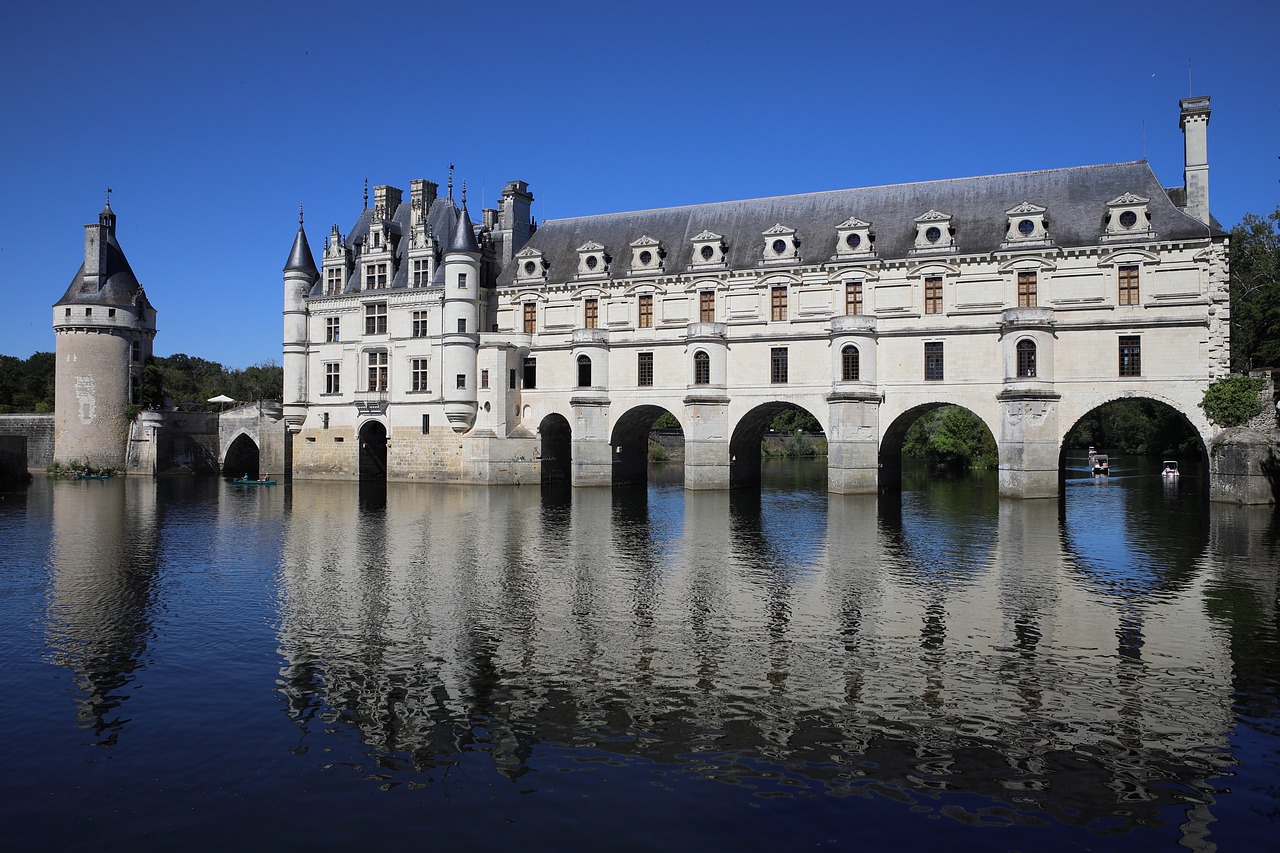
Why Visit Château de Chenonceau: The Castle That Floats on the Cher
I still remember the first time I saw Château de Chenonceau in person. It was a cool April morning, mist curling off the Cher River, and the famous arches of the gallery seemed to hover above the water like something out of a dream. I’d seen the pictures, of course – everyone has – but nothing prepared me for the quiet, theatrical way the château reveals itself as you walk down the tree-lined approach. The deeper I’ve gotten to know it over repeated visits from 2014 through to my latest in early 2026, the more convinced I am that if you see only one château in the Loire Valley, it should be Chenonceau.
Chenonceau is often called the “Château des Dames” – the Ladies’ Castle – because women shaped its history: Katherine Briçonnet, Diane de Poitiers, Catherine de’ Medici, Louise de Lorraine, and later the Dupin family. You can feel their presence in the architecture, the gardens, the art collection, and even in the way the rooms are furnished. It isn’t just a shell with empty halls; it’s one of the rare French castles that still feels like a lived-in home, with fresh flowers in every room, a working kitchen, and the soft creak of old wood underfoot.
For travelers planning 1, 2, or 3 days in Château de Chenonceau and its surroundings, this place offers far more than a quick photo stop. It’s a layered cultural experience: Renaissance architecture, river landscapes, manicured gardens, forest walks, wine tastings, and seasonal night illuminations that make the castle glow like a lantern above the river. Families will love the maze and the boat rides; couples get the romance of the gardens at sunset; architecture lovers can spend hours happily lost in details.
In this long-form travel guide for Château de Chenonceau, I’ll walk you through how to visit Chenonceau like a seasoned local: the best time of day to go, how to get there without losing hours to logistics, the must-see attractions in Château de Chenonceau, how to structure a 1 day itinerary for Château de Chenonceau – and extended 2 day itinerary and 3 day itinerary if you want to go deeper. I’ll also share the cultural experiences, local customs, and practical travel advice that don’t make it into the glossy brochures.
Table of Contents
- Why Visit Château de Chenonceau
- 1–3 Day Itineraries for Château de Chenonceau
- Main Sections, Viewpoints & Adjacent Sites
- Eating Around Château de Chenonceau
- Where to Stay & How to Get There
- Château de Chenonceau After Dark & Off-Hours
- Day Trips & Nearby Attractions
- Cultural Etiquette & Local Customs
- Tickets, Opening Hours & On-Site Logistics
- Practical Travel Tips for Château de Chenonceau
- What’s New in 2026–2027: Events & Changes
- Summary & Best Time to Visit Château de Chenonceau
How to Spend 1–3 Days in Château de Chenonceau
These itineraries are based on several visits over the years, including my most recent three-day stay in spring 2026, when I deliberately paced my time to test what works best for different travelers.
1 Day Itinerary for Château de Chenonceau
If you have only 1 day in Château de Chenonceau, you can still experience the essence of the site – the iconic views, the most important interiors, and a taste of the gardens – without feeling rushed. The key is to arrive early, stay through the soft late-afternoon light, and avoid the midday bottleneck.
Morning: The Approach & First Encounter with the Castle
On a typical one-day visit, I like to arrive at the parking lot around 9:00–9:15 am, just as the château opens (exact opening hours shift slightly by season – see logistics below). If you’re coming by train from Tours, that means taking one of the early TER services to Chenonceaux station and walking the easy 15 minutes to the entrance.
Once you’ve passed the ticket control, don’t rush straight to the water. The approach alley – a long, straight path lined with towering plane trees – is your first real immersion. I always slow down here, letting my eyes adjust from the parking lot chaos to the filtered light and birdsong. This is also where you’ll get your first aligned, central view of the château framed by trees, the classic postcard shot that still feels fresh no matter how many times you’ve seen it.
Pause at the end of the alley, where the path widens, and take a few minutes to circle the front parterre. This is your best chance at the iconic front façade shot before tour groups fill the space. I usually spend 20–30 minutes here, looping slowly and noticing details: the slate roof, the decorative dormer windows, and the way the light brushes the pale stone.
Late Morning: Inside the Château – Ground Floor & Gallery
By 10:00 am, I head inside to explore the interiors before they get crowded. If you enjoy context, pick up the audio guide or use the official app (both excellent in 2026, with clear English and useful floor plans). If not, you can happily wander with the small printed map they give you at the entrance.
I recommend a roughly 90-minute circuit for a one-day visit, focusing on:
- The Guard Room, with its stone floor and hints of the château’s defensive past.
- The Chapel, still surprisingly intimate, where I always notice the stained glass reflections shifting across the walls as the sun climbs.
- Diane de Poitiers’ bedroom, richly decorated, embodying the power of the king’s favorite.
- Catherine de’ Medici’s bedroom, with dark tapestries that somehow make the space feel more protective than oppressive.
- François I’s drawing room, hung with paintings that reward slow looking – I often sit on the bench here for a few extra minutes to let groups pass.
Save the showstopper, the Long Gallery, for the end of your interior circuit. Walking into this hall for the first time in the morning light is magical: 60 meters of checkerboard floor, arched windows on both sides, and the Cher slipping past beneath the wooden beams. In 2026, the caretakers have kept the gallery largely uncluttered, so you can feel the space breathe.
On my last visit, I walked the gallery slowly from end to end, twice. On the first pass, I hugged the windows, watching reflections of clouds in the water, a canoe gliding silently past, and the slight vibration of the wooden floor as other visitors crossed behind me. On the second pass, I stayed in the center, noticing the rhythm of the ceiling joists and the alternating black and white tiles under my feet.
Lunch: Simple & Satisfying
By around 12:30 pm, hunger (and crowd levels) usually convince me it’s time for lunch. I often recommend skipping the very closest snack counters and instead heading to the Crêperie near the entrance or, even better, leaving the grounds briefly for a simple meal in the village of Chenonceaux itself (details in the Eating section below). For a one-day itinerary, though, staying on-site can maximize your time.
My go-to one-day strategy: grab a savory galette and a sweet crêpe, and enjoy them on one of the shaded benches near the kitchen garden or in the picnic area. Bring a reusable water bottle; there are fountains where you can refill it, and it saves money over buying plastic bottles.
Afternoon: Gardens, Maze & River Views
After lunch, most visitors head straight back inside the château, but I prefer using the post-lunch window for gardens and outdoor viewpoints, when the light is strong and shadows crisp. Start with the Garden of Diane de Poitiers, on the upstream side, then cross to Catherine de’ Medici’s garden on the downstream side.
Diane’s garden is geometric and regal, bordered by a raised stone terrace that offers some of the best side-on views of the château. On my last spring visit, tulips and pansies created a riot of color against the pale walls. Catherine’s garden feels more intimate, with its central pool and view of the gallery stretching across the Cher.
Give yourself at least an hour to wander both, pausing often to change your angle on the castle. If you’re traveling as a couple, this is the time to sneak away to the far corners of the terraces; the crowds naturally cluster near the central paths, leaving you pockets of quiet where you can watch clouds drift over the slate roof.
From the gardens, head to the Maze and surrounding parkland. Families with children usually find this a highlight: the maze is not enormous but it’s large enough to feel playful and slightly disorienting. I’ve timed it; if you stroll, laugh, and take a few wrong turns, it’s about 20 minutes of fun. Nearby, the farm buildings and donkey park are a hit with younger kids and offer a glimpse of the château’s working past.
Late Afternoon: Riverbank Walk & Boat or Canoe
The late afternoon is my favorite time for river-level views. Follow the paths down towards the Cher, where you can walk along the bank and look up at the arches of the gallery. In the golden hour, the stone blushes slightly warm, and the reflections in the water become almost painterly.
In the warmer months (typically April–October), a small outfit just outside the estate offers boat and canoe rentals. If your one-day itinerary allows, consider a 45-minute paddle: drifting under the arches of Chenonceau gives you a perspective you simply cannot get from land. It’s gentle, family-friendly, and surprisingly peaceful, even on busy days; the sound of the water muffles the noise from the grounds.
Evening: Golden Hour & Departure
If you’ve timed things well, aim to be back near the Diane de Poitiers terrace or at the far end of the approach alley about an hour before closing. The crowds thin, and the light softens. On one April evening in 2026, I sat on the stone wall of Diane’s terrace, feet dangling, watching the castle’s reflection lengthen and blur. It was one of the quietest, most romantic moments I’ve had at a heavily visited site.
For those returning to Tours or Amboise by train, check the late-afternoon TER schedule in advance; services aren’t constant, and missing one can mean a wait. For drivers, exiting the parking lot after closing can be slow, so be patient and consider using the time to note your impressions while they’re still fresh.
This 1 day itinerary for Château de Chenonceau covers the essentials while leaving space for stillness. If you have the flexibility, though, staying nearby and expanding to a 2 day itinerary lets you see the château in different lights and moods.
2 Day Itinerary for Château de Chenonceau
With 2 days in Château de Chenonceau, you can slow down, explore the estate more fully, and add in nearby wine villages and river walks without sacrificing the core experience. Here’s how I structure my ideal two-day stay, based on a long weekend I spent in May 2025 and refined during my spring 2026 return.
Day 1: Classic Chenonceau – Interiors, Gardens & Gallery
Use the 1 day itinerary as your Day 1 template, but with less rushing. Spend more time in the rooms that speak to you, and don’t feel obliged to see every corridor. On my two-day visits, I often linger in the kitchens and flower-filled salons, where you can see the château’s tradition of fresh floral displays – all grown on-site – up close.
In the late afternoon, instead of leaving after golden hour, have an early dinner in the village and return if there’s a night-time illumination or sound-and-light show running (see the after-dark section and 2026–2027 updates below). In recent years, these evening programs have become more sophisticated, bathing the arches and gallery in shifting light that accentuates the architecture without drowning it in theatrics.
Day 2 Morning: Forest Walks & The Quiet Side of the Estate
On your second morning, start with the forest paths behind the château, often ignored by day-trippers. There’s a sense of stepping behind the scenes: tall trees, filtered light, and occasional glimpses of the river. The marked paths are easy and family-friendly, making this a good option if you’re traveling with children who need a run-around before the more structured sightseeing.
From here, loop back towards the vegetable and flower gardens. On my last visit, I arrived around 10:00 am, just as the gardeners were finishing their early tasks. The kitchen garden is a working plot, not just a display: orderly rows of herbs, seasonal vegetables, and flowers destined for the château’s vases. This is where you understand that Chenonceau is still, in its way, a living estate rather than a frozen monument.
Day 2 Late Morning: Wine Cellars & Tasting
Next, head to the wine cellars associated with the château and the nearby appellation of Touraine-Chenonceaux. Some producers in the area offer tastings that pair beautifully with a castle visit. You’ll find crisp whites, elegant rosés, and lighter reds that match the region’s food culture.
On a recent May morning, I joined a small tasting run by a local winemaker who told stories of how the château’s history intersects with vineyard life – from royal banquets to wartime shortages. If you’re driving, remember the usual cautions about tasting responsibly; spitting is entirely acceptable in French wine culture and not considered rude.
Day 2 Afternoon: Canoe or Boat Trip & Village Time
For your second afternoon, dedicate a solid two to three hours to the river. If you didn’t manage a boat trip on Day 1, do it now. Otherwise, take a slower stroll along both banks of the Cher, exploring small side paths and viewpoints. The perspective looking back at the château from further downriver is one of the best “secret” views; on my last visit, I sat on the grass with a takeaway coffee from the village and watched swallows skim the water.
Finish your day with a wander through Chenonceaux village. It’s small but pleasant, with a handful of restaurants, bakeries, and wine shops. I like to pick up picnic supplies here – local cheese, charcuterie, a crusty baguette – for a relaxed dinner if I’m staying in a nearby gîte.
This 2 day itinerary for Château de Chenonceau balances the famous and the quiet, giving you a deeper feel for the estate’s rhythms.
3 Day Itinerary for Château de Chenonceau
Spending 3 days in Château de Chenonceau and its immediate surroundings turns a classic sightseeing stop into a fully-fledged retreat. This is where you layer in nearby châteaux, bike rides, local markets, and slower cultural experiences. During a three-day stay in autumn 2024 and another in 2026, I refined this rhythm that blends iconic sites with quieter corners.
Day 1: Immersion in Chenonceau
Use the 1 day itinerary as your first day, but give yourself permission to “waste” time. Have a second coffee on a bench, sketch the façade if you’re so inclined, or simply sit and let the soundscape (water, footsteps, occasional laughter) soak in.
Day 2: Deeper Chenonceau + Cycling Loop
On Day 2, revisit the château for a few hours, focusing on anything you skimmed the first time. I often spend an entire morning in just the living quarters and kitchens, paying attention to how each room is staged: the angle of a chair, the way a chest is left slightly ajar, the fresh flowers on a mantelpiece. Then, after lunch, rent a bicycle (available in the village or at some accommodations) for a gentle loop through the surrounding countryside.
The local roads are mostly flat and quiet, and you can easily stitch together a 20–30 km loop that passes vineyards, sunflower fields in summer, and small stone villages. This is one of the most peaceful and romantic ways to experience the Loire landscape, especially in late afternoon when the light slants low and the smell of grass and earth intensifies.
Day 3: Nearby Châteaux & Villages
Use your third day as a day-trip platform. From a base near Chenonceau, you’re within easy reach of several other gems (more in the Day Trips section below):
- Amboise – for its hilltop château and Leonardo da Vinci’s last home at Clos Lucé.
- Montlouis-sur-Loire – for wine tastings focused on Chenin Blanc.
- Montrichard – a smaller, more local-feeling town on the Cher with a medieval donjon.
Returning to Chenonceau in the evening, I like to walk once more down the approach alley, even if the château itself is closed, just to say a kind of quiet goodbye to the silhouette. A three-day stay gives you enough time to form that kind of personal connection – to feel like you’ve lived with the castle, not just visited it.
Main Sections, Viewpoints & Adjacent Sites of Château de Chenonceau
These eight focal points are where I encourage visitors to slow down. Think of them as chapters in a story rather than bullet points on a checklist. For each, I’ll share history, significance, what to look for, and personal tips drawn from repeated visits.
1. The Grand Tree-Lined Approach
Most people race down this alley, eager to glimpse the arches over the water. Don’t. This is where the château introduces itself on its own terms. The avenue is long and straight, lined with plane trees that create a leafy tunnel in summer and a sculptural colonnade of trunks in winter. I like to imagine carriages rattling down this same route in the 16th century, wheels crunching gravel, ladies adjusting their skirts in anticipation.
The approach is also a micro-climate of sorts. On hot July afternoons, the shade offers a welcome drop in temperature; in October, the leaves rustle and fall around you like confetti. I’ve walked it under drizzle, in fog, and in bright sun. Each time, the castle at the far end appears with a slightly different personality – sometimes sharp and theatrical, sometimes soft and veiled.
Tip: if you’re serious about photography, arrive at opening and claim a spot near the end of the alley for 5–10 minutes as light filters through the trees. Later in the day, tour groups tend to stop here en masse, making it harder to get a clean shot.
2. Diane de Poitiers’ Garden
Diane de Poitiers, mistress of King Henri II, was the one who truly made Chenonceau shine. Her garden reflects her status: expansive, structured, all about perspective and display. The parterres are divided by clean gravel paths and bordered with low hedges, forming geometric patterns that shift as you move.
What I love here is the raised stone terrace that encircles the garden. Walk it slowly, and you’ll get some of the best lateral views of the château, including the original keep (the Tour des Marques) and the bridge foundations that Diane began before Catherine de’ Medici completed them with the gallery.
In spring, tulips and pansies dominate; in summer, the beds glow with roses and seasonal blooms. The gardeners are meticulous, and in 2026 they’ve been experimenting more with color blocks and pollinator-friendly plantings. On one June afternoon, I watched a gardener carefully deadhead roses, pausing occasionally to chat with visitors in French and English about the varieties.
Tip: For a romantic moment, stand together at the far corner of the terrace nearest the river and look back at the castle across Diane’s parterres. It’s less crowded, and you can hear the low rush of the Cher behind you.
3. Catherine de’ Medici’s Garden
Where Diane’s garden is about power and perspective, Catherine de’ Medici’s garden feels more introspective. Catherine confiscated Chenonceau from Diane after Henri II’s death and poured her own sensibilities into the place. Her garden is smaller and framed by the castle’s gallery stretching across the river, with a central pool that reflects sky and stone.
I often find myself lingering here longer than I intend. The layout encourages meandering rather than striding. The plantings are lush but controlled, and the presence of water in the center makes the garden feel like a calm, green room open to the sky.
From the far side of Catherine’s garden, you can look back at the château and see the stark contrast between the medieval keep and the elegant Renaissance gallery. It’s a visual summary of Chenonceau’s evolution and the layers of history embedded in its architecture.
Tip: Visit Catherine’s garden in late afternoon or early evening if you can. The low sun lights up the gallery façade behind it, and the crowds are noticeably thinner than in the late morning rush.
4. The Long Gallery Over the Cher
The Long Gallery is Chenonceau’s signature space, the part that makes people gasp. Completed under Catherine de’ Medici, it turns the river into both a moat and a mirror. Inside, the hall feels at once ceremonial and surprisingly human in scale – not overwhelmingly grand, but long enough that your steps take on a rhythm as you cross the checkerboard floor.
Historically, this space hosted balls, receptions, and royal festivities. During World War I, it was turned into a hospital ward; during World War II, it straddled the line between occupied France and the Free Zone, making the gallery literally a passage from one side of the conflict to the other. Knowing that, I always feel a slight shiver walking from one end to the other, imagining the weight of footsteps across time.
On one quiet winter visit, with few tourists around, I stood near the center window and listened to the faint echo of voices from the far end. A shaft of pale sun cut across the black-and-white tiles, and dust motes drifted lazily in the light. It felt like the château was breathing slowly, between seasons.
Tip: If you’re visiting in peak season, circle back to the gallery just before closing time. The staff will gently nudge you towards the exit, but you can usually steal a few unhurried minutes in a half-empty hall – perfect for those iconic photos and a bit of quiet reflection.
5. The River Kitchens
Down below, almost tucked into the foundations of the bridge, lie the kitchens – my personal favorite part of Chenonceau. They’re built right over the water, with small openings where supplies could be hoisted directly from boats. Standing here, you can imagine the bustle of servants, the heat from the great fireplaces, the constant movement required to feed a royal household.
The rooms are staged with copper pots, hanging utensils, chopping boards, and the kind of heavy wooden tables that seem permanently impregnated with the memory of food. It’s one of the few château kitchens in the Loire that feels genuinely plausible, not overly polished.
On a recent visit, I lingered near one of the small windows, listening to the muffled sound of the river against the stone. It was a reminder that beneath all the ceremony upstairs, there was always this undercurrent of quiet, constant labor. For families, this is often a highlight – children can easily imagine the cooks and scullions at work.
Tip: The stairs down to the kitchens can be a bit narrow and uneven. If you or someone in your group has mobility issues, take your time and use the handrail. In high season, wait for gaps in the flow rather than squeezing past people on the steps.
6. The Chapel & Historic Bedchambers
The chapel at Chenonceau is a small, almost modest space compared to some French royal chapels, but that’s part of its charm. Light filters in through stained glass, pooling softly on the stone floor. During the French Revolution, when religious symbols were under attack, the chapel was saved because the lady of the house, Madame Dupin, used it as a wood store, disguising its function beneath stacks of logs. I always look up at the vaulted ceiling and think of that quiet act of defiance.
The bedchambers are where the château’s nickname, the “Ladies’ Castle,” comes alive. Each has its own color palette and personality. Diane’s room feels confident and outward-facing; Catherine’s is more introspective. Louise de Lorraine’s room, dark and somber, reflects the mourning of a queen who lost her husband, Henri III, to assassination. The black walls and white symbols of grief are striking; it’s a room that hushes even noisy groups.
My tip here is to read less and look more. Let your eyes explore the tapestries, the carved headboards, the small objects on tables. The official guide materials are helpful, but the emotional impact comes from simply inhabiting the rooms with your senses open.
7. The Maze, Farm & Donkey Park
Hidden a little away from the main château and gardens is a quieter, more playful side of the estate: the maze, the former farm buildings, and the donkey park. This is where I usually bring friends with kids; it gives them space to burn off energy and, frankly, gives adults a breather from the more formal sightseeing.
The maze is a classic hedge labyrinth – not enormous, but dense enough that you can briefly lose your bearings. On a warm afternoon, the smell of greenery surrounds you, and the laughter of children rises above the hedges. Nearby, the farm buildings host small exhibitions and sometimes seasonal activities (check the schedule in 2026–2027; they’ve been adding more family programs).
The donkey park is exactly what it sounds like: a small paddock with a few well-kept donkeys that delight younger visitors. It’s a reminder that Chenonceau was once a working estate as much as a residence.
Tip: This corner of the grounds tends to be less crowded even in peak season. If you start to feel overwhelmed by the château’s popularity, escape here for 30–45 minutes to reset.
8. Wine Cellars, Flower Workshop & Kitchen Garden
Out beyond the main tourist flow, you’ll find the kitchen garden, flower workshop, and associated wine cellars. This is where the château’s behind-the-scenes life becomes visible. The kitchen garden combines order and abundance: rows of leeks, cabbages, herbs, and flowers destined to become those lavish bouquets you see in the salons.
On my last spring visit, I watched as gardeners cut long stems of delphiniums and peonies, laying them gently in crates to be taken to the flower workshop. That workshop, usually visible through glass, is a hive of creativity, with florists assembling arrangements that change with the seasons and subtly echo the colors of the rooms they inhabit.
The nearby wine cellars and tasting points (some directly associated with the château, others just outside the estate) offer a chance to engage your palate as well as your eyes. Wines from the Touraine-Chenonceaux appellation are increasingly recognized for their quality, and there’s something delightful about sipping a glass of local white while looking out over the landscape that produced it.
Tip: Buy any wine you particularly like here – small producers may not be widely distributed outside the region. If you’re continuing your trip through France, most shops can provide sturdy boxes suitable for car or train transport.
Eating Around Château de Chenonceau
For all its beauty, Chenonceau is not immune to the usual “immediate radius” tourist traps. The trick is to step just a little beyond the closest options and eat where staff and locals actually go.
On-Site Options: Convenient but Choose Carefully
Inside the estate, you’ll find a tearoom/restaurant and a couple of snack kiosks. They’re decent for a quick bite – think quiches, salads, sandwiches, and pastries – but prices reflect the location. For a one-day visit where time is at a premium, grabbing a light lunch here makes sense, especially if you pair it with your own picnic extras (fruit, nuts, and snacks bought beforehand).
Village of Chenonceaux: Better Value, More Character
Just outside the estate gates, the village of Chenonceaux offers a handful of restaurants and cafés. Over the years, I’ve gravitated towards places that balance tourist-friendliness with honest cooking; look for short menus with seasonal dishes rather than laminated multi-page affairs.
Typical regional dishes to look for:
- Rillettes de Tours – a rustic pork spread, perfect on toast with cornichons.
- Goat cheese from Sainte-Maure-de-Touraine – often served in salads or baked in a tart.
- Tarte Tatin – caramelized upside-down apple tart, a classic dessert.
- Local Loire wines – Sauvignon Blanc, Chenin Blanc, light reds and rosés.
Picnic Strategy: My Favorite Way to Eat Here
One of my favorite ways to eat around Chenonceau is a simple picnic lunch. On the way in from Tours or Amboise, stop at a supermarché or local market and pick up picnic supplies: baguette, cheese, charcuterie, fruit, maybe a small bottle of wine if you’re not driving much afterward.
There are designated picnic areas on the estate and along the Cher. On a warm June day in 2025, I spread a simple picnic on a bench under the trees, listening to kids playing nearby and the faint hum of bees in the flowerbeds. It felt far more “Loire Valley” than squeezing into an overcrowded restaurant.
Where Locals Actually Go (Within 15–20 Minutes’ Drive)
If you have a car, your eating options open up dramatically. Within a 15–20 minute radius, there are village bistros and wine bars where you’re more likely to hear French than English. Ask your accommodation for current favorites; in 2026, several chefs from Tours and Amboise have opened satellite restaurants in the countryside, making the area increasingly interesting for food lovers.
Where to Stay Near Château de Chenonceau & How to Get There
Where to Stay: Villages vs. Towns
For a focused Chenonceau trip, you have three main options:
- Stay in Chenonceaux village itself – You can walk to the château in 10–15 minutes, ideal for sunrise/sunset visits and no parking worries.
- Stay in a nearby town like Amboise or Tours – Better restaurant choice and nightlife, with easy day-trip access to multiple châteaux.
- Stay in a countryside gîte or B&B – Maximum tranquility, often with gardens or vineyard views.
Personally, I love basing myself in a small chambres d’hôtes (guesthouse) within cycling distance. In autumn 2024, I stayed in a converted farmhouse with a view across fields to a line of poplars; each morning, I biked to Chenonceau for the opening hour and returned in the late afternoon, leaving the midday crush to others.
How to Get to Château de Chenonceau
By Train
The easiest car-free access is via TER regional trains from Tours, Saint-Pierre-des-Corps, or other Loire towns to Chenonceaux station. The station is a short, flat 10–15 minute walk from the château entrance. Trains are generally punctual but not extremely frequent, so check the schedule ahead of time and plan your return.
By Car
Driving offers the most flexibility, especially if you want to string together multiple châteaux. The estate has a large free parking lot. In peak season and on sunny weekends, arrive before 10:00 am to avoid the busiest arrivals. Leaving can be slow right at closing, so consider lingering a bit or organizing your day to exit slightly earlier.
By Bike
The Loire Valley is crisscrossed by the Loire à Vélo cycling routes and related local paths. Arriving by bike is a fantastic way to avoid parking stress and add a sense of journey to your visit. Bike racks are available near the entrance; bring a sturdy lock.
Château de Chenonceau After Dark & Off-Hours
Chenonceau after dark is another creature entirely. When the crowds retreat and the light changes, the château becomes more introspective, almost theatrical. Over the last decade, the estate has developed seasonal evening programs that make the most of this transformation.
Sunset & Blue Hour
Even if there’s no special evening event, simply being on the grounds in the last hour of opening is magical. The best spots for sunset and early blue hour include:
- The far terrace of Diane de Poitiers’ garden, looking back across the parterres.
- The riverbank path downstream, where you see the arches reflected in the water.
- The end of the approach alley, which frames the château against the darkening sky.
On a mild September evening in 2023, I watched as the last warm light slid off the stone and a cool blue tone took its place. The château’s windows began to glow from within as staff moved through the rooms closing shutters. Families drifted slowly toward the exit, kids sleepy and quiet. It felt like watching a theatre set dim its lights after the final performance.
Night Illuminations & Sound-and-Light Shows (2026–2027)
In recent years, Chenonceau has experimented with nocturnal illuminations on selected summer evenings and special weekends. In 2026–2027, expect:
- Lit façades and gardens, with gentle lighting that emphasizes architectural lines and the play of arches over water.
- Occasional soundscapes or music in the background, evoking court life or historical moments, without overwhelming the natural sounds of the night.
- Extended opening hours on specific dates – usually announced each spring on the château’s official website.
These evenings are particularly romantic: couples strolling hand in hand, reflections doubled in the dark river, the murmur of voices softer than in the daytime. For families, it can be a bit late for very young children, but older kids often find the night-lit castle unforgettable.
Day Trips & Nearby Attractions from Château de Chenonceau
While Chenonceau can easily fill a whole day or more, it also makes a superb anchor for exploring the central Loire Valley. Here are a few of my favorite nearby excursions, all tested over repeated visits.
Amboise & Clos Lucé
Amboise, about 25–30 minutes’ drive or a short train hop away, is a natural pairing with Chenonceau. Its hilltop château offers sweeping views over the Loire, and the town itself has lively streets and good restaurants.
Don’t miss Clos Lucé, the final home of Leonardo da Vinci, where models of his inventions dot the grounds. Families especially enjoy the interactive aspects: kids can turn cranks and push levers, bringing Leonardo’s ideas to life.
Montrichard & the Cher Valley
Montrichard, a small town on the Cher about 15–20 minutes from Chenonceau, has a more local, everyday feel. A ruined medieval donjon overlooks the river, and the main square hosts markets and small events. It’s a good place to pick up picnic supplies or just sit with a coffee and watch ordinary life unfold.
Vineyards of Touraine & Montlouis-sur-Loire
Wine lovers should consider a half-day in the vineyards around Montlouis-sur-Loire and Vouvray, focusing on Chenin Blanc whites and sparkling wines. Many domaines are within 30–40 minutes’ drive of Chenonceau and offer tastings by appointment (and increasingly, without one, though it’s still polite to call ahead or check websites).
Other Châteaux: Chambord & Cheverny (For Longer Stays)
If you’re in the Loire for 3–4 days or more, you can pair Chenonceau with larger, more ostentatious châteaux like Chambord and Cheverny, both about an hour’s drive away. The contrast is instructive: where Chambord is about raw royal ambition, Chenonceau is about elegance, intimacy, and the shaping influence of women.
Cultural Etiquette & Local Customs at Château de Chenonceau
France is generally relaxed with tourists, but a bit of cultural attunement goes a long way – especially at a site as beloved as Chenonceau.
Greetings & Politeness
Always start interactions with a polite “Bonjour, Monsieur/Madame”. Whether you’re buying a ticket, ordering food, or asking for directions, that initial greeting sets the tone. It’s a small gesture that earns a lot of goodwill.
Inside the Château
- Volume: Keep your voice low inside the rooms and gallery. It’s not a library, but it’s also not a playground.
- Photography: Non-flash photography is generally allowed, but tripods and large equipment are not. Respect any “no photos” signs in specific rooms or during temporary exhibitions.
- Touching: Don’t touch furniture, tapestries, or walls; oils from hands can damage surfaces over time.
Gardens & Grounds
Stay on marked paths and avoid walking through flower beds or climbing on stone walls. The gardens are meticulously maintained, and a little care helps keep them that way.
Dining & Tipping
Service is usually included in French restaurant bills, but it’s customary to leave a small extra tip (5–10%) if you’re happy with the service, especially in more touristy areas. In cafés and casual places, rounding up or leaving some coins is sufficient.
Château de Chenonceau Tickets, Opening Hours & On-Site Logistics
Tickets & Timed Entry
In 2026, advance booking is strongly recommended, especially from April to October and on weekends. While walk-up tickets are often still available, timed entry helps regulate flows.
- Standard ticket: Includes château, gardens, and grounds.
- Audio guide: Extra fee, but worth it if you want deeper context.
- Combined or special event tickets: For night illuminations or seasonal programs; these may have separate time slots and pricing.
Reservations for peak summer dates can sell out a week or more in advance, especially for mid-morning slots. If you’re planning a tight 1 day itinerary for Château de Chenonceau, secure your ticket as soon as your travel dates are firm.
Opening Hours (Subject to Seasonal Variation)
Chenonceau is generally open year-round, with longer hours in high season and shorter ones in winter. Typical patterns:
- Summer (approx. April–September): Roughly 9:00 am to 7:00 pm, with last admission 30–60 minutes before closing.
- Winter (approx. November–February): Shorter days, often 9:30 am or 10:00 am to around 5:00 pm.
Always verify the exact opening hours on the official website for your specific date; they adjust slightly year to year.
Best Time of Day to Visit
For both crowd and light, I recommend:
- Early morning (opening to ~11:00 am) – Best for interiors and photography of the façade without crowds.
- Late afternoon to closing – Best for gardens, river views, and golden hour.
Midday, especially in July and August, can be busy and hot. Use that time for lunch, a rest, or exploring the less crowded corners of the grounds.
Dress Code & What to Wear
No formal dress code applies, but think in terms of comfort and respect:
- Shoes: Wear comfortable walking shoes – you’ll be on your feet for hours, including on gravel and stairs.
- Layers: Interiors can feel cool even on hot days; in spring and autumn, bring a light jacket.
- Sun protection: Hat and sunscreen are essential in summer; there’s a lot of time outdoors.
Security & Queue Times
Expect a bag check at entry. Security is usually efficient, but on peak days queues can form around mid-morning. This is another reason I like to arrive right at opening or after 3:30 pm.
Accessibility
Chenonceau makes efforts toward accessibility, but the historical building imposes limits:
- Ground-floor rooms and gardens are more accessible; upper floors and some areas (like the kitchens) involve stairs.
- Paths in the gardens are mostly gravel but manageable for many wheelchairs and strollers.
- Accessible restrooms are available; check the site map on arrival.
If mobility is a concern, consider focusing on the gardens, ground floor, and river viewpoints, which alone justify the visit.
Practical Travel Advice for Château de Chenonceau (2026)
Money-Saving Tips
- Bring your own snacks and water to avoid markups on-site.
- Buy tickets online directly from the château (often slightly cheaper than third-party resellers).
- Visit in shoulder season (April–early June, September–October) for lower prices on accommodation and fewer crowds.
- Consider regional passes if you’re visiting multiple châteaux; check current offers from the local tourism board.
SIM Cards & Connectivity
For international travelers, picking up a French SIM card on arrival (at airports, major train stations, or phone shops in Tours) is straightforward. In 2026, eSIM options from major French carriers and travel-focused providers make it even easier. Coverage around Chenonceau is generally good, though some forested or rural spots may be patchy.
Public Transport vs. Car Rental
If Chenonceau is your only château, public transport plus walking is entirely feasible. For a broader Loire exploration, a rental car offers major advantages in flexibility and time savings.
- Public transport: TER trains to Chenonceaux work well, but schedules are not hourly on all routes.
- Car rental: Available in Tours, Saint-Pierre-des-Corps, and major cities. Book ahead in high season.
Visa Requirements & Driver’s License
France is part of the Schengen Area. Many nationalities can enter visa-free for short stays (up to 90 days in a 180-day period), but always verify current requirements with official sources before you travel.
For driving:
- EU/EEA licenses are generally accepted without issue.
- Non-EU visitors should bring both their home license and, if recommended for their country, an International Driving Permit (IDP).
Best Seasons & What They’re Good For
- Spring (April–May): Lush gardens, tulips and spring flowers, cooler temperatures, fewer crowds than mid-summer.
- Summer (June–August): Long days, vibrant greenery, night illuminations, family-friendly vibe – but also the busiest and warmest.
- Autumn (September–October): Warm light, grape harvest in surrounding vineyards, beautiful foliage on the approach alley.
- Winter (November–February): Quiet, atmospheric, occasional special Christmas decorations; shorter hours and some outdoor services may be reduced.
Hidden Tips from Repeated Visits
- Reverse the flow when it’s crowded: if the main château is rammed, start with the gardens and outer grounds, then circle back inside later.
- Use lunch as a crowd filter: many visitors eat between 12:30–2:00 pm; choosing an early or late lunch lets you enjoy key spaces with slightly fewer people.
- Carry a small notebook: Jot down impressions, sketches, or favorite views. Chenonceau lends itself to reflection; your own notes will be the best souvenir.
- Check the events calendar: Temporary exhibitions, concerts, and evening events can add depth to your visit if you align your dates.
What’s New in 2026–2027: Events & Changes in the Chenonceau Travel Scene
As of 2026, Château de Chenonceau continues to refine its visitor experience rather than radically overhaul it. Expect:
- Enhanced evening programs: More curated night illuminations on selected summer weekends, with subtle soundscapes and curated light paths through the gardens.
- Expanded digital tools: Updated official app with improved indoor maps, AR features for certain rooms, and curated thematic tours (e.g., “Women of Chenonceau,” “War & Peace at the Castle”).
- Seasonal flower exhibitions: The in-house florists increasingly stage thematic arrangements, especially around Easter, harvest season, and Christmas.
- Local festivals: Nearby towns like Amboise and Tours continue to host wine, food, and music festivals that can be paired with a Chenonceau visit – check regional tourism sites for exact 2026–2027 dates.
Ticketing has shifted more firmly towards timed online reservations during peak months, so spontaneous same-day visits in high summer are riskier than they were a decade ago. If you’re planning a 1 day, 2 day, or 3 day itinerary for Château de Chenonceau, lock in your entry slots early, then build the rest of your plans around them.
Summary & Final Recommendations: How to Visit Château de Chenonceau
Château de Chenonceau is more than a checklist stop; it’s a place that rewards time, attention, and repeat visits. Whether you’re crafting a 1 day itinerary for Château de Chenonceau or stretching to 2 or 3 days in the area, a few principles hold:
- Arrive early or stay late for the most evocative light and fewer crowds.
- Balance inside and outside: the interiors, gardens, and river views each offer different facets of the castle’s character.
- Slow down in the key spaces: the approach alley, Diane and Catherine’s gardens, the Long Gallery, and the kitchens.
- Layer in local life: a village meal, a picnic by the river, a short bike ride through vineyards.
As for the best time to visit Château de Chenonceau, my own favorite windows are late April to early June and mid-September to mid-October – times when the gardens are at their best, the air is gentle, and the crowds, while present, are not overwhelming. But even in the thick of summer or the quiet of winter, Chenonceau has a way of revealing itself if you give it patience and curiosity.
After a dozen or so visits over the years, including my latest in 2026, I still find new angles, new reflections, new moods in its stone and water. That, to me, is the mark of a truly great travel destination – one that doesn’t just ask to be seen, but invites you, gently and persistently, to return.