Why Visit Chinon?
Chinon is one of those places that quietly gets under your skin. Perched above the Vienne River in the Loire Valley, its long hilltop fortress, crooked medieval streets, and vineyards stretching out in every direction make it feel like you’ve walked into a living history book—with a wine glass in hand.
I’ve been going back to Chinon almost every year since 2014, sometimes for work as a guide, sometimes just to unplug for a few days with friends or family. Every visit feels different: one year I’m watching the sunset from the castle ramparts, another I’m sipping cabernet franc in a tiny troglodyte wine cellar carved into the limestone cliffs.
If you’re considering 3 days in Chinon, 4 days in Chinon, or even a leisurely 5 day itinerary for Chinon, this travel guide will walk you through:
- The must-see attractions in Chinon and how to experience them like a local
- Where to find the best local food in Chinon (and how not to blow your budget)
- Authentic cultural experiences in Chinon and local customs to know
- Hidden gems, scenic walks, and easy day trips into the Loire countryside
- Practical travel tips for Chinon for 2026–2027: transport, SIM cards, money-saving hacks, and more
Chinon is small, but it rewards slow travel. Walk it, taste it, smell the cellars, and linger on the riverbanks—this is a town made for unhurried days.
Table of Contents
- Why Visit Chinon?
- About Chinon: History, Atmosphere & What to Expect
- Neighborhoods & Areas to Explore
- Top 20 Attractions & Experiences in Chinon
- Suggested Itineraries: 3, 4 & 5 Days in Chinon
- Food & Drink: Eating and Drinking Like a Local
- Nightlife, Entertainment & Cultural Experiences
- Events, Festivals & What’s New in 2026–2027
- Day Trips from Chinon
- Practical Travel Advice for Chinon
- Summary & Best Time to Visit Chinon
About Chinon: History, Atmosphere & What to Expect
Chinon sits in western Touraine, where the Vienne River curls lazily beneath the long limestone ridge crowned by the Forteresse Royale de Chinon. It’s technically a small town (around 8,000 people), but because it’s a crossroads for wine, history, and cycling routes, it feels surprisingly cosmopolitan in high season.
Historically, Chinon was a royal stronghold and a key stage for the Hundred Years’ War. This is where Joan of Arc met Charles VII in 1429 and convinced him to fight for the French crown. Wander through town and you’ll catch glimpses of that medieval past in half-timbered houses, narrow cobbled lanes, and the irregular outline of the fortress walls above.
Today Chinon is better known for its cabernet franc wines, mild climate, and an easy pace of life that’s ideal if you want to escape bigger cities like Paris or Tours. English is widely understood in hospitality businesses, but you’ll hear far more French than in some of the Loire’s more touristed hotspots.
In 2026, Chinon remains refreshingly “real”: it’s a working town first, tourist magnet second. That means bakeries that open early for commuters, kids biking along the river to school, and cafés where regulars greet each other with the classic “Bonjour, ça va?” before coffee.
Neighborhoods & Areas to Explore in Chinon
Chinon is compact enough to walk end to end in about 25–30 minutes, but each part of town has its own feel.
1. Vieux Chinon (Old Town & Medieval Core)
This is the Chinon you see on postcards: cobbled streets, half-timbered facades, and stone houses built right into the rock. It runs roughly from Place Jeanne d’Arc along the riverfront (Quai Danton / Quai Charles VII) up into the winding lanes like rue Voltaire and rue Haute Saint-Maurice.
I usually stay somewhere between Place du Général de Gaulle and the river—it’s central, lively but not too noisy at night, and easy to reach everything on foot.
2. The Riverfront (Quais & Bridges)
Along the Vienne you’ll find long promenades, willow trees, and one of my favorite evening walks in France. Local kids fish here at sunset, and in summer the pop-up guinguettes (open-air bars and snack stands) add a holiday feel.
3. The Castle Hill & Troglodyte Area
Above the old town, the castle ramparts stretch along the ridge. Behind them, you’ll find vineyards and limestone cliffs dotted with troglodyte caves—former quarries and dwellings that now house wine cellars, mushroom farms, or quirky B&Bs.
4. Saint-Lazare & The Modern Town
Walk west from the center and you’ll hit more modern residential areas, supermarkets, and practical services. It’s not “pretty” in a touristy sense, but if you’re here longer, it’s where you’ll stock up on picnic supplies or find cheaper local eateries.
5. Outskirts & Vineyards (Cravant-les-Coteaux, Panzoult, Savigny-en-Véron)
Technically separate communes, but for me they’re part of the greater Chinon experience. Cycling through these vineyard-dotted villages, stopping for tastings and chatting with winemakers, is one of the best things to do in Chinon if you have time.
Top 20 Attractions & Experiences in Chinon
Below are twenty of the best places to visit in Chinon, from iconic must-sees to under-the-radar gems. I’ve included history, what I personally enjoy there, and tips to make each visit smoother.
1. Forteresse Royale de Chinon (Royal Fortress)
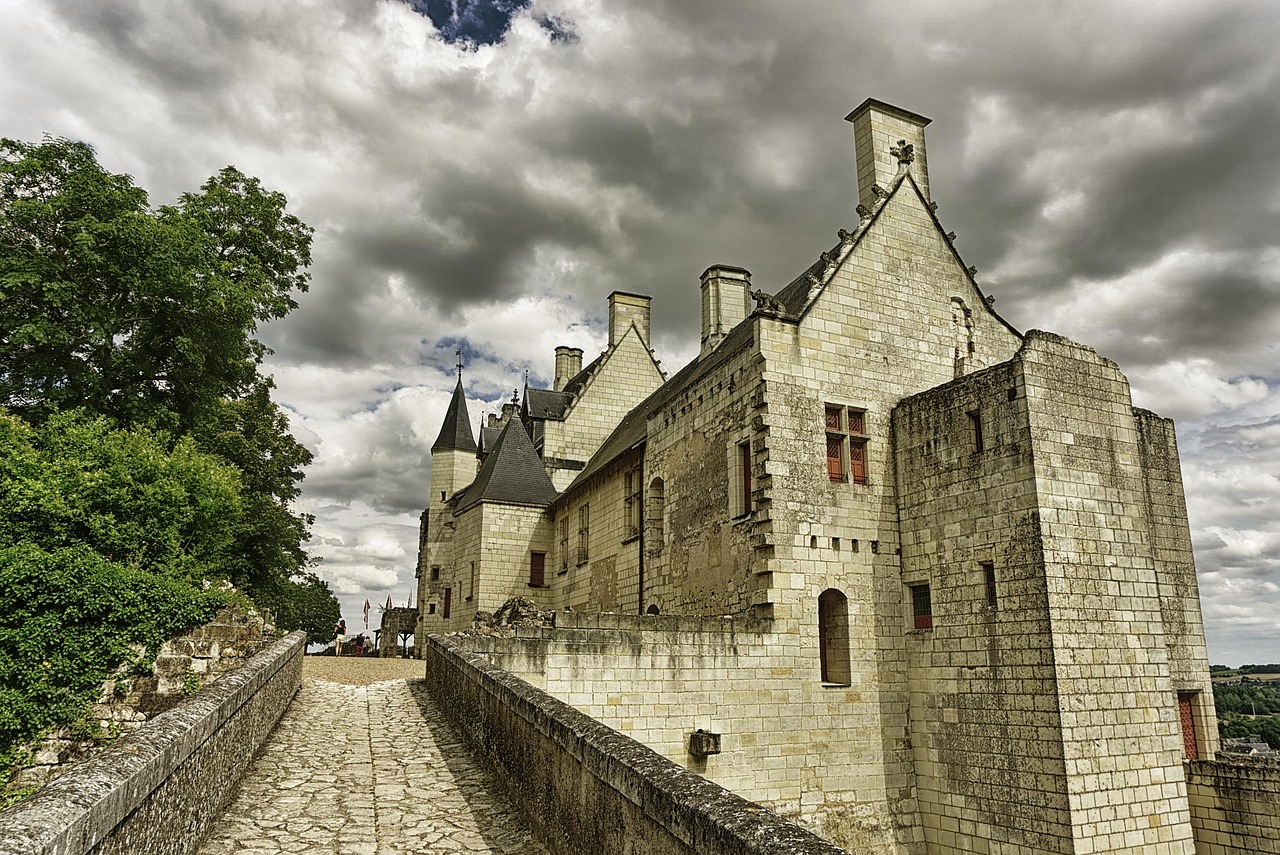
If you only see one sight in Chinon, make it this. The fortress dominates the skyline, strung out along the ridge like a stone dragon. Parts date back to the 10th century, but the castle really came into its own under Henry II of England and later during the Hundred Years’ War.
On my first visit, I went up mid-morning, thinking I’d spend an hour. I emerged almost four hours later, slightly sunburned and completely in love with the views. Since then, I’ve learned to time my visits for late afternoon, when the light is soft and the town glows golden below.
- Highlights: Reconstructed rooms with multimedia exhibits, Joan of Arc’s tower, the hanging gardens, and the panoramic walkway along the ramparts.
- Family-friendly? Very. Kids love the towers and occasional costumed events; there are interactive panels and sometimes medieval games in summer.
- Romantic? Sunset from the belvedere is one of the most romantic spots in Chinon.
Practical tips: You can walk up from the old town via signed paths (steep but short) or take the little tourist “elevator” in season from near the river. Buy the combined ticket if you’re interested in their temporary exhibitions. In 2026, expect extended evening openings on select summer nights with light projections on the walls.
2. Joan of Arc Trail & Place Jeanne d’Arc
Chinon’s proud of its connection to Jeanne d’Arc. In 1429, the teenage peasant girl rode here to convince the Dauphin (future Charles VII) to let her lead an army against the English. Today, a small walking route through town highlights key spots linked to that visit.
When I guide friends, we usually start at Place Jeanne d’Arc, where her statue stands, then climb towards the castle, stopping at plaques that explain what happened where. It’s a short but powerful way to connect the town’s pretty streets to the drama of its history.
Tip: Pick up the free map at the tourist office; they often have a Joan of Arc themed leaflet (French/English). If you’re here in late April, there’s usually a commemorative event with historical reenactments.
3. Église Saint-Maurice
This Gothic church in the heart of old Chinon is easy to pass by, but step inside for a moment of calm. I like ducking in on hot days—the thick stone keeps it pleasantly cool, and the filtered light through the stained glass feels almost cinematic.
Why go: To see how deeply religion and daily life used to intertwine here. The church is modest compared to Loire cathedrals, but that’s part of its charm.
Tip: Combine with a stroll along rue Haute Saint-Maurice, one of the prettiest streets in town, lined with half-timbered houses and small boutiques.
4. Chapelle Sainte-Radegonde & the Cliffside Hermitage
Set slightly apart from the main tourist trail, this chapel clings to the limestone cliffs east of town. Inside, you’ll find faded frescoes and a serene, almost mystical atmosphere.
I first went on a foggy autumn morning, and the combination of mist over the river and the chapel’s quiet interior felt like stepping into a medieval painting.
How to get there: It’s a 15–20 minute walk from the center along the river and then up a short incline. There’s limited parking nearby if you’re driving.
5. Musée Le Carroi
This small local museum is housed in a Renaissance building and focuses on Chinon’s art and history. It’s not huge, but if you’re curious about the town beyond the fortress, it’s worth an hour.
What I like most is how uncrowded it usually is. I’ve had entire rooms to myself to linger over sculptures and old town plans.
Tip: Check opening hours in advance—like many small French museums, they can be seasonal or close for lunch.
6. Les Caves Painctes (Historic Wine Cellars)
These atmospheric underground cellars are a must for wine lovers. Carved into the tuffeau limestone beneath the town, they’ve stored Chinon wines for centuries and host tastings and special events.
My favorite visit was a cool July afternoon when the heat outside was brutal. Stepping into the 12°C cellars felt heavenly. We tasted several cabernet francs while a local producer explained the differences between vintages and terroirs.
Tip: Bring a light sweater even in summer; it’s chilly inside. In 2026, look out for themed tasting evenings with live music—book ahead.
7. Vienne Riverfront Promenade & Plage de Chinon
The river is Chinon’s living room. In summer, a portion of the opposite bank becomes the Plage de Chinon, a sandy riverside area with loungers, play spaces for kids, and often a simple bar or food stand.
My ritual: evening walks after dinner, when the castle is lit up and reflected in the water. Couples stroll hand in hand, kids race bikes, and locals sit on benches catching up on the day’s gossip.
Family-friendly: Very. There’s space to run, and in summer the water-based activities (kayaks, canoes) are a hit.
8. Chinon Market (Thursday & Seasonal Markets)
If you want to feel the pulse of local life, don’t miss market day. The main market runs on Thursdays, spilling through central streets with stalls of vegetables, cheeses, charcuterie, clothes, and household goods.
I try to schedule at least one trip a year to coincide with this market. There’s nothing like shopping for picnic supplies—ripe tomatoes, chèvre, a still-warm baguette—then hauling your treasures to the riverbank for lunch.
Money-saving tip: Markets are a fantastic way to eat well on a budget. With a small knife, some fruit, cheese, and bread, you’ll have an incredible meal for a fraction of restaurant prices.
9. Chinon Wine Domaines (Various Family Wineries)
The Chinon AOC is famous for its cabernet franc reds and increasingly for its rosés and whites (chenin blanc). Visiting a few domaines is, for me, non-negotiable when in town.
Over the years, I’ve visited both well-known estates and tiny family-run cellars where the owner pours you a glass while still in muddy boots from the vines. Each visit has added another layer to my understanding of the wine and the landscape.
How to visit: Many wineries welcome drop-in tastings, especially near Cravant-les-Coteaux and Panzoult, but calling ahead is appreciated. If you’re cycling, pick 2–3 near each other for a relaxed day.
10. Troglodyte Houses & Caves Around Chinon
All along the cliffs, you’ll notice doorways, windows, and even full houses dug directly into the rock. These troglodyte dwellings are a unique feature of the Loire Valley.
I still remember the first time a friend took me into a troglodyte guesthouse just outside Chinon—the living room was a cave, but with cozy lighting, bookshelves, and a fireplace. It felt like something out of Tolkien, but with good wine.
Tip: Some caves are private homes; respect signs and privacy. Others are open as B&Bs, restaurants, or wine cellars—ask at the tourist office for current options in 2026.
11. On the Trail of Rabelais (Literary Chinon)
François Rabelais, the 16th-century writer and humanist, was born near Chinon and wove the region into his satirical works. There’s a small Rabelais presence in town—statues, plaques, and references in café and wine bar names.
If you’re a literature lover, it’s fun to track these down. On a rainy day one spring, I spent an afternoon doing just that, ending up in a wine bar named after one of his characters, sharing a carafe with a local teacher who gleefully quoted Rabelais between sips.
12. Place du Général de Gaulle & Café Culture
This central square is Chinon’s social hub. Cafés spill onto the pavement, kids chase pigeons, and on warm evenings it’s hard to find an empty chair.
My go-to move: grab a terrace table, order a café crème or a glass of Chinon rouge, and people-watch. It’s the perfect place to rest between sightseeing stops or to start your evening out.
13. Cycling Paths: Loire à Vélo & Vélo Francette Connections
Chinon sits at the crossroads of the Loire à Vélo and Vélo Francette long-distance cycling routes. Even if you’re not a hardcore cyclist, renting a bike for a day and following the river or vineyard paths is one of the most rewarding things to do.
Some of my favorite days here have been on two wheels: pedaling through dappled shade, stopping at vineyards for tastings, then coasting back into town as the fortress comes into view above the river.
Tip: Several rental shops in town offer day or multi-day hires, panniers, and e-bikes in 2026. Book ahead in July–August.
14. Boat Cruises on the Vienne
In season, small boats offer short cruises along the Vienne, giving you a different perspective on the town and its fortress.
I’m a sucker for boat rides, so I’ve done this a few times—sunset cruises are the best, especially if you bring along a bottle from a local domaine.
Family & romantic: Works for both. Kids get excited about the boat; couples get the views and the quiet.
15. Local Art Galleries & Artisan Workshops
Scattered through the old streets you’ll find small galleries and workshops: painters, ceramicists, woodworkers. The scene shifts over time, but there’s usually at least a handful of interesting spots.
Some of my favorite traveler conversations in Chinon have happened in these spaces, chatting with artists about why they chose to live and work here.
16. Église Saint-Étienne & Upper Town Streets
On the western side of town, this church anchors a quieter neighborhood with residential streets and small local shops. It’s worth the detour if you want to see everyday Chinon life beyond the tourist core.
I like looping up here late afternoon, then dropping back down into the old town for an apéritif.
17. Parks & Public Gardens (Jardin Public, River Parks)
Chinon has several small green spaces and viewpoints perfect for picnics, naps, or letting kids burn off energy. Some parks offer lovely vantage points over the roofs and the river.
Budget tip: These parks + market picnic are a classic cheaper lunch strategy.
18. Night Illumination of the Fortress
After dark, the fortress is lit dramatically, hovering above the town like a luminous crown. Walking along the riverfront to admire it is one of those simple-but-memorable Chinon moments.
In 2026, the town continues to run special illumination events on some summer nights—light shows, music, or themed projections. Check the tourist office for dates.
19. Seasonal Fairs & Wine Festivals
From spring flower markets to autumn wine fairs, Chinon’s calendar is dotted with small but lively events. They’re rarely huge, but that’s what makes them intimate and fun.
I’ve stumbled onto everything from a medieval-themed weekend to a book fair, each adding unexpected color to my stay.
20. Guinguettes & Summer Pop-Up Spots Along the River
In late spring and summer, temporary open-air bars and food stands—guinguettes—appear along the Vienne and nearby. Think fairy lights, wooden tables, simple grilled food, local wine, and sometimes live music.
These are my favorite places to end a long day of sightseeing or cycling. No fuss, just good vibes and river breezes.
Suggested Itineraries: 3, 4 & 5 Days in Chinon
Here are flexible, story-based itineraries you can adapt for your own trip. Each mixes must-see attractions in Chinon with hidden gems, local food, and time to simply enjoy being here.
3 Day Itinerary for Chinon
If you have 3 days in Chinon, you can see the essentials without rushing and still slip in a winery or two.
Day 1 – First Taste of Chinon: Castle, Old Town & River
I usually tell first-time visitors to dedicate their first day to understanding Chinon’s layout and history.
Morning: Start with a slow breakfast at a café on Place du Général de Gaulle. Order a café crème and a croissant, and watch the town wake up. Then wander towards Église Saint-Maurice, duck inside briefly, and continue up the lanes to the fortress.
Take your time at the Forteresse Royale. Explore the towers, watch the short films (there’s usually one about Joan of Arc), and walk the full length of the ramparts. Pause often to enjoy the views—this is where you’ll really get a feel for how the town hugs the river.
Lunch: Either eat at the café inside the castle complex (convenient, nice views) or head back down to the old town for a bistro lunch—look for menus featuring rillettes, goat cheese salads, and a glass of Chinon rouge.
Afternoon: After lunch, follow the Joan of Arc trail through town. Visit Musée Le Carroi if it’s open, then let yourself get a bit “lost” in the back streets—some of the best photo spots appear unexpectedly around corners.
Evening: Head to the riverfront for a pre-dinner stroll. If you’re visiting in warm months, walk across the bridge to look back at the town and fortress being lit up. For dinner, choose a restaurant with an outdoor terrace in the old town; finish the night with a glass of local wine at a small bar.
Day 2 – Wine, Caves & Troglodyte Charm
Morning: Grab pastries from a bakery (ask for a pain au chocolat or flan) and walk along the river to Chapelle Sainte-Radegonde. Enjoy the quiet and the views back towards town.
Late morning, head to Les Caves Painctes or another in-town cellar for a guided tour and tasting. Many visits include explanations (in English and French) about how Chinon wines are made and aged.
Lunch: Pick up picnic supplies from the market (if it’s Thursday) or from local shops. Picnic in a park or back by the river, using the castle as your backdrop.
Afternoon: Dedicate the afternoon to exploring troglodyte houses around town or, if you have a bike, ride towards nearby villages like Cravant-les-Coteaux to visit a couple of domaines. Taste sparingly if you’re cycling; remember French drink-driving laws are strict.
Evening: If it’s summer, look for a guinguette along the river. Otherwise, have dinner in a traditional restaurant—this is a good night to try lamproie à la bordelaise (lamprey, when in season) or a hearty boeuf braisé au Chinon.
Day 3 – Markets, Local Life & Slow Exploration
Morning: If your third day is a Thursday, plunge into the Chinon market. Otherwise, use the morning to wander less-touristed streets: head towards Église Saint-Étienne and the upper town, then loop back through residential lanes.
Lunch: Try a more modern bistro or wine bar in the center, ordering a plat du jour (daily special)—usually the best value.
Afternoon: This is a good time for a gentle bike ride along the river or a short boat cruise on the Vienne. If you’re feeling lazy, park yourself at a café terrace and dive into a book (bonus points if it’s Rabelais) while sipping a glass of Chinon rosé.
Evening: For your last night, go for a slightly nicer dinner if budget allows. Make a reservation, especially on weekends in 2026, as Chinon has become steadily more popular. End with a stroll under the illuminated fortress and say a proper goodbye to the town.
4 Day Itinerary for Chinon
If you can stretch to 4 days in Chinon, you can slow down even more and include a countryside excursion.
Day 4 – Vineyards & Nearby Villages
On my fourth days here, I almost always leave town—just a bit—to see where the wines and landscapes come from.
Option 1: Cycle the Vineyards
Rent bikes and follow a loop through Cravant-les-Coteaux and Panzoult. Stop at 2–3 wineries that you’ve researched ahead of time. Bring a picnic or eat at a village restaurant (advance booking recommended, as rural places can fill fast or close unexpectedly).
Option 2: Short Drive to Abbaye de Fontevraud (if you have a car)
Though technically outside Chinon, many visitors treat Fontevraud as an essential day trip. It’s about 25–30 minutes by car. Spend the morning exploring the abbey and its gardens, have lunch onsite or in the village, then return to Chinon for a relaxed afternoon and evening.
Either way, you’ll return to Chinon with a better appreciation for how tightly the town is bound to its rural surroundings.
5 Day Itinerary for Chinon
With 5 days in Chinon, you can truly settle into local rhythm, add more cultural experiences, and maybe a second day trip.
Day 5 – Culture, Art, and Do-What-You-Like Day
I like to leave one largely unstructured day in my 5 day itinerary for Chinon.
Ideas for your fifth day:
- Visit any art galleries or artisan workshops you missed, chatting with creators.
- Join a cooking class or wine workshop if available (ask tourist office or check online for 2026 offerings).
- Explore an additional troglodyte site or scenic walk on the hills above town.
- Revisit your favorite café or viewpoint simply to savor being here again.
On my last day, I often return to the river around sunset, sitting on the bank or a bench without my phone, just watching swallows dance around the fortress. It’s a simple ritual that makes leaving a little easier.
Food & Drink in Chinon
One of the greatest pleasures of any travel guide for Chinon is talking about the food. The local cuisine is hearty, wine-friendly, and deeply tied to the river and surrounding farms.
Local Specialties to Try
- Cabernet Franc (Chinon AOC): The star of the region. Try young, fruity reds and older, more structured bottles.
- Chenin Blanc: Increasingly common here; dry, mineral whites that pair beautifully with goat cheese.
- Goat Cheese (Chèvre de la Loire): Often served warm on toast with salad, or in logs at the market.
- Rillettes & Rillons: Pork spreads and slow-cooked pork belly cubes—rich but delicious with bread and pickles.
- River Fish & Lamprey: When in season, local menus sometimes feature specialties from the Vienne and Loire.
- Tarte Tatin & Fruit Desserts: Apples, pears, and berries are often showcased in simple, satisfying sweets.
Where to Eat in Chinon (Examples)
Restaurant scenes evolve, but as of 2026, you’ll typically find:
- Traditional bistros in the old town serving classics like goat cheese salad, duck confit, and boeuf braisé with Chinon wine sauce.
- Wine bars offering tasting flights of Chinon wines with charcuterie and cheese boards.
- Bakeries (boulangeries) that are your best friend for cheap breakfasts and picnic supplies.
Money-saving eating tips:
- Look for lunch menus (menu du midi) with 2–3 courses for a set price—often excellent value.
- Buy wine by the carafe in casual places—often local and cheaper than bottles.
- Alternate between restaurant meals and picnics to stretch your budget without feeling deprived.
Nightlife, Entertainment & Cultural Experiences in Chinon
Chinon is not a clubbing destination; think wine bars, terrace cafés, and the occasional concert rather than all-night parties.
Evenings in Town
- Wine bars: Perfect for tastings, conversations with locals, and trying different Chinon vintages.
- Riverside walks: Post-dinner strolls along the Vienne, with the fortress lit above.
- Summer events: Outdoor concerts, small festivals, and movie nights sometimes pop up—check posters and the tourist office.
Cultural Experiences
- Guided tours of the fortress with historical focus.
- Wine workshops led by local sommeliers.
- Art exhibits in local galleries or cultural centers.
Events, Festivals & What’s New in Chinon (2026–2027)
Event calendars can shift, but based on recent years, here’s what to look for around 2026–2027:
- Spring (April–May): Joan of Arc commemorations, spring markets, and early wine events.
- Summer (June–August): Outdoor concerts, guinguettes, fortress evening openings with light shows, and occasional medieval festivals.
- Autumn (September–October): Harvest celebrations, wine fairs, and foodie weekends highlighting local produce.
- Winter (December): Christmas lights and smaller seasonal markets.
By 2026, Chinon is also gradually expanding its cycling infrastructure and signage to support the growing number of cyclists on the Loire à Vélo and Vélo Francette. Expect clearer wayfinding and more bike-friendly services.
Day Trips & Nearby Attractions from Chinon
Even if this guide focuses on things to do in Chinon itself, it would be a shame not to mention nearby gems. With a car or sometimes by bike/organized tour, you can easily reach:
Abbaye Royale de Fontevraud
One of Europe’s best-preserved monastic complexes, and the burial place of Henry II, Eleanor of Aquitaine, and Richard the Lionheart. The mix of history, architecture, and contemporary art installations makes it a rewarding full or half-day trip.
Château d’Ussé
Often linked to the Sleeping Beauty legend, this fairy-tale castle sits about 25 minutes by car from Chinon. Its turrets and river setting are especially photogenic.
Saumur & Caves
A bit farther but still within reach, Saumur offers another stunning castle, troglodyte wine cellars, and the famed Cadre Noir equestrian school.
Practical Travel Advice for Chinon (2026)
Getting To & Around Chinon
By train: Chinon has a small station with regional trains from Tours (which connects to Paris by high-speed TGV). From Paris, you’ll usually go Paris → Tours (St-Pierre-des-Corps) → Chinon. Total time ~2.5–3 hours.
By car: Driving gives maximum flexibility for vineyards and day trips. Parking is generally easy, with free or inexpensive lots just outside the very center.
Getting around town: Chinon is very walkable. Biking is excellent for nearby villages. There are local buses, but schedules can be limited, especially on weekends.
SIM Cards & Connectivity
In 2026, you have several options:
- eSIMs: Many travelers now use eSIM data plans purchased online before arrival.
- Physical SIMs: Available in major cities (Paris, Tours) at mobile shops and some supermarkets; fewer options directly in Chinon, so sort this earlier in your trip if you can.
- Wi-Fi is common in hotels and many cafés, though speeds can vary.
Money-Saving Tips
- Time your main restaurant meal for lunch (set menus are cheaper) and keep dinner simpler.
- Alternate between picnic days and eating out.
- Use regional trains instead of renting a car if you’re mostly staying in towns and cities.
- Travel in shoulder seasons (May–June, September–early October) for lower prices and fewer crowds.
Accommodation: Where to Stay
You’ll find:
- Small hotels and chambres d’hôtes (guesthouses) in the old town—great for charm and walkability.
- Self-catering apartments—ideal for longer stays or families.
- Rural B&Bs and gîtes in vineyards or troglodyte houses—best if you have a car.
Book early for July–August and during major events.
Local Customs & Cultural Etiquette
- Greetings matter: Always say “Bonjour” (daytime) or “Bonsoir” (evening) when entering shops or cafés, and “Au revoir” when leaving.
- Table etiquette: Service is more relaxed than in some countries; don’t expect rapid turnover. Ask for the bill: “L’addition, s’il vous plaît.”
- Tipping: Service is included, but rounding up or leaving a small tip (5–10%) for good service is appreciated.
- Quiet hours: Residential streets are generally quiet at night; keep noise down after 10–11 pm.
Visa Requirements & Driving
Visas: France is in the Schengen Area. Many nationalities can enter visa-free for short stays (up to 90 days in 180), but always check up-to-date regulations for your passport and the ETIAS system planned for non-EU visitors.
Driving: Foreign licenses are generally accepted for tourists; an International Driving Permit can be useful, especially if your license is not in Latin script. Speed limits and drink-driving laws are strictly enforced—do not drink and drive, especially in wine regions.
Best Seasons & Weather
- Spring (April–June): Mild weather, blooming landscapes, fewer crowds—fantastic for cycling and sightseeing.
- Summer (July–August): Warm to hot, busiest season, lively atmosphere, guinguettes and festivals.
- Autumn (September–October): Harvest vibes, golden vineyards, cooler but generally pleasant—great for wine lovers.
- Winter (November–March): Quiet, some sights on reduced hours, can be chilly and damp, but magical if you like having places almost to yourself.
Summary & Final Recommendations
Chinon is not a checklist city; it’s a place to settle into. Whether you follow a 3 day itinerary for Chinon, opt for a 4 day itinerary for Chinon, or give yourself a full 5 days in Chinon, you’ll leave with memories of river light, castle stones, and shared glasses of cabernet franc.
Key takeaways from this travel guide:
- Base yourself in or near the old town for easy walking access to most things to do in Chinon.
- Prioritize the Forteresse Royale, riverfront, and at least one wine cellar visit.
- Mix big-name sights with hidden gems like troglodyte houses and small art galleries.
- Eat local: goat cheese, rillettes, and Chinon wines are non-negotiable.
- Respect local customs—a simple “Bonjour” opens many doors.
- For most travelers, the best time to visit Chinon is late spring (May–June) or early autumn (September–early October) for ideal weather, open attractions, and moderate crowds.
Come with curiosity, walk slowly, and don’t be afraid to sit at the same café terrace day after day. That’s where Chinon’s real magic reveals itself.