Why Visit Côte d’Or in 2026
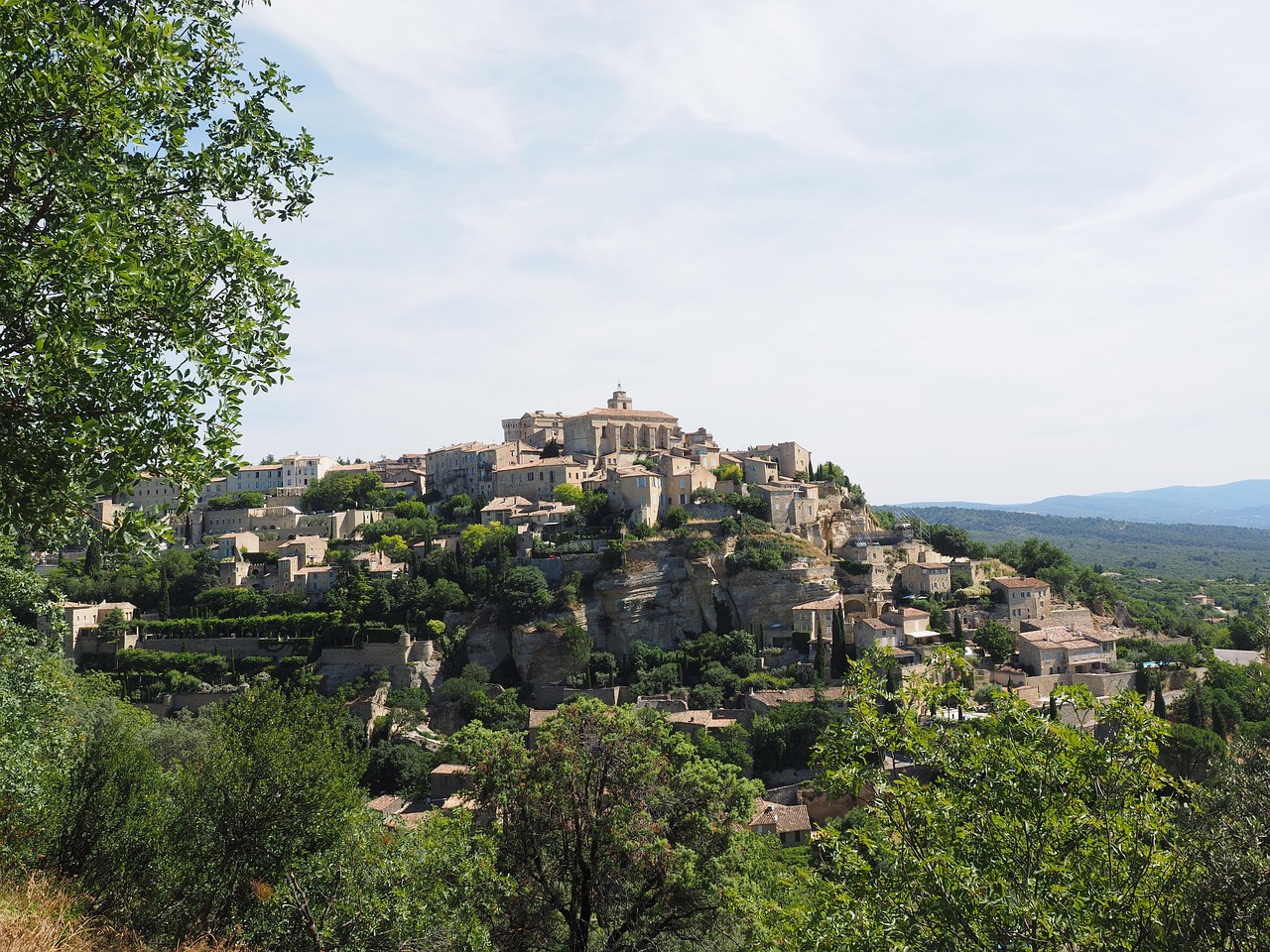
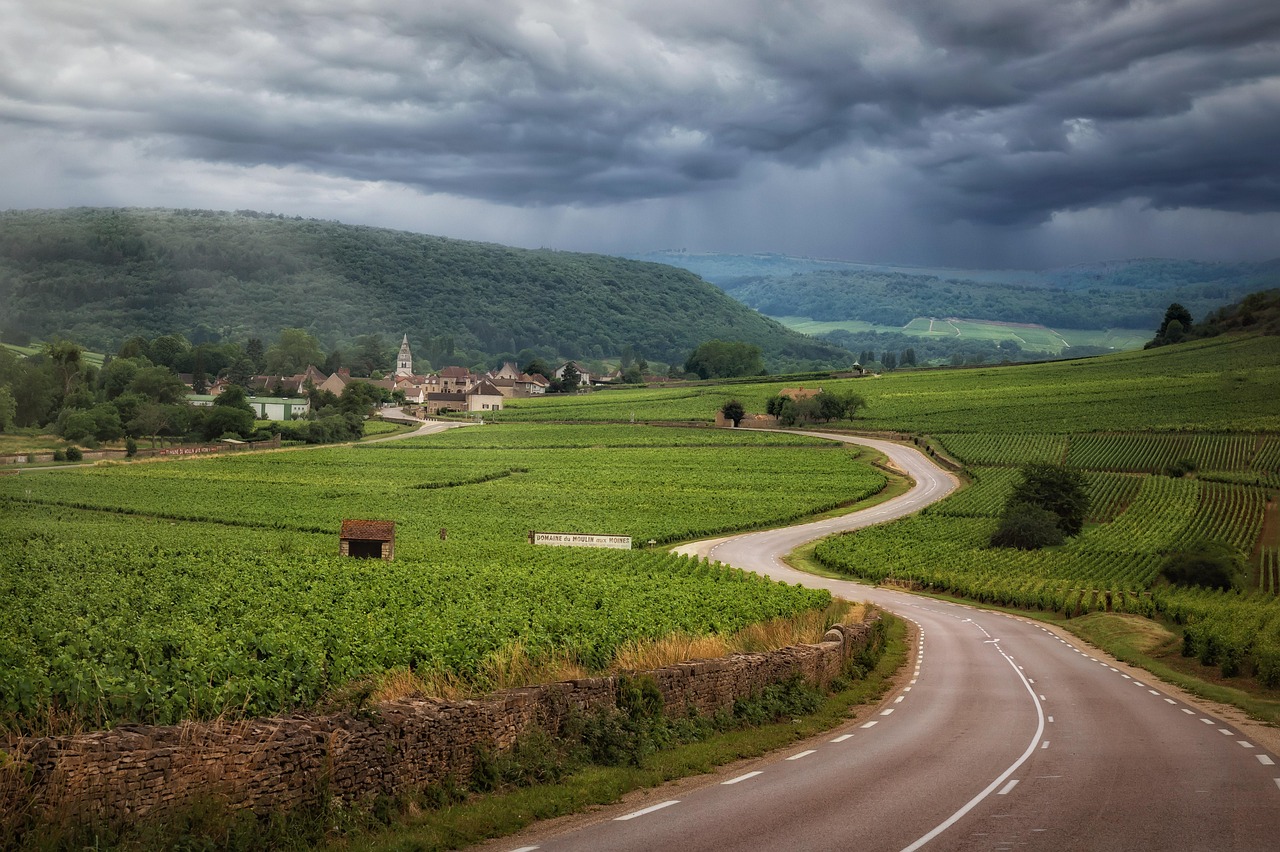
If France had to express itself through one department, Côte d’Or would be a strong contender. It’s where the world’s most fabled Pinot Noir and Chardonnay cling to sun‑washed slopes, where medieval abbeys rise from quiet valleys, and where life still revolves around markets, vineyards, and long lunches.
I’ve been returning to Côte d’Or almost every year for more than a decade, and again repeatedly through 2024–2025 to prepare this 2026 travel guide. What keeps me coming back isn’t just the wine; it’s the human scale of everything: winemakers who pour from barrels in their family’s cellar, bakers who ask where you’re from, grandmothers who insist you try one more spoonful of boeuf bourguignon because “you can’t be full yet.”
This is a region for slow travel. For four to seven days, you can base yourself in one or two towns and fan out along the “Route des Grands Crus,” hike through limestone cliffs, cycle along towpaths, and eat embarrassingly well. It’s romantic, but also surprisingly family‑friendly; it’s cultured without being intimidating; and it rewards both first‑timers and return visitors.
Côte d’Or at a Glance
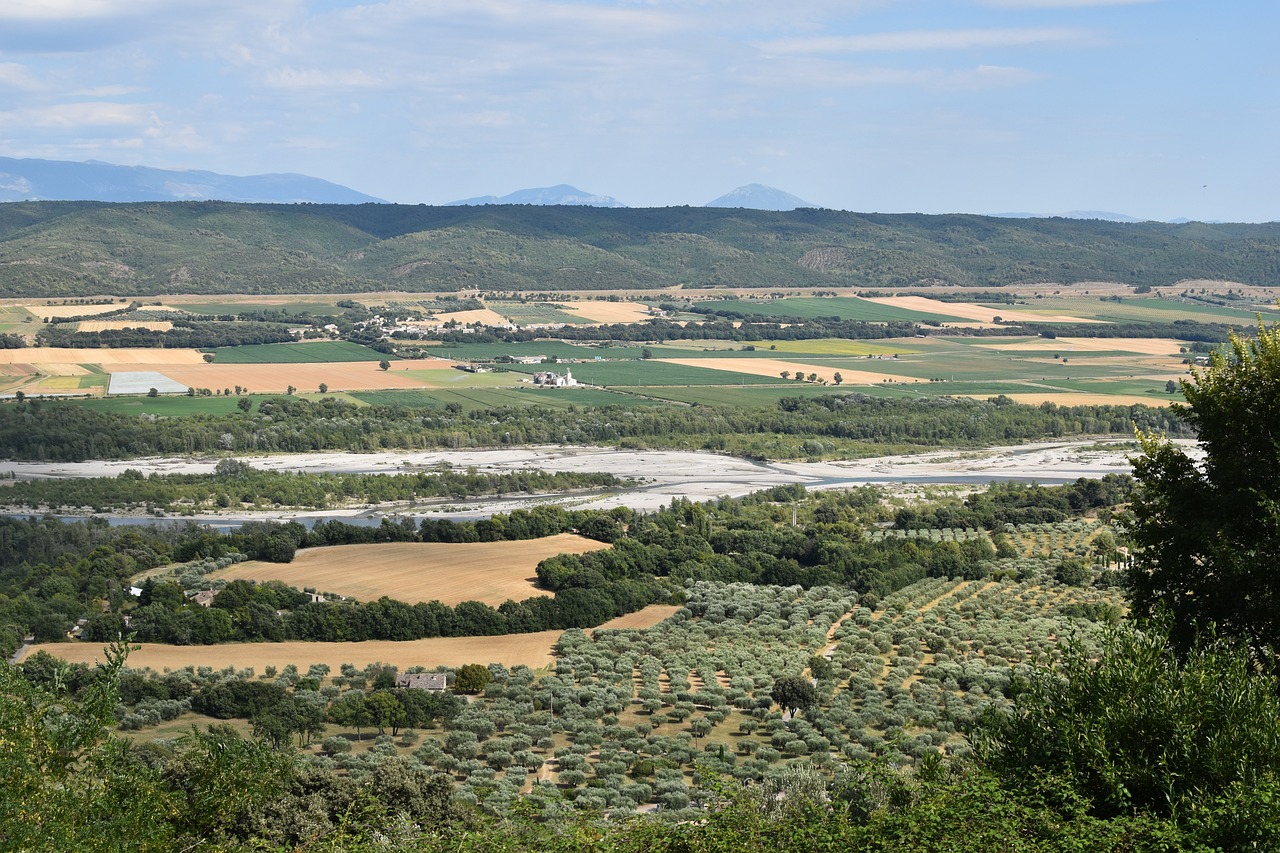
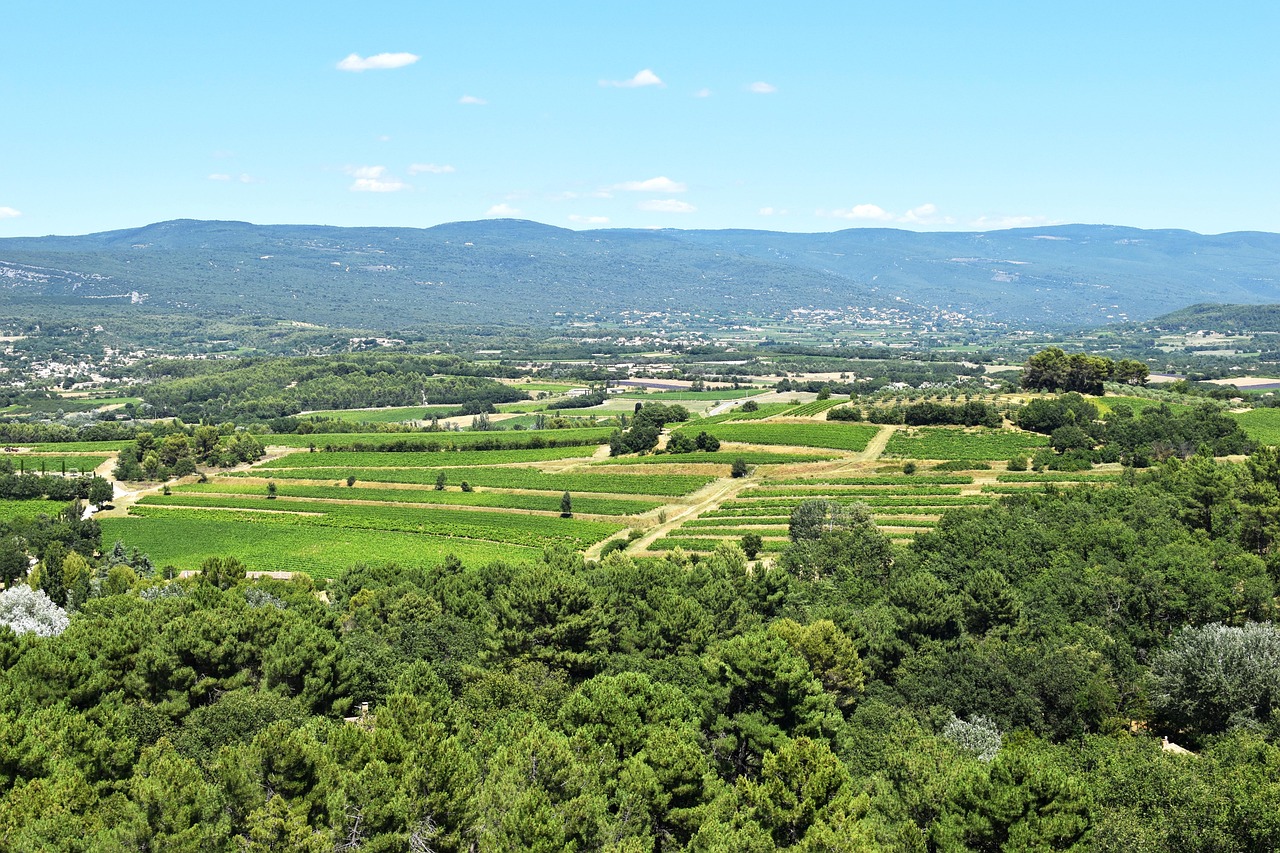
Côte d’Or sits at the heart of Burgundy (Bourgogne), roughly midway between Paris and Lyon. It’s inland – no coastline here – and defined instead by a golden limestone escarpment (the “Côte” itself) draped in vines, and by the wide, gentle plains of the Saône to the east.
Two main axes shape your trip:
- The Côte de Nuits & Côte de Beaune – the famous wine slopes stretching from Dijon down past Beaune.
- The Ouche & Auxois countryside – rolling hills, medieval villages, abbeys, and the Burgundy Canal.
You’ll likely base yourself in Dijon (the lively, cultural capital) and/or Beaune (the wine‑soaked charmer), and then explore villages like Gevrey‑Chambertin, Nuits‑Saint‑Georges, Pommard, Meursault, and Volnay, plus countryside gems such as Châteauneuf‑en‑Auxois and Vézelay (technically in Yonne, but a classic day trip from northern Côte d’Or).
4–7 Day Itineraries for Côte d’Or
Below are flexible itineraries built from my own recent trips (2023–2025) and tuned for 2026. They mix must‑see attractions in Côte d’Or with quieter corners and authentic local experiences.
4 Day Itinerary for Côte d’Or (Best for First‑Timers)
If you have 4 days in Côte d’Or, base in Dijon or split between Dijon and Beaune. This plan assumes you’re arriving by train into Dijon and renting a car for at least part of your stay (you can do it with trains and buses, but you’ll have more freedom with wheels).
Day 1 – Dijon: Medieval Elegance & Market Life
I like to start in Dijon because it gives you context: Burgundy wasn’t always sleepy; it was once the seat of a mighty duchy. On my most recent spring visit in 2025, I arrived on the morning TGV from Paris and walked straight from the station into a maze of pedestrian streets, each one smelling faintly of butter and coffee.
Morning: Drop bags at your hotel (I often stay near Place Darcy to be close to both trains and the old town) and follow the famous “Parcours de la Chouette” (Owl Trail). Brass plaques with tiny owls in the pavement lead you past the Palais des Ducs, the Notre‑Dame church, and half‑timbered houses.
Climb the Tour Philippe le Bon (book ahead online, time slots are limited). From the top, the city’s rooftops roll away into distant vineyards; it’s the best way to mentally map your next few days.
Lunch: Head to Les Halles Market (open Tuesday, Thursday, Friday, Saturday mornings). Grab a plate of jambon persillé (ham in parsleyed aspic) and a glass of Aligoté at one of the little stands, or pick up picnic supplies. On a rainy day, I like ducking into a simple bistro like Le Bistrot des Halles for an honest plate of œufs en meurette (eggs poached in red wine).
Afternoon: Visit the Musée des Beaux‑Arts, one of France’s oldest museums and recently renovated. It’s free, and the tombs of the Dukes of Burgundy are genuinely impressive – my kids were unexpectedly fascinated by the mourners carved around the bases.
Wander through Rue de la Liberté for window‑shopping and mustard tastings. The Maille boutique is a bit theatrical, but sipping mustard on a tiny spoon straight from oak barrels never gets old. For something less slick, try an independent producer like Fallot’s Dijon shop.
Evening: For your first night, book a table at a classic like Chez Léon or Loiseau des Ducs (for a splurge). In 2024 I had a sublime poulet de Bresse à la crème there, paired with a glass from Pernand‑Vergelesses – rich but precise, like good Burgundy cooking should be.
Family‑friendly tip: Kids love the owl carvings; challenge them to spot each one. The compact center makes it easy to bail out for a nap if needed.
Day 2 – Côte de Nuits: Pinot Noir & Stone Villages
Things to do in Côte d’Or almost always start with wine, and the Côte de Nuits north of Beaune is where some of the world’s greatest reds are born. Even if you’re not a wine geek, the landscape is beautiful: low stone walls, tiny cabottes (vineyard huts), and a rhythm of villages every few kilometers.
Morning: Dijon → Gevrey‑Chambertin (20–25 minutes by car). On a misty April morning last year, I parked by the church in Gevrey‑Chambertin and walked up between the vines. A small, family‑run domaine I like (book ahead; many are by appointment only) welcomed us into their cool stone cellar. Barrel tastings here feel intimate and unhurried.
Late Morning: Morey‑Saint‑Denis & Chambolle‑Musigny – Drive the Route des Grands Crus south. It’s one of the best places to visit in Côte d’Or for a leisurely scenic drive. Pull off for photos between Morey‑Saint‑Denis and Chambolle‑Musigny, where the slopes rise more steeply.
Lunch: In Nuits‑Saint‑Georges, grab a terrace table in the main square. I often end up at a simple brasserie, ordering andouillette (if I’m feeling brave) or a charcuterie board. For something lighter, there’s a bakery near the church that makes excellent gougères (cheese puffs) – ideal for nibbling as you stroll.
Afternoon: Visit the Imaginarium or a local cave cooperative for an accessible introduction to Burgundy wines – less intimidating than a high‑end domaine. If you’re with children, they’ll enjoy the light shows and bubble exhibits at the Imaginarium more than a long, technical tasting.
Return to Dijon via the backroads through Vosne‑Romanée (home to Romanée‑Conti). You can’t just wander into DRC, but you can quietly admire the tiny, walled grand cru plots that have obsessed wine lovers for centuries.
Evening: Casual dinner in Dijon – perhaps a wine bar like Dr Wine, where you can sample different appellations by the glass and graze on small plates.
Romantic tip: Time your drive so you’re in the vines around golden hour; park above Vosne‑Romanée and watch the rows glow copper as the sun drops.
Day 3 – Beaune: Heart of Burgundy Wine Country
On day three, move your base to Beaune (unless you prefer to keep Dijon and do this as a day trip by train). I normally pick up a rental car in Dijon, drive down (about 45 minutes), and drop luggage at a guesthouse within the old ramparts.
Morning: Head straight to the Hôtel‑Dieu des Hospices de Beaune, one of the must‑see attractions in Côte d’Or. Its flamboyant, polychrome tiled roof is even more striking in person than in photos.
Inside, the audio guide (available in multiple languages) brings alive the story of this 15th‑century hospital for the poor. On a winter visit, I remember standing alone in the great hall, the dark wood beds lined up under a high, beamed ceiling – it felt like stepping back five hundred years.
Lunch: Beaune’s streets are lined with tempting restaurants. For something traditional, I like a tiny bistro off the main square serving boeuf bourguignon that’s been simmered so long the meat yields to the slightest pressure of a fork. Pair it with a simple village‑level Pinot and you’ll understand why Burgundy has no need of flashy sauces.
Afternoon: Reserve an afternoon tasting at one of the larger maison houses like Patriarche or Joseph Drouhin, which offer tours of their labyrinthine cellars under town. Drouhin’s cellars in particular – with Roman remains tucked among the barrels – are a vivid reminder of Beaune’s long history.
Afterward, circle the old town walls on foot or by rented bike. The Parc de la Bouzaise on the western edge makes for a relaxed stroll, especially if you’re traveling with kids who need a playground break.
Evening: For a special night, book one of Beaune’s fine‑dining addresses (there are several Michelin‑starred options). If you prefer something low‑key, a wine bar with regional tapas – escargots, local cheeses, pâtés – will do nicely.
Tip: Parking inside the ramparts can be tight; look for the larger lots just outside and walk in. They’re usually free or inexpensive.
Day 4 – Côte de Beaune Villages & Countryside
Spend your final day in Côte d’Or exploring the southern half of the wine slope: Pommard, Volnay, Meursault, and Puligny‑Montrachet. This is Chardonnay country par excellence, and the villages are postcard‑pretty.
Morning: Short drive from Beaune to Pommard (10 minutes). I like starting here with a walk above the village, looking back over the tiled roofs. A small producer I visit regularly offers tastings in a stone‑walled cellar that feels more like a family living room than a business.
Continue to Volnay and Meursault. The central square in Meursault, with its church spire and fountain, is one of my favorite spots for a late‑morning coffee. In 2025 I spent nearly an hour there watching a group of cyclists debate the merits of different vintages in animated French.
Lunch: Book ahead for lunch in Puligny‑Montrachet, perhaps on a terrace overlooking vines. This is where you can taste Chardonnay that’s both creamy and precise, often at more approachable prices than the grandest names.
Afternoon: If you’re up for activity, rent bikes in Beaune and ride the dedicated Voie des Vignes cycle path through the vines, connecting many of these villages. It’s mostly flat, well‑marked, and family‑friendly (I’ve done it with children as young as eight, with plenty of ice‑cream stops).
Evening: Return to Beaune for a final stroll under the lanterns. If your timing coincides with one of the summer night markets, linger for music and local crafts.
Departure: Either overnight and leave the next morning, or catch an evening train from Beaune to Dijon and onward.
5 Day Itinerary for Côte d’Or (Adding Countryside & Castles)
5 days in Côte d’Or allows you to keep the 4‑day structure but add a full day in the Auxois & Ouche valleys – my favorite part of the region for landscapes and medieval atmosphere.
Day 5 – Châteauneuf‑en‑Auxois & Canal de Bourgogne
From Beaune, drive west toward Châteauneuf‑en‑Auxois (about 40 minutes). As the motorway gives way to winding country roads, vineyards transition to patchwork fields and hedgerows. The first time I saw Châteauneuf, its stone houses clustered around a stout medieval castle on a hilltop, it felt like discovering a film set that had somehow survived untouched.
Morning: Park below the village (there’s a designated lot) and walk up through the bourg. The Château de Châteauneuf is partly ruined but evocative; the view from the ramparts over the Auxois countryside is one of the best views in Côte d’Or on a clear day.
Wander the lanes, peek into small craft workshops, and grab a coffee at the tiny café on the main square. On a foggy November morning in 2024, I watched the mist lift slowly from the valley below, revealing the ribbon of the Canal de Bourgogne.
Lunch & Afternoon: Drive down to the canal at Vandenesse‑en‑Auxois or Pont d’Ouche. Several guinguettes (casual canal‑side eateries) open from spring to early autumn, serving grilled meats, salads, and local wines. After lunch, rent bikes or simply walk along the towpath. It’s flat, peaceful, and ideal for families; my children loved counting the locks and watching boats navigate through.
Return: Either overnight in a countryside chambre d’hôtes (many old farmsteads have been lovingly converted) for a taste of rural quiet, or head back to Beaune/Dijon.
Adventurous tip: If you’re a strong cyclist, you can do a longer ride along the canal and up into the hills, but be prepared for some serious climbs.
6 Day Itinerary for Côte d’Or (Deep Dive into Wine Villages)
With 6 days in Côte d’Or, keep the above and add a day dedicated to lesser‑known wine villages and more personal encounters with winemakers.
Day 6 – Off‑Beat Villages: Marsannay, Pernand‑Vergelesses & Saint‑Romain
Morning: Marsannay‑la‑Côte – Just south of Dijon, Marsannay is often overlooked, which is precisely why I like it. Several domaines here produce excellent, good‑value reds and rosés. On a recent visit, a young vigneron poured us barrel samples while his toddler toddled between our legs – the kind of unpretentious encounter that’s getting rarer in more famous villages.
Midday: Pernand‑Vergelesses – Drive about 35 minutes to Pernand‑Vergelesses, tucked under the iconic Corton hill. The setting is dramatic, with steep slopes rising on three sides. Grab lunch in the village (there’s a small, friendly restaurant I return to for its daily menu) and then walk up toward the Bois de Corton for a fine panorama.
Afternoon: Saint‑Romain – Continue to Saint‑Romain, perched on a limestone ledge. The village feels more remote, with fewer tourists and a slightly wilder landscape. Short hikes lead to viewpoints over the valley; on hot summer days, the shade of the forest above the village is a welcome relief after sun‑drenched vineyards.
Back in the village, a handful of producers welcome visitors; I’ve had some of my most relaxed tastings here, often ending with conversations about weather, children, and the future of small‑scale viticulture.
Evening: Return to Beaune for a simple, convivial dinner – maybe a plate of charolais beef or a cheese board anchored by Epoisses, Comté, and local goat cheeses.
7 Day Itinerary for Côte d’Or (Full Week of Wine, Villages, & History)
For a 7 day itinerary for Côte d’Or, I recommend everything above plus a day exploring the northern reaches: Semur‑en‑Auxois, Flavigny‑sur‑Ozerain, and the area around Alésia.
Day 7 – Semur‑en‑Auxois, Flavigny‑sur‑Ozerain & Alésia
Morning: Semur‑en‑Auxois – From Dijon or Beaune, drive to Semur‑en‑Auxois (about 1 hour from Dijon). As you approach, the town appears suddenly on a pink granite outcrop, its towers and ramparts reflected in the river below. I still remember my first glimpse on a winter afternoon; even in muted light, it was enchanting.
Park below and walk up through the old gates. The main street curves gently through honey‑colored stone houses; detour to the church and the ramparts for wide views over the valley.
Lunch: Flavigny‑sur‑Ozerain – Continue to Flavigny‑sur‑Ozerain, officially one of “Les Plus Beaux Villages de France.” It’s known for its aniseed sweets (anis de Flavigny) and as a filming location for the movie Chocolat. Have a simple lunch in the village – in 2025 I ate a plate of local charcuterie and salad under a linden tree, with only birds and distant church bells for company.
Pop into the anis factory and shop for a short visit; the old abbey setting adds a note of quiet grandeur.
Afternoon: Alésia – A short drive away, the MuséoParc Alésia marks the site of Julius Caesar’s decisive victory over Vercingetorix in 52 BCE. The museum, opened in stages over the last decade, is interactive and surprisingly engaging, with models, films, and reconstructions. My children particularly enjoyed the outdoor reconstructions of siege equipment.
Evening: Return to Dijon or Beaune for a final night. If you’ve timed your trip around the Fête de la Gastronomie or harvest festivals, you might find yourself in the middle of a street celebration – a fitting farewell.
History buff tip: Combine Alésia with nearby Gallo‑Roman remains and churches; the Auxois area is dense with layers of history that rarely feel crowded.
18 Key Towns, Sub‑Areas & Landscapes in Côte d’Or
Below are deeper dives into the main places that define the region – where to base, what they’re known for, and personal impressions from repeated stays.
1. Dijon – Cultural Capital & Best Urban Base
Best for: Museums, architecture, food markets, easy train access, car‑free exploring.
Dijon has quietly transformed over the last decade. The historic center has been pedestrianized and polished, yet it hasn’t lost its everyday life. I like basing here when I want a bit of city buzz without the overwhelm of a major metropolis.
History & significance: Capital of the Dukes of Burgundy from the 14th to 15th centuries, Dijon was once a political and artistic powerhouse rivaling Paris. The Palais des Ducs and the rich collections of the Musée des Beaux‑Arts reflect that golden age, as do the elaborate guild houses and churches scattered through the old town.
Where to stay: For a short trip, I favor small hotels or apartments between Place Darcy and the Palais des Ducs. You’re within walking distance of everything, including the train station. For families, look for apartments with washing machines – invaluable on a multi‑town trip.
Food & drink: Local specialties include Dijon mustard, of course, but also pain d’épices (spice bread), kir (crème de cassis with white wine), and nonnettes (little gingerbread cakes). The Les Halles market is the best place to graze; in 2025, I spent a rainy Saturday morning shuttling between stalls sampling cheeses, olives, and terrines.
Why base here: Excellent train connections (fast links to Paris, Lyon, and beyond), plenty of rental car options, and a compact center. If you’re relying on public transport, Dijon is your best anchor.
2. Beaune – Wine Heartland & Romantic Base
Best for: Wine tasting, romantic weekends, cycling, easy access to Côte de Beaune villages.
Beaune is where I go when I want to sink fully into wine country. It’s smaller and more intimate than Dijon, wrapped in old walls and surrounded by vines in almost every direction. I’ve spent long autumn weeks here, working in the mornings and wandering cellars in the afternoons, and never felt bored.
History & significance: The town’s wealth grew from wine and from the charitable Hospices de Beaune, which financed its hospital through vineyards. The annual Hospices wine auction remains a major global wine event.
Where to stay: Inside the ramparts if you love atmosphere and don’t mind a little parking hassle; just outside for easier access with a car. For a splurge, there are boutique hotels in renovated historic buildings; for value, family‑run chambres d’hôtes offer warm hospitality and often excellent breakfasts.
Food & drink: This is the place to dive into local food in Côte d’Or: œufs en meurette, escargots de Bourgogne, boeuf bourguignon, and poulet à la crème. I try to book at least one serious dinner at a traditional restaurant, and then balance the rest with wine bars and lighter meals.
Why base here: Ideal if your main goal is wine tourism, cycling the Voie des Vignes, and enjoying a slower pace. Less ideal if you must rely entirely on trains, though regional connections to Dijon and Chalon‑sur‑Saône are decent.
3. Gevrey‑Chambertin – Gateway to Grand Cru Pinot
Best for: Wine lovers, scenic walks in vines, easy day trip from Dijon.
Gevrey‑Chambertin is the first name that made me fall in love with Burgundy wines. The village itself is modest, with a small square, a church, and a few restaurants, but the slopes above are lined with some of the most coveted vineyards in the world.
What to do: Book a tasting at a mid‑sized domaine that welcomes visitors (ask your hotel for current recommendations; many change policies year to year). Then take a signed sentier viticole (vineyard trail) that loops above the village; panels explain geology and appellations.
Tip: Morning light is best for photos here, with the village below and the wider plain stretching toward the Saône in the distance.
4. Nuits‑Saint‑Georges – Honest, Wine‑Soaked Small Town
Best for: Low‑key wine tastings, family experiences at Imaginarium, central location.
Less polished than Beaune, Nuits‑Saint‑Georges feels like a working town that happens to be surrounded by exceptional vineyards. I often stop here for lunch when driving the Côte de Nuits; the square has several terraces that see more locals than tourists.
What to do: Visit the Imaginarium or Cassissium (blackcurrant museum) for family‑friendly attractions. The Cassissium makes a surprisingly engaging outing, with tastings of crème de cassis for adults and syrups for kids.
Stay or day trip? I generally treat Nuits as a day‑trip stop between Dijon and Beaune, but budget travelers might find slightly better deals on lodging here.
5. Vosne‑Romanée – Holy Ground for Pinot Devotees
Best for: Wine pilgrims, contemplative vineyard walks.
Vosne‑Romanée is tiny, quiet, and charged with meaning if you care about wine. The names on the stone walls – Romanée‑Conti, La Tâche, Richebourg – read like a roll call of legends.
What to do: This is less about formal tastings (though there are a few accessible domaines) and more about walking respectfully among the vines, absorbing the scale. The famed Romanée‑Conti vineyard is smaller than many people expect; seeing it in person demystifies it in a good way.
Etiquette: Stay on marked paths, don’t touch the vines, and keep voices low. Remember these are working farms, not museums.
6. Pommard – Structured Reds & Village Charm
Best for: Tasting firmer, age‑worthy reds, short walks from Beaune.
Pommard’s wines are often described as more robust and tannic than those of neighboring Volnay, and the village feels similarly solid – stone houses, a slightly austere air, and serious cellars.
What to do: Book a tasting at one of the châteaux or family domaines, then walk up toward the Rugiens vineyards for wide views back to Beaune. It’s a fine place to reflect on how different micro‑climates and soils shape wine character.
7. Volnay – Perfumed Reds & Quiet Lanes
Best for: Gentle, pretty walks, tasting elegant Pinot, sunset views.
Volnay has a softer feel than Pommard; its wines are often described as more floral and delicate, and the village lanes echo that with flower‑filled window boxes and quieter streets.
Personal tip: I like to come here in the late afternoon, especially in September when harvest buzz is in the air, and watch tractors rumble through as pickers chat in the fields.
8. Meursault – White Wine Royalty & Cinematic Square
Best for: Serious Chardonnay, atmospheric stays, food & wine pairings.
Meursault is where I first understood Chardonnay’s full potential: nutty, buttery, but also mineral and taut. The village has a cinematic square that’s been used as a backdrop for French films; its large town hall and church frame a generous public space.
Stay or visit? As a base, Meursault is quieter than Beaune but wonderfully atmospheric, with a few excellent restaurants and guesthouses. As a day trip, it’s a must for white‑wine lovers.
9. Puligny‑Montrachet – Chardonnay’s Most Famous Slopes
Best for: Grand cru white tastings, vineyard lunches, wine education.
Despite its daunting reputation, Puligny itself is modest, with a quiet main square and rows of stone houses. The grand cru vineyards – Montrachet, Bâtard‑Montrachet, Chevalier‑Montrachet – sit on the slope above, demarcated by low walls.
What to do: Join a guided tasting that explains the difference between village, premier cru, and grand cru wines. It’s the best place to internalize Burgundy’s complex classification system while tasting examples side by side.
10. Marsannay‑la‑Côte – Accessible Wines at Dijon’s Doorstep
Best for: Budget‑friendlier tastings, bike rides from Dijon, rosé.
Marsannay is one of my favorite hidden gems in Côte d’Or. It’s the only Burgundy village allowed to produce rosé at the village appellation level, and you’ll find a range of styles from crisp and pale to more structured.
Local tip: From Dijon, you can cycle here fairly easily along backroads and minor paths, tasting (in moderation) and then coasting back into town.
11. Pernand‑Vergelesses – Under Corton’s Shoulder
Best for: Mixed red and white tastings, hillside hikes, village tranquility.
Pernand‑Vergelesses is cradled at the junction of three valleys, giving it a more enclosed, intimate feeling than some of the open‑slope villages. Its wines are often excellent value compared to neighbors, and the mix of red and white makes for fun comparative tastings.
Hiker’s note: Several marked trails leave from the village up into the trees above Corton hill, where you can look down on the patchwork of grand cru parcels.
12. Saint‑Romain – Cliffs, Forests & Rustic Cellars
Best for: Scenic drives, rustic charm, cooler temperatures in summer.
Saint‑Romain’s appeal lies as much in its cliffs and forest as in its vines. The drive up from the main Côte de Beaune villages feels like a small escape; the air is a little cooler, the slopes steeper, the mood more rural.
Personal highlight: One summer afternoon in 2023, I tasted wines in a cellar cut directly into the rock, candles flickering on old barrels while thunder rolled outside. It felt like the Burgundy of another era.
13. Châteauneuf‑en‑Auxois – Storybook Hilltop Village
Best for: Medieval atmosphere, panoramic views, family strolls.
Far from the wine slopes, Châteauneuf is one of the region’s best‑preserved medieval villages. Its houses cluster around a 12th‑century castle, now partly ruined but atmospheric.
What ties it to the region: The same golden limestone that gives the Côte d’Or its name is evident here, in every house and rampart. It’s a reminder that the region’s character isn’t just about vines, but also about stone and light.
14. Semur‑en‑Auxois – Pink Granite & River Reflections
Best for: Romantic walks, photography, regional history.
Semur’s setting is dramatic: a tight curve of river encloses a promontory of pink granite, atop which rise towers, churches, and houses. It feels like a fairy‑tale town, but it’s also a real place with schools, shops, and everyday life.
Visit tips: Don’t just stay in the upper town; walk down to the river (Pont Jouve area) for classic views back up to the towers. Early morning and evening light are particularly flattering.
15. Flavigny‑sur‑Ozerain – Anise & Abbey Calm
Best for: Quiet contemplation, film buffs, sweet tooths.
Flavigny is almost suspended in time. Its narrow alleys, stone arches, and former abbey give it a monastic calm, though the anise candy factory adds a whimsical note.
What ties it to the region: Monastic communities like this helped shape Burgundy’s agricultural landscape, including its vineyards. Visiting Flavigny, you understand how faith and farming intertwined here for centuries.
16. Alésia & the Surrounding Plateau – Where Rome Met Gaul
Best for: History lovers, families, educational outings.
The plateau of Alésia looks peaceful today – fields, woods, a scattering of farms – but in 52 BCE it was the site of a pivotal siege between Julius Caesar and the Gaulish chieftain Vercingetorix. The MuséoParc Alésia uses models, reconstructions, and multimedia to bring the story alive.
Family tip: Plan a half‑day here; the museum is well‑structured, with enough hands‑on elements to keep children engaged while adults dive deeper.
17. Ouche Valley & Canal de Bourgogne – Gentle Waters & Green Hills
Best for: Cycling, boat trips, picnics, slow travel.
The Ouche Valley west of Dijon is one of my go‑to escapes when I need greenery and calm. The Canal de Bourgogne threads through it, flanked by towpaths perfect for walking and cycling.
How it ties the region together: The canal once linked Burgundy’s agricultural heartlands to Paris and beyond; today, pleasure boats glide where cargo barges once worked. It’s a gentle counterpoint to the intensity of the wine slopes.
18. Hautes‑Côtes de Beaune & Hautes‑Côtes de Nuits – High Slopes & Wild Edges
Best for: Affordable wines, hiking, off‑the‑beaten‑path drives.
Above the famous Côte, the Hautes‑Côtes are higher, cooler, and more rural. Vineyards share space with forests, pastures, and small farms; the wines are generally more modestly priced and can be excellent in warm years.
My experience: I love wandering the backroads up here in late spring, when wildflowers dot the verges and every bend reveals another hamlet, another patch of vines, another view down to the golden slopes below.
Regional Cuisine & Where to Taste It in Côte d’Or
Burgundy’s food is robust, rooted in local ingredients, and designed to pair with wine. Portions can be generous; pace yourself and embrace the long lunch.
Signature Dishes by Sub‑Area
- Dijon & North: Mustard‑based sauces, jambon persillé, pain d’épices, kir.
- Côte de Nuits: Charcuterie, œufs en meurette, dishes that pair with Pinot (duck, game in season).
- Côte de Beaune: Escargots de Bourgogne, boeuf bourguignon, poulet de Bresse à la crème, Epoisses cheese.
- Auxois & Ouche: More rustic fare – potée bourguignonne (stew), river fish, hearty soups.
Where to Eat: From Farm‑Stays to Bistro Tables
Agriturismi & Farm‑Stays (Gîtes & Chambres d’Hôtes): Many rural guesthouses serve dinner (table d’hôtes) featuring their own eggs, vegetables, sometimes even meat. In the Ouche valley, I once stayed at a farm where dinner included eggs collected by the children that morning and a salad entirely from the garden.
Family‑Run Inns & Trattoria‑Style Bistros: In Beaune, Meursault, and Dijon, look for places with short menus that change with the seasons. Avoid restaurants with laminated menus in five languages; they’re rarely the best value.
Local Markets: Dijon’s Les Halles and Beaune’s Saturday market are prime spots for picnics. Grab a baguette, local cheeses (Comté, Epoisses, goat cheeses), charcuterie, fruit, and a bottle of wine (many shops will chill a white for you in 20 minutes).
Wine Tasting Etiquette & Tips
- Reserve ahead: Especially for small domaines; they’re working farms, not walk‑in bars.
- Expect a fee: Tastings are often paid, sometimes waived with purchase.
- Spit is normal: Especially if you’re driving; every cellar has spittoons.
- Ask simple questions: Vignerons appreciate curiosity more than expertise; “How was the 2023 harvest?” is a good opener.
Saving Money on Food & Drink
- Lunch big, dine light: Many restaurants offer a menu du midi that’s cheaper than evening menus.
- Picnic often: With markets and bakeries, it’s easy and delicious.
- Drink local, not iconic: Village and regional appellations often offer superb value compared to famous crus.
Evenings in Côte d’Or – After Dark Rhythms
Nights in Côte d’Or are generally quiet, especially outside Dijon. That’s part of the charm: instead of clubs, you get golden‑hour walks, terrace wines, and the murmur of conversations spilling from bistros.
Small‑Town Squares & Summer Evenings
In Beaune, the area around the Hôtel‑Dieu and the ring of cafés just inside the ramparts stay lively until late, especially in July and August. Children run around while parents linger over a final glass of wine.
In villages like Meursault and Gevrey‑Chambertin, evenings are more about a stroll, a simple dinner, and watching the sky fade over the vines.
Harvest Festivals & Seasonal Celebrations
- September–October: Informal vendanges (harvest) celebrations; some villages host small fêtes, and you might see pickers singing in the fields.
- November: In Beaune, the Fête des Grands Vins de Bourgogne and Hospices de Beaune auction bring street performances and tastings.
- December: Christmas markets in Dijon and Beaune add lights, mulled wine (vin chaud), and seasonal treats.
Sunset Viewpoints
- Above Vosne‑Romanée, looking east over the plain.
- On Corton hill, with 360° vineyard views.
- The ramparts of Semur‑en‑Auxois, with the river below.
- Hilltop at Châteauneuf‑en‑Auxois, over the canal and Auxois.
Major Events & Festivals in Côte d’Or, 2026–2027
Event dates shift slightly each year; confirm closer to travel, but these are the key happenings to know for 2026–2027.
Wine & Gastronomy
- Fête des Grands Vins de Bourgogne (Beaune) – Usually mid‑November (2026 & 2027): Large public tastings of wines from across Burgundy. Crowded but unforgettable.
- Hospices de Beaune Wine Auction – Third weekend of November: The world‑famous charity auction; town is packed, book lodging far ahead.
- Saint‑Vincent Tournante – Late January each year, rotating between villages (2026 & 2027 locations to be confirmed): A celebration of the winegrowers’ patron saint with processions and tastings.
- Dijon International Gastronomy Fair – Early November: A huge fair with guest countries, cooking demos, and endless food stalls.
Culture & Music
- Musicales en Auxois – Summer classical music festival with concerts in churches and châteaux around Auxois (Semur, Flavigny, etc.).
- “Garçon, la Note!” – Summer music evenings in Beaune and surrounding villages; cafés host live bands on terraces.
- Dijon Summer Festival – Outdoor concerts, street performances, and cinema in July and August.
Sports & Outdoors
- Cycling Events – Various amateur races and rides along the Canal de Bourgogne and through the vineyards; check local tourism sites for 2026–2027 dates.
- Trail Runs & Hiking Festivals – Particularly in the Hautes‑Côtes and Ouche valley.
Day Trips Beyond Côte d’Or
While Côte d’Or can easily fill a week, a few nearby destinations make excellent day trips if you have a car:
- Vézelay (Yonne) – About 1.5–2 hours from Beaune/Dijon. Hilltop village crowned by a UNESCO‑listed basilica, important on the Camino de Santiago. Combine with wine tasting in the Vézelien area.
- Autun (Saône‑et‑Loire) – Roman remains, a fine cathedral, and a pleasant old town; about 1.5 hours from Beaune.
- Cluny (Saône‑et‑Loire) – Remains of a once‑vast Benedictine abbey; 1.5–2 hours south of Beaune.
- Dole & the Jura foothills – East of Dijon; canals, old town, and the gateway to a different style of wine and landscape.
Transport tip: These are easiest with a rental car. Trains exist for some routes (e.g., Dijon–Dole), but schedules and connections can be limiting for day trips.
Cultural Etiquette & Local Customs in Côte d’Or
Burgundy is friendly but reserved. A few cultural habits will make your stay smoother and more pleasant.
Greetings & Politeness
- Always start interactions with “Bonjour, Monsieur/Madame” before launching into a question.
- In shops, say “Merci, au revoir” when leaving, even if you didn’t buy anything.
- Smiles and eye contact go a long way; volume should be moderate, especially indoors.
In Restaurants
- Table service is unhurried; meals are meant to be enjoyed, not rushed.
- Asking for tap water: “Une carafe d’eau, s’il vous plaît.”
- Tipping: Service is included; rounding up or leaving 5–10% for good service is appreciated but not obligatory.
In Wineries & Villages
- Respect private property; many picturesque courtyards are private homes.
- In cellars, don’t wear strong perfume – it interferes with tasting.
- Children are generally welcome in tastings if they’re calm; some places even offer juice or grape must for them.
Dress & Behavior
- Smart‑casual is fine almost everywhere; avoid beachwear or gym outfits in restaurants and churches.
- In churches, speak softly and avoid flash photography.
- Public drunkenness is frowned upon; wine is to be savored, not chugged.
Practical Travel Advice for Côte d’Or (2026)
Getting There & Around
By Train: Dijon is a major hub with TGVs from Paris (about 1h35) and Lyon (about 2h). Beaune is on a regional line from Dijon (about 20–25 minutes). For a wine‑centric trip without a car, base in these two towns.
By Car: A car is highly recommended if you want to explore villages, Hautes‑Côtes, and countryside. You can pick up rentals in Dijon (station or airport) or sometimes in Beaune. Book ahead for 2026 high seasons (June–September, November festival period).
Driving Distances (Approximate)
- Dijon → Beaune: 45 minutes
- Dijon → Gevrey‑Chambertin: 20–25 minutes
- Beaune → Meursault: 15 minutes
- Beaune → Châteauneuf‑en‑Auxois: 40–45 minutes
- Dijon → Semur‑en‑Auxois: 1 hour
- Dijon → Nuits‑Saint‑Georges: 30 minutes
Parking in Historic Centers
- Dijon: Underground car parks near Place Darcy and close to the historic core.
- Beaune: Several surface lots around the ramparts; often free or low‑cost.
- Villages: Small communal lots at town entrances; avoid parking in vineyard access roads.
Public Transport vs Car
Trains & Buses: Sufficient for major towns (Dijon, Beaune, Nuits‑Saint‑Georges). Limited service to smaller villages; schedules can be sparse on weekends.
Car: Gives access to hidden gems in Côte d’Or like Saint‑Romain, Pernand‑Vergelesses, and Flavigny without time pressure. Roads are generally good and well‑signed.
SIM Cards & Connectivity (2026)
- EU visitors: Roaming within the EU remains largely free or low‑cost; check your provider.
- Non‑EU visitors: Buy a French prepaid SIM (e.g., Orange, SFR, Bouygues) at major stations, airports, or supermarkets. Expect good 4G/5G coverage in towns and along main roads; patchier in remote valleys.
- Offline maps: Download Côte d’Or region on your preferred app for dead‑zone moments.
Visa Requirements & Driver’s Licenses
- Visas: France is in the Schengen Area. Many nationalities can enter visa‑free for short stays (up to 90 days in 180). Check official French government sites for 2026 rules, especially as ETIAS (European travel authorization) rolls out.
- Driver’s license: EU/EEA licenses are accepted. Many non‑EU licenses are valid, but an International Driving Permit (IDP) is recommended as an official translation.
- Car rentals require a credit card in the main driver’s name; drivers usually must be 21+ (sometimes 25+) with at least 1 year of driving experience.
Best Seasons & What They’re Good For
- Spring (April–May): Fresh greens, fewer crowds, variable weather. Great for hiking, flower‑filled vineyards, and lower prices. Early May can see budding vines and blossom.
- Summer (June–August): Warm to hot, long evenings, festivals, and outdoor dining. Best for cycling, canal boat trips, and lively town squares. Book lodging and tastings well ahead.
- Autumn (September–October): Ideal for wine lovers. Harvest (vendanges) typically early–mid September (varies by year), followed by golden vineyard colors. Cooler nights, lovely light, and strong competition for lodging during harvest weekends.
- Late Autumn/Early Winter (November): Beaune’s wine festivities, quieter countryside, shorter days; cozy cellar tastings. Great for cultural experiences in Côte d’Or like museums and gastronomy fairs.
- Winter (December–February): Cold, sometimes snowy; reduced hours in some attractions and restaurants, especially in small villages. Best for budget travelers and those who like stark, quiet landscapes.
Money‑Saving Strategies for a Multi‑Town Trip
- Base in 1–2 towns: Use Dijon and/or Beaune as hubs to reduce packing and moving costs.
- Apartments with kitchens: Shop markets and cook some meals; splurge on a few key restaurants.
- Focus tastings: Instead of many small, paid tastings, choose a few well‑reviewed domaines or larger maisons offering comprehensive flights.
- Travel off‑peak: Late April–May and late September–October (outside major events) give the best balance of value and atmosphere.
Hidden Tips from Repeated Visits
- Book dinners: Especially in villages, restaurants can be few; reserve a day or two ahead.
- Market days: Check which town has market which day (e.g., Beaune Saturday, Dijon several days) and align your movement accordingly.
- Language: A few phrases of French unlock warmer interactions; even “Je ne parle pas bien français” said with a smile helps.
- Sunday slowdown: Many shops close Sunday afternoon and Monday; plan food and fuel accordingly.
- Fuel up: Motorway gas stations are pricier; filling up at supermarket stations in Dijon or Beaune is cheaper.
Summary & Final Recommendations
Côte d’Or isn’t a checklist destination; it’s a place to inhabit for a few days, letting its rhythms seep in. With 4 days in Côte d’Or, you can see Dijon, Beaune, and the core of the wine slopes. With 5, 6, or 7 days, you add layers: medieval hill towns, canal valleys, lesser‑known villages where winemakers have time to chat.
Best seasons to visit: For most travelers, May–June and September–October offer the ideal mix of weather, atmosphere, and manageable crowds. Summer brings festivals and long evenings; winter offers quiet streets and cozy cellars.
Choose Dijon if you want culture, markets, and trains; choose Beaune if you want to be surrounded by vines. Rent a car if you can, linger in small villages, and don’t fear simple bistros – some of my best meals have been unsung plates in unassuming rooms.
Above all, allow for serendipity: an extra glass poured by a vigneron, an unplanned detour up a side road, a late afternoon spent on a bench in a tiny square. That’s where Côte d’Or reveals its true character – slowly, generously, like a good bottle opened before it’s fully ready and watched as it unfolds.