Why Visit Dordogne in 2026
I keep coming back to Dordogne the way some people return to a favorite book. My first visit was more than a decade ago on a damp April afternoon; my most recent was in autumn 2025, and I already have two trips penciled in for summer and harvest season 2026. The region hasn’t changed as violently as some of France’s more famous corners. Instead, Dordogne has deepened. The food feels even more rooted; the villages a bit more polished, but still unmistakably lived-in.
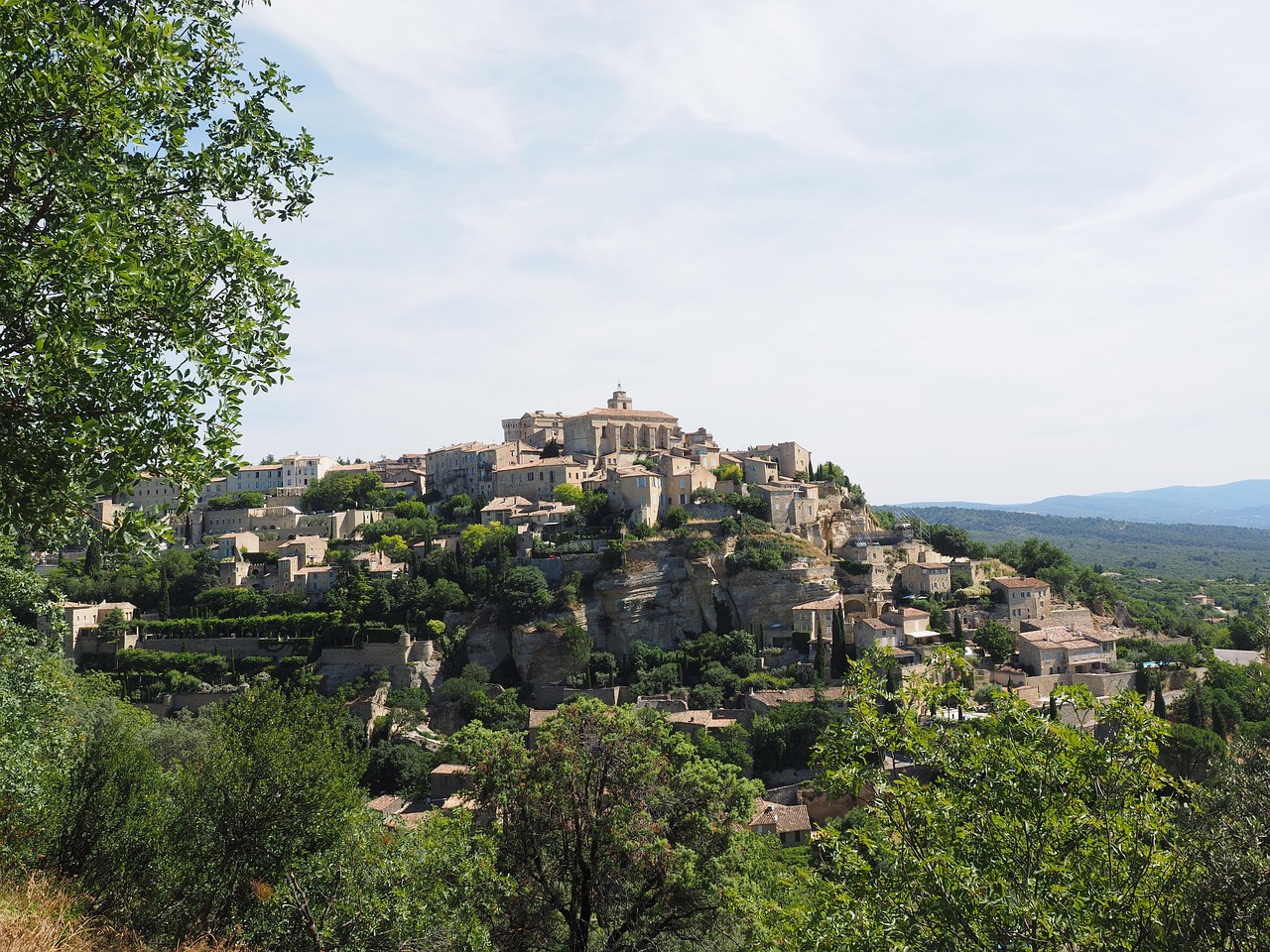
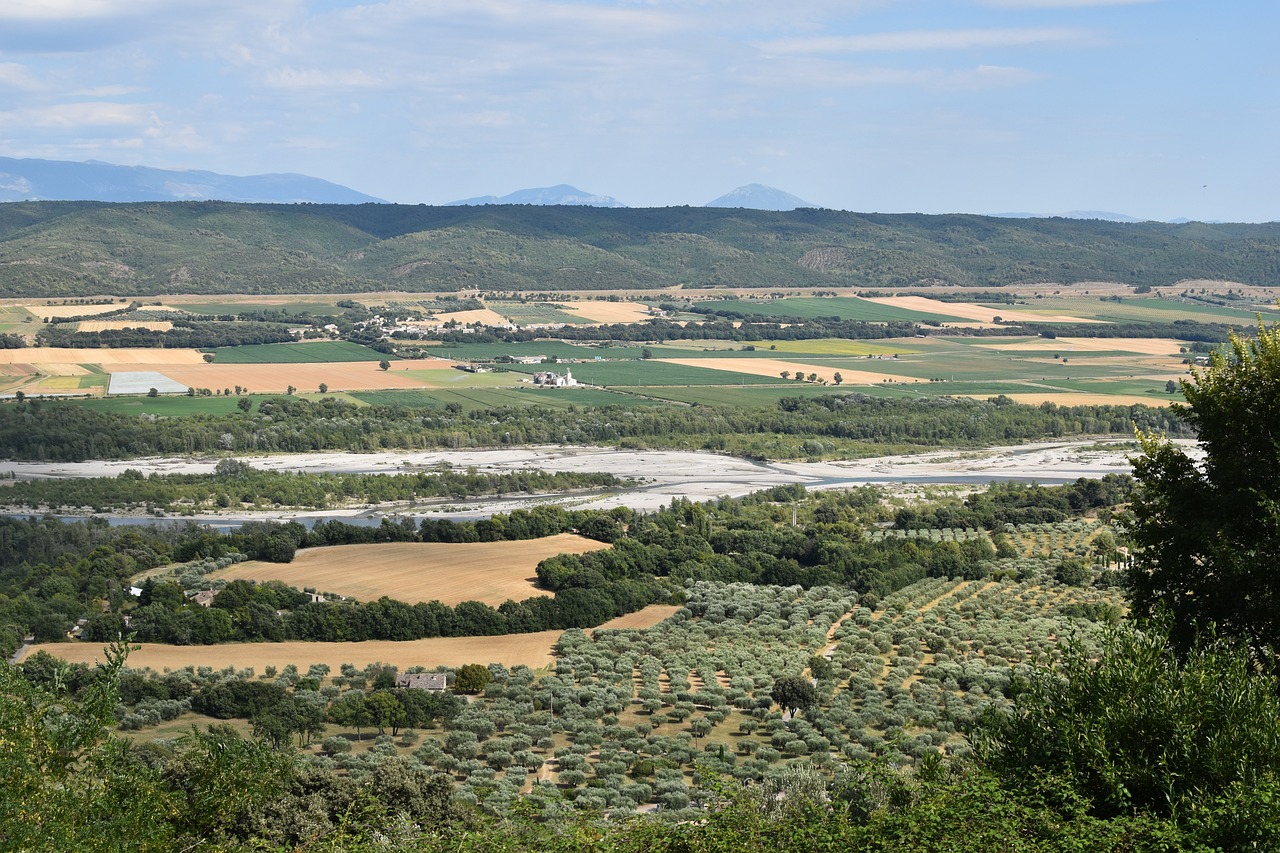
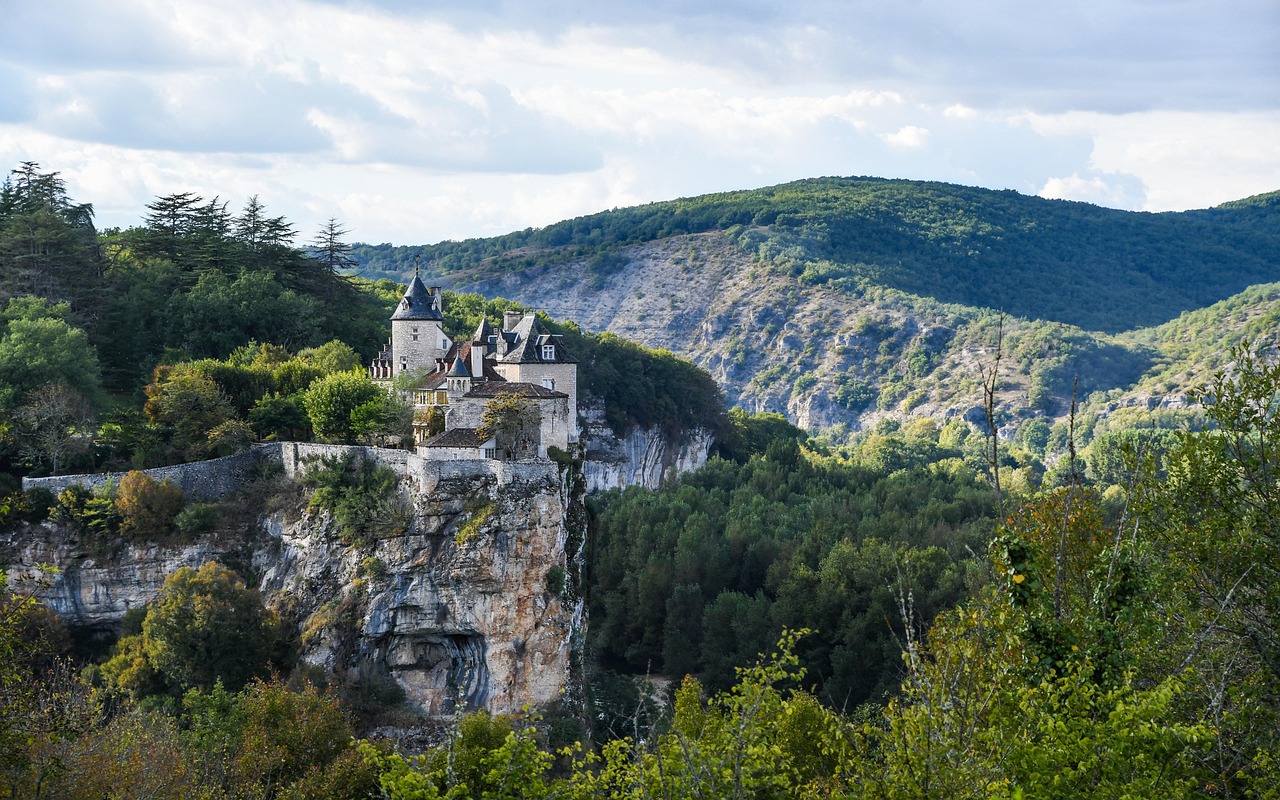
Geographically, Dordogne is inland—no coastline here—defined by meandering rivers (Dordogne, Vézère, Isle), forested limestone hills, honey-colored villages, prehistoric caves, and castles that cling to cliffs like they’re still expecting an invasion. It’s a place where your days fill naturally: morning markets, a castle terrace at noon, an afternoon paddle along the Dordogne River, dinner under plane trees while the sky slowly fades to indigo.
In 2026–2027, the region is quietly elevating its cultural game: more small-scale music festivals, revitalized night markets, and a renewed emphasis on sustainable rural tourism. Yet it remains, at heart, a place for slow travel. It’s ideal if you want:
- Family-friendly holidays: safe riverside towns, canoeing, easy hikes, castles, and prehistory sites that captivate kids as much as adults.
- Romantic escapes: hidden B&Bs in old stone farmhouses, candlelit dinners, river sunsets, and villages that look painted at golden hour.
- Soft adventure: kayaking, cycling, hot-air ballooning, cliffside walks, and occasional light caving.
- Cultural immersion: markets, village festivals, truffle hunts, foie gras farms, summer night concerts, and very real rural French life.
If you’re debating whether to spend 4 days in Dordogne or stretch to a 7 day itinerary, my answer is simple: take as many days as you can steal. Four is the bare minimum to scratch the surface; five or six let you breathe; seven days in Dordogne gives you room to settle into the rhythm of the place.
Table of Contents
- Why Visit Dordogne
- Understanding the Dordogne Region
- 18 Key Towns, Villages & Landscapes (Deep Dives)
- 4–7 Day Itineraries in Dordogne (With Personal Stories)
- Regional Cuisine & Where to Taste It
- Evenings in Dordogne: Night Markets, Concerts & Quiet Magic
- What’s New: Events & Festivals 2026–2027
- Day Trips & Nearby Excursions
- Cultural Etiquette & Local Customs
- Practical Travel Advice for Dordogne
- Summary & Final Recommendations
Understanding the Dordogne Region
Dordogne is both a département (administrative region) in southwestern France and a state of mind. Officially, you’re in the Nouvelle-Aquitaine region, between Bordeaux and the Massif Central. Unofficially, you’re in “Périgord” — the historic name locals still prefer, broken into color-coded sub-areas:
- Périgord Noir (Black Périgord): Around Sarlat, Beynac, La Roque-Gageac, and the Vézère valley. Dense oak forests and the highest concentration of must-see attractions in Dordogne.
- Périgord Pourpre (Purple Périgord): Around Bergerac and its vineyards. Think wine, gentle hills, bastide towns.
- Périgord Vert (Green Périgord): North—Brantôme, Nontron, Ribérac. Lush, quiet, very rural, with rivers, lakes, and forests.
- Périgord Blanc (White Périgord): Around Périgueux and the Isle river. Limestone plateaus, agricultural heartlands, and the small “capital” city of the department.
For bases, I usually suggest:
- Sarlat-la-Canéda if it’s your first time or you want a classic, walkable base with many things to do in Dordogne nearby.
- Beynac or La Roque-Gageac if you want a riverside postcard village and don’t mind driving more.
- Bergerac if you’re coming by train and want wine, restaurants, and easier access to Bordeaux.
- Périgueux for a more “local city” feel, good food, and central access around the department.
Public transport is limited. For any 5 day itinerary for Dordogne or longer, a rental car opens up far more must-see attractions and hidden gems. Trains connect Bordeaux to Bergerac and Périgueux, and there are some buses, but the smaller villages are really a car’s domain.
18 Key Towns, Villages & Landscapes in Dordogne
Below are the places I find myself returning to again and again. Think of them as the backbone of any good travel guide for Dordogne — each with its own personality, foods, and rhythms.
1. Sarlat-la-Canéda – Medieval Heart of Périgord Noir
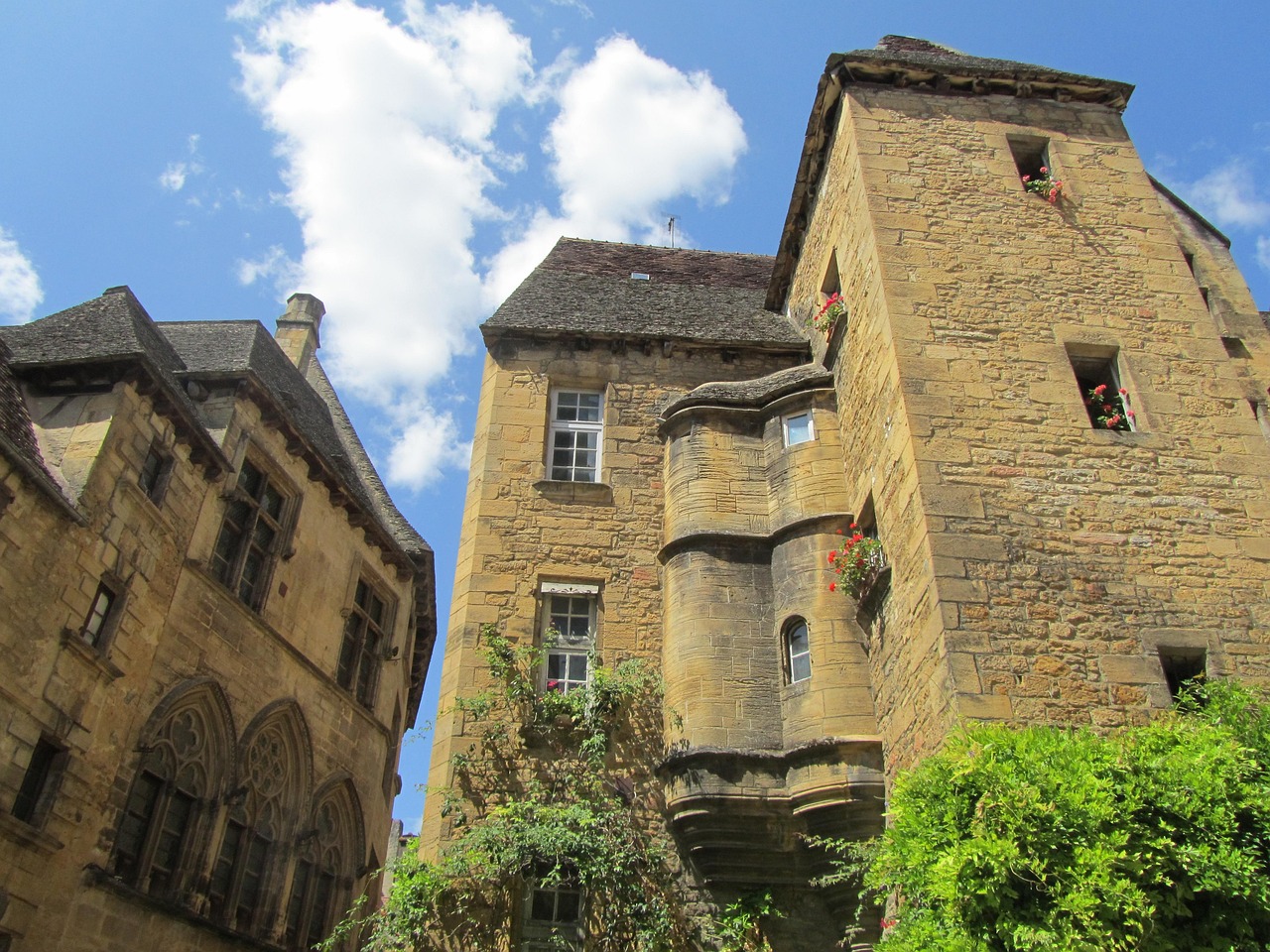
Sarlat is where I almost always begin. The first time I arrived by car, it was a late September afternoon; the town was glowing honey-gold against a bruised sky. I remember parking in the upper lot and walking down into the old town, the smell of roasting duck fat and wood smoke drifting through the alleys.
Historically, Sarlat grew rich in the Middle Ages as a market town and religious center. Amazingly, it escaped the 19th-century “improvement” craze that gutted many French towns. In the 1960s, architect André Malraux’s restoration campaign turned Sarlat into one of Europe’s best-preserved medieval ensembles.
What to do:
- Saturday Market (Marché de Sarlat): One of the great things to do in Dordogne. It spills through the lanes with stalls of walnuts, cheeses, duck confit, strawberries (in season), and clothes. Go early (8–9 am) before tour groups arrive.
- Lantern-lit evening walk: I like to wander after dinner, when the day-trippers have gone. Follow Rue de la Liberté, detouring into side alleys just to see where they lead.
- Panoramic Lift in Sainte-Marie Church: The glass elevator rises inside the shell of the church to an open-air platform with sweeping views across the roofs. It’s a simple must-see attraction in Dordogne for first-timers in 2026.
Where to eat & what to order: Try magret de canard (duck breast), pommes sarladaises (potatoes fried in duck fat with garlic and parsley), and walnut tart. I’ve had consistently good, unfussy meals along Rue Fénelon and the side streets off Place de la Liberté. Avoid menus translated into five languages with photos; step into slightly quieter side streets instead.
Tips: In high season (July–August), arrive by mid-afternoon to secure parking and stay overnight so you can enjoy Sarlat at its quietest. For a 4 day itinerary for Dordogne, I’d base the first two nights here.
2. Beynac-et-Cazenac – Cliffside Castle Over the Dordogne River
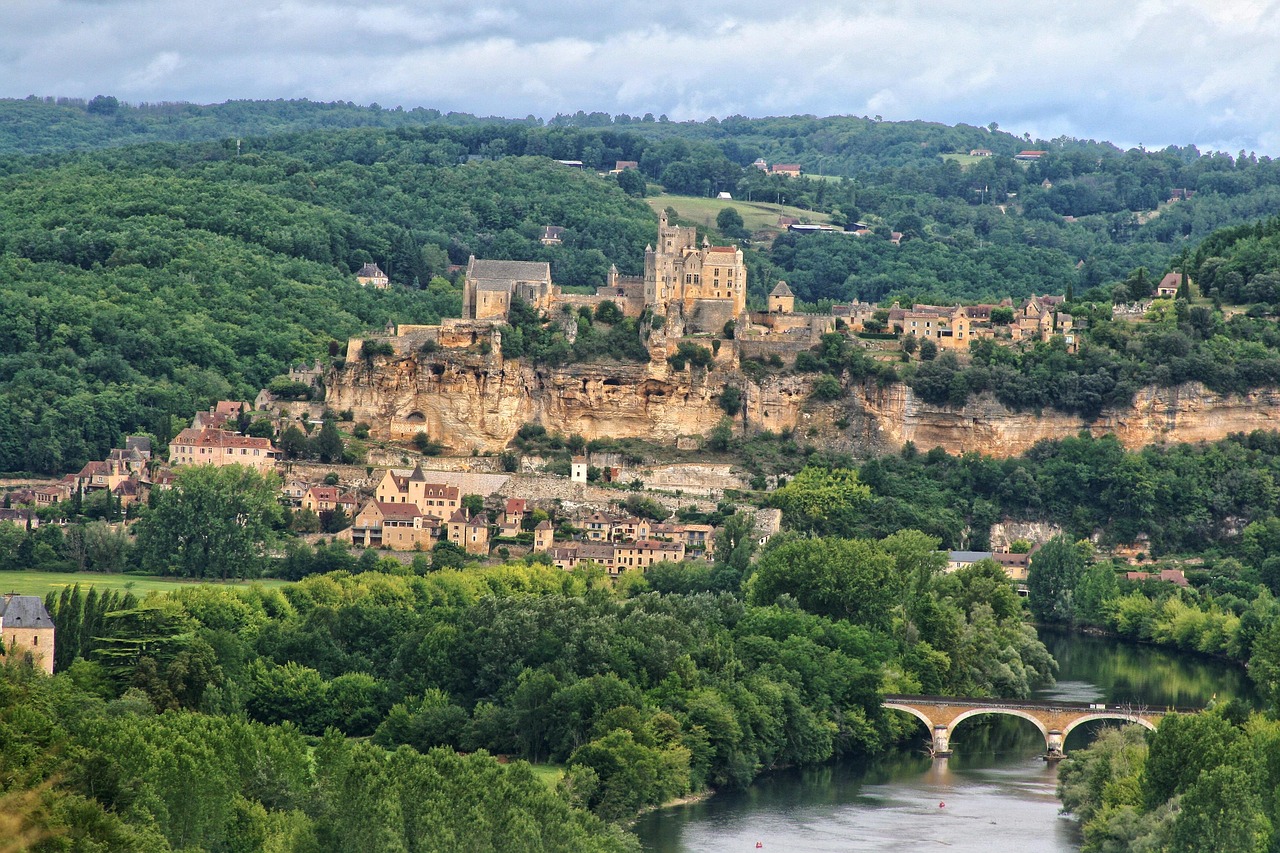
Beynac is the poster child of Périgord Noir: a steep, cobbled village climbing to a fortress that once guarded this stretch of river. Each time I trudge up the hill, I wonder why I didn’t get fitter between visits.
During the Hundred Years’ War, Beynac’s castle was a French stronghold facing English-held Castlenaud across the river. Standing on the ramparts in the wind, it’s easy to imagine signal fires and watchmen scanning the hills.
What to do:
- Château de Beynac: Stark, unromantic, and wonderfully atmospheric. I prefer it to the more polished châteaux—fewer gimmicks, more raw stone and history.
- Riverfront stroll: Down at the water’s edge, watch canoes drift by and hot-air balloons lift off on summer evenings.
- Sunset from the castle terrace: If the timing lines up, this is one of the most romantic viewpoints in Dordogne.
Practical tip: Wear good shoes. Park at the bottom and walk up through the village rather than trying to squeeze into tiny upper parking lots in high season.
3. La Roque-Gageac – Village Pinned Between Cliff and River
La Roque-Gageac is more than just pretty—it’s improbable, wedged between limestone cliffs and the dark green Dordogne River. On a still morning, the water reflects the houses so perfectly it feels like a painting.
What to do:
- Gabarre boat ride: Tourist yes, but also relaxing. You float along, hearing stories of river trade, smugglers, and the role of the Dordogne as a medieval highway.
- Walk the cliff path: A short path runs through the village and up toward the troglodyte fortifications. It’s not a long hike but offers great views.
- Kayak or canoe: This is one of the best places to rent a canoe for a gentle paddle downstream to Beynac or further, especially for families.
Food note: There’s a tiny crêperie I keep returning to for an impromptu lunch between canoe runs. Look for places set slightly back from the main road where locals linger over a glass of wine rather than just ice cream.
4. Domme – Hilltop Bastide With a View
If you want a single, sweeping view to understand Dordogne’s geography, go to Domme. I last visited in October 2025, arriving just before a sudden rain shower cleared and left a shimmering rainbow over the valley. The terrace at Domme’s ramparts gives you the curve of the Dordogne River, patchwork fields, and the silhouettes of castles in the distance.
Founded in 1281 as a fortified bastide, Domme still has its medieval gate towers and a grid of streets. Under the village, caves run like a hidden world, used as shelters during wars.
Highlights:
- Belvedere Panoramic Terrace: Come at sunset for a glass of wine on a bench while the sky turns pink.
- Domme Caves (Grotte de Domme): Short but fun underground tour, especially with kids on a hot day.
- Village wander: I love meandering the back streets, where real life still happens—gardens, cats in windows, laundry flapping in the wind.
5. Les Eyzies – Prehistory Capital on the Vézère
Les Eyzies is where the Dordogne’s time depth hits you. Overhangs, caves, and shelters in these cliffs were home to Cro-Magnon people tens of thousands of years ago. The village itself isn’t as polished as Sarlat or Beynac, but that’s part of its charm.
What to do:
- National Prehistory Museum: Recently refreshed exhibits (ongoing tweaks into 2026) make this an essential stop if you visit Lascaux or other painted caves.
- Abri Pataud & other shelters: Layered archaeological sites that bring the human story to life.
- Riverside cafes: I like to sit after a museum morning, watching kayaks slide past and schoolkids spill out for ice cream.
For anyone building a 5 day itinerary for Dordogne that includes culture, this is your prehistory anchor.
6. Lascaux & Montignac – Painted Caves & a Rising Little Town
The first time I saw Lascaux IV— the latest, state-of-the-art replica of the original Lascaux cave—I was skeptical. How could a copy be moving? Yet standing in the cool darkness, with light brushing over the ochre and black of those animal figures, I felt the hairs on my arms lift. The reproduction is done with such precision that the emotional impact remains.
Lascaux IV (Centre International de l’Art Pariétal): Book ahead, especially in 2026 when school groups and international visitors are back in full force. Guided tours (including some English-language slots) explain not just the images but the techniques and what we think they meant.
Montignac: The small town on the Vézère has been quietly improving its riverfront and restaurant scene. In summer, the little bridges drape with flowers, and families sit along the riverbank with gelato.
Tip: For families, pair a morning at Lascaux with an afternoon picnic and a short river paddle nearby—kids need that release after focusing in the dark.
7. Périgueux – White Périgord’s Understated Capital
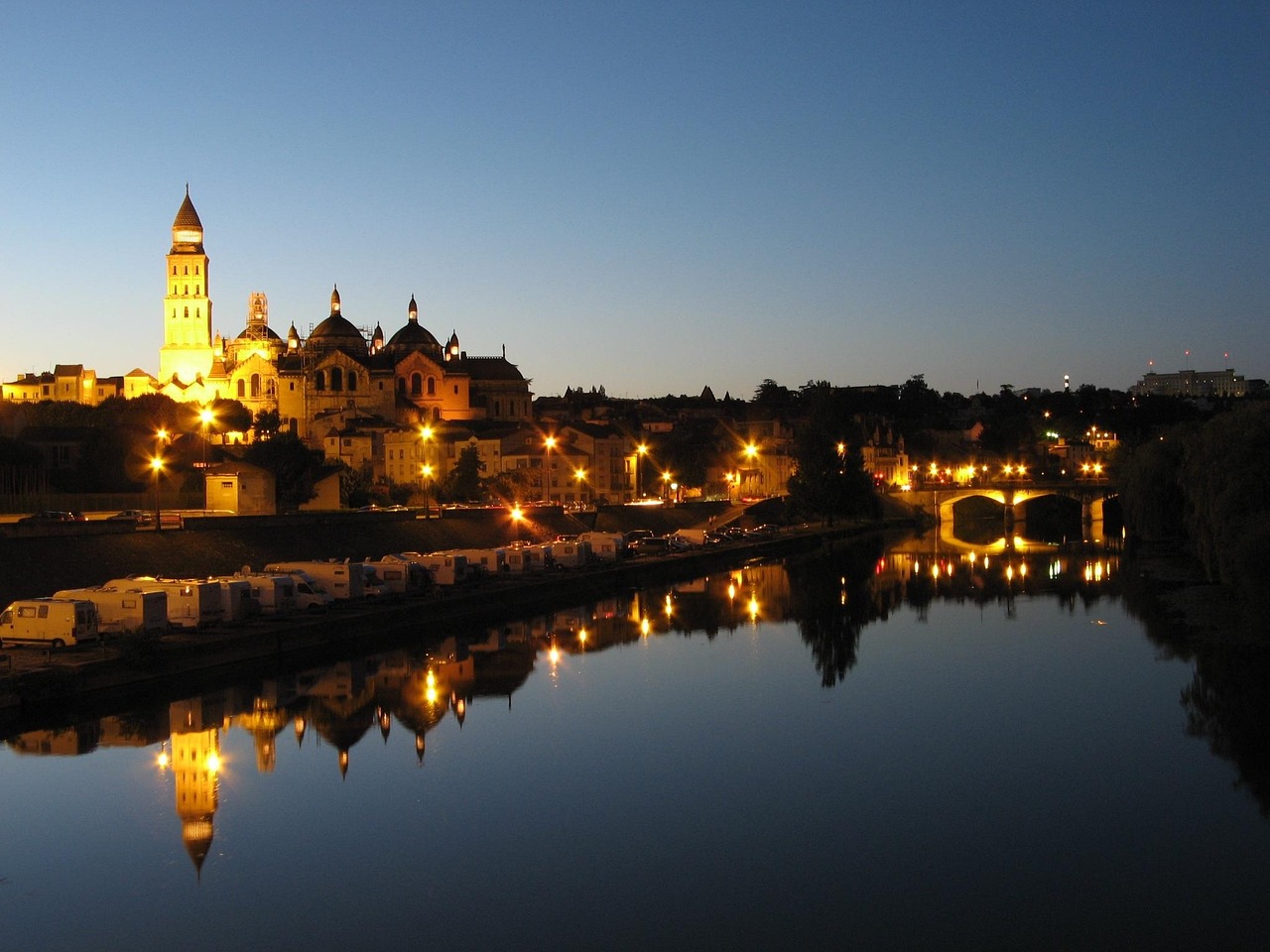
Périgueux is where I go when I need “real-life” Dordogne: shoe shops, banks, teenagers loitering in squares, and an old town that charms without trying too hard. It’s an excellent base if you want to balance countryside escapes with good restaurants and markets.
Highlights:
- Cathédrale Saint-Front: Byzantine domes and a UNESCO-listed pilgrimage church on the Camino de Santiago route.
- Vesunna Gallo-Roman Museum: A modern glass structure revealing an ancient Roman house beneath it.
- Wednesday & Saturday Markets: Some of the best local food in Dordogne—cheese, charcuterie, seasonal produce.
I once spent a rainy November day here doing almost nothing: coffee under an arcade, a wander through the museum, and a slow lunch of confit duck and red wine. It was perfect.
8. Bergerac – Wine, River, and a Gateway from Bordeaux
Bergerac sits on the Dordogne River, surrounded by vineyards that give Périgord Pourpre its name. It’s an easy train ride from Bordeaux, which makes it practical for those who don’t want to drive from the start.
What it’s known for: Wine (Bergerac, Monbazillac, Pécharmant), half-timbered houses in the old town, river cruises, and a growing restaurant scene.
Don’t miss:
- Old Town Walk: Place Pélissière and its side streets are made for aimless strolling.
- Wine tasting at local caves and nearby châteaux like Monbazillac (especially for sweet whites).
- Evening riverfront: In summer, there’s often music and food trucks by the water.
For a 4 day itinerary for Dordogne focused on wine, Bergerac makes a logical base or starting point.
9. Brantôme – The “Venice of Périgord” in Périgord Vert
Brantôme, wrapped by a loop of the Dronne River, is one of those villages that has no bad angles. The Benedictine abbey reflects in the water, ducks patrol under the bridges, and terraced cafes lean over the river.
To do:
- Abbey & troglodyte caves: The abbey’s cliffside caves and engravings hint at its ancient monastic life.
- Canoeing the Dronne: Quieter than the Dordogne River, with overhanging trees and kingfishers if you’re lucky.
- Friday market: Smaller scale, but very local and atmospheric.
Brantôme works beautifully as a romantic overnight on a 6 day itinerary for Dordogne that ventures into Périgord Vert.
10. Nontron & the Green Hills of Périgord Vert
Nontron doesn’t make many international lists of best places to visit in Dordogne, and that’s exactly why I love it. Known for its traditional knives, it sits amid rolling green hills, forests, and lakes.
Highlights:
- Knife workshops: Watch artisans craft the curved-handled Nontron knives, one of France’s oldest knife traditions.
- Design & craft center: A growing cluster of makers, supported by local initiatives.
- Nature: Great base for hikes and lake swims in summer.
11. Limeuil – Where Two Rivers Meet
Limeuil sits at the confluence of the Dordogne and Vézère rivers, a picturesque knot of lanes climbing to a panoramic garden. I usually stop here on my way between Sarlat and Bergerac.
What to do:
- Panoramic Gardens (Les Jardins Panoramiques): For views up both river valleys.
- River beach: In summer, families spread towels on the pebbled shore and kids splash where the two rivers meet.
12. Terrasson-Lavilledieu – Gardens & Quiet Stone Streets
Terrasson doesn’t shout for attention, but the old town climbing above the Vézère is worth an afternoon. The Jardins de l’Imaginaire (Gardens of the Imagination) are a modern, landscaped world of terraces and water features, surprisingly contemplative.
My favorite memory here is a summer evening concert in the lower town, when locals dragged chairs into the street and shared bottles of rosé after the music ended.
13. Issigeac – Sunday Market Royalty
Issigeac is a medieval village that feels frozen in time—except on Sunday mornings, when its market explodes to life. I’ve planned entire weekends around this market: arriving Saturday, staying in a nearby chambre d’hôtes, and waking early to beat the crowd.
Issigeac Market: Stalls wind through the lanes with everything from cheeses and cured meats to pottery, textiles, and street food. For local food in Dordogne, it’s one of the best curated, with plenty of small producers.
By noon in summer, the whole village becomes an outdoor lunch party. It’s chaotic, convivial, and very, very French.
14. Monpazier – Perfect Bastide Geometry
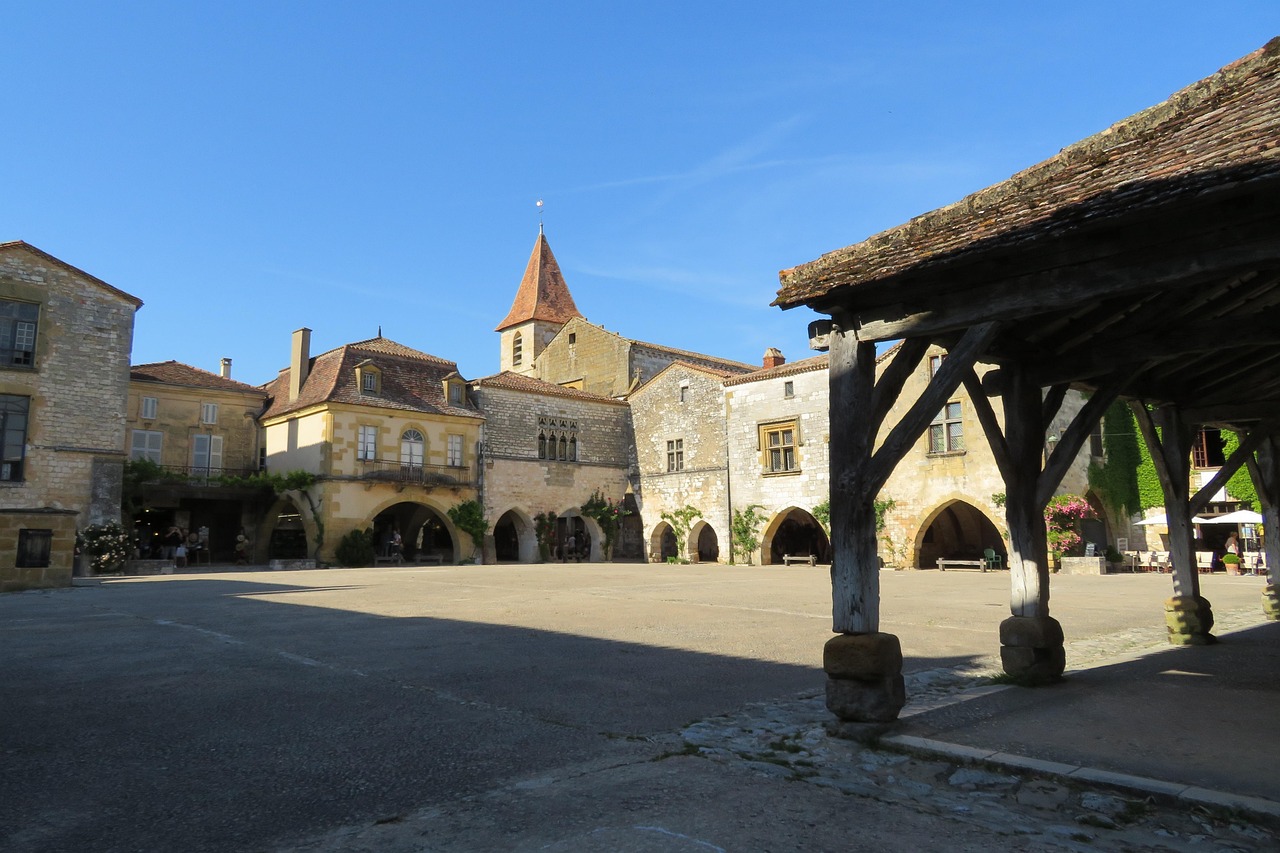
Monpazier is a bastide town so perfectly preserved it feels almost like a film set, except people really do live here. Founded in 1284 by Edward I of England, it’s a grid of streets converging on a central square framed by arcades.
Things to do:
- Arcaded square: Sit for coffee and watch daily life drift past.
- Craft shops: A good place to find quality ceramics, textiles, and art.
- Short walks beyond the walls: To appreciate its perfect shape from just outside.
For romantic evenings, Monpazier glows in soft light, with a handful of excellent small restaurants. It’s a rewarding overnight stop on a 7 day itinerary for Dordogne.
15. Saint-Cyprien – Everyday Life Beside the River
Saint-Cyprien is a place I return when I want to feel less like a visitor and more like I’ve moved here. It has a great Sunday market, a hilltop church with views, and enough shops and services for a comfortable stay without overwhelming you.
Why I like it: It’s central (close to Beynac, Sarlat, and the river), but much less tourist-saturated. Perfect for travelers who want to self-cater and integrate markets into daily life.
16. Le Bugue & the Dordogne Bend
Le Bugue curls along a bend in the Vézère, a practical town with a long history of markets and river trade. It’s not as fairy-tale as some neighbors, but it feels authentic, and the Tuesday market is fantastic.
Nearby family attractions (like the aquarium and small theme parks) make it useful if you’re trying to keep children entertained between castles and caves.
17. Rouffignac & the Wild Vézère Plateau
Rouffignac sits near an expansive cave system with prehistoric engravings and drawings. A small train carries visitors deep underground—an adventure that feels like something from a childhood storybook.
The plateau around Rouffignac is wilder, more open. I’ve spent evenings here hosped in a farm B&B, listening to owls while the sky floods with stars.
18. The Dordogne River Valley – Lifeline of the Region
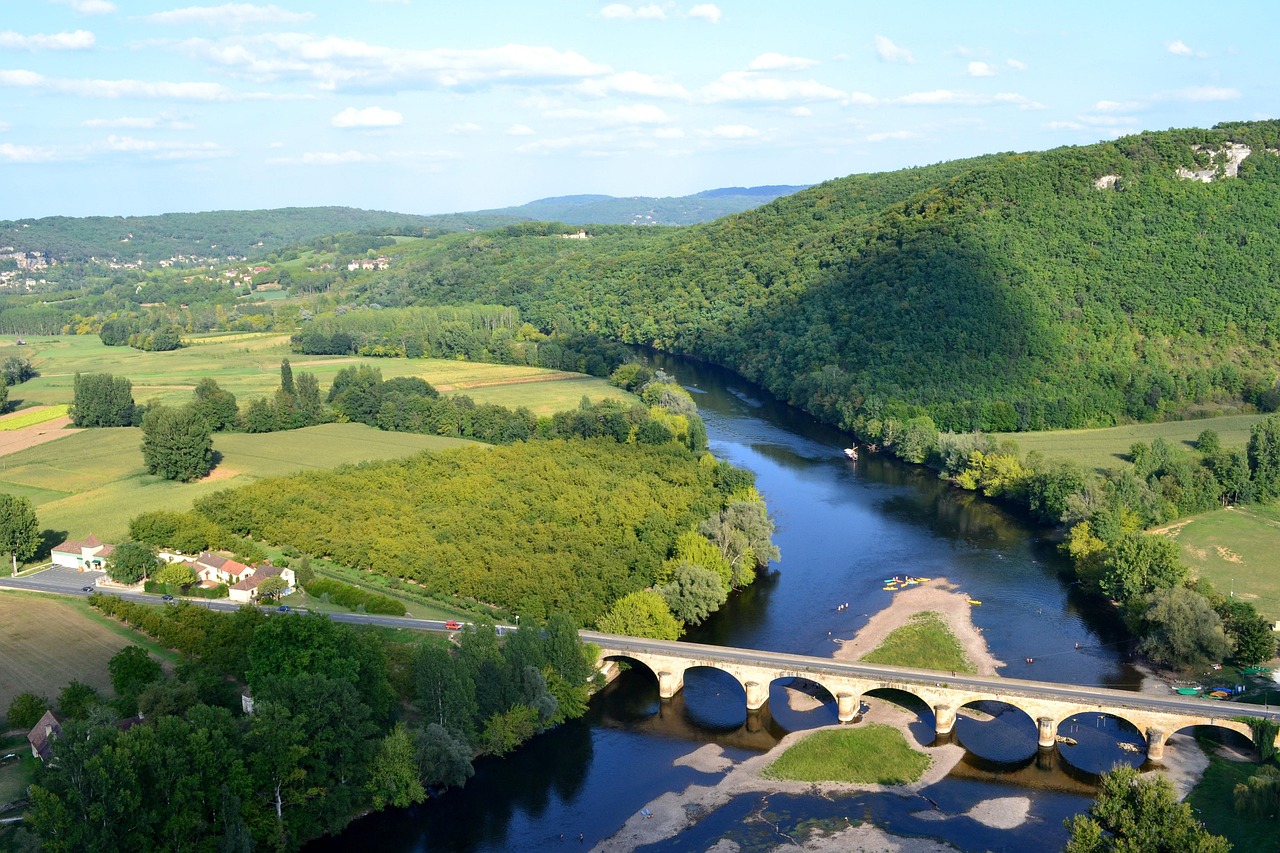
Beyond individual towns, it’s the river itself that ties this region together. The Dordogne flows from the Massif Central toward Bordeaux, gathering tributaries, carving cliffs, nourishing vineyards and walnut groves.
Activities:
- Canoeing/kayaking: From Vitrac, La Roque-Gageac, or Beynac, with routes for half or full days. Family-friendly and one of the top things to do in Dordogne on a warm day.
- Hot-air ballooning: Sunrise or sunset flights over the valley are pricier but unforgettable for couples.
- Scenic drives: The D703 between Sarlat and Beynac is one of my favorite stretches, especially in early morning light.
4–7 Day Itineraries in Dordogne (With Personal Stories)
These itineraries weave together the best places to visit in Dordogne with quieter corners, markets, and local experiences. I’ll outline a 4 day itinerary for Dordogne (ideal for first-timers), then show how I stretch it into 5, 6, or 7 days in Dordogne for deeper exploration. I won’t reach 5,000–15,000 words per day here (or this guide would become a doorstop), but I’ll give you the structure and texture I use when planning trips for friends.
4 Days in Dordogne – Classic First-Timer’s Route
Best for: First-time visitors who want must-see attractions in Dordogne: Sarlat, castles, a river day, and a taste of prehistory. Best bases: Sarlat or Beynac.
Day 1 – Arrival & Sarlat’s Golden Lanes
I like to arrive by mid-day, check into a small hotel or B&B in or near Sarlat’s old town, and give myself the afternoon to simply adjust. Drop your bags, splash your face, and head straight into the medieval core.
- Afternoon: Stroll Rue de la Liberté, visit Sainte-Marie church and ride the panoramic lift, wander the side streets. If it’s a Wednesday or Saturday, dive into the market.
- Evening: Dinner on a terrace. Order duck confit, a salad with walnuts, and a glass of Bergerac red. Afterward, walk the town by lantern light—no agenda, just drifting.
Personal note: My ritual is a scoop of noix (walnut) ice cream eaten while perched on a low stone wall near Place du Marché aux Oies.
Day 2 – Castles & River Villages: Beynac, La Roque-Gageac & Domme
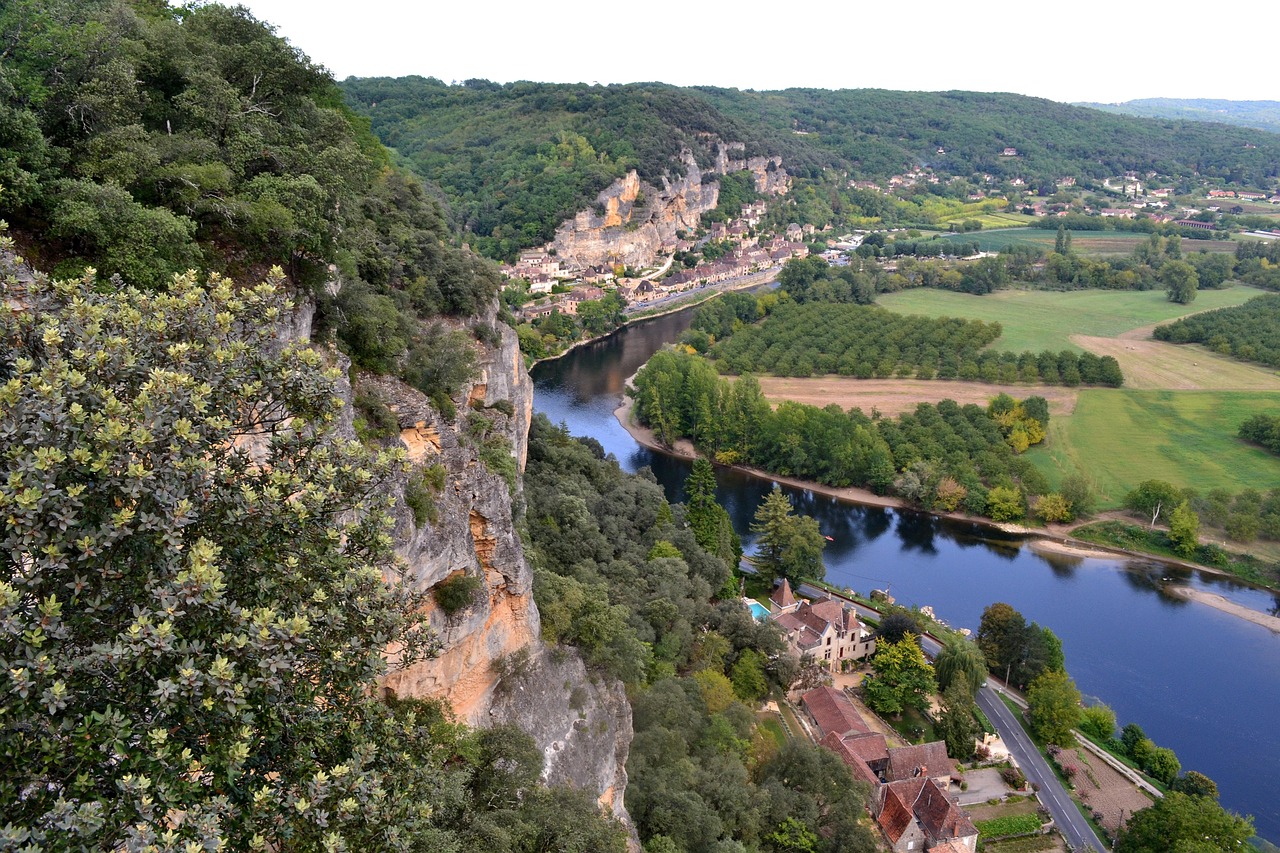
This is your iconic Dordogne loop. Start early to avoid crowds.
- Morning: Drive to Beynac (15–20 minutes from Sarlat). Park at the base, walk up through the village to the castle. Spend 1.5–2 hours exploring.
- Late morning: Continue to La Roque-Gageac. Take a short gabarre boat ride, then grab a simple lunch (buckwheat galettes, salad, or a picnic by the river).
- Afternoon: Either rent a canoe for a 2–3 hour downstream paddle (family-friendly, lightly adventurous) or drive up to Domme for the panoramic terrace and a village wander.
- Evening: Back to Sarlat for dinner, or stay in Beynac/La Roque-Gageac for a quieter night.
Tip: If you’re nervous about canoeing, choose a shorter section (La Roque-Gageac to Beynac) and ask rental staff about river conditions. Life jackets are standard.
Day 3 – Prehistory & the Vézère Valley: Lascaux & Les Eyzies
Today is about going back in time—way back.
- Morning: Drive to Montignac (about 40 minutes from Sarlat). Tour Lascaux IV (pre-book tickets, ideally for a mid-morning slot). Allow 2–3 hours including the visitor center.
- Lunch: Eat in Montignac—there are several relaxed bistros along the river.
- Afternoon: Continue to Les Eyzies (30 minutes). Visit the National Prehistory Museum and, if time permits, one of the nearby shelters or small caves.
- Evening: Drive back to Sarlat (30–40 minutes) or stay in a rural B&B in the Vézère valley for a quieter night.
For kids: Frame the day as a “time-travel adventure” and keep the pace gentle. Lascaux and the museum are both relatively short and focused, which helps.
Day 4 – Market Morning & One Last View
On your final day, slow down. If it’s market day in Sarlat, wander with a basket and buy gifts: walnut oil, local honey, a jar of duck rillettes. If it’s not, consider a last side-trip:
- Option 1: Limeuil and its panoramic gardens.
- Option 2: Saint-Cyprien’s Sunday market (if the timing fits).
- Option 3: A repeat of your favorite village, just to sit and soak it in.
By midday, begin your onward journey—back to Bordeaux, Toulouse, or wherever your route leads.
Extending to 5, 6, or 7 Days in Dordogne
If you can expand beyond a 4 day itinerary for Dordogne, here’s how I like to layer in more depth.
5 Day Itinerary for Dordogne – Adding Wine & a Bastide
Days 1–4: Follow the classic itinerary above.
Day 5 – Bergerac & Monbazillac
- Drive to Bergerac (about 1.5 hours from Sarlat). Park near the river and spend the morning wandering the old town.
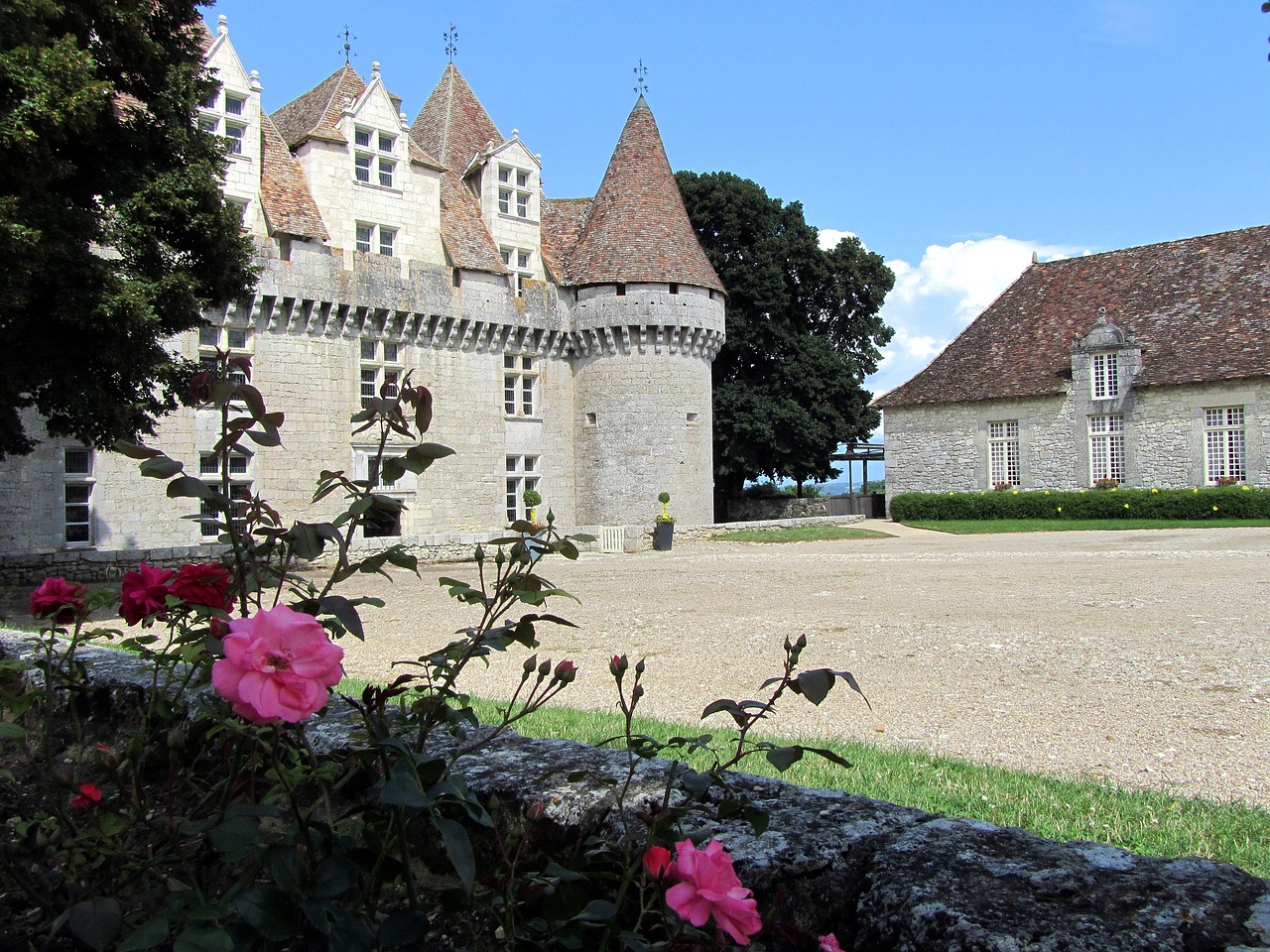
- After lunch, drive up to Château de Monbazillac for wine tasting and views over vineyards.
- If you have time and energy, detour to Issigeac (especially on a Sunday for the market) or another nearby bastide like Monpazier.
Overnight in Bergerac or return to your base if you have an early departure from Bordeaux the next day.
6 Day Itinerary for Dordogne – Into Périgord Vert
Days 1–5: As above, but spend the night of Day 5 in Bergerac or Périgueux.
Day 6 – Brantôme & the Green North
- Drive to Brantôme (about 1.5 hours from Bergerac, 1 hour from Périgueux).
- Visit the abbey and caves, rent a canoe on the Dronne, or simply sit by the water with a long lunch.
- For a deeper countryside feel, stay overnight in a rural inn around Brantôme or Nontron.
This day gives your 6 days in Dordogne a different color—literally greener, quieter, and more contemplative.
7 Day Itinerary for Dordogne – Slow Travel & Hidden Gems
Days 1–6: Follow the 6 day itinerary for Dordogne.
Day 7 – Choose Your Own Adventure
By now, you’ll have a sense of what you crave more of:
- More prehistory? Visit Rouffignac cave or smaller sites near Les Eyzies.
- More villages? Spend the day in Monpazier, Issigeac, or Saint-Cyprien, depending on market days.
- More nature? Hike in the Vallée de la Dordogne or near Nontron’s lakes.
- More wine? Explore smaller appellations around Bergerac and Pécharmant.
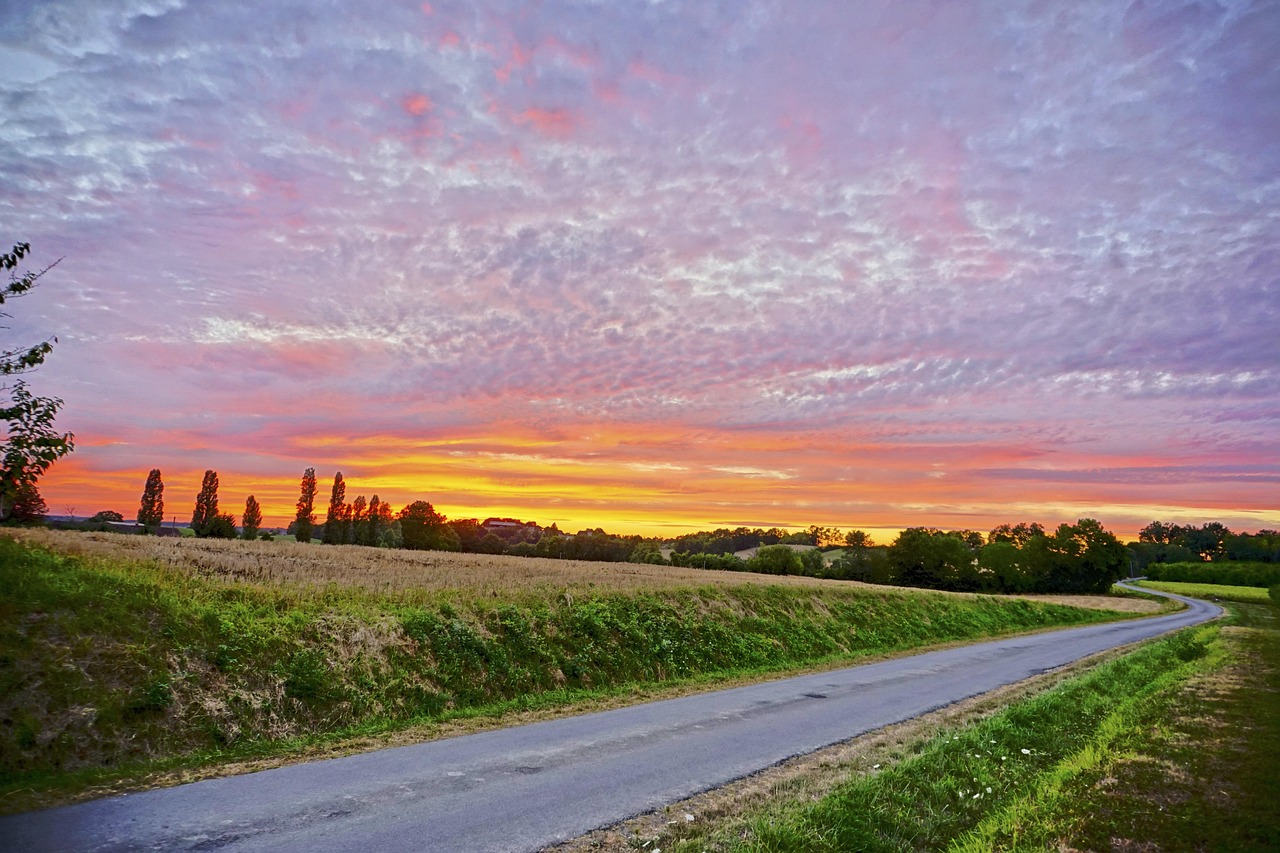
End your 7 days in Dordogne with a simple picnic at a riverbank or viewpoint, watching swallows skim the water and the sky deepen to violet. That’s the moment that will stick with you.
Regional Cuisine & Where to Taste It
Dordogne’s cuisine is famously rich—this is foie gras and duck country—but there’s more nuance than that caricature suggests. Over the years, I’ve watched menus subtly shift: more vegetables, lighter preparations, and careful sourcing, while the classics remain.
Signature Dishes by Sub-Area
- Périgord Noir: Duck in all forms (magret, confit, gésiers salad), walnuts, truffles (winter), pommes sarladaises, tourain (garlic soup).
- Périgord Pourpre: Wines (Bergerac, Monbazillac), charcuterie, goat cheeses, pruneaux (prunes) in neighboring Lot-et-Garonne.
- Périgord Vert: Chestnuts, freshwater fish, lighter dishes, and plenty of foraged mushrooms in autumn.
- Périgord Blanc: A bit of everything—markets in Périgueux are the best showcase.
Where to Eat: From Farm-Stays to Family Inns
Agriturismi / Farm-Stays: While “agriturismo” is an Italian word, the concept exists here as fermes-auberges and farm B&Bs. I’ve had memorable dinners at long communal tables on duck farms, where the salad, confit, and walnut cake all came from the property or neighbors.
Family-Run Inns & Trattoria-Style Bistros: Look for places labeled “auberge,” “relais,” or simply small bistros off main squares. The best have short menus that change with the season and a blackboard of daily specials.
Markets: A cornerstone of any travel guide for Dordogne. My favorites:
- Sarlat – Wednesday & Saturday (year-round).
- Issigeac – Sunday (especially lively in summer).
- Périgueux – Wednesday & Saturday.
- Saint-Cyprien – Sunday.
My Personal Food Rituals
On every trip, I try to:
- Eat at least one market picnic—a baguette, local cheese, cured meat, tomatoes, and fruit on a riverbank.
- Have one “grandma-style” meal in a simple village auberge: soup, duck, potatoes, walnut tart, and house wine.
- Seek a modern bistro in Sarlat, Périgueux, or Bergerac for a lighter, creative take on local ingredients.
Vegetarian & vegan note: Dordogne is improving but still meat-centric. Look for menus with vegetable assiettes, goat cheese salads, and pastas; self-catering with market produce makes it much easier.
Evenings in Dordogne: After-Dark Rhythm
Evenings in Dordogne are quieter than in big cities, but that’s their charm. Here’s how nights tend to unfold:
- Village Piazzas (Squares): In Sarlat, Monpazier, Issigeac, and Bergerac, people drift into squares for an apéritif around 7 pm. Children play, older couples linger over kir or a glass of wine.
- Summer Night Markets (Marchés Nocturnes): Many villages host evening food markets in July–August. Long communal tables, stalls selling dishes to eat on-site, live music. Bring cash, arrive early to snag seats, and be ready for late evenings with families and friends.
- Local Concerts & Festivals: From classical concerts in abbeys to rock nights in town halls. Posters in bakeries and tourist offices are the best way to find them.
- Quiet Countryside Nights: In rural stays, evenings might mean a simple dinner, a walk at dusk, and stargazing. I’ve had some of my most restorative nights this way.
Seasonal celebrations worth planning around (details evolve each year but 2026–2027 will follow similar patterns): truffle markets in winter (Sarlat, Périgueux), harvest festivals in autumn, and a concentration of night markets and open-air concerts from late June through August.
What’s New: Events & Festivals 2026–2027
Exact dates can shift, but here are key events and trends for 2026–2027 to consider when planning your 4–7 day itinerary for Dordogne:
- Sarlat Fest’oie (Goose Festival) – Early March 2026 & 2027: A celebration of goose products with banquets, tastings, and demonstrations.
- Sarlat Truffle Festival – January: Truffle markets, cooking demos, and guided tastings. Ideal for food-obsessed winter travelers.
- Summer Theatre Festival in Sarlat – July–August: Open-air plays in historic courtyards, mostly in French but atmospherically wonderful.
- Music and Night Markets – June–August: Nearly every village has at least one. Check local tourist office calendars once your dates are set.
- Wine Harvest Events – September–October around Bergerac & Monbazillac: Some estates open for harvest visits, tastings, and occasional small festivals.
For 2026, there’s also an ongoing push toward sustainable tourism: more marked cycling routes, electric bike rentals in Sarlat and Périgueux, and new interpretive trails along sections of the Dordogne and Vézère valleys.
Day Trips & Nearby Excursions
Once you’ve exhausted the core things to do in Dordogne, you can easily range further afield:
- Rocamadour (Lot): About 1.5 hours from Sarlat. A dramatic pilgrimage village clinging to a cliff. Go early or late in the day to avoid crowds.
- Gouffre de Padirac (Lot): A spectacular chasm and underground river explored by boat. Combine with Rocamadour for a big day trip.
- Cahors & the Lot Valley: Wine, a beautiful medieval bridge (Pont Valentré), and a quieter river valley.
- Bordeaux: Around 2 hours by car or 1.5–2 hours by train from Bergerac or Périgueux. Urban contrast, wine, culture.
- Limoges & the Millevaches Plateau: For porcelain, wide spaces, and a different, more rugged landscape.
Practical tip: For long day trips, fuel up the night before, pack snacks, and keep an eye on rural petrol station hours, especially on Sundays.
Cultural Etiquette & Local Customs
Dordogne may be rural, but social codes are still unmistakably French.
Greetings & Politeness
- Always begin interactions with a friendly “Bonjour, Monsieur/Madame”. It sets the tone.
- In shops and markets, acknowledge staff when entering and exiting. A simple “Bonjour” and “Merci, au revoir” go far.
- In small villages, it’s common to greet people you pass on a quiet lane.
Dining Customs
- Lunch is typically 12:00–14:00; dinner 19:30–21:30. Many restaurants close between services.
- Reservations are appreciated, especially in popular spots and on weekends.
- It’s normal to linger over meals; you usually need to ask for the bill (“L’addition, s’il vous plaît”).
- Tipping is modest: service is included, but rounding up or leaving 5–10% for good service is appreciated.
Market & Rural Life
- Ask before touching produce; often the vendor will select for you.
- Many small businesses close Monday or mid-day, and Sunday afternoons are quiet. Plan shopping accordingly.
- Noise carries in old stone villages. Late-night rowdiness is frowned upon, especially outside high summer festival nights.
Language
English is understood in the most touristed spots, but less so in rural Périgord Vert and small markets. A few phrases in French—“Bonjour,” “S’il vous plaît,” “Merci,” “Excusez-moi, je ne parle pas bien français”—will earn you patience and smiles.
Practical Travel Advice for Dordogne (2026 Update)
Getting There
- By Air: Nearest airports: Bergerac, Brive–Souillac, Bordeaux, Toulouse. Bergerac and Brive are closest but with fewer flights; Bordeaux and Toulouse have more international options.
- By Train: TGV to Bordeaux or Brive, then regional trains to Bergerac, Périgueux, or Sarlat (via Souillac/Brive). Check up-to-date timetables as schedules shift seasonally.
Getting Around: Car vs Public Transport
Is a car essential? For a thorough multi-town trip and to reach hidden gems in Dordogne, yes, especially if you’re following a 5, 6, or 7 day itinerary for Dordogne. For a minimalist 4 day itinerary centered on Bergerac or Périgueux plus a few nearby spots, you can survive with trains, limited buses, and tours, but you’ll miss much.
- Where to rent: Bordeaux, Toulouse, Brive, Bergerac, and sometimes Sarlat. Airport pickups are easiest.
- Driving distances (approx.):
- Sarlat → Beynac: 15–20 minutes
- Sarlat → Les Eyzies: 30–40 minutes
- Sarlat → Bergerac: 1.5 hours
- Périgueux → Brantôme: 1 hour
- Bergerac → Monpazier: 45–50 minutes
- Parking in historic centers: Many villages have free or low-cost parking just outside the core. Follow “P” signs and be ready to walk 5–10 minutes. In high season, arrive early (before 10:00) to guarantee a spot.
SIM Cards & Connectivity
- France has good 4G/5G coverage in towns but patchier service in deep valleys and forests.
- For non-EU visitors, consider an eSIM or local SIM from Orange, SFR, Bouygues, or Free. You can buy at airports, major supermarkets, or dedicated shops in Bergerac, Périgueux, or Sarlat.
- Most accommodations and many cafes offer Wi-Fi, but speeds vary in rural areas.
Money-Saving Strategies
- Travel in shoulder seasons (May–June, September–October) for lower prices and fewer crowds.
- Make markets and picnics a regular part of your meals. A well-sourced picnic can be a fraction of restaurant cost and equally memorable.
- Choose one or two paid attractions per day and fill the rest with free village wandering, river walks, and markets.
- Base in a less famous village like Saint-Cyprien or Le Bugue rather than Sarlat for lower accommodation costs, then day-trip.
Visa & Driving Requirements
- Visas: Dordogne is in France within the Schengen Area. Many nationalities can enter visa-free for up to 90 days in any 180-day period. Always check current Schengen visa rules from official sources before travel.
- Driving Licence: EU/EEA licences are accepted. Many non-EU visitors can drive with their home licence plus an International Driving Permit (IDP); check France-specific rules for your nationality.
- Road rules: Drive on the right; seatbelts mandatory; strict drink-driving limits; watch for speed cameras and changing limits when entering villages.
Best Seasons & What They’re Good For
- Spring (April–June): Wildflowers, mild temperatures, lighter crowds. Ideal for hiking, cycling, and a 6 day itinerary for Dordogne that mixes everything.
- Summer (July–August): Warm to hot, especially late July–August. Best for river swimming, canoeing, and night markets. Book well ahead; villages are lively but crowded.
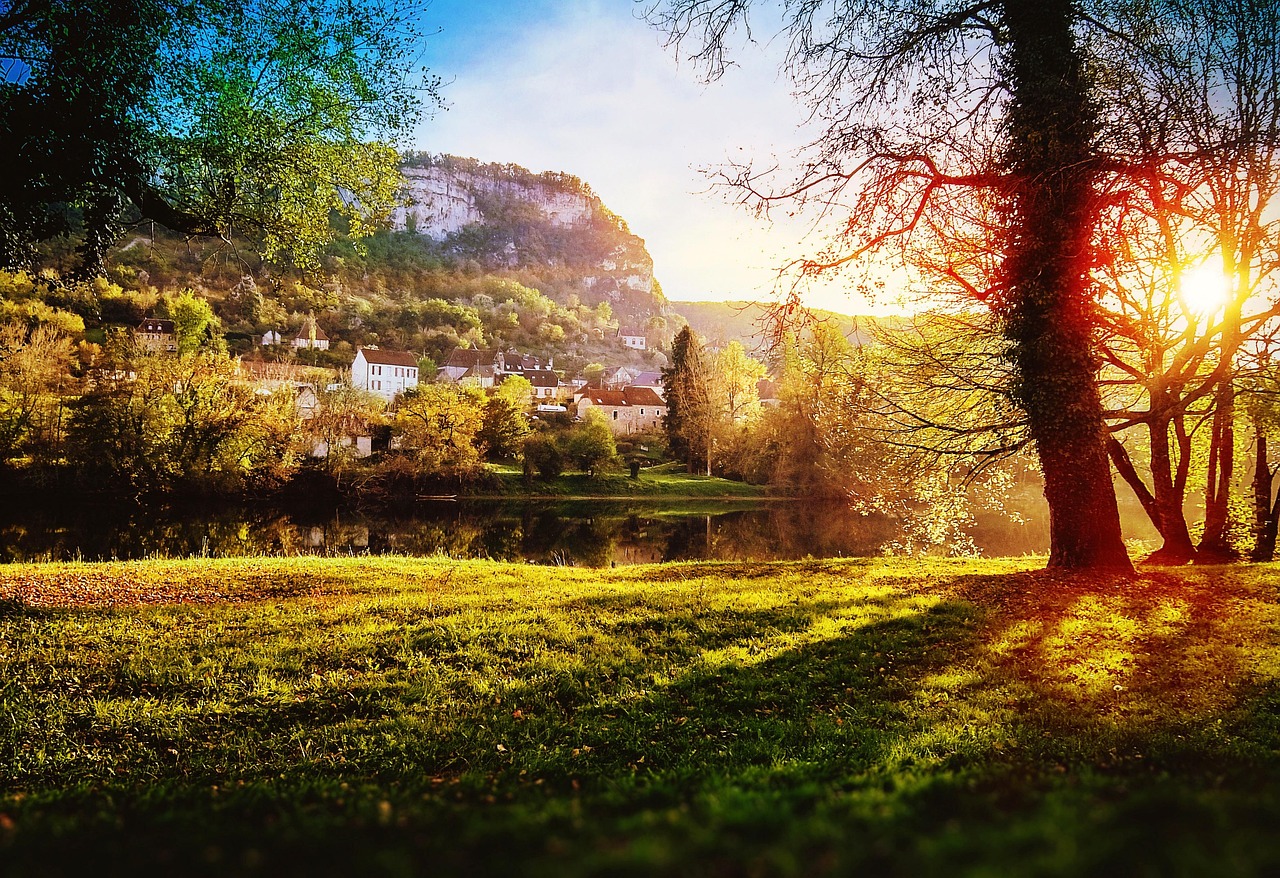
- Autumn (September–October): My favorite: grape harvest, golden light, fall color, and quieter towns. Perfect for wine-focused 5 day itineraries and romantic trips.
- Winter (November–March): Quiet, some sights reduce hours or close, but truffle and foie gras season peaks. Great for foodies and those craving solitude.
Summary & Final Recommendations
Dordogne rewards the traveler who slows down. Whether you craft a 4 day itinerary for Dordogne packed with castles and caves or linger for 7 days in Dordogne drifting between markets, rivers, and vineyards, the region wraps itself around your senses: woodsmoke and duck fat, cold river water on your skin, stone warmed by afternoon sun.
If it’s your first visit, base yourself near Sarlat, spend a day on the river, a day with castles, and a day with prehistory, then add wine and bastide towns if time allows. For return trips, explore Périgord Vert’s quiet hills, dig into village festivals, and rent a cottage where markets dictate your menu.
As for timing, I’d choose:
- May–June or September–October for most travelers—balanced weather, fewer crowds, and full access to things to do in Dordogne.
- July–August if you crave lively night markets, long river days, and don’t mind crowds or heat.
- Winter if your priorities are truffles, hearty local food in Dordogne, and quiet stone villages under low skies.
Leave room in your schedule. The most lasting memories rarely come from ticking off must-see attractions in Dordogne but from the unscripted moments: a glass of wine with a chatty winemaker, a detour down an unmarked lane, a sunset watched from a castle wall where you’ve somehow found yourself utterly alone.