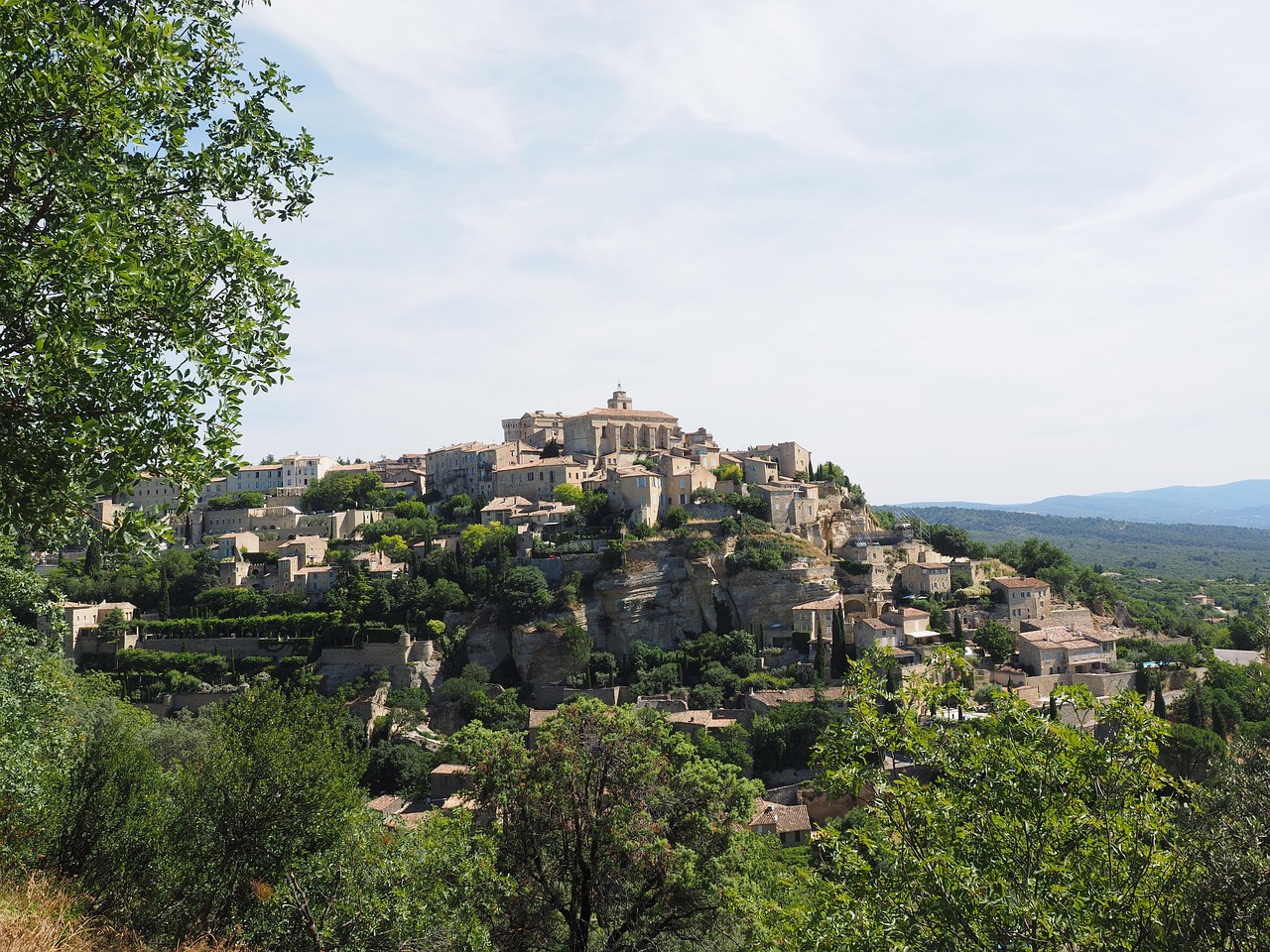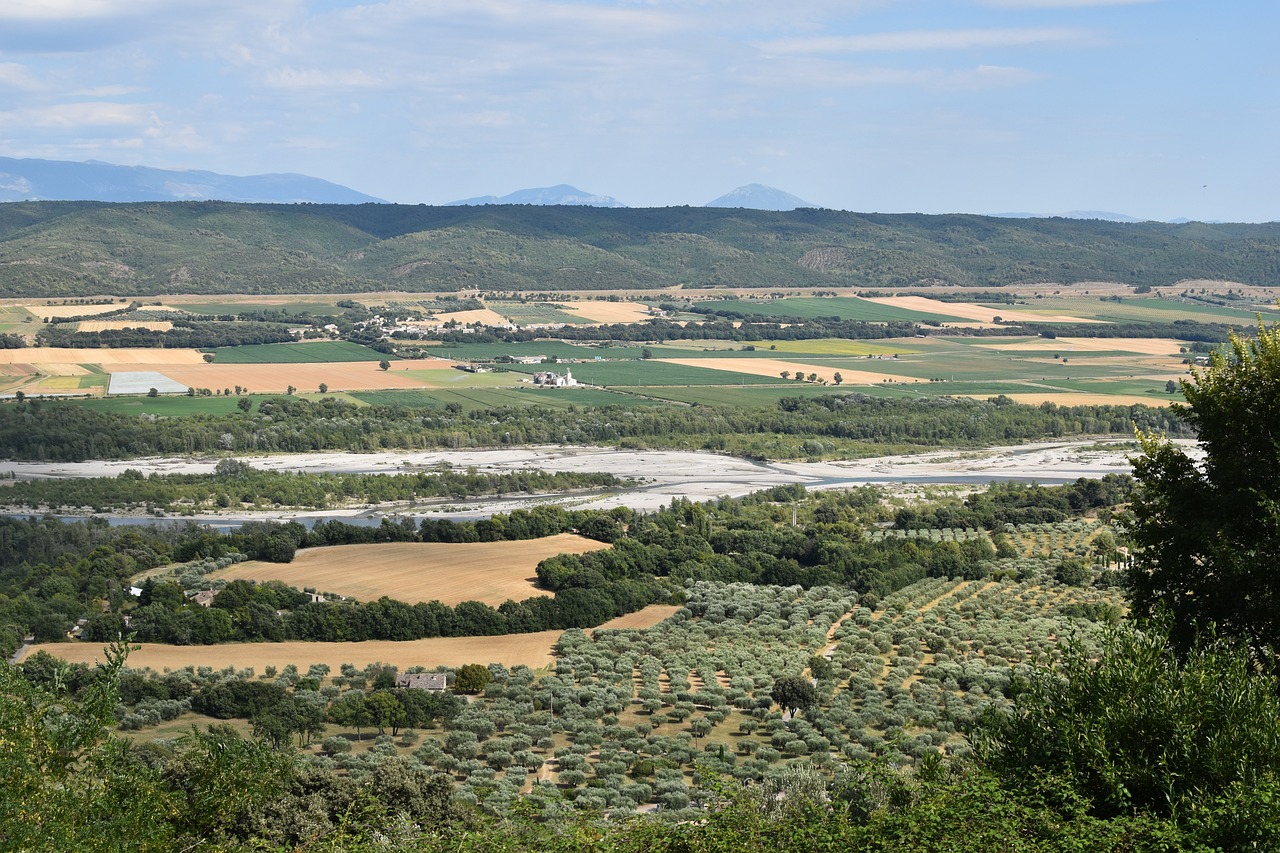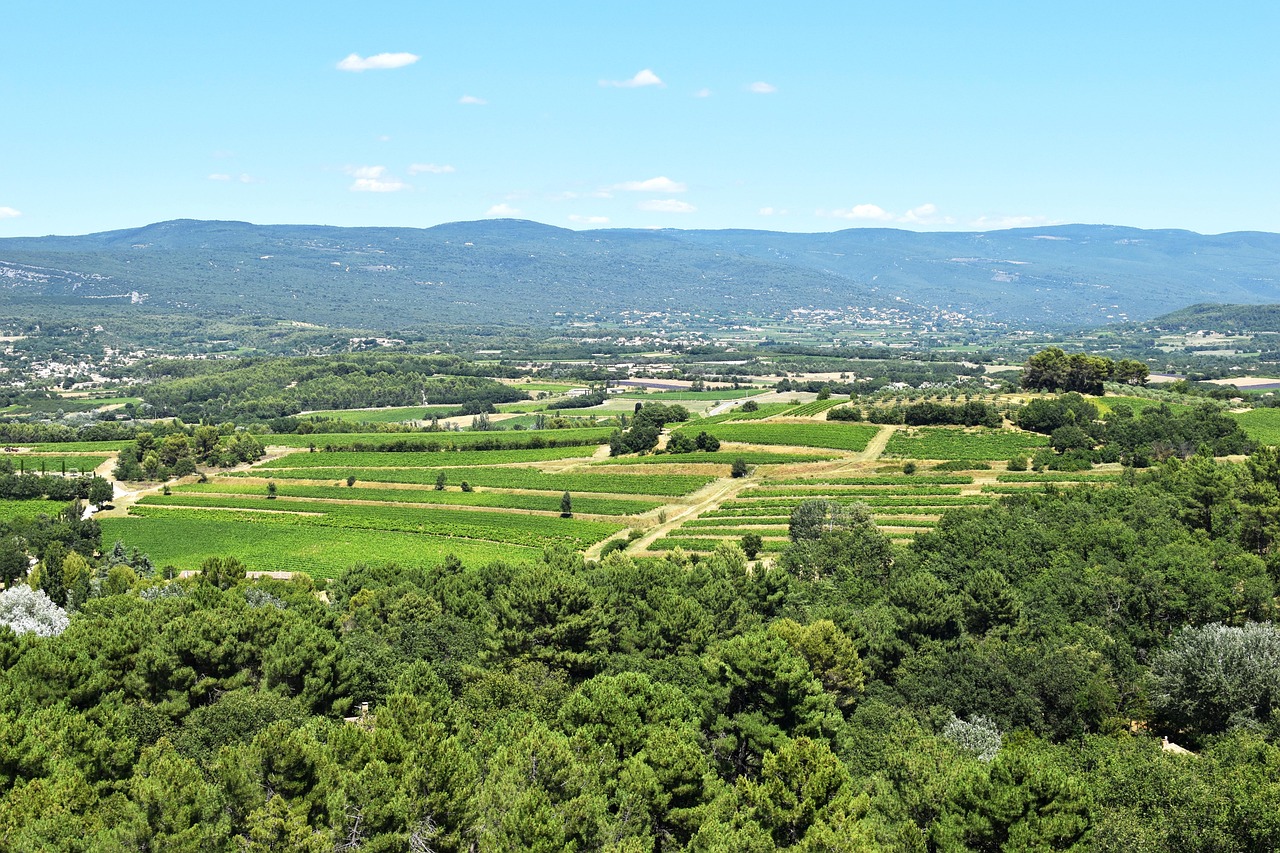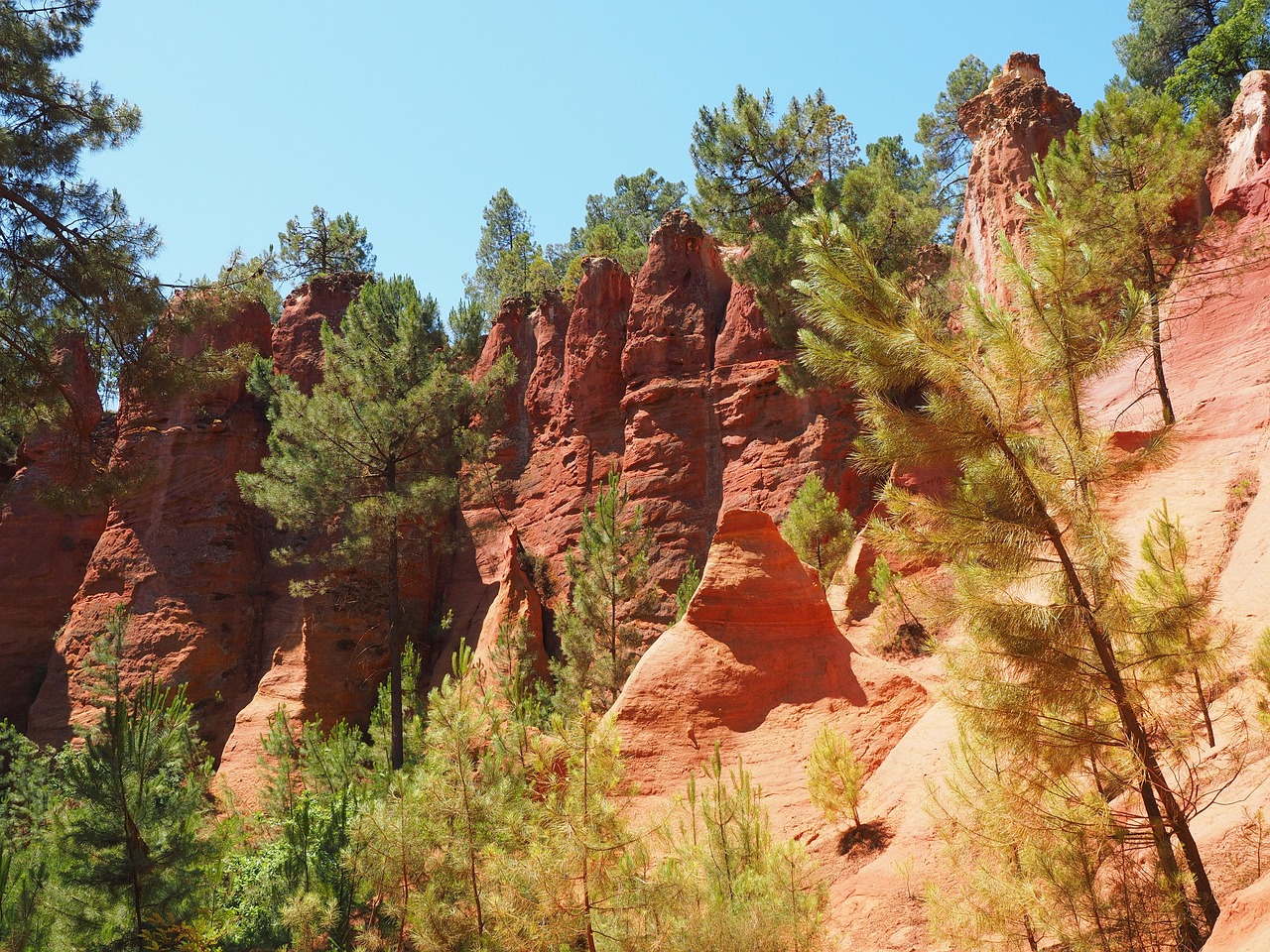
Why Visit the Dordogne River Valley?
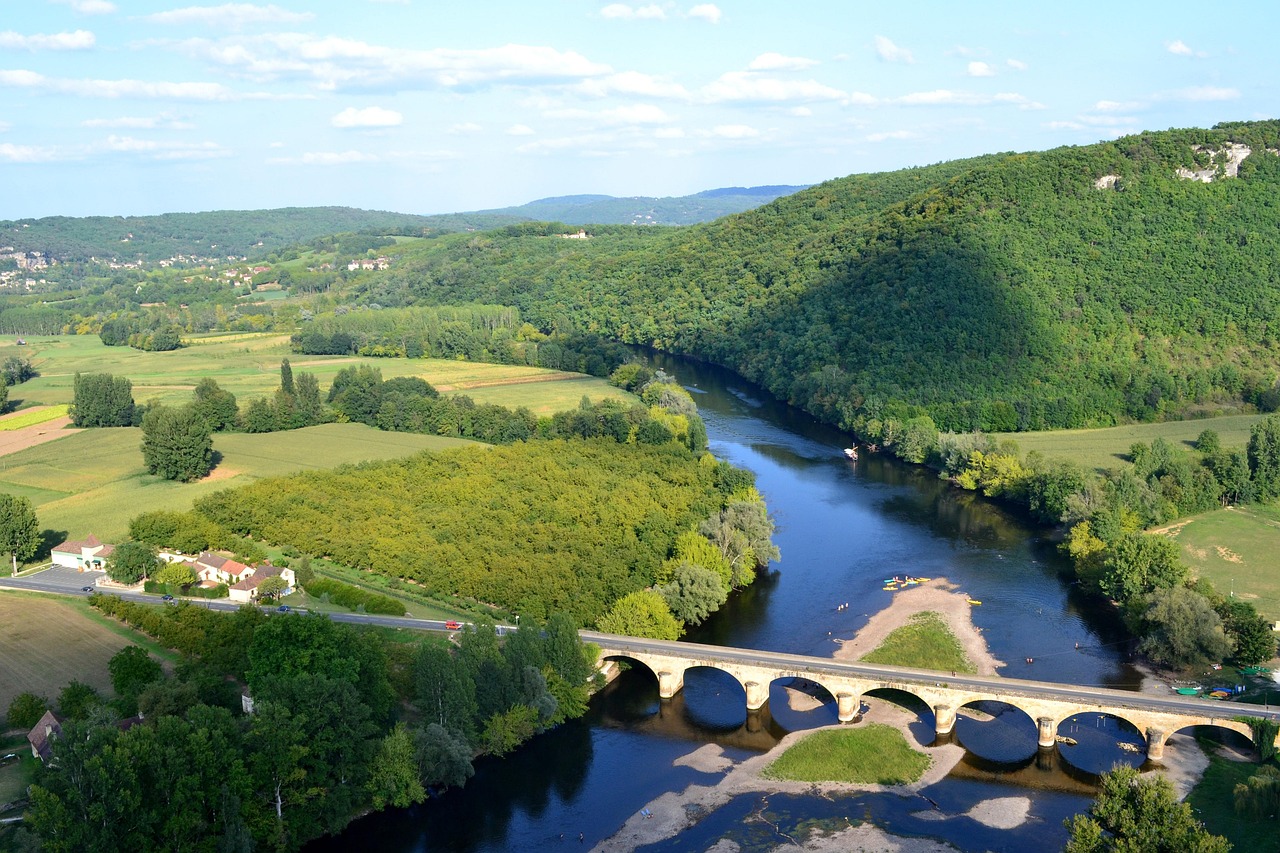
The Dordogne River Valley is where France slows down and shows you what it looks like when people and landscape have grown together for a thousand years. Limestone cliffs shelter honey‑colored villages; walnut orchards give way to vineyards; medieval castles watch over canoes drifting down a lazy, green river. It is rural France at its most cinematic — but still, somehow, more real than polished.
Between 2015 and 2025 I returned to the Dordogne almost every year, sometimes to research, sometimes just to breathe. I’ve watched mist lift off the river at dawn in Beynac, shared duck confit with a family in a tiny hamlet above Sarlat, and sat through a thunderstorm in a cave church at Rocamadour. In 2026, the region feels both timeless and quietly evolving: more cycle paths, better-run markets, a few ambitious young chefs, and a renewed pride in local products.
This travel guide for Dordogne River Valley is written for travelers who want more than a checklist of things to do in Dordogne River Valley. It’s for you if you want to understand why locals argue about the correct way to cook duck gizzards, why markets matter, and how to pick the right base for 4–7 days in the Dordogne River Valley without spending your whole holiday behind a steering wheel.
Whether you’re planning a 4 day itinerary for Dordogne River Valley or stretching to a 7 day itinerary for Dordogne River Valley, this guide will help you thread together the best places to visit in Dordogne River Valley, from must‑see attractions to hidden gems in Dordogne River Valley, while keeping room for long lunches, river swims, and aimless evening strolls.
Table of Contents
- 1. Overview: Geography, Character & How the Valley Fits Together
- 2. Main Towns, Villages & Landscapes (18 Detailed Profiles)
- 3. Itineraries: 4, 5, 6 & 7 Days in the Dordogne River Valley
- 4. Regional Cuisine & Where to Taste It
- 5. Evenings in the Dordogne River Valley
- 6. 2026–2027 Events, Festivals & What’s New
- 7. Day Trips & Nearby Destinations
- 8. Practical Travel Advice & Money‑Saving Tips
- 9. Summary & Final Recommendations
1. Overview: How the Dordogne River Valley Fits Together
The “Dordogne” can be confusing, because it’s both a department (administrative region) and a river valley that spills beyond those borders. When travelers talk about the Dordogne River Valley, they usually mean the central band where the Dordogne River curves past Sarlat, La Roque‑Gageac, Beynac, Domme, and a constellation of smaller villages, plus nearby valleys like the Vézère (prehistoric caves) and stretches reaching toward Bergerac (wine) and Rocamadour (technically in the Lot, but spiritually part of the same trip).
Think of the area in three overlapping zones:
- The Central Dordogne Valley — From Limeuil to Souillac, including Sarlat, Beynac, La Roque‑Gageac, Domme, Castelnaud, and countless hamlets. This is the postcard Dordogne: castles, river activities, golden villages.
- The Vézère Valley — North of the Dordogne River around Les Eyzies, Montignac, and Lascaux. This is “humanity’s cradle” territory: prehistoric caves and rock shelters, plus serene countryside.
- Bergerac & Western Dordogne — Vineyards, wine estates, and softer landscapes around Bergerac, Monbazillac, Issigeac, and the bastide towns. A little less dramatic, a bit more wine‑soaked.
In 2026, the road network is still the backbone of travel here. Public transport exists but is patchy; a car (or e‑bike for shorter hops) gives you freedom. Distances are modest — Sarlat to Beynac is 10–15 minutes, Sarlat to Domme about 20, Sarlat to Bergerac about 1 hour — but curves and summer traffic can stretch journey times.
2. Main Towns, Villages & Landscapes of the Dordogne River Valley
Below are 18 of the most important towns, sub‑areas, and landscapes that shape the Dordogne River Valley experience. I’ve stayed in most of them at least once between 2016 and 2024 and revisited many in 2025 while preparing this 2026 guide.
2.1 Sarlat‑la‑Canéda — Medieval Heart & Best All‑Round Base
If you only remember one name before you arrive, let it be Sarlat. It’s the region’s medieval showpiece and, for most travelers, the most practical base for 4 days in Dordogne River Valley or more. I usually spend at least a couple of nights here at the beginning or end of every trip, partly for logistics (shops, restaurants, markets) and partly because it’s impossible not to fall for its honey‑stone alleys.
The historic center is remarkably intact: narrow lanes, slate roofs, hidden courtyards. The Saturday market (and smaller Wednesday version) is one of the must‑see attractions in Dordogne River Valley if you care about food. In October 2025, I followed my usual ritual: coffee at 8:30 a.m. on Place de la Liberté, then a slow lap of stalls — goat cheeses from the Causses, barrels of walnuts, pyramids of strawberries in late spring, and more forms of duck than you knew existed.
Sarlat is busy in July and August — no way around it — but early mornings and late evenings reclaim the magic. At night, the town is lit by golden gas lamps; street performers gather in squares; restaurant terraces spill onto cobbles. It’s one of the best places to feel the cultural experiences in Dordogne River Valley without a car, because everything is on your doorstep.
- Best for: First‑timers, non‑drivers, food lovers, families who want convenience.
- Don’t miss: The panoramic glass elevator in the old church of Sainte‑Marie for a bird’s‑eye view, especially at sunset; the foie gras and truffle stalls in winter.
- My tip: Stay just outside the most touristy lanes (Rue de la République can be noisy) and book parking with your accommodation if you have a car — spaces vanish on market mornings.
2.2 Beynac‑et‑Cazenac — Clifftop Castle & River Dreams
Beynac is where I bring friends who tell me they “don’t really like castles.” We park by the river, look up at the fortress glued to a cliff, and they go quiet. The Château de Beynac dominates a bend in the Dordogne like a stone ship. Inside, it’s stark and powerful rather than over‑restored; you really feel the military purpose of the place.
The climb up through the village is steep but worth it. I usually time it for late afternoon, wandering slowly, nose twitching at kitchens preparing duck confit. On one hot June visit, I paused halfway up at a tiny terrace bar, drank a glass of cold Bergerac sec, and watched canoes drift below like yellow commas on the river.
- Best for: Iconic views, history lovers, romantic evenings.
- Don’t miss: Sunset from the top ramparts; a short canoe trip from Beynac downriver to La Roque‑Gageac.
- My tip: Visit early or late in peak season; in 2026, online ticketing for the castle helps skip queues — check ahead on the château’s official site.
2.3 La Roque‑Gageac — Cliff‑Hugging Village on the Water
Just a few river bends from Beynac, La Roque‑Gageac feels like a film set: ochre houses squeezed between vertical limestone and glittering water, palm trees and banana plants hinting at a peculiar microclimate. I’ve visited in all seasons, but my favorite memory is a chilly February morning when mist clung to the cliffs and the village was almost deserted.
In summer, this is a busy spot for gabarre boat tours and canoe rentals. Families love it: kids can splash in shallow river edges, and the boat commentary (available in English) brings the valley’s history to life. There’s also a small exotic garden terraced into the cliff.
- Best for: Families, couples, gentle river activities, photography.
- Don’t miss: Walking the back lane above the main street for quieter views; ice cream on the riverbank after a canoe trip.
- My tip: Park early in high season or come by canoe from up‑river; the main parking fills quickly on sunny afternoons.
2.4 Domme — Hilltop Bastide with Big‑Sky Views
Perched high above the river, Domme delivers perhaps the broadest panorama in the whole valley. On a clear day you can trace the Dordogne’s curves, pick out Beynac and La Roque‑Gageac, and understand the region’s geography at a glance. I try to come at least once each trip, usually late afternoon for the long light.
Domme is a 13th‑century bastide (fortified town), so its grid layout is different from the tangle of Sarlat. Beneath the main square lies a small but interesting cave (good for kids or on a hot day). The town itself is quickly walked, but I like to linger over a glass of wine under the arcades, listening to locals grumble affectionately about tourists and politics.
- Best for: Big viewpoints, sunset, families (with a car), history buffs.
- Don’t miss: The viewpoint at the Belvédère de la Barre; walking a short stretch of the old ramparts.
- My tip: For a romantic evening, bring a simple picnic — local cheese, bread, tomatoes, a bottle of Bergerac — and eat on a bench facing the valley.
2.5 Castelnaud‑la‑Chapelle — War, Weapons & River Bends
Where Beynac is stark, Castelnaud is dramatic and didactic. The Château de Castelnaud hosts an excellent museum of medieval warfare, complete with trebuchets looming over the valley. It’s hugely popular with children — I’ve seen more than one eight‑year‑old leave here determined to become a knight.
The village below the castle is small and pretty, ideal combined with a river picnic. From certain viewpoints you can see both Beynac and Castelnaud facing each other across the Dordogne, still locked in a silent Hundred Years’ War.
- Best for: Families, history lovers, panoramic photography.
- Don’t miss: Weapons demonstrations in high season; the view from the highest terrace.
- My tip: Combine Castelnaud with a swim or paddle at nearby Vitrac‑Port for a balanced day.
2.6 The Vézère Valley & Les Eyzies — Prehistoric Heartland
North of the Dordogne River, the Vézère Valley trades castles for caves. This is where some of the world’s most important prehistoric sites cluster: Lascaux, Font‑de‑Gaume, Combarelles, and dozens more rock shelters and painted caves.
Les Eyzies used to be a sleepy village with a few cafés and a handful of prehistory buffs. Over the last decade, it has quietly modernized. In 2023, the National Prehistory Museum reopened parts of its collection with refreshed displays, and by 2025 the town had added a riverside walking path and more outdoor seating. It’s still unpretentious, though: you’ll share the terrace with muddy‑booted hikers and archaeologists lingering over a pastis.
- Best for: Prehistory, quieter stays, walkers, curious kids.
- Don’t miss: The cliff‑overhung streets of Les Eyzies at dusk; a guided visit to at least one decorated cave.
- My tip: Book cave visits months ahead in high season; numbers are strictly limited to protect the art.
2.7 Montignac‑Lascaux — Reimagining the World’s Most Famous Cave
Lascaux itself — the original cave — has been closed to the public for decades, but its spirit lives on in Lascaux IV, the massive, immersive reconstruction just outside Montignac. When it opened, I was skeptical; after my first visit, I was converted. The reproduction is painstaking, the storytelling excellent, and the building itself an elegant wedge of concrete and glass half‑buried in the hillside.
Montignac makes a gentle base: a small town straddling the Vézère, with balconies drooping over the water and a relaxed evening scene. In 2025 a young couple from Bordeaux opened a wine bar featuring natural wines from the southwest; it’s already become my favorite spot to debrief after a day of caves.
- Best for: Culture vultures, families, slower itineraries.
- Don’t miss: A guided visit at Lascaux IV (English tours available); an evening stroll along the river.
- My tip: Time Lascaux IV for mid‑afternoon on a hot day; the cool interior and structured visit give a welcome break.
2.8 Bergerac — Rivers, Wine & Gentle Town Life
Further west, Bergerac sits where the Dordogne River begins to widen and soften. It’s a working town with a handsome medieval quarter and, most importantly, it’s the gateway to Bergerac and Monbazillac wines. I often start or end a Dordogne trip here because of the small but well‑connected airport and direct trains toward Bordeaux.
The old town’s half‑timbered houses and statue of Cyrano make pleasant wandering, but I mostly come here for wine tasting and riverfront walks. In 2024, I cycled a new section of the Voie Verte (greenway) along the river — flat, family‑friendly, and a great way to stretch your legs between vineyards and villages.
- Best for: Wine, easy arrival/departure, gentle cycling.
- Don’t miss: A tasting at the Maison des Vins; an afternoon at a nearby château in Monbazillac.
- My tip: Bergerac is an excellent base if you prefer wine estates and bastide towns over castles and caves.
2.9 Monbazillac — Sweet Wine on a Hilltop
Fifteen minutes south of Bergerac, Monbazillac is a compact world of sweet white wine and soft hills. The Château de Monbazillac presides over vineyards that produce honeyed wines rivaling Sauternes but at gentler prices. I’ve spent more than one afternoon here letting tastings drift into impromptu picnics on the grass.
In 2025, the château revamped its visitor experience with better bilingual exhibits on the history of winegrowing. The view from the terrace — rows of vines rolling down to the valley — is almost as intoxicating as the wine.
- Best for: Wine lovers, couples, easy half‑day trips from Bergerac.
- Don’t miss: A comparative tasting of different Monbazillac cuvées; pairing sweet wine with local blue cheese.
- My tip: If driving, buy a couple of half‑bottles instead of full; they’re easier to pack and better for a picnic.
2.10 Limeuil — Where Two Rivers Meet
At Limeuil, the Dordogne and Vézère rivers join under the watch of another golden‑stone village. It’s a place of confluence and calm. The lower riverbank has become a low‑key summer beach, with families paddling, teenagers sunbathing, and kayaks drawn up on shingle. The upper village climbs steeply to a panoramic garden — one of my favorite picnic spots.
I often stop here between Sarlat and Bergerac. On a warm May day in 2022, I sat on the grass watching storm clouds stack up over the confluence, the air thick with the smell of wet walnut trees. It felt like the valley inhaling.
- Best for: River swimming, relaxed afternoons, photography.
- Don’t miss: The panoramic gardens; a simple riverside lunch.
- My tip: Bring water shoes for the pebbly riverbed if you’re sensitive‑footed.
2.11 Rocamadour — Vertical Pilgrimage (Just Beyond the Dordogne)
Technically in the Lot department, Rocamadour is such a common day trip from the Dordogne that it belongs in any serious travel guide for Dordogne River Valley. The village clings to a vertical cliff, a stack of sanctuaries, chapels, and houses culminating in a castle at the top.
The first time I saw it, I was driving at dawn; the limestone face emerged from mist, pricked with tiny lights. It’s undeniably touristy, but the sanctuaries still hum with quiet faith, especially if you come outside peak hours. Families appreciate the drama; couples find the evening walk along the chemin de croix surprisingly romantic.
- Best for: Dramatic scenery, pilgrimage history, memorable day trip.
- Don’t miss: The Black Madonna; the view from L’Hospitalet across the gorge.
- My tip: Arrive early or late; in 2026, shuttle buses and new parking rules are in place to reduce congestion at the base.
2.12 Périgueux — Roman Layers & Lived‑In City
Périgueux is the departmental capital, an inland city that most whirlwind itineraries skip. That’s a mistake. The old town curls around the bulbous domes of Saint‑Front Cathedral, whose Byzantine silhouette looks almost out of place in rural France. Roman ruins, including a well‑preserved Gallo‑Roman villa (Vesunna), remind you that the valley’s story didn’t start in the Middle Ages.
I come for urban comforts: bookstores, proper coffee, and a different kind of food scene. In 2025 a clutch of young chefs started playing with traditional ingredients — walnuts, duck, chestnuts — in lighter, modern ways. It’s a good base if you prefer a city feel but still want day trips into the countryside.
- Best for: History layering, food, non‑rural base.
- Don’t miss: The Wednesday and Saturday markets; sunset by the Isle river.
- My tip: Use Périgueux as a base if you’re traveling by train and want to branch out via occasional car rentals or guided tours.
2.13 Issigeac — Sunday Market & Medieval Maze
The village of Issigeac is a medieval tangle best known for one of the region’s liveliest Sunday markets. On ordinary days it’s a sleepy place of crooked beams and quiet cats. On market day, it erupts: stalls wrap around every lane, selling everything from organic vegetables to handmade pottery and local honey.
One July morning in 2023, I bought cherries so ripe they stained my fingers, then ducked into a café courtyard to escape the crowds. Over coffee, the owner explained how Issigeac’s market has become a hub for organic and “neo‑rural” producers who’ve moved into the area. It’s a good window into the new rural France.
- Best for: Markets, slow travelers, photographers.
- Don’t miss: The Sunday market (arrive before 9:30 a.m.); a wander once stalls pack up to appreciate the architecture.
- My tip: Combine Issigeac with Bergerac or Monbazillac for a full day of markets and wine.
2.14 Saint‑Cyprien — Underrated Base with a Local Feel
Saint‑Cyprien is one of my favorite “under the radar” bases in the central Dordogne. Strung along a hillside north of the river, it has a big church, a main street with real services (butcher, baker, pharmacy), and a Sunday market that’s much more local than Issigeac’s.
I stayed here for a week in 2021, using it as a calmer, cheaper base than Sarlat while still being within 20–30 minutes’ drive of Beynac, La Roque‑Gageac, and the Vézère valley. Even in August, evenings were quiet; I’d walk up to the viewpoint by the church after dinner and rarely see more than a couple of dog walkers.
- Best for: Longer stays, budget‑minded travelers, those seeking local rhythm.
- Don’t miss: The Sunday market; the view from the upper streets at sunset.
- My tip: Look for gîtes (self‑catering rentals) just outside town for more space and easier parking.
2.15 Les Eyzies Surrounds — Cliffs, Shelters & Quiet Lanes
Beyond the village of Les Eyzies itself, the surrounding countryside is full of tucked‑away hamlets, rock shelters, and green valleys where you’re more likely to meet a cow than a coach tour. Staying here feels like being folded into the limestone.
On a foggy November morning in 2019, I walked a loop trail that climbed above the village, passing abandoned troglodyte dwellings carved into the cliff. Fallen leaves muffled everything; the only sound was the river below. It’s this sense of old quiet that I come back for.
- Best for: Walkers, contemplative travelers, off‑beat stays.
- Don’t miss: At least one marked hiking trail; a slow drive along the smaller D‑roads that hug the cliffs.
- My tip: Bring a good offline map app; mobile signal dips in the deeper folds of the valley.
2.16 The Dordogne River Itself — Canoes, Swims & Sandbanks
You can’t understand the region without getting onto — or into — the Dordogne River itself. In summer, it becomes a liquid highway of canoes, paddleboards, and kids on inflatable unicorns. In autumn, mist and migrating birds take over. I’ve swum in it in April (bracing) and in September (perfect), and each season feels like a different river.
The classic route is a half‑day paddle from Vitrac‑Port past La Roque‑Gageac and Beynac, finishing near Les Milandes or Saint‑Vincente‑de‑Cosse. Rental companies ferry you upstream and let you drift back at your own pace.
- Best for: Families, couples, everyone, really.
- Don’t miss: A mid‑river view back toward Beynac’s cliff; picnicking on a gravel bar.
- My tip: Bring a dry bag for phones; the river is gentle but surprises happen, especially with kids.
2.17 Monpazier — Perfect Bastide Geometry
Monpazier is often called the most beautiful bastide town in France, and for once the superlative feels earned. Founded in 1284, it’s a near‑perfect example of a medieval new town: arcaded square, straight streets, defensive walls. Yet it remains alive, not a museum.
I like to come on a weekday morning when shutters are still half‑closed and delivery vans share the square with a few early coffees. The geometry is soothing; the arcades shelter small galleries and craft shops. It’s a cornerstone of any itinerary that leans into the cultural experiences in Dordogne River Valley, beyond river and rock.
- Best for: Architecture lovers, photographers, slow wanderers.
- Don’t miss: The view back toward the town from just outside its walls; the Thursday market.
- My tip: Combine with nearby castles like Biron or Bonaguil for a full, satisfying day.
2.18 Les Milandes & Surrounding Countryside — Josephine Baker’s Château
Château des Milandes sits in rolling countryside downstream from Beynac. Once home to American‑born entertainer and resistance heroine Josephine Baker, it’s now one of the most quietly moving must‑see attractions in Dordogne River Valley. The interior tells her story with photographs, costumes, and recordings; the gardens are manicured but welcoming.
I visited with friends in 2020, not long after travel resumed. Standing in Josephine’s dressing room, listening to her voice and looking out over the same valley she chose for her “rainbow tribe” of adopted children, I felt how the Dordogne can be both a refuge and a stage.
- Best for: History with heart, gardens, families.
- Don’t miss: The falconry demonstrations in high season; the café terrace overlooking the lawns.
- My tip: Combine Les Milandes with a river paddle or nearby Beynac for a varied day.
3. Itineraries: 4–7 Days in the Dordogne River Valley
The Dordogne rewards lingering, but not everyone has that luxury. Below are flexible outlines for a 4 day itinerary for Dordogne River Valley, 5 days in Dordogne River Valley, 6 days in Dordogne River Valley, and a full 7 day itinerary for Dordogne River Valley. Each is built from trips I’ve actually taken between 2018 and 2024, with tweaks for 2026 realities (crowds, opening times, new experiences).
To keep this guide readable, I’ll sketch the arc of each day and highlight key stops, practical pacing, and personal notes. You can expand or compress depending on your energy and interests.
3.1 4 Days in the Dordogne River Valley — Classic Highlights
This 4 day itinerary for Dordogne River Valley focuses on the central valley’s icons: castles, river villages, and one cave day. It works best with a car and a base in or around Sarlat.
Day 1 — Sarlat & First Taste of the Valley
Arrive, settle into Sarlat, and dive straight into the old town. If it’s market day (Wednesday or Saturday), let it set your rhythm: buy picnic supplies, taste cheeses, and watch the choreography of locals greeting each other by the olive stall.
Afternoon: climb the glass elevator at the former Sainte‑Marie church for a bird’s‑eye view, then wander without a map. I always end up on Rue des Consuls, where stone arches frame glimpses of tiny courtyards.
Evening: dinner at a traditional auberge — start with salade périgourdine (lettuce, walnuts, duck gizzards, foie gras) and follow with magret de canard or confit. Stroll under gaslights afterwards.
Day 2 — Dordogne River Villages: Beynac, La Roque‑Gageac & Domme
Start early at Beynac to beat the coaches. Climb to the castle, explore, and soak in the views. Late morning, drive (or paddle) to La Roque‑Gageac for lunch by the water.
Afternoon: take a gabarre boat cruise or rent a canoe for a 2–3 hour paddle — gentle enough for beginners, fun for kids. Dry off, then drive up to Domme for the golden hour. Walk the ramparts, have a simple dinner or picnic, linger for sunset over the valley.
Day 3 — Prehistory: Lascaux & the Vézère Valley
Drive to Montignac in the morning. Book a late‑morning or early‑afternoon guided visit to Lascaux IV, then explore the interactive exhibits at your own pace. Lunch by the river in Montignac.
Afternoon options: a quick stop in Les Eyzies for the prehistory museum, or a short walk along one of the signed trails overlooking the Vézère. Return to Sarlat by early evening.
Day 4 — Floating Morning & Departure
On your final morning, do what the valley does best: take it slow. Coffee in Sarlat, a short drive to Limeuil for a walk to the hilltop gardens, or one last swim in the Dordogne near Vitrac‑Port. Then roll on to your next destination.
3.2 5 Days in the Dordogne River Valley — Adding Wine & a Bastide
With 5 days in Dordogne River Valley, add Bergerac and Monbazillac or a bastide town like Monpazier to your plan. Follow the 4‑day outline above and add:
Day 5 — Bergerac, Monbazillac & Gentle Wine Country
Drive to Bergerac in the morning (about 1–1.5 hours from Sarlat). Stroll the old town, then head to the Maison des Vins for an introduction to local appellations. Lunch by the river, then continue to Monbazillac for touring and tasting at the château.
If you’re driving back to Sarlat, keep the afternoon tastings modest; otherwise, consider an overnight in Bergerac to break the journey and enjoy a wine‑paired dinner without watching the clock.
3.3 6 Days in the Dordogne River Valley — Bastides & Deeper Valleys
A 6 day itinerary for Dordogne River Valley lets you distribute your time between central Dordogne, Vézère, and western bastides.
Day 5 — Monpazier & the Bastide Country
Drive south to Monpazier, wandering under the arcades, tracing the square’s near‑perfect proportions. If it’s market day, arrive before 10 a.m. to see it at its best. Have lunch on the square, then visit nearby Château de Biron or Bonaguil for a castle experience that’s less crowded than Beynac or Castelnaud.
Day 6 — Free Day: Caves, Gardens or Repeat Favorites
Use your sixth day to follow your curiosity. Options include:
- Another cave (e.g., Gouffre de Proumeyssac or Grotte de Rouffignac)
- Gardens with views (like the hanging gardens above Limeuil or the terraced gardens near Les Milandes)
- A second paddle on the river, maybe further upstream for quieter stretches
I often use this “free” day to slow down: a long lunch, a short walk, and unscheduled hours in a village that caught my eye from the road.
3.4 7 Days in the Dordogne River Valley — A Full Week of Layers
A full 7 day itinerary for Dordogne River Valley allows you to base in two places for different flavors: perhaps Sarlat (or Saint‑Cyprien) plus Bergerac or Montignac.
Days 1–4 — Central Highlights
Follow the 4‑day plan centered on Sarlat (or similar base).
Day 5 — Shift Base: To Montignac (Prehistory Focus) or Bergerac (Wine Focus)
Drive in the late morning; spend the afternoon orienting in your new base. Evening riverside walk and a low‑key dinner.
Day 6 — Deeper Dive
From Montignac: add a second cave (Rouffignac’s prehistoric engravings by little train, or a lesser‑known site). From Bergerac: rent bikes and follow the greenway along the Dordogne, stopping at small producers.
Day 7 — Day Trip to Rocamadour or Relaxed Village Hopping
If you based in the east (Sarlat/Montignac), spend your last full day on a day trip to Rocamadour: leave early, arrive by 9 a.m., climb through the sanctuaries, lunch overlooking the gorge, and follow the chemin de croix in the afternoon before driving back.
If you based in the west (Bergerac), consider a lazy loop through Issigeac, Monpazier, and one smaller bastide like Beaumont‑du‑Périgord, ending with a final glass of Monbazillac at sunset.
4. Regional Cuisine & Where to Taste It
Food is not a side activity here; it’s the valley’s unofficial religion. The local food in Dordogne River Valley is rich, rooted, and proudly seasonal. Expect duck in many forms (confit, magret, rillettes), walnuts, chestnuts, goat cheeses, and earthy mushrooms in autumn.
4.1 Signature Dishes by Sub‑Area
- Central Dordogne (Sarlat, Beynac, Domme): Duck in every guise, pommes sarladaises (potatoes fried in duck fat with garlic and parsley), walnut cake, and hearty garbure (soup).
- Vézère Valley (Montignac, Les Eyzies): Similar backbone with a bit more river fish, trout, and lighter goat cheeses.
- Bergerac & Monbazillac: Wine‑friendly cooking: duck still, but also more refined sauces, fruit pairings, and desserts that lean into Monbazillac’s sweetness.
4.2 Markets & Farm‑Stays (Agriturismi‑Style)
While France doesn’t call them “agriturismi,” the Dordogne is dotted with fermes‑auberges and farm B&Bs that offer meals built around their own products. I’ve had some of my best meals at these places: long tables, set menus, conversations with neighboring diners.
Look out for signs along rural roads advertising vente directe (direct sale) of foie gras, walnuts, honey, and wine. Visiting one or two small producers is a more intimate cultural experience in Dordogne River Valley than any big supermarket tasting.
4.3 Where I Actually Eat
- Sarlat: Avoid places aggressively touting menus in six languages. Look for smaller bistros on side streets; I favor those with shorter menus that change by season.
- Montignac: Riversides for simple, honest cooking; the new wine bar opened by the Bordeaux couple (ask a local; it’s already well‑known) for small plates and natural wines.
- Bergerac: A cluster of wine‑oriented restaurants near the old port specialize in pairing local bottles with updated Périgord dishes — ideal for a final night.
My budget tip: Choose your main restaurant meal at lunch, when fixed‑price menus are cheaper. In the evening, picnic or opt for a simpler plat du jour and glass of wine.
5. Evenings in the Dordogne River Valley
Nights fall softly here. Even at the height of season, you won’t find much in the way of clubs; instead, evenings revolve around small‑town squares, riverside strolls, and seasonal festivals.
5.1 Small‑Town Squares & Night Markets
In July and August, many villages host marchés gourmands nocturnes — informal night markets where you buy food from different stalls (duck burgers, grilled sausages, salads, crêpes) and eat at long communal tables with live music. They’re quintessential hidden gems in Dordogne River Valley for families and groups; kids run around while adults share bottles of wine.
5.2 Sunset Viewpoints
- Domme: Watch the sun slide down behind the Dordogne’s bends from the belvedere.
- Beynac: Climb part‑way up and look back over the river toward La Roque‑Gageac.
- Limeuil: From the upper garden at closing time, if you time it right.
5.3 Concerts & Cultural Nights
Summer brings classical concerts in churches, jazz evenings in Sarlat, and occasional open‑air cinema screenings. Posters in tourist offices and on village noticeboards are your best guide; many events remain stubbornly offline, which is part of their charm.
6. 2026–2027 Events, Festivals & What’s New
Planning around events can deepen your trip — or, if you prefer quiet, help you avoid crowds. For 2026–2027, note:
6.1 Major Recurring Festivals
- Sarlat Theatre Festival (Festival des Jeux du Théâtre) — Late July to mid‑August 2026. Outdoor performances in the medieval town; book accommodation months ahead.
- Sarlat Truffle Festival (Fête de la Truffe) — January 2026 & January 2027. Truffle markets, cooking demonstrations, and winter feasts.
- Bergerac Wine Festival — Typically early August. Tasting booths, music, fireworks by the river.
- Night Markets (Marchés Nocturnes & Gourmands) — Various villages, July–August. Schedules published each spring by local tourist boards.
6.2 What’s New in 2026
- Cycling Infrastructure: Expansion of the Dordogne river greenway between Bergerac and Lalinde, making cycling a more viable option for families.
- Visitor Management at Rocamadour: New park‑and‑ride system and timed shuttle buses from L’Hospitalet to reduce congestion in 2026–2027.
- Digital Passes: Several châteaux (Beynac, Castelnaud, Milandes) and Lascaux IV now offer combined digital passes with small discounts if booked together — worth checking if you’re castle‑heavy.
7. Day Trips & Nearby Destinations
Once you’ve touched the main must‑see attractions in Dordogne River Valley, you might be tempted further afield. From a central base, these make rewarding day trips:
- Rocamadour: 1–1.5 hours by car from Sarlat; see section above.
- Padirac Chasm (Gouffre de Padirac): Combine with Rocamadour if you start early — an underground river and boat ride in a vast chasm.
- Cahors & the Lot River: A bigger town with a dramatic bridge (Pont Valentré) and Malbec vineyards; about 1.5–2 hours from Sarlat.
- Brantôme: North of Périgueux, sometimes called the “Venice of the Périgord” with its river‑encircled abbey town.
Transport tip: These day trips are overwhelmingly easiest by car. Public transport is limited, especially on weekends; if you’re car‑free, consider a guided excursion from Sarlat or Bergerac.
8. Practical Travel Advice & Money‑Saving Tips
8.1 Getting Around: Car vs Public Transport
To be blunt: a car makes the Dordogne make sense. Trains connect larger towns (Périgueux, Bergerac, sometimes Sarlat via a branch line), and there are occasional buses, but they’re not timed for sightseeing.
- Car rental: Best options at Bergerac airport, Brive, Bordeaux, or Toulouse. Reserve automatics well in advance.
- Driving distances: Sarlat–Beynac: ~10–15 minutes; Sarlat–Domme: ~20 minutes; Sarlat–Montignac: ~35–40 minutes; Sarlat–Bergerac: ~1–1.5 hours; Sarlat–Rocamadour: ~1–1.5 hours.
- Parking: Historic centers often have paid lots just outside; free but limited spots slightly further out. In Sarlat, avoid driving into the old town; use signposted car parks.
8.2 SIM Cards & Connectivity
France has good mobile networks, but valleys and cliffs can create dead zones. For visitors without EU roaming, Orange, SFR, and Bouygues all offer prepaid SIMs; buy them at airports, larger supermarkets, or dedicated shops. Expect 4G/5G in towns, 3G or patchy signal in deep countryside.
8.3 Visa & Driver’s License Requirements
- Visas: As of 2026, France is part of the Schengen Area. Many nationalities (including US, UK, Canada, Australia, New Zealand) can visit visa‑free for up to 90 days in any 180‑day period. Check latest rules and ETIAS requirements before travel.
- Driving licenses: EU/EEA licenses are accepted. Many non‑EU visitors can drive with their home license for short stays; an International Driving Permit (IDP) is recommended (and sometimes required by rental companies) if your license is not in French or doesn’t use Latin script.
8.4 Cultural Etiquette & Local Customs
The Dordogne is used to visitors, but it’s also deeply rural and traditional. A few courtesies go a long way:
- Greetings: Always say bonjour when entering a shop, market stall, or café, and au revoir when leaving.
- Meals: Lunch is typically 12:00–14:00; dinner from 19:30. Don’t expect full kitchens open mid‑afternoon.
- Markets: Ask before touching produce; let the vendor choose. Queue loosely but fairly; cutting in is frowned upon.
- Dress: Casual but neat is fine. In churches, cover shoulders and avoid beachwear.
- Tipping: Service is included; rounding up or leaving 5–10% for good service is appreciated but not obligatory.
8.5 Money‑Saving Strategies
- Travel in shoulder seasons: May–June and September–early October offer lower prices, fewer crowds, and gentler weather.
- Self‑cater: Renting a gîte with a kitchen lets you feast on market produce at home.
- Free pleasures: River swims, village walks, viewpoints, evening markets, church visits.
- Combined tickets: Look for multi‑site passes for castles and caves; in 2026, several groups of sites offer small discounts.
8.6 Best Seasons for Specific Activities
- Spring (April–June): Wildflowers, fresh markets, rising but not scorching temperatures; ideal for walking and first river paddles.
- Summer (July–August): Warm river for swimming, fullest festival calendar, but also peak crowds and prices. Book well ahead.
- Autumn (September–October): Wine harvest in Bergerac, walnuts dropping, mellow light and fewer people. My personal favorite time.
- Winter (November–March): Quiet, some sights on reduced hours or closed, but truffle markets and fireplace dinners have their own magic.
9. Summary & Final Recommendations
The Dordogne River Valley is less a “destination” than a way of traveling: slow, layered, sensory. Over multiple visits between 2015 and 2025, I’ve learned that a successful trip here isn’t about seeing everything; it’s about allowing space for the valley to seep in — through market mornings, long lunches, river swims, and golden‑hour walks.
- For a 4 day itinerary for Dordogne River Valley, focus on Sarlat, the river villages (Beynac, La Roque‑Gageac, Domme), and one Vézère prehistory day.
- With 5–6 days in Dordogne River Valley, add Bergerac/Monbazillac and at least one bastide like Monpazier.
- A full 7 day itinerary for Dordogne River Valley lets you base in two areas and add Rocamadour or deeper cave explorations.
Best seasons: For most travelers, May–June and September–early October offer the richest balance of weather, open sites, and manageable crowds. Families tied to school holidays will still have a wonderful time in July–August — just book early and schedule cave visits and big sights for mornings or late afternoons.
Come with curiosity, a flexible plan, and an appetite — for duck, for history, for river light. The Dordogne will do the rest.