Why Visit Écrins National Park?
Écrins National Park (Parc national des Écrins) is where the French Alps still feel wild. Wedged between Grenoble, Gap, and Briançon, it’s a massif of serrated 3,000 m peaks, hanging glaciers, turquoise rivers, and tiny stone hamlets that seem to have grown out of the rock itself. It’s less polished than Chamonix, less crowded than the Dolomites, and more intimate than almost any other major Alpine park I’ve worked in.
I’ve been coming here for over a decade, usually in shoulder seasons when the larch forests turn gold or when the first snow lines the ridges. My notebooks from 2014, 2018, 2022, and my latest long stay in summer and autumn 2025 are full of the same words: quiet, raw, generous, demanding. This is a park that rewards those who slow down, who respect the weather, who are happy to trade cable cars and souvenir shops for marmots and hut dinners.
Écrins is ideal if you’re planning a 3 day itinerary for Écrins National Park, a slower 4 day itinerary for Écrins National Park, or a full-on 5 day itinerary for Écrins National Park with some big mountain days. It’s also unexpectedly rich in village culture, traditional cheese, and slow food. Think stone farmhouses, lamb from high pastures, génépi liqueur sipped on a terrace after a long hike.
Unlike some parks that feel like drive‑through photo ops, Écrins invites you to live in it for a while: to wake up with the bells of sheep in the Vallouise, to share picnic tables with French families at Lac de Lauvitel, to chat with hut guardians about snow conditions over lentil stew. This travel guide for Écrins National Park is written from that long familiarity: the trails I return to every year, the hidden gems I hesitate to share, and the travel tips for Écrins National Park that locals quietly pass on to people who look like they care.
1. Overview of Écrins National Park & Gateway Towns
Created in 1973, Écrins National Park protects over 90,000 hectares of high mountains and deep valleys. Its heart is a crown of 150+ summits over 3,000 m, dominated by Barre des Écrins at 4,102 m. But you don’t have to be a mountaineer to fall in love here. Many of the best places to visit in Écrins National Park are accessible to reasonably fit hikers, families, or even casual strollers.
Unlike many Alpine areas, there are no ski mega‑resorts carved into the core of the park. Instead, you base yourself in a necklace of gateway villages around the perimeter:
- Le Bourg-d’Oisans – Cyclist central at the western gate; perfect for the Oisans valleys and the mythical road to La Bérarde.
- La Grave / La Meije – A dramatic stone village below glaciers, ideal for the northern side and the Romanche valley.
- Briançon & Vallouise-Pelvoux – For the eastern Écrins, Ailefroide, and easy access from Italy.
- Gap & Embrun – For the southern valleys, Champsaur, Valgaudemar, and the turquoise Serre-Ponçon lake.
Each sector has its own character. The Oisans feels rugged and vertical; the Valgaudemar is remote and watery; the Vallouise is a friendly base for families and first‑time visitors. Over the years, I’ve tried them all in different seasons and for different itineraries. When friends ask where to start for 3 days in Écrins National Park, I usually send them to Vallouise or Bourg-d’Oisans; for a longer, quieter 5 days in Écrins National Park, I nudge them toward a combo: Vallouise + Valgaudemar.
2. Key Zones, Trail Systems & Scenic Drives
Think of Écrins as a star-shaped massif with valleys pushing in from all sides. Each valley is its own mini‑world, with distinct landscapes and things to do in Écrins National Park:
2.1 Oisans & La Bérarde
Accessed from Bourg-d’Oisans via a winding, cliff‑hugging road along the Vénéon river, this is classic granite and glacier terrain. La Bérarde itself is a tiny end‑of‑the‑road hamlet many hikers fall in love with. This zone offers some of the best must-see attractions in Écrins National Park if you want big mountain scenery without technical climbing.
2.2 Vallouise, Ailefroide & Pelvoux
The eastern gate, reached from Briançon, feels broader and sunnier. Ailefroide is a legendary climbing base, but it’s also perfect for families: flat valley walks, riverside campsites, and easy access to glacier viewpoints. I often base myself here when testing new 3 day itinerary for Écrins National Park plans with friends who hike at different speeds.
2.3 Valgaudemar
Southwest, reached from Gap, this is the “Himalaya of the Southern Alps” in miniature: steep, narrow, and intensely green. Less visited than Oisans and Vallouise, it’s where I go when I need silence, waterfalls, and real remoteness. If you’re chasing hidden gems in Écrins National Park, Valgaudemar is your valley.
2.4 Champsaur & Dévoluy Fringe
Gentler, more pastoral landscapes with rolling plateaus, larch forests, and old farms. Great for mixed groups and those wanting easier walks, cycling, and cultural experiences.
2.5 La Grave & the Romanche
The north side is dominated by La Meije’s jagged face and its glaciers. It’s dramatic and vertical, with some of the park’s most iconic views right off the road, plus access to high-level hiking for strong walkers.
2.6 Scenic Drives
- Road to La Bérarde – Carved into cliffs above the Vénéon river; narrow, but unforgettable.
- Col du Lautaret – High pass with views toward La Meije and access to botanical gardens and short walks.
- Valgaudemar road to Gioberney – Ends at a cirque of waterfalls and peaks; a favourite for sunset drives.
3. Fifteen Signature Trails, Viewpoints & Valleys (Deep Dives)
These are the places I keep returning to, the ones I weave into almost every 3, 4, or 5 day itinerary for Écrins National Park. Each sub‑section below mixes factual details with my own visits and practical tips.
3.1 Lac de Lauvitel – The Classic Introduction
Where: Vénéon Valley, above Le Bourg-d’Oisans
Why go: Accessible turquoise lake, family‑friendly, iconic scenery
Difficulty: Moderate; ~600 m elevation gain; 2–3 hours return
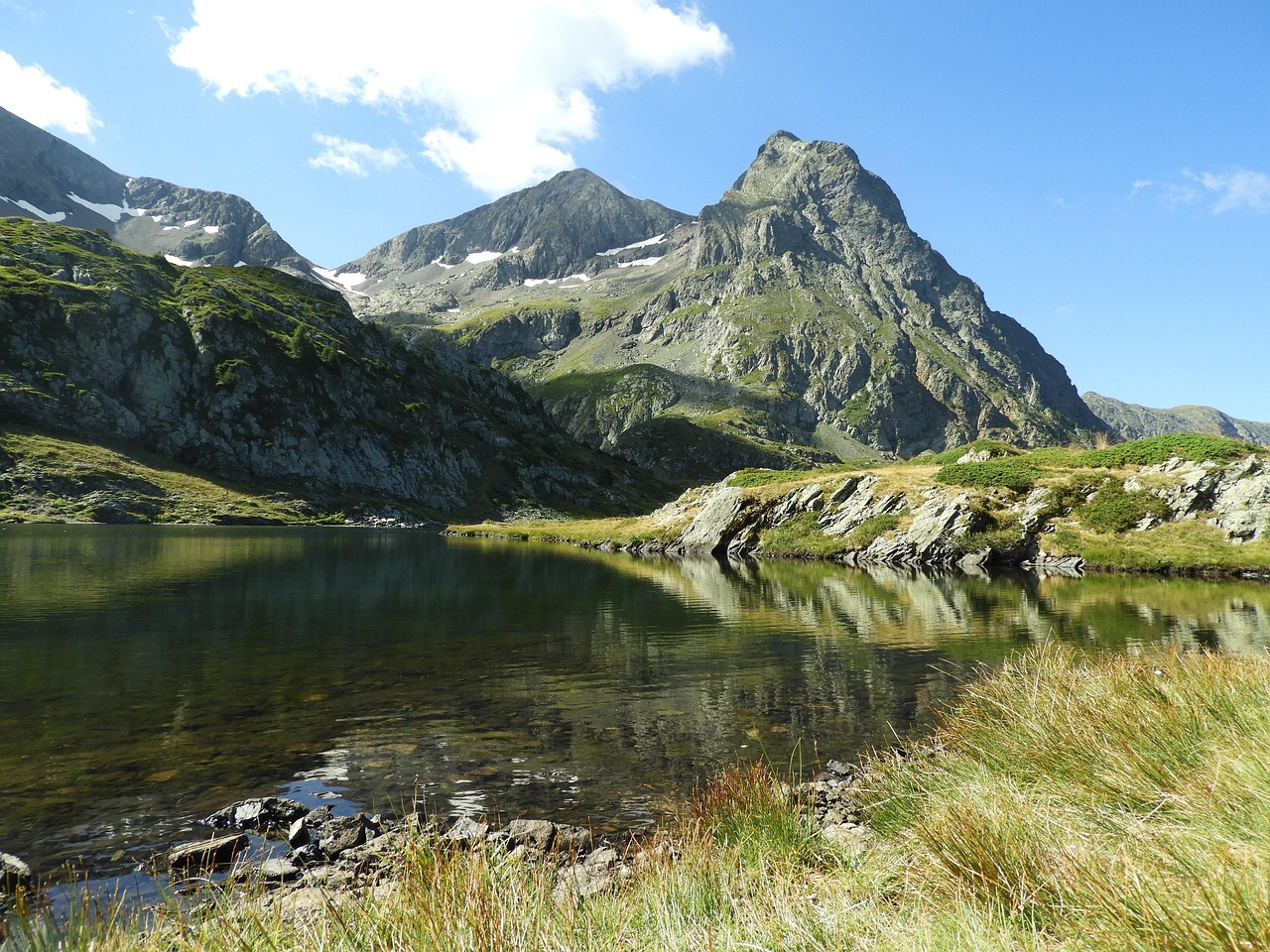
My first evening in Écrins back in 2014 was spent puffing up the stone path to Lac de Lauvitel with a baguette and a round of Saint-Marcellin cheese in my pack. I still remember stepping out of the forest onto the lakeshore and feeling my brain go quiet. The water was mirror‑smooth, reflecting serrated peaks and a sky turning orange; a fisherman in waders stood motionless in the shallows.
Lauvitel is technically just outside the core zone but feels like a gateway into it. The trail starts from the tiny hamlet of La Danchère; you park on the roadside (arrive before 9:30 in July–August) and follow a well‑built path that climbs steadily through forest. Kids manage it with strategic candy breaks. On one of my latest visits in June 2025, I walked up with a French family from Lyon; their youngest raced marmots near the top and forgot to complain.
At the lake, pick a spot on the grassy western shore for a picnic. Swimming is officially discouraged in some seasons to protect the ecosystem; locals still wade in at the edges, but I stick to dipping my feet. In 2026, new bilingual info panels explain the lake’s natural reserve status and its role as a reference site for scientific study.
Food tip: On your way up the valley, grab supplies at the bakery in Le Bourg-d’Oisans – their fougasse with olives is my go‑to. In La Danchère itself, there’s sometimes a small seasonal café; I don’t rely on it being open.
When to go: Late May to October. In early season, snow can linger on the last section; in peak summer, go early morning or late afternoon to avoid crowds and heat.
3.2 Glacier de la Meije Viewpoints – Drama from La Grave
Where: Above La Grave, northern Écrins
Why go: Jaw‑dropping glacier walls, easy access to big views
Difficulty: Ranges from roadside viewpoints to demanding hikes
La Meije is the mountain that hooks people on Écrins. Driving through La Grave on my first spring reconnaissance for this guide, I had to pull over just to stare. The north face rears up like a stone ship, ridges bristling, glaciers suspended in improbable places. Even after dozens of visits, I still find excuses to “accidentally” time my lunch break with a clear view of it.
The easiest way to feel the scale is to follow the road to the Col du Lautaret and stop at the various pullouts between La Grave and the pass. In 2025, the park installed discreet new panels describing the retreat of the glaciers; they’re sobering, but they deepen your appreciation of what you’re looking at.
For a bit more effort, I love the gentle path from the Lautaret botanical garden area, contouring along the slopes with constant views back to La Meije. It’s suitable for families and older travellers: benches, flower meadows, and frequent marmot sightings. On a July afternoon in 2023, I watched a pair of kids, boots off, building dams in a tiny stream while their parents sipped coffee from a thermos, the glacier glowing above them.
Food tip: La Grave has a couple of simple but good eateries. I’ve had consistently hearty soups and tartes at a small café near the church; ask for the day’s plat du jour and you’ll usually get a generous, home‑cooked dish.
Romantic angle: Drive up for sunset, bring a bottle of local white from the south (Gap or Embrun has shops), and sit on the low wall near the pass. The last light on the glacier is ridiculously beautiful.
3.3 Refuge des Écrins & Glacier Blanc – High-Altitude Icon
Where: Vallouise / Ailefroide side
Why go: Classic high mountain environment, up‑close glacier views
Difficulty: Strenuous hike; some exposed sections; altitude
The route to Refuge des Écrins is one of the great Alpine days out, and also where I’ve misjudged my energy more than once. It’s not for first‑time hikers, but if you’re reasonably fit, not afraid of heights, and acclimatized, it’s unforgettable.
The usual approach starts from the Pré de Madame Carle, at the end of the road above Ailefroide. There’s a big pay parking lot (bring coins or card; in 2025 it was around €6 for the day). From there, you climb toward the Glacier Blanc, first on a well‑trodden path, then stone slabs with occasional cables. I remember a late‑June day in 2022 when I reached the first viewpoint above the glacier: the air was cold and still, and the ice crackled faintly below, like distant thunder.
Many people stop at the Refuge du Glacier Blanc, which is already a fine objective for experienced families with teens: hot chocolate on the terrace, views over the glacier, and a safe introduction to high altitude. Continuing to Refuge des Écrins is a step up: longer, rockier, and more committing. In 2025, I overnighted there to work on a winter chapter and woke at 3 a.m. to the clatter of alpinists’ gear as they roped up for Barre des Écrins.
Safety note: The glacier itself is not a hiking trail; do not venture onto it without a guide and proper equipment. Even near the edges, crevasses can be dangerous. Stick to marked paths and heed any seasonal closures – in 2026, the park is expected to adjust some routes as the glacier retreats.
Food tip: Both refuges serve simple, hearty food – soups, pasta, stews, tartes. You must reserve beds and dinners in advance in summer (book online or call). I still dream of a lentil curry I had at Refuge des Écrins in 2025 after a long, cold day.
3.4 Gioberney & the Valgaudemar High Valley
Where: End of the Valgaudemar valley (southwest)
Why go: Wild valley, waterfalls, accessible high pastures
Difficulty: Easy to moderate walks; options for harder hikes
The first time I drove up Valgaudemar, it felt like entering a secret side door to the Alps. The road narrows, the cliffs close in, and suddenly you’re in a glacial cul‑de‑sac surrounded by waterfalls and 3,000 m peaks. Gioberney, at the road’s end, is as close as you can drive to the heart of Écrins without lacing up serious boots.
There’s a simple auberge here where I’ve spent rainy afternoons nursing coffee and watching clouds tear across the ridges. From the parking area, a short path leads across a bridge to the base of the Grande Cascade du Gioberney – kids love the spray, and photographers love the angle back toward the valley.
My favourite walk is the balcony trail toward the Refuge du Pigeonnier. It begins gently, contouring above the valley floor, before climbing more steeply through meadows. On an October trip in 2025, larches flamed gold all around me, and I met exactly three other hikers all day. It’s one of the best things to do in Écrins National Park if you crave big views without technical difficulty.
Food tip: The auberge at Gioberney does classic mountain plates: omelette aux cèpes in autumn, gratin dauphinois, local lamb. Portions are generous; I often share a main and order extra dessert instead.
Family note: There’s an easy loop around the plateau near the parking area, with interpretive signs and plenty of spots to throw stones in the river. I’ve seen many families using Gioberney as a relaxed picnic day in the middle of a longer trip.
3.5 Vallon du Champoléon & Refuge du Tourond
Where: Champsaur side, south Écrins
Why go: Pastoral atmosphere, traditional farms, easier hikes
Difficulty: Easy to moderate
This side valley is where I send people who tell me they “love the mountains but don’t want to suffer.” Champoléon is softer than the north: rolling meadows, scattered farms, and peaks that feel a little more distant, a little less intimidating.
The Refuge du Tourond is a gem: more mountain inn than spartan hut, with a warm dining room and home‑baked cakes. I spent two nights there in June 2024 working on spring wildflower notes. Days were spent wandering up gentle valley paths, evenings around a long table with a mix of locals, shepherds, and hikers trading weather lore.
Local food: Try tourtons, small deep‑fried pastries filled with potato, cheese, or spinach – a Champsaur specialty. The refuge does a very good version, and you’ll also find them in valley bakeries.
3.6 Lac de l’Oule & Plateau d’Emparis
Where: Above Besse-en-Oisans / Mizoën, northwestern side
Why go: Wide open plateau, mirror lakes, panorama of La Meije
Difficulty: Moderate; some longer options
If La Meije is the cathedral, the Plateau d’Emparis is the balcony. This high, grassy plateau offers some of the best panoramic views in all of Écrins, yet the walking is relatively gentle once you’re up. I first backpacked here in 2017, bivouacking near Lac Noir and waking to La Meije’s reflection on perfectly still water.
You can reach the plateau from several trailheads; my favourite is from Besse-en-Oisans, a postcard‑pretty village of stone houses and slate roofs. The trail climbs steadily through forest and pastures before breaking out onto open ground. Lakes like Lac Lérié and Lac Noir dot the plateau, providing endless photo stops.
Family and romantic angle: It’s not an “easy walk” in the sense of flat, but many active families manage a partial out‑and‑back. For couples, it’s one of the most romantic sunset spots I know – just remember a headlamp for the descent.
Camping note: Bivouac (one‑night, low‑impact camping) is allowed under strict conditions in some zones; regulations are updated regularly. Ask at the park office in Le Bourg-d’Oisans before planning overnight stays here, especially for 2026, as erosion is becoming an issue.
3.7 Lac du Lauzon (Valgaudemar)
Where: Above the Valgaudemar valley
Why go: High alpine lake, classic balcony views
Difficulty: Moderate to strenuous; significant elevation gain
Lac du Lauzon is the lake I visit when I want to feel very small in a good way. The path starts from the end of a side road near the village of La Chapelle-en-Valgaudemar and climbs steeply past waterfalls and sheep pastures. It’s one of those hikes where you think “this must be the last steep bit” at least five times.
On a clear morning in September 2025, I set out just after dawn. The lower valley was still in shade, but by the time I reached the last rise, the sun had spilled over the ridge, lighting up the lake like a piece of glass. A shepherd sat nearby with a dog and a paperback; we shared a thermos of coffee and weather gossip before he went to move his flock.
Wildlife: Chamois are often seen on the surrounding slopes, especially early or late in the day. Bring binoculars.
Tip: This trail can be hot in midsummer; start early and carry more water than you think you need. In 2026, local guides are planning more dawn and dusk group hikes here to reduce midday crowding on the path.
3.8 Ailefroide Valley Strolls
Where: Ailefroide, Vallouise side
Why go: Easy valley walks, great with kids, climbers’ village vibe
Difficulty: Easy
Ailefroide is technically not inside the core park, but functionally it’s one of its beating hearts. In summer, the meadows fill with tents and vans, and climbers drift between boulders, cafés, and shaded crags. Yet it’s also one of my favourite spots for a lazy, non‑intimidating day.
The valley floor path is almost flat, following the river past boulders and birch trees. I’ve walked it with friends recovering from knee surgery, with toddlers, and once, memorably, with a 78‑year‑old retired teacher from Paris who’d never been in the high Alps before. She kept stopping to touch the bark of the trees, listening to the water with her eyes closed.
Cafés & food: Ailefroide has a handful of seasonal cafés and restaurants. My habitual stop is for a crêpe and beer on the terrace of a small hotel‑restaurant in the village centre; prices are fair given the setting. For budget travellers, the campsite groceries and a picnic by the river are hard to beat.
Family note: This is an ideal “rest day” destination in a 4 days in Écrins National Park plan: kids can run safely, there are short nature trails, and you can watch climbers on the nearby cliffs.
3.9 La Bérarde & Vallon des Étançons
Where: End of the Vénéon valley, Oisans side
Why go: Remote hamlet, high mountain amphitheatre
Difficulty: Easy valley walks to demanding high routes
La Bérarde is an end‑of‑the-world kind of place, in the best way. The drive up from Venosc is not for the nervous – narrow, guardrail‑optional in places – but once you arrive, you’re in a tiny cluster of stone buildings surrounded by peaks. It still feels like a mountaineers’ outpost, despite the cafés and small shops.
One of my fondest Écrins memories is a June 2023 morning here. I woke to the sound of cowbells and boots on cobblestones, opened my shutters, and saw fresh snow dusting the highest peaks. After coffee and tart at the village bakery, I set off up the Vallon des Étançons, a broad valley that leads toward the legendary Refuge du Promontoire (a serious alpinists’ base).
You don’t have to go that far. Even a couple of hours up the valley gives you huge scenery: glaciers, moraine, wildflower meadows. The path is mostly gentle, with some rocky sections, and is one of the best introductions to “high mountain” I know that still works for fit families and less‑experienced hikers.
Tip: La Bérarde has limited parking and a short high season; book accommodation early for July–August. In 2026, a small new visitor info point is planned, which should make it easier to get up‑to‑date trail advice on arrival.
3.10 Vallouise Village & Balcons
Where: Eastern Écrins, near Briançon
Why go: Charming base, gentle balcony walks, local culture
Difficulty: Easy to moderate
Vallouise is my default base when I’m working on a new 3 days in Écrins National Park itinerary for mixed groups. It has just enough services – bakery, small supermarket, market day, a handful of restaurants – yet it still feels like a real village, not a resort.
Between interviews in summer 2025, I’d often head up one of the balcony paths above the village: contouring routes that wander through old irrigation channels, larch woods, and hay meadows. They’re full of small details I love: painted chapels, old stone walls, irrigation sluices tinkling in the sun.
Cultural note: Vallouise hosts summer festivals and evening concerts in the church square. In 2026, the “Nuits des Étoiles” astronomy evenings are set to expand, with telescope sessions led by local enthusiasts; they’re a gentle, family‑friendly way to connect with the night sky.
3.11 Valjouffrey & Refuge de Font Turbat
Where: Western Écrins, smaller valley
Why go: Quiet, old‑world atmosphere, hut experience
Difficulty: Moderate
Valjouffrey is one of those names you rarely see in English‑language guides, which is precisely why I love it. The valley road ends at a tiny hamlet where chickens roam and time seems slow. From here, a beautiful path leads up to the Refuge de Font Turbat, tucked beneath towering cliffs.
I walked this trail in early September 2024 and met only a handful of other people. The refuge itself is basic but welcoming, with a big wood table where everyone gathers for dinner. Over soup and polenta, I listened as two local hikers told stories of winters when the valley was cut off by snow for days.
Tip: This is a great place to get a taste of hut‑to‑hut culture without crowds. Book ahead for weekends in July–August; weekdays in June and September are usually quieter.
3.12 Lacs des Pisses & Orcières Area
Where: Southern fringe, near Orcières
Why go: Blue lakes, good for moderate hikers, mix of wild and serviced
Difficulty: Moderate
The Orcières area, on the Champsaur side, is where the wilder Écrins meets more developed ski terrain. I was sceptical the first time I came – concrete lift stations don’t usually make my heart sing – but away from the main resort, the terrain quickly recovers its natural feel.
The hike to the Lacs des Pisses (the name always makes French kids giggle) is a favourite of local families. It climbs through meadows and past streams to a series of small, clear lakes in a high bowl, with broad views back over the valley. I walked it with friends and their 10‑year‑old twins in 2025; we took nearly twice the “official” time because of detours to look at tadpoles and throw stones.
Food: Orcières itself has plenty of restaurants serving hearty, slightly generic mountain food. For a more local feeling, look for small inns in the villages below the resort, where menus change with the seasons.
3.13 Col d’Arsine & Lac d’Arsine
Where: North side, accessible from Villar-d’Arène / Le Casset
Why go: Glacial lake, moraine scenery, good intermediate hike
Difficulty: Moderate; some rocky sections
The walk to Lac d’Arsine feels like a short course in glacial geology. After a gentle approach through forest and meadows from the village of Le Casset, the path climbs a moraine ridge and suddenly you’re looking down onto a milky, ice‑cold lake, ringed by boulders and scree slopes. In July 2023, blocks of old glacier ice were still floating near the shore, like sculpted marble.
Tip: This is a great hike for curious teens or adults who like to understand landscapes. The park has installed interpretive signs explaining how the lake formed as the glacier retreated.
Weather note: The basin can feel chilly and windy even on warm days; bring an extra layer.
3.14 Venosc & Vénéon River Walks
Where: Near Les Deux Alpes / Bourg-d’Oisans
Why go: Pretty artisan village, riverside strolls, rafting
Difficulty: Easy
Venosc is a small village perched above the Vénéon river, reachable by a cable car from the Les Deux Alpes side or by road from Bourg-d’Oisans. It’s known for its artists’ workshops and cobbled lanes; I’ve bought more hand‑thrown mugs here than I care to admit.
Down by the river, there are easy walks along the banks and several rafting companies offering family‑friendly trips in summer. On a hot August day, I watched a raft of nervous grandparents transform into laughing, splash‑flicking pirates over the course of an hour on the water.
Food: Venosc has a few cosy restaurants and crêperies; it’s a pleasant place for a slower lunch as part of a driving day between hikes.
3.15 Refuge du Soreiller & Aiguille Dibona View
Where: Oisans side, near Saint-Christophe-en-Oisans
Why go: Striking rock spire, classic hut, strong-hiker adventure
Difficulty: Strenuous; steep, rocky
This is my personal favourite “big day” in Écrins. The Aiguille Dibona is a needle of granite so pure in form it looks like a CGI rendering. The path to the Refuge du Soreiller, at its base, starts innocently enough in the Vénéon valley, then climbs relentlessly through woods, slabs, and boulders.
I’ve been up three times, the last in 2024, each time swearing on the way up that I’d forgotten just how steep it is. But the reward – standing on the terrace of the refuge with the Dibona towering overhead and the valley spread out below – is always worth it. Climbers come and go, ropes coiled over their shoulders, giving the place a slightly expeditionary atmosphere.
Tip: This is not a trail for beginners or people with knee problems. Consider overnighting at the refuge rather than treating it as a day trip; that way you can enjoy sunset and sunrise on the spire.
4. Suggested 3, 4 & 5 Day Itineraries – Personal Story Style
Over multiple seasons, I’ve tested and refined several itineraries for different trip lengths. Below are narrative outlines you can adapt. They’re structured for active travellers who want a mix of iconic sights, hidden gems in Écrins National Park, and local life. Each assumes you have a car, which remains the most flexible way to get around.
4.1 3 Day Itinerary for Écrins National Park – First-Timer Highlights
Base: Vallouise (3 nights)
Best for: First‑timers, couples, active families
Keywords: 3 day itinerary for Écrins National Park, 3 days in Écrins National Park
Day 1 – Arrival, Vallouise Village & Ailefroide Evening
I like to ease into Écrins rather than start with a suffer‑fest. On my most recent “test” of this 3‑day circuit in June 2025, I arrived in Vallouise just after lunchtime, checked into a small gîte near the church, and immediately walked to the bakery. A tarte aux myrtilles (blueberry tart) in hand, I wandered the lanes, noting which restaurants had chalkboard menus that felt more local than touristy.
After settling in, I headed up the valley by car to Ailefroide, a 20‑minute drive. The late afternoon light there is something special: the cliffs glow warm, the river cools the air, and the campsite is a low murmur of climbers cooking pasta. I parked by the village and took the flat riverside path, letting travel stress drain away with the sound of water.
On that June evening, a group of children were building dams in a side channel, their parents sharing a bottle of rosé on a blanket. I walked for an hour, found a big boulder to sit on, and watched the shadows creep up the opposite slope. This is the kind of gentle, low‑effort experience that doesn’t make bucket lists but often becomes a trip’s emotional anchor.
Dinner: Back in Vallouise, I chose a small restaurant with a terrace facing the square. My plate of ravioles du Dauphiné (tiny cheese‑filled ravioli) with sage butter felt like the right welcome to the region. For budget travellers, the supermarket’s picnic supplies plus a bottle of local wine turn your balcony or campsite table into a feast.
Tips:
- Use this day to stock up on groceries, check weather forecasts, and chat with the tourist office for trail updates.
- Jet‑lagged? Keep it simple: short walk, early dinner, bed. You’ll thank yourself tomorrow.
Day 2 – Glacier Blanc Viewpoint & Evening in Vallouise
Day two is your “big mountain” day, tailored to how everyone is feeling. In 2025, I woke early, ate yoghurt and fruit on my balcony, and drove up through Pelvoux and Ailefroide to the Pré de Madame Carle parking lot. The sky was a flawless blue – the kind of day you rearrange your entire itinerary for.
If you’re fit and used to hiking, aim for the Refuge du Glacier Blanc. The path climbs steadily, with a few rocky sections and simple handrails. Views open quickly: waterfalls, cliffs, then the first sight of the glacier itself. I remember the smell of warm stone, the sound of boots on rock, and the quiet concentration of people pacing themselves.
Families with younger kids or people sensitive to altitude can simply aim for the main glacier viewpoint, about halfway up. There’s a natural “balcony” where everyone stops to gaze at the ice below; I’ve seen more than one teenager unexpectedly awed into silence there.
At the refuge, I rewarded myself with a slice of apple tart and a café crème on the terrace. Tables were a patchwork of languages – French, Italian, English, Dutch – but everyone had the same sun‑flushed look of satisfaction.
The descent is always longer than you think; my knees reminded me of that in 2025. Take it slow, and leave time for a stop in Ailefroide on the way down for a cold drink or ice cream.
Evening: Back in Vallouise, I had a simple dinner – local cheese, bread, a salad – and walked the short balcony loop above the village as the church bells marked 9 p.m. If you’re in town on a market evening in summer, check the noticeboard for any outdoor concerts or events.
Options & tips:
- If weather is unstable in the morning but clears later, flip the day: start with a village / Ailefroide stroll and drive up to Pré de Madame Carle after lunch for a shorter walk.
- Always carry a warm layer and rain jacket, even if the valley is hot. Weather shifts fast near the glacier.
Day 3 – Col du Lautaret, La Grave & Departure
For your final day, I like to link Vallouise with the northern side of the park, making a scenic loop via Briançon and the Col du Lautaret. On my last 3‑day test, I left Vallouise mid‑morning, stopped in Briançon’s fortified old town for a coffee, then drove up to the pass.
The Lautaret area is perfect for an easy day: you can wander the alpine botanical garden (small entry fee, worth it if you love plants) or take one of the short trails contouring the slopes. The views toward La Meije are already superb here. Continuing down to La Grave, I parked in the village and had lunch on a terrace facing the mountain – one of the most spectacular dining rooms I know.
If you have time before your onward journey, do a short walk from the village or one of the pullouts above it, taking in the glacier scenery. Then continue toward Grenoble or back to your starting point.
Tip: This route works in reverse as well: start in Grenoble or La Grave, loop via Briançon, and end in Vallouise. It makes a strong framework for different versions of 3 days in Écrins National Park.
4.2 4 Day Itinerary for Écrins National Park – Two-Valley Adventure
Base: 2 nights Vallouise, 2 nights Valgaudemar
Best for: Hikers wanting both iconic glaciers and wilder valleys
Keywords: 4 day itinerary for Écrins National Park, 4 days in Écrins National Park
Day 1 – Vallouise & Ailefroide (as above)
Follow Day 1 of the 3‑day plan: settle into Vallouise, stroll around Ailefroide, and tune into the park’s pace.
Day 2 – Glacier Blanc or Balcony Walk + Transfer to Valgaudemar
Do a shorter version of the Glacier Blanc outing (or a balcony trail above Vallouise if weather is bad higher up), then drive toward Valgaudemar in the afternoon. The journey via Gap takes around 2.5–3.5 hours depending on stops.
Every time I make this transfer, I’m struck by how different the southern light feels. The Valgaudemar valley is narrower, greener, a little more secretive. I like to arrive in late afternoon, check into a small inn or gîte near La Chapelle-en-Valgaudemar, and go for a short walk along the river to stretch my legs.
Day 3 – Gioberney & Balcony Trail
Dedicate a full day to the upper Valgaudemar. I usually drive to Gioberney after breakfast, beating the later‑morning rush in high summer. Start with the easy circuit to the base of the waterfall, then choose:
- A gentle meander on valley paths and a long lunch at the auberge terrace (family / low‑energy option).
- The balcony trail toward Refuge du Pigeonnier for a solid hiking day.
On a blue‑sky day in June 2025, I took the balcony trail and spent lunch sitting on a rock, feet dangling over a drop, watching a cloud of swifts hunt insects above the valley floor. That mix of drama and peace is what I come to Écrins for.
Evening: Back down the valley, I like to stop at a small farm shop for local cheese and honey, then have a simple dinner at my inn. Nights here are dark; step outside after 11 p.m. and look up.
Day 4 – Lac du Lauzon & Departure
For a final flourish, tackle the Lac du Lauzon hike if you’re up to it. Start early to catch the lake in morning light and to avoid afternoon thunderstorms, which are common on hot summer days. If legs are tired or weather doubtful, swap it for a lower‑valley walk and some café‑hopping between tiny hamlets.
Then drive out of Valgaudemar toward your next destination, with one last look back at the peaks in the rear‑view mirror.
4.3 5 Day Itinerary for Écrins National Park – Deep-Dive Circuit
Base: 2 nights Vallouise, 2 nights Oisans (Bourg-d’Oisans or La Bérarde), 1 night Valgaudemar or hut
Best for: Hikers who want variety and are comfortable changing bases
Keywords: 5 day itinerary for Écrins National Park, 5 days in Écrins National Park
Day 1 – Vallouise Soft Landing
Start as in the 3‑day itinerary: Vallouise village, Ailefroide stroll, easy first day.
Day 2 – Glacier Blanc or Balcony Trail
Again, choose based on fitness and weather: full Glacier Blanc hike or a more moderate balcony loop above Vallouise.
Day 3 – Transfer to Oisans & Lac de Lauvitel
On my last 5‑day test in 2024, I left Vallouise mid‑morning, drove via Briançon and Grenoble to Le Bourg-d’Oisans, and checked into a simple hotel with a view of Alpe d’Huez’s switchbacks. After a quick picnic lunch, I headed up to La Danchère for the climb to Lac de Lauvitel.
The lake makes a perfect “re‑set” walk after driving: enough uphill to wake your body, but not so much that you wreck yourself for the next days. Coming back down in early evening, I stopped in the hamlet to drink from the fountain and chat with an elderly man watering his garden; he’d lived there his whole life and had stories about winters when the snow cut them off for days.
Evening: Dinner in Bourg-d’Oisans – try a local restaurant serving gratin dauphinois and trout. The town has a faintly sporty vibe in summer, full of cyclists reliving Tour de France stages.
Day 4 – La Bérarde & Vallon des Étançons
Dedicate a full day to La Bérarde. The drive up the valley is half the experience – allow time for photo stops and for letting oncoming vehicles pass where the road narrows. I like to arrive in La Bérarde by 10 a.m., have a second coffee in the village, then set off up the Vallon des Étançons.
How far you go is up to you; even a few hours round‑trip is rewarding. The valley feels wide yet enclosed, with big peaks on all sides. On my last visit, I passed a group of older French hikers, all with decades‑old rucksacks and wooden walking sticks, chatting away about politics as they strode along. It was a reminder that this landscape belongs as much to local daily life as it does to visitors.
Romantic option: If you can snag a room or bed in La Bérarde, spend the night there instead of returning to Bourg-d’Oisans. Evening light in the hamlet, when the day‑trippers have gone, is magical.
Day 5 – Plateau d’Emparis or Valgaudemar Finale
You have two excellent ways to end a 5 days in Écrins National Park circuit:
- Option A – Plateau d’Emparis: From Besse-en-Oisans, spend a day on the plateau, picnicking by lakes and soaking in the Meije panorama. This keeps you on the northern–western side and works well if you’re onward to Grenoble or Lyon.
- Option B – Valgaudemar: Drive south to Valgaudemar for a Gioberney or Lauzon day, then overnight or continue to Gap/Marseille. This gives you three distinct valleys in five days.
I’ve done both; choosing between them is like choosing a favourite book. Emparis is wide, airy, and light; Valgaudemar is steeper, wetter, more secretive. Let your weather forecast – and your next destination – decide.
5. Where to Eat & Drink – Local Food in & around Écrins
Écrins isn’t a Michelin‑starred playground, but it excels at honest, mountain food. Think steaming bowls of soup after a cold ridge walk, goat cheese from the farm down the road, and fruit tarts made with berries picked that morning.
5.1 In-Park Huts & Lodges
Mountain refuges are one of the best cultural experiences in Écrins. Even if you don’t stay overnight, many are reachable for lunch:
- Refuge du Glacier Blanc / Refuge des Écrins: High‑mountain staples: soups, pasta, stews, tartes. Book ahead for meals; expect around €15–20 for half‑board dinner add‑on.
- Refuge du Tourond (Champoléon): Known for generous, home‑style cooking and cakes. I’ve had an exceptional daube de bœuf here after a rainy hike.
- Refuge du Pigeonnier / Font Turbat: Simpler fare, but eaten with a view that makes any lentil stew taste like haute cuisine.
5.2 Village Restaurants & Specialties
- Vallouise: Several small restaurants serve local dishes: croziflette (a gratin made with tiny buckwheat pasta), trout, and cheese boards. Book for Friday–Sunday in July–August.
- Bourg-d’Oisans: Good mix of pizzerias, brasseries, and a few more creative kitchens. Look for menus highlighting produits locaux.
- Valgaudemar / Champsaur: Try tourtons, oreilles d’âne (a baked chard and pasta dish), lamb, and apple desserts.
- La Grave: Cosy spots with terraces facing La Meije – ideal for a long lunch.
5.3 Markets, Picnics & Budget Tips
For saving money and eating well:
- Use local markets (Vallouise, Bourg-d’Oisans, Briançon, Gap) for cheese, cured meats, bread, and fruit.
- Pack picnic lunches for hike days instead of relying on refuges; you can still buy a drink or dessert at huts to support them.
- Self‑cater breakfasts and some dinners if your accommodation allows; even simple pasta and salad tastes better after a hike.
6. Where to Stay – Huts, Campgrounds, Cabins & Budget Strategy
Accommodation in and around Écrins ranges from riverside campgrounds to stone refuges and comfortable guesthouses. Here’s how I usually mix them.
6.1 Gateway Towns & Villages
- Vallouise / Pelvoux: Best all‑round base: campsites, gîtes, small hotels, apartments. Ideal for families and first‑timers.
- Bourg-d’Oisans: Larger choice, good for those combining Écrins with cycling (Alpe d’Huez).
- La Grave: Atmospheric small hotels and guesthouses with glacier views.
- Valgaudemar hamlets: Simple inns and gîtes, often with half‑board (breakfast + dinner), which I find good value.
6.2 Camping
Campsites are plentiful around the park; many sit by rivers with mountain views. My recurring favourites:
- Ailefroide campsite: Huge, informal, under trees. Feels like a climbers’ village.
- Vallouise / Pelvoux campsites: More structured, family‑friendly, often with pools.
- Valgaudemar & Champsaur: Smaller, quieter, closer to farms and old villages.
Budget tip: A mix of camping and occasional guesthouse nights keeps costs reasonable while giving you regular hot showers and comfortable beds.
6.3 Mountain Huts (Refuges)
Staying in a refuge is a cultural experience as much as a practical one:
- Book well in advance for July–August weekends.
- Half‑board (dinner + breakfast) is usually €50–70 per person in 2025; expect slight increases by 2026.
- Bring a lightweight sleeping bag liner; blankets are provided.
- Showers may be limited or cold; water is a precious resource at altitude.
7. Practical Logistics & Travel Advice for Écrins National Park
7.1 Getting There & Around
Closest major cities: Grenoble, Gap, Briançon; further afield, Lyon, Marseille, and Turin (Italy).
- By train: TGV to Grenoble, Gap, or Briançon, then regional buses to major valleys. Services improve in summer, but frequencies are still limited.
- By car: Renting a car remains the most flexible option, especially for linking valleys and reaching trailheads.
7.2 Car Rental & Foreign Licenses
International visitors can usually drive in France with their home license for short stays; some rental agencies require an International Driving Permit (IDP) if your license is not in Roman script. Check with your rental company in advance.
Book early for summer 2026; demand has been creeping up as more travellers discover Écrins through social media.
7.3 Park Access, Fees & Permits
Écrins has no general entrance fee. However:
- Parking at major trailheads (Pré de Madame Carle, Gioberney, some Lauvitel lots) is often paid, around €4–8/day.
- Some overnight hut routes and bivouac zones have specific regulations; check park offices or the official website, especially as glacier retreat may cause route changes in 2026–2027.
- No timed‑entry system is in place as of 2025, but there’s talk of pilot schemes for the busiest parking areas; confirm close to your departure.
7.4 Weather, Seasons & Altitude
Best seasons:
- Late June–early July: Snow mostly gone from mid‑level trails, rivers full, wildflowers abundant.
- Mid‑September–early October: Stable weather, crisp air, golden larches, fewer crowds.
Summer (July–August): Warm to hot in valleys, cool at altitude; afternoon thunderstorms common. Start hikes early.
Altitude: Many day hikes go between 1,500–2,700 m. Most people feel fine, but pace yourself, hydrate well, and avoid jumping straight from sea level to a big high‑altitude day.
7.5 Wildlife & Safety
Écrins has no bears or wolves posing direct risks to hikers on popular trails (wolves exist in the wider region but are extremely shy). Main considerations:
- Livestock guardian dogs (patous): Common near flocks. Detour widely around sheep, keep calm, don’t approach or try to pet the dogs, and keep your own dog on a leash.
- Chamois & ibex: Admire from a distance; don’t feed or try to approach.
- Snakes: A few species exist, including vipers, but encounters are rare. Watch where you put hands and feet when scrambling on rocks.
- Ticks: Present in lower grassy/wooded areas; use repellent and do evening checks.
7.6 Leave No Trace & Regulations
- Stay on marked trails to protect fragile vegetation and avoid erosion.
- Take all waste out with you, including tissues and food scraps.
- No campfires in the core park; gas stoves only where allowed.
- Drone use is heavily restricted or banned; assume “no” unless you have explicit permission.
- Dogs are generally not allowed in the core park zones, even on a leash; check maps and signage carefully.
7.7 Connectivity, SIM Cards & Coverage
Mobile coverage is good in towns and main valleys, spotty to nonexistent on many trails and in deep side valleys.
- SIM cards: French operators (Orange, SFR, Bouygues, Free) all work. Orange tends to have the best mountain coverage. You can buy prepaid SIMs at airports, big supermarkets, and some tobacco shops.
- Download offline maps (e.g., Maps.me, Gaia, or French IGN topo via apps) before heading into the park.
7.8 Money, Costs & Saving Strategies
- France uses the euro; cards widely accepted, but small inns and huts may prefer cash.
- To save: self‑cater some meals, camp part of the time, use local markets, and choose one or two “splurge” dinners.
- Tap water is generally safe to drink in villages; on trails, use streams cautiously and consider a filter.
7.9 Visas
Écrins is in France, within the Schengen Area. Check current Schengen visa requirements for your nationality; most non‑EU visitors get 90 days within a 180‑day window. Ensure your passport has at least three months’ validity beyond your intended departure.
8. After-Dark & Quiet Experiences in Écrins
Once the day‑hikers retreat, Écrins transforms. Light pollution is low, air is clear, and nights can be astonishingly starry.
8.1 Stargazing & Dark-Sky Spots
- Ailefroide meadows: Wide, dark, with mountain silhouettes – my go‑to stargazing spot if I’m based in Vallouise.
- Valgaudemar upper valley: Around Gioberney and La Chapelle-en-Valgaudemar, skies are very dark; bring a warm jacket.
- Plateau d’Emparis (for bivouackers): If regulations and conditions allow, a night up here under the Milky Way is unforgettable.
8.2 Ranger Talks & Evening Walks
In summer, the park and local associations often organise evening talks, bat walks, and astronomy nights in villages like Vallouise, La Grave, and Valgaudemar hamlets. In 2026–2027, expect an expanded program focusing on climate change and glacier retreat, often in French but increasingly with English summaries or handouts.
8.3 Sunrise & Sunset Viewpoints
- Col du Lautaret: Easy road access; fantastic sunrise light on La Meije.
- Gioberney parking area: Sunset on surrounding peaks; the valley often fills with blue shadow while summits blush pink.
- Balcony trails above Vallouise: Short strolls with big sky; perfect if you don’t want to drive.
9. Cultural Experiences, Local Customs & Etiquette
Écrins may feel wild, but it’s also deeply lived‑in. Respecting local customs will make your trip smoother and more rewarding.
9.1 Everyday Etiquette
- Greet people with a simple “Bonjour” when you enter shops, refuges, and small restaurants. It matters.
- In huts and gîtes, remove boots at the entrance and use provided slippers.
- Quiet hours are respected in most small villages; keep noise down after 10–11 p.m.
- On trails, a friendly nod or “Bonjour” when passing is normal; step aside for faster uphill hikers when possible.
9.2 Eating & Tipping
Service is included in French restaurant bills; tipping is not obligatory, but rounding up or leaving 5–10% for good service is appreciated. In huts, I often leave a small tip jar contribution if the team has been especially kind.
9.3 Farm Life & Pastoralism
Many of the cultural experiences in Écrins National Park revolve around traditional agriculture:
- Give livestock and electric fences space; don’t cross fields unless on an obvious path.
- Buy local cheese, honey, or charcuterie directly from farms when you see “Vente directe” signs – it supports the people who maintain these landscapes.
- In late summer, you may encounter transhumance (herds moving between pastures); be patient and enjoy the spectacle.
10. What’s New in 2026–2027: Events & Changes
While Écrins doesn’t host giant festivals, several smaller events and changes are worth noting for 2026–2027:
- Expanded “Nuits des Étoiles” programs (2026): More astronomy evenings in Vallouise, La Grave, and Valgaudemar, with telescopes and talks on dark‑sky preservation.
- Glacier interpretation upgrades: New interpretive panels and possibly guided walks around Pré de Madame Carle, Glacier Blanc viewpoints, and Col du Lautaret, focusing on glacier retreat and safety.
- Trail adjustments near glaciers (2026–2027): As ice recedes, some routes are being re‑marked or re‑routed. Always check current info; printed guidebooks may be out of date.
- Local festivals: Village fêtes in Vallouise, Bourg-d’Oisans, and Champsaur valleys – think music, markets, and food stalls. Dates vary; check tourist office websites for 2026–2027 calendars.
11. Day Trips & Nearby Attractions
If you have extra days or need a lower‑altitude break, there are excellent day trips within 1–2 hours of Écrins.
- Serre-Ponçon Lake: South of Embrun; a huge turquoise reservoir with swimming beaches, boat rentals, and lakeside cafés. A fun change of pace after mountain days.
- Briançon Old Town: UNESCO‑listed fortifications, cobbled lanes, and good restaurants. Combine with a valley stroll for an “urban” day.
- Grenoble: Museums, cable car to the Bastille fort, vibrant food scene. Easy base for arrival/departure days.
- Gap & Champsaur villages: Softer landscapes, traditional farms, and culinary tours focused on local specialties like tourtons.
13. Summary & Best Seasons to Visit Écrins National Park
Écrins National Park is not a place you “do” in a weekend; it’s a landscape you build a relationship with. Still, whether you have 3 days in Écrins National Park or a full 5 day itinerary for Écrins National Park, you can touch its essence: clear rivers, honest food, long horizons, and a culture that still lives off – and with – the mountains.
Best Seasons by Activity
- Hiking & hut trips: Late June–mid September. Early season has more snow patches; late season has cooler air and golden larches.
- Wildflowers: Late June–mid July, varying by altitude.
- Fall colours: Late September–mid October (larches in Vallouise, Valgaudemar, and Champsaur are stunning).
- Stargazing: All clear nights, but especially new‑moon periods in spring and autumn.
- Family trips: July–early September for open huts, full services, and kids’ programs; June and September work well for families with school flexibility.
If I had to pick one window for most travellers in 2026, it would be the last two weeks of September: quiet trails, warm but not hot days, cool nights, and the first blush of autumn. But whenever you come, come with time, curiosity, and respect. Écrins will meet you where you are – and, if you let it, draw you deeper.