Why Visit Eguisheim in 2026
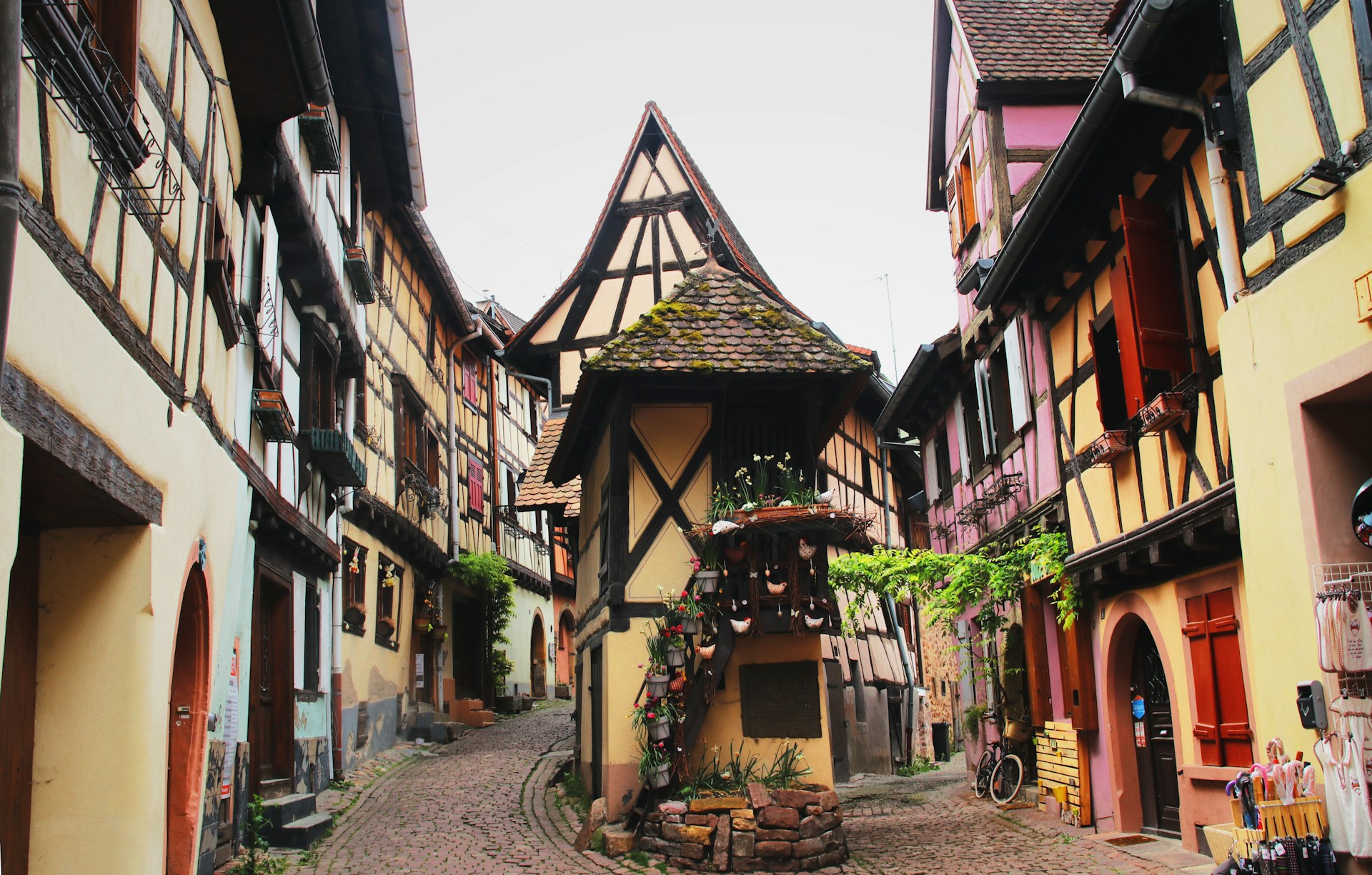
Eguisheim is the kind of village you draw as a child when someone says “fairy-tale town in France.” Concentric cobblestone streets, half-timbered houses painted every shade of pastel, overflowing flower boxes, and vineyards rolling right up to the medieval ramparts – all wrapped in the gentle hills of Alsace between Colmar and the Vosges mountains.
I’ve been coming back to Eguisheim for over a decade, in every season – from golden grape-harvest sunsets to quiet winter evenings lit only by Christmas markets and the smell of cinnamon vin chaud. Each time, it feels different: one year I focused on the wine, another on hiking, another on slow mornings with coffee while the village was still waking up. That’s the magic here – Eguisheim is tiny, but it reveals itself layer by layer.
In 2026, Eguisheim is more alive than ever: sustainable wine tourism is growing, new small restaurants are opening alongside century-old winstubs, and the calendar is stacked with festivals and cultural events. This guide is my most complete “local-style” take: how to plan 3–5 days in Eguisheim, the best things to do, where to eat and drink, how to save money, and the little cultural nuances that will make you feel less like a tourist and more like a welcome guest.
Table of Contents
- Eguisheim at a Glance
- Neighborhoods & Areas of Eguisheim
- 20 Must-See Attractions in Eguisheim (In-Depth)
- Suggested 3–5 Day Itineraries
- Local Food & Drink in Eguisheim
- Nightlife, Entertainment & Cultural Experiences
- What’s New & Upcoming Events 2026–2027
- Day Trips & Nearby Attractions
- Cultural Etiquette & Local Customs
- Practical Travel Tips for Eguisheim
- Final Summary & Best Time to Visit Eguisheim
Eguisheim at a Glance
Eguisheim sits just 7 km southwest of Colmar in the Haut-Rhin department of Alsace, eastern France. It’s officially one of Les Plus Beaux Villages de France (Most Beautiful Villages of France) and was voted “Village préféré des Français” (France’s favorite village) in 2013. It’s also a serious wine village, home to two Grand Cru vineyards: Eichberg and Pfersigberg.
Despite its fame, the village core is tiny – you can walk end to end in ten minutes. But don’t be fooled: between the ring streets, churches, chapels, wine cellars, nearby castles, and vineyard trails, you can easily – and wonderfully – fill 3, 4, or 5 days here without ever feeling bored.
- Region: Alsace, Grand Est, France
- Nearest city: Colmar (about 10–15 minutes by car or bus)
- Best for: Romantic getaways, family trips, wine lovers, slow travel, photography, gentle hiking & cycling
- Languages: French (official), but you’ll hear Alsatian dialect; English and German widely understood in tourism
- Currency: Euro (€)
Neighborhoods & Areas of Eguisheim
Eguisheim isn’t a city of districts, but it does have distinct “micro-areas” that feel different when you walk them. When I plan my days, I often think in terms of these zones.
1. The Inner Ring & Central Square
This is Eguisheim’s medieval heart: the concentric ring streets wrapped around the former castle. The central square around the Château Saint-Léon is where you’ll find the fountain, Saint-Léon IX chapel, and many of the village’s most photographed façades. It’s busiest mid-morning to mid-afternoon; early mornings and evenings feel surprisingly tranquil.
2. The Outer Ring & Ramparts Area
Just one “ring” out from the main square, this area follows the line of the old ramparts. Here you’ll see slightly quieter lanes, more residential houses (still picture-perfect), and a few tucked-away wineries and small guesthouses. I like wandering these streets at dusk; you get the golden light, but without the crowds of the center.
3. The Vineyards Belt
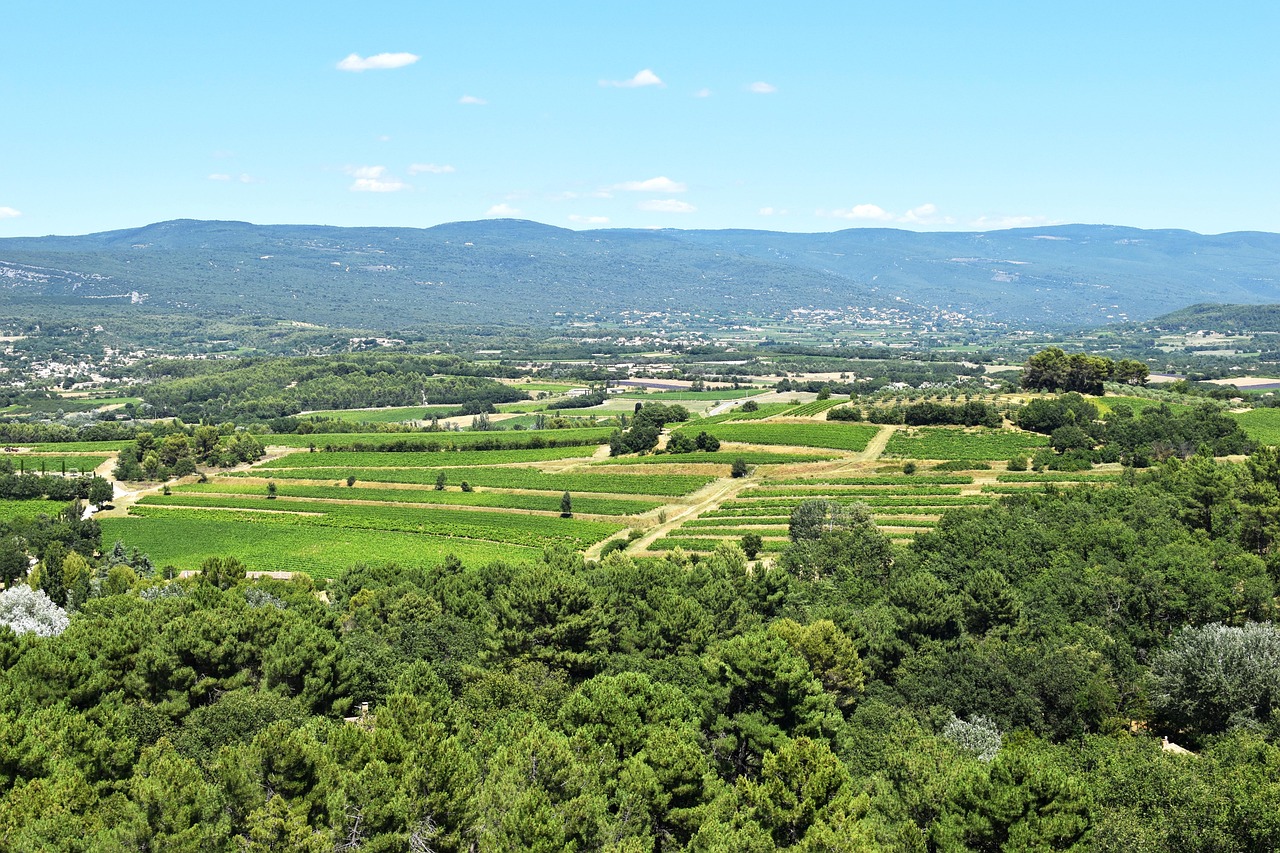
Step outside the last houses and you’re immediately in the vines. Paths lead uphill toward the Eichberg and Pfersigberg slopes and across to neighboring villages. This is where I go to clear my head. You get sweeping views back over the red-tiled roofs of Eguisheim and, on clear days, all the way to the Black Forest in Germany.
4. The Approach Roads & Modern Edge
The roads in from Colmar and the surrounding villages bring you past parking lots, a few larger hotels, and some more modern homes. It’s less charming than the medieval core, but useful: this is where you’ll find easier parking, some grocery options, and bike rentals.
20 Must-See Attractions in Eguisheim (With Personal Notes)
These are the core experiences that, together, give you the full Eguisheim story. I’ve grouped them loosely from most iconic to more hidden, but if you’re here for 3–5 days, you can realistically enjoy all of them at a relaxed pace.
1. Place du Château & Saint-Léon IX Fountain
If Eguisheim has a “postcard shot,” it’s the Place du Château. The half-timbered houses curve around a central fountain topped with a statue of Pope Saint Léon IX, who was born here in the 11th century. The square is framed by pastel buildings and the chapel – everything you imagine when you think “Alsatian village” is compressed into this one scene.
I like to come here twice a day: once very early (before 9:00) when the delivery vans are rattling through and the bakers are setting out fresh kougelhopf, and once after dark, when the square is lit softly and the day-trippers have left. On winter evenings, during the Christmas market, the fountain is ringed with lights and small stalls – magical but never overwhelming like in bigger cities.
Tips:
- Arrive early for photos; by late morning in high season, expect a steady flow of groups.
- Grab a pastry from a nearby boulangerie and sit on the fountain’s edge to watch the village wake up.
- If you hear church bells and see locals gathering, step back a bit – these are often for small ceremonies or processions.
2. Saint-Léon IX Chapel
Just behind the fountain is the small, rose-hued Saint-Léon IX Chapel, built in honor of the local boy who became Pope. Inside, frescoes glow in soft pastel colors and stained glass throws little pools of color on the stone floor. It’s a peaceful spot that somehow absorbs the noise from the square outside.
One rainy autumn afternoon, I slipped in here to escape a sudden shower. A local choir was rehearsing quietly in the apse, and their voices filled the tiny space – it felt like stepping straight into the village’s history. There’s a sense of continuity here: you’re standing where villagers have come for centuries to mark life’s milestones.
History & context: The chapel is relatively recent (late 19th/early 20th century) but built on medieval foundations. It honors Bruno d’Eguisheim, who became Pope Leo IX and led major reforms in the Catholic Church.
Tips:
- Dress modestly; it’s still an active religious site.
- Look up: the ceiling frescoes are easy to overlook but lovely.
- Check the information board at the entrance for occasional concerts (usually free or donation-based).
3. The Concentric Medieval Streets
Eguisheim’s layout is unusual: instead of a grid, the streets form rings around the former castle. Walking them feels a little like unspooling a ribbon – you circle outwards, discovering new angles and corners at each bend.
I like to start at Place du Château and then walk one full loop clockwise, then another loop one street further out, this time counterclockwise. You’ll spot tiny details: stork nests on chimneys, religious niches with statues of the Virgin Mary, date-stones above doors telling you a house was built in 1588 or 1603. Every time I do this, I notice something I missed before.
Family & photography: Kids seem to love this “circular maze” idea – I’ve turned it into a game of “find the next stork nest” with young travelers. Photographers will have a field day with the angles and leading lines of the streets.
Tip: Late afternoon (about an hour before sunset) is perfect; the houses glow and the crowds thin.
4. Eguisheim Ramparts & Old Fortifications
While much of the original fortification line is now woven into houses and gardens, you can still trace the footprint of Eguisheim’s medieval defenses along the outer ring. In a few spots, low walls and towers peek through, giving a sense of how tightly the village was once enclosed.
On a foggy November morning, I walked this outer circuit with a local friend who pointed out where the old gates once stood. It changes how you see the village: not just as something pretty, but as a place that had to defend itself over centuries of border changes and conflict.
Tip: Pair a slow loop of the ramparts streets with an audio guide (downloadable from the tourist office) for extra context.
5. Eguisheim Wine Route & Wine Cellars (Caves)
Eguisheim is wine country, full stop. The village is wrapped in vines and dotted with traditional wine cellars – some grand, some family-scale, all offering their own take on Alsatian classics like Riesling, Pinot Gris, Gewurztraminer, and Pinot Noir.
My first visit, I booked a guided tasting at a well-known winery to get my bearings. On later trips, I bounced between smaller, family-run caves, where tastings often turned into long conversations about weather patterns, harvest stories, and favorite food pairings. In one cellar, the winemaker’s grandmother insisted I try her homemade kougelhopf with the late-harvest Gewurztraminer – one of those “this is why I travel” moments.
How it works: Many wineries in Eguisheim offer free tastings if you’re genuinely considering buying a bottle or two. Others have a small tasting fee, usually waived with purchase. It’s polite to at least buy a bottle when you’ve spent time with a winemaker.
Tips:
- Plan 2–3 cellars in a day; more than that and you’ll lose track of what you’re tasting.
- Make appointments for smaller, family-run wineries – they’re often busy in the vines.
- If you’re driving, use the “spit” option (crachoir) – it’s normal in wine regions and lets you taste more responsibly.
6. Grand Cru Eichberg & Pfersigberg Vineyards
These two Grand Cru vineyards climb the slopes just above Eguisheim, and walking through them is like stepping into a wine atlas. Each parcel is meticulously tended, with dry-stone walls, narrow tractor tracks, and low vines catching the sun.
I love coming here early in the morning in late September, when harvest is in full swing. You’ll see pickers moving quickly up the rows, tractors loaded with crates, and hear a mix of French, Alsatian, and sometimes Portuguese or Polish – seasonal workers the wineries rely on. The view back down to Eguisheim is spectacular: red roofs cradled by green slopes.
Wine geek note: Eichberg tends to give structured, powerful wines; Pfersigberg often shows more finesse and aromatics. Taste them side by side in a cellar after walking the slopes – the landscape will suddenly “click” in each glass.
Tip: Wear proper shoes; the paths can be muddy after rain.
7. Three Castles of Eguisheim (Les Trois Châteaux)
Above the vineyards, a ridge is crowned by three ruined castles standing shoulder to shoulder. They date from the 11th–13th centuries and once controlled trade routes in the region. Today, they’re a classic half-day hike from the village and one of my favorite viewpoints in Alsace.
The first time I made the climb, it was a cool spring day. The path wound through forest and clearings, gradually revealing Eguisheim below. At the top, I unpacked a picnic of local cheese, baguette, and a small bottle of Riesling. A few families were doing the same, kids clambering over old stone walls while adults soaked up the panorama stretching from the Vosges to the Rhine plain.
Hike details: From Eguisheim, allow about 1.5–2 hours up at a gentle pace and about an hour back down. The path is waymarked and suitable for reasonably fit children.
Tips:
- Bring water and snacks; there are no services at the top.
- Weather can shift quickly; pack a light layer even in summer.
- Respect safety barriers around the ruins; stones can be loose.
8. Eguisheim Vineyards Walking Loop (Sentier Viticole)
The official vineyard trail is a signed loop around Eguisheim through the vines, with information panels explaining grape varieties, terroir, and local history. It’s gentle, family-friendly, and a great way to understand how deeply wine is woven into daily life here.
One summer evening, I walked the loop just before sunset. The panels were helpful, but what really stayed with me was the smell: warm earth, ripe grapes, and the faint scent of wild herbs crushed underfoot. At one viewpoint, an older couple from Strasbourg shared a small flask of homemade cherry schnapps with me – “for the view,” they said.
Tip: Pick up a small map at the tourist office before you go; it makes the loop easier to follow and marks the best viewpoints.
9. Eguisheim Christmas Market (Marché de Noël)
Eguisheim’s Christmas market is small but incredibly atmospheric, often focused around local crafts and regional foods rather than mass-produced trinkets. Wooden chalets line the main square and a few of the ring streets, lights are strung between houses, and the smell of mulled wine and gingerbread lingers in the cold air.
One December visit, I spent a whole evening wandering from stall to stall, warming my hands on a cup of hot spiced apple juice and chatting (in halting French) with a potter about the motifs on her mugs. A local brass band played carols in the square, and the whole village felt like a scene from a storybook.
When: Usually late November through December, with exact dates published by the tourist office each year. In 2026, expect it to run from around the last weekend in November until just before Christmas.
Tip: Book accommodation early – winter weekends fill fast, especially leading up to Christmas.
10. Église Saints-Pierre-et-Paul (Parish Church)
Slightly off the central square, this parish church is less photographed than the chapel but just as important to village life. Inside, you’ll find a calm, light-filled nave and often a handful of locals stopping in for a quiet moment.
I like visiting in the middle of the day when the village outside is busiest. The shift in atmosphere – from chatter and camera shutters to silence and echoing footsteps – is grounding. It’s also a good way to get a sense of how faith and tradition still underpin daily rhythms here, even as tourism grows.
Tip: If you attend a Mass (check posted times), follow the lead of locals: stand, sit, and remain respectfully quiet, even if you’re just observing.
11. Stork Watching (Nests on the Rooftops)
Storks are a symbol of Alsace, and Eguisheim has embraced them. Look up and you’ll spot large nests on rooftops and chimneys; in spring and summer, you’ll often see the birds themselves, clacking their beaks and gliding lazily overhead.
One April, I watched a pair of storks reinforcing their nest on a house near the outer ring street. A small cluster of villagers and visitors gathered quietly below, pointing out each new stick carried in. It was a simple but surprisingly moving shared moment.
Family tip: Turn it into a stork “safari” with kids: who can spot the most nests on a walk around the village?
12. Eguisheim Artisan Shops & Galleries
Between the wine cellars and restaurants, Eguisheim has a scattering of small artisan shops: potters, woodworkers, textile artists, and local food producers. Unlike in some larger tourist towns, many of these are genuinely local rather than imported souvenir warehouses.
I’ve picked up hand-painted Christmas ornaments here, a ceramic kougelhopf mold, and more than one jar of mirabelle jam that never made it home because I ate it with fresh bread on my balcony. My favorite visits are when the maker is in the shop – they’ll often explain their process and the regional motifs in their work.
Budget tip: If your budget is tight, consider small, easily packable items like postcards printed from local watercolors or a single piece of hand-painted pottery.
13. Eguisheim Wine Festivals & Village Events
Eguisheim’s calendar is full of small but lively events: wine festivals, floral competitions, harvest celebrations, and more. These are some of the best times to visit if you want to see the village at its most animated (and taste a lot of wine and food along the way).
One summer wine festival, I ended up at a long communal table under strings of lights, sharing plates of tarte flambée and glasses of chilled Riesling with a mix of locals and visitors. A brass band played upbeat Alsatian tunes, and by the end of the night, everyone was clapping along in unison.
Tip: Check with the tourist office or village website for exact 2026 dates; they change slightly each year, but summer and harvest seasons are especially event-heavy.
14. Eguisheim Bike Routes & Countryside Cycling
The roads and dedicated cycle paths around Eguisheim are perfect for leisurely rides: gently rolling, with frequent villages and viewpoints. You can link Eguisheim with nearby wine villages like Turckheim, Wettolsheim, and Colmar for a perfect day on two wheels.
On one particularly sunny May day, I rented an e-bike and spent the whole day cruising between villages, stopping for tastings and coffee. The e-assist made the hills vanish, which meant I could focus on the scenery instead of my breathing.
Tip: Ask rental shops for a helmet and a lock, and check your route on a map – some small roads can be surprisingly busy with cars at harvest time.
15. Eguisheim Sunrise & Sunset Viewpoints
Because Eguisheim sits in a gentle bowl of hills, you get beautiful light at both ends of the day. Sunrise catches the tops of the vineyards first; sunset paints the village façades in warm gold.
My all-time favorite spot is a little bench on the vineyard path above the village. One summer, I brought a thermos of coffee up for sunrise and watched the village go from blue-gray to glowing, listening to birds and distant church bells. Another time, I shared a bottle of Crémant d’Alsace with friends at sunset, staying until the sky faded to deep blue and the village lights flickered on.
Tip: Bring a light jacket; even in summer, it cools quickly once the sun drops.
16. Hidden Courtyards & Side Alleys
Some of Eguisheim’s most charming corners aren’t on any map: tiny courtyards, narrow passages between houses, and secluded corners where locals tuck potted geraniums and old wine barrels.
On a hot July afternoon, I ducked down a side alley to avoid a group tour and stumbled into a courtyard shaded by a huge vine-laden pergola. A cat eyed me suspiciously from a windowsill. It was so quiet I could hear the bees in the flowers. Five minutes later, I was back on the main street, but I carried that stillness with me.
Etiquette tip: Many courtyards are private. If there’s a sign or gate, don’t enter; enjoy from the street. Never photograph through windows into people’s homes.
17. Local Winstubs (Traditional Alsatian Taverns)
Winstubs are the beating heart of Alsatian culinary culture: wood-paneled, cozy taverns serving generous plates of regional dishes and house wines. In Eguisheim, several excellent winstubs are packed into the tiny village core.
My ritual: at least one long lunch in a winstub each trip. One winter day, I tucked into a bubbling dish of choucroute garnie (sauerkraut with sausages and pork) while snowflakes floated slowly outside. The room was warm, full of families and couples, everyone in that content post-hike, post-tasting mood.
Tip: Reserve ahead for evenings or weekends, especially in high season. Portions are big – consider sharing dishes if you want to sample more.
18. Eguisheim Evening Strolls
This isn’t a single “sight,” but it’s one of my absolute must-dos: a slow wander through the village after dinner. The day-trippers have left, the shops are closed, and the streets are lit softly by old-style lamps. You’ll hear murmured conversations from open windows, a distant TV, and the occasional clink of glasses from a terrace.
One August evening, the air still warm, I walked the full inner and outer rings in near silence, passing only a few other couples doing the same. At the fountain, someone was quietly playing accordion. It felt wonderfully intimate, like sharing a secret version of the village.
Safety: Eguisheim is very safe to walk at night; just watch your step on the uneven cobbles.
19. Eguisheim Farmer’s & Local Produce Stalls
Eguisheim doesn’t have a huge weekly market like some larger towns, but small produce stalls and mobile vendors bring in local cheeses, charcuterie, fruits, and vegetables on certain days (check with your host or the tourist office for current schedules).
I like to build simple picnics from these: a wedge of Munster cheese, a baguette, tomatoes, and a handful of mirabelles or cherries in season. Add a bottle of local wine and you’ve got a meal that tastes like the region for under €15.
Tip: Bring a reusable bag; many vendors appreciate it and it cuts down on plastic.
20. Eguisheim Tourist Office & Local Heritage Exhibits
This may not sound glamorous, but the tourist office is a goldmine: maps of vineyard trails, schedules of cellar openings, festival dates, and sometimes small local heritage exhibits. Staff are usually genuinely enthusiastic and happy to suggest routes tailored to your interests (e.g., “wine but not too much walking” or “kid-friendly half-day hike”).
On my last visit, I learned about a temporary exhibition on traditional Alsatian costumes happening in a nearby village – something I’d never have found on my own. It turned into a highlight of that trip.
Tip: Stop here on your first day. It will help you shape your 3–5 day itinerary for Eguisheim based on current conditions and events.
3–5 Day Itineraries for Eguisheim (With Personal Stories)
Eguisheim is small, but with vineyards, castles, nearby villages, and food and wine experiences, you can easily fill 3, 4, or 5 days. These itineraries are built from my own trips, mixing must-see attractions in Eguisheim, hidden gems, and slow travel moments.
3 Day Itinerary for Eguisheim – “Classic & Cozy”
If you have 3 days in Eguisheim, you can see the main sights, enjoy a few memorable meals, and still find time to wander without a plan.
Day 1: First Taste of Eguisheim
I usually arrive around midday. After dropping bags at my guesthouse, I head straight for the inner ring.
- Morning / Early Afternoon: Start at Place du Château, visit the Saint-Léon IX Chapel, then make a slow loop of the inner ring street. Stop at a café terrace for a light lunch – a tarte flambée and a glass of Pinot Blanc is a perfect intro.
- Mid-Afternoon: Visit your first wine cellar. I like to start with a slightly larger, well-organized winery; they often have structured tastings that walk you through the basics of Alsatian varietals. Take notes – it will help on later days.
- Late Afternoon: Wander the outer ring, stork-spotting and popping into artisan shops. Pick up a small snack (a slice of fruit tart or a pretzel) for later.
- Evening: Dinner at a winstub – book ahead. After, take your first evening stroll through the quieting streets.
Day 2: Vineyards, Views & Wine
- Morning: After breakfast, head out on the vineyard walking loop. Stop at information panels, take in the views, and maybe carry a mid-morning pastry with you to eat on a bench overlooking the village.
- Lunch: Picnic in the vines or back in the village on a quiet square. Pick up cheese, bread, and fruit from local vendors.
- Afternoon: Visit 1–2 smaller, family-run wine cellars. Ask specifically to try wines from Eichberg and Pfersigberg and compare styles. If it’s hot, duck into the cool of the cellars – a welcome break.
- Late Afternoon: Coffee and cake (or ice cream in summer) at a terrace. This is when I like to catch up on journaling or simply people-watch.
- Evening: Try a different restaurant – perhaps something a bit more modern Alsatian – and then another slow loop of the streets, watching lights come on.
Day 3: Castles & Countryside
- Morning to Early Afternoon: Hike to the Three Castles. Bring water and snacks; enjoy a long pause at the top. On the way down, take a different path if you’re comfortable with navigation, or simply retrace your steps.
- Late Lunch: Reward yourself with a big Alsatian dish back in the village – maybe baeckeoffe (slow-cooked meat and potatoes) if it’s cool out, or a salad with local charcuterie if it’s warm.
- Afternoon: Last-minute shopping for wine or crafts to take home. Stop by the tourist office to pick up brochures for future trips or other villages you might visit.
- Evening: One last walk through Eguisheim, perhaps with a final glass of wine at a bar or restaurant terrace. I always find this last evening bittersweet – but also motivating to plan my next visit.
4 Day Itinerary for Eguisheim – “Slow Village Life”
With 4 days in Eguisheim, you can deepen the experience: add a nearby village, revisit favorite spots at different times of day, and build in more genuine downtime.
Day 1–2: As in the 3 Day Itinerary
Follow the Day 1 and Day 2 suggestions above for a thorough introduction: inner and outer ring walks, chapel, wine cellars, vineyard trail, and relaxed meals.
Day 3: Day Trip to Colmar (From a Village Base)
On my longer stays, I love using Eguisheim as a base and popping into Colmar for a day. It’s only about 10–15 minutes by bus or car, but feels bigger and buzzier, with museums, canals, and more shopping.
- Morning: Head into Colmar early. Explore the old town, the Petite Venise canal area, and the covered market. Grab coffee and a pastry by the water.
- Midday: Visit the Unterlinden Museum (home to the Isenheim Altarpiece) if you’re into art and history.
- Afternoon: Stroll, shop, and maybe enjoy a wine tasting there for comparison with Eguisheim’s producers.
- Late Afternoon: Return to Eguisheim for a quiet evening – often my favorite part after being in a busier town.
Day 4: Hidden Corners & Free Time
- Morning: Sleep in a bit, then have a slow breakfast. Wander the streets with no set plan, ducking into any shop or courtyard that catches your eye (respecting private property, of course).
- Lunch: Try a lighter meal – maybe a tartine (open sandwich) or a salad – and a glass of Crémant d’Alsace.
- Afternoon: If you haven’t yet, rent bikes for a short ride through the surrounding vineyards and to a nearby village like Wettolsheim or Husseren-les-Châteaux.
- Evening: A “greatest hits” dinner: return to your favorite restaurant or cellar from earlier in the trip, say goodbye to the owners, and promise (as I always do) that you’ll be back.
5 Day Itinerary for Eguisheim – “Deep Dive into Alsace Wine Country”
A 5 day itinerary for Eguisheim lets you really settle into village rhythm, add more day trips, and experience the region with almost no rush.
Day 1–3: Follow the 3 Day Itinerary
Get to know Eguisheim thoroughly: from the central square and chapels to vineyards, castles, and key wine cellars.
Day 4: Wine Villages Circuit
On a longer stay, I like to dedicate a day to a loop of nearby wine villages – each with its own character, all within easy reach.
- Morning: Drive or bike to Turckheim, wander its fortified gates and streets, and enjoy a coffee there.
- Late Morning: Continue to Ammerschwihr or Kaysersberg for more village exploration and, if you wish, another wine tasting.
- Lunch: Stop in one of these villages for a hearty lunch; they can be a bit busier than Eguisheim but full of charm.
- Afternoon: Return to Eguisheim via quieter back roads or paths if biking, with plenty of time to rest before dinner.
Day 5: Personal Day – Hike, Spa, or Simply “Be”
On my longest trips, I always build in one “no obligation” day. From Eguisheim, that might mean:
- A second hike to the Three Castles, perhaps extending along the ridge.
- A spa day in a nearby town (some hotels and wellness centers offer day passes).
- Or simply alternating between reading on a balcony, strolling to the bakery, and sipping coffee or wine at a terrace.
These “empty” days often end up being my favorites; you see how the village breathes when you’re not rushing anywhere.
Local Food & Drink in Eguisheim
Eating is one of the great joys of Eguisheim. Alsatian cuisine is generous, rustic, and deeply comforting – perfect after a day of walking between vineyards or up to the castles.
Must-Try Dishes
- Tarte Flambée (Flammekueche): Ultra-thin dough topped with crème fraîche, onions, and lardons, baked in a wood-fired oven. I can eat this every other day and not get bored. Try classic first, then maybe a Munster cheese version.
- Choucroute Garnie: Sauerkraut piled with sausages, smoked pork, and sometimes potatoes. Best in cooler months – and usually big enough to share.
- Baeckeoffe: A slow-cooked casserole of marinated meats, potatoes, and onions baked in a sealed dish. Hearty, rich, and wonderful with Riesling.
- Coq au Riesling: A local twist on the classic, with chicken simmered in white wine and cream.
- Munster Cheese: A strong-smelling but delicious soft cheese from the nearby Munster valley. Try it with cumin seeds and a slice of country bread.
- Kougelhopf: A tall, yeasted cake with raisins and almonds, often eaten at breakfast or with coffee.
Local Wines & Drinks
- Riesling: Dry, precise, and perfect with choucroute or river fish.
- Gewurztraminer: Aromatic, lychee and rose notes – lovely with Munster cheese or spicy dishes.
- Pinot Gris: Richer and rounder, great food wine.
- Pinot Noir: Light to medium-bodied reds, increasingly good in Alsace.
- Crémant d’Alsace: Sparkling wine made in the traditional method – my go-to aperitif.
Where to Eat in Eguisheim (Examples)
Specific restaurant names and chefs can change, but in 2026 Eguisheim continues to offer:
- Traditional winstubs around the main square and ring streets, serving classic Alsatian fare. Look for wood-paneled interiors, gingham tablecloths, and blackboards with daily specials.
- Modern bistros interpreting Alsatian flavors more lightly – great if you want something less heavy after a big lunch.
- Cafés & bakeries for breakfast pastries, coffee, and light snacks.
My money-saving trick: make lunch your main meal at a restaurant (many offer good-value lunch menus), then have a lighter dinner of bread, cheese, charcuterie, and fruit from local shops or markets.
Nightlife, Entertainment & Cultural Experiences
Eguisheim is more about cozy evenings than wild nightlife. Think wine bars, quiet terraces, and the occasional festival, not clubs and all-night parties.
Evenings in Eguisheim
- Wine Bars & Cellars: Some cellars stay open later in summer and during festivals; sipping a last glass of Riesling or Crémant outside is a perfect end to the day.
- Restaurant Terraces: Many winstubs and restaurants have small terraces or outdoor seating; reservations are helpful in peak season.
- Local Concerts & Performances: In summer and around the holidays, look for small concerts in the chapel or church – posters go up around the village.
Cultural Experiences
- Village festivals: Wine and harvest festivals include traditional music, dancing, and costumes.
- Church & chapel visits: Even if you’re not religious, they’re central to understanding village life.
- Language: Try a few words of French; locals appreciate the effort. You might also hear Alsatian, especially among older residents.
What’s New & Upcoming Events in Eguisheim (2026–2027)
Event dates can shift yearly, but based on Eguisheim’s usual rhythm and announcements for 2026, here’s what to expect:
- Spring 2026: Blossoms in the vineyards, smaller wine tastings, and often a spring wine fair in the region.
- Summer 2026: Main wine festivals in Eguisheim typically in July and/or August, with open-air tastings, music, and food stands.
- Harvest Season 2026 (September–October): Grape harvest in full swing; some wineries host special harvest-themed tastings and events.
- Advent & Christmas 2026: Eguisheim Christmas market runs from late November to just before Christmas, with special weekend events and evening openings.
- Early 2027: Quieter period but great for deals on accommodation, plus clear winter vineyard walks and occasional small cultural events.
For exact dates for 2026–2027 when you travel, check the official Eguisheim tourism website or contact the tourist office a few weeks before your trip.
Day Trips & Nearby Attractions from Eguisheim
One of Eguisheim’s strengths is its location. Within 30–45 minutes you can reach some of Alsace’s greatest hits, making it a perfect base.
Colmar
As mentioned in the 4 day itinerary, Colmar is a natural day trip: canals, museums, bigger markets, and more varied shopping and dining. Bus links from Eguisheim run regularly in season; otherwise, it’s a quick taxi or drive.
Other Wine Villages (Riquewihr, Kaysersberg, Ribeauvillé)
These famous wine villages are each about 30–40 minutes by car, slightly more by bus with connections. They’re busier than Eguisheim but stunningly preserved and worth a visit for comparison.
Vosges Mountains & Route des Crêtes
If you want more nature, drive up into the Vosges for mountain views, hiking, and rustic farm inns (fermes-auberges) serving hearty meals. In summer, the Route des Crêtes is a spectacular ridge road with viewpoints and WWI history sites.
Munster Valley
Known for its strong cheese and green pastures, the Munster valley is an easy half-day trip. Visit a cheese producer, then walk one of the valley trails.
Cultural Etiquette & Local Customs in Eguisheim
Understanding a few local customs will make your stay smoother and more rewarding.
Greetings & Politeness
- Always start interactions with Bonjour (daytime) or Bonsoir (evening). Add Madame or Monsieur if you can.
- In shops, say hello when entering and goodbye when leaving; it’s considered rude not to.
- Smiles and simple politeness go a long way, even if your French is minimal.
In Restaurants & Winstubs
- Table service is the norm; don’t seat yourself unless clearly indicated.
- It’s common to linger over meals; you won’t be rushed out.
- Ask for the bill (l’addition, s’il vous plaît); it won’t arrive automatically.
- Service charge is included in menu prices, but rounding up or leaving small change is appreciated for good service.
Wine Tasting Etiquette
- Be honest about your preferences; winemakers appreciate guiding you to what you’ll enjoy.
- Spitting is normal, especially if you’re visiting multiple cellars.
- Buying at least one bottle after a generous tasting is good form.
Respect for Residents
- Eguisheim is a living village. Keep voices down late at night, especially on residential side streets.
- Don’t trespass into private courtyards or gardens, even if they look photogenic.
- Ask permission before photographing individuals, especially children and older people.
Practical Travel Tips for Eguisheim
Getting There
- By Air: Nearest major airports are Basel-Mulhouse-Freiburg (EuroAirport) and Strasbourg. From there, take a train to Colmar, then bus, taxi, or rental car to Eguisheim.
- By Train: Colmar is on main lines from Strasbourg, Basel, and Paris (via connections). Eguisheim itself has no train station.
- By Bus: Regional buses connect Colmar and Eguisheim, especially frequent in high season. Schedules can thin in the evenings and on Sundays – check ahead.
- By Car: Driving is straightforward; there are paid and free parking lots on the edge of the village. Park and walk in – cars are restricted in the medieval core.
Getting Around Eguisheim
The village is easily walkable; you won’t need a car inside. For exploring further:
- Bike rental: Available locally or in nearby Colmar; great for visiting neighboring villages.
- Car rental: Best picked up in Colmar, Strasbourg, or at the airport. Handy if you plan lots of day trips or mountain drives.
- Public transport: Buses are fine for Colmar and some villages, but infrequent for more remote spots.
SIM Cards & Connectivity
- Major French providers (Orange, SFR, Bouygues, Free) offer prepaid SIMs that work across the EU. Pick one up at airports, big supermarkets, or phone shops in Colmar.
- Eguisheim has decent 4G/5G coverage and widespread Wi-Fi in hotels and many cafés.
Money-Saving Tips
- Visit in shoulder season (April–May, late September–October) for lower accommodation prices and quieter streets.
- Make lunch your main restaurant meal; enjoy simple dinners from market produce and a bottle of local wine.
- Use public buses to Colmar instead of taxis when schedules suit.
- Buy wine directly from producers; many offer excellent quality at fair prices.
Accommodation
Eguisheim offers:
- Family-run guesthouses & B&Bs: My preferred option – cozy, often with homemade breakfast and local tips.
- Small hotels: A few in and just outside the village, some with pools or spas.
- Self-catering apartments: Good for families and longer stays; shop at markets and cook simple meals.
Visa Requirements & Driving Rules
- Visas: Eguisheim is in France and the Schengen Area. Many nationalities (including EU, UK, US, Canada, Australia, etc.) can stay up to 90 days in 180 without a visa; others require a Schengen visa. Check current rules for your passport well before travel.
- Driving licences: EU/EEA licences are valid. Many other licences (e.g., US, UK, Australia) are accepted; an International Driving Permit (IDP) is recommended and sometimes required by rental companies.
- Driving: Right-hand side of the road; seatbelts required; blood alcohol limits are strict – if you’re wine tasting, plan a designated driver or spit.
Best Seasons for Activities
- Spring (April–May): Vineyards turning green, blossom, fewer crowds, cool but pleasant for walking. Great for a 3 or 4 day itinerary for Eguisheim focused on hiking and village wandering.
- Summer (June–August): Warm to hot, longest days, festivals and events. Busier but lively. Perfect for 5 days in Eguisheim with bike rides and long evenings on terraces.
- Autumn (September–October): Harvest season, golden vines, rich light. My personal favorite: ideal for wine-focused itineraries and photography.
- Winter (November–March): Quiet except for Christmas market weeks, which are magical. Colder, some restaurants may close off-season, but you’ll get peaceful streets and good accommodation deals.
Hidden Tips from Repeat Visits
- Walk the village in all four “light conditions”: early morning, midday, late afternoon, and evening – it feels different each time.
- Alternate “busy” days (Colmar, multiple wine tastings) with “quiet” days (just the village and a vineyard walk) to avoid burnout.
- Chat with your hosts; many are deeply connected to local winemakers, and their recommendations are gold.
- Carry a small reusable bottle; most hikes have no water sources, and summer can be hot.
Final Summary & Best Time to Visit Eguisheim
Eguisheim is small, but it’s the kind of place that imprints itself on you: the curve of its streets, the angle of the light on half-timbered houses, the taste of Riesling after a vineyard walk, the sound of storks clacking on rooftops at dusk. Whether you follow a 3 day itinerary for Eguisheim, stretch to 4 days in Eguisheim, or settle in for a 5 day itinerary for Eguisheim and its surroundings, you’ll find more than enough things to do in Eguisheim to fill your time without rushing.
For most travelers, the sweet spots are:
- Late April–June: Mild weather, blooming landscapes, fewer crowds.
- September–early October: Harvest energy, golden vines, wonderful light.
- Early December: For the Christmas market, if you love festive atmospheres.
In all seasons, the core recipe is the same: walk slowly, taste generously but thoughtfully, greet people with a warm bonjour, and leave enough space in your days for the unexpected – a chance conversation in a cellar, a hidden courtyard, a sunset that holds you a little longer than planned. That’s where the real Eguisheim lives.