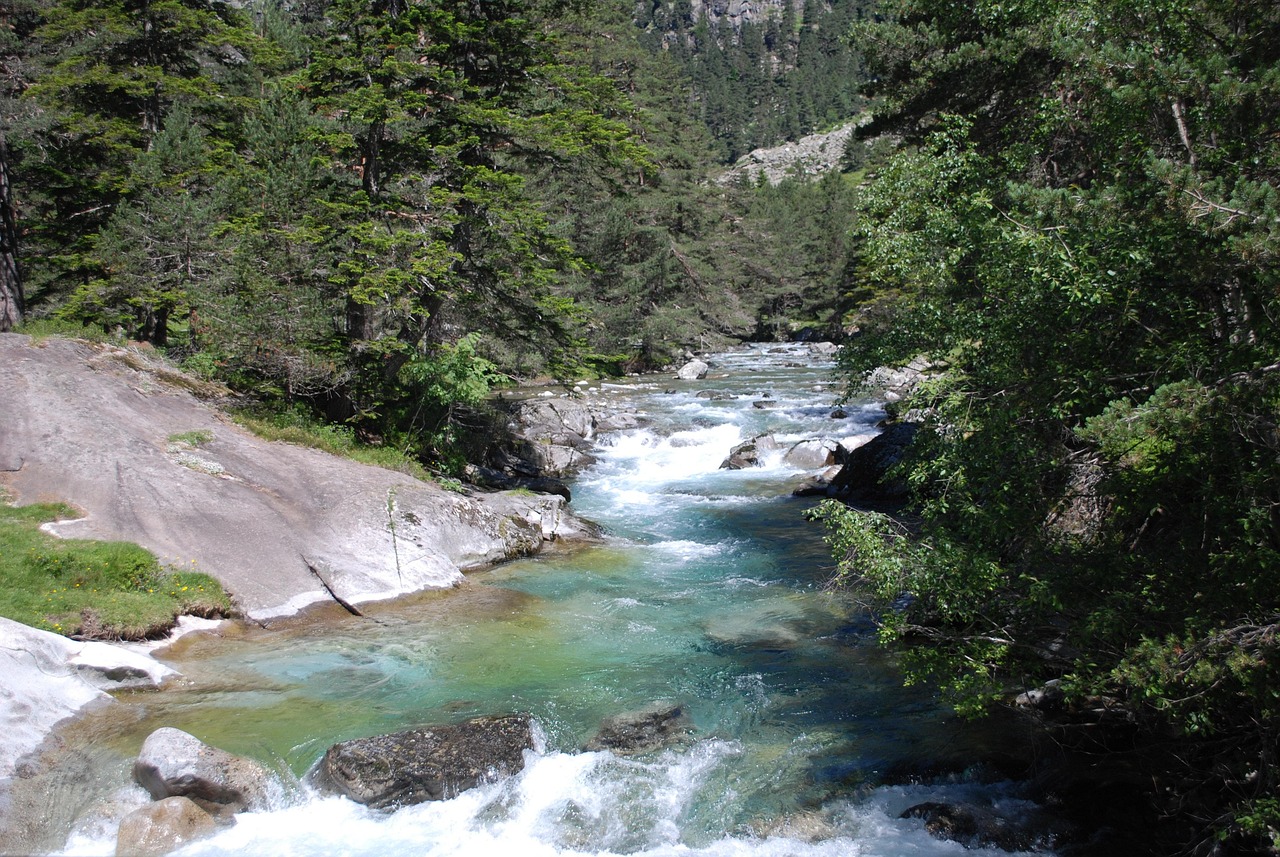
Why Visit Gorges de Kakuetta – And Why It Stays With You
Gorges de Kakuetta sits in the far south-west of France, in the Pyrénées-Atlantiques, right where the Basque Country folds into steep limestone mountains. On paper, it’s “just” a 2 km walk along a gorge. In reality, it feels like slipping into another climate, another era – somewhere between a primeval rainforest and a cathedral of rock.
The first time I came, in a misty April years ago, I expected a pleasant stroll. Instead, the mossy walls, suspended walkways, and the sudden thunder of the waterfall felt cinematic. Even after multiple returns – with friends, family, and once entirely alone on a rainy weekday – Kakuetta still surprises me. Light moves differently here; sound echoes strangely; green has more shades than you thought existed.
If you’re considering how to visit Gorges de Kakuetta for 1 day, 2 days, or even 3 days, it can anchor a whole micro-adventure in the Basque mountains. In this long-form travel guide for Gorges de Kakuetta, I’ll help you decide how many days to spend, outline a 1 day itinerary for Gorges de Kakuetta, a deeper 2 day itinerary, and even a slow-travel 3 day itinerary, with all the little details that make the difference: where to park, when the light is best, where to eat that isn’t a tourist trap, and how to experience the gorge almost alone.
It’s a place that works for families, couples, and solo hikers alike: safe enough for children (with supervision), romantic when the mist clings to the cliffs, and adventurous if you push into nearby trails and high passes.
Table of Contents
- Why Visit Gorges de Kakuetta
- Essential Overview of Gorges de Kakuetta
- Walking the Gorge: The Classic Kakuetta Trail
- Key Sections & Viewpoints (8 In-Depth Spots)
- 1–3 Day Itineraries in and Around Gorges de Kakuetta
- Where to Eat & What to Bring
- Where to Stay Near Gorges de Kakuetta
- Kakuetta at Off-Hours: Dawn, Dusk & After Dark
- Cultural Experiences & Local Customs
- What’s New in 2026–2027: Events & Changes
- Day Trips & Nearby Attractions
- Practical Logistics: Tickets, Opening Hours, Access
- Getting Around, SIMs, Money-Saving Tips
- Best Time to Visit Gorges de Kakuetta
- Summary & Final Recommendations
Essential Overview: What Gorges de Kakuetta Actually Is
The Gorges de Kakuetta (sometimes spelled Kakouetta) is a privately-managed natural site, open seasonally, with an entry fee and a well-maintained trail. It starts near the tiny village of Sainte-Engrâce, in the Soule (Zuberoa) region of the French Basque Country.
The classic route is an out-and-back walk of roughly 4 km total (2 km each way), following a river hemmed in by vertical limestone walls up to 350 meters high. The path is a mixture of forest track, metal walkways bolted into the rock, bridges, and boardwalks hugging the cliff. Your goal: a towering waterfall and a final cave-like grotto where the world narrows to dripping stone and echoing drops.
It’s not a strenuous hike for most people, but it is a real walk: think sturdy shoes, some stairs, and stretches that can be muddy or slippery, especially after rain. You’ll want at least 2–3 hours for the walk itself, more if you like to linger with your camera or picnic.
Because this is a concentrated, linear site, the art of visiting is less about “finding” the best places to visit in Gorges de Kakuetta, and more about hitting the right time of day, season, and rhythm so you can savor the gorge with minimal crowds and maximum atmosphere.
Walking the Gorge: How the Classic Trail Unfolds
Every time I bring someone new here, I watch for the moment when they stop talking. It’s usually just after the first suspended walkway, when the gorge walls begin to close in.
Here’s the typical flow of a visit, assuming you arrive on a late spring morning:
- Parking & ticket office: You pull off the small mountain road, park near the auberge and small lake, buy your ticket (more on tickets later), use the bathroom (do it here!), and step through the gate.
- Lakeside approach: A gentle path traces the edge of a small reservoir, framed by forested slopes. Children usually run ahead here; couples slow down to adjust layers and take first photos.
- Entry to the gorge proper: The valley narrows, the path becomes rockier, and the air turns noticeably cooler and damper. The sound of the river sharpens.
- Suspended walkways: Metal boardwalks appear, bolted to the cliff. You begin walking above the churning stream, close enough to feel the spray when the water is high.
- Deep gorge section: The walls steepen; moss, ferns and tiny rivulets cover the stone. This is where you’ll start to understand why everyone raves about the “tropical” feel of Kakuetta.
- Waterfall & cave: The crescendo: a curtain of water at the head of the gorge, followed by a short climb to a cave-like grotto with stalactites and dripping rock formations.
- Return the same way: You retrace your steps, noticing different angles, side falls, and patches of sunlight. The walk back always feels faster but richer.
On my last September visit, a light rain had just passed through, and the gorge was steaming slightly – earth-scented and filled with distant bird calls. The suspended walkways can be slick in those conditions, but the payoff in atmosphere is immense.
Eight Key Sections & Viewpoints in and Around Gorges de Kakuetta
Below are eight spots and sections that shape your experience of Kakuetta and its surroundings. Each one could be a highlight of a 1 day, 2 day, or 3 day itinerary for Gorges de Kakuetta, depending on how deep you want to go.
1. The Entrance & Lakeside Approach
The story of Gorges de Kakuetta begins not with cliffs, but with water lying still. The small reservoir at the entrance is easy to dismiss – most visitors hurry past, eyes fixed on the gorge gate. Don’t. This is where you calibrate to mountain time.
On my first visit, I arrived flustered, having underestimated the winding roads from Saint-Jean-Pied-de-Port. I grabbed my ticket and rushed on. On later trips, I learned to pause here, watching trout flick under the surface and listening to cowbells faintly clinking on the slopes above.
What to look for:
- Reflections: On calm mornings, the water mirrors the forest and cliffs, a great chance for wide establishing shots before you’re swallowed by narrow rock.
- Birdlife: Grey wagtails often dance at the water’s edge; in spring you may hear cuckoos from the treeline.
- Orientation board: Check the map here. It gives you a good mental model of the gorge’s length, elevation change, and emergency exits.
Time to spend: 10–20 minutes is enough, more if you’re waiting for crowds to thin at the ticket gate.
Practical tip: Use the toilets here. There are no facilities inside the gorge itself. I once escorted a desperate friend back almost a kilometer – not fun on a busy afternoon.
Family-friendly? Yes. Kids love feeding (or trying to feed) the fish – just don’t throw bread, which harms the ecosystem. Use this as a place to adjust backpacks and check that everyone’s shoes are secure.
2. The Suspended Walkways & Narrowest Point
This is the section that makes Kakuetta instantly recognisable in photographs: metal boardwalks bolted into sheer rock, curving above a turquoise-green river that has chewed its way down over millennia.
On sunny days, beams of light lance down between the gorge walls, spotlighting patches of fern and spray. On overcast days, the color shifts to moodier blues and greens, giving the walk an almost subterranean feel.
What to look for:
- Stratified rock layers: You can clearly see the horizontal lines of different limestone strata, twisted in places by tectonic forces. This is natural history written in stone.
- Mini waterfalls: Dozens of tiny side-streams seep and tumble down the walls, especially in spring and after rain. Some form delicate, lacy curtains over moss.
- The narrowest pinch point: There’s a spot where the gorge walls feel only a few meters apart overhead. Stop here (while staying aware of others behind you) and look straight up; it’s dizzying and wonderful.
Time to spend: 30–40 minutes for this section if you’re a photographer; 15–20 if you walk steadily. On my last autumn visit I spent almost an hour here, waiting for gaps in the crowd and playing with long exposures.
Safety & comfort tips:
- The metal can be very slippery when wet. I’ve watched more than one visitor in smooth-soled sneakers skid and cling to the rail. Wear shoes with decent grip.
- If you’re uneasy with heights, walk closer to the inner side (toward the wall) and avoid looking directly down. The drop feels dramatic but the walkways are well-maintained and fenced.
- In high season, this is where bottlenecks form. Be patient, and use pauses to look for details you’d otherwise miss.
Romantic factor: High, if you catch it early or late in the day with fewer people and soft light. I once walked this stretch at 9 a.m. in late September with only one other couple in sight, and the echo of the river was practically the only sound.
3. The Mossy Amphitheatre
Midway through the gorge, the walls flare out slightly to form a natural amphitheatre draped in mosses and ferns. If Kakuetta has a “living room,” this is it: a place where people naturally stop, sit on rocks, and simply stare.
On my July 2024 visit, this section was a riot of green, the sort of saturation you usually associate with New Zealand or Costa Rica rather than France. Children were pointing out patterns – “It looks like a dragon!” – while an older couple quietly shared a thermos of coffee on a rock.
What to look for:
- Plant diversity: Look closely and you’ll see multiple species of moss and fern, with tiny flowers peeking through in late spring and early summer.
- Dripping rock faces: Some walls here are perpetually damp, with water beading and running in slow threads. It’s mesmerizing and offers great macro-photo opportunities.
- Acoustics: Clap your hands once (discreetly, so as not to disturb others) and listen to how the sound rolls around the amphitheatre.
Time to spend: 15–30 minutes. It’s also a good place to grab a snack if you’ve packed one; there are wide enough spots to sit without blocking the path.
Family & group tip: This is a natural regrouping point. When I visited with a multi-generational family, we set this as our “if we get separated, meet here” spot before pushing on to the waterfall.
4. The Main Kakuetta Waterfall
The climax of the standard Kakuetta walk is a tall, veiled waterfall pouring down a cleft in the rock. It’s not the highest or most powerful in the Pyrenees, but in the enclosed setting of the gorge it feels monumental.
On my last May visit, snowmelt had swollen the flow. You could hear the waterfall long before seeing it, a dull roar that gradually sharpened. As you round the final bend and the falls appear, kids often squeal and adults instinctively reach for their cameras.
What to look for:
- Changing water volume: In early spring, the waterfall can be thunderous; by late summer, it may narrow to elegant ribbons. Both moods are beautiful, just different.
- Spray rainbows: On sunny days, look for tiny rainbows in the mist at certain angles, especially mid-morning.
- Rock basin: The pool at the base is often an opaque, mineral-rich green. No swimming – it’s prohibited and dangerous – but you can get relatively close for photos.
Time to spend: 20–30 minutes. It can be crowded, especially midday, but if you linger a bit, waves of people tend to come and go, leaving quieter moments between.
Photography tips:
- Bring a microfiber cloth to regularly wipe your lens; the mist can quickly fog glass.
- A small tripod is allowed if you keep it compact and don’t block the path. I’ve had success bracing my camera on rocks instead to keep things minimal.
- Long exposures (0.5–1 second) can turn the water silky, but don’t overdo it; sometimes the raw power of the falling water is better captured with a faster shutter.
Romantic & contemplative: There’s a reason so many proposals happen here. Personally, I find the cave just beyond even more intimate – but this is the big, cinematic moment in any 1 day itinerary for Gorges de Kakuetta.
5. The Kakuetta Cave & Grotto
Beyond the waterfall, a short climb leads to a cave-like grotto. It’s not a deep network like the nearby La Verna cave system, but rather a semi-open cavern where stalactites and flowstone formations descend from an overhanging roof.
Here, the light dims, the temperature drops another notch, and the soundtrack shifts from roaring falls to discrete drips and echoes. On a quiet day, you’ll hear individual drops hitting the rocks in a slow, irregular percussion.
What to look for:
- Stalactite growth: You can see young stalactites forming – thin, translucent straws – alongside older, thicker columns. Remember: touching them halts their growth. Hands off.
- Mineral colors: Iron, manganese and other minerals stain the rock in subtle oranges, browns and greys. Shine a light sideways (not into others’ faces) to bring out textures.
- Ceiling height: The roof feels both close and vast, like being in stone amphitheatre turned inward.
Time to spend: 15–25 minutes. Longer if you’re into geology or photography. I like to sit quietly at the back for five minutes just to listen; it’s one of the few truly contemplative spots even when the gorge is busy.
Accessibility note: The final climb to the cave involves steps that can be slippery and uneven. Visitors with mobility issues may want to stop at the waterfall instead and skip the last push.
6. Upper Lookouts & Forest Edge
Most visitors think of Kakuetta as a purely “inside the gorge” experience, but the surrounding forest and upper slopes frame the site and offer a completely different perspective. While there’s no official rim trail that loops right above the gorge, a network of local paths and small roads lets you pop out to higher viewpoints with glimpses into neighboring valleys.
After several visits, I began building a ritual: after walking the gorge, I’d drive or walk up toward the higher pastures and forest to decompress. The contrast – from enclosed, damp green to open sky and grazing cows – is part of the magic.
What to look for:
- Valley views: Small lay-bys on the road above Sainte-Engrâce offer views down to the river system feeding the gorge, and across to jagged peaks on the Spanish border.
- Beech and oak forest: In autumn (late October, early November in good years), the forest explodes in gold and rust. I’ve had some of my favorite “Kakuetta” photos actually taken just outside the gorge, on these slopes.
- Basque shepherd huts: Stone cabins and low barns dot the landscape. Some are still in seasonal use; others appear abandoned but are often still part of active grazing routes.
Time to spend: 1–2 hours, either as a slow drive with short walks, or a more structured half-day hike linking a few viewpoints. It’s a good “second-day” activity if you’re planning 2 days in Gorges de Kakuetta’s area.
Adventure angle: For trail runners or more serious hikers, local IGN maps reveal routes that climb to higher ridges. Always check weather and carry proper gear; mist can roll in quickly.
7. Sainte-Engrâce Village & Ehujarré Pastures
Gorges de Kakuetta technically belongs to the commune of Sainte-Engrâce, a small, scattered village with stone houses, steep meadows, and one of the region’s most atmospheric Romanesque churches. This is where you feel the human context that surrounds the gorge.
On one late-September trip, I spent a misty morning wandering the lanes of Sainte-Engrâce, cow bells echoing through the fog, before driving up toward the Ehujarré (also spelled Ehujarre) cirque and pastures – a huge, amphitheatrical bowl of rock and grass where sheep graze under watchful vultures.
What to look for in Sainte-Engrâce:
- The church (Église Sainte-Engrâce): A small but mighty Romanesque building, with thick walls and a simple interior that smells faintly of wax and stone. Popping in for ten minutes before or after the gorge connects your day to centuries of local history.
- Basque houses: Whitewashed facades, dark wood beams, red or green shutters. Look for small carvings and dates over doorways.
- Village fountain: Many houses cluster around a stone fountain or trough, still in occasional use.
Ehujarré pastures:
A rougher road (check conditions) and hiking tracks lead toward the Ehujarré cirque. This is less a single “viewpoint” and more an entire high valley where you can wander among flocks and distant cow bells, with the cliffs of the cirque rising steeply behind.
What to look for:
- Vultures: Griffon vultures often circle overhead, riding thermals. Bring binoculars if you have them.
- Transhumance life: In summer, temporary shepherd huts come alive. Respect private property but don’t be shy about saying Egun on (good morning in Basque) if you meet shepherds.
- Cirque views: The curvature of the rock walls encircling the pasture gives a sense of natural architecture on a grand scale.
Time to spend: Half a day to a full day if you combine Sainte-Engrâce wandering with a moderate hike in Ehujarré. This is an excellent “Day 2” option in a 2 day itinerary for Gorges de Kakuetta, especially for travelers wanting more rural culture.
8. Holzarte Footbridge & Nearby Gorges
About a 35–45 minute drive from Kakuetta lies another legendary Basque gorge: Gorges d’Holzarte, crossed by a high suspension footbridge that swings – just enough to thrill or unsettle you – over a deep chasm.
On a 3 day itinerary for Gorges de Kakuetta and surroundings, Holzarte is the natural “big adventure” add-on. The hike up is steeper than Kakuetta’s walk, and the drop under the bridge is much more vertiginous, so this is best for those comfortable with heights.
What to look for:
- The bridge itself: A slender, metal-and-wood structure strung high above the gorge. Crossing it the first time is a rush; the second time, you may stop midway and simply look down.
- Side trails: Some paths continue beyond the bridge up to high plateaus and shepherd pastures. Only attempt with proper gear and in good weather.
- Comparing gorges: Holzarte is more about height and adrenaline; Kakuetta is about intimacy and lushness. Experiencing both over 2–3 days gives a rounded sense of the region’s landscapes.
Time to spend: Half a day minimum. If you’re combining Holzarte with Kakuetta on a 2 day itinerary, I suggest one gorge per day to avoid fatigue.
Personal note: I’ve brought friends to Holzarte after Kakuetta and watched them go from “enchanted forest” to “whoa, this is serious mountain country.” The juxtaposition keeps the region from feeling like a one-note destination.
1–3 Day Itineraries for Gorges de Kakuetta (With Personal Stories)
How many days should you spend around Gorges de Kakuetta? For some, a focused 1 day itinerary for Gorges de Kakuetta is perfect. Others will want 2 days for a richer mix of nature and culture, or even 3 days for slow travel and multiple gorges.
Below are three itineraries based on my own recent trips. Each day blends must-see attractions in Gorges de Kakuetta with quieter moments, local food, and realistic travel times.
Day 1 – The Essential Gorges de Kakuetta (Perfect 1 Day Itinerary)
On a cool June morning in 2025, I tested what I now consider the ideal 1 day in Gorges de Kakuetta plan – one that balances the classic walk with food and a little Basque culture, without sprinting from one highlight to the next.
08:00–09:30 – Arrival & Lakeside Coffee
I left my guesthouse near Mauléon around 7:30, winding up through mist-softened hills and arriving at Kakuetta’s parking lot just after 8:30 – a full half-hour before the ticket booth opened for the day. This early arrival is my number one travel tip for Gorges de Kakuetta in high season.
I parked in the main lot (it fills by late morning in July–August), stretched my legs, and walked down to the small lake by the entrance. From my daypack I pulled out a thermos of strong Basque coffee and a slice of gâteau basque I’d picked up in Tardets the day before. The lake was glassy, the only sounds the occasional car on the road and distant cow bells.
Tip: If you don’t have your own coffee, the auberge at the entrance usually opens around ticket-time and can supply an espresso and simple breakfast. But self-catering gives you more flexibility and saves money.
09:30–12:30 – Walking the Gorge (There and Back)
When the booth opened, there were only a handful of us waiting. I bought my ticket (details in the logistics section), used the restroom, and stepped through the gate onto the lakeside path.
The first half-hour was pure warm-up: a gentle stroll through mixed forest along the water, the kind of walk where you notice your breath slowing and your shoulders dropping. I kept my pace intentionally slow, letting louder groups pull ahead so I could have pockets of quiet between them.
By the time I hit the suspended walkways, the light was slicing into the gorge at an angle, catching the mist. This is why I love morning visits – the combination of cool air and slanting sun makes every spider web and droplet glow.
At the mossy amphitheatre, I stopped to drink water (always carry your own; there are no fountains inside) and watched a group of German hikers quietly sketching the rock formations. One of them, a retired art teacher, told me she’d been dreaming of this place since seeing it in a magazine over a decade ago.
The final approach to the waterfall was busier – latecomers were catching up – but still manageable. I slipped to the side, framed the falls between two mossy boulders, and waited patiently for my shots. Then I simply stood and let the spray soak into my skin and clothes a little. If you’ve come for one must-see attraction in Gorges de Kakuetta, this is it.
After a short climb to the cave, I found a reasonably dry rock near the back, sat down, and closed my eyes. The temperature difference from the parking lot was at least 10 degrees; my breath fogged faintly in front of me.
Walking time vs. experience time: You can technically rush this in less than two hours, but for a satisfying 1 day itinerary for Gorges de Kakuetta, give yourself three: about 1.5 hours up, 1 hour down, plus pauses.
12:30–13:30 – Picnic at the Gorge Entrance
Back at the lakeside, I resisted the understandable urge to jump straight into my car and continue. Instead, I found a low wall, kicked off my shoes, and unpacked a simple picnic: baguette, local sheep’s cheese (ossau-iraty), cherry jam from Itxassou, and a handful of cherry tomatoes.
Why picnic? The immediate options at the entrance are fine but tourist-marked, and you’ll eat better, cheaper, and more atmospherically if you assemble your own simple Basque spread in a small town en route. Plus, sitting in the fresh air reliving the highlights of the walk is part of the experience.
13:30–16:00 – Sainte-Engrâce Village & Church
After lunch, I drove the short distance (or you can walk, about 30–40 minutes along the road with some care) to the main cluster of houses that forms Sainte-Engrâce. The church stands slightly apart, thick-walled and modest.
Inside, cool stone and dim light create a calm that complements the gorge’s drama. I lit a candle, as I often do in rural churches, and read a short panel about the building’s history. Built between the 11th and 12th centuries, it has seen crusaders, shepherds, and modern hikers pass under its arch.
Outside, I wandered narrow lanes, noting how many houses were still working farms. A group of teenagers on summer break were helping an older man stack wood; they nodded a shy bonjour as I passed. This is where the often-abstract phrase “cultural experiences in Gorges de Kakuetta area” becomes tangible: the slow, seasonal rhythm of village life.
16:00–18:00 – Scenic Drive & Coffee Stop
To round out the day, I followed a loop drive through the surrounding valleys, stopping at a roadside viewpoint where you can see the folds of the Pyrenees stretching toward Spain. I pulled into a café in Tardets-Sorholus on the way back, ordering a noisette (espresso with a splash of milk) and a slice of pastel vasco.
By the time I returned to my guesthouse in Mauléon that evening, my legs were pleasantly tired but not exhausted, my camera memory card nearly full, and my mind quiet. For many visitors, this is the ideal single-day snapshot of Kakuetta: gorge, village, food, and mountain roads.
Day 2 – Deepening the Experience: Forest, Pastures & Basque Flavors
If you have 2 days in Gorges de Kakuetta’s orbit, day one should be the classic gorge walk. Day two is about context: forests, pastures, cheese, and slower conversations.
09:00–11:30 – Forest Walk & Upper Lookouts
On my 2 day itinerary trial in autumn 2024, I started the second morning with a short forest hike rather than diving straight into another big attraction. Using an IGN map, I followed a circular trail that climbed gently through beech and oak forest above Sainte-Engrâce.
The path was carpeted in leaves, the air smelling of earth and woodsmoke from distant farmhouses. Occasionally the trees opened up to reveal views of the valley, little white cubes of houses under steep pastures.
Tip: Ask your accommodation host or the tourist office for a recommended 2–3 hour loop suitable for your fitness level. Trails are sometimes signed, sometimes not; local knowledge helps.
11:30–14:30 – Ehujarré Pastures & Picnic
From the forest, I drove up toward the Ehujarré pastures, stopping when a lay-by offered a particularly inviting vantage point. There, with the cirque walls encircling the bowl of the valley, I spread out another picnic: cured ham, olives, a wedge of ossau-iraty, and crusty bread.
A small flock of sheep grazed nearby, marked with bright paint to indicate ownership. Above, vultures traced lazy circles. I watched a shepherd move slowly along the slope, his dog zigzagging expertly. No Instagram geotag or glossy brochure could quite capture the feeling of time stretching here.
14:30–17:00 – Cheese Farm Visit & Tardets
In the afternoon, I drove back down toward Tardets-Sorholus, where several local producers sell ossau-iraty and other Basque products. With a bit of planning (best done the day before via your host or the tourist office), you can arrange a quick visit to a sheep farm or cheese producer.
During one such visit, a cheesemaker named Maialen showed me the small aging room where wheels of cheese rested on wooden shelves. She spoke about the challenges of climate change – hotter summers, more erratic rains – and how they were adapting their grazing patterns.
Buying a wedge of cheese directly from her, rather than from a supermarket, felt like an act of travel that mattered, however small. This is what people mean when they talk about more meaningful cultural experiences in Gorges de Kakuetta’s hinterland.
Evening – Basque Dinner
Back in Mauléon, I booked a table at a small auberge known for its simple, hearty Basque dishes: axoa (a veal and pepper stew), pipérade (peppers, tomatoes, onions with eggs or ham), and of course, more cheese.
Over dinner, I compared notes with another couple who had also visited Kakuetta that week. They’d done it as a 1 day in Gorges de Kakuetta whistle-stop on a longer Pyrenees trip. Listening to them, I was glad I’d spent a second day here; the gorge felt less like an isolated spectacle and more like the heart of a living landscape.
Day 3 – Adventure Add-On: Holzarte or La Verna Cave
If you’ve carved out 3 days in Gorges de Kakuetta and its region, day three is your chance to add a more adventurous or unusual experience. You have two main options: another gorge (Holzarte) or the vast underground world of La Verna cave.
Option A – Holzarte Footbridge & Gorge
I devoted one bright, crisp October day to Holzarte. After a 40-minute drive from Sainte-Engrâce, I parked at the trailhead near the Logibar inn and started the climb. The trail is steeper and rockier than Kakuetta, with more pronounced switchbacks through forest before the gorge reveals itself.
The moment you step onto the Holzarte bridge for the first time is unforgettable. The gorge yawns beneath you, the river thread-thin far below. The bridge moves slightly – not dangerously, but enough to remind you you’re suspended in space.
Tips for Holzarte:
- Wear good hiking shoes and bring water; the climb is demanding in heat.
- If you’re prone to vertigo, consider only walking to the bridge and back, rather than beyond.
- Start early to avoid having to squeeze past too many people on the narrow trail.
Option B – La Verna Cave
Alternatively, you can head for the La Verna cave, part of one of the largest underground cave systems in the world. Guided tours take you into a colossal chamber where headlamps and controlled lighting reveal scale that is hard to fathom.
On my visit, we walked along a secure path into the belly of the mountain, the guide explaining how speleologists had explored and mapped the network. The chamber we visited could hold the Eiffel Tower laid on its side. Standing there, with water dripping from far overhead and the faint hum of a hydroelectric station in the distance, I felt tiny in the best possible way.
Tips for La Verna:
- Book ahead; tours have fixed times and limited capacity.
- Dress warmly; temperatures hover around 5–7°C, even in summer.
- Photography is possible but challenging; respect any restrictions the guides mention.
Evening – Quiet Wrap-Up
Whichever option you choose, end your third day quietly. A simple dinner, an evening stroll through a small town like Oloron-Sainte-Marie or Mauléon, perhaps a glass of local irouléguy wine. Reflect on the contrasts you’ve seen: narrow gorge and wide valley, underground cathedral and open pastures, roaring waterfalls and silent churches.
Eating Around Gorges de Kakuetta: Where & What
Food around Gorges de Kakuetta is simple, pastoral, and rooted in Basque tradition. There’s not a huge cluster of restaurants right at the gorge (and what’s there leans touristy), so planning matters.
Near the Entrance: Quick Bites vs. Better Options
At the Kakuetta parking area you’ll usually find:
- Auberge / café: Offering basic dishes (omelettes, fries, salads, sometimes trout), drinks, and ice creams. Handy if you’re caught unprepared, but not the region’s culinary highlight.
- Snack kiosks (seasonal): Simple sandwiches, drinks, sweets.
I often use these only for coffee or a post-walk beer. For a proper meal, I look slightly further afield.
Where Locals Actually Go (Within 30–45 Minutes)
- Tardets-Sorholus: A small town with several traditional restaurants and cafés around the central square. Look for daily specials featuring axoa, pipérade, grilled trout, and local lamb.
- Mauléon-Licharre: Slightly larger, with a mix of Basque and more general French bistro fare. Good for dinner if you’re staying nearby.
- Oloron-Sainte-Marie: Further away but with excellent bakeries, charcuteries, and some refined restaurants.
What to Eat: Basque Mountain Staples
- Ossau-iraty: Semi-hard sheep’s cheese, nutty and rich. Eat it with black cherry jam.
- Axoa: Slow-cooked veal with Espelette pepper and onions. Comfort in a bowl after a damp day in the gorge.
- Trout: Often served grilled with lemon and herbs; rivers in the region are full of them.
- Gâteau basque: Dense cake with either pastry cream or black cherry filling. My personal weakness.
- Pipérade: A pepper, tomato and onion stew, sometimes with eggs or ham.
What to Bring Into the Gorge
- Water: At least 1 liter per person in warm weather.
- Light snacks: Nuts, dried fruit, a small sandwich. Avoid messy, strongly scented foods that attract insects.
- No glass: Pack food in reusable containers; glass bottles in a rocky gorge are a bad combination.
Always pack out all trash. On a rainy June afternoon in 2023, I picked up three stray plastic wrappers near the mossy amphitheatre – not many, but even one feels wrong in a place like this.
Where to Stay Near Gorges de Kakuetta
There’s no massive hotel complex at Kakuetta – and that’s a blessing. Instead, you’ll find small guesthouses, rural gîtes, and family-run inns scattered through nearby villages.
Best Bases for 1–2 Nights
- Sainte-Engrâce: A few very small accommodations and mountain huts. Ideal if you want to be as close as possible to the gorge and don’t mind limited restaurant choice.
- Tardets-Sorholus: Good compromise between access (about 30 minutes’ drive) and amenities (restaurants, shops).
- Mauléon-Licharre: My personal favorite base for 2–3 days: a bit more urban by local standards, with multiple eateries and services, while still within reach of Kakuetta and Holzarte.
Types of Accommodation
- Chambres d’hôtes (B&B): Stay in local homes or small properties; breakfasts are often excellent and include homemade jams.
- Gîtes: Self-catering cottages or apartments, great for families or groups.
- Small hotels / auberges: Typically 2–3 star, with attached restaurant serving hearty regional dishes.
Personal Stays & Tips
On one 3-day trip, I based myself in a converted farmstead above Mauléon. Evenings were spent on the terrace watching pink light slide off distant peaks. The 45-minute drive to Kakuetta each morning felt less like a commute and more like a scenic prelude.
Booking advice: In July and August, and on long weekends, book at least 4–6 weeks ahead. Outside peak times, you can often be more spontaneous, especially midweek.
Kakuetta at Off-Hours: Dawn, Dusk & After Dark
The gorge itself is not open at night; you can’t walk inside after closing hours. But the periods just after opening and just before closing, along with the wider valley’s evenings, give the site very different moods.
Golden Hour (Morning & Late Afternoon)
Morning: As described earlier, early entry means softer light, fewer people, and cooler temperatures. It’s my preferred time, especially for photography.
Late afternoon: In shoulder seasons (May–June, September–October), last entry times are early enough that you’ll still be back before dark, but light down in the gorge will be diffuse and gentle. On a late-October afternoon, I watched the walls gradually cool in tone, greens deepening as direct sun left the floor of the gorge.
Blue Hour & Evenings in the Valley
While you can’t be in the gorge at blue hour, you can be at viewpoints above Sainte-Engrâce or along the valley roads. The layered silhouettes of the Pyrenees against a darkening sky are quietly spectacular.
In summer, some villages host small evening concerts, outdoor movies, or markets. They’re rarely advertised widely; ask at your accommodation or the tourist office. One July night in 2023, I stumbled upon a folk music evening in a village hall near Tardets – fiddles, accordions, and circle dances with all ages joining in.
Night-Sky Potential
On clear nights, away from town lights, the sky above Kakuetta’s region can be superb. While there are no official night programs in the gorge itself, stargazing from a dark pull-out (park safely and legally) or your accommodation’s garden can cap a day of walking with a sense of cosmic scale.
Cultural Experiences & Local Customs Around Gorges de Kakuetta
Kakuetta sits in the French Basque region of Soule (Zuberoa), one of Europe’s oldest continuous cultures. You’ll see its traces everywhere: bilingual signs (French/Basque), red-green-white flags, and men in berets chatting in a language that sounds nothing like French.
Everyday Etiquette
- Greetings: A simple Bonjour goes a long way. In more Basque-speaking pockets, you can try Egun on (good day) in the morning.
- Politeness: Always say bonjour when entering a shop or café and au revoir, merci when leaving. It’s not optional; it’s basic respect.
- Quiet in nature: Locals value the tranquility of mountains and gorges. Keep voices moderate, especially in enclosed spaces like the gorge or small churches.
Food & Table Customs
- Lunch is typically 12:00–14:00; dinner after 19:30. Don’t expect full restaurant service at 16:00.
- Tipping is modest; service is included, but leaving small change or rounding up is appreciated.
- If invited to someone’s home, bringing a small gift (local wine, sweets, or flowers) is a kind gesture.
Festivals & Traditions
Throughout the year, but especially in summer, villages hold fêtes with music, dance, and sometimes rural sports (like Basque strength competitions). Even if you don’t speak French or Basque, you’re usually welcome as an observer – just be respectful, ask before photographing close-ups of people, and don’t treat it like a staged show.
What’s New in 2026–2027: Events & Changes
While Gorges de Kakuetta itself changes slowly, the way it’s managed and the surrounding tourism scene evolve. For 2026–2027, expect:
- Improved online ticketing: The management has been progressively upgrading their website. For 2026, expect clearer information on daily capacity, weather-related closures, and possibly more defined morning vs. afternoon time slots during peak season.
- Guided nature walks (pilot programs): There has been talk of small-group, naturalist-led walks on select days, focusing on geology and flora. Check with the local tourist office in Tardets or online closer to your visit.
- Regional festivals:
- Summer 2026: Basque music and dance festivals in Mauléon and Tardets (exact dates to be confirmed each spring).
- Autumn 2026 & 2027: Cheese and pastoral fairs celebrating transhumance; good times to taste and buy local products directly from producers.
- Infrastructure tweaks: Expect ongoing small improvements to railings, walkways, and signage, especially focusing on safety in response to increasingly erratic rainfall patterns.
Day Trips & Nearby Attractions
If you’re using Kakuetta as a hub in a longer Pyrenees or Basque trip, there are several worthwhile day trips within 1–2 hours’ drive:
- Saint-Jean-Pied-de-Port: Historic walled town and Camino de Santiago gateway. Cobbled streets, views, and excellent pastry shops.
- Oloron-Sainte-Marie: Lovely riverside town with a cathedral, chocolate factory, and views of snow-capped peaks on clear days.
- Basque Coast (Bayonne, Biarritz, Saint-Jean-de-Luz): About 2–2.5 hours away; possible as a long day-trip but better as a separate stay.
- Other gorges and passes: Gorges de la Pierre Saint-Martin, Col d’Issarbe, and others offer scenic drives and hikes.
For each of these, plan your driving carefully; mountain roads are beautiful but slow. Don’t underestimate travel times when building a 2 day or 3 day itinerary for Gorges de Kakuetta and surroundings.
Landmark Logistics: Tickets, Opening Hours, Access & Rules
Opening Season & Hours
Gorges de Kakuetta is typically open from spring to autumn (roughly March/April to October/early November), depending on weather and maintenance needs. In winter, heavy rains, ice, and rockfall risks usually close the site.
- Opening time: Often around 9:00–9:30, slightly earlier in peak summer.
- Last entry: Typically 2–3 hours before closing, adjusted for season and daylight.
Always check the official website or local tourist office just before your visit; sudden weather can cause temporary closures.
Tickets & Entry
As of 2026, expect:
- On-site ticket purchase: Still common; card and cash usually accepted.
- Online ticketing: Gradually more important in high summer (July–August) and on holiday weekends, potentially with time slots.
- Pricing: Adults, reduced rates for children; check current rates before you go.
When to Book & When It Sells Out
Outside July–August and French school holidays, you can usually buy tickets on arrival without stress. In peak periods:
- Consider advance online booking if offered, especially for mid-morning slots.
- Arrive before opening for same-day tickets without long waits.
- Weekdays are calmer than weekends.
Peak Hours to Avoid
The gorge is busiest between 10:30 and 15:00, especially on sunny summer days. To avoid crowds:
- Start as close to opening as possible; aim to be at the waterfall by 11:00.
- Or go for a late-afternoon entry in shoulder seasons, when day-trippers have left.
Dress Code & Gear
- Footwear: Sturdy shoes with good grip; trail runners or light hiking boots are ideal.
- Layers: Even in summer, bring a light jacket or fleece; the gorge is cooler and damp.
- Rain protection: A small, packable rain jacket; umbrellas are awkward on narrow walkways.
- Small backpack: For water, snacks, and camera gear. Large hiking packs are overkill and cumbersome.
Photography Restrictions
Personal photography is allowed and common. However:
- No drones; they disturb wildlife and are typically prohibited.
- Tripods should be compact and used considerately; don’t block narrow paths.
- Flash is unnecessary and unpleasant for other visitors; avoid where possible.
Accessibility
Kakuetta’s path includes uneven surfaces, narrow walkways, stairs and occasionally slippery sections. It is not wheelchair accessible and can be challenging for those with significant mobility impairments. For those with moderate fitness but some concerns:
- Consider walking only the initial, flatter section and turning back when the going feels too rough.
- Walking poles can help with balance on wet days.
Safety, Security & Queue Times
- Queues: Short or none outside peak season; up to 20–40 minutes at opening on crowded summer days.
- Security: No airport-style checks; standard rural-French level of oversight. Don’t leave valuables visible in your car.
- Weather: Heavy rain can make the path slippery and occasionally force closure. If thunder is predicted, consider re-scheduling.
Getting Around, Money-Saving Tips & Practical Travel Advice
How to Get to Gorges de Kakuetta
By car: This is by far the easiest option. Roads are narrow and winding but well-maintained. From:
- Pau: ~2 hours.
- Bayonne / Biarritz: ~2–2.5 hours.
- Oloron-Sainte-Marie: ~1.5 hours, depending on route.
By public transport: Practical options are limited. You might combine regional trains to larger towns (like Oloron or Bayonne) with infrequent buses and then taxis. If you’re relying on public transport, consider joining an organized excursion instead.
Car Rental & Foreign Licenses
- Major rental agencies operate in Pau, Biarritz, Bayonne, and larger cities.
- For most visitors from the EU, UK, US, Canada, Australia, and many other countries, a valid national license is sufficient for short stays; an International Driving Permit is recommended as a supplement, especially if your license isn’t in French or English.
- Mountain roads require attentive driving; use lower gears on descents and be patient with slow-moving farm vehicles.
Visas & Entry Requirements
Gorges de Kakuetta is in France, part of the Schengen Area. Visa requirements depend on your nationality:
- EU/EEA/Swiss citizens can travel freely with an ID card or passport.
- Many other nationalities (e.g., US, Canada, UK, Australia) can enter visa-free for short stays (up to 90 days in 180) but may need to comply with new ETIAS pre-travel authorization systems when they come into effect; check official sources close to your trip.
- Always verify current entry rules on your government’s travel site and the French consular website.
SIM Cards & Connectivity
- French SIM: Orange, SFR, Bouygues, and Free all offer prepaid SIMs. You can buy them at airports, big supermarkets, or phone shops in towns.
- Coverall in the gorge: Expect patchy or non-existent signal inside Kakuetta. Tell anyone who might worry that you’ll be off-grid for a few hours.
- EU roaming: EU SIMs generally roam at domestic rates, but always confirm with your provider.
Money-Saving Tips
- Picnic more, restaurant less: Use supermarkets and local producers for picnics; save restaurants for a few special dinners.
- Travel in shoulder season: May–June and September–October offer lower prices and fewer crowds, while still being excellent months for nature.
- Stay longer in fewer places: Base yourself in one town for several nights and explore from there, rather than hopping daily – you’ll cut fuel costs and stress.
How to Save Time
- Buy tickets early in the day; don’t arrive at Kakuetta at 11:00 in August and expect a smooth experience.
- Combine errands: fuel up, buy groceries, and withdraw cash in one stop in a larger town.
- Pre-download offline maps (Google Maps or another app) before entering the mountains.
Best Time to Visit Gorges de Kakuetta
Choosing the best time to visit Gorges de Kakuetta depends on what you value most: lushness, quiet, warmth, or bright autumn color.
Spring (April–June)
- Pros: High water levels, waterfalls at their most impressive, fresh greens everywhere, wildflowers.
- Cons: Paths can be muddy; occasional closures after heavy rain or late snow; temperatures still cool.
- Ideal for: Photographers, hikers who like moody, dramatic landscapes.
Summer (July–August)
- Pros: Warmest temperatures, long days, festivals and village events.
- Cons: Crowds, especially mid-July to late August; parking and tickets can require more planning.
- Ideal for: Families on school holidays, travelers combining mountains with coastal Basque stays.
Autumn (September–October, sometimes early November)
- Pros: Fewer visitors, golden forests, still comfortable temperatures, usually stable weather in early autumn.
- Cons: Shortening days; some seasonal services start to reduce hours; opening season may end by early November depending on conditions.
- Ideal for: Couples, photographers, slow travelers seeking quiet.
Winter (November–March)
- Pros: Snowy mountain landscapes in the broader region.
- Cons: Gorges de Kakuetta is typically closed; access roads may be affected by snow and ice.
- Ideal for: Not for visiting the gorge itself; consider nearby ski areas instead.
Summary: Key Takeaways & Final Recommendations
Gorges de Kakuetta is not vast in kilometers, but it is deep in experience. You don’t come here to tick off another “big” sight; you come to walk slowly through rock and water, to feel cool air on your skin in July, to hear your voice echo off damp stone.
If you’re crafting a 1 day itinerary for Gorges de Kakuetta, focus on:
- Arriving early.
- Walking the entire gorge to the waterfall and cave.
- Pairing it with a village visit and simple Basque meal.
For a 2 day itinerary for Gorges de Kakuetta, add:
- A forest walk and upper lookouts.
- Ehujarré pastures and a cheese farm visit.
For a 3 day itinerary for Gorges de Kakuetta, include:
- Holzarte footbridge or La Verna cave.
- Slow evenings in local towns, tasting Basque cuisine.
Among all the things to do in Gorges de Kakuetta and its area – walking suspended paths, listening to waterfalls, exploring tiny churches, sharing cheese on a hillside – the most important is to leave enough time. Don’t treat Kakuetta as a rushed detour. Give it a day or two, and it will return the favor with memories that stay green in your mind long after you’ve driven back down to the plains.
In 2026 and 2027, as travel to France continues to evolve, Kakuetta remains essentially itself: cool, quiet, and humbling. Come prepared, come respectfully, and you’ll understand why so many of us keep finding our way back to this narrow, moss-draped world at the edge of the Basque Country.