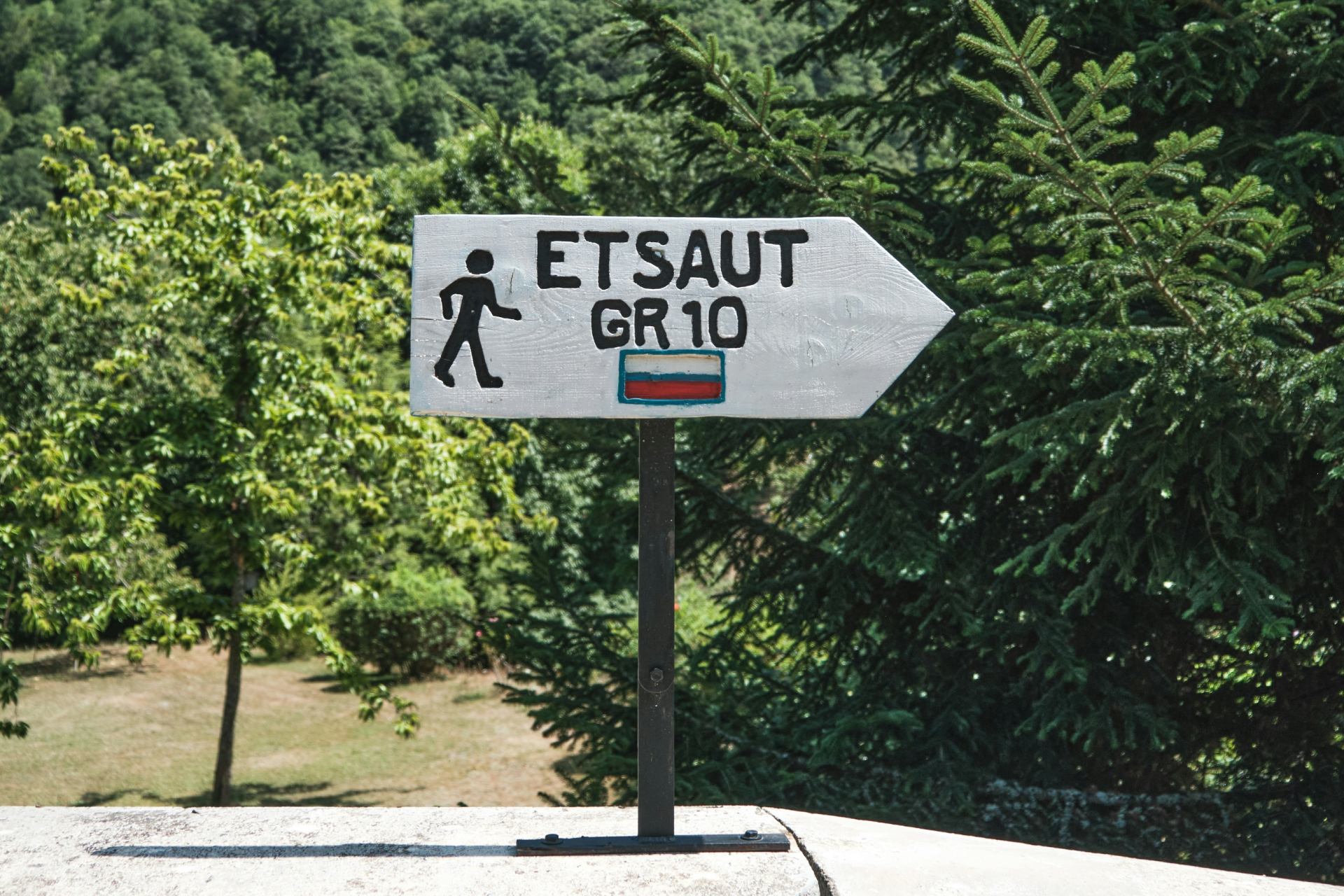
Why Walk the GR10 Basque Section?
The GR10’s Basque section is where the famous trans‑Pyrenean trail first lifts its feet from the Atlantic and begins to thread through green ridges, white‑washed villages, and a culture that feels both resolutely French and stubbornly, proudly Basque. It is also, in my opinion as someone who lives nearby in Bayonne and hikes these paths every season, the most intimate stretch of the entire GR10.
Unlike the high, austere granite of the central Pyrenees, the Basque section is all about human‑scaled mountains: hills grazed by pottok ponies, ridges traced by prehistoric stone circles, and farmhouses selling cheese from the back door. This is where a “long‑distance trail” feels like a string of conversations – with shepherds, with café owners, with fellow walkers – stitched together by spectacular views.
If you’re looking for a 7–14 leg itinerary for the GR10 Basque Section, this guide lays out several options, from a one‑week taster to a full two‑week immersion. I’ll walk you through the best places to visit in the GR10 Basque Section, the must‑see attractions, and the little hidden gems that most walkers stride straight past.
In 2026–2027, the Basque GR10 is better way‑marked and better served by local buses and shuttles than ever, yet it still feels like a quiet world of its own. If you’ve ever dreamt of a journey that is at once a hike, a cultural deep dive, and a slow‑travel pilgrimage between sea and mountains, this is it.
1. Overview of the GR10 Basque Section
The GR10 is the famous red‑and‑white‑blazed trail that runs from Hendaye on the Atlantic to Banyuls‑sur‑Mer on the Mediterranean. The Basque section covers roughly the westernmost 200 km, from Hendaye to the high‑karst plateau above La Pierre Saint‑Martin and on towards Lescun, where the Basque green slowly yields to the jagged limestone of the Béarn.
This guide focuses on the stretch from Hendaye to Lescun, which I’ve broken into 14 legs that can easily be re‑combined into a 7 leg itinerary for the GR10 Basque Section, or stretched to an 8, 9, 10, 11, 12, 13, or 14 leg itinerary depending on your fitness and appetite for long days.
Character of the route:
- Terrain: rolling green hills, steep but mostly non‑technical ascents, occasional rocky ridges, high‑pasture traverses.
- Altitude: from sea level to around 2,000 m (La Pierre Saint‑Martin area).
- Way‑marking: generally excellent red‑and‑white GR blazes, plus local signs and cairns on the more remote sections.
- Difficulty: moderate. Daily ascents of 800–1,400 m are common; the challenge is cumulative over many days.
- Atmosphere: a mix of coastal light, deep green valleys, stone villages, and a living Basque culture of language, music, and food.
If you’re used to thinking of “road trips,” imagine this as a road trip on foot. Instead of fuel stops, you’re watching for fountains and épiceries; instead of highway bends, it’s the signature passes and cols: Col d’Ibardin, Col des Veaux, Crêtes d’Iparla, Col d’Organbidexka, Holzarte, La Pierre Saint‑Martin.
2. Recommended 7–14 Leg Itineraries for the GR10 Basque Section
Over the years (my first full crossing was in 2012; my most recent re‑walk was in autumn 2025), I’ve tried the Basque GR10 in all sorts of configurations. The good news: there isn’t just one “right” way. Here’s how I’d think about a 7–14 leg itinerary in 2026.
2.1 Fast but Full: 7 Leg Itinerary for the GR10 Basque Section
For strong walkers who want the full Hendaye–Lescun experience in one week:
- Leg A: Hendaye → Ascain
- Leg B: Ascain → Ainhoa
- Leg C: Ainhoa → Bidarray
- Leg D: Bidarray → Saint‑Jean‑Pied‑de‑Port
- Leg E: Saint‑Jean‑Pied‑de‑Port → Logibar
- Leg F: Logibar → Sainte‑Engrâce
- Leg G: Sainte‑Engrâce → Lescun (via La Pierre Saint‑Martin)
Expect 8–10 hour walking days and minimal detours. This is the 7 legs of the GR10 Basque Section for hikers who like to push.
2.2 Balanced Adventure: 10 Leg Itinerary for the GR10 Basque Section
This is what I recommend most often to friends: a comfortable 10 leg itinerary that allows for long lunches and a few side trips.
- 1: Hendaye → Biriatou
- 2: Biriatou → Ascain
- 3: Ascain → Sare/Ainhoa (via La Rhune)
- 4: Ainhoa → Bidarray
- 5: Bidarray → Saint‑Étienne‑de‑Baïgorry
- 6: Saint‑Étienne‑de‑Baïgorry → Saint‑Jean‑Pied‑de‑Port
- 7: Saint‑Jean‑Pied‑de‑Port → Esterençuby
- 8: Esterençuby → Logibar
- 9: Logibar → Sainte‑Engrâce
- 10: Sainte‑Engrâce → Lescun (via La Pierre Saint‑Martin)
This setup also adapts easily to an 8 leg itinerary (by combining 1+2, 3+4, or 9+10), a 9 leg itinerary, or expanded to an 11–14 leg itinerary by splitting the longer mountain days.
2.3 Slow & Savouring: 12–14 Legs of the GR10 Basque Section
If you have two weeks and want time for long café stops, village markets, and an occasional rainy‑day rest:
- Follow the 14 legs detailed in this guide (Hendaye–Lescun), or
- Pick a 12 leg itinerary by combining a couple of the easiest days (for instance Biriatou–Ascain and Ascain–Sare).
The detailed leg‑by‑leg stories below are written with this slower style in mind, because that’s how I mostly walk it nowadays.
3. Detailed Leg‑by‑Leg Journey (14 Legs)
What follows isn’t just logistics; it’s my own stitched‑together story of many crossings, most recently in late spring 2025. Times are approximate, but the moods and little discoveries are real. I’ve included things to do in the GR10 Basque Section on each leg, plus family‑friendly, romantic, and adventurous angles where they fit.
Leg 1 – Hendaye to Biriatou: From Atlantic Foam to Basque Green
Distance: ~12 km | Ascent: ~600 m | Time: 4–5 hours
I like to start the GR10 Basque Section early enough in the morning that Hendaye’s beachfront is still half‑asleep. In 2025, I set off just after 7 a.m., when joggers and dog walkers had the promenade mostly to themselves and the cafés were only just setting out their chairs.
You begin on pavement, following the Bidassoa estuary, with Spain just across the water. There’s something ceremonial about that first red‑and‑white blaze: in front of you, 900 km of trail; behind you, the ocean’s flat horizon. I always stop at the water’s edge, touch my boots to the Atlantic, and quietly promise myself to take my time.
The path leaves the town quickly, skirting villas and then entering the first chestnut woods. Before long, you’re climbing. It’s not yet dramatic – just a steady pull, with the sea slowly dropping away. On clear days, the view back to Hendaye’s long beach and the twin rocks of Les Deux Jumeaux is already fantastic, and you can see why this is one of the best places to visit in the GR10 Basque Section if you only have a day.
Biriatou itself is a quiet village stacked on a hillside, all white walls and red timbers, with the church tower dominating. I still remember arriving here on my first crossing, sunburnt and slightly stunned that a mere half‑day had taken me from Atlantic bustle to deep‑village calm.
Things to do & see:
- Bidassoa estuary views: Take the riverside path a few hundred metres off the GR10 near the start to watch fishing boats and, often, early‑morning mist.
- Village of Biriatou: The churchyard offers a surprisingly sweeping view of the valley and motorway far below – your silent goodbye to “normal” travel infrastructure.
Food & drink: In Hendaye, I always fuel up with a grand crème and a slice of Basque cake (gâteau basque) at a beachfront café before starting. In Biriatou, there’s usually at least one bar‑restaurant open in season; it’s the sort of place where the menu is short, the chips are hot, and the axoa (veal stew) is better than it has any right to be.
Family‑friendly? Absolutely, as a day‑hike. Younger kids might need time on the ascent, but the distance is manageable and the sense of leaving the sea for the hills is very tangible. If you’re doing the full GR10 Basque Section road trip itinerary on foot as a family, this is the most forgiving leg.
Tips: Start hydrated; there are fountains but they’re spread out. The motorway noise is briefly present, but don’t let it discourage you – it disappears quickly, and with it, most of the world’s urgency.
Leg 2 – Biriatou to Ascain: Smugglers’ Paths and First Ridges
Distance: ~16 km | Ascent: ~900 m | Time: 6–7 hours
This leg is where the Basque GR10 starts to feel like a world apart. You’re now fully into smugglers’ country, with paths once used (and still occasionally used) to ferry goods across the French‑Spanish border. The GR10 mostly keeps to the French side, but the sense of walking a frontier is strong: you’re never far from a border stone or a fence.
From Biriatou, the trail pulls up to the first proper ridge. I’ve had days here where the clouds rolled up from Spain like slow surf, and others when the view stretched from the Atlantic to the far inland mountains. The terrain is classic Basque: green, grazed, and alive with the sound of bells.
One of my favourite moments on this leg came in June 2023, when I detoured slightly to follow a shepherd’s track. A man in a beret (yes, they still exist) waved me over, handed me a slice of fresh sheep’s cheese, and we stood silently looking at the sea. Eventually he said, “Ikusten duzu? Hemen hasten dira mendiek.” – “You see? The mountains start here.”
The descent into Ascain is longer than it looks on the map, but the reward is a lively village with a proper square, cafés, and a strong sense of Basque identity. In summer 2026 there will again be weekly Basque dance performances on the main square, usually on Thursday evenings.
Things to do & see:
- Border stones: Keep an eye out for engraved stones marking the frontier. They’re an easy conversation starter if you meet local walkers.
- Ascain village: The church interior, with its multi‑tiered wooden galleries, is a beautiful example of Basque religious architecture.
Food: Ascain is known among locals for its txistorra (spiced sausage) and a few excellent bakeries. I have a ritual: arrive, drop my pack at the gîte, and order a plate of pipérade (pepper‑tomato scramble) with a glass of light Irouléguy wine.
Romantic angle: Ascain makes a lovely overnight for couples. Book a small guesthouse with a garden view of La Rhune, share a bottle of local wine, and plan the next day’s climb together.
Tips: On hot days, this leg can feel exposed: wear a sunhat and carry more water than you think you need. The ridge wind can be fierce in spring and autumn; a light shell is essential even if the coast looked calm when you left Hendaye.
Leg 3 – Ascain to Sare & La Rhune: The Classic Basque Icon
Distance: ~18 km (via La Rhune) | Ascent: ~1,100 m | Time: 7–8 hours (shorter if you use the train)
No matter how many times I do it, the silhouette of La Rhune makes my heart lurch slightly. This isolated summit, crowned by masts and a couple of souvenir cafés, is as close to a Basque “holy mountain” as it gets. It’s also where the GR10 Basque Section first gives you a 360‑degree panorama worthy of the phrase “must‑see attraction.”
The trail from Ascain weaves up through forests, then open slopes. You’ll share it with locals out for a Sunday stroll, hardcore trail runners, and tourists in sneakers. That’s part of the charm: La Rhune is democratic. On my last visit, I ended up in an impromptu multi‑lingual picnic with a retired couple from Bordeaux, a young Basque family, and two Spanish hikers who had come up from the other side.
Family‑friendly option: Take the heritage rack railway from Col de Saint‑Ignace up to the summit and either walk down partway or simply enjoy the views. In 2026, trains are scheduled daily from April to early November, weather permitting. It’s a brilliant way to give kids a taste of the GR10 atmosphere without the full ascent.
From the summit, the GR10 descends towards Sare, another impossibly pretty Basque village that, unlike Ascain, feels a touch sleepier. I often stay in Sare rather than pressing on to Ainhoa, simply because the late‑afternoon light on the village square, with people playing pelote basque against the fronton, feels like a scene from an old film.
Things to do & see:
- La Rhune summit loop: Wander away from the crowded terrace for a quieter spot among the rocks, where pottok ponies graze and vultures circle overhead.
- Sare caves (Grottes de Sare): A short taxi or shuttle ride from the village takes you to these atmospheric caves with guided tours. Great on a rainy or overly hot afternoon.
Food: The summit cafés are touristy but surprisingly decent for a quick omelette or sandwich. In Sare, look for gateau basque filled with black cherry – the region’s signature version. One of my best dinners on the trail was a simple platter of local charcuterie, cheese, and a bowl of garbure (thick soup) in a family‑run inn here.
Adventurous variant: Strong hikers can bypass the train area and use steeper variants on La Rhune’s flanks, but in fog, navigation can be tricky. Stick to the GR10 if the weather turns.
Tips: La Rhune can be socked in by cloud even when Sare is sunny. Check the summit webcam (usually linked from local tourism sites) before deciding whether to add the climb to your day. In high season, book accommodation in Sare a day or two ahead – 2026 is expected to be busy.
Leg 4 – Sare to Ainhoa: Chapels, Cider, and Borderlands
Distance: ~11 km | Ascent: ~450 m | Time: 3–4 hours
After the exertions of La Rhune, the short hop from Sare to Ainhoa feels almost like a rest day – and that’s exactly how I treat it. I linger over coffee in Sare, chat with the baker about the weather’s impact on cherry harvests, and only start walking mid‑morning.
The GR10 undulates gently through meadows and small woods, occasionally flirting with the border. You’ll pass chapels perched on hilltops, where locals still go for village pilgrimages. If the door is open, step inside; they’re plain but moving, with ex‑voto plaques and wood‑carved saints.
Ainhoa itself is a Plus Beaux Villages de France – one of the officially “most beautiful villages.” On my 2025 crossing, I arrived during a small village festival and was immediately roped into a cider tasting under the plane trees. Basque cider is less fizzy and more sour than the Breton or Norman kind; it pairs brilliantly with local sheep’s cheese.
Things to do & see:
- Notre‑Dame‑d’Ainhoa chapel: A short, well‑signed detour up from the village offers great views back over the valley and towards Spain.
- Ainhoa main street: Take time to notice the lintel inscriptions above doorways – a lot of local history is carved there.
Food: This is a good place to splurge on a slightly nicer dinner: several small restaurants in Ainhoa pride themselves on showcasing local food in the GR10 Basque Section – think trout from mountain streams, lamb from nearby farms, and those cherries in every form from chutney to dessert.
Romantic angle: Ainhoa is made for slow evenings. If you’re doing the GR10 Basque Section as a couple, this is where I’d recommend upgrading to a room with a view and taking a pre‑sunset stroll up to the chapel.
Tips: Because the day is short, this is a logical leg to combine if you’re compressing into an 8 leg itinerary for the GR10 Basque Section. But if you can, resist: the village deserves a full afternoon and evening.
Leg 5 – Ainhoa to Itxassou: Cherry Valleys and River Gorges
Distance: ~18 km | Ascent: ~800 m | Time: 6–7 hours
This leg feels like an extended ode to the Nive valley. Leaving Ainhoa, you climb through more open country, then descend towards orchards and the sound of water. The landscape becomes a patchwork: cherry trees, maize fields, and the winding threads of rivers.
Itxassou is famous locally for its black cherries, and in late May or June, the scent around the orchards is subtly sweet. I once timed an entire GR10 crossing to hit cherry season here; it was worth it. On that 2022 walk, I arrived on market morning and watched as local women arranged cherries in perfect, glistening pyramids.
The GR10 itself skirts the village, but it’s absolutely worth dropping down to cross the old stone bridge and wander the streets. The river gorge nearby, Pas de Roland, is a short, family‑friendly side trip – a narrow defile where, legend says, Charlemagne’s knight Roland cut a passage with his sword.
Things to do & see:
- Pas de Roland: Easy riverside walk; ideal if you arrive early and still feel like stretching your legs.
- Cherry products: Try cherry jam, liqueur, or even savoury cherry sauces used with duck or pork.
Food: Every time I’m in Itxassou, I buy a jar of cherry jam for my pack and then regret the extra weight for the next two days – but never enough to stop. Boulangeries here are well‑stocked with sandwiches and pastries suitable for the next leg.
Family‑friendly? The terrain is fine for older kids used to walking. The river and cherry angle make it a fun day if you’re doing partial sections by car: you can drive into Itxassou and walk bits of the GR10 out‑and‑back.
Tips: In hot weather, plan your day so you’re near the river at peak heat; there are safe paddling spots. Always ask locals before swimming properly, as currents and water levels vary.
Leg 6 – Itxassou to Bidarray: The Nive and the First Big Climb
Distance: ~16 km | Ascent: ~1,000 m | Time: 6–7 hours
For many walkers, this is the first day when the GR10 Basque Section feels properly mountain‑like. You leave the comforting embrace of the Nive and begin a steady ascent towards more dramatic ridges.
After some gentle riverbank walking, the trail kicks up, and you’ll gain height through a mix of farm tracks and grassy slopes. The reward is a series of viewpoints back over the Nive valley. I have a favourite lunch spot up here: a flat rock with just enough space for two, overlooking the snaking river and the red roofs of villages lined along it.
Bidarray itself is small but lively in season, thanks partly to the white‑water rafting scene on the Nive. This makes it one of the more unexpectedly dynamic best stops on the GR10 Basque Section. In summer evenings, the bar terrace fills with guides and clients swapping stories.
Things to do & see:
- Rafting & canyoning: If you’ve built in an extra day, this is a classic place for an adventure break. Several companies run Nive descents from April to October.
- Church & bridge: The old stone bridge across the river offers a perfect framing of the village and hills; great at golden hour for photography.
Food: Expect hearty, walker‑oriented fare: stews, grilled meats, and generous portions. I’ve had some of my most satisfying post‑hike meals here, simply because the appetite after that 1,000 m ascent is immense.
Adventurous angle: Use Bidarray as your base for extra half‑day scrambles on the surrounding peaks if you’re pausing the GR10 for a while. The Crêtes d’Iparla are waiting just beyond.
Tips: If you’re stringing this into a 9 leg itinerary for the GR10 Basque Section, consider combining Itxassou–Bidarray with Ainhoa–Itxassou only if you’re very fit; otherwise, you’ll arrive too tired to enjoy Bidarray’s riverfront charm.
Leg 7 – Bidarray to Saint‑Étienne‑de‑Baïgorry: High Pastures of Iparla
Distance: ~20 km | Ascent: ~1,200 m | Time: 7–9 hours
This is, to my mind, one of the must‑see attractions in the GR10 Basque Section: the traverse of the Crêtes d’Iparla. If you only have time for one big day in the Basque GR10, make it this one. The ridge is long, narrow, and dramatic, dropping steeply into Spain on one side and France on the other.
Every time I walk Iparla, the weather shows me a different personality. In 2017 I crossed in fierce sunshine, heat shimmering off the rocks, the path busy with day‑hikers. In 2020, it was a moody, cloud‑ragged day, and I had the ridge almost to myself, the sound of bells muffled in mist.
The ascent from Bidarray is a solid workout, but once on the ridge, you’re rewarded with big‑sky walking. Vultures often ride the thermals here at eye level. The sense of walking a true frontier is palpable: the imaginary line between two countries feels very thin when you can see so far into both.
The descent to Saint‑Étienne‑de‑Baïgorry is long and knee‑testing, but you drop back into a world of vines and stone houses. The village is a centre of the Irouléguy wine region, and a glass of something red and local tastes particularly earned after an Iparla day.
Things to do & see:
- Summit of Pic d’Iparla: A short detour off the main ridge path gives an extra sense of achievement and a panoramic photo point.
- Wine tasting in Baïgorry: Several nearby producers offer tastings; ask at your accommodation for the most walker‑friendly options.
Food: This is lamb country. If you see agneau de lait (milk‑fed lamb) on the menu, order it. Pair with red Irouléguy and you’ve essentially eaten the landscape you’ve just walked through.
Adventurous angle: In strong winds or thunderstorms, the Iparla ridge can be dangerous – fully exposed. Always check forecasts; there are lower variants but they lose much of the drama.
Tips: Start early. This is one leg where you truly don’t want to be caught on the ridge in mid‑afternoon storms, which are more common in July–August. For a 10 leg itinerary, some walkers split this day with a wild‑camp near the ridge (where permitted) – unforgettable starry skies if you get a clear night.
Leg 8 – Saint‑Étienne‑de‑Baïgorry to Saint‑Jean‑Pied‑de‑Port: Pilgrim Crossroads
Distance: ~22 km | Ascent: ~900 m | Time: 7–8 hours
This day feels like a cultural hinge. You’re still firmly on the GR10, but your destination, Saint‑Jean‑Pied‑de‑Port, is the major French starting point for the Camino de Santiago (Camino Francés). The energy in the streets there is quite different from the quieter GR10 villages – more international, more backpackers with scallop shells and wide‑eyed anticipation.
The walk itself rolls across hills and passes, with more vineyard views and the occasional farm selling cheese or sausage at the gate. I like to stop at any farm sign that reads “Fromage de Brebis” and ask if they can spare a half‑wheel; more often than not, they’re delighted to sell to passing walkers.
Arriving in Saint‑Jean‑Pied‑de‑Port after several days in smaller hamlets feels almost metropolitan. The walled old town, the cobbled main street, and the constant trickle of pilgrims checking into albergues make for superb people‑watching.
Things to do & see:
- Citadel walk: Climb up to the old citadel above the town for a sunset view over the rooftops and hills.
- Pilgrim office: Even if you’re not walking the Camino, peek in; the volunteer staff are usually happy to chat about routes and weather.
Food: Saint‑Jean has the widest range so far on the GR10 Basque Section: pizzerias, bistros, pilgrim menus, and wine bars. I tend to seek out the smaller, slightly away‑from‑main‑street places where locals actually eat – ask your host or a shopkeeper.
Romantic angle: Spend two nights here if you can: one arrival evening, one full day to wander the ramparts, share a leisurely lunch, and soak up the sense of journeys beginning and ending.
Tips: In peak Camino season (May–September), book accommodation well ahead. If you’re using Saint‑Jean as a logistics hub (rest day, laundry, resupply), know that 2026 will see a small outdoor gear shop expansion – a blessing if you need last‑minute poles or gas canisters.
Leg 9 – Saint‑Jean‑Pied‑de‑Port to Esterençuby: Into the Wilder Valleys
Distance: ~15 km | Ascent: ~700 m | Time: 5–6 hours
Leaving Saint‑Jean behind, the GR10 swings back towards quieter valleys. This is one of those legs that can feel almost anticlimactic after the lively town – but it’s exactly what many walkers crave: a return to birdsong and the crunch of boots on dirt.
The path climbs steadily through a mix of woodland and pastures. On my 2025 traverse, a light rain set in as I left town, and by the time I reached the higher slopes, mist faded the world into shades of green and grey. I remember the bell of a solitary cow sounding almost like a metronome in that soft fog.
Esterençuby is tiny, straddling the confluence of rivers, but it has a couple of very walker‑friendly guesthouses. It’s not a place you’d come to by accident; it exists almost purely for those who choose these side valleys deliberately.
Things to do & see:
- River confluence: Walk down to where the streams meet; in summer, it’s a refreshing paddle spot.
- Evening sky: Far from city lights, the stars here are vivid. If it’s clear, step outside after dinner and just look up.
Food: Expect simple but generous portions. I’ve had some excellent trout here, pan‑fried with garlic and parsley, served with potatoes and a view of the river through the window.
Tips: Use Esterençuby to reset: do laundry in the sink, repack, check weather for the more remote sections ahead. Phone signal can be patchy; download offline maps in Saint‑Jean if you rely on them.
Leg 10 – Esterençuby to Phagalan/Egurgui: Frontier Ridges
Distance: ~20 km | Ascent: ~1,200 m | Time: 7–8 hours
From here on, the GR10 Basque Section feels increasingly remote. The leg towards the frontier huts at Phagalan or Egurgui (depending on your exact variant and overnight choice) is a long, steady climb into high pasture country and ridges that form the border with Spain.
It’s one of my favourite stretches for the silence alone. On a calm day, all you hear is wind in the grass and the occasional snort of horses. On my 2021 walk, I shared a section of trail with a Spanish shepherd moving his flock; we walked mostly in companionable silence, exchanging only the odd comment about the weather.
Accommodation here is sparse; some walkers wild‑camp (where legal and respectful), others aim for simple shepherds’ cabins or mountain refuges that may be unguarded. Check updated 2026 information in Saint‑Jean or Esterençuby; facilities and rules do change.
Things to do & see:
- Border markers & views: The sense of walking the spine between two countries is strong; on a clear day you can trace ridges far into both France and Spain.
- Wildlife: Look for griffon vultures, kites, and sometimes wild boar signs. Dawn and dusk are the best times.
Food: This is a self‑catering leg. Stock up in Esterençuby and carry enough for dinner and breakfast. I usually bring couscous, chorizo, and a small hunk of hard cheese – light, durable, and morale‑boosting.
Adventurous angle: This is where the GR10 starts to feel like a mini‑expedition. Weather can change fast; fog and storms are serious here. Navigational competence (map, compass, GPS) is more important than earlier on the trail.
Tips: If you’re structuring an 11 legs of the GR10 Basque Section itinerary, you might split this long day into two by using a mid‑route wild‑camp spot. Check local regulations: in 2026, Basque departments are tightening some wild‑camping rules near popular ridges.
Leg 11 – Phagalan/Egurgui to Logibar (Larrau): Descent to the Gorges
Distance: ~18 km | Ascent: ~600 m | Time: 6–7 hours
The mood shifts again as you begin to drop towards the dramatic gorges around Larrau and Logibar. The day undulates – a mix of small climbs and long descents, the landscape becoming more carved and vertical as you go.
I remember arriving at Logibar on a stormy afternoon in 2019, thunder grumbling over the ridges, the first heavy drops just starting to fall. The auberge’s stone walls and the smell of something rich and meaty from the kitchen felt like an embrace. This is one of those classic GR10 refuges where you feel that walkers have been welcomed for generations.
Things to do & see:
- Gorge viewpoints: Short signed detours lead to overlooks above the deep gorges; be cautious in wet weather, as rocks can be slick.
- Larrau village: If you have energy, detour up to Larrau proper for a quick look at this perched mountain village.
Food: The Auberge de Logibar (or equivalent, depending on 2026 operating names) is known for satisfying, traditional mountain dishes. I still think about a particular plate of garbure followed by lamb with beans I had here after a long, wet day.
Tips: Book ahead in high season; the combination of GR10 walkers and visitors to the nearby Holzarte bridge makes beds scarce. This is a good place to pause for a rest or to reorganise before the big gorge crossing.
Leg 12 – Logibar to Sainte‑Engrâce: Holzarte Bridge and Deep Canyons
Distance: ~14 km (via Holzarte) | Ascent: ~800 m | Time: 5–6 hours (more with photo stops)
This leg features one of the most iconic man‑made structures on the entire GR10 Basque Section: the Holzarte suspension bridge. Spanning a dizzying gorge, it’s both a tourist magnet and, if you catch it early or late in the day, a wonderfully wild experience.
Leaving Logibar, you climb steeply through forest to reach the bridge. The first glimpse of it, strung high above the gorge, is always slightly surreal. I’ve crossed it in all moods of weather; my favourite was a cool, bright morning in 2024, when the light slanted into the gorge and mist clung to the walls below.
Beyond Holzarte, the GR10 continues through a spectacular but sometimes demanding landscape of limestone cliffs and deep ravines, eventually leading you towards Sainte‑Engrâce, a tiny hamlet famous for its Romanesque church and nearby caves.
Things to do & see:
- Holzarte bridge: Arrive as early as possible to avoid day‑tripper crowds. If you’re afraid of heights, go slowly; the view down into the gorge is staggering.
- Sainte‑Engrâce church: One of the most beautiful small churches in the region, with intricate stonework and a profoundly peaceful interior.
Food: Options are limited; book half‑board if you can. I’ve had simple but excellent home‑cooked meals here: soups, stews, and cheese platters that taste of the surrounding hills.
Family‑friendly? Holzarte as a standalone hike from Logibar is popular with families (with care on the bridge and edges). As part of the full GR10 leg, the distance and elevation are better for older or very trail‑savvy kids.
Tips: In wet conditions, the gorge paths can be treacherous; poles are helpful. In 2026, some sections may have temporary closures for maintenance after winter storms – always check local notices in Logibar before committing.
Leg 13 – Sainte‑Engrâce to La Pierre Saint‑Martin: Into the High Karst
Distance: ~18 km | Ascent: ~1,200 m | Time: 7–8 hours
This is where the Basque GR10 leans fully into the high mountains. The climb from Sainte‑Engrâce to the La Pierre Saint‑Martin plateau is long and steady, but it takes you into an entirely different world: a landscape of limestone pavements, sinkholes, and scattered pines.
I first reached this area in 2012 under banks of cloud and felt slightly underwhelmed. On my 2023 revisit, with a deep blue sky and fierce sun, I finally understood why so many cavers and geologists are obsessed with it. The karst landscape feels almost lunar in places, with snow patches lingering late into the season.
La Pierre Saint‑Martin is also a small ski resort, which means that out of winter you’re walking among a strange mix of wild karst and man‑made infrastructure: chairlifts, piste markers, and the odd closed café. In recent years, summer operations have improved, with more consistent opening of a couple of restaurants and accommodation options in July–August.
Things to do & see:
- Karst walks: Short, signed loops around the plateau showcase sinkholes and viewpoints. Stay on marked paths; the terrain can be deceptive.
- Caving tours: Adventure companies sometimes offer guided trips into non‑technical caves. Book ahead in high season.
Food: Options are limited and somewhat dependent on ski infrastructure schedules. I tend to carry extra food on this leg and treat whatever is open at La Pierre as a bonus rather than a guarantee.
Adventurous angle: Weather up here is serious: fog, storms, and even late‑spring snowfields. This is where the vehicle suitability question shifts if you think in road‑trip terms: if you were trying to shadow the GR10 by car, you’d need to consider mountain roads, potential snow closures in early season, and the need for proper tyres or even 4x4 in shoulder months.
Tips: This is a key staging point for the transition from Basque to higher Pyrenees. If you’re ending your GR10 Basque Section road trip itinerary here, plan your exit transport carefully – buses are limited outside the winter ski season, though 2026 is slated to see slightly improved summer connections to Oloron‑Sainte‑Marie.
Leg 14 – La Pierre Saint‑Martin to Lescun: Gateway to the Higher Pyrenees
Distance: ~20 km | Ascent: ~700 m | Descent: ~1,400 m | Time: 7–8 hours
The final leg of the GR10 Basque Section is one of the most visually rewarding. From the karst plateau, you traverse and then descend towards the famous Cirque de Lescun, a natural amphitheatre of limestone peaks that signals the beginning of the higher Pyrenees proper.
The first time I dropped into Lescun, in 2012, I arrived in late afternoon with sore knees and a slightly frayed mood after a long descent. Then the clouds lifted just enough for a shaft of light to hit the peaks above the village, and I remember thinking: “I could live here.”
The village itself is stone‑built, compact, and quietly proud. It’s not Basque – culturally, we’re now in Béarn – but it still feels like a natural end to the Basque section: a place where the green softness of the west gives way to the jagged drama of the central chain.
Things to do & see:
- Village wander: Walk the lanes at dusk; each turn frames the cirque peaks differently.
- Short local hikes: If you’re resting here before continuing the GR10 east, there are several half‑day circuits with big views.
Food: Expect Béarnais flavours creeping in: garbure, duck, cheeses, and hearty mountain fare. I often end my Basque section with a small celebration dinner here: a glass of Jurançon wine and whatever the house speciality is that evening.
Romantic angle: Lescun is a beautiful place to end a shared journey. Book a room with a balcony or terrace if you can; the sunrise and sunset on the cirque are unforgettable.
Tips: Buses from Lescun to Oloron‑Sainte‑Marie are limited; in 2026 they’re expected to run once or twice daily in season. Consider pre‑booking a taxi if you’re on a tight schedule for trains or onward travel.
4. 18 Key Stops & Viewpoints on the GR10 Basque Section
Many of the major stops are already woven into the leg descriptions above, but here’s a focused look at at least 18 of the most prominent route stops and viewpoints, with extra historical and cultural notes – plus some personal anecdotes and hidden gems in the GR10 Basque Section.
1. Hendaye Beach & Bidassoa Estuary
Hendaye’s 3‑km beach is unusual in the Basque coast: long, sandy, and gently shelving, making it one of the safest swimming spots for families. Historically, the Bidassoa has been a strategic frontier; today, the vibe is more relaxed. I like to arrive a day early and swim at sunset, watching the hills I’ll soon be crossing turn blue in the evening light.
2. Biriatou Church & Viewpoint
The fortified church of Biriatou dates back centuries, its cemetery filled with Basque discoidal stelae – traditional carved gravestones. From here, you look down on the highway and border infrastructure below, a stark contrast to the timelessness of the village.
3. Ascain Fronton & Village Square
The fronton is the heart of any Basque village; in Ascain, it’s particularly lively. On summer evenings, locals play pelote basque while cafés spill onto the square. As a visitor, you’re welcome to watch; just respect the game and avoid wandering onto the court.
4. La Rhune Summit
At 905 m, La Rhune isn’t huge, but its isolation gives it outsized views: Atlantic, Basque coast, inner hills. In WWII it was a key crossing point for refugees; plaques on the summit commemorate this less‑known history.
5. Sare Village & Pelote Court
Sare’s architecture – white houses with red or green timbers – is textbook Basque. The village has a strong tradition of smugglers and resistance fighters, stories you’ll hear if you linger in the bars and listen.
6. Notre‑Dame‑d’Ainhoa Chapel
This hilltop chapel, reached via a short climb from Ainhoa, has been a pilgrimage site for centuries. On clear days, you get a perfect sense of the GR10’s westward start and eastward continuation.
7. Pas de Roland, Itxassou
The rock arch over the Nive is linked to Charlemagne’s legendary knight Roland. Whether or not he actually swung his sword here, the gorge is impressive and a classic family outing for locals from Bayonne and beyond.
8. Nive Riverbank near Bidarray
The Nive is the lifeline of this part of the Basque country. I often sit on its banks in the evening in Bidarray, feet dangling over the water, listening to the mix of Basque and French in the conversations around me.
9. Crêtes d’Iparla Ridge
This long, narrow ridge has been a border and a passage since prehistoric times. Archaeological remains indicate ancient routes; today, it’s one of the signature high‑pasture traverses of the GR10 Basque Section.
10. Saint‑Étienne‑de‑Baïgorry & Irouléguy Vineyards
Terraced vineyards climb improbably steep hillsides here. The Irouléguy AOC is one of France’s smallest wine regions. I find the wines muscular yet elegant – a fitting parallel to the hills themselves.
11. Saint‑Jean‑Pied‑de‑Port Citadel & Gate
The citadel, built in the 17th century, crowns the town. Walk its ramparts at dusk to see the red tile roofs glow. This is the classic postcard view that often ends up in articles about “cultural experiences in the GR10 Basque Section.”
12. Esterençuby River Confluence
It’s a small thing, but I love watching two streams meet here – a physical reminder of how all these valleys feed ultimately into the Atlantic. Trout flick in the shallows at dusk.
13. High Pastures near Phagalan/Egurgui
These undulating high meadows, dotted with horses and sheep, are where you feel furthest from roads and shops. Old stone shelters and border markers speak of centuries of transhumance and smuggling.
14. Gorge Viewpoints above Larrau
The gorges here are deeply incised, with vertical walls that catch the light dramatically. I’ve spent long breaks just watching shadows move across the rock faces.
15. Holzarte Suspension Bridge
Built in the 1920s to serve logging operations, today it’s one of the region’s most photographed structures. The drop is around 150 m; if you’re sensitive to heights, walk in the middle and don’t look straight down.
16. Sainte‑Engrâce Romanesque Church
The church is an extraordinary survival from the 11th–12th centuries, with sculpted capitals and a solid, almost fortress‑like feel. It’s a place where even chatty walkers tend to fall quiet.
17. La Pierre Saint‑Martin Karst Plateau
Under your feet here is one of Europe’s great cave systems. The surface looks barren at first glance, but look closer: alpine flowers wedge themselves into cracks, and swallows skim above sinkholes.
18. Lescun & Cirque Viewpoint
Above the village, short paths lead to benches or rocks with full cirque views. I’ve spent hours here on layover days, just watching light and cloud play across the peaks.
5. Eating & Sleeping Along the GR10 Basque Section
One of the joys of this trail is that you’re rarely far from local food in the GR10 Basque Section. Even in wilder stretches, you’re never more than a couple of days from a hot meal and a real bed.
5.1 Types of Accommodation
- Gîtes d’étape: Simple hikers’ hostels, often dormitory style, usually with half‑board available. Expect shared bathrooms, hearty food, and convivial evenings.
- Chambres d’hôtes: B&Bs offering private rooms, breakfast, sometimes dinner. Great for couples or anyone needing more privacy mid‑trip.
- Small hotels/inns: In larger villages like Saint‑Jean‑Pied‑de‑Port or Ascain, you’ll find small hotels with more facilities.
- Mountain refuges & huts: Basic, sometimes unguarded; carry your own food and possibly stove in the higher sections.
- Camping: Official campsites in some villages (Hendaye, around Saint‑Jean, near Lescun) plus limited wild‑camping where legal and discreet.
5.2 Signature Dishes & What to Order
- Axoa: Minced veal (or sometimes beef) stew with peppers and onions. Best in inland villages like Baïgorry.
- Pipérade: Pepper, tomato, and onion base often served with eggs or meat; a Basque staple.
- Fromage de brebis: Sheep’s cheese, often served with black cherry jam – the simplest and best dessert.
- Gâteau basque: Almond or custard (or cherry) filled cake; each bakery guards its recipe.
- Irouléguy wine & Basque cider: Local drinks that pair beautifully with the above.
5.3 Planning Meals & “Fuel Stops”
I think of village stops like fuel stations in a road trip. My rhythm:
- Breakfast: Coffee, bread, jam at your gîte; top up with a pastry in village bakeries when you can.
- Trail lunch: Bread, cheese, cured sausage, fruit; occasionally a picnic bought in a supermarket in Saint‑Jean or Hendaye.
- Dinner: Half‑board where possible; it simplifies logistics and supports local hosts.
Always carry at least one spare full day of food in the more remote central legs (Esterençuby–La Pierre Saint‑Martin). Shops close early or unexpectedly; in 2026 Sunday opening is still limited in small villages.
5.4 Budgeting
Per person, per day, in 2026 (rough estimates):
- Shoestring (camping/self‑catering): €35–€50
- Comfortable (mix of gîtes & half‑board): €60–€90
- Indulgent (private rooms, restaurant meals): €100–€150+
Cash is still useful: while card payments are increasingly accepted, some small gîtes and farmstays remain cash‑only.
6. Evenings on the GR10 Basque Section
Evenings are when this trail really gets under your skin. The walking is done; boots are off; conversations start.
6.1 Village Nights
In places like Ascain, Sare, Ainhoa, Saint‑Jean‑Pied‑de‑Port, Lescun, evenings centre on the square or main street. Kids play around the fronton, older people chat in Basque on benches, and hikers compare blisters over beer.
My routine: shower, short stroll through the village, then a drink on a terrace where I can watch life unfold. In Ainhoa in 2025, I ended up chatting with an elderly local who had never left the region; by the end of the night, I felt I’d been given a masterclass in micro‑history.
6.2 Bars, Live Music & Local Culture
In summer, you’ll often stumble across:
- Traditional music nights: Accordions, voices, sometimes impromptu dancing in village squares.
- Basque choirs: Church or hall performances; emotionally powerful even if you don’t understand the words.
- Small festivals: Local fêtes with food stalls and dancing – check notice boards in each village.
6.3 Star‑Camping & Quiet Nights
On high‑pasture nights (around Egurgui, above Larrau, near La Pierre Saint‑Martin), the absence of light pollution is striking. If you’re camping or staying in a basic refuge, step out after dark with a warm layer and let your eyes adjust. On clear nights, the Milky Way is obvious; I’ve seen more shooting stars here than anywhere else in the Pyrenees.
6.4 When to Push On vs. When to Linger
My personal rule: never rush past a village where something is clearly happening. If you hear music or see a fête being set up, consider staying. Some of my most memorable GR10 evenings have been the ones I hadn’t planned for – like the chestnut festival in a valley hamlet one rainy October, where I ended up roasting chestnuts over a barrel fire with strangers.
7. Day Trips & Nearby Attractions from the GR10 Basque Section
If you’re shadowing the GR10 by car or taking strategic rest days, there are great things to do near the GR10 Basque Section that don’t involve a full pack.
7.1 Bayonne & Biarritz (from Hendaye/Ascain)
How to get there: Train from Hendaye to Bayonne/Biarritz (30–45 min), or drive (~45–60 min).
What to do: Explore Bayonne’s old town and cathedral; sample chocolate and ham; dip into Biarritz’s surf culture and coastal walks.
7.2 Caves of Sare & Zugarramurdi (from Sare)
How: Local shuttles or taxis; short drives.
What: Atmospheric caves with guided tours; Zugarramurdi in Spain is linked to historic witch trials and has a museum.
7.3 Rafting the Nive (from Bidarray)
How: Book with local rafting companies in Bidarray.
What: 2–3 hour descents suitable for active families and beginners; great way to cool off after hot hiking days.
7.4 Irouléguy Wine Route (from Saint‑Étienne‑de‑Baïgorry or Saint‑Jean)
How: Car or bike.
What: Visit several vineyards, taste reds, rosés, and whites, and learn how steep‑slope viticulture works here.
7.5 Caves & Gorges of Sainte‑Engrâce
How: On foot from village or short drive if you’re road‑tripping.
What: Guided cave systems, gorge viewpoints, and easy walks for rest days.
8. Cultural Etiquette & Local Customs
Walking the GR10 Basque Section is as much a cultural experience as a physical one. A few customs and courtesies go a long way.
8.1 Language
- Basque (Euskara): You’ll hear it widely spoken; many place names are Basque.
- French: The main language for services; English is less common in rural areas.
Learn a few basics:
- Kaixo – Hello
- Eskerrik asko – Thank you
- Agur – Goodbye
- Bonjour, Merci – French basics, always appreciated
8.2 Trail Manners
- Greetings: Always say hello when passing others (Bonjour or Kaixo).
- Gates & fences: Leave them as you found them; they’re crucial for livestock management.
- Private property: Much of the trail crosses private land; respect signs and don’t wander off track near farm buildings.
8.3 In Villages & Gîtes
- Shoes: Remove boots at the door when asked; often slippers are provided.
- Meals: Dinner is usually at a set time; be punctual and don’t start without others.
- Noise: Quiet hours in gîtes start early; many walkers rise at dawn.
8.4 Religious & Cultural Sites
- Churches & chapels: Dress modestly, speak quietly, remove hats inside.
- Festivals: Ask before taking close‑up photos of participants; join respectfully if invited, but don’t assume.
9. Practical Logistics & Travel Advice for the GR10 Basque Section (2026–2027)
9.1 Getting There & Away
- Start (Hendaye): Direct trains from Paris (TGV via Bordeaux), regional trains from Bayonne/Biarritz; bus connections from Biarritz airport.
- End (Lescun/La Pierre Saint‑Martin): Limited buses to Oloron‑Sainte‑Marie, then trains to Pau/Bayonne. Taxis fill gaps; book ahead in season.
9.2 Direction: West→East or East→West?
I strongly recommend walking west to east for the Basque section:
- Symbolic: Atlantic to higher peaks feels like a natural progression.
- Fitness: You build up gradually to longer, tougher legs.
- Views: Sun mostly at your back in the mornings.
9.3 Seasons & Weather
- Best overall: Late May–June, September–early October.
- July–August: Warmer, busier; afternoon storms more common in mountains.
- Winter: Snow and ice above ~1,200 m; sections near La Pierre Saint‑Martin not suitable for regular hiking.
By activity:
- Family‑friendly short walks: Spring and autumn; cooler, fewer crowds.
- High‑pasture traverses (Iparla, La Pierre): Late June–September, when snow is gone.
- Cultural festivals: Many village fêtes in July–August; Bayonne festivals late July.
9.4 Transport Along the Route
- Public buses: Link some valleys (Hendaye–Ascain region; Saint‑Jean‑Pied‑de‑Port area). Timetables shift annually; check 2026 schedules locally.
- Taxis: Useful for skipping or shortening legs; numbers are usually posted in gîtes.
- Car rental: Available in Hendaye, Bayonne, Biarritz, Pau. If you’re doing a GR10 Basque Section road trip itinerary, note that parking in small villages can be tight; respect signed areas.
- Vehicle suitability: Regular cars are fine; 4x4 only needed for more remote tracks (not required for standard village‑to‑village access).
9.5 SIM Cards & Connectivity
- SIM options: Orange, SFR, Bouygues all work; Orange tends to have the best coverage in remote valleys.
- eSIM: Many providers now offer French eSIMs that can be activated on arrival.
- Signal: Good in towns; patchy or absent in higher, more remote sections (Esterençuby–La Pierre Saint‑Martin).
9.6 Money & Saving Tips
- ATMs: In Hendaye, Ascain (sometimes), Saint‑Jean‑Pied‑de‑Port, occasionally Baïgorry; not in tiny hamlets.
- Save money by:
- Choosing half‑board in gîtes (usually cheaper than separate restaurant meals).
- Picnicking for lunch with supermarket supplies from Hendaye or Saint‑Jean.
- Sharing taxi transfers with other walkers when needed.
9.7 Visas & Entry Requirements
- Schengen Area: France is part of Schengen; many nationalities can stay up to 90 days in any 180‑day period without a visa (check your own country’s rules).
- Passport: Must be valid for at least 3 months beyond your planned departure and issued within the last 10 years (for many travellers).
9.8 Driving Licences & Road Rules (for Road‑Trip Variants)
- Foreign licences: Most non‑EU licences are accepted if in Latin alphabet; some nationalities may need an International Driving Permit – check before travel.
- Speed limits: 50 km/h in towns, 80–90 km/h on secondary roads, 110–130 km/h on motorways (as signed).
- Alcohol: Strict drink‑driving limits; if you’re enjoying Irouléguy wine, walk back to your lodging.
9.9 Safety, Breakdowns & Rescue
- Emergency number: 112 (EU‑wide).
- Mountain rescue: Provide clear location (GPS if possible), number of injured, and nature of injuries.
- Vehicle breakdowns: On main roads, call rental company or 112; on minor roads, locals are often very helpful but mobile signal may be limited.
9.10 Seasonal Closures & Trail Conditions
- Snow: Possible above ~1,500 m until late May or even June near La Pierre Saint‑Martin.
- Storms: Afternoon thunderstorms common in July–August; start early and aim to be below ridges by mid‑afternoon.
- Trail maintenance: After major weather events, some sections may be rerouted; always respect local signage.
9.11 Hidden Tips Only Locals Mention
- Fountains: Many villages have safe drinking fountains; ask locals if in doubt.
- Market days: Time your nights to coincide with markets in Saint‑Jean‑Pied‑de‑Port or Hendaye; they’re wonderful for resupply and people‑watching.
- Shoulder season: Late September–early October often has glorious weather and far fewer walkers, though some gîtes may close – call ahead.
- Quiet corners: Even in busy places like La Rhune or Holzarte, walk 5–10 minutes beyond the main viewpoint and you’ll often find solitude.
10. Upcoming Events & Trail News 2026–2027
As of early 2026, a few developments are worth noting for anyone planning a travel guide style trip to the GR10 Basque Section:
- GR10 Way‑marking Refresh (2026–2027): Local hiking clubs are undertaking a repaint and sign audit between Hendaye and Saint‑Jean‑Pied‑de‑Port. Short, temporary detours may be in place; check town tourist offices.
- La Rhune Railway Upgrades (2026): Planned maintenance in early spring; full operation expected from late April to early November, with more frequent summer departures.
- Festivals:
- Fêtes de Bayonne (late July 2026 & 2027): Giant street festival in nearby Bayonne – worth a side trip before or after your GR10 time.
- Local village fêtes: Expect Ainhoa, Ascain, Sare, and Bidarray to hold annual summer festivals; dates vary but are usually posted early in the year.
- Sustainable Tourism Initiatives: In 2026, several GR10 villages (notably Ainhoa and Saint‑Jean‑Pied‑de‑Port) are introducing new recycling points and guidelines to reduce trail litter and packaging waste.
11. Summary & Final Recommendations
The GR10 Basque Section is, in many ways, the most human part of the Pyrenees: a long, green thread connecting sea and mountains, villages and high pastures, Basque and Béarn. Whether you choose a 7 leg itinerary to power through from Hendaye to Lescun or a 14 legs of the GR10 Basque Section plan that lets you savour each square, chapel, and fronton, you’ll find a journey that’s as much about people as about peaks.
Key takeaways:
- Best seasons: Late May–June and September–early October for ideal balance of weather and crowds.
- Highlights not to miss: La Rhune, Ainhoa & its chapel, Pas de Roland, Crêtes d’Iparla, Saint‑Jean‑Pied‑de‑Port, Holzarte bridge, La Pierre Saint‑Martin, and Lescun’s cirque.
- For food lovers: Plan extra time in Ainhoa, Baïgorry, and Saint‑Jean‑Pied‑de‑Port; seek out small, family‑run places.
- For families: Base around Hendaye, Ascain/La Rhune, Itxassou, and Bidarray for manageable day‑hikes and river fun.
- For romantics: Slow evenings in Ainhoa, Sare, Saint‑Jean‑Pied‑de‑Port, and Lescun are hard to beat.
- For adventurers: Ridge days on Iparla and frontier sections near Egurgui, plus side trips into caves and gorges, deliver the drama.
After more than a decade of walking and re‑walking the GR10 Basque Section, what stays with me isn’t just the views – though those are generous – but the texture of days: the bell of a distant flock, the cool of a fountain in a hot village square, the murmur of Basque conversations drifting out of a bar at night. If you give this trail the time it deserves, it will quietly, insistently, become part of you.