Why Visit Hautvillers?
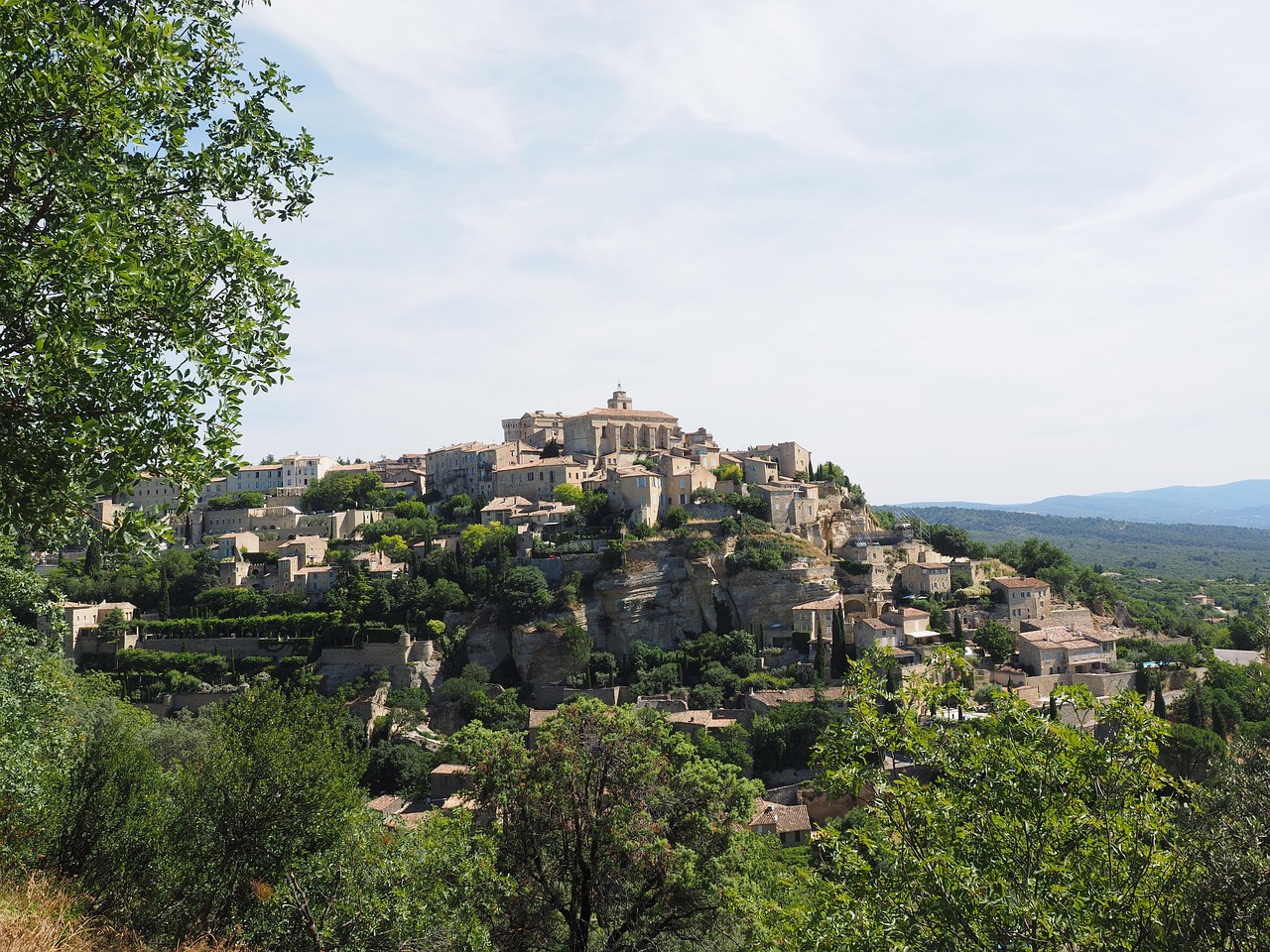
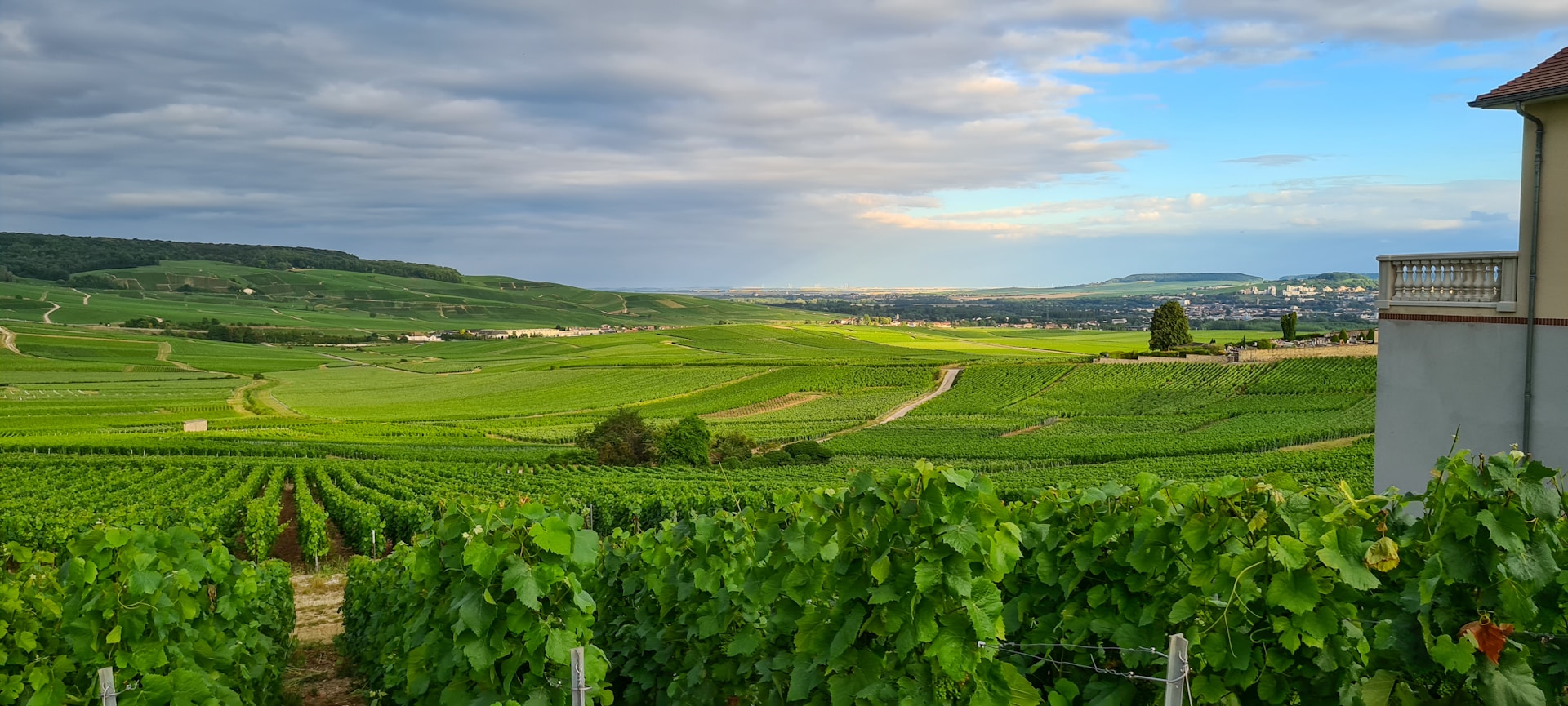
Hautvillers is not a city of skyscrapers and neon; it’s a hilltop village of slate roofs, wrought-iron signs, and rolling vineyards that shimmer in shades of green and gold. It’s officially tiny—just a few streets and around 800 residents—but its story changed the world. This is where Dom Pérignon, a Benedictine monk, refined the methods that would turn Champagne into the world’s most famous sparkling wine.
I’ve been coming to Hautvillers for more than a decade—sometimes for work as a travel writer, sometimes to decompress after Paris. Every time, I’m struck by the same feeling: this place is unhurried. Even in high season you’ll see more tractors than tour buses, and in the evenings the loudest sound is usually clinking glasses on a terrace facing the vines.
Hautvillers is perfect if you want:
- A romantic, slow-travel escape with sunsets over vineyards and candlelit dinners.
- Family-friendly days of easy walks, picnics in the vines, and low-stress exploration.
- Wine-centered adventures with cellar visits, tastings at small grower-producers, and cycling through the Champagne hills.
- Cultural depth—centuries-old abbey ruins, evocative church art, and the story of Champagne’s birth.
If you’re researching a 3 day itinerary for Hautvillers or planning 4 or 5 days in Hautvillers as a base for exploring Champagne, this guide gathers everything I’ve learned over multiple visits: the must-see attractions, hidden gems, etiquette in Champagne houses, local food, transportation, and practical travel tips for Hautvillers for 2026–2027.
Table of Contents
- Why Visit Hautvillers
- Overview of Hautvillers in 2026
- Neighborhoods & Areas to Explore
- Top 20 Attractions & Hidden Gems
- Suggested Itineraries (3, 4 & 5 Days in Hautvillers)
- Local Food & Drink
- Nightlife & Cultural Experiences
- Events & Festivals 2026–2027
- Day Trips from Hautvillers
- Practical Travel Advice for Hautvillers
- Summary & Best Time to Visit
Hautvillers in 2026: What to Expect
In 2026, Hautvillers feels both timeless and gently refreshed. A few new wine bars and guesthouses have opened in renovated stone houses, and walking paths through the vineyards are better signposted than ever. Yet the village still shuts early, children still cycle down the main street after school, and tractors still trundle by the church.
Hautvillers sits just above the Marne River, about 10 minutes’ drive from Épernay, the “Capital of Champagne.” Many travelers base in Épernay or Reims and pop up to Hautvillers for an afternoon. My strong recommendation: do the opposite. Base yourself in Hautvillers for 3–5 days, then dip into the cities. You’ll wake up to birds and vine rows instead of traffic.
By 2026, Champagne tourism has rebounded well, but Hautvillers is still calmer than the grand Avenue de Champagne in Épernay. Booking tastings in advance is now more important, especially on weekends and during harvest (September–October), but you can still find spontaneous hospitality at small family estates, especially during weekdays.
Neighborhoods & Areas to Explore in and around Hautvillers
Hautvillers is compact, but each corner has a different feel. I tend to mentally divide it into a few “mini-neighborhoods” that help shape a 3–5 day itinerary for Hautvillers.
1. Village Center (Rue de l’Église & Surroundings)
This is the postcard part of Hautvillers: stone houses, slate roofs, and the famous wrought-iron signs that hang above doors and windows. Each sign tells a story—grapes for a winemaker, a shoe for a former cobbler, a book for a teacher. I love walking this area just after sunrise when delivery vans supply the bakery and the streets belong to residents.
The center is where you’ll find the main church, a few tasting rooms, restaurants, a small épicerie (grocery), and the tourist office.
2. The Abbey Quarter & Vineyard Edge
On the edges of the village, the houses thin out and the vineyards begin. The former Abbaye Saint-Pierre d’Hautvillers dominates a gentle slope above the vines. Paths radiate outward from here into the hills—these are my favorite spots to watch the light change at the end of the day.
3. Lower Slopes toward the Marne
Below the village, narrow lanes snake down toward the Marne valley. Here you’ll find working wineries, farm buildings, and sometimes surprisingly modern cellars tucked behind old façades. A couple of viewpoints along these lanes give some of the best views of Hautvillers and the river.
4. Surrounding Vineyards & Forest
Beyond the immediate vineyards are gentle forests and trails that connect Hautvillers to neighboring villages like Cumières, Champillon, and Dizy. If you’re planning 4 or 5 days in Hautvillers, these paths are ideal for easy hikes, picnics, and cycling routes that link tastings in several villages without much traffic.
Top 20 Attractions & Hidden Gems in Hautvillers
These are the must-see attractions in Hautvillers plus a few I’ve fallen in love with over repeat visits. I’ve included history, significance, and personal tips for each.
1. Abbaye Saint-Pierre d’Hautvillers (Former Abbey of Dom Pérignon)
The old Abbey of Saint Peter is the spiritual heart of Hautvillers and the reason most wine lovers come here. Founded around the 7th century, it became world-famous thanks to Dom Pierre Pérignon, the cellarer monk whose work in the late 17th and early 18th centuries shaped the Champagne we know today.
My first visit here was on a misty October morning. I remember the smell of damp stone as I walked into the church, the hush so deep I could hear my own footsteps. In a side chapel, a simple black marble slab marks the tomb of Dom Pérignon—humble, considering his legacy.
Today, the abbey buildings belong mainly to Moët & Chandon, and large parts are not open for free wandering, but the church is accessible and there are occasional guided visits (often in French) that let you step into the cloister area.
- What to do: Visit the church, pay respects at Dom Pérignon’s tomb, admire the mix of Gothic and later additions, and step outside for sweeping vineyard views.
- Best time: Early morning or late afternoon; tour groups are rare but local worshippers come on Sundays.
- Tip: Dress modestly—it’s an active church. If you want more history, ask at the tourist office about current guided-tour schedules inside the former abbey grounds.
2. Église Saint-Sindulphe
Technically part of the abbey complex, the parish church of Saint-Sindulphe is where the village’s everyday spiritual life still happens. Its interior is modest but atmospheric—whitewashed walls, stained glass that scatters soft color, and carved wood that creaks underfoot.
On my second trip, I attended a small Sunday mass here, not understanding every word but feeling completely welcomed. Afterward, a couple of locals insisted I join them for coffee and a croissant at the café across the street. That’s how I learned half the village gossip in a single morning.
- What to notice: The carved wooden choir stalls, the plaques dedicated to winemakers lost in wars, and the simple altar near Dom Pérignon’s stone.
- Family-friendly: Yes; children are generally welcomed, but keep noise low during services.
3. Dom Pérignon Viewpoint & Panoramic Terrace
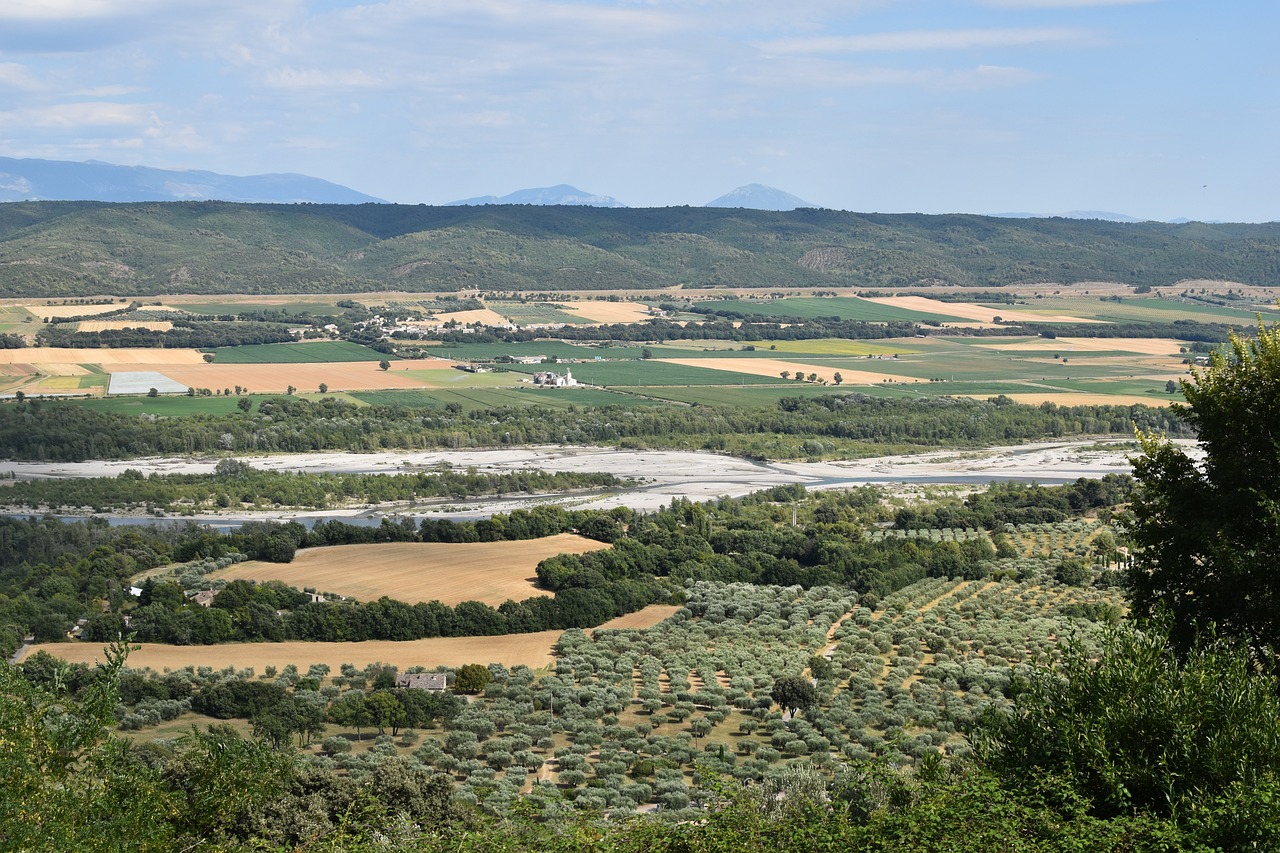
Just a short stroll from the abbey, a panoramic terrace offers one of the finest views over the Champagne vineyards and the Marne valley. A discreet statue and plaque honor Dom Pérignon, but the real star is the landscape. You’ll see neat rows of vines curling down toward the river and tiny trains hauling grapes during harvest.
I like to bring a takeaway coffee and a croissant here in the morning, or a half-bottle of local Champagne and plastic flutes at sunset. On clear days, the light is almost unreal—golden, soft, and perfect for photography.
- Best time: Sunset for romance, early morning for photography.
- Tip: It can get windy; bring a light jacket outside of high summer.
4. The Wrought-Iron Signs of Hautvillers
One of Hautvillers’ most charming features is its collection of ornate wrought-iron signs (enseignes) hanging above many houses and shops. Originally, they indicated professions for an often-illiterate population; now they’re also a kind of open-air art gallery.
On my third trip, I set myself a silly challenge: photograph every unique sign. I failed—the village has more than you think—but I did notice details I’d always walked past before: a tiny cluster of grapes here, a monk there, a champagne flute balanced at a playful angle.
- How to enjoy: Turn your stroll into a treasure hunt. Kids love spotting different motifs.
- Photography tip: Late afternoon side light makes the metalwork pop against the stone façades.
5. Village Champagne Houses & Grower-Producers
Hautvillers is dotted with small Champagne producers—often family-run maisons that have tended vines for generations. Visiting them is one of the most authentic cultural experiences in Hautvillers. Instead of high-gloss branding, you often get a cellar tour with the owner, a dog underfoot, and tastings poured in their own kitchen or small salon.
I’ve had some of my favorite Champagne moments here: comparing vintages with a retired winemaker who still can’t stay out of the cellar, or tasting a rare single-vineyard cuvée only sold to regulars. Each house has its style; some focus on crisp, mineral-driven wines, others on rich, barrel-aged cuvées.
- What to expect: Tasting fees (often modest) and the chance to buy bottles at cellar-door prices.
- Etiquette: Booking ahead is increasingly expected; be clear if you plan to buy or are mainly there to learn.
- Tip: Choose 2–3 producers per day; more and your palate (and head) will be overloaded.
6. Vineyard Walking Paths around Hautvillers
The hills around Hautvillers are laced with gentle paths that wind between parcels of vines, patches of forest, and small shrines. They’re perfect if you want something active yet relaxed—no serious hiking gear needed.
On one memorable July afternoon, I followed a waymarked loop that started near the abbey and dipped through the vines toward Cumières before looping back through the forest. The air smelled faintly of chalk and warm leaves, and at one point I stopped, utterly alone, with nothing but birdsong and the faint clank of bottles from a distant cellar.
- Family-friendly: Yes; routes can be as short as 1–2 hours with gentle slopes.
- Seasonal tip: During harvest (vendanges), be respectful of workers and tractors; give them right of way.
7. Hautvillers–Champillon Ridge Viewpoints
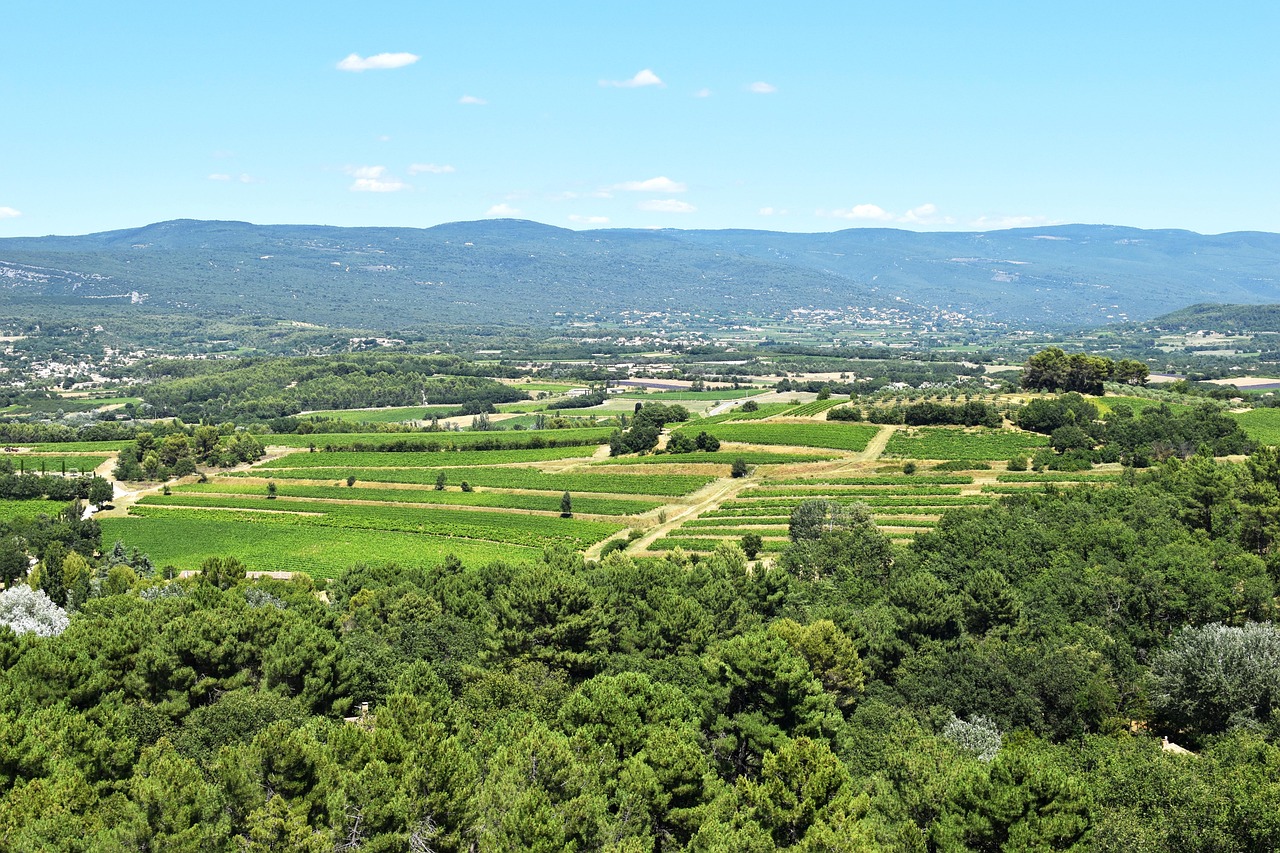
The ridge road between Hautvillers and Champillon is one of my favorite short drives or bike rides in Champagne. It rides the crest of the hills, with vineyards dropping away on both sides and the Marne valley spread out below.
On a spring visit, I parked at a small pull-off, spread out a picnic of baguette, local cheese, and a half-bottle, and watched the clouds drag shadows slowly across the vines. It felt like sitting in a natural amphitheater, with the landscape performing in slow motion.
- Best for: Scenic drives, cycling, picnic stops, photography.
- Tip: If you’re cycling, this ridge can be breezy; bring a light windbreaker.
8. Hautvillers Cemetery & Vineyard Edge
It might sound odd to list a cemetery as an attraction, but in French villages, cemeteries are part of the cultural fabric. Hautvillers’ small cemetery sits by the vineyards, with simple stone crosses bearing familiar local surnames that also appear on Champagne labels.
I’ve walked here at dusk, reading names and dates, noticing how many families have farmed these slopes for generations. It’s a quiet, contemplative place with a beautiful view over the vines—worth a respectful visit if you’re interested in local history.
9. Artisan & Gourmet Shops in the Village
Hautvillers isn’t a shopping destination in the big-city sense, but it has a handful of charming artisan and gourmet shops: a wine shop focusing on small producers, local honey and jam sellers, and occasional pop-up craft boutiques.
One rainy afternoon, I ducked into a tiny shop just off the main square and ended up chatting with the owner about her family’s recipes for ratafia (a local fortified wine). I left with a bottle, plus jars of Champagne-infused mustard that made my suitcase smell delicious all the way home.
- What to buy: Small-producer Champagne, ratafia, honey, mustard, and local biscuits like biscuits roses de Reims.
- Tip: Ask which producers are from the immediate village; it’s a nice way to support ultra-local makers.
10. The Marne Riverbank (Cumières & Dizy)
Down in the valley, the Marne River curves past villages like Cumières and Dizy, just a short drive or bike ride from Hautvillers. The riverbank paths here are flat, peaceful, and ideal for easy family walks or picnics.
On a hot August day, I rented a bike in Épernay, followed the river past Cumières, and stopped under a poplar tree to watch barges slide by. Fishermen sat quietly on folding chairs, and the only real decision I had to make was whether to open my picnic bottle of Champagne before or after a nap.
- Activities: Walking, cycling, riverside picnics, occasional boat tours (check seasonal schedules).
- Family-friendly: Very; paths are flat and safe with supervision.
11. Rural Chapels & Wayside Shrines
Sprinkled among the vineyards and at crossroads, you’ll notice small chapels and shrines—sometimes just a statue of the Virgin Mary tucked into an alcove, sometimes a full little chapel used for local processions.
On an evening walk, I once stumbled onto a small gathering of locals lighting candles at one of these shrines. It wasn’t a tourist event; it was just village life, and I quietly kept my distance, grateful for the glimpse into their traditions.
- Etiquette: Be discreet, especially if people are praying. Photos are fine, but avoid flash and respect privacy.
12. Harvest Season (Vendanges) in Hautvillers
If your 3, 4, or 5 day itinerary for Hautvillers overlaps with harvest (usually early September to early October, depending on the year), you’ll see the village at its busiest—and most fascinating. Temporary signs appear directing trucks, pickers gather at dawn, and the air smells of crushed grapes near pressing centers.
I once stayed here during an early September harvest and woke up each morning to the sound of laughter and clippers in the vines. Producers are busy and visits may be more rushed, but the energy is electric.
- Tip: Book accommodation and tastings well ahead. Don’t walk through vines actively being harvested without permission; it’s a workplace first.
13. Village Restaurants & Bistros
For a village of its size, Hautvillers punches above its weight in food. Expect hearty French country cooking with Champagne twists: dishes cooked with the local wine, creamy sauces, and excellent cheese boards.
My favorite evenings are the unpretentious ones: sitting on a terrace with a carafe of local wine, a plate of jambon de Reims, and a bubbling dish of gratin dauphinois. Nothing fancy, everything comforting.
- Reservation tip: In 2026, booking is strongly recommended for Friday–Sunday nights, especially during high season and harvest.
14. Contemporary Wine Bars & Tasting Lounges
In the last few years, a new wave of wine bars has arrived in Hautvillers and nearby villages. These places pour curated flights of Champagne—often from small growers all over the region—alongside simple tapas-style plates.
One rainy spring evening, I sat at a high table in a small bar as the owner lined up three different blanc de blancs from neighboring villages. Tasting them side by side, with his commentary about soils and microclimates, was like a mini masterclass.
- Best for: Casual evenings, exploratory tastings, meeting other travelers and locals.
15. Sunset Spots above the Vines
Hautvillers sits on a west-facing slope, which means sunsets can be spectacular. There are several informal spots where locals gather with a bottle and plastic cups to watch the sky turn pink and orange over the Marne.
My go-to location is a little turnout along a vineyard lane just outside the village, where you can sit on the low stone wall. I’ve watched couples propose here, families playing card games on blankets, and solo travelers like me simply staring at the view, lost in thought.
- Romantic: Extremely. Pack a chilled bottle and some snacks.
16. Local Fêtes & Village Celebrations
Hautvillers hosts small-scale fêtes that don’t always make international listings but are very much worth catching if you’re in town. Think wine-themed events, markets with local producers, and occasional music evenings in the square.
One year, I stumbled into a small summer fête with live accordion music, long communal tables, and simple plates of grilled sausages and fries. By the end of the night, everyone was singing along to songs I didn’t know, and someone had convinced me to try dancing badly to musette.
17. Champagne Education Tastings & Workshops
Several producers and wine bars in and around Hautvillers now offer structured tastings and short workshops in English and French. These are perfect if you want to go beyond “I like this” and understand why.
I once joined a two-hour session on Champagne styles where we compared non-vintage, vintage, rosé, and blanc de noirs, with maps and soil samples on the table. It completely changed how I read Champagne labels and plan tastings.
- Good for: Wine enthusiasts, couples, and even curious teens (with non-alcoholic options).
18. Self-Guided Architecture & History Walk
Beyond the big-name sights, Hautvillers rewards slow, observant wandering. The architecture ranges from humble stone cottages to more elaborate maisons de maître with iron balconies and carved lintels.
With a simple map from the tourist office, I once spent an afternoon following a suggested walking route, stopping frequently to admire door knockers, carved dates above doors, and little details like heart-shaped cutouts in shutters.
- Tip: Look for dates carved into keystones—some houses predate many New World countries.
19. Cycling Routes Linking Hautvillers to Épernay & Beyond
If you like gentle cycling, Hautvillers is a dream. Quiet vineyard lanes connect the village to Épernay, Aÿ-Champagne, Dizy, and Cumières. Electric bikes make the hills accessible even if you’re not in Tour de France shape.
On my last visit, I rented an e-bike for a full day and did a loop: Hautvillers → Cumières → Épernay → Dizy → back up to Hautvillers. I stopped at two producers, had lunch on Avenue de Champagne, and still had energy left for a sunset glass back in the village.
- Family-friendly: With older kids and helmets, yes. Stick to signed routes and avoid main roads.
20. Forest Trails above the Vineyards
Above the vine-covered slopes is a belt of forest that offers shade in summer and fiery foliage in autumn. Trails here are quieter than the vineyard paths and feel wilder, with birds, mushrooms after rain, and occasional deer.
One crisp November day, I walked a loop that started in the vines and climbed into the woods. Leaves crunched underfoot, and when I emerged at a clearing, the entire valley was laid out beneath a veil of fog. It was one of those unexpectedly magical travel moments that stay with you.
Suggested Itineraries: 3, 4 & 5 Days in Hautvillers
These itineraries blend the best places to visit in Hautvillers with nearby Champagne highlights. Adjust based on your interests and how many tastings you want per day.
3 Day Itinerary for Hautvillers
If you have 3 days in Hautvillers, you can enjoy the essentials without rushing: the abbey, village life, a couple of Champagne houses, and one city excursion.
Day 1 – Arrive, Settle In & First Toast in the Vines
I like to time my arrival for late morning. After checking into a guesthouse (many are in renovated stone houses with vineyard views), I drop my bags and head out for a slow orientation walk.
- Morning: Stroll the village center, visit Église Saint-Sindulphe and Dom Pérignon’s tomb, then wander down toward the panoramic terrace.
- Lunch: Choose a village bistro for your first taste of local food in Hautvillers—think salad with goat cheese, charcuterie, or a daily plat du jour.
- Afternoon: Pre-book a visit at a nearby grower-producer for a cellar tour and tasting. Ask about their family history; many love sharing it.
- Evening: Grab a half-bottle and head to a sunset viewpoint. Dine in the village and turn in early; Champagne days are surprisingly full.
Day 2 – Champagne Immersion & Vineyard Walks
This is your day to dive deeper into Champagne culture.
- Morning: Vineyard walk on a marked trail. Bring water, a hat, and your camera.
- Midday: Picnic among the vines (respect property—use public paths and designated spots).
- Afternoon: Another tasting, perhaps at a different style of producer—try someone focusing on organic or biodynamic methods.
- Evening: Casual dinner and maybe a stop at a wine bar. If you’re not too jet-lagged, stay out to watch the stars; village light pollution is low.
Day 3 – Épernay or Reims Day Trip
On your third day, dip into one of the Champagne cities.
- Option A: Épernay (10–15 minutes by car): Walk Avenue de Champagne, tour a major house (Moët & Chandon, Mercier, etc.), and have lunch in town.
- Option B: Reims (35–45 minutes by car): Visit Reims Cathedral (UNESCO), explore the historic center, and maybe tour another large house.
- Evening: Return to Hautvillers for a final dinner and quiet walk through the lamplit streets.
4 Day Itinerary for Hautvillers
With 4 days in Hautvillers, you can slow down further and add more nature or deeper Champagne exploration.
Day 4 – Forest Trails & Hidden Shrines
Use your extra day to explore the forest above the vineyards and seek out some of the wayside chapels.
- Morning: Forest hike starting from the edge of the village. Pack snacks and layers.
- Afternoon: Free time for shopping, a nap, or a spontaneous additional tasting.
- Evening: Try a slightly more upscale dinner—this is your “splurge” night.
5 Day Itinerary for Hautvillers
If you can manage 5 days in Hautvillers, you’ll truly settle into village rhythm. This is my favorite pace: slow mornings, focused tastings, and room for serendipity.
Day 5 – Cycling the Marne & Neighboring Villages
Dedicate your last day to exploring the wider area by bike or car.
- Morning: Rent a bike (or e-bike) and follow the ridge or river routes through Cumières, Dizy, and possibly Aÿ-Champagne.
- Lunch: Riverside picnic or restaurant in one of the neighboring villages.
- Afternoon: Last tasting or coffee in Épernay before making your way back up to Hautvillers.
- Evening: One final glass on a terrace, planning your return visit.
Local Food & Drink in Hautvillers
The Champagne may be the star, but the food in and around Hautvillers is deeply satisfying—rustic, seasonal, and often surprisingly affordable if you know where to look.
What to Eat in Hautvillers
- Jambon de Reims: A local pressed ham, often served in terrine form, delicious with mustard and bread.
- Andouillette de Troyes: A strongly flavored tripe sausage for adventurous eaters; when well-made, it’s a regional classic.
- Coq au Champagne: A twist on coq au vin, using Champagne in the sauce for a lighter, aromatic dish.
- Chaource & Langres: Soft cow’s milk cheeses from nearby regions, perfect with a glass of fizz.
- Biscuits Roses de Reims: Pink biscuits traditionally dipped into Champagne (yes, really).
Where to Eat: Personal Favorites
Names of specific restaurants can change, but the pattern remains: one or two traditional bistros in the village center, a more gastronomic option nearby, and casual wine-bar food.
- Village Bistro: My go-to for lunch menus around 18–25 € with a starter, main, and dessert. I’ve had everything from simple steak-frites to fish in Champagne sauce here.
- Vineyard-View Restaurant: Slightly pricier but worth it for the terrace overlooking the vines. I love coming here at sunset.
- Wine Bar with Small Plates: Ideal if you want to graze rather than have a full meal—cheese, charcuterie, toast with rillettes, and ever-changing small plates.
Saving Money on Food & Drink
Hautvillers can be as expensive or as budget-friendly as you make it.
- Lunch deals: Opt for the fixed-price lunch menus; dinners are often more expensive for similar dishes.
- Picnics: Buy bread, cheese, and charcuterie from local shops and picnic in designated spots or along public paths.
- Buy at the source: Champagne is often cheaper at the cellar door than in big-city shops.
- Tap water: Perfectly safe; ask for a “carafe d’eau” to avoid being automatically served bottled water.
Nightlife & Cultural Experiences in Hautvillers
Hautvillers is not a nightclub destination; nightlife here is about lingering evenings with good wine and conversation, not dancing till 4 a.m. For that, you’d head to Reims.
Evenings in the Village
- Wine Bars: Open until around 22:00–23:00 on weekends, serving Champagne by the glass and bottle.
- Terrace Dinners: In summer, terraces stay lively late with locals and visitors chatting.
- Quiet Walks: My favorite “nightlife” here: a slow stroll under the streetlamps, listening to the silence.
Cultural Etiquette & Local Customs
Understanding local customs in Hautvillers helps you blend in and show respect.
- Greetings: Always say “Bonjour” (daytime) or “Bonsoir” (evening) when entering a shop or restaurant.
- Language: A few French words go a long way; many in wine tourism speak some English, but don’t assume.
- Tastings: It’s polite to listen to the explanations, not just drink. Spitting is acceptable in professional tastings; in small family settings, many people swallow, but you can ask for a crachoir (spittoon).
- Dress: Smart-casual is fine almost everywhere; avoid very sporty or beachwear in nicer restaurants.
- Children: Generally welcome in restaurants and even some tastings; bring quiet activities for them.
Events & Festivals in 2026–2027
Event dates can shift slightly year to year, so always confirm closer to your trip, but here are typical highlights for 2026–2027:
- Printemps du Champagne (Spring 2026 & 2027): Region-wide tastings and events; some producers near Hautvillers have open days.
- Local Summer Fêtes (June–August): Small village festivals with music, food stalls, and Champagne by the glass.
- Harvest Season (September–October): Not a single event, but an atmosphere—check for open doors, special harvest menus, and vineyard tours focusing on vendanges.
- Christmas Markets (Late November–December): Reims and Épernay host larger markets; Hautvillers sometimes has smaller seasonal events with local producers.
Day Trips from Hautvillers
Épernay
Just down the hill, Épernay is the practical hub for many visitors. Avenue de Champagne is lined with grand Champagne houses, each with deep cellars under the street—some holding millions of bottles.
- Distance: ~7 km (10–15 minutes by car, taxi, or bike).
- Highlights: Major house tours, shops, restaurants, the town hall and gardens.
Reims
Reims is larger, with a stunning Gothic cathedral where French kings were once crowned, plus Roman ruins, museums, and more Champagne houses.
- Distance: ~30–35 km (35–45 minutes by car).
- Highlights: Cathédrale Notre-Dame de Reims, Palais du Tau, Saint-Remi Basilica, Champagne tours.
Aÿ-Champagne
Another charming wine village, known for prestigious producers and steep slopes. Combine it with a bike loop or short drive from Hautvillers.
Other Nearby Villages
Cumières, Dizy, and Champillon are all close enough for half-day explorations, each with its own producers, viewpoints, and village atmosphere.
Practical Travel Advice for Hautvillers
Getting To & Around Hautvillers
- Nearest Major Hubs: Paris (Gare de l’Est) to Épernay or Reims by train (about 1–1.5 hours), then taxi or rental car to Hautvillers.
- Car Rental: Easiest in Épernay or Reims; a car gives you maximum flexibility for visiting producers and viewpoints.
- Public Transport: Limited directly to Hautvillers; expect to use taxis, rideshares (when available), or bikes from Épernay.
- Cycling: Excellent for short distances; consider e-bikes for hills.
SIM Cards & Connectivity
France in 2026 has good mobile coverage in and around Hautvillers, though some vineyard valleys have weaker signal.
- eSIM & Prepaid SIM: Available at major airports, train stations, and in Épernay/Reims. Look for plans from Orange, SFR, or Bouygues.
- Wi-Fi: Most guesthouses and hotels offer free Wi-Fi; speeds are usually adequate for video calls.
Money-Saving Tips
- Travel off-peak: Consider April–early June or late September–November for better rates.
- Choose grower tastings: Smaller producers often charge less than big houses and may waive fees with purchases.
- Self-catering: Rent an apartment or gîte and cook some meals using local ingredients.
- Limit tastings per day: Not just for your head—each tasting fee adds up; choose quality over quantity.
Visa Requirements & Driving Rules
Regulations can evolve, so double-check before traveling, but as of 2026:
- Schengen Zone: Hautvillers is in France, part of the Schengen Area. Many nationalities (including most of Europe, UK, US, Canada, Australia, Japan, etc.) can enter visa-free for short stays (up to 90 days in 180), but may need to complete ETIAS pre-travel authorization once fully implemented.
- Foreign Driver’s Licenses: EU/EEA licenses are accepted. Non-EU visitors (e.g., from the US, Canada, Australia) can typically drive with their home license for short stays; an International Driving Permit (IDP) is recommended and sometimes requested by rental agencies.
- Drink-Driving: France has strict blood alcohol limits (lower than some countries). If you’re tasting, designate a sober driver or arrange taxis.
Best Seasons & What They’re Good For
- Spring (April–June): Vines sprout, crowds are lighter, temperatures mild. Great for walking and a 3 or 4 day itinerary for Hautvillers.
- Summer (July–August): Warm to hot, long evenings, busier but still calmer than big cities. Perfect for family trips and picnics.
- Harvest (Sept–early Oct): Busy and atmospheric; book everything early. Excellent if you’re curious about wine production.
- Autumn (Oct–Nov): Golden vines, cooler temperatures, more introspective. Lovely for photography and slower travel.
- Winter (Dec–March): Quiet, some restaurants may close midweek; cozy if you like fireside tastings and Christmas markets in nearby cities.
Hidden Tips from Repeat Visits
- Plan “empty” time: Don’t overbook tastings; leave space to follow locals’ recommendations that you get along the way.
- Bring a bottle bag: A padded wine travel bag or suitcase insert will save worry if you’re buying Champagne to take home.
- Ask for recommendations: Producers often know each other. If they sense you’re genuinely interested, they may call ahead to another house for you.
- Sunday planning: Many shops and some restaurants close or keep limited hours. Plan ahead for meals and groceries.
Summary: Key Takeaways & Best Time to Visit Hautvillers
Hautvillers may be small, but it holds an outsized place in the world of wine and offers a surprisingly rich travel experience. Whether you’re crafting a 3, 4, or 5 day itinerary for Hautvillers, you’ll find a gentle rhythm of walks through vineyards, intimate tastings at family cellars, and evenings under big skies.
For first-time visitors, I usually recommend:
- 3 days: Enough to see the abbey, taste at a couple of producers, walk among the vines, and do one city day trip.
- 4 days: Adds forest walks, deeper cultural experiences, or more time simply enjoying village life.
- 5 days: Ideal for slow travelers and wine enthusiasts who want to explore neighboring villages and truly unwind.
Overall, the best time to visit Hautvillers is spring (April–June) or autumn (September–October) for comfortable temperatures, vivid landscapes, and lively but not overwhelming tourism. Summer offers the longest days and a laid-back vibe, while winter is for those who prefer quiet lanes and fireside glasses of Champagne.
However and whenever you come, give yourself permission to slow down. In Hautvillers, the real magic is not just in the cellars and church, but in unhurried moments: a conversation with a winemaker, a shared bottle at sunset, a silent morning when the mist still clings to the vines. That’s the Hautvillers I’ve come back to, again and again—and the one I hope you find when you visit in 2026 and beyond.