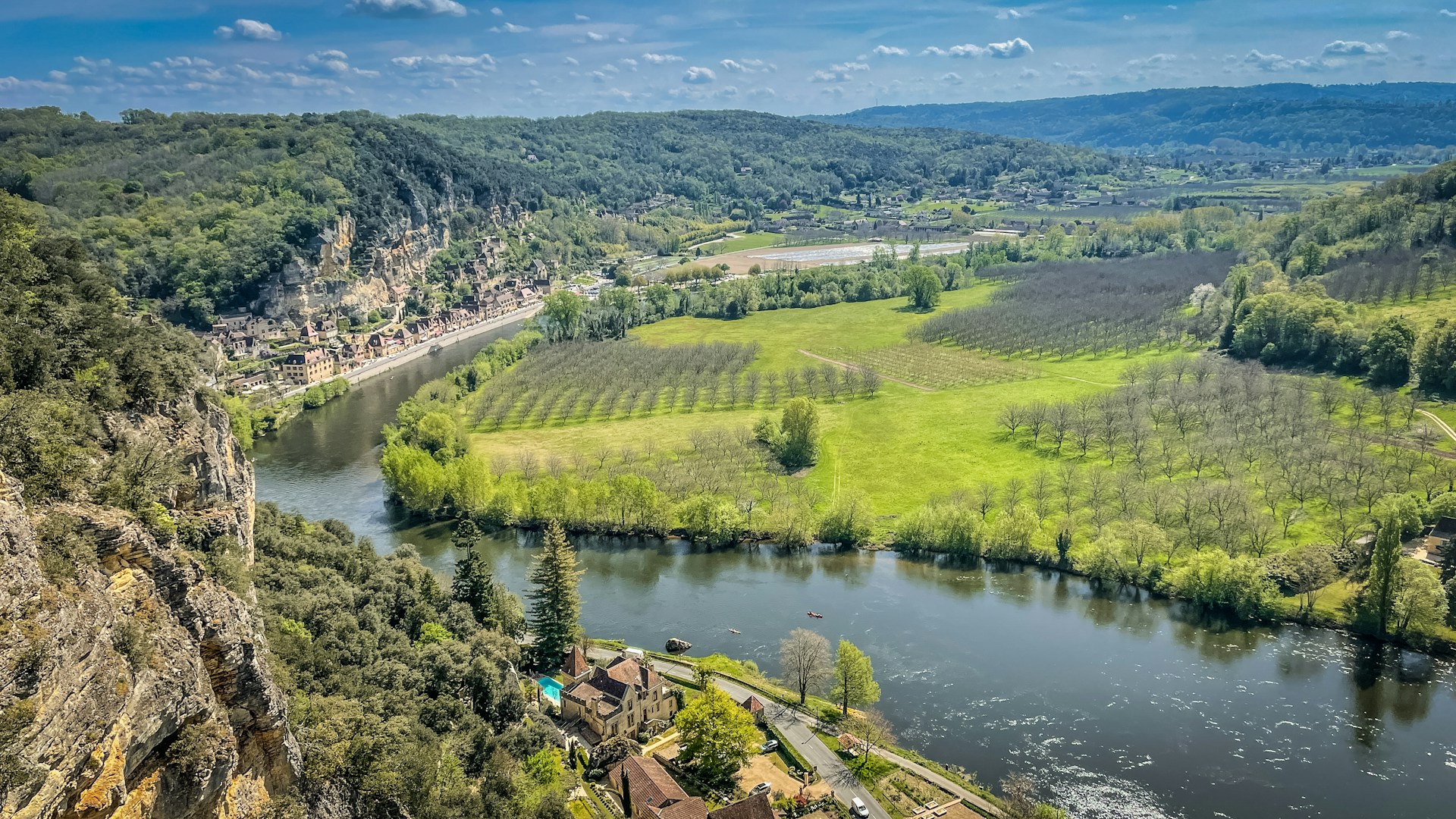
Why Visit La Roque-Gageac?
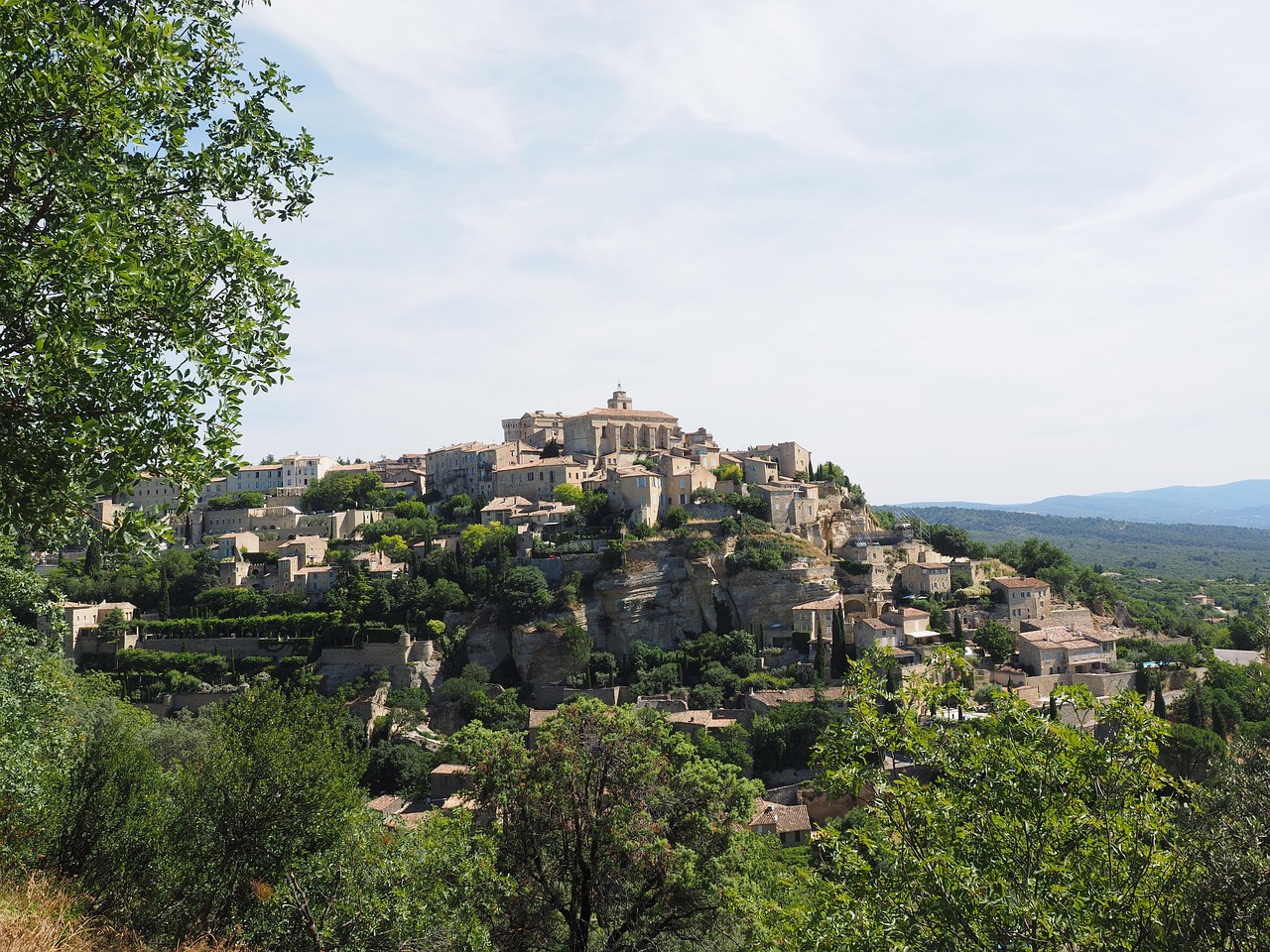
La Roque-Gageac is officially one of Les Plus Beaux Villages de France, but that label barely hints at how surreal this place feels when you first see it. Golden stone houses cling to a sheer limestone cliff, palm trees and banana plants line the riverbank (yes, really), and the Dordogne River curves gently at its feet like a protective arm. At sunset the cliff turns honey-pink and the whole village looks like it’s stepped out of a medieval painting.
I still remember my first arrival: after a bend in the road, the village suddenly appeared, stacked up against the rock. I actually pulled over just to stare for a while. Since then I’ve come back in every season, stayed in riverside guesthouses, paddled the Dordogne at sunrise, and watched the fog lift off the water from the troglodyte fort above the roofs.
This 2026 travel guide for La Roque-Gageac is written like I’d plan a trip for close friends: detailed itineraries (including a 3 day itinerary for La Roque-Gageac, plus 4 and 5 days), honest tips about crowds and budgets, my favorite restaurants, and the hidden gems in La Roque-Gageac that most people walk right past.
Whether you have 3 days in La Roque-Gageac or a full week, you’ll find things to do in La Roque-Gageac that suit families, couples, history buffs, and outdoor addicts. Think: canoeing under castles, wandering through semi-tropical gardens, sipping walnut wine in thick stone-walled bars, and watching hot-air balloons float over the river at dusk.
Table of Contents
- Quick Overview & Why It’s Special
- The Village Layout & Areas to Explore
- Top 20 Attractions & Experiences
- 3–5 Day Itineraries (Personal Stories)
- Local Food & Drink in La Roque-Gageac
- Nightlife, Entertainment & Cultural Experiences
- Events & Festivals in 2026–2027
- Day Trips & Nearby Attractions
- Cultural Etiquette & Local Customs
- Practical Travel Tips & Money-Saving Advice
- Final Summary & Best Seasons to Visit
Quick Overview of La Roque-Gageac
La Roque-Gageac sits in the heart of the Périgord Noir, the most scenic part of the Dordogne Valley in southwest France. It’s about 10 km from Sarlat-la-Canéda, roughly a 2.5-hour drive east of Bordeaux, and 2 hours north of Toulouse.
What makes it special isn’t just the postcard view (though that’s reason enough). It’s the combination of:
- Dramatic setting: Houses literally embedded in a cliff face, with a prehistoric troglodyte fort above.
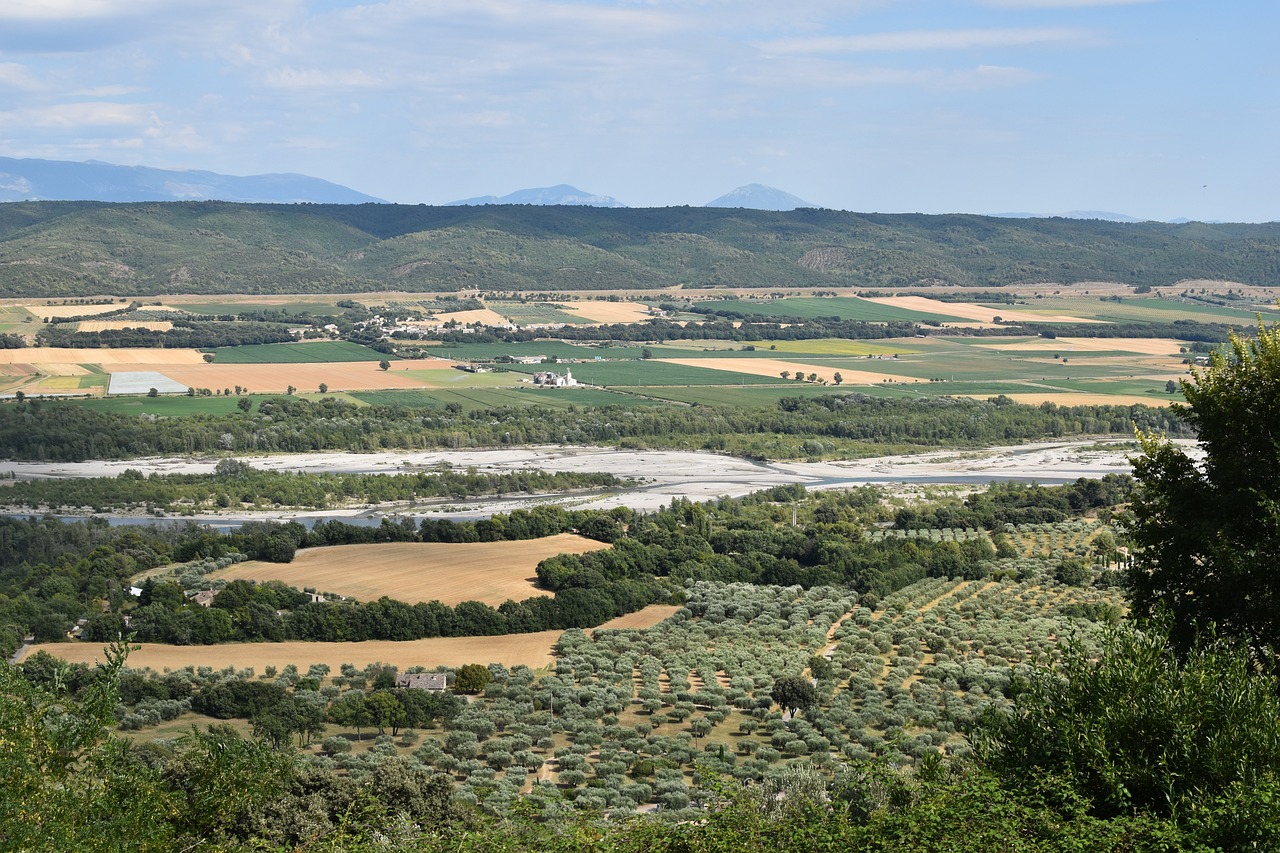
- The Dordogne River: Perfect for gentle canoe trips, swimming in summer, and gorgeous misty views in the shoulder seasons.
- Rich history: Traces from the Middle Ages, the Hundred Years War, and riverside trading days.
- Microclimate: A warm cliff face creates a semi-tropical feel, with exotic plants and a Mediterranean vibe.
- Access to major sites: Within a short radius you have some of the best places to visit in La Roque-Gageac’s region: castles, caves, gardens, and cliffside villages.
If you’re choosing between several Dordogne villages and wondering if La Roque-Gageac is worth 3 days: absolutely. In fact, 4 days in La Roque-Gageac or even 5 days in La Roque-Gageac give you time to settle into the slow rhythm, explore by river, and use the village as a base for day trips.
The Village Layout & Areas to Explore
La Roque-Gageac is tiny, but it has distinct “zones” that feel different when you wander through them.
1. The Riverside Promenade
This is the dramatic view you’ve probably seen in photos: golden façades, gabarre boats tied up by the quay, the cliff towering behind. The main road (D703) runs along the river, but traffic slows in season and there’s a wide-ish pedestrian sidewalk.
Here you’ll find canoe rental outfits, river-cruise ticket booths, a few cafés and crêperies with outdoor terraces, and those irresistible ice-cream stands that I somehow always end up at after “just a short stroll.”
2. The Upper Medieval Lanes
From the riverside, steep stone lanes and staircases wind up between houses to the cliff. This is where I tend to wander almost aimlessly, especially in the early morning when it’s just me, the cats, and the echo of my footsteps on the stones.
Look for tiny details: carved lintels, date-stones above doorways, and miniature gardens tucked into rock crevices. You’ll also find access paths to the troglodyte fort and the exotic garden here.
3. The Exotic Cliffside Garden Zone
Running like a secret ribbon between the houses and the cliff is an exotic garden planted with palms, fig trees, banana plants, and bamboo. It’s the strangest sensation: you’re in medieval Dordogne but it feels like a Mediterranean terrace.
There are benches and lookouts where I’ve stopped many times to eat a picnic and watch the river far below.
4. The Western Entrance & Canoe Launch Area
At the western end of the village (coming from Sarlat) is a cluster of parking lots, canoe rental bases, and a few low-key snack bars. It’s not as picturesque as the heart of the village, but it’s practical, and in high season this is where a lot of activity happens.
5. The Surrounding Hills & Panorama Points
Above the cliff are wooded hills laced with walking trails. From certain clearings and farm tracks you get astonishing aerial views of La Roque-Gageac and the whole Dordogne curve. When I need to escape the summer crowds, this is where I go — with a bottle of local wine and a baguette in my daypack.
Top 20 Attractions & Experiences in and Around La Roque-Gageac
These are the must-see attractions in La Roque-Gageac and its immediate surroundings. I’ve included personal impressions and tips for each, plus practical notes.
1. The Riverside Promenade & Iconic Village View
This is your first stop, and probably your last. I make a point of walking the entire length of the village along the river at least twice a day when I stay here: once at sunrise and once near sunset.
What to do:
- Start at the western car park and walk east along the riverside, stopping for photos as the perspective shifts.
- Pause at the central quay, where the gabarre boats depart; this is the classic postcard angle.
- Continue towards the eastern end where the houses thin out and the view opens to meadows.
Personal note: One October morning, the river was covered in mist and the cliff above the village floated like an island. The only sound was a distant rooster and the clink of cups from a café setting up. If you can handle waking early, you’ll see a completely different, quiet side of La Roque-Gageac.
Tips: For photography, early morning gives you soft light on the cliff; late afternoon/sunset paints everything golden. Midday can be harsh in summer.
2. Gabarre River Cruise on the Dordogne
The gabarres are flat-bottomed boats inspired by historic cargo boats that once hauled goods along the Dordogne. Today, they offer easy, family-friendly cruises that are especially good if you’re not into paddling yourself.
What it’s like: You board at the riverside quay, settle onto benches under a canopy, and glide upriver or downriver while a guide (usually in French with some English) explains the history of the valley: trading routes, wars, and how people used the river. You’ll pass under towering cliffs and see castles perched far above.
My experience: On my first visit, I did a late-afternoon cruise. Swallows were swooping low over the water, and the guide pointed out a small cave in the rock where prehistoric remains were found. It’s peaceful, no effort required, and ideal if you’re traveling with grandparents or small kids.
Practical tips:
- Season: Usually April–October; check hours in shoulder seasons.
- Duration: About 50–60 minutes.
- Booking: In high summer, book earlier in the day for a sunset slot.
- Best seats: Right side when heading downstream for village views, left side for cliff views (but you can stand and move a bit).
3. Canoeing the Dordogne from La Roque-Gageac
If you like a touch of adventure without needing serious skills, canoeing here is perfect. The Dordogne is gentle in this stretch, with just enough current to keep you moving, and the scenery is glorious.
Routes:
- Vitrac to La Roque-Gageac: A classic half-day float, passing under the cliffs with the village appearing ahead like a storybook scene.
- La Roque-Gageac to Beynac: Slightly longer, taking you past more castles and villages. Great if you’re staying in La Roque-Gageac and want to finish elsewhere.
My favorite run: I love starting early from Vitrac, with a thermos of coffee and a croissant in a dry bag. By the time I reach La Roque-Gageac, the village is waking up, and I reward myself with ice cream before heading further downstream.
Tips:
- Wear a hat, sunscreen, and water-shoes or sandals; the sun reflects strongly off the water in summer.
- Most rental outfits shuttle you back to your starting point; ask about timing and last return.
- Families: life jackets are provided; kids love the sandbanks and shallow spots for swimming.
4. The Troglodyte Fort (Fort Troglodytique de La Roque-Gageac)
Perched high above the rooftops, this restored troglodyte fort is built straight into the cliff. It gives you a window into how people used the natural rock as a defensive stronghold.
History: The fort dates back to medieval times and has been used, abandoned, and restored across the centuries. From up here, villagers could see invaders coming along the river and retreat into the rock.
My visit: The climb up involves steep stone steps and narrow paths between houses. At one point I had to flatten myself against a wall to let a family pass — it’s intimate and a little adventurous, but doable if you’re reasonably fit. The reward is a balcony-level view straight over the village roofs to the river, one of my favorite perspectives in La Roque-Gageac.
Tips: Wear sturdy shoes, especially if the weather has been wet; stones can be slippery. Not ideal for anyone with serious vertigo or mobility issues.
5. The Exotic Cliffside Garden
One of the strangest and most charming things about La Roque-Gageac is the semi-tropical vegetation. Thanks to the south-facing cliff and the way it stores heat, the village enjoys a microclimate where palms, fig trees, and banana plants thrive.
What to look for: As you climb the lanes above the main street, you’ll find a narrow, terraced path lined with exotic species. Look for citrus trees in pots, lush ferns, and small water features.
Personal moment: On a chilly March day, when the rest of the Dordogne still felt like winter, I stood here inhaling the scent of early blossoms, feeling like I’d stepped into another latitude entirely.
Good for: Romantic strolls, photography, and a quiet escape from the bustle of the riverfront.
6. Église Notre-Dame de La Roque-Gageac
The village church is a small, honey-colored stone building tucked against the cliff, overlooking the river and the exotic garden.
Inside: Simple, peaceful, and dimly lit, with stone arches and wooden pews. I like to slip in for a few minutes on hot afternoons — it’s cool and quiet.
Outside: The churchyard offers a beautiful vantage point down over the roofs, palms, and river. It’s also a great spot at sunset when the cliff glows.
Tip: Remember to dress modestly (shoulders covered) if there’s a service or a ceremony taking place.
7. Sunset & Golden Hour on the Dordogne
While not an “attraction” with a ticket, sunset in La Roque-Gageac is an experience in itself. The cliff turns from gold to deep amber, swallows dance over the water, and, if you’re lucky in summer, hot-air balloons rise silently in the distance.
My ritual: I grab a bottle of local Bergerac wine, some cheese and bread from Sarlat or a nearby market, and sit on the low stone wall by the riverside (away from the busiest area). Watching the light change here never gets old.
Best spots: The central quay, the churchyard terrace, or one of the small meadows just outside the village.
8. Market Days in Nearby Sarlat-la-Canéda
La Roque-Gageac itself is very small and doesn’t have a major weekly market, so I always plan a trip to Sarlat’s famous market (Wednesdays and Saturdays) during any stay. It’s about a 15-minute drive and is an essential part of the local food in La Roque-Gageac experience.
What to buy: Walnuts, walnut oil, foie gras, duck rillettes, cabécou goat cheese, strawberries in season, truffles in winter, and local wine.
My tip: Assemble a picnic here and bring it back to La Roque-Gageac to eat by the river. It’s cheaper and more memorable than many restaurant meals, and a great way to save money.
9. Château de la Malartrie (Exterior Views)
Just at the western edge of La Roque-Gageac stands the fairytale Château de la Malartrie, one of the most photographed silhouettes on this stretch of the Dordogne. It’s privately owned and not always open for visits, but you can admire it beautifully from the road, the river, or a canoe.
Photography tip: From a canoe, angle your boat so the castle lines up with the village behind. Early morning or late afternoon gives you that soft, storybook light.
Romantic touch: I once watched a couple quietly exchange vows on the riverbank with the château behind them and just a friend as witness. This valley attracts a lot of low-key elopements, and you’ll see why when you’re here.
10. Jardins de Marqueyssac (Cliffside Gardens & Night Visits)
Technically a few kilometers away, but absolutely essential if you’re staying in La Roque-Gageac. Marqueyssac is a cliffside garden with thousands of hand-pruned boxwood topiaries, winding paths, and sensational views over the Dordogne Valley.
What I love: The belvedere viewpoint, perched over a sheer drop, looks back towards La Roque-Gageac and Beynac-et-Cazenac. It’s one of the best panoramas in the region.
Night visits: In summer, the gardens often open in the evening, lit by candles and lanterns, sometimes with live music. Walking the shadowy paths with candlelight flickering in the hedges is incredibly romantic.
Tip: Combine Marqueyssac with a morning canoe outing or day exploring castles; it’s just a short drive from La Roque-Gageac.
11. Château de Beynac
Visible from river cruises and canoe trips near La Roque-Gageac, Château de Beynac is one of the great fortresses of the Dordogne. It looms over the village of Beynac-et-Cazenac and has starred in several films.
Inside: You’ll find thick stone walls, period rooms, and battlements with sweeping views. Standing here, it’s easy to imagine armies moving along the river during the Hundred Years War.
Personal story: One blustery April afternoon I stood on the ramparts with the wind roaring up from the valley, watching a storm roll in over the river. It was both slightly terrifying and unforgettable.
Family note: Kids tend to love this castle; there are enough towers and cannons to fuel a thousand imaginary battles.
12. Château de Castelnaud-la-Chapelle & War Museum
Another nearby hilltop castle, Castelnaud is dedicated to medieval warfare, with siege engines, armor, and interactive exhibits.
Why go: It’s one of the best places to visit near La Roque-Gageac if you enjoy history or have kids. Outdoor demonstrations (like firing a trebuchet model) are a hit.
My tip: Go in the morning to avoid crowds, then have lunch down in the village of Castelnaud-la-Chapelle or back in La Roque-Gageac.
13. Domme — Bastide Town with Panoramic Views
Domme is a fortified hilltop bastide town a short drive from La Roque-Gageac. Its clifftop promenade offers one of the most expansive views in the valley.
What to do: Walk the ramparts, explore the medieval gates, and peek into the small shops selling local products. There’s also a cave system beneath the main square that you can visit.
Best moment: I like coming here for a late afternoon drink on a terrace overlooking the valley, then driving back down to La Roque-Gageac as the sky turns pink.
14. La Roque-Gageac’s Hidden Stairways & Back Lanes
One of the hidden gems in La Roque-Gageac is simply wandering without an agenda. There are tiny stairways and back alleys that most day-trippers never see.
How I explore: I usually start near the church and take any path leading upward that looks semi-public. Many lead to dead ends or private gates, but along the way you’ll find tiny terraces, old wells, and unexpected views framed between rooftops.
Respect: This is a living village. Be sensitive to residents’ privacy: avoid peeking in windows or crossing into clearly private property.
15. Walking & Hiking Trails around La Roque-Gageac
Above the village, a network of paths leads through woodland and farmland. It’s not as heavily signed as some regions, but local maps and apps help.
Why go: Within 15–20 minutes of climbing, you’ll leave most tourists behind and gain serene views of the river and neighboring villages.
My favorite route: A loop from La Roque-Gageac up into the woods, across a ridge with occasional views back towards the village, then descending through fields. I once did this in late September when the fields were dotted with hay bales and the light had that crisp autumn clarity.
Tip: Carry water and wear proper shoes; trails can be rocky and muddy after rain.
16. Dordogne River Beaches & Swimming Spots
Along the Dordogne near La Roque-Gageac there are small pebble or sandy banks where locals swim in summer.
Family fun: On hot days, you’ll see families picnicking and kids splashing in shallow areas. The current is generally mild near the banks but always assess conditions.
My note: I love an early-morning dip before breakfast when there’s no one else around and the water has that bracing wake-up effect.
Safety: There are no lifeguards; swim at your own risk and keep children close.
17. Local Farms & Walnut Orchards
Drive or cycle just a few minutes from La Roque-Gageac and you’ll see neat rows of walnut trees, one of the region’s signatures.
Experiences: Some farms offer tastings of walnut oil, walnut liqueur, and related products. I once spent a relaxed hour at a small family farm hearing stories about how walnut growing has changed over generations.
Tip: Ask at your guesthouse for recommendations; many locals have friends or relatives with small farms.
18. Prehistoric Caves & Rock Shelters (Day Trips)
The Dordogne is world-famous for prehistoric cave art and shelters. While not right in La Roque-Gageac, sites like Lascaux IV, Font-de-Gaume, and Roque Saint-Christophe are reachable in under an hour or so and make excellent day trips.
My perspective: Spending a morning in a cool, dimly lit cave looking at 20,000-year-old paintings, then coming back to the sunlit medieval facades of La Roque-Gageac, really hammers home how long people have lived in this valley.
Tip: Book cave visits well in advance in peak season, especially for the more limited sites.
19. Hot-Air Balloon Flights over the Dordogne
Balloon flights often launch in the broader valley near La Roque-Gageac, especially around Beynac and Castelnaud. On still mornings or evenings, balloons drift over the river and castles — seeing them from the ground is magical; being in one is next-level.
My flight: On a cool September dawn, we floated above the valley as a light mist clung to the river. From the basket I could see La Roque-Gageac’s cliff glowing in the first light. It’s not cheap, but if you can stretch to it, it’s one of the most memorable experiences you can have here.
Tip: Weather-dependent, so build flexibility into your itinerary if you plan to book a flight.
20. Slow Evenings in Village Bars & Terraces
For all the castles and adventure activities, some of my best memories here are simple: sitting at a small bar or café terrace with a glass of Bergerac red or walnut liqueur, listening to the murmur of conversations in French and the soft clink of glasses.
Why it matters: This is where you feel the soul of the village — not just its postcard side. Chat with the staff, ask about their favorite spots; I’ve gotten some of my best local tips this way.
Romantic angle: Couples often linger at these terraces long after the day-trippers have left, and the village settles into a quieter rhythm.
3–5 Day Itineraries for La Roque-Gageac (With Personal Stories)
Use these as flexible templates. They’re based on how I actually structure stays when I have 3 days in La Roque-Gageac, 4 days in La Roque-Gageac, or a full 5 day itinerary for La Roque-Gageac.
3 Day Itinerary for La Roque-Gageac
This plan focuses on the essentials: the village, the river, and one or two nearby highlights. It’s perfect if you’re on a tight schedule but still want a rich experience.
Day 1: First Impressions & Village Wander
I usually arrive in La Roque-Gageac late morning or early afternoon. Once I’ve checked into my guesthouse, I resist the urge to rush off to castles — the village itself deserves a slow introduction.
- Afternoon: Walk the riverside promenade end to end. Stop often: sit on the stone wall, watch the canoes, take photos of the cliff and houses. Duck into the small gift shops not necessarily to buy, but to get a feel for what the region produces.
- Late afternoon: Climb up to the church and the exotic garden path. Take your time; if you see a bench with a view that calls to you, answer it.
- Evening: Dinner at a riverside restaurant (I like starting with duck confit or a salad with walnuts and local goat cheese). Afterward, stroll again — the village has a completely different feel once the day-trip buses have gone.
Tip: For this first day, keep your agenda light. Jet lag, travel fatigue, and the sheer beauty of the place are enough; you don’t need to cram in attractions yet.
Day 2: On the River & Marqueyssac Gardens
Morning — Canoeing: After a breakfast of croissants and coffee, head to one of the canoe rental bases at the western end of the village. I recommend the Vitrac–La Roque-Gageac route for first-timers: they’ll shuttle you up to Vitrac and you paddle back to La Roque-Gageac at your own pace.
On my last spring trip, I set out around 9:30 am. The river was quiet, the water like glass. Kingfishers flashed electric blue along the banks, and for long stretches I had the valley almost to myself. Approaching La Roque-Gageac by river is a highlight — the cliff and houses appear slowly, growing with each paddle stroke.
Lunch: Back in the village, I usually grab a light lunch: a galette (savory buckwheat crêpe) or a salad, plus something sweet for dessert — walnut tart is a regional specialty.
Afternoon — Jardins de Marqueyssac: Drive or taxi to Marqueyssac (about 15 minutes). Spend the afternoon wandering the looping paths, stopping at viewpoints, and maybe lying in the grass if the weather allows.
Evening: If it’s summer and there’s a night opening at Marqueyssac, stay for the candlelit experience; otherwise, head back to La Roque-Gageac for dinner and another sunset by the river.
Day 3: Castles & Cliffside Fort
Morning — Château de Beynac or Castelnaud: Choose one major castle to avoid overload.
- Beynac: For raw, imposing fortress vibes and sweeping views.
- Castelnaud: For interactive war exhibits and more family-friendly displays.
I tend to alternate — on my last 3-day stay, I chose Beynac and spent a good two hours exploring the ramparts and peering over the cliff-edge walls.
Lunch: Either in the castle village or back in La Roque-Gageac.
Afternoon — Troglodyte Fort & Back Lanes: In the cooler hours, climb up to the troglodyte fort above La Roque-Gageac. After visiting, wander the back lanes without a map. This is when you’ll feel like you’ve stepped into a quieter, more local side of the village.
Evening — Farewell Stroll: On your final night, repeat whatever moment you loved most: maybe a simple picnic on the riverbank, a last drink at your favorite terrace, or just one more slow walk along the promenade.
4 Day Itinerary for La Roque-Gageac
With 4 days in La Roque-Gageac, you can slow down and add a hilltop bastide town plus more time in nature.
Day 1–3:
Follow the 3-day itinerary above, but spread things a little more if you like long lunches or leisurely mornings. Don’t be afraid to cancel something if you’re enjoying just sitting by the river.
Day 4: Domme & Country Walks
Morning — Domme: Drive up to Domme and explore the bastide layout: straight streets, a central square, and old gates. Take in the view from the clifftop promenade.
I remember one March visit when a cold wind was whipping along the ramparts, but the sun was bright and the valley below looked like a painting in blues and greens. I warmed up with a hot chocolate in a small café, watching locals come and go.
Lunch: Either in Domme or back in La Roque-Gageac, depending on your mood.
Afternoon — Walk from La Roque-Gageac: Pick a marked hiking route from the village into the surrounding hills. Even a short 1.5–2 hour walk will give you a new perspective on the valley and make you appreciate how cocooned the village is between cliff and river.
Evening: Low-key: maybe a pizza or simple grill if you’re tired of heavy traditional dishes, then a stroll.
5 Day Itinerary for La Roque-Gageac
If you can manage 5 days in La Roque-Gageac, do it. The extra days turn a trip into a mini-life. You’ll start to recognize faces, find a favorite baguette spot, and slip into a slower rhythm.
Days 1–4:
Follow the 4-day itinerary. Keep one of those days flexible in case of rain or last-minute ideas.
Day 5: Prehistory or Balloon Flight & Free Time
Option A — Prehistoric Caves: Use your extra day for a deeper dive into the Dordogne’s prehistoric side: Lascaux IV, Font-de-Gaume (if you can secure reservations), or Roque Saint-Christophe. This will be a longer day trip by car, but it adds an entirely different layer to your understanding of the region.
Option B — Balloon Flight & Slow Day: Book a sunrise or sunset hot-air balloon flight. The rest of the day, do whatever you’ve felt pulled toward: maybe just reading by the river, sketching the village, or cycling low-traffic roads between walnut orchards.
My favorite 5-day memory: On one 5-day stay, I spent my last day mostly sitting in a tiny café, writing postcards and chatting (in halting French) with the owner about how the village has changed since his childhood. Those are the moments that stick.
Local Food & Drink in La Roque-Gageac
The Périgord Noir is food-obsessed in the best way. Even in a small place like La Roque-Gageac, you’re never far from something delicious.
What to Eat: Dordogne Specialties
- Duck (canard): Confit, magret (breast), and gizzards in salads. Yes, it appears on almost every menu.
- Foie gras: A local specialty, served as terrine or pan-fried. It’s prized here; if you eat it, treat it as a once-in-a-while indulgence.
- Walnuts: In salads, cakes, tarts, and pressed into walnut oil. I drizzle walnut oil on simple green salads or even over grilled vegetables.
- Cabécou: Small, soft goat cheeses, often served warm on toast in salads.
- Truffles: In season (mainly winter), they’re shaved on eggs, pasta, or potatoes.
- Strawberries: In late spring and early summer, local strawberries are intensely flavorful; look for them in desserts and markets.
What to Drink
- Bergerac wines: Reds, whites, and rosés from just west of here. Ask for local recommendations by the glass.
- Monbazillac: A sweet white wine, lovely with foie gras or dessert.
- Walnut liqueur (liqueur de noix): Slightly sweet and nutty, perfect as a digestif.
- Local beer: Small craft breweries in the region are gaining traction; ask if any are on tap.
Restaurants & Cafés: Personal Favorites
Specific names and ownership can change season to season, but here’s how I choose places and some typical spots you’ll find:
- Riverside terraces: Great for the view and atmosphere. I often come for a drink plus a starter or dessert rather than a full meal to keep costs down.
- Stone-walled bistros up in the lanes: These tend to be quieter, slightly more intimate, sometimes with a local, less touristy vibe.
- Crêperies: Good value for families; savory galettes and sweet crêpes are filling and not too pricey.
Money-saving tip: Look for menus du jour (set daily menus) at lunchtime. They’re usually cheaper than à la carte and give you a good sampling of regional dishes.
Picnicking: My Favorite Budget Strategy
For longer stays, I often eat one restaurant meal a day and picnic for the others. Markets in Sarlat and nearby towns, plus small grocery shops, will give you everything you need: bread, cheese, charcuterie, tomatoes, fruit, wine.
Best picnic spots in La Roque-Gageac:
- Grassy patches at the edges of the village.
- Benches along the riverside (respect signs and keep the area clean).
- Viewpoints above the village if you’re willing to carry everything uphill.
Nightlife, Entertainment & Cultural Experiences
La Roque-Gageac is not a nightlife hub in the big-city sense. Think glasses of wine on terraces, quiet bars, and occasional live music — not clubs or all-night parties.
Evening Atmosphere
From late spring through early autumn, evenings are lively but laid-back. Families stroll the promenade with ice creams; couples linger over dessert; the river reflects the village lights.
Where to Go at Night
- Riverside bars & cafés: Ideal for a glass of wine or beer after dark. Some occasionally host musicians, especially weekends in summer.
- Casual wine bars: A few spots in and around the village offer tastings of local wines and liqueurs. I like asking for a “surprise flight” based on what the staff think is drinking well.
- Nearby Sarlat: If you want something more energetic, Sarlat has more bars, occasional concerts, and cultural events; it’s a short taxi ride away.
Cultural Experiences
- Local festivals: See the events section below for 2026–2027 dates; there are often small village fêtes, music evenings, and food-focused events.
- Church services: Attending a mass (even if you’re not religious) is one way to experience local life; just be respectful and discrete.
- Markets & artisan shops: While not “nightlife,” browsing local crafts and food products in the late afternoon before dinner is part of the daily rhythm here.
Events, Festivals & What’s New in 2026–2027
While La Roque-Gageac itself is small, it’s part of a region that loves festivals. Schedules can shift slightly each year, so always double-check closer to your trip, but here’s what to expect in 2026–2027.
Regional Events Likely to Affect Your Stay
- Sarlat Fest’Oie (Goose Festival) — Early March 2026 & 2027: Celebrates all things goose and duck with tastings, parades, and big communal meals in Sarlat.
- Sarlat Film Festival — November: Brings a creative crowd to the region; La Roque-Gageac stays quiet but nearby accommodation can fill.
- Summer Night Markets (Marchés Nocturnes) — July–August: Many villages, including those near La Roque-Gageac, host evening markets with food stalls, music, and communal tables.
Local Village Events
La Roque-Gageac occasionally hosts smaller village fêtes, music nights on the river, or special illumination events in peak summer. Ask your accommodation host what’s planned during your dates; they usually know what’s happening even before it appears online.
Travel Scene in 2026
- Shoulder seasons gaining popularity: More travelers are choosing May–June and September–October to avoid the peak crowds and heat.
- More eco-conscious activities: Expect more emphasis on walking routes, cycling, and low-impact river experiences.
- Digital info panels & QR codes: Increasingly used at sites and in villages for multi-language explanations about history and local customs.
Day Trips & Nearby Attractions from La Roque-Gageac
One reason I keep basing myself in La Roque-Gageac is that it’s a perfect hub for exploring the wider Dordogne Valley.
Classic Day Trips
- Sarlat-la-Canéda: Medieval town with a stunning old quarter and famous markets (Weds/Sat). 15–20 minutes by car.
- Beynac-et-Cazenac: Clifftop castle and riverside village. Combine with a canoe trip or a scenic drive. 10–15 minutes by car.
- Castelnaud-la-Chapelle: Castle + war museum + charming village. 15–20 minutes by car.
- Domme: Hilltop bastide town with sweeping views and subterranean caves. 20–25 minutes by car.
- Prehistoric sites (Lascaux IV, Font-de-Gaume, Les Eyzies): 45–75 minutes by car, depending on the site. Best as full-day trips.
Practical Tips for Day Trips
- Car rental: Easiest way to explore deeply; see the transport section below.
- Timing: Start early in peak season to beat the heat and crowds.
- Parking: Most sites have paid car parks; carry coins or a card.
- Combine smartly: For example, Beynac + Castelnaud in one day, or Domme + Marqueyssac in another.
Cultural Etiquette & Local Customs in La Roque-Gageac
Even in a touristy area, small gestures of respect go a long way. The Dordogne is friendly, but also quietly traditional.
Basic Social Etiquette
- Greet first: Always say Bonjour (daytime) or Bonsoir (evening) when entering a shop or addressing a person. Not doing so can be seen as rude.
- Use simple French: Even if it’s just “Bonjour, parlez-vous anglais ?” the effort is appreciated.
- Volume: Speak quietly in restaurants and lanes at night; the village is compact and sound carries.
Dining Customs
- Meal times: Lunch usually 12:00–14:00; dinner from around 19:00 or 19:30. Don’t expect continuous service all afternoon.
- Tipping: Service is included, but rounding up or leaving 5–10% for good service is appreciated.
- Lingering: It’s normal to linger over meals; you won’t be rushed, but you may need to ask for the bill (l’addition, s’il vous plaît).
Respecting the Village as a Living Place
- Photography: Take care not to intrude on private courtyards, windows, or people without permission.
- Noise at night: Many of the old houses have thin walls; keep late-night conversations low if you’re staying in the village center.
- Dress: Casual is fine almost everywhere, but avoid swimwear or going shirtless away from the riverbanks.
River & Nature Etiquette
- Leave no trace: Take all picnic rubbish with you; bins can be limited.
- Respect private land: Many fields and orchards are private; stick to marked paths.
- River use: Follow any posted signs about swimming or canoeing conditions.
Practical Travel Tips for La Roque-Gageac (2026)
This is the nuts-and-bolts section: how to get there, get around, stay connected, and save money while enjoying your trip.
Getting to La Roque-Gageac
- By air: Nearest larger airports are Bergerac, Brive, Toulouse, and Bordeaux. From there, you’ll typically rent a car or take train + car combo.
- By train: Sarlat-la-Canéda has a train station with regional connections (via Bordeaux or Brive). From Sarlat, a taxi, rideshare, or rental car gets you to La Roque-Gageac.
- By car: The easiest option. The D703 road runs along the river, linking La Roque-Gageac with Sarlat and other villages.
Getting Around: Public Transport vs Car Rental
Public transport: Limited. There are some regional buses, but schedules are sparse and not ideal if you want to see multiple sites in one day.
Car rental: Highly recommended if you want flexibility for day trips. Rent from the airport or larger towns like Sarlat or Bergerac.
- Driving: Roads are generally good but can be narrow and winding near villages. Drive slowly through towns and watch for pedestrians and cyclists.
- Parking: Paid parking lots near the village; free spots may be further away. In peak summer, arrive early in the day for easier parking.
Visa Requirements & Driver’s Licenses
- Visas: France is part of the Schengen Area. EU/EEA/Swiss citizens can enter freely. Many other nationalities (including US, UK, Canada, Australia, New Zealand, etc.) can enter visa-free for short stays; others require a Schengen visa. Always check current regulations for 2026 before traveling.
- Driver’s license: EU licenses are valid. Non-EU visitors are usually fine with their home license plus an International Driving Permit (IDP); some rental agencies insist on it, so it’s safer to have one.
SIM Cards & Connectivity
- Local SIM: French providers (Orange, SFR, Bouygues, Free) sell prepaid SIMs. You can buy them in larger towns or at airports.
- eSIM: In 2026, many travelers use eSIM apps for short-term data; check coverage for rural Dordogne (generally good around La Roque-Gageac).
- Wi-Fi: Most hotels, guesthouses, and many restaurants offer free Wi-Fi, though speeds can vary.
Money, Costs & How to Save
- Currency: Euro (€). Cards widely accepted; small cash still useful in markets and smaller establishments.
- Cost level: Moderate. Cheaper than Paris or the Riviera, but touristy riverside locations can be pricier than inland towns.
- Saving tips:
- Eat your main meal at lunchtime using menu du jour deals.
- Picnic for one meal per day with market-bought food.
- Choose guesthouses or small hotels slightly outside the main riverside strip.
- Travel in shoulder season (May–June, Sept–Oct) for better prices and fewer crowds.
Best Seasons to Visit & What They’re Good For
- Spring (April–June): Lush, green, and increasingly warm. Great for hiking, canoeing (from May), and avoiding peak crowds. Some attractions may have shorter hours early in the season.
- Summer (July–August): Hot, lively, and busy. Best for swimming, long evenings, and festivals. Expect crowds and higher prices; book accommodation and major attractions early.
- Autumn (September–October): My personal favorite. Warm days, cooler nights, golden light, and fewer tourists. Harvest season for walnuts and grapes; wonderful for photography and walks.
- Winter (November–March): Very quiet, some attractions closed or limited. Can be atmospheric if you like solitude and don’t mind potential cold and rain. Best for low-key escapes, not for full sightseeing.
Safety & Health
- General safety: La Roque-Gageac feels very safe. Normal precautions apply.
- Health care: Pharmacies and clinics in nearby Sarlat; emergency services reachable by dialing 112.
- Outdoor safety: Use sunscreen, stay hydrated in summer, and wear proper footwear on steep or rocky paths.
Hidden Tips from Repeated Visits
- Early mornings are magic: Be out by 7–8 am at least once. The village is almost empty and the light is soft.
- Stay at least 3 nights: Day-trippers miss the best part of La Roque-Gageac — the quiet evenings and early mornings.
- Ask locals for “secret” viewpoints: They may direct you to a farm track or small path you wouldn’t find otherwise.
- Pack layers: Even in summer, evenings by the river can be cool; in shoulder seasons, days can swing from warm to chilly quickly.
Summary: Key Takeaways & Final Recommendations
La Roque-Gageac is one of those rare places that looks exactly like the postcards yet still manages to feel real and lived-in once you stay a while. Between the cliff and the river, time seems to slow down: mornings of mist, afternoons of sunlight on stone, evenings of golden reflections.
If you’re planning your trip:
- Stay at least 3 days in La Roque-Gageac to enjoy both the village and a couple of nearby sites.
- Consider 4 or 5 days in La Roque-Gageac if you want to mix castles, caves, canoeing, and genuine downtime.
- Use this travel guide for La Roque-Gageac as a flexible framework, not a rigid checklist. The best moments often happen when you leave space for serendipity.
Best seasons to visit:
- May–June & September–October: Ideal balance of weather, open attractions, and manageable crowds.
- July–August: Great for families and festival-lovers who don’t mind heat and busyness.
- Spring & late autumn: For travelers who value quiet and atmosphere over a fully packed attractions list.
After many visits, I still find new corners, new light, and new stories in La Roque-Gageac. It’s a place that rewards slowing down, paying attention, and letting the river set your pace. If you follow the suggestions in this guide — mixing the must-see attractions in La Roque-Gageac with its quieter, more local side — you’ll leave with your own set of stories and a strong desire to come back.