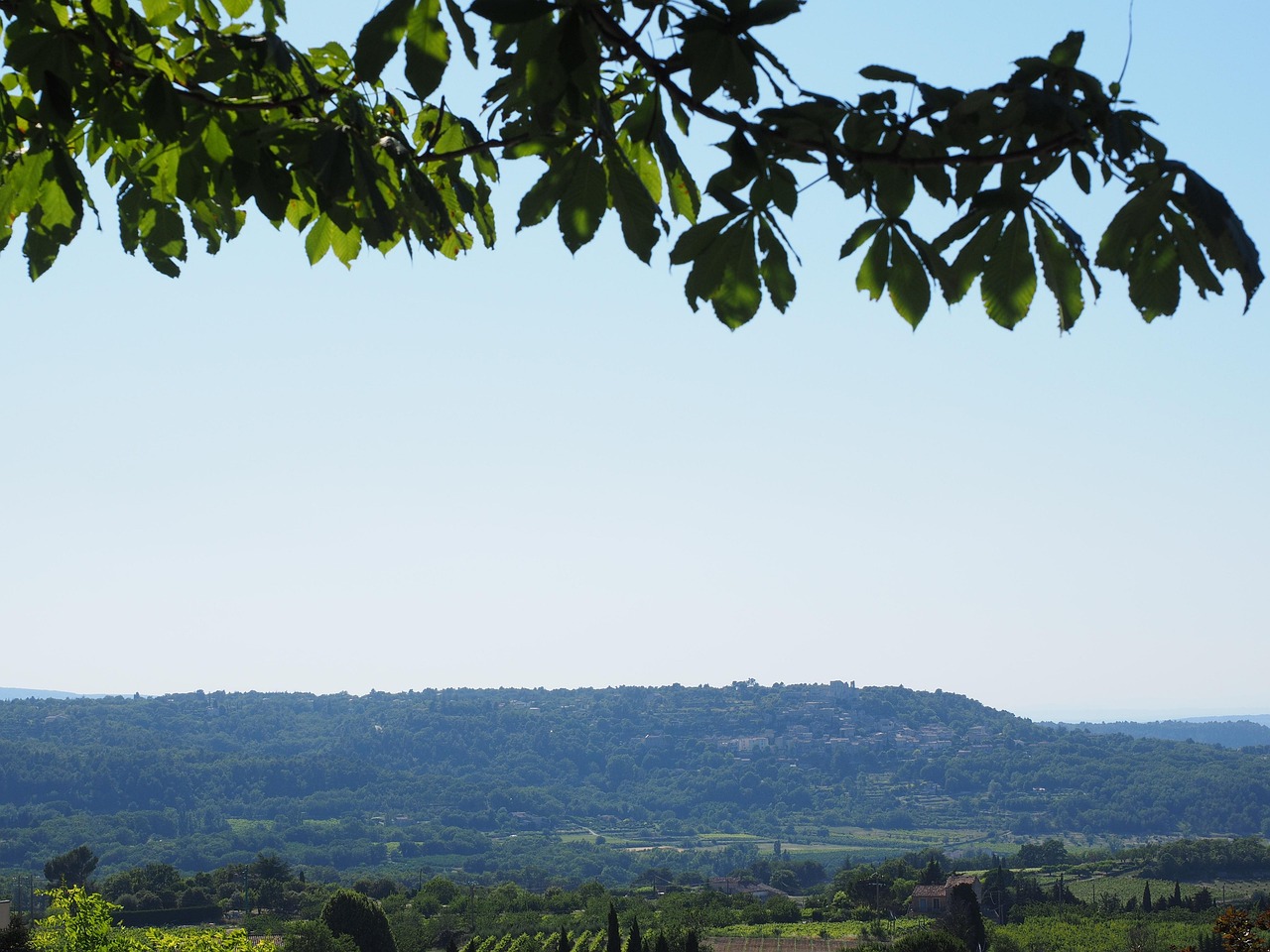
Why Visit Lacoste, France in 2026
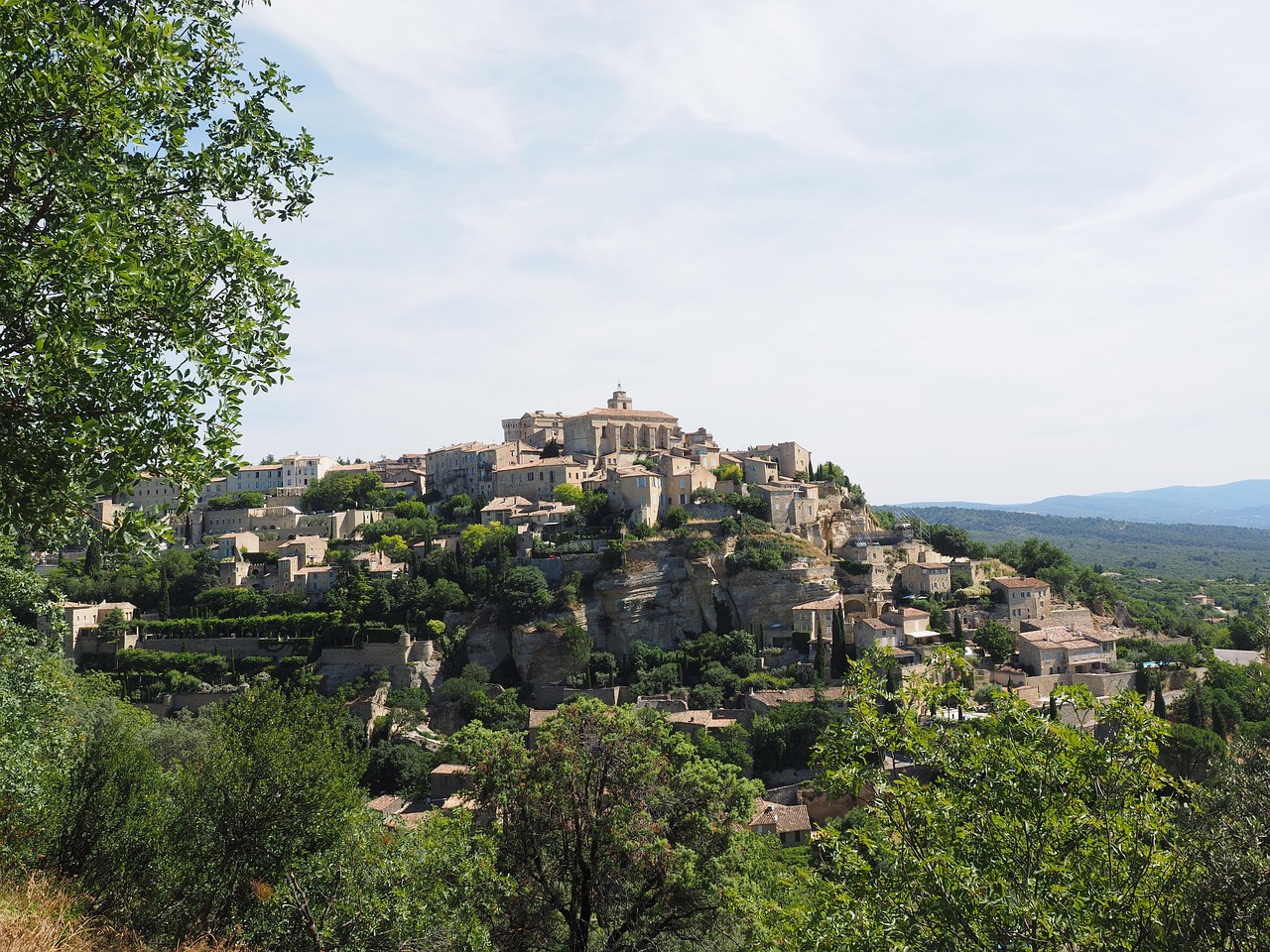
Lacoste is not a big-name destination like Paris or Nice. It’s a medieval village in the Luberon perched on a limestone ridge, with stone houses, ancient ramparts, and a restored château once owned by the infamous Marquis de Sade. Today, it blends deep history, contemporary art, and that slow Provençal rhythm of life that makes you forget what day it is.
In 2026, Lacoste is particularly exciting. The Savannah College of Art and Design (SCAD) continues to host a lively arts campus here, bringing seasonal exhibitions, installations, and a young creative energy to this old stone village. The Château de Lacoste itself is now a stage for open-air cultural events each summer. At the same time, village life remains deeply local: old men play pétanque in the shade, neighbors exchange tomatoes and apricots, and the smell of lavender and thyme drifts on warm evening air.
Come to Lacoste if you want:
- Slow, authentic Provence rather than rushed sightseeing.
- Incredible views across the Luberon and nearby villages like Bonnieux and Roussillon.
- Cultural experiences in a village shaped by artists, students, and centuries of history.
- Romantic stone lanes and sunsets perfect for couples.
- Gentle adventures: hiking, cycling, lavender fields, and vineyard visits.
- Family-friendly walks and day trips without the chaos of big cities.
If you’re planning a 3 day itinerary for Lacoste, 4 days in Lacoste, or even a leisurely 5 day itinerary for Lacoste, this travel guide will help you find the best places to visit, the tastiest local food, hidden gems, and cultural experiences that make this corner of Provence unforgettable.
Table of Contents
- Why Visit Lacoste
- Lacoste at a Glance
- Top 20 Attractions & Experiences in Lacoste
- 3–5 Day Itineraries for Lacoste
- Neighborhoods & Surrounding Areas
- Local Food & Drink in Lacoste
- Nightlife, Entertainment & Cultural Experiences
- Events & Festivals 2026–2027
- Day Trips from Lacoste
- Practical Travel Advice for Lacoste
- Summary & Best Time to Visit
Lacoste at a Glance
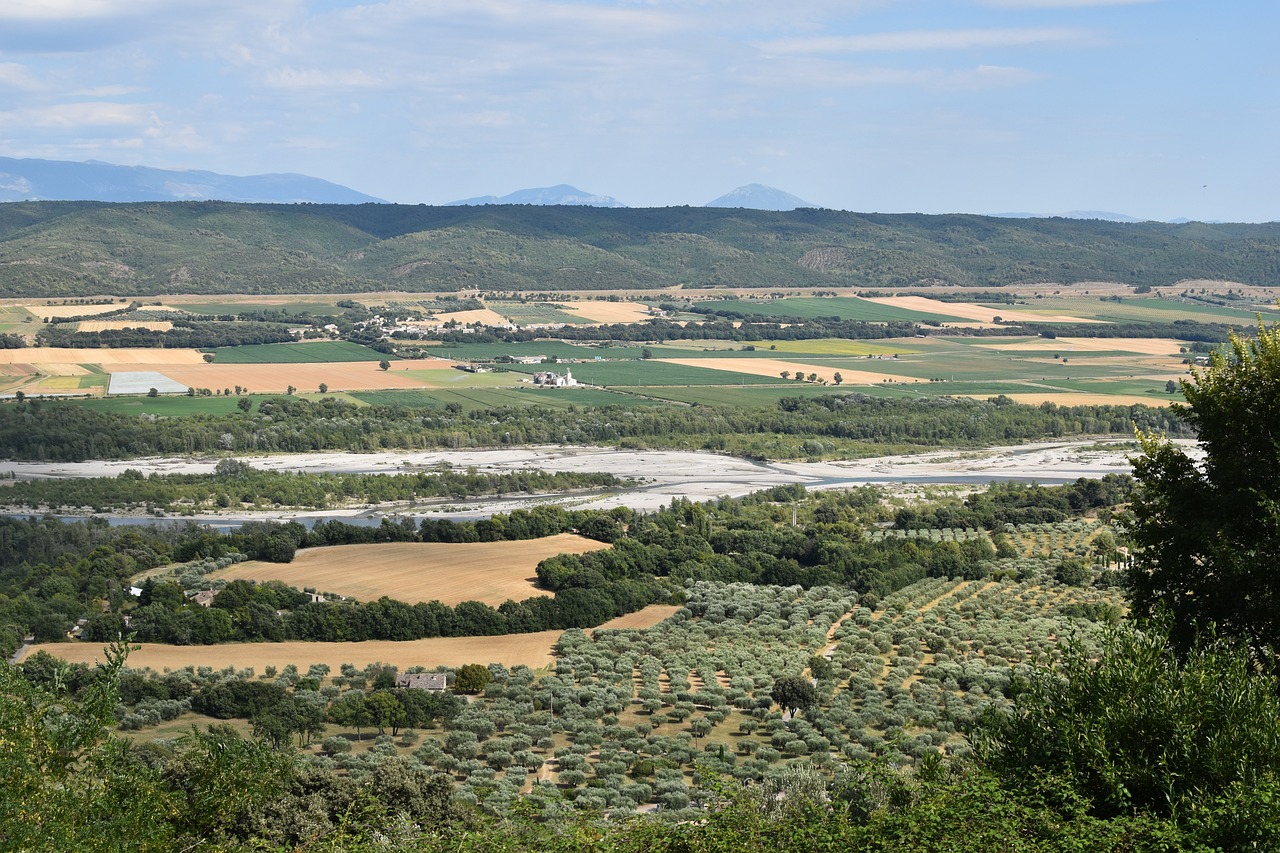
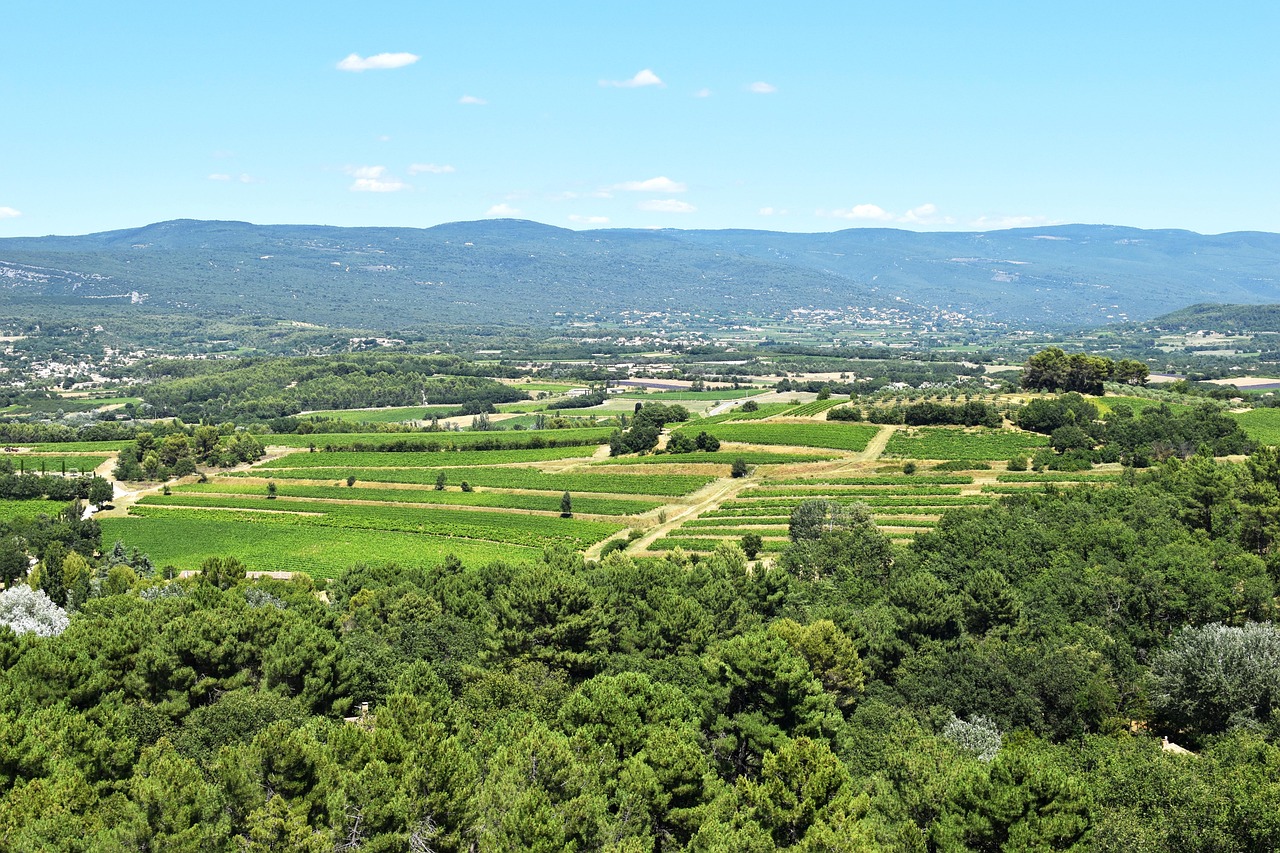
Lacoste sits in the heart of the Luberon region in Provence, southeastern France. The village itself is tiny—more a cluster of honey-colored stone around a rocky spine than a town—but the surrounding countryside is rich with vineyards, cherry orchards, and lavender fields.
There’s essentially one main road up into the village, then a web of pedestrian lanes that climb toward the Château de Lacoste. Cars are largely left below, which means the village feels almost like a living open-air museum.
- Region: Provence-Alpes-Côte d’Azur (Vaucluse department)
- Nearest hubs: Avignon, Aix-en-Provence, Marseille
- Best bases nearby: Lacoste itself, Bonnieux, Ménerbes, Gordes
- Vibe: Peaceful, artistic, historic, sun-washed
Top 20 Must-See Attractions & Experiences in Lacoste
Rather than just a checklist, here’s how these places actually feel, based on many quiet mornings, slow afternoons, and long, wine-filled evenings I’ve spent in Lacoste over the years. These are the core “things to do in Lacoste” that shape any good travel guide for Lacoste.
1. Château de Lacoste (Castle of the Marquis de Sade)
The first time I climbed up to the Château de Lacoste, it was just after sunrise. The village was still half asleep, shutters closed, cats stretching in doorways. At the top, the ruined-but-restored castle walls glowed gold in the early light, and the Luberon Valley spread out below like a painted backdrop. It’s not just a pretty view; this castle has stories.
Once the home of the notorious Marquis de Sade, the château fell into ruin after the French Revolution. In the late 20th century, it was purchased and restored by fashion designer Pierre Cardin. Some of the most complete sections are now used for seasonal exhibitions and open-air performances.
What to do:
- Walk around the ramparts and terraces for the best panoramic view in Lacoste—especially beautiful at sunset.
- Check for temporary art installations or sculpture exhibits in the château grounds.
- In summer, consider booking tickets for evening concerts or performances when available.
My tip: Bring a light scarf or jacket. Even in July, the hilltop breeze can be surprisingly cool in the evening. If you’re into photography, arrive 30–40 minutes before sunset: the light hits the stone walls and the patchwork of fields below in that magical soft Provençal glow.
Family-friendly? Yes, with supervision—kids love exploring the old stone walls, but keep them away from any steep drops.
Romantic? Absolutely. It’s one of the most romantic spots in the region, especially if you linger after most visitors leave and watch the sky turn pastel.
2. Rue Basse & Rue Haute (The Village Lanes)
Lacoste is best experienced at walking pace. The two historic “spines” of the village—Rue Basse (Lower Street) and Rue Haute (Upper Street)—loop and intertwine with smaller alleys. I like to start at the lower entrance of the village just after the morning bakery run, then wander upward with no fixed route.
You’ll pass stone archways, hidden courtyards, and tiny art galleries tucked into old houses. In spring, wisteria spills over walls; in summer, shutters are a patchwork of faded blues and greens. Every corner feels photogenic, but it’s also a living village: listen for clinking plates at lunchtime and the distant thud of a pétanque ball.
My ritual: On my second visit years ago, I decided to walk every public lane in Lacoste in one morning, turning down any path that looked interesting. It took less than two hours, but I discovered a small terrace overlooking the valley that I now return to every trip with a coffee in hand.
Tip: Wear shoes with good grip. The cobbles are old and can be slick after rain. In summer, start your wander early or late—midday is hot and bright, and the charm of the shadows is lost.
3. Église Saint-Trophime (Village Church)
The Église Saint-Trophime is modest compared to grand Provençal cathedrals, but that’s exactly why I love it. It’s a simple stone church with a small bell tower, perched near the top of the village. On hot afternoons, stepping inside feels like entering a cool, quiet pause.
Inside, the filtered light through small windows, the faint scent of wax and stone, and the worn wooden pews tell you this has been a place of village life for centuries—baptisms, weddings, funerals, and quiet prayers during wars and harvest failures.
What to notice:
- The simplicity of the nave compared to more ornate Provençal churches.
- Small ex-votos or offerings, if present, usually showing the deep connection between locals and their church.
- The view just outside the church entrance, looking down through the village roofs.
Etiquette: Dress modestly (shoulders covered, no beachwear). Keep voices low. Photography is usually fine but avoid flash if services are in progress.
4. SCAD Lacoste: Savannah College of Art and Design Campus
One of the reasons Lacoste feels so alive today is the presence of SCAD Lacoste, the European campus of the Savannah College of Art and Design. Since the early 2000s, students have been living and studying in restored village houses, bringing sketchbooks and cameras to the lanes, and showing their work in small galleries.
I still remember the first summer I stumbled into a student exhibition in a vaulted stone cellar. The mix of centuries-old walls and edgy contemporary art was jarring in the best way. Every year since, I try to time at least one visit to coincide with SCAD’s open studios or end-of-term shows.
What to do:
- Check SCAD Lacoste’s website or the village noticeboard for public exhibitions, talks, or open days.
- Visit any open galleries showcasing student or visiting-artist work.
- Simply enjoy the creative energy—students sketching in the streets, photography projects, and experimental installations.
Tip: In 2026, SCAD is expanding its program of summer workshops and public art walks. If art is your thing, build your 3 days in Lacoste or your 4 day itinerary for Lacoste around these dates for a richer cultural experience.
5. The Main Lacoste Viewpoints
Lacoste is essentially one big balcony over the Luberon Valley, but a few viewpoints stand out. On my last trip, I made a point of visiting them at different times of day—sunrise, hazy midday, dramatic sunset, and even under a full moon.
Key viewpoints:
- Château Terrace: For sweeping panoramas across to Bonnieux and the patchwork fields.
- Lower Rampart Edge: A quieter spot where locals sometimes sit with a book.
- Small stone bench near the upper village fountain: Perfect for a mid-morning coffee break.
Tip: In summer, the best time is golden hour (about an hour before sunset). In winter, I love the crisp, clear morning views when the Luberon peaks sometimes wear a dusting of snow.
6. Local Art Galleries & Artisan Studios
For a village this small, Lacoste has a surprising density of art spaces. Some are linked to SCAD; others are independent artists who have chosen to live and work in this luminous landscape. Over the years, I’ve bought a handmade ceramic bowl, a line drawing of the village, and a tiny watercolor of the château—each one a tangible memory.
What you’ll find:
- Contemporary paintings and photography, often of Provençal landscapes.
- Ceramics, textiles, and small design objects.
- Occasional pop-up exhibitions in unusual spaces (old barns, vaulted cellars).
Tip: Don’t be shy about stepping inside if the door is open; many artists are happy to chat. Ask about the story behind a piece—those conversations often become some of the most memorable cultural experiences in Lacoste.
7. Village Fountains & Washhouses (Lavoirs)
The stone fountains and old washhouses (lavoirs) of Lacoste are small details, but they connect you to daily village life from centuries past. Women once gathered here to wash clothes and share gossip; today, these are shady resting spots and quiet backdrops to village rhythms.
My favorite is a small fountain framed by plane trees, where you can hear the soft trickle of water and distant church bells. On hot July afternoons, I’ve sat here more than once with a book, grateful for the coolness.
Tip: These are good meeting points if you’re exploring in a group. They’re usually marked on small village maps available at accommodations or the nearby tourist offices (often in Bonnieux or Ménerbes).
8. The Village Cafés & Terraces
There are only a handful of cafés and restaurants in Lacoste, but they’re part of the village’s soul. I still remember my first coffee here: sitting on a tiny terrace, watching clouds drift over the valley, the clink of cups and the murmur of French, English, and the occasional Italian around me.
What to order:
- An espresso or café crème in the morning, with a pain au chocolat or croissant from the local bakery.
- A glass of chilled local rosé late afternoon, when the light softens.
- Simple but delicious lunches: salads with goat cheese, charcuterie plates, tartes salées (savory tarts).
Money-saving tip: Opt for the formule or lunch menu where offered—it’s typically better value than ordering à la carte. A single coffee at the bar counter is often cheaper than lingering at a prime view table, though the view is usually worth the extra euro or two.
9. Vineyards Around Lacoste
Walk just a few minutes out of the village and you’re among vines. The Luberon wines don’t have the global fame of Bordeaux or Burgundy, but that’s part of their charm. On one of my trips, a winemaker’s dog “adopted” me for an afternoon vineyard walk, trotting ahead as if giving me a personal tour.
What to do:
- Book a vineyard tour and tasting at a nearby domaine (your host in Lacoste can recommend their favorites).
- Sample local reds, whites, and especially rosés—chilled, pale, and perfect in summer.
- Buy a bottle to enjoy on your terrace at sunset.
Tip: If you don’t have a car, ask about vineyards accessible by foot or bike; there are a few within a short walk from the village. Always book tastings ahead in peak season.
10. Lavender Fields near Lacoste
Lavender is one of the visual icons of Provence. While the most famous fields are closer to Valensole or Sault, the Luberon around Lacoste has its own pockets of purple. I still remember my first July visit: we drove a few minutes out of the village and found a small field glowing purple against the pale stone of a farmhouse, bees humming like a soft engine.
When to see lavender:
- Typically late June to late July, peaking around early to mid-July.
- By August, many fields are harvested, but you may still find some blooms in higher-altitude spots.
Tip: Respect the fields. Don’t trample rows for photos; step gently only where allowed. Early morning or pre-sunset offers the best light and fewer crowds.
11. Luberon Hiking Trails from Lacoste
If you like gentle adventure, the Luberon Regional Nature Park is your playground. Several trails either pass near Lacoste or can be easily reached by a short drive. My favorite morning here is still the one when I set off at dawn from Lacoste, followed a marked trail along the ridge, and watched the valley slowly light up.
Popular options:
- Short circular walks around Lacoste and toward Bonnieux.
- Longer hikes into the Luberon hills (ask for current maps and trail conditions).
Family-friendly? Many short walks are. Just avoid steep or rocky trails with small children and bring sun protection and water.
12. Cycling & E-Biking Around Lacoste
On almost every trip to Lacoste, I rent a bike at least once. The roads around here roll gently (with a few serious climbs if you want them), passing vineyards, cherry orchards, and postcard-perfect villages. E-bikes have made it accessible to just about everyone.
What to do:
- Rent a bike or e-bike from a shop in a nearby larger village (Bonnieux, Apt, or L’Isle-sur-la-Sorgue).
- Follow a marked Luberon cycling route that passes near Lacoste.
- Plan a village-hopping day: Lacoste – Bonnieux – Ménerbes – Oppède-le-Vieux (ambitious but glorious).
Tip: Start early in summer to avoid heat. Bring a small backpack for water, sunscreen, and a baguette + cheese lunch you can enjoy in a shady spot.
13. Provençal Markets in Nearby Villages
Lacoste itself is too small for a big weekly market, but you’re surrounded by some of the most atmospheric markets in Provence. For me, these markets are the heartbeat of local life and a highlight of any 3 day itinerary for Lacoste or 5 days in Lacoste.
Favorites nearby:
- Bonnieux market (Friday mornings): Fresh produce, cheeses, olives, bread, and local specialties.
- Apt market (Saturday mornings): Larger and busier—great for food lovers and people-watching.
- Lourmarin market (Friday mornings): Worth a slightly longer drive for its charming setting.
Tip: Arrive early (before 10:00) to find parking and enjoy a coffee as stalls finish setting up. Bring a basket or cloth bag and some small bills and coins.
14. The View of Lacoste from Bonnieux
One of my favorite views of Lacoste isn’t from within the village at all—it’s from across the valley in Bonnieux. From certain vantage points, you can see Lacoste perched on its ridge, the château silhouetted against the sky. It’s like looking at your own village from the outside and realizing how storybook it really is.
Tip: Combine Bonnieux with Lacoste in one day: morning market in Bonnieux, lunch with a view, then afternoon and sunset in Lacoste. It makes an ideal day in a 4 day itinerary for Lacoste.
15. Sunset & Night Sky in Lacoste
Sunset in Lacoste is a daily show. On clear days, the sky softens to peaches and pinks, with the Luberon turning a deeper blue. On my last trip, we brought a simple picnic—baguette, tapenade, goat cheese, and a half-bottle of rosé—to a quiet terrace and watched the sun slide behind the hills.
Later, when village lights are few and the night is clear, the stars here are remarkable. The first time I noticed this, I was walking back to my guesthouse after dinner; I looked up and had to stop in the middle of the lane.
Tip: Bring a light sweater even in summer evenings. If you’re into astrophotography, a small tripod and fast lens will reward you.
16. Pétanque with Locals
Pétanque is the quintessential Provençal pastime: metal balls clinking on dusty ground, friendly banter, sometimes heated debates about distances. In or near Lacoste, you’ll often find a small terrain de pétanque where locals gather, especially late afternoons and evenings.
One evening, a local friend introduced me to a group of regular players. Within minutes, they had put a ball in my hand and were coaching my stance. We played until the sky turned deep blue and someone opened a bottle of pastis. It was one of the best “cultural experiences in Lacoste” I’ve ever had.
Tip: Don’t crash a game uninvited, but if you’re watching and someone invites you to try, say yes. It’s a wonderful connection point. Basic French phrases (“Bonjour”, “Merci”, “À vous!”) go a long way.
17. Local Farms, Olive Groves & Orchards
The countryside around Lacoste is dotted with small farms producing olives, cherries, apricots, and more. On one April visit, we stayed in a converted farmhouse where the owner handed us a bowl and pointed to the orchard: “The cherries are ready. Help yourselves.” We ate them still warm from the sun.
What to look for:
- Farm shops selling olive oil, tapenade, honey, and jams.
- Seasonal fruit stands by the roadside.
- Occasional farm visits or tastings (book ahead).
Tip: If you’re staying in self-catering accommodation, stock up at farms and markets—it’s cheaper and fresher than eating out for every meal.
18. Architectural Details & Old Stonework
One of my persistent habits in Lacoste is photographing doors and windows. The architecture here isn’t about skyscrapers or grand monuments; it’s about the patina of time on shutters, the curve of a stone arch, a date carved above a lintel.
What to notice:
- Carved stone doorframes, sometimes dating back to the 17th–18th centuries.
- Blue and green wooden shutters faded by decades of sun.
- Stone staircases outside houses, leading to terraces and tiny balconies.
Tip: Look up as you walk. Many of the best details are above eye level, on rooftops and facades.
19. Seasonal Festivities & Village Life
While Lacoste doesn’t host huge festivals like larger Provençal towns, there are still small, intimate events tied to the seasons: a village fête, a music evening, a pétanque tournament, or a local food celebration. Over the years, I’ve stumbled into a tiny summer concert in the church, an impromptu apéro on a terrace, and a Christmas nativity scene that villagers had set up together.
Tip: Check noticeboards near the village entrance or ask in cafés what’s happening while you’re there. 2026–2027 will see a bit more programming tied to the château and SCAD, so keep your eyes open.
20. Simply Being in Lacoste
This might sound vague, but it’s the most important “attraction” in Lacoste: the art of not doing very much. I’ve had trips where my favorite memory isn’t a single sight but a morning spent on a small stone terrace, writing in a notebook with a coffee, or an hour sitting on a wall watching swallows loop around the rooftops.
Build that into your 3 day itinerary for Lacoste or 5 days in Lacoste. Don’t overschedule. The point of a village like this is to rediscover a slower rhythm, to let time stretch a bit.
Suggested 3–5 Day Itineraries for Lacoste
Whether you have 3 days in Lacoste, 4 days in Lacoste, or a relaxed 5 day itinerary for Lacoste, here’s how I’d structure your time based on my own repeated stays. Each day mixes must-see attractions, hidden gems, and local experiences.
3 Day Itinerary for Lacoste
If you only have three days, focus on Lacoste itself and one or two nearby villages. Think of this as the “essentials” version of this travel guide for Lacoste.
Day 1: First Impressions & Village Wander
Arrive by late morning if possible. On my first ever day in Lacoste, I remember the feeling of leaving the car in the parking area below the village, slinging my bag over my shoulder, and walking up the stone path with the sound of cicadas in my ears.
Morning:
- Check into your accommodation—many are small guesthouses or self-catering stone houses.
- Walk slowly up into the village via the main entrance, pausing at your first viewpoint over the valley.
- Stop at a café for your first café crème and a light snack.
Afternoon:
- Explore Rue Basse and Rue Haute, letting yourself get pleasantly “lost”.
- Visit the Église Saint-Trophime and linger a minute inside.
- Pop into any open art galleries or artisan shops.
Evening:
- Head up to the Château de Lacoste terrace for sunset views.
- Dinner at a village restaurant—book ahead in peak season.
- Stroll back through the lanes under the stars.
Day 2: Markets, Vineyards & Nearby Bonnieux
On my second day in Lacoste, I usually leave the village in the morning and return by late afternoon. The markets and vineyards nearby are part of what make a 3 day itinerary for Lacoste feel complete.
Morning:
- Drive or taxi to a nearby market (Bonnieux on Friday, Apt on Saturday, or another depending on your day).
- Shop for picnic supplies: bread, cheese, cured meats, fruit, olives.
- Have a coffee at a market-side café and watch village life swirl around you.
Afternoon:
- Visit a nearby vineyard for a tour and tasting.
- Enjoy your picnic lunch in a shady spot (always ask permission if on private land).
- Stop in Bonnieux on the way back; climb to the upper church for views back to Lacoste.
Evening:
- Back in Lacoste, relax at your accommodation.
- Have a simple dinner—either self-catered with your market haul or at a casual restaurant.
- If there’s a pétanque game happening and you’re invited to join, say yes.
Day 3: Lavender, Hiking & Farewell Views
Use your final day to dive into the Luberon landscape. This is where a travel guide for Lacoste has to mention at least one hike or walk—this countryside is too beautiful to just drive through.
Morning:
- Have a relaxed breakfast on a terrace if possible.
- Head out on a short hike or walk from Lacoste, following a marked trail.
- If it’s lavender season, detour past a nearby lavender field for photos.
Afternoon:
- Return to Lacoste for a late lunch.
- Spend a few hours doing nothing in particular: reading on a terrace, journaling, sketching, or simply wandering.
Evening:
- One last sunset at the château viewpoint.
- A special dinner—order something you haven’t tried yet, like agneau de Provence (local lamb) or a traditional tarte aux abricots.
4 Day Itinerary for Lacoste
With four days, you can slow down a bit more and add deeper cultural experiences in Lacoste and perhaps another neighboring village.
Day 1–2: Follow the 3-Day Plan
Use the first two days from the 3 day itinerary for Lacoste above. Then build on that.
Day 3: Art, SCAD, and Architecture
Dedicate this day to the artistic side of Lacoste. On one of my visits, I spent almost the entire day just moving between galleries, sketching spots, and SCAD exhibitions.
Morning:
- Visit any SCAD Lacoste exhibitions open to the public.
- Wander slowly, focusing on architectural details—doors, windows, stonework.
- Stop often to photograph or sketch if that’s your thing.
Afternoon:
- Visit additional galleries or artisan studios you missed.
- Take a quiet hour in the church or at a fountain—this is where village life seeps into you.
Evening:
- If there’s a concert or cultural event at the château or church, attend it.
- Otherwise, enjoy a long dinner with local wine and watch the stars on your walk home.
Day 4: Deeper into the Luberon
Use your extra day in this 4 day itinerary for Lacoste to explore another Luberon gem—Ménerbes, Roussillon, or Gordes.
Options:
- Ménerbes: Lovely stone village with wine and truffle connections.
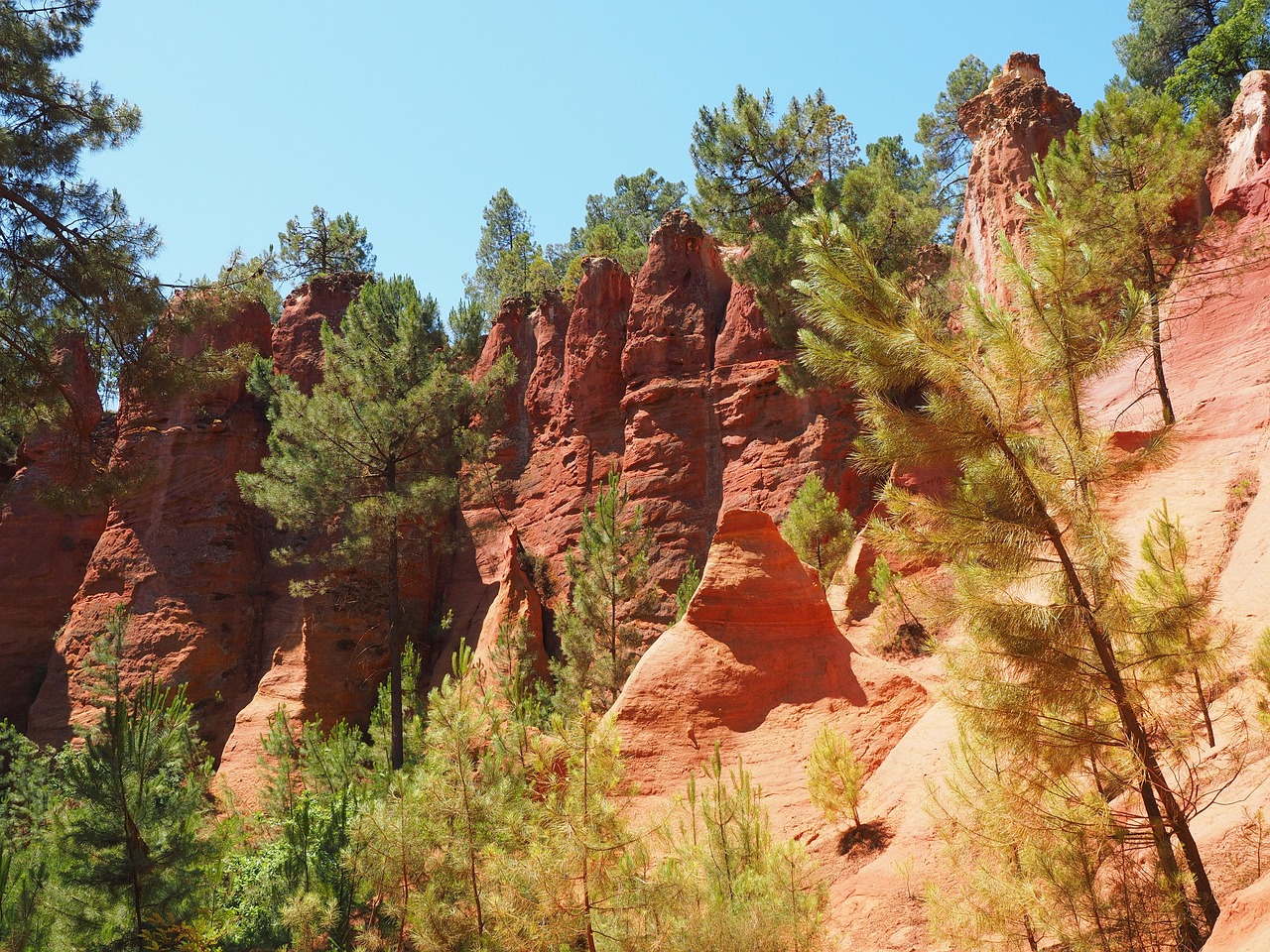
- Roussillon: Famous for its ochre cliffs and red-gold houses.
- Gordes: One of the most photographed hilltop villages in France.
Tip: Pick just one or two villages; don’t try to do them all in one day. Part of the joy is lingering.
5 Day Itinerary for Lacoste
With 5 days in Lacoste, you can truly exhale. This 5 day itinerary for Lacoste combines all of the above with time for spontaneity and at least one proper hike or extended cycle.
Day 1–3: Follow the 3-Day Plan
Start as above, easing into village life.
Day 4: Active Luberon – Hiking or Cycling Day
On my longest stays, I always dedicate one full day to being properly active. It changes how you experience the landscape.
Option A: Full-Day Hike
- Plan a longer route with help from your host or local maps.
- Carry a picnic and plenty of water.
- Take breaks in shady spots and enjoy the silence broken only by cicadas.
Option B: Full-Day Bike or E-Bike Ride
- Rent bikes and follow a loop: Lacoste – Bonnieux – Ménerbes – Lacoste.
- Stop for coffee and lunch along the way.
- Return to Lacoste pleasantly tired and glowing from the sun.
Day 5: Free Day & Hidden Gems
Use your fifth day as a buffer for weather changes, serendipity, or revisiting favorites. Some of my best Lacoste days have been these “free days” where I ended up doing something completely unplanned.
Ideas:
- Return to your favorite café terrace and spend hours reading.
- Visit a farm shop or olive mill you heard about from locals.
- Take a slow photo walk through the village at different times of day.
- If rain appears, enjoy the rare sight of wet stone and misty hills from a cozy indoor perch.
Lacoste & Surrounding Areas: Where to Wander
Lacoste is tiny, but thinking in terms of “micro-neighborhoods” helps you explore with intention. Plus, the nearby villages function like Lacoste’s extended neighborhood.
Upper Village & Château Quarter
This is the area around the Château de Lacoste and the upper church. It’s the most dramatic part of the village, with big views, steeper lanes, and a slightly wilder, more exposed feel.
- Best for: Views, sunsets, photography, romantic walks.
- Watch out for: Steep cobbles; not ideal for those with mobility issues.
Central Village Lanes
This is where you’ll find cafés, a few galleries, and more everyday village life. The lanes twist and turn, opening onto small squares and terraces.
- Best for: Casual strolling, morning and late afternoon atmosphere.
- Vibe: Quiet but gently lively when SCAD students are in session.
Lower Village & Approach Road
The lower part includes the entrance road, parking areas, and the first cluster of houses. The view up to the village from here is impressive and worth a photo stop.
- Best for: First impressions, parking, capturing the full village silhouette.
The Surrounding Countryside
Beyond the last stone house, you’re quickly in vineyards, fields, and small roads leading to farms and other villages. This is where you feel the full Luberon atmosphere.
- Best for: Walks, bike rides, sunrise and sunset drives.
Nearby Villages as “Neighborhoods”
Think of these as districts in your broader Lacoste stay:
- Bonnieux: Sloped stone village with excellent restaurants and a fine Friday market.
- Ménerbes: Hilltop village with wine and truffle connections, beautiful views.
- Roussillon: Ochre-colored houses and cliffs, a completely different palette from Lacoste’s pale stone.
- Gordes: One of France’s iconic hilltop villages; more touristed, but worth seeing once.
Local Food & Drink in Lacoste
Provence is a region where food follows the seasons and the sun. Lacoste itself is small, so many of your best meals may happen in nearby villages, but eating and drinking here still feels special.
What to Eat: Provençal Specialties
- Tapenade: Olive spread (black or green) eaten on bread or with raw vegetables.
- Goat cheese (chèvre): Often served warm on toast in salads.
- Ratatouille: Stewed vegetables—tomatoes, zucchini, eggplant, peppers, onions.
- Aioli: Garlicky emulsion served with fish and vegetables.
- Local lamb: Often roasted with herbs like thyme and rosemary.
- Tian: Layers of vegetables baked slowly in olive oil.
- Apricot or cherry desserts: Tarts, clafoutis, jams, depending on the season.
What to Drink
- Rosé from the Luberon: Pale, dry, chilled; the default summer drink.
- Local reds and whites: Often a good value, especially if bought directly from vineyards.
- Pastis: Anise-flavored spirit, diluted with water; traditional apéritif.
- Herbal infusions: Thyme, verbena, and other local herbs after dinner.
Restaurants & Cafés: My Personal Approach
In a village this small, restaurant names and ownership can change from season to season, so rather than list specifics that may be outdated by 2026, here’s how I find good places:
- Look for short menus that change with the seasons, often written on a chalkboard.
- Ask your host or café staff where they eat on their nights off.
- Pay attention to smells as you walk past around mealtimes.
Money-saving tip: Eat your main meal at lunchtime where possible—many places offer better value menus du jour at midday than at night.
Self-Catering & Picnics
Some of my favorite meals in Lacoste have been simple picnics: market bread, cheese, fruit, and a bottle of local wine, eaten on a terrace or a quiet bench.
Where to buy:
- Weekly markets in nearby villages for fresh produce and specialties.
- Small supermarkets or épiceries for basics (often in Bonnieux or Apt rather than Lacoste itself).
- Farm shops and vineyards for olive oil, jams, and wine.
Nightlife, Entertainment & Cultural Experiences
Lacoste is not a nightlife destination in the clubbing sense. Its evenings are about slow dinners, conversations under the stars, and the occasional concert echoing off stone walls.
Evening Atmosphere
After sunset, the village quiets. You might hear distant laughter from a restaurant terrace, the murmur of voices from a house, or a dog barking in the valley below. Streetlights are minimal; the sky is often a canopy of stars.
Cultural Experiences
- Château performances: In summer, look for open-air concerts or theater events in the château grounds.
- Church concerts: Small classical or choral performances, especially in high season.
- SCAD events: Occasional public exhibitions, screenings, or talks.
Nearby Nightlife
If you want a slightly livelier evening, head to Bonnieux, Ménerbes, or even Apt, where you’ll find more restaurant and bar options. But even there, nightlife is more about wine and conversation than dancing until dawn.
Events & Festivals in Lacoste (2026–2027)
Exact programming changes year by year, but based on recent patterns and local trends, here’s what to look out for in 2026–2027 in and around Lacoste:
- Summer Arts & Music at the Château de Lacoste (June–August 2026 & 2027): Open-air concerts, theater performances, and art installations in the château grounds. Expect a mix of classical, jazz, and contemporary performances.
- SCAD Lacoste Exhibitions (Spring & Fall 2026–2027): End-of-term student shows, visiting-artist exhibitions, and occasional public lectures.
- Nearby Village Festivals: Look for small fêtes in Bonnieux, Ménerbes, and other Luberon villages—wine festivals, harvest celebrations, and music evenings that visitors are welcome to join.
- Christmas Season (December 2026): Nativity scenes, church services, and modest but charming winter decorations in local villages.
Tip: Check local tourist office websites (often under “Luberon” or “Pays d’Apt”) a few months before your trip; they compile calendars of events across the region, including Lacoste.
Day Trips from Lacoste
Even if your heart belongs to Lacoste, the surrounding region is packed with worthwhile excursions. Here are some of the best day trips with practical notes.
Roussillon & the Ochre Trail
Distance: About 20–30 minutes by car.
Why go: To walk among glowing red and orange ochre cliffs and see a village painted in earthy tones, a complete contrast to Lacoste’s pale stone.
What to do:
- Walk the Sentier des Ocres (Ochre Trail), a short loop through former ochre quarries.
- Explore the village’s narrow streets and viewpoints.
- Have lunch on a terrace overlooking the cliffs.
Gordes & Abbaye de Sénanque
Distance: About 30–40 minutes by car.
Why go: Gordes is one of the most iconic hilltop villages in France, and nearby Abbaye de Sénanque is a 12th-century abbey framed by lavender fields (in season).
What to do:
- Walk Gordes’ streets, enjoy the famous panoramic viewpoint.
- Visit Abbaye de Sénanque (book ahead, respect visiting rules).
- Combine with a drive through the beautiful surrounding countryside.
L’Isle-sur-la-Sorgue
Distance: Around 45–60 minutes by car.
Why go: Charming town known for its canals and antiques markets. Great if you want more bustle for a day.
What to do:
- Browse antique shops and stands (especially on Sundays).
- Have lunch beside the canals.
- Pick up unique souvenirs or home decor.
Avignon
Distance: About 1–1.5 hours by car.
Why go: A historic city with the Palais des Papes (Papal Palace), famous bridge, and a vibrant cultural scene.
Tip: This can be a long day trip; leave early and consider staying for dinner before driving back, or combine with train travel if you’re connecting onward.
Practical Travel Advice for Lacoste (2026 Edition)
Cultural Etiquette & Local Customs
- Greetings: Always say “Bonjour” (daytime) or “Bonsoir” (evening) when entering shops, cafés, or starting a conversation. It’s considered rude not to.
- Language: Many people in tourism speak some English, but starting in French is appreciated. Even a simple “Bonjour, parlez-vous anglais ?” goes a long way.
- Quiet hours: Lacoste is a small village; keep noise down late at night, especially on terraces and in the lanes.
- Churches: Dress modestly, remove hats, keep voices low. Check for signs about photography.
- Dining: Meals are meant to be leisurely. Don’t expect rushed service; enjoy the pace. Tipping is modest—round up or add 5–10% if service was excellent.
How to Get to Lacoste
By Air: Nearest major airports are Marseille Provence (MRS) and Avignon. From there, you’ll usually rent a car or take trains + buses.
By Train:
- High-speed TGV to Avignon TGV or Aix-en-Provence TGV.
- Then regional trains or buses toward Apt or Cavaillon, plus a taxi or rental car to Lacoste.
By Car: Driving is by far the easiest way to access Lacoste and explore the Luberon. Roads are generally good and well signposted. A GPS or offline map helps with small country roads.
Getting Around: Car, Public Transport & Walking
- Car rental: Best option in 2026 for flexibility. Book early in high season (June–September).
- Public transport: Limited in rural areas. You may manage with a combination of regional buses and taxis, but expect longer travel times and plan carefully.
- Walking: Inside Lacoste, everything is walkable (though steep). Good footwear is essential.
- Cycling: Great for nearby villages if you’re reasonably fit or using e-bikes.
SIM Cards & Connectivity (2026)
EU Visitors: Most EU plans include roaming in France, but confirm with your provider.
Non-EU Visitors:
- Buy a local French SIM (e.g., Orange, SFR, Bouygues) at airports or larger towns.
- Alternatively, use an eSIM with a regional data plan; very convenient in 2026.
- Wi-Fi is available in many accommodations but may be slower than in big cities.
Money & Saving Tips
- Currency: Euro (€).
- Cards: Widely accepted, but carry some cash for small purchases and markets.
- Save on food: Self-cater breakfasts and some lunches using market produce; eat your splurge meals in smaller local restaurants, not just the most scenic terrace.
- Travel shoulder season: Late April–May and September–October offer lower prices and fewer crowds than peak summer.
Visa Requirements & Driving Licenses
Visas (as of 2026):
- France is in the Schengen Area. Many nationalities (including most of Europe, UK, US, Canada, Australia, New Zealand, and others) can visit short-term (typically up to 90 days in a 180-day period) without a visa, but must comply with Schengen rules.
- Check the latest requirements from official French or EU sources before travel; policies can change.
Driving Licenses:
- EU/EEA licenses are generally recognized without issue.
- Many non-EU visitors can drive with their home license + an International Driving Permit (IDP). Some rental agencies require the IDP even if the law is flexible.
- Carry your passport, license, IDP (if applicable), and rental documents when driving.
Best Seasons & Weather: What to Expect
Spring (April–June):
- Mild to warm days, cool nights.
- Wildflowers, green hills, fewer tourists.
- Great for hiking, cycling, and a quieter 3–5 day itinerary for Lacoste.
Summer (July–August):
- Hot, dry, sunny. Temperatures can exceed 30°C (86°F).
- Lavender in bloom (mainly late June–July), lively atmosphere.
- Peak prices and more crowds; book well ahead.
Autumn (September–October):
- Comfortable temperatures, harvest season, golden light.
- Excellent time for food and wine, photography, and longer stays.
Winter (November–March):
- Quieter, some places may close or reduce hours.
- Crisp, clear days, potential for rain and occasional cold snaps.
- Best if you want solitude and don’t mind limited services.
Safety & Health
- Lacoste is generally very safe; crime is low. Normal precautions apply.
- Watch your footing on cobblestones, especially when wet.
- In summer, heat and sun are the main concerns—wear a hat, use sunscreen, and drink plenty of water.
- Pharmacies and medical services are found in larger nearby towns (Apt, Cavaillon, etc.).
Hidden Tips from Repeated Visits
- Plan downtime: Don’t overpack your schedule. The magic of Lacoste is in the unscheduled hours.
- Early mornings & late evenings: That’s when the village feels most intimate and the light is most beautiful.
- Talk to locals: Even simple exchanges at the bakery or café can lead to recommendations you won’t find online.
- Carry a small flashlight: Street lighting is minimal; a phone torch works, but a tiny flashlight is even better for late-night walks.
- Check opening hours: Small galleries and restaurants may close one or two days a week or for midday breaks.
Summary: Key Takeaways & When to Visit Lacoste
Lacoste is not a place you “do”; it’s a place you inhabit for a few days. In 2026, it offers a rare mix of deep history, contemporary art, and quiet Provençal life, framed by the landscapes of the Luberon.
For a 3 day itinerary for Lacoste: Focus on the village itself, the château, a nearby market, and one vineyard or short hike.
For a 4 day itinerary for Lacoste: Add an art-focused day and an extra village like Bonnieux or Roussillon.
For a 5 day itinerary for Lacoste: Build in a full hiking or cycling day, more slow time on terraces, and a day trip to a further village or town.
Best seasons to visit:
- Late April–June: Ideal mix of weather, blossoms, and manageable crowds.
- September–October: Warm but not oppressive, harvest-time flavors, beautiful light.
- July: For lavender and festivals, if you don’t mind heat and higher prices.
If your idea of a perfect trip involves stone lanes instead of skyscrapers, sunsets instead of skylines, and slow meals instead of rushed checklists, Lacoste will feel like a quiet revelation. Give it at least three days; if you can, give it five. It’s the kind of place that lingers in your memory long after you’ve driven back down the hill and rejoined the noise of the wider world.