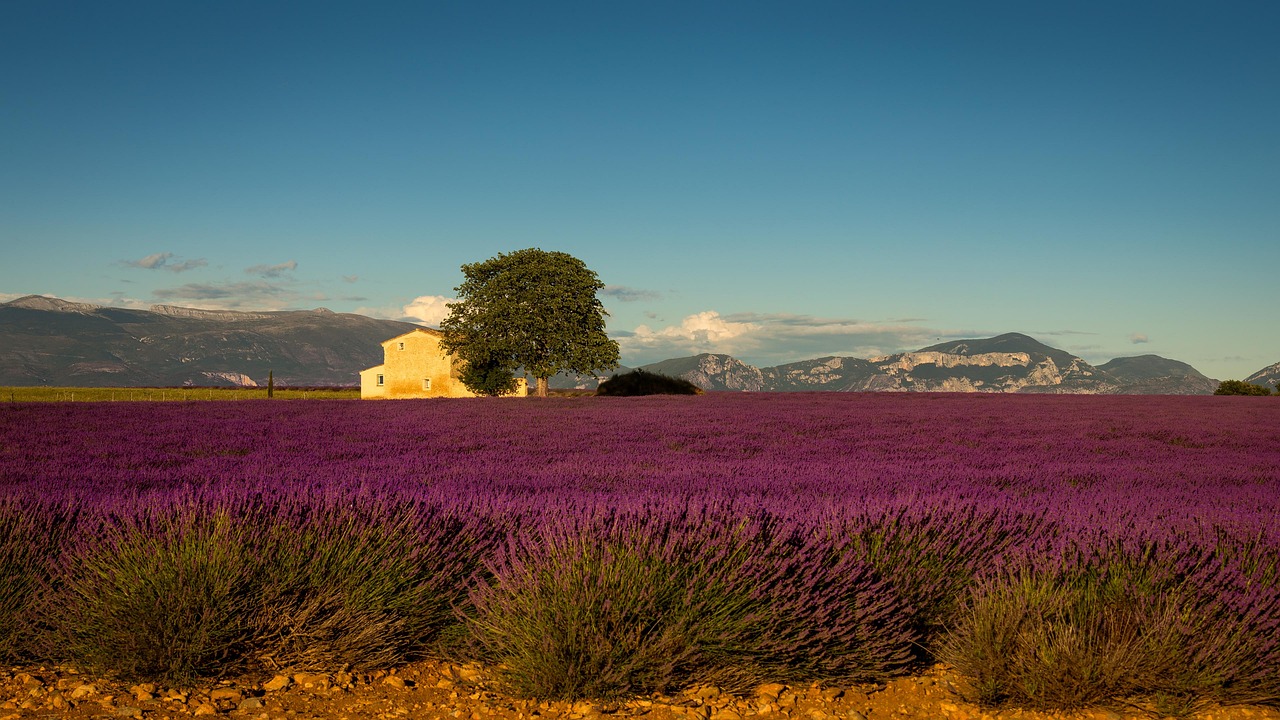
Why Visit the Lavender Route in France
The Lavender Route—Route de la Lavande—is not just a drive through purple fields. It’s a slow immersion in small-town Provence, hilltop villages, Roman ruins, and farm tracks that smell of thyme, honey, and hot stone. I first drove this route in 2010 in a sputtering rental Peugeot with no air-conditioning; I’ve returned almost every summer since, watching the region evolve—more EV chargers, more cyclists, more savvy food trucks—but the core magic has barely changed.
At its best, the Lavender Route is a multi-leg road trip that you feel in your shoulders and your nose as much as in your eyes: the weight of the sun after a long switchback, the coolness of an evening pastis under plane trees, the scent of lavender mixing with diesel at a tiny rural fuel stop. It’s family friendly (farm animals, easy walks, shallow rivers), romantic (sunset fields, candlelit terraces, sleepy stone villages), and quietly adventurous (canyon drives, e-bike climbs, early-morning hot air balloons).
This 2026 travel guide is designed as a long-form editorial road companion. It strings the best stops on the Lavender Route into a flexible 7–14 leg itinerary for Lavender Route, with detailed stories, practical advice, and local tips I’ve picked up over years of living nearby and guiding friends through these bends.
Table of Contents
- 1. Understanding the Lavender Route
- 2. How Many Legs? 7–14 Leg Itinerary Options
- 3. Leg 1 – Avignon to L’Isle-sur-la-Sorgue & Fontaine-de-Vaucluse
- 4. Leg 2 – Gordes, Abbaye de Sénanque & the Luberon Ridges
- 5. Leg 3 – Roussillon, Bonnieux & Saignon: Ochre and High Villages
- 6. Leg 4 – Apt to Sault Plateau: First Great Lavender Seas
- 7. Leg 5 – Sault to Mont Ventoux & Gorges de la Nesque
- 8. Leg 6 – Valensole Plateau: The Iconic Lavender Route Images
- 9. Leg 7 – Moustiers-Sainte-Marie & Gorges du Verdon
- 10. Leg 8 – Sainte-Croix Lake to Aups & Haut-Var Villages
- 11. Leg 9 – Forcalquier & Lure: Lavender, Stars, and Slow Towns
- 12. Leg 10 – Manosque, Gréoux-les-Bains & Thermal Detours
- 13. Leg 11 – Sisteron & the Durance Cliffs
- 14. Leg 12 – Drôme Provençale: Nyons, Buis-les-Baronnies & Olive Country
- 15. Leg 13 – Dieulefit, Grignan & Castles Among the Fields
- 16. Leg 14 – Return Arcs: Orange, Vaison-la-Romaine & Back to Avignon
- 17. Eating & Sleeping Along the Lavender Route
- 18. Evenings on the Road: Bars, Walks & Starry Skies
- 19. Events & Festivals 2026–2027
- 20. Cultural Etiquette & Local Customs
- 21. Route Logistics & Driving Advice
- 22. Money-Saving Tips & Practical Travel Advice
- 23. Day Trips & Nearby Attractions
- 24. Summary & Best Seasons to Visit
Understanding the Lavender Route
There isn’t a single, officially signposted “Lavender Route” in Provence. Instead, the phrase covers a web of regional roads threading through the lavender-producing heartlands of Vaucluse, Alpes-de-Haute-Provence, and Drôme Provençale. Over the years, I’ve pieced together what I think of as the classic Lavender Route road trip itinerary—a big, looping journey that:
- Roughly starts and ends in Avignon, a practical rail hub with rental cars and culture.
- Passes through the Luberon villages (Gordes, Roussillon, Bonnieux), the Sault plateau, the Valensole plateau, and the Verdon region.
- Arcs north through Forcalquier and Drôme Provençale (Nyons, Grignan), then down through Vaison-la-Romaine back toward Avignon.
In season (late June to late July, sometimes into early August), the route is a patchwork of purple and gold—lavender, wheat, and sunflowers. Out of season, it becomes a quieter cultural experiences in Lavender Route trip: markets, truffle menus, Roman sites, and walking trails under clear winter skies.
This guide leans on 14 legs of Lavender Route to give you detail, but you can collapse it into a 7 leg itinerary for Lavender Route or expand into a lazy 10 leg itinerary for Lavender Route, 11 legs of Lavender Route, or more if you have time. I’ll flag where you can merge or stretch days.
How Many Legs? 7–14 Leg Itinerary Options
To help plan your Lavender Route road trip itinerary, here’s how I usually chunk it:
- 7 legs of Lavender Route (fast but rich, ~7–9 days) – Combine 2 legs at a time:
- Avignon–Gordes–Roussillon (Legs 1–3)
- Luberon–Sault–Ventoux (Legs 4–5)
- Valensole–Verdon (Legs 6–7)
- Verdon–Forcalquier–Manosque (Legs 8–10)
- Sisteron–Drôme–Vaison–Avignon (Legs 11–14)
- 8 legs of Lavender Route (~10–12 days) – Merge some of the shorter northern legs.
- 9 leg itinerary for Lavender Route – Keep Valensole and Verdon separate, merge some Drôme days.
- 10 legs of Lavender Route – A very comfortable pacing; ideal for families.
- 11–14 legs of Lavender Route – For slow travelers who want markets, hikes, and long lunches.
Below I describe the route as 14 legs, each roughly one travel day with 1–3 nights in a base. Treat it like a menu: you can skip, merge, or linger depending on your time and interests.
Leg 1 – Avignon to L’Isle-sur-la-Sorgue & Fontaine-de-Vaucluse
Gateway to the Lavender Route – 1–2 days
I like to start every Lavender Route journey in Avignon. It’s practical—direct TGV from Paris in under three hours—and emotionally satisfying: from the medieval ramparts and the Palais des Papes you feel the weight of history, then within an hour you’re on small country roads under cherry orchards.
Avignon: Stock Up & Ease In
On my latest 2025 pre-season trip, I arrived in Avignon on a hot June afternoon. I picked up a small hybrid at the TGV station (better range for detours, still easy to park), then drove into town for one last night of urban comforts.
- Things to do in Avignon before hitting the Lavender Route:
- Walk the Palais des Papes (buy a late-afternoon ticket; cooler, fewer groups).
- Sunset stroll on the Pont d’Avignon with river views.
- Stock up on picnic supplies at Les Halles d’Avignon (closed Mondays).
- Hidden gem: the rooftop garden of Les Halles; locals sneak up there with a coffee and a view of the tiled roofs.
Avignon to L’Isle-sur-la-Sorgue
The next morning, I like to leave after the commuter traffic, around 9:30. The drive to L’Isle-sur-la-Sorgue is only about 30 minutes, but it’s your first taste of how the Lavender Route road trip itinerary feels: roundabouts, plane trees, glimpses of the Luberon ridges ahead.
L’Isle-sur-la-Sorgue is known as the “little Venice of Provence”, with canals lined by antique shops and cafes. It’s touristy on Sundays, when the big antiques market takes over, but on a weekday morning in June it’s mellow, with kids feeding ducks and old men arguing over pétanque.
- Best places to visit in Lavender Route: L’Isle-sur-la-Sorgue
- Wander the canal-side quays and old water wheels.
- Browse a few antique warehouses—even if you’re not buying, it’s a trip back in time.
- Grab a coffee at Café de France on the main square; touristy but iconic.
- Local food in Lavender Route: here – Try a tarte tropézienne or a simple pain au chocolat from a side-street boulangerie; prices drop as you leave the central canal.
Family Friendly: Fontaine-de-Vaucluse
From L’Isle-sur-la-Sorgue, a 15-minute drive upriver brings you to Fontaine-de-Vaucluse, one of my favorite early stops, especially for families.
The village is built around the mysterious spring that gushes from an underground cave. In early spring (after heavy rains) the water roars emerald green; by July it’s calmer but still astonishingly clear. On one 2023 trip, I sat with my niece on the riverbank watching trout hover in the current while kayakers drifted past.
- Things to do:
- Walk the short path up to the source of the Sorgue (sturdy shoes; a bit rocky).
- Visit the small paper mill museum; kids love the whirring gears.
- Rent a kayak in summer and float down a stretch of the Sorgue (great for older kids and teens).
- Tip: The car park fills by late morning in July; arrive before 10:00 or after 16:00.
- Food: Avoid the most obvious riverside tourist menus; walk one street back for simpler, cheaper plat du jour options.
Why This Leg Matters
Leg 1 doesn’t yet deliver the big lavender fields, but it lets you adjust to the pace, test your rental car, and get a feel for how to drive Lavender Route: patient, curious, always willing to pull off for a view or a village.
Leg 2 – Gordes, Abbaye de Sénanque & the Luberon Ridges
Iconic postcards & early lavender fields – 1–2 days
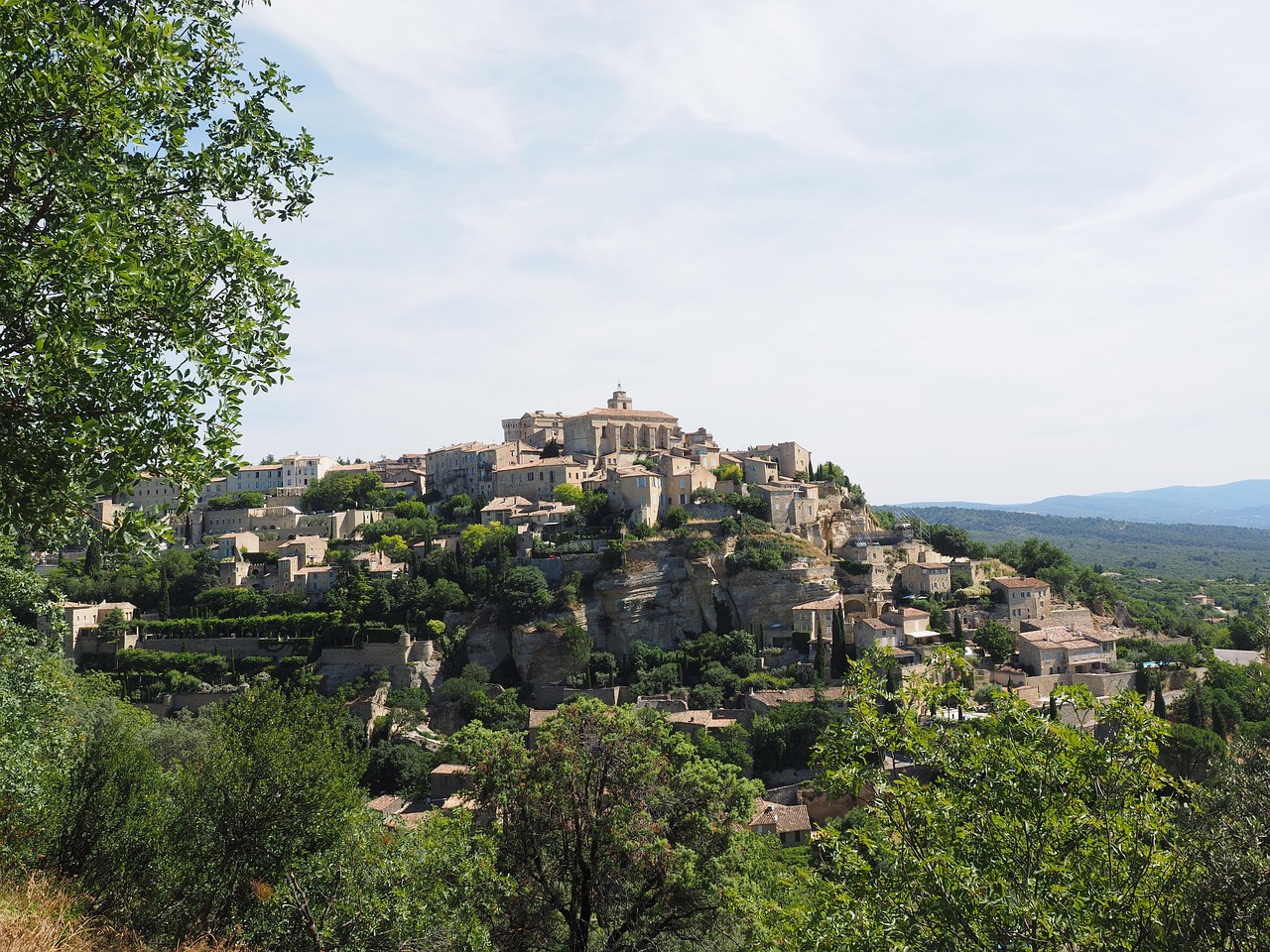
From Fontaine-de-Vaucluse, the road begins to climb gently toward the Luberon ridges. Within 30 minutes, you crest a bend and see Gordes stacked on its rock like a limestone wedding cake. The first time I saw it, I pulled over at the viewpoint and just stared; it’s that dramatic.
Gordes: Classic, Crowded, Still Worth It
By 2026, Gordes is no secret. Buses disgorge day-trippers; parking isn’t cheap. And yet, early in the morning or after 18:00, the village feels surprisingly real. You see kids on scooters, old women carrying baguettes, and the light turns the stone honey-gold.
- Must-see attractions in Lavender Route: Gordes
- The village viewpoint on the D15 approaching from the west – the classic photo angle.
- The castle square in the center, with its cafés and art galleries.
- Back alleys dropping steeply away from the main square—quiet, with stunning valley views.
- Hidden gem: A little bench under a fig tree on the northern edge of the village; you’ll likely have it to yourself even in July.
Abbaye de Sénanque: The Poster Child
From Gordes, a narrow road snakes down to the Abbaye de Sénanque, perhaps the most photographed spot on the Lavender Route. A 12th-century Cistercian abbey, it sits in a bowl-shaped valley surrounded by perfectly aligned lavender rows.
The monks still live and work here, so the abbey is more than a backdrop. On one dawn visit in 2022, I arrived just after sunrise and heard their chants faintly drifting through the stone, while a few photographers set up in respectful silence.
- Travel tips for Lavender Route: Sénanque
- Visit early morning (before 9:00) or late afternoon to avoid bus crowds.
- Book an inside abbey visit if you’re interested in history and monastic life.
- Stay behind the signs in the fields; these are working crops, not a theme park.
- Family friendly: The walk from the parking down to the abbey is manageable for kids; bring hats and water—no shade.
Driving the Luberon Ridges
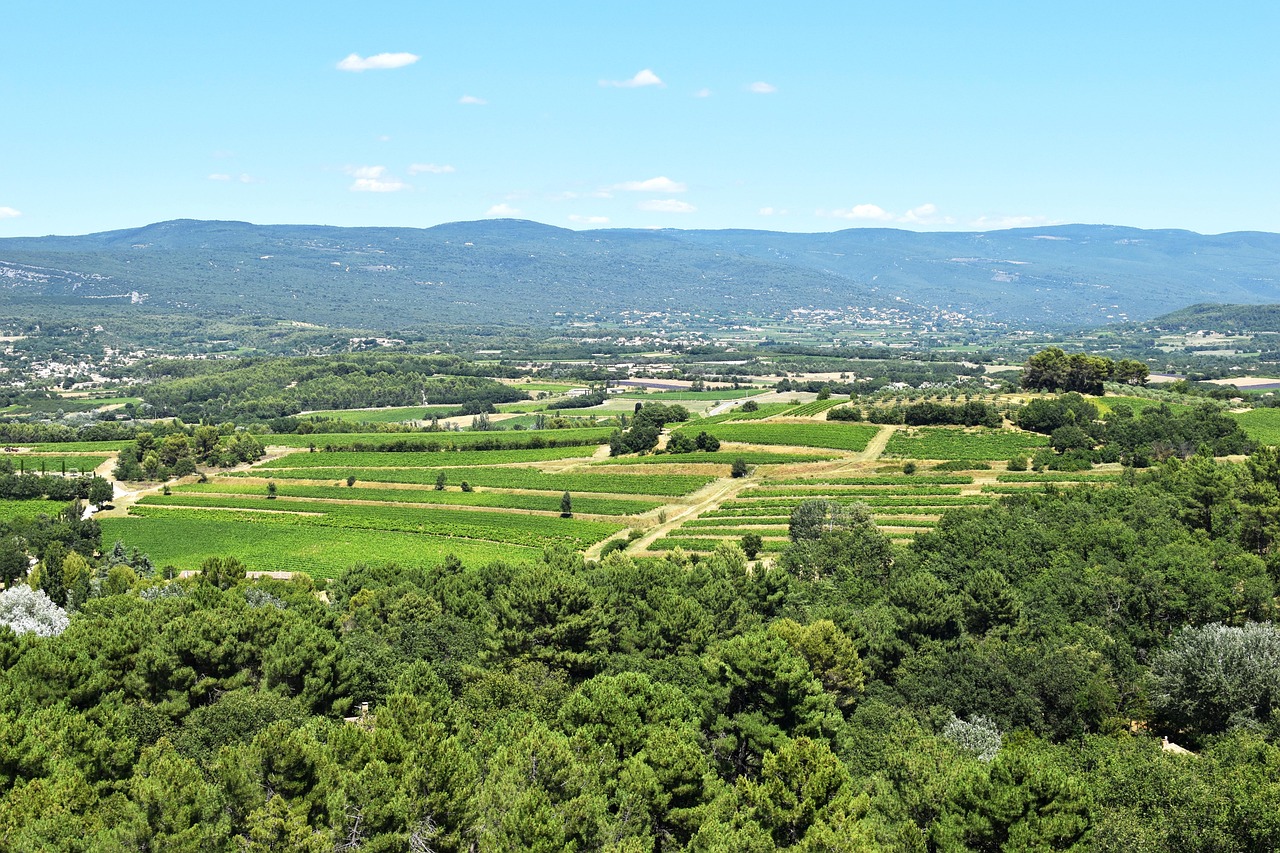
From Sénanque, I like to take the smaller departmental roads that run along the Luberon ridges rather than diving straight to the valley. The drive offers views over patchwork fields, stone farmhouses, and the occasional early lavender parcel.
- Why this leg is worth driving:
- It’s your first blend of lavender, stone villages, and wide landscapes.
- Plenty of lay-bys to pull over for photos without traffic stress.
- Good for motorcycles and road cyclists (winding but well surfaced).
- Safety tip: Don’t slam on brakes for photos; watch for cyclists in summer and pull into proper spots.
Leg 3 – Roussillon, Bonnieux & Saignon: Ochre and High Villages
Color contrasts & slow evenings – 1–2 days
By Leg 3, you’re settling into the rhythm of village mornings and long lunches. This leg is more about things to do in Lavender Route beyond lavender: ochre cliffs, hilltop silhouettes, and terrace dinners.
Roussillon & the Ochre Trail
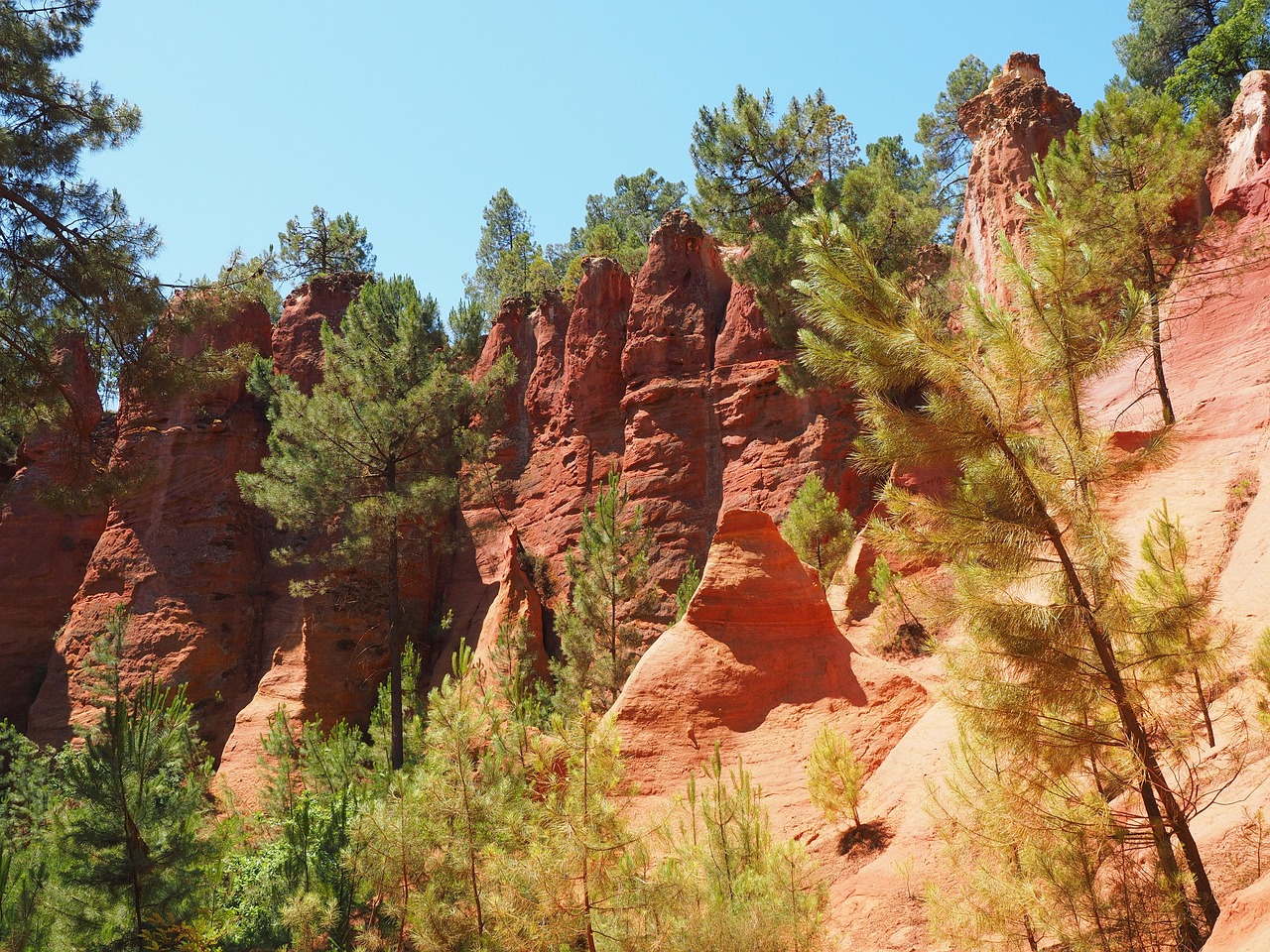
Roussillon is perched above surreal ochre cliffs—reds, oranges, and yellows that look almost American Southwest. The Sentier des Ocres (Ochre Trail) loops through this landscape; it’s a perfect leg-stretcher after a morning drive.
- Family friendly activity: The short loop of the Ochre Trail takes about 30–40 minutes; kids love the “Mars” feel and dusty red paths. Wear old shoes; the stain is real.
- Local customs: Even in touristy Roussillon, a polite “Bonjour” as you enter a shop goes a long way. People soften immediately.
Bonnieux: High-Perched and Atmospheric
Bonnieux is one of my chosen overnight bases on the Luberon stretch. It has enough restaurants to keep evenings varied but still feels like a living village. I’ve spent several June evenings here, nursing a glass of rosé as the sun drops behind the opposite ridge.
- Things to do:
- Climb to the old church at the top for a wide valley view.
- Visit the Friday morning market for picnic supplies and local goat cheese.
- Eating: This is a good place to try agneau de pays (local lamb) and tian (baked vegetable gratin). Book ahead in July.
Saignon: Quiet, Under the Radar
Just above Apt, Saignon clings to a rocky outcrop. Few tour groups make it here, which is precisely the point. One of my fondest memories from 2021 is watching a storm roll across the valley from the rock above the village—lavender plots below turning silver under the wind.
- Hidden gems in Lavender Route: Saignon:
- The rock viewpoint above the village (short but steep climb; fantastic panorama).
- A tiny café on the main square that does excellent homemade tarts at afternoon tea time.
- Romantic: Sunset here is quietly spectacular; bring a bottle from Apt and toast the view.
Leg 4 – Apt to Sault Plateau: First Great Lavender Seas
Transition from hill villages to open fields – 1 day
Leaving the Luberon behind, the road to Sault is where the Lavender Route starts to earn its name more heavily. The fields stretch wider, the air smells sharper, and you’ll start to see small roadside distilleries with copper stills.
Apt: Market Town with Grit
Apt can seem a bit workaday after the gloss of Gordes and Roussillon, but I always stop here—especially on Saturday market days. This is where you see real Provençal life: farmers in muddy boots, old ladies bargaining fiercely over peaches.
- Local food in Lavender Route: Apt – Famous for candied fruit; pick up a small box from a market stall for snacks on the road.
- Tip: Park in the lots along the ring road; the historic center is tight for bigger cars.
Climb Toward Sault
The D943 and D942 carry you up to the Sault plateau. As you crest, the first wide lavender fields appear, interspersed with cereal crops. On my 2024 July trip, I stopped at least five times between Monieux and Sault—every bend seemed to offer a better composition of purple and gold.
- Must-see attractions in Lavender Route: Sault plateau:
- The official lavender viewpoint just before entering Sault (signed, with a small parking area).
- Several farm shops where you can see small-scale distillation, buy essential oils, honey, and soaps.
- Travel advice for Lavender Route: Respect private property; walk only where invited and never pick flowers without permission.
Sault Village
Sault itself balances tourism and everyday life nicely. It’s less polished than some Luberon villages but feels authentic. I like to base here for a night or two when I’m exploring both lavender and nearby Mont Ventoux.
- Things to do:
- Walk the lavender discovery trail (marked paths through fields with information panels; great for kids).
- Visit a distillery such as Distillerie Arôma’Plantes for demonstrations and tastings.
- Food: Try a lavender-flavored ice cream; it can be subtle and lovely when done right.
Leg 5 – Sault to Mont Ventoux & Gorges de la Nesque
Mountain panoramas & canyon roads – 1–2 days
Strictly speaking, this leg edges away from the heaviest lavender areas, but it’s one of the best drives on the Lavender Route and a highlight for anyone who likes curves and vistas.
Gorges de la Nesque
The D942 from Sault or Monieux toward Villes-sur-Auzon threads along the rim of Gorges de la Nesque. Sheer cliffs drop away on one side; on the other, slopes rise to Mont Ventoux. There are tunnels, stone guardrails, and several official viewpoints.
- Adventurous: Motorcyclists adore this stretch—sweeping bends, good tarmac, very photogenic.
- Family note: If anyone in your crew is prone to vertigo, sit them on the cliff-away side and keep speeds gentle.
- Photo tip: The Belvédère du Castellaras offers one of the best canyon panoramas.
Mont Ventoux Detour
If you have a clear day, a detour up Mont Ventoux is worth it. Known from the Tour de France, it’s a barren, lunar summit with 360° views over Provence and, on very clear days, the Alps.
- Vehicle suitability: Any modern car handles it; just watch engine temperatures on very hot days. Cyclists share the road—give them plenty of space.
- Seasonal closures: The summit road can be closed due to snow or high winds until late spring; check local updates if traveling outside summer.
Why This Leg Matters
Lavender is beautiful, but contrast keeps a road trip alive. This leg brings in adventure, elevation, and big skies before you swing back south toward the most famous lavender plateau of all: Valensole.
Leg 6 – Valensole Plateau: The Iconic Lavender Route Images
Endless purple and photographic fame – 1–2 days
If you’ve seen a glossy magazine spread about Provence, it was probably shot on the Valensole plateau. This is where the fields stretch almost to the horizon, and the small farm tracks seem designed purely for photographers.
Arriving on the Plateau
Approaching from the north or west, the road climbs gently and then—quite suddenly—your view opens onto an enormous, rolling sea of color. I always find myself slowing down here. On my 2023 July trip, I pulled over at the first safe lay-by and just listened: bees, distant tractors, the soft rumble of a car far away.
Signature Viewpoints & Fields
- Must-see attractions in Lavender Route: Valensole:
- The “lone tree” field—famous on Instagram. Beautiful, but expect crowds at sunset.
- Fields near small chapels and farmhouses where you can frame more “classic” scenes without other visitors in the shot.
- Roadside distilleries with open doors; in July the smell of fresh lavender being distilled is unforgettable.
- Hidden gems: Smaller, family-run farms east of Valensole village often offer calmer visits than the big-name stops.
Valensole Village
The village of Valensole itself is modest but pleasant. I tend to stay here or nearby for a night when I want to photograph both dawn and dusk in the fields.
- Local food: Taste lavender honey and almond-based sweets (the plateau is famous for almonds too).
- Evenings: A simple terrace restaurant with a view over the valley and a carafe of local rosé is all you need.
Photography & Etiquette
By 2026, farmers are increasingly vocal about visitors trampling crops for photos. Remember:
- Stay on tracks and paths that are clearly used; never step between unmarked rows.
- Ask permission if you’re not sure—most farmers are friendly if approached respectfully.
- Drone use is restricted; check local regulations and avoid flying low over working farms.
Leg 7 – Moustiers-Sainte-Marie & Gorges du Verdon
Lavender meets turquoise canyon – 2–3 days
From Valensole, the Lavender Route tilts toward water and rock. Moustiers-Sainte-Marie, clinging to a cliff at the entrance of the Verdon Gorge, is one of my favorite villages anywhere in France. I usually spend at least two nights here to explore both the canyon and nearby fields.
Moustiers-Sainte-Marie
- Things to do:
- Climb up to the chapel of Notre-Dame-de-Beauvoir above the village (steep stone steps, but kids manage fine).
- Wander the narrow lanes in late afternoon when day-trippers leave.
- Browse shops for faïence (tin-glazed earthenware), the local specialty.
- Romantic: Have dinner on a terrace overlooking the waterfall that runs through the village; the sound of water and lantern light is pure cinema.
Gorges du Verdon
The Gorges du Verdon is Europe’s answer to the Grand Canyon, carved by a milky-turquoise river. The Lavender Route brushes its northern rim, and you can choose your own level of adventure:
- Family friendly: Rent a pedal boat or kayak from the bridge at the western end of Lac de Sainte-Croix and paddle into the start of the gorge.
- Adventurous: Drive the Route des Crêtes (D23) loop from La Palud-sur-Verdon, with dizzying viewpoints and vultures circling overhead.
- Romantic: Sunset picnic at a quieter viewpoint, with the canyon walls turning orange.
Lavender & Lake
In late June and early July, you can still find lavender fields near the lake, creating a striking purple-and-turquoise pairing. Park well off the road—summer traffic is intense—and treat this as your last major lavender fix before the route arcs north.
Leg 8 – Sainte-Croix Lake to Aups & Haut-Var Villages
Quieter back roads & olive groves – 1–2 days
Most people drop south toward the Riviera from Verdon. If you’re committed to the Lavender Route road trip itinerary, instead you’ll pivot north and west, threading through the Haut-Var—a region of forests, small villages, and hidden chapels.
Aups & Truffle Country
The town of Aups is known for its truffle market in winter, but it’s a pleasant stop year-round. On a 2022 November trip, I watched a truffle auction in the main square; in July, the same square fills with café tables and holiday-makers.
- Local food: If you’re here off-season (Nov–Mar), look for omelette aux truffes on menus—simple and divine.
- Hidden gem: Small chapels in the countryside around Aups; ask at the tourist office for a walking map.
Why This Leg Matters
This is the quiet transition leg that keeps the overall 10 leg itinerary for Lavender Route or 12 legs of Lavender Route from being all hits and no space. You’ll see more locals than tourists and feel the slower heartbeat of rural Provence.
Leg 9 – Forcalquier & Lure: Lavender, Stars, and Slow Towns
Bohemian markets & night skies – 1–2 days
Looping back north, you enter the Forcalquier region, one of my personal favorites. It’s less famous than Valensole but rich in small-scale lavender farms, organic markets, and an artsy, slow-living vibe.
Forcalquier Market
The Monday market in Forcalquier is legendary. Stalls spill through the center with cheese, bread, crafts, clothes, and more. I’ve spent many Mondays here over the years, sitting on café terraces watching the whole region seem to converge.
- Cultural experiences in Lavender Route: Forcalquier:
- Listen for the Provençal dialect; Forcalquier draws a more local crowd than the Luberon.
- Try a pan bagnat (stuffed sandwich) or socca-style chickpea snacks from street vendors.
- Family friendly: Kids love the live music that often pops up around the square.
Plateau de Lure
North of Forcalquier, the Plateau de Lure rises gently, with smaller, higher lavender fields. It’s cooler up here, which makes it a nice break on hot days.
- Adventurous: Hike short sections of trails that cross the plateau; the mix of pine forest, meadows, and lavender is special.
- Star-camping: Local campsites have low light pollution; I’ve had some of my best Milky Way views from this area in late August.
Leg 10 – Manosque, Gréoux-les-Bains & Thermal Detours
Industry, spas, and easy river walks – 1–2 days
Turning back toward the Durance valley, you hit a slightly more built-up stretch with Manosque and Gréoux-les-Bains. This is where many lavender products are processed and where you can soak sore driving muscles in thermal waters.
Manosque
Manosque is home to the well-known L’Occitane factory, which offers visits and a shop. While it’s a bit commercial, it’s interesting to see how lavender oil makes its way into cosmetics on an industrial scale.
- Things to do:
- Stroll the old town, which still has charm behind the more modern outskirts.
- Join a L’Occitane factory tour if you’re curious about production.
Gréoux-les-Bains
Gréoux-les-Bains is a spa town with a mix of retirees, wellness tourists, and road-trippers. I often spend a night here on longer trips, especially if I’ve been pushing long driving days.
- Family friendly: Some hotels have pools and simple spa facilities open to children at certain hours.
- Romantic: An evening soak followed by dinner in the old village center is a pleasant, low-key date.
Leg 11 – Sisteron & the Durance Cliffs
Citadel views & river bends – 1 day
Northeast of Manosque lies Sisteron, dramatically pinned between cliffs and the Durance River. It feels like a frontier town, guarding the passage between Alps and Provence.
Sisteron Citadel
The citadel perched above the town rewards a climb (or a drive most of the way up) with sweeping views of the river valley and surrounding hills.
- Adventurous: There are short via ferrata routes and climbing areas nearby if you want more adrenaline.
- History: Panels in the citadel explain its role through various wars and sieges.
Why Include Sisteron?
Though not a lavender hot spot itself, Sisteron adds historical and geographic variety to a 9 leg itinerary for Lavender Route or 11 legs of Lavender Route. It also positions you nicely to swing west into Drôme Provençale.
Leg 12 – Drôme Provençale: Nyons, Buis-les-Baronnies & Olive Country
Olives, quieter lavender, and gentle hills – 2 days
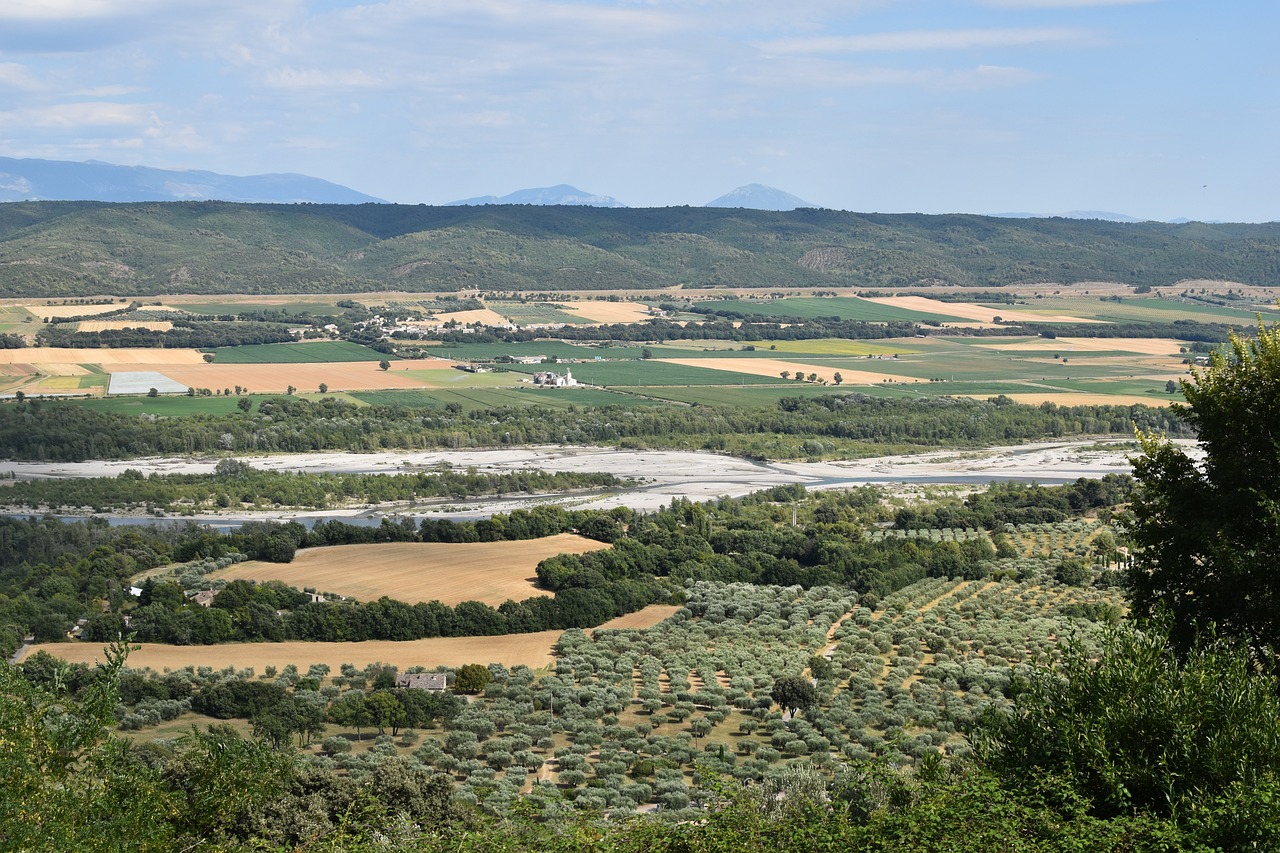
Crossing the departmental border into Drôme Provençale, the landscape softens: fewer stark cliffs, more rolling hills, olive groves, and smaller lavender parcels tucked into folds of land. I love this area for its slower pace and slightly cooler evenings.
Nyons: Olive Capital
Nyons is famous for its olives, which have AOP status. The town itself has a charming old bridge and a lively central square.
- Local food: Taste tapenade, olive oil, and olive-based soaps. Many small producers offer visits.
- Market day: Thursday is best; arrive by 9:00 for easier parking.
Buis-les-Baronnies
Buis-les-Baronnies sits in a bowl of hills, with cliffs popular with climbers. Lavender fields here are often small but beautifully sited, snaking along terraces and valley floors.
- Hidden gems in Lavender Route: Drôme:
- Short hikes through tilleul (linden) groves, whose blossoms scent the air in June.
- Lavender farms that welcome visitors with fewer crowds than Valensole.
- Cultural experiences: Summer evening concerts in village squares; check posters on noticeboards.
Leg 13 – Dieulefit, Grignan & Castles Among the Fields
Pottery, châteaux, and open horizons – 1–2 days
The western edge of Drôme Provençale brings more open plains, dotted with villages and punctuated by the impressive Château de Grignan. This is where lavender fields rub shoulders with vineyards and wheat.
Dieulefit
Dieulefit is a pottery town with a low-key, artsy feel. I once spent a rainy October day here ducking from workshop to workshop, watching potters at work.
- Local crafts: Ceramics range from rustic to contemporary; many studios ship internationally.
Grignan
Grignan is dominated by its château, dramatically perched above the village and surrounding fields. In lavender season, the approach roads offer classic views of purple rows leading the eye toward stone ramparts.
- Things to do:
- Tour the château (book ahead in high season).
- Wander the village lanes, many festooned with flowers in summer.
- Romantic: Evening sound-and-light shows or open-air theater events in the château courtyard (summer only).
Leg 14 – Return Arcs: Orange, Vaison-la-Romaine & Back to Avignon
Roman history, vineyards, and closing the loop – 1–2 days
The final leg swings you back toward Avignon via some of the richest Roman and medieval sites in the region.
Vaison-la-Romaine
Vaison-la-Romaine is split between a modern lower town and an upper medieval village. The Roman bridge and ruins are impressive, especially if you’ve been following smaller rural sites for days.
- Family friendly: Kids enjoy exploring the Roman streets and mosaics.
- Cultural etiquette: Some religious buildings ask for shoulders to be covered; carry a light scarf.
Orange
The Roman theatre in Orange is one of the best-preserved anywhere. Stand on the stage and imagine actors projecting their voices to 9,000 people—a nice mental shift after the small village squares of the Lavender Route.
Back to Avignon
Closing the loop in Avignon, I always feel a mix of satisfaction and a desire to re-do my favorite sections in a different season. If you’ve followed a 13 leg itinerary for Lavender Route or 14 leg itinerary for Lavender Route, you’ll have a deep, varied sense of the region by now.
Eating & Sleeping Along the Lavender Route
One of the underrated pleasures of this journey is how easy it is to eat and sleep well without breaking the bank—if you plan a little.
Where to Eat: From Roadside Diners to Village Bistros
- Roadside diners & cafés: On major departmental roads (D roads), you’ll find simple eateries serving plat du jour for 14–20 €. Look for places busy with local workers at lunch.
- Village bistros: In Gordes, Bonnieux, Sault, Valensole, Moustiers, Forcalquier, Nyons, and Grignan you’ll find bistros offering 3-course menus from 25–45 €.
- Markets & picnics: To save money, do one picnic meal a day. Market bread, cheese, tomatoes, and fruit are world-class here.
Specialties to Look For
- Local lamb from the high plateaus.
- Goat cheeses from the Luberon and Drôme.
- Lavender honey, almond pastries, and olive-based dishes.
Where to Sleep: Inns, B&Bs, and Guesthouses
- Chambres d’hôtes (B&Bs): My preferred option—personal, often with home-cooked breakfasts. 80–150 € per night for two is typical in season.
- Small hotels: In Avignon, Moustiers, Greoux, Sisteron, Nyons, and Orange. Convenient for short stays and late arrivals.
- Rural gîtes: Great for families or long stays; often weekly rentals, with kitchens.
- Campsites: Plentiful, especially around Verdon and Durance valleys; some have pools and play areas.
My Planning Rhythm
On my last full Lavender Route circuit, I aimed for 150–200 km driving days at most, with a proper lunch stop and one long break. Every 3–4 days, I booked a 2–3 night stay to do laundry, slow down, and explore on foot or by bike.
Evenings on the Road: Bars, Walks & Starry Skies
Evenings are when the Lavender Route exhale. Day-trippers head back to the coast, light softens, and squares buzz with a mix of locals and travelers.
- Small-town main streets after dark: In Bonnieux, Sault, Forcalquier, Nyons, and Grignan, stroll the main drag around 20:00–22:00. Children play, couples linger over digestifs, and sometimes there’s live music.
- Route-side bars & live music: Watch for guinguettes—casual open-air bars by rivers or lakes—especially near the Sorgue and Verdon. Summer 2026 programs are set to feature more DJ and jazz nights.
- Star-camping spots: The plateau de Valensole, Lure, and parts of Drôme Provençale have little light pollution. On clear nights, drive a bit away from villages, pull into a safe lay-by, and look up.
- When to stop vs push on: I strongly recommend avoiding long night drives on unfamiliar rural roads—wildlife, fatigued drivers, and minimal lighting make it less enjoyable. Stop by 21:00 in summer and enjoy the town.
Events & Festivals 2026–2027
Provence loves its festivals, many of which intersect with the Lavender Route.
- Lavender Festivals (Fêtes de la Lavande) – Summer 2026:
- Sault: Around August 15 (Assumption). Parade, lavender-cutting demonstrations, local produce stands.
- Valensole: Early to mid-July. Farm tours, distillation demos, markets.
- Forcalquier / Drôme villages: Smaller fêtes in July; check local tourism websites in spring 2026.
- Avignon Festival 2026 – July: Massive theater festival; book accommodation months ahead if you plan to start/end your trip here then.
- Music & outdoor cinema series – Many villages (Gordes, Nyons, Grignan) run free or low-cost concerts and film nights July–August; posters appear in squares from May onward.
Cultural Etiquette & Local Customs
France is relaxed, but Provence has some gentle expectations that will smooth your way.
- Greetings: Always say “Bonjour” (day) or “Bonsoir” (evening) when entering a shop or addressing someone. Add “Madame/Monsieur” if you can.
- Restaurant norms: Lunch is typically 12:00–14:00, dinner from 19:30. Don’t expect full menus at 16:00; cafés may only serve drinks and snacks.
- Tipping: Service is included, but rounding up or leaving 5–10% for good service is appreciated.
- Lavender fields etiquette: Fields are workplaces. Don’t picnic in them, don’t pick flowers, and keep noise down near houses.
- Dress: Casual is fine, but in churches and some upscale restaurants, avoid beachwear. A light scarf solves most issues.
- Driving courtesy: Locals may drive briskly on rural roads. Use pull-outs to let faster cars pass; don’t take it personally.
Route Logistics & Driving Advice
Which Direction to Drive
I usually recommend a clockwise loop from Avignon: Luberon → Sault → Valensole/Verdeon → Forcalquier/Drôme → Vaison/Orange → Avignon. This builds from hilltop villages to the biggest lavender seas, then winds down through quieter northern areas before finishing with Roman sites.
Realistic Daily Distances
- Comfortable: 100–200 km per day with plenty of stops.
- Max: 250–300 km only if you’re used to European rural driving and don’t mind fewer pauses.
Fuel & Charging Stations
Fuel stations are common along main roads and near towns but scarcer on high plateaus. I refuel when my tank hits half in rural stretches. EV chargers are increasing; by 2026 you’ll find:
- Fast chargers near larger towns (Avignon, Manosque, Sisteron, Nyons, Orange).
- Destination chargers at some hotels and campsites; check ahead.
Seasonal Considerations
- Lavender bloom: Generally late June–late July. Sault and higher areas bloom slightly later than Valensole.
- Heat: July–August can be very hot (35–40°C). Air-conditioned cars and accommodation are strongly recommended.
- Winter: Some roads near Ventoux and Lure may close for snow; many rural B&Bs shut. The trade-off is empty villages and clear light.
- Storms: Late summer thunderstorms can bring sudden downpours; drive slower and watch for runoff on smaller roads.
Vehicle Suitability
- Regular car: Enough for 99% of the route.
- 4x4: Only needed if you plan extensive off-road farm tracks (often forbidden) or winter mountain roads.
- RV / campervan: Possible, but some Luberon and Gorge roads are narrow. Check local restrictions and avoid peak-hour canyon drives.
- Motorcycle: Fantastic for Nesque, Ventoux, and Verdon; pack good sun and rain protection.
Breakdowns & Assistance
Most rental contracts include roadside assistance. Keep the emergency number handy and, in case of breakdown, pull as far off the road as possible, use hazard lights, and wear reflective vests (required in France).
Permits & Border Crossings
The classic Lavender Route stays within France; there are no border crossings. No special permits are needed beyond your regular driving documents.
Money-Saving Tips & Practical Travel Advice
SIM Cards & Connectivity
- SIM options: In 2026, eSIMs from providers like Orange, SFR, and Bouygues are easy to buy online. Physical SIMs are available at supermarkets and phone shops in Avignon, Manosque, etc.
- Coverage: 4G/5G is good in most towns and along main roads; expect occasional dead zones in canyons and high plateaus.
Car Rental & Licenses
- Rental: Book from Avignon TGV or city center. Automatic cars cost more and sell out faster in summer.
- Foreign licenses: EU and UK licenses are accepted. For other countries, an International Driving Permit plus your national license is recommended and sometimes required by rental agencies.
- Age: Drivers under 25 may face surcharges.
Visa Requirements
France is in the Schengen Area. Citizens of many countries can enter visa-free for up to 90 days. Check current Schengen and ETIAS rules well before travel; by 2026, ETIAS pre-authorization may be required for some nationalities even for short stays.
Public Transport vs Car
- Trains & buses: Work well between major towns (Avignon, Orange, Manosque), but sparse between villages and viewpoints.
- Tours: If you don’t drive, consider basing in Avignon or Aix-en-Provence and joining day tours to Valensole and Luberon. You’ll see highlights but miss some quieter gems.
- Bike & e-bike: Great for local exploration from bases like Bonnieux, Sault, Forcalquier. E-bikes flatten hills and are increasingly available for rent.
Budget Tips
- Travel in shoulder season (mid-June or early September) to save on accommodation and avoid the worst crowds, though lavender may be less intense.
- Have a big meal at lunch (cheaper menus) and a lighter dinner of market goods and wine.
- Share tastings and desserts rather than ordering one of everything.
- Use supermarkets for water, snacks, and picnic basics rather than buying everything in village centers.
Hidden Tips from Years on the Road
- Start early: Be on the road by 8:00–8:30 in summer to enjoy cooler hours and emptier roads.
- Plan “no-drive” days: Every 3–4 days, park the car and explore on foot or by bike; you’ll notice more.
- Carry cash: Cards are widely accepted, but some small rural places and markets still prefer cash.
- Water & hats: Shade is scarce in fields and plateaus; dehydration creeps up faster than you think.
Day Trips & Nearby Attractions
If you have extra days, these make excellent extensions from various legs of your Lavender Route road trip itinerary:
- Aix-en-Provence (from Valensole or Gréoux): Elegant city with Cézanne connections, markets, and art museums. About 1–1.5 hours by car.
- Arles & the Camargue (from Avignon): Roman arena, Van Gogh sites, wild white horses and pink flamingos in the wetlands. 1–2 hours depending on how deep into the Camargue you go.
- Lac de Serre-Ponçon (from Sisteron): Large lake with swimming, sailing, and mountains; great for families on hot days.
- Montagne de Lure & small alpine villages (from Forcalquier): Cooler air, short hikes, and mountain meadows.
Summary & Best Seasons to Visit the Lavender Route
After years of weaving through these hills and plateaus, a few truths stand out about planning the best stops on Lavender Route and building the right number of legs for your trip:
- Time: Aim for at least a 7 leg itinerary for Lavender Route (about a week) to see more than a rushed highlight reel. Ten to fourteen legs (10–14 days) let you breathe, detour, and linger.
- Balance: Mix blockbuster spots (Gordes, Sénanque, Valensole, Verdon, Avignon) with quieter gems (Saignon, Forcalquier, Drôme villages) for a fuller picture.
- Driving style: Keep daily distances reasonable, refuel before you’re desperate, and avoid long night drives.
- Respect: Treat fields as workplaces, villages as homes, and roads as shared spaces; you’ll be welcomed more warmly.
Best Seasons by Interest
- Late June–late July: Peak lavender. Best for photography, festivals, and that quintessential purple dream. Also hottest and busiest—book well ahead.
- Early June & early September: Softer light, fewer crowds, some lavender still blooming (especially higher plateaus in early Sept). Ideal for hikers and cyclists.
- Spring (April–May): Green hills, wildflowers, cherry blossoms in Luberon. No lavender, but beautiful and quiet.
- Autumn (late Sept–Nov): Grape harvest, truffle season starting, golden light. Perfect for food lovers and those who prefer sweaters to sunhats.
- Winter: A contemplative, stripped-back version of Provence; some accommodations close, but you may have whole villages to yourself.
Whether you choose a concentrated 8 leg itinerary for Lavender Route or stretch it into a leisurely 14 legs of Lavender Route, the essence remains the same: a journey through landscape and light, stitched together by lavender and long, slow roads. Go with time, curiosity, and an appetite—for food, for views, for quiet moments—and the route will more than return the favor.