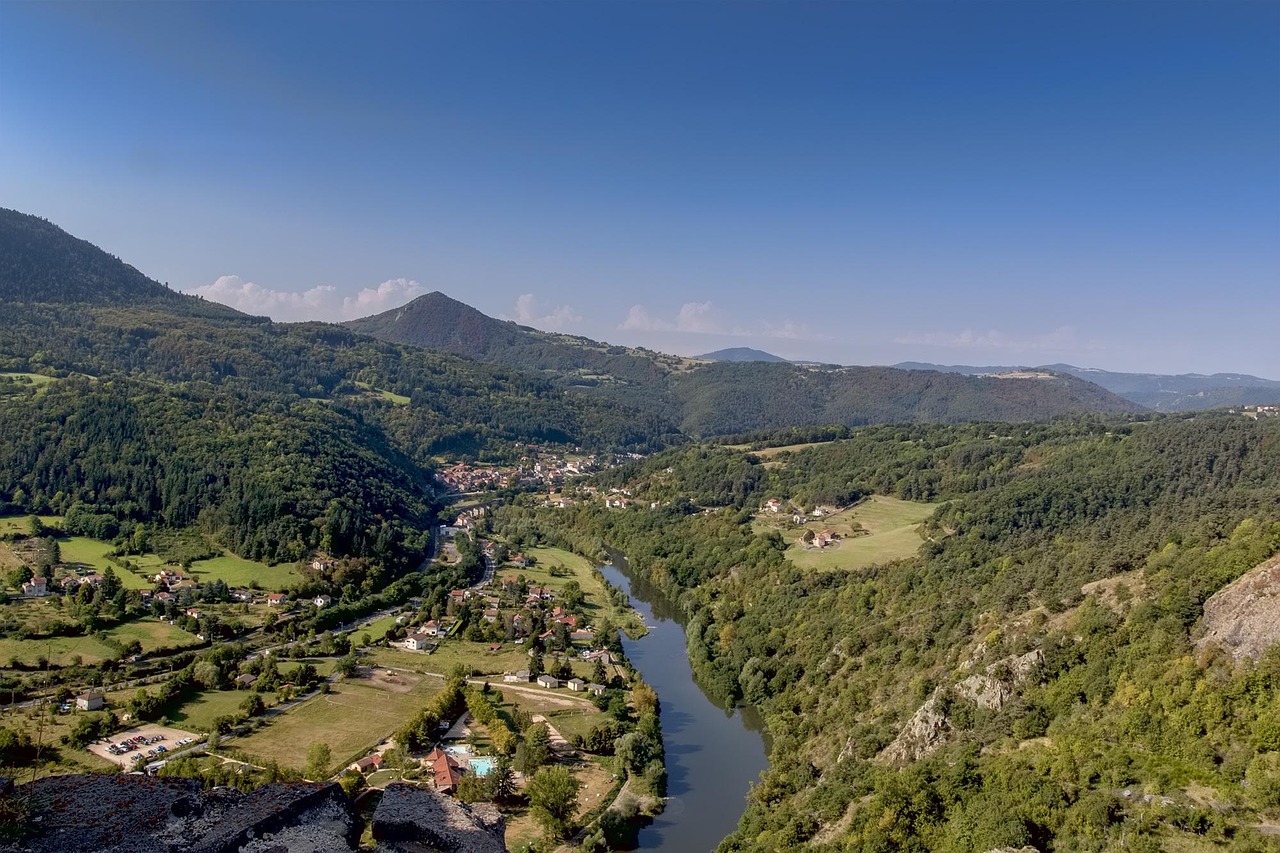
Why Visit Loire-Anjou-Touraine Regional Nature Park?
The Loire-Anjou-Touraine Regional Nature Park (Parc naturel régional Loire-Anjou-Touraine) is that rare French landscape where grand royal history and quiet rural life still share the same riverbank. Stretching between Angers and Tours, it wraps around the middle section of the UNESCO-listed Loire Valley, embracing limestone bluffs, vineyards, troglodyte caves, sleepy river islands, and a string of castles so familiar they almost feel like neighbours.
I’ve lived within an hour’s drive of the park for over a decade and still find excuses to “get lost” here for a few days at a time. One weekend I’m cycling between Saumur’s vineyards and the Loire’s sandbanks with herons lifting off at sunrise; another, I’m paddling a canoe past Chinon’s medieval ramparts or picnicking above the river near Candes-Saint-Martin, watching swallows stitch the evening sky.
What makes this park special is not one dramatic peak or canyon, but the way water, stone, wine, and light come together: the soft tufa limestone (tuffeau) glowing gold at sunset, the cool damp of old quarries turned mushroom farms, the sharp snap of a chilled Saumur Brut on your tongue after a long ride, and the ritual of strolling through riverside villages where time seems pleasantly behind schedule.
Whether you have a 3 day itinerary for Loire-Anjou-Touraine Regional Nature Park or a leisurely 5 days in Loire-Anjou-Touraine Regional Nature Park, this corner of western France offers:
- Storybook castles and fortresses – Villandry, Azay-le-Rideau, Chinon, Saumur, Ussé, and more.
- Uncrowded river trails and cycling routes – especially along the famed Loire à Vélo.
- Troglodyte heritage – cave dwellings, wine cellars, and underground mushroom farms.
- Authentic village life – weekly markets, riverside guinguettes, and small family-run wineries.
- Excellent local food – goat cheeses from Sainte-Maure, freshwater fish, rillettes, and Loire wines.
- Gentle adventure – canoeing, birdwatching, hot-air ballooning, and quiet night walks under starry skies.
This travel guide for Loire-Anjou-Touraine Regional Nature Park (2026) is written the way I actually experience the park: in slow, overlapping loops. You’ll find:
- Detailed 3, 4, and 5 day itineraries.
- At least 15 major trails, viewpoints, and zones described as personal mini-journeys.
- Honest advice on where to eat, sleep, and save money.
- Cultural experiences and local customs to help you blend in gracefully.
- Up-to-date 2026–2027 events, logistics, and travel tips.
Table of Contents
- 1. Overview of the Park & Gateway Towns
- 2. Key Zones, Trail Systems & Scenic Areas
- 3. Fifteen Essential Trails, Viewpoints & Zones (In Depth)
- 4. Suggested 3, 4 & 5 Day Itineraries (With Personal Stories)
- 5. Where to Eat & Drink – Local Food in Loire-Anjou-Touraine
- 6. Where to Stay & How to Get Around
- 7. After-Dark & Quiet Experiences
- 8. Day Trips & Nearby Attractions
- 9. Cultural Experiences, Local Customs & Etiquette
- 10. Practical Logistics & Travel Advice (2026–2027)
- 11. Major Events & New Developments for 2026–2027
- 12. Summary & Final Recommendations
1. Overview of Loire-Anjou-Touraine Regional Nature Park
The Loire-Anjou-Touraine Regional Nature Park stretches over roughly 2,700 km² across parts of the Maine-et-Loire and Indre-et-Loire departments. It hugs the Loire and Vienne rivers between Angers (to the west) and Tours (to the east), encompassing more than 140 communes. It’s not a “park” in the fenced-off sense, but a living mosaic of villages, farmland, forest, and protected river landscapes.
Gateway Towns & Bases
- Saumur – My usual base. A wine and cavalry town with a fairytale château perched over the Loire, excellent restaurants, and easy access to vineyards and river trails.
- Chinon – Atmospheric medieval centre on the Vienne river, surrounded by red-wine vineyards. Great for history lovers and those wanting a slightly quieter stay.
- Azay-le-Rideau – Small, charming, centred on a jewel-box château. Lovely for couples and shorter stays.
- Montsoreau & Candes-Saint-Martin – Officially among “Les Plus Beaux Villages de France.” Tiny, romantic, perfect if you want river views and walks straight from your door.
- Langeais – More low-key, with a fortress-like château and quick road access into forest and river zones.
Landscapes & Signature Features
The park’s character comes from four main elements:
- The Rivers – The Loire and Vienne twist through broad floodplains, dotted with sandbanks, reed beds, and small islands that host nesting birds and provide surreal golden reflections at sunset.
- The Tuffeau Cliffs – Soft pale limestone has been quarried since the Middle Ages, leaving troglodyte dwellings, cave chapels, and the region’s signature wine cellars and mushroom farms.
- Vineyards – Around Saumur, Bourgueil, Saint-Nicolas-de-Bourgueil, and Chinon, the patchwork of vines provides seasonal drama: vivid green in May, deep emerald in summer, flaming gold and red in autumn.
- Forests & Heaths – Oak and chestnut forests (notably near Chinon and Langeais) hide walking trails, small lakes, and wildlife including deer, wild boar, and countless birds.
Who the Park Is Best For
- Families – Easy cycling, castles with interactive exhibits, river beaches and canoe trips make this an excellent low-stress family destination.
- Couples – Candlelit dinners, riverside walks, wine tasting, and romantic guesthouses. It’s inherently a “slow romance” kind of place.
- Active travellers – Cyclists, hikers, paddlers, and birdwatchers will find endless low-impact adventures and scenic loops.
- History & culture lovers – From Renaissance gardens to medieval fortresses, plus troglodyte heritage, there’s depth well beyond the postcard châteaux.
2. Key Zones, Trail Systems & Scenic Drives
To plan 3 days in Loire-Anjou-Touraine Regional Nature Park or a longer stay, it helps to think in zones rather than individual sights. Here’s how I mentally map the park when I’m planning my own weekends.
2.1 The Central Loire Corridor (Saumur – Montsoreau – Candes-Saint-Martin)
This is where the Loire feels widest and most cinematic. Between Saumur and Candes-Saint-Martin, the river curves past sandbanks, poplar groves, and limestone cliffs riddled with caves. The Loire à Vélo cycle path runs along both banks in sections, making this the perfect base for a cycling-heavy itinerary.
Signature experiences include sunset walks along the quays of Saumur, early-morning birdwatching near the river islands, and evenings in Montsoreau, where the château’s silhouette glows above the water.
2.2 The Vienne Valley (Chinon & Surroundings)
South of the Loire, the Vienne river carves a gentler, more intimate valley. Chinon dominates with its long fortress built on a ridge above the town. Vineyards climb the sunny slopes beyond, while forest trails lace the hills. This zone is ideal if you’re as interested in wine and walking as in castles.
2.3 The “Garden of France” – Azay-le-Rideau & Villandry
East of the park, nearer Tours, lie some of its most perfectly composed landscapes: Château d’Azay-le-Rideau mirrored in its moat, and Château de Villandry famed for its precise Renaissance gardens. The surrounding countryside of orchards, small woods, and quiet lanes is perfect for gentle walks and picnics.
2.4 Troglodyte Country (Between Saumur, Doué-en-Anjou & Montsoreau)
Here the limestone cliffs become more dramatic, and you begin to see entire streets half-buried in rock. Ancient cave dwellings have been turned into homes, hotels, restaurants, and mushroom farms. Even after years here, I still feel a little thrill each time I step from hot summer air into the cool 12°C of a wine cellar carved deep into the rock.
2.5 Forests & Heathlands of Chinon & Langeais
North and south of Chinon and Langeais, mixed oak and chestnut forests shelter walking trails used by locals more than tourists. In autumn, mushrooms and chestnuts draw foragers; in spring, the undergrowth erupts with wildflowers. These are the places I come to when summer crowds build at the more famous châteaux.
2.6 Scenic Drives
- Saumur – Montsoreau – Candes-Saint-Martin (D947) – Classic riverside drive with multiple viewpoints and easy access to troglodyte villages.
- Saumur – Doué-en-Anjou – Montreuil-Bellay – Through wine country and gently rolling farmland, dotted with stone farmhouses and small vineyards.
- Chinon – Ussé – Langeais – A string of castles and river views, excellent for a day of leisurely castle-hopping.
3. Fifteen Essential Trails, Viewpoints & Zones – Personal Mini-Guides
Below are fifteen of the most rewarding places and routes in Loire-Anjou-Touraine, described as I’ve experienced them over many visits. Each combines things to do in Loire-Anjou-Touraine Regional Nature Park with history, context, and practical tips.
3.1 Saumur & Château de Saumur Viewpoint
My relationship with Saumur began on a damp April morning, when low clouds blurred the chalky outlines of the château above the river. Over the years, I’ve watched summer storms roll in from the west from that same viewpoint, and winter sunrises ignite the river like copper.
Why it matters: Saumur is the park’s symbolic heart: a wine town, a garrison town, and a river port rolled into one. The château itself, rebuilt by Louis XI and later modified, is less about interior grandeur than about the sweeping view over the Loire floodplain.
What I usually do here:
- Walk up from the old town via the cobbled Rue des Payens, stopping at small wine bars if it’s late afternoon.
- Circle behind the château to the belvedere terrace: the classic panoramic view of Saumur’s slate roofs, stone bridges, and wide river.
- Visit the château museum only if I have extra time; the real show is outside.
Best for: First-time orientation, sunset photos, families (the walk is short, kids love the “castle on the hill”), and romantics.
Food & drink: I like to grab a late lunch at a bistro in the old town – look for places pouring Saumur-Champigny by the glass – then carry a paper cone of frites up to the viewpoint for a casual, slightly guilty aperitif.
Getting there: From Saumur train station, it’s a 15–20 minute walk through town and up the hill. Parking is available near the château but fills on summer weekends.
Tip: In July and August 2026, there are scheduled evening sound-and-light shows in the château courtyard. I recommend booking online in advance if you’re around; they’re popular with French families.
3.2 Loire à Vélo: Saumur – Montsoreau – Candes-Saint-Martin
When friends ask me for the best places to visit in Loire-Anjou-Touraine Regional Nature Park, I invariably answer: “Rent a bike in Saumur and follow the river to Montsoreau and Candes.” It’s not just a trail; it’s the distilled essence of the park.
Trail overview: Approximately 15–20 km one-way, almost entirely flat, following paved and compacted paths on the Loire’s left bank, with short stretches on quiet country roads.
My routine: I usually set out mid-morning, after the worst of the commuter traffic. Within minutes, Saumur’s bustle gives way to willows, sandbanks, and the occasional fisherman’s hut. Swans and grey herons are constant companions. In spring, I’ve had entire sections to myself, the only sound the crunch of gravel under tyres and the distant call of cuckoos.
By lunchtime, I roll into Montsoreau, lock my bike near the quay, and wander up into the village. Sometimes I’ll visit Château de Montsoreau and its contemporary art collection; more often, I head straight for a terrace overlooking the water and order a salade de chèvre chaud with a glass of Saumur blanc.
Another 2 km along the riverside lane and you arrive at Candes-Saint-Martin, where the Loire and Vienne meet. It’s one of my favourite places for late-afternoon light; the confluence is framed by white stone houses and a stark Gothic church.
Family-friendly? Absolutely. I’ve ridden this route with families carrying toddlers in bike seats and older kids on their own bikes. Just ensure everyone is comfortable sharing short stretches of road with light traffic.
Tips:
- Wind matters: The west wind can be strong. If it’s gusty, start from Montsoreau and ride back with the wind at your back.
- Sun exposure: There’s little shade; hats and sunscreen are essential in summer.
- Picnic spots: A few discreet riverbank clearings between Saumur and Montsoreau make perfect picnic sites – just be sure to pack out all rubbish.
3.3 Candes-Saint-Martin Hilltop Viewpoint & River Confluence
Even after dozens of visits, stepping out onto the bluff above Candes-Saint-Martin still makes me pause. The Loire comes in broad and languid from the east; the Vienne, narrower and darker, from the south. Their meeting is surprisingly visible in the water’s colour.
History & significance: Candes-Saint-Martin grew around the tomb of Saint Martin of Tours, and its fortified church was once an important pilgrimage stop. The village’s prosperity is written in its handsome tuffeau houses and narrow lanes winding up the hill.
The climb: From the church square, I follow an unsigned but well-worn path between stone walls, climbing through small gardens and past the occasional troglodyte doorway. It takes 10–15 minutes, with a couple of steeper sections, but no technical difficulty.
The view: At the top, a grassy terrace opens suddenly, with a low stone wall and a simple bench. This is one of the must-see attractions in Loire-Anjou-Touraine Regional Nature Park if you love big skies and river vistas. In early summer evenings, swifts dart across the air, and fishermen’s boats drift silently below.
When to go: My favourite times are:
- Just before sunset in June – golden light, long shadows, warm but not oppressive heat.
- On crisp autumn mornings – mist rising from the river, vineyards around Montsoreau turning orange.
Practical tips: Wear proper shoes; the path can be slippery after rain. Bring water; there are no services at the top. Respect the houses you pass – these are lived-in homes, not museum sets.
3.4 Medieval Chinon & Fortress Ridge Walk
Chinon is where the Loire-Anjou-Touraine shows its moody, medieval side. The long fortress sits like a stone ship on a ridge; the town below is a jumble of slate roofs and narrow lanes. My first visit was on a rainy November afternoon, and I still think Chinon is at its best in introspective weather.
History: Chinon’s fortress is associated with Joan of Arc, who met Charles VII here in 1429. Over centuries it served as a royal residence, prison, and stronghold. The modern restoration balances accessible walkways with open ruins and sweeping views along the Vienne.
My usual circuit:
- Park below and walk up via the rue Haute Saint-Maurice, lined with old houses.
- Explore the fortress interior (allow 2–3 hours if you’re a history buff).
- Continue along the ridge path beyond the main fortress, where fewer visitors go, for quieter viewpoints over vineyards and river.
Food & wine: Back in town, I almost always stop for a glass of Chinon rouge – Cabernet Franc grown on the surrounding slopes – with a plate of rillettes and local goat cheese. Several wine bars near the river specialise in tastings; they’re a gentle introduction to the region’s reds.
Family note: Kids tend to love Chinon’s fortress: there are towers, ramparts, and plenty of space to run. In summer 2026, weekend medieval-themed activities are planned (costumed guides, archery demonstrations), making it particularly child-friendly.
3.5 Forest Trails of Chinon (Forêt de Chinon)
Ten minutes’ drive south of town and you’re in a completely different world: the Forêt de Chinon, a broad swathe of mixed woodland criss-crossed by sandy tracks. I come here when I need a break from castles and cafés.
Trail character: Gentle, mostly flat paths on forest roads and smaller footpaths. Suitable for all ages; good for trail running, family walks, and quiet picnics. Expect oaks, chestnuts, patches of pine, and occasional clearings.
My favourite loop: Starting from a small parking area near La Pucelle (a local landmark), I follow a 6–8 km loop marked by coloured blazes. I’ve come across deer at dawn, and in autumn, locals hunting mushrooms – always discreet, basket in hand.
Seasonal highlights:
- Spring: Fresh leaves, birdsong, carpets of anemones and violets.
- Autumn: Gold and rust foliage, chestnuts underfoot, crisp air.
Tip: There’s little in the way of signage beyond basic route markers. I download an offline map (via a hiking app) before going, as cell coverage is patchy.
3.6 Loire à Vélo: Chinon – Ussé – Langeais
This stretch along the Loire’s south bank between Chinon and Langeais via Château d’Ussé feels almost like a curated film set: river views, poplar alleys, and a castle that allegedly inspired Perrault’s “Sleeping Beauty”.
Route: Around 30–35 km one-way, mostly flat, mixing dedicated cycle paths and minor roads. I typically do it as a relaxed full-day ride with plenty of stops.
What I love about it:
- The moment Ussé’s white turrets come into view across the fields.
- Picnicking by the levee just east of Ussé, watching river barges drift by.
- Rolling into Langeais in late afternoon, its sturdy, fortified château a contrast to the airier riverside palaces.
Family & couples: This route is ideal for couples on a romantic outing (castle, picnic, wine), but also feasible with older kids who are comfortable with the distance.
Practicalities: There are train connections between Chinon and Tours, and between Langeais and Tours, making one-way rides easy to manage if you’re based in Tours.
3.7 Azay-le-Rideau & River-Loop Walk
Château d’Azay-le-Rideau is one of those places where you can’t help but take the cliché photo: the castle perfectly mirrored in its moat, framed by trees. But beyond the classic angle, there’s a gentle intimacy to both the château and its village that keeps pulling me back.
History: Built in the early 16th century, Azay is a textbook of early French Renaissance architecture. Its interiors, restored in recent years, offer a lived-in sense of history without overwhelming you.
The loop walk: After touring the château, I usually follow a small path that loops around the island and along a nearby stream. It’s short (under 3 km) but makes for a tranquil breather from busier castle circuits.
Food stop: The village has several cosy crêperies and bistros. On cool days, I like a buckwheat galette with ham and cheese, followed by a sweet crepe with local pear compote.
Tip: For photographers, early morning openings (particularly in shoulder season 2026) offer fewer crowds and softer light.
3.8 Villandry Gardens & Terraces
Villandry’s gardens are an essay in human order imposed gently on nature. From the upper terraces, geometric patterns of boxwood, vegetables, herbs, and flowers stretch out in perfect symmetry. My first visit was in late June; the kitchen garden looked like a painter’s palette of greens and reds.
Highlights:
- The ornamental vegetable garden – cabbages and lettuces laid out like formal bedding plants.
- The water garden – calm pools and fountain, a peaceful contrast to the intense patterns below.
- The love gardens – four parterres symbolising different forms of love.
Best seasons: Late spring through early autumn; in 2026, special evening openings are scheduled in July and August, with lanterns and subtle lighting. I went to one in 2024; the gardens felt almost theatrical in the blue hour.
Practical tip: Combine Villandry with a half-day visit to Azay-le-Rideau to create a compact “garden and water” theme day.
3.9 Troglodyte Village of Louresse-Rochemenier
Louresse-Rochemenier lies a little off the main Loire corridor, but it’s one of the most evocative cultural experiences in Loire-Anjou-Touraine Regional Nature Park. Here, entire farmsteads were carved below ground into the tuffeau, creating courtyards sheltered from wind and weather.
My impression: I first visited on a baking August afternoon. Stepping down into the caves was like entering another season: cool, dim, and unexpectedly spacious. Old tools, furniture, and domestic objects recreate how families lived here until the 20th century.
Why go: It offers a tangible sense of the region’s relationship with its stone – how quarrying, housing, and agriculture intertwined. It’s also a hit with kids, who love the “underground village” feeling.
Tip: Bring a light sweater even in summer; it’s cool below ground. Combine with a visit to Doué-en-Anjou (zoos and gardens) for a varied day.
3.10 Saumur’s Mushroom Farms & Wine Caves
Some of my favourite rainy days in the park have been spent underground, wandering through cool, damp galleries where mushrooms grow in regimented trays and wine slumbers in oak barrels.
Mushroom farms: Around Saumur, particularly near Saint-Hilaire-Saint-Florent, several former quarries have been converted into mushroom farms. Guided visits explain how Paris mushrooms, oyster mushrooms, and others are grown, ending of course with tastings.
Wine caves: Many Loire producers age sparkling Saumur Brut and Crémant in old quarry tunnels; some welcome visitors for tours and tastings. Standing in a long, candlelit gallery lined with bottles is one of the most atmospheric wine experiences in France.
My tip: Book a late-afternoon visit, then emerge into golden hour along the Loire. The temperature contrast feels almost theatrical.
3.11 Montsoreau Riverside Promenade & Castle
Montsoreau is where I go when I want an easy, beautiful couple of hours with minimal planning. The village is compact; the Loire is right there; the castle adds just enough drama.
Stroll: I park at the western end of the village and follow the riverside path past the château’s base. In early evening, the water often glows pink, and swallows wheel around the turrets. Small guinguettes (seasonal outdoor bars) pop up along the quay in summer, serving simple food and wine.
Château: Unlike other castles, Montsoreau houses a contemporary art centre. The contrast between old stone and modern installations is deliberate and sometimes provocative. I’ve had both “I don’t get it” and “this is brilliant” moments here – which is part of the fun.
Tip: On the first Sunday of the month from April to October, a brocante (flea market) lines the riverbank. It’s a fantastic local experience: antiques, bric-à-brac, and food stalls, all with the castle as backdrop.
3.12 Loire River Islands & Birdwatching near Saumur
Between Saumur and Montsoreau, shifting sandbanks and islands create a mosaic of habitats that birds love. On quiet mornings, I’ve sat on the levee with binoculars and watched terns, herons, egrets, and cormorants at work.
Access: Officially, some islands are off-limits in nesting season (spring to mid-summer) to protect wildlife. You’re best off observing from the bank or joining a guided nature outing organised by the park or local associations.
When to go: Dawn and dusk, particularly in late April–May and September–October, when migratory movements peak. A light mist over the water and birds cutting through it is one of the region’s quietest, loveliest sights.
Tip: Bring a light jacket. Even in summer, the river can feel cool at sunrise.
3.13 Langeais Castle, Bridge & Forest Edge
Langeais is often overshadowed by its flashier neighbours, but its fortress-like château and handsome suspension bridge over the Loire give it a sturdy charm I appreciate more each year.
Château: With its drawbridge and solid towers, Château de Langeais feels more medieval than Renaissance. Inside, period rooms and a reconstructed wedding banquet (for the marriage of Charles VIII and Anne of Brittany) tell a specific slice of French history.
Walk: After visiting, I like to stroll across the suspension bridge for a different angle on the town and river, then follow the riverbank path for 2–3 km before looping back through small lanes skirting the forest.
Good for: Families (kids love the drawbridge), history lovers, and anyone wanting a less crowded castle visit than Villandry or Azay.
3.14 Canoeing the Vienne: From Chinon to Candes-Saint-Martin
Paddling the Vienne river between Chinon and Candes-Saint-Martin is, for me, one of the most satisfying things to do in Loire-Anjou-Touraine Regional Nature Park. It’s adventurous enough to feel like a journey, but gentle enough for beginners and families.
Route: Roughly 12–15 km downstream, usually 3–4 hours with breaks. Local outfitters in Chinon or nearby villages provide boats, lifejackets, dry barrels, and shuttle services.
On the water: The river is broad and slow, with occasional faster riffles but nothing technical in normal conditions. I’ve drifted past willow-fringed banks, under old stone bridges, and alongside sandbanks where egrets stalk for food.
End point: Approaching Candes-Saint-Martin, the river widens and the village comes into view, clinging to its hillside. Landing just before the confluence with the Loire, you pull the boat up, stretch your legs, and walk into town for a drink – few arrivals feel as satisfying.
Tips:
- Bring sun protection and water; there’s no shade on the river.
- Secure your phone/camera in a waterproof pouch.
- In spring 2026, check water levels with outfitters; heavy rains can temporarily increase flow.
3.15 Night-Sky & Sunrise Spots around Saumur
While the park isn’t a designated dark-sky reserve, light pollution is low enough that on clear nights, the Milky Way is visible from many river stretches and vineyards.
Favourite spots:
- Levee east of Saumur – Park near a known pullout (respect signs) and walk onto the levee. On moonless nights, the stars reflect faintly in the Loire.
- Vineyard tracks above Saumur – Short drives inland bring you to small lanes with wide horizons; perfect for stargazing in summer.
Sunrise: In late summer, I like to do a pre-dawn walk along the river, starting in near darkness and watching the sky slowly colour. It’s deeply peaceful; the only other people I tend to see are fishermen setting up for the day.
Safety: Bring a headlamp, reflectors if walking/cycling near roads, and be mindful of private property. In damp seasons, riverbanks can be muddy and slippery.
4. 3, 4 & 5 Day Itineraries – How I Actually Spend My Time Here
Below are flexible, story-driven itineraries based on real visits and field notes. They’re designed so you can pick a 3 day itinerary for Loire-Anjou-Touraine Regional Nature Park, extend it into a 4 day itinerary, or stretch to a 5 day itinerary with extra depth and detours.
4.1 Three Days in Loire-Anjou-Touraine Regional Nature Park
For first-timers, I recommend basing in Saumur. It gives you castles, vineyards, river views, and easy access to hidden gems.
Day 1 – Saumur, River Views & Troglodyte Tastes
I like to arrive in Saumur by late morning, ideally by train from Paris (about 2 hours to Angers, then a short hop to Saumur) or Tours. Dropping my bag at a small riverside hotel, I head straight for the old town.
Morning: Old Saumur & Market
If it’s a Saturday, I angle my arrival for the market. Stalls sprawl along the main streets, selling everything from local goat cheeses to linen dresses. My ritual is always the same: buy a small hunk of Sainte-Maure-de-Touraine goat cheese, a baguette, a handful of cherries or plums, and maybe a slice of tarte aux pommes.
Then I wander: past the Hôtel de Ville, into quiet residential alleys, always keeping one eye on the château above as orientation. The stone here feels warm even on grey days, its pale tuffeau drinking in what light there is.
Lunch: Bistrot by the River
By 1 p.m., I’m usually ready to sit. I pick a bistro with outdoor tables and order something simple but local: sandre (pike-perch) in beurre blanc if I’m feeling classic, or a plate of rillettes de Tours with cornichons if I want something more rustic. A glass of Saumur-Champigny – light, peppery red – feels almost obligatory.
Afternoon: Château View & Troglodyte Cellars
Fed and caffeinated, I walk up to Château de Saumur for the view. I rarely linger long inside unless I’m with someone new to the region; for me, the magic is stepping out onto the terrace and taking in the river, the bridge, the ordered geometry of the town’s streets.
Afterwards, I hop in the car (or grab a short taxi ride) to the nearby troglodyte cellars in Saint-Hilaire-Saint-Florent. On my last visit, I joined a late-afternoon tour of a sparkling wine house. We walked through cool tunnels lined with ageing bottles; our guide tapped a bottle to demonstrate the riddling process, the sound echoing softly. Tasting a crisp Saumur Brut straight from the source, with a faint chalkiness that seemed to echo the stone itself, was the perfect close to the day’s sightseeing.
Evening: Loire Stroll & Casual Dinner
Back in Saumur, I like a simple dinner – maybe a wood-fired pizza or a plate of magret de canard with a shared carafe of local red – followed by a sunset stroll along the river. If the weather plays along, the château’s reflection in the Loire is a painter’s dream.
Day 2 – Cycling Saumur to Montsoreau & Candes-Saint-Martin
Morning: Rent Bikes & Hit the Loire à Vélo
I start early, especially in summer, picking up rental bikes near Saumur’s centre. The shop owners are used to Loire à Vélo riders and can suggest routes based on your energy and time. With a small backpack of water, sunscreen, and yesterday’s market leftovers, I roll out east along the left bank.
The first kilometres are always a recalibration: the rhythm of the pedals, the crunch of gravel, the river to my left. I pass fishermen, small clusters of wildflowers, the occasional heron lifting off with lazy beats of its wings. There’s something meditative about this stretch; even with company, conversation tends to fall into companionable silences.
Late Morning: Montsoreau Coffee & Castle
By mid-morning, Montsoreau appears, its castle perched right on the riverbank. I lock the bike and head for a café with outdoor seating. A coffee and a slice of tarte aux prunes feels just right. If I’m in the mood, I’ll visit the château’s contemporary art exhibits; other days, I just wander the narrow lanes, peeking into art galleries and small shops.
Lunch: Picnic on the Riverbank
One of my favourite lunches here was nothing more than bread, cheese, a tomato, and a chilled bottle of sparkling water eaten on a discreet patch of grass overlooking the Loire. The castle hovered to my right, the river shimmered ahead, and swallows stitched the sky with their darting flights.
Afternoon: Onward to Candes-Saint-Martin
It’s a short hop to Candes-Saint-Martin, but the mood shifts subtly as the confluence with the Vienne approaches. The water seems busier, the banks more wooded. Rolling into the village, white stone houses step up the hillside, dominated by the Gothic church.
I park the bike and wander up through the village, then tackle the short climb to the hilltop viewpoint. The first time I brought friends here, we all fell strangely quiet at the top, as if the wide view had pressed a mute button.
Return: Back to Saumur
Depending on energy, you can pedal back the way you came or arrange a pickup (some rental shops offer one-way options). I usually ride back – the light is different, the river moodier, and the day’s kilometres sit agreeably in my legs.
Evening: Wine Bar & People-Watching
Back in Saumur, I often end such a day at a small wine bar. A plate of charcuterie, a few local cheeses, and a glass of Cabernet Franc or sparkling Crémant, with the low murmur of French conversation around, is one of those quietly perfect Loire moments.
Day 3 – Chinon’s Medieval Streets & Vienne River
Morning: Train or Drive to Chinon
I like to leave early, catching a regional train or driving the 45 minutes to Chinon. The approach is always a little theatrical: you curve down toward the river, and suddenly the fortress appears on the ridge, long and imposing.
Fortress & Views
Heading up on foot through the old quarter, I enter the fortress and let the morning drift between courtyards, towers, and walls. Audio guides and exhibits explain Joan of Arc’s famous meeting with Charles VII; even on my umpteenth visit, I find details I’d missed.
What I never skip is walking the full length of the ramparts and then beyond, along the ridge path that extends to the east. Fewer people make it this far, and the views over the Vienne and vineyards are worth the extra steps.
Lunch: Bistro in the Old Town
Back down in town, I pick a bistro with chalkboard menus – a good sign the kitchen cooks what’s fresh. A favourite memory: a rainy day, a bowl of rillettes and crusty bread, followed by pavé de boeuf and a generous pour of Chinon rouge, the windows fogged slightly from the contrast of cool air outside and warm inside.
Afternoon: Vienne River Walk or Short Forest Stroll
In the afternoon, I like to stroll along the Vienne’s banks, watching reflections of the fortress in the water. If the weather is fine and I’m with energetic friends or family, we might drive 10 minutes into the Forêt de Chinon for a gentle 1–2 hour loop through the trees.
Return or Stay?
With only three days, I usually return to Saumur in the evening. If you have flexibility, consider staying a night in Chinon – the town has a different, cozier feel after dark, when day-trippers have gone.
4.2 Four Days in Loire-Anjou-Touraine – Adding Azay-le-Rideau & Villandry
To turn a 3 day itinerary for Loire-Anjou-Touraine Regional Nature Park into a 4 day itinerary, I add a day focused on the park’s eastern edge: Azay-le-Rideau and Villandry. For this, I often sleep in Azay-le-Rideau for one night; the town is quiet and charming after sunset.
Day 4 – Azay-le-Rideau & Villandry: The Garden of France
Morning: Azay-le-Rideau Château
Leaving Saumur early, I drive east (about 1 hour) or catch a train to Tours and then a regional connection to Azay-le-Rideau. The château opens mid-morning; I like to be there at opening time to have a quieter first hour.
Walking along the water’s edge, with the castle’s image doubled in the moat, is always a small thrill. Inside, restored rooms give a sense of aristocratic life without the over-the-top grandeur of larger palaces. I linger in the staircase tower, admiring the carved stonework and the interplay of light on the steps.
Lunch: Crepes or Picnic
For lunch, Azay-le-Rideau’s creperies are perfect. A savoury galette – perhaps with goat cheese and local honey – followed by a sweet crepe and a bowl of cider, sets me up for the afternoon. On warm days, I sometimes assemble a picnic instead, eating by the stream that runs behind the château grounds.
Afternoon: Villandry’s Gardens
By early afternoon, I’m on the short drive to Villandry. Even before entering, you sense the geometry; hedges and trees align in almost mathematical precision. I usually head straight up to the terraces first, to get an overview. Then I wander down into the parterres, letting the patterns take over.
Time slips strangely here: you might spend twenty minutes watching a gardener trim boxwood into perfect lines or contemplating the colour juxtapositions in the kitchen garden. On one visit, I spent half an hour just watching bees and butterflies move between flower beds.
Evening: Back to Azay or Onward to Saumur
If I’m staying in Azay, I’ll have dinner at a small bistro – often something simple like roast chicken with seasonal vegetables, followed by a local pear tart. A stroll through the quiet streets under warm yellow streetlights is a gentle way to end the day.
If returning to Saumur, I enjoy watching the landscape darken through the car or train window – vineyards and fields fading into silhouettes.
4.3 Five Days in Loire-Anjou-Touraine – Wine Country & Deep Dives
With 5 days in Loire-Anjou-Touraine Regional Nature Park, you can slow down properly, add wine villages and troglodyte heritage, and indulge in quieter trails. I’d build on the 4-day plan and add a final day centred on Chinon’s vineyards or Bourgueil/Saint-Nicolas-de-Bourgueil.
Day 5 – Vineyards & Slow Trails around Chinon or Bourgueil
Option A: Chinon Vineyards & Tasting Walk
Starting from Chinon, I drive up onto the plateau above town, where rows of Cabernet Franc vines roll gently away to the horizon. Many small wineries welcome visitors; I like to call ahead to a couple and build a loose route between them, walking on vineyard tracks where possible.
On one memorable autumn day, I followed a 10 km loop, leaves just starting to turn, air smelling faintly of crushed grapes from ongoing harvest. At a small family estate, I tasted three vintages of Chinon rouge while the winemaker’s dog snoozed under the table and his children played in the courtyard.
Option B: Bourgueil & Saint-Nicolas-de-Bourgueil
Further north, the twin appellations of Bourgueil and Saint-Nicolas-de-Bourgueil spread over gravelly and sandy soils near the Loire. The wines here are cousins to Chinon’s – also Cabernet Franc, but with their own nuances.
I like to combine a late-morning village wander with a lunch at a local restaurant, then an afternoon of tastings at 2–3 domaines (no more, to keep palates and driving safe). Many offer simple, informative visits rather than glossy tourism experiences, which I find refreshing.
Evening: Farewell Dinner
Wherever I base that night – Saumur, Chinon, or Azay – I try to end with a dinner that feels like a summary of the region: freshwater fish or poultry, local vegetables, goat cheese, and a bottle of something I discovered during the week. It’s a moment to reflect on how the pieces fit together: stone and water, vines and villages, history and daily life.
By the end of a 5 day itinerary for Loire-Anjou-Touraine Regional Nature Park, most visitors tell me they feel relaxed but also pleasantly full – of impressions, tastes, and gentle adventures.
5. Where to Eat & Drink – Local Food in Loire-Anjou-Touraine
Food here is deceptively simple: river fish, poultry, goat cheese, vegetables from gardens like Villandry’s, and wine that rarely travels far from where it’s made. It’s not a region of flashy gastronomy so much as steady, confident cooking.
5.1 Signature Dishes & Products
- Goat cheese – Especially Sainte-Maure-de-Touraine, with its distinctive straw through the middle, and smaller local logs served fresh or aged.
- Freshwater fish – Sandre (pike-perch), brochet (pike), often served with beurre blanc.
- Rillettes – Slow-cooked pork spread, typically from nearby Tours or Le Mans, eaten on bread with pickles.
- Mushrooms – From the region’s caves, often featured in sauces or as side dishes.
- Rillons – Caramelised cubes of pork belly, decadent and delicious.
- Fruits & tarts – Apples, pears, cherries, and plums often appear in simple, excellent desserts.
5.2 Wine Highlights
- Saumur & Saumur-Champigny – Sparkling whites and rosés, and light, peppery reds.
- Chinon – Structured Cabernet Franc reds, sometimes rosés and whites.
- Bourgueil & Saint-Nicolas-de-Bourgueil – Reds ranging from easy-drinking to cellar-worthy.
- Vouvray (just outside the park, near Tours) – Chenin Blanc in still and sparkling forms, dry to sweet.
5.3 Types of Places to Eat
- Village bistros – Reliable, seasonal menus at fair prices. Look for handwritten chalkboards and a healthy number of locals at lunch.
- Guinguettes – Seasonal riverside eateries with simple grills, salads, and lots of atmosphere.
- Crêperies – Particularly around Azay and Tours, budget-friendly and kid-friendly.
- Wine bars – In Saumur and Chinon especially, offering tasting flights and small plates.
- Picnic spots – Riverbanks, forest clearings, and viewpoint benches; markets make self-catering easy.
5.4 Saving Money on Food
- Make lunch your main meal – Weekday lunch menus (formules) can be excellent value (15–22 € for two or three courses).
- Self-cater breakfast – Pick up pastries and fruit; most guesthouses provide coffee/tea in rooms or communal kitchens.
- Use markets – Saumur, Chinon, and many villages have weekly markets; buy picnic supplies and cook in self-catering accommodation.
- Tap water – Perfectly drinkable; ask for a carafe d’eau instead of bottled water in restaurants.
6. Where to Stay & How to Get Around
Because the park is large and semi-rural, where you stay shapes your experience. These are the patterns I’ve found most comfortable over repeated visits.
6.1 Types of Accommodation
- Chambres d’hôtes (B&B) – Characterful, often family-run, usually including breakfast. Great way to meet locals.
- Gîtes (self-catering cottages) – Ideal for families or longer stays; you’ll need a car.
- Small hotels – In Saumur, Chinon, Azay, and Montsoreau; range from simple to boutique.
- Troglodyte stays – Rooms carved into rock, usually cool and atmospheric; check ventilation and humidity if you’re sensitive.
- Campsites – Along the Loire and Vienne, often with pools and basic services; popular with families and cyclists.
6.2 Best Bases by Travel Style
- Without a car: Saumur or Chinon – both have train stations, bike rentals, and enough local sights to fill several days.
- With a car, short stay: Saumur or Montsoreau – central, good access to river, troglodytes, and eastern/western excursions.
- With a car, longer stay: Split between Saumur (west/centre) and Azay/Chinon (east/south) to reduce backtracking.
6.3 Getting Around
By Car: The most flexible option, especially if you want to explore small villages, forests, and wine estates. Roads are generally good and uncongested.
- Parking: Usually free or low-cost in villages; blue-zone discs may be needed in some town centres (ask your host).
- Fuel: Supermarkets often have the cheapest petrol/diesel.
By Train: Regional trains connect Angers, Saumur, Langeais, Tours, and Chinon. They’re useful for linear cycling routes and car-free itineraries.
By Bike: The Loire à Vélo network is superb; local routes connect into it. E-bikes make longer distances and gentle hills accessible to more people.
By Bus: There are regional bus lines, but frequencies can be sparse, especially on weekends. I treat them as backup rather than primary transport.
7. After-Dark & Quiet Experiences
Nights in the park are generally calm: no thumping nightlife, but plenty of quiet magic if you know where to look.
7.1 Stargazing & Night Walks
- River levees – Around Saumur and Montsoreau, away from village lights, the sky opens wide. I’ve spent many warm August nights spotting shooting stars during the Perseids.
- Vineyard tracks – Above Saumur or Chinon, small roads with wide horizons make safe, quiet stargazing spots.
7.2 Evening Castle Events
- Saumur – 2026 sound-and-light shows on select summer evenings.
- Villandry – “Nuits des Mille Feux” (Nights of a Thousand Lights) in July–August: gardens illuminated by candles.
- Azay-le-Rideau – Occasional evening openings with special lighting and music.
7.3 Guinguettes & Riverside Bars
In summer, pop-up guinguettes along the Loire and Vienne serve simple grill dishes, salads, and local wine, often with live music on weekends. They’re casual, family-friendly, and very local in feel.
8. Day Trips & Nearby Attractions
While the park itself can happily fill a week, a few nearby attractions make easy add-ons.
8.1 Angers & the Apocalypse Tapestry
West of Saumur, Angers offers a more urban interlude. The fortress houses the monumental medieval Apocalypse Tapestry, an extraordinary work of art that rewards unhurried viewing. Trains between Saumur and Angers run regularly; it makes a simple day or half-day trip.
8.2 Fontevraud Abbey
Just south of the Loire near Montsoreau, Abbaye Royale de Fontevraud (technically within the park area) merits its own half day: vast monastic buildings, the tombs of Plantagenet royals, and contemporary art installations. It’s one of my favourite “rainy-day refuges” in the area.
8.3 Hot-Air Balloon Rides
Several operators based around Saumur and Chinon offer hot-air balloon flights over the Loire at sunrise or sunset. Floating above the river, looking down at patchwork vineyards and castle silhouettes, is an unforgettable splurge.
9. Cultural Experiences, Local Customs & Etiquette
The Loire-Anjou-Touraine is relaxed but quietly traditional. A few cultural notes will make your stay smoother and more rewarding.
9.1 Everyday Etiquette
- Greetings: Always say Bonjour when entering shops, cafés, or approaching information desks. It’s essential politeness.
- Language: Many locals speak some English, especially in tourism, but starting in French – even a simple “Bonjour, parlez-vous anglais ?” – is appreciated.
- Meals: Lunch is generally 12:00–14:00; dinner from 19:30 onwards. Outside these windows, full meals can be hard to find.
- Tipping: Service is included, but rounding up or leaving 5–10% for good service is common and appreciated.
9.2 Market & Tasting Culture
At markets and small producers, it’s normal to chat a little, ask about products, and accept offered tastings. Buying at least a small item after extensive sampling is good form.
9.3 Respect for Rural Life
- Stick to marked paths through vineyards and fields.
- Close gates behind you if you pass through farm property.
- Keep noise modest in village streets at night; these are living communities, not just tourist zones.
10. Practical Logistics & Travel Advice (2026–2027)
10.1 Park Access, Fees & Passes
The Loire-Anjou-Touraine is a Regional Nature Park, not a national park: there is no general entrance fee. However, individual sites (châteaux, abbeys, caves) have their own admission.
- Castle entry: Expect 10–15 € per adult for major châteaux (Saumur, Chinon, Azay, Villandry, Ussé).
- Combined tickets: Some sites offer joint passes (e.g., Azay + Villandry); check official websites for 2026 offers.
10.2 Timed-Entry & Reservations
- Peak season (July–August): Villandry and Azay sometimes use timed entry during busy days; booking online is wise.
- Balloon flights, canoe trips, troglodyte visits: Reserve at least a few days ahead in summer and on holiday weekends.
10.3 Seasonal Closures & Weather Windows
- Winter (Dec–Feb): Some smaller sites and guinguettes close. Weather is cool and damp, but crowds are minimal.
- Spring (Mar–May): Ideal for 3 days in Loire-Anjou-Touraine Regional Nature Park – wildflowers, fresh green, comfortable temperatures.
- Summer (Jun–Aug): Warm to hot, with occasional heatwaves. Best for river activities and evening guinguettes, but also busiest.
- Autumn (Sep–Oct): My favourite: harvest in vineyards, mild weather, beautiful light, fewer visitors.
- Late autumn (Nov): Quieter, can be rainy, but moody and atmospheric in places like Chinon.
10.4 Wildlife & Safety
The park has no large predators; main concerns are minor:
- Ticks: Present in forests and tall grass; use repellent and check skin after walks.
- Mosquitoes: Around water in summer; bring repellent.
- River safety: Currents can be strong; swim only where it’s locally recommended and follow lifeguard/municipal guidance.
- Hunting season: Typically autumn–winter; trails remain open, but wear bright colours in forests and respect any posted warnings.
10.5 What to Pack
- Comfortable walking shoes; light hiking boots if you’ll use forest trails.
- Light rain jacket; weather can change quickly.
- Sun hat, sunglasses, and high-SPF sunscreen for summer.
- Reusable water bottle.
- Layers – evenings can be cool even after warm days.
- Small daypack for picnics and visits.
10.6 Connectivity & SIM Cards
Mobile coverage is generally good in towns and villages, variable in forests and some river stretches.
- EU visitors: Roam like at home applies for most EU plans.
- Non-EU visitors: Consider a French prepaid SIM (e.g., Orange, SFR, Bouygues) or an eSIM with EU coverage. Airport kiosks and major town shops sell them.
10.7 Visas & Driving Licences
- Visas: The park is in France’s Schengen zone. Many nationalities can stay 90 days in any 180-day period without a visa; check current rules for your passport.
- Driving licences: EU/EEA licences are valid. Many other countries’ licences are accepted; for some, an International Driving Permit is recommended. Check before arrival and carry both if relevant.
10.8 Money-Saving Strategies
- Travel in shoulder seasons (May–June, September) for better prices and fewer crowds.
- Stay in gîtes or apartments and cook some meals.
- Use regional trains and bikes to reduce car rental days if you’re comfortable with partial car-free travel.
- Focus on a few paid sites and balance with free river walks, villages, and forests.
10.9 Front-Country vs. Backcountry
The park is mostly front-country – villages, accessible trails, and sights never far from civilisation. There’s limited true “backcountry” as understood in mountain parks; however:
- Forest and river trails can still feel pleasantly remote; carry water and a basic first-aid kit.
- Let someone know your route if going on longer solo walks.
11. Major Events & New Developments for 2026–2027
Event calendars evolve each year, but as of 2026, here are some recurring highlights and notable changes affecting travel.
11.1 Regular Annual Events
- Wine Harvest Festivals (Fêtes des Vendanges) – Throughout September and early October 2026 in Chinon, Bourgueil, and Saumur areas, with tastings, music, and open-cellar days.
- Loire à Vélo & cycling events – Various organised rides and family-friendly cycling days in late spring and early autumn.
- Classical & Jazz Festivals – Saumur and Chinon often host small-scale summer music festivals; details typically confirmed in spring.
- Villandry “Nights of a Thousand Lights” – July–August, select evenings, gardens lit by candles.
11.2 2026–2027 Travel Scene Notes
- Improved Loire à Vélo signage – The park authorities and regional partners continue upgrading waymarking and rest areas along key sections, making self-guided rides easier.
- Expanded nature-education programs – More guided birdwatching and ecology walks in 2026–2027, particularly around river islands and forest zones.
- Castle restorations: Ongoing works at several châteaux may mean partial closures of certain rooms; check websites close to travel dates.
12. Summary & Final Recommendations
The Loire-Anjou-Touraine Regional Nature Park is not a “checklist” destination; it’s best approached as a set of overlapping moods: river mornings, vineyard afternoons, castle silhouettes at dusk, and troglodyte coolness on hot days.
Key takeaways:
- Base in Saumur or Chinon for easy access to the park’s core experiences.
- Plan at least a 3 day itinerary to balance castles, cycling, and villages; 4–5 days allow deeper, slower exploration.
- Don’t skip the Loire à Vélo section between Saumur and Candes-Saint-Martin – it’s the park in miniature.
- Balance famous sites (Villandry, Azay, Chinon fortress) with quieter spaces (Forêt de Chinon, river islands, small wine villages).
- Taste the region: goat cheese, freshwater fish, rillettes, mushrooms, and a variety of Loire wines.
Best seasons to visit:
- May–June: Fresh green, long days, ideal temperatures for cycling and walking.
- September–early October: Harvest atmosphere, autumn colours, softer light, fewer crowds.
- July–August: Best for families needing school holidays, river swimming, and guinguettes, but expect more visitors and higher prices.
If you come willing to slow down – to sit on a riverbank just watching light change, to chat with a winemaker or cheesemonger, to wander a forest trail without a big “sight” at the end – the Loire-Anjou-Touraine Regional Nature Park will reward you with a kind of quiet richness that lingers long after you’ve left.