Why Visit Mont Blanc: What Makes It So Special?
I’ve been orbiting Mont Blanc for over a decade now — first as a slightly terrified beginner skier based in Chamonix, then as a summer hiker, and eventually as the friend locals call when their cousins visit and they “need a proper Mont Blanc day.” Every time I return, the mountain feels different: sharper under spring snow, soft and lilac at autumn sunset, brutal and magnetic in high summer.
Mont Blanc is not just a single peak; it’s a whole high-altitude universe shared by France, Italy, and Switzerland. At 4,808 meters, it’s the highest summit in Western Europe, but you don’t need to be a mountaineer to feel its pull. Well-built cable cars, panoramic trains, and groomed trails bring you into the realm of glaciers and seracs with far less effort (and risk) than you’d imagine.
What makes Mont Blanc special isn’t only its height. It’s the way daily life in the surrounding valleys — Chamonix, Courmayeur, Saint-Gervais, Les Houches, Argentière — wraps itself around this white giant. You can wake up to church bells and croissants in a 19th-century village, ride a cable car to an ice-blue glacier before lunch, then drink local Mondeuse wine at a bistro terrace as paragliders drift over your head at sunset.
For families, there are easy walks, ice caves, adventure parks, and kid-friendly mountain refuges. For couples, there are spa hotels, candlelit fondue dinners, and dusk strolls along riverside promenades. For adventure seekers, the menu is limitless: trail running, via ferrata, skiing, snowboarding, glacier trekking, and — for the appropriately trained and guided — climbing Mont Blanc itself.
In 2026, Mont Blanc feels more accessible than ever, yet also more carefully managed. New reservation systems, eco-initiatives, and crowd-control measures mean that with a bit of planning, you can enjoy the mountain at its best without adding to the pressure it faces.
Table of Contents
- Why Visit Mont Blanc
- 1–3 Day Itineraries Around Mont Blanc
- Must-See Attractions & Viewpoints
- Eating & Drinking Around Mont Blanc
- Where to Stay & Best Bases
- Mont Blanc After Dark & Off-Hours Magic
- Day Trips & Nearby Attractions
- Cultural Etiquette & Local Customs
- Practical Logistics: Tickets, Transport, Seasons
- What’s New & Upcoming Events 2026–2027
- Hidden Tips & Money-Saving Advice
- Summary & Final Recommendations
Recommended 1–3 Day Itineraries Around Mont Blanc
These itineraries assume you’re based in or around Chamonix, the most practical hub for a first encounter with Mont Blanc. I’ll weave in my own recent visits — mainly from summer and early autumn 2025 — and adjust with 2026 updates where needed.
1 Day Itinerary for Mont Blanc: The Classic “I Might Never Be Back” Day
If you only have 1 day in Mont Blanc, prioritize altitude and views. This is the day I design for visiting friends who fly in from overseas with a single free day between meetings in Geneva.
Morning: Aiguille du Midi — Face to Face with the Summit
08:00–12:30 — Start early. In summer 2026, the first Aiguille du Midi cable car from Chamonix usually leaves around 7:10–8:10 (check the exact schedule; it shifts with the season). I book the first available timed slot, especially on weekends, to avoid the late-morning crush.
From town, it’s a 5–10 minute walk to the cable car station. On my last visit, I grabbed a still-warm pain au chocolat from a bakery on Avenue Michel Croz and ate it in the queue, watching guides in bright Gore-Tex wrangle coils of rope.
The ascent comes in two stages: first to Plan de l’Aiguille (mid-station), then to the Aiguille du Midi summit station at 3,842 m. The higher you go, the more the valley falls away like a toy model. If you’re prone to motion sickness, focus on the horizon, not on your phone screen.
At the top, you step into another world — thin air, metal walkways clinging to rock, and a bewilderingly close view of Mont Blanc itself. Allocate 2–3 hours up here. Move slowly; altitude is real. I usually follow this loop:
- Panoramic terraces: Start outside to get your bearings. The north-facing terrace looks back to Chamonix; the south-facing one shows the Italian side of the range. Early in the day, the light on the glaciers is crisp, with long shadows carving every ridge.
- “Step into the Void” glass box: A glass platform hanging over a 1,000 m drop. I’ve watched confident climbers hesitate here and elderly grandmothers stride on without blinking. It’s free but can have a short queue — do it earlier before day-trippers arrive.
- Mont Blanc history exhibits: Inside, you’ll find small exhibitions about the first ascent of Mont Blanc (1786), the birth of alpinism, and modern climbing routes. It’s a great place to warm up and catch your breath.
- Panoramic Mont Blanc views: Look for roped parties crossing the Vallée Blanche below; they look like slow-moving ants. With binoculars (or a good zoom lens), you can sometimes spot climbers on the Bosses Ridge heading for the summit.
Tips: Wear layers; even in August I’ve shivered in a down jacket up here. Sunglasses and sunscreen are non-negotiable — the glare from snow and ice is brutal. If you’re sensitive to altitude, avoid heavy breakfasts and alcohol before going up, and drink plenty of water.
Lunch: Back in Chamonix or Plan de l’Aiguille
Descend to Plan de l’Aiguille (mid-station) instead of going straight back to town. There’s a small café here with simple but satisfying dishes — omelettes, tartes, soups. I’m fond of sitting on the terrace with a bowl of soup and watching tiny paragliders launch from the hillside.
If you prefer a bigger selection and a stroll, head all the way down to Chamonix and eat in town. Le Mélézan and La Moraine are a short walk from the station and do solid Savoyard classics without the worst of the tourist markup.
Afternoon: Mer de Glace & the Montenvers Railway
14:00–18:00 — For your afternoon, ride the red Montenvers cog railway to the Mer de Glace The train station is near the center of Chamonix, about 10 minutes on foot from the Aiguille du Midi. The ride takes around 20 minutes, climbing through forest and past stone chalets until you emerge at the historic Montenvers Hotel & station at 1,913 m. From here, follow the clearly marked path (and stairs, lots of them) to the Grotte de Glace, an ice cave carved directly into the Mer de Glace. Each year, new steps are added as the glacier shrinks; panels along the way mark where the ice stood in previous decades. I remember my first visit years ago — the glacier felt level with the station. Now it lies far below. It’s sobering, but that’s part of the story of Mont Blanc in the 21st century. Spend 2–3 hours up here to: Families with kids usually love the train ride and the novelty of an ice cave; just be prepared to carry younger children up some of the stair sections on the way back. Back in town, let your feet recover with a slow promenade along the Arve River. At sunset, Mont Blanc often blushes pink or orange — what locals call “alpenglow.” For the most relaxed view, I like the small riverside path behind the church, where you can lean on the railing and just watch the mountain change color. For dinner, skip the loudest spots along Rue du Dr Paccard and try somewhere a block or two off the main drag — more on that in the food section below. If you still have energy, nurse a génépi (a local herbal liqueur) at a terrace bar like La Terrasse or the quieter Chambre Neuf side streets and savor your single, full-on Mont Blanc day.
Evening: Strolling Chamonix & Golden Hour Views
2 Day Itinerary for Mont Blanc: Iconic Views & A Taste of the Trails
With 2 days in Mont Blanc, you can keep the first day as above, then add a lower-key second day that brings you onto the walking paths locals actually use for Sunday hikes.
Day 1: High Altitude Icons
Follow the 1 day itinerary for Mont Blanc — Aiguille du Midi in the morning, Mer de Glace in the afternoon. In 2026, timed tickets for both can be combined into a Mont Blanc MultiPass (details in the logistics section), which is usually the best-value option.
Day 2 Morning: Brévent — The “Balcony” Facing Mont Blanc
On your second morning, cross to the opposite side of the valley for the classic postcard perspective of Mont Blanc itself. The Brévent cable car leaves from just above the Savoy slopes in Chamonix.
Take the gondola to Planpraz, then the cable car to Le Brévent (2,525 m). The mountain feels more open here than at the Aiguille du Midi — wide terraces, rocky viewpoints, and a sweeping view across the entire Mont Blanc massif. I often bring a thermos of coffee and sit slightly away from the station, near the paragliding launch, to enjoy the panorama in relative quiet.
From Brévent, easy trails fan out along the “Balcon Sud” (southern balcony) of the valley. If you’re comfortable hiking for 2–4 hours, a gentle but rewarding option is:
- Descend to Planpraz and walk the balcony path toward La Flégère, passing pastureland and viewpoints.
- Stop for lunch at a mountain restaurant (La Flégère or one of the refuges along the way).
- Return by lift from Flégère and local bus back to Chamonix.
I’ve done this walk with friends’ teenagers who “don’t hike” — they usually stop complaining within 20 minutes when the views kick in.
Day 2 Afternoon: Lake Walks or Spa Time
For a relaxed afternoon, I like to head to Lac des Gaillands, a small lake just outside Chamonix, reachable by bus or a 30-minute riverside walk. Families picnic on the grass, kids throw stones into the water, and climbers tackle the easy routes on the adjacent Gaillands rock face. On still days, Mont Blanc reflects in the lake — a quieter, more domestic version of the drama you saw at altitude.
If your legs are done, book a slot at one of the spa hotels — QC Terme in Chamonix or the thermal baths in Saint-Gervais. I once spent a late afternoon floating in a warm outdoor pool, watching storm clouds swirl around the peaks, and it felt like resetting my entire nervous system.
3 Day Itinerary for Mont Blanc: Cross-Border Adventure & Deeper Immersion
With 3 days in Mont Blanc, you can add a completely different angle: the Italian side of the mountain via Courmayeur and the Skyway Monte Bianco. This 3 day itinerary for Mont Blanc is the one I recommend to couples and families who want a mix of drama, culture, and food.
Day 1: Aiguille du Midi & Mer de Glace
As per the 1 day itinerary. If you’re staying three nights, I often swap the order depending on weather — you want the clearest forecast day for Aiguille du Midi.
Day 2: Balcony Trails & Lakes
Spend day 2 expanding your walking horizons. One of my favorite moderate hikes — suitable for reasonably fit families with older kids — is the Lac Blanc trail above La Flégère.
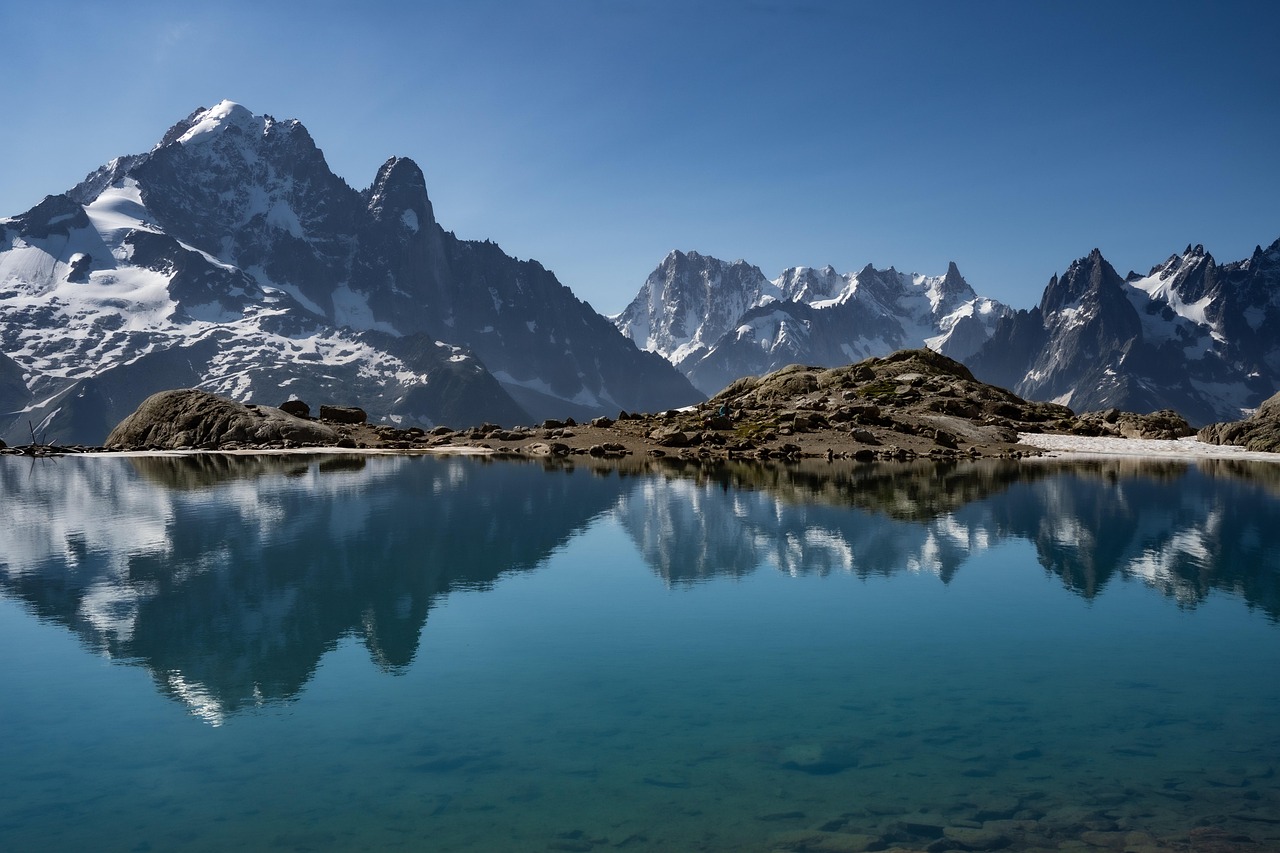
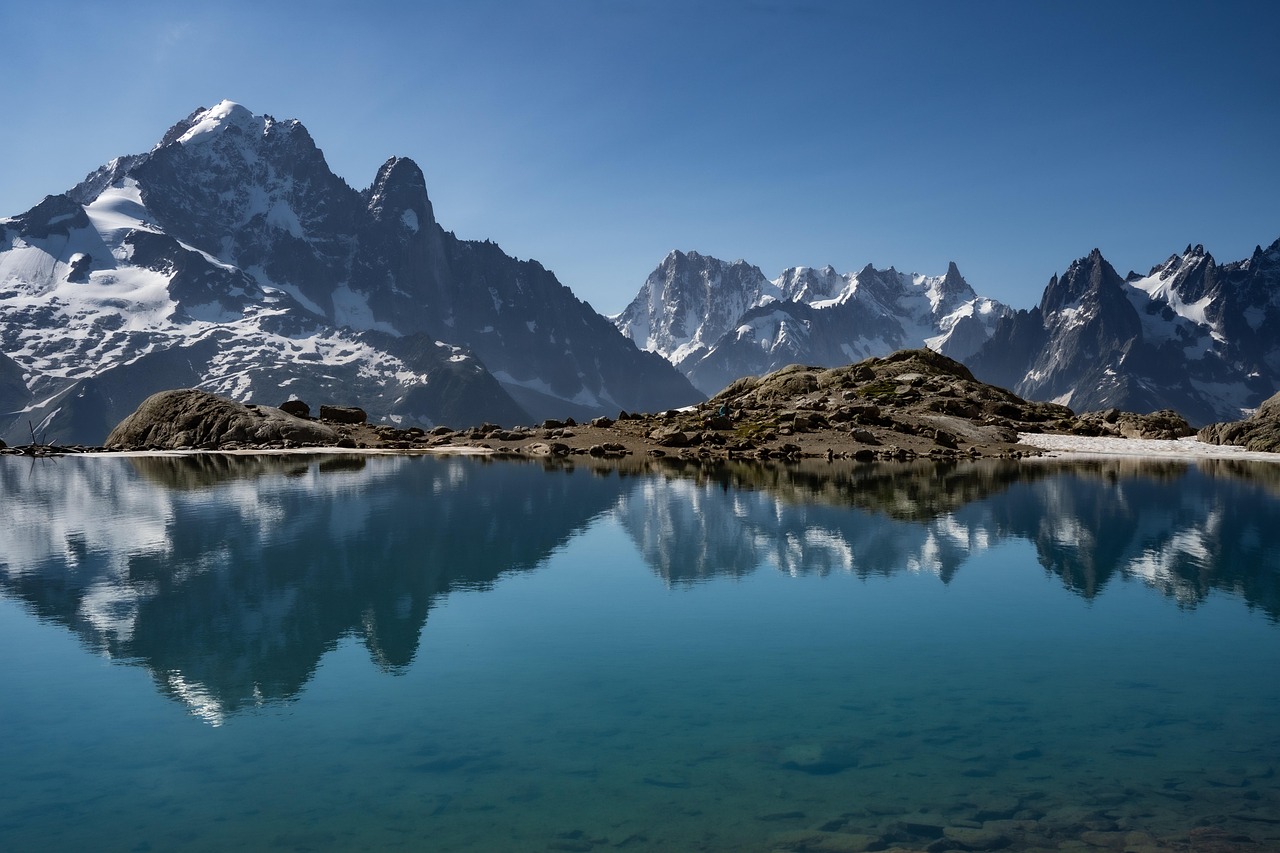
Take the Flégère gondola up in the morning and follow signs to Lac Blanc. It’s about 2 hours up (more with stops), with some rocky sections and occasional snow patches early or late in the season. The payoff is a milky-blue lake ringed by rock, with Mont Blanc reflected in the water when the wind drops. I’ve sat here for an hour at a time, sharing saucisson and cheese from my backpack, listening to marmots whistle from the boulders.
Allow a full day: 5–6 hours including rests, photos, and time at the lake. Pack a picnic; the old hut’s catering is basic and can be crowded in peak season.
Day 3: Italian Side — Courmayeur & Skyway Monte Bianco
On day 3, cross through the Mont Blanc Tunnel (by shuttle bus or car) into Italy. In 15 minutes underground, you travel from croissants to cappuccinos, from “bonjour” to “buongiorno.” Courmayeur has a different rhythm than Chamonix — more aperitivo, more polished shopfronts, a slightly slower pace.
From Courmayeur, ride the futuristic Skyway Monte Bianco, a rotating cable car that swings you up to the Punta Helbronner station at 3,466 m. The architecture is sleek and airy, with panoramic windows framing the wild southern face of Mont Blanc and the jagged Dent du Géant.
At the top, wander the terraces, visit the small crystal museum, and (if the Panoramic Mont Blanc gondola is operating and you’re comfortable with heights) ride across the glacier toward the Aiguille du Midi. This is one of the most extraordinary cable car journeys I’ve ever taken — a slow glide over crevasses the color of oxidized silver.
Back in Courmayeur, spend the late afternoon strolling Via Roma, eating gelato, and perhaps sharing a wood-fired pizza. Then either stay the night in Italy or return through the tunnel to your French base.
Must-See Attractions & Viewpoints Around Mont Blanc
Beyond the itineraries, here’s a deeper dive into the eight key areas that define a visit. Each could be a half-day or full-day focus, and together they form a layered travel guide for Mont Blanc in 2026.
Aiguille du Midi: The Gateway to the High Alps
The Aiguille du Midi has been the icon of Chamonix since the 1950s, when the original cable car made it possible to step within touching distance of 4,000 m without an ice axe. Every time I come up here, I’m struck by how improbable it feels: steel and glass bolted to a naked rock needle, hanging above a world of ice.
The current station is a maze of tunnels, staircases, and viewing platforms. For a first-time visitor, I suggest this rough sequence:
- Lower terrace: Your first wide-angle view. Look for the peaks: Mont Blanc to the right, the jagged Aiguilles de Chamonix to the left.
- Upper terrace & summit cross: A short interior climb brings you to the highest walkable point (around 3,842 m). The air is thin; even I get slightly lightheaded if I bound up too fast.
- Step into the Void: The glass box is engineered to be psychologically intense but physically safe. Photos here are obligatory — if you want clear shots, come straight here before the queues build.
- Vallée Blanche exit ridge (view only): Through glass, you can watch roped climbers shuffle down the famous arête toward the Vallée Blanche. In winter, this is the start of one of the most legendary off-piste ski descents in the world.
History & significance: The Aiguille du Midi cable car was once the highest in the world and transformed Chamonix into the global capital of extreme skiing and alpinism. It’s also a key node in the Panoramic Mont Blanc crossing to Italy, symbolizing the tri-national nature of the massif.
Allow: 3–4 hours including ascent and descent. More if you plan to continue to Italy via the Panoramic gondola.
Tickets & tips: Book timed tickets 2–7 days ahead in July–August and on sunny winter weekends. Morning slots sell out first. The best light for photography is often between 8:30–10:30 and again late afternoon in shoulder season.
Mer de Glace & Montenvers: Walking Through Climate History
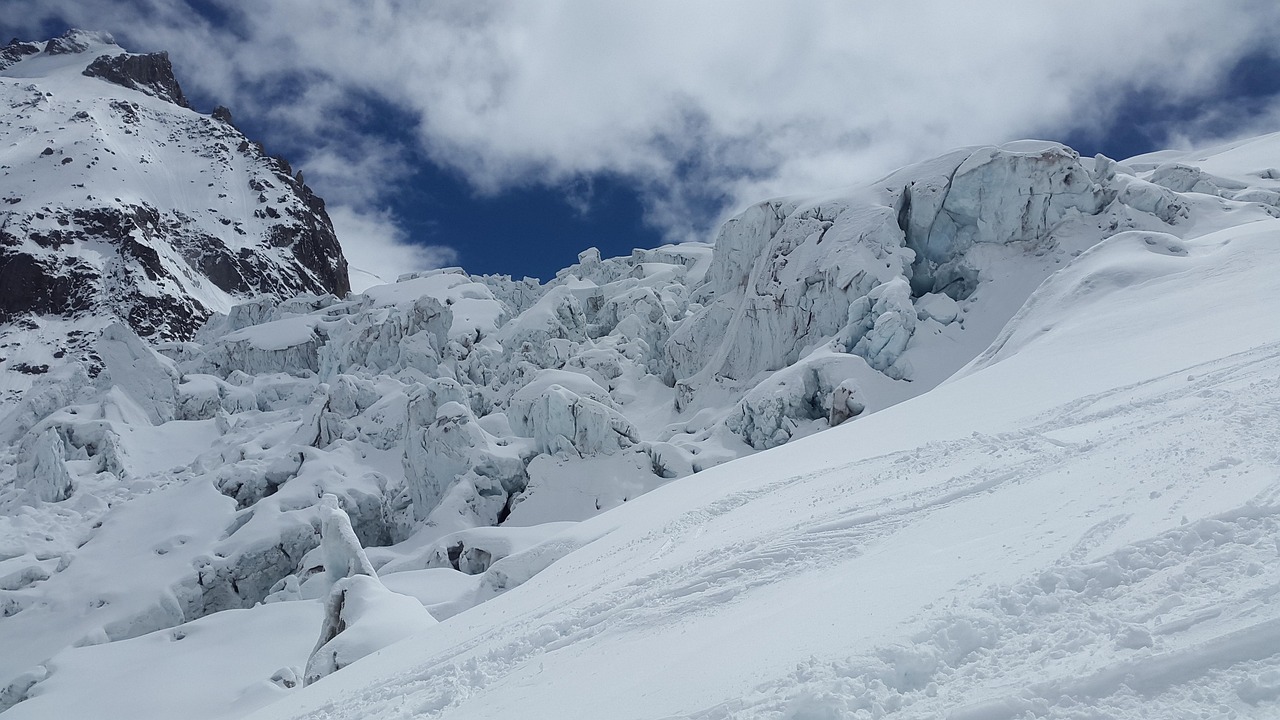
The Mer de Glace — literally “Sea of Ice” — flows down from the Mont Blanc massif like a frozen river, twisting below the Drus and the Grandes Jorasses. When 19th-century British travelers arrived here, they described the ice as a fearsome, living thing. In old engravings, the glacier almost seems to lick at the door of the Montenvers hotel.
Now, the Mer de Glace is receding, and visiting it is both beautiful and heartbreaking. Panels mark its level by year; I still remember the jolt the first time I saw how much it had shrunk since my previous visit. Bringing kids here is a gentle way to make climate change tangible without resorting to abstract charts.
From the Montenvers station, you can:
- Visit the ice cave, re-carved each season.
- Walk the glaciology trail with bilingual info boards.
- Explore the historic Montenvers hotel; even if you’re not staying, the old dining room and terrace have a timeless charm.
Allow: Half a day, especially if you take your time with the exhibits and terraces.
My tip: In 2025, I came up on a grey, drizzly afternoon, expecting washed-out views. Instead, low clouds wrapped the peaks, giving the glacier a moody, Tolkien-esque quality, and there were almost no crowds. Don’t automatically cancel if the forecast isn’t pure blue.
Brévent–Flégère: The Sunlit Balcony of Mont Blanc
The Brévent–Flégère ridge on the valley’s south side gives you the classic postcard view: Mont Blanc across the way, hovering above Chamonix like a benevolent ship. I’ve lost count of the mornings I’ve spent up here with a coffee in hand, watching the light slide down the glaciers.
This zone is a key segment of the Tour du Mont Blanc (TMB) and a playground for everyone from pushchair-pushing parents (around the lift stations) to serious trail runners. The beauty is how customizable it is: you can ride lifts up and walk only as much as you feel like, or commit to full-day traverses.
Highlights:
- Planpraz–Brévent: Easy access to big views, great for families and those short on time.
- Planpraz–Flégère balcony walk: A half-day classic, undulating but not overly steep.
- Lac Blanc: The jewel in the crown — but also crowded in peak season. Consider early starts or shoulder season visits.
Allow: A full day if you want to walk between stations and linger at viewpoints; half a day if you’re mainly riding and strolling.
Vallée Blanche & High-Altitude Adventures
The Vallée Blanche is a 20 km high-glacier descent from the Aiguille du Midi toward Chamonix, famous in winter among off-piste skiers and snowboarders. In summer, versions of the route morph into glacier hiking and mountaineering objectives. This is not a casual tourist activity; you need a qualified guide and appropriate gear. But even hearing about it from the safety of the terrace gives a sense of the scale of this mountain world.
My own first Vallée Blanche descent, several winters ago, was a mix of terror and wonder — roped to a guide, we edged down the Aiguille’s knife-edge ridge in a bitter wind, then floated through a silent world of blue crevasses. If you’re a confident intermediate-plus skier with some off-piste experience, consider coming back in winter to do this with a guide. It changes how you see the massif forever.
Tour du Mont Blanc (TMB): The Long Walk Around the White Mountain
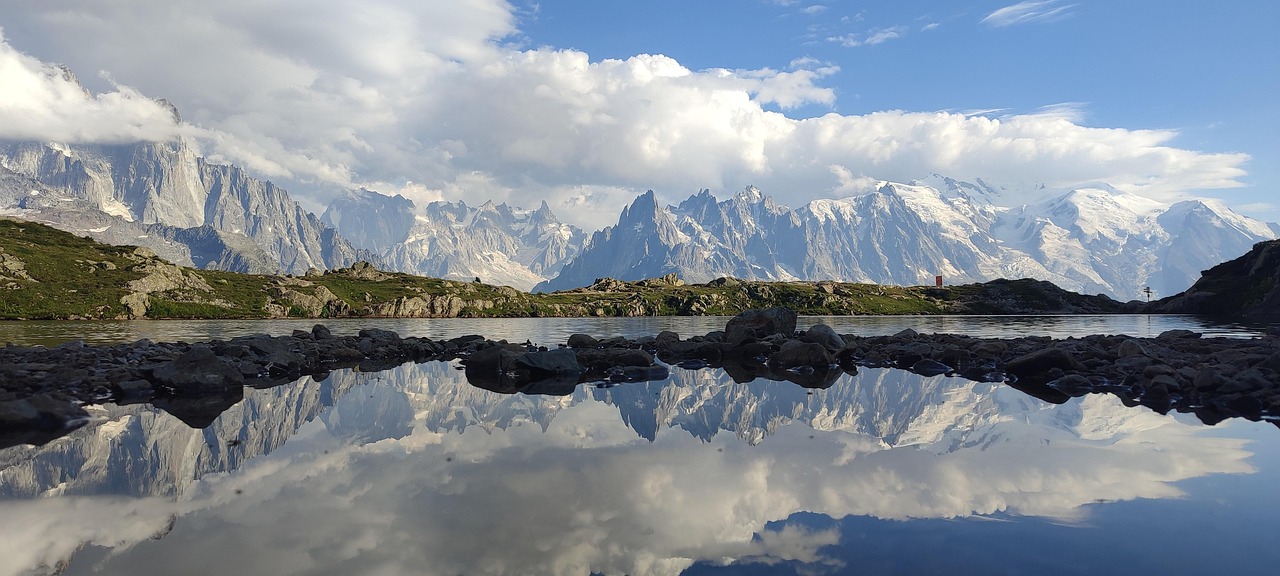
The Tour du Mont Blanc is a multi-day, 170 km circuit around the massif, passing through France, Italy, and Switzerland. You don’t need to hike the full loop to feel its magic; many of the best day hikes around Chamonix borrow TMB segments.
In 2026, the TMB is busier than ever, with hut reservations in July–August needing to be made months ahead. But day visitors can still slip onto the trail for a taste, especially in June or September when crowds thin.
Good day segments near Chamonix:
- Les Houches to Col de Voza & back: Pastures, trains, and big views with moderate effort.
- La Flégère to Lac Blanc: Shared with the balcony trails; see above.
- Le Tour to Col de Balme: On the edge of the Swiss border, with sweeping views down the Trient valley.
Hiking even a few hours on the TMB gives a sense of the rhythm long-distance walkers fall into — climb, col, descent, refuge, repeat. I love striking up conversations at refuge tables; you’ll find people halfway through life-changing journeys, trading blister remedies and stories.
Courmayeur & Skyway Monte Bianco: The Italian Perspective
Switching to the Italian side isn’t just a geographical shift; it’s a mood change. Courmayeur’s town center is more compact and polished than Chamonix, with stone pavements, boutique window displays, and cafés serving tiny, perfect espressos.
The Skyway Monte Bianco, opened in 2015, feels like a sci-fi cousin to the older Aiguille du Midi cable car. The rotating cabins, the sleek stations, and the curated interior spaces — wine bar, exhibition halls, crystal displays — turn the ascent into a full experience rather than “just” a means to a viewpoint.
What I love up here:
- The terraces at Punta Helbronner, which offer a close-up of the south face of Mont Blanc and the dramatic ridge of the Dent du Géant.
- The panoramic bridge between observation decks, often wreathed in a thin veil of cloud.
- The Italian food at altitude — polenta, cured meats, and proper coffee.
On a clear day, you can see far into Italy’s Aosta Valley and across to the Matterhorn. I try to time my visits to midweek mornings outside Italian holiday periods; it’s noticeably calmer.
Les Houches & Saint-Gervais: Slower Villages Under the Peak
While Chamonix thrums with a year-round buzz, Les Houches and Saint-Gervais-les-Bains feel more like places where people actually live year-round. I often recommend them to families looking for calmer bases with easy access to Mont Blanc scenery.
Les Houches is known for its Kandahar World Cup downhill ski run and family-friendly slopes. In summer, its lifts give access to forested trails and viewpoints with gentler gradients. Saint-Gervais, meanwhile, has thermal baths and a charming Belle Époque core with painted facades.
From Saint-Gervais, you can also catch the Tramway du Mont-Blanc, a historic rack railway that climbs toward the Nid d’Aigle and the standard ascent route for climbers tackling Mont Blanc via the Goûter hut. Even if you’re not climbing, it’s a beautiful way to get close to the high mountain without the drama of Aiguille du Midi.
Argentière & Glacier d’Argentière: Ice & Granite
At the upper end of the Chamonix valley, Argentière is a smaller, more low-key village with a strong mountaineering vibe. The Grands Montets ski area above it was once the hardcore freerider’s favorite; after the 2018 fire destroyed the top station, the area has been gradually reimagined. In 2026, reconstruction is still ongoing, but summer lifts and hiking routes offer access to some magnificent viewpoints.
The Glacier d’Argentière is a wild, crevassed beast tucked under a rampart of granite peaks. A half-day hike from the Lognan mid-station brings you to the glacier’s edge, where you can sit on warm rock and watch chunks of ice calve and tumble. It feels more intimate and less “developed” than Mer de Glace, and I often come here when I want to be quietly overawed rather than educated.
Eating & Drinking Around Mont Blanc
Mont Blanc straddles Savoie and Haute-Savoie, and the food reflects that alpine heritage: cheese, cured meats, potatoes, and hearty dishes designed to fuel people who spend all day in the cold. But in 2026, the scene is also surprisingly diverse, with inventive bistros and vegetarian-friendly menus alongside the classic fondues.
Essential dishes to try:
- Tartiflette: Potatoes, reblochon cheese, lardons, onions. Not subtle, but deeply satisfying after a long hike.
- Fondue savoyarde: Shared melted cheese pot, usually with local wines worked in. Go where locals go; cheap versions can be cloying.
- Raclette: Melted cheese scraped onto potatoes and charcuterie.
- Croziflette: Like tartiflette but with tiny buckwheat pasta squares (crozets).
- Diots au vin blanc: Local sausages simmered in white wine.
- Blueberry tart (tarte aux myrtilles): The alpine dessert I never skip.
Where locals actually eat (Chamonix & surrounds):
- Le Monchu (Chamonix): Classic Savoyard in a rustic setting. Book ahead in peak weeks.
- La Cabane des Praz (Les Praz): Refined but warm, overlooking the golf course and peaks — brilliant for a romantic dinner.
- Le Vert Hotel & Bar (Gaillands): A bit outside the core, a relaxed spot with good burgers and a mix of locals and long-term seasonaires.
- La Ferme de Chavants (Les Houches): Charming, homely food, especially good for families staying nearby.
What to bring onto the mountain: A reusable water bottle (you can refill at many huts), energy-dense snacks (nuts, dried fruit, chocolate), and perhaps a simple picnic of baguette, cheese, and fruit bought from town. Mountain restaurant prices creep up with altitude; I often mix one paid dish with my own snacks to keep costs under control.
Where to Stay Near Mont Blanc
Your base will shape your trip as much as your ticket choices. Over dozens of visits, I’ve rotated through Chamonix, Les Houches, and Saint-Gervais, each offering a different flavor.
Chamonix works best if: you want nightlife, easy access to public transport, and to step out of your hotel and instantly feel in the middle of things. Downsides: higher prices, more noise.
Les Houches suits: families and those who prefer chalets, gardens, and evening quiet. Bus and train connections to Chamonix are frequent, but you’ll plan more around timetables.
Saint-Gervais & Servoz are ideal for: those combining Mont Blanc with wider Haute-Savoie explorations (Annecy, Geneva), or anyone looking for slightly better value and a more “lived-in” French town feel.
Courmayeur (Italy) is wonderful if: you’re planning a 3 day itinerary with a strong Italian component, enjoying spa hotels, and don’t mind the tunnel crossing cost/time.
Book 3–6 months ahead for July–August and the Christmas–New Year period, especially for mid-range chalets and family apartments.
Mont Blanc After Dark & Off-Hours Magic
Mont Blanc’s character changes entirely as the crowds thin and the light fades. Some of my favorite moments with the mountain have been at times when most visitors are eating or asleep.
Sunset viewpoints:
- Brévent terraces: In summer, last lifts down often allow you to catch golden hour from 2,525 m. Check final descent times carefully; you do not want to be stuck up there unplanned.
- Chamonix riverside path: The most low-effort, high-reward spot. Look for reflections in the Arve when the wind is calm.
- Lac des Gaillands: Locals bring picnics or a bottle of wine and watch the peaks go from gold to purple.
Night-lit experiences & evening programs (2026):
- Chamonix often hosts summer light shows projected onto buildings or temporary installations along the river. Check the tourist office site for exact dates.
- Occasional late openings at Aiguille du Midi or Montenvers offer sunset or full-moon evenings. These are magical but sell out quickly — sign up for Chamonix’s newsletter to hear about them.
On clear, cold nights in autumn and winter, you may even catch a sweep of stars above the silhouette of Mont Blanc. I’ve stood in near-silence behind the Chamonix church at midnight, listening only to the river and feeling the mountain as a dark, looming presence.
Day Trips & Nearby Attractions
If you base yourself in the Mont Blanc area for a week, you’ll likely want to mix in some lower-altitude day trips.
- Annecy (1.5 hours by car from Chamonix): A pastel-colored old town on a turquoise lake. Perfect for a rest day between hikes — swimming, paddle-boarding, and meandering the canals.
- Geneva (1–1.5 hours): For museums, international flavor, and flights home. The lakeside promenade and old town make for an easy half-day stroll.
- Aosta Valley (Italy): Combine with Courmayeur. Roman ruins in Aosta town, vineyards on terraced hillsides, and quieter walking routes.
- Mégève: Chic, more understated village with a refined dining scene and gentle walking.
Public transport (buses and regional trains) can connect many of these, but renting a car for a couple of days opens up smaller villages and lakes.
Cultural Etiquette & Local Customs
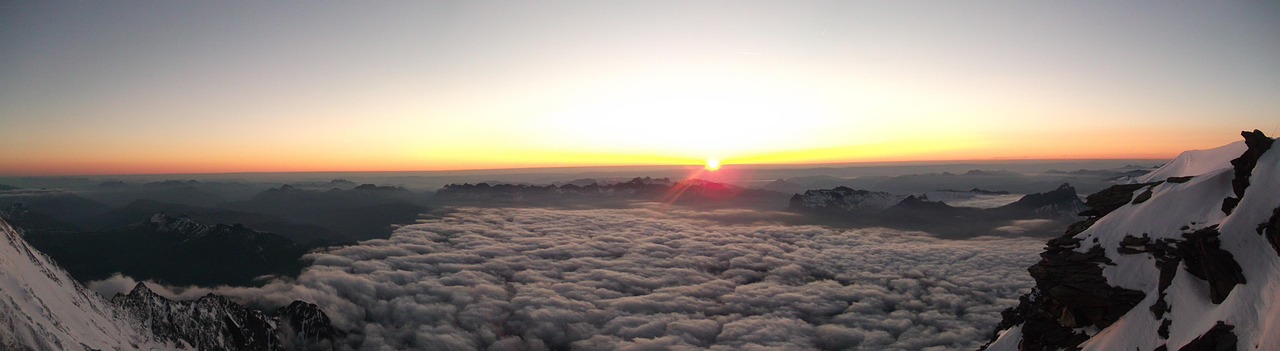
The Mont Blanc region blends French, Italian, and Swiss influences, but a few shared customs will smooth your stay.
- Greetings: In France and Italy, always say a simple “Bonjour” or “Buongiorno” when entering shops, cafés, or refuges. It’s basic politeness and sets the tone.
- On the trail: Greet fellow hikers with “Bonjour” or “Salut” (France) or “Buongiorno” (Italy). Yield right-of-way to those climbing uphill, and give space to people using trekking poles.
- Refuge etiquette: If you stay in mountain huts, remove boots in the entrance area, respect quiet hours, and don’t spread your gear over every available surface. Many refuges require advance bookings — no more turning up at dusk expecting a guaranteed bed.
- Tipping: Service is technically included in France, but rounding up or leaving 5–10% for good service is appreciated. In Italy, similar practices apply.
- Environment: Pack out all rubbish, including tissues and food waste. Don’t pick wildflowers or stray off marked trails in sensitive areas.
Locals tend to be warm to visitors who show a bit of effort — a “merci beaucoup,” a “s’il vous plaît,” or a “grazie mille” goes a long way.
Practical Logistics: How to Visit Mont Blanc in 2026
Planning ahead pays off, especially in peak months. Here’s what you need to know about Mont Blanc tickets and tips, opening hours, and access.
Tickets & Reservations
Main ticketed sites:
- Aiguille du Midi: Timed tickets mandatory in high season. Reservations usually open several weeks ahead; popular morning slots can sell out 2–4 days in advance in July–August and during holiday weeks.
- Montenvers–Mer de Glace: Advance tickets recommended but less critical than Aiguille du Midi. Combo passes save money.
- Brévent–Flégère & other lifts: Day passes or Mont Blanc MultiPass options; reservations usually not required unless for special events.
- Skyway Monte Bianco (Italy): Timed tickets advised, especially weekends and Italian holidays.
Mont Blanc MultiPass (2026): Updated yearly, this pass typically includes multiple lifts and attractions in the Chamonix valley for 1–3 days. If you’re following the itineraries above, it’s almost always better value than buying individual tickets.
Opening Hours & Seasons
Exact Mont Blanc opening hours vary by season and weather. As a rule of thumb:
- Winter (Dec–Apr): Ski lifts dominate; Aiguille du Midi and Montenvers run, but some summer-oriented trails and facilities are closed.
- Spring (May–June): Shoulder season; some lifts close for maintenance, but lower-altitude hikes open up. Check each lift’s schedule carefully.
- Summer (late June–Sept): Peak hiking season; almost all lifts and attractions operate with extended hours.
- Autumn (Oct–Nov): Quieter, with beautiful foliage. Some lifts reduce frequency or close; weather can be unpredictable.
Weather can shut down high-altitude lifts even in peak season; always check live info on the morning of your planned visit.
Getting There & Around
Arriving:
- By air: Nearest major airport is Geneva (GVA), about 1–1.5 hours from Chamonix by shuttle or car. Lyon and Milan are further but viable.
- By train: Regional trains connect Chamonix to Annecy, Saint-Gervais, and the wider French rail network.
- By car: The A40 autoroute brings you close; parking in Chamonix can be tight in peak weeks.
Local transport: The Chamonix valley has an excellent bus and train system, often free or discounted with your accommodation card. You can hop between Les Houches, Chamonix, Argentière, and Le Tour without a car. For cross-border trips (Courmayeur, Aosta), buses and the Mont Blanc Tunnel shuttle operate regularly, but a rental car offers more flexibility.
Visas & Driving
France and Italy are in the Schengen Area. Many nationalities (including UK, US, Canada, Australia, New Zealand, much of Latin America) can visit visa-free for short stays; others require a Schengen visa. Check official government websites for up-to-date rules.
Driving licenses: Most foreign licenses are accepted, but an International Driving Permit (IDP) is advisable if your license is not in Roman script. Rental agencies in Geneva, France, and Italy typically accept major credit cards and require drivers to be 21+ (often 25+ for some categories).
SIM Cards & Connectivity
Coverage in the valleys is generally good; high on the mountain, it’s patchy. For easy roaming in France and Italy:
- Buy a French SIM from operators like Orange, SFR, or Bouygues in town or at the airport.
- EU residents can use their home plans without extra roaming charges.
- Many cafés and lifts stations offer free Wi-Fi, but don’t rely on it for navigation at altitude.
Safety, Dress Code & Photography
There’s no formal dress code for Mont Blanc attractions, but functional layers are essential: base layer, fleece or light sweater, windproof/waterproof shell, hat, sunglasses, and sturdy shoes. Flip-flops on high-altitude terraces are a bad idea.
Photography: Allowed almost everywhere for personal use; drones are heavily restricted or banned, especially near lifts, refuges, and protected areas. For commercial shoots, you’ll need permits.
Security & queues: Expect bag checks at major cable cars. At Aiguille du Midi in high season, queues can form even with timed slots — arrive 20–30 minutes early and build in buffer time if you have later connections.
What’s New & Upcoming Events 2026–2027
Mont Blanc’s calendar is busy; in 2026–2027, a few highlights stand out:
- UTMB (Ultra-Trail du Mont-Blanc) 2026 — Late August: Thousands of trail runners from around the world circle Mont Blanc on foot. Chamonix transforms into a festival of endurance; book accommodation a year ahead if you plan to be there.
- Cosmojazz Festival 2026 (Chamonix) — Usually late July: Free or low-cost jazz concerts in high-mountain settings (Montenvers, Brévent, etc.). Bring a jacket; I’ve listened to saxophone solos under a blazing sun and, later the same evening, under a snow flurry.
- Mountain Guide Festivals — Chamonix and Courmayeur typically celebrate their guide companies each summer with parades, ceremonies, and mass blessings of the ropes and ice axes.
- Ongoing lift upgrades — Work on Grands Montets infrastructure continues into 2026–2027, changing access patterns (and sometimes trailheads). Always check current lift status before planning hikes from that side.
Hidden Tips & Money-Saving Advice
- Chase weather windows: Keep your Aiguille du Midi plans flexible within your stay; go on the clearest morning, even if it’s not the one you originally penciled in.
- Use early or late lifts: First and last cabins are less crowded and offer the best light.
- Pack picnics: Buy from supermarkets and bakeries in town for lunches; treat yourself to one big mountain-restaurant meal rather than three expensive, average ones.
- Travel off-peak: June, early July, and September often offer the best balance of open facilities and manageable crowds.
- Consider insurance: Mountain rescue can be expensive; check that your travel insurance covers high-altitude activities and off-piste skiing if relevant.
- Respect altitude: If you feel dizzy, nauseous, or badly short of breath at Aiguille du Midi, descend; don’t try to “push through.” There’s no shame in listening to your body.
- Language: Even a few phrases of French or Italian change how you’re treated. Locals appreciate the effort.
Summary & Final Recommendations
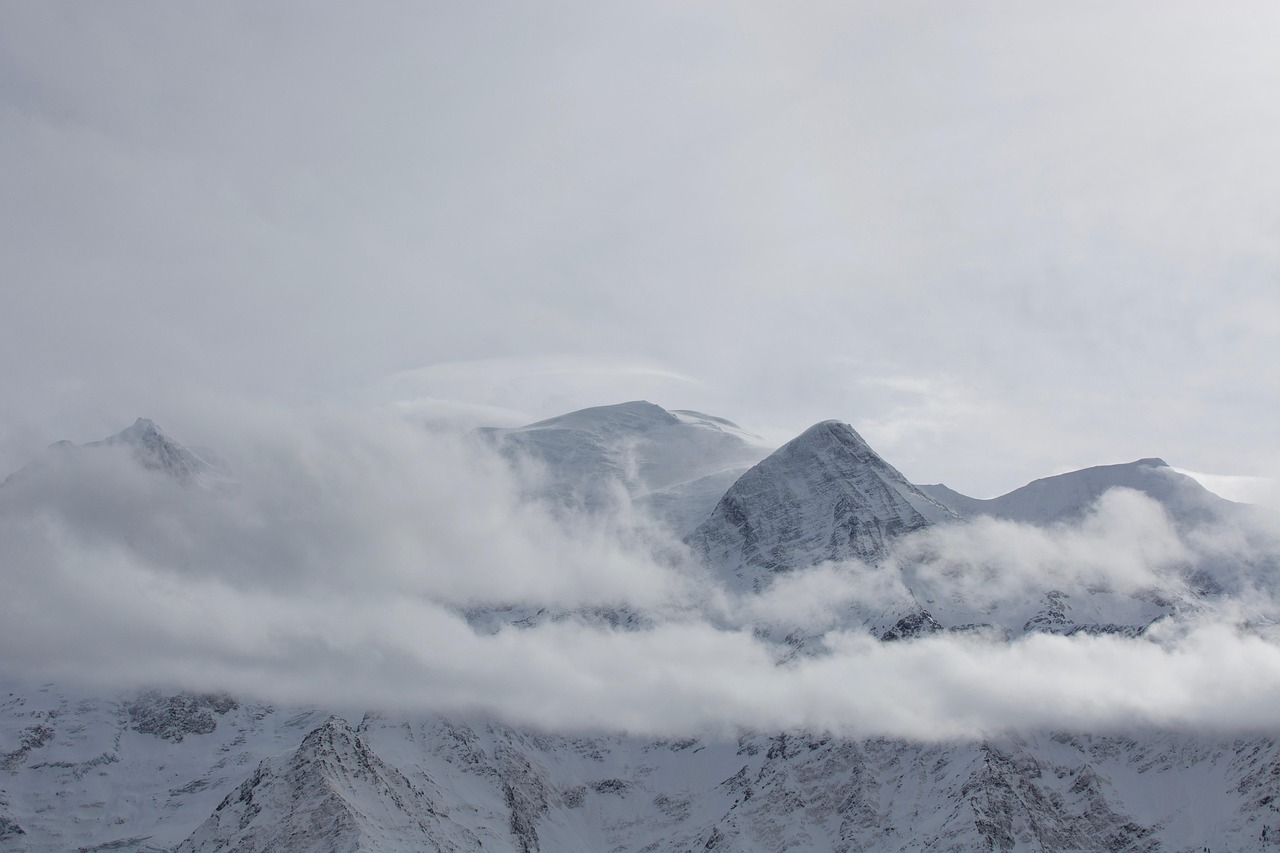
Mont Blanc is not a single attraction to tick off; it’s a layered landscape that rewards both whirlwind 1 day itineraries and slow, contemplative weeks. Whether you have 1, 2, or 3 days in Mont Blanc, you can:
- Ride to Aiguille du Midi and stand face to face with the high Alps.
- Take the Montenvers train to the Mer de Glace and see climate history written in ice.
- Walk the balcony trails of Brévent–Flégère and picnic above the valley.
- Cross to Courmayeur for an Italian vantage point and a different cultural flavor.
Best time to visit Mont Blanc:
- For hiking & views: Late June to mid-September, with September often my personal favorite — stable weather, quieter trails, and golden light.
- For skiing & snowboarding: Late December to March, with conditions varying by year and altitude.
- For mixed city–mountain trips: May–June or late September–October, when you can combine lower-altitude walks with cultural excursions to Annecy or Geneva.
However you approach it — as a family adventure, a romantic escape, or an alpine challenge — Mont Blanc has a way of getting under your skin. I still catch myself, years and countless visits later, stopping mid-errand in Chamonix to look up at the mountain when the evening light hits it just right. I suspect you will too.