Why Visit Mont Saint-Michel in 2026?
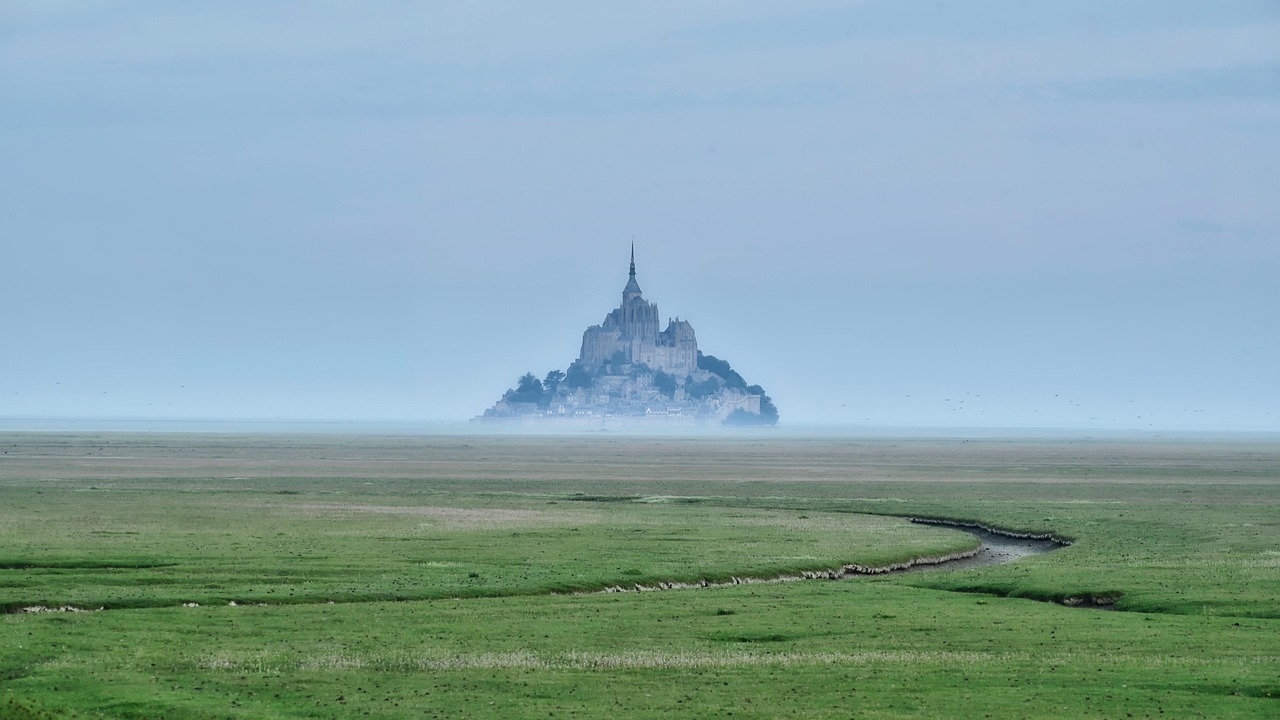
There are many beautiful places in France, but Mont Saint-Michel is one of the few that feels frankly improbable. A granite island in a vast tidal bay, crowned by a vertiginous abbey, ringed with ramparts and medieval houses—it’s a place where geography and faith conspired to create something utterly singular. By any measure it’s one of the best places to visit in France, but for all the tour buses and souvenir shops, it still has moments of rare intimacy.
In 2026, several things make a visit especially rewarding:
- Improved tidal access: The causeway and shuttle system have fully settled into rhythm, and new interpretive signs along the bay walks bring the fragile ecosystem to life.
- Expanded evening programming: The Abbaye du Mont Saint-Michel continues its atmospheric summer soirées with sound-and-light installations, live choral music, and extended hours. The difference between a mid-day visit and an evening one is night and day—literally.
- New exhibitions (2026–2027): Rotating exhibitions on manuscript illumination, medieval engineering, and climate change and the bay are scheduled through late 2027.
- Subtle but meaningful restorations: Sections of the ramparts and cloister have been cleaned and stabilized. You can now see carvings and construction details that were previously dulled under centuries of grime.
If you’re torn between spending 2 days in Mont Saint-Michel, 3 days in Mont Saint-Michel, or crafting a slower 4 day itinerary for Mont Saint-Michel, this guide will walk you through realistic options—what’s worth lingering over and what’s okay to skip.
Table of Contents
- Why Visit Mont Saint-Michel in 2026?
- Understanding the Layout & History of Mont Saint-Michel
- Suggested Itineraries: 2–4 Days in Mont Saint-Michel
- Quarters, Monuments & Key Sites (12 Deep-Dive Sub-Guides)
- Traditional Cuisine & Local Food in Mont Saint-Michel
- Evenings on the Mount: Light, Tide & Silence
- Cultural Etiquette & Local Customs
- Day Trips & Nearby Attractions
- Practical Travel Tips & Logistics
- Summary & Best Seasons to Visit
Understanding the Layout & History of Mont Saint-Michel
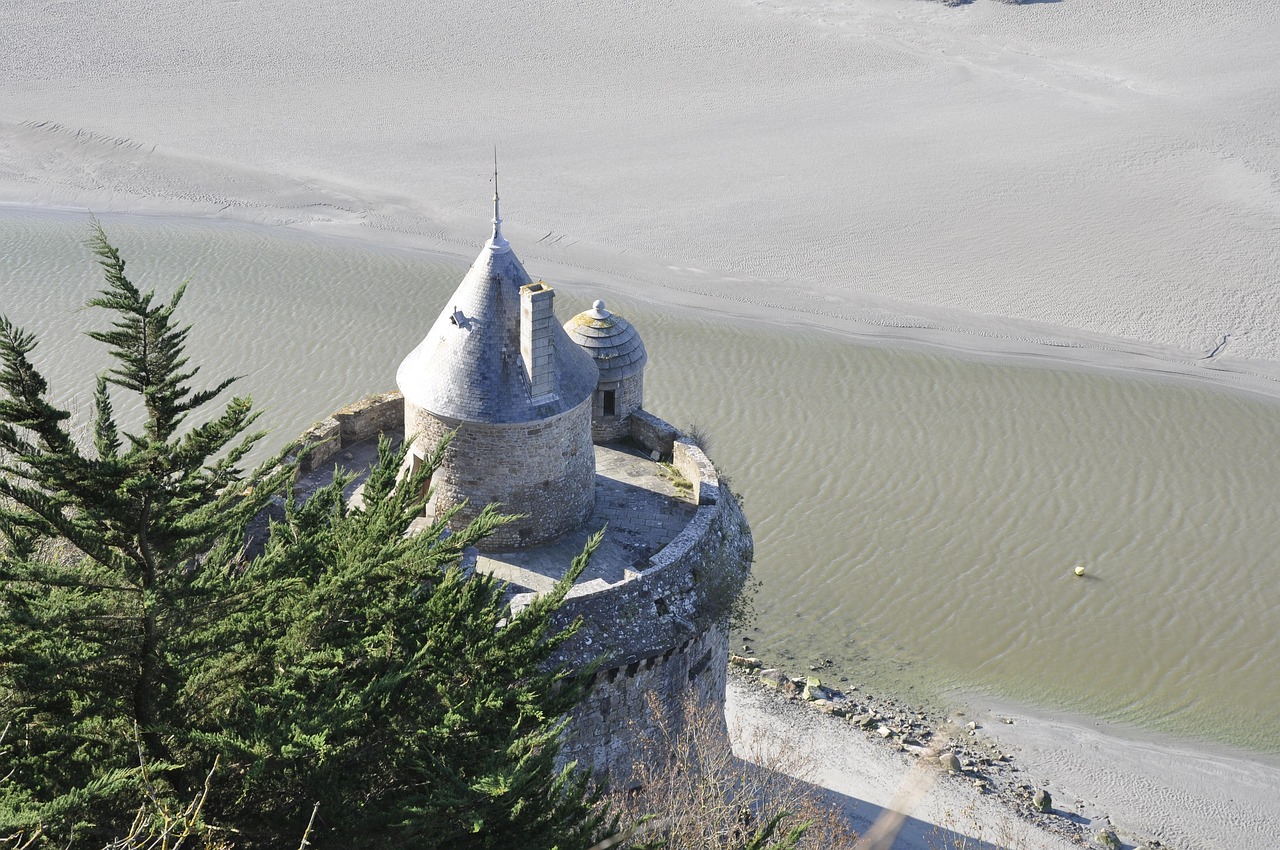
To really enjoy Mont Saint-Michel, you need to understand how it’s stacked: rock, abbey, military works, town. The island has grown upward over centuries, like a geological croissant—layers of different eras folded into each other.
The basic layout, walking from the mainland toward the mount:
- The Bay & Causeway: Once a solid road that trapped silt, now a raised bridge with shuttles and pedestrian lanes. This is where your first full-frontal view of the abbey appears, especially magical at dawn or twilight.
- The Gates & Ramparts: You enter through the Porte de l’Avancée and Porte du Boulevard—fortified gates built when the mount became a strategic stronghold. Above, the ramparts circle the island like a stone crown.
- La Grande Rue: The main street coils upward from the gate, originally a pilgrim’s path, now lined with shops, inns, and restaurants. Narrow alleys and stairways branch off like capillaries.
- The Parish Church & Medieval Quarter: Halfway up, the small parish church of Saint-Pierre and its graveyard, a quieter spiritual heart than the abbey itself.
- The Abbey & Monastic Buildings: At the summit, the abbey complex—a vertical city of prayer and power, built from the 11th to 16th centuries, layered Romanesque over early Gothic over flamboyant Gothic.
Over the centuries, the layout shifted in response to war, faith, and silt. In the Middle Ages, the mount was a pilgrimage site first, fortress second. During the Hundred Years’ War, priorities reversed; defensive works grew, and the abbey became “La Merveille”—The Marvel—both of engineering and of stubborn French resistance. Later, during the Revolution and 19th century, the abbey was turned into a prison, its religious role suppressed and then slowly revived.
As you move through the mount, you’re also moving through time: the thick Romanesque arcades of the crypts, the airy Gothic cloister, the 15th-century cannon ports, the 19th-century prison graffiti, and the 20th/21st-century restorations. My advice is to walk it in chronological order at least once—start at the base and let each level tell you what mattered in that century: defense, devotion, or domination.
Suggested Itineraries: 2–4 Days in Mont Saint-Michel
People often arrive asking, “Is one day enough?” If all you want is to tick off a bucket list, perhaps. But if you’re drawn to cultural experiences in Mont Saint-Michel—tides, light, monastic history, quiet alleys at night—then treat this as more than a quick stop. Here’s how to shape a 2 day itinerary for Mont Saint-Michel, and how to deepen it into 3 days or a relaxed 4 days in Mont Saint-Michel.
2 Day Itinerary for Mont Saint-Michel (Balanced, First-Time Visit)
Day 1 – First Ascent: Gates, Grande Rue & the Abbey
I like to arrive the afternoon before, staying either on the mount or in the modern village, so that Day 1 begins with the first light on the bay. On my last spring visit in 2026, I walked the causeway at 7:00 a.m., when the shuttle buses were still idling and gulls had free rein of the sky. The abbey’s spire caught the first pink wash of sun—it’s one of the best “signature views” of Mont Saint-Michel you can get without a drone.
Morning: Arrival & Entering the Walled Town
Walk or take the shuttle to the base of the mount. Even if you’re tired, walk at least once: it’s a slow, cinematic reveal.
- Walk the causeway: Allow 20–30 minutes, stopping to watch the tides and the reflections.
- Enter via the main gate: You’ll pass the drawbridge and Porte du Boulevard, where cannons once guarded the entry.
I usually pause just inside the gate to let tour groups surge past. On the right, the ramparts stairs begin—take them for your first panoramic loop rather than diving immediately into the Grande Rue.
Late Morning: Ramparts Walk (Outer Shell, Big Views)
This is where Mont Saint-Michel feels most like a ship riding a sea of sand. The walls are broad enough to stroll comfortably, with low parapets that frame the bay. It’s a great family-friendly activity; kids love spotting tiny crabs and the far-off dots of people doing guided bay walks.
Tips from many walks:
- Walk clockwise: Start from the main gate rampart steps and follow the walls toward the north and west. You’ll get progressively better views and avoid backtracking.
- Watch the bay guides: The groups in bare feet and rolled-up trousers trace ancient pilgrimage routes at low tide. If that appeals, we’ll talk more in the adventurous activities portion.
- Photography: Morning light grazes the stone and gives you texture-rich shots of the abbey, the roofs below, and the flat immensity of the bay.
Lunch: Finding a First Meal
By now you’ll see why most travel tips for Mont Saint-Michel warn against eating on the main drag. But for a first meal, I don’t mind leaning into the cliché—particularly the famous omelette at La Mère Poulard, if only once in a lifetime.
- La Mère Poulard: Yes, it’s expensive and touristy; yes, the omelette is essentially a very fluffy scramble. But watching it whipped and cooked over wood fire is part of Mont Saint-Michel folklore. I did it again in early 2026 and still found it fun, if not life-changing.
- Alternative: For something humbler, grab a galette (buckwheat crêpe) from a side-street crêperie off the Grande Rue. The closer you are to the gate, the more turnover and the less soul; climb higher for slightly calmer spots.
Afternoon: The Abbey – Heart of the Mount
The abbey is the definitive must-see attraction in Mont Saint-Michel. Allocate at least 2–3 hours. I strongly recommend the audio guide or a guided tour; I’ve done both, and each time I notice different details.
Practicalities for 2026:
- Tickets: Buy online in advance, especially in peak season, to skip the ticket line and head straight up. There’s no true “combined ticket” with other sites yet, but your abbey ticket sometimes includes temporary exhibitions.
- Dress code: No strict code, but remember it’s an active religious site. Shoulders covered for services, avoid shouting and phone calls.
- Accessibility: Many steps; the climb is demanding for those with mobility issues. There is no way to avoid the ascent entirely.
Inside, follow the signed route, which roughly spirals through:
- The West Terrace: A sweeping balcony over the bay. I once watched a thunderstorm approach from here—lightning tracing the horizon while the village bells rang below.
- The Abbey Church: The nave is Romanesque solidity; the choir, rebuilt after collapse, is light Gothic grace.
- The Cloister: My favorite space on the mount. Columns in paired rhythms, sky framed in green. Come back at night during special events if you can; it feels entirely different under projection and candlelight.
- The Refectory & Guest Halls: Echoes of monastic meals and royal hospitality. Look for the huge fireplaces and the intricately carved capitals.
- The Crypts: Massive piers and dim galleries that hold up “La Merveille” above. This is where engineering becomes almost spiritual in itself.
Late Afternoon: Parish Church of Saint-Pierre & Alley Wandering
On the descent, step into the Église Saint-Pierre, the small parish church halfway up the main street. I make a habit of lighting a candle here for friends and family who can’t travel.
Wander the adjacent graveyard: you’ll see plaques for former innkeepers and residents who kept the mount alive between tourism booms. It’s a reminder that this isn’t just a monument; it’s also a village.
Evening: Blue Hour & Night Walk
Stay on the mount or in the immediate vicinity to experience evening. From about 8:30–10:30 p.m. in summer, the tour-bus tide ebbs, and a different mount emerges.
- Walk the ramparts again: The bay turns cobalt, scattered with mirrors of water. The abbey glows warm gold, especially photogenic from the western walls.
- Quiet corners: Climb any stairway that looks less traveled. I often end up near tiny terraces, with just two or three people watching the lights flicker on.
If the abbey is hosting a nocturne (night visit), do it on your first night. The cloister under projections and subtle music is one of the more moving cultural experiences in Mont Saint-Michel you can have.
Day 2 – Tides, Bay Walk & Hidden Corners
On my second day of a typical spring visit, I always “flip” the perspective: instead of looking out from the mount, I look at it from the bay. This is the day for rediscovering the island from the mud and sand that define it.
Morning: Guided Bay Walk (Adventurous & Educational)
The bay around Mont Saint-Michel is dangerous if you don’t know what you’re doing: quicksand patches, fast tides, fog. That’s exactly why a guided bay walk is such a thrill—and one of the best things to do in Mont Saint-Michel for active travelers and older kids/teens.
- Book ahead: Use certified guides only; many are based in the villages of Genêts or Beauvoir. In 2026, most operate in French with growing English options.
- What to expect: 2–3 hours barefoot or in water shoes, wading shallow channels, learning about tides, salt-meadow sheep, migratory birds, and the mount’s natural defenses.
- Level: Not technically difficult, but you need to be steady on your feet and comfortable with mud. It’s family-friendly for children who can walk that long and follow safety instructions.
The first time I did a bay walk, our guide had us stand silent as the tide began to return. You don’t see it as a wall of water; you hear it first—a low growl as water fills distant channels, then a quick rise at your ankles. It’s an experience that anchors all the history you saw the previous day.
Lunch: Salt-Meadow Lamb & Simple Seafood
Back on solid ground, this is the right day to try agneau de pré-salé—salt-meadow lamb that grazes on the salty grasses of the bay. It’s one of the emblematic local foods in Mont Saint-Michel.
- Where: You’ll find it in better restaurants on and around the mount. Ask if it’s truly pré-salé (AOP) and not just regular lamb with a story attached.
- How: Typically served roasted, simply seasoned, sometimes with local vegetables and a jus that tastes of the sea air.
Afternoon: Hidden Gems in the Old Town
With the abbey “done,” spend the afternoon exploring overlooked corners:
- Back alleys above the Grande Rue: Look for stairways between houses; they often dead-end into tiny platforms with surprising views.
- Small museums: The history museums are modest and a bit old-school, but occasionally you’ll find a model or artifact that illuminates some detail (like the evolution of the bay’s causeways).
- Shops run by actual locals: Fewer than you’d hope, but they exist—especially those selling regionally made cider, salted caramel, and biscuits from nearby villages rather than generic souvenirs.
One rainy March afternoon, I holed up in a tiny café halfway up the mount, watching the clouds chase each other across the bay while nursing a bowl of cider and a slice of apple tart. It wasn’t in any guidebook, and I’ve never managed to find it in the same way again—that’s part of Mont Saint-Michel’s charm. It resists being fully pinned down.
Evening: Second Perspective – View from the Causeway at Night
On your second evening, walk partway back toward the mainland at blue hour. Turn around when you reach one of the small viewing platforms on the bridge. This is where you get those glossy, long-exposure style views (tripod optional but helpful): the abbey glowing, its reflection shimmering in the tide channels. Often, you’ll share this spot with only a handful of photographers and patient romantics.
3 Day Itinerary for Mont Saint-Michel (Deeper & More Local)
With 3 days in Mont Saint-Michel, you can slow the pace, add a half-day trip, and experience more subtle cultural experiences in Mont Saint-Michel. I usually use Day 3 to explore the wider bay and neighboring villages.
Day 3 – Villages, Views & Salted Caramel
Step off the rock and into the hinterland: this is where the modern life that sustains the mount actually happens.
Morning: Bicycle or Car Loop Around the Bay
If you’re comfortable driving, rent a car or e-bike from Pontorson or one of the nearby hire agencies. Otherwise, use local buses or a taxi for a simple out-and-back to one or two villages.
- Beauvoir: Close-in village with straight-on views of the mount across fields. Good for wide architectural shots with sheep in the foreground.
- Genêts & Saint-Léonard: Small bay-side villages that are bases for many bay walks. Quiet lanes, stone houses, and a sense of normal life.
Lunch: Cider & Crêpes
Normandy and Brittany meet in this borderland, and both claim the mount in their own way. That means cider and crêpes/galettes are not optional; they’re the daily bread of this region.
- Cider: Try dry (brut) cider with savory galettes, and sweeter (doux) with dessert crêpes.
- Fillings: Go classic: ham, cheese, egg (complète) for a galette; apple with salted butter caramel for dessert.
Afternoon: Biscuiterie & Salted Caramel Tasting
One of the gentler hidden gems in Mont Saint-Michel is the constellation of small biscuit makers and caramel producers around the bay. This is where I usually stock up on gifts.
- What to look for: Sablés (butter biscuits), salted butter caramel spread, caramels in waxed paper.
- Local vs industrial: Check labels; you want short ingredient lists, local butter, and production addresses within the Manche or Ille-et-Vilaine departments.
Evening: Return for One Last Night Stroll
Spend your final night back on the mount or on the causeway, repeating your favorite vantage point. For me, that’s often the upper western ramparts, where you can hear both the wind and the faint clatter of cutlery from tiny restaurants below.
4 Day Itinerary for Mont Saint-Michel (Slow Travel & Side Trips)
A 4 day itinerary for Mont Saint-Michel is ideal if you’re blending work and travel or if you simply like to go slowly. Use the first 3 days as above, then:
Day 4 – Deeper Day Trip & Quiet Corners
On my last extended stay, I used Day 4 for a side trip to Saint-Malo and a final low-tide bay walk at sunset. You could also choose Granville or Cancale; we’ll detail these in the Day Trips section below. The key idea: let the mount become a “home base” rather than the only act.
Return by late afternoon and tuck into one of the quietest terraces you can find, watching the abbey slowly light up one more time. By now, you’ll have your own inner compass for the mount—you’ll know which staircases connect, which corners smell of seaweed or wood smoke, and which viewpoints line up best with the setting sun.
Quarters, Monuments & Key Sites: 12 Deep-Dive Sub-Guides
Below are 12 of the main quarters, monuments, and key sites that shape Mont Saint-Michel, each with its own history, character, and practical travel advice.
1. The Abbey of Mont Saint-Michel (L’Abbaye du Mont Saint-Michel)
The abbey is the island’s crown and soul—a vertical monastery built on granite and faith. Founded in the 8th century after the Archangel Michael supposedly appeared to Bishop Aubert, it grew into a major pilgrimage site through the Middle Ages. Its nickname, La Merveille, still feels earned, especially when you stand in the cloister and realize all of this is perched on a rock.
Historically, each century added a layer: Romanesque crypts and nave in the 11th–12th centuries, Gothic “Marvel” buildings in the 13th, defensive additions during the Hundred Years’ War, then 18th–19th-century prison modifications. When you tour the abbey, you’re essentially walking a 700-year architectural timeline stacked in three dimensions.
From repeated visits, my strongest advice is to go early (opening time) or late (last entry) and to pause in each major space without rushing. Let your eyes travel from the floor stones—worn by monks, prisoners, and tourists alike—to the vault ribs and carvings high above. In 2026, temporary exhibitions highlight manuscript culture and medieval engineering; don’t skip the small exhibit rooms, often tucked at the end of the route.
Family-friendly? Yes, if kids can manage the stairs; the sheer verticality fascinates many. Romantic? Very, particularly in the cloister at sunset or during evening events. Adventurous? The adventure here is more imaginative than physical: you’re scaling centuries.
2. La Grande Rue (The Main Street)
La Grande Rue is the mount’s spinal cord: the original pilgrim route that climbs from the gate to the abbey. Today, it’s crowded with souvenir shops, crêperies, and hotels, and it can feel like the least “authentic” part of Mont Saint-Michel. Yet I always walk it at least once each trip—ideally at dawn or late at night—when wooden beams, stone thresholds, and swinging signs remind you that this has been a service street for nearly a thousand years.
Historically, this is where pilgrims bought tokens, food, and lodging. Many of the current buildings sit on medieval foundations, even if their interiors are modern. Look up above eye level: carved lintels, half-timbered overhangs, and old house names appear between neon ice-cream signs.
Practical tip: Use the Grande Rue mostly as a vertical reference point. Duck into side alleys whenever possible; they’re often quieter, with surprising glimpses over roofs. I like to pop in and out, returning to the main street just long enough to orient myself, then vanishing again up a staircase the tour groups ignore.
3. The Ramparts & Fortifications
Mont Saint-Michel has never been taken by force, and the ramparts are the reason. Built and reinforced from the 13th to 15th centuries, these walls turned a spiritual sanctuary into a military bulwark during the Hundred Years’ War. The English tried for decades; the mount held out, earning a mythic status as a symbol of French resistance.
When I walk the ramparts now, I like to imagine the arc of history they’ve seen: armored troops, cannon smoke, Revolutionary zeal, and now selfie sticks and strollers. The stone doesn’t care; it has simply stood.
For visitors, the ramparts are one of the most rewarding free things to do on the mount and a highlight of any 2 day itinerary for Mont Saint-Michel. They’re also a gentle way to experience the mount’s verticality if you don’t want to climb all the way to the abbey. Evenings here are particularly atmospheric, with lanterns and subtle floodlights bringing out the textures of the masonry.
4. The Gates: Porte du Boulevard & Porte de l’Avancée
The first threshold you cross—the Porte du Boulevard—sets the tone. You’re entering through a proper medieval choke point: stone, murder holes, heavy doors, and the ghost of a drawbridge. Just outside, the Porte de l’Avancée and its bastions show how seriously the mount once took its defenses.
Over centuries, as siege technology changed, so did the gates. Cannon platforms were added; angles were reshaped to deflect projectiles. Today, the danger is more about crowd management than enemy armies, but the sense of compression as you pass through remains. I always feel a small physical shiver here—like stepping backstage from the bland modern world into a tightly scripted, vertical medieval set.
Tip: Step aside just inside the gate to watch how people react when they first enter. There’s usually a brief, collective intake of breath as the narrow main street rises and twists upward, framed by the gate’s stone throat.
5. Parish Church of Saint-Pierre & Cemetery
The tiny Église Saint-Pierre is where the island’s residents are baptized, married, and buried. If the abbey is the mount’s head, Saint-Pierre is its heart. The church was rebuilt and modified many times, with 15th–17th century elements most visible today.
Inside, the atmosphere is simple and human-scale: wooden pews, modest stained glass, a statue of Saint Michael defeating the dragon, and flickering votive candles. I’ve stumbled into weekday masses here a few times, always struck by the mixture of locals and workers from the shops below. It’s one of the few places on the mount where you can feel a living parish rather than a museum of faith.
The adjacent cemetery is tiny but poignant. Look closely at the names and occupations on the gravestones; you’ll see the families who ran hotels, bakeries, and ferry services for generations. It’s a quiet space to reflect amid all the noise below.
6. The Bay of Mont Saint-Michel
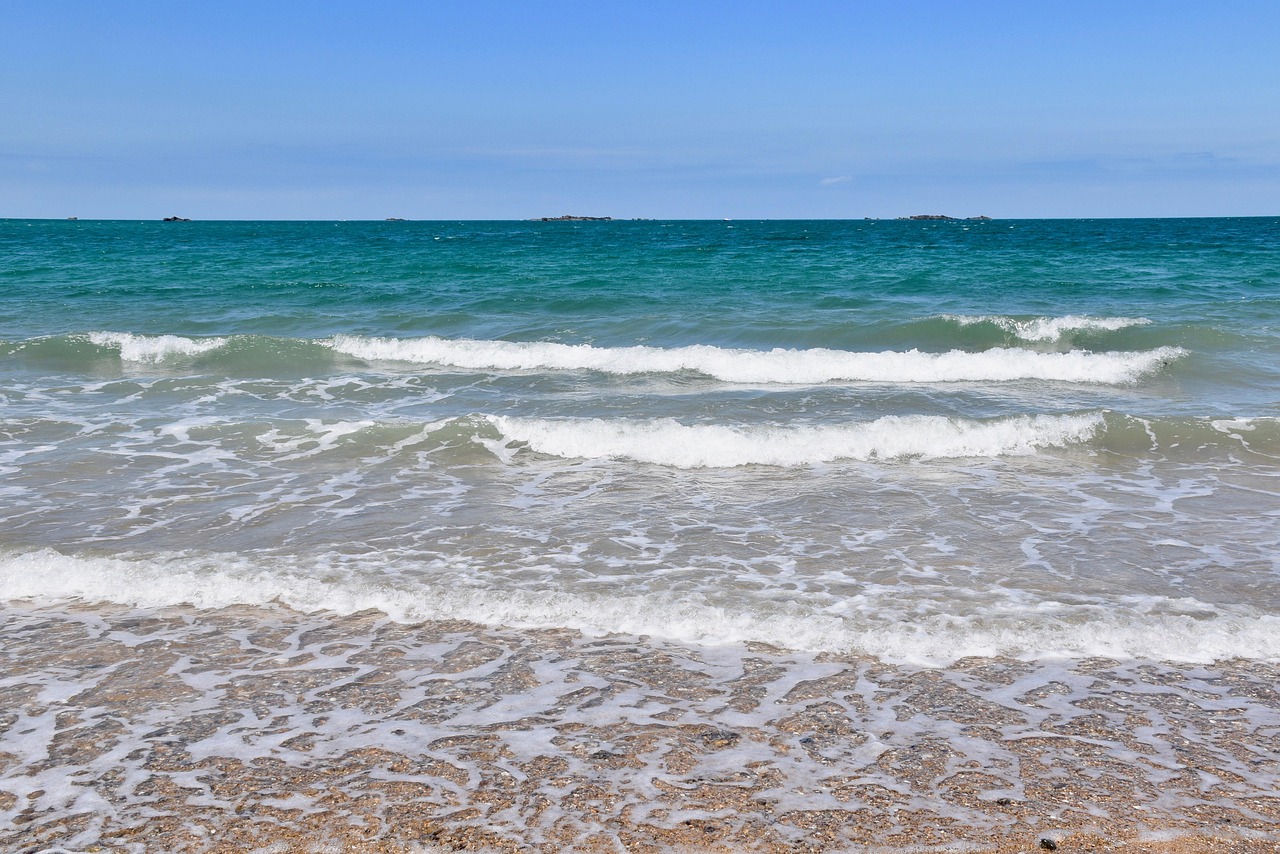
The bay is not just a backdrop; it’s the stage on which Mont Saint-Michel exists. Without the extreme tides and shifting sands, the mount would lose much of its drama. Twice a day, water rushes in and out with some of the highest tidal ranges in Europe—up to 14 meters during spring tides.
Historically, these tides protected the mount from invaders and made it a difficult but rewarding pilgrimage. Over the past two centuries, human interventions—dikes, causeways, land reclamation—threatened to silt up the bay and turn the mount into a landlocked hill. The major restoration project completed in the 2010s returned much of the bay’s character, allowing water to once again swirl around the rock at high tide.
For travelers, understanding tide tables is key: they shape shuttle operations, bay walks, and the visual impact of your visit. Check them online for your dates; for dramatic “island” moments, aim for high tide at sunrise or sunset if possible.
7. The Causeway & New Bridge
The sleek, modern bridge leading to Mont Saint-Michel is a relatively recent addition, replacing the old solid causeway that trapped sediment and choked the bay. Opened fully in the 2010s, it allows water to flow freely beneath and gives pedestrians a gentle, scenic approach.
As a visitor, this is your red carpet. I always recommend walking it at least once in each direction: in the morning, with the sun behind you and the abbey glowing ahead; in the evening, with the lights of the mount reflected in the bay. In 2026, interpretive panels along the route explain the environmental restoration—worth pausing to read if you’re interested in how tourism and ecology intersect.
Shuttles run regularly from the parking area to near the base of the mount, but they can be crowded at peak hours. Walking takes about 20–30 minutes and is part of the experience. Families with young children often do a mix: shuttle one way, walk the other.
8. La Mère Poulard & the Omelette Legend
La Mère Poulard is both a restaurant and a brand, so ubiquitous now that it’s easy to forget its humble origin: Annette Poulard, who in the late 19th century began serving fast, filling omelettes to hungry pilgrims and travelers. Her recipe, beaten furiously and cooked in copper pans over wood fire, became a legend.
Today, the restaurant’s fame has a double edge. It’s undeniably touristy and pricey; the omelette is airy and theatrical, though not everyone finds it the best value. Still, I think going once—especially if you can sit near the open kitchen and watch the rhythmic whisking and flipping—is part of the mount’s living folklore.
Tip: If a full meal strains your budget, consider just stopping for a drink and dessert, or even stepping in to watch the cooking (when staff allow) before deciding. And remember there are other, quieter places to eat; this is not your only option for local food.
9. The Chapel of Saint-Aubert (Chapelle Saint-Aubert)
One of my favorite hidden gems in Mont Saint-Michel is the tiny Chapelle Saint-Aubert, tucked at the island’s northwestern base, reachable at low tide. Dedicated to the bishop who founded the monastery after his visions of Saint Michael, the chapel is a modest stone structure clinging to the rock just above the sand.
The path down is steep and a bit uneven; only attempt it when tides are safely out and conditions are dry. Every time I’ve made the descent, I’ve found only a handful of people there—often just one or two, sitting quietly on the low wall, looking up at the abbey soaring overhead. It’s one of the few places where you can palpably feel the mount’s religious origin, stripped of grandeur and commerce.
Check tide tables and local advice before going; never linger too long if the water is due to return.
10. The Outer Village & Mainland Hotels
On the mainland side of the causeway, a small purpose-built village houses hotels, restaurants, and shops catering to visitors. While it lacks the medieval charm of the island itself, it offers two key advantages: easier access with luggage and more affordable accommodation, especially for families.
Over the years, I’ve stayed both on the mount and here. The mainland village is a pragmatic choice if you’re driving, arriving late, or traveling with kids who need space and predictable meal times. Buses and shuttles link it to the mount until late in the evening (check seasonal timetables), and you can still walk out after dark to see the abbey lit up.
The trade-off: you won’t hear the mount’s bells from your pillow, and you’ll miss those late-night and early-morning strolls through nearly empty medieval streets. If budget allows, I love combining one night on the mount with one or more nights in the mainland village.
11. Bay Trails & Pilgrim Paths
Long before shuttle buses, pilgrims approached Mont Saint-Michel on foot across the sands, following marked paths that shifted with the channels. Today, several modern hiking routes—collectively known as the Chemins du Mont-Saint-Michel—recreate these journeys, linking places like Rouen, Paris, and Brittany’s interior to the mount.
I’ve only done short segments near the bay, but I’ve met long-distance walkers arriving after days on these trails. They describe the final approach as almost unbearably emotional: the abbey rising with each step, the bay wind in their faces, and centuries of fellow pilgrims at their backs.
Even if you’re not up for a multi-day hike, consider walking a few kilometers of the bay-side paths from nearby villages. It’s a far calmer way to “arrive” than stepping off a shuttle bus into a crowd.
12. Night Illumination & Sound-and-Light Shows
In recent years, Mont Saint-Michel has embraced carefully designed night-time illuminations and occasional sound-and-light shows, especially in summer. These events transform the abbey into a canvas: projections trace arches, highlight sculptures, and sometimes overlay abstract patterns on the ancient stone.
I was skeptical at first, worrying it might feel like theme-park treatment of a sacred site. But the best of these evenings are remarkably restrained—more about revealing the building’s geometry than overwhelming it. The cloister by candle-like LEDs, the refectory with soft choral music, the west terrace under a star-like projection: these are moments where past and present converse.
Check the 2026–2027 schedule in advance; tickets are separate from daytime entry and limited. They’re among the most memorable cultural experiences in Mont Saint-Michel, especially for couples and older children who can stay up late.
Traditional Cuisine & Local Food in Mont Saint-Michel
Food on the mount has a reputation for being expensive and aimed at day-trippers, and that’s not entirely unfair. But if you know what to look for—and when to eat—you can still have satisfying, even memorable meals that connect you to the region’s traditions.
Signature Dishes of the Mont Saint-Michel Area
- Agneau de pré-salé: Salt-meadow lamb raised on the tidal grasses of the bay. Delicate, slightly saline, and best when simply roasted.
- Omelettes: Popularized by La Mère Poulard; now served in many variations. The traditional version is massively fluffy, cooked in copper pans over open fire.
- Seafood: Mussels (moules), oysters, and fish from nearby ports like Cancale and Granville.
- Crêpes & Galettes: Sweet crêpes and savory buckwheat galettes, often with regional fillings.
- Cider: Local apple cider, from dry (brut) to sweet (doux), sometimes pear (poiré).
- Salted Butter Caramel: A Normandy-Brittany classic, found in spreads, candies, and sauces.
Where to Eat: Inside vs Outside the Old Town
Inside the walls: Atmosphere is the main dish. Stone-walled dining rooms, narrow terraces, and the thrill of being within the medieval fabric. Prices skew higher, but a few smaller restaurants cater to repeat visitors and locals with simpler menus, especially in the shoulder seasons. I gravitate to places that:
- List origins of ingredients (bay lamb, local cider).
- Have handwritten specials boards.
- Are one or two flights of stairs up from the main street (fewer passersby = more intentional diners).
Outside the walls: In the mainland village or nearby towns, you’ll find more down-to-earth, family-run places where locals actually eat. In Pontorson, for instance, I’ve had unpretentious plates of mussels and fries with half the price and twice the warmth of some in-wall eateries. If you have a car, small inns in the countryside can serve exceptionally honest, generous meals.
Timing & Strategy
- Eat early or late: On the mount, arriving just before noon or after 2:00 p.m. helps dodge peak tourist waves.
- Reserve for dinner: Particularly if you want a window table with a bay view, book ahead—even a same-day call or walk-in reservation in the afternoon helps.
- Lunch vs dinner: Consider making lunch your main splurge meal; daylight views are better, and set menus can be more affordable.
Evenings in Mont Saint-Michel: Light, Tide & Stillness
Evenings are when Mont Saint-Michel exhales. The buses leave, souvenir shutters rattle down, and the soundscape shifts: gulls, bells, wind, and the occasional murmur from a tucked-away bar.
Lit-Up Monuments & Night Views
The abbey is softly illuminated at night, highlighting buttresses, pinnacles, and Saint Michael’s gilded statue at the top of the spire. From the western ramparts or the causeway, you’ll see it reflected in tide pools—a classic romantic moment and a magnet for photographers.
Evening Tours & Performances
- Abbey night visits: Summer and holiday evenings often feature extended opening hours with special lighting and music. Pre-book tickets.
- Guided village walks: Some local guides offer twilight tours focusing on legends, ghost stories, and less-visited corners.
- Festivals (2026–2027): Look out for occasional choral concerts, organ recitals, or themed evenings tied to anniversaries and regional festivals; schedules vary year to year.
The Difference Between Busy Days & Quiet Nights
During the day, you’ll share the mount with thousands of visitors. At night, particularly in shoulder seasons, it can feel like a small village again. I’ve walked entire stretches of the ramparts without seeing another person, the abbey looming above like a patient guardian. Bring a warm layer—sea breezes can be sharp even in summer—and let yourself wander.
Cultural Etiquette & Local Customs
Mont Saint-Michel might be a global tourist icon, but it’s also a working village and an active religious site. A bit of cultural sensitivity goes a long way.
Religious Sites & Dress
- Dress modestly for the abbey and parish church: shoulders covered, no beachwear. You don’t need to be formal, just respectful.
- Behave quietly in prayer spaces; keep voices low, silence phones, and avoid taking photos of people who are clearly praying.
Photography Etiquette
- Tripods may be restricted inside the abbey; check the latest rules.
- Ask before photographing staff in shops or restaurants.
- Avoid blocking narrow stairways for extended photo shoots; step aside and let people pass.
Local Rhythms
- Meal times: Lunch typically 12:00–2:00 p.m., dinner from 7:00 p.m. Arriving too early or too late can mean limited options.
- Language: A few words of French—bonjour, s’il vous plaît, merci—are always appreciated.
- Respect the bay: Don’t venture onto the sands without checking tide times and safety; locals see too many rescues each year.
Day Trips & Nearby Attractions from Mont Saint-Michel
If you’re staying 3–4 days, several nearby spots make excellent excursions.
Saint-Malo
Travel time: About 1–1.5 hours by car; also reachable by train via Pontorson and Dol-de-Bretagne connections. Saint-Malo is a walled corsair city with its own dramatic granite ramparts and sweeping beaches.
Walk the walls, eat oysters and crêpes, and enjoy a very different but complementary coastal atmosphere. It’s one of my favorite pairings with Mont Saint-Michel for a short Normandy/Brittany trip.
Cancale
Travel time: Around 1 hour by car. Cancale is famed for oysters, with stalls lining the harbor where you can slurp them fresh while looking back toward the distant silhouette of Mont Saint-Michel.
Combine with Saint-Malo or visit on its own; it’s a deliciously tangible way to taste the bay.
Granville
Travel time: Roughly 1–1.5 hours by car north along the coast. Granville’s upper town sits on a headland with fortifications and sea views, while the lower town hosts a working fishing port. Christian Dior’s childhood home-turned-museum is here as well, with gardens overlooking the sea.
It’s less polished than some coastal towns, but that’s part of its appeal.
Practical Travel Tips & Logistics
Getting There
- By train: From Paris to Pontorson-Mont-Saint-Michel (often via Rennes or Dol-de-Bretagne), then shuttle bus to the mount.
- By car: Well-signposted from major routes. Park in designated lots on the mainland; from there, walk or take the shuttle.
- By bus/tour: Day trips from Paris or regional hubs exist, but limit your evening and early-morning experiences.
Getting Around
- On foot: The only way on the mount itself; be prepared for steep, irregular steps and cobblestones.
- Shuttles: Free shuttle buses from parking to the mount entrance; check operating hours, which can vary by season.
Accessibility
Mont Saint-Michel is challenging for those with mobility issues. The lower village and some ramparts are somewhat manageable, but the abbey requires climbing many steps. Consider staying on the mainland and focusing on external views if stair-climbing is not possible.
Saving Money
- Visit in shoulder season (March–May, late September–November) for lower accommodation prices and fewer crowds.
- Make lunch your main restaurant meal; opt for lighter dinners or picnics.
- Use supermarkets in nearby towns to stock up on snacks and water.
SIM Cards & Connectivity
- eSIM: Easy option for most modern phones; buy before arrival or on landing in France.
- Physical SIM: Available at airports, major train stations, and in larger towns like Rennes or Saint-Malo; options from Orange, SFR, Bouygues, Free.
- Coverage on the mount is generally good but can be spotty inside thick stone buildings.
Car Rental & Driving
- Foreign licenses: Most non-EU licenses are accepted; check if you need an International Driving Permit based on your country.
- Parking: Use official lots; there is no visitor parking on the mount itself.
- Pay attention to speed limits and village zones; French speed cameras are efficient.
Visa Requirements
Mont Saint-Michel is in France, part of the Schengen Area. Visitors from many countries can stay up to 90 days within a 180-day period without a visa; others will need a Schengen visa. Check official French or EU sources for the latest rules based on your nationality, especially with evolving entry systems.
Weather & Best Seasons
- Spring (March–May): Unpredictable but beautiful; fewer crowds, wildflowers in the fields.
- Summer (June–August): Long days, warm temperatures, peak crowds, and extensive evening programming.
- Autumn (September–November): Mellow light, moderate crowds, sometimes dramatic storms—great for photographers.
- Winter (December–February): Quiet, potentially cold and wet, but with atmospheric mists and the rare dusting of snow.
Historic-Area Logistics & Etiquette
- Tickets: Buy abbey tickets online in advance; arrive early or late in the day to avoid tour groups.
- Cruise-ship rushes: On days with large bus or cruise ship arrivals, the village is busiest from about 10:30 a.m. to 3:30 p.m.
- Clothing: Wear layered, windproof outerwear; the bay breeze can be strong even in warm months.
- Footwear: Sturdy shoes with good grip—cobblestones and wet steps can be slippery.
- Archaeological-site etiquette: Don’t climb on railings or walls; they’re historic structures, not playgrounds.
Summary & Final Recommendations
Mont Saint-Michel is one of those rare places that fully lives up to its own postcard. But its true character only reveals itself when you give it time: dawn fog on the bay, evening bells drifting over the roofs, the crunch of your footsteps on worn stone when the crowds are gone.
For most travelers, 2 days in Mont Saint-Michel is the sweet spot: one full day for the abbey, ramparts, and village; another for the bay and quieter corners. If you can stretch to 3 days or create a slow 4 day itinerary for Mont Saint-Michel, you’ll be rewarded with deeper cultural experiences, nearby coastal towns, and more relaxed meals.
In terms of timing, I favor spring and autumn for balance: good light, manageable crowds, and a living, breathing village feel. Summer brings long evenings and more events but also more people; winter strips things back to their essentials—stone, tide, and sky.
Whatever season you choose, treat Mont Saint-Michel not just as a monument but as a layered, living place. Climb slowly, look closely, listen often, and let its tides—of water, history, and people—set your pace.