Why Visit Montagne de Reims Regional Natural Park?
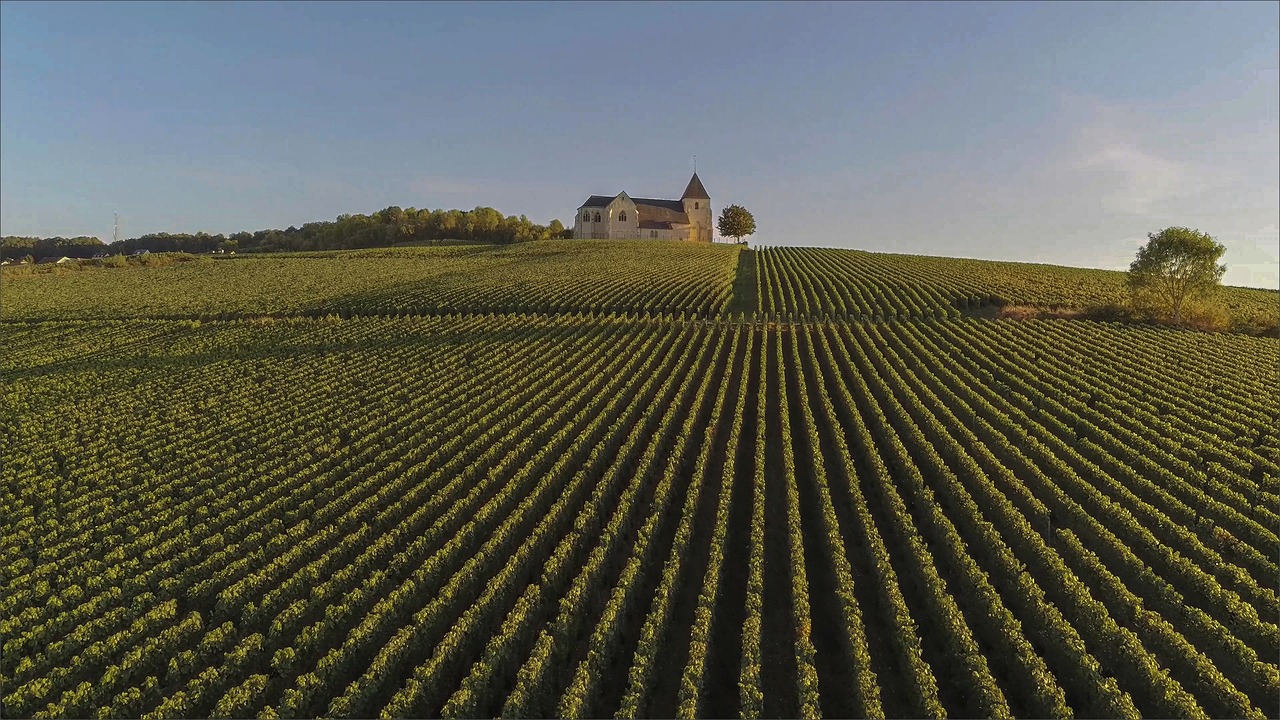
Montagne de Reims Regional Natural Park (Parc naturel régional de la Montagne de Reims) sits between Reims and Épernay, in the heart of Champagne country. It’s a plateau rather than a “mountain” in the Alpine sense, but don’t be fooled: the contrast between vineyard-clad slopes and deep, cool forest can feel almost cinematic.
Here’s what makes it special—and why it deserves a spot on your France itinerary:
- World-famous bubbles, but rural calm: You’re in the cradle of Champagne production, yet step just a few minutes from the cellars and you’ll be alone under cathedral-like beech trees.
- Accessible nature: Gentle gradients and good infrastructure mean families, casual walkers, and serious hikers all find their place. Many of the must-see attractions in Montagne de Reims Regional Natural Park are stroller-friendly.
- Unique landscapes: From the surreal “Faux de Verzy” twisted beeches to panoramic viewpoints over the Marne Valley, it’s a compact region with surprising variety.
- Cultural richness: Ancient churches, war memorials, Champagne houses from grand marques to tiny growers, and a living rural culture that still follows the rhythm of the vines.
- Year-round appeal: Spring wildflowers, summer picnics, autumn harvest energy, and wintry forest walks with a glass of vin chaud afterward—each season has its own charm.
If you’re searching for things to do in Montagne de Reims Regional Natural Park that mix nature, wine, history, and local food, while avoiding the crowds of bigger-name French regions, this is the place.
Table of Contents
- Why Visit Montagne de Reims Regional Natural Park?
- Key Zones, Scenic Drives & Gateway Towns
- 15 Signature Trails, Viewpoints & Zones (In-Depth)
- 3–5 Day Itineraries (With Personal Stories)
- Where to Eat & Drink: Local Food in Montagne de Reims Regional Natural Park
- Where to Stay & How to Get Around
- After-Dark & Quiet Experiences
- Events & What’s New in 2026–2027
- Day Trips & Nearby Attractions
- Cultural Etiquette & Local Customs
- Practical Travel Advice & Park Logistics
- Summary & Final Recommendations
Key Zones, Scenic Drives & Gateway Towns
The park stretches across some 530 km², but its heart is surprisingly easy to grasp. Think of it as a T-shape of forested plateau, fringed by vineyards and punctuated by villages.
The Forested Plateau
The plateau is a thick band of beech and oak forest, cool and humid even in high summer. Trails weave through here, connecting viewpoints, villages, and oddities like the Faux de Verzy. It’s the park’s lungs—and its quiet soul.
The Vineyard Slopes
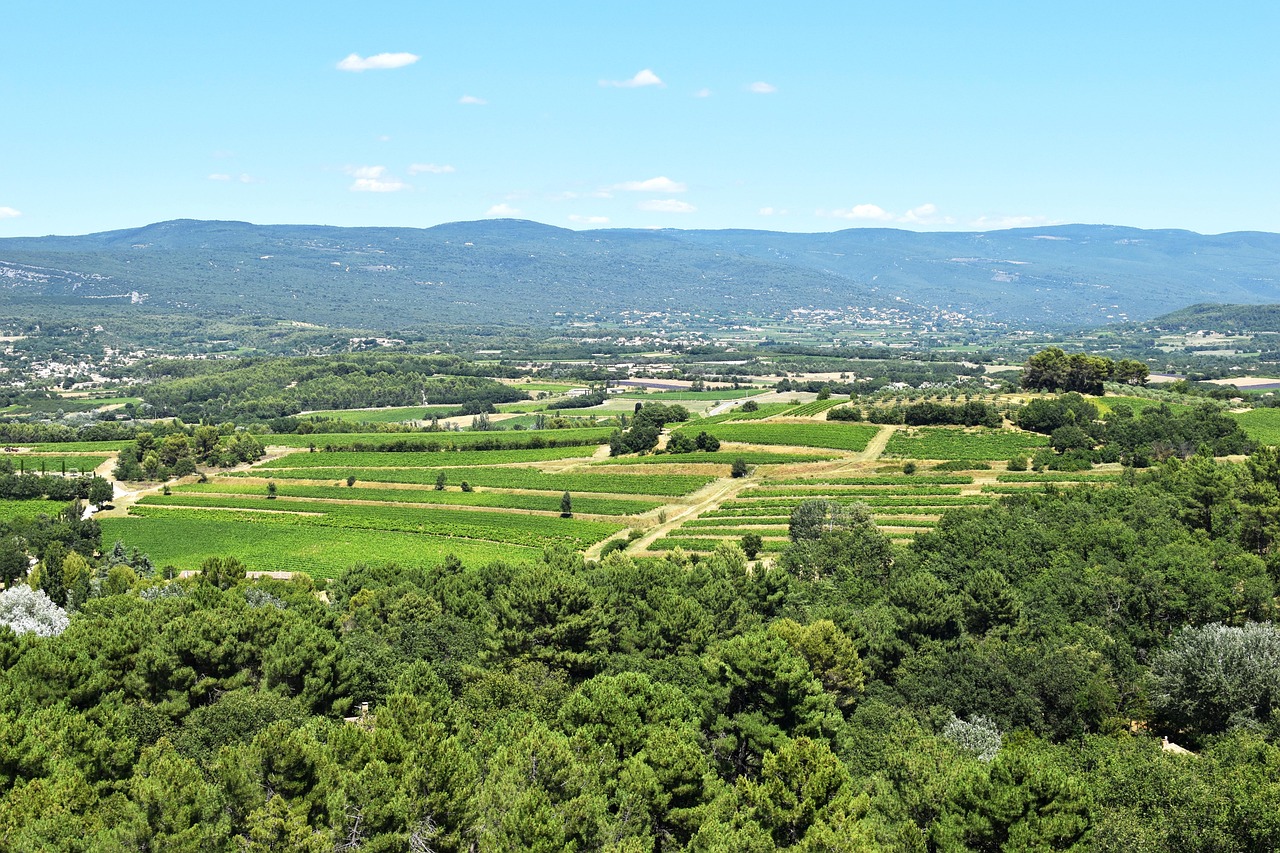
On the northern and southern edges of the plateau, the land falls away in slopes covered with geometrically perfect rows of vines. This is where you’ll find some of the best places to visit in Montagne de Reims Regional Natural Park if you want those postcard shots of vineyards with tiny church spires in the distance.
Signature Scenic Drives
- Route Touristique du Champagne (Reims–Épernay section): My favorite Sunday drive, winding through Verzenay, Verzy, Mailly-Champagne, and on towards Bouzy and Ambonnay.
- D386 forest road: Crosses the plateau east–west; good access to several trailheads and picnic spots.
- Marne Valley road (D1/D3): Just south of the park, running along the river; a great contrast to the higher forested areas.
Gateway Towns to Base Yourself
- Reims: The unofficial “capital” of the region, with a UNESCO-listed cathedral, major Champagne houses, and fast trains to Paris. Best if you want an urban base with easy park access (20–30 minutes by car).
- Épernay: Smaller and more intimate, with the Avenue de Champagne and quick access to the southern edges of the park.
- Hautvillers & small villages: For a deeply local experience—gîtes and guesthouses in places like Verzy, Germaine, and Chamery put you straight in the landscape.
15 Signature Trails, Viewpoints & Zones – A Personal Tour
Below are the must-see attractions in Montagne de Reims Regional Natural Park that I return to again and again. They mix famous highlights with quieter corners; think of them as building blocks for your own 3, 4, or 5 day itinerary for Montagne de Reims Regional Natural Park.
1. Faux de Verzy – The Twisted Beech Forest
The Faux de Verzy are the park’s most otherworldly sight: hundreds of beech trees with twisted, contorted trunks and branches that look like something out of a dark fairy tale. Botanists still argue about the exact cause of their mutation; locals simply shrug and tell you they’ve always been there.
I first walked the Faux trail on a misty March morning, when the gnarled branches were still bare. The silence was so deep that every twig snap sounded amplified. In autumn, by contrast, the place glows gold and copper—my favorite time to bring visiting friends.
Trail & Access: A well-marked loop, around 3 km, mostly flat, starting from the dedicated parking area between Verzy and Louvois. Wooden boardwalks protect the most fragile areas and make it accessible for families with strollers (though there are a few roots and bumps).
Tips: Go early or late in the day in peak season; tour buses sometimes stop mid-morning. Bring a light rain jacket—the plateau traps humidity. There are picnic tables near the parking area and, in 2026, a small seasonal food truck on weekends serving coffee, crêpes, and locally made fruit juices.
2. Phare de Verzenay & Vine Museum
A lighthouse in a sea of vines—literally. The Phare de Verzenay is a whimsical concrete lighthouse built in the early 20th century as an advertising stunt. Today, it houses a multimedia vine museum and one of the park’s most sweeping viewpoints.
I like to go in late afternoon. After wandering through the exhibitions (with surprisingly good English explanations in 2026), I climb to the top platform, glass of Champagne in hand from the bar below, and watch the sun slide across the slopes of Verzenay and Mailly-Champagne.
Experience: The museum explains the geology, grape varieties, and cultural history of Champagne. It’s an ideal introduction if you’re new to the region. The rooftop terrace is a must for photos and a quiet pause.
Family-friendly: Kids enjoy the interactive displays and the novelty of a lighthouse in the countryside. There’s a small outdoor play area and plenty of lawn for them to run around.
Practical: Parking on-site. Allow 1.5–2 hours. Combine with a short vineyard walk along the marked sentiers viticoles around Verzenay for a half-day outing.
3. Hautvillers – Cradle of Champagne
Perched above the Marne Valley, Hautvillers is often called the “cradle of Champagne.” This is where Dom Pérignon refined blending techniques in the 17th century. But beyond the legend, the village itself is simply lovely: wrought-iron signs, stone houses, and a monastery with a peaceful cloister.
My routine here is embarrassingly consistent: morning coffee on the terrace of a café on Rue de la République, a slow wander through the Abbey of Saint-Pierre, and then a descent on foot through the vines towards the river, picnic in daypack.
Highlights: Visit the abbey church to see Dom Pérignon’s tomb, then stroll the village streets. Many small grower Champagne houses (vignerons) offer tastings by appointment—you’ll often be hosted by the owner or their family, which makes this one of the great cultural experiences in Montagne de Reims Regional Natural Park.
Best views: The lookout just above the village offers a broad perspective over the Marne, ideal at sunrise or sunset. The light in early autumn, when the vines are turning shades of red and yellow, is magical.
Tip: If you’re here on a Sunday, book lunch in advance—restaurants fill fast with locals from Épernay and Reims.
4. The Balcon de la Montagne de Reims – Panoramic Ridge Walks
Along the northern edge of the plateau, a series of trails and viewpoints form a natural “balcony” over the plain of Reims. On clear days, you can see the cathedral’s silhouette on the horizon.
One of my favorite half-day hikes starts near Chamery and follows the ridge through forest and vineyard edges, emerging at occasional lookouts. In May, the hedgerows explode with wildflowers and birdsong.
Trail systems: Several circular routes, from 5 to 15 km, signed in yellow and red (GR de Pays). Difficulty is moderate mainly due to length rather than technical terrain.
Best for: Those wanting to mix forest coolness with big-sky views and photo opportunities of classic Champagne landscapes. It’s also a good option for runners and trail runners based in Reims.
Tip: Pack layers—the ridge can be breezy, especially in spring. There’s limited water on the plateau, so fill your bottles before setting out.
5. Verzy Village & Forest Edge Walks
Verzy is one of the quintessential park villages, clinging to the forest’s edge. It has a working, everyday feel—vignerons tinkering with tractors, kids biking to the boulangerie—yet it sits right beside some of the park’s most visited natural sites.
On summer evenings, I like to do a lazy loop: start at the church, wander the back lanes, then pick up a trail that skirts the forest line above the vineyards, returning via the main street in time for an apéro on a bar terrace.
Experience: This is where the front-country and backcountry blend seamlessly. Within a 10-minute walk, you can move from stone houses to deep forest to open vineyard slopes.
Food stop: The village baker does excellent tartes aux mirabelles when plums are in season. Grab one and head to a nearby bench with a view over the vines.
6. Germaine & the Forest of Germaine
Germaine is less talked about than Verzy or Verzenay, which is precisely why I often send friends there. The forest here is dense and quiet, threaded with lesser-known trails and old logging tracks.
In 2024 I spent a drizzly October afternoon following mushrooms and deer tracks on a 12 km loop starting from Germaine’s tiny square. I met exactly three people the whole time—two dog walkers and a trail runner.
Trail notes: The official routes are signposted, but a GPX track is useful if you plan to wander farther. The terrain is gently undulating, with a mix of wide forest roads and narrower paths.
Wildlife: Roe deer, wild boar (you’ll usually just see rooting traces), and in spring, an orchestra of songbirds. In 2026, the park is expanding interpretation panels here to highlight biodiversity.
7. Mailly-Champagne & the Northern Slopes
Mailly-Champagne sits on the northern slope of the Montagne de Reims, with Grand Cru vineyards fanning out in every direction. This is where you really feel the slope: rows of vines marching down toward the plain, intersected by chalky farm tracks.
I often park near the village and follow one of the short vineyard circuits at golden hour. When the sun is low, the rows cast long shadows and the chalk in the soil gleams almost white.
Experience: The juxtaposition of agriculture and landscape artistry is striking. For anyone interested in viticulture, this is an outdoor classroom: you can see pruning styles, soil differences, and micro-terraces up close.
Tasting: Several cooperative Champagne houses in Mailly offer cellar tours. For deeper insight into grower culture, book ahead with a small family domain.
8. Vallée de la Livre – Secret Stream Valley
The Vallée de la Livre is one of my favorite hidden gems in Montagne de Reims Regional Natural Park: a narrow stream valley tucked into the forest, with moss-covered rocks, little wooden bridges, and a sense of being far from the wine world.
I stumbled on it years ago when I took a wrong turn from a main trail and followed the sound of water. Since then, it’s become my go-to spot on hot summer days—the air temperature drops noticeably as you descend into the valley.
Trail: A moderate circular walk of 7–10 km, depending on starting point, with some short but steep descents and ascents. Good footwear is essential; the path can be slippery after rain.
Best for: Hikers wanting a more “wild” feel, photographers, and families with older kids who enjoy clambering over rocks and exploring.
9. Mont Saint-Pierre & Scenic Overlooks
Mont Saint-Pierre is not a “mountain” in the Alpine sense, but its position on the plateau edge gives it commanding views over the surrounding countryside. On some evenings, hot air balloons drift above the valley, adding an almost surreal touch.
I remember an early July evening here with friends: we’d grabbed cheeses and charcuterie from a Reims market, hiked up in time for sunset, and watched the sky go from blue to pink to deep indigo while bats flickered overhead.
Access: Short walk from a nearby parking area, suitable for most visitors. It’s one of the easiest must-see attractions in Montagne de Reims Regional Natural Park for sunrise or sunset.
Tip: Bring a headlamp if you plan to stay past dusk. The path back through the woods is straightforward but unlit.
10. Trigny & Chamery – Vineyards and Chapels
On the western side of the park, the villages of Trigny and Chamery form a gentle, rolling amphitheater of vines. Small chapels and calvaries punctuate the landscape, offering quiet corners for a pause and a view.
One late-September afternoon, I hiked a loop connecting both villages and found myself entirely alone at a hillside chapel, listening to the faint hum of tractors in the distance as harvest crews moved through the rows.
Experience: This area feels less touristed than the central and eastern slopes. It’s ideal for travelers seeking hidden gems in Montagne de Reims Regional Natural Park and a sense of everyday rural life.
Difficulty: Easy to moderate; several circuits of 6–12 km make good half-day outings, with plenty of spots to sit and take in the views.
11. Villages of the Val de Livre
The Val de Livre, a lesser-known corridor of small villages, feels like stepping back a few decades in the best possible way. Stone houses, tiny war memorials, gardens spilling with hollyhocks—it’s the slow France many travelers hope to find.
I like to combine a gentle walk along back lanes with village-hopping by car or bike, stopping for coffee or a glass of Champagne in tiny bars that mostly serve locals.
Cultural angle: The annual small-scale village fêtes and brocantes (flea markets) are an excellent way to connect with residents. In 2026, the park is promoting these as part of a “slow tourism” initiative—check the park website or tourist offices for dates.
12. Arboretum de Verzy & Educational Forest Walks
Just beyond the Faux de Verzy, the arboretum is an open-air classroom for tree lovers. Labels identify species, and interpretive panels explain how the forest has been managed over centuries.
On a sunny April day in 2025, I joined a guided walk here led by a park ranger who’d grown up in Verzy. He pointed out subtle differences in bark, buds, and undergrowth that I’d never noticed on my own.
Family-friendly: Short, well-maintained paths, lots of opportunities to touch and observe, and in 2026 new interactive panels designed for children (with QR codes linking to mini-games and audio stories).
Tip: Bring binoculars—birdlife can be excellent in spring and early summer.
13. Forest Lookouts & Picnic Glades (Front-Country Gems)
Scattered across the plateau are small clearings with picnic tables, wooden shelters, and sometimes simple playgrounds. They’re not dramatic attractions, but they’re where local families actually spend weekends.
I’ve lost count of the number of lazy Sunday picnics I’ve had at these spots: baguette, rillettes, cheeses, a thermos of coffee, a deck of cards, and nowhere to be for a few hours.
Best for: Families with kids, groups wanting a relaxed base to grill and hang out, or anyone needing a quiet lunch spot between hikes and tastings.
14. Southern Slopes Above the Marne Valley
On the southern edge of the park, the land falls towards the Marne River in undulating hills. Views here are wide and generous: river, villages, and vines all in one frame.
I like to come here in February, when the vines are bare and the structure of the hills is most visible. It’s a more abstract beauty, but no less compelling than the lushness of summer.
Scenic drives: The small departmental roads between Aÿ-Champagne, Mutigny, and Mareuil-sur-Aÿ offer some of the region’s most photogenic bends. Pull-outs are limited; drive slowly and use designated viewpoints.
15. Mutigny Belvedere & New 2026 Panorama Trail
Mutigny, a compact village above the Marne, has long had beautiful views; in 2026 the park and local council are completing a new short “Panorama Trail” linking the village to an upgraded belvedere with seating, binoculars, and interpretation panels.
I walked a nearly-finished version of this trail in late 2025 with a local winemaker who pointed out his plots below as we went. The path is gentle, accessible to most, and the view at the end is sublime—especially in the soft light of early evening.
Best for: Travelers with limited mobility, couples looking for a romantic walk before dinner, and photographers eyeing that perfect vineyard-and-river composition.
Sample 3–5 Day Itineraries – How I’d Structure Your Trip
The park is compact, so you can experience a surprising amount even with just 3 days in Montagne de Reims Regional Natural Park. With 4 or 5 days, you can slow down, add cultural experiences in Reims and Épernay, and explore quieter corners.
Below are example itineraries that combine the best places to visit in Montagne de Reims Regional Natural Park, from headline sights to hidden gems. Each is based loosely on how I’ve actually hosted visiting friends and family over the years.
3 Day Itinerary for Montagne de Reims Regional Natural Park
Day 1 – Forest Mysteries & Vineyard Views
I like to start visitors in the forest—it sets the tone that this is more than just a Champagne-tasting destination.
Morning: Faux de Verzy & Arboretum
Arrive by car from Reims or Épernay (about 25–30 minutes). Aim to be at the Faux de Verzy parking by 9:00. Walk the loop at an unhurried pace, reading the interpretive signs and letting your imagination run on what these twisted beeches have witnessed over centuries.
Afterward, stroll over to the nearby arboretum. I like to bring a mid-morning snack: a still-warm croissant from the bakery in Verzy or Verzenay and a thermos of coffee.
Lunch: Picnic on the Plateau
Stop at one of the designated picnic clearings you’ll see signposted off the forest road. I tend to stock up beforehand: baguette, cheeses from a fromagerie in Reims, seasonal fruit, and perhaps a bottle of non-sparkling Coteaux Champenois if someone else is driving.
Afternoon: Phare de Verzenay & Vine Museum
Drive down to Verzenay and spend a couple of hours at the Phare. It gives you the kind of structured background on terroir and winemaking that makes all subsequent tastings more meaningful.
Climb to the lookout. On my last visit in late summer 2025, the air was so clear that you could make out the patchwork of plots all the way to the horizon, each with its own history and family behind it.
Evening: Sunset Over the Vines & Village Dinner
Stay for golden hour on the lighthouse terrace if the weather is good. Then head back up to Verzy or over to a nearby village like Mailly-Champagne for dinner at a small bistro. Expect hearty dishes: maybe a rabbit terrine starter, poultry in a Champagne cream sauce, and a tarte tatin to finish.
If you’re based in Reims, the night drive back is short and easy; if you’re in a village gîte, enjoy the deep rural quiet and starry skies.
Day 2 – Champagne Culture & River Valley
Day two shifts emphasis to cultural experiences in and around the southern edge of the park—the cradle of Champagne.
Morning: Hautvillers & Dom Pérignon’s Legacy
Arrive in Hautvillers by 9:30 to beat the tour groups. Wander the village, pausing to admire the wrought-iron trade signs hanging above doorways. Visit the abbey church and pay your respects at Dom Pérignon’s tomb.
I like to duck into a café afterward for a simple espresso and a pain au chocolat, watching the quiet bustle of deliveries and locals greeting each other.
Late Morning: Vineyard Walk Above the Marne
From Hautvillers, follow one of the marked vineyard paths that contour the slopes. Even a 3–4 km out-and-back gives you a completely different angle on the village and the river below. The play of light on the vines changes by the minute; photographers will linger.
Lunch: Épernay or Picnic Among the Vines
Either drive into Épernay for lunch on or near the Avenue de Champagne (for a more urban vibe) or pack another picnic and eat among the vines—respecting property boundaries, of course. There are informal grassy edges and viewpoints where you can sit without disturbing the work.
Afternoon: Champagne House Visit
Reserve a cellar tour with either a big house in Épernay or, my preference, a grower in or near Hautvillers. The latter gives you a richer sense of family history and day-to-day realities of viticulture.
In 2026, several producers are offering new “vineyard-to-glass” tours that include a short walk through their parcels before tasting—highly recommended.
Evening: Riverside Stroll & Quiet Night
If you’re based near the Marne, finish the day with a gentle stroll along the river. Otherwise, head back to your base. This is a good night to keep things low-key—perhaps a simple platter of local charcuterie and cheese at your accommodation with a bottle you picked up during the day.
Day 3 – Ridge Walks & Reims Culture
Day three blends nature and city: a morning on the ridge, an afternoon in Reims.
Morning: Balcon de la Montagne de Reims Hike
Start early on a section of the ridge between Chamery, Sermiers, or another northern-slope village. Choose a loop of 8–10 km to leave time for the city later. The combination of forest shade and open vineyard edges makes this one of the most satisfying hikes in the park.
Lunch: Village Restaurant or Reims
If you finish your hike near lunchtime, treat yourself to a proper meal in a village restaurant—these are often excellent value compared to the big cities. Otherwise, drive straight into Reims and grab a bistro lunch near the cathedral.
Afternoon: Reims Cathedral & City Walk
While not in the park proper, Reims is inseparable from the region’s story. Visit the Cathédrale Notre-Dame, where French kings were once crowned, then stroll the historic center. If you have the energy, tour another Champagne house here to compare styles with those you saw near Épernay.
Evening: Farewell Dinner
End your 3 days in Montagne de Reims Regional Natural Park with a special dinner in Reims or back in your base village. If it’s summer, consider a post-dinner stroll to a nearby viewpoint for one last look at the vines under the stars.
4 Day Itinerary for Montagne de Reims Regional Natural Park
With 4 days in Montagne de Reims Regional Natural Park, you can follow the 3-day itinerary above and add a slower, more exploratory day focused on quieter forest zones and hidden valleys.
Day 4 – Hidden Valleys & Slow Villages
This is the day I reserve for people who tell me they “love to just wander.”
Morning: Vallée de la Livre Hike
Drive to a trailhead near the Vallée de la Livre. Spend the morning on a 7–10 km loop, following the stream, crossing little bridges, and soaking in the cool, green atmosphere. Pack a snack; there are few services nearby.
I’ve had some of my most peaceful solo walks here, especially on weekday mornings when it feels like the valley is yours alone.
Lunch: Village Bistro or Forest Picnic
Depending on your route, you can either return to a village for a simple plat du jour (daily special) or bring a picnic to enjoy in a clearing above the valley. Many locals keep it very simple: bread, saucisson, a wedge of cheese, fruit, and coffee.
Afternoon: Val de Livre Villages
Spend the afternoon exploring the small villages of the Val de Livre. Park the car and walk the streets, peek into churches, and sip coffee or a glass of Champagne in a local bar. If you’re lucky, you may stumble on a village fête or brocante.
Evening: Quiet Night & Stargazing
If you’re staying in a rural gîte, this is the night to switch off devices and enjoy the dark. On clear nights, the sky above the plateau is impressive for a region so close to major cities. Bring a light blanket and lie back to trace constellations.
5 Day Itinerary for Montagne de Reims Regional Natural Park
A 5 day itinerary for Montagne de Reims Regional Natural Park lets you feel the rhythm of the place rather than just sampling it. Add a day for deeper forest exploration, cycling, or more focused Champagne discovery.
Day 5 – Your Choice: Deep Forest, Cycling, or Champagne Immersion
By now, you’ll have a sense of what you liked most. Here are three ways I’ve structured a fifth day for different types of travelers:
Option A: Deep Forest Day (Germaine & Surrounds)
Head to Germaine and spend most of the day on a longer forest loop (12–18 km), with a leisurely picnic in the middle. This is ideal for hikers and trail runners. You’ll cross old logging tracks, quiet glades, and perhaps see roe deer darting through the trees.
Option B: Cycling Through the Vines
Rent e-bikes in Reims or Épernay and create a loop that links several villages on the slopes of the Montagne de Reims. E-bikes make the modest hills accessible to most fitness levels. Stop spontaneously at viewpoints and tasting rooms (within reason—pace your sips).
Option C: Champagne Deep Dive
Dedicate the day to visiting 2–3 Champagne producers with distinct styles: perhaps a large house, a cooperative, and a tiny organic grower. In between, fit in a short vineyard or forest walk to clear your head. This is one of the most enriching cultural experiences in Montagne de Reims Regional Natural Park if you’re truly curious about wine.
Evening: Farewell Ritual
However you spend your fifth day, try to end it at a viewpoint—a belvedere in Mutigny, the Balcon near Chamery, or simply a quiet track above your base village. I often bring one last special bottle, open it as the sky darkens, and mentally replay the days just spent among vines and trees.
Where to Eat & Drink – Local Food in Montagne de Reims Regional Natural Park
Eating and drinking well here is almost unavoidable. Still, there are ways to make it more meaningful—and more budget-friendly.
In-Park Picnics & Simple Stops
- Picnic areas: Scattered across the plateau and at popular sites like Faux de Verzy and near the Phare de Verzenay. They’re perfect for cheap, convivial meals.
- Ranger-station kiosks & food trucks: In 2026, the park is expanding seasonal snack options at main trailheads (think coffee, crêpes, ice cream, and simple sandwiches).
- General stores & boulangeries: Villages like Verzy, Verzenay, and Chamery have small shops and bakeries—ideal for stocking up each morning.
Village Restaurants & Bistros
Many gateway villages have one or two bistros serving a mix of traditional and modern French dishes. Expect menus that feature:
- Poultry in Champagne sauce (supreme de volaille au Champagne)
- Ham baked in Reims mustard (jambon au moutarde de Reims)
- Andouillette de Troyes (strong-flavored tripe sausage—love it or leave it)
- Local cheeses like Chaource and Langres
Lunch menus (menu du midi) are usually the best value, often 18–28€ for two or three courses including a coffee. Dinner is pricier; I often advise having your main restaurant meals at lunch and keeping dinners simpler.
Reims & Épernay Highlights
In Reims, you’ll find everything from Michelin-starred restaurants to casual wine bars with long Champagne lists by the glass. I tend to rotate between:
- Wine bars with good small plates—perfect for tasting diverse Champagne styles with food.
- Bistros near the cathedral that do classic dishes without too much fuss.
Épernay’s Avenue de Champagne has a slightly more polished, tourist-facing feel; venture a few streets back for more local haunts.
Saving Money on Food & Drink
- Self-cater breakfasts and some dinners: Stay in a gîte or apartment with a small kitchen to reduce restaurant meals.
- Hit markets: Weekly markets in Reims, Épernay, and some villages are ideal for fresh produce, cheeses, and charcuterie.
- Focus on grower Champagne: Buying direct from vignerons often gives you better value than big-brand bottles in tourist shops.
Where to Stay & How to Get Around
Accommodation Options
- Village gîtes & guesthouses: My top recommendation. Stay in places like Verzy, Verzenay, Chamery, or Hautvillers for immersion in local life. Expect friendly hosts, sometimes linked to a Champagne estate.
- Reims & Épernay hotels: Best for those wanting nightlife, more restaurant choices, and easy rail access. You’ll drive into the park each day.
- Rural B&Bs and chambres d’hôtes: Scattered across the park, often family-run with generous breakfasts.
- Campgrounds: Limited directly in the park, but there are campsites along the Marne and in nearby villages. Great if you’re traveling by campervan or on a tight budget.
How to Get Around
Public transport into and through the park is limited. For flexibility—especially if you’re chasing sunrise or sunset viewpoints—a car is almost essential.
- Car rental: Available in Reims, Épernay, and Paris. Reserve in advance for summer and harvest season (September–October).
- Driving: Roads are generally good but narrow through villages; drive slowly and expect agricultural vehicles.
- Cycling: Increasingly popular, especially with e-bikes. You can realistically link many villages by bike, but be aware of hills and narrow roads; use marked cycling routes where possible.
- Ride-sharing & taxis: Limited, especially at night. Arrange return rides from restaurants in advance if you’re staying in rural areas.
Parking Strategy
Parking is free and usually easy at trailheads and village edges. In high season, the Phare de Verzenay and Faux de Verzy lots can fill; arrive early or late. In Reims and Épernay, use paid public car parks and avoid trying to squeeze into tiny street spaces.
After-Dark & Quiet Experiences
Nights in and around the park are quieter than the days, but there’s more to do than you might think—especially if you love sky, silence, and slow evenings.
Stargazing & Dark Skies
While not an officially designated dark-sky reserve, the plateau’s central areas enjoy relatively low light pollution. On clear nights, you’ll see the Milky Way, satellites, and an impressive spread of stars—especially in winter.
- Best spots: Forest clearings away from village glow, belvederes like Mutigny, and some picnic areas set back from main roads.
- Programs: In 2026, the park is hosting occasional astronomy evenings with local clubs—check their events calendar.
Ranger Talks & Campfire Programs
In summer (June–September), the park offers guided twilight walks and talks on topics like forest ecology, bats, and nocturnal wildlife. Some include a simple campfire where you can toast marshmallows and listen to stories about the region.
Full-Moon & Sunrise Walks
A full-moon walk along a familiar trail—like the edges of the Faux de Verzy or a section of the ridge above Chamery—can be unforgettable. Bring a headlamp and go with a group if you’re unfamiliar with night hiking.
For early risers, sunrise at a vineyard belvedere is just as rewarding. In late spring and early autumn, you often get soft mist lifting off the Marne Valley as the sun comes up.
Wildlife Watching Windows
Dawn and dusk are the best times to see roe deer and foxes at forest edges. In quieter valleys, you may hear owls. Always maintain distance; this is their home, and you’re just a respectful guest.
Events & What’s New in 2026–2027
The park and surrounding towns have a full calendar of events, from wine festivals to cultural happenings. Here’s what to watch for in 2026–2027:
Wine & Harvest Events
- Vendanges (Harvest) – September to early October 2026: Not a single event but a season. Villages buzz with activity, and some producers open their doors for special tours. Book accommodation early.
- Local Champagne festivals: Smaller-scale tastings and celebrations in villages like Hautvillers, Aÿ-Champagne, and others—ask at tourist offices for specific 2026 dates.
Cultural & Nature Events
- Guided nature weekends (spring and autumn 2026–2027): Park-organized weekend programs combining walks, talks, and local gastronomy, often themed around forest ecology, bird migration, or heritage.
- Night of the Stars (Nuit des Étoiles): Annual national event each August, with local astronomy clubs hosting observation evenings on the plateau.
New in 2026
- Mutigny Panorama Trail: New short, accessible path to an upgraded belvedere with interpretation panels and seating.
- Expanded interpretive signage: At key forest sites like Germaine and the arboretum, with multilingual content and QR codes.
- Enhanced cycling routes: The park is improving signage and safety measures on several popular cycling loops linking villages and viewpoints.
Day Trips & Nearby Attractions
If you’re basing yourself in or near the park for several days, there are excellent day trips within easy reach.
Reims City
20–30 minutes from the park. Visit the cathedral, the Palais du Tau, the Saint-Remi Basilica, and one or two major Champagne houses. Combine with shopping and a leisurely city lunch.
Épernay & Aÿ-Champagne
Just south of the park, this pair makes a perfect day trip: morning on the Avenue de Champagne, afternoon exploring Aÿ’s slopes and tasting at a local producer.
Marne River Excursions
Boat trips along the Marne, cycling on river-side paths, or simply a day of picnics and swimming spots (where permitted) make a nice contrast to forest and vines.
Other Regional Natural Parks
With a car, you can reach other regional parks within a couple of hours, like the Parc naturel régional de la Forêt d’Orient with its lakes—perfect if you want to add variety to a longer stay in northeastern France.
Cultural Etiquette & Local Customs
The Montagne de Reims area is rural and friendly, but it’s also a working landscape. A few simple courtesies go a long way.
Basic French Politeness
- Always start interactions with Bonjour (daytime) or Bonsoir (evening), even in shops and cafés.
- Use Madame or Monsieur when addressing people you don’t know.
- Don’t jump straight into English; a simple “Bonjour, parlez-vous anglais ?” is appreciated.
Visiting Champagne Houses
- Appointments: Many small producers require advance booking—respect time slots and call if you’re running late.
- Tastings: They’re often not free; a small fee is normal and sometimes waived if you purchase bottles.
- Behavior: This is both a workplace and family home; be respectful, especially around children and older family members.
In Villages & Vines
- Stay on marked paths; vines and farm tracks are private property even if unfenced.
- Don’t pick grapes—tempting but frowned upon and technically theft.
- Keep noise down at night; sound carries in quiet rural areas.
Dining Customs
- Lunch is usually 12:00–14:00; dinner from 19:30 onward. Don’t expect continuous service all afternoon.
- A small tip (5–10%) is appreciated but not obligatory; service is typically included.
Practical Travel Advice & Park Logistics
Entrance Fees & Permits
Montagne de Reims is a Parc naturel régional, not a national park—there’s no entrance fee or central gate. Most trails and viewpoints are free, though some attractions like the Phare de Verzenay and Champagne house tours charge individual admission.
Seasonal Closures & Best Timing
- Spring (April–May): Best for wildflowers, fresh green forest, and cooler hiking temperatures.
- Summer (June–August): Warm, sometimes hot; ideal for long days, picnics, and outdoor events. Forest offers shade.
- Autumn (September–October): Harvest season, vine colors, Champagne buzz. Book early and expect more traffic.
- Winter (November–March): Quiet, atmospheric forests, lower prices. Some restaurants and attractions run reduced hours.
Occasional trail closures happen for forestry work or conservation; check the park website or local tourist offices for updates, especially in winter and early spring.
Weather & Altitude
Altitude is modest (under 300 m), so no altitude sickness issues. Weather can be changeable: cool, damp forests even on hot days. Pack layers, a light waterproof jacket, and good walking shoes.
Wildlife & Safety
No bears, wolves, or other large predators to worry about. Main considerations:
- Wild boar: Generally avoid humans; give them space if you see them, especially with piglets.
- Ticks: Present in grassy and forested areas—use repellent, check skin after hikes, and wear long pants when possible.
- Hunting season: In autumn and winter, hunting occurs in certain areas. Trails remain open, but pay attention to signage and stick to marked paths.
Leave No Trace Basics
- Pack out all rubbish, including fruit peels and tissues.
- Stay on marked trails to protect vegetation and avoid erosion.
- Respect wildlife; do not feed animals.
- Fires are only allowed in designated areas—check local rules.
What to Pack
- Comfortable walking shoes or light hiking boots
- Layered clothing and a light waterproof
- Daypack, water bottle, and sun protection (hat, sunglasses, sunscreen)
- Reusable picnic gear (knife, corkscrew, light cups)
- Small first-aid kit and tick remover
- Offline maps (phone app or paper) for forest areas
Cell Coverage & Connectivity
Coverage is generally good in villages and open vineyard slopes, patchy in deep forest. Don’t rely on constant data in central plateau areas. Download offline maps (Google, Maps.me, or similar) before heading out.
SIM Cards & Roaming
If you’re coming from outside the EU:
- Consider a local SIM from Orange, SFR, Bouygues, or Free—available in Reims and Épernay.
- EU citizens enjoy free roaming across member states; check your plan.
Visa Requirements & Driving Licenses
- Visas: France is in the Schengen Area. Many nationalities get visa-free stays of up to 90 days; check current rules for your passport.
- Driving licenses: EU licenses are fully valid. Many non-EU visitors can drive with their home license plus an International Driving Permit (IDP)—check before travel.
Front-Country vs Backcountry
In this park, the distinction is softer than in alpine areas:
- Front-country: Easily accessed sites like Faux de Verzy, Phare de Verzenay, village walks, and short vineyard paths. Ideal for families and casual walkers.
- Backcountry feel: Longer loops in the forest of Germaine, the Vallée de la Livre, and less-trafficked ridges. You’re never truly far from a road, but you can spend hours without seeing many people.
Money-Saving Strategies
- Stay in self-catering accommodation and cook some meals.
- Plan Champagne tastings selectively; combine paid tours with free or low-cost grower visits.
- Travel off-peak (April–May or late October–November) for lower accommodation prices.
- Use lunch menus rather than dining at top restaurants every night.
Summary & Final Recommendations
Montagne de Reims Regional Natural Park is a place where you can hike under ancient beech trees in the morning and clink Champagne glasses beside the vines in the afternoon. It’s not about ticking off dramatic “sights” so much as sinking into a landscape where nature, agriculture, and culture interlock.
For a first visit, I suggest at least 3 days in Montagne de Reims Regional Natural Park, using the itineraries above as a framework. If you can spare 4 or 5 days, all the better—you’ll have time to explore quieter forest valleys, cycle between villages, and linger over long lunches.
In terms of timing:
- Best for hiking & forests: April–June and September–October
- Best for vineyard scenery & harvest atmosphere: Late August–early October
- Best for budget & quiet: November–March (with the trade-off of shorter days and some closures)
However you slice your 3, 4, or 5 day itinerary for Montagne de Reims Regional Natural Park, aim for a balance: one forest-heavy day, one vineyard-and-village day, and one or more days focused on Champagne culture and slow wandering. The park rewards those who move at its pace—unhurried, observant, and always ready to pause for a view or a glass of something sparkling.