Why Visit Morvan Regional Natural Park?
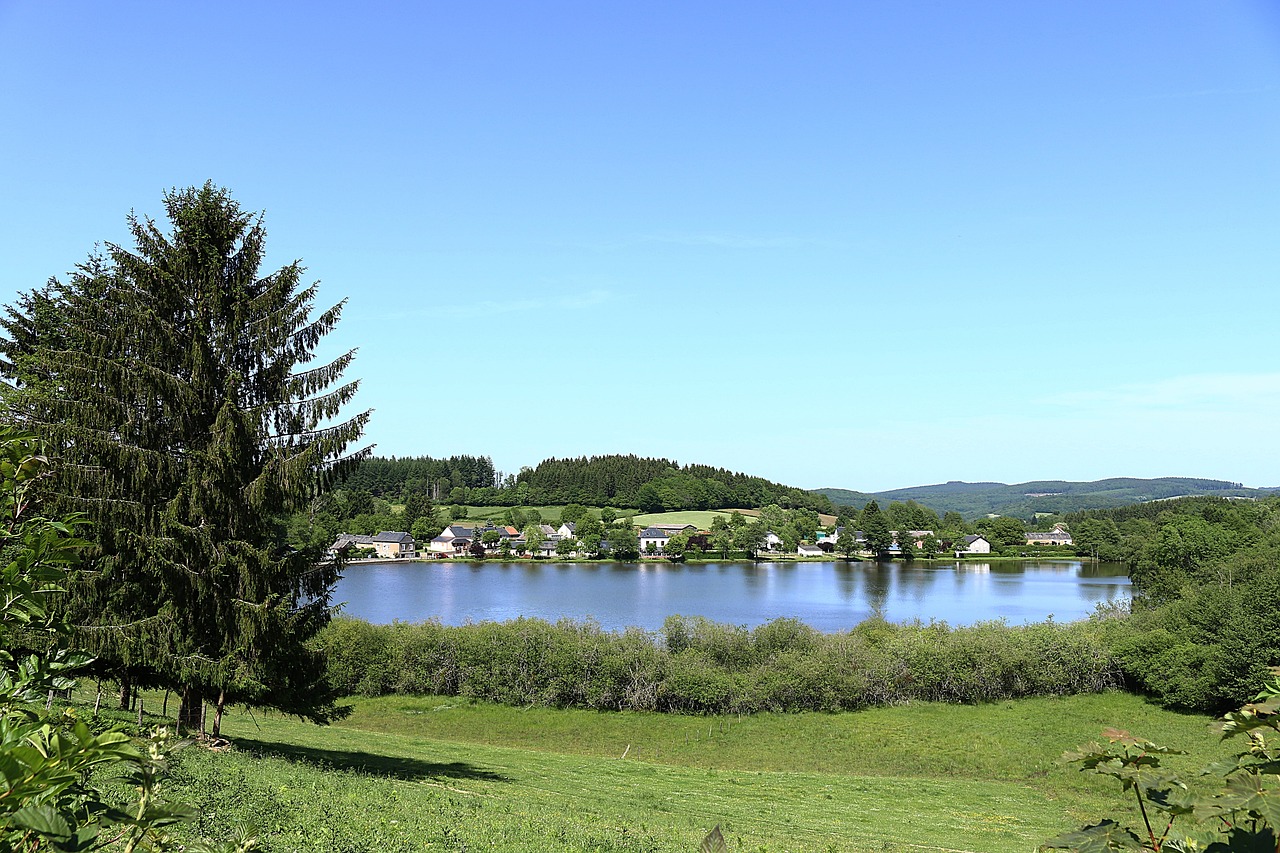
Morvan Regional Natural Park (Parc naturel régional du Morvan) is the green, granitic heart of Burgundy – a tangle of forested hills, lakes, tiny stone villages and misty valleys that feel almost suspended in time. I’ve been coming here for over a decade, and every visit confirms the same intuition: this is where you go when you want France without the crowds, but with all the flavours, landscapes, and quiet intensity that make rural France unforgettable.
While the Morvan lacks the headline peaks of the Alps or the dramatic coasts of Brittany, it has something subtler and, to me, more compelling: an intimacy of scale. The highest “mountain,” Haut-Folin, barely tops 900 m, but from its ridges you see forests rolling to the horizon, patchwork fields, and lakes that glow like coins at sunset. Villages such as Vézelay, Château-Chinon, and Ouroux-en-Morvan serve as human-scale anchors – places where you can walk from a Romanesque church straight into deep woodland trails.
This guide is written as I’ve lived the Morvan: long weekends in lakeside gîtes, foggy November hikes where I didn’t see another soul for hours, July evenings spent eating charolais beef on a terrace as swallows stitched the sky. I’ll walk you through detailed itineraries for 3, 4, and 5 days in Morvan Regional Natural Park, the best places to visit, hidden gems, local food, and the practical travel tips you actually need to plan your trip in 2026.
Table of Contents
- Why Morvan Regional Natural Park Is Special
- Key Zones & Gateway Towns
- 15 Essential Trails, Viewpoints & Zones (In Depth)
- 3, 4 & 5 Day Itineraries
- Where & What to Eat – Local Food in Morvan Regional Natural Park
- Where to Stay & How to Get Around
- After-Dark & Quiet Experiences
- Events & What’s New in 2026–2027
- Day Trips & Nearby Attractions
- Cultural Etiquette & Local Customs
- Practical Travel Advice & Park Logistics
- Summary & Final Recommendations
Key Zones & Gateway Towns of Morvan Regional Natural Park
Morvan is large but manageable, roughly an hour or two’s drive from Burgundy’s wine towns (Beaune, Autun, Avallon). The park is a mosaic of zones, each with its own character. Knowing them helps you shape your 3–5 day itinerary intelligently.
1. Lac des Settons & Central Lakes Region
At the heart of the park lies Lac des Settons, a 367-hectare reservoir encircled by pines and holiday chalets. This is the most “resort-like” corner of the Morvan, but even at the height of summer it feels relaxed rather than hectic. A lakeside path loops around the shore, and boats, kayaks, and paddleboards speckle the water on warm days.
Best for: Families, water activities, relaxed walking and cycling, base for first-time visitors.
2. Haut-Folin & High Morvan (Morvan des Sommets)
To the south, the land rises into the Morvan des Sommets, a ridge of rounded peaks topped by dark conifer forests and open heaths. At 901 m, Haut-Folin is the park’s highest point. In winter, there’s often enough snow for cross-country skiing; in summer, it’s a cool refuge when Burgundy’s plains are baking.
Best for: Hikers, trail runners, forest lovers, those seeking cooler temperatures.
3. Lac de Pannecière & Western Valleys
Lac de Pannecière is wilder than Settons: fewer holiday homes, more sweeping vistas, and a sense of remoteness that deepens on foggy mornings. The winding roads here bring you through tiny hamlets, terraced fields, and hidden chapels.
Best for: Scenic drives, photography, peaceful hikes, birdwatching.
4. Vézelay & Northern Vineyard Fringe
On the northern edge of the park, Vézelay sits on a limestone hill with its UNESCO-listed basilica presiding over vineyards and the distant Morvan hills. Technically just outside the core forested mass, it’s still administratively within the park and functions as a cultural and spiritual gateway.
Best for: History, architecture, pilgrim routes, wine, romantic weekends.
5. Avallon, Autun & Eastern Gateways
Avallon (north-east) and Autun (south-east) are the principal gateways: small historic towns with good rail access, weekly markets, and a range of accommodation. I usually arrive via Autun, pick up a rental car, and then dive into the forested interior within 30 minutes.
Best for: Arrivals/departures, stocking up on supplies, Roman and medieval heritage.
15 Essential Trails, Viewpoints & Zones in Morvan Regional Natural Park
These aren’t just names on a map. I’ve hiked, picnicked, swum, and occasionally gotten lost in each of them. Below, I share what they’re like on the ground – how they feel, what to expect, and how to weave them into your itinerary.
1. Lac des Settons Circuit
The full loop of Lac des Settons is one of the park’s most accessible and rewarding walks: about 14–16 km, mostly flat, hugging the shore all the way. I first did it in late September, when the birches were just beginning to turn, and there was a woodsmoke smell in the air from lakeside cabins firing up their first autumn stoves.
What it’s like: The path alternates between shady woodland, sandy coves, and stretches that pass close to campgrounds and cafés. You’re rarely far from a place to sit with a coffee or an ice cream in summer, which makes this a perfect family-friendly outing. Children love the varied shoreline – there are ducks, boats to watch, and plenty of stones to skim.
History & significance: Settons is an artificial lake, created in the 19th century to regulate water for timber rafting down to Paris. You can still see traces of the old timber trade in photos at the small visitor centre by the dam, and the massive masonry dam itself is worth a pause.
Tips:
- Best time: Early morning or late afternoon in summer to avoid midday heat and crowds; any time in spring and autumn.
- Food: I usually stop halfway at a lakeside restaurant near the dam for a salade du Morvan (local ham, eggs, cheese) or a plate of goujonettes (small fried fish).
- Getting there: The main parking areas are signposted “Lac des Settons – Barrage” from the D193. On summer weekends, arrive early (before 10:00) to easily find a spot.
2. Haut-Folin Summit & Forest Trails
Haut-Folin is less about the summit view (trees obscure most of it) and more about the atmosphere of the high forest. My favourite route is a 12 km loop starting from the station de Haut-Folin parking, weaving through mossy conifer stands and heathland clearings where bilberries grow in thick clumps.
What it’s like: In June, the forest floor is bright with foxgloves; in October, mist hangs in the branches like gauze. The air feels cooler and resinous, and even on busy weekends you can hike for half an hour without seeing anyone once you leave the main tracks.
Winter & snow: On a snowy January visit, I strapped on rented snowshoes from the small Nordic centre and followed the marked snow trails. It’s not the Alps, but the silence of a snow-covered Morvan forest is something special, and it’s gentle enough for families.
Tips:
- Gear: Waterproof shoes are useful; paths can be muddy after rain.
- Navigation: Trails are marked, but intersections can be confusing. Download an offline map (e.g., IGN topo) before you go; mobile data is patchy.
- Family-friendly: Take the shorter signed loops (3–5 km) around the station area rather than the full summit circuit with young kids.
3. Lac de Pannecière Shores & Overlook
Compared to Settons, Pannecière feels raw. The shoreline is less developed, and when the water level is low, sculpted banks emerge with tree stumps and cracked mudflats that look almost primeval. I love driving the small D37 road along the northern side, stopping at lay-bys to photograph the shifting light and mist.
Trail experience: There are several signed circuits; one of the most enjoyable is a 9–10 km loop from the village of Chaumard, descending to the lake and looping back through mixed forest. In spring, the birdsong can be almost deafening.
Best viewpoint: A small unofficial viewpoint near the road above the dam gives a sweeping panorama over the lake. Ask locally for “le belvédère sur Pannecière” – it’s well known among residents but barely mentioned in English-language guides.
Tips:
- Photographers: Come at sunrise. On one April morning, the fog lay in layers over the water, with just the tops of pines poking through – some of my favourite Morvan shots are from that day.
- Swimming: Less infrastructure than Settons, so better for strong swimmers and those who don’t mind wild-ish access.
4. Vézelay Hilltop & Vineyard Walks
Though Vézelay is often described in terms of its basilica and pilgrimage history, the walking here is quietly superb. A favourite short hike of mine starts from the lower parking area, skirts the base of the hill through vineyards, and then climbs back up along a track lined with wild roses in early summer.
History & significance: Vézelay’s Sainte-Marie-Madeleine basilica has drawn pilgrims for centuries; it’s a starting point of one of the routes to Santiago de Compostela. Walking out of town on the signed chemins de Saint-Jacques gives you a physical sense of that long slow journey – fields, hedgerows, distant hills.
My routine: I like to walk late afternoon, then return just in time to sit on the terrace of a wine bar with a glass of Vézelay white as the sun drops behind the Morvan hills. It’s one of the most romantic corners of the region, especially out of peak season when coach tours are fewer.
5. Bibracte & Mont Beuvray
Bibracte, on the slopes of Mont Beuvray, is where landscape and deep history intertwine. This was once a major Gaulish oppidum (fortified town), and you can still trace the outlines of ramparts and streets under the beech trees.
What it’s like: Trails snake through old forest, emerging at clearings with views over the Nivernais countryside. Interpretive panels explain where archaeological digs have uncovered artefacts. On a misty day, the place feels almost otherworldly – you can imagine sentries scanning the horizon for Roman legions.
Museum: The Bibracte museum at the base of the site is excellent, with thoughtful exhibits on Celtic life. On one rainy May afternoon I ended up spending three hours inside, then walking the summit circuit between showers – a surprisingly satisfying combination.
Tips:
- Allow time: Half a day minimum to combine museum and a 6–8 km walk.
- Food: The museum café serves a hearty “Celtic-inspired” set menu using local ingredients; book ahead on summer weekends.
6. Gorges de la Cure & Saut du Gouloux
The Cure river carves a series of narrow gorges and runs over boulders and small waterfalls, creating one of the park’s most dramatic water landscapes. The Saut du Gouloux waterfall is tiny compared to Alpine cascades, but the setting – a mossy, fern-draped ravine – feels magical.
Trail experience: A short, steep path leads from the parking area down to the waterfall (about 10–15 minutes). From there, longer trails follow the river. I often combine the falls with a longer Cure valley hike, returning via forest tracks to make a 7–8 km loop.
Family factor: Kids love the Saut du Gouloux – it’s just adventurous enough without being dangerous, though you should keep an eye on little ones near slippery rocks.
7. Gorges du Chalaux & White-Water Adventures
The Chalaux is the Morvan’s wilder cousin to the Cure – narrower, steeper, and renowned among kayakers. If you’re looking for something more adventurous than lakeside strolls, this is where to come.
Rafting & kayaking: I ran the Chalaux on a guided rafting trip one wet June afternoon, tumbling through rapids under overhanging trees while kingfishers flashed ahead like blue sparks. Several local outfitters run trips from spring through autumn, with gear and transport included.
Hiking: The riverbanks are rugged; trails are narrower and more technical than around the lakes. Wear proper hiking shoes and be ready for some mud after rain.
8. Lac de Saint-Agnan & Quiet Shores
Lac de Saint-Agnan is where I go when Settons feels too busy. It’s smaller, quieter, with a wonderful sense of sanctuary. The path around the lake is shorter (about 7–8 km), perfect for a slow morning walk.
Birdlife: The reedbeds host herons, grebes, and a riot of songbirds. Bring binoculars if you’re at all interested in birds; early mornings can be spectacular.
Romantic corner: There’s a little wooden jetty on the eastern shore where I’ve watched several sunsets with a thermos of wine and a packet of local goat cheese. If you’re here as a couple, this is a lovely place to end a day.
9. Canal du Nivernais Towpath
The Canal du Nivernais skirts the western edge of the park, offering flat, easy walking and cycling along its towpath. After a few days of up-and-down forest trails, this gentle waterway is a welcome change of pace.
What it’s like: Stone locks, moored barges, ducks, and long reflections of poplars. I usually rent a bike in a canal-side town like Châtillon-en-Bazois and ride 20–30 km out and back, stopping for a picnic on the grass.
Family-friendly: Ideal with kids: no cars, mostly flat, and plenty of interest watching boats navigate the locks.
10. Tour du Morvan & GR Trail Segments
Several long-distance trails criss-cross the Morvan, notably the GR13 and the regional Tour du Morvan. You don’t need to commit to a full multi-day trek to enjoy them; sampling a segment can be a highlight of a 4 or 5 day itinerary.
My favourite segment: A stretch between Ouroux-en-Morvan and Lac de Pannecière, about 18 km, leads through classic Morvan countryside: hedged fields, hamlets with stone barns, and patches of woodland. I like to arrange a car shuttle with friends or use a local taxi to get back.
Tip: Trail markings (red-and-white blazes for GR routes) are generally good, but I still carry a map; waymarks can sometimes be hidden by summer vegetation.
11. Château-Chinon Belvédère & Town Walks
Château-Chinon is not the prettiest town at first glance, but it’s an honest working centre with a commanding hilltop position. From the belvédère (viewpoint) near the old fortifications, you get a broad panorama over the Morvan hills.
My routine: I often stop here on arrival day for coffee and supplies, then take a quick 30–40 minute stroll around the upper town – past the François Mitterrand museum, through small parks, and out to the viewpoint – before driving on to lakes or forests.
12. Autun Hills & Temple of Janus View
Just outside Autun, low wooded hills rise towards the Morvan proper. A short hike up to the Temple of Janus and surrounding ridges offers a fine introduction to the landscape: Roman ruins, mixed woodland, and views back over Autun’s cathedral and amphitheatre.
Why include this: If you’re arriving or leaving via Autun, it’s an easy half-day that combines culture and nature, and sets the scene for the deeper forest immersion to come.
13. Étang de Vaux & Étang de Bay
These twin lakes, Vaux and Bay, lie in the north-west Morvan and see far fewer visitors than Settons or Pannecière. The atmosphere is peaceful, with reed-fringed shores and small fishing pontoons.
Activities: Angling is popular (permits required), but there’s also a lovely lakeside walk and several picnic spots. I’ve had some of my quietest lunches here, listening to nothing but water lapping and distant cowbells.
14. Mont Pré-porcher & Ridge Views
Mont Pré-porcher is a lesser-known summit with surprisingly broad views. A signed circuit from a small parking area leads over open pasture, through beech woods, and along a ridge where, on a clear day, you can see well beyond the park.
Why I love it: I’ve rarely seen more than a handful of people here, even in peak season. It feels like “my” hill now – a place I go when I want to remember why I keep coming back to the Morvan.
Itineraries: 3, 4 & 5 Days in Morvan Regional Natural Park (2026)
Below are flexible narratives you can adapt – each day mixes must‑see attractions with quieter corners, and can be restructured depending on your base and the season.
3 Day Itinerary for Morvan Regional Natural Park
If you’ve got 3 days in Morvan Regional Natural Park, focus on the lakes and a taste of the high forest, with one cultural anchor. I’ll assume you arrive via Autun with a rental car and base yourself near Lac des Settons.
Day 1 – Arrival via Autun & First Glimpse of the Lakes
On my most recent 3‑day run in 2025 (which I’ve updated here for 2026 conditions), I caught the mid‑morning train into Autun, grabbed a small hatchback from the rental counter near the station, and was heading into the hills by noon. The transition is quick: within 20 minutes, medieval stone gives way to forest and granite farmhouses.
Midday: Autun stop (optional but recommended)
- Walk through the old town to the cathedral square, grab a light lunch – I like a simple plat du jour like roast chicken with local potatoes.
- Quick detour by car to the Temple of Janus for a 30–40 minute stroll and a first elevated view.
Afternoon: Drive to Lac des Settons
From Autun, follow signs towards Château-Chinon, then Settons; it’s roughly an hour with tempting lay-bys for photos. I usually stop once above the Yonne valley to breathe in that first deep hilltop silence.
Check-in & lakeside walk
Base yourself in a gîte or small hotel on the northern or western shore of Lac des Settons. After dropping bags:
- Walk a short section of the Settons lakeside path – maybe 3–5 km out and back from your accommodation.
- Stop at a lakeside bar for a kir (white wine with blackcurrant liqueur) while watching the light fade across the water.
Evening: Dinner by the lake
Choose a restaurant with terrace seating: order oeufs en meurette (eggs poached in red wine sauce) or charolais beef if you’re hungry, plus a glass of local Burgundy. Kids will be content with simple pasta or grilled fish from the kids’ menu.
Day 2 – Full Circuit of Lac des Settons & Saut du Gouloux
I like to dedicate the second day of a 3 day itinerary to really being at Settons rather than just glancing at it.
Morning: Walk the Lac des Settons Circuit
- Start early (by 9:00) before the sun gets high.
- Walk the full 14–16 km loop, stopping to swim or paddle toes at sandy coves.
- Bring a picnic from the previous day’s grocery stop – local cheese, baguette, fruit.
On my last circuit, I paused at the dam mid‑morning for coffee, then ate lunch on a quiet western cove where a pair of grebes were diving just offshore. With small children, you can shorten the loop by doing just a half‑circuit and returning by boat (in summer, check with local operators at the marina).
Afternoon: Saut du Gouloux
After a post‑walk rest (or nap), drive 15–20 minutes to the Saut du Gouloux car park.
- Follow the signed path down to the waterfall; linger to feel the cool spray.
- Extend with a longer Cure valley hike if legs allow, or simply potter around the rocks and pools with kids.
Evening: Low‑key lakeside evening
Back at Settons, I often keep dinner simple on night two – a casual galette de sarrasin (buckwheat crepe) or pizza from a lakeside spot, then a twilight stroll along the shore. If the sky is clear, you’ll already notice how dark the Morvan night sky can be compared to cities.
Day 3 – Haut-Folin Forests & Departure
This last day is for the high forest: Haut-Folin.
Morning: Drive to Haut-Folin & forest loop
- From Settons, it’s about 35–45 minutes to the Haut-Folin Nordic centre parking.
- Choose a 6–10 km signed loop according to energy and schedule.
- In summer, enjoy the relative cool; in autumn, marvel at the colour – beech and birch set the forest aflame.
On my last visit, low cloud tangled in the treetops, turning the forest into a half-visible world; the waymarkers were just visible enough to keep me on track.
Afternoon: Return via Château-Chinon
Stop in Château-Chinon for a final coffee, quick walk to the belvédère, and maybe a browse at a boulangerie for pastries to eat on the drive or train. Then descend back to Autun or your onward destination.
If you need to compress, you can skip the full Settons loop and do half a loop plus Haut-Folin on day two, keeping day three for a more relaxed departure.
4 Day Itinerary for Morvan Regional Natural Park
With 4 days in Morvan Regional Natural Park, you can add Vézelay and a second lake, giving a richer blend of culture and nature.
Day 1 – Arrival & Vézelay
This time, I’d start in the north: arrive by train to Avallon or by car from Paris, and head straight to Vézelay.
Midday: Hilltop town & basilica
- Walk up the main street to the Basilica of Sainte-Marie-Madeleine.
- Take time with the Romanesque sculpture; even after multiple visits, I still find new details in the capitals.
- Step out to the esplanade behind the basilica for a sweeping view over vineyards and distant Morvan hills.
Afternoon: Vineyard trail
Follow a short signed trail through the vineyards below town. I like a 5–6 km loop that drops down to the valley floor and then climbs gently back – enough to stretch the legs after a journey without tiring you out.
Evening: Wine bar dinner
Vézelay has several good restaurants and wine bars. Order a tasting of local whites – lean, mineral, perfect with goat cheese and charcuterie. Stay the night in a small guesthouse either in Vézelay itself (romantic, atmospheric) or a nearby village (quieter, easier parking).
Day 2 – Canal du Nivernais & Transfer to Central Lakes
Morning: Canal du Nivernais cycling
- Drive to a canal-side town such as Châtel-Censoir or Clamecy.
- Rent bikes and ride a section of the Canal du Nivernais towpath – 20–30 km round trip is plenty.
- Stop for coffee at a lock house café if open, or picnic by the water.
Afternoon: Drive into the park interior
After returning bikes, head south into the core of the Morvan: aim for accommodation near Lac de Saint-Agnan or Lac des Settons.
On one 4‑day trip, I chose a stone farmhouse B&B near Saint-Agnan. I arrived just in time to walk down to the lake for a pastel sunset, the water perfectly still except for a single angler’s float.
Evening: Quiet lake night
Dinner at your guesthouse if offered (many rural places do table d’hôtes), or in a nearby village restaurant – often simple but generous.
Day 3 – Lac de Saint-Agnan & Hidden Chapels
Morning: Saint-Agnan lake circuit
- Walk the full circuit (7–8 km), taking it slowly.
- Bring binoculars: you’re likely to see herons, grebes, and sometimes deer at the forest edge.
Afternoon: Village loop & hidden chapel
After lunch (either picnic or village café), drive to a nearby small village – ask your host or the local tourist office for a circuit de randonnée that includes a chapel or cross.
One grey March afternoon, I walked a 6 km loop that started behind a church and climbed to a tiny stone chapel on a ridge. There was a visitor book inside with entries stretching back years; I left a note and felt oddly connected to the handful of others who’d walked there before me in rain and sun.
Evening: Stargazing
If skies are clear, this is a good night to stay up a bit later. The Saint-Agnan area is wonderfully dark: lie on a blanket near the shore and watch the Milky Way emerge. Bring warm clothes – even summer nights can feel chilly by the water.
Day 4 – Lac des Settons & Saut du Gouloux, Then Out
Spend your last day looping through the central attractions:
- Drive to Lac des Settons for a half‑circuit or a boat rental (kayak or paddleboard).
- Grab lunch by the lake, then head to Saut du Gouloux.
- From there, drive out towards Autun or Avallon for onward travel.
This 4 day itinerary balances culture (Vézelay), easy cycling (Canal), and core Morvan landscapes (two lakes, one waterfall, village loops), giving you a strong sense of the region without rushing.
5 Day Itinerary for Morvan Regional Natural Park
With 5 days in Morvan Regional Natural Park, you can slow down properly and include high forest, lakes, rivers, and deeper cultural sites like Bibracte.
Day 1 – Autun & Arrival in the Morvan
Arrive in Autun, explore the Roman amphitheatre, stroll around the cathedral quarter, and enjoy a leisurely lunch. This is also the day to stock up on essentials: picnic supplies, fuel, and any last-minute gear.
In late afternoon, drive to a base near Lac des Settons or Château-Chinon. On a 5‑day trip in early October, I chose a gîte just outside Ouroux-en-Morvan, which gave easy access to both the lakes and the high ridges.
Day 2 – Lac des Settons Circuit & Evening at the Lake
Dedicate a full day to Lac des Settons as described in the 3 day itinerary: walk the full circuit, swim if weather allows, and enjoy lakeside dining. With five days, you don’t need to rush; stop often, linger at viewpoints, and maybe rent a small electric boat for an hour instead of pushing for kilometres.
Day 3 – Haut-Folin & Mont Beuvray (Bibracte)
This is your “high Morvan” day.
Morning: Haut-Folin forest hike
- Drive up to Haut-Folin, choose a 10–12 km loop if you’re comfortable, or a shorter one with kids.
- Enjoy the cool, resin-scented air and the sense of being far from the noise of cities.
Afternoon: Bibracte & Mont Beuvray
- Drive to the Bibracte museum at the base of Mont Beuvray.
- Spend 1.5–2 hours in the museum, then walk one of the summit circuits (5–7 km).
- Pause at viewpoints with information panels explaining the ancient oppidum.
On my last visit, low clouds rolled through beech branches while I walked the ancient ramparts; the sense of layered time was almost tangible.
Day 4 – Rivers & Gorges: Chalaux or Cure
Option A: Adventure – Rafting on the Chalaux
- Book a morning or afternoon rafting trip on the Chalaux with a local outfitter.
- Allow 3–4 hours including gear, safety briefing, and shuttle.
- Wear quick‑dry clothing and bring a change; you will get wet.
Option B: Gentler day – Cure river walks & Saut du Gouloux
- Revisit or deepen your exploration of the Cure valley and Saut du Gouloux.
- Choose a 10–12 km Cure valley hike, stopping for lunch by the river.
Evening: Rural dinner
Find a village restaurant – often signposted only locally – and order whatever is on the menu du jour. I’ve had some of my best Morvan meals in tiny places with no website: beef stews, gratins, generous cheese plates.
Day 5 – Pannecière Scenic Drive, Saint-Agnan or Étangs, & Departure
Morning: Lac de Pannecière scenic drive & short hike
- Drive the northern shore road of Lac de Pannecière, stopping at viewpoints.
- Walk a 5–8 km loop from Chaumard or another lakeside village.
Afternoon: Second lake or village loop
- If you haven’t yet, stop at Lac de Saint-Agnan or the twin lakes of Vaux & Bay for a final lakeside stroll.
- Alternatively, fit in one last village chapel loop near your route out of the park.
Then roll back down to Autun, Avallon or your onward destination, full of forest air and the slow rhythms of the Morvan.
Where & What to Eat – Local Food in Morvan Regional Natural Park
Eating in the Morvan is hearty, seasonal, and pleasantly old‑fashioned. You won’t find cutting-edge gastronomy on every corner, but you will find charolais beef, coq au vin, oeufs en meurette, and robust local cheeses served without fuss.
In-Park Dining & Lakeside Spots
Lakes like Settons and Saint-Agnan have clusters of restaurants and snack bars:
- Lac des Settons: Several lakeside restaurants with terraces; expect grills, salads, simple fish dishes. I like to eat here at least once at sunset.
- Lac de Saint-Agnan: Fewer options, but some gîtes offer dinner; book ahead.
Gateway Town Restaurants
In Autun, Avallon, and Château-Chinon, you’ll find classic bistrots serving:
- Escargots de Bourgogne – Burgundy snails with garlic and parsley butter.
- Jambon persillé – parsleyed ham terrine, excellent starter.
- Boeuf bourguignon – beef stewed in red wine, ideal after a wet day’s hike.
Saving Money on Food
- Self-catering: Choose a gîte with a kitchen; buy from weekly markets in Autun, Avallon or local villages.
- Picnics: A baguette, cheese, fruit, and a pastry from a boulangerie make a perfect trail lunch for under €10 per person.
- Menu du jour: At lunch, many restaurants offer a 2–3 course set menu that’s cheaper than à la carte.
Where to Stay & How to Get Around
Accommodation Options
- Gîtes & holiday homes: Ideal for families or groups; many near Settons, Saint-Agnan, and Pannecière. Book early for July–August.
- Chambres d’hôtes (B&Bs): Great for couples wanting local interaction; often include homemade breakfast and optional dinner.
- Campgrounds: Around Settons and other lakes, with options from simple tent pitches to mobile homes; perfect for budget travellers and families.
- Hotels: Mostly in gateway towns (Autun, Avallon, Château-Chinon). Convenient if you prefer to base outside the deepest forest.
How to Get Around
Public transport within the park is limited. To really explore the best places to visit in Morvan Regional Natural Park, a car is highly recommended.
- By car: Rent in Autun, Avallon, Dijon, Beaune, or Paris. Roads are winding but generally quiet.
- By bike: Great for the Canal du Nivernais and some lake circuits, but hills can be steep; e‑bikes are increasingly available in 2026 in larger towns.
- Park shuttles: Occasional summer shuttles run around Settons and some key spots; check the park’s 2026 schedule locally, as services change year to year.
Parking Strategy
Most trailheads and lakes have free or low-cost parking. On summer weekends, arrive before 10:00 at popular spots like Settons and Saut du Gouloux to ensure a space close to the trailhead.
After-Dark & Quiet Experiences in Morvan Regional Natural Park
Morvan’s nights are one of its greatest hidden gems. Away from villages, light pollution is low and the sky opens up in a way many visitors from cities have never seen.
Stargazing Spots
- Lac de Saint-Agnan: Dark skies and open horizons; my favourite spot is a small meadow on the eastern shore.
- Haut-Folin parking area: After dusk, if the sky is clear, the Milky Way can be spectacular; just bring warm clothes and a headlamp.
- Lac des Settons (quiet coves): Walk away from main lights to a darker section of shore.
Ranger Talks & Night Walks
In summer 2026, the park continues to offer occasional guided night walks focusing on bats, nocturnal wildlife, and star lore, often near Settons or Saint-Agnan. Check the park’s official calendar or local tourist offices for dates.
Sunrise & Sunset Viewpoints
- Sunrise: Lac de Pannecière and Saint-Agnan – mist and still water.
- Sunset: Settons western shore, Vézelay esplanade, and open ridges like Mont Pré-porcher.
Events & What’s New in 2026–2027
As of 2026, Morvan Regional Natural Park continues to emphasize slow tourism, nature, and heritage. While exact dates vary year to year, here are patterns and highlights to look for in 2026–2027:
- Fête du Lac des Settons (summer): A lakeside celebration with music, food stalls, and sometimes fireworks. Usually in July or August.
- Trail-running & cycling events: Several races and bike rallies use Morvan trails; if you’re a runner, look up 2026 race calendars for Haut-Folin and Settons circuits.
- Heritage Days (Journées du Patrimoine, September 2026 & 2027): Special openings of chapels, mills, and historic buildings normally closed to the public.
- Local food & chestnut festivals (autumn): In various villages, celebrating mushrooms, chestnuts, and game season.
- Astronomy nights: Expanded dark-sky evenings with amateur astronomers in summer 2026, especially around Haut-Folin and Saint-Agnan, reflecting the park’s ongoing dark-sky initiative.
Day Trips & Nearby Attractions
Morvan sits within striking distance of several classic Burgundy destinations:
- Beaune & Côte de Beaune vineyards: About 1.5–2 hours by car. Ideal for a wine-focused day trip: cellar visits, wine tastings, and a more urban dinner before returning to the quiet hills.
- Dijon: A bit further, but possible as a long day – mustard shops, Ducal Palace, markets.
- Chablis: From Vézelay or the northern Morvan, it’s an easy vineyard loop.
- Nevers & Loire riverside: To the west, combining river views with cathedral and old town.
If you have a week, consider splitting your time: 3–4 days in Morvan Regional Natural Park and 3–4 days in the vineyards or Dijon to experience both wild and urbane Burgundy.
Cultural Etiquette & Local Customs
Morvan is rural France; social rhythms are slower, and old courtesies matter.
- Greetings: Always say bonjour (morning/day) or bonsoir (evening) when entering shops, cafés, or passing people on a quiet path.
- Meals: Lunch (12:00–14:00) is sacred. Many small restaurants close mid-afternoon and may not reopen until 19:00 or later.
- Language: English is not widely spoken in remote villages. A few phrases of French go a long way; locals are generally warm if you make the effort.
- Churches & chapels: Dress modestly (shoulders covered) and keep voices low. Many small chapels are unlocked; treat them with respect.
- Private land: Stick to marked trails and public paths; don’t cross fields or farmyards without permission.
- Quiet hours: In campgrounds and small villages, respect nighttime quiet, typically from 22:00 or 23:00.
Practical Travel Advice & Park Logistics (2026)
Entrance Fees & Permits
Morvan is a Regional Natural Park, not a national park. That means:
- No general entrance fee or central gate.
- Parking is usually free or low-cost; some private sites may charge small fees.
- No timed-entry system for trails or lakes as of 2026.
Seasonal Road & Trail Closures
Winter (December–February) can bring snow and ice to higher areas like Haut-Folin; some forest tracks may be closed. Spring can see temporary closures around logging operations. Always heed local signage and advice from tourist offices.
Weather & Best Seasons
- Spring (April–June): Wildflowers, fresh green, variable weather (sun and showers). Great for hiking and lower crowds.
- Summer (July–August): Warm to hot, with occasional storms. Best for swimming, family camping, and long evenings. Busiest at lakes.
- Autumn (September–October): My personal favourite: stable weather, fewer tourists, and spectacular fall colour in beech and chestnut forests.
- Winter (November–March): Quiet, often misty and atmospheric; possible snow at higher elevations. Best for solitude, but some accommodations and restaurants close; check ahead.
Wildlife & Safety
Morvan has no large predators like bears or wolves (occasionally mentioned in broader French conversations, but not a factor here for visitors). You’re more likely to encounter:
- Deer & boar: Mostly shy; watch carefully when driving at dusk or dawn.
- Ticks: Present in grass and woods; use repellent, wear long trousers, and check skin after hikes (Lyme disease exists in France).
- Snakes: Mostly non-venomous, but there are vipers; they avoid humans. Watch where you step and don’t put hands into crevices blindly.
Leave No Trace
- Pack out all litter; bins aren’t always present at trailheads.
- Stay on marked trails to avoid erosion and disturbing wildlife.
- Respect fire restrictions; in dry summers, open fires may be banned.
What to Pack
- Lightweight waterproof jacket and layers (weather shifts quickly).
- Sturdy walking shoes or hiking boots.
- Daypack, water bottle, and sun protection (hat, sunscreen).
- Tick repellent and small first-aid kit.
- Offline maps (phone app or paper IGN map) – mobile coverage is patchy.
- Headlamp for after-dark walks and stargazing.
Connectivity: SIM Cards & Coverage
Coverage varies by valley and operator. In 2026, Orange and SFR generally have the best rural coverage, but expect dead zones.
- SIM options: Buy a French prepaid SIM from Orange, SFR, or Bouygues in major towns or at airports; EU visitors can usually roam on their home plans.
- Wi‑Fi: Most hotels and many gîtes offer Wi‑Fi, but speeds can be modest.
Visa & Driving Requirements
- Visa: Morvan is in France (Schengen Area). Many nationalities can visit visa‑free for up to 90 days. Check your country’s specific requirements.
- Driving licence: EU licences are valid. Many non‑EU licences are accepted; some car rentals prefer an International Driving Permit (IDP) in addition to your licence – arrange this before travel.
- Driving tips: Roads are narrow and winding; drive cautiously, especially at night and in fog. Watch for wildlife and tractors.
Front-country vs. Backcountry Experiences
Front-country: Lakes, main viewpoints, easy village loops – drive-up access, facilities, and family-friendly paths.
Backcountry: Longer GR segments, remote forest paths, and ridge walks like Mont Pré-porcher – fewer facilities, more solitude. Always tell someone your plan and carry water and navigation aids.
Money-Saving Tips
- Base in self-catering accommodation and cook some meals.
- Travel in shoulder seasons (May–June, September–October) for lower prices and more availability.
- Use weekly markets for fresh, good-value produce.
- Take advantage of free activities: hiking, swimming in lakes, village wandering.
Summary & Final Recommendations
Morvan Regional Natural Park is not a place of instant, postcard clichés. Its magic lies in quiet accumulation: the way mist lifts off a lake at dawn, the smell of pine on a hot day, the unexpected hospitality of a village café, the sudden realisation, halfway along a forest ridge, that you haven’t heard a car in hours.
For most travellers, 3 days in Morvan Regional Natural Park is enough to fall in love with the lakes and forests. 4 days lets you add Vézelay and a second lake; 5 days opens the door to a deeper experience, including Bibracte, high ridges, and rivers.
Best seasons: For hiking, wildflowers, and moderate temperatures, aim for May–June or September–October. For swimming and family camping, choose July–August (book ahead). Winter has its own muted charm, but requires more planning and flexibility.
However long you stay, approach Morvan as it asks to be approached: slowly. Linger on trails, take the extra detour to a hidden chapel, accept the second coffee at a village bar. The park rewards unhurried curiosity more than checklist tourism – and that, in 2026, may be its greatest luxury of all.