Why Visit Narbonne in 2026?
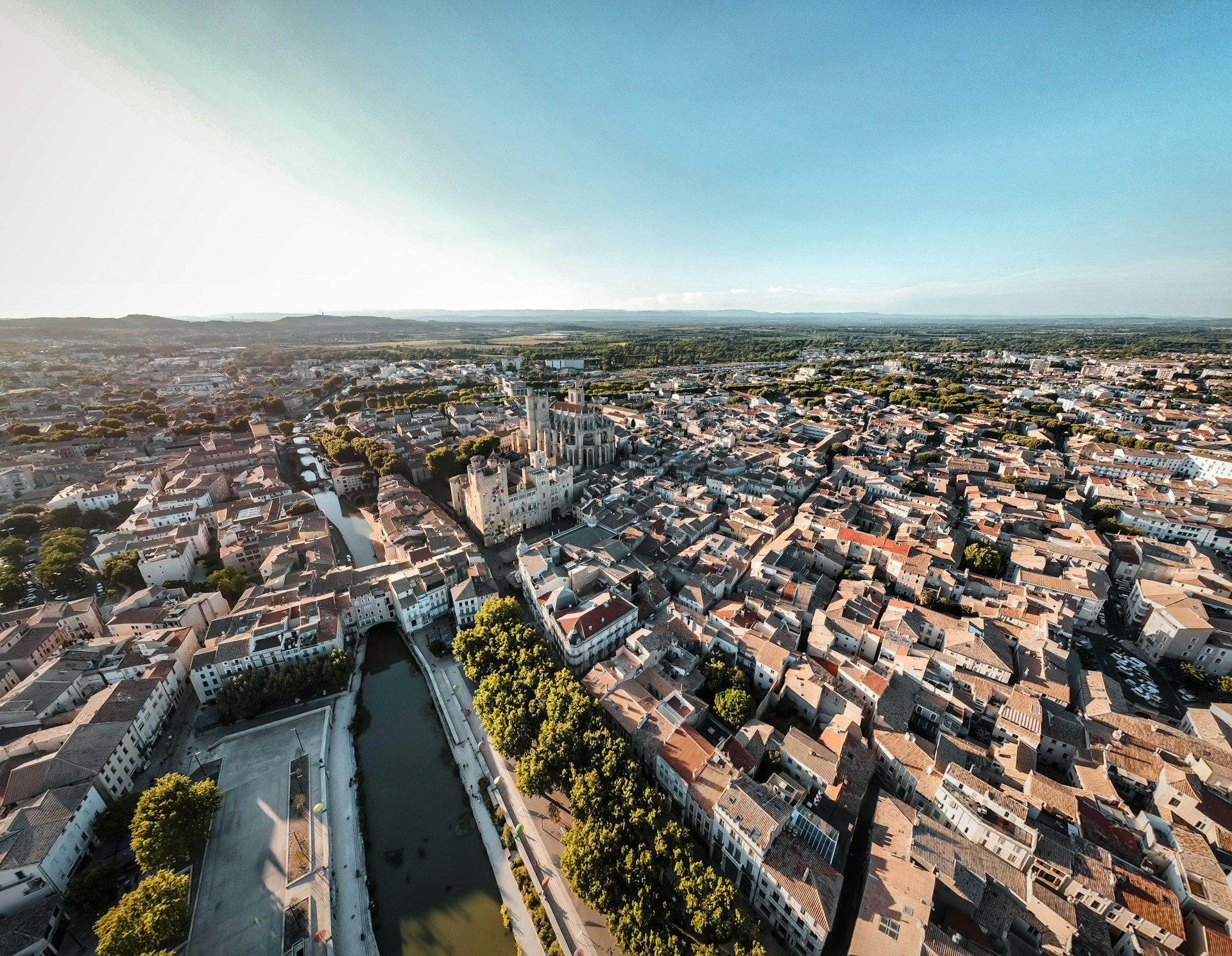
Narbonne is one of those cities that quietly steals your heart. Nestled between the Mediterranean Sea and rolling Corbières vineyards in southern France, it’s often overshadowed by nearby Carcassonne or Perpignan. But the first time I arrived by train and stepped into the golden light on the Canal de la Robine, I wondered how this place had managed to stay relatively under the radar.
In Narbonne, Roman ruins sit next to café terraces, locals greet each other by name at the covered market, and the sea is just a quick drive or bus ride away. You can spend your morning exploring a 2,000-year-old Roman road and your afternoon swimming in the Mediterranean or cycling through vineyards. For families, couples, solo travelers, and food lovers, Narbonne offers a gentle, authentic, and surprisingly rich base in Occitanie.
By 2026, Narbonne has stepped more confidently into the spotlight: new cultural programming at the Musée Narbo Via, improved cycling paths to the beach, and a growing reputation for wine and gastronomy. Yet it still feels local. When I walk along the canal in the early evening, I see joggers, kids fishing, grandparents chatting on benches, and the occasional traveler who looks pleasantly surprised to have found the city at all.
If you’re planning 3 days in Narbonne, a 4 day itinerary for Narbonne, or even a more relaxed 5 days in Narbonne, this guide will help you make the most of your stay, from must-see attractions to hidden gems and cultural etiquette.
Table of Contents
- Why Visit Narbonne in 2026?
- Quick Overview of Narbonne
- Neighborhoods & Areas to Explore
- Top 20+ Attractions & Experiences
- Suggested Itineraries: 3, 4, and 5 Days in Narbonne
- Local Food & Drink in Narbonne
- Nightlife, Entertainment & Cultural Experiences
- Day Trips from Narbonne
- Major Events in 2026–2027
- Local Customs & Cultural Etiquette
- Practical Travel Tips for Narbonne
- Summary & Best Time to Visit Narbonne
Quick Overview of Narbonne
Narbonne is a mid-sized city (around 55,000 residents) in the Aude department of Occitanie, about 1 hour by train from Montpellier and 1h15 from Toulouse. Founded in 118 BC as Narbo Martius, it was the first Roman colony in Gaul and once an important crossroads between Italy and Spain. Today, it’s a relaxed blend of Roman heritage, medieval architecture, canal-side life, and Mediterranean spirit.
- Region: Occitanie, southern France
- Nearest airports: Béziers, Perpignan, Montpellier, Toulouse, Barcelona (further but well-connected)
- Best for: History lovers, foodies, wine enthusiasts, families, couples, and beachgoers seeking a quieter base
- Ideal trip length: 3–5 days (with extra days for beach and day trips)
Neighborhoods & Areas to Explore in Narbonne
1. Centre Historique (Historic Center)
This is where I always stay when I want to feel Narbonne’s pulse. Cobbled lanes, pastel shutters, small squares filled with café terraces, and the dramatic silhouette of the Cathédrale Saint-Just-et-Saint-Pasteur dominate the skyline.
- Best for: First-time visitors, short stays, easy access to everything
- Highlights: Cathedral, Archbishop’s Palace, Roman Horreum, canal, covered market
2. Canal de la Robine & Quai Victor Hugo
Running through the center, the Canal de la Robine is Narbonne’s living room. I love walking here at sunset, watching boats glide by and kids chasing scooters along the banks.
- Best for: Evening strolls, outdoor drinks, people-watching
- Highlights: Pont des Marchands, canal-side restaurants, boat tours
3. Narbonne-Plage
Narbonne’s beach suburb, about 15 km from the city center. Long sandy beaches, family-friendly vibe, and a salty breeze that smells like summer even in early spring.
- Best for: Families, beach days, water sports
- Highlights: Promenade, water activities, kid-friendly facilities
4. Residential Belts (La Mayrale, Réveillon, Crabit)
These quieter residential zones are where many locals live. They’re not “sightseeing” areas, but you’ll find authentic bakeries, local bars, and everyday life. I sometimes rent long-stay apartments here for a slower pace and better prices.
5. Surrounding Wine Countryside
Within 15–30 minutes by car or bike you’re in vineyard country: tiny villages, Romanesque chapels, and domaines offering tastings. This countryside is a big part of Narbonne’s soul.
Top 20+ Must-See Attractions & Experiences in Narbonne
Below are the main things to do in Narbonne, from the classic must-see attractions to a few places I almost hesitate to share because they still feel like secrets. Each subsection includes history, significance, and my personal tips from multiple visits.
1. Cathédrale Saint-Just-et-Saint-Pasteur
The cathedral is Narbonne’s most iconic silhouette, visible from almost everywhere in the city. Construction began in the 13th century but was never fully completed, which gives it a strangely powerful, open-ended feeling—like a grand project paused mid-dream.
The first time I visited, it was late afternoon in early spring. Light poured through the stained glass, painting the stone pillars in soft colors. It was so quiet I could hear my own footsteps echoing. I remember thinking: “How is this not famous like Notre-Dame or Chartres?”
Why it matters: It’s one of the tallest Gothic choirs in France and a testament to Narbonne’s medieval wealth as an ecclesiastical and trading center.
What to do:
- Walk the nave slowly and look up—your neck will protest, but it’s worth it.
- Step into the cloister; it’s a haven of calm, especially in the morning.
- Check if there are organ concerts during your stay; the acoustics are magical.
Tips: Wear modest clothing (shoulders covered) out of respect. Early mornings and late afternoons are best for photos and fewer tour groups. Entrance to the main nave is usually free; small fees may apply for certain parts or exhibitions.
2. Palais des Archevêques & Donjon Gilles Aycelin
Right next to the cathedral stands the former Archbishop’s Palace, now housing the town hall and museums. The whole complex forms a sort of stone fortress that anchors Narbonne’s main square.
I love climbing the Donjon Gilles Aycelin, the medieval tower, whenever I arrive in Narbonne. It’s my ritual: drop my bags, grab a quick coffee, climb the tower, and orient myself with a 360° view of the city, canals, and distant sea.
Highlights:
- The tower climb for panoramic views—on clear days, you can see the Pyrenees.
- Small but interesting museum rooms with medieval art and artifacts.
- The main square below, where markets and events are often held.
Tip: Go in the late afternoon for golden-hour light and fewer crowds. The stairs are narrow and can be a bit challenging for those with mobility issues.
3. Via Domitia (Roman Road)
In the middle of the main square, a section of the ancient Roman road Via Domitia lies exposed like a window into the past. It’s small but powerful: looking down at those old stones, I always imagine Roman traders and soldiers walking the same path 2,000 years ago.
This is a quick stop, but a must if you’re interested in Narbonne’s Roman roots. It also makes a great “wow” moment for kids—history made tangible in the center of town.
4. Horreum Romain (Roman Granary)
The Horreum is an underground maze of Roman galleries—once part of a warehouse or market structure. It’s one of the few fully preserved Roman monuments in Narbonne.
The first time I descended those stone steps, the temperature dropped and the city noise disappeared. It smells faintly of earth and history. The dim lighting and interpretive signs make it easy to imagine amphorae stacked along the walls, filled with olive oil or wine.
Family-friendly: Kids tend to love this one—there’s a bit of mystery and adventure in exploring tunnels.
Tip: Combine it with the cathedral and Archbishop’s Palace for a coherent history-focused morning.
5. Canal de la Robine & Pont des Marchands
The Canal de la Robine is the city’s spine, connecting Narbonne to the Canal du Midi and, eventually, the sea. It’s one of my favorite places to simply be—no agenda, just a slow walk.
Must-see: The Pont des Marchands, one of the few remaining inhabited bridges in France. Shops and apartments are built right over the canal, giving it a wonderfully lived-in feel.
What to do:
- Stroll along both banks in the early evening; the light is beautiful and locals are out.
- Take a short boat tour in season (spring–autumn) to see Narbonne from the water.
- Stop for a drink at a canal-side café and watch life go by.
6. Les Halles de Narbonne (Covered Market)
If you want to understand Narbonne, start at the market. Les Halles is my happy place: a beautiful Belle Époque iron-and-glass hall buzzing with locals buying their daily produce, chatting with fishmongers, and arguing about which olives are best.
On my last visit, I spent an entire morning here grazing from stall to stall: a coffee and croissant at one bar, a plate of oysters with a glass of crisp white wine at another, a slice of local fougasse bread to nibble on later.
What to try:
- Fresh oysters and mussels from the nearby Étang de Bages.
- Local charcuterie and cheeses (ask for suggestions for a picnic plate).
- Seasonal fruits—apricots and cherries in late spring are incredible.
Tip: Go before 11:00 for the best selection and liveliest atmosphere. Markets typically close early afternoon.
7. Musée Narbo Via
Opened in 2021, Narbo Via is Narbonne’s flagship Roman museum and a major reason history lovers are starting to put the city on their maps. The architecture is strikingly modern—concrete, glass, and light—yet it showcases ancient Roman history with warmth and clarity.
My favorite part is the monumental wall of funerary steles, like a stone library of lives from two millennia ago. There’s also an excellent model of Roman Narbo that helps you visualize how important this place once was.
Why go: It ties together all the Roman fragments you see around the city into a coherent story.
Family note: Interactive displays and occasional workshops make it engaging for older kids.
8. Narbonne-Plage
When the city feels too warm, I head to Narbonne-Plage. It’s about 20–25 minutes by car or bus from the center, and the long sandy beach stretches for kilometers.
The vibe is relaxed and family-friendly: shallow slopes into the water, lifeguards in season, and plenty of ice cream stands and simple seafood spots. In July and August, it’s lively but still more low-key than bigger Mediterranean resorts.
What I love: Early morning walks when the sand is still cool and the only sounds are waves and the occasional dog playing fetch.
Tip: Bring a light windbreaker outside high summer; the sea breeze can be surprisingly fresh, especially in the evenings.
9. Étang de Bages-Sigean
South of Narbonne lies a shimmering lagoon dotted with small islands, fishing huts, and salt marshes. The drive or cycle out here is one of my favorite half-day escapes.
Village of Bages: Perched above the water, with narrow lanes, art studios, and spectacular views from the ramparts. I once spent an entire afternoon on a terrace here, eating grilled fish and lazily watching windsurfers cross the lagoon.
What to do:
- Walk along the shore paths for birdwatching (flamingos are often visible).
- Try windsurfing or kite surfing if you’re adventurous.
- Have a long lunch in Bages or Peyriac-de-Mer.
10. Abbaye de Fontfroide
About 15 km from Narbonne, Abbaye de Fontfroide is a beautifully preserved Cistercian abbey tucked into a quiet valley. It’s easily one of the best places to visit in Narbonne’s surroundings.
I’ve been back multiple times, in different seasons. In spring, the roses climb and perfume the cloister. In autumn, the surrounding hills turn golden. The abbey’s architecture is serene: stone cloisters, a simple church, and a refectory that whispers of monastic routines.
Don’t miss:
- Walking in the gardens and up the short hillside trails for views over the valley.
- Checking for evening concerts or events (summer often hosts classical music).
Tip: A car is easiest, but you can sometimes get here via organized tours or taxi from Narbonne. Plan at least 2–3 hours.
11. Réserve Africaine de Sigean
About 20 minutes from Narbonne, this semi-open wildlife reserve is a favorite with families. Part drive-through safari, part walking park, it’s home to lions, rhinos, giraffes, and more.
I visited with friends and their kids, and we all enjoyed it equally—grown-ups included. The drive-through sections feel like a small adventure, and the walking paths have shaded areas and educational signs.
Family tip: Go early to avoid queues, especially in July and August. Bring water, hats, and sunscreen; it can get hot and there’s a lot of walking.
12. Pont des Marchands & Historic Bridges
We already mentioned Pont des Marchands along the canal, but it’s worth a dedicated stop. Walk across it at street level to see shops and apartments; then walk along the canal banks to appreciate the bridge’s arches from below.
In the evening, lights reflecting on the water make for particularly atmospheric photos.
13. Musée Lapidaire (Lapidary Museum)
Housed in a former church, this museum contains a striking collection of Roman sarcophagi and stone fragments. It’s quieter than Narbo Via, but there’s something haunting about the carved faces and inscriptions lining the walls.
Why I like it: It’s rarely crowded, so you can wander at your own pace and soak in the atmosphere. A good rainy-day option.
14. Basilique Saint-Paul-Serge
This slightly off-center basilica is often overlooked, but it’s actually one of the oldest Christian sites in the region, with roots in the 4th century. The current building is mainly Gothic, with a serene interior and a more “neighborhood church” feel compared to the main cathedral.
I discovered it on a long walk when I decided to “follow the bells.” I ended up sitting inside for nearly an hour while a small choir rehearsed—pure serendipity.
15. Musée d’Art et d’Histoire (Fine Arts & History Museum)
Located within the Archbishop’s Palace, this museum holds a mix of paintings, decorative arts, and historical objects. It’s not overwhelming and pairs nicely with a visit to the tower and cathedral.
Tip: If you’re short on time, prioritize Narbo Via for Roman history and this museum if you’re particularly into fine arts or have a rainy afternoon.
16. Cycling Along the Canal & Through the Vines
One of the most relaxing ways to explore Narbonne’s surroundings is by bike. Several rental shops offer city bikes and e-bikes. From the city center, you can follow canal-side paths or small country roads through vineyards.
My favorite half-day ride is from Narbonne along the Canal de la Robine towards the sea, stopping at a small guinguette (casual open-air eatery) for a cold drink.
17. Weekly Street Markets
Beyond Les Halles, Narbonne holds several outdoor markets during the week. They’re less curated than the covered market and more about everyday life: clothes, household items, plants, and some food stalls.
I love browsing these for inexpensive picnic gear, a sun hat, or just to people-watch. Check with the tourism office or your accommodation for the current schedule and locations.
18. Festivals & Summer Events in Narbonne
From June to September, Narbonne comes alive with open-air concerts, food festivals, and cultural events. Main squares and canal banks turn into stages and dining spaces.
Some highlights (dates vary yearly):
- Music festivals: Ranging from classical at Fontfroide Abbey to contemporary performances in town.
- Wine & food events: Showcasing Corbières, Fitou, and other local appellations.
19. Water Sports & Beach Activities
At Narbonne-Plage and nearby Gruissan, you’ll find opportunities to try stand-up paddleboarding, windsurfing, kitesurfing, and sailing. The consistent winds make this coast popular with water-sport enthusiasts.
20. Wine Tasting Around Narbonne
Narbonne is surrounded by wine regions: Corbières, Minervois, La Clape, Fitou. Many domaines welcome visitors for tastings, often without needing a reservation outside peak harvest times (though I always recommend calling or emailing ahead).
Some of my best afternoons here have been spent in shady courtyards tasting a flight of reds while chatting with the winemaker about weather, soil, and life.
Suggested Itineraries: 3, 4, and 5 Days in Narbonne
Here are flexible itineraries based on multiple stays I’ve had in Narbonne. Think of them as frameworks you can adapt. They balance classic must-see attractions in Narbonne with hidden gems, cultural experiences, and downtime. I’ll weave in personal stories and practical tips as we go.
3 Day Itinerary for Narbonne – Essentials & City Vibe
Day 1: Historic Heart & Canal Life
Morning – Arrive & Orient Yourself
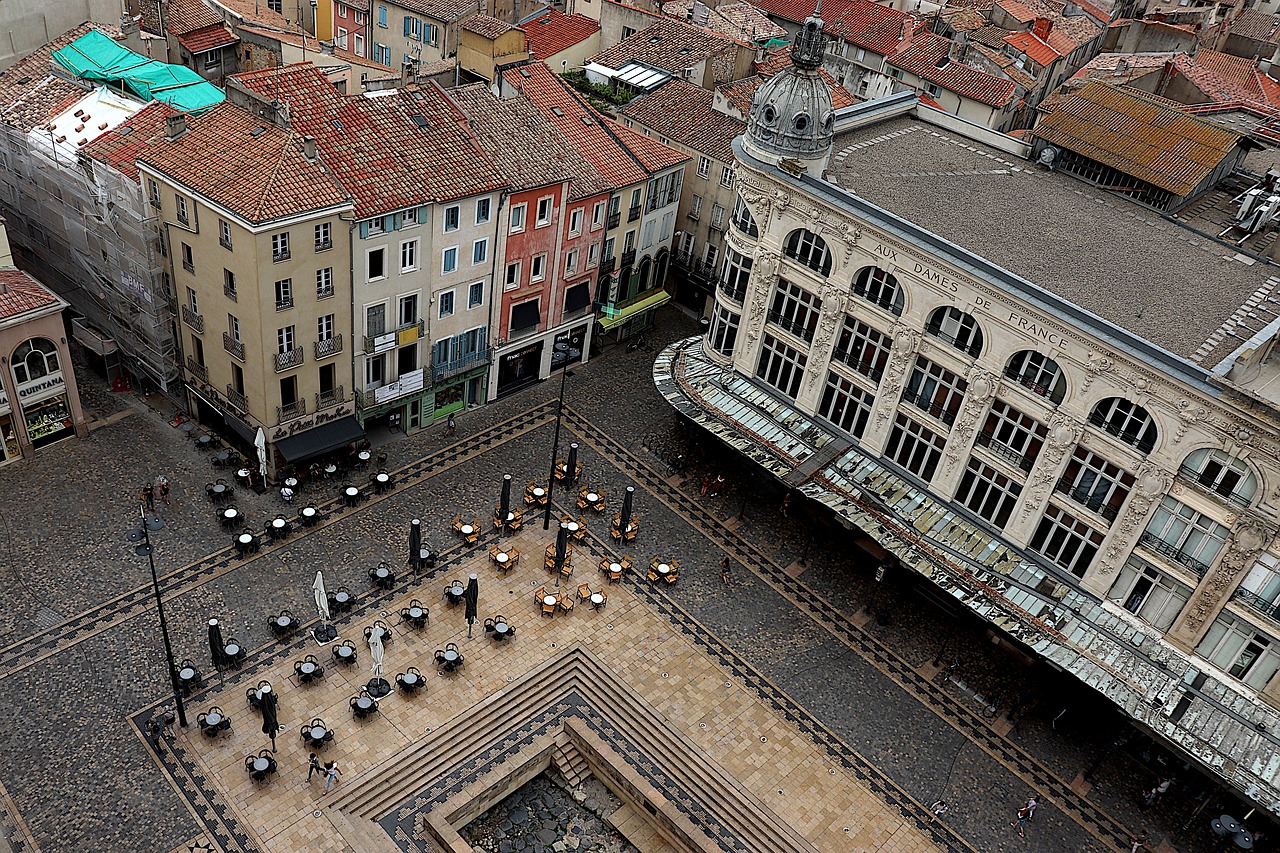
I like to arrive by train; Narbonne’s station is a short, pleasant walk from the center. Drop your bags at your hotel or guesthouse in the historic center and head straight to the canal for a first coffee. There’s something grounding about starting your trip watching locals go about their day.
- Walk from the station via tree-lined boulevards to the Canal de la Robine.
- Grab a terrace seat near the Pont des Marchands for coffee and a pastry.
After coffee, stroll to the main square to see the Via Domitia and get your first look at the Cathedral and Palais des Archevêques.
Late Morning – Cathedral & Archbishop’s Palace
- Visit the Cathédrale Saint-Just-et-Saint-Pasteur, taking your time in the choir and cloister.
- Explore the Archbishop’s Palace courtyards and, if you’re up for it, climb the Donjon Gilles Aycelin for panoramic views.
I still remember the first time I climbed the tower. A summer storm had just passed, leaving dramatic clouds over the vineyards. I could see all the way to the sea. It’s a fantastic way to visually “map” the city for your stay.
Lunch – Casual & Local
For lunch, choose a bistro near the main square or along the canal. Look for daily specials on chalkboards—often the best value.
Try: A local fish dish or magret de canard (duck breast), with a glass of Corbières red or a chilled rosé from La Clape.
Afternoon – Horreum Romain & Wandering the Old Town
- Head to the Horreum Romain for an underground journey into Roman Narbonne.
- Afterwards, wander the narrow streets of the Centre Historique. Pop into small shops and cafés. Look out for old doorways, wrought-iron balconies, and fading painted signs—Narbonne rewards those who pay attention.
Evening – Canal Stroll & Dinner
In the early evening, walk along both sides of the canal. Cross the bridges, watch the reflections. This is when I feel most in tune with Narbonne’s rhythm.
- Dinner at a canal-side restaurant—many offer seafood, local meats, and vegetarian options.
- Finish with a glass of wine or a digestif while watching the lights on the water.
Day 2: Roman Heritage & Local Food
Morning – Les Halles Market
Start early at Les Halles. This is my favorite ritual: slip into the hum of a local morning.
- Have breakfast at the market bar: coffee, fresh orange juice, and a croissant or pain au chocolat.
- Wander the aisles: chat with vendors (a simple “Bonjour, c’est très beau!” goes a long way), buy fruit for later, and maybe a small cheese or charcuterie selection.
Late Morning – Musée Narbo Via
Take a short bus or taxi to Musée Narbo Via. Allow 2–3 hours to fully appreciate the collections.
- Start with the model of ancient Narbo to understand the Roman city layout.
- Spend time at the monumental wall of steles; many have English and French explanations.
- Don’t rush—this museum is designed to be enjoyed slowly.
Lunch – Picnic or Nearby Eatery
If the weather is good, consider a picnic using supplies from Les Halles in a nearby park. Otherwise, choose a simple brasserie near the museum.
Afternoon – Street Markets & Free Time
Depending on the day of the week, check if there’s an outdoor market in town. Otherwise, use this time to:
- Visit the Musée Lapidaire.
- Find a café terrace and do nothing but people-watch.
- Shop for local products (olive oil, tapenade, wine) to bring home.
Evening – Wine Bar & Dinner
For your second evening, I recommend a wine bar to explore local appellations. Many offer tasting flights and small plates.
- Try a Corbières red, a Picpoul de Pinet white (perfect with seafood), and a rosé from La Clape.
- Pair with tapas-style dishes or move on to a full dinner at a nearby restaurant.
Day 3: Lagoon or Beach Escape
Option A – Étang de Bages-Sigean & Villages
If you like quiet nature and small villages, this is my top choice.
- Head to Bages or Peyriac-de-Mer by car, bike, or bus (check schedules in advance).
- Walk the boardwalks and shore paths, watching for flamingos and other birds.
- Have lunch at a terrace restaurant with lagoon views—grilled fish is often the star.
On one visit, I lost track of time here, lingering over lunch and a carafe of white wine, then taking photos as the light changed and fishermen returned to shore. It was one of those unplanned days that stay with you.
Option B – Narbonne-Plage
For a more classic seaside day:
- Take the bus or drive to Narbonne-Plage.
- Rent a sunbed and umbrella if you like comfort, or just bring a towel and settle on the sand.
- Swim, read, nap, repeat. Try an ice cream or crêpe from a beachfront stand.
Evening – Farewell Stroll & Special Dinner
Back in Narbonne, spend your last evening revisiting your favorite canal spot or exploring a new restaurant. For something a bit special, book a place known for local cuisine with a modern twist and toast your 3 days in Narbonne with a final glass of local wine.
4 Day Itinerary for Narbonne – Adding Abbeys & Countryside
If you have 4 days in Narbonne, you can slow down your pace and add a deeper dive into the surrounding countryside.
Day 4: Abbaye de Fontfroide & Vineyard Tasting
Morning – Abbaye de Fontfroide
- Rent a car for the day or arrange a taxi/organized tour.
- Arrive at Abbaye de Fontfroide soon after opening to enjoy relative quiet.
- Take the guided or audio-guided tour through the cloister, refectory, church, and gardens.
On my last visit, I arrived on a slightly misty morning; the stone seemed to glow from within. As the sun burned off the fog, the cloister garden felt like something out of a painting.
Lunch – Abbey Restaurant or Picnic
There is usually a café/restaurant on site offering simple, decent meals. Alternatively, bring a picnic (respecting posted rules) to enjoy in designated areas or at a nearby viewpoint.
Afternoon – Vineyard Visit
- Visit a nearby domaine for a wine tasting—choose one in Corbières or La Clape.
- Learn about local grape varieties (Syrah, Grenache, Carignan) and the effect of the sea breeze on the vines.
Evening – Back in Narbonne
After a day full of history and wine, keep the evening simple. Maybe a light dinner—salad, seafood, or a shared cheese and charcuterie board—at a local bistro.
5 Day Itinerary for Narbonne – Deep Dive & Day Trips
With 5 days in Narbonne, you can enjoy everything above and still have space for an extra day trip or pure relaxation.
Day 5 Option A: Réserve Africaine de Sigean (Family-Friendly Adventure)
Morning & Afternoon – Safari & Park
- Drive or take a taxi to the Réserve Africaine de Sigean.
- Allow most of the day: the drive-through safari plus walking sections take time if done properly.
- Pack snacks and water; there are food options, but lines can be long during school holidays.
This is a hit for kids and adults alike and balances out the more cultural days of your itinerary.
Day 5 Option B: Carcassonne or Béziers (Historic Day Trip)
If you’re more into history and architecture:
- Carcassonne: About 40 minutes by train. Visit the fortified medieval Cité de Carcassonne—towers, ramparts, and cobbled lanes. It’s more touristy than Narbonne but spectacular.
- Béziers: About 20 minutes by train. Explore the old town, the cathedral, and the famous Canal du Midi locks at Fonserannes.
In both cases, return to Narbonne in the evening and enjoy your “home base” city’s quieter, more local feel.
Day 5 Option C: Slow Day – Cafés, Shopping & Hidden Corners
If you’re tired of structured sightseeing, do what I often do on longer stays: declare a “no big plans” day.
- Sleep in. Have a late breakfast at a bakery or café you haven’t tried yet.
- Browse small shops for local products, books, or homeware.
- Explore residential streets and lesser-known squares; let curiosity guide you.
Some of my most vivid Narbonne memories are from days like this—sitting with a book by the canal, chatting with a local shop owner about the weather, and just letting the city sink in.
Local Food & Drink in Narbonne
What to Eat: Local Specialties
- Seafood: Oysters, mussels, and fish from nearby lagoons and the Mediterranean. Often grilled or served simply with lemon and olive oil.
- Cassoulet: A hearty bean, sausage, and duck dish from the region—perfect in cooler months.
- Brandade de morue: Salt cod purée, often served with bread or potatoes.
- Tapenade & olives: Olives are a big deal here; you’ll find multiple varieties at markets.
- Fougasse & local breads: Often flavored with olives, herbs, or bacon.
- Goat cheeses: From nearby hills, often served as part of a cheese board or in salads.
Where to Eat: Markets, Bistros & Hidden Spots
I gravitate towards places where I see more locals than tourists and menus that change with the season.
- Les Halles: For breakfast, lunch, or a grazing meal—oysters at one stall, charcuterie at another.
- Canal-side bistros: Great for leisurely lunches or dinners with a view.
- Backstreet restaurants in the old town: Often smaller, family-run, and more intimate.
Local Wines to Try
- Corbières: Robust reds, great with grilled meats and cassoulet.
- La Clape: Whites and rosés with a sea-influenced freshness, lovely with seafood.
- Minervois: Elegant reds, often with good aging potential.
- Fitou: Structured reds, excellent for cooler evenings.
Money-saving tip: House wines (vin de maison) in carafes are often very good value and locally sourced. Don’t hesitate to order the carafe instead of bottled wine at casual places.
Nightlife, Entertainment & Cultural Experiences in Narbonne
Narbonne isn’t a wild party city; its nightlife is more about relaxed evenings than clubs. That said, you’ll find plenty to fill your nights—especially in warmer months.
Evening Vibes
- Canal terraces: Ideal for drinks with friends or a romantic glass of wine.
- Wine bars: Often with outdoor seating and occasional live music.
- Old-town bars: Smaller, more intimate spots where locals gather.
Cultural Experiences
- Concerts at Abbaye de Fontfroide: Atmospheric classical or choral performances in summer.
- Events at the cathedral or basilica: Organ recitals, choral music—check posters or the tourist office.
- Outdoor festivals: Food, music, and wine events along the canal or in main squares from June to September.
Tip: In smaller cities like Narbonne, evenings start later than in some countries. Dinner is usually from 7:30–9:30 pm, and terraces stay lively until around midnight in summer.
Day Trips from Narbonne
Narbonne makes an excellent base for exploring Occitanie. Beyond the local trips already mentioned (Fontfroide, Sigean, Narbonne-Plage, Bages), here are a few more options.
1. Carcassonne
About 40 minutes by train, Carcassonne’s fortified city is a UNESCO World Heritage Site and looks like something from a storybook. Wander the ramparts, visit the castle, and explore the old streets.
2. Béziers
Just 20 minutes by train, Béziers offers a dramatic hilltop cathedral, a charming old town, and the impressive Fonserannes locks on the Canal du Midi.
3. Gruissan
Coastal village with a circular old town, tower ruins, nearby beaches, and salt pans that can turn pink at certain times of year. Great for a mix of history, nature, and sea air.
4. Minervois Villages
Small stone villages, gorges, and vineyards. Best by car, this is a wonderful area for scenic drives, hikes, and wine tastings.
Major Events in Narbonne (2026–2027)
Exact dates can change annually, but for 2026–2027 you can generally expect:
- Summer Festivals (June–September 2026 & 2027): A rotating program of outdoor concerts, food and wine events, and cultural performances along the canal and in main squares.
- Heritage Days (Journées du Patrimoine, September 2026 & 2027): Special access to historic buildings, guided tours, and free or reduced entry to many sites.
- Christmas Markets (December 2026 & 2027): Seasonal chalets, lights, and festive events in the city center.
- Abbaye de Fontfroide Concert Series (Summer 2026 & 2027): Classical and choral music in the abbey’s atmospheric setting.
For the most up-to-date info, check the official Narbonne tourism website or stop by the tourist office when you arrive.
Local Customs & Cultural Etiquette in Narbonne
Greetings & Politeness
- Always say “Bonjour” or “Bonsoir” when entering shops, cafés, or addressing someone. It’s considered rude not to.
- “Merci, au revoir” when leaving is equally appreciated.
Eating & Drinking Etiquette
- Meal times are later than in some countries: lunch around 12:00–14:00, dinner from 19:30 onward.
- Don’t be surprised if kitchens close between lunch and dinner; plan snacks accordingly.
- Tipping is not obligatory (service is included), but rounding up or leaving 5–10% for good service is common and appreciated.
Dress & Behavior
- Casual but neat dress is the norm. Beachwear is for the beach, not the city center.
- In churches and religious sites, cover shoulders and avoid very short shorts.
Language
- French is the main language; some locals also speak Occitan.
- In tourist-facing places, staff often speak some English, but starting in French (“Bonjour, parlez-vous anglais ?”) shows respect.
Practical Travel Tips for Narbonne
Getting To & Around Narbonne
By Train: Narbonne is on major rail lines, with frequent connections to Montpellier, Toulouse, Barcelona, and Paris (via TGV).
By Air: Nearest airports: Béziers, Perpignan, Montpellier, Toulouse, and Barcelona (further but sometimes cheaper).
Local Transport
- On Foot: The historic center is compact and walkable.
- Bus: Local buses connect the center with suburbs and Narbonne-Plage. Check current routes and timetables online or at the station.
- Bike: Increasingly bike-friendly, especially along canals; rentals and e-bikes available.
- Car Rental: Useful for abbey visits, vineyards, and off-the-beaten-path villages. Parking is available in and around the center (some paid).
SIM Cards & Connectivity
- Major French providers: Orange, SFR, Bouygues, Free.
- You can buy prepaid SIMs at airports, phone shops, and some supermarkets. Bring your passport.
- EU roaming rules generally apply for EU SIMs; non-EU travelers should check roaming costs.
Money & Costs
- Currency: Euro (€).
- Cards widely accepted; small markets or rural spots may prefer cash.
- Narbonne is generally cheaper than big cities like Paris or Nice, especially for accommodation and food.
Saving Money in Narbonne
- Have at least one meal a day from markets or bakeries (picnic-style).
- Choose lunch menus (menu du jour) which are often excellent value.
- Use trains and buses for day trips instead of taxis where possible.
- Stay in guesthouses, apartments, or small hotels in or near the center for good price-quality balance.
Visa Requirements & Driving
- Narbonne is in France, part of the Schengen Area. Check current Schengen visa rules for your nationality for 2026; many visitors can stay 90 days in a 180-day period without a visa.
- Driving: EU driver’s licenses are accepted. Many non-EU travelers can use their home license plus an International Driving Permit (IDP)—check current rules before arrival.
- Drive on the right; seatbelts mandatory. Speed cameras are common.
Safety & Health
- Narbonne is generally safe. As always, watch your belongings in crowded places and markets.
- Tap water is safe to drink.
- Pharmacies are easy to find; for emergencies, dial 112.
Best Seasons & What They’re Good For
- Spring (April–June): My personal favorite. Mild weather, wildflowers in the countryside, fewer crowds. Great for walking, cycling, and sightseeing.
- Summer (July–August): Hot, lively, and busy—especially at Narbonne-Plage. Best for beach days, festivals, and long evenings outside.
- Autumn (September–October): Warm sea, grape harvest, golden vineyards, fewer tourists. Excellent for wine lovers and hikers.
- Winter (November–March): Quiet, cooler, some sites on reduced hours. Good if you like peaceful cities and don’t mind packing layers; prices are lower.
Hidden Tips from Multiple Visits
- Start your days early in summer to avoid the hottest hours; save museums and long lunches for midday heat.
- Always carry a light scarf—it’s useful for sun, wind, or modest dress in churches.
- Check for local events at the tourist office when you arrive; you might stumble into a festival, open-air concert, or special night at a museum.
- For photos, sunrise and sunset along the canal are unbeatable, especially near the Pont des Marchands.
Summary & Final Recommendations for Visiting Narbonne
Narbonne might not shout as loudly as some French cities, but that’s exactly why I keep coming back. It’s a place where you can breathe: stroll along the canal without crowds, chat with vendors in the market, cycle to the sea, and stand in a vast Gothic choir with only your footsteps for company.
Whether you’re planning a 3 day itinerary for Narbonne, a more leisurely 4 days in Narbonne, or a deep dive with 5 days in Narbonne, you’ll find enough things to do in Narbonne to fill your time—and enough quiet corners to do nothing at all.
Best seasons overall:
- April–June and September–October for the best balance of weather, crowds, and prices.
- July–August if you prioritize beach time, festivals, and long summer nights.
If you love history, food, wine, and gentle, authentic cities, Narbonne deserves a spot on your France itinerary in 2026–2027. Give it time—at least three days, ideally more—and let it reveal itself slowly. That’s when Narbonne really gets under your skin, the way it has under mine.