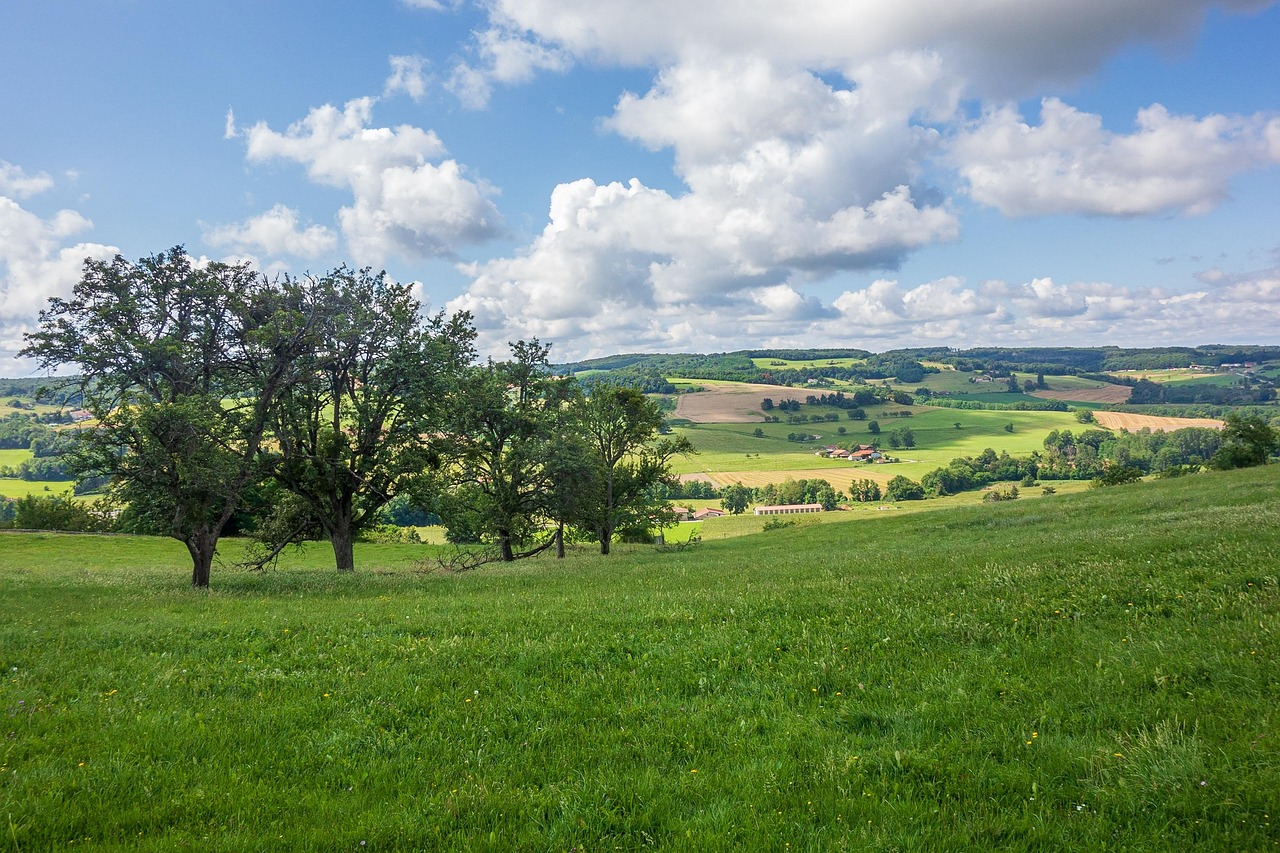
Why Visit the Normandy Cider Route?
The Normandy Cider Route is not a single highway you blast down in an afternoon; it’s a network of winding country lanes weaving through half-timbered farmhouses, mossy apple orchards, tiny stone villages, and family-run distilleries that still smell faintly of fermenting apple must in October. If Paris is the postcard, the Normandy Cider Route is the handwritten note on the back.
Stretching roughly between Caen, Lisieux, Pont-l’Évêque, Cambremer, and the Pays d’Auge hills, this route is a slow-breath road trip. You’re here to sip cidre brut in a farm courtyard, listen to the clink of bottles in an old press house, walk between gnarled apple trees, and finish the day over creamy Camembert while swallows trace patterns across the twilight sky.
I’ve been making this trip at least once a year since 2014, and several times in the last two seasons to check new openings and the latest harvests. In 2026, the region feels both rooted and subtly evolving: more electric car chargers hidden behind stone barns, more thoughtful farm visits with kid-friendly activities, and a renewed pride in local produce after a wave of younger cider-makers returned from stints abroad.
This Normandy Cider Route road trip itinerary is designed as a 7–14 leg itinerary for Normandy Cider Route, so you can choose a compact 7 legs of Normandy Cider Route long weekend or stretch it to a lingering 14 leg itinerary for Normandy Cider Route over two weeks. I’ll walk you through my favorite must-see attractions in Normandy Cider Route, the best places to visit in Normandy Cider Route, honest suggestions on local food in Normandy Cider Route, and plenty of hidden gems in Normandy Cider Route that most tour buses never find.
Overview: How the Normandy Cider Route Works
The official Route du Cidre is a signposted 40 km loop around Cambremer in the Pays d’Auge. Think of it as the dense, flavorful core of a bigger apple: in this guide I expand that loop into a full Normandy Cider Route road trip itinerary that sweeps from Caen in the west to the Touques valley, Honfleur, and as far east as Camembert and Vimoutiers.
You’ll see small brown signs with an apple logo and “Route du Cidre” pointing you between orchards and producers. Some are big names exporting bottles worldwide; others are one-family operations where you ring a bell and someone wipes their hands on an apron to pour you a tasting flight.
In this guide I treat the Cider Route as a sequence of 14 legs, each easily done as one relaxed day, but you can combine them into a 7 leg itinerary for Normandy Cider Route by doubling up, or pick and choose to create an 8 leg itinerary for Normandy Cider Route, 9 legs of Normandy Cider Route, or even a compact 10 legs of Normandy Cider Route if you’re tight on time. That flexibility is part of what makes this one of the best things to do in Normandy Cider Route country: you can follow your appetite, not a timetable.
Choosing Your Itinerary: 7–14 Legs of Normandy Cider Route
Here’s how I suggest thinking about the route in terms of time:
- 7-leg itinerary for Normandy Cider Route: Focus on Cambremer loop, Beuvron-en-Auge, Pont-l’Évêque, Honfleur, and one cheese-focused detour (Camembert or Livarot). Ideal if you’re adding this onto a Paris or D-Day beaches trip.
- 8–9 legs of Normandy Cider Route: As above, plus Lisieux and more time in the Touques valley and Blangy-le-Château. This is my personal sweet spot.
- 10–11 legs of Normandy Cider Route: Add Vimoutiers, Orbec, and extra slow days to repeat favorite producers or linger in one village.
- 12–14 legs of Normandy Cider Route: The full deep-dive. Sleep in farm B&Bs, do walks between villages, join harvest days in September, and string together practically all the cultural experiences in Normandy Cider Route I mention below.
All distances are short—rarely more than 60–80 km in a day—but trust me, you won’t want to rush. You’re tasting alcohol (spit or share when you can), stopping for photos every few minutes, and wandering through villages. Realistic driving time per leg is 1–2 hours; experiencing each leg properly takes a full day.
Leg 1 – Caen to Beuvron-en-Auge: First Taste of the Pays d’Auge
Caen → Troarn → Beuvron-en-Auge (approx. 40–55 km, 1–1.5 hours with stops)
I like to start my Normandy Cider Route road trip in Caen. It anchors you in history—the scars of WWII and William the Conqueror’s legacy—before you drift into the softer, greener world of apple orchards. On my most recent visit in spring 2026, I picked up a compact rental car at Caen station, popped a fresh baguette in the passenger seat, and drove east just as the morning mist was lifting off the fields.
Caen: Stock Up & Slow Down
Spend at least a morning in Caen before you head for the cider. The Memorial de Caen museum is sobering but essential context if you’re ultimately looping toward the D-Day beaches on a side trip. The old quarter around Rue Ecuyère and the marina has excellent bakeries and fromageries; I always stop at a small cheesemonger near the marina to buy Pont-l’Évêque and a slab of Livorot for the days ahead.
Before leaving town, fill your tank (or battery). Caen has plenty of fuel stations and fast chargers, and prices are better here than at tiny rural pumps. It’s also a good place to buy a local SIM (details in the practical tips section).
The Drive: Caen to Beuvron-en-Auge
Set your GPS to avoid motorways and tolls; you want the D-roads that meander through hedgerows and stone farmhouses. The D675 out of Caen, turning onto smaller departmental roads via Troarn, is my usual route. You’ll notice the landscape soften quickly: wheat fields give way to pastures, the hedges grow higher, and old apple trees appear in crooked lines along the edges.
On my last autumn trip, I pulled over just outside the village of Saint-Samson where a cluster of apple trees overhung the narrow lane. Their fruit was already falling, and the air smelled faintly of cider. It’s the sort of unsignposted, unremarkable corner that makes this area so addictive.
Stop 1: Beuvron-en-Auge – One of France’s “Most Beautiful Villages”
Beuvron-en-Auge is a tiny place, but it’s the postcard face of the Normandy Cider Route and the perfect first overnight stop. Cobbled streets, flower boxes, and timber-framed houses that lean conspiratorially over narrow lanes—it can feel almost too perfect, especially on a sunny July afternoon when classic cars and cyclists roll into the square.
What to Do in Beuvron-en-Auge
- Wander the central square: Start in the main square, ringed by colombage houses with exposed beams in shades of dark chocolate and cream. Look up: the wonky rooflines are half the charm.
- Cider tasting in the village: Several local producers have small shops or tasting counters here, representing their family farms from nearby hamlets. It’s a useful “intro flight” before you start knocking on farm doors deeper in the countryside.
- Antiques & brocante browsing: I’ve lost whole hours in Beuvron’s antique shops. On one 2025 visit, I found a perfectly preserved enamel cider jug for €18—still the best souvenir I’ve brought home.
Eating in Beuvron-en-Auge
For a small village, Beuvron punches above its weight in food. There’s usually at least one bistro doing a thoughtful take on Norman classics—think teurgoule (a slow-baked rice pudding with cinnamon) and tripes à la mode de Caen (for the brave). If you’re easing into the region, start gentler: roast chicken with cider cream sauce, or a galette piled with local cheese.
In summer, grab a terrace table overlooking the square. On my last May visit, a sudden shower sent everyone scurrying inside; the staff simply moved our plates closer together and topped up glasses, and the rest of lunch played out to the sound of rain on old roof tiles.
Where to Stay
I like to overnight either directly in Beuvron (for easy evening strolls) or at a nearby ferme-auberge (farm inn) within a 5–10 minute drive. Farm stays tend to be quieter, with views over orchards, and are great if you’re traveling as a couple or family and want gardens for kids to run in. Book ahead for July–August weekends; Beuvron is well known in France.
Personal Tip
Arrive in Beuvron-en-Auge by early afternoon if you can. You’ll miss most of the midday coach groups and have time to see the light soften over the square—one of my favorite early impressions of the route.
Leg 2 – Beuvron-en-Auge, Victot-Pontfol & Surrounds: Half-Timbered Heartland
Beuvron-en-Auge → Victot-Pontfol → Rumesnil loop (approx. 35–50 km, 1–2 hours driving)
Leg 2 rarely looks long on the map, but it’s thick with things to do in Normandy Cider Route country. This is the day where you really sink into the cultural experiences in Normandy Cider Route: farm visits, slow tastings, and conversations in a blend of French, gestures, and smiles.
Victot-Pontfol: Classic Cider Country
Victot-Pontfol is a name you’ll see on a lot of cider labels. The village itself is modest—a scatter of farms and houses—but the surrounding lanes are lined with orchards. On my first visit years ago, I turned off almost at random and ended up at a small producer with a battered sign and a dog asleep in the driveway. The owner, a wiry man in his 70s, happily walked me through his barn, explaining how his father had hidden barrels from occupying forces in WWII.
Many producers here offer:
- Free tastings of cidre doux (sweet), cidre demi-sec (semi-dry), and cidre brut (dry).
- Calvados (apple brandy) aged anything from 3 to 20+ years.
- Pommeau (a fortified apple aperitif) that’s dangerously easy to drink.
Buy at least one bottle wherever you taste; it’s part courtesy, part common sense—these are small family businesses. Many now take card payments, but I still carry some cash for the smaller places.
Rumesnil & Backroad Detours
From Victot-Pontfol, the D-road to Rumesnil is one of my favorite short drives: tight bends, glimpses of distant church spires, and fat Normandy cows grazing underneath apple trees. This is where traveling with your own car (or motorcycle, or camper) really pays off; buses don’t come here.
There’s no “big sight” in Rumesnil, and that’s the point. Park, walk a little, listen. In late spring, you’ll hear bees in the blossom; in late summer, the low thump of apples falling onto wet grass; in early autumn, the muffled clinking of crates being stacked for pressing.
Family-Friendly & Romantic Angles
This leg is particularly good if you’re traveling as a couple or with kids:
- Couples: Book a tasting with a platter of charcuterie and cheese at one of the more visitor-oriented farms. Sitting at a rough wooden table with views across the orchards is quietly romantic, especially near sunset.
- Families: Many farms are happy for kids to meet animals (ask first) or watch the press in action during harvest season. Offer them apple juice and butter biscuits while the adults taste the stronger stuff.
Overnight Options
You can easily sleep a second night near Beuvron-en-Auge or move your base a little closer to Cambremer in preparation for Leg 3. I often do two nights in the same B&B here—it reduces packing, and you can use the day to circle out on different loops.
Leg 3 – Cambremer & the Classic Cider Route Loop
Beuvron-en-Auge / Victot-Pontfol → Cambremer → Route du Cidre loop (approx. 40–60 km)
If Beuvron-en-Auge is the poster child, Cambremer is the beating heart of the official Route du Cidre. Brown apple-logo signs start popping up everywhere, pointing you toward the region’s most established cider and Calvados producers.
Cambremer: Practical Hub & Pleasant Base
Cambremer itself is a compact village with a small central square, church, and a handful of shops. I often base myself here for two nights when I want to explore the classic loop in detail. There’s a bakery (get the tarte aux pommes, obviously), a butcher, and usually a small market once or twice a week.
The Official Cider Route Loop
From Cambremer, the Route du Cidre loop winds through villages like Saint-Laurent-du-Mont and La Roque-Baignard. You’ll see dozens of signs for producers; you cannot visit them all in one day (I’ve tried). Instead, choose:
- One well-known estate for a more structured tour, sometimes with multilingual guides.
- One or two smaller family farms where you ring the bell and hope someone appears.
On a misty October morning in 2024, I joined a harvest tour at one of the larger estates. We walked between rows of apples, tasting different varieties: some sharp and tannic, some sweet and almost pear-like. Inside the press house, the air was thick with the smell of fermenting juice, and steam curled up from copper stills destined for Calvados. These tours are increasingly popular, so for 2026 I strongly recommend booking ahead, especially in September and early October.
Les Jardins du Pays d’Auge
Just outside Cambremer, Les Jardins du Pays d’Auge is one of my favorite non-cider stops and a must-see attraction in Normandy Cider Route country. It’s a series of themed gardens—rose gardens, wildflower meadows, shady ponds—stitched together around traditional Norman buildings.
I come here whenever I can, usually in May or June when everything is exuberantly green. On my 2025 visit, drizzle kept most visitors away and I had half the paths to myself, walking under apple trees trained into graceful arches and listening to frogs in the pond. There’s a small tearoom where you can have a slice of apple tart and a coffee or cider.
Driving the Loop: Practicalities
- Plan your tastings: Many producers close for lunch (often 12:00–14:00), and some need reservations in 2026. Always check opening hours.
- Driving & alcohol: France’s drink-driving laws are strict. Share tastings, spit when possible, or designate a driver and buy bottles to enjoy at your lodging later.
- Time needed: A full, relaxed circuit of the loop with 3–4 stops and a proper lunch easily fills a day.
Leg 4 – Saint-Ouen-le-Pin, Moyaux & Quiet Farm Lanes
Cambremer → Saint-Ouen-le-Pin → Moyaux (approx. 45–70 km)
Leg 4 shifts you into a slightly less touristed patch of the Pays d’Auge, where the houses seem even more crooked and the roads narrower. This is where the hidden gems in Normandy Cider Route start multiplying.
Saint-Ouen-le-Pin
Set among rolling fields, Saint-Ouen-le-Pin is a quiet village dominated by its church and surrounding farms. Cider and Calvados producers are scattered in the area; this is a good place to seek out a visit where you might be the only guests that day.
On a hot July afternoon last year, I arrived at a farm here to find the owner busy stacking hay. He waved me toward an open barn, finished his load, then joined me in the cool half-dark, pouring small glasses of his Calvados Pays d’Auge and explaining how the blend of apple varieties changed the flavor year by year. It was one of those unplanned, time-stretches-out encounters that keeps me coming back.
Moyaux
Moyaux has a handsome church and a feeling of being a little more “lived in” than some of the postcard villages. It’s a good place to refuel (there’s often a small station on the outskirts) and grab a simple lunch at a café that mostly serves locals—plat du jour chalked on the board, no fuss.
From Moyaux you can decide whether to angle south toward Livarot in a future leg or loop back north toward Lisieux. I like to overnight somewhere in the countryside between Saint-Ouen-le-Pin and Lisieux, often in a converted barn with a few guest rooms and breakfast served at a big communal table.
Leg 5 – Lisieux & the Pilgrim’s Detour
Moyaux / Saint-Ouen-le-Pin → Lisieux (approx. 20–35 km)
Lisieux is one of France’s major pilgrimage sites, known for Sainte-Thérèse. It’s a very different energy from the sleepy farm lanes—but that’s exactly why it belongs on a comprehensive travel guide for Normandy Cider Route. It broadens your sense of what this region is about.
Basilica of Sainte-Thérèse
The basilica dominates the town, a light-colored stone structure visible from afar as you approach. Inside, mosaics shimmer in shades of gold and blue. Even if you’re not religious, there’s something moving about the quiet here—pilgrims from around the world lighting candles, whispering prayers.
I often slip in for a short visit in the late afternoon when the stained glass throws colored light across the nave. It’s a powerful contrast to the earthy, sensory world of orchards and cider presses.
Town Walk & Practical Stops
Lisieux is also a practical waypoint:
- Supermarkets to restock supplies.
- Banks and ATMs.
- Pharmacies and any other errands.
Take an hour to wander the older streets near the cathedral, where a few half-timbered houses survive amidst post-war rebuilding. For lunch, I like the simpler brasseries that serve hearty steak-frites or fish in cider sauce.
Overnight or Continue?
You can overnight in Lisieux if you like small towns with some evening buzz (cinema, restaurants, a bit of life). Personally, I often dip into Lisieux for half a day, then retreat to a quieter countryside B&B for the night, ready to head north toward Pont-l’Évêque and the coast in Leg 6.
Leg 6 – Pont-l’Évêque & Cider Meets Cheese
Lisieux → Pont-l’Évêque (approx. 30–40 km)
Pont-l’Évêque is both a cheese and a town, and you should get to know both. Set on the Touques river, it bridges (literally and figuratively) the inland cider country and the coastal resorts like Deauville and Trouville.
Cheese Tasting in Pont-l’Évêque
Head to a fromagerie or cheese-focused restaurant and order a plate featuring the holy quartet of Norman cheeses: Camembert, Pont-l’Évêque, Livarot, and Neufchâtel. Pair with local cider or a glass of crisp white wine if you’re taking a break from apples.
On a rainy March evening in 2026, I ducked into a small bistro here and ended up at the bar talking with the owner about the changing climate’s impact on cheese aging. He poured me a glass of slightly funky cidre fermier and insisted I try the day’s Camembert, still almost liquid at room temperature. It was one of those quietly perfect road-trip evenings.
Strolling Pont-l’Évêque
The town has a small historic center with half-timbered houses and a church. Walk the riverfront, browse a few boutiques, and watch daily life: kids on bikes, older couples doing their shopping, the bakery queue at 5 pm.
Family-Friendly Stop: Lakes & Picnics
Just outside town, a small lake and surrounding parkland make a good picnic spot. I’ve spent lazy summer afternoons here with friends, spreading out a blanket with bread, cheese, and cider (for the non-drivers). It’s a relaxed, kid-friendly break from driving and tasting.
Overnight Choices
Pont-l’Évêque is an excellent overnight if you want:
- Evening dining options beyond a single inn.
- Easy access to the coast on the next leg.
- A bit more urban comfort after several nights in farm B&Bs.
I tend to stay in a small hotel or guesthouse within walking distance of the center, so I can leave the car parked and explore on foot.
Leg 7 – Touques Valley & Honfleur-by-the-Sea
Pont-l’Évêque → Touques → Honfleur (approx. 35–50 km)
Leg 7 is your cider-to-sea day, and it’s one of the most satisfying transitions on the whole route. You leave behind the closed-in, hedge-lined lanes and eventually arrive at the open harbor of Honfleur, with its tall, narrow houses reflected in the water.
Through the Touques Valley
The drive along the Touques valley takes you past more orchards and grazing cows, but the road begins to widen and traffic picks up as you near the coast. It’s a gentle reminder that you’re edging back toward more popular tourist territory.
Stop in the small town of Touques if you have time; its church and old houses are worth a short stroll, and there are a few antique shops to poke around.
Honfleur: Harbor, Artists, and Evening Strolls
Honfleur is one of Normandy’s stars—a fishing harbor turned artist’s muse. Monet and his contemporaries loved the light here, and it still has a special quality, especially in late afternoon when the sun slants low over the masts and slate roofs.
Yes, it’s busy in summer. Yes, it’s still absolutely worth it.
Walk the Vieux Bassin (old harbor), duck into Sainte-Catherine’s Church—an extraordinary all-wood structure resembling an overturned boat hull—and climb a bit above town for a wider view over water and rooftops.
Food & Cider by the Sea
Honfleur’s restaurants tend to emphasize seafood, but don’t worry: cider is still everywhere. My routine is simple:
- Start with a kir normand (cassis liqueur topped with cider) as an aperitif.
- Order mussels in cider cream or a fish of the day with a cider reduction.
- Finish with apple tart or trou normand—a small shot of Calvados over apple sorbet—to “make room” for more food, as the locals cheerfully insist.
Evenings in Honfleur
Evenings here are atmospheric: street musicians, the glow of restaurant lights on the water, couples strolling hand in hand. It’s one of the more overtly romantic stops on this route; if you’re traveling as a couple, consider splurging on a harbor-view room for one night.
Leg 8 – Blangy-le-Château & Château Country Lanes
Honfleur / Pont-l’Évêque → Blangy-le-Château → countryside loop (approx. 45–65 km)
Leaving the coast behind, Leg 8 takes you back into the folds of the countryside, this time via Blangy-le-Château, a remarkably pretty village wrapped around a gentle hill.
Blangy-le-Château
Blangy is smaller and quieter than Honfleur but every bit as photogenic in its own way: narrow lanes, half-timbered houses, a cluster of stone buildings around a church, and views over surrounding fields. When I stayed here in 2025, the evening entertainment consisted mostly of watching swallows dive over the rooftops from my B&B window.
There are a couple of places to eat and drink, and the mood is decidedly local. If you’re looking for the opposite of a bustling resort, this is it.
Château Country Drives
The roads around Blangy-le-Château twist past manoirs (manor houses) and small châteaux, some tucked behind high walls, others right on the roadside with long drives. A few open as B&Bs; if you’ve ever wanted to sleep in a creaky, centuries-old manor with thick stone walls and heavy beams, this is the place to look.
Hidden Gem Walks
Ask your host for a local randonnée (walk) suggestion. Many villages here have waymarked trails that loop through fields and orchards; they’re rarely crowded, and you’ll often have the paths to yourself. Bring good shoes—Normandy mud is legendary after rain.
Why This Leg Matters
In a 10 leg itinerary for Normandy Cider Route, this is one of the legs people are tempted to skip in favor of “bigger” names. Don’t. It’s in these in-between places that the cadence of rural Normandy really seeps in. If you’re building a 12 legs of Normandy Cider Route plan, this entire area around Blangy is where I’d add an extra night to simply wander.
Leg 9 – Livarot & Fromage Roads
Blangy-le-Château / Moyaux → Livarot (approx. 40–60 km)
Livarot is both a town and one of Normandy’s most distinctive cheeses: pungent, reddish-orange-rinded, and wonderfully intense. This leg is for cheese lovers and anyone who wants to deepen their understanding of how this landscape shapes both drink and food.
Livarot Town
The town itself is modest, with a main street, church, and a few shops. The main reason to come is the cheese. There’s usually at least one fromagerie offering tastings and the chance to see parts of the production process. Check schedules: some tours are only in French, but even if you don’t speak the language, watching the process is fascinating.
Cheese & Cider Pairing
This is the place to explore pairing Livarot with local cider. The strong, barnyardy notes of the cheese marry beautifully with a dry, tannic cider or even a splash of Calvados. On a cool November morning last year, I sat in a small tasting room here with a cheesemaker who explained how the cows’ pasture mix changed with the seasons, and we sampled the subtle differences in wheels aged at different times of year.
Driving Between Dairies & Orchards
The countryside around Livarot is slightly different from the orchard-dominated areas: more open fields, more dairy farms. You’ll still find cider producers, but cheese is the star. The D4 and smaller side roads offer classic driving: rolling hills, roadside shrines, and occasional panoramic viewpoints that beg for a photo stop.
Leg 10 – Camembert & the Cheese Pilgrimage
Livarot → Camembert → countryside loop (approx. 25–45 km)
Camembert is tiny, almost shockingly so given how famous its name is worldwide. A handful of farms, a scattering of houses, green hills, and that’s about it—and that’s precisely why visiting is so satisfying.
Museum & Farm Visits
There is usually a small Camembert museum or visitor center explaining the history of the cheese, how it evolved from raw-milk farmhouse wheels to the more standardized versions for export, and how some producers are now returning to more traditional methods.
Arrange at least one farm visit if you can. Watching Camembert being made—curds ladled by hand into molds, wheels turned and salted—is an absorbing process. On a crisp January morning in 2025, my breath visible in the cool air of the aging room, I tasted a just-ripe wheel that was all grass and hazelnut and cream. Paired with a sip of local cider, it was simply perfect.
The Village & Surroundings
Walk the lanes around Camembert; views open over patchwork fields and hedgerows. Farmers here are used to cheese pilgrims turning up with cameras and questions, but it’s still polite to ask before photographing people or private property.
Why Camembert Belongs in Most Itineraries
If you’re on a shorter 7 legs of Normandy Cider Route plan, you might have to choose between Livarot and Camembert. Personally, if you love cheese and want a sense of “I’ve been where it all began,” I’d prioritize Camembert. In a more generous 11 leg itinerary for Normandy Cider Route or 12 legs of Normandy Cider Route, you can happily include both and not feel rushed.
Leg 11 – Vimoutiers & the Eastern Edge
Camembert → Vimoutiers (approx. 15–25 km)
Vimoutiers feels like the gentle eastern boundary of classic cider-cheese country before landscapes slowly shift toward the Orne and deeper inland Normandy. It’s a place to pause, look back on where you’ve come from, and decide whether to loop back west or press further east on another journey.
Vimoutiers Town
A small town with a main square, church, and a smattering of shops, Vimoutiers has an everyday, unvarnished charm. There are nods to cheese and cider heritage in signs and shops, but it’s less polished than some of the villages closer to the coast.
Market Day
Time your visit for market day if you can (check current schedules locally). Stalls brim with apples, local cheeses, eggs, and cured meats. This is where I often assemble a picnic for the next leg: a crusty baguette, a soft cheese, apples, and maybe a bottle of farmhouse cider if I know I’ll be parked by evening.
Leg 12 – Orbec & Timber-Framed Time Travel
Vimoutiers → Orbec (approx. 30–45 km)
Orbec is one of my favorite under-visited towns on this extended Normandy Cider Route road trip itinerary. Its old center is a tangle of colombage houses, some leaning so far they look like they’re whispering secrets across the street.
Old Streets & Quiet Corners
Park near the center and wander without a strict plan. You’ll find:
- Tiny courtyards with potted geraniums.
- Shops selling local products—cider, Calvados, honey, jams.
- Occasional glimpses of orchards beyond the last houses.
I especially like Orbec in shoulder season (April–June, September–October), when the air is cool, and the tourist numbers are thin. On a foggy April morning in 2026, I walked streets still damp from overnight rain, the smell of fresh bread drifting from the bakery, and felt like I’d slipped a few decades back in time.
Orbec’s Role in Your Itinerary
In a 13 leg itinerary for Normandy Cider Route or 14 legs of Normandy Cider Route, Orbec is a perfect slow-day stop: not too much driving, lots of atmosphere, and an excellent sense of continuity with the older, rural architecture you’ve been seeing on farms all along.
Leg 13 – Backroads to the Coast: Cabourg & Houlgate
Orbec / Lisieux → Cabourg → Houlgate (approx. 70–90 km)
Leg 13 closes your cider loop by taking you back toward the coast, this time to the Côte Fleurie resorts of Cabourg and Houlgate. It’s an optional flourish—especially if you started in Caen and Beuvron—but one that pairs beautifully with everything you’ve been drinking and eating inland.
Cabourg: Belle Époque Charm
Cabourg is all about its long sandy beach, stately promenade, and Belle Époque villas. Marcel Proust spent time here, and you can feel that languid, slightly nostalgic air as soon as you arrive.
Walk the promenade, watch families building sandcastles, and maybe treat yourself to an ice cream or a seaside drink. Seafood restaurants along the front often feature cider-based dishes, and you can usually find local bottles on their menus.
Houlgate: Cliffs & Family-Friendly Vibe
Houlgate feels slightly more intimate than Cabourg, with impressive cliffs to one side of the main beach. At low tide, families wander over the sand, kids poking at small pools and shells. It’s a great final stop if you’re traveling with children; the mood is relaxed and unpretentious.
Why Add This Coastal Leg?
After many days in orchards and villages, finishing by the sea gives your Normandy Cider Route road trip a satisfying arc: land to sea, cows to gulls. If you’re on a 7-leg itinerary for Normandy Cider Route, you might skip this in favor of more time in the core cider country; in a longer 10–14 legs of Normandy Cider Route plan, I wouldn’t miss it.
Leg 14 – Dives-sur-Mer & Farewell to the Route
Cabourg / Houlgate → Dives-sur-Mer → Caen (approx. 35–60 km)
For a final touch of history before you close the loop back toward Caen or your next destination, Dives-sur-Mer offers a compact dose of medieval atmosphere and William the Conqueror lore.
Dives-sur-Mer Old Quarter
The old quarter around the church has narrow streets, half-timbered houses, and an old covered market. It’s small but rewarding; I like to wander here with a coffee in hand, thinking of the armies that once assembled in this area before crossing to England.
Closing the Loop
From Dives-sur-Mer, it’s a straightforward drive back to Caen, where you can return your rental car or continue on to the D-Day beaches, Mont-Saint-Michel, or inland Normandy. I always find the final stretch a little bittersweet: the hedgerows recede, traffic increases, and the spell of slow cider country gradually loosens—until the next time.
Eating & Sleeping Along the Normandy Cider Route
Where to Eat: From Farm Tables to Harbors
The local food in Normandy Cider Route country is a steady, comforting rhythm of cream, butter, apples, and seafood near the coast. Don’t come here on a strict diet; do come ready to walk and drive between meals.
- Ferme-auberge (farm inns): Often set menus featuring what’s grown or raised on-site. Expect dishes like poule au cidre (chicken in cider), apple tarts, and local cheeses.
- Village bistros: Daily specials, hearty portions, and a mix of locals and visitors. Great value at lunch.
- Harbor restaurants (Honfleur, Cabourg, Houlgate): Fresh mussels, oysters, fish, and seafood platters. Look for places with chalkboard menus and a steady trickle of locals.
- Creperies: Safe bets for families and vegetarians; buckwheat galettes with cheese, eggs, and ham, followed by sweet crêpes with caramelized apples.
What to Order: Signature Dishes
- Teurgoule: Cinnamon rice pudding baked for hours in earthenware—often found at markets and fêtes.
- Trou Normand: A scoop of apple sorbet with a splash of Calvados between courses.
- Andouille de Vire: Strong-flavored sausage, not for everyone but very local.
- Tarte aux pommes: Apple tart, simple and lovely with a glass of cider.
Where to Sleep: B&Bs, Farm Stays & Small Hotels
Accommodation options along the route are intimate rather than grand:
- Chambres d’hôtes (B&Bs): My default choice—reasonably priced, personal, often with homemade breakfast.
- Gîtes (self-catering cottages): Excellent for families or longer stays. Stock up at markets and cook with local produce.
- Small hotels: In larger towns like Caen, Lisieux, Pont-l’Évêque, and Honfleur.
- Châteaux & manoirs: Occasional splurges; book well ahead for weekends.
Planning Fuel Stops & Overnights
Distances are short, but fuel stations are not on every corner. My own rhythm on this route is:
- Fill up in Caen or other larger towns whenever you’re down to half a tank.
- Use supermarket fuel stations (often slightly cheaper) when you see them.
- Book overnights so you rarely drive more than 60–80 km per day.
- Build in “light driving” days (e.g., Cambremer loop, Beuvron surroundings) between longer transfers.
For budgeting, mid-range travelers can expect:
- Accommodation: €80–150 per night for two, including breakfast in many B&Bs.
- Meals: €15–25 per person for lunch; €25–45 for dinner with drinks.
- Cider & Calvados: €3–10 per bottle for cider; €20–60+ for Calvados depending on age.
Evenings on the Road in Normandy Cider Country
Small-Town Nights
In most villages, nights are quiet: a few lit windows, the distant bark of a dog, church bells marking the hour. If you’re used to big-city nightlife, adjust your expectations. The charm here is in:
- Lingering dinners in farm inns or bistros.
- Post-dinner strolls under starry skies—light pollution is low once you’re away from the coast.
- Board games or reading by the fire in a B&B lounge.
Where to Find More Buzz
If you want actual nightlife or live music, focus your evenings in:
- Caen: Student bars, music venues, late-night options.
- Honfleur: Harbor bars with live music in summer.
- Cabourg & Houlgate: Beachfront bars, casinos, seasonal events.
Star-Camping & Rural Nights
If you’re traveling by campervan or RV, a handful of farm-stay style parking options (often via apps or local schemes) let you sleep under big skies with orchards for company. Summer and early autumn nights here can be spectacularly clear. Always follow local regulations on wild camping; France is strict about where you can and can’t park overnight.
Cultural Etiquette & Local Customs
Greetings & Politeness
- Always begin interactions with a “Bonjour, Monsieur/Madame” before launching into questions.
- In small shops and farms, say “Au revoir, bonne journée” when you leave.
- Even a few words of French go a long way; many younger producers speak some English, but don’t assume.
On Farms & at Tastings
- Ask before wandering: Don’t roam into barns or fields without permission, even if gates are open.
- Children & animals: Supervise kids around animals and equipment; ask if it’s okay to pet or feed animals.
- Tastings: They’re usually free or low-cost; buying at least one bottle is appreciated.
Dining Etiquette
- Lunch is typically 12:00–14:00; dinner often from 19:30 onwards.
- In rural areas, reservations are wise, especially on weekends.
- Tipping is not obligatory but rounding up or leaving 5–10% for excellent service is common.
What’s New in 2026–2027: Events & Festivals
Normandy’s calendar revolves around seasons of blossom, harvest, and celebration. For 2026–2027, a few highlights to watch for (exact dates vary year by year; confirm closer to travel):
- Printemps du Cidre (Spring Cider Weeks, April–May 2026 & 2027): Throughout the region, producers offer special tastings, open days, and pairing dinners.
- Fête du Cidre et de la Pomme (Cider & Apple Festivals): Many villages, including Cambremer and Livarot, host autumn festivals (usually September–October) with pressing demonstrations, markets, and music.
- Harvest Days (late September–October 2026 & 2027): Larger estates around Cambremer, Victot-Pontfol, and Pont-l’Évêque increasingly offer “harvest days” where visitors can join in picking or watch pressing.
- Cheese Festivals: Livarot and Camembert often host events celebrating their namesake cheeses with tastings, competitions, and farm tours.
In 2026 there’s also a continued push toward eco-friendly tourism along the route: more charging stations at farm stays, bike rental options from Cambremer and Beuvron, and pilot programs for low-impact farm visits. Keep an eye on local tourist office websites for updated offerings.
Day Trips & Nearby Attractions
D-Day Beaches
From Caen or Cabourg, it’s an easy day trip to the D-Day landing beaches (Sword, Juno, Gold, Omaha, Utah). Combine with the Caen Memorial for a powerful historical context.
Deauville & Trouville
Glamorous Deauville and more relaxed Trouville are stylish seaside towns with boardwalks, casinos, and long beaches. They’re easy add-ons from Pont-l’Évêque or Honfleur.
Mont-Saint-Michel (Long Day Trip)
A longer but doable day trip from Caen is the iconic Mont-Saint-Michel. If you haven’t been, it’s worth the time—just start early and brace for crowds.
Route Logistics & Driving Advice
Which Direction to Drive?
This guide assumes a clockwise loop starting and ending in Caen, but you can just as easily:
- Start in Honfleur or Deauville if coming from Paris by train.
- Begin in Lisieux if you’re arriving from inland Normandy.
Clockwise has two advantages: you ease into the cider country via Beuvron and Cambremer, and you finish with coastal towns as a “dessert.”
Daily Distances & Pacing
Realistic daily driving on this route is 40–80 km. More than that and you’re just watching orchards blur past instead of stopping to taste and explore.
Vehicle Suitability
- Regular car: Perfect. Narrow lanes but good surfaces.
- Motorcycle: Glorious on twisty D-roads; watch for mud and tractors.
- Campervan/RV: Fine, but be cautious on very narrow lanes and tight village corners.
- 4x4: Not necessary; roads are paved.
Fuel & Charging Stations
Fuel:
- Plentiful in Caen, Lisieux, Pont-l’Évêque, Honfleur, and along main D-roads.
- Scarcer on the smallest lanes; don’t run your tank too low.
EV Charging (rapidly improving for 2026–2027):
- Fast chargers in larger towns and along major routes.
- Some B&Bs and farm stays offer overnight charging; confirm when booking.
Seasonal Considerations
- Winter (Dec–Feb): Some farms reduce hours or close to visitors; roads can be slick with mud and occasional ice, but snow is usually light.
- Spring (Mar–May): Blossom season is magical; some smaller roads can be muddy but generally fine.
- Summer (Jun–Aug): Busy in coastal towns; inland villages still relatively calm except weekends. Warm, long days.
- Autumn (Sep–Nov): Harvest, pressing, and festivals—my favorite time. Occasional heavy rain but landscapes are lush and vibrant.
Breakdowns & Assistance
If you’re renting a car, make sure roadside assistance is included and you know the number. Mobile coverage is good on main roads but can be patchy in hollows; move to higher ground if you need a signal. Locals are generally helpful if you need to call for help from a farm or café.
Permits & Borders
There are no special permits required for the Normandy Cider Route. You’re entirely within France, and there are no border crossings.
Practical Travel Tips for the Normandy Cider Route
Visas & Entry
France is part of the Schengen Area. Check your nationality’s visa requirements; many travelers from Europe, the UK, North America, Australia, New Zealand, and parts of Asia can visit visa-free for short stays, but rules are evolving. Ensure your passport has at least six months’ validity.
Driving Licenses
- EU/UK licenses: Accepted as-is.
- Non-EU licenses: Many are accepted; an International Driving Permit (IDP) is recommended and sometimes required by rental companies.
Car Rental Tips
- Book manual vs. automatic carefully; automatics are fewer and more expensive.
- Pick up in Caen or Lisieux for easiest access to the route.
- Check insurance coverage for rural roads and glass/tyre damage (gravel, branches).
Money & Cards
France uses the euro. Cards are widely accepted, but very small farms and markets may prefer cash. ATMs are plentiful in towns, rarer in villages.
SIM Cards & Connectivity
- Buy a prepaid SIM from Orange, SFR, Bouygues, or Free in Caen or larger towns.
- Coverage is generally good; expect occasional dead zones in hollows.
- Many B&Bs and hotels offer Wi-Fi, though speeds vary.
How to Save Money
- Travel in shoulder season: April–June or September–October for better rates.
- Picnics: Buy from markets and supermarkets for some lunches instead of eating out every meal.
- Share tastings: Split flights of cider and Calvados among your group.
- Self-catering gîtes: Great value for families or longer stays.
Best Seasons for Different Activities
- Blossom (late April–early May): Best for photography and gentle walks.
- Peak green (June): Lush landscapes, long days, fewer crowds than August.
- Harvest (late Sep–Oct): Pressing, festivals, tastings at their richest—ideal for a Normandy Cider Route road trip itinerary.
- Winter (Dec): Quiet, atmospheric villages; some closures, but Christmas markets in larger towns.
Summary & Final Recommendations
The Normandy Cider Route is not about ticking off sights; it’s about sinking into a rhythm: winding lanes, orchard views, damp earth underfoot, the clink of bottles in a barn, the first sip of cold cidre brut on a warm afternoon. Whether you opt for a compact 7-leg itinerary for Normandy Cider Route focused on Beuvron-en-Auge, Cambremer, Pont-l’Évêque, and Honfleur, or a full 14 legs of Normandy Cider Route deep-dive that reaches Camembert, Vimoutiers, and Orbec, the rewards are the same: time, taste, and a sense of connection to a landscape that has been coaxing apples into something magical for centuries.
For most travelers, a 9–11 leg itinerary for Normandy Cider Route is the sweet spot—enough days to explore the main best stops on Normandy Cider Route and a few hidden gems in Normandy Cider Route without rushing. Aim for late April–June for blossom and greenery or late September–October for harvest and festivals; both seasons show the region at its best.
Drive slowly, taste generously (but safely), ask questions, and leave space in your schedule for the unplanned detour or lingering conversation. That’s where the real Normandy Cider Route lives—between the lines on the map, in the orchards, and in the people who still draw their livelihood from these hills.