Why Visit Occitanie in 2026
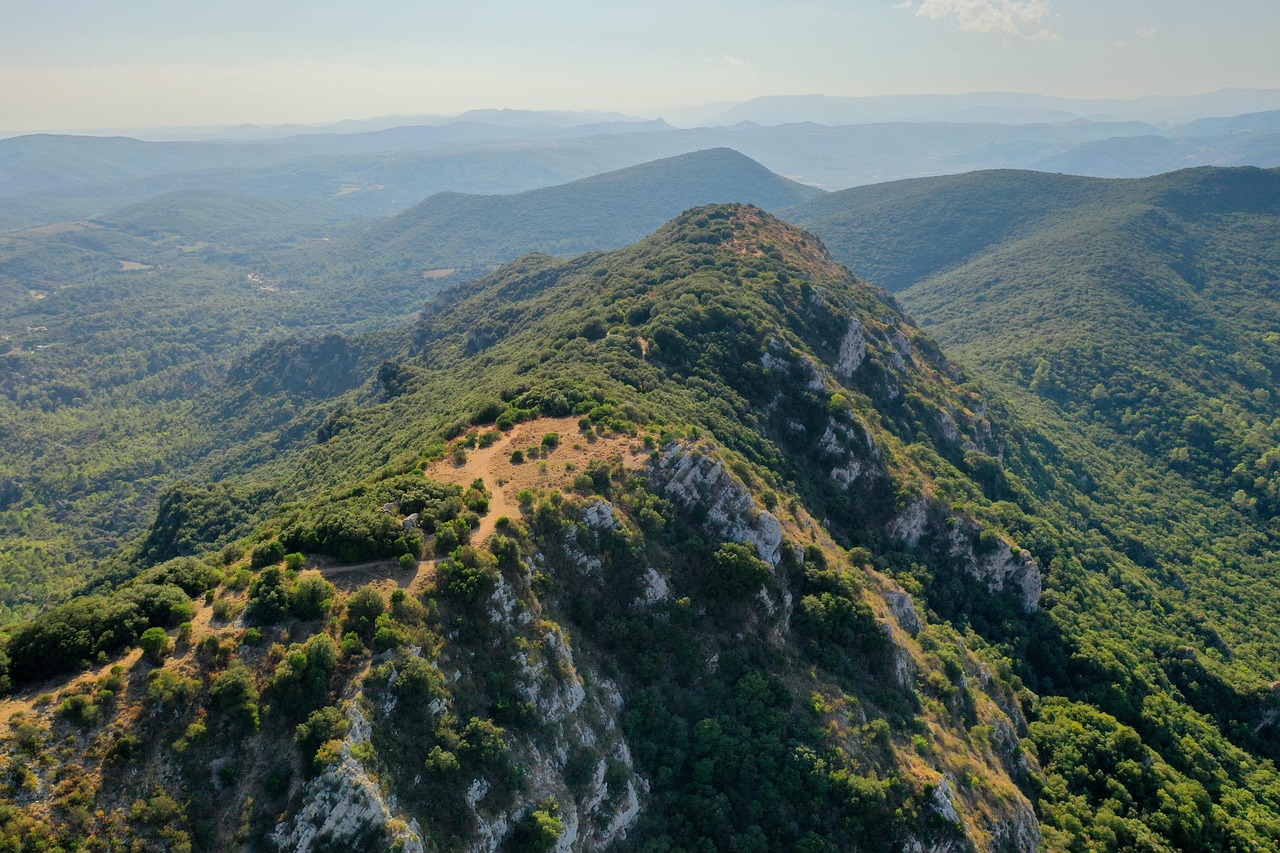
Every time I return to Occitanie, I’m reminded that it’s less a “region” and more a patchwork of worlds: surf breaks and city bars in Toulouse, medieval stone villages frozen in golden light, empty Pyrenean valleys where you hear nothing but cowbells and wind, and a coastline that still hides quiet lagoons behind the busy resorts.
Occitanie is where the French come to breathe: to linger over oysters at étangs (lagoons) near Sète, to spend whole afternoons under the plane trees in tiny squares, to hike in the Cévennes, to ski in the Pyrenees, and to drink wines that rarely make it far beyond the local co-op.
In 2026, Occitanie feels especially alive. Toulouse has doubled down on bike lanes and tram links; Montpellier continues its slow transformation into one of France’s most creative cities; and smaller towns like Albi, Uzès, and Collioure are quietly polishing their historic centres, adding contemporary art, music festivals, and food markets without losing their soul.
Unlike Provence or the Côte d’Azur, you can still find last‑minute rooms in August if you know where to look, and you can still eat extremely well without burning through your travel budget in a weekend.
This travel guide is written from several extended trips between 2019 and early 2026, including a three‑month base in Toulouse and a series of slow, looping road trips through almost every department of Occitanie. I’ve driven its narrow gorge roads in the rain, missed trains in sleepy stations, watched flamingos feeding at sunrise, lost track of time on vineyard terraces, and chased the last light over citadels that look as if they’ve grown out of the rock.
Table of Contents
- Why Visit Occitanie in 2026
- Understanding Occitanie: The Region at a Glance
- 4–7 Day Itineraries for Occitanie
- 18 Key Towns, Sub‑Areas & Landscapes
- Local Food in Occitanie & Where to Eat
- Evenings in Occitanie
- Events & Festivals 2026–2027
- Best Day Trips & Nearby Regions
- Cultural Etiquette & Local Customs
- Practical Travel Advice for Occitanie
- Summary & Final Recommendations
Understanding Occitanie: The Region at a Glance
Occitanie is huge: it’s France’s second‑largest region, a merger of the former Languedoc‑Roussillon and Midi‑Pyrénées. On a map, it stretches from the Spanish border all the way to the Massif Central, and from the Atlantic‑leaning foothills of the Pyrenees to the Camargue‑like lagoons near the Rhône delta.
It’s anchored by two main cities: Toulouse (the “Pink City” and aerospace capital) and Montpellier (young, sunny, Mediterranean). Between them, you’ll find fortified Carcassonne, the Roman marvel of the Pont du Gard, wine‑soaked Corbières hills, vertiginous gorges, endless vineyards, and fishing villages on the coast.
If it’s your first time, you’ll want to choose a base (or two) and resist the urge to “do it all.” Distances are longer than they look on the map, and part of the magic is slowing down—staying put long enough to recognise the baker, the café waiter, and the woman who sells you peaches at the market.
4–7 Day Itineraries for Occitanie
These itineraries are built from real routes I’ve taken repeatedly between 2020 and 2025, updated for 2026 transport changes and opening hours. Mix and match days according to your interests—food, wine, hiking, beaches, or history.
4 Day Itinerary for Occitanie: Toulouse, Carcassonne & Albi
If you have only 4 days in Occitanie, focus on the region’s beating heart: Toulouse’s warm, pink‑brick streets, the storybook towers of Carcassonne, and the ochre‑hued cathedral of Albi. This itinerary works well by train, so you don’t necessarily need a car.
Day 1 – Arrival in Toulouse: The Pink City at Golden Hour
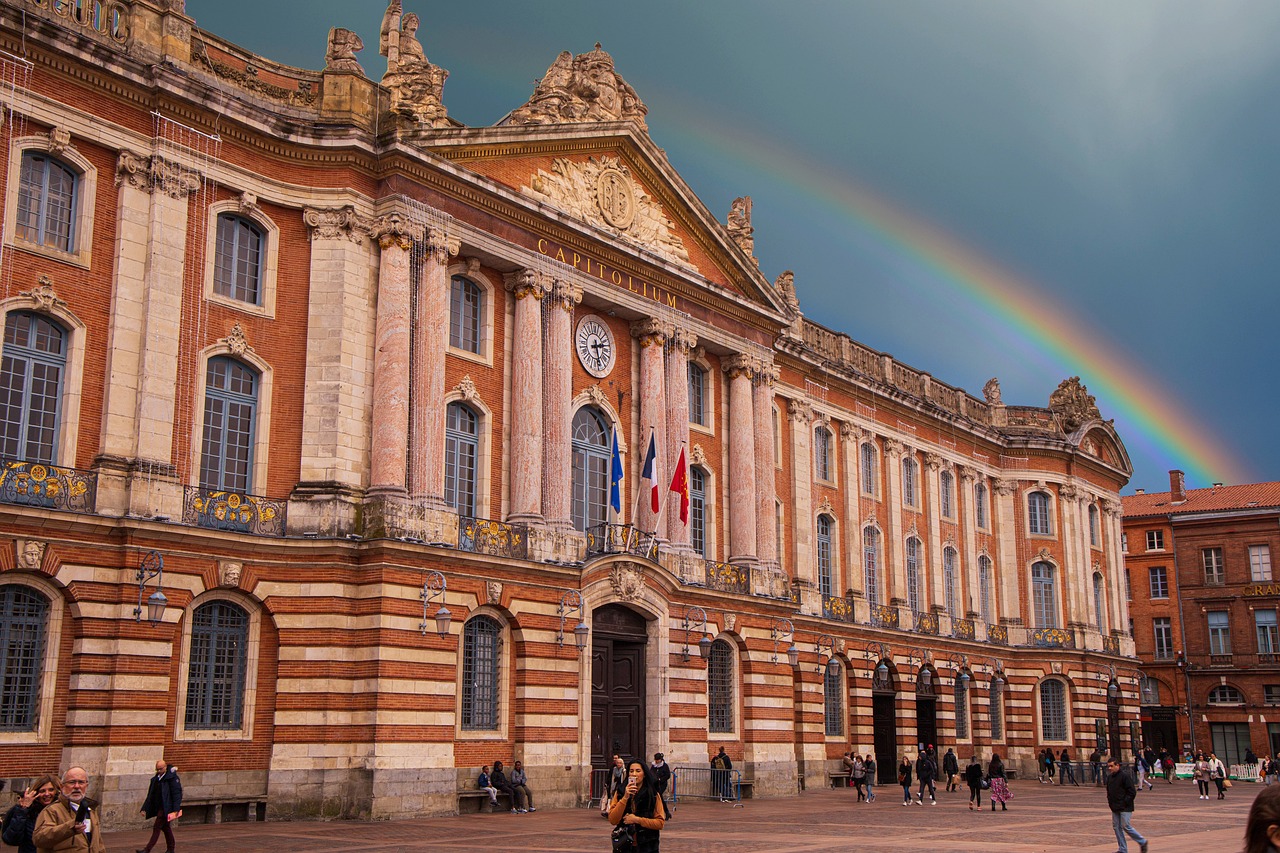
I like to arrive in Toulouse in the late afternoon, when the light hits the brick and the entire city seems to glow. In 2026, the tram from the airport (T2, reconfigured in 2025) still gets you downtown in under 30 minutes, and the new bike‑share stations now stretch along the canal, making it easy to get around without a car.
Drop your bags near the Capitole—this is the best base for a short stay. I usually stay in a small guesthouse in the Carmes neighbourhood, where the streets twist and the bars spill onto the pavement.
- Late afternoon: Stroll from Place du Capitole to the Garonne. Pop into the Capitole’s courtyard; it’s still free, and the murals feel like a public art gallery.
- Sunset: Walk to Pont Neuf for the classic postcard view. When the river’s low, locals sit on the embankment with beers; it’s family‑friendly, with kids scootering up and down.
- Dinner: For your first taste of local food in Occitanie, book a table at a bistro in Carmes. Try duck breast with foie gras and a glass of Cahors wine.
Tip: In 2026, Toulouse’s historic centre is increasingly pedestrianised. If you’re driving, park in an underground car park (Capitole, Esquirol) and leave the car; you don’t need it in town.
Day 2 – Carcassonne: Citadel Stories & Canal du Midi
On your second day of this 4 day itinerary for Occitanie, take an early train (about 45–70 minutes) to Carcassonne. I still remember my first glimpse of the walled city from the train window—towers rising from the mist like something out of a film set. Even after several visits, that approach makes me grin.
- Morning: Drop bags at your hotel in the lower town (Bastide Saint‑Louis) and walk up to the cité before the tour buses arrive. The ramparts loop remains one of the must‑see attractions in Occitanie—go early for quieter photos.
- Lunch: Step off the main drag inside the walls and find a smaller restaurant in a side lane. Order cassoulet—yes, it’s touristy, but it’s also a true local dish here, and done well, it’s wonderful.
- Afternoon: Walk along the Canal du Midi, a UNESCO‑listed waterway. You can rent bikes for a couple of hours and follow the towpath under plane trees, stopping for a drink at a canal‑side guinguette (casual open‑air bar).
Family‑friendly: Kids love the castle‑like ramparts and the little tourist train that circles the citadel. I’m not usually a fan of such trains, but on a hot day it’s a lifesaver for tired legs.
Day 3 – Albi: Red Brick, Toulouse‑Lautrec & Tarn River
Albi, one of the best places to visit in Occitanie, is about an hour from Toulouse by train. I love the slow reveal when you cross the Tarn and the cathedral suddenly fills the skyline—massive, fortress‑like, and entirely brick.
- Morning: Visit Cathédrale Sainte‑Cécile. The interior frescoes are overwhelming in the best way—allow at least an hour.
- Late morning: Head into the Toulouse‑Lautrec Museum in the old bishop’s palace next door. Even if you’re not a die‑hard art lover, the setting alone is worth it.
- Lunch: Grab a table on a terrace overlooking the river or the cathedral square. Try aligot (cheesy mashed potatoes) with sausage if it’s not too hot.
- Afternoon: Wander through the old town’s half‑timbered streets. Cross the Pont Vieux for classic views back to the cathedral.
Romantic touch: I like to end the day with a slow drink in the gardens above the Tarn. In summer, you’ll often find music drifting up from impromptu performances along the riverbank.
Day 4 – Back to Toulouse: Markets, Museums & Departure
For your final day of 4 days in Occitanie, return to Toulouse and dive a little deeper.
- Morning: Hit Marché Victor Hugo. I like to buy picnic supplies—cheese from the Ariège, saucisson from the Aveyron, early cherries in late spring—and then head to the banks of the Garonne.
- Late morning: Choose between the Musée des Augustins (reopening with refreshed galleries in 2026, check dates) or Cité de l’Espace for families and space nerds.
- Afternoon: If your flight or train is later, rent a bike and follow the Canal du Midi towpath out of town for a couple of hours. Even after many rides, that combination of water, trees, and slow barges is endlessly soothing.
Money‑saving tip: Toulouse’s public transport day passes remain good value in 2026. If you’re doing tram + metro + bus, buy a day or multi‑day ticket rather than singles.
5 Day Itinerary for Occitanie: Wine, Coast & Canal
If you have 5 days in Occitanie, add the Mediterranean coast and wine country to your journey. This route works best with a car, though you can adapt much of it using trains and a couple of well‑timed buses.
Day 1 – Montpellier: Sun‑Soaked City Start
I like to start or end trips in Montpellier. It’s compact, walkable, and more Mediterranean in feel than Toulouse. In 2026, the tram network has extended further into the suburbs, but the historic centre is still best on foot.
Spend your first day wandering the medieval streets, browsing boutiques, and settling into the Occitan rhythm: coffee mid‑morning, lunch in the shade, an apéro before dinner.
Day 2 – Sète & the Étangs: Oysters & Fishing Boats
Sète is one of my favourite hidden gems in Occitanie, though it’s less hidden every year. Still, the working port atmosphere remains. Trains from Montpellier are frequent (about 20 minutes), or you can drive along the strip of sand that separates sea from lagoon.
- Walk the canals, watch fishermen mend nets, and climb Mont Saint‑Clair for a sweeping view over the sea and lagoons.
- Lunch on oysters and tielles (spicy octopus pies) along the Étang de Thau. It’s one of the best places to taste local food in Occitanie straight from the source.
Day 3 – Béziers & Canal du Midi Engineering
I still remember my first visit to the Fonserannes Locks outside Béziers—watching boats step down the staircase of water, families waving from decks, dogs pacing anxiously each time the gates opened. It’s an underrated stop that kids and adults tend to love.
Spend the afternoon exploring Béziers’ cathedral and old streets; the town has been steadily improving its riverfront and public spaces since around 2020, and by 2026 it feels noticeably more welcoming.
Day 4 – Narbonne & Gruissan: Roman Echoes & Beach Cabins
Narbonne is a gentle, riverfront town with Roman roots. Start at the covered market for coffee and pastries, then visit the partial Roman road in the main square.
In the afternoon, drive to Gruissan: a circular fishing village around a ruined tower, with wide beaches and iconic pastel beach cabins on stilts. It’s an easy, family‑friendly place to dip into the sea without the crowds of bigger resorts.
Day 5 – Corbières Wine Country & Back to Base
On your final day of this 5 day itinerary for Occitanie, weave into the Corbières hills between Narbonne and Carcassonne. I’ve spent long afternoons here, tasting robust reds and rosés in tiny cellar doors where the winemaker’s dog greets you first.
Stop in villages like Lagrasse (more on it later) or Durban‑Corbières, tasting as you go. End the day either back in Carcassonne for an easy onward train, or return to Montpellier or Toulouse, depending on your departure.
6 Day Itinerary for Occitanie: Mountains, Gorges & Medieval Towns
This 6 day itinerary for Occitanie is for hikers, photographers, and romantics: you’ll combine Carcassonne and Albi with wild landscapes like the Gorges du Tarn and the Pyrenees foothills. A car is essential for this route.
Day 1–2 – Toulouse & Carcassonne (As Above)
Follow Days 1–2 of the 4‑day itinerary to settle in, shake off jet lag, and tick off two must‑see icons.
Day 3 – Albi & Cordes‑sur‑Ciel
After Albi, drive to Cordes‑sur‑Ciel, a hilltop town that does sometimes sit “above the clouds” when the morning mist is right. Even in 2026, outside peak summer weekends, you can still catch quiet moments where all you hear is footsteps on cobbles.
Day 4 – Gorges du Tarn & Causses Plateaus
The drive from Albi or Cordes to the Gorges du Tarn is one of my favourites in France: rolling fields give way to limestone plateaus and finally a river cutting deep through cliffs. Base yourself in Sainte‑Enimie or La Malène—the villages are tiny, but that’s the point.
- Rent a canoe and drift downriver; the water is usually calm enough for families in summer.
- Hike up to viewpoints on the causses (plateaus) for sunset—a romantic and wild way to end the day.
Day 5 – Millau Viaduct & Roquefort
Driving under the Millau Viaduct never gets old; it’s as much sculpture as infrastructure. Stop at the official viewpoint for the classic photo, then continue to Roquefort‑sur‑Soulzon for cheese caves.
Touring the Roquefort caves is one of those cultural experiences in Occitanie that sticks with you: cool, damp air, shelves of veined cheese, and stories of shepherds and accidental discoveries.
Day 6 – Back via Montpellier or Toulouse
Complete your loop via Montpellier for a night on the Med, or return directly to Toulouse if you’re flying out. If you have a little extra time, detour through the Larzac plateau for big skies and stone villages.
7 Day Itinerary for Occitanie: Grand Circuit from City to Sea to Peaks
A full 7 days in Occitanie lets you taste almost everything: cities, coast, mountains, vineyards, and medieval fortresses. This 7 day itinerary for Occitanie is the route I recommend most to friends visiting for the first time in 2026.
Day 1 – Toulouse
As in the 4‑day plan: settle in, walk the Garonne, eat duck and drink local wine.
Day 2 – Carcassonne & Corbières Evening
Spend the day in Carcassonne, then rent a car in the late afternoon (there are agencies at the station) and drive 45 minutes into the Corbières hills. Stay in a gîte or small inn among the vines.
Day 3 – Corbières & Narbonne
Visit wineries and hill villages in the morning, then roll down to Narbonne for the night. Dinner at the market’s bistro counters is a good, buzzy option.
Day 4 – Sète & Montpellier
Continue along the coast to Sète for lunch, climb Mont Saint‑Clair, then end the day in Montpellier. I like to book a hotel near Place de la Comédie for easy tram access.
Day 5 – Nîmes & Pont du Gard
Take the train or drive to Nîmes for the arena and Roman temple, then continue to the Pont du Gard in the late afternoon. Swimming under the aqueduct in summer is one of the pure joys of this region—families, couples, and groups of friends all sharing the same river stones.
Day 6 – Albi
Head back inland to Albi for red brick, art, and river views. If you’re driving, consider a lunchtime stop in a small bastide town like Castelnau‑de‑Montmiral.
Day 7 – Pyrenees Foothills (Foix or Ariège Valley)
Finish your week in the Pyrenees foothills—Foix is an easy option with its clifftop castle and train links back to Toulouse. I like to hike short trails in the morning and sit in the square with a glass of local wine in the evening, watching mountain light fade from the peaks.
This loop might sound ambitious, but with planning it’s manageable, especially if you’re comfortable driving. The reward is a genuinely broad sense of what makes Occitanie so compelling.
18 Key Towns, Sub‑Areas & Landscapes in Occitanie
Below are deeper dives into the places that define Occitanie in 2026—where to base, what to do, and how they feel on the ground. Consider this your long‑form travel guide for Occitanie, stitched from years of return visits.
1. Toulouse – The Pink City & Perfect Base
Best for: First‑timers, food lovers, families, nightlife, easy train connections.
Toulouse is my default base when I’m working in Occitanie. It has just enough chaos to feel alive, but enough laid‑back charm that you can spend whole mornings nursing a coffee on a terrace without anyone hustling you along.
The city’s aerospace industry gives it a cosmopolitan, forward‑looking energy. You’ll hear Spanish and English as often as Occitan phrases, especially in the student‑heavy areas around Jean‑Jaurès and Saint‑Cyprien.
- Must‑see: Place du Capitole, Basilique Saint‑Sernin, the Garonne at sunset, and the Augustins museum when it reopens fully in 2026.
- Family‑friendly: Cité de l’Espace (space park), the natural history museum, and boat trips on the Garonne or Canal du Midi.
- Food: Cassoulet, duck, saucisse de Toulouse, and the Victor Hugo market’s upstairs eateries.
Where to base: Carmes or Esquirol for charm; around Jeanne d’Arc for easy access to the station; Saint‑Cyprien for a more local feel and great food.
Getting around: In 2026, bikes and trams are your friends. The metro is simple, and most major sights are walkable from the centre. Trains radiate out to Albi, Carcassonne, Foix, and beyond, making day trips painless.
2. Carcassonne – Storybook Citadel & Canal Town
Best for: History buffs, families, romantics, short stays.
Carcassonne is one of those places that risks feeling too famous for its own good. But if you stay a night or two, and especially if you walk the ramparts early or late, you’ll find quiet corners where the only sound is your own footsteps and the wind.
The lower town is often overlooked, but I like its more local side: weekly markets, everyday shops, and houses where people actually live year‑round.
Tip: In 2026, visitor caps on the ramparts during peak hours have improved the experience. Book online if you’re travelling in July–August.
3. Montpellier – Youthful Energy & Mediterranean Light
Best for: Nightlife, art, easy beach access, families with teens.
Montpellier feels younger than Toulouse: more street art, more skateboards, more pop‑up wine bars and concept cafés. The old town is a warren of lanes, but the trams whisk you to modern districts and out to the beaches in under an hour.
Base: The Écusson (historic centre) if you like atmosphere; nearby Antigone for quieter, modern accommodation with tram access.
4. Albi – Red Brick, River Light & Toulouse‑Lautrec
Best for: Art, architecture, slow travel, romantic weekends.
Albi works beautifully as a two‑night stop: arrive by train from Toulouse, walk everywhere, and use the town as a base for nearby bastides and vineyards. I like to get up early, walk the riverbank path while the town is still half‑asleep, then duck into a café as the first locals set out chairs.
5. Nîmes – Roman Heritage & Sunny Squares
Best for: History lovers, families, pairing with Pont du Gard and Camargue.
Nîmes is arguably the best‑preserved slice of Rome in France: the amphitheatre, the Maison Carrée temple, and the Jardins de la Fontaine all sit within an easy walk. It’s a city you can “do” in a day, but I prefer two nights to let the cafés and backstreets sink in.
6. Sète & Étang de Thau – Working Port & Oyster Heaven
Best for: Foodies, sea views, authentic port life.
Sète’s canals, fishing boats, and hillside cemetery (with sea views) lend it a slightly melancholic feel, but the food and festivals are joyous. The water jousting tournaments in summer are noisy, colourful, and a real slice of local culture.
Eat: Oysters and mussels from the étang, bourride (fish stew), and tielle sétoise.
7. Narbonne – Understated Roman Town by the Coast
Best for: Slower pace, markets, easy access to beaches and Corbières.
Narbonne’s covered market is one of my favourites in Occitanie. I like to buy a paper cone of olives, stand at a bar for a quick coffee, and watch locals gossip. The town’s canal, cathedral, and Roman remains make for a gentle, walkable day.
8. Perpignan & Collioure – Catalan Colour & Mediterranean Coves
Best for: Beach time, art, Franco‑Catalan culture, families and couples.
Perpignan, with its palm‑lined squares and Catalan flags, feels closer to Barcelona than Paris. It’s a good base for exploring the Côte Vermeille, but I usually stay in Collioure itself: a pastel harbour town that inspired painters like Matisse.
Romantic: Evening walks along Collioure’s waterfront, gelato in hand, with the royal castle and church tower lit up, are cliché for a reason—they’re lovely.
9. Foix & Ariège Valley – Pyrenean Foothills & Castles
Best for: Hiking, castles, quieter mountain life.
Foix’s triple‑towered castle is one of those silhouettes that stays in your head. Beyond the town, the Ariège valley opens into green slopes, limestone caves, and smaller fortified sites like Montségur, associated with the Cathars.
Base in Foix if you’re car‑free (it’s on a good rail line), or in a countryside gîte if you’re driving.
10. Gorges du Tarn & Cévennes – Limestone Drama & Chestnut Forests
Best for: Hikers, road‑trippers, families who like rivers and nature.
These landscapes are where I go to reset. The Gorges du Tarn’s emerald water, villages clinging to rock, and swifts looping overhead feel far removed from the coast crowds. The Cévennes, with their chestnut forests and terraces, offer cooler air in summer and quiet stone hamlets.
11. Pont du Gard & Uzès – Roman Marvel & Market Town
Best for: Couples, families, lovers of small‑town France.
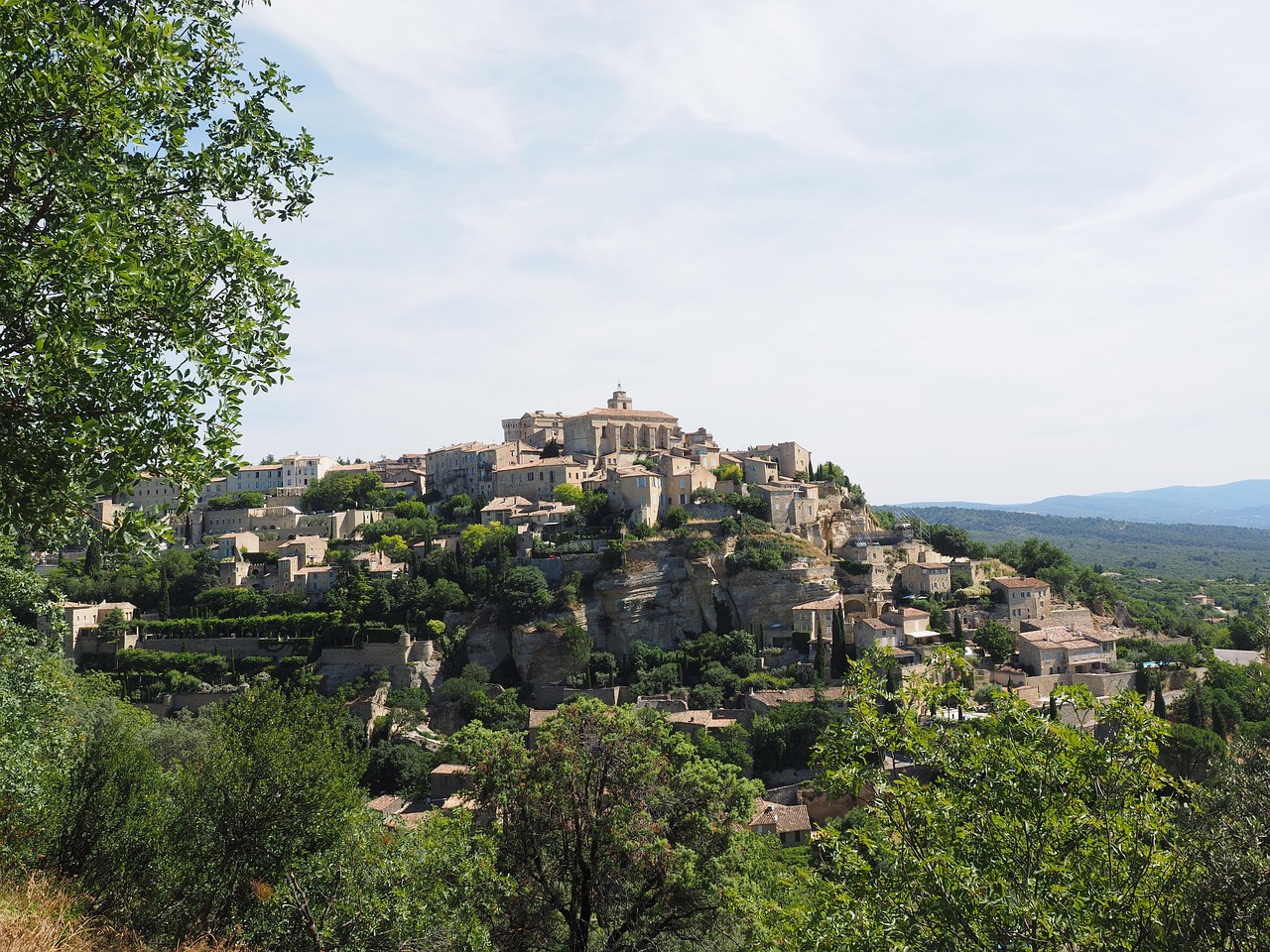
Uzès is one of those towns where you arrive intending to stay a night and end up lingering. Its arcaded square, twice‑weekly markets (especially Saturday), and honey‑coloured stone make it ideal as a slow‑travel base for exploring the Gard.
Combine with Pont du Gard for a classic day of history plus swimming or paddling on the river.
12. Tarn Bastides – Hilltop Villages & Vineyards
Best for: Road‑trippers, photographers, wine lovers.
The Tarn’s bastide towns—Cordes‑sur‑Ciel, Castelnau‑de‑Montmiral, Puycelsi—offer big sky views, stone ramparts, and sleepy squares that come alive on market day. I like to string them together as a lazy loop from Albi, stopping for vineyard lunches.
13. Lot & Cahors – Winding River & Deep Reds
Best for: Wine, river scenery, slow drives.
Technically straddling regional borders, the Lot valley is still very much part of Occitanie’s soul. Cahors’ black wines (deep, tannic Malbec) pair beautifully with duck and truffle dishes in winter.
Families can rent canoes on the Lot, while food lovers hop between wineries and village restaurants.
14. Languedoc Coast – Long Beaches & Lagoons
Best for: Families, budget beach holidays, kite‑surfing.
The Languedoc coast is less polished than the Riviera, but that’s part of its charm. Long sandy beaches at La Grande‑Motte, Palavas‑les‑Flots, and Valras‑Plage offer shallow water for kids and plenty of space, especially outside August.
15. Corbières & Minervois – Wild Vines & Cathar Castles
Best for: Wine, history, road trips.
The Corbières and Minervois hills between Carcassonne and the coast are some of my favourite driving country in Occitanie. Vineyards tumble over hillsides, with ruined castles like Quéribus and Peyrepertuse perched improbably on rocky spines.
Winery tasting rooms are often low‑key and friendly; you’ll meet actual growers more often than marketing teams.
16. Petite Camargue Gardoise – Wetlands, Horses & Flamingos
Best for: Birdwatchers, families, photographers.
At the eastern edge of Occitanie, the Petite Camargue offers salt marshes, reed beds, and white horses. It’s a lovely day trip from Nîmes or Montpellier: ride horses in the wetlands, watch flamingos feed, and end with seafood by the water.
17. Pyrenees – High Peaks & Ski Villages
Best for: Skiing (winter), hiking (summer), hot springs, adventure.
Occitanie’s Pyrenean resorts—like Saint‑Lary, Font‑Romeu, and Ax‑les‑Thermes—offer a more laid‑back, less glitzy alternative to the Alps. I’ve spent cosy winter weeks here, skiing by day and soaking in hot springs at night, and quiet summer days hiking to lakes and picnicking on cheese and saucisson.
18. Larzac Plateau & Causses – Big Skies & Stone Villages
Best for: Road‑trippers, cyclists, those seeking solitude.
The Larzac plateau, once famous for anti‑military protests, is now a quiet land of sheep farms, stone hamlets, and big skies. It’s where Roquefort sheep graze and where long, empty roads make for meditative drives.
Regional Cuisine in Occitanie & Where to Taste It
Eating well in Occitanie is wonderfully easy. The food is generous, often rustic, and anchored in what grows nearby: duck and pork inland, seafood on the coast, lamb in the mountains, and vegetables that taste as if they’ve just left someone’s garden.
Signature Dishes by Sub‑Area
- Toulouse & Southwest: Cassoulet, duck confit, magret de canard, garbure (hearty soup).
- Languedoc Coast: Oysters and mussels from Étang de Thau, brandade de morue, bourride, anchovies.
- Cévennes: Chestnut dishes, goat cheese, game in season.
- Nîmes & Gard: Brandade, olives and tapenade, bull stews in Camargue‑influenced areas.
- Pyrenees: Mountain cheese, garbure, lamb, axoa (peppery veal stew closer to the Basque frontier).
Markets & Farm‑Stays
Markets are where you feel the region’s heartbeat. My favourites:
- Victor Hugo (Toulouse): For an urban, bustling experience.
- Uzès Saturday Market: For beauty as much as produce.
- Albi Covered Market: For Tarn specialities and river views nearby.
- Montpellier Les Arceaux: For organic produce and food trucks.
For agriturismo‑style stays (though the Italian word isn’t used), look for chambres d’hôtes and gîtes ruraux on working farms in the Tarn, Aveyron, Ariège, and Corbières. I’ve stayed in vineyard rooms where the winemaker poured tastes at breakfast, and on sheep farms where dinner was a long, shared table under the stars.
Saving Money on Food
- Eat your main meal at lunch; many restaurants offer good‑value menus du jour (2–3 courses) for far less than dinner.
- Use markets and bakeries for picnics—perfect for days in the Gorges du Tarn, at Pont du Gard, or on the coast.
- In bigger cities, look for canteen‑style spots and brasseries frequented by office workers; they’re usually affordable and reliable.
Evenings in Occitanie: Piazzas, Sunsets & Quiet Streets
Evenings are when Occitanie really reveals itself. In small towns, the squares fill with families, older couples, and kids on bikes. In cities, the apéro hour stretches long and lazy, with rosé and little plates of charcuterie.
Small‑Town Squares & Harvest Festivals
In September and October, wine harvest festivals in the Corbières, Minervois, and Gaillac regions add music and tasting stands to village squares. I’ve stumbled onto impromptu accordion concerts in Tarn bastides and danced with strangers in Uzès when a brass band took over the square.
Sunset Viewpoints
- Toulouse: Banks of the Garonne near Daurade.
- Carcassonne: Lower town bridges facing the cité.
- Albi: Riverbank paths opposite the cathedral.
- Collioure: Fort and church from the far breakwater.
- Gorges du Tarn: Causses viewpoints above Sainte‑Enimie.
Events, Festivals & What’s New in 2026–2027
While specific programming can shift, here are recurring events and trends to watch in 2026–2027:
- Toulouse Summer Festivals: Music and street theatre along the Garonne (June–August), plus aerospace exhibitions marking ongoing space missions.
- Montpellier Dance & Music: International dance festival (June/July) and a strong season of open‑air concerts.
- Carcassonne Festival: Big‑name concerts and classical performances in the citadel (July).
- Wine Harvest Fêtes: Corbières, Minervois, Gaillac, and Cahors host harvest events (September–October), with vineyard walks, tastings, and communal meals.
- Christmas Markets: Toulouse, Montpellier, Nîmes, and Albi all stage atmospheric markets with regional produce and crafts (late November–December).
On the infrastructure side, 2026 brings incremental improvements: more EV charging points along autoroutes, additional bike paths around Toulouse and Montpellier, and continued upgrades to smaller train stations on key regional lines.
Day Trips & Nearby Attractions from Occitanie
Occitanie makes a great base for exploring neighbouring regions.
- From Toulouse: Day trips to Auch (Gers), Lourdes, or even Bordeaux (fast trains) are realistic. Foix and the Ariège valley are closer options.
- From Montpellier: Provence’s Arles and Avignon are within easy train reach; the Camargue is a straightforward drive.
- From Perpignan: Cross into Spain for Figueres (Dalí museum) or Girona—both under two hours by car or train.
Tip: Crossing into Spain by car is seamless within Schengen, but watch for different speed limits and fuel prices. Trains require advance booking for the best fares.
Cultural Etiquette & Local Customs in Occitanie
Occitanie is relaxed, but it’s still France—certain small gestures go a long way.
- Greetings: Always say Bonjour (daytime) or Bonsoir (evening) when entering shops, cafés, or starting a conversation. Not doing so can be perceived as rude.
- Language: English is increasingly spoken in cities and tourist hubs, but less so in small villages. A few French phrases help. You may notice Occitan words on street signs; locals are quietly proud of this heritage.
- Dining hours: Lunch is typically 12:00–14:00, dinner from 19:30 onwards. Turning up at 16:00 hoping for a full meal will usually leave you with only snacks.
- Tipping: Service is included, but rounding up or leaving 5–10% for good service is appreciated.
- Beach & countryside: Topless sunbathing exists but is less common than it once was; follow local cues. In rural areas, stick to marked paths and close gates behind you.
- Markets: Don’t handle produce unless invited; point or ask instead. Many vendors will offer a taste if you show interest.
Practical Travel Advice for Occitanie (2026)
Getting Around: Car vs Train vs Bus
Car: For multi‑town trips and rural areas (Gorges du Tarn, Cévennes, Corbières, Larzac, many Pyrenees valleys), a car is close to essential. I usually pick up rentals in Toulouse or Montpellier, where prices and choice are better.
- Distances: Toulouse–Carcassonne ~1 hr; Carcassonne–Narbonne ~45 min; Narbonne–Montpellier ~1 hr 15; Montpellier–Nîmes ~30–40 min; Toulouse–Albi ~1 hr.
- Parking: Historic centres often have limited access. Use signed car parks outside walls (e.g., in Carcassonne, Albi, Uzès) and walk in.
Train: Trains work well for the spine of the region—Toulouse, Carcassonne, Narbonne, Béziers, Sète, Montpellier, Nîmes, Perpignan, Albi, Foix. For a city‑focused trip, you can do a lot without driving.
Bus: Regional buses fill in some gaps but can be infrequent, especially on weekends. Always check return times; I’ve learned this the hard way in smaller Tarn and Aveyron towns.
Seasonal Advice
- Spring (April–June): Ideal for most; wildflowers in the Causses, pleasant temperatures in cities, not yet too hot on the coast.
- Summer (July–August): Best for beaches, festivals, and high‑mountain hiking. Expect heat in cities and crowds on the coast; book coastal stays early.
- Autumn (September–October): Fantastic for wine harvest, softer light, and quieter towns. My favourite time for Corbières, Minervois, and Tarn bastides.
- Winter (November–March): Great for Pyrenees skiing, city breaks with fewer tourists, and hearty food. Some coastal and rural accommodations close or reduce hours.
SIM Cards & Connectivity
In 2026, eSIMs from major French providers (Orange, SFR, Bouygues) are easy to buy online or in shops. For physical SIMs, look for phone stores or supermarkets in bigger towns. Coverage is good along main routes, but expect patchy signals in deep gorges or remote plateaus.
Money‑Saving Tips
- Use regional trains (TER) and buy advance tickets for longer journeys when possible.
- Stay in gîtes or chambres d’hôtes for better value and access to kitchens.
- Time your big restaurant meals for lunch menus.
- Travel in May–June or September–October for lower prices and milder weather.
Visas & Driving Licences
France is in the Schengen Area. Many travellers (including from the EU, UK, US, Canada, Australia, New Zealand and others) can visit visa‑free for short stays; always check the latest rules for your nationality.
Most foreign driving licences are accepted if they’re in Roman script; some nationalities may need an International Driving Permit. Check before you travel. Rental agencies in Toulouse, Montpellier, Perpignan, and Nîmes are used to international visitors.
Summary: How to Make the Most of Occitanie
Occitanie rewards both the planner and the wanderer. With a bit of structure—a 4 day itinerary for Occitanie if you’re short on time, or a full 7 days in Occitanie if you can stretch—you can thread together cities, citadels, vineyards, gorges, and coasts into a trip that feels rich rather than rushed.
Best seasons: For most travellers, May–June and September–October hit the sweet spot of weather, crowds, and prices. Come in winter for skiing and quieter cities; come in July if you crave festivals, long evenings, and don’t mind the heat.
What ties this big, varied region together is a certain warmth—of light, of people, of food. Whether you’re sitting in a Toulouse café watching the world drift by, swimming under Pont du Gard, sipping Corbières wine as the hills turn gold, or listening to cowbells in a Pyrenean valley, you’ll feel it.
Plan your route, but leave space for detours: a village that catches your eye from the road, a roadside sign for a wine tasting, a market you didn’t know was on today. Those unscripted moments are where Occitanie truly comes alive.