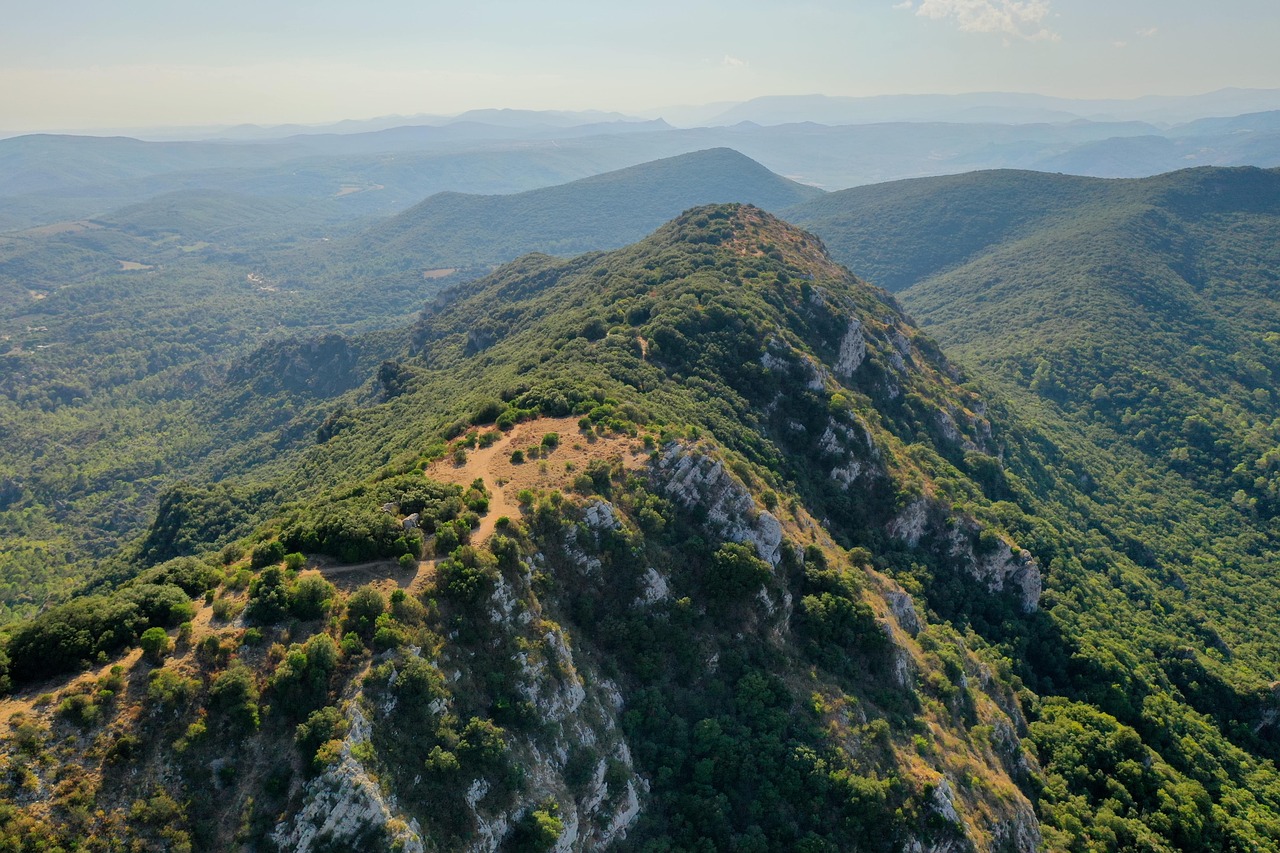
Why Visit Occitanie Pyrenees Regional Park in 2026
If you’re dreaming up a 3 day itinerary for Occitanie Pyrenees Regional Park or plotting a full 5 days in Occitanie Pyrenees Regional Park, here’s why this region should win over better‑known Alpine or coastal destinations.
- Epic but intimate landscapes: Glacial cirques like Gavarnie, turquoise lakes such as Gaube and Bouillouses, high passes, beech forests, and pastoral valleys where sheep bells replace traffic noise.
- Real villages, real life: Stone hamlets with slate roofs, weekly markets, elderly men playing pétanque, kids cycling to the boulangerie. You’re not in a resort bubble here.
- Layered culture: Gascon, Catalan, and Occitan traditions overlap. Menus shift from garbure (hearty soup) to boles de picolat (meatballs) in under an hour’s drive.
- All kinds of travelers welcome: Gentle family‑friendly lakeside paths, romantic spa towns, and big mountain routes for hikers who like to go home tired.
- Outstanding value (for now): Compared with the Alps, you still find affordable gîtes, generous set menus, and free world‑class viewpoints.
2026–2027 is a particularly interesting window. New dark‑sky initiatives are being rolled out in the central valleys, several refuges are reopening after renovations, and the region is quietly promoting slower, car‑light travel. If you’re planning 3–5 days in Occitanie Pyrenees, you’re catching the park in a sweet spot: better infrastructure, but still largely under the mass‑tourism radar.
Table of Contents
- Why Visit Occitanie Pyrenees Regional Park
- Overview: Zones, Gateways & Landscapes
- 15 Essential Trails, Viewpoints & Zones (Deep Dives)
- 3, 4 & 5 Day Itineraries with Personal Stories
- Where & What to Eat
- Where to Stay: Cabins, Gîtes, Campgrounds & Refuges
- How to Get Around & Save Money
- After-Dark & Quiet Experiences
- Culture, Etiquette & Local Customs
- What’s New in 2026–2027: Events & Changes
- Day Trips & Nearby Attractions
- Practical Travel Advice & Park Logistics
- Summary & Final Recommendations
Overview: Zones, Gateways & Landscapes
When people say “Occitanie Pyrenees Regional Park,” they’re usually referring to a broad belt of protected mountain landscapes stretching from the Catalan Pyrenees in the east to the high, glaciated heart around Gavarnie and Néouvielle further west, plus the foothill bastions like the Ariège valleys. You’ll move between a few main zones:
Key Zones
- Gavarnie & the Western High Pyrenees: Iconic cirques, waterfalls, high passes. Best for big mountain scenery and classic “must‑see” hikes.
- Néouvielle & High Lakes Country: A dense constellation of alpine lakes linked by superb trails; a paradise for hikers and photographers.
- Ariège Pyrenees: Wilder, less polished, with deep forests, karst plateaus, caves, and a strong sense of remoteness.
- Catalan Pyrenees (Cerdagne & Capcir): Wide open high plateaus, ski areas, and family‑friendly lakes like Bouillouses.
- Foothills & bastide towns: Rolling hills, vineyards, fortified villages; great for shoulder‑season walking and cultural days.
Gateway Towns
- Lourdes: Pilgrimage town and major rail gateway; bus links into the western valleys.
- Cauterets: Spa town with Belle Époque architecture, perfect base for Gaube, Pont d’Espagne, and high‑lake walks.
- Luz‑Saint‑Sauveur & Gèdre: Traditional mountain towns gatewaying Gavarnie and the high passes.
- Saint‑Lary‑Soulan: Year‑round hub for Néouvielle and the Aure valley.
- Foix & Ax‑les‑Thermes (Ariège): Good bases for wilder eastern valleys and caves.
- Font‑Romeu & Mont‑Louis (Catalan Pyrenees): Sunny plateau towns near lakes, ski areas, and family trails.
Each base will shape your experience. If you only have a 3 day itinerary for Occitanie Pyrenees Regional Park, I’d choose either the Cauterets–Gavarnie axis (for blockbuster mountain views) or the Néouvielle–Saint‑Lary area (for lakes and wildflowers). With 4 or 5 days in Occitanie Pyrenees, you can mix zones.
15 Essential Trails, Viewpoints & Zones – Deep Dives
Below are 15 of the best places to visit in Occitanie Pyrenees Regional Park. I’ve walked each of these routes multiple times, in different seasons. Rather than just list them, I’ll tell you how they actually feel underfoot.
1. Cirque de Gavarnie – The Amphitheatre of the Pyrenees
My relationship with Gavarnie began on a stormy June afternoon, when thunder rolled around the walls like a distant drum circle and the main waterfall – the Grande Cascade – dropped in shifting veils of white. People call it “the Pyrenean Yosemite,” but that undersells the intimacy here: farms, meadows, and a tiny stone village backed by cliffs nearly 1,500 m high.
The classic walk begins in the village of Gavarnie (reachable by bus or car from Luz‑Saint‑Sauveur) and climbs gently along a broad track beside the river. It’s family‑friendly, stroller‑friendly if you’re patient, and ideal if you’ve only got 3 days in Occitanie Pyrenees Regional Park and want to tick off a must‑see without an epic effort. Children race ahead to spot horses and donkeys in the meadows; couples veer off onto side paths to picnic in the shade.
After about an hour, the Hôtel du Cirque appears, a simple stone building that always feels improbably close to the cliffs themselves. In July 2025, after a renovation, they reopened with decent coffee and hearty omelettes – a welcome change from the limp sandwiches of my earlier visits. I still prefer to bring my own picnic: a wedge of local tomme, saucisson from the Luz market, and impossibly sweet strawberries in June.
From the hotel, a rougher path heads to the base of the waterfall. In late spring and early summer, snowmelt turns it into a roaring white column, throwing spray across the scree. Wear proper shoes: I’ve seen more than one visitor in city sneakers give up when the path turns to wet rubble. In October, the falls are thinner but the golden beech forests on the walk in are extraordinary; the whole valley smells of damp leaves and woodsmoke from village chimneys.
Tips: Go early or late in peak season (July–August) to avoid the midday crush. On my last August visit, I left the village at 7:30 a.m.; by the time the first horse‑riding groups appeared, I was already at the foot of the falls, sharing the amphitheatre with only a handful of hikers. In winter, the access track is usually walkable with microspikes, and the frozen waterfalls are magical – but check local avalanche bulletins.
2. Pont d’Espagne & Lac de Gaube – Waterfalls and a Turquoise Lake
If Gavarnie is a grand opera, Pont d’Espagne is a fast‑cut music video of waterfalls and spray. Just a 15‑minute drive from Cauterets, this historic bridge was once a key trading route with Spain. Today, it’s the starting point for one of the most rewarding half‑day walks in the region.
The first time I took my parents here, they were convinced they couldn’t “really” hike in the Pyrenees. So we cheated: we parked at the main lot, rode the chairlift and gondola up to the plateau, and ambled along the forest path to Lac de Gaube. In under an hour, they were standing in front of a turquoise lake with the sharp pyramid of Vignemale rising behind, utterly convinced they were on the cover of a hiking magazine.
For a more honest ascent, skip the lift and follow the signed path from Pont d’Espagne. It climbs steadily through forest, crosses wooden footbridges, and eventually breaks out onto the lakeshore. In June, rhododendrons splash pink along the path; in September, the crowds thin and the light on the water turns a deeper, cooler blue.
Food & drink: The lakeside café is scenic but pricey and inconsistent. When I visit, I usually bring my own picnic and then reward myself with a hot chocolate back at the Pont d’Espagne café on the way down. On a drizzly October afternoon in 2024, I remember watching rain dimple the river while steam rose from the mug; it felt like the whole valley had exhaled after summer.
Family‑friendly factor: Very high. This is one of the best things to do in Occitanie Pyrenees Regional Park with children or less mobile companions, thanks to the cable car option and good paths.
3. Réserve du Néouvielle – Land of a Thousand Lakes
The Néouvielle reserve is where I go when I need to remember why I live in the south of France. A granite massif punctured with lakes at every elevation, it has a light and openness quite different from the more dramatic, shadowed cirques to the west.
Most visitors base in Saint‑Lary‑Soulan or nearby villages and drive up the twisting road to lac d’Orédon and lac de Cap‑de‑Long. Be warned: in summer, weekend parking fills very early; I’ve twice arrived after 10 a.m. in August and been turned back by rangers controlling access. In 2026, a reservation‑based shuttle system is being piloted on peak weekends – expect it to become the norm.
My favourite classic loop starts from lac d’Aubert and circles via lac d’Aumar, weaving past twisted pines and boulder fields. In late June, patches of snow linger in hollows; in July, wildflowers fringe the streams. The trail undulates more than climbs; it’s manageable for fit families, but the high‑mountain feel is undeniable.
On a memorable September solo trip in 2023, I bivvied near a small unnamed tarn above Aubert (legally – check current rules, as bivouacs are typically allowed only between sunset and sunrise). The sky cleared after a storm, and I lay there counting meteors until the Milky Way burned bright enough to cast a faint shadow. For stargazing and dark‑sky experiences in the Occitanie Pyrenees, Néouvielle is top tier.
Difficulty: Moderate overall, but with plenty of options. You can simply stroll along lake shores or tackle steeper ascents towards Pic de Néouvielle itself (which requires experience and often an early start with a helmet and sure‑footedness on scree).
4. Lac des Bouillouses & Capcir Meadows – Family‑Friendly High Country
On the Catalan side of the Occitanie Pyrenees, lac des Bouillouses offers one of the region’s best blends of accessibility and beauty. At 2,000 m, the lake feels properly alpine, yet access is carefully managed to keep it from becoming a free‑for‑all car park.
In summer, you leave your car at the lower lots and ride the shuttle bus up to the lake. I’ve stood in that bus more times than I can count, pressed between day hikers, anglers, and Catalan families hauling picnic baskets. The ride is short; the payoff is immediate: a broad lake backed by peaks, with well‑waymarked trails radiating in all directions.
The Tour du Lac is an easy half‑day walk, perfect if you’re mapping out a gentle 3 day itinerary for Occitanie Pyrenees Regional Park with kids or older relatives. For something more ambitious, I like the loop via the lacs des Esques and lac d’Aude, which peels away from the crowds and feels surprisingly remote once you crest the first hill.
Food: The historic Hôtel des Bones Hores near the dam does a solid lunch, but it’s the lakeside picnics that linger in my memory: chunks of crusty bread, local fuet sausage, peaches from the market in Mont‑Louis. In 2022, I spent a lazy September afternoon here reading while my friends fished (catch‑and‑release, license required); the combination of sun‑warmed granite and the smell of pine is burned into my brain.
Best season: Late June to early October. In spring, snow can linger on north‑facing slopes; in autumn, larches turn gold and the crowds vanish.
5. Vallée d’Ossoue & Vignemale Views – For the Ambitious Hiker
When I need a shot of wildness, I head for the Vallée d’Ossoue, a quieter valley that leads towards Vignemale, one of the great peaks of the French Pyrenees. This is not for your first day off the plane; it’s high, exposed, and demands some stamina, but it rewards in spades.
The trail begins from a rough road above Gavarnie and follows the valley towards the Ossoue glacier. Early in the season, you’ll cross snowfields; later, the glacier’s retreat is painfully obvious – a reminder of what climate change is doing to these mountains. On a hot July day in 2021, I remember filling my bottles from a side stream and feeling the water sting my teeth with cold; meanwhile, the glacier above seemed visibly thinner than on my first visit in 2013.
Most hikers turn around at the refuge Bayssellance, a classic stone hut perched above the valley, or use it as a base for more technical ascents. Even if you’re not staying the night, it’s worth popping in for a coffee or a slice of tarte aux myrtilles. The refuge was partially modernised in 2025, with improved composting toilets and better insulation, but it’s still happily rustic.
Warning: Weather turns fast here. I’ve been caught in a violent afternoon thunderstorm more than once; start very early, check the forecast, and turn back without hesitation if clouds build.
6. Cirque de Troumouse – Gavarnie’s Quieter Cousin
If you loved the idea of Gavarnie but not the crowds, head to Cirque de Troumouse. The cirque is wider, the mood softer, and the sense of space even more overwhelming.
Access involves a narrow toll road from the Héas valley (usually open June–October, weather permitting). I still remember my first drive up on a misty afternoon: cows materialising out of the fog, bells clanking in the grey, then suddenly the clouds tearing open to reveal a vast arc of cliffs streaked with waterfalls.
Trails here range from gentle meadow rambles to steeper climbs onto the balcony paths. The statue of the Virgin Mary on a small promontory offers a classic panorama without too much effort. Pack layers; even in August, a breeze can make it feel autumnal.
Hidden gem: The tiny auberge down in the Héas valley serves a superb garbure and local lamb; one chilly September evening in 2020, I lingered over dinner there while fog filled the upper valley, feeling pleasantly marooned from the rest of the world.
7. Gaube–Oulettes d’Ossoue Balcony – A High Traverse with Big Views
For hikers wanting more than a lakeside stroll but less commitment than a full high‑peak ascent, the traverse from Lac de Gaube towards the refuge des Oulettes de Gaube delivers a perfect middle ground.
Departing from the far end of Lac de Gaube, the path climbs steadily into a suspended valley with increasingly close views of Vignemale’s north face. On a crisp October day in 2022, I walked this under a thin layer of fresh snow; at the refuge, hikers crowded around the stove, drying gloves and sharing stories in a mix of French, Spanish, and English.
The refuge does simple, hearty dishes – I’m still thinking about the lentil stew and blueberry tart I ate there after a cold, windy ascent. If you’re building a 4 day itinerary for Occitanie Pyrenees Regional Park, consider an overnight here: hike in, watch alpenglow on the north face, sleep in the dorm, and hike out the next morning.
8. Vallée d’Azun & Col du Soulor – Gentle Pastures and Panoramic Roads
The Vallée d’Azun is where the Pyrenees soften into rolling meadows and lower peaks, a perfect area for less strenuous walks and bike rides. It’s my go‑to suggestion for travelers who want the mountain feeling without big elevation gain.
The Col du Soulor, a high pass often featured in the Tour de France, offers a balcony road with staggering views into the Val d’Azun on one side and the deep Ouzom valley on the other. I’ve driven this road at sunrise more than once, chasing the first light; the way the mist pools in the valleys below feels cinematic.
From the pass, you can follow easy ridge paths to modest summits, watch griffon vultures riding thermals, or simply settle at the roadside café for a coffee and a slice of homemade cake. One summer evening, I watched a shepherd gently coax his flock across the road while cyclists clapped and took photos – a very Pyrenean traffic jam.
9. Réserve d’Orlu (Ariège) – Marmots, Forests, and Silence
The Réserve d’Orlu in Ariège feels like a different world: denser forests, a wilder mood, and far fewer people. It’s one of the best places I know for wildlife viewing, especially marmots, isards (Pyrenean chamois), and birdlife.
The classic walk follows a rising valley beside a tumbling stream towards the refuge d’En Beys. The gradient is steady but not brutal; families with stout‑legged kids manage it fine. I brought my 7‑year‑old godson here in 2025; within an hour we’d counted 12 marmots and a pair of isards silhouetted against a ridge.
Ariège has a reputation for rain, and it’s not undeserved. Bring a good shell and embrace the mood: mist hanging between trees, moss glowing electric green, the sound of water everywhere. This is a superb area for a shoulder‑season 3 days in Occitanie Pyrenees Regional Park when high passes are still snowed in.
10. Col du Tourmalet & Pic du Midi – Road Cycling Legend and Observatory
Even if you don’t cycle, the Col du Tourmalet is worth the detour. It’s one of the most famous Tour de France passes, and watching cyclists summit here – faces a mix of agony and triumph – never gets old.
From the pass, a cable car whisks you up to the Pic du Midi de Bigorre observatory. On my first visit, I arrived in driving cloud, convinced I’d wasted the ticket – and then, halfway up, the gondola broke through into blazing sunshine, the sea of clouds stretching to the horizon. The observatory terrace offers one of the best views in the Occitanie Pyrenees.
Evening visits are particularly special. There are dedicated astronomy nights with talks and telescope sessions; I attended one in 2024 and still remember seeing Saturn’s rings with crisp clarity. In 2026–2027, more of these programs will be offered in English as part of a regional dark‑sky initiative.
11. Plateau de Beille – Nordic Skiing and Summer Pastures
The Plateau de Beille in Ariège is well‑known among Nordic skiers, but in summer it’s a surprisingly peaceful walking and biking area, with wide views across to higher ranges.
I first came here on a snowy January day, shuffling along beginner cross‑country trails as local families zipped past with enviable grace. Rental gear is affordable, and the gently rolling terrain is ideal if you want to add a winter dimension to your 4 day itinerary for Occitanie Pyrenees Regional Park.
In summer, cows and horses graze the pastures, and short interpretive trails explain local ecology and pastoral life. There’s a simple café at the trailhead; their tartiflette (baked potatoes with cheese and lardons) after a long ski day remains one of my fondest food memories here.
12. Gourgs Blancs Sector – Remote High Lakes and Serious Treks
This is one for experienced hikers comfortable with long days, route‑finding, and rough terrain. The Gourgs Blancs area sits near the Franco‑Spanish border and is a world of pale granite, tarns, and serrated ridges.
On a three‑day backpack in 2022, we linked up several high lakes and passes, often seeing no one for hours. Nights at the refuge de Portillon felt like staying at the edge of the world: solar lights, good humour, and the constant sound of wind.
This is not a must‑do if you’re focused on a 3 day itinerary or travelling with kids, but if you have 5 days in Occitanie Pyrenees Regional Park and want something properly wild, consider working this sector into your plan.
13. Ordesa‑Adjacent Valleys (French Side) – Balcony Views into Spain
Several high trails on the French side skirt the Spanish Ordesa y Monte Perdido National Park, offering thrilling balcony views into its canyons. Routes from the Gavarnie sector towards the border ridge can be strung together as demanding day hikes or overnight treks.
I once spent a cloudless September afternoon here, lying in the grass on the French side and looking down into Ordesa’s dramatic slot canyons, vultures circling between us and the valley floor. Bring a map, a head for heights, and respect for the weather – the ridge is no place to be in a storm.
14. Gorges de la Pierre‑Lys & Foothill Canyons
The foothill gorges like Pierre‑Lys and Saint‑Georges are underrated. They’re perfect for shoulder seasons or rainy days when high trails are unappealing.
Short clifftop paths, kayak and rafting options, and dramatic limestone walls make these a strong addition to a mixed 4 day itinerary for Occitanie Pyrenees Regional Park, especially if you’re staying closer to Carcassonne or Limoux and don’t want to drive deep into the high mountains every day.
15. Saint‑Lary Balcony Lakes – Lacs de Bastan & Oule
Above Saint‑Lary‑Soulan, a network of lifts and trails opens into a world of balcony lakes and gentle summits. The lacs de Bastan and lac de l’Oule are standouts: high enough to feel alpine, low enough to be accessible for a solid but not extreme day.
I’ve brought a mix of friends here – from mountain‑hardened climbers to city dwellers – and everyone has loved it. In July 2024, we watched a thunderstorm move up the Aure valley from a safe perch near the Bastan refuge, lightning flickering over wave after wave of peaks. The refuge itself is basic but welcoming; the kind of place where strangers become companions over big bowls of soup.
For a 5 day itinerary for Occitanie Pyrenees Regional Park, you could easily spend two full days looping different routes in this sector alone.
3, 4 & 5 Day Itineraries – With Personal Stories
These suggested itineraries combine the must‑see attractions in Occitanie Pyrenees Regional Park with quieter corners and local food stops. I’ve based them on trips I’ve actually taken or led in the last few years, adjusted for 2026 realities (shuttles, reservations, and so on).
3 Day Itinerary for Occitanie Pyrenees Regional Park – Cauterets & Gavarnie Classic
This 3 days in Occitanie Pyrenees Regional Park plan is ideal if it’s your first visit and you want headline views with moderate hiking. Base yourself in Cauterets (two nights) and Gavarnie or Luz‑Saint‑Sauveur (one night).
Day 1 – Arrival in Cauterets & Evening Stroll
I like to arrive in Cauterets by mid‑afternoon, ideally by train to Lourdes and then bus up the valley. The road winds alongside a churning river; each time I make this journey, I feel my shoulders drop a little further, city stress left somewhere on the plain.
Check into a small hotel or chambre d’hôtes; I’m fond of the older Belle Époque buildings near the thermal baths. Then, walk the short loop along the promenade du Luquet and into town, noting bakery locations for tomorrow’s picnic.
For dinner, head to a local bistro that does a proper garbure and trout. I still remember one rainy May evening in 2023, eating steaming soup with shredded duck and cabbage while watching clouds snag on the peaks above town. If you’re on a budget, grab a takeaway pizza and a bottle of Madiran wine from the supermarket; Cauterets is used to hikers picnicking in their rooms.
Day 2 – Pont d’Espagne & Lac de Gaube
Wake early, bakery run for pastries and sandwiches, then catch the first bus or drive up to Pont d’Espagne. If it’s your first mountain day after travel, take the gondola up and walk gently to Lac de Gaube, following the lakeshore and perhaps venturing a little further if energy allows.
I love lingering at the far end of the lake after most visitors have turned back. On a still morning in June 2025, the water mirrored the peaks so perfectly that it was hard to tell where earth ended and sky began. I sat on a rock, ate my sandwich, and listened to the quiet dip of trout breaking the surface.
Afternoon options:
- Return via the forest path (rather than the lift) for a bit more exercise.
- Visit the thermal baths back in Cauterets for a soak – wonderfully romantic if you’re travelling as a couple.
- Browse the small but interesting local museum for context on the town’s spa history.
Dinner can be simple – a menu du jour at a brasserie – or you can splurge on one of the newer bistronomic addresses experimenting with local produce. Expect things like lamb with mountain herbs, goat cheese from the next valley, and blueberry desserts.
Day 3 – Cirque de Gavarnie & Departure
Check out early and take the bus or drive to Gavarnie. If you’re relying on public transport, mind the seasonal schedules – in 2026, a direct summer shuttle from Cauterets to Gavarnie is being trialled on weekends, but outside peak months you’ll likely change in Luz‑Saint‑Sauveur.
Hike into the Cirque de Gavarnie as described earlier: broad track to the Hôtel du Cirque, optional scramble to the waterfall base. I like to walk in along the main path and then return on one of the quieter side paths through meadows, spotting wildflowers and watching the light shift on the cliffs.
If you’ve got a late train or plane, stop in Luz‑Saint‑Sauveur on the way out. The town is smaller and more lived‑in than Cauterets, with good bakeries and a few excellent restaurants. In 2024, I had a lunch here of axoa (Basque‑influenced veal stew) that single‑handedly fuelled me for the drive back to Toulouse.
This 3‑day itinerary hits several must‑see attractions in Occitanie Pyrenees Regional Park without feeling rushed, leaving you with time to actually sit, breathe, and look.
4 Day Itinerary for Occitanie Pyrenees Regional Park – Lakes, Cirques & a Dark‑Sky Night
With 4 days in Occitanie Pyrenees Regional Park, you can add a night in the high‑lake country and a proper dark‑sky experience.
Day 1 – Saint‑Lary Arrival & Valley Exploration
Arrive in Saint‑Lary‑Soulan, an Aure valley hub. Check into a small hotel or apartment; I favour places slightly up the hill, where balconies catch the evening light. Stroll the village, stock up on picnic supplies, and, if time allows, walk a short riverside path to stretch travel‑tired legs.
For dinner, try one of the village restaurants showcasing local food in Occitanie Pyrenees Regional Park: charcuterie boards groaning with cured meats, estofat (slow‑cooked meat stew), and sheep’s milk cheeses from nearby farms. In 2025, a small natural‑wine bar opened just off the main street – a pleasant spot to discuss the next days’ hikes with locals.
Day 2 – Néouvielle Lakes Loop & Stargazing
Drive or shuttle up to the lac d’Orédon / lac d’Aubert area and spend the day on one of the loops linking the high lakes. If you’re feeling energetic, aim for the Aubert–Aumar circuit; if not, pick a shorter there‑and‑back along a lakeshore.
In 2024, I guided a group here in mid‑July. Wildflowers were at their peak, and we took our time, stopping often to photograph reflections and watch tadpoles in the shallows. At a shaded spot overlooking Aumar, we unpacked baguettes, jambon de pays, and local cherries. One of the joys of Néouvielle is how easy it is to find a corner to yourself, even on a busy day.
In the evening, either return to Saint‑Lary or stay at a mountain refuge (book well in advance). From 2026, the region is supporting regular dark‑sky interpretation evenings around Néouvielle, with local guides pointing out constellations and sharing stories. Dress warmly; even in summer, night temperatures at 2,000 m can dip close to freezing.
Day 3 – Transfer to Gavarnie via Col du Tourmalet & Pic du Midi
This is a scenic transfer day that doubles as one of the great scenic drives in the area. Drive from Saint‑Lary to Col du Tourmalet, pausing in small villages for coffee and photos.
At the pass, consider the cable car up to Pic du Midi. If skies are clear, it’s worth it; even a couple of hours on the summit terrace add a sense of scale to your mental map of the Pyrenees.
Continue to Luz‑Saint‑Sauveur for lunch, then on to Gavarnie. I like to arrive in Gavarnie by late afternoon, check into a simple inn, and take a short walk along the river at golden hour. The cirque walls catch the evening light beautifully.
Day 4 – Gavarnie Hike & Departure
Spend your final day walking into the Cirque de Gavarnie, with the option to push on towards the waterfall or simply enjoy a long, leisurely lunch at the Hôtel du Cirque terrace. If your schedule allows, swing through the quieter Val d’Azun on your way back towards the plains; a quick coffee at Col du Soulor is a fitting farewell to the high country.
5 Day Itinerary for Occitanie Pyrenees Regional Park – Two Valleys, One Love Affair
With 5 days in Occitanie Pyrenees Regional Park, you can blend high lakes, cirques, and a taste of the wilder Ariège or Catalan side, depending on your interests.
Day 1 – Cauterets Landing & Thermal Evening
Start as in the 3‑day plan: arrive in Cauterets, stretch your legs, and ease into mountain time. If the weather’s foul, head straight to the thermal baths for a soak – it’s especially romantic in winter or shoulder seasons when steam rises into cold air outside.
Day 2 – Pont d’Espagne & Gaube, With a Twist
Instead of stopping at Lac de Gaube, push on to the refuge des Oulettes de Gaube for lunch, then descend. It’s a full day but manageable for reasonably fit hikers. In 2024, I did this with a group aged 20–60; we moved slowly, stopped often, and everyone made it back with tired legs and big smiles.
Day 3 – Transfer to Ariège or Catalan Pyrenees
Here you choose your flavour:
- Ariège option (wilder, quieter): Drive to Ax‑les‑Thermes or Foix, stopping in small stone villages and perhaps visiting a cave (like Niaux or Bedeilhac) en route. Evening stroll and dinner in town.
- Catalan option (sunnier, family‑friendly): Drive towards Font‑Romeu or Mont‑Louis. Pause at lookouts and small chapels; in summer, stop at a farm for fresh cheese and yoghurt.
Day 4 – Orlu Reserve or Lac des Bouillouses
Ariège path: Spend the day in the Réserve d’Orlu, walking up the valley towards refuge d’En Beys, stopping often for wildlife watching. Bring binoculars if you have them. In 2025, I watched a golden eagle circle lazily overhead here for nearly ten minutes; everyone on the trail stopped to watch.
Catalan path: Head to Lac des Bouillouses, use the shuttle, and choose a lakeside loop or a slightly more ambitious ramble to neighbouring tarns. This is one of the most family‑friendly things to do in Occitanie Pyrenees Regional Park, with safe paths and plenty of places for kids to explore.
Day 5 – Gentle Morning & Return
On your final morning, keep things light: a short forest loop, a coffee in a sunlit square, a last visit to a market for cheese and cured meats to take home (vacuum‑packed, if you’re flying).
Build in buffer time; mountain roads, cows on the tarmac, and irresistible viewpoints all conspire to slow your exit. Let them. The Pyrenees are not a destination to be rushed.
Where & What to Eat in and Around Occitanie Pyrenees Regional Park
Food here is hearty, seasonal, and rooted in pastoral life. This is not the place for fine‑dining theatrics (with a few exceptions); it’s where you eat meals that stick to your ribs after a long hike.
Mountain Staples
- Garbure: Thick soup of cabbage, beans, potatoes, and often confit duck. Perfect on cold days.
- Truite des Pyrénées: Trout from local streams, usually grilled with almonds or simply butter and herbs.
- Charcuterie: Cured hams, sausages, and pâtés – essential picnic material.
- Fromage de brebis: Sheep’s cheese, often served with black cherry jam or honey.
- Blueberries & raspberries: Fresh in summer, in tarts and jams year‑round.
In‑Park & Trailhead Eating
Many refuges (mountain huts) offer half‑board: dinner, bed, and breakfast. Meals are simple but satisfying: soup, a main (often stew or pasta), and dessert. I’ve rarely gone to bed hungry in a Pyrenean refuge.
Trailheads like Pont d’Espagne, Lac des Bouillouses, and some ski‑area bases have cafés or small restaurants. Quality varies; check recent reviews or ask locals. I usually treat these as backup options and plan to picnic.
Gateway Town Highlights
- Cauterets: Bistros with trout and garbure; excellent bakeries for morning pastries and sandwiches.
- Luz‑Saint‑Sauveur: Great for lamb, axoa, and local cheeses; several small restaurants punch above their weight.
- Saint‑Lary: Mix of traditional and modern; look for menus featuring gastronomie pyrénéenne.
- Ax‑les‑Thermes & Foix: Good value menus du jour; some Ariège kitchens lean a little more rustic, in a good way.
- Font‑Romeu / Mont‑Louis: Catalan influences: boles de picolat, cargolade (grilled snails) in season.
Saving Money on Food
- Shop at weekly markets for picnic supplies; ask vendors for cheese that travels well.
- Opt for menu du jour at lunch – often 2–3 courses for a fraction of dinner prices.
- Refill water bottles at village fountains marked eau potable rather than buying plastic bottles.
- Stay in self‑catering apartments or gîtes for breakfasts and some dinners at home.
Where to Stay: Campgrounds, Lodges, Refuges & Gîtes
Accommodation in and around the Occitanie Pyrenees ranges from riverside campgrounds to polished spa hotels. My own stays skew towards simple inns and gîtes, with the occasional splurge.
Gîtes & Chambres d’Hôtes
Gîtes are self‑catering holiday homes or apartments; chambres d’hôtes are B&B‑style rooms in private homes. Both offer excellent value, especially for families or small groups.
Hotels & Spas
Towns like Cauterets, Luz‑Saint‑Sauveur, Ax‑les‑Thermes, and Saint‑Lary have everything from 2‑star family hotels to 4‑star spa properties. In winter, spa hotels are particularly appealing; I still think back to a snowy February stay in Ax, where days were spent snowshoeing and evenings in hot pools.
Campgrounds
There are numerous campings along valley floors, often with direct river access and mountain views. Facilities range from basic to resort‑like (pools, kids’ clubs). Wild camping is heavily regulated; bivouac (a simple overnight above a certain altitude, often between 7 p.m. and 9 a.m.) is allowed in some sectors, but you must check current rules.
Mountain Refuges
Refuges like Bayssellance, Oulettes de Gaube, En Beys, and those in Néouvielle are key to backcountry experiences. Booking is essential in high season. Expect shared dorms, basic facilities, and a convivial atmosphere. Earplugs are a wise investment.
How to Get Around & Save Money
You can enjoy a substantial travel guide for Occitanie Pyrenees Regional Park without driving, but having a car does open more remote valleys.
Public Transport
- Trains: TGV and Intercités serve Toulouse, Tarbes, Lourdes, Foix, and Perpignan.
- Buses: Regional buses link these hubs to mountain towns (Cauterets, Luz, Saint‑Lary, Ax). Schedules are more generous in July–August.
- Shuttles: Seasonal shuttles to Pont d’Espagne, Néouvielle, Lac des Bouillouses, and some trailheads. In 2026, more will be reservation‑based on peak days.
Car Rental & Driving
A car remains the most flexible option. Roads are generally good but can be narrow and winding. In summer, plan extra time for slow traffic on scenic passes; in winter, carry chains or rent a vehicle with winter tyres.
Foreign driver’s licences from most countries are accepted; if in doubt, bring an International Driving Permit. Parking at popular trailheads can be tight; arrive early or use shuttles where available.
Saving Money Overall
- Travel in June or September for lower prices and fewer crowds.
- Share costs by travelling in a small group; gîtes and apartments become very economical.
- Cook some meals yourself; eat out at lunch rather than dinner.
- Use regional trains and buses where possible instead of renting a car the entire time.
After‑Dark & Quiet Experiences
Nights in the Occitanie Pyrenees open a different chapter: stars, campfires, and the quiet rush of rivers.
Stargazing & Dark‑Sky Programs
- Pic du Midi: Observatory evenings with telescope sessions and talks.
- Néouvielle & high valleys: Low light pollution; occasional guided astronomy walks in summer 2026–2027.
- Ariège plateaus: Places like Beille and small hamlets above Foix offer excellent starry skies on clear nights.
Ranger Talks & Campfire Programs
French parks don’t always have the same “ranger talk” culture as North America, but there are guided walks, evening talks, and local naturalist events, often advertised through tourist offices and refuge noticeboards. In 2026, expect more English‑language offerings around major hubs.
Sunrises, Sunsets & Wildlife Windows
Dawn and dusk are prime times for wildlife viewing. I’ve had some of my best isard sightings in the first hour after sunrise, especially in quieter valleys like Orlu or the upper Azun. Sunset from passes like Col du Soulor or Tourmalet can be spectacular, but remember the drive down in the dark; go slow, watch for animals on the road.
Culture, Etiquette & Local Customs
The Occitanie Pyrenees are culturally rich: Gascon, Occitan, and Catalan influences overlap with national French norms.
Language
French is the main language; you’ll also see Catalan and Occitan on signs. English is understood in tourist hubs but less so in small villages. Opening with a “Bonjour” before any request is crucial politeness.
At the Table
- Wait to be seated in restaurants; say “Bonjour” to staff when entering.
- Lunch is typically 12:00–14:00; dinner from 19:30. Don’t expect full meals at 16:00.
- Tip by rounding up or leaving 5–10% for good service; it’s appreciated but not obligatory.
On the Trail
- Greet other hikers with a “Bonjour” or “Bon dia” (Catalan) or “Adishatz” (Gascon).
- Close gates behind you; respect livestock and give wide berth to guardian dogs (patous).
- Follow Leave No Trace principles: pack out all rubbish, stay on marked trails.
Local Rhythms
Markets are social events; linger, chat with vendors, ask for recommendations. Villages tend to be quiet at night; keep noise down after 22:00, especially in gîtes with shared walls.
What’s New in 2026–2027: Events & Changes
A few notable developments for travelers planning a travel guide for Occitanie Pyrenees Regional Park trip in 2026–2027:
- Dark‑Sky Initiative (2026–2027): Expanded astronomy evenings at Pic du Midi, Néouvielle, and selected Ariège plateaus, some in English.
- Shuttle & Reservation Systems: Pilot reservation‑based shuttles at Néouvielle and Pont d’Espagne on peak summer weekends to manage congestion.
- Refuge Renovations: Continued upgrades to sanitation and energy systems at several huts, improving comfort and environmental footprint.
- Festivals: Summer music and mountain culture festivals in Cauterets, Luz, and Saint‑Lary – think folk music, local products, and outdoor performances.
Day Trips & Nearby Attractions
If you’re based in or near the Occitanie Pyrenees for a week or more, there are worthwhile day trips:
- Carcassonne: Medieval walled city; combine with foothill vineyard visits.
- Pau: Elegant town with a famous boulevard des Pyrénées and a castle linked to Henri IV.
- Foothill bastide towns: Places like Saint‑Lizier or Mirepoix for markets and architecture.
- Spanish side: If you have a car and appropriate documentation, cross into Aragon or Catalonia for a day in Ordesa or around Vielha (check border and road conditions).
Practical Travel Advice & Park Logistics
Entrance Fees & Passes
Unlike many national parks, access to most valleys and trails is free. You pay for parking, shuttles, cable cars, and refuges. Some gorges and caves have entrance fees.
Permits & Reservations
- Refuges: Reservation essential in summer and on weekends.
- Shuttles: Increasingly bookable online for popular lakes and trailheads.
- Camping: Follow local bylaws; bivouac rules vary by sector.
Seasonality & Weather
- Winter (Dec–Mar): Skiing, snowshoeing, Nordic skiing; many high roads closed.
- Spring (Apr–May): Unpredictable; valley hiking, some lower trails; snow often blocks high passes.
- Summer (Jun–Aug): Peak hiking season; wildflowers, long days, more crowds.
- Autumn (Sep–Oct): Fantastic for hiking and fall colour; cooler nights, some facilities close mid‑October.
Altitude ranges from 500 m valleys to 3,000+ m peaks. Most day hikes in this guide stay between 1,000–2,500 m. Altitude sickness is rare but possible if you ascend quickly; listen to your body.
Wildlife & Safety
There are no bears to worry about on trails in the western sectors you’re most likely to visit; a few bears live in remote eastern valleys, but encounters are extremely rare and they avoid humans. The real considerations:
- Livestock & guardian dogs: Walk calmly, give wide berth, don’t run.
- Weather: Afternoon thunderstorms are common in summer; start early, be off exposed ridges by mid‑afternoon.
- Snow & ice: Linger on north‑facing slopes into early summer; microspikes can be very useful.
Leave No Trace Basics
- Pack out all rubbish, including tissues and food scraps.
- Use toilets where provided; otherwise, dig small cat holes well away from watercourses.
- Don’t pick flowers or disturb wildlife.
What to Pack
- Layered clothing, including a waterproof shell and warm layer even in summer.
- Good hiking shoes or boots with grip; sandals for villages.
- Sunhat, sunglasses, and sunscreen; the sun is strong at altitude.
- Refillable water bottles; 1.5–2 L per person for day hikes.
- Basic first‑aid kit and any personal medications.
- Paper map or offline map app; phone batteries die, signals drop.
Connectivity & SIM Cards
Mobile coverage is decent in towns and major valleys but patchy in high and remote areas. For EU travellers, roaming is often included in home plans. Non‑EU travellers can buy local SIMs from providers like Orange, SFR, Bouygues; Orange tends to have the best rural coverage.
Visas & Entry
France is part of the Schengen Area. Many nationalities enjoy 90 days’ visa‑free entry within any 180‑day period; others require a visa in advance. Check current rules for your passport.
Front‑Country vs Backcountry Experiences
Front‑country: Drive‑up viewpoints, short walks, cable cars, village stays. Ideal for families, time‑pressed visitors, or those who prefer comfort.
Backcountry: Multi‑day treks, refuge stays, remote passes. Demands fitness, gear, and experience. Both are deeply rewarding; choose according to your comfort and skills.
Summary & Final Recommendations
The Occitanie Pyrenees are not a single glossy postcard but a whole album: cirques and canyons, high lakes and quiet forests, markets and mountain huts. Whether you follow a 3 day itinerary for Occitanie Pyrenees Regional Park that skims highlights like Pont d’Espagne and Gavarnie, or settle in for 5 days in Occitanie Pyrenees Regional Park mixing Néouvielle, Ariège, or the Catalan lakes, you’ll leave with the same imprint: the sound of water, the ring of sheep bells, and the taste of mountain air.
For first‑timers, I recommend:
- Base in one or two gateway towns (Cauterets, Saint‑Lary, or Luz).
- Spend at least one full day on lakes (Néouvielle or Bouillouses).
- Walk into at least one cirque (Gavarnie or Troumouse).
- Plan one evening for stargazing.
The best seasons for most visitors are:
- June: Snow still on high peaks, wildflowers in bloom, fewer crowds.
- September: Stable weather, warm days, cool nights, quieter trails.
- Winter (Jan–Mar): If you love snow sports and cosy evenings.
However you shape your time here – romantic spa getaway, family adventure, or solo trekker’s pilgrimage – give yourself permission to slow down. Sit by a stream, linger in a market, say bonjour to strangers on the trail. The Occitanie Pyrenees reward those who match their pace to the mountains, not the other way around.