Why Visit Paloma Beach in 2026
Paloma Beach is not a big beach. It’s not wild, nor perfectly sandy, nor secluded in the literal sense. And yet, it’s one of the most hypnotic stretches of coastline on the Côte d’Azur.
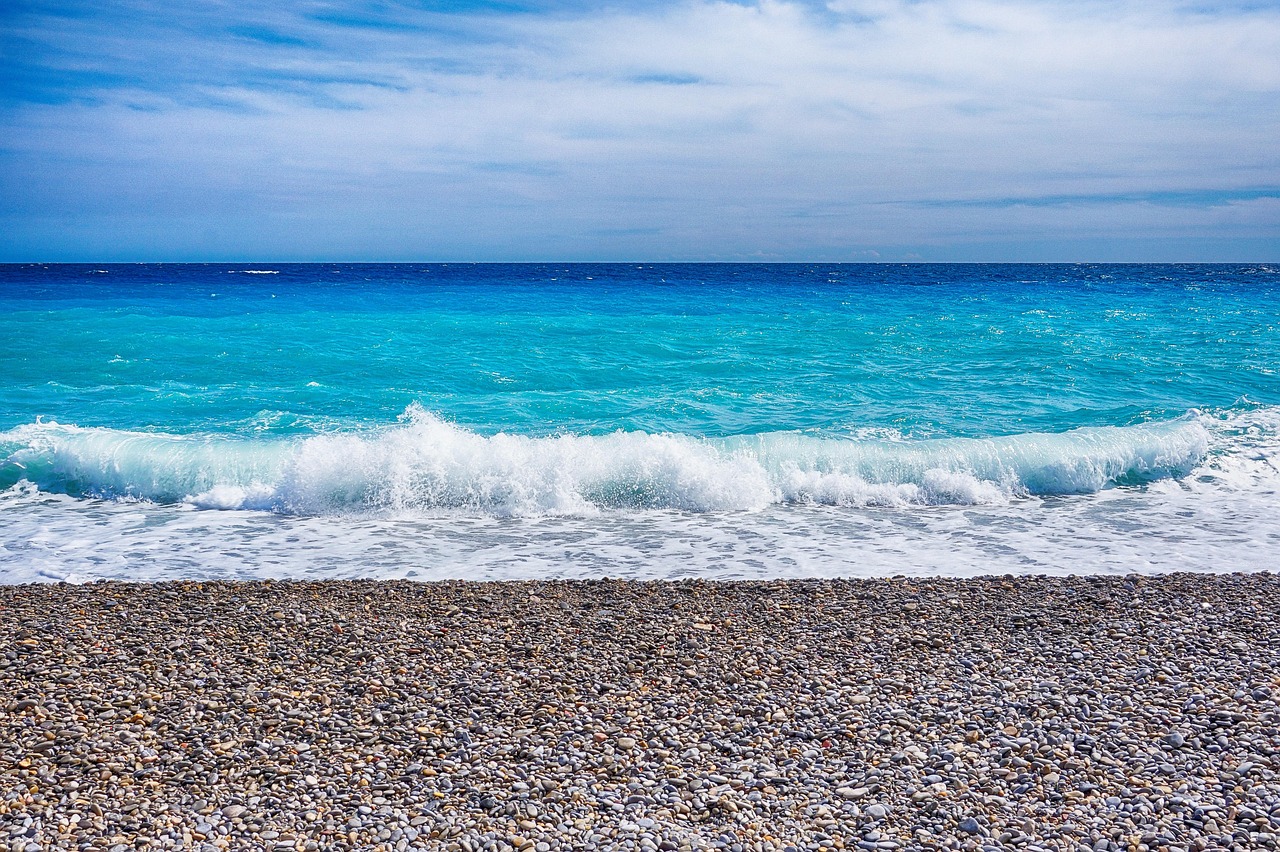
What sets it apart is the way the elements line up: the protective curve of Beaulieu-sur-Mer and Cap d’Ail across the bay, the midday light that turns the water a layered gradient of turquoise and deep sapphire, the pine‑covered headlands that smell of resin and hot stone, and the gentle slope of the seabed that makes it ideal for swimming with children or nervous bathers. On clear winter days you can see snow on the Alps while you float in surprisingly mild water.
In 2026, Paloma Beach is also at an interesting crossroads. The municipality of Saint‑Jean‑Cap‑Ferrat has tightened environmental rules, reduced plastic use at beach clubs, and invested heavily in preserving public access to the coast. The result: slightly fewer sunbeds crammed together, more space for towels on the free section, and a more relaxed, almost old‑Riviera feel.
Whether you’re planning a 3 day itinerary for Paloma Beach focused on quick dips and lazy lunches, or a 5 day itinerary for Paloma Beach that includes hikes, day trips, and cultural experiences, this bay makes an excellent base or anchor point on the Riviera.
Table of Contents
- Why Visit Paloma Beach
- Paloma Beach at a Glance
- 3–5 Day Itineraries for Paloma Beach (2026)
- The 10 Main Beach Sections, Coves & Coastal Spots
- Seafood, Beach Bars & Boardwalk Eating
- Evenings at Paloma Beach
- Best Day Trips from Paloma Beach
- Cultural Etiquette & Local Customs
- Practical Logistics & Travel Advice for Paloma Beach
- Sea Conditions, Safety & Beach Logistics
- Events & What’s New in 2026–2027
- Summary & Best Seasons to Visit
Paloma Beach at a Glance
Location: Eastern side of Saint‑Jean‑Cap‑Ferrat, between Nice and Monaco, in the Alpes‑Maritimes department of southeastern France.
Vibe: Discreet, low‑rise, old‑money Riviera rather than flashy bling. Think linen shirts, floppy hats, families on holiday, couples slipping into the water hand in hand, and the occasional super‑yacht quietly anchoring offshore.
Beach type: Mixed sand and fine pebbles; clear, protected water; mostly calm but with enough movement to feel alive. Public section plus a well‑run private beach club (Paloma Beach) with sunbeds and restaurant.
Best for: Swimming, snorkeling along rocks, long lunches by the sea, relaxed family days, romantic sunsets, and using as a hub for short hikes and nearby coastal towns.
Less ideal for: Hardcore surfing (this side of the Riviera is generally too sheltered), very late‑night clubbing (head to Nice or Monaco for that), or those who need miles of uninterrupted sand.
3–5 Day Itineraries for Paloma Beach in 2026
Across multiple stays – sometimes solo with a notebook, sometimes with friends, sometimes with my niece in tow – I’ve fine‑tuned what a satisfying 3 day itinerary for Paloma Beach looks like, and how to expand that to 4 days in Paloma Beach and a full 5 days in Paloma Beach without feeling rushed or bored.
3 Days in Paloma Beach – Classic Highlights
Three days is enough to capture the essence of Paloma Beach if you plan well and don’t try to chase every postcard you’ve ever seen of the Côte d’Azur. This is the itinerary I usually recommend to friends visiting for the first time in 2026.
Day 1 – First Swim, Seaside Lunch & Cap Ferrat Promenade
I like to time my arrival so that I reach Paloma Beach mid‑morning, around 10:00, when the light is soft and the sea is mellow. In high summer (July–August) that means beating both the midday heat and the parking crunch; in shoulder seasons, it’s just when the sun starts warming the stones.
Walk down the gentle slope from the small parking area above the beach (or from the bus stop at Port de Saint‑Jean). The first view – the curve of the bay, the pine‑draped cliffs, the tiny specks of Beaulieu and Eze across the water – never fails me. I still stop and take it in as if I haven’t seen it a dozen times.
For your first few hours:
- Settle on the public section at the southern end if you’re happy with a towel and a bit of pebbly texture. The water here is shallow near shore, deepening gradually – family‑friendly and excellent for long bobbing chats.
- Or book a sunbed at the Paloma Beach private club in advance during peak season. Yes, it’s pricey, but if you’re here only three days, one splurge day can be worth it for the soft mattresses, shaded loungers, and full food service.
My ritual is always the same: stash bag, strip down, walk straight into the water without over‑thinking it. It’s cool but not shocking from late May through October, and once you’re in, the clarity is addictive – you can see the white stones on the seabed and silver flashes of fish.
Lunch at the Paloma Beach Restaurant
For lunch, you have two main options right on the beach:
- Paloma Beach Restaurant – The institution. Expect grilled fish, pasta with clams, Niçoise staples, and a few well‑executed “creative” dishes. I still dream about a sea bream I had here in June 2025, simply grilled with lemon, olive oil from a nearby mill, and a side of ratatouille that tasted almost homemade.
- Picnic on the public section – There’s a small grocery and bakery up in Saint‑Jean village. On budget‑conscious trips, I’ll grab a pan bagnat (Niçoise tuna sandwich), cherries, and a cold bottle of rosé (or sparkling water) and picnic right on the stones.
After lunch, the sun hits the water at a different angle; it becomes a sheet of light. This is the perfect time for a slow digestive float or a short snorkel near the northern rocks where small schools of fish gather.
Afternoon – Coastal Walk: Paloma to Saint‑Jean Village
By mid‑afternoon, when the sun is at its harshest, I like to put on a T‑shirt, reapply sunscreen, and head for the Sentier du Littoral, the coastal path circling Cap Ferrat. From Paloma, pick up the trail near the northern end of the beach and follow it toward the lighthouse or back toward the port.
For a first day, I recommend the Paloma – Port de Saint‑Jean – Village loop (roughly 45–60 minutes at amble speed). You’ll get:
- Rocky outcrops where you can watch locals diving with an elegance that comes from years of practice.
- Secret little coves where only two or three people can fit – remember where they are, we’ll return to them later in this guide.
- Views back onto Paloma Beach that put its setting into perspective – you realize it’s a small human mark on a big, wild coastline.
End in the village of Saint‑Jean‑Cap‑Ferrat, where you can reward yourself with a gelato from the modest but consistently good ice cream parlors near the port.
Evening – Port de Saint‑Jean & First Riviera Sunset
Dinner on your first night should be easy and atmospheric. Around the port, you’ll find a string of restaurants offering seafood, Italian, and modern bistro cooking. I often end up at a place where I can sit outside with a view of the masts and slowly changing sky, ordering:
- Socca (chickpea pancake) if it’s on the menu – a Niçoise staple.
- A simple grilled fish or moules marinières (mussels in white wine).
- A glass of local rosé from Provence.
Walk back to your accommodation under the smell of jasmine and pine. The Cap is safe, and the streets quiet down by midnight; the soundtrack is mostly cicadas in summer and distant waves in shoulder season.
Day 2 – Villa Ephrussi, Secret Coves & Beaulieu‑sur‑Mer
On your second day, it’s time to add some culture and variety to your 3 days in Paloma Beach.
Start with a morning visit to the Villa Ephrussi de Rothschild, about 20–25 minutes on foot from Paloma Beach or a short bus/taxi ride. This rose‑colored villa, built in the early 1900s by Béatrice de Rothschild, is perched like a ship on the spine of the Cap, with nine themed gardens cascading down on either side.
I like to arrive right when it opens; in 2025 I watched gardeners misting the rose garden, the scent drifting through the nearly empty paths. Walk through the salons with their tapestries and porcelain, but don’t rush. The magic is in the gardens: the sea views framed by cypresses, the little Japanese garden, the musical fountains that “perform” to classical music every 20 minutes.
Have a coffee or early lunch on the terrace café, which overlooks the bay of Villefranche. It’s touristy, but the view is an undeniable indulgence.
Afternoon – Hidden Coves & Beaulieu‑sur‑Mer
After the villa, head back toward Paloma, but instead of stopping at the main beach, continue along the coastal path toward Pointe Saint‑Hospice. Along this stretch, you’ll discover several small coves and rocky inlets where locals sneak away from the main crowds. These are some of my favorite “hidden gems in Paloma Beach”:
- Calanque des Fosses – A tiny notch in the rocks with just enough space for a few towels. Great for couples and strong swimmers; the drop‑off is quicker here, and the water a deep blue.
- Les Fosses Beach – Longer and quieter than Paloma, with a more local feel and an easy gradient for kids.
Spend a couple of hours exploring and swimming – just keep an eye on the time and your energy if you plan to push on to Beaulieu‑sur‑Mer later.
By mid‑afternoon, make your way to Beaulieu‑sur‑Mer, either by bus from the village or a 30–40 minute coastal walk (for those with stamina and good shoes). Beaulieu has two beautiful beaches – Plage des Fourmis and Plage de la Petite Afrique – each with its own personality (more on these in the beaches section below).
Evening – Dinner in Beaulieu & Night Walk Back
In Beaulieu, I usually aim for an early evening swim at Petite Afrique, then shower off at the public facilities and grab dinner at one of the seafood bistros set back from the beach. The prices are generally a bit lower than on the Cap, and the atmosphere slightly more everyday‑French than resort‑exclusive.
If I’m feeling energetic, I’ll walk back via the coastal route as the sky dims, the sea going from blue to pewter. Otherwise, I hop on the bus back to Saint‑Jean and enjoy a quiet drink on my balcony or terrace.
Day 3 – Villefranche‑sur‑Mer, Boat Time & Farewell Swim
On your final day in a short 3 day itinerary for Paloma Beach, give yourself some boat time and one last unhurried swim at Paloma.
Morning: head to Villefranche‑sur‑Mer, one of the most photogenic harbors on the Riviera. It’s visible from the Cap; the colorful houses seem to spill down into the bay. You can get there in 15–20 minutes by bus or car.
Stroll the old town, duck into the shadowy Rue Obscure, and if you’re interested in history, visit the small Citadelle Saint‑Elme. But don’t over‑schedule; the point here is to leave time for the sea.
Midday – Boat Excursion or Paddleboard
From Villefranche or Saint‑Jean, consider a short boat excursion (2–3 hours) in 2026. Several operators offer small‑group or private tours around Cap Ferrat, with stops for swimming near Paloma and other coves. The experience of seeing Paloma from the water – the strip of white, the umbrella pines clinging to cliffs – ties the whole trip together.
Alternatively, rent a paddleboard or kayak from Saint‑Jean’s port. I’ve spent many afternoons gently paddling from the port to just beyond Paloma, then lying on the board, watching the play of light under the surface while my legs dangle in the water.
Afternoon – Last Hours at Paloma
End where you began: back at Paloma Beach. For a final afternoon, I suggest the public section, with a good book and minimal agenda. Swim whenever the page loses your attention. Listen to the mix of languages around you – French, Italian, English, occasionally Russian or Arabic – and do nothing in particular. That’s a big part of the Riviera’s appeal.
For a farewell dinner, choose between:
- Beachfront sunset meal at Paloma (book in advance in high season).
- Village bistro in Saint‑Jean with a slightly quieter, more local atmosphere.
As you pack, promise yourself you’ll return for a 4 day itinerary for Paloma Beach or even 5 days in Paloma Beach next time – because three days only scratch the surface.
4 Days in Paloma Beach – Deeper Riviera Immersion
A 4 day itinerary for Paloma Beach builds on the three‑day version but gives you breathing room: an extra day to explore Eze or Monaco, or to simply surrender to the slow rhythm of sea and sun.
Day 4 Option A – Eze Village & Eze‑sur‑Mer
On one of my 2024 stays, I devoted a full day to the classic combo of Eze village (perched high above the sea) and Eze‑sur‑Mer (down at water level). It remains my favorite “extra” for those with four days.
Start early; Eze gets crowded. From Paloma, you can drive (about 25–30 minutes), take a bus toward Nice then transfer, or hire a taxi/ride‑share. The village is a warren of stone lanes, galleries, and spectacular viewpoints. Pay to enter the Jardin Exotique at the top; the cactus garden is beautiful but the real reward is the sweeping view of Cap Ferrat and Paloma Beach like a tiny comma on the coastline.
Have coffee or lunch with a view – it will be expensive, but for a one‑off, worth it. Or pick a simple crêperie on a side lane.
In the afternoon, hike down the Nietzsche Path if you’re reasonably fit and have good shoes. It’s steep and rocky, but the descent into Eze‑sur‑Mer is dramatic, with the sea getting closer at every turn. From the station or seafront, you can hop a train or bus back toward Beaulieu and Saint‑Jean, or even pause for a late swim at one of the narrower beaches en route.
Day 4 Option B – Monaco & Nightlife Contrast
If you’re more interested in urban glitz, use your extra day to visit Monaco. From Paloma, Monaco is under 30 minutes by car, or reachable by train from Beaulieu‑sur‑Mer. Spend the day visiting the Oceanographic Museum, wandering the old town, and people‑watching around the harbor.
What I like about doing Monaco as a day trip from Paloma is the contrast. After the neon and polished marble, the muted pine‑green and stone‑gray of Cap Ferrat feel like a balm. If you stay in Monaco for dinner or a drink at one of the famous hotel bars, consider a taxi back – late‑night buses and trains thin out, especially outside high season.
5 Days in Paloma Beach – Slow Travel & Hidden Corners
A full 5 day itinerary for Paloma Beach lets you slow your heartbeat to match the tide. This is how I structure my longer stays, especially in May–June or September–October when the weather is gentle and the crowds thinner.
Day 4 – Do Nothing (On Purpose)
Dedicate your fourth day to what I call “structured idleness.” No major excursions, just a blend of familiar and new micro‑discoveries:
- Return to Paloma Beach at sunrise or just after, when locals walk their dogs and the water is glassy.
- Take a long coffee in the village, eavesdropping (discreetly) on local gossip.
- Explore an alternative swimming spot: perhaps Les Fosses or Les Fourmis in Beaulieu.
- In late afternoon, hike a different segment of the Sentier du Littoral you haven’t yet seen.
I’ve had some of my best travel days doing “nothing” on Cap Ferrat – watching the light change, reading a book front‑row to the sea, letting the place sink in.
Day 5 – Antibes or Nice Old Town & Final Feast
For your fifth day, choose between:
- Nice Old Town – Stroll the Promenade des Anglais, explore the flower market at Cours Saleya, climb to the Castle Hill for panoramas, and sample street food like socca and pissaladière.
- Antibes – A bit further, but the old town and ramparts overlooking the sea have a romantic, slightly bohemian charm. The Picasso Museum is a bonus if you like art.
Return to Paloma or Saint‑Jean for a final feast – maybe ordering that whole grilled fish or shared seafood platter you’ve been eyeing all week. Toast the bay at sunset, then take one last night walk along the port.
The 10 Main Beach Sections, Coves & Coastal Spots Around Paloma Beach
Beyond the main arc of Paloma itself, the surrounding headland hides a mosaic of coves and neighboring beaches, each with its own character. I’ve swum in all of these over the years, in all kinds of weather. Below you’ll find a personal “sub‑article” on each of the 10 most prominent spots, with practical tips as well as history and anecdotes.
1. Paloma Beach (Plage de Paloma) – The Iconic Crescent
Best for: Classic Riviera experience, families, couples, easy swimming, beach‑club comfort.
Paloma Beach itself is named (at least according to local lore) after Paloma Picasso, who spent time here with her father Pablo. Whether or not that story is perfectly accurate, the bay certainly carries an artistic quality of light – you feel, looking across the water to Beaulieu and Eze, that you’re inside a painting.
The beach is roughly split into a private section (Paloma Beach club) and a public section. Over the last few summers, the municipality has been stricter about how much of the shore can be occupied by the private operator, in line with national efforts to preserve public access. In 2026, expect a bit more towel space than a decade ago, especially outside the peak of July–August.
My ritual here: I like to arrive early, claim a spot on the public section close to the waterline, and swim a few lazy laps parallel to the shore. The water is clear and, sheltered by the headland, usually calm. On days when the wind swings around to the east, you can get small waves and chop – invigorating rather than dangerous for most swimmers.
Food & drink: If I’m in a splurge mood, I book a lunch table at the beach club and order seafood pasta or loup de mer (sea bass) grilled whole and deboned at the table. On thriftier trips, I bring sandwiches from a bakery in Saint‑Jean and grab a coffee from the small kiosk behind the beach.
Access: There’s a small paid parking lot up the hill (arrive before 10:00 in high season) and some street parking in the surrounding lanes. Bus lines from Nice and Beaulieu stop within walking distance at Port de Saint‑Jean; from there it’s a 10–15 minute gentle stroll.
Tips: Water shoes can be helpful for tender feet on the pebbles. For families, stay closer to the central and southern parts of the beach where the slope into the sea is most gradual and lifeguards are usually present in summer.
2. Pointe Saint‑Hospice & Its Coves – Where the Crowds Thin
Best for: Quiet sunbathing, contemplative walks, strong swimmers, couples seeking seclusion.
Walk north along the coastal path from Paloma and you’ll soon reach the rocky promontory of Pointe Saint‑Hospice, crowned by a chapel and a tall Madonna statue watching over the sea. This spot has a quiet, almost monastic feel – fitting, since it’s named after a 6th‑century hermit who lived here.
On one autumn afternoon in 2023, I sat on a flat rock just below the chapel, the sea lapping gently, and watched a lone fisherman patiently casting lines as the sun lowered. No music, no chatter, just the crunch of pebbles as a couple of hikers passed.
The coves here are mostly rocky shelves and tiny indentations rather than proper beaches. They’re wonderful if you like to lie on hot stone and slip into deep water from a ladder or natural ledge. Not ideal for small children or those unsteady on their feet.
Access: Via the coastal path that encircles the Cap. Wear good sandals or trainers; flip‑flops can be treacherous on uneven rock. There’s no direct road access right to the water here, which keeps it quieter.
Food: No services directly at the Pointe. Bring water and snacks if you plan to linger.
3. Les Fosses Beach – Local Favorite on the Quiet Side
Best for: Locals’ vibe, families, budget travelers, peaceful swimming.
Les Fosses sits on the southern side of Cap Ferrat, facing the open Mediterranean rather than the sheltered bay of Paloma. The beach itself is a relaxed mix of sand and small pebbles, backed by a simple promenade and a scattering of modest villas.
When I’m staying on the Cap for more than a few days, I often alternate between Paloma and Les Fosses. The latter usually feels more “everyday”: children building wobbly sandcastles, elderly couples taking slow afternoon dips, teens practicing handstands in the shallows.
History note: Before the Riviera became a magnet for international tourists, places like Les Fosses were very much the domain of Niçois families escaping the city heat. Some older locals still remember summer picnics here in the 1960s, long before Instagram discovered the Cap.
Practicalities: Easier parking than Paloma, fewer umbrellas, no thumping beach‑club soundtracks. There are usually showers and basic facilities in summer. The sea can be a little choppier here on windy days than at Paloma, but still very swimmable most of the time.
4. Plage des Fourmis (Beaulieu‑sur‑Mer) – Belle‑Époque Backdrop
Best for: Easy access, Belle‑Époque atmosphere, families, quick dips between errands or excursions.
At the foot of Beaulieu‑sur‑Mer, Plage des Fourmis unfurls beside a small marina and the elegant façade of the historic Rotonde building. It’s technically outside Saint‑Jean‑Cap‑Ferrat, but feels like an extension of Paloma’s “neighborhood.”
On a practical level, Fourmis is one of the most convenient beaches in the area: close to the train station, with cafés and shops steps away. On aesthetic days, I come here not just to swim but to admire the curve of the bay and the way the Belle‑Époque architecture meets the water.
Family note: The shallow entry and nearby amenities make this great for kids, though the sand is mixed with pebbles. In summer 2025, I watched a group of local teenagers teach a much younger child to snorkel here, patiently showing him how to clear his mask between giggles.
5. Plage de la Petite Afrique – Tropical‑Feeling Escape
Best for: Shade lovers, lush surroundings, long swims, casual picnics.
A short stroll east from Fourmis brings you to Plage de la Petite Afrique, named for its warm microclimate. Palms and exotic plants fringe the back of the beach, giving it a slightly tropical feel despite the pebbly shore.
I often come here on the hottest days of summer, when the shade from the trees provides blessed relief between swims. The water drops off a bit faster than at Paloma, making it excellent for more “serious” swimming – I’ll sometimes do timed laps from one end of the bay to the other.
Tips: Bring water shoes for easier entry and exit. There are both free areas and a couple of small private concessions with sunbeds and snack bars. The vibe is casual, with lots of locals and long‑term visitors.
6. Plage des Marinières (Villefranche‑sur‑Mer) – Postcard Perfect
Best for: Scenic swims, combining beach time with old‑town wandering, photography.
Plage des Marinières is the long sandy/pebbly beach that curves around the bay of Villefranche‑sur‑Mer. From Paloma or Cap Ferrat’s higher viewpoints, you’ll often see it as a pale ribbon at the foot of the ochre and pastel houses of Villefranche’s old town.
Historically, this was the working harbor beach, and fishing boats still dot the water. These days, it’s a mix of locals, day‑trippers from Nice, and cruise‑ship passengers who’ve wandered a little further than the main streets.
I like to come here in late afternoon, when the sun drops behind the houses and the bay glows softly. You can swim, dry off in the sun, then amble up into the old town for a drink or dinner.
7. Port de Saint‑Jean & Tiny Inlets – Everyday Maritime Life
Best for: Short dips, people‑watching, observing local boating culture.
While not a “beach” in the classic sense, the port area of Saint‑Jean‑Cap‑Ferrat has a few small inlets and steps where locals slip into the sea for a quick dip. Early in the morning, you’ll see people in bathrobes emerge from nearby apartments, swim for fifteen minutes, then disappear again – a routine I’ve secretly envied.
These spots aren’t designed for sunbathing or families, but if you’re staying nearby and want a fast, no‑fuss swim, they’re perfect. It’s also where you’ll catch boat excursions and rentals, giving you access to the sea beyond the shore.
8. Anse des Fossettes – Snorkeling Heaven
Best for: Snorkeling, clear water, quieter atmosphere.
Anse des Fossettes is one of my favorite “if you know, you know” spots on the Cap. Tucked between Les Fosses and the southern tip, it’s a small bay with exceptionally clear water and rocky areas that attract fish and marine life.
In 2022, I spent an entire morning here with a mask and snorkel, following schools of small shimmering fish and watching an octopus cautiously emerge from its rocky hiding place. The underwater visibility is usually excellent on calm days.
Access: Via the coastal path; there’s a set of steps down to the cove. Limited space on the shore – arrive early or in shoulder season for a better chance of finding a comfortable spot.
9. The Mini‑Calanques Near Paloma – Pocket‑Sized Wildness
Best for: Adventurous swimmers, rock sunbathers, romantic hideaways.
Between Paloma and the Pointe Saint‑Hospice are several tiny rocky calanques – narrow inlets where the sea has carved into the limestone. They’re often occupied by just one or two couples at a time; you’ll see towels spread on flat rocks and people slipping into deep, jewel‑toned water.
I discovered my favorite of these by accident in 2019, when I followed the sound of laughter down a side path and emerged onto a shelf big enough for four or five people. We all shared the space in unspoken agreement, taking turns jumping from the higher rock into the water.
Warning: These spots are unguarded and can be tricky on windy or rough‑sea days. Only for confident swimmers and those surefooted enough to navigate steep, sometimes crumbly paths.
10. Paloma at Sunrise & Sunset – The Same Beach, Different Souls
Best for: Photographers, romantics, contemplative travelers.
It might feel like cheating to list Paloma twice, but dawn and dusk transform it so completely that they deserve their own entry.
At sunrise, especially outside peak season, Paloma is almost empty. I’ve come down on chilly March mornings to find only a dog walker and a lone swimmer slicing through the misty water. The light is silvery, the sounds muted; the beach feels introspective.
At sunset, the mood is very different: soft golden light, people lingering over drinks at the restaurant, teens gathering in small groups at the far ends of the beach. The sun sets behind the hills, not directly over the sea, but the sky still warms into peaches and pinks reflecting off the water.
If you’re here on a romantic trip, plan at least one sunset swim followed by a beachfront dinner. If you’re a photographer, this is your prime hour.
Seafood, Beach Bars & Boardwalk Eating Around Paloma Beach
On the Riviera, the sea isn’t just for swimming; it’s for eating. The trick around Paloma Beach is distinguishing the postcard‑priced tourist traps from the places locals actually frequent, and knowing when it’s worth paying for the view.
Where Locals Actually Eat
In Saint‑Jean‑Cap‑Ferrat itself, many residents will head slightly away from the most obvious waterfront spots when they’re not in the mood to pay the “view tax.” Within a few streets of the port you’ll find:
- Small bistros and brasseries offering daily fish specials, salade niçoise, and grilled meats at more reasonable prices.
- Pizzerias and Italian trattorias – a legacy of the region’s proximity to Italy – where you can eat well for less than at the beach clubs.
- Bakeries and take‑away spots for pan bagnat, quiches, and pastries – ideal for DIY picnics at Paloma or Les Fosses.
For particularly good value, I’ve often walked or bused into Beaulieu‑sur‑Mer for dinner. The turnover is high enough that kitchens stay sharp, but the atmosphere is more “normal town” than resort enclave.
Beachfront Splurges & When They’re Worth It
Sometimes the view is part of the meal. Around Paloma and the neighboring beaches, there are a few places where I willingly pay more:
- Paloma Beach Restaurant – Don’t expect cutting‑edge gastronomy; expect well‑executed classics, cold rosé, and the feeling of being in the scene. Book for lunch, when the atmosphere is liveliest.
- Petite Afrique beach bars – More relaxed and slightly more affordable, with a real toes‑in‑the‑pebbles feel. Great for sunset drinks and simple grilled fish or salads.
- Villefranche waterfront bistros – A bit touristy, but sitting a few meters from the water as the fishing boats bob is hard to beat.
What to Eat – Local Food in Paloma Beach & Surroundings
Some must‑try regional dishes and specialties:
- Salade niçoise – Tuna (traditionalists insist on preserved, not fresh), anchovies, hard‑boiled egg, tomatoes, olives, and crunchy vegetables. Avoid versions with cooked potatoes and green beans if you want the purist experience.
- Pan bagnat – Essentially a salade niçoise in sandwich form, on a round olive‑oil bread. Perfect beach food.
- Socca – Thin chickpea pancake baked in a wood‑fired oven, best eaten hot with lots of black pepper.
- Pissaladière – Caramelized onion tart topped with anchovies and olives.
- Grilled whole fish – Sea bream, sea bass, or local catches, often simply prepared. Ask what’s freshest that day.
- Aioli – Garlicky mayonnaise served with boiled vegetables and fish; some weekend lunches in the area revolve around this dish.
Saving Money on Food & Drink
Paloma Beach and Cap Ferrat are undeniably pricey. A few tricks I use to keep costs reasonable:
- Self‑cater breakfast and sometimes lunch if your accommodation has a kitchenette. Local supermarkets and markets have excellent produce.
- Picnic at least a couple of beach days instead of always eating at beach clubs.
- Make lunch your main meal – some restaurants offer better value menus at midday.
- Drink carafes of water and house wine instead of bottled or branded options; in France, a carafe d’eau should always be free.
Evenings at Paloma Beach – From Golden Hour to Quiet Nights
Evenings around Paloma have a very particular rhythm. This isn’t Ibiza: there are no giant clubs or all‑night beach parties. Instead, the energy shifts from sun‑worship to strolls, dinners, and low‑key gatherings.
Sunset Rituals
On calm days, I like to take a last swim around 18:00–19:00, when the heat has softened and the sky starts to bronze. The water often feels warmer relative to the air at this hour, and the crowds thin as day‑trippers drift away.
After drying off, I’ll either:
- Head to the Paloma Beach bar for an aperitif (rosé, spritz, or a local vermouth) with olives and a sea view.
- Walk the port of Saint‑Jean, watching families and couples choose their dinner spot while kids ride scooters along the quay.
Beach Bars & Low‑Key Clubs
There are no mega‑clubs right on Paloma, but you’ll find:
- Chill lounge music and occasional live acts at beach bars in Beaulieu and Villefranche in summer.
- Wine bars and small cocktail spots in Saint‑Jean village catering to a mostly 30+ crowd.
- Livelier nightlife in Nice and Monaco, easily reachable by taxi or late train if you want a bigger night out.
Bonfires & Night Swims
Open bonfires are generally not allowed on beaches in this part of France due to fire risk and environmental regulations. You might see small candle set‑ups for special events at private beach clubs, but don’t plan to build your own fire on the public section.
Night swims are a romantic idea, and I confess I’ve dipped in after dark more than once, but do so cautiously: no lifeguards, reduced visibility, and often more boat traffic near the shore. Stay close in, avoid swimming alone, and be aware that it’s technically discouraged in some areas.
Day Trips & Nearby Attractions from Paloma Beach
Paloma is wonderfully placed for short excursions. Within 30–60 minutes you can reach several of the Riviera’s classic destinations, making it easy to combine beach time with cultural experiences.
Nice
Travel time: 20–30 minutes by bus or car, similar by train from Beaulieu.
Highlights: Old town, Promenade des Anglais, museums (Matisse, Chagall), Cours Saleya market.
Tips: Go early to catch the market in full swing, then retreat to Paloma for a late afternoon swim.
Antibes
Travel time: About 45–60 minutes by car or train (from Beaulieu).
Highlights: Old town, Picasso Museum, ramparts, sandy beaches, classic port with super‑yachts and fishing boats sharing space.
Eze & Eze‑sur‑Mer
Covered above in the 4‑day itinerary: a perfect mountain‑meets‑sea day.
Monaco
Travel time: 25–30 minutes by car; 15–20 by train from Beaulieu.
Highlights: Old town, Oceanographic Museum, Casino Square, harbor, luxury shopping and people‑watching.
Inland Hill Villages
If you have a car and want a break from the coast, head inland to villages like Peillon or Peille, perched on rocky outcrops with cobbled streets, fountains, and big views back toward the sea. They’re less famous than Eze but quieter and more authentically lived‑in.
Cultural Etiquette & Local Customs Around Paloma Beach
The Riviera may be international, but it’s still very much in France, with its own social codes. A few guidelines will help you blend in and avoid unintentional faux pas.
Greetings & Politeness
- Always start interactions with a “Bonjour Madame/Monsieur” (daytime) or “Bonsoir” (evening), whether entering a shop, asking a question, or addressing staff.
- A simple “S’il vous plaît” and “Merci, au revoir” go a long way. Even limited French is appreciated if delivered with respect.
Beach Etiquette
- Topless sunbathing is legal and relatively common, though less so than in decades past. It’s generally accepted on both public and private beaches.
- Nudity is not allowed on Paloma or nearby mainstream beaches; dedicated naturist spots are elsewhere on the Riviera.
- Noise: Keep music at a moderate level. Large speakers and “party behavior” are frowned upon, especially on smaller coves.
- Smoking: Many beaches now have designated non‑smoking areas or entire smoke‑free zones; pay attention to signs. Locals are increasingly intolerant of cigarette butts in the sand.
Dining Customs
- In France, lingering is normal. You won’t be rushed to leave your table, but you also usually need to explicitly ask for the bill (“L’addition, s’il vous plaît”).
- Tipping is more modest than in some countries. Service is usually included, but leaving 5–10% for good service, or rounding up the bill, is appreciated.
- Lunch runs roughly 12:00–14:30; dinner starts around 19:30–20:00. Some places close between meals.
Dress Code
- Beachwear is fine on the beach and promenade, but cover up in town. Going into shops or restaurants in just a swimsuit is frowned upon.
- Smart‑casual in the evenings: sundresses, linen shirts, loafers or nice sandals. Very flashy labels are more Monaco than Cap Ferrat.
Practical Logistics & Travel Advice for Paloma Beach (2026)
Getting There
By Air: Fly into Nice Côte d’Azur Airport, about 30–40 minutes from Paloma Beach by car or taxi, or slightly longer by bus/train combo.
By Train: The nearest stations are Beaulieu‑sur‑Mer and Villefranche‑sur‑Mer, both on the coastal line between Nice and Ventimiglia (Italy). From there, take a bus or taxi to Saint‑Jean‑Cap‑Ferrat and Paloma.
Getting Around
- On foot: Once on Cap Ferrat, many places are walkable. The coastal path links several beaches.
- Bus: Regular buses connect Saint‑Jean with Nice, Beaulieu, and Villefranche. In summer 2026, expect increased frequency due to tourism initiatives.
- Car rental: Useful for day trips further afield, but parking can be tight and expensive near Paloma in high season.
- Taxis & ride‑shares: Available but pricier; useful late at night or when connections are sparse.
SIM Cards & Connectivity
France has good mobile coverage around the Riviera. For visitors:
- Buy a prepaid SIM from major providers (Orange, SFR, Bouygues) at airports, city shops, or some supermarkets.
- eSIM options are increasingly available for short stays and can be purchased online before arrival.
- Most hotels, rentals, and many cafés offer free Wi‑Fi.
Visa Requirements & Foreign Driver’s Licenses
France is in the Schengen Area. For many nationalities (EU, UK, US, Canada, Australia, etc.), short stays (up to 90 days in a 180‑day period) are visa‑free, but this can change – always check current rules.
ETIAS: The EU is rolling out the ETIAS travel authorization system; by 2026 it may be required for some non‑EU nationals. Plan ahead.
Driving: Most visitors can drive with their home country license for short stays, but an International Driving Permit (IDP) is recommended and sometimes required by rental agencies, especially if your license is not in Roman script.
Where to Stay – Oceanfront vs Town vs Further Out
- On Cap Ferrat itself (including near Paloma): Most expensive, but walking distance to the beach. Ideal for short stays or special occasions.
- Beaulieu‑sur‑Mer or Villefranche‑sur‑Mer: Good compromise – more accommodation options at varied price points, easy access to trains, short ride or even walk to Paloma.
- Nice: Best for budget variety and nightlife. Slightly longer commute to Paloma (30–40 minutes), but very manageable for a day at the beach.
Money‑saving tip: Stay off‑cap in Beaulieu or Villefranche, then treat yourself to one or two “splurge days” at Paloma with sunbed rentals and long lunches. You’ll get the best of both worlds.
When to Visit – Seasons & Activities
- Late April–June: Ideal for swimming (from late May), hiking, and fewer crowds. Water still cool early on but comfortable by June.
- July–August: Warmest weather and water, but busiest and most expensive. Book everything in advance.
- September–mid‑October: My favorite time – warm sea, gentler sun, and calmer atmosphere.
- November–March: Quiet, some restaurants and beach clubs closed or limited hours, but beautiful for coastal walks and reflective trips. Swimming for the brave.
How to Save Money in an Expensive Area
- Use public transport instead of taxis where possible.
- Stay in nearby towns rather than on Cap Ferrat itself.
- Self‑cater some meals and picnic on beaches.
- Travel in May–June or September for shoulder‑season rates.
- Use the public sections of beaches instead of renting loungers every day.
Sea Conditions, Safety & Beach Logistics at Paloma Beach
Tides & Swell
The Mediterranean has relatively small tidal ranges compared with ocean coasts, so you won’t need to plan your day around the tide. Swell is usually moderate; Paloma’s position in a bay shelters it from larger waves.
Lifeguards & Safety Flags
In summer season, lifeguards are typically present at Paloma and other main beaches during set hours; look for the flag system:
- Green: Safe conditions.
- Yellow: Caution – moderate waves or currents.
- Red: Swimming prohibited.
Always follow their guidance; fines for ignoring red flags are possible, but more importantly, the bays can have localized currents near rocks and harbor entrances even when the sea looks calm.
Jellyfish & Marine Life
In warmer months, especially after certain wind patterns, jellyfish (often mauve stingers) can drift close to shore. Locals check beach reports or simply scan the water before swimming. If there’s a jellyfish warning, lifeguards may put up signs.
A sting is painful but rarely dangerous; ask at the beach for recommended treatment (usually rinsing with seawater, not fresh water, and sometimes vinegar or specific creams). There are no sharks of concern for swimmers in this area.
Equipment Rental
- Sunbeds & umbrellas: Available at Paloma’s beach club and some neighboring beaches. Reserve ahead in July–August.
- Kayaks, paddleboards, snorkel gear: Rentable from operators in Saint‑Jean’s port and some beach concessions.
- Boats: Small motorboats and RIBs available with or without skipper (license required for some). Book in advance in high season.
Sun Safety
The Mediterranean sun is stronger than many visitors expect, especially around midday in summer. Use:
- High‑SPF sunscreen, reapplied after swimming.
- Hats, sunglasses, and cover‑ups during peak hours.
- Shade breaks – duck into cafés or under pines on the coastal path.
Parking Strategy
At Paloma and on Cap Ferrat, parking is one of your main logistical challenges in July–August. My strategy:
- Arrive before 10:00 to find a spot in the small lot above Paloma or on nearby streets.
- Consider parking in Beaulieu or Villefranche and taking the bus or even walking in.
- In shoulder season, parking is easier but still fills on sunny weekends.
Storms & Weather Events
The Riviera can experience intense but usually short‑lived storms, mainly in autumn and occasionally late summer. Heavy rain can cause runoff that temporarily affects water clarity. Serious storms may close coastal paths or beaches for safety; heed local notices.
There is no Atlantic‑style hurricane season here, but climate change has made weather slightly less predictable in recent years. Always check forecasts if planning boat trips or long hikes.
Events & What’s New for Paloma Beach, 2026–2027
While Paloma itself is a small, mostly residential corner of the Riviera, it’s tied into a broader coastline rich with festivals and events. For 2026–2027, keep an eye on:
- Nice Carnival (February 2026 & 2027): One of the world’s major carnivals, an easy day trip from Paloma. Book accommodation early if you plan to attend.
- Nice Jazz Festival (July 2026 & 2027): Brings global and local jazz acts; evenings you can return to Paloma’s quieter nights.
- Monaco Grand Prix (May 2026 & 2027): Expect increased traffic and higher accommodation prices all along the coast during race week. Paloma can be a restful base, but book far ahead.
- Local cultural and food events in Saint‑Jean‑Cap‑Ferrat and Beaulieu – summer music evenings, Provençal markets, and occasional regattas.
- Environmental initiatives 2026: Continued improvements to coastal path signage, waste‑reduction programs at beach clubs, and stricter enforcement of no‑anchoring zones to protect seagrass meadows near Paloma.
Summary & Final Recommendations – When & How to Enjoy Paloma Beach
Paloma Beach is, at heart, a small place. But like many small places on the Mediterranean, its charm lies in repetition: the way you can return to the same curve of shore at different times of day, different seasons, and different stages of your life, and always find it slightly changed.
If you’re planning a 3 days in Paloma Beach trip, prioritize:
- At least one full day based at Paloma itself – swimming, lounging, and a long seaside lunch.
- A coastal walk around part of Cap Ferrat.
- One nearby town, like Villefranche or Beaulieu, for added texture.
For a 4 day itinerary for Paloma Beach, add:
- A cultural day – Villa Ephrussi de Rothschild and either Eze or Monaco.
- More time exploring lesser‑known beaches like Les Fosses or Anse des Fossettes.
For a full 5 days in Paloma Beach, give yourself:
- One day of deliberate idleness – no big plans, just sea, sun, and slow meals.
- Another excursion, perhaps to Nice, Antibes, or an inland village.
Best seasons to visit:
- May–June & September–early October – The sweet spots: warm enough to swim, cool enough to hike, and calm enough to feel like a retreat rather than a circus.
- July–August – For those who thrive on buzz and don’t mind higher prices and hotter days. Book everything early.
- Late autumn to early spring – For writers, walkers, and contemplatives. The sea is chillier, but the coastal paths and quiet harbors are deeply rewarding.
In the end, the best travel guide for Paloma Beach is the one you write for yourself, day by day: an early swim here, a discovered bakery there, a favorite rock on the coastal path where you sit to watch the light. Use this guide as a scaffold, then let the place surprise you. It will.