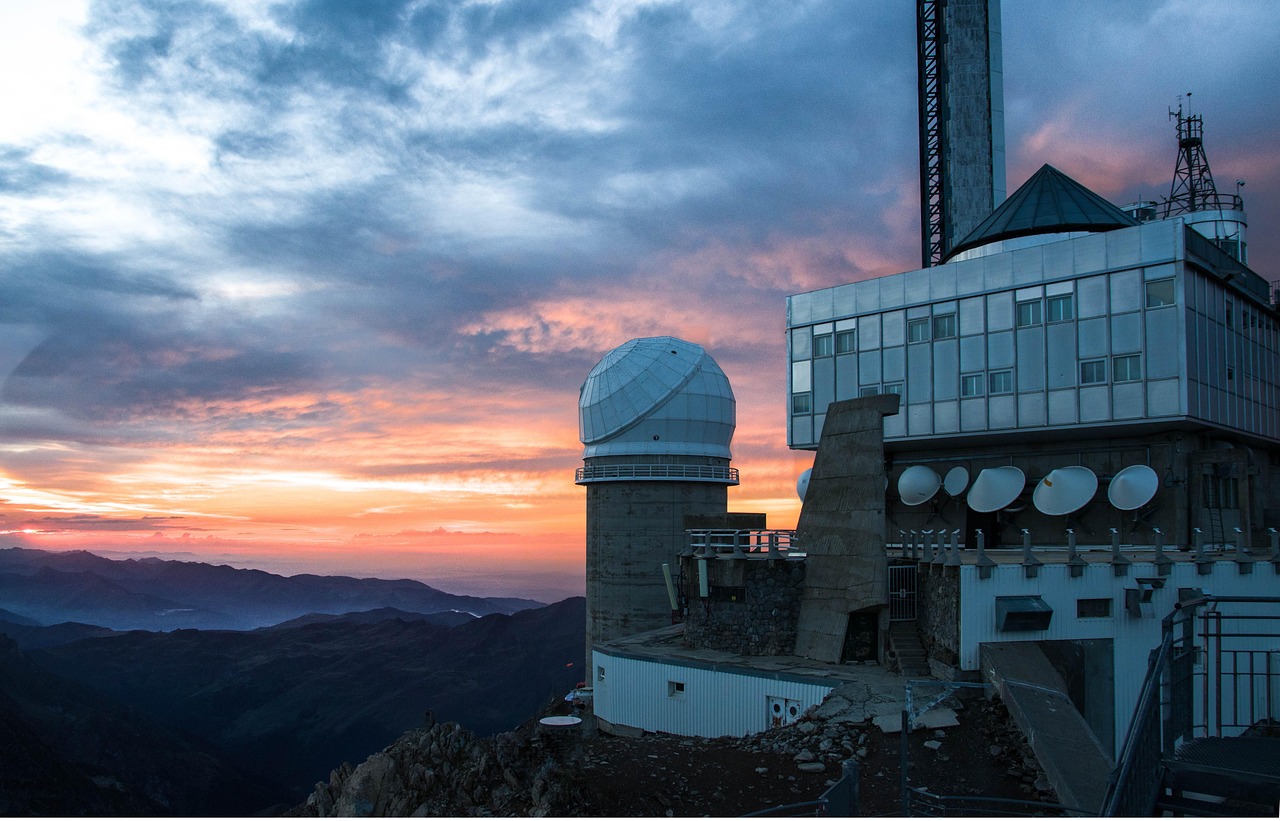
Why Visit Pic du Midi de Bigorre?
I still remember the first time I stepped out of the cable car onto the summit terrace of Pic du Midi de Bigorre. The wind carried the sharp scent of snow, the Pyrenees were spread out in a 360-degree panorama, and for a brief, dizzying moment I forgot to breathe. I’ve returned almost every year since, in every season, and the mountain still catches me off-guard.
Pic du Midi de Bigorre isn’t just another “pretty viewpoint.” It’s a rare combination of world-class observatory, accessible high-alpine peak, and immersive sky experience that works for families, couples, serious hikers, and the merely altitude-curious. You can arrive by cable car in your city sneakers, or hike up along old shepherd trails; you can come for the famous 360° terrace, stay for the sunset and stars, and still be back in your valley hotel before midnight—or sleep in the observatory itself.
What makes Pic du Midi truly special is how close you feel to the elements: the way clouds form and dissolve below your feet, the cold bite of the wind even in August, the silence when the last day-trippers leave and the dome shutters slide open for a night of observing. It’s one of the few places in France where you can experience genuine high-mountain atmosphere without needing crampons and ropes.
This 2026 travel guide for Pic du Midi de Bigorre is written from the perspective of someone who has ridden that cable car in snowstorms, sweated up the trail from La Mongie in July, and once—foolishly—forgot gloves in November. I’ll walk you through a 1 day itinerary for Pic du Midi de Bigorre, options for 2 days and 3 days in Pic du Midi de Bigorre, the must-see attractions, the quieter corners, where to eat and sleep, and all the travel tips for Pic du Midi de Bigorre that locals share with friends, not tour buses.
Table of Contents
- 1. Overview of Pic du Midi de Bigorre
- 2. Main Sections, Viewpoints & Adjacent Sites
- 2.1 Summit Terraces & 360° Panorama
- 2.2 The Ponton dans le Ciel (Sky Bridge)
- 2.3 The Historic Observatory & Museum
- 2.4 Planetarium & Immersive Sky Experiences
- 2.5 Cable Car Journey from La Mongie
- 2.6 Hiking Routes to Pic du Midi
- 2.7 La Mongie Ski Resort & Base Village
- 2.8 Col du Tourmalet & Cycling Culture
- 3. Suggested Itineraries (1–3 Days)
- 4. Eating & Drinking Around Pic du Midi
- 5. Where to Stay Near Pic du Midi
- 6. Pic du Midi After Dark: Sunsets, Stars & Night Stays
- 7. Cultural Experiences & Local Customs
- 8. Day Trips & Nearby Attractions
- 9. Practical Logistics & Tickets
- 10. Getting Around, SIM Cards, Money-Saving Tips
- 11. Best Time to Visit Pic du Midi de Bigorre
- 12. 2026–2027 Events & What’s New
- 13. Summary & Final Recommendations
1. Overview of Pic du Midi de Bigorre
Altitude: 2,877 m • Region: Hautes-Pyrénées, Occitanie, France • Access: Cable car from La Mongie or hiking routes
Pic du Midi rises like a rocky island above the central Pyrenees, its summit bristling with white domes, antennae, and terraces. Since the late 19th century it has been a pioneering site for astronomy and atmospheric research, famously used by NASA in the 1960s to photograph the Moon. In 2003 it opened fully to the public, and has since evolved into one of France’s most atmospheric “grand sites.”
Unlike many famous peaks, you don’t need technical skills to enjoy it. The cable car from La Mongie whisks you up in two stages, from around 1,800 m to 2,877 m, in about 15 minutes. The ride itself is part of the spectacle: you cross steep gullies, ski slopes, and finally a vertiginous last section that seems to fly straight into the rock.
On top, a network of terraces, walkways, and indoor galleries guides you between viewpoints, the Ponton dans le Ciel glass walkway, the Museum of the Pic, a planetarium, restaurant, bar, and even overnight rooms inside the observatory. The site is compact enough to traverse in an hour, but rich enough to keep you occupied all day and night.
For me, Pic du Midi is at its best in contrast: combining a morning at the summit with an afternoon in a valley spa, or a day of hiking with a night of stargazing. It works as a stand-alone 1 day in Pic du Midi de Bigorre highlight, or as the anchor for a 2 day or 3 day itinerary exploring the surrounding Bigorre region: Bagnères-de-Bigorre, the Col du Tourmalet, the pastoral Campan valley, and the pilgrimage town of Lourdes further west.
2. Main Sections, Viewpoints & Adjacent Sites
2.1 Summit Terraces & 360° Panorama
If you close your eyes and picture Pic du Midi, you’re probably seeing the main summit terrace. It’s the iconic image: a wide platform circling the observatory buildings, with the Pyrenees rolling away in jagged waves and, on very clear days, the faint line of the Atlantic to the west.
On my most recent visit in late September 2025, I stepped out just before opening time on the first cable car. The air was razor-sharp, the kind that makes you grateful for every layer you remembered to bring. The terraces were almost empty; just a handful of photographers setting up tripods and a family from Toulouse whispering “regardez, les nuages sont sous nous.”
What to look for:
- South-facing terrace: The classic photo spot, with views over the Néouvielle massif and its string of glacial lakes. On very clear days, you can pick out the Vignemale and even Aneto in Spain.
- North-facing terrace: Often less crowded. Look down towards Bagnères-de-Bigorre, the rolling foothills, and beyond to the plains of Gascony.
- Orientation tables: The panels are genuinely helpful, not just decorative. I’ve spent half an hour at a time using them to trace the route of the GR10 and imagine future hikes.
- Winter vs. summer: In winter, everything feels sharper: the contrast of white slopes and dark rock, skiers like ants on the La Mongie side. In summer, the palette shifts to greens and blues, with more visible lakes and trails.
How long to spend: Don’t rush this part. Allow at least 45–60 minutes just for the terraces, ideally broken into several short visits at different times of day. The light changes continuously; midday isn’t photogenic, but the shadows help you read the landscape.
Personal tip: The wind can be brutal even on apparently calm days. My rule now is: always bring a hat that won’t blow off, a windproof layer, and gloves from October to May. Even in July, I’ve seen people retreat inside after ten minutes because they underestimated the chill at 2,877 m.
2.2 The Ponton dans le Ciel (Sky Bridge)
The Ponton dans le Ciel is Pic du Midi’s little shot of adrenaline: a glass-floored viewing platform that juts out from the terrace into thin air, leaving 1,000+ meters of nothingness between your boots and the slopes below.
When it first opened, I thought it sounded gimmicky. Then I stepped onto it on a clear January afternoon and felt my stomach drop in the best possible way. The glass creaks slightly under your weight (deliberately, they tell you), and you have this disorienting mix of fear and elation as you stare straight down at the cliff.
Good to know:
- There’s usually a small queue in high season. It moves quickly, but if you want photos without strangers, aim for early morning or just before closing.
- It’s included in the standard summit ticket—no extra fee.
- Kids love it, but some freeze up. I’ve watched patient parents coax children onto the glass step by step. If you or your child are very afraid of heights, you can absolutely skip it and still enjoy the rest of the summit.
Photography tip: Have someone stand on the glass while you shoot from the terrace, capturing both the person and the void below. Use a wide-angle lens if you have one. Avoid strong mid-day sun if you can; reflections on the glass are intense then.
2.3 The Historic Observatory & Museum
Behind the terraces, the observatory buildings give Pic du Midi its distinctive silhouette. These aren’t just props: the site is still an active research station used by astronomers and atmospheric scientists. As a visitor, you don’t enter the working domes, but you do get access to a surprisingly rich museum trail.
In October 2024, I spent a rainy, cloud-choked afternoon entirely inside the observatory complex, and it was one of my favorite visits precisely because I couldn’t see anything outside. I took my time reading about the early expeditions that hauled the first telescopes up by mule, the workers who spent entire winters up here before the cable car, and the role of Pic du Midi in mapping the Moon’s surface ahead of the Apollo missions.
Museum highlights:
- Historical exhibits: Old photographs, instruments, and letters. There’s a wonderful series of images showing how the site grew from a single stone building to today’s complex.
- Atmospheric science section: Clear, visual explanations of why the sky here is so dark and stable, and how that benefits both astronomy and climate research.
- Hands-on displays for kids: Simple experiments with light, lenses, and weather patterns. On my last visit, a group of children from Pau were fiercely debating black holes in front of a display; it’s that kind of place.
How long to spend: 60–90 minutes if you enjoy science and history. Even if you’re not a museum person, give it at least 30 minutes; it deepens the whole experience and is a perfect refuge if the weather closes in.
Accessibility: The internal route is mostly step-free with elevators, though some older sections have narrow corridors. Staff are generally helpful if you need assistance moving between levels.
2.4 Planetarium & Immersive Sky Experiences
One of the most recent additions is the planetarium dome, tucked within the observatory complex. It’s a full-dome projection theatre that takes you through the night sky as seen from Pic du Midi, often with live commentary by an astronomer or trained guide.
On a chilly March evening in 2025, after a sunset that fizzled into cloud, I ducked into the last planetarium session of the day. Lying back in the reclining seats, I watched as constellations unfolded above me, matched to the real-time sky outside. The guide, a soft-spoken astrophysicist from Toulouse, layered in stories of Greek myths with hard science in a way that was entirely unpretentious.
Why it’s worth it:
- It’s the best way to understand what you’re actually looking at when you go out on the terrace at night.
- Shows run in French, with some sessions in English during high season—check the day’s schedule at the info desk.
- It’s perfect for families and for anyone who wants a break from the wind.
Booking & timing: Some sessions are included in special “astronomy evenings” or overnight packages; others can be added to a standard visit for a small fee. In high summer, book your slot early in the day; they do fill up.
2.5 Cable Car Journey from La Mongie
The cable car is more than transportation; it’s the opening act. I actually recommend thinking about your Pic du Midi de Bigorre tickets and tips starting from the valley, because how and when you ride the cable car shapes your whole day.
The journey runs in two sections:
- La Mongie (1,800 m) → Taoulet mid-station: This leg skims over ski slopes and summer pastures. You’ll see marmots in late spring if you look carefully.
- Taoulet → Pic du Midi (2,877 m): The dramatic part. The ground drops away, the pylons get taller, and the summit suddenly feels very, very close.
On a clear morning in June 2023, I rode up with a cabin full of road cyclists who had just climbed the Col du Tourmalet. They were still in Lycra and cleats, shivering slightly in the air-conditioned gondola, trading stories about gradient percentages while filming the ascent through the glass.
Seat strategy: Board early and head for a corner if you want the best views. Going up, the side facing west gives you a spectacular reveal of the summit in the second section; coming down, stand on the south side to look back at the terraces receding into the sky.
Vertigo warning: If you’re nervous about heights, stay towards the center of the cabin and avoid looking straight down during the last section. I’ve accompanied friends who were terrified at first, and all of them managed fine using this approach.
2.6 Hiking Routes to Pic du Midi
While most visitors arrive by cable car, the old routes to Pic du Midi are still there, threading their way up from the valleys. Hiking gives you a very different relationship with the mountain: you feel the altitude in your legs, smell the wild thyme crushed underfoot, and arrive on the terraces with a quiet sense of having earned it.
I’ve hiked up three times now, twice from the Tourmalet side and once via the long ridge from the east. My favorite is still the Tourmalet → Col de Sencours → Pic du Midi route on a clear September day, when the high pastures are turning golden and the summer crowds have thinned.
Main hiking options:
- From Col du Tourmalet: Classic, moderately strenuous route. Allow 3–4 hours up, 2–3 down. Marked but exposed in bad weather.
- From La Mongie: Steeper but more direct paths follow ski runs and service tracks. Less charming, more utilitarian, good for fit hikers who just want to gain elevation.
- From Campan/Bagnères side (longer routes): For experienced walkers wanting a full-day outing with big elevation gain.
Important: Hiking to the summit is a real mountain outing, not a scenic stroll. Weather deteriorates quickly, and there’s limited shelter above the mid-altitude cols. I’ve turned back once when a harmless-looking cloud bank turned into sleet in under twenty minutes.
Tips for hikers:
- Start early; aim to be on the summit by late morning at the latest.
- Check the bulletin météorologique montagne for the Pyrenees before setting out.
- Carry layers, hat, gloves, and plenty of water—even if it feels cool at the car.
- Consider taking the cable car down if your knees are sensitive; there are combination tickets and one-way options.
2.7 La Mongie Ski Resort & Base Village
La Mongie is the functional base for Pic du Midi: a purpose-built ski resort with a cable car station, parking, rental shops, and a mix of apartment blocks and small hotels. It’s not the prettiest Alpine village you’ll ever see, but it’s convenient, snow-sure in winter, and increasingly lively in summer.
Over multiple visits, I’ve come to appreciate La Mongie for what it is: a practical hub. I’ve had my skis waxed at 8 a.m. in January and bought sunscreen at 7 p.m. in August; I’ve sheltered in a café during a sudden summer storm and watched Tour de France fans camp out in motorhomes the night before a mountain stage.
La Mongie in winter: Busy, with a strong family-ski vibe. Pic du Midi is integrated into the Grand Tourmalet ski area; advanced skiers can book guided off-piste descents from the summit.
La Mongie in summer: Calmer, but there’s a growing scene of hikers and cyclists. A handful of restaurants stay open, and terrace life unfolds around the cable car station.
Family-friendly note: For families planning 1 day in Pic du Midi de Bigorre, staying in La Mongie is extremely convenient: you can walk to the cable car, nip back to the hotel if a child is cold or tired, and still be close to nature.
2.8 Col du Tourmalet & Cycling Culture
Just below La Mongie lies the Col du Tourmalet, one of the most legendary passes in Tour de France history. The road snakes up from Luz-Saint-Sauveur to the west and from Sainte-Marie-de-Campan to the east, topping out at 2,115 m beneath the gaze of Pic du Midi.
If you’re a cyclist, riding the Tourmalet then visiting Pic du Midi the same day is a kind of pilgrimage. I’ve done it twice, once from each side, and both times I rewarded myself with a beer on the summit terrace, watching later riders zig-zag their way up the distant hairpins.
Non-cyclists: Even if you never intend to climb it on two wheels, driving the pass is an experience. There’s a statue of a cyclist (“Le Géant du Tourmalet”) at the top, and in summer the road shoulder is lined with painted messages to Tour heroes.
Time to allow: 30–45 minutes for a photo stop at the col if you’re driving through; half a day to a full day if you’re cycling one side. Combine with a late-afternoon or sunset cable car to Pic du Midi for an unforgettable combo.
3. Suggested Itineraries (1–3 Days)
Depending on your time and interests, you can experience Pic du Midi in different depths. Below are realistic, field-tested itineraries for 1 day, 2 days, and 3 days in Pic du Midi de Bigorre, structured to mix iconic sites with quieter moments, and tailored to different travel styles.
3.1 1 Day Itinerary for Pic du Midi de Bigorre
This 1 day itinerary for Pic du Midi de Bigorre is perfect if you’re short on time but want to see the must-see attractions, from the summit terraces to the observatory, with a taste of local food and a flexible ending that can be family-friendly, romantic, or adventurous.
Morning: Early Cable Car & First Look at the Summit
On my last “test run” of a 1-day plan in July 2025, I based myself in Bagnères-de-Bigorre and drove up early, reaching La Mongie by 8:30 a.m. The sky was deep blue, with just a few high cirrus clouds—perfect conditions.
08:30–09:00 – Arrival in La Mongie
- Park in one of the main lots near the cable car. In high season, the earlier you arrive, the closer you park and the less time you spend queuing.
- Pick up pre-booked tickets or buy on-site (for summer weekends and school holidays, I strongly recommend booking online the day before).
- Grab a quick coffee and croissant at a café just off the main square. I usually avoid the absolute closest spot to the cable car and walk 2–3 minutes into the village, where prices and atmosphere are friendlier.
09:00–10:00 – Cable Car to the Summit & Acclimatization
- Board one of the first cable cars up. You avoid the day-tripper crowds and get softer morning light on the terraces.
- At the summit, take ten minutes just to acclimatize. The altitude hit is real; walk slowly, breathe deeply, and don’t immediately sprint for every viewpoint.
10:00–11:30 – Summit Terraces & Ponton dans le Ciel
Use your first summit window to circle the terraces while the light is still low. Head straight for the south-facing terrace, and then to the Ponton dans le Ciel before queues build.
I like to do a full 360° loop, pausing at each orientation table. Bring binoculars if you have them; you can spot ski lifts, lakes, and distant passes. This is also a good time for family photos and couple shots—everyone’s fresh and excited, and the sun isn’t yet directly overhead.
Late Morning: Observatory Museum & Coffee with a View
11:30–13:00 – Museum & Indoor Exhibits
Late morning is ideal for the museum trail. As outside light gets harsher, slip indoors and work your way through the historical exhibits. This is especially good for families; kids have usually burned off some energy on the terraces and can now engage with interactive displays.
On my July visit, I spent almost an hour just in the section about early expeditions, fascinated by the logistics of hauling massive telescopes up before the cable car existed. It gives you a real appreciation for the infrastructure you’re casually riding today.
13:00–14:00 – Lunch at the Summit or Picnic
- Restaurant option: The summit restaurant offers hot dishes, daily specials, and local touches (think garbure soup in winter, hearty mountain platters year-round). Book a window table in advance if you can—by 13:00 it’s busy.
- Picnic option: My personal favorite is to bring a simple picnic from the valley—baguette, cheese from the market in Bagnères-de-Bigorre, fruit, maybe a local pâté—and eat it on a quieter corner of the terrace. Officially, you’re asked to avoid picnicking inside the restaurant zones; stick to designated outdoor spots and pack out all rubbish.
Afternoon: Planetarium, Second Terrace Loop & Descent
14:00–15:00 – Planetarium Session (Optional but Recommended)
If there’s an early afternoon planetarium session in your language, this is a good time to slot it in. After lunch, a dark dome and reclining seat can be dangerously nap-inducing, but the shows are engaging enough to keep you awake.
15:00–16:00 – Final Terrace Round & Cable Car Down
Before descending, do one last loop of the terraces. The light has shifted, clouds may have rolled in or cleared out, and you’ll notice peaks you missed earlier. I always take a final five minutes to just stand at the railing and absorb the scale of it all.
Catch a mid-afternoon cable car down to avoid the last rush and to give yourself time for a valley experience.
Late Afternoon & Evening: Valley Experience Tailored to Your Style
How you spend the rest of your day depends on what kind of traveler you are:
- Family-friendly option – Bagnères-de-Bigorre & Thermal Baths: Drive down to Bagnères (about 35–40 minutes). Stroll the town center, grab an ice cream, and, if kids are old enough, visit the Jardins des Bains thermal complex for an hour of warm pools and jets. My niece still talks about the “bubble beds” there.
- Romantic option – Sunset drive & dinner: Time your descent so you can pause at the Col du Tourmalet on the way back, watching the light soften on the peaks, then have dinner in a small inn in Sainte-Marie-de-Campan or Campan village. Candlelit cassoulet after a high-mountain day is a very southwest-French kind of romance.
- Adventurous option – Short hike or bike spin: If you still have energy, do a short trail from La Mongie or rent an e-bike for a spin towards the col. In summer 2024, I finished my Pic du Midi day with a gentle one-hour walk above La Mongie, watching shadows lengthen across the valley.
Return to your base (Bagnères, Lourdes, or La Mongie) by 21:00–22:00. You’ve just packed many of the best places to visit in Pic du Midi de Bigorre into a single day, without rushing too much.
3.2 2 Day Itinerary for Pic du Midi de Bigorre
A 2 day itinerary for Pic du Midi de Bigorre lets you slow down: you can experience the summit in different lights, add a short hike, and explore the Tourmalet or Bagnères area more deeply.
Day 1: Classic Summit Visit & Col du Tourmalet
Follow the morning and early afternoon steps of the 1-day itinerary: early cable car, terraces, museum, lunch, and (optionally) planetarium.
15:00–17:00 – Col du Tourmalet & Pastures
- Descend mid-afternoon and drive or take a bus to the Col du Tourmalet. Stop at the pass for photos with the cyclist statue and for sweeping views back towards Pic du Midi.
- If the weather is good, walk one of the short paths from the col into the surrounding pastures. You’ll likely hear cowbells and see flocks grazing.
Evening – Stay in La Mongie or Campan Valley
Choose between staying in La Mongie (convenient for an early start next day) or down in the Campan valley (prettier scenery, more traditional inns). In 2023, I stayed at a family-run inn in Sainte-Marie-de-Campan, where dinner was family-style and half the conversation revolved around the Tour de France.
Day 2: Hike, Spa & Local Culture
Morning – Short Hike or Valley Stroll
- From La Mongie: Take a short hike towards the lakes above the resort or along the lower slopes of the Tourmalet. These are moderate trails with big views but without the full summit commitment.
- From Campan/Bagnères: Stroll through the valley, visiting traditional villages like Campan, famous for its carved wooden “mounaques” (figures) that sometimes appear in front of houses and public spaces.
Afternoon – Bagnères-de-Bigorre & Thermal Culture
Head to Bagnères-de-Bigorre, a historic spa town that pairs beautifully with the high-mountain vibe of Pic du Midi.
- Have lunch on a terrace near the central square. Try a garbure (thick cabbage and ham soup) if the weather is cool, or a salad with local cheese if it’s warm.
- Spend a couple of hours at the Jardins des Bains or another thermal establishment. The contrast of hot water and the memory of summit wind is wonderfully soothing.
- Wander the old streets, ducking into patisseries for tourtière, a local flaky pastry often scented with Armagnac.
Sleep in Bagnères or continue to your next Pyrenean destination in the evening.
3.3 3 Day Itinerary for Pic du Midi de Bigorre
With 3 days in Pic du Midi de Bigorre, you can add the magic ingredient that transforms the experience: a night on the summit. You also have time for a proper hike or a deeper dive into local culture.
Day 1: Valley Arrival & Local Life
Arrive in the region and base yourself in Bagnères-de-Bigorre or the Campan valley. Use this day to ease into the altitude and atmosphere:
- Visit local markets (Bagnères has a particularly good one on Saturdays) and stock up on cheese, cured meats, and fruit.
- Do a gentle walk along the Adour river or through nearby forests.
- Have an early dinner in a traditional restaurant, then rest; tomorrow will be big.
Day 2: Summit Visit with Overnight Stay
Morning & Afternoon – As per 1-day itinerary
Follow the classic pattern: early cable car, terraces, museum, and lunch. But this time, instead of descending in late afternoon, you’ll stay on the summit for sunset and night.
Late Afternoon – Quiet Summit Hours
As day-trippers thin out, the summit becomes calmer. This is when I most love to wander the terraces with a camera, watching the shadows deepen in the valleys.
Evening – Sunset, Dinner & Stargazing
- Check into your observatory room (book well in advance; these stays are popular and can sell out months ahead in high season).
- Enjoy a set-menu dinner, often with local specialties. On my last overnight stay, we had duck confit, a cheese plate from the surrounding valleys, and a simple but perfect tart for dessert.
- After dinner, join the guided stargazing session on the terrace. Guides point out constellations with green lasers, and you often get a peek through smaller telescopes set up for visitors.
Wrap up the night by simply standing outside in the cold, listening to the wind and the quiet mechanical hum of the domes. It’s one of the most otherworldly experiences you can have without leaving Earth.
Day 3: Descent, Hike or Cycle & Spa Recovery
Morning – Sunrise on the Summit
Wake up early for sunrise. Even if clouds partially obscure the view, the changing light is worth it. Have breakfast in the observatory dining room, then catch a mid-morning cable car down.
Late Morning & Afternoon – Choose Your Adventure
- Hiker’s option: Take the cable car down only to the mid-station or La Mongie and hike one of the local trails, descending through pastures and forest.
- Cyclist’s option: Arrange to have your bike waiting in La Mongie and ride down one side of the Tourmalet, or even do a loop if you’re very fit.
- Relaxation option: Head straight to Bagnères for another thermal session and a long lunch.
In the evening, either depart the region or spend one final night in the valley, letting your body and mind catch up with the last three days of concentrated mountain magic.
4. Eating & Drinking Around Pic du Midi
Food around Pic du Midi is hearty, rustic, and rooted in the mountains: think confit duck, garbure soup, river trout, and an almost obsessive pride in local cheese and charcuterie.
Summit Dining: Worth It or Tourist Trap?
The summit restaurant is better than you might expect for such a remote location. It’s not cheap, but you’re paying partly for the view. I’ve eaten there three times in recent years—twice for lunch, once for an overnight stay dinner—and the quality has been consistent: solid, comforting dishes, nicely presented, with a few local touches.
What I recommend on the summit:
- Hearty soups and stews in cold weather.
- Simple dishes featuring Barèges-Gavarnie lamb or duck.
- Cheese plates with local tomme and blue cheeses.
If you’re on a tighter budget, bring your own picnic from the valley. Valley bakeries and markets are excellent, and there’s nothing nicer than tearing into a fresh baguette with a wedge of cheese while looking out at 100 km of peaks.
Where Locals Actually Eat Near Pic du Midi
Within a 20–40 minute radius of La Mongie, you’ll find far more characterful places than the immediate cable car vicinity.
- Campan & Sainte-Marie-de-Campan: Look for small inns and auberges along the main road. Many serve set menus at lunch with a starter, main, and dessert for a very fair price.
- Bagnères-de-Bigorre: The town has a lively food scene, from classic brasseries to modern bistros. I often end up at a simple spot near the square serving generous salads, duck magret, and good local wine by the carafe.
- La Mongie (careful selection): While some spots are generic ski-resort fare, there are a couple of places run by long-time locals who care about what they serve. Look for menus featuring garbure, axoa, or “plat du jour” rather than pizzas and paninis.
What to try:
- Garbure: Thick vegetable and ham soup, almost a stew, perfect after a cold summit morning.
- Duck confit: Crispy, rich, and often served with potatoes sautéed in duck fat.
- Sheep’s milk cheese: Often from the nearby valleys; ask for fromage de brebis.
- Tourtière: Local pastry dessert with flaky layers and sometimes a hint of alcohol.
5. Where to Stay Near Pic du Midi
Where you stay shapes your experience. Over multiple trips, I’ve tried most of the main options.
Staying on the Summit
Spending a night in the observatory is the ultimate splurge. Rooms are simple but comfortable, more like a good mountain hut than a luxury hotel, but the real luxury is stepping outside at night into a sky saturated with stars.
- Best for: Couples, serious sky enthusiasts, and anyone wanting a once-in-a-lifetime experience.
- Book: At least 3–6 months in advance for summer weekends and holidays.
La Mongie
La Mongie is for convenience: walkable to the cable car, ski-in/ski-out in winter, and ideal for early or late summit visits.
- Pros: Zero commute, easy parking, ski area access.
- Cons: Architecture is utilitarian; limited nightlife outside ski season.
Campan Valley & Bagnères-de-Bigorre
My personal favorite base is the Campan valley or Bagnères. You trade immediate summit access for charm, greenery, and better restaurant options.
- Campan/Sainte-Marie-de-Campan: Quiet villages with a handful of inns. Great if you love early-morning mist and cowbells.
- Bagnères-de-Bigorre: Spa town with more services, shops, and a pleasant evening atmosphere.
6. Pic du Midi After Dark: Sunsets, Stars & Night Stays
Pic du Midi transforms completely after the last regular cable car goes down. If you can, plan at least one evening visit.
Sunset Visits
Seasonal “sunset” tickets allow you to ride up in the late afternoon and down after dark. I did this in August 2024, arriving around 18:00. The terraces were bathed in warm light, and as the sun dropped, a hush fell over the crowd. The peaks turned pink, then purple, then faded into silhouettes against a glowing sky.
Bring warm layers, even in summer. Temperatures can drop quickly once the sun disappears.
Night Sky & Astronomy Evenings
Special astronomy evenings pair planetarium sessions with guided observation on the terraces. Light pollution is almost non-existent; on clear nights, the Milky Way feels close enough to touch.
Photography-wise, the observatory lights can complicate long exposures, but there are corners of the terrace where you can find relative darkness. Check with staff for areas open to visitors at night.
7. Cultural Experiences & Local Customs
The Pic du Midi area sits in French Occitanie but close to the Basque and Spanish cultural spheres. Locals are proud of their mountain identity, which is shaped by pastoral life, transhumance, and a certain quiet resilience.
Language
French is the main language. English is spoken at the summit and in many tourist-facing businesses, but less reliably in small valley villages. You’ll also see traces of Occitan in place names and signage.
Simple French greetings go a long way:
- Bonjour (good day) when entering shops and restaurants.
- Merci, au revoir when leaving.
Etiquette & Behavior
- On the summit: Don’t lean over railings or climb barriers for photos. It’s dangerous and frowned upon by staff and locals.
- Noise: Keep voices moderate indoors and during guided talks. Night stargazing sessions in particular rely on a certain quiet.
- Dress: Practical and weather-appropriate is key. There’s no dress code, but avoid flip-flops and very light clothing; hypothermia is a real risk in bad weather.
- In villages: Respect private property and farm areas. Close gates behind you when crossing pastureland.
Local Cultural Experiences
- Markets: Weekly markets in Bagnères-de-Bigorre are among the best ways to meet producers and taste local specialties.
- Festivals: Summer village festivals often feature traditional music and dancing. Ask at the Bagnères or Campan tourist offices for current schedules.
8. Day Trips & Nearby Attractions
Pic du Midi can anchor a broader Pyrenean trip. Within 1–2 hours you have several must-see sites.
- Lourdes (approx. 1 hr drive): Major pilgrimage town with the Sanctuary of Our Lady of Lourdes. Even if you’re not religious, the candlelit processions are striking.
- Cirque de Gavarnie (approx. 1.5 hrs): UNESCO-listed natural amphitheater with towering cliffs and waterfalls. A classic family-friendly hike from the village to the cirque base.
- Vallée de Campan & Payolle Lake: Gentle walking, picnicking under pines, and calm lake views with distant peaks.
For each of these, depart early, bring layers, and check weather—mountain conditions change quickly, even at lower altitudes.
9. Practical Logistics & Tickets
Pic du Midi de Bigorre Tickets & Tips
Ticket types (2026):
- Standard return cable car + summit access: Main daytime ticket.
- Sunset / evening tickets: Timed for late-afternoon ascent and after-dark descent.
- Overnight packages: Include cable car, room, dinner, breakfast, and guided astronomy.
- Combination tickets: One-way options for hikers, and combined ski + summit tickets in winter.
Reservations: For peak summer (July–August), weekends, and school holidays, book standard tickets at least a few days ahead if possible. Overnight stays and special events often sell out months in advance.
Opening Hours & Peak Times
Opening hours vary by season; generally:
- Summer: First cable car around 09:00, last descent late afternoon or early evening, plus separate evening/sunset slots.
- Winter: Slightly shorter days, aligned with ski operations.
Check the official website shortly before your trip; times are updated seasonally.
Peak hours to avoid: Late morning to mid-afternoon on sunny weekends and in school holidays. If you want quiet, aim for the first cable car up or visit on a weekday.
Security, Queues & Access
- Security: Bag checks at the cable car station are standard but quick. Large luggage isn’t allowed up; leave it in your car or accommodation.
- Queues: Main queues form at ticket purchase (if you haven’t pre-booked) and boarding. Pre-booking and arriving early drastically reduce waiting time.
- Accessibility: The summit is relatively accessible, with elevators and ramps to most main areas. Some outer terraces may have steps or uneven surfaces; check ahead if you have specific mobility needs.
- Photography restrictions: Personal photography is fine almost everywhere. Tripods may be restricted in certain indoor areas and during guided tours; ask staff if unsure.
10. Getting Around, SIM Cards & Money-Saving Tips
Getting There & Around
- By car: The most flexible option. Roads are well-maintained but can be steep and winding. In winter, carry chains or have winter tires.
- Public transport: Seasonal buses connect Bagnères-de-Bigorre and La Mongie, especially in ski season and peak summer. Schedules are limited; check timetables carefully.
- Car rental: Available in larger towns and cities like Tarbes or Lourdes. Foreign driver’s licenses from most countries are accepted; for non-EU licenses, an International Driving Permit is recommended.
SIM Cards & Connectivity
France has good mobile coverage in towns and on main roads; coverage is patchier in high mountains.
- Buy a prepaid SIM from major providers (Orange, SFR, Bouygues) in larger towns or at airports.
- EU residents can roam under EU rules; non-EU travelers should check roaming costs.
- On the summit, you’ll have surprising but intermittent coverage—don’t rely on it for critical navigation.
Money-Saving Tips
- Visit outside peak school holiday weeks for lower accommodation prices.
- Stay in the Campan valley or Bagnères rather than right at the ski lifts unless you need ski-in/ski-out convenience.
- Bring your own water bottle and snacks to the summit (within reason) to avoid buying everything at high-altitude prices.
- Look for lunchtime formule menus in valley restaurants for good value.
Visa & Entry
Pic du Midi is in France, part of the Schengen Area. Visa requirements depend on your nationality:
- EU/EEA/Swiss citizens: ID card or passport; no visa needed.
- Many other nationalities: Short stays (up to 90 days) may be visa-free; check official Schengen guidelines and French consular sites.
11. Best Time to Visit Pic du Midi de Bigorre
There is no single “best” time; it depends on what you want to do.
Winter (Dec–Mar)
- Best for: Skiers, snow landscapes, dramatic clouds.
- Consider: Very cold on the summit; weather closures more common.
Spring (Apr–Jun)
- Best for: Quieter visits, mixed snow and greenery, wildflowers at lower altitudes.
- Consider: Some hiking routes still snow-covered; weather variable.
Summer (Jul–Aug)
- Best for: Hikers, longer days, families on school holidays.
- Consider: Crowds; book tickets and accommodation early.
Autumn (Sep–Nov)
- Best for: Clear air, golden landscapes, fewer tourists.
- Consider: Shorter days and increasing cold at the summit.
12. 2026–2027 Events & What’s New
As of 2026, Pic du Midi is continuing to expand its role as a hub for astronomy tourism and environmental education.
- 2026–2027 “Nuits des Étoiles” Programs: Enhanced stargazing nights with expanded public telescope access and special talks.
- New Exhibitions (2026): Rotating exhibits in the museum focusing on climate research and satellite observations.
- Dark Sky Protection Initiatives: Ongoing efforts with surrounding communities to reduce light pollution, making night visits even more impressive.
Check the official Pic du Midi website and the Hautes-Pyrénées tourism board for the latest festival dates and any temporary closures or renovations.
13. Summary & Final Recommendations
Pic du Midi de Bigorre is one of those rare places that genuinely lives up to the postcards. Whether you have 1 day, 2 days, or a 3 day itinerary for Pic du Midi de Bigorre, you can tailor the experience to your interests: family-friendly exploration, romantic sunset and stargazing, or full-on hiking and cycling adventures.
Key takeaways for planning:
- Book ahead: Especially for summer weekends, sunset visits, and any overnight stays.
- Dress for altitude: Layers, windproof outerwear, and sun protection are non-negotiable.
- Mix summit and valley: Pair your visit with time in Bagnères-de-Bigorre, the Campan valley, or at least a stop on the Col du Tourmalet.
- Consider time of day: Early mornings and late afternoons transform the views; if you can, catch at least one golden hour.
- Respect the mountain: Weather can change fast; heed staff advice, especially if hiking.
If you love big skies, dramatic landscapes, and the feeling of being suspended between earth and space, Pic du Midi de Bigorre will stay with you long after you descend back into the valleys. In 2026 and 2027, with improved programs and ongoing dark-sky efforts, there’s never been a better moment to go.