Why Visit Pont du Gard? What Makes It Special
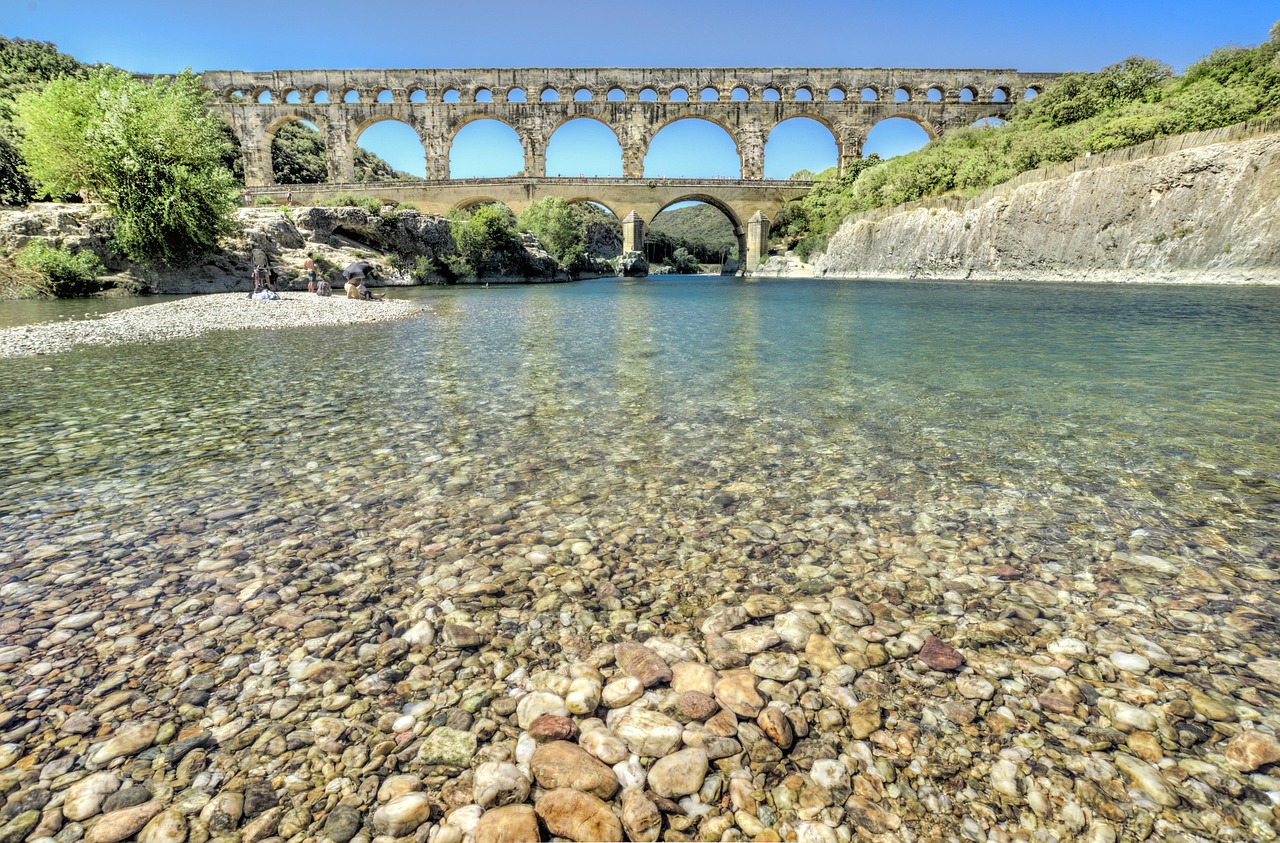
Pont du Gard is one of those places that never looks quite real the first time you see it. The aqueduct’s three tiers of honey-colored stone vault high above the Gardon River, like something sketched by a meticulous dreamer: perfectly proportioned arches, reflections rippling in clear water, olive and oak on the hills behind. I’ve been returning here since my first trip in my twenties, and even now, in 2026, I still instinctively slow down when the first glimpse of those arches appears between the trees.
Most people know Pont du Gard as a UNESCO-listed Roman aqueduct and a classic “must-see attraction in southern France.” That’s accurate, but it doesn’t quite capture the atmosphere. What makes it truly worth your time is the way history, landscape, and daily life still interweave here: locals swimming below a 2,000‑year‑old monument, dragonflies skimming the river at dusk, kids learning to paddle a kayak under Roman stonework that once carried water to Nîmes.
If you’re planning 2 days in Pont du Gard, you can easily see the essential viewpoints, walk the best trails, and enjoy a couple of long, lazy meals. With 3 days in Pont du Gard, you add in villages, vineyards, and a deeper dose of Roman history. And with 4 days in Pont du Gard, this small area becomes a full, slow-burn immersion in Occitanie life: morning markets, hidden river beaches, quiet chapels, and evenings where the aqueduct glows under theatrical lighting.
This travel guide for Pont du Gard is written as I actually move through the site and its surroundings—over several visits, in different seasons, and often at odd hours, when the crowds have thinned and the stone seems to breathe. You’ll find detailed 2–4 day itineraries for Pont du Gard, personal recommendations on local food in Pont du Gard, advice on how to avoid the worst of the tour-bus rush, as well as hidden gems in Pont du Gard and nearby villages that most people speed past on the autoroute.
Table of Contents
- Why Visit Pont du Gard?
- Understanding the Site & Surroundings
- Key Quarters, Monuments & Sites (12 In-Depth Profiles)
- Recommended 2–4 Day Itineraries
- Traditional Cuisine & Where to Eat
- Where to Stay & How to Choose Your Base
- Evenings at Pont du Gard
- Day Trips & Nearby Attractions
- Cultural Etiquette & Local Customs
- Practical Travel Advice & Logistics (2026–2027)
- Events & Festivals 2026–2027
- Summary & Best Seasons to Visit
How Pont du Gard Fits Together: Layout, History & Atmosphere
It helps to think of Pont du Gard not just as “the aqueduct,” but as a small cultural landscape: river valley, scrubby garrigue hills, visitor centers on both banks, old routes connecting to nearby villages, and the ghost of the Roman waterway stretching away toward Uzès and Nîmes.
The aqueduct itself is only one visible moment in a 50‑km engineering project built around 50 CE. Over centuries, the area has shifted from purely functional Roman infrastructure, to medieval curiosity, to 18th‑ and 19th‑century Romantic inspiration (painters, poets, and early tourists), to a 20th‑century road bridge and picnic spot, to the carefully curated heritage park you’ll experience in 2026.
- Left Bank (Rive Gauche): The more developed side, with the main visitor center, museum, cinema, restaurants, and the broad esplanade leading toward the aqueduct. When I come with friends or family, this is usually my starting point.
- Right Bank (Rive Droite): Quieter, wilder, with forest trails, viewpoints above the arches, and access to some of the best river spots. This is where I escape in high season.
- Garrigue Hills: Low, fragrant hills of thyme, rosemary, and evergreen oak on both sides of the river, criss-crossed with walking paths and remnants of the Roman conduit.
- Nearby Villages: Vers-Pont-du-Gard, Castillon-du-Gard, Remoulins, Uzès and a constellation of tiny hamlets. They’re where the living culture sits: weekly markets, family-run bistros, and stone lanes that smell of woodsmoke in winter.
12 Essential Quarters, Monuments & Key Sites Around Pont du Gard
1. The Pont du Gard Aqueduct Itself – The Icon
My first serious encounter with the Pont du Gard was in late September, the kind of evening when the heat finally leaks out of the stone and the cicadas quieten. I remember walking down the esplanade from the left bank visitor center, thinking I knew what I was about to see—I’d seen the pictures. Then the trees parted, the arches appeared, and for a few seconds my internal monologue just stopped.
The aqueduct stands at 48.8 meters high and nearly 275 meters long, a three-tiered stack of perfectly aligned arches. Built under the early Roman Empire, it carried spring water from Uzès to Nîmes with a slope so gentle it fell only 12.6 meters over 50 km. Standing beneath it, looking up, you can still feel the Roman obsession with order and precision.
Best Times to Visit
- Early morning (8:30–10:00): Soft light on the stone, cool temperatures, minimal crowds. I love coming just after opening, walking directly to the riverbank, and watching the arches catch the sun.
- Late afternoon into sunset: The golden hour here is genuinely golden—those warm Gard limestone blocks soak up and reflect light. In summer, families linger on the riverbank while kayaks slide underneath.
- Night (for illuminations and shows): On selected evenings, the aqueduct is lit in changing colors or with projected imagery. Even on regular summer nights, discreet lighting gives it a stately glow.
Practical Tips
- Tickets & Access: In 2026, the standard ticket covers parking, access to the site, the museum, and exhibitions. Check whether any combined tickets are available for guided tours of the upper level; these sell out fast in July–August, so I often book online the day before.
- Footwear: The immediate area is paved, but if you plan to wander the riverbanks or climb to viewpoints, wear sturdy shoes—rocks are smooth and can be slippery.
- Photography: Tripods are generally tolerated outside busy times, but avoid blocking pathways or climbing on any stonework. Drone use is restricted and usually requires prior authorization.
My Favorite Viewpoints
- Under the central arch, left bank side: Stand almost at water level and look up; the perspective exaggerates the height and you can trace the individual blocks.
- Right bank, low trail: Walk a few minutes downstream on the right bank and look back—the aqueduct frames the bend in the river.
- Upper terrace (with guide): If you can, join a guided tour that takes you along the top level. Feeling the wind tug at your clothes while you peer over the parapet is unforgettable.
2. Pont du Gard Museum & Cultural Center (Left Bank)
On my second visit, I made the classic mistake of thinking, “I’ve seen the aqueduct; I don’t need the museum.” I was wrong. The museum on the left bank is one of the better Roman-engineering exhibits in France: tactile, well explained, and mercifully cool on hot days.
The space is semi-subterranean, lit with indirect light, and organized chronologically. You move from the ancient landscape and Roman conquest, through the design and construction of the aqueduct, to its gradual decline and rediscovery by humanists and Romantic travelers.
Highlights
- Scale models that show how the water channel snakes across the landscape, with Pont du Gard as just one crossing among many.
- Construction mock-ups explaining how they lifted and fitted stones without modern cranes. I love the cutaway views showing the precise joints and clamps.
- Interactive exhibits for kids: My goddaughter spent a blissful half-hour building her own miniature aqueduct arch from foam blocks.
- Short film (multilingual, updated for 2026) that gives a visual overview of the aqueduct’s history and preservation.
Tips
- Plan at least 60–90 minutes here, ideally during the hottest part of the day in summer.
- Explanations are in French and English, with some Occitan touches; audio guides fill in more detail if you’re a history buff.
3. Rive Gauche Esplanade & Old Approach Road
The left bank feels like the “front door” of Pont du Gard. Wide pedestrian paths, low stone walls, and carefully framed views guide you from the parking area and visitor center toward the aqueduct.
In the 19th century, carriages would rattle along this approach; now it’s a broad walkway dotted with interpretive signs and a few discreet souvenir stands. In high season, you’ll see school groups, cyclists, and families with strollers all flowing in the same direction, but the space is big enough that it rarely feels overwhelming outside the midday peak.
What I Like to Do Here
- Early-morning coffee: I’ll often grab an espresso at the café near the visitor center and sip it slowly as I walk toward the river, watching the arches emerge.
- People-watching: If you sit on one of the low walls around 10:30–11:00, you’ll see an entire world pass by: German cycling clubs, local retirees out for a stroll, road-trippers with dogs, toddlers in sun hats.
- Orientation stop: This is where I mentally plan my loop—left bank river, cross under the aqueduct, right bank trails, then back via the upper viewpoints.
4. Rive Droite Trails & Viewpoints (Right Bank)
The right bank is my refuge. Once you cross the aqueduct or the modern bridging path and climb a little into the trees, the noise of the esplanade falls away. You’re in a world of pine needles, cicadas, and ancient stonework glimpsed through the foliage.
The trails range from easy riverside paths to slightly steeper climbs up to panoramic viewpoints. In spring, wildflowers—cistus, thyme, occasional orchids—dot the edges; in winter, the bare branches reveal more of the stone.
Favorite Walks
- Riverside loop: From the right bank base, follow the path downstream for 10–15 minutes, then circle back. You’ll find quieter shingle beaches and angles for photography.
- Upper viewpoint trail: Follow the signed route up toward the higher belvedere. The last stretch gives you that classic side-on view of the aqueduct with the wooded hills behind.
- Roman conduit walks: Further afield, longer trails follow traces of the original water channel toward Vers and beyond. I’ve done sections of these in autumn when temperatures are friendlier.
Safety & Etiquette
- Stay on marked paths—both to protect fragile vegetation and to avoid accidents near cliffs or unstable ground.
- In summer, carry water and a hat; shade is intermittent and the white rock reflects heat.
- Wildfires are a real risk; heed any access restrictions in high-risk periods.
5. Gardon River Beaches & Swimming Spots
One of the most disarming things about Pont du Gard is how casual locals are about swimming under a world-famous monument. On hot days from late May to early September, teenagers plunge from the shingle banks, families paddle in the shallows, and kayaks glide by—all in the shadow of the Roman arches.
The water is usually clear and refreshingly cool. On my last July visit, we arrived late morning, spread a towel on the pebbles of the left bank, and spent hours alternating between lazy dips and watching kids engineer elaborate dams with river stones.
Good to Know
- No lifeguards: You swim at your own risk. Currents can be stronger after heavy rain, and river depth varies.
- Footwear: Bring water shoes or sturdy sandals; the pebbles are hard on bare feet.
- Respect the monument: It should go without saying, but don’t climb the piers or lower arches, and don’t wedge yourself into niches for dramatic photos.
- Family-friendly: The left bank upstream shallows are best for small children; always keep them within arm’s reach.
For a quieter swim, I often walk 10–15 minutes up or downstream away from the main cluster. The views may be less “postcard perfect,” but there’s a feeling of sharing the river with just a few locals and dragonflies.
6. Kayaking & Canoeing Under the Arches
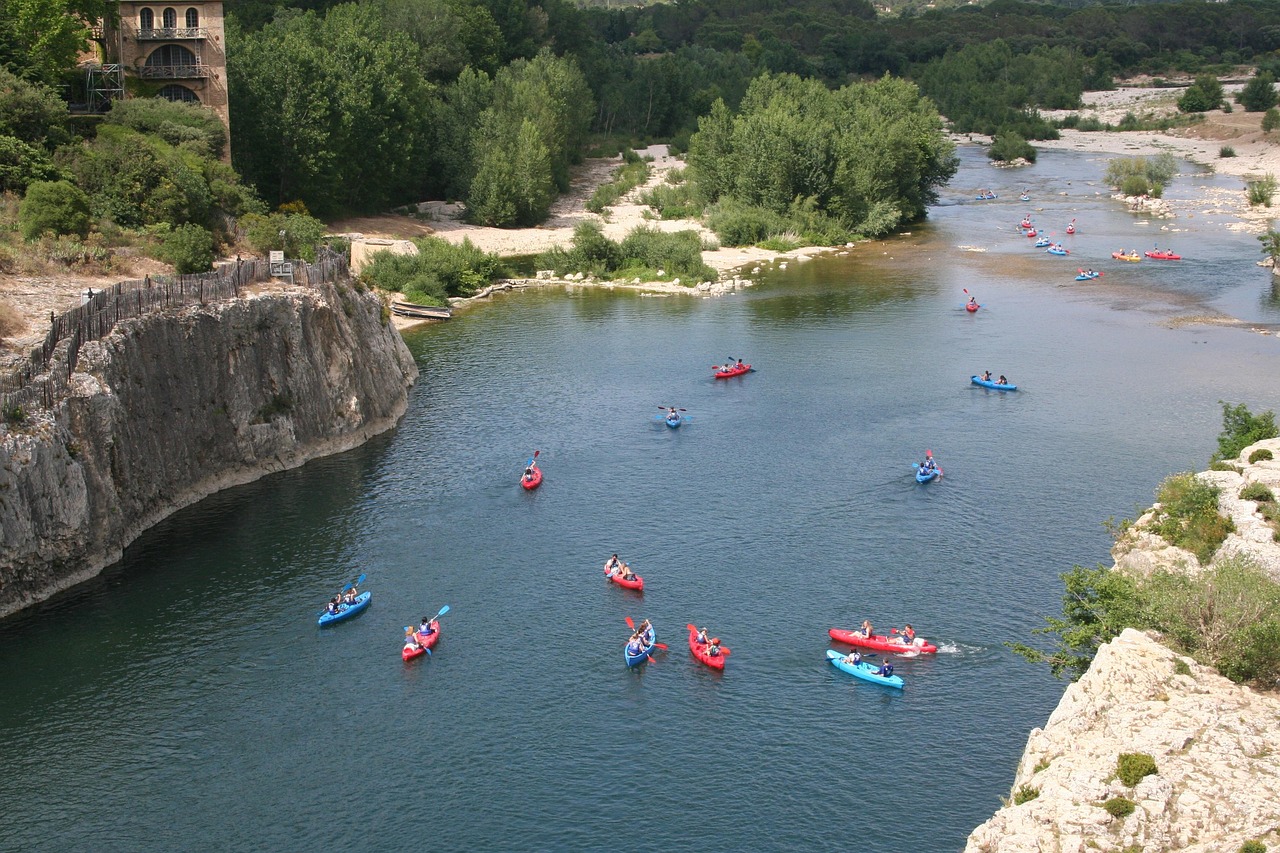
If you like a bit of gentle adventure, kayaking the Gardon is one of the best things to do in and around Pont du Gard. The first time I did it, in mid-June, we set out from Collias on a hazy morning and spent a lazy three hours drifting downstream, punctuated by occasional small rapids and long, flat stretches where we just floated.
Gliding under the aqueduct itself is a surreal moment. You approach on the current, the arches growing from a line on the horizon to a towering colossus. Everyone falls silent as they pass underneath, paddles dripping, necks craned back.
Practical Details
- Starting points: Common departures include Collias, Remoulins, and sometimes Russan for longer runs. Shuttles take you back to your car.
- Duration: Short family-friendly routes can be 2–3 hours; longer ones stretch to 5–6. I like the 3–4 hour runs that give time for swimming stops and a riverside picnic.
- Difficulty: Generally easy, with a few class I–II rapids depending on water level. Lifejackets are provided and expected to be worn.
Tips
- Book in advance in July–August, especially on weekends.
- Bring a dry bag for phones and cameras; most rental outfits provide one, but I like having my own.
- Wear quick-dry clothes and secure sandals (not flip-flops—you’ll lose them at the first rapid).
7. Vers-Pont-du-Gard Village
Vers-Pont-du-Gard is the closest village to the aqueduct, and the one where I often base myself. It’s a compact web of stone houses, leafy squares, and narrow streets that smell of baking bread in the morning and grilled meat in the evening.
While tour buses roar past on the main road heading to the official parking, the center of Vers stays remarkably calm. In 2026, it’s still a village where you’ll see kids playing football in the square and older residents gossiping on benches in Occitan-accented French.
What to See & Do
- Central square: Grab a coffee at the café-bar and watch village life unfold: delivery vans, cyclists, the odd tractor.
- Roman stone quarries: Just outside the village, old limestone quarries showcase where much of the material for Pont du Gard was extracted.
- Evening strolls: In summer, I like wandering the back streets just before dinner time, when everyone has windows open, and snippets of conversation and clinking cutlery drift out.
Eating in Vers
Several small, family-run restaurants specialize in local dishes—think gardianne de taureau (bull stew), brandade de morue (salt cod mash), and seasonal vegetable tarts. These places fill with locals on Friday and Saturday nights, so reserve if you can. They’re the opposite of a coach-tour restaurant: slower, more personal, with menus that change according to what’s at the market.
8. Castillon-du-Gard – Hilltop Vistas & Stone Lanes
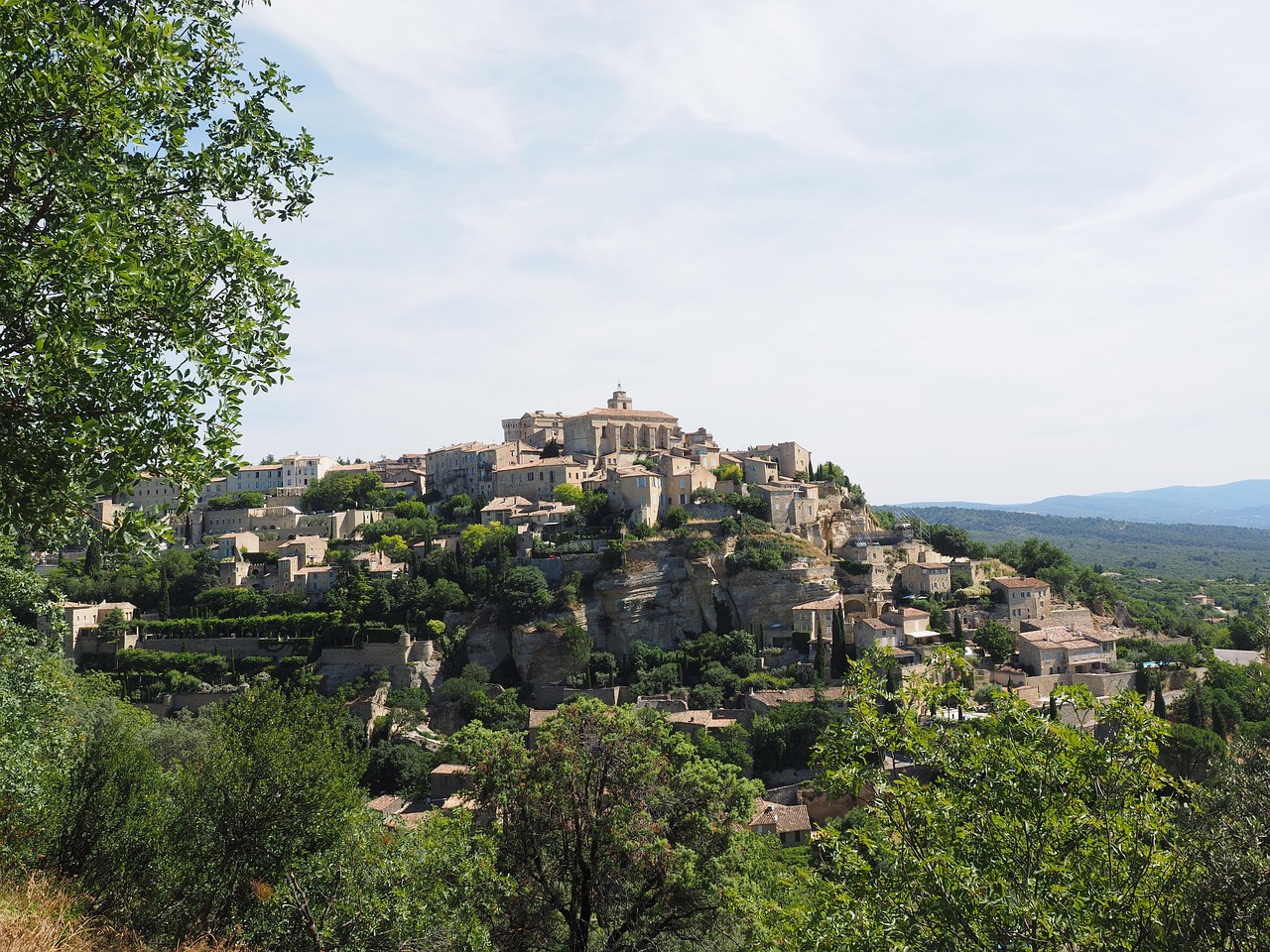
Castillon-du-Gard feels like a village built by a set designer obsessed with warm stone and views. Perched on a hill a few kilometers from the aqueduct, it offers one of the loveliest panoramas in the area—on clear days, you can almost trace the line of the Gardon valley and imagine the aqueduct snaking through it.
I like to come here late afternoon, park below the village, and climb up through the alleys as the sun drops. The houses are built of the same pale limestone as Pont du Gard, with doorways framed by flowering vines and cats dozing on thresholds.
Highlights
- Belvedere viewpoint: A small terrace near the top of the village gives sweeping views across the countryside.
- Atmospheric alleys: Wandering without a plan is half the fun. You’ll find hidden stairways, vaulted passages, and tiny squares.
- Restaurants with terraces: A couple of mid-range and more upscale spots make this an excellent choice for a romantic dinner with sunset views.
Castillon-du-Gard is one of the best hidden gems near Pont du Gard for those who want that classic hilltop-village feel without the intense tourism of places like Gordes.
9. Remoulins – Gateway Town & Local Life
Remoulins is not the prettiest town in the area, but I always end up here at some point: to catch a bus, stock up at the supermarket, or grab a very local lunch. It’s the main gateway town on the Nîmes–Avignon axis, with practical services and a lived-in feel.
There’s a certain charm if you know where to look: a few older streets with 19th‑century façades, a small square where older men play cards in the shade, and bakeries that cater to locals more than visitors.
Why You Might Visit
- Transport hub: Buses from Nîmes and Avignon often stop here before continuing toward the Pont du Gard site.
- Budget eats: Simple bistros and kebab shops provide quick, inexpensive meals—useful if you’re trying to save money while visiting Pont du Gard.
- Markets: Weekly markets bring in producers from the countryside; this is where you’ll see locals doing their serious shopping.
10. Uzès – The Source Town
Uzès sits a short drive north of Pont du Gard and feels like a small, elegant cousin to places like Avignon. Crucially, it’s where the water that once flowed across Pont du Gard originally emerged—from the Eure spring.
I love Uzès enough that I sometimes tack an extra day onto my 3 day itinerary for Pont du Gard just to linger here. The central square, Place aux Herbes, is ringed with arcades and plane trees; on market days (especially Saturdays), it’s a riot of color, smell, and sound: olives, goat cheese, lavender, chestnut honey, linen dresses, and straw baskets.
Roman & Medieval Layers
While Uzès is more medieval and Renaissance in its visible architecture, the Roman heritage lurks beneath. The old bishop’s palace, ducal towers, and streets laid out along older patterns all feel like a palimpsest of centuries.
Why Include Uzès in Your Pont du Gard Trip
- Cultural experiences: Exhibitions, small concerts, and a lively café culture.
- Shopping: Excellent for regional products: truffles in season, pottery, textiles.
- Food: A cluster of bistros and restaurants that focus on local, seasonal fare; ideal for a long lunch after a morning at the aqueduct.
11. The Roman Water Route – Hidden Engineering
Beyond the photogenic arches, the real Roman marvel is the water route itself: a mostly invisible channel that wound from Uzès to Nîmes with exquisite precision. Portions of this conduit can still be traced in the landscape—low walls, tunnels, and carved cuts in rock.
On a cool March day a couple of years ago, a local guide walked me along a stretch near Vers. We ducked under a low stone arch, our footsteps echoing, and he shone a torch along the channel: traces of hydraulic plaster, tool marks, and graffiti from later centuries glowed pale in the beam.
How to Explore
- Guided walks: Look for specialized “Aqueduc de Nîmes” tours from local associations or guides; they’re not heavily advertised but are well worth it.
- Self-guided trails: Maps from the visitor center or local tourist offices mark some accessible sections.
This is one of the most rewarding cultural experiences in Pont du Gard if you’re fascinated by engineering and don’t mind a bit of mud and low ceilings.
12. Night Illuminations & Sound-and-Light Shows
Seeing Pont du Gard at night is like meeting someone you thought you knew in a completely different outfit. The stone that looks sun-bleached and solid by day becomes almost weightless under carefully programmed light.
On my last summer visit, we timed our day so we could stay late for the evening show. As the sky darkened to deep blue, gentle music started, and the arches lit up in warm gold, then cool blue, then patterns that traced the path of water along the conduit. Families sat on blankets by the river, couples leaned against the parapets, and for once, everyone put their phones down for a few minutes to just look.
What to Expect
- Seasonal schedule: Typically summer evenings (July–August) plus special dates. Check 2026 programming in advance.
- Ticketing: Some nights are included in regular site admission; special sound-and-light shows may require separate tickets.
- Atmosphere: Both family-friendly and romantic; bring a light sweater, as the river valley cools quickly after sunset.
Suggested 2–4 Day Itineraries for Pont du Gard (2026)
Below are flexible itineraries drawn from how I actually host friends and family when they come to stay. Each day mixes big sights, quieter corners, and good food. You can compress them into a 2 day itinerary for Pont du Gard or stretch them into a 4 days in Pont du Gard slow escape.
2 Day Itinerary for Pont du Gard – The Essentials
Day 1: First Encounter with the Aqueduct & River
If you have only 2 days in Pont du Gard, this is how I’d introduce you to the site. Think of Day 1 as your relationship-building day with the aqueduct and the river valley.
Morning – Left Bank Arrival & First Views
Arrive by mid-morning, ideally around 9:30. If you’re driving, park in the left bank parking area; if you’re coming by bus from Nîmes or Avignon, you’ll be dropped close to the visitor center.
- Pick up your site tickets; ask about any combined ticket options that include the museum and possible guided tours of the upper level.
- Walk slowly down the esplanade, pausing at the first clear view of the aqueduct. Give yourself a few minutes just to absorb it before reaching for your camera.
I like to walk straight down to the left bank river’s edge, near the main shingle beach. Stand almost at water level and look up—this perspective emphasizes the sheer height of the arches.
Late Morning – Museum & Short Film
By late morning, the sun is higher and the path can get warm, so duck into the museum.
- Allow at least 60–90 minutes to explore the exhibits.
- If you’re traveling with kids, look out for the interactive stations; they’re in both French and English.
- Catch the short film if it’s starting soon; it’s a good way to contextualize what you’ve just seen outside.
Lunch – Casual Bite on the Left Bank
For a simple, quick lunch, the on-site café and snack spots on the left bank do salads, sandwiches, grilled options, and ice cream. They’re not gastronomic highlights, but they’re convenient. I usually opt for a salad and something sugary to fuel the afternoon.
Afternoon – River Time & Rive Droite Walk
After lunch, head back down to the river. Change into swim gear if it’s warm enough; stash your valuables discretely or use a small dry bag you can keep with you.
- Swim or paddle in the river, sticking close to the left bank beach if you’re with children.
- Later, cross over to the right bank via the modern footbridge or by walking under the arches and up the path.
- Follow the riverside trail for 10–20 minutes downstream; find a quieter spot to sit and watch kayaks drift past.
Late Afternoon – Right Bank Viewpoints
Climb one of the well-marked paths to a right-bank viewpoint above the aqueduct. This is where you get that classic postcard angle, with the full span of the bridge set against the hills.
On my last visit, I sat on a flat rock here around 17:30, with a thermos of coffee and a small bag of apricots from the market in Vers. The light softened, the crowd noise receded, and the arches slowly turned from pale cream to glowing amber.
Evening – Dinner in Vers-Pont-du-Gard
Drive or taxi back to Vers-Pont-du-Gard (or your chosen base). For dinner, pick a small, locally patronized restaurant in the village center—your hotel or guesthouse will have a favorite to recommend.
- Try gardianne de taureau if you eat meat, or a tarte aux légumes and a local goat cheese salad if you’re vegetarian.
- Order a carafe of local red or rosé; wines from the surrounding Costières and Coteaux du Pont du Gard appellations are usually excellent value.
Walk off dinner with a slow wander through the lamplit streets. In summer, you’ll hear crickets; in shoulder seasons, just your footsteps and the occasional murmur from open windows.
Day 2: Trails, Hilltop Villages & Optional Kayak
Day 2 of your 2 day itinerary for Pont du Gard is about expanding your radius: seeing the aqueduct from different angles, exploring a hilltop village, and, if you like, taking to the river by boat.
Morning – Right Bank Hike & Roman Conduit
Start early (8:30–9:00) to beat both the heat and the groups. Park again at the official lot or use public transport, but this time, head directly to the right bank trails.
- Follow a signposted loop that takes you above and behind the aqueduct.
- Look for interpretive panels that point out where the Roman water channel continues into the hillside.
- Pause at the main belvedere for panoramic photos.
On cooler days, I sometimes extend this into a longer walk following parts of the old water route toward Vers. The landscape—scrubby garrigue, low stone walls, occasional farmhouses—feels quintessentially Mediterranean.
Late Morning to Early Afternoon – Kayak Excursion (Optional)
If you’re up for a bit of adventure, book a half-day kayak or canoe trip that passes under Pont du Gard. Outfitters will usually schedule departures so you reach the aqueduct around midday or early afternoon.
- Bring sun protection, water, and a hat; the river offers less shade than you might expect.
- Most trips are family-friendly; check age and swimming-ability requirements when booking.
If kayaking isn’t your thing, use this time for a long lunch in Vers or Remoulins and perhaps a leisurely visit back to the river beaches.
Afternoon – Castillon-du-Gard Hilltop Village
By mid-afternoon, drive up to Castillon-du-Gard. Park in the lower lot and climb the cobbled lanes into the heart of the village.
- Wander without a map; every alley seems to end in either a hidden courtyard or a sweeping view.
- Stop at the belvedere and see if you can spot the faint line of the Gardon valley where the aqueduct lies.
Evening – Sunset & Dinner with a View
If your budget allows, treat yourself to dinner at one of Castillon’s restaurants with terraces. Book ahead and try to snag a table outdoors.
- Sit down by 19:30–20:00 in summer to watch the light change over the valley.
- Order something regional—a lamb dish with thyme, or grilled fish with local olive oil—and linger over dessert.
Drive back slowly after dark; the roads are narrow but generally quiet. This is a lovely, low-key close to a 2 day itinerary for Pont du Gard that feels complete but doesn’t try to do everything.
3 Day Itinerary for Pont du Gard – Adding Uzès & Deeper History
With 3 days in Pont du Gard, you can follow the 2-day plan above and add a day devoted to Uzès and the Roman water story in more depth.
Day 3: Uzès, Market Life & The Spring at the Source
Morning – Uzès Market & Old Town
Head to Uzès in the morning, ideally on a market day (Saturday is the biggest, Wednesday more food-focused and local). Park in one of the lots just outside the historic center and walk in.
- Start at Place aux Herbes, where stallholders set up under the plane trees.
- Sample olives, tapenades, goat cheese, and seasonal fruit; vendors are generally happy to offer tastes if you show interest and a few words of French.
- Pick up picnic supplies: bread, cheese, cured meats or marinated vegetables, maybe a small bottle of local wine or juice.
Spend the rest of the morning wandering the lanes: arcaded streets, hidden courtyards, the ducal palace. The town has an understated elegance, more residential than overtly touristic.
Lunch – Café or Picnic
Either grab a table at a café ringed around the square—expect slightly higher prices but excellent people-watching—or carry your picnic to a quieter spot on the edge of town.
Afternoon – The Eure Spring & Roman Water Story
In the afternoon, visit the Eure spring, where the Roman engineers first captured the water that would eventually cross Pont du Gard. The site today is a peaceful park, with clear pools and the remains of ancient channels.
- Walk the paths around the spring, looking for traces of the old captation works.
- Imagine the water leaving here, descending almost imperceptibly toward Nîmes.
Heading back toward Pont du Gard in late afternoon, you’ll have a new appreciation for the aqueduct as just one part of a huge, invisible machine.
Evening – Quiet Dinner Back Near Pont du Gard
Keep dinner simple near your base—perhaps a pizzeria in Vers or a casual bistro in Remoulins. Use the evening to rest; if you time it right on a summer night with illuminations, you could pop back to the site for a quick nighttime visit.
4 Day Itinerary for Pont du Gard – Slow Travel & Hidden Corners
With 4 days in Pont du Gard, you can relax the pace, revisit favorite spots in different light, and add a day trip or a deeper venture into the Roman water route and surrounding garrigue.
Day 4: Garrigue Walks, Hidden Chapels & Vineyard Tasting
Morning – Long Walk in the Garrigue
Use your last full day for a longer hike through the garrigue around Vers or toward the Roman conduit. Local tourist offices have maps of circular routes ranging from 2 to 4 hours.
- Start early in warmer months; the sun is merciless by midday.
- Carry plenty of water, snacks, and sun protection.
- Listen for birdlife and cicadas; smell the crushed thyme and rosemary underfoot.
Midday – Picnic by a Hidden River Spot
Pack a picnic (market fare from Uzès or Vers) and aim for a lesser-known river access point, away from the main site. Local advice is invaluable here; your host will likely point you to a favorite corner where locals swim and sun themselves in summer.
Afternoon – Small Chapel or Local Church Visit
In the afternoon, visit a nearby country chapel or village church. Many are simple, Romanesque structures with thick walls, cool interiors, and quiet corners for reflection.
Remember to dress respectfully: cover shoulders and avoid very short shorts; speak quietly, and avoid flash photography.
Late Afternoon – Vineyard or Olive Mill
Finish the day with a tasting at a local vineyard or olive mill. The area may not be as famous as Châteauneuf-du-Pape, but there are honest, characterful wines and oils here.
- Call ahead to check opening hours and whether tastings require reservations.
- If driving, keep your consumption modest; many places will happily sell you bottles to enjoy later.
Evening – Final Night by the River or at the Illuminations
For your final evening, return to the riverbanks below Pont du Gard. Come at dusk, sit on the pebbles, and watch the arches slowly fade into silhouette. If there’s a sound-and-light show scheduled, stay for it; otherwise, enjoy the simple pleasure of being in a UNESCO site that feels, oddly, intimate at night.
Traditional Cuisine & Local Food Around Pont du Gard
The food around Pont du Gard reflects the broader cuisines of Languedoc and Provence, with a Gard twist: olive oil rather than butter, tomatoes, garlic, herbs, and a strong presence of lamb, bull, and Mediterranean fish.
Signature Dishes to Try
- Gardianne de taureau: A slow-cooked bull stew marinated in red wine, often served with camargue rice. Deep, robust, and perfect with a glass of local red.
- Brandade de morue: Salt cod whipped with olive oil and sometimes milk or cream, often served gratinéed. Rich but addictive.
- Tapenade & olive-based spreads: Black or green olive pastes served with bread and crudités, omnipresent as an apéritif.
- Goat cheese salads: Local pélardon cheeses warmed on toast and served over greens with walnuts and honey.
- Seasonal tarts: Tomato, courgette, or onion tarts appear frequently as starters or light mains.
Where to Eat: Personal Picks
Vers-Pont-du-Gard
Vers is my go-to for unfussy, heartfelt cooking. Several small bistros around the square serve set menus at lunch (often excellent value) and more elaborate dinners. Staff are used to a mix of locals and visitors; menus are usually in French with occasional English translations.
Castillon-du-Gard
Castillon is where I splurge a bit: terrace restaurants with valley views, more creative takes on local ingredients, and carefully curated wine lists. Reserve ahead, particularly in July and August and on weekends.
Remoulins & Around
In Remoulins, you’ll find cheaper, more everyday spots: bakeries, sandwich bars, pizzerias, and kebab shops. Ideal if you’re watching your budget or need a quick bite before catching a bus.
Atmospheric Alleys for an Evening Meal
If you’re after atmosphere rather than a specific restaurant name, look for:
- Side streets off the main square in Vers: A few stone-lined lanes host tiny restaurants with just a handful of tables.
- Upper alleys in Castillon: Restaurants tucked into old houses, some with terraces overlooking tiled roofs and the valley.
- Uzès back streets: Bistros on quieter lanes radiating from Place aux Herbes often feel less touristy than those directly on the square.
Where to Stay: Old Village Charm vs. Modern Convenience
You can’t actually sleep inside the immediate heritage park around the aqueduct, but a ring of villages and small towns offers everything from rustic gîtes to polished boutique hotels.
Staying in Vers-Pont-du-Gard (My Usual Base)
Pros: Walking distance or a short drive to Pont du Gard; strong village atmosphere; several restaurants; quieter nights. Cons: Limited late-night options; you’ll need a car or be comfortable with local bus timetables.
I like the stone guesthouses with inner courtyards—warm in winter, cool in summer. Booking early for peak season (July–August) is wise; 2026 is expected to be busy again after years of steady growth.
Staying in Castillon-du-Gard
Castillon is more upscale overall, with boutique hotels and B&Bs aimed at couples and romantic getaways. Parking can be tricky near the center, but the views and sunset ambiance more than compensate.
Staying in Remoulins or Along the Main Road
Here you’ll find more modern hotels, chain options, and motels—practical if you’re driving through or on a tighter budget. You trade charm for convenience and easier road access.
Navigating Narrow Historic Streets
- Many village centers have one-way systems and very tight corners; check your accommodation’s directions and where to park.
- Streets can be cobbled or uneven; rolling suitcases make a racket and can be difficult to maneuver. Pack light and be ready to carry your bag short distances.
- In high season, consider arriving earlier in the day; late-night check-ins can be stressful if you’re unfamiliar with the roads.
Evenings at Pont du Gard: Light, Music & Quiet Walks
Evening is when Pont du Gard reveals another side. By day, it’s a busy heritage site; by night, it becomes almost theatrical.
Lit-Up Monuments & Light Shows
In summer 2026, expect a schedule of night illuminations, sometimes with accompanying music. The aqueduct is lit in warm hues, and the reflections in the river create a double-bridge effect.
Evening Tours & Performances
- Guided evening walks: Some nights, guides lead small groups, focusing on storytelling and atmosphere rather than technical detail.
- Music events: Occasional concerts—classical, jazz, or world music—take place on or near the site, with acoustics enhanced by the stone.
The Contrast Between Busy Days & Quiet Nights
One of my favorite things to do is visit around 10:00 on a busy summer day, then return again near closing time. The difference is striking: where there were crowds and chatter, there’s now birdsong and the rustle of leaves, with only a handful of late lingerers.
If you’re staying nearby, it’s worth planning at least one such late visit—it deepens your sense of connection to the place in a way that daytime alone can’t.
Day Trips & Nearby Attractions from Pont du Gard
While Pont du Gard is the star, the surrounding region is packed with worthwhile side trips. With a car, you can easily branch out; without one, a combination of buses and occasional taxis still opens up options.
Uzès (Already Covered Above)
Essential for markets, historic architecture, and the Eure spring. Combine with Pont du Gard for a full Roman-water themed day.
Nîmes
About 30–40 minutes by car or bus, Nîmes is a Romanist’s dream: an exceptionally well-preserved amphitheatre, the Maison Carrée temple, and a fine archaeological museum.
- Consider a combined ticket that covers the amphitheatre, Maison Carrée, and the Tour Magne.
- Arrive early to avoid cruise-ship excursions and school groups in peak season.
Avignon
Roughly 40–50 minutes away, Avignon offers the Papal Palace, famous bridge, and a walled old town. It’s more urban and busier than the Pont du Gard area, so I often do it as a contrast day—urban culture and history, then back to the quieter river valleys in the evening.
Camargue & Arles (Longer Excursions)
If you extend your stay beyond four days or are comfortable with longer drives, a day in Arles (another Roman-heavy town) or the wetlands of the Camargue opens up an entirely different landscape: flamingos, salt marshes, and wide beaches.
Cultural Etiquette & Local Customs
Southern France is relaxed, but there are a few cultural habits and small gestures that make interactions smoother and more pleasant.
Greetings & Everyday Politeness
- Always say “Bonjour” (morning/day) or “Bonsoir” (evening) when entering shops, cafés, or speaking to staff.
- A simple “Merci, au revoir” when leaving is appreciated.
- Even basic attempts at French—s’il vous plaît (please), pardon (excuse me)—go a long way.
Dining Customs
- Meals are generally unhurried. Don’t expect the bill automatically; ask for it with “l’addition, s’il vous plaît”.
- Tipping is modest; service is included, but rounding up or adding 5–10% for good service is common.
- In small restaurants, especially in villages, it’s polite to reserve, even on the same day.
At Religious & Sacred Sites
- Dress modestly: cover shoulders and avoid very short shorts or skirts.
- Speak quietly; silence phones.
- Photography: look for signs; in many churches, non-flash photos are tolerated, but during services, avoid shooting altogether.
At Archaeological & Heritage Sites
- Do not climb on ruins or stray beyond barriers, even if others do—it accelerates damage.
- Take litter with you; bins may be sparse along trails.
- Respect fire bans and smoking restrictions in forested areas.
Practical Travel Advice for Pont du Gard (2026–2027)
Getting There
- By car: The easiest way; Pont du Gard lies between Nîmes and Avignon, near the A9 autoroute. Well-signed from exits toward Remoulins.
- By public transport: Regional buses connect Nîmes, Avignon, and Remoulins, with stops near the site. Schedules can be sparse outside peak months; check updated timetables for 2026.
- By bike: Confident cyclists sometimes ride from nearby villages; roads can be narrow but scenic.
Getting Around
Once you’re in the Pont du Gard area, you’ll rely mainly on walking, occasional local buses, and perhaps a rental car or taxi for farther-flung villages and day trips.
Car Rental & Driving
- International visitors can usually drive with their home license plus an International Driving Permit (IDP)—check France’s current rules for your nationality.
- Roads to villages are narrow and winding; drive cautiously and be prepared for agricultural vehicles.
- Parking at the Pont du Gard site is well organized but can fill on peak days; arriving early or later in the afternoon helps.
SIM Cards & Connectivity
- Major French operators (Orange, SFR, Bouygues, Free) offer prepaid SIMs; you can buy them in larger towns (Nîmes, Avignon) or at some supermarkets and tabacs.
- Coverage around Pont du Gard is generally good, though some river valleys and garrigue areas may have weaker signals.
- EU roaming rules still benefit many European visitors; non-EU travelers should check roaming charges vs. local SIMs.
Money-Saving Tips
- Share a rental car and self-cater breakfasts and some dinners if you’re in a gîte or apartment.
- Take advantage of set lunch menus, which are often cheaper than à la carte dinners.
- Bring a reusable water bottle; tap water is safe, and fountains are common in villages.
- Consider multi-site or combined tickets (e.g., Nîmes + Pont du Gard) when available.
Best Seasons & Weather Considerations
- Spring (April–June): Ideal for hiking, kayaking, and sightseeing; wildflowers in the garrigue, pleasant temperatures, fewer crowds earlier in the season.
- Summer (July–August): Hot, busy, but vibrant. Best for swimming, night illuminations, and festival atmosphere. Plan early starts, midday museum breaks, and late dinners.
- Autumn (September–October): Warm days, cooler nights, grape harvest energy in vineyards, softer light on the stone; an excellent compromise.
- Winter (November–March): Quiet, often mild but with occasional rain and chilly winds. Limited services in some villages, but a contemplative time to visit if you like solitude.
Peak-Hour & Group Avoidance
- Arrive early (before 10:00) or later in the afternoon (after 16:00) to avoid most tour groups.
- On days when cruise ships dock in Marseille and bus tours head inland, midday can be particularly crowded at major Roman sites like Nîmes and Pont du Gard.
- Use the hottest hours (13:00–16:00) for the museum, lunch, or a nap in the shade.
Accessibility
- The main paths on the left bank are relatively flat and suitable for wheelchairs and strollers; accessible toilets are available.
- Some right bank trails and upper viewpoints involve uneven ground, steps, or steeper grades.
- Check current accessibility information at the visitor center; in 2026, efforts are ongoing to improve inclusive access without damaging the landscape.
Visa Requirements (Overview)
Pont du Gard is in France, part of the Schengen Area. Visa rules depend on your nationality:
- Many visitors from the EU/EEA and several other countries can enter visa-free for short stays (up to 90 days in any 180-day period).
- Others will need to obtain a Schengen visa before travel.
- Always verify up-to-date requirements with your local French consulate or official government websites before 2026–2027 trips.
Events & Festivals 2026–2027 Around Pont du Gard
Exact programming for 2026–2027 evolves year by year, but based on recent patterns, you can expect:
- Summer Light & Sound Shows: Nightly or near-nightly illuminations during July–August, sometimes with thematic projections (water, Roman engineering, local flora).
- Music & Classical Concerts: Selected evenings with orchestras or ensembles performing near the aqueduct or in nearby villages.
- Local Village Festivals: Fêtes votives in villages like Vers and Remoulins—traditional summer festivals with music, dancing, food stalls, and sometimes Camargue bull events.
- Market & Harvest Events: Autumn celebrations tied to wine and olive harvests, particularly around Uzès and the broader Gard region.
Check local tourist office websites and the official Pont du Gard site a few months before your trip for finalized 2026–2027 calendars.
Summary & Final Recommendations
Pont du Gard is more than a photo stop on a dash between Nîmes and Avignon. It’s an entire small world: river, stone, villages, and the invisible line of water that once linked them all. Whether you spend 2 days in Pont du Gard, build a 3 day itinerary for Pont du Gard with Uzès and the Eure spring, or stretch to a 4 day itinerary for Pont du Gard with hikes, kayaks, and vineyard visits, the key is to slow down enough to let the place sink in.
If you remember nothing else from this guide, keep these takeaways:
- Best seasons: Late spring (May–June) and early autumn (September–early October) offer the best balance of weather and crowds. Summer is vibrant but hot; winter is quiet and reflective.
- See it in different lights: Visit the aqueduct at least twice—once by day, once at dusk or night.
- Mix icons with hidden gems: Combine the main bridge and museum with right bank trails, Vers and Castillon villages, and, if possible, a guided walk along part of the Roman water route.
- Eat locally: Seek out family-run restaurants where menus change with the market; try regional dishes and local wines.
- Respect the stone and the landscape: Stay on paths, swim sensibly, and treat the site as both a playground and a 2,000‑year‑old treasure.
Come with curiosity and a bit of time, and Pont du Gard will give you more than just a spectacular photo. It will give you a quiet, enduring sense of how human hands and natural landscapes can, occasionally, meet in perfect proportion.