Why Visit Puy Mary (and Why I Keep Returning)
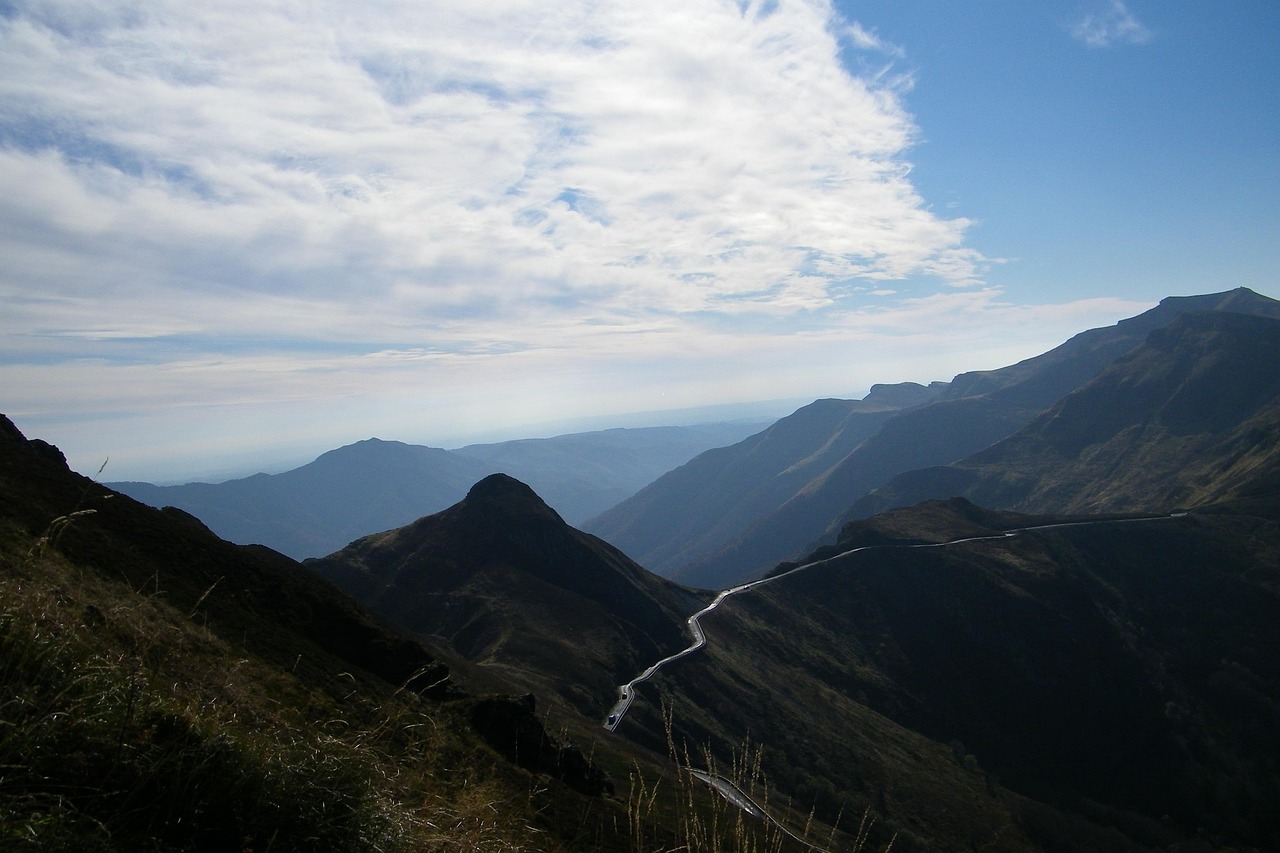
Puy Mary is one of those mountains that looks modest on a map and then completely disarms you in person. At 1,783 meters, it is not the tallest peak in France, nor the most famous, but the way it rises from the green bowl of the Cantal, with seven valleys radiating like the petals of a stone flower, makes it unforgettable. It is the eroded heart of an ancient volcano, now softened by pastures, quiet villages, and the slow rhythms of rural Auvergne.
I first hiked Puy Mary in late September 2014, on a whim, with an old rental car whose clutch had seen better days. Since then I have returned almost every year—sometimes in the snow of January, sometimes in the gentler mornings of June with kids in tow, sometimes in midsummer for sunset hikes and cheese-laden picnics. In 2026, the mountain feels simultaneously unchanged and subtly revived: better-marked trails, more serious attention to sustainability, and a slightly livelier food scene without losing the essential quiet that makes people fall in love with this corner of France.
If you are looking for a destination that is France off the cliché track, Puy Mary is a near-perfect choice. It offers:
- Wild scenery without the crowds of the Alps or Pyrenees.
- Family-friendly walks that still deliver epic views.
- Romantic sunsets above a sea of valleys, ideal for couples.
- Serious hiking and cycling challenges for the ambitious.
- Grounded local culture—cheesemakers, cattle fairs, tiny village fêtes.
- Excellent value compared to more famous mountain regions.
This long-form travel guide to Puy Mary (2026 edition) is written as a blend of practical advice and personal field notes: what it actually feels like to climb the final stairs to the summit in a cold wind, where the locals really eat, how to plan a 1 day itinerary for Puy Mary or stretch it to 2 or 3 days, and when to avoid the tour buses.
Quick Overview: How to Visit Puy Mary in 2026
Puy Mary sits at the heart of the Cantal department in the Auvergne region, central France. The closest sizeable towns are Aurillac (about 1 hour’s drive) and Saint-Flour (around 1 hour 20 minutes). There is no train up to the pass; you arrive via winding roads that feel wonderfully remote by European standards.
- Best time to visit Puy Mary: Late May to early October for hiking and views; December–March for snowshoeing and winter atmosphere (road access to Pas de Peyrol may close in heavy snow).
- Ideal stay: 2 days in Puy Mary is the sweet spot; 3 days in Puy Mary if you love hiking or photography.
- Who it suits: Nature lovers, families (with kids old enough for stairs), couples seeking quiet, hikers, cyclists, road-trippers between Clermont-Ferrand and the Dordogne.
- Access: Best with a car; minimal public transport, but taxis/transfers can be arranged from Murat or Aurillac.
1–3 Day Itineraries for Puy Mary (With Personal Notes)
These itineraries are based on trips I made in 2023, 2024, and a spring 2026 revisit, adjusting for the latest trail conditions and opening hours. Each can stand alone: choose the 1 day itinerary for Puy Mary if you’re tight on time, or expand to a 2 day itinerary for Puy Mary or a 3 day itinerary for Puy Mary if you want to settle into the rhythm of the mountain.
Day 1: The Classic Summit – Puy Mary & Pas de Peyrol
Your first day is all about the classic experience: standing on the summit of Puy Mary and understanding why this ancient volcano has shaped so much of local life. If you only have 1 day in Puy Mary, this is the essential route.
Morning: Arrival at Pas de Peyrol
I like to aim for Pas de Peyrol by 8:30–9:00, especially in July and August before the coach groups arrive. The last stretch of road climbs in gentle switchbacks, and every time I drive it, I find myself pulling over at least once just to stare at the folds of green and dark volcanic rock.
There is a large parking area (paid in peak months) and a low, angular visitor center that seems to emerge from the rock itself. In 2026, the parking machines finally accept contactless cards, which is a relief after years of scrounging for coins.
Before you climb, step into the Maison de Site (visitor center). The small exhibition is genuinely worth 20–30 minutes: clear explanations (with English translations) about the ancient stratovolcano, the glacial erosion that carved the valleys, and the seasonal life of the burons—those stone shepherd huts that dot the slopes. On a rainy day, this is a godsend; on a clear day, it gives context to every view you are about to see.
Late Morning: The Stair Climb to the Summit
The main climb from Pas de Peyrol to the summit is short but steep. The trail is stone-stepped and well maintained, and in 2026 there’s been further work to stabilize a few eroded sections. If you are reasonably fit, it is 30–40 minutes up, with a few pauses for photos. With younger children, allow an hour and take it as a slow micro-adventure.
The first section weaves through low alpine grass; then the stairs begin in earnest. My routine: first water stop where the trail levels slightly, second at the halfway viewpoint where the Vallée de la Jordanne opens like a green funnel to the west. The air temperature can drop rapidly as you climb, and the wind at the ridge is usually stronger than at the pass—always pack a windproof layer, even in August.
Near the top, the staircase narrows and follows the ridge; if you are prone to vertigo, stay focused on the steps. I have taken friends up here who swore they were afraid of heights and they have all managed it, but this is not the place to be distracted by selfies on a crowded day.
On the Summit: Reading the Landscape
The summit platform is small but just large enough that you can usually find a quiet corner. The first time I arrived, clouds blew over the ridge, clearing in waves that revealed and concealed the valleys below. It felt like the mountain was breathing.
Here, the orientation table is your best friend. Take time to locate the seven valleys (Maronne, Santoire, Rhue, Cheylade, Petite Rhue, Jordanne, and Siniq). Once someone points them out to you, you start noticing patterns: how the villages cling to the less steep sides, where the old mule tracks likely crossed.
If the sky is clear, you can see the Plomb du Cantal massif to the south and west, and on exceptionally clear days, even a faint line of the Monts Dore. Pair this with what you learned in the visitor center, and you suddenly understand that you are standing inside the collapsed core of a volcano that once rivaled the largest in Europe.
Photography-wise, the best shots of the summit itself actually come from slightly below on the staircase, where you can frame the cross and orientation table against the sky with a human figure for scale.
Lunch: Simple Picnic or Buron Meal
For a 1 day itinerary for Puy Mary, I always recommend bringing a picnic. Stop en route at a village bakery (Murat, Saint-Cernin, or Salers if you’re approaching from that side) and pick up a baguette tradition, local Cantal cheese, and some fruit. There are picnic tables around the car park, but my favorite spot is a little lower on the path towards the Cirque d’Eylac, where the crowds thin and you can sit on the grass with views down the valley.
If you prefer a hot meal, there are seasonal cafés and restaurants near Pas de Peyrol and in nearby villages like Lascelle and Mandailles-Saint-Julien. More on specifics in the food section below.
Afternoon Options: Gentle Walks or Ridge Adventures
After lunch, you have choices depending on energy and who you’re traveling with:
- Family-friendly stroll: Follow the path towards Col de Serre for 30–45 minutes along a gentler ridge with wide views but fewer stairs. I did this with a friend’s 6-year-old in 2025; we turned around when he got more interested in cow watching than hiking, which was a success in my book.
- Short but dramatic descent: The trail down towards the Cirque d’Eylac gives a different perspective on the mountain’s steep northern face. You do not need to go all the way down; even 20 minutes is rewarding.
- Adventurous ridge (for fit hikers): Link Puy Mary with nearby summits like Puy de la Tourte or Puy de Chavaroche (see the detailed ridge section below). This makes for 4–6 hours of hiking and is better for a 2 day or 3 day itinerary.
Late Afternoon: Descent & Valley Stop
Descend via the same main staircase to Pas de Peyrol. On busy summer days, going down can be more crowded than going up; be patient, and let uphill hikers pass when it’s narrow.
On the road down towards Mandailles-Saint-Julien, I like to stop at one of the roadside pullouts that face back towards the mountain. This is where you get the iconic postcard view of Puy Mary’s triangular profile rising from a foreground of meadows.
End your day with a drink at a village café, watching the light fade on the slopes. If you only have 1 day in Puy Mary, you will feel both satisfied and slightly teased, which is exactly how this mountain works its charm.
Day 2: Cirques, Salers & Old Stone
If you have 2 days in Puy Mary, your second day should balance the raw mountain with the human side of the landscape: villages, old churches, and the agricultural traditions that make Cantal what it is. This day is less intense physically but rich in texture and taste.
Morning: Cirque d’Eylac – The Mountain’s Hollow Heart
Drive back up towards Pas de Peyrol, but stop before the pass at the Cirque d’Eylac parking area on the north side. The cirque is a classic glacial bowl, steep-walled and grassy, and feels much more intimate than the wide ridges above.
There’s a small walking loop (about 1 hour gentle walking) that crosses streams and passes old shepherd structures. In early summer, the slopes are scattered with wildflowers, and the soundscape is dominated by cowbells and rushing water. In 2024, I walked here at 7 a.m., when the cows were just being led out; there was not another hiker in sight, only the deep, steady breathing of the valley.
This is an excellent area for families—children can play near the streams (with supervision) and there is very little exposure to steep drops, unlike the summit staircase.
Midday: Cheese & Buron Lunch
From Eylac, you can either:
- Drive back down towards Cheylade and visit a local cheese farm (many offer morning or lunchtime tastings—check with the tourist office for updated 2026 schedules), or
- Head towards a restored buron-restaurant for a traditional lunch: truffade (potatoes baked with Tomme fraîche), aligot, cured ham, and an unapologetically hearty dessert like tarte aux myrtilles (blueberry tart).
One of my most vivid meals in the region was at a buron above the Jordanne valley: the owner, in his sixties, served steaming plates of truffade and calmly explained that this was “food for people who actually work the land,” not for dainty appetites. We all waddled out afterwards, but there is something profoundly fitting about eating such solid food in sight of the slopes where the cows graze.
Afternoon: Salers – Medieval Village in the Clouds
After lunch, drive to Salers (about 40–50 minutes from Pas de Peyrol). The road winds across plateaus with sweeping views back towards Puy Mary. Salers is officially classified as one of the “Plus Beaux Villages de France,” and for once the label is not an exaggeration.
The village is built from dark volcanic stone, with slate roofs that give it a slightly severe, but deeply atmospheric, character. The central square is ringed with Renaissance houses, most with turrets and carved lintels—these details reward slow wandering. In the late afternoon, the light warms the stone and the village feels like a film set waiting for characters to arrive.
In 2026, Salers is busy in peak summer but still far from overrun. Explore:
- Église Saint-Mathieu – a small but striking church with a mix of Romanesque and Gothic elements. Step inside for a moment of cool dimness; look up at the carved capitals.
- Remnants of the ramparts – walk to the viewpoints at the edge of the village for frames that combine old stone houses, green valleys, and the silhouette of Puy Mary on the horizon.
- Artisan shops – especially those selling Salers and Cantal cheeses. Many offer tastings; you’ll quickly learn to distinguish the nutty, slightly sharp character of Salers cheese made in summer on the pastures.
Late Afternoon: Coffee & Sunset
As part of a 2 day itinerary for Puy Mary, I love to linger in Salers until early evening. Have a coffee or a glass of gentiane (a local bittersweet aperitif made from gentian root) on a café terrace, watching the last hikers trickle back into town.
If the sky is clear, consider driving a short way out of Salers on the road towards the high plateaus to catch sunset with Puy Mary in the distance. The mountain’s triangular outline often glows pink or purple before fading into silhouette.
Day 3: High Ridges & Hidden Valleys
If you commit to 3 days in Puy Mary, the third day is your chance to go deeper: longer ridge hikes, lesser-known summits, and quieter valleys. This is the day that turns casual visitors into repeat pilgrims.
Morning: Ridge Traverse – Puy Mary to Puy de la Tourte
Start early—on clear summer days, I like to be on the trail by 8:00. From Pas de Peyrol, instead of going straight up to Puy Mary, follow the marked path that contours and climbs towards Puy de la Tourte. This ridge walk gives you continuous views of the Puy Mary pyramid from new angles, and the path is generally less crowded.
The traverse to Puy de la Tourte and back can take 3–4 hours at a moderate pace, a bit more if you stop frequently for photos (which you will). There are a few steeper sections, but nothing technical in dry conditions. In wet weather, the volcanic soil can be slippery; hiking poles help.
I remember one June morning in 2022, walking here above a cloud inversion: the valleys below were completely filled with white, and only the mountain tops poked through, like islands in a pale sea. We rarely spoke; it felt like intruding on something sacred.
Afternoon: Secret Valley – Jordanne or Maronne
After lunch (either a picnic on the ridge or a simple meal at a valley inn), choose one of the quieter valleys for a gentle exploratory walk:
- Vallée de la Jordanne – lush, narrow, and deeply green. There are several short trails along the river, suitable for families.
- Vallée de la Maronne – more open pastures, scattered farms, and occasional viewpoints where Puy Mary appears unexpectedly over a line of hills.
These valleys give you a sense of everyday life here: farmers cutting hay, kids biking to the next village, elderly couples walking their dogs along the river. It is rural France at its least manufactured and most quietly beautiful.
Evening: Farewell Sunset on the Mountain
End your 3 day itinerary for Puy Mary with one last visit up high if the weather allows. My favorite is a return to one of the lower ridges (to avoid the summit crowd) for golden hour and blue hour. More on specific sunset spots in the “Puy Mary after dark” section below.
Main Viewpoints & Adjacent Sites: 8 Deep Dives
Beyond the itineraries, here are deeper looks at the most important and rewarding parts of the Puy Mary area: not just what they are, but how they feel, how long to spend, and what to look for as you walk.
1. Puy Mary Summit & Staircase: Standing in a Volcano’s Heart
History & geology: Puy Mary is part of the Monts du Cantal, the remains of a massive stratovolcano active between about 8 and 3 million years ago. Subsequent glaciation carved the radial valleys, and erosion left this jagged crown of peaks. The summit of Puy Mary has long been a local pilgrimage point—both spiritual and practical. Shepherds, hunters, and later early tourists climbed here to read the weather, watch their herds, and simply marvel.
Today, the summit area is carefully managed to limit erosion: the stone staircase, railings in a few exposed sections, and designated viewpoints are all part of a long-term effort to balance access and protection.
Walking the Last 30 Minutes: What to Notice
As you climb from Pas de Peyrol, pay attention not just to the view but to the ground at your feet:
- The dark, sometimes almost black rock fragments – volcanic basalt and trachyandesite.
- The sparse alpine flora clinging in cracks: gentian flowers, low grasses, occasional wild thyme.
- The way the wind changes – often calmer in the first section, then suddenly more intense as you approach the ridge.
Halfway up, turn around and look back at the zig-zag road to Pas de Peyrol and the line of cars and campervans. It is a useful reminder of how small our human presence is in this landscape.
Time Needed & Best Conditions
- Minimum time on site: 1.5–2 hours (parking, visitor center, climb up and down).
- Ideal: 3 hours to linger on the summit and explore a bit of ridge.
- Best season: June–September for full access; May and October can be lovely but weather is more variable.
- Best time of day: Early morning (8–10 a.m.) or late afternoon (4–7 p.m. in summer) to avoid the midday peak.
Personal Tip
I always bring a light scarf or buff. Even in July, the summit winds can be surprisingly cold, and I’ve lost count of how many times that simple piece of cloth made the difference between lingering comfortably for an extra 30 minutes or shivering my way back down prematurely.
2. Pas de Peyrol: The Mountain Gateway
Pas de Peyrol is the highest road pass in the Massif Central, sitting at 1,589 meters. It’s more than just a car park: think of it as the main foyer of the Puy Mary “house.” Every route, every story, eventually passes through here.
Layout & What You Walk Through
When you arrive, you’ll find:
- Parking terraces stepped down the slope, with the uppermost closest to the visitor center.
- The Maison de Site (visitor center) on the south side, semi-buried into the hillside.
- Panoramic terraces facing different valleys, with information panels.
- The trailheads to Puy Mary, Cirque d’Eylac, Col de Serre, and various ridge routes.
From a visitor’s perspective, you will likely:
- Park and walk uphill 3–5 minutes to the visitor center.
- Enter the exhibition (allow 20–30 minutes).
- Exit onto the terrace with your first “wow” view of the Puy Mary pyramid.
- Walk to the main trailhead and begin the summit ascent.
How Long to Spend & When
If you are using Pas de Peyrol only as a jumping-off point, you might be tempted to rush through, but give yourself at least one full hour here aside from the hike itself. That gives you time for the exhibition, some reading of the panels, and a slow coffee or hot chocolate at the seasonal café.
In 2026, there are still no entry tickets to Pas de Peyrol itself—just parking charges in peak season, and any purchases you make. Arrive early in July–August; by late morning, the top terrace is often full, and campervans must use lower areas with a slightly longer walk.
3. Puy de la Tourte: Gentle Ridge, Big Views
Puy de la Tourte is one of my favorite “second-line” summits: not as famous as Puy Mary, but a quieter, more contemplative place with equally impressive panoramas. It sits west of Puy Mary and is often combined with it on longer ridge walks.
Family-Friendly Alternative to the Main Summit
For families who want the sense of being on a mountain top without quite so many stairs or people, the routes to Puy de la Tourte (from Col de Serre or nearby points) are ideal. The slopes are more rounded, and there is more space on the summit plateau for kids to sit, snack, and run around safely away from edges.
What to Look For
- The changing profile of Puy Mary – from here, it looks more like a broad ridge with a sharp point, rather than the isosceles triangle you see from the north.
- Grazing patterns – in summer, cattle move slowly across the slopes; you can watch how the landscape is shaped as much by hooves and mouths as by geology.
- Wildflowers – Puy de la Tourte often has richer alpine flora than the blasted summit of Puy Mary itself, especially in June.
Allow half a day if walking here and back along the ridge; less if you use it as a single out-and-back from a closer pass.
4. Puy de Lugarde & the Wilder Ridges
Further from the main tourist flow, Puy de Lugarde and its surrounding ridges are where I go when I want to feel that the mountain belongs only to me and a few cows. The trails here are less manicured, the signage sparser (though improving each year), and mobile reception patchy—perfect for those who want a slightly wilder experience without true isolation.
History & Land Use
These slopes are living archives of traditional transhumance: in late spring, herds are moved up to high pastures; in autumn, they descend again. You may see temporary fencing, salt licks, and the occasional buron in various states of abandonment or restoration.
I once spent an afternoon here in 2021 with a local farmer who pointed out three generations of stonework in a single wall: the large, rough stones his grandfather had set, the tighter middle section his father had repaired, and a newer section he was adding with a slightly different style. “Rien ne se perd ici,” he said—nothing is wasted here.
Who It’s For
These ridges are best for:
- Experienced hikers wanting 4–6 hour circuits.
- Photographers seeking more solitary dawn or dusk shots.
- Couples or friends who enjoy walking and conversation more than ticking off famous summits.
5. Cirque d’Eylac: The Quiet Bowl
The Cirque d’Eylac sits like a cupped hand on the northern side of Puy Mary. Where the summit is exposed and windy, Eylac is intimate and sheltered—another face of the same mountain.
Walking the Cirque
The main loop trail meanders across the cirque floor and up the sides slightly, giving you a sense of the steep enclosing walls. Look for:
- Moraines and old glacial features – low ridges of rock and debris marking former ice edges.
- Streams and wetlands – in spring and early summer, these are alive with amphibians and insects.
- Shepherd infrastructure – fences, simple wooden gates, and occasional stone huts.
Allow 1–2 hours for a relaxed circuit with photos and snack breaks.
6. Salers: Medieval Stone Above the Valleys
Salers is not technically on the slopes of Puy Mary, but it’s so tightly connected—in history, in culture, and visually—that any serious travel guide for Puy Mary would be incomplete without it.
A Bit of History
Salers flourished in the 15th–17th centuries as a small administrative and commercial center. The prosperity of this era is still visible in the finely carved stone houses around the central square. The village’s relative isolation later helped preserve it; while other places modernized and rebuilt, Salers simply continued on its own rhythm, its dark stone houses weathering the centuries.
Walking the Village
Enter through one of the old gate areas and let yourself drift:
- Start at the central square, noting the maison des Templiers and other notable façades.
- Duck into the Église Saint-Mathieu, with its quiet side chapels.
- Follow lanes out to the belvederes at the village edge for views of valleys and distant Puy Mary.
- Browse a few artisanal shops—avoid the most touristy souvenir stands and seek out those offering locally made textiles, knives, or woodwork.
Allow at least half a day here; full-day if you combine with nearby short walks.
7. Cheese Farms & Burons: Taste of the Mountain
Cantal and Salers cheeses are as central to the identity of Puy Mary as the rock itself. Visiting a fromagerie or buron (cheese farm hut) is one of the most rewarding cultural experiences in the area.
What You’ll See
Most farm visits follow a rhythm:
- Introductory talk (often in French, but many hosts manage basic English, and the process is visual enough that you can follow along).
- Tour of the barn or milking area – depending on season, you may see cows being milked.
- Visit to the aging cellar – rows of massive cheese wheels, each carefully turned and brushed.
- Tasting – samples of young, medium, and mature cheeses; often alongside charcuterie and bread.
In 2026, more farms are taking reservations online or via social media, but you can still arrange visits through the tourist office if you prefer analog methods.
Personal Note
On a rainy afternoon in 2023, I ended up in a buron with a group of Belgian cyclists. We had planned a quick tasting; we stayed two hours, listening to the farmer describe how the taste of the cheese changes with the pasture grasses each month. We left with heavy bags and a new respect for the phrase “terroir.”
8. The Seven Valleys: Reading the Starburst
From the summit, the seven valleys radiating from Puy Mary are obvious; on the ground, they are more subtle, each with its own character.
Quick Character Sketches
- Vallée de la Jordanne: Forested, intimate, with river walks and small hamlets.
- Vallée de la Maronne: More open, pastoral, excellent for photography of farm life and distant peaks.
- Vallée de la Santoire & Rhue: Wilder, with fewer settlements and a sense of remoteness.
- Petite Rhue & Siniq: Smaller, more enclosed; pockets of deep quiet.
On my longer stays (a week or more), I like to dedicate half-days to simply driving up each valley, stopping wherever catches my eye: a church with a crooked steeple, a field with a particular pattern of hay bales, a side path along the river. It’s not about a checklist; it’s about learning to read the mountain from below.
Eating & Sleeping Around Puy Mary
The immediate surroundings of Pas de Peyrol are surprisingly sparse in terms of dining—there are a few seasonal spots, but the best food is usually found a little lower in the valleys or in villages like Salers, Mandailles-Saint-Julien, and Lascelle.
Where Locals Actually Eat
- Village auberges: Simple menus featuring truffade, grilled meats, local charcuterie, and seasonal soups. Prices are very reasonable compared to Alpine resorts.
- Burons turned restaurants: Rustic settings on the high pastures, open mainly late spring to early autumn. You’ll eat heavy, but happily.
- Bakeries & cafés: Ideal for stocking up on picnic supplies before heading up the mountain.
What to Eat
- Truffade: Potatoes and fresh Cantal or Tomme, slow-cooked into a stretchy, comforting mass. Often served with ham and salad.
- Salers & Cantal cheeses: Try them at different ages; young is mild and milky, old is sharp and nutty.
- Pounti: A sort of savory cake with prunes and herbs—better than it sounds.
- Myrtilles (blueberries): In tarts, jams, and sauces; a local alpine staple.
Where to Stay
For a focused visit, I recommend staying within a 30–45 minute drive of Pas de Peyrol:
- Mandailles-Saint-Julien: Quiet valley village, several guesthouses and small hotels. Perfect if you prioritize hiking access.
- Salers: Atmospheric base with more dining options and an evening buzz; slightly farther drive to Pas de Peyrol but worth it if you like a village ambiance.
- Aurillac or Murat: For those who want more services (train station, supermarkets) and don’t mind a longer drive.
I’ve stayed in everything from basic chambres d’hôtes with cow views to a slightly fancier hotel with a small spa in Aurillac. Across the board, hospitality in this region is straightforward and warm; English is not always fluent, but smiles and patience go a long way.
Puy Mary After Dark & Off-Hours
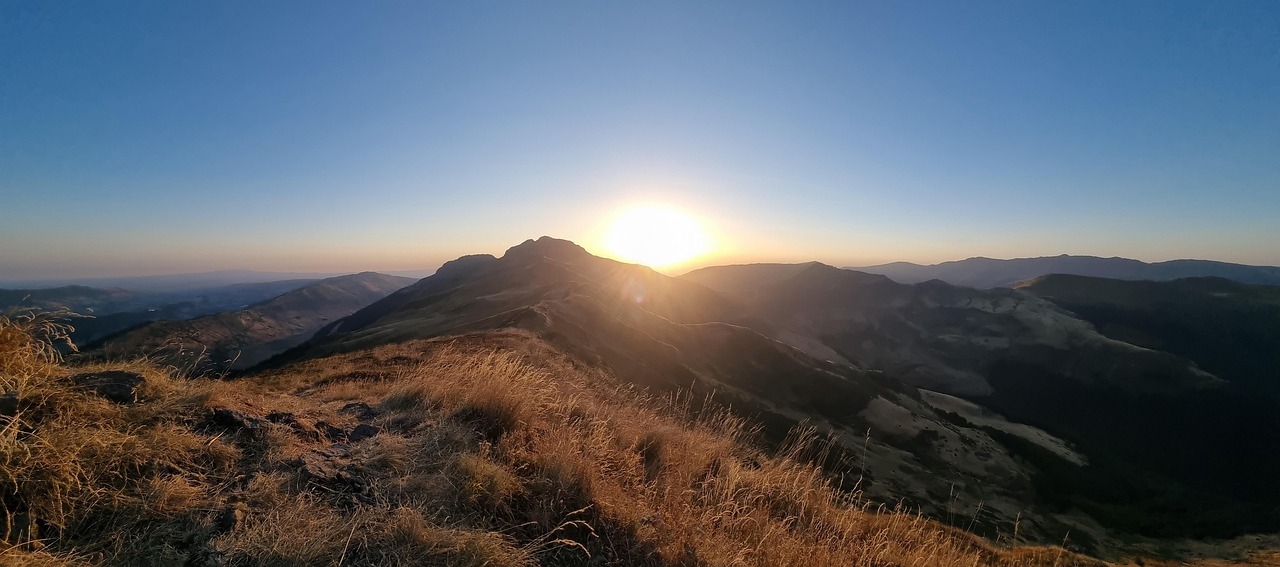
Puy Mary is primarily a daytime destination, but the hours around sunrise and sunset transform it completely. Night access to the summit stairs is not officially restricted outside of winter closures, but you should be cautious and self-reliant if venturing up in the dark.
Sunset Viewpoints
- Lower roadside pullouts on the Mandailles side – easy access, wide views, minimal walking.
- Col de Serre: A gentler pass with open western views; ideal for families or those who prefer not to be near big drops in the fading light.
- Moderate ridges near Puy de la Tourte: For experienced hikers comfortable descending in twilight with headlamps.
Golden Hour & Blue Hour
The hour before sunset (golden hour) and the 20–40 minutes after (blue hour) are the best for photography and quieter contemplation. In those times, the day-trippers have mostly gone, and the mountain feels more like it belongs to those who choose to linger.
Night Skies & Seasonal Programs
The Cantal skies are often very dark, especially outside of full moon. On clear nights, the Milky Way is visible, and stargazing can be excellent from lower viewpoints and valley meadows. In recent years (and continuing into 2026–2027), the regional park has occasionally organized guided night walks and star-watching evenings, often near but not on the highest, most fragile ridges. Check local listings closer to your travel dates.
Events & What’s New: 2026–2027
While Puy Mary is not an events-driven destination like a big city, a few key happenings in 2026–2027 are worth noting if you want to sync your trip with local life.
Mountain & Pastoral Events
- Transhumance Celebrations (late May–June): In various villages around the massif, festivals mark the movement of herds to high pastures, with decorated cows, music, and communal meals.
- Cheese Fairs: Annual fairs in towns like Salers or Riom-ès-Montagnes celebrate Salers and Cantal cheeses with tastings, competitions, and markets.
Outdoor & Sports
- Cycling events: Amateur hill-climbs and occasionally larger races use the Pas de Peyrol approach. Road closures or rolling traffic controls may apply for a few hours; check regional cycling calendars if you’re visiting in mid-summer.
- Trail running races: Increasingly popular, with new events added in 2026 that loop around Puy Mary and neighboring peaks.
Infrastructure & Access Updates (2026)
- Improved trail signage on some of the lesser-known ridges (notably towards Puy de Lugarde).
- More interpretive panels in English and German at Pas de Peyrol and Cirque d’Eylac.
- Ongoing parking and shuttle experiments on peak weekends to reduce congestion—watch local announcements, as in some peak periods you may be asked to park lower and use a shuttle minibus.
Local Culture, Etiquette & Customs
The Cantal is not Paris; it is reserved, rural, and quietly proud. Understanding a few cultural nuances will make your stay smoother and more enjoyable.
Everyday Etiquette
- Greet people: When entering a shop, restaurant, or small museum, always say “Bonjour” (daytime) or “Bonsoir” (evening). This is not optional; it sets the tone.
- Meals are unhurried: Don’t expect lightning-fast service; lunch and dinner are times to sit and talk. If you’re in a rush, choose a café or bakery takeout instead of a full-service restaurant.
- Dress code: Very casual overall, but avoid entering churches in swimwear or very revealing clothing, even on hot days.
On the Mountain
- Respect private land: Many trails cross pastureland. Close gates behind you, don’t disturb livestock, and avoid walking directly through the middle of a herd unless the path requires it.
- Noise: It is considered courteous to keep voices down on the upper ridges and in the early morning; many people come specifically for quiet.
- Leave no trace: Take all rubbish back with you. Bins at Pas de Peyrol are for small items, not entire picnic remains.
Language
French is dominant; some older residents also speak or understand a bit of Occitan/Auvergne patois. English is spoken in most tourist-facing businesses but less commonly in small shops. A few basic French phrases will be appreciated.
Day Trips & Nearby Attractions
If you base yourself in the area for more than three days, consider these excursions:
Plomb du Cantal & Le Lioran
Another high point in the massif, reachable from the ski resort of Le Lioran (with lifts operating in summer). The landscape feels broader and less sharply radial than around Puy Mary, a good counterpoint to your main destination.
Vulcania (Family-Friendly Volcanic Theme Park)
Located near Clermont-Ferrand, Vulcania is a science-focused theme park built into volcanic terrain. It’s educational and entertaining, especially for children fascinated by volcanoes—perfect context for understanding Puy Mary’s origins.
Romanesque Churches of Auvergne
Small, beautifully solid Romanesque churches are scattered across the region. A half-day driving loop visiting two or three of them—stepping from bright sunlight into cool, stone dimness—pairs surprisingly well with the mountain’s drama.
Practical Travel Advice for Puy Mary (2026)
How to Get There
- By car: The only realistic way to directly reach Pas de Peyrol. Roads are paved and generally well maintained but narrow and winding. In winter, snow and ice can make access challenging or impossible; check conditions.
- By train & bus: Nearest train stations: Aurillac and Murat. From there, you can rent a car or occasionally use seasonal shuttle services to certain valleys—verify for 2026 with local tourist offices.
Getting Around
A car (owned or rented) is the most flexible option. Distances are not huge, but without a car you will be constrained to limited routes and timetables.
Saving Money
- Picnics: Buy food in supermarkets or village shops and picnic on the slopes—cheaper and often more scenic.
- Off-peak stays: Late May/early June and September offer lower accommodation prices and fewer crowds.
- Free activities: Most of the best things to do in Puy Mary—hiking, viewpoints, wandering villages—are free or low-cost.
SIM Cards & Connectivity
Coverage in the valleys can be patchy; expect some dead zones. For visitors:
- Buy a local SIM from major providers (Orange, SFR, Bouygues) in larger towns.
- EU residents can typically roam under their existing plans at no extra charge.
- Many accommodations offer Wi-Fi, but speeds vary.
Visa & Driving Requirements
- Visa: Puy Mary is in France, which is in the Schengen Area. Check current Schengen visa rules for your nationality.
- Driving licenses: EU/EEA licenses are fully recognized. Many non-EU visitors can drive with their national license plus an International Driving Permit (IDP); check current French regulations before travel.
Best Time to Visit Puy Mary by Season
- Late spring (May–June): Snow lingering on high slopes, wildflowers, fewer crowds. Some passes may still be closed early May in snowy years.
- Summer (July–August): Warm, long days, all facilities open, but busiest. Ideal for families and first-timers.
- Early autumn (September–early October): Golden grasses, crisp air, quieter trails—my personal favorite.
- Winter (November–April): Snow, limited access to high passes; suitable mainly for experienced winter travelers and those happy to enjoy the mountains from lower valleys or ski areas.
Puy Mary Tickets, Opening Hours & On-Site Logistics
Tickets & Entry
- No ticket is required to hike to the Puy Mary summit or use the main trails.
- You may need to pay for parking at Pas de Peyrol and some other high-traffic parking areas during peak seasons. Rates and payment methods are posted at each site.
- The Maison de Site (visitor center) generally has free or low-cost entry, depending on special exhibitions.
Opening Hours
- The mountain itself is open 24/7, subject to weather and road closures.
- The Pas de Peyrol access road may be closed in winter due to snow; check local information before traveling.
- The visitor center and cafés have seasonal hours—typically open daily in July–August, reduced schedules in shoulder seasons, and closed in winter.
Peak Hours & How to Avoid Crowds
- Avoid 11:00–15:00 on sunny July and August days if you dislike crowds on the stairs.
- Arrive early or late, or visit on weekdays outside French school holidays for a quieter experience.
- Explore alternative summits and ridges (Puy de la Tourte, Puy de Lugarde) during peak midday hours.
Dress Code & Behavior
- No formal dress code, but proper footwear is strongly recommended: hiking shoes or sturdy trainers with good grip.
- Pack layers: weather can change rapidly, even in summer.
- Stay on marked paths to protect vegetation and reduce erosion.
Photography & Drones
- Photography is unrestricted for personal use; be considerate of others when taking summit photos.
- Drones are generally restricted or discouraged due to wildlife disturbance and local regulations—check current rules before flying, and do not launch near crowded areas.
Accessibility
Puy Mary’s upper trails are not wheelchair-accessible, but:
- Some viewpoints at Pas de Peyrol and lower pullouts can be reached with minimal walking on paved or compacted paths.
- The visitor center is accessible, with exhibits and panoramic windows.
Security & Safety
- No formal security checks at the mountain; standard road police presence in the region.
- Queues are mainly for parking and, occasionally, for the visitor center at peak times.
- Weather is the main risk: strong winds, sudden fog, thunderstorms. Check forecasts and be ready to turn back if conditions deteriorate.
Summary & Final Recommendations
Puy Mary is not a place you “do” and cross off a list; it’s a mountain that invites you back in different seasons and different moods. Still, if you are planning your first visit in 2026, here are the essentials:
- Best time to visit Puy Mary: June–September, with a personal vote for September for quieter trails and golden light.
- Ideal trip length: 2 days in Puy Mary if you want a solid introduction; 3 days in Puy Mary if you love hiking and slow travel.
- Must-see attractions in Puy Mary: Summit climb from Pas de Peyrol, Cirque d’Eylac, at least one ridge walk (Puy de la Tourte), and a half-day in Salers.
- Cultural experiences: Visit a cheese farm or buron, eat truffade with a view of the pastures, attend a local market or small festival if your dates align.
- Key travel tips for Puy Mary: Rent a car, pack layers and good shoes, plan early/late summit ascents to avoid crowds, and embrace the slower, rural pace.
Above all, give yourself time to stand still: on the summit platform at dawn, on a ridge above a cloud-filled valley, in a stone village square as evening bells ring. That is how Puy Mary reveals itself—slowly, and in layers, to those who are willing to pause and look.