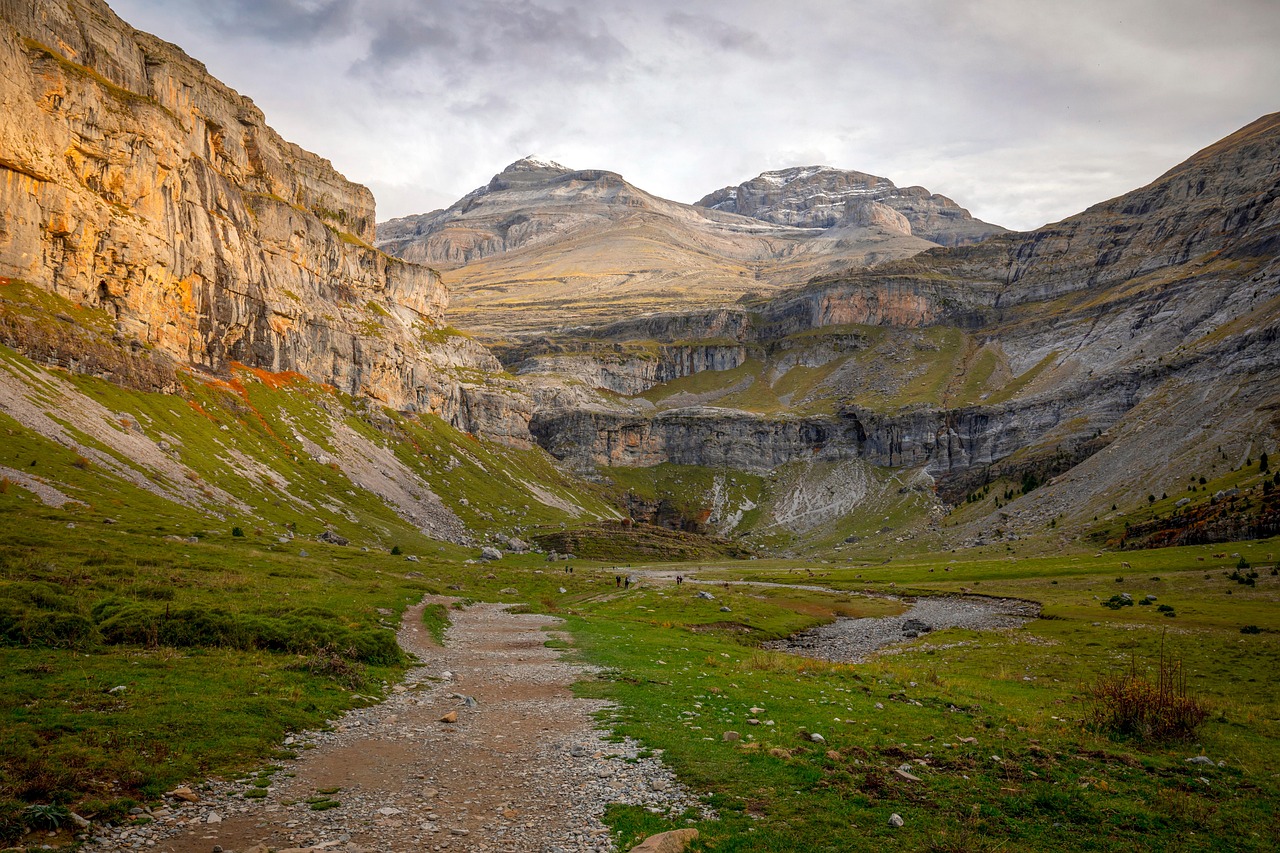
Why Visit Pyrenees National Park?
If you like your mountains a little wild and a lot less crowded than the Alps, Pyrenees National Park (Parc national des Pyrénées) is the kind of place that quietly ruins you for more famous destinations. Stretching along the French–Spanish border between the Atlantic and the Mediterranean, this park is a mosaic of glacial cirques, turquoise lakes, high passes once used by shepherds and smugglers, and stone villages where the bakery still closes for lunch because the baker is out hiking.
I’ve been coming here since my early twenties, returning almost every year, and it’s the one corner of France where I still feel genuinely small—in the best possible way. The Pyrenees don’t shout; they linger in your memory as a series of smells (wet pine, sheep wool, woodsmoke), sensations (cold river water on tired feet, sun on granite), and moments of quiet where the only sounds are cowbells and marmots whistling.
In 2026, Pyrenees National Park remains blissfully underhyped compared to the Alps, but it’s getting more organized for visitors: better trail signage, upgraded refuges, new dark-sky programs, and tighter regulations on popular areas like Gavarnie and Pont d’Espagne. This guide is written for travelers who want more than a checklist of things to do in Pyrenees National Park. It’s for you if you want:
- A realistic 3 day itinerary for Pyrenees National Park or deeper 4–5 days in Pyrenees National Park with a mix of iconic and hidden spots.
- Specific, lived-in advice: where to park when the lots fill, which bakery opens earliest, when the cows arrive on the high pastures, and how to avoid peak tour-bus hours.
- Insight into local food in Pyrenees National Park, mountain culture, and etiquette—so you’re not the one talking loudly in a refuge at midnight.
- Up-to-date travel tips for Pyrenees National Park on permits, closures, transport, and 2026–2027 events.
Think of this as a long conversation with a slightly mountain-obsessed friend who never really left.
Table of Contents
- 1. Overview: Key Zones, Gateways & Scenic Drives
- 2. 15 Must-See Trails, Viewpoints & Zones (Deep Dives)
- 3. 3–5 Day Itineraries in Pyrenees National Park
- 4. Where to Eat & Drink: Local Food in Pyrenees National Park
- 5. Where to Stay: Refuges, Campgrounds, Cabins & Town Bases
- 6. After Dark: Stargazing, Quiet Evenings & Nightlife (Mountain-Style)
- 7. Cultural Experiences & Local Customs
- 8. 2026–2027 Events, Festivals & What’s New
- 9. Day Trips & Nearby Attractions
- 10. Practical Travel Advice for Pyrenees National Park
- 11. Summary & Final Recommendations
1. Overview: Key Zones, Gateways & Scenic Drives
Pyrenees National Park runs along the high crest of the central Pyrenees, protecting six main valleys. For trip planning, I tend to group it into a handful of zones, each with its own character, signature hikes, and gateway towns.
1.1 The Big Picture
From west to east, the key French valleys are:
- Vallée d’Aspe & Vallée d’Ossau – Wilder, less developed, great for those who like their trails quieter and their cheese stronger.
- Vallée d’Arrens & Val d’Azun – Rolling pastoral landscapes, family-friendly hikes, cross-country skiing in winter.
- Vallée de Cauterets – Famous for Pont d’Espagne, turquoise lakes, and thermal baths in town.
- Vallée de Luz-Gavarnie – Home to the jaw-dropping Cirque de Gavarnie, a true must-see attraction in Pyrenees National Park.
- Vallée d’Aure & Néouvielle – Granite peaks, high-altitude lakes, and some of my favorite stargazing in France.
On the Spanish side lie Ordesa y Monte Perdido National Park and other protected areas, easily reached via high passes or road tunnels—perfect for day trips if you’re based in France.
1.2 Classic Gateway Towns
- Lourdes – Pilgrimage town and major train hub. Not in the park, but a common arrival point.
- Cauterets – Lively spa town with bakeries, gear shops, and direct access to Pont d’Espagne.
- Luz-Saint-Sauveur – Characterful base for Gavarnie, Troumouse, and Barèges.
- Gavarnie village – At the road’s end, under the cirque itself. Tourist-heavy, but magical at dusk.
- Saint-Lary-Soulan – Great for families, easy access to Néouvielle and the Aure valley.
- Laruns – Gateway to Ossau valley and the high passes to Spain.
1.3 Scenic Drives
- Col du Tourmalet – Legendary Tour de France pass, linking Luz-Saint-Sauveur and Barèges with La Mongie. Panoramic views, cycling mecca.
- Cauterets – Pont d’Espagne road – Short but spectacular drive along a wild gorge.
- Laruns – Col d’Aubisque – Col du Soulor – Balcony road with dramatic drop-offs and classic Pyrenean vistas.
- Arreau – Col d’Aspin – La Mongie – A quieter alternative with lovely beech forests and mountain pastures.
2. 15 Must-See Trails, Viewpoints & Zones – Deep Dives
These are the places I end up returning to, year after year. I’ll start with the most famous “must-see attractions in Pyrenees National Park” and gradually move to quieter but equally rewarding corners.
2.1 Cirque de Gavarnie – The Iconic Amphitheater
If you only have one clear-weather day in the park, spend it at Cirque de Gavarnie I’ve visited Gavarnie in every season: in early June 2024, when the snow still clung in streaks, in late September 2025 with golden light on the cliffs, and once in a moody October drizzle when low clouds turned the cirque into a half-revealed secret. In 2026, the park has slightly tightened visitor management here—expect clearer signage, designated viewpoints, and stricter parking control in peak summer. Base yourself in Luz-Saint-Sauveur or Gavarnie village. From Luz, it’s about a 40-minute drive to Gavarnie, following the gorge of the Gave de Pau. In July–August and on busy weekends, parking in Gavarnie fills by late morning; if you can, arrive before 9:30 a.m. or come in the late afternoon for a quieter experience. The classic “hike” is more of a scenic stroll—perfect for families and anyone adapting to altitude. From the village, you walk up a gently rising valley with views that slowly tighten into the cirque. The first time I brought my parents here, they were convinced they could already see the main waterfall from the village; it’s only when you get closer that you realize how vast the walls are and how small you are in comparison. Halfway along, there’s a small plateau with a meadow view back to the village and forward to the cirque. I usually stop here for a late-morning snack—ideally a slice of gâteau à la broche (a local spit cake) from the bakery in Luz, plus an orange or two. In summer, you’ll pass rented horses and mules ferrying less mobile visitors; keep to the side of the track and watch your step. At the base of the cirque, near the historic Hôtel du Cirque, you can order a simple meal (omelettes, charcuterie, tartiflette-style dishes) or just a coffee. I prefer to picnic: bread, local sheep cheese (Ossau-Iraty or local fromage de brebis), cured ham, and crisp apples. The trick is to walk a little beyond the obvious crowds and find a rock with a line of sight to the main waterfall. Respect the barriers—rockfall is real here. Gavarnie has drawn visitors for centuries, from Romantic poets to early glaciologists. Victor Hugo famously called it “the Colosseum of nature.” Geologically, it’s a textbook glacial cirque: a vast bowl carved by ice, with layered limestone cliffs that tell the story of ancient seas. Today, it’s part of the UNESCO-listed Pyrenees–Mont Perdu site, shared with Spain’s Ordesa y Monte Perdido National Park.Getting There
The Classic Walk to the Cirque
Eating with a View
Tips for Visitors
History & Significance
2.2 Pont d’Espagne & Lac de Gaube – Waterfalls & Turquoise Waters
If Gavarnie is the park’s cathedral, Pont d’Espagne is its enchanted gateway: a stone bridge over frothing cascades, wrapped in dark spruce and fir forest. It’s also one of the most accessible clusters of things to do in Pyrenees National Park in a single day, especially if you’re traveling with kids or prefer short walks.
I’ve lost count of how many times I’ve walked this gorge, but I still find myself stopping at the same overlook above the bridge, just to breathe in the spray and watch the water churn under the stone arch.
Getting There
From Cauterets, it’s a winding 7 km drive up to the large pay parking area at Pont d’Espagne (arrive early or late on summer weekends). In July–August and busy holidays, a shuttle bus runs from Cauterets; in 2026, shuttle schedules are slightly extended into late September if weather holds.
Short Walks & Cable Car Options
From the parking area, follow the clear paths to the main bridge and viewpoints. You can:
- Stroll to the bridge and waterfall viewpoints (30–45 min round-trip, easy).
- Take the cable car up to Plateau du Clot, then the chairlift to near Lac de Gaube for minimal walking.
- Hike to Lac de Gaube on foot via a forest trail.
Hike to Lac de Gaube
Lac de Gaube is the sort of lake that makes you doubt your camera settings: vivid turquoise water, ringed by pines, with the pyramid of Vignemale looming at the far end. I usually hike up on foot and take the chairlift down if my knees are complaining.
- Distance: ~6 km round-trip from Pont d’Espagne
- Elevation gain: ~300 m
- Time: 2–3 hours walking
- Difficulty: Moderate (rocky sections, tree roots)
The path winds through forest, with glimpses of waterfalls and pools far below. In late June 2025, I walked it under low cloud; every now and then the mist lifted to reveal the lake glowing like a gem. On bright days, arrive by mid-morning to avoid both the harsh light and the biggest crowds.
Food & Atmosphere at Lac de Gaube
There’s a small café/restaurant at the lake’s near shore, serving simple dishes and drinks. I’ve lingered there more than once over a coffee and slice of tarte aux myrtilles (blueberry tart), watching trout rise in the shallows. For a quieter lunch, walk 10–15 minutes along the left-hand lakeshore and find a rock by the water.
Tips
- Weather: Mist and drizzle can add drama, but if the forecast is heavy rain or thunder, save this for another day—the rocks get slick.
- Families: The combination of short walks, cable car options, and café make this one of the top family-friendly things to do.
- Winter: In winter, the area transforms into a snowshoe and cross-country skiing playground. Rentals and guided outings are available from Cauterets.
2.3 Réserve du Néouvielle – Granite Peaks & Mirror Lakes
Technically adjacent to, rather than inside, the core of Pyrenees National Park, the Néouvielle Nature Reserve feels like the park’s granite cousin: a high-altitude world of tarns, larches, and gently rounded summits. It’s one of my absolute favorite areas for day-hiking and stargazing.
I first came here in late August 2017 and ended up extending my trip by three days just to wander from lake to lake. Since then, I’ve returned almost every second year, often basing in Saint-Lary or camping near Lac d’Orédon.
Getting There
From Saint-Lary-Soulan, climb towards the Cap de Long and Orédon dams. In summer, access to the upper parking at Lac d’Aubert may be regulated by shuttle bus from Orédon; in 2026 the system is similar to recent years: arrive early if you want to drive up, or plan for the shuttle.
Classic Lakes Circuit: Orédon – Aubert – Aumar
The “lac-to-lac” loop is a wonderful introduction.
- Distance: 7–10 km depending on route
- Elevation gain: 300–450 m
- Time: 3–5 hours
- Difficulty: Moderate, some rocky paths
You can start from Lac d’Orédon or higher at Lac d’Aubert. The path threads between lakes with views to the Néouvielle massif. In late June, patches of snow linger; in mid-October, the larch trees burn gold. I remember one October evening in 2020, sitting above Lac d’Aumar with a thermos of tea, watching the light fade and the first stars appear—it felt like the world had shrunk to just water, rock, and sky.
Why It’s Special
- Granite & larch: Unlike much of the rest of the park, this is a granite landscape with larch forests, giving it an almost Alpine feel.
- Dark skies: Far from city lights, this is prime stargazing country. On moonless nights you can see the Milky Way arching over the dams.
- Refuges: Several mountain huts (e.g., Refuge d’Orédon, Refuge de la Glère just beyond) make multi-day treks possible.
Tips
- Check road opening dates; high access points usually open from late May/June to October, depending on snow.
- Afternoon thunderstorms are common in summer; aim to be descending by mid-afternoon.
- Carry layers—even in August, evenings by the lakes can be cold.
2.4 Vallée d’Ossau & Pic du Midi d’Ossau – The Bear’s Tooth
East of Pau, the Ossau valley feels more pastoral and less polished than the central valleys—more working farms, fewer souvenirs. Dominating the skyline is Pic du Midi d’Ossau, a toothy volcanic plug that looks like it was sketched by a child drawing “mountain.”
I’ve hiked around Ossau in mist, rain, and blazing sun, and my favorite memory is still a late-September 2023 circuit of the Ayous lakes, with the peak mirrored in still water and only marmots for company.
Gateway: Laruns & Bious-Artigues
Base in Laruns, a small town with good bakeries and a weekly market, then drive up to the Bious-Artigues dam, where many hikes start. In summer, parking is regulated; arrive early.
Ayous Lakes Circuit
This is one of the most photogenic day hikes in the region.
- Distance: 14–16 km loop
- Elevation gain: ~700 m
- Time: 5–7 hours
- Difficulty: Moderate
The loop takes you past a string of lakes—Gentau, Ayous, Bersau—each with a slightly different angle on Ossau. Refuge d’Ayous sits above Lac Gentau in a truly enviable position; I once spent a night there in early July, stepping outside at 3 a.m. to see the peak silhouetted against a sky thick with stars.
Food & Local Flavor
The Ossau valley is serious about cheese. Look for farm-signed stalls along the road selling Ossau-Iraty, a nutty sheep’s cheese. In Laruns, the autumn Fête du Fromage (Cheese Festival) is a riot of tastings and contests; in 2026 it’s expected to run the first weekend of October.
Tips
- Weather changes quickly; fog can engulf Ossau in minutes. Carry a map and GPS if venturing beyond the main circuits.
- Respect pastoral zones; close gates, keep distance from guard dogs (called patous).
- For a shorter walk, hike just to Lac Gentau and back.
2.5 The High Lakes of Cauterets – Ilhéou, Estom & More
The Cauterets valley is not just about Pont d’Espagne. Head up side valleys and you’ll find a constellation of high lakes and refuges that reward those willing to go a little beyond the crowds.
Lac d’Ilhéou
The hike to Lac d’Ilhéou is a satisfying day out with a refuge, a lake, and broad views back towards Cauterets.
- Distance: ~12 km round-trip from above Cauterets
- Elevation: ~700 m gain
- Time: 4–6 hours
- Difficulty: Moderate
In July 2022, I hiked up in thick heat, grateful for the shade of the initial forest. The path emerges into open meadows with streams and then climbs steadily to the lake. Refuge d’Ilhéou sits just above the shore; their omelette-fromage after a long climb is the stuff of dreams.
Lac d’Estom
A slightly quieter alternative is Lac d’Estom from the Vallée du Lutour. The trail follows a tumbling river through forest before opening to a cirque-like basin and the lake, with a refuge at the far side.
- Distance: ~14 km round-trip
- Elevation: ~600 m gain
- Time: 4.5–6 hours
One late-June morning in 2025, I arrived just as the clouds parted and shafts of sun lit up patches of snow on the surrounding peaks. I sat on a flat rock by the shore and watched trout cruising the shallows—no one else arrived for nearly an hour.
Tips
- These lakes are ideal for slightly fitter families with older kids or teens.
- Check refuge opening dates if you want hot food; early season may be weekends only.
- Carry cash—many refuges still don’t accept cards.
2.6 Val d’Azun – Rolling Pastures & Family-Friendly Walks
South of Argeles-Gazost, the Val d’Azun is where I go when I want a gentler side of the mountains: grassy ridges, old stone barns, and villages where chickens still wander the lanes.
It’s especially good if you’re looking for family-friendly things to do in Pyrenees National Park or gentle walking rather than big summit pushes.
Col du Soulor & Couraduque
Two key passes offer easy access to scenery:
- Col du Soulor – Balcony views, short walks along the ridge, and a dramatic road towards Col d’Aubisque.
- Col de Couraduque – In summer, easy trails and a small play area; in winter, cross-country skiing and snowshoe circuits.
On a sunny August afternoon in 2021, I walked a simple ridge circuit from Couraduque, sharing the path with families, trail runners, and a few contented cows. We ended the day with ice cream at a small café back at the col while paragliders floated overhead.
Local Life & Food
The villages of Aucun, Arrens-Marsous, and Estaing are small but atmospheric. Look for local honey, jam, and cheese producers. In summer, there are often small evening concerts or markets posted on hand-written signs outside the mairie (town hall).
2.7 Cirque de Troumouse & Plateau de Héas – Vast, Quiet Majesty
If Gavarnie is the dramatic celebrity, Troumouse is its quieter, sprawling cousin. The cirque here is broader, the atmosphere more pastoral, with cows and sheep grazing under cliffs that stretch nearly from horizon to horizon.
I came here first almost by accident, chasing a patch of sun away from a rainy Gavarnie. It has since become one of my favorite “hidden gems in Pyrenees National Park” to recommend to people who want space and silence.
Getting There
From Luz-Saint-Sauveur, drive towards Gèdre and then up the narrow road to Héas. In high summer, a toll road continues higher to a parking area closer to the cirque; at other times, you may need to walk from Héas.
Walking in the Cirque
Several gentle paths radiate from the main parking area into the cirque floor. You can do anything from a 1–2 hour stroll to a 4–5 hour wander linking viewpoints and chapels.
I like to follow the track up to a small oratory with a sweeping view back down the valley, then cut across the meadows (on marked paths) towards the cliffs. Bring binoculars—lammergeiers (bearded vultures) are occasionally seen soaring above the walls.
Tips
- Weather: More exposed than Gavarnie; take sun protection on clear days.
- Season: Often a little quieter, even in August. Snow lingers into June at higher spots.
- Food: Limited options near Héas; bring your own picnic or eat in Gèdre/Luz before or after.
2.8 Pic du Midi de Bigorre – Summit Observatory & Stars
Strictly speaking, Pic du Midi de Bigorre sits just north of the park boundary, but from its 2,877 m summit you can see the entire Pyrenees chain lining the horizon, including the heart of the national park. It’s also one of Europe’s premier stargazing sites.
I’ve been up three times: once on foot from La Mongie, once by cable car on a bitterly cold January day, and once for an overnight “astronomy stay” that left me giddy with constellations.
Getting There & Options
- Cable car from La Mongie – Fastest and easiest for most visitors; runs most of the year, weather permitting.
- Hike from Col du Tourmalet or La Mongie – Demanding, high-altitude hike for fit, experienced walkers.
Why Go
- 360° views: On a clear day, you see from the Atlantic to the central peaks.
- Observatory & museum: Exhibits on astronomy and atmospheric science.
- Night programs: Occasional public astronomy nights and premium overnight stays in summit rooms.
If you’re traveling with kids or non-hikers, this is a fantastic way to get a true “big mountain” experience without a long climb.
2.9 Vallée d’Aspe – Wild, Less-Visited Corner
West of the better-known central valleys, the Vallée d’Aspe feels more remote and less curated—more barns and beech forests, fewer souvenir shops. If you crave solitude, this is one of the best places to visit in Pyrenees National Park’s broader ecosystem.
I’ve only scratched the surface here, but every time I’ve come to hike above Lescun or Etsaut, I’ve been struck by how quickly the tourist bustle vanishes.
Highlights
- Cirque de Lescun: Dramatic limestone peaks above a postcard village.
- Chemin de la Mâture: Historic path carved into a cliff, once used to transport timber for ship masts.
The Chemin de la Mâture in particular is unforgettable: a narrow ledge blasted into a vertical wall above a gorge. Not for severe acrophobes, but quite manageable for most—with care.
2.10 Luz–Barèges & Col du Tourmalet – High Pass Country
The corridor between Luz-Saint-Sauveur and Barèges is defined by the legendary Col du Tourmalet, a pass etched into Tour de France mythology. But beyond cycling, it’s a launching pad for hikes, ski areas, and lesser-known valleys.
I often stay in Luz for a few nights, splitting my days between Gavarnie, Troumouse, and the Tourmalet area. The pattern: hike, soak in the Luz thermal baths, repeat.
Hiking & Activities
- Short walks around La Mongie and the Tourmalet ridge.
- Longer hikes to lakes and viewpoints above Barèges.
- Winter skiing at Barèges/La Mongie (Grand Tourmalet).
Even a simple stroll from the col along the ridge can give you wide-open views of the high peaks to the south. Bring a windproof layer; it’s often gusty.
2.11 Vallée d’Aure & Saint-Lary-Soulan – Family-Friendly Base
The Vallée d’Aure, anchored by Saint-Lary-Soulan, balances mountain authenticity with family-friendly infrastructure: lifts, pools, playgrounds, and a compact village center with plenty of restaurants.
When friends with kids visit, I often steer them here. It’s easy to find short walks, gondola-assisted viewpoints, and day trips into Néouvielle.
Activities
- Gondola from Saint-Lary to the ski area for summer hiking and panoramic lunches.
- Walks along the Néouvielle access road or to lower lakes.
- Thermal baths and pool complexes (great for rest days).
2.12 Vignemale Massif – High Alpine Ambitions
Vignemale (3,298 m) straddles the French–Spanish border and is the highest Pyrenean summit fully in France. Its north face, streaked with a shrinking glacier, rises above the upper Cauterets valleys in a way that feels almost Himalayan.
I’m not a peak-bagger by nature, but I’ve done the two-day ascent via Refuge de Bayssellance once, in 2019, and it remains one of my most intense mountain memories—both for the beauty and the sobering sight of rapidly retreating ice.
For Strong Hikers & Alpinists
- Day 1: Cauterets or Pont d’Espagne to Refuge de Bayssellance.
- Day 2: Early start for the glacier and summit, then descent.
The route involves glacier travel; by 2026, crevasses and unstable snow bridges make it more a mountaineering outing than a hike. If you’re not extremely experienced, hire a guide from Cauterets or Gavarnie.
Non-Summit Options
Even without aiming for the summit, hikes towards Oulettes de Gaube offer stunning views of Vignemale’s north face from below—reachable from Pont d’Espagne via Lac de Gaube and further up the valley.
2.13 Lac d’Artouste & Petit Train – High Lake by Toy Train
Near the Ossau valley, Lac d’Artouste is reached by a combination of cable car and a narrow-gauge “toy” train originally built for dam construction. It’s a slightly kitsch, but undeniably scenic, way to get a high-mountain experience with minimal effort.
I rode it once with a friend’s five-year-old in 2022; he still talks more about “the tiny train on the cliffs” than the lake itself.
Why Go
- Great option for those with limited mobility or small kids.
- Views of the Ossau range from the ride.
- Short walks around the lake itself.
Book tickets ahead in peak periods; weather can affect operations.
2.14 Traditional Villages & Cultural Walks
Not every day has to be about high passes. Some of my most satisfying days in the Pyrenees have been spent wandering through villages and along lowland paths: slate roofs, carved wooden balconies, miniature chapels tucked into corners.
Villages to Explore
- Luz-Saint-Sauveur: Stone bridge, historic church, thermal baths.
- Gavarnie village: Best very early or late, once buses leave.
- Arrens-Marsous & Aucun: Quiet, authentic bases in Val d’Azun.
- Etsaut & Urdos (Aspe): Good starting points for cultural and nature walks.
Many of these villages have short, signed heritage trails (sentiers de découverte) that explain local architecture, transhumance (seasonal herding), and historical tidbits in French (and sometimes English or Occitan).
2.15 River Walks & Gorges – Gave de Pau & Beyond
The rivers—called gaves—are the park’s lifeblood: milky from glacial melt in early summer, clearer in autumn. If your legs need a rest from steep trails, riverside paths provide gentle, meditative walking.
Ideas
- Walk sections of the Voie Verte (greenway) along the Gave de Pau near Argelès-Gazost.
- Short gorge walks near Cauterets, combining river views with old hydro infrastructure.
- Picnic spots by the river in Val d’Azun or near Luz.
On hot July days, I’ve often ended my hikes with a short detour down to the river to soak my feet in icy water—a simple luxury that feels almost ceremonial after hours of dust and sun.
3. 3–5 Day Itineraries in Pyrenees National Park (With Personal Stories)
Below are practical, lived-in itineraries based on many loops I’ve done myself. Each 3 day itinerary for Pyrenees National Park, 4 days in Pyrenees National Park, and 5 day itinerary for Pyrenees National Park balances must-see attractions with lesser-known corners.
3.1 3 Days in Pyrenees National Park – Greatest Hits Without Rushing
This 3-day plan assumes you have a car and are comfortable with moderate walking. It focuses on the Luz–Gavarnie–Cauterets axis: the core of the classic must-see attractions in Pyrenees National Park.
Day 1: Arrival, Luz-Saint-Sauveur & Cirque de Gavarnie
On my most recent “3 days in Pyrenees National Park” trial run in June 2025, I arrived by train in Lourdes just after 9 a.m., grabbed a coffee to go, and picked up a small rental car from the station. Within an hour I was in Luz-Saint-Sauveur, checking into a small guesthouse overlooking the river.
After dropping bags, I headed straight up-valley towards Gavarnie. The sky was already clearing from early cloud—exactly what I’d hoped for.
Late Morning–Afternoon: Classic Gavarnie Walk
- Park at the main lot in Gavarnie village (arrive by ~11 a.m. latest in summer).
- Walk the valley track to Hôtel du Cirque and the cirque viewpoint.
- Picnic lunch with a view; optional drink at the hotel terrace.
On that particular June day, patches of snow still clung to the cirque walls, feeding a stronger-than-usual main waterfall. I sat on a flat rock just past the hotel, boots off, letting the cool spray mist my face while I worked through a baguette stuffed with local ham and sheep cheese I’d bought in Luz that morning.
Evening: Luz Village Life
Back in Luz, I like to wander the narrow lanes before dinner, peeking into church courtyards and watching swifts whirl above the roofs. Dinner is usually hearty: perhaps garbure (a thick local soup with cabbage, beans, and ham) followed by a trout dish or confit duck, washed down with a glass of Madiran wine from nearby Gascony.
If your legs aren’t too tired, the Luzéa thermal baths are open into the evening—a blissful way to soak out the travel stiffness.
Day 2: Pont d’Espagne & Lac de Gaube (Cauterets)
On “Day 2” of my June 2025 trial, I woke early, grabbed a quick espresso and croissant in Luz, and drove the 40 minutes to Cauterets. The village was just waking up; bakeries smelled of butter and sugar.
Morning: Pont d’Espagne Waterfalls
- Drive or shuttle to Pont d’Espagne parking by 9 a.m.
- Walk to the main bridge and waterfall viewpoints before crowds.
- Optional: coffee at the café near the bridge.
The roar of the water here is almost physical. I like to loop between the upper and lower viewpoints, watching how the water changes character as it squeezes through narrower or wider sections of the gorge.
Midday–Afternoon: Hike to Lac de Gaube
- Either hike up via the forest path or use the cable car + chairlift combo.
- Lunch at the lakeside café or picnic along the shore.
- Optional extra: continue further up-valley towards Oulettes de Gaube (for strong hikers).
On that June visit, I walked up and took the chairlift down—my favorite combination. I reached the lake just as a thin layer of cloud burned off, revealing Vignemale at the far end. I found a rock near the outlet stream and ate chicken sandwiches and cherries while a group of kids dared each other to dip their feet into the glacial-cold water.
Evening: Thermal Soak & Stroll in Cauterets
Before heading back to Luz, I stopped for an hour at the Bains du Rocher, Cauterets’ spa complex, letting the outdoor hot pool soak away the last of the trail dust. Dusk in Cauterets is charming: balconies with pots of geraniums, couples strolling arm-in-arm, the scent of waffles and crepes.
Day 3: Flexible Options – Tourmalet, Troumouse, or Val d’Azun
Your final day depends on your energy levels and the weather forecast. On my most recent 3-day run, I opted for a half-day drive and short hikes around Col du Tourmalet, saving energy for the journey home.
Option A – Col du Tourmalet & Pic du Midi (Weather-Dependent)
- Drive up from Luz to Col du Tourmalet in the morning.
- Short ridge walk from the pass, or continue to La Mongie.
- Take the cable car to Pic du Midi de Bigorre if skies are clear.
Standing on Pic du Midi’s terraces, I traced the line of peaks I’d walked over the previous days—Gavarnie’s cirque, hints of Vignemale, the high lakes of Néouvielle in the distance. It’s a satisfying way to “wrap” a short trip.
Option B – Cirque de Troumouse (Quieter Alternative)
- Drive to Gèdre and up to Héas.
- Gentle walks in the cirque, picnic lunch, possible chapel visit.
If you’re craving calm and fewer people, Troumouse is ideal here.
Option C – Val d’Azun (Gentle Day)
- Drive via Argelès-Gazost to Val d’Azun.
- Short ridge walks from Col de Couraduque or Col du Soulor.
- Lunch in a village café; slow drive back towards Lourdes or your next destination.
This flexible third day keeps a 3-day itinerary realistic—no frantic rushing, just choosing the zone that best suits your mood and the weather.
3.2 4 Days in Pyrenees National Park – Add Néouvielle & a Deep-Dive Walk
With four days, you can keep the core Luz–Cauterets highlights and add a full day in Néouvielle plus a more ambitious hike.
On my “4 day itinerary for Pyrenees National Park” dry run in September 2024, I split my nights between Luz (2) and Saint-Lary (2). It worked beautifully.
Day 1–2: Follow the 3-Day Itinerary’s Days 1 & 2
Repeat Gavarnie and Pont d’Espagne/Lac de Gaube as above, basing in Luz-Saint-Sauveur.
Day 3: Transfer to Saint-Lary & Néouvielle Lakes
I left Luz after an early breakfast, drove east via Argelès-Gazost and the Gave valley, then up towards Saint-Lary-Soulan. I checked into a small apartment-hotel in time to buy picnic supplies before driving to Lac d’Orédon.
Midday–Afternoon: Aubert & Aumar Lakes Loop
- Park at Orédon, take shuttle (if in operation) or drive to Aubert.
- Hike the lakes loop as described in the Néouvielle section.
The loop took me about 4.5 hours including long pauses to photograph reflections and watch clouds drift over the Néouvielle summit. I ended the day with tired legs but a clear head—there’s something about the open granite and larch that feels very different from the limestone cirques.
Day 4: Choice of a Big Hike or Relaxed Family Day
From Saint-Lary, you can either push yourself on a longer hike or opt for a laid-back family-friendly day.
Option A – Longer Hike in Néouvielle or Aure
- Choose a longer circuit from Orédon or Cap de Long (for strong hikers).
- Pack a substantial picnic; water sources may be limited on ridges.
In September 2024, I chose a 7-hour ridge and lake circuit above Cap de Long, starting in cool morning shade and finishing with golden light on the dam wall. Not for beginners, but utterly rewarding.
Option B – Family-Friendly Gondola & Pools
- Take the Saint-Lary gondola to the ski area.
- Short walks to viewpoints; lunch at a mountaintop restaurant.
- Afternoon at the village pool or spa complex.
This option is what my friends with two young kids chose in 2023. They came back beaming, sun-kissed, and not at all destroyed by altitude gain—proof that a 4-day itinerary can work for families, too.
3.3 5 Days in Pyrenees National Park – Slow Travel & Hidden Gems
With five full days, you can settle in, revisit favorite spots at different times of day, and venture into less-visited corners like Val d’Azun or Ossau. Think of this 5 day itinerary for Pyrenees National Park as a framework—you’ll inevitably adapt it to weather and whim.
Day 1: Arrival & Luz-Saint-Sauveur Village Immersion
On my most recent 5-day stay (late September 2025), I arrived in Luz under low clouds and decided to make Day 1 about acclimatizing rather than rushing into big hikes.
- Check into Luz guesthouse or small hotel.
- Stroll the village: stone bridge, church, viewpoints over the gorge.
- Short river walk on the edge of town.
- Early dinner and an evening soak at the thermal baths.
By taking it slow, I adjusted to the rhythm of the valley—and woke the next day genuinely excited to hit the trails.
Day 2: Cirque de Gavarnie (Plus an Extra Loop)
Using the Gavarnie day described earlier, but with a twist:
- Start early to enjoy the cirque in quieter hours.
- After the classic approach, consider extending onto a higher balcony trail (conditions and fitness permitting) for a different perspective.
In 2025, I continued up a marked trail on the cirque’s right-hand side for an hour, gaining a balcony view across the amphitheater. I shared the path with only a handful of other hikers and one very determined-looking sheep.
Day 3: Pont d’Espagne & Oulettes de Gaube (For Strong Hikers)
With an extra day, you can go beyond Lac de Gaube to the Refuge des Oulettes de Gaube, directly beneath Vignemale’s north face.
- Start early from Pont d’Espagne.
- Hike to Lac de Gaube, then continue up-valley on the marked trail.
- Lunch at the refuge (try their soup and tart) and return the same way.
This is a big but non-technical day; allow 7–9 hours depending on pace. I did it in late September when the crowds had thinned and the first snow dusted the high ridges—unforgettable.
For families or those wanting something lighter, stick to Lac de Gaube and spend the afternoon in Cauterets’ spas and cafés.
Day 4: Val d’Azun – Pastoral Interlude
By Day 4, I often crave a softer landscape. The Val d’Azun is perfect for this.
- Drive to Col de Couraduque.
- Do a 2–4 hour ridge walk with big views but modest elevation gain.
- Lunch at the col café or picnic with your own supplies.
- Stop in villages like Aucun or Arrens-Marsous on the way back.
In September 2025, I spent a long hour sitting on a ridge above Couraduque, watching clouds cast moving shadows over the valley and listening to distant cowbells. It felt like the opposite of rush tourism—a kind of slow-motion travel that you can only really access with extra days.
Day 5: Néouvielle Day Trip from Luz or Transfer Night in Saint-Lary
For your final day, either:
- Do a long day trip to Néouvielle from Luz (early start, late return), or
- Transfer to Saint-Lary the night before and finish your trip there with the lakes loop and an easy final evening.
Personally, I like splitting nights between Luz and Saint-Lary: it cuts down on daily driving, introduces you to two different “gateway town” personalities, and lets you see both the granite and limestone faces of the Pyrenees.
4. Where to Eat & Drink – Local Food in Pyrenees National Park
The Pyrenees are hearty-food country. After a day on the trail, you want something that feels like it came from a farm, not a lab. The good news: much of what you’ll eat here is local by necessity.
4.1 In-Park Refuges & Mountain Huts
Refuges like Refuge d’Ayous, Refuge d’Ilhéou, Refuge des Oulettes de Gaube, and Bayssellance serve simple, filling meals:
- Soupe de montagne – Brothy, vegetable-based soup, sometimes with pasta or rice.
- Charcuterie plates – Cured ham, saucisson, local cheese.
- Pasta or rice dishes – Often with a creamy sauce or tomato base.
- Homemade desserts – Tarts, yogurts, chocolate cake.
In 2025, I paid €18–25 for half-board (dinner + breakfast) in some refuges—a ridiculous bargain considering the location and effort to bring supplies up. Always book ahead in summer; dietary restrictions should be mentioned when reserving.
4.2 Village Restaurants & Bistros
In Luz, Cauterets, Gavarnie, and Saint-Lary, you’ll find plenty of restaurants. Typical mountain dishes include:
- Garbure: Thick vegetable and ham stew, almost a meal in itself.
- Truite des Pyrénées: Local trout, often grilled with almonds or herbs.
- Magret de canard: Duck breast, seared and served pink.
- Confit de canard: Slow-cooked duck leg, crisped to perfection.
- Tartiflette-like gratins: Potatoes, cheese, cream, sometimes lardons; more common towards the Tourmalet area.
My personal ritual in Luz: first night garbure and trout at a small family-run restaurant on a side street, followed by a glass of Armagnac and a slow walk home under the stars.
4.3 Boulangeries, Fromageries & Markets – Budget-Friendly Options
If you want to save money, embrace picnics. A typical trail picnic for me costs under €10 and tastes better than many restaurant meals elsewhere:
- Fresh baguette from the village bakery.
- 200–300 g of fromage de brebis (sheep cheese).
- Some cured ham or saucisson.
- Seasonal fruit (cherries, apricots, apples).
- A small bar of dark chocolate.
The weekly markets in towns like Luz, Cauterets, and Saint-Lary are ideal for stocking up. I love chatting with the cheese sellers; they’ll often cut you small samples and explain which pasture a cheese came from.
4.4 Drinks
- Wine: Madiran and Jurançon from nearby regions are common on menus.
- Beer: Increasingly, local microbreweries offer Pyrenean ales.
- Digestifs: Armagnac, local herbal liqueurs.
- Non-alcoholic: Syrups made from local fruits or flowers, plus excellent tap water in most villages.
5. Where to Stay – Refuges, Campgrounds, Cabins & Town Bases
I’ve stayed everywhere from basic campgrounds to cozy stone guesthouses and modern apartments. Each has its charm, and the best base depends on your itinerary.
5.1 Gateway Towns
- Luz-Saint-Sauveur: Great central base for Gavarnie, Troumouse, Tourmalet. Mix of hotels, guesthouses, apartments.
- Cauterets: Ideal if you’re focusing on Pont d’Espagne and high lakes; spa hotels and apartments abound.
- Saint-Lary-Soulan: Best for Néouvielle and Aure valley; very family-friendly.
- Laruns: Good for Ossau valley and Col d’Aubisque.
5.2 Mountain Refuges
Refuges are shared dorm-style mountain huts with simple bunks, blankets, and communal meals. They’re perfect for multi-day treks or a single “mountain night” experience.
- Book in advance, especially July–August and weekends.
- Bring a lightweight sleeping bag liner; blankets are provided.
- Earplugs and an eye mask can be sanity-savers in shared dorms.
5.3 Camping
Official campgrounds are found in most valleys near villages; they range from simple fields with showers to fully equipped sites with pools and playgrounds. Wild camping inside the national park is strictly regulated, with limited tolerated bivouacs near some refuges (usually above certain altitudes and only from evening to morning). Always check current regulations.
5.4 Money-Saving Accommodation Tips
- Travel in June or September for lower prices and fewer crowds.
- Share self-catering apartments with friends; cooking some meals saves a lot.
- Consider a mix: 2–3 nights in a town base + 1 refuge night in the middle.
6. After Dark – Stargazing, Quiet Evenings & Nightlife (Mountain-Style)
Nightlife in Pyrenees National Park is more about stars than clubs. Once the sun slips behind the peaks, the valleys grow quiet, and the sky—on clear nights—fills with stars you may never have seen before.
6.1 Stargazing Spots
- Néouvielle lakes: Especially Lac d’Aumar/Aubert area—fantastic dark skies.
- Pic du Midi de Bigorre: Observatory programs and astronomy nights.
- High passes: Col du Tourmalet, Col du Soulor—easy drive-up viewpoints.
On a moonless night in August 2022, I lay on a patch of grass above Lac d’Orédon, watching the Milky Way arch overhead while the occasional shooting star traced out its brief existence. It’s the kind of memory that sticks longer than any restaurant meal.
6.2 Ranger Talks & Evening Programs
In summer, the park and local associations often organize:
- Guided evening walks to spot wildlife (bats, nocturnal birds).
- Outdoor talks on local ecology and culture, sometimes in villages.
- Astronomy evenings with local clubs, especially around new moon phases.
Check tourist offices in Luz, Cauterets, and Saint-Lary for weekly schedules. In 2026, expanded dark-sky programs are planned around Néouvielle and the Aure valley.
6.3 Quiet Evenings & Simple Pleasures
Most evenings here look like this for me: a shower, a hearty dinner, a short walk through the village, maybe a glass of wine on a balcony listening to the river, and an early night with tomorrow’s trail map spread out on the bed.
7. Cultural Experiences & Local Customs
The Pyrenees are not just a line of peaks; they’re a cultural frontier where French, Spanish, Basque, and Gascon influences mix with older Occitan and mountain traditions.
7.1 Language & Greetings
- Language: French is the main language; you may see Occitan place names. In Ossau and Aspe, some Basque influences linger. English is spoken in many tourist businesses but not everywhere.
- Greetings: Always start interactions with a “Bonjour” (daytime) or “Bonsoir” (evening). Follow with “S’il vous plaît” (please) and “Merci” (thank you).
7.2 Mountain Etiquette
- On trails, greet other hikers with a simple “Bonjour.” In 2026, that habit is still very much alive.
- Give way sensibly on narrow paths; uphill walkers generally have priority.
- At refuges, keep noise down in dorms after lights-out; respect meal times.
7.3 Pastoral Life & Transhumance
Seasonal herding—transhumance—is central to mountain culture. In late spring, flocks move up to high pastures; in autumn, they come back down. You may encounter:
- Flocks of sheep, cows, or horses on roads and trails—be patient, let them pass.
- Patou (guard dogs) with flocks. Give them space; don’t approach or try to pet them.
- Seasonal huts (cayolars) where shepherds make cheese; some sell directly to hikers.
7.4 Religious & Pilgrimage Traditions
The region around Lourdes is one of the world’s major Catholic pilgrimage centers, and small chapels and crosses dot the mountains. Even if you’re non-religious, it’s courteous to be quiet and respectful in and around churches and shrines.
7.5 Cultural Experiences
- Local festivals with music, dance, and shepherding demonstrations.
- Cheese fairs in Ossau and Aspe valleys.
- Village fêtes with communal meals and dances around Bastille Day (14 July) and mid-August.
8. 2026–2027 Events, Festivals & What’s New
Event calendars change, but based on recent years and 2026 announcements so far:
- Summer 2026: Expanded dark-sky and astronomy programs in the Néouvielle and Aure valleys, including guided stargazing nights and photography workshops.
- July 2026: Tour de France mountain stages are expected to cross Col du Tourmalet and possibly Col d’Aubisque again—book accommodation early if you’re visiting then; road closures will affect access.
- Autumn 2026: Cheese and pastoral festivals in Laruns (Ossau valley) and Lescun (Aspe valley), celebrating transhumance and local produce.
- Winter 2026–27: Upgrades planned for some ski-lift infrastructure around Saint-Lary and Cauterets; check ahead for any temporary closures.
Always confirm dates with local tourist offices a few months before your trip; mountain events are sometimes adjusted due to weather or economic factors.
9. Day Trips & Nearby Attractions
If you’re based in the park for a week or more, you can easily dip into nearby regions and even Spain.
9.1 Ordesa y Monte Perdido National Park (Spain)
From Gavarnie or Saint-Lary, it’s feasible (though long) to do a day trip to the Spanish side’s spectacular canyons—particularly Ordesa Valley and the Monte Perdido massif. Expect warmer, drier conditions and different vegetation.
9.2 Lourdes
Whether or not you’re religious, Lourdes is a fascinating cultural stop: millions of pilgrims, candlelit processions, and a major basilica complex. It’s also a practical hub for trains and buses.
9.3 Pau & Tarbes
Both are mid-sized cities with historic centers, museums, and broader dining options—a good way to ease back into urban life after mountain immersion.
10. Practical Travel Advice for Pyrenees National Park
10.1 Getting There & Around
By Air & Train
- Nearest airports: Lourdes-Tarbes, Pau, Toulouse, Biarritz.
- Train hubs: Lourdes, Pau, Tarbes, Toulouse.
From these, buses serve major valleys, but frequencies can be limited, especially outside peak season.
Car Rental & Driving
To fully explore the park’s valleys and trailheads, a car is extremely useful. In 2026, road quality is generally good, but expect:
- Narrow, winding mountain roads; take it slow and use low gears.
- Seasonal closures of high passes in winter/spring (Tourmalet, Aubisque, etc.).
- Parking fees at major trailheads like Pont d’Espagne, Gavarnie, Orédon.
Public Transport
There are seasonal shuttles and buses:
- Lourdes to Luz/Cauterets/Argelès-Gazost.
- Cauterets to Pont d’Espagne (peak season).
- Saint-Lary to Néouvielle access points (summer shuttles from Orédon).
For a fully car-free trip, base in Cauterets or Saint-Lary and focus on what you can reach from there via shuttles and lifts.
10.2 Park Logistics: Fees, Permits & Closures
The core national park itself has no entrance fee, but certain infrastructures do:
- Parking fees at major sites (Pont d’Espagne, Orédon, Gavarnie parking, etc.). Expect €5–€15/day.
- Shuttle buses in controlled valleys (e.g., Orédon–Aubert, sometimes Gavarnie access).
- Cable cars & lifts (Pic du Midi, Cauterets lifts, Artouste, etc.).
Multi-day hiking does not usually require permits, but bivouac/wild camping rules are strict—always check current regulations with the park authority or tourist offices.
Seasonal Closures
- High passes (Tourmalet, Aubisque, some Néouvielle roads) typically open late May/June and close with the first major snow.
- Refuges often operate from June to late September; shoulder-season openings may be weekends only.
- Some trails may be closed due to rockfall, maintenance, or wildlife protection—respect closure signs.
10.3 Weather, Seasons & Altitude
Best Seasons for Different Activities
- Late May–June: Snow still on high trails; waterfalls at their fullest; wildflowers starting; some high roads may just be opening.
- July–August: Prime hiking season, warmest weather, all facilities open; also the busiest.
- September–early October: My favorite: stable weather, fewer crowds, golden light, some autumn color.
- Late October–April: Skiing, snowshoeing, winter landscapes; many high trails inaccessible on foot.
Altitude Considerations
- Most valley bases sit between 700–1,200 m; many day hikes go up to 2,000–2,500 m.
- Altitude sickness is rare at these levels but can affect some above ~2,500 m; listen to your body.
- Weather can change rapidly; always carry layers, including a waterproof and warm mid-layer.
10.4 Wildlife & Safety
Large predators are limited:
- Brown bears: Present mainly in central/western Pyrenees but sightings are extremely rare; they avoid humans.
- Isards (chamois), marmots, birds of prey: Common; observe from a distance.
- Livestock & guard dogs: More likely to be encountered than wild animals; give them space.
General safety tips:
- Start big hikes early to avoid afternoon storms.
- Check forecasts (Météo France mountain bulletins) daily.
- Carry a basic first-aid kit, map, and fully charged phone (though coverage is patchy in some valleys).
10.5 Leave No Trace Basics
- Pack out all trash, including food scraps and tissues.
- Stay on marked trails to reduce erosion.
- Do not pick flowers or disturb wildlife.
- Use toilets where available; otherwise, bury human waste at least 70 m from water sources.
10.6 Connectivity, SIM Cards & Power
- Cell coverage: Generally good in towns and main roads; patchy or absent in deep valleys and high basins.
- SIM options: In 2026, eSIMs and physical SIMs from Orange, SFR, and Bouygues work well. For visitors, consider European-wide eSIMs if you’re also going to Spain.
- Refuge power: Limited; charge devices in town and carry a small power bank.
10.7 Money, Costs & Saving Tips
- Expect to spend €60–€120 per person per day, depending on lodging and dining choices.
- Save by: self-catering some meals, camping or sharing apartments, traveling shoulder season, and using local markets.
- Carry some cash; small rural businesses and refuges may not accept cards or may have connection issues.
10.8 Visas & Driving Licenses
- France is in the Schengen Area; many nationalities can enter visa-free for short stays—check current rules for your passport.
- Most foreign driving licenses are accepted for tourists; if in doubt, bring an International Driving Permit.
- Always carry license, passport, and rental documents in the car.
10.9 Front-Country vs Backcountry Experiences
- Front-country: Drive-up viewpoints (Pont d’Espagne, Tourmalet), village strolls, short trails, gondola-accessed walks—ideal for families, casual hikers, or rest days.
- Backcountry: Longer day hikes, multi-day treks, refuge stays—require fitness, preparation, and more self-reliance.
One of the joys of Pyrenees National Park is how easily you can mix both: a refuge night and 20 km day one day, then a lazy spa-and-market day the next.
11. Summary & Final Recommendations
Pyrenees National Park is not the kind of place you “do” and move on from—it’s the sort of landscape that seeps into you slowly. After more than a decade of repeat visits, I still find new corners: another high lake reflecting a new set of peaks, another shepherd’s hut selling cheese, another little chapel perched improbably on a ridge.
For planning:
- Best seasons: June and September for balance of access and calm; July–August for full infrastructure (but more crowds); winter for snow sports.
- First-timers: Base 3–5 days around Luz/Cauterets and add a day in Néouvielle or Val d’Azun.
- Families: Choose Cauterets or Saint-Lary, focus on Pont d’Espagne, gondola-accessed viewpoints, gentle valleys.
- Hikers: Layer in refuge nights, long circuits around Néouvielle and Ossau, and perhaps a non-technical approach towards Oulettes de Gaube or Ayous.
Most of all, give yourself enough time to slow down: to sit by a river with tired feet in cold water, to listen to cowbells echo off cirque walls, to watch the first stars appear over a dark ridge. That, more than any single summit, is what will stay with you long after 2026 has come and gone.