Why Visit the Pyrenees Orientales Coast?
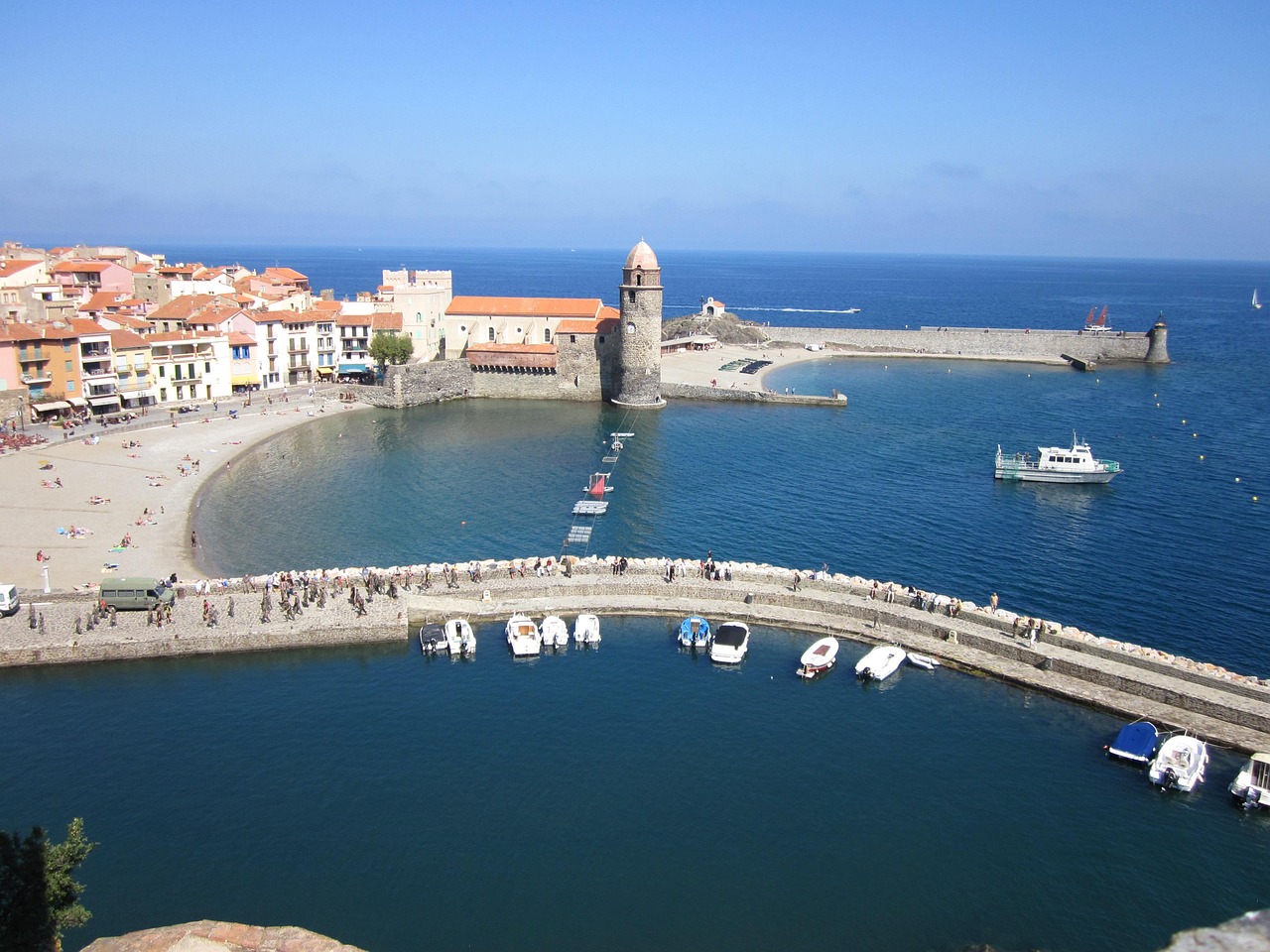
The Pyrenees Orientales Coast is where the last sigh of the French Mediterranean brushes the foothills of the Pyrenees before tumbling into Spain. It’s a coastline of light: pink dawns over flat, wild sands; fierce blue midday surf; and evenings where Collioure glows like a painting you’re somehow allowed to walk through.
I’ve been coming here for over a decade, first as a broke backpacker arriving on a creaky TER train, later as a travel writer, and now as the kind of person who knows which beach bar will remember your preferred apéro by the second night. This guide is anchored in recent stays in 2024–2025, with a forward glance to what’s coming in 2026–2027: new coastal paths, refreshed beach clubs, and festivals you’ll want on your calendar.
What makes the Pyrenees Orientales Coast special?
- Variety in a compact strip: from kite-surfing beaches at Leucate and La Franqui to family-friendly Argelès-sur-Mer, the romantic coves of Collioure and Port-Vendres, and the wild, rough edges near Cerbère.
- French-Catalan culture: pa amb tomàquet and pastis, sardana dancing on village squares, bilingual menus, and the easy warmth of people who are used to both tourists and their own strong identity.
- Accessible but not overrun: in high summer it’s busy (this is the Med, after all), but you can still find quiet dawn swims, off-season emptiness, and unpretentious local hangouts.
- Good value (if you know where to look): coastal France can be pricey, yet here there are still fair-priced menus, simple seafront rooms, and smart ways to enjoy the “million-euro views” without the bill to match.
If you’re plotting a 3 day itinerary for Pyrenees Orientales Coast, a lazy 4 days in Pyrenees Orientales Coast, or a deeper 5 day itinerary for Pyrenees Orientales Coast, this long-form travel guide for Pyrenees Orientales Coast will walk you through things to do, best places to visit, local food, hidden gems, and all the practical travel tips I wish visitors knew.
Coastal Overview: From Wide Sands to Rocky Coves
The Pyrenees Orientales Coast runs roughly from the windswept sands north of Le Barcarès down to the rocky coves of Cerbère at the Spanish border. The character of the sea changes as you go:
- North (Leucate, Le Barcarès, Canet): Broad, windy beaches with dunes and lagoons behind them. Great for kitesurfing, sailing, families who like space, and spectacular winter walks.
- Central (Saint-Cyprien, Argelès-sur-Mer): Long, lifeguarded sands with boardwalks, restaurants, and plenty of infrastructure. Best for classic “beach holiday” energy, with lots of things to do with kids.
- South (Collioure, Port-Vendres, Banyuls, Cerbère): The Côte Vermeille – a switch to small pebbly coves, rocky headlands, and deep blue water. Ideal for snorkeling, romantic weekends, and coastal hikes with views that look suspiciously like postcards.
I tend to stay centrally (Argelès or Collioure) so I can pivot easily: windy wave days up north, quiet snorkel days down south, and lazy café mornings wherever the mood takes me.
10 Iconic Beaches, Coves & Coastal Spots (With Local Insight)
1. Argelès-sur-Mer & Plage du Racou – Long Sands & A Village at the Edge
Argelès-sur-Mer is where I usually “land” when I first arrive. The train from Perpignan curves towards the sea, the mountains sharpen in the distance, and suddenly you’re at a station that smells like pine resin and sunscreen.
The Beach & Atmosphere
Plage d’Argelès is a wide, gently shelving beach that seems made for families and unhurried swimmers. In July and August 2025 I walked it daily at dawn; even in peak season you’ll share the sunrise mostly with joggers, dog walkers, and the occasional fisherman.
The northern end near the port is livelier, with cafés opening for early coffee and croissants. The southern end, near Plage du Racou, becomes more intimate: low houses with shutters fading in the sun, laundry strung between alleys, and a cluster of restaurants that feel more like a tiny village than a resort.
Plage du Racou – My Favorite “Almost Hidden” Corner
Racou (from the Catalan “racó”, meaning “corner”) is a pocket of sand backed by old fishermen’s houses and a few newer holiday homes. I usually come at the tail end of the afternoon: swim when the light softens, then linger barefoot at a terrace for a glass of chilled Collioure rosé.
On my last visit in September 2025, I watched a family set up a birthday picnic here – kids running in and out of the water, grandparents in straw hats, a Catalan flag draped over the cooler. It felt more like a village fête than a beach 10 minutes from a major campsite strip.
What to Do
- Swim & paddle: The water here is usually calm, with lifeguards on the main stretch in summer. I like early-morning laps parallel to the shore; by 10:30 a.m. the sand starts to fill.
- Coastal walk to Collioure: From Racou, you can take the sentier littoral (coastal path) towards Collioure. Allow 1.5–2 hours with photo stops; it’s moderate, with some rocky sections and glorious views.
- Family cycling: There’s a flat, well-marked cycle path along the beachfront and inland through pines. Even with kids in tow, it’s an easy way to explore without a car.
Food & Drink
In Argelès proper, you’ll find every possible beach-town option, but I tend to gravitate to the less shouty spots:
- Simple beach shacks: Look for places doing moules-frites in big steaming pots and grilled sardines in season. The ones with plastic chairs and paper tablecloths are often the best value.
- Racou terraces: Here, order tapas-style: anchois de Collioure, grilled cuttlefish, and a glass of local white from Banyuls. I’ve had some of my simplest, happiest meals here with bare feet in the sand.
How to Get There
By train: TER from Perpignan to Argelès-sur-Mer (about 25 minutes), then a 20–25 minute walk or a short local bus/tourist train ride to the beach.
By car: Easy from the A9 via Perpignan Sud; parking can be tight in August, but if you arrive before 10 a.m. you’ll usually find a spot along the beachfront or in signed lots.
Who It’s Best For
- Families: Gentle entry, lifeguards, playgrounds, and plenty of ice cream. This is one of the best places to visit in Pyrenees Orientales Coast with younger kids.
- Couples: Stay near Racou, avoid the noisiest bar strips, and you’ll find it surprisingly romantic.
- Adventurous walkers: Use Argelès as your base for day hikes along the Côte Vermeille.
Personal Tip
On calm evenings, bring a bottle (or can) of something cold and walk to the far southern end of Racou. Sit on the rocks, watch the sky burn orange over Collioure’s headland, and listen to the muted buzz of the village behind you. It’s my favorite “reset” moment after a long travel day.
2. Collioure – The Painter’s Cove
Collioure is the place that hooked me on this coast years ago. I arrived on an overcast November afternoon, expecting off-season gloom, and instead found shutters still open, fishermen mending nets, and a sky that broke into a blaze of gold just as I reached the sea.
A Short History in a Seashell
Collioure has always been a strategic port and a muse. The Royal Castle has changed hands between French and Spanish crowns, and the town became an open-air studio in the early 20th century when Matisse, Derain, and other Fauvist painters fell in love with its light. You can still follow a marked “Chemin du Fauvisme” around town, with reproductions of paintings where they were originally done.
The Beaches & Coves
Collioure’s “beaches” are small, pebbly, and framed by stone – don’t come expecting endless sand. Come instead for atmosphere:
- Plage Saint-Vincent: The classic postcard beach in front of the lighthouse-church. Perfect for a short dip between strolls; can be crowded by midday in summer.
- Boramar Beach: Just below the Royal Castle, good for sunbathing and people-watching. Not ideal if you crave solitude, but unbeatable if you like to feel in the heart of things.
- More secret coves: If you walk east along the coastal path towards Port-Vendres, you’ll find smaller rocky ledges and coves where locals slip into the water at dawn. Bring reef shoes.
What to Do
- Swim with a view: I love early-morning swims in May and September, when the water is still crisp and the town is just waking. The bell tower reflected in the water never gets old.
- Climb to the Fort Saint-Elme: A moderate uphill walk rewards you with a panoramic view of the Côte Vermeille, vineyards, and the town’s iconic rooftops.
- Art & wandering: Stroll the Fauvist trail, pop into small galleries, and don’t rush. Collioure is best experienced slowly: a coffee here, a sketch there, another swim.
Food & Drink
Collioure is known for its anchovies. I still remember my first plate in 2017: simply cured fillets, olive oil, bread, and a glass of local white. Now I repeat the ritual every visit.
- Anchovy houses: Seek out one of the traditional anchois producers near the harbor. Many do tastings and sell tins that make perfect edible souvenirs.
- Harborfront terraces: They’re not cheap, but if you time it for a sunset apéro rather than a full meal, you can enjoy the view without wrecking your budget.
How to Get There
By train: TER from Perpignan or Argelès in 30–40 minutes. From the station it’s a 10–15 minute walk downhill to the old town.
By car: Winding but scenic coastal road; parking in high season is challenging and usually paid. I often park at the upper lots and walk down.
Best For
- Couples: Probably the most romantic town on the Pyrenees Orientales Coast.
- Cultural travelers: Art, history, and Catalan-French fusion all in one compact place.
- Short stays: If you have only 3 days in Pyrenees Orientales Coast, Collioure deserves at least one full day.
Personal Tip
In 2025 I discovered a tiny viewpoint above town where locals bring takeaway pizza and a bottle of wine at sunset. Ask discreetly at your hotel or guesthouse – people are surprisingly willing to point you to their favorite bench if you’re clearly not a loud group.
3. Canet-en-Roussillon & Étang de Canet – Beach & Lagoon
Canet-en-Roussillon is where Perpignan comes to breathe. On summer weekends, the promenade buzzes with local families, teenagers on electric scooters, and three generations sharing ice cream on a bench.
The Beach
This is a classic Mediterranean sand strip: broad, golden, and backed by a substantial esplanade. Stronger winds here than in Argelès make it good for light wind sports; still, the gradient into the sea is gentle, and there are clearly marked lifeguard zones in summer.
The Étang – A Different Kind of Water
Behind the beach lies the Étang de Canet-Saint-Nazaire, a lagoon and bird reserve. My favorite memory here is a quiet February morning in 2024, cycling along the path as flamingos stood motionless in the shallows, the Albères mountains dusted with snow behind them.
There’s a small reconstructed fishermen’s village on the lagoon’s edge – a few huts that give a sense of what life here once looked like, before tourism reshaped the coast.
What to Do
- Boardwalk cycling: There’s a long, flat cycle track parallel to the sea. I often rent a bike in the late afternoon and ride until the sky turns orange.
- Bird watching: Early morning or late afternoon at the étang offers the best chance to see flamingos and other migratory species.
- Family beach days: Plenty of supervised zones, showers, and snack kiosks make Canet an easy day out with kids.
Food & Drink
Canet’s seafront restaurants are a mix of touristy and genuinely good. Two general rules I follow:
- If you see a chalkboard with a short menu and a daily catch, you’re likely in good hands.
- If the menu has photos and 60 different dishes, I go elsewhere.
Best For
- Families & groups: Infrastructure, accessibility, and lots of lodging options.
- Beach + city combo: Easy day trips into Perpignan for culture and shopping.
Personal Tip
On breezy evenings, walk the boardwalk with a takeaway ice cream and watch local kids play football on the sand. It’s a reminder that this isn’t just a holiday zone; it’s someone’s everyday sea.
4. Saint-Cyprien – Marinas, Families & Soft Sand
Saint-Cyprien sits between Canet and Argelès and combines elements of both: a big marina, a wide beach, and a slightly calmer feel than the full-on camping rows of Argelès.
The Beach & Port
The beach is gently shelving, with lifeguards in high season and a couple of quieter stretches as you move away from the marina. There’s a good amount of space – I’ve never felt as hemmed in here as I sometimes do on August weekends in Argelès.
The marina area can feel a bit “resorty”, but it’s handy for boat trips and sunset strolls among the masts.
What to Do
- Family beach day: The sand is soft, and there are usually inflatable water structures offshore in summer, which my friends’ kids adored.
- Boat excursions: From the marina, you’ll find dolphin-spotting trips and coastal cruises. I took a sunset cruise in early September 2025 – touristy, yes, but the light over the Albères was spectacular.
- Golf & green space: Just inland is a golf course and lagoon area, giving a bit of breathing room from the built-up seafront.
Food & Drink
In 2024, a small wave of more creative bistros started appearing here – simpler than Collioure’s fine-dining ambitions, but a step above standard beach fare. Look for places tucked one or two streets back from the marina; that’s where I’ve eaten the best grilled fish.
Best For
- Families: Particularly if you want marina activities and easy parking.
- Groups: Apartments and villa rentals are common here, offering good value split between several people.
Personal Tip
If you’re driving the coast, Saint-Cyprien makes a good “base two” after a few days in Collioure – you get a different, less intense energy without losing easy access to the Côte Vermeille.
5. Le Barcarès – Wide Beaches & Festival Vibes
Le Barcarès has always felt a bit like “festival territory” to me – big open spaces, long windswept beaches, and a seasonal rhythm defined by events and music.
The Beach
The sands here are vast and relatively straight, with dunes in some sections and holiday complexes in others. It’s windier than Argelès or Collioure, which makes it a favorite for kite surfers and those who like a bit of wildness even in summer.
The Lydia Ship & Quirks
One of the most surreal sights on the Pyrenees Orientales Coast is the Lydia, an old cruise ship marooned in the sand and turned into a cultural and nightlife venue. I remember biking up to it one late afternoon in 2023, salt on my skin and wind in my hair, and thinking it looked like a set from a slightly eccentric French film.
Events & Atmosphere
Le Barcarès hosts major events, including electronic music festivals that draw big crowds. The town can swing from sleepy to full-on party central depending on the week.
Best For
- Young crowds & festival-goers: If you like your beach days followed by big nights, this is a strong contender.
- Wind & water sports: Space + wind = happy kites.
Personal Tip
If you’re not here for festivals, aim for June or September. You’ll still get the big skies and wide sands, but without the bass lines echoing into the night.
6. Leucate & La Franqui – Wind, Waves & Cliffs
Technically just over the departmental border, but spiritually part of this coastal arc, Leucate and La Franqui are where you go when you want movement: wind in the sails, waves under your board, salt everywhere.
La Franqui – Vintage Vibes
La Franqui feels like a slightly time-warped beach town: low-rise, pine trees, a boardwalk that feels more 1970s than 2020s (in a good way). The beach stretches forever, and at low tide you can walk out seemingly halfway to Spain.
Leucate Plage & Leucate Village
Leucate village sits on a small hill inland, with a cluster of stone houses, a ruined château, and views over both sea and étang. Leucate Plage below is all about beach life: kitesurfing schools, surf shops, and simple shack-style eateries.
What to Do
- Kitesurf & windsurf: If you’ve ever wanted to learn, this is one of the best things to do in Pyrenees Orientales Coast’s wider area. Numerous schools run multi-day courses.
- Walk & watch birds: The area between sea and lagoon is rich in birdlife. I’ve seen flocks of flamingos here on winter mornings that felt almost unreal.
- Cliff walks: Trails along the cliff edges give thrilling views; bring sturdy shoes and water.
Food & Drink
This is oyster country. On my last visit in April 2025, I sat at a rickety table by the étang, eating oysters so fresh they tasted like a distilled version of the sea, with a squeeze of lemon and a glass of crisp white wine.
Best For
- Adventurous travelers: Wind + waves + cliffs = a playground.
- Off-season escapes: Even in winter, this area has a compelling, windswept beauty.
Personal Tip
Try to do at least one sunset from the cliffs above Leucate. The view towards the Pyrenees as the sky flames and cools is one of my favorite mental “screensavers” from the region.
7. Banyuls-sur-Mer – Wine, Snorkeling & Slow Days
Banyuls-sur-Mer is where I go when I need to slow down. It’s smaller than Collioure, quieter than Argelès, and more intimately tied to the sea and its surrounding terraced vineyards.
The Beach & Snorkeling
There’s a main pebbly crescent beach right in town, with a gently sloping entry and a few rocky outcrops that attract fish. South of the harbor, small coves offer clearer water and more privacy.
Banyuls lies within a marine reserve, making it a prime spot for snorkeling. In 2024 I spent a blissful afternoon drifting over seagrass and rocky patches, watching damselfish and wrasse dart in and out of crevices.
Wine & Terroir
The steep, stone-terraced vineyards around Banyuls produce the famous Vin de Banyuls, a fortified wine that pairs beautifully with chocolate and blue cheese. Many domaines offer tastings; I recommend going up in late afternoon when the vines glow and the sea spreads out below.
What to Do
- Snorkeling or diving: Local dive centers run trips into the marine reserve; even beginners can join guided snorkel tours.
- Wine tasting: Visit a cellar in town or walk up to a vineyard for a panoramic tasting.
- Coastal walks: Trails link Banyuls with Cerbère and Port-Vendres, offering some of the best coastal hiking on the Pyrenees Orientales Coast.
Best For
- Couples & solo travelers: A good place to read, swim, and sip without too much noise.
- Snorkelers & divers: Arguably the best underwater scenery on this stretch of coast.
Personal Tip
In 2025 I spent three nights here alone, working mornings from a balcony and swimming every afternoon. It’s an excellent base if you work remotely and want a change of sea view without constant distraction.
8. Port-Vendres – Working Port & Hidden Coves
Port-Vendres is, refreshingly, a working port. Fishing boats, cargo ships, and pleasure craft all share the harbor. When I need a break from 100% tourism, I come here to watch real maritime life unfold.
The Harbor & Coves
The town center curls around the harbor, with cafés and fish restaurants lining the quays. A short walk east or west, and the coast becomes rocky and intimate, with small coves that reward exploration.
What to Do
- Fish market mornings: Get up early and watch fishermen unload their catch. Some days you can buy directly and have your accommodation cook it, if they offer that service.
- Coastal path: The trail towards Collioure offers stunning viewpoints and a chance to duck down to small swimming spots.
- Boat trips: Less crowded than Collioure; I’ve had dolphin sightings just off the coast here.
Food & Drink
I’ve eaten some of my freshest fish in Port-Vendres. Look for simple spots where the menu changes daily based on the catch. During my last lunch here (June 2025), I had grilled dorade with nothing but lemon, olive oil, and a side of grilled vegetables – perfection.
Best For
- Seafood lovers: This is where locals come for a proper fish lunch.
- Travelers who like “real” ports: Less polished than Collioure, more alive in everyday ways.
Personal Tip
Stay for blue hour: when the harbor lights come on and the sky deepens, Port-Vendres has a quiet magic that rarely makes the brochures.
9. Cerbère – Last Stop Before Spain
Cerbère feels like the end of the line – in the best way. It’s the last French stop before Spain, a town hemmed in by cliffs and sea, with a slightly offbeat charm.
The Beach & Setting
The main beach is a crescent of pebbles, backed by a small promenade and overlooked by art deco buildings, including the distinctive Belvédère du Rayon Vert, an old railway hotel with a curved façade that once echoed the lines of trains pulling in.
What to Do
- Border walks: Trails from Cerbère take you over the hills to Spain, with spectacular sea views and a sense of crossing not just a border but a climatic line.
- Dive & snorkel: Like Banyuls, Cerbère sits near the marine reserve. Underwater visibility can be excellent.
- Train spotting: There’s a faint air of “end of Europe” here, especially if you watch freight trains rumble through towards the border.
Best For
- Adventurous hikers: Combine sea swims with ridge walks.
- Those who like edges: If you’re drawn to places that feel like margins rather than centers, Cerbère will speak to you.
Personal Tip
I once spent a winter afternoon here reading on the pebbles, with just three other people in sight. The sea was too cold for more than a quick plunge, but the light and solitude made it one of my favorite afternoons on this coast.
10. Torreilles-Plage & The Wilder Sands
Torreilles-Plage is where you go when you want space and sky. It’s less developed than its neighbors, with preserved dunes and a feeling of being a little more removed from the frenetic holiday machine.
The Beach
The sand here is broad and backed by low dunes and simple beach bars rather than rows of apartments. I like it in shoulder season (May, late September) when you can walk for long stretches with only occasional company.
What to Do
- Long walks: This is one of the best places for contemplative beach walks along the Pyrenees Orientales Coast.
- Kite flying & simple pleasures: The wind and space make it great for old-fashioned fun – kites, frisbees, sandcastle cities.
Best For
- Travelers craving a “wilder” feel: Still civilized, but a notch less built-up.
- Budget campers: Several campsites nearby offer affordable stays within cycling distance of the sea.
Personal Tip
Sunsets here can be spectacular. Bring a light jacket (the wind can pick up) and stay until the last pink fades; it’s one of the best free shows on the coast.
3–5 Day Itineraries for Pyrenees Orientales Coast (With Personal Stories)
The Pyrenees Orientales Coast is forgiving: you can improvise each morning based on weather and whim. Still, if you’re planning 3 days in Pyrenees Orientales Coast, 4 days in Pyrenees Orientales Coast, or a deeper 5 day itinerary for Pyrenees Orientales Coast, it helps to have a loose structure.
Below are three overlapping itineraries. I’ve walked, swum, and eaten my way through variations of each over multiple summers and off-season escapes. Use them as scaffolding, not a strict schedule.
3 Day Itinerary for Pyrenees Orientales Coast – Highlights & First Tastes
Day 1 – Arrival, Argelès-sur-Mer & Plage du Racou
On my most recent “compressed” trip in June 2025, I arrived on a late-morning train to Argelès with just a small backpack and a vow not to open my laptop. If you’re flying into Perpignan, aim for a midday arrival; that gives you enough time to settle in and still feel you’ve started your holiday properly.
Morning / Early Afternoon:
- Check into a simple seafront hotel or apartment near the central beachfront. I like being around a 5–10 minute walk from the sand: close enough to nip back for forgotten sunglasses, far enough that late-night bar noise fades to a murmur.
- Drop your bags, change straight into swimwear, and go to the sea before you overthink anything.
- Have a light lunch at a beachfront café – salade niçoise or a panini if you want to keep it cheap, plus a carafe of water (tap is fine and free if you ask).
Late Afternoon: Plage du Racou
Walk or cycle down to Plage du Racou. The farther you get from the central strip, the more the atmosphere softens. By 4 p.m., the sun starts to lose its bite, and the families who arrived in the morning are thinking about packing up.
- Swim, nap, or read in the lee of the dunes.
- Wander the back lanes of Racou, admiring the patchwork of shutters and bougainvillea.
Evening: First Catalan Dinner
- Pick a terrace in Racou or back in Argelès village. Start with anchoïade (anchovy dip) if you’re adventurous, or classic charcuterie if not.
- Order a local wine – many menus will highlight Collioure or Banyuls domaines.
Walk the promenade after dinner. In high season there’ll be night markets, street performers, and kids begging for one more ride on the carousel. It’s touristy, yes – but it’s also part of the coast’s summer heartbeat.
Day 2 – Collioure, Art & A Painter’s Swim
I recommend making Collioure your focus on Day 2. On my last three-day dash, I caught the 8:30 a.m. train, stepping off into a town still stretching and yawning.
Morning: Wandering & Swimming
- Walk straight down from the station to the water – around 10–15 minutes.
- Have coffee and a croissant at a café facing the harbor; the light on the bell tower is especially beautiful before 10 a.m.
- Take a mid-morning swim at Plage Saint-Vincent. The pebbles are smooth; bring or buy cheap water shoes if you have sensitive feet.
Midday: Art & Castle
- Follow part of the Chemin du Fauvisme, hunting down reproductions of paintings. It’s a fun, low-key cultural experience even with kids; spotting the differences between painting and present-day view becomes a game.
- Visit the Royal Castle for the views and a dose of history. There are often small exhibitions inside.
Lunch:
- Pick a bistro in the old town, ideally on a quieter side street. Try the anchovy specialties or a fish of the day.
Afternoon: Coastal Path or Fort Saint-Elme
- If you’re feeling energetic, climb up to Fort Saint-Elme for panoramic views. It’s uphill but not extreme; bring water.
- Alternatively, take a shorter stretch of the coastal path towards Port-Vendres and back, just to taste the scenery.
Evening: Golden Hour & Return
- Have an apéro facing the bay: an apérol spritz or a glass of Collioure rosé.
- Either dine in Collioure or catch an evening train back to Argelès for a quieter (and often cheaper) dinner.
Day 3 – Choice Day: Banyuls, Port-Vendres or Canet-en-Roussillon
On your last day of this 3 day itinerary for Pyrenees Orientales Coast, choose based on your interests:
- Banyuls-sur-Mer – if you love snorkeling, wine, and quiet coves.
- Port-Vendres – if you’re drawn to working ports and seafood lunches.
- Canet-en-Roussillon – if you prefer a long, easy beach day with a boardwalk and lagoon walks.
Whichever you choose, structure your day like this:
- Morning: Travel early, then settle in with a swim or harbor walk.
- Midday: Long, lingering lunch (seafood if possible).
- Afternoon: A local activity – wine tasting in Banyuls, birdwatching at Canet’s lagoon, or a short coastal walk from Port-Vendres.
- Evening: Back to your base, one last sunset stroll, and perhaps takeaway pizzas on the sand if you’re tired of restaurants.
By the end of these three days, you’ll have a sense of the coast’s varied moods – enough to know if you’re coming back for a longer 4 or 5 days in Pyrenees Orientales Coast (my bet: you will).
4 Day Itinerary for Pyrenees Orientales Coast – Adding Wind & Wild
For 4 days in Pyrenees Orientales Coast, I suggest following the 3-day plan above and adding a dedicated “wind & wild” day up north.
Day 4 – Leucate / La Franqui & Le Barcarès
Morning: To the Wind
- Head early to La Franqui or Leucate Plage. If you’re relying on public transport, check current bus and train combos from Perpignan; schedules can be sparse outside high season.
- Walk the enormous beach at La Franqui, watching kite surfers carve the sky. On my last visit in 2024, I spent an hour just taking photos of colorful kites against a deep blue background.
Midday: Oysters by the Étang
- Make your way to the étang-side oyster shacks near Leucate village.
- Order a mixed plate of oysters and other shellfish, plus a glass of local white. It’s one of the best-value gourmet experiences on the coast.
Afternoon: Village & Cliffs
- Explore Leucate village, climb to the ruined château for a panoramic view.
- If you have time and stamina, do a short cliff-top walk – even 30–45 minutes can yield gorgeous vistas.
Late Afternoon / Evening: Le Barcarès or Back South
- Stop at Le Barcarès on your way back for a sunset walk on the huge beach and a look at the Lydia ship, or…
- Return directly to Argelès/Collioure for a quieter final night.
This extra day adds a crucial dimension to your 4 day itinerary for Pyrenees Orientales Coast: the sense of wind, dunes, and big horizons that you don’t fully get on the more sheltered Côte Vermeille.
5 Day Itinerary for Pyrenees Orientales Coast – Deep Dive & Borderlands
With 5 days in Pyrenees Orientales Coast, you can slow down and stretch out. I recommend:
- Days 1–3: As per the 3-day itinerary (Argelès, Collioure, Banyuls/Port-Vendres/Canet).
- Day 4: Leucate / La Franqui & Le Barcarès (as above).
- Day 5: Banyuls & Cerbère – Wine, Snorkeling & the Spanish Border.
Day 5 – Banyuls & Cerbère: Edge-of-Map Feelings
Morning: To Banyuls
- Take a morning train or drive to Banyuls-sur-Mer.
- Snorkel from the main beach or one of the small coves south of the harbor. Bring your own gear or rent locally.
Lunch: Vineyard or Harbor
- Either climb up to a vineyard for a tasting-lunch combo (some domaines offer platters with local cheeses and charcuterie)…
- …or stay in town and have a seafood lunch overlooking the water.
Afternoon: To Cerbère
- Continue by train or car to Cerbère.
- Swim from the pebbly beach, then explore the town’s quirky architecture.
- If you’re up for a hike, do a short section of the trail towards the Spanish border, turning back before it gets too late.
Evening: Last Light on the Edge
- Have an early dinner in Cerbère (there are a few simple but good restaurants), then catch a train back to your base.
- On the way back, watch the last light fade from the train window; the silhouette of the coast against the sky is a quiet goodbye.
This extra borderlands day elevates your 5 day itinerary for Pyrenees Orientales Coast from “beach holiday” to something more textured: wine, wilderness, and the strange allure of national edges.
Seafood, Beach Bars & Boardwalk Eating
Food on the Pyrenees Orientales Coast is a lively tug-of-war between French and Catalan traditions, with the Mediterranean as constant referee. If you love seafood, this is your stage.
Where Locals Actually Eat
- Port-Vendres: For serious fish lunches. Menus scrawled on chalkboards, a short list of dishes, and the smell of grilled dorade = promising signs.
- Collioure side streets: Avoid the loudest harborfront touts; one or two streets back you’ll find quieter bistros where locals go midweek.
- Banyuls-sur-Mer: Small restaurants facing the sea with strong links to local fishermen and winemakers.
- Leucate étang: The oyster shacks here are dominated by French visitors, many from the region – a very good sign.
What to Eat
- Anchois de Collioure: Cured anchovies served simply. Salty, rich, and much subtler than the supermarket versions you might know.
- Moules-frites: Mussels and fries, a staple along the coast. Look for “moules de bouchot” (rope-grown) when in season.
- Grilled fish: Dorade, loup, and sardines, often simply done with lemon and olive oil.
- Paella & fideuà: Spanish-influenced rice or noodle dishes appear frequently, especially at summer events and some beach restaurants.
- Banyuls & Collioure wines: Try a glass of Banyuls with dessert (especially chocolate) and a Collioure red or rosé with fish.
Sunset Cocktails Worth the Splurge
- Collioure harbor: Time your drink for the half-hour before sunset; order slowly, savor the view.
- Racou terraces: Less formal, more barefoot-friendly; perfect for an apéro with toes in the sand.
- Banyuls promenade: Quieter, with a deeper blue sea stretching in front of you.
Saving Money on Food
- Make lunch your main meal: formule déjeuner menus (two or three courses) are often great value.
- Self-cater breakfasts and some dinners from markets and supermarkets.
- Picnic on the beach at least once: a baguette, cheese, tomatoes, fruit, and a bottle of local wine can be a feast for under €10–15 per person.
Evenings on the Pyrenees Orientales Coast
Evenings are when the rhythm of the coast shifts: from sun and salt to lights and music, from children squealing in the shallows to couples strolling hand in hand.
Bonfire Spots & Informal Gatherings
Officially, open bonfires are restricted on most beaches for safety reasons. Unofficially, you’ll sometimes see small groups with candles or tiny, controlled fires in less supervised areas (especially in shoulder season). If you’re tempted, check local rules first; fines can be steep, and the dune ecosystems are fragile.
Beach Bars & Clubs
- Argelès & Canet: Beach bars with music till late, especially in July–August. Some skew family-friendly early evening, turning more club-like after 11 p.m.
- Le Barcarès: Nightlife cranks up around festivals; expect big crowds and big beats.
- Collioure & Banyuls: More about wine bars and terraces than full-on clubs; ideal for quieter nights.
Sunset Cruises & Boardwalk Strolls
Several towns – notably Saint-Cyprien, Collioure, Argelès, and Port-Vendres – offer sunset boat trips in high season. I took one from Saint-Cyprien in 2025: dolphins didn’t show up, but the coastline glowing in slanting light made it worth the ticket.
Boardwalk strolls are a nightly ritual in summer. In Argelès and Canet you’ll find markets selling crafts, clothes, and the kind of souvenirs kids adore and adults quietly regret buying. In Collioure, the promenade is more about art, gelato, and slow ambling.
Cultural Etiquette & Local Customs
The Pyrenees Orientales Coast straddles French and Catalan worlds, and a few small gestures go a long way.
Language
- French is primary; Catalan is present in signage and culture, and some locals identify strongly with it.
- Always start interactions with a “Bonjour” (daytime) or “Bonsoir” (evening) before launching into questions; it’s basic French politeness.
- Many people in tourism speak some English, but not all. A few phrases in French are appreciated.
Dining Customs
- Lunch usually runs 12:00–14:00; dinner from 19:30 onwards. In smaller places, don’t expect to be seated for dinner before 19:00.
- Service is typically slower and more relaxed than in Anglo cultures. Once seated, the table is often yours for the night; you’ll need to actively ask for the bill (“L’addition, s’il vous plaît”).
- Tipping is not obligatory (service is included) but rounding up or leaving 5–10% for good service is appreciated.
Beach Etiquette
- Topless sunbathing is common and socially accepted on many beaches.
- Keep some distance from other groups when the beach isn’t crowded; the unspoken rule is not to camp directly next to someone if there’s space elsewhere.
- Respect the dune areas: they’re often protected. Don’t climb or picnic on them.
Local Festivities
- Fêtes locales: Many towns have summer festivals with music, food stalls, and fireworks. Join respectfully; avoid blocking dancers or performers, and keep glass off the sand.
- Castells & sardana: Occasionally you’ll see Catalan human towers (castells) or circle dances (sardana) at events. Applause is welcome; trying to join in is usually appreciated if you follow instructions.
Day Trips & Nearby Attractions
Once you’ve had your fill of sea and sand (if that ever happens), there’s plenty within easy reach.
Perpignan
Perpignan is the region’s cultural heart – a city of palm trees, Catalan flags, and a compact old town. From the coast, it’s usually under 30–40 minutes by train or car.
- Visit the Palais des Rois de Majorque for history and views.
- Wander the old streets, stopping for coffee on sunlit squares.
- Stock up at markets for picnic supplies.
Ceramic & Hill Villages
Inland hill villages like Céret (technically in neighboring Vallespir, but easily reachable) offer art museums, cobbled streets, and a different pace. Céret’s Museum of Modern Art has works by Picasso, Matisse, and others who also loved this light.
Spain (Costa Brava)
From Cerbère or Banyuls, it’s an easy hop to the Spanish Costa Brava by train or car. Towns like Portbou and Llançà are within striking distance for a day of Spanish tapas and different coves.
Practical Tips for Day Trips
- Check train times the day before; schedules can vary seasonally and on Sundays.
- For cross-border trips, carry your passport and check current Schengen rules if you’re a non-EU visitor.
Practical Travel Advice & Logistics (2026)
Getting There
- By air: Perpignan–Rivesaltes (PGF) is the closest airport, with seasonal flights from several European cities in 2026. Girona (Spain) and Barcelona are alternatives with longer transfers.
- By train: High-speed TGVs link Perpignan to Paris, Lyon, and beyond. TER regional trains connect Perpignan with most coastal towns.
- By car: The A9 motorway runs inland; exits for Perpignan and Leucate give access to the coast.
Getting Around
- Train: The TER line hugs much of the coast (Perpignan–Cerbère). It’s my preferred way to move between Argelès, Collioure, Port-Vendres, Banyuls, and Cerbère.
- Bus: Regional buses fill in some gaps, especially to smaller beaches and inland villages.
- Car rental: Useful if you’re staying outside main towns or want flexibility for day trips; book early for July–August 2026.
- Bike: Excellent for local movement in Argelès, Canet, and around the lagoons.
Money-Saving Strategies
- Travel in shoulder season (late May–June, September). Prices drop, crowds thin, and sea temperatures are still pleasant.
- Choose town stays over absolute beachfront; you can walk or cycle to the sea and pay far less for lodging.
- Use picnics and markets to balance sit-down meals.
SIM Cards & Connectivity
- France has excellent mobile coverage along the coast. In 2026, eSIM options are widely available.
- For EU visitors, roaming is usually included. Non-EU visitors can pick up prepaid SIMs from Orange, SFR, or Bouygues at supermarkets or operator stores.
Visa Requirements & Driving Licenses
- France is in the Schengen Area. Many nationalities (including UK, US, Canada, Australia, much of Latin America and Asia) can enter visa-free for short stays; check current 2026 rules, especially with the gradual rollout of ETIAS pre-travel authorization.
- Most foreign driving licenses are accepted for short visits. If yours isn’t in Latin script, consider an International Driving Permit.
Where to Stay
- Oceanfront: Perfect if your priority is waking up to the sea. Expect higher prices, smaller rooms, and sometimes more noise.
- Town center: My usual choice in Collioure and Banyuls – easy access to everything, with the beach a short stroll away.
- Further out / countryside: Good for those with a car and a desire for quiet nights.
Best Seasons & Weather
- Spring (April–June): Increasingly warm, fewer crowds. Sea still cool in April/early May but swimmable from late May onwards.
- Summer (July–August): Hot, busy, vibrant. Best for guaranteed beach days, festivals, and nightlife.
- Autumn (September–October): My favorite: warm sea, softer light, fewer visitors, and still plenty open.
- Winter (November–March): Quiet, with some businesses closed. Great for walkers and wind-lovers; sea usually too cold for long swims without a wetsuit.
Beach-Specific Logistics & Safety
Tides, Swell & Wind
- Being Mediterranean, the Pyrenees Orientales Coast has small tidal ranges compared to oceanic coasts; tides are rarely a major hazard for swimmers.
- Wind (notably the tramontane) can whip up waves quickly, especially on the northern, more exposed beaches (Leucate, Le Barcarès, Canet).
- Check local surf and wind apps daily if you plan on kitesurfing, windsurfing, or paddleboarding.
Lifeguards & Flags
- Main beaches in Argelès, Canet, Saint-Cyprien, Collioure, Banyuls, Le Barcarès, Torreilles have lifeguard-supervised zones in high season.
- Respect the flag system:
- Green: Safe swimming conditions.
- Orange/Yellow: Caution – waves, currents, or other hazards.
- Red: Swimming prohibited; don’t go in.
Jellyfish, Rip Currents & Other Hazards
- Jellyfish: Occasional blooms, especially after certain winds. Lifeguards may post warnings; if stung, rinse with seawater (not freshwater) and seek first aid if needed.
- Rip currents: Generally more of an issue on wide, exposed beaches (Leucate, Le Barcarès). Swim within lifeguarded areas and avoid going out alone too far.
- Sharks: Sightings are extremely rare and not a practical concern for swimmers.
Equipment Rental
- Umbrellas & loungers: Widely available on main beaches in summer. You can also buy a cheap umbrella from supermarkets if you’re staying a week or more.
- Boards & water sports: Surf and SUP rentals in Argelès, Canet, Leucate, and around lagoons. Kite schools concentrate in Leucate and La Franqui.
- Snorkels & masks: Sold in most coastal shops; bring your own if you’re particular about fit.
Sun Safety
- The sun here is fierce between 11:00 and 16:00 in summer. Use high-factor sunscreen, hats, and shade.
- Many beaches have little natural shade; plan accordingly, especially with children.
Parking Strategy
- Arrive early (before 10:00) in July–August for the best chance at convenient parking.
- Look for P+R-style lots with shuttle buses in busier towns; signs are usually clear.
- Always check signage carefully; fines for mis-parked cars are common in peak season.
Storms & Extreme Weather
- The region can experience strong winds (tramontane) and occasional heavy rains, particularly in autumn.
- While there’s no Atlantic-style hurricane season, Mediterranean storms can be sudden and intense. If the sky turns dark and the wind shifts quickly, get off open beaches and out of the water.
Best Months for Swimming vs Surfing/Kitesurfing
- Swimming: Late May–early October. Peak water temps usually in August–early September.
- Kitesurfing & windsurfing: Year-round in spots like Leucate and La Franqui, though winter demands proper gear. Spring and autumn often offer a good balance of wind and air temperature.
What’s New & Upcoming Events 2026–2027
Looking ahead to 2026–2027, a few patterns and events are worth noting when planning your trip.
Festivals & Events (Check Exact Dates Closer to Travel)
- Summer music festivals in Le Barcarès & Canet: Expect major electronic and pop line-ups in July and August 2026, with similar events planned into 2027.
- Local fêtes in Argelès, Collioure, Banyuls: Fireworks, concerts, and markets around Bastille Day (14 July), Assumption (15 August), and town-specific saint days.
- Wine harvest celebrations: Late September–October 2026 and 2027 in Banyuls and surrounding vineyards, with tastings and open cellars.
Coastal Path Improvements
Local authorities have been gradually improving sections of the sentier littoral between Argelès, Collioure, Port-Vendres, Banyuls, and Cerbère, with more waymarking and safety measures planned through 2026. This is good news for walkers: expect clearer signage and, in some steeper areas, better railings and steps.
Environmental Measures
Several municipalities are tightening plastic use and waste management on beaches, rolling out more recycling points and encouraging reusable containers at events. By late 2026, expect stricter rules on single-use plastics at festivals and beach bars.
Summary & Final Recommendations
The Pyrenees Orientales Coast is not one beach, one town, or one mood. It’s a sequence: wide, windy sands; family-friendly strips; painterly coves; working ports; vineyard-backed bays; border edges. That’s why I keep coming back – each trip feels different, even when I sleep in the same bed and swim from the same coves.
Key Takeaways
- For a 3 day itinerary for Pyrenees Orientales Coast, focus on Argelès, Collioure, and one additional town (Banyuls, Port-Vendres, or Canet).
- For 4 days in Pyrenees Orientales Coast, add a day in windy, wide Leucate / La Franqui and Le Barcarès.
- For a richer 5 day itinerary for Pyrenees Orientales Coast, push all the way to Banyuls and Cerbère for wine, snorkeling, and borderland hikes.
- Eat where the menus are short and the fish is fresh; drink local wines; try anchovies and oysters at least once.
- Use trains where possible; drive or rent bikes for flexibility; respect the wind, the dunes, and the lifeguard flags.
Best Time to Visit
- Overall best: Late May–June and September – warm, but not oppressive; sea swimmable; fewer crowds.
- For nightlife & festivals: July–August – vibrant, busy, and buzzing late into the night.
- For quiet walks & big skies: October–April – bring a windproof jacket and expect some closures, but enjoy having much of the coast almost to yourself.
Whether you come for must-see attractions like Collioure, for hidden gems in Pyrenees Orientales Coast like Racou and Torreilles, or simply to float in warm water and eat grilled fish, I hope this travel guide for Pyrenees Orientales Coast helps you find your own favorite corner. I’ve shared mine; the rest is up to you and the tide.