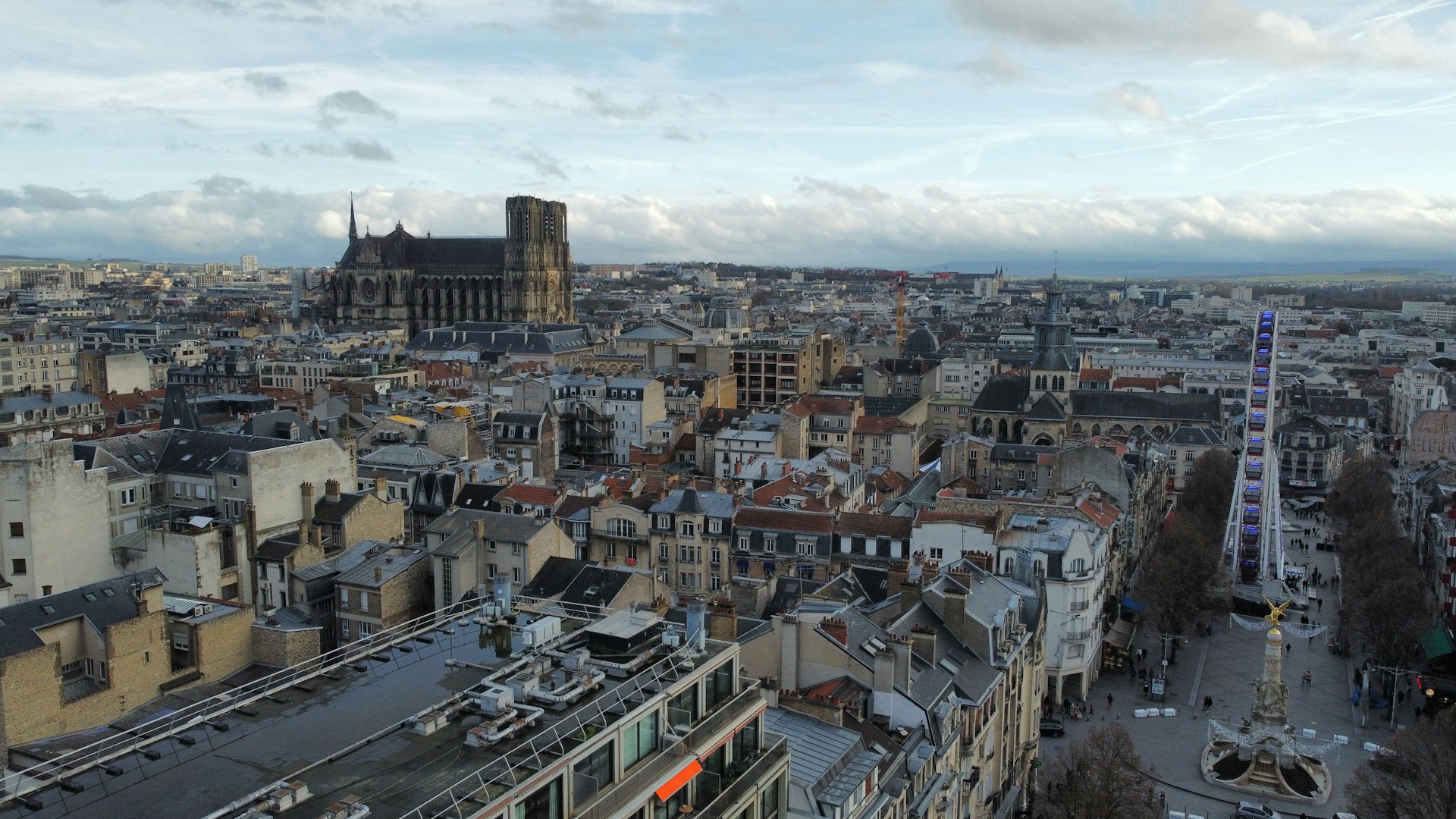
Why Visit Reims? What Makes It Special
Reims is where French kings were crowned, where champagne became a symbol of celebration, and where modern France quietly hums behind elegant façades and lively terraces. It’s big enough to feel like a real city, small enough to cross on foot, and compact enough to explore deeply in 3–5 days in Reims without feeling rushed.
On my first visit, I came for a quick 3 day itinerary for Reims and stayed an extra two nights. Since then I’ve returned every year, usually off-season, to wander under the flying buttresses of Notre-Dame de Reims, sip grower champagne in tiny family cellars, and linger over long lunches on sunlit squares. Reims has the history of Paris, the conviviality of a small town, and the sparkle (literally) of millions of bottles slumbering below your feet.
Whether you’re planning 3 days in Reims or a 5 day itinerary for Reims, this travel guide for Reims is written as if I’m walking you through the city myself—sharing not only the must-see attractions in Reims, but also the hidden courtyards, affordable bistros, and cultural quirks that make this place feel wonderfully local.
Table of Contents
- Why Visit Reims
- Top 20 Must-See Attractions in Reims
- Neighborhoods & Areas to Explore
- 3–5 Day Itineraries for Reims (With Personal Stories)
- Local Food in Reims & Where to Eat
- Nightlife, Entertainment & Cultural Experiences
- Day Trips from Reims
- Major Events & Festivals 2026–2027
- Cultural Etiquette & Local Customs in Reims
- Practical Travel Advice for Reims
- Summary & Best Time to Visit Reims
Top 20 Must-See Attractions & Hidden Gems in Reims
These are the best places to visit in Reims, from iconic UNESCO sites to small local secrets. I’ve visited each of them at least once, many of them multiple times, over different seasons between 2018 and 2025.
1. Cathédrale Notre-Dame de Reims
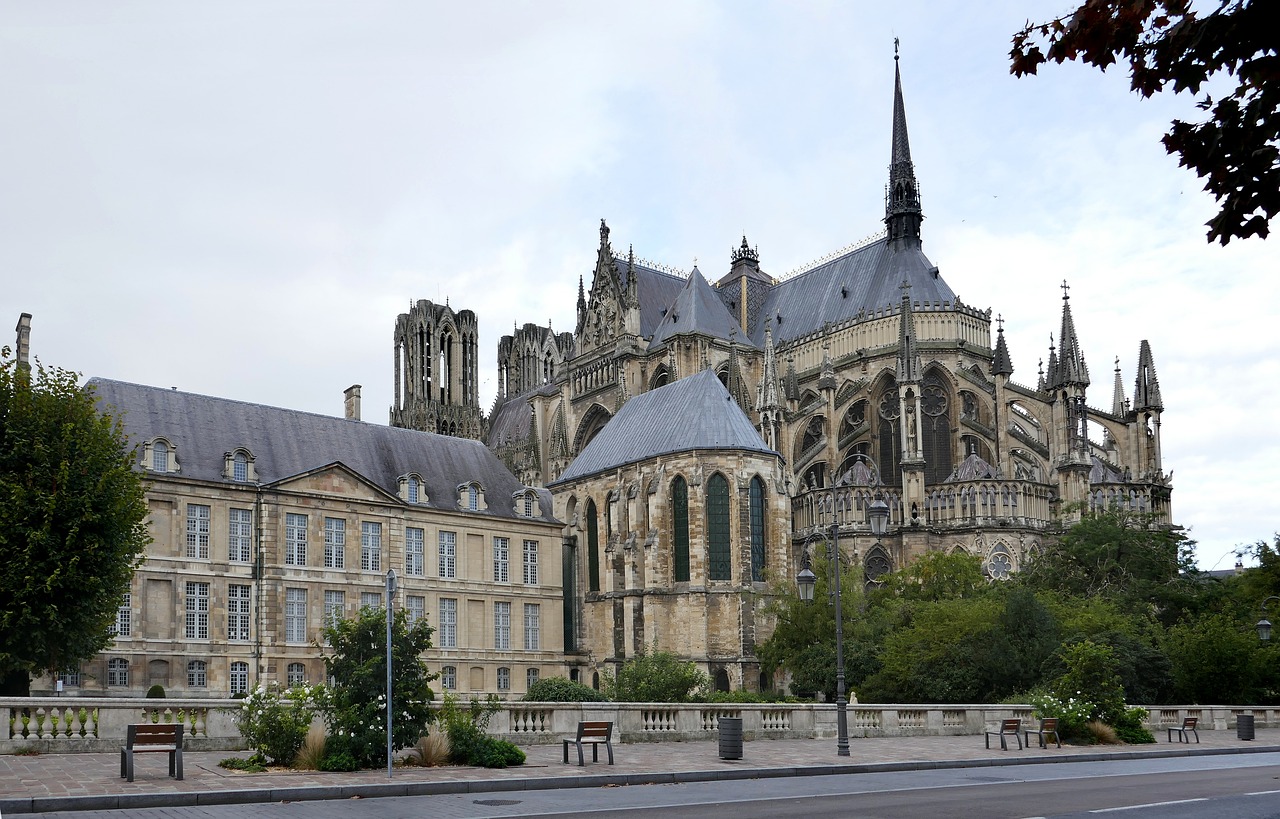
If there’s one place that defines Reims, it’s this cathedral. Every time I step into the square and see those towering twin spires, I feel very small and very lucky.
Why it matters: This UNESCO-listed Gothic masterpiece is where more than 30 French kings were crowned, including Charles VII with Joan of Arc at his side. Construction began in the 13th century, and despite war damage, it still feels impossibly light and delicate.
What to look for:
- The smiling angel (“l’Ange au sourire”) on the left portal—locals say she sets the tone for the city.
- Marc Chagall’s modern stained-glass windows at the east end—deep blues and reds that feel almost underwater at midday.
- The labyrinth pattern in the nave (its original version guided pilgrims; now kids love to trace it with their feet).
My experience & tips: I like to go twice in one day: first at opening (usually 7:30–8:00 a.m.) when it’s almost empty and the stone is cold and silent, then again around sunset when golden light floods the nave. On one frosty January morning I sat in the back pew alone, listening to a lone organist practicing—no tour could have topped that.
Practical info: Entrance is free; donations appreciated. Audio guides are worth it if you love history. The tower tour (when running) offers a fantastic view over the tiled roofs and, on clear days, across champagne country—book in advance in high season.
2. Palais du Tau
Next door to the cathedral, the Palais du Tau feels like stepping backstage into French royal history. It was the archbishop’s palace and the official residence of kings during coronation ceremonies.
Highlights:
- Crowns, reliquaries, and coronation vestments—ornate, glittering, and surprisingly well preserved.
- Fragments of original cathedral statues and tapestries that survived wars and revolutions.
- The grand banquet hall, where coronation feasts once took place—imagine the noise and candlelight.
Personal note: I first ducked in here on a rainy November afternoon and ended up staying nearly three hours. The museum layout quietly walks you through the coronation ritual; by the time you step back out into the cathedral square, it feels different, more layered.
Tip: Combine with the cathedral in the same morning. There’s usually a joint ticket with other local museums that can save you money if you plan to visit several.
3. Basilique Saint-Remi
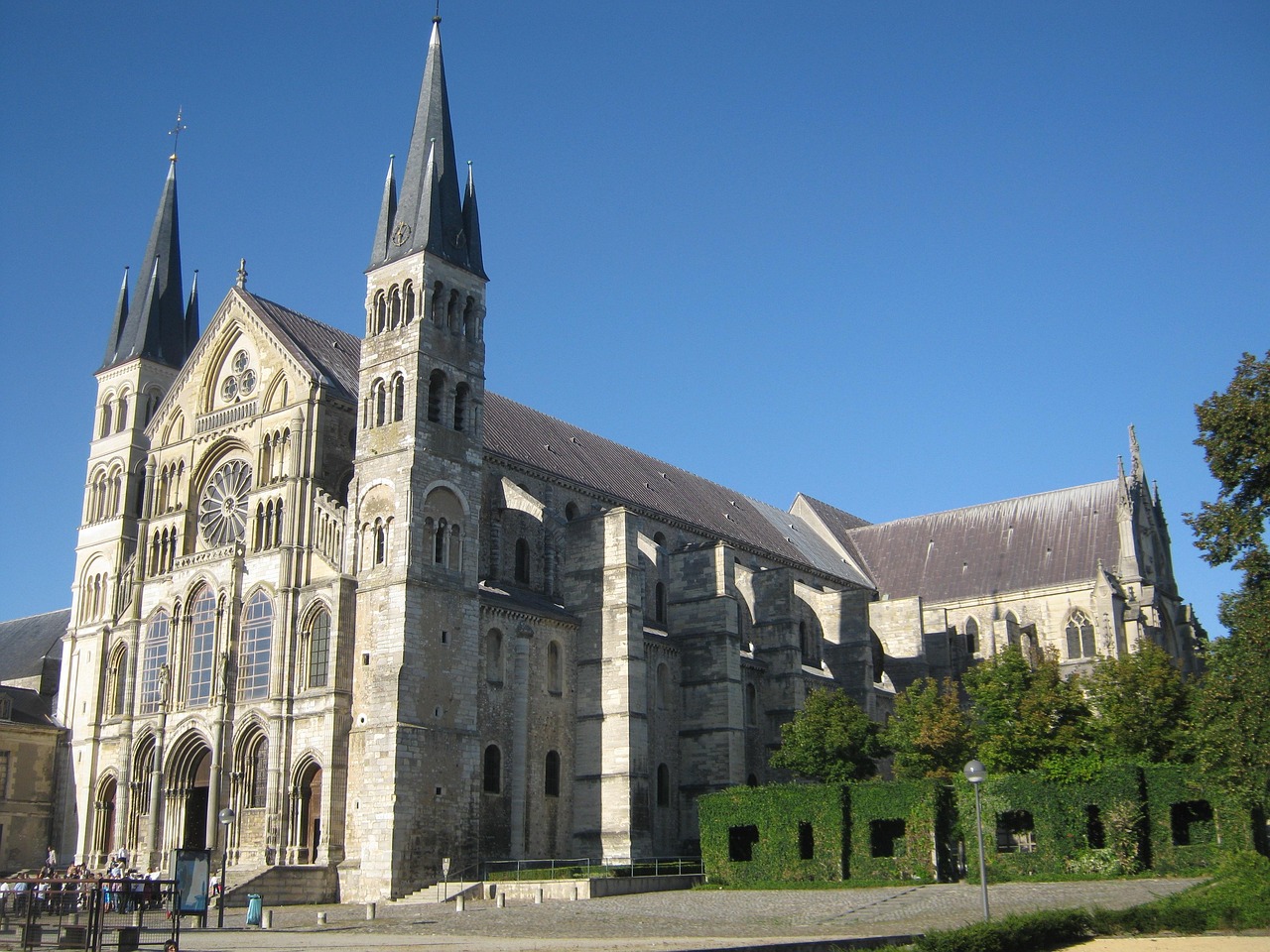
A 20-minute walk from the center, the Basilique Saint-Remi is my favorite “quiet” monument in Reims. It’s older than the cathedral and more Romanesque in feel: solid, calm, and less visited.
Why go: This is where Saint Remigius (Saint Remi), who baptized Clovis I around 498, is buried. That baptism is often seen as the birth of Christian France, which is why Reims became the coronation city.
What I love: The cool dimness inside on a hot summer day, the echo of footsteps on stone, and the fact that you can sit in silence without crowds. One winter evening I stumbled onto a choir rehearsal here—30 voices filling a thousand years of stone. It still gives me goosebumps.
Adjacent museum: The Saint-Remi Museum (in the former abbey) is worth a slow wander for Roman remains and local history. It’s rarely packed, so you can take your time.
4. Musée Saint-Remi
Just next to the basilica, this museum occupies a former royal abbey. It’s one of those places that surprises you with its size and depth.
Highlights:
- Archaeological finds from Roman Durocortorum (Reims’ ancient name).
- Beautiful cloisters and vaulted rooms that are as much the attraction as the exhibits.
- Military history rooms, including WWI collections that connect directly to Reims’ devastation and rebirth.
Tip: If you’re into Roman history or love quiet museums, schedule at least 1.5–2 hours here. I often recommend this for day 2 or 3 when you’re ready for something calmer.
5. Place Royale
Place Royale is one of the city’s grand 18th-century squares, dominated by a statue of Louis XV. It’s more of a stroll-through than a sit-down spot, but it’s essential for understanding Reims’ classical face.
Why stop here: The façades are a textbook of French symmetry. I like to pass through on my way between the central shopping streets and the cathedral, grabbing a takeaway coffee from a nearby café and pausing in the middle to look back at the cathedral towers peeking above the roofs.
6. Bibliothèque Carnegie (Carnegie Library)
This Art Deco gem was financed by American philanthropist Andrew Carnegie after WWI, when much of Reims had been destroyed. It’s one of the most beautiful libraries I’ve ever seen.
What to notice:
- Geometric stained glass, brass details, and a luminous reading room that feels almost like a chapel for books.
- The exterior reliefs—look up around the doors; they’re easy to miss.
My ritual: On longer stays, I bring a notebook here and write for an hour in the reading room. You don’t have to be a member to peek inside—just be respectful and quiet.
7. Champagne Houses in Reims (Taittinger, Veuve Clicquot, Pommery & More)
No travel guide for Reims would be complete without its champagne houses. Beneath the city lie kilometers of chalk tunnels—crayères—where millions of bottles rest.
Famous houses I’ve visited in Reims:
- Taittinger – My go-to recommendation. The tour goes deep into ancient Roman chalk pits used by medieval monks. The cellars are serene and atmospheric.
- Veuve Clicquot – Very polished and popular, with strong storytelling about Madame Clicquot, the “Grande Dame of Champagne.” Tours often book out early.
- Vranken-Pommery – Known for its extravagant Art Nouveau/Neo-Gothic estate and the contemporary art installations in the cellars.
Personal tip: I usually book one “big house” for the classic experience and then one small grower in the surrounding countryside (see day trips below) for contrast. Book cellar tours at least a week ahead in high season, and don’t schedule more than 2 in a single day—tastings add up quickly.
8. Place du Forum & Cryptoporticus
Place du Forum is one of my favorite squares for a drink. Underneath it lies a Roman cryptoporticus—a semi-subterranean gallery that once supported the ancient forum and served as storage or marketplace.
Why I love it: You can literally have a glass of champagne above 2,000 years of history. On warm evenings the café terraces hum with conversation, and if you time it right you can visit the cryptoporticus earlier in the day, then return later for an apéro.
9. Place Drouet-d’Erlon
This long pedestrian square is Reims’ main social artery—lined with restaurants, bars, and brasseries. Locals sometimes joke it’s “touristy,” but you’ll still find plenty of Rémois here, especially on sunny afternoons.
Best use of the square: I wouldn’t pick it for a gourmet meal, but it’s perfect for:
- A casual lunch or ice cream when you’re hungry and don’t want to think too hard.
- People-watching from a terrace with a glass of champagne or kir royal.
- Evening strolls and seasonal events (Christmas lights, summer terraces).
Look for the Fountain Subé in the middle, crowned by a golden winged victory.
10. Chapelle Notre-Dame-de-la-Paix (Foujita Chapel)
Tucked in a quiet district, the Foujita Chapel is a small marvel designed and decorated by Japanese-French artist Tsuguharu Foujita in the 1960s.
Why it’s special: The interior frescoes blend Christian iconography with Japanese influences—delicate faces, fine lines, and soft colors. It feels intimate, almost like stepping into an illustrated storybook.
Personal moment: I visited one windy March afternoon, the only person inside. The guardian let me sit quietly for as long as I wanted. It’s one of the most peaceful spots in Reims and a gorgeous contrast to the Gothic grandeur elsewhere.
11. Musée des Beaux-Arts
The Reims Museum of Fine Arts is compact but rewarding, especially if you enjoy 19th- and early 20th-century painting.
Highlights include:
- Works by Corot, Monet, and other French masters.
- Local history paintings that show the cathedral and city through centuries.
- Temporary exhibitions that often focus on regional or Champagne-related themes.
I usually pair this with a lazy lunch nearby and a slow wander back through the city center. It’s also a nice rainy-day option.
12. Opéra de Reims (Opéra de Reims – Grand Théâtre)
The Reims Opera is smaller and less intimidating than Paris’ grand houses, making it a lovely place for a first opera or concert.
Why go: The interior is rich with red velvet, gold, and chandeliers, and the program often includes opera, ballet, and classical concerts at reasonable prices.
Tip: Check listings a month before your trip; I once snagged a last-minute ticket to a Mozart opera and paid less than a mid-range restaurant dinner. Dress is smart casual; you won’t feel out of place without a gown.
13. Villa Demoiselle
Next to Pommery, Villa Demoiselle is a meticulously restored early 20th-century villa that showcases the transition between Art Nouveau and Art Deco.
Why I recommend it: If you’re into architecture and design, this is a candy box. From stained glass to furniture, every detail is a delight. I visited on a gray day in February, and the colors and craftsmanship felt almost like a jolt of sunshine.
14. Parc de Champagne
On the south side of town, the Parc de Champagne is a huge green lung ideal for families, runners, and anyone needing a break from stone and cellars.
What to do:
- Picnic on the lawns (I often grab a baguette, cheese, and fruit from a nearby supermarket).
- Let kids burn off energy at the playgrounds.
- Enjoy seasonal events and open-air concerts when they’re on.
It’s a great stop on day 3 or 4 when your feet are tired and your brain is full of history.
15. Parc Léo Lagrange & Canal Walks
Closer to the center, Parc Léo Lagrange and the nearby canal offer quieter green spaces. Locals jog, walk dogs, and picnic here.
Personal favorite: I like to walk along the canal at sunset, when the water reflects the changing sky and the city noise softens. It’s not spectacular, but it feels very “local Reims.”
16. Halles du Boulingrin & Local Market
The Halles du Boulingrin is a beautiful 1920s market hall, all soaring concrete arches and glass. This is where Reims really tastes local.
What to try:
- Jambon de Reims (local ham) sliced to order.
- Biscuits roses de Reims from a bakery stand (perfect dipped in champagne).
- Seasonal produce—strawberries in late spring, mushrooms in autumn.
Tip: Go in the morning (especially on market days) and grab supplies for a picnic. I often start a Saturday here, coffee in hand, wandering between stalls and chatting (in broken French) with cheesemongers.
17. Rue de Vesle & City Center Shopping Streets
Rue de Vesle is the main shopping artery, running roughly from the station towards the cathedral area. It’s not an “attraction” in itself, but it’s where daily life happens.
Why stroll: You’ll see Reims at work—students, office workers, families. I like ducking into side streets for independent boutiques, wine shops, and bakeries. Keep an eye out for Art Deco façades rebuilt after WWI.
18. Fort de la Pompelle
A short drive or bus ride from Reims, Fort de la Pompelle is a WWI fort that played a key role in defending the city.
Why visit:
- Explore bunkers, trenches, and exhibits on the brutal battles that took place here.
- Understand why Reims was so heavily shelled and how it rebuilt itself afterward.
Personal reflection: Walking through the cold, damp corridors one drizzly October day put the city’s peaceful squares into perspective. It’s sobering but important, especially if you’re interested in 20th-century history.
19. Montagne de Reims Vineyards & Viewpoints
Just outside the city rise the gentle slopes of the Montagne de Reims, striped with vines and dotted with wine villages like Rilly-la-Montagne, Verzenay, and Mailly-Champagne.
What to do:
- Visit small family-run champagne producers (I share some favorites in the day trips section).
- Stop at lookout points for sweeping views—especially near the Phare de Verzenay.
- Walk short vineyard trails; in early autumn, the colors are fantastic.
Even after multiple visits, I still gasp a little when the vineyards open up in front of the car or bike.
20. Phare de Verzenay & Lighthouse in the Vines
Yes, there’s a lighthouse in the middle of vineyards. The Phare de Verzenay was built as an advertising stunt in the early 20th century and now houses a museum about the Champagne landscape.
Why it’s fun: Climb to the top for panoramic views over the sea of vines; on a clear day, it’s one of the best vistas in the region. The museum below gives a solid overview of the terroir and production.
I once ended a late-afternoon visit here with a tasting as the sun dropped behind the hills—a simple, perfect moment.
Neighborhoods & Areas to Explore in Reims
Centre-Ville (City Center)
This is where most visitors spend their time: around the cathedral, Place Drouet-d’Erlon, and Rue de Vesle. It’s walkable, lively, and packed with cafés, shops, and smaller museums.
Best for: First-time visitors, short stays, and those without a car. I usually stay here when I’m in Reims for work or quick trips—being able to pop out at sunrise to see the cathedral is priceless.
Saint-Remi Quarter
A bit quieter and more residential, the area around Basilique Saint-Remi has a village feel—narrower streets, small squares, and older houses.
Why go: For a calmer stroll after the cathedral area, and to visit both the basilica and museum. Some charming guesthouses hide in these streets, ideal if you like a peaceful base.
Boulingrin & Market District
A slightly edgy, creative area around the Halles du Boulingrin, with a mix of market life, secondhand shops, wine bars, and galleries.
Best for: Food lovers, budget travelers (for market picnics), and anyone who enjoys everyday city life more than polished tourist zones.
Champagne Quarter (Caves District)
On the southern side of the city, the streets around Pommery, Taittinger, and other major houses are lined with grand estates and leafy avenues.
Why visit: For cellar tours, Villa Demoiselle, Parc de Champagne, and a sense of the city’s wealthy champagne heritage. It’s a bit of a walk from the center, but I enjoy the transition from busy streets to quieter, almost suburban calm.
Gare & Promenades
The area around Reims Centre train station is more modern, but the nearby Promenades (tree-lined boulevards tracing the old ramparts) are lovely for a walk or run.
Tip: If you’re arriving late or leaving early, staying near the station can be surprisingly convenient without feeling “dead”—there are good hotels and plenty of places to grab breakfast.
3–5 Day Itineraries for Reims (With Personal Stories)
Here are flexible, story-driven itineraries you can adapt. They work for 3 days in Reims, 4 days in Reims, or a full 5 day itinerary for Reims. I’ll share how I usually structure my own visits.
3 Day Itinerary for Reims: Essentials & Champagne
Day 1: Royal Reims – Cathedrals, Coronations & First Sips
I like to arrive in Reims mid-morning by train from Paris (45 minutes on the high-speed line). Dropping my bag at a small hotel near the cathedral, I start my first day with the city’s heart.
Morning: Notre-Dame de Reims & Palais du Tau
Walk to the cathedral square and give yourself time just to circle the exterior. On my last trip in spring 2025, I spent 20 minutes just tracing sculpted figures with my eyes. Then head inside while it’s still relatively quiet.
- Spend 45–60 minutes in the cathedral with or without an audio guide.
- Check if the tower tour is running at a time that suits you later in the day.
From there, cross over to Palais du Tau. You’ll follow the coronation route from behind the scenes, seeing regalia and tapestries. Plan 1–1.5 hours.
Lunch: Café near the Cathedral
For a simple but satisfying lunch, I often head to a nearby brasserie—something like a croque-monsieur, salad, and a glass of local wine. Expect €15–€20 for lunch with a drink in 2026 prices.
Afternoon: City Stroll & Carnegie Library
Walk down Rue du Cardinal de Lorraine and weave through the streets towards the Carnegie Library. Pop inside for a quick look (30 minutes is enough) and then continue towards Place Royale and Place du Forum.
- Explore the cryptoporticus under Place du Forum if it’s open—it’s usually quiet and atmospheric.
- Stop for a coffee or early apéro on the square; I love watching the way locals greet each other, kisses on both cheeks.
Evening: First Champagne & Dinner
I like to keep the first evening gentle. Choose a wine bar or bar à champagne that offers flights of local producers. Ask for a mix of a major house and a small grower—you’ll start to notice differences in style.
For dinner, opt for a traditional bistro in the center: order something hearty (duck confit, beef bourguignon) and a glass of champagne or local Pinot Noir. Book ahead on weekends; Reims gets busy.
Day 2: Champagne Cellars & Saint-Remi
On day two, I focus on things to do in Reims that relate directly to champagne and early French history.
Morning: Champagne House Tour
Book a late-morning tour (10:30 or 11:00) at a major house like Taittinger or Pommery. This timing lets you have breakfast, walk there (about 20–30 minutes from the center), and arrive without rushing.
- Tour length: usually around 1.5 hours, including tasting.
- Dress: bring a light sweater—cellars are cool year-round.
- Transport: you can walk, take a bus, or use a taxi/ride-share if you prefer.
Lunch: Champagne Quarter or Picnic
After the tour, I sometimes picnic in Parc de Champagne with supplies from a bakery and the market (if I organized myself the day before). Otherwise, there are a few decent spots near the champagne houses for lunch.
Afternoon: Basilique Saint-Remi & Musée Saint-Remi
From the champagne quarter, it’s a 15–20 minute walk to the Saint-Remi basilica. Spend time soaking in the quieter atmosphere, then visit the adjacent museum for a more detailed look at Reims through the ages.
Evening: Stroll & Casual Dinner
Walk back towards the center as the light fades, maybe detouring through residential streets to see daily life—kids on scooters, neighbors chatting on doorsteps. For dinner, I often choose something more casual: a thin-crust pizza with a local beer or a simple set menu in a small bistro. If you’re not too tired, finish with a nightcap on Place Drouet-d’Erlon, watching the city wind down.
Day 3: Markets, Art & Hidden Corners
Day three in a city is my favorite—I know my way around enough to wander without a map, but everything still feels fresh.
Morning: Halles du Boulingrin & Market Breakfast
Start with coffee and a pastry near or inside the Boulingrin market. Wander between stalls, tasting cheeses, olives, and maybe a slice of jambon de Reims. I like to buy a small bag of biscuits roses to nibble throughout the day.
Late Morning: Musée des Beaux-Arts
Walk back towards the center and visit the Museum of Fine Arts. Even if you’re not a hardcore art lover, an hour here gives you a quiet, contemplative break.
Lunch: Local Bistrot
Seek out a place a couple of streets off the main squares—prices drop and food often improves. Order something with champagne sauce if it’s on the menu; it’s rich but worth it at least once.
Afternoon Options:
- Foujita Chapel for art and tranquility.
- A long walk along the canal and through Parc Léo Lagrange.
- Shopping for edible souvenirs—local mustard, champagne vinegars, and biscuits.
Evening: Cultural Experience
If your dates line up, book a concert at the Reims Opera or a classical performance in the cathedral or basilica. Otherwise, treat yourself to one “special” dinner this night—Reims has several excellent restaurants where you can end your 3 day itinerary for Reims in style.
4 Day Itinerary for Reims: Adding WWI History or Extra Champagne
If you have 4 days in Reims, keep the first three days similar and add:
Day 4: Fort de la Pompelle & Vineyard Drive
Morning: Fort de la Pompelle
Rent a car for the day (or arrange a tour) and drive out to Fort de la Pompelle. Spend 1–2 hours exploring the fort and museum. It’s not glamorous, but it’s powerful.
Afternoon: Montagne de Reims Villages
From the fort, continue into the Montagne de Reims area. Pick one or two villages—Rilly-la-Montagne, Verzenay, Verzy, or Mailly-Champagne—and arrange a tasting at a small producer.
- Call or email ahead; many small houses are by appointment only.
- Keep tastings moderate if you’re driving—spit or share glasses.
On one trip, I spent a lazy afternoon in Rilly-la-Montagne, tasting at a grower’s cellar while their dog slept at my feet and their children did homework at the kitchen table. It’s a completely different experience from the big Reims houses.
Evening: Return to Reims, drop off the car, and enjoy a simple dinner in the center—you’ll be pleasantly tired.
5 Day Itinerary for Reims: Deep Dive into Culture & Countryside
With 5 days in Reims, you can really relax into the rhythm of the city and add another day trip or specialized interest.
Day 5: Free Day – Architecture, Extra Tastings or Day Trip to Épernay
Option 1: Architectural Ramble & Foujita Chapel
Spend the day seeking out Art Deco buildings, visiting Villa Demoiselle if you haven’t yet, and rounding off with the Foujita Chapel. Bring your camera—Reims’ mix of medieval, classical, and 1920s architecture is addictive once you start noticing the details.
Option 2: Extra Champagne Focus
Book additional tastings in Reims or return to a favorite vineyard village. If you’re a real wine geek, you might dedicate the whole day to exploring different terroirs and styles.
Option 3: Day Trip to Épernay
Épernay, about 30 minutes away by train or car, is home to the famous Avenue de Champagne. You can tour houses like Moët & Chandon, walk the grand avenue, and compare the feel of this smaller champagne town to Reims. It’s an excellent add-on for a 5 day itinerary for Reims if sparkling wine is your main passion.
Local Food in Reims & Where to Eat
Champagne may be the headline act, but the supporting cast of local food in Reims is superb. Here’s what I recommend tasting, and where.
Must-Try Dishes & Specialties
- Jambon de Reims – A coarse-textured local ham, often served in slices or in terrines. Try it at the Boulingrin market or as part of a charcuterie board in a wine bar.
- Biscuits roses de Reims – Pink biscuits traditionally dipped into champagne. Surprisingly not too sweet, and very addictive. Buy a box as a souvenir.
- Potée champenoise – A hearty stew of pork and vegetables, perfect in winter.
- Champagne sauce dishes – Fish or poultry in a creamy champagne-based sauce. Rich, decadent, and emblematic of the region.
- Regional cheeses – Look for Langres, Chaource, and local goat cheeses in markets and fromageries.
Where to Eat: Personal Favorites
(Names are illustrative; always check current opening hours in 2026.)
- Traditional Bistros in the Center – Around the cathedral and a few streets off Place Drouet-d’Erlon you’ll find cozy places with wooden beams, chalkboard menus, and fair-value set menus at lunch (often €18–€25 for two or three courses).
- Wine Bars & Champagne Bars – Near Place du Forum and in the Boulingrin district, I like to pop into small bars that serve generous charcuterie and cheese boards. Ask staff for their favorite grower champagnes—they’re usually happy to guide you.
- Market Eats – On market days, you can assemble a picnic from Halles du Boulingrin: bread, cheese, cured meats, fruit, and maybe a small bottle of champagne or cider.
- Bakeries – I always identify “my” bakery near where I’m staying, then become a regular for a few days. Fresh croissants and pain au chocolat cost a fraction of sit-down breakfasts.
Money-saving tip: In France, lunch menus are often better value than dinner. I splurge at lunch and keep dinners simpler—soup, salad, or picnic-style in my room with market finds.
Nightlife, Entertainment & Cultural Experiences in Reims
Reims is not a wild party city, but it has a friendly, sociable nightlife built around terraces, wine bars, and cultural venues.
Nightlife & Evening Spots
- Place Drouet-d’Erlon – Buzzing with bars and brasseries. Ideal for casual drinks and late-night people-watching.
- Place du Forum – More intimate wine and champagne bars, often with a local crowd. My favorite place to end a day with one perfect glass.
- Boulingrin & Side Streets – Trendier cocktail bars and wine-focused spots, sometimes with DJs or small live acts.
Cultural Experiences
- Reims Opera & Theatres – Opera, classical music, theatre, and dance. Check their 2026–2027 programs online.
- Cathedral Concerts – Organ recitals, choral performances, and special events, especially around Christmas and major religious holidays.
- Festivals – From champagne festivals to heritage days (see events section below), these are excellent chances to mix with locals.
For couples: A twilight walk around the illuminated cathedral followed by a champagne tasting flight is as romantic as it sounds.
For families: Early dinners, ice cream on the main square, and evening walks along the Promenades or canal work well. Reims feels safe and manageable with children.
Day Trips & Nearby Attractions from Reims
Reims makes a great base for exploring the wider Champagne region. Here are some of my favorite hidden gems in Reims’ surroundings and easy day trips.
Épernay & Avenue de Champagne
Travel time: ~30 minutes by train or car.
Walk the elegant Avenue de Champagne, lined with mansions belonging to famous houses. Visit one or two cellars (Moët & Chandon, Mercier, etc.) and compare the experience to Reims’ tours.
Tip: Book a mid-morning or mid-afternoon tour and leave time for a relaxed lunch in town.
Hautvillers: Dom Pérignon’s Village
This hilltop village, associated with the monk Dom Pérignon, overlooks the Marne valley with beautiful views.
Stroll cobbled streets, visit small producers, and look for the wrought-iron signs above doorways that hint at past trades. I like to come here in late afternoon when the light slants over the river.
Verzenay & Verzy: Vines & Faux de Verzy
Combine a visit to the Phare de Verzenay with a walk among the strange twisted beech trees called Faux de Verzy in a nearby forest. It’s a nice break from cellars and cities, especially for families or hikers.
WWI Memorials & Cemeteries
The region is dotted with war cemeteries and memorials (French, German, British, and others). Visiting one or two can be a powerful way to understand what this landscape has witnessed.
Major Events & Festivals in Reims (2026–2027)
Event calendars change, but here are recurring happenings you can expect around 2026–2027:
- Champagne Fairs & Harvest Celebrations (September–October) – Many villages celebrate the grape harvest with tastings, parades, and open doors. Reims hosts related events and special menus.
- Flâneries Musicales de Reims (Summer) – A classical music festival with concerts in churches, parks, and historic buildings, often including free or affordable performances.
- Christmas Market in Reims (Late November–December) – One of the larger markets in northeastern France, with wooden chalets, food stalls, and festive lights around the cathedral and city center.
- Heritage Days (Journées du Patrimoine, mid-September) – Historic buildings and sites usually closed to the public open their doors; guided tours and special events abound.
For 2026–2027, expect continued investment in cultural programming and possibly new exhibitions related to WWI centenary commemorations and champagne heritage—check the city’s official tourism website closer to your travel dates.
Cultural Etiquette & Local Customs in Reims
Reims is friendly, but it’s still very French. A few cultural habits go a long way.
- Greetings: Always start interactions with a polite “Bonjour, Madame/Monsieur.” It’s basic but crucial—for shopkeepers, servers, reception staff. In the evening, switch to “Bonsoir.”
- Language: Many people in hospitality speak some English, but trying a few French phrases is appreciated. If someone doesn’t, patience and smiles help.
- Terrace Culture: It’s normal to linger over a single drink. Tipping is not mandatory (service is included), but rounding up or leaving €1–€3 for good service is kind.
- Champagne Tasting Etiquette: Spitting is acceptable at professional tastings, but in standard tourist visits most people drink. Don’t feel pressured to finish every glass if you’re visiting multiple houses.
- Dress: Smart-casual works for most places. For cellar visits, comfortable shoes and a light layer for cool temperatures are important.
- Religious Sites: In the cathedral and basilicas, dress respectfully (no beachwear), speak softly, and avoid flash photography during services.
Practical Travel Advice for Reims (2026)
Getting There & Getting Around
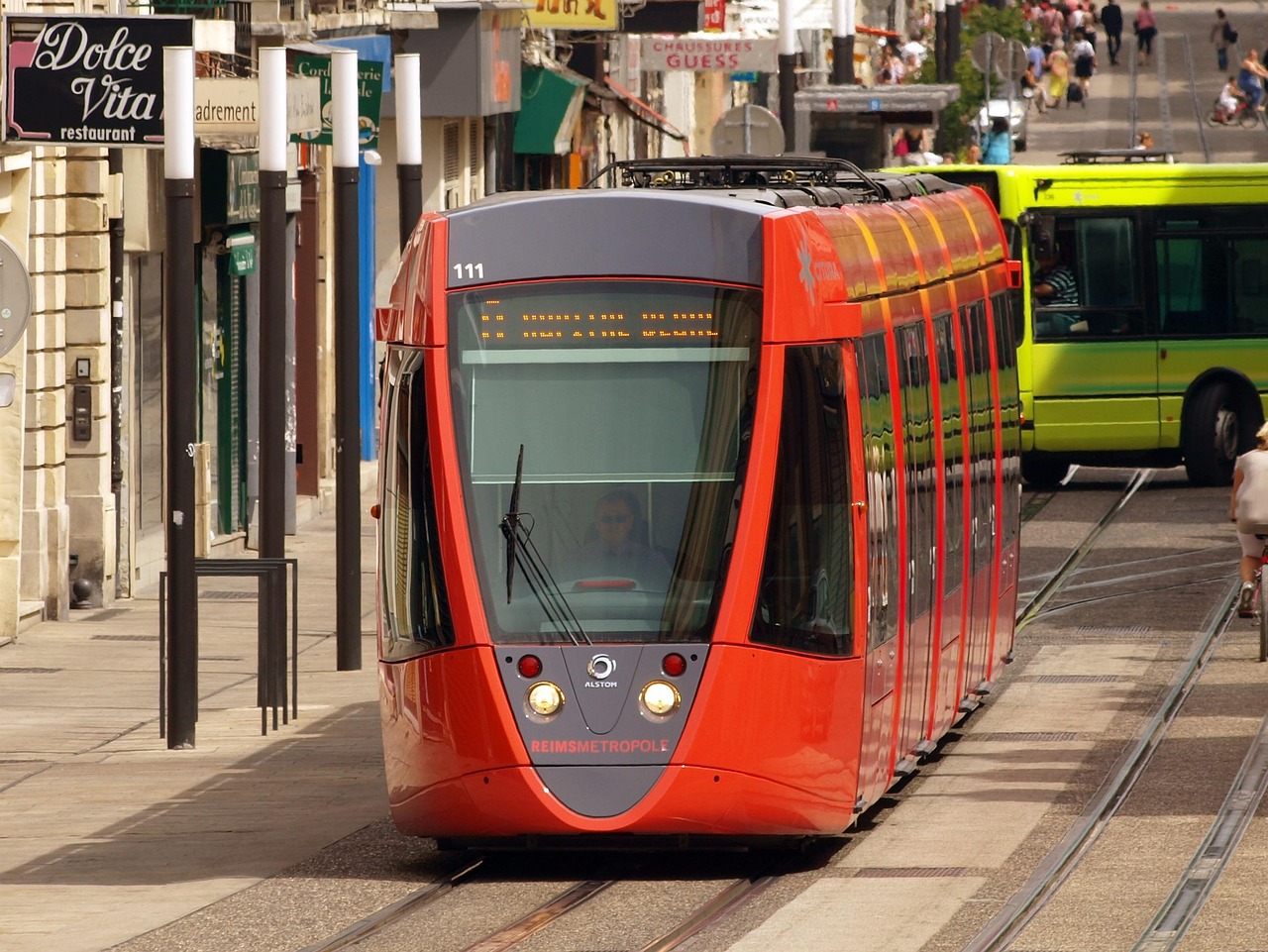
By Train: High-speed TGVs from Paris (Gare de l’Est) reach Reims Centre in about 45 minutes. There’s also a station called Champagne-Ardenne TGV outside town, linked by tram and shuttle.
Within the City:
- On foot: Most must-see attractions in Reims are walkable from the center.
- Tram & Buses: Clean, efficient, and easy to use. Buy tickets at machines or via apps; validate when boarding.
- Bikes & Scooters: In good weather, bike-sharing or scooters can be a fun way to move between districts.
- Car Rental: Not necessary for the city itself but helpful for vineyard day trips and WWI sites. International licenses are generally accepted if in Roman alphabet; check your rental agency’s policy.
How to Save Money in Reims
- Travel off-peak: Late autumn and winter (outside of Christmas) bring lower hotel prices and fewer crowds.
- Lunch menus: Choose the menu du jour at lunch and go lighter at dinner.Market picnics: Eating one meal a day picnic-style can significantly lower costs without feeling deprived.
- City passes & combos: Check if Reims is offering a museum/champagne pass in 2026; they sometimes include public transport and discounts.
- Limit big-house tours: Cellar visits add up. Mix one or two major brands with more affordable tastings at smaller producers.
SIM Cards & Connectivity
In 2026, staying connected in Reims is straightforward.
- eSIMs: For many travelers, buying a European data eSIM before arrival is easiest.
- Physical SIMs: Available from major carriers (Orange, SFR, Bouygues) in shops and some supermarkets; you’ll need your passport.
- Wi-Fi: Most hotels, many cafés, and some public spaces offer free Wi-Fi. Speeds are generally good.
Visa Requirements & Entry
Reims follows French and Schengen rules.
- EU/EEA & some others: No visa for short stays.
- Many non-EU countries: Short-stay Schengen visa may be required. Check official French consular websites for up-to-date 2026 rules.
- Ensure your passport is valid for at least 3–6 months beyond your stay, depending on your nationality.
Driving & Foreign Licenses
Foreign drivers’ licenses are generally accepted in France for tourists if they’re in Roman alphabet and valid. Some nationalities may need an International Driving Permit; check regulations before traveling.
- Parking in Reims: Paid street parking and garages in the center; free or easier parking in outlying areas.
- Vineyard drives: Roads are generally good but can be narrow in villages. Drive slowly and watch for tractors and cyclists.
Best Seasons & What They’re Good For
- Spring (April–June): Mild weather, vines turning green, flowers in parks. Ideal for a 3 day itinerary for Reims with comfortable walking and fewer crowds than peak summer.
- Summer (July–August): Warm, sometimes hot. Outdoor events, festivals, and long evenings on terraces. Busier and pricier.
- Autumn (September–October): Harvest season in the vineyards, beautiful colors, and a mix of lively and peaceful. My personal favorite for a 4 day itinerary for Reims that includes countryside.
- Winter (November–March): Quiet, colder, atmospheric fog over vineyards, and festive lights at Christmas. Great for indoor-focused things to do in Reims—museums, cellars, and cosy bistros.
Summary: Key Takeaways & Final Recommendations
Reims is a city of layers: Roman to Gothic, ruins to Art Deco, royal coronations to quiet student life. In 3 days in Reims, you can cover the essentials—cathedral, champagne house, basilica, markets, and a taste of local food. With 4 days in Reims or a full 5 day itinerary for Reims, you can deepen the experience with WWI history, countryside drives, extra tastings, and slower neighborhood explorations.
Best time to visit Reims:
- For vineyards & harvest energy: September–early October.
- For comfortable sightseeing & fewer crowds: May–June and late September.
- For festive lights & cosy cellars: December.
If you love history, wine, architecture, or simply the pleasure of walking a manageable city with a glass of something sparkling waiting at day’s end, Reims deserves a place high on your list. Plan your days, but leave enough gaps to sit on a terrace, watch the cathedral change color with the light, and let the city’s gentle rhythm work on you. That’s when Reims truly reveals itself.