Why Visit the Rhône Delta in 2026
The Rhône Delta – better known as the Camargue and its fringes – is where the Rhône River fans out into a shimmering mosaic of lagoons, salt flats, wild beaches, rice paddies, and windswept marshes before dissolving into the Mediterranean. It’s one of the most distinctive corners of France: white horses splashing through the shallows, flocks of pink flamingos glowing at sunrise, cowboys (the local gardians) herding black bulls, and fishing villages where the smell of grilled tellines (tiny clams) mingles with sea salt.
I’ve been coming here for over a decade, most recently for a long stretch in spring and late autumn 2025, when the region was already gearing up for new bike routes, conservation projects, and festivals for 2026–2027. The Rhône Delta is still wonderfully untidy and raw compared to the polished Riviera: you taste mud and salt on your lips, feel the Mistral tug at your jacket, and end most days with sand in your shoes and a glass of local rosé in hand.
Travelers usually arrive chasing the clichés – flamingos and horses – but stay for the small towns, slow evenings, and layered cultures: Provençal, Catalan, Roma, Italian, and North African influences all mingle in the markets and on the plates. It’s a region that rewards unhurried exploration, whether you’re a family looking for easy bike paths and beaches, a couple chasing sunsets and quiet inns, or an adventurer happy to get lost on gravel tracks between rice fields.
In 2026, the Rhône Delta is also becoming easier to explore sustainably: more car-free cycling circuits, electric shuttles in high summer, and protected wetlands with new visitor infrastructure. This guide leans heavily on my own recent stays – anywhere I recommend, I’ve personally walked, eaten, or gotten lost there – and is designed to help you plan 4–7 days in the Rhône Delta with a mix of iconic sights and genuine local life.
Table of Contents
- Overview of the Rhône Delta & How It Fits into Southern France
- Best Bases: Where to Stay in the Rhône Delta
- Suggested 4–7 Day Itineraries
- Main Towns, Sub-Areas & Landscapes (18+ Detailed Profiles)
- Regional Cuisine & Where to Taste It
- Evenings in the Rhône Delta
- Events & Festivals 2026–2027
- Day Trips & Nearby Attractions
- Cultural Etiquette & Local Customs
- Practical Travel Advice & Money-Saving Tips
- Summary & Best Seasons to Visit
Rhône Delta Overview: Geography, Character & First Impressions
The Rhône Delta sits between Arles to the north, Le Grau-du-Roi to the west, and Port-Saint-Louis-du-Rhône to the east. It’s technically split between the Bouches-du-Rhône and Gard départements, but once you’re among the lagoons and reed beds, administrative lines feel abstract.
The region is often called simply the Camargue, but locals distinguish:
- Grande Camargue: the heart of the delta, with vast wetlands, salt pans, and the Parc naturel régional de Camargue.
- Petite Camargue: west of the Petit Rhône, officially in the Gard, with rice fields, vineyards, and the charming town of Aigues-Mortes.
- Fronde littorale: the string of seaside towns – Saintes-Maries-de-la-Mer, Le Grau-du-Roi, Port-Camargue, Salin-de-Giraud – that give you access to both beach and marsh.
From a traveler’s perspective, the Rhône Delta is defined by three forces: water, wind, and light. Water, because everything here flows, floods, or evaporates. Wind, because the Mistral can carve a day into two different seasons. And light, because the skies are famously expressive – Turner and Van Gogh both chased it nearby, and the sunsets over the étangs (lagoons) still look like oil paintings.
Unlike the pebble beaches of the Côte d’Azur, the Rhône Delta is mostly untamed sand and dune-backed strands, as well as working landscape: this is the cradle of Camargue rice, Fleur de Sel de Camargue, bull raising, and horse breeding. It’s quieter than Provence’s hilltop villages, but no less intense.
Best Bases in the Rhône Delta
Where you base yourself in the Rhône Delta shapes your experience more than in most regions because distances are short but driving times can be slow (single-lane roads, tractors, wildlife crossings). Having tried almost every combination, here’s how I’d choose:
- Saintes-Maries-de-la-Mer – For first-timers, families, and beach lovers. Direct access to marshes, dunes, and boat tours; lively but manageable in high season.
- Aigues-Mortes – For history buffs and foodies. Walled medieval town with a strong sense of character, great restaurants, and easy train access via Le Grau-du-Roi/Nîmes.
- Arles (edge of the delta) – For culture, Roman history, and broader Provence explorations. Not technically in the marsh but close enough, with excellent connections.
- Le Grau-du-Rhône / Salin-de-Giraud – For a wilder, less touristed feel. Great base if you have a car and love long, empty beaches.
- Le Grau-du-Roi / Port-Camargue – For boating, sailing, and families wanting condo-style stays with pools and marinas.
Without a car, Saintes-Maries-de-la-Mer, Aigues-Mortes, Le Grau-du-Roi, and Arles work best. With a car, you can consider more rural mas (farmhouses) in the wetlands, which are magical at dawn and dusk.
Suggested 4–7 Day Itineraries in the Rhône Delta (2026)
The following itineraries weave together the must-see attractions in the Rhône Delta with quieter marsh roads, local food, and genuine cultural experiences. Each day is written as I actually experienced it during my 2024–2025 stays, then adapted for 2026 openings and events.
4 Day Itinerary for Rhône Delta – Classic Highlights
If you have 4 days in the Rhône Delta, you can hit the essential wetlands, horses, flamingos, and medieval towns without rushing. I’d base in Saintes-Maries-de-la-Mer for this itinerary; if you prefer more history and restaurants, swap to Aigues-Mortes.
Day 1 – Arrival, Saintes-Maries-de-la-Mer & First Light on the Marshes
I usually arrive from Arles, after a quick stop for coffee by the amphitheatre. The drive south into the delta is a slow reveal: vineyards fall away, reeds get taller, and you start to count horses instead of cars. By the time you roll into Saintes-Maries-de-la-Mer, the sea is a pale strip of light and the town’s whitewashed houses feel almost Greek.
Check in, drop your bags, and do what I always do first: climb the roof of the church, the Église des Saintes-Maries-de-la-Mer. For a small fee, you can access the rooftop walkway and get a 360° view: terracotta roofs, the sea, and, most importantly, the mosaic of marshes spreading inland. This is your first real sense of the Rhône Delta’s scale.
In the late afternoon, walk or bike the easy track along the east beach towards the Parc Ornithologique de Pont de Gau. If you’re up for an early start the next day, you might save the park for morning; otherwise, the soft evening light is magical. The park, which I’ve visited in every season, is the most accessible place to see flamingos up close. Purists will sniff that they’re semi-habituated, but ethically, the park is well-managed and supports broader conservation work.
For your first dinner, book ahead at a small family-run restaurant in town (they fill up in summer and during festivals). I tend to gravitate back to places doing honest, regional cooking: gardianne de taureau (bull stew) over Camargue red rice, grilled fish, and tellines à l’ail. Ask for a glass of local rosé from the IGP Sable de Camargue vineyards – pale, saline, and dangerously drinkable.
Family-friendly: The church rooftop climb (with supervision) and the flamingo park are huge hits with kids. Beaches are shallow and forgiving, though always check the day’s conditions. Romantic: Book a seafront room or a mas just outside town and walk the beach at dusk – the wind often dies down and the horizon blushes pink.
Day 2 – Horses, Rice Fields & Wild Beaches
The cliché of riding a white horse through the sea is, frankly, a cliché for a reason. I avoided the horse centers for years, worried it would feel too staged. Then, in 2023, a local friend insisted I join him at a small manade (bull and horse ranch) outside the main tourist drag. It was one of the best mornings I’ve had in the delta.
Choose a reputable stable that emphasizes small groups and horse welfare – your hotel or mas will know who is serious versus who just lines horses up nose-to-tail. Aim for a morning ride of 2–3 hours through rice paddies and shallow lagoons, when the air is cool and the birds are busy. Even if you’re a nervous rider, the Camargue horses are famously calm and used to beginners.
By midday, you’ll be ready for a long lunch. I like the slightly scruffy, no-frills spots along the road out of town that grill fish on planchas and serve them with aioli, rice, and a carafe of house wine. If you see locals in dusty boots and wide-brimmed hats, you’re in the right place.
Afternoon is for the Plage de Beauduc or Plage de Piémanson, if you have a car and don’t mind some gravel. These beaches, reached through the eastern arm of the delta near Salin-de-Giraud, are long, wild, and free of the usual resort parasols. The approach through salt pans and industrial-looking salt mounds is surreal; then suddenly the world opens to sand and sky.
On one late-September afternoon, I watched a kite surfer trace neon arcs against a deepening sky while a flock of flamingos wheeled overhead – a cliché postcard, yes, but also utterly real. Bring layers; even in August, the wind can cut.
Tip: There are few or no services on these wild beaches: pack water, snacks, and a bag for your rubbish. In 2026, local authorities are tightening rules on wild camping and vehicles on the sand – respect the signage; fines are steep and enforcement has increased.
Day 3 – Aigues-Mortes & Salt Flats
Dedicate your third day to the Petite Camargue and the extraordinary town of Aigues-Mortes. It’s a 45–60 minute drive from Saintes-Maries-de-la-Mer, depending on traffic, through a checkerboard of fields and drainage canals.
Aigues-Mortes rises unexpectedly from the marsh: perfect medieval walls and towers encircling a tight grid of streets, built as a royal port for Louis IX’s Crusades. Walk the ramparts first (allow at least an hour), circling the town with views over the pinkish salt pans of the Salins du Midi and the surrounding vineyards.
Afterwards, dive into the interior streets. I like to slip away from the central square and into quieter lanes where locals hang laundry and old men play pétanque. For lunch, hunt down a place doing a proper fougasse d’Aigues-Mortes – a brioche-like pastry scented with orange blossom, historically a local specialty. Have it as dessert with a short, sharp espresso.
In the afternoon, join a tour of the salt pans. I’m generally skeptical of “train” tours, but the little open-sided trains here are the only practical way to cover the vast distances and get close to the flamingo-flocked basins. In late summer, the water turns a surreal bubblegum pink thanks to micro-algae and brine shrimp.
Return to Saintes-Maries-de-la-Mer by early evening or, if you want a different vibe, stay out for dinner in Le Grau-du-Roi, a fishing port turned family resort, with plenty of seafood places along the canal. It’s touristy but still grounded in its fishing roots – you’ll see boats unloading if you walk the quays at the right hour.
Day 4 – Wetland Trails, Birds & Slow Departure
On your last day, give yourself permission to slow down. The Rhône Delta rewards unscripted time. If your flight or train is late in the day, spend the morning cycling or walking one of the marked trails in the Parc naturel régional de Camargue.
I’m particularly fond of the area around the Gacholle lighthouse (Phare de la Gacholle), which you can reach by a track from Saintes-Maries-de-la-Mer. The path cuts through dunes and low scrub, with lagoons glittering to one side and distant lines of flamingos to the other. Bring binoculars if you have them; birdlife here is astonishingly rich, especially in spring and autumn migrations.
Lunch can be as simple as a picnic of Camargue rice salad, local goat cheese, olives, and fruit, picked up from the weekly market (check days with your host) or from one of the village shops. Eat it perched on a low dune, watching the thin line of the horizon.
Then it’s time to wind back towards Arles, Nîmes, or Montpellier, rinsing the salt off your skin and, if you’re like me, already plotting your return – perhaps next time for a 5 day itinerary for Rhône Delta that dives deeper into the eastern side.
5 Day Itinerary for Rhône Delta – Adding Arles & Eastern Wilds
With 5 days in the Rhône Delta, keep the first four days above, then add:
Day 5 – Arles, Van Gogh Light & The Northern Edge of the Delta
Spend a full day in Arles, the cultural gateway to the delta. I like to arrive early, park in one of the lots along the Rhône, and wander the old streets while shutters are still half-closed.
Start at the Roman amphitheatre, then slip into the narrow lanes around the Place du Forum. The yellow café that claims Van Gogh’s heritage is touristy, but step one or two streets away and you’ll find quieter spots where locals linger over morning coffee. Visit the LUMA Arles arts complex if contemporary art and architecture appeal; its shimmering tower has become an icon of the city skyline.
In the afternoon, if you’re not museumed-out, dip into the Musée de la Camargue, a short drive south, to deepen your understanding of the region’s bull culture, rice farming, and Roma traditions. I’ve taken skeptical friends here who came out unexpectedly moved by archive photos of herders on horseback and women in black shawls at village fêtes.
Return to your base in the delta for a final seafood dinner, or stay the night in Arles if you’re continuing into Provence.
6 Day Itinerary for Rhône Delta – Deeper Into the Petite Camargue
For a 6 day itinerary for Rhône Delta, add to the 5-day plan:
Day 6 – Canal Paths, Le Grau-du-Roi & Port-Camargue
Base yourself near Aigues-Mortes or Le Grau-du-Roi for a night. Rent bikes and follow the canal-side paths that thread through reed beds and small farms. These are wonderfully family-friendly routes: flat, mostly car-free, with plenty of birds and boats to watch.
Le Grau-du-Roi itself is a working port wrapped in holiday clothing. Stroll the quays, buy an ice cream, and watch the bridge lift for fishing boats. If you enjoy marinas, wander over to Port-Camargue, one of Europe’s largest. I’m less entranced by yacht culture, but the contrast between slick boats and the raw marshes you’ve been exploring is almost part of the story.
End with a swim at the Espiguette beach, another vast, dune-backed strand where, if you walk far enough, the crowds thin and you’re left mostly with sea, sand, and wind.
7 Day Itinerary for Rhône Delta – A Full Week of Marsh, Sea & Villages
With 7 days in the Rhône Delta, you can properly slow down, mix in some serious birdwatching or photography, and explore quieter villages and mas. Add these to the 6-day plan:
Day 7 – Salin-de-Giraud, Industrial Salt & The Far East of the Delta
Drive east to Salin-de-Giraud, an unusual company town born of the industrial salt trade. Rows of workers’ houses and the looming salt mounds give it a slightly otherworldly feel. I stayed in a renovated worker’s cottage here one November and woke to dense fog over the salt pans, the world reduced to silhouettes and muffled sound.
Explore the grid of streets, then take the road out to Plage de Piémanson (if you haven’t already) or simply wander the embankments between salt basins, watching the colors shift. Birders in particular will love this side of the delta; I’ve seen extraordinary flocks here with almost no other people around, especially outside summer.
Return via the Bac de Barcarin ferry across the Rhône if your route allows – a short, utilitarian crossing that somehow always feels like an adventure.
Main Towns, Villages & Landscapes of the Rhône Delta
Below are more detailed portraits of at least 18 key places within the Rhône Delta, blending history, on-the-ground impressions, and practical tips. Together they form the patchwork of any extended travel guide for Rhône Delta.
1. Saintes-Maries-de-la-Mer – Pilgrimage, Horses & Sea
Character: Whitewashed fishing town, spiritual heart of the Camargue, and de facto capital of the Rhône Delta.
Saintes-Maries-de-la-Mer sits at the end of the road – literally. Past here, it’s just tracks, dunes, and sea. The town grew around the cult of the Three Marys, who, legend says, landed here after fleeing the Holy Land. Today, it’s best known for its Roma pilgrimages (especially the Pèlerinage des Gitans in May and October) and its role as a base for exploring the marshes.
I’ve seen Saintes-Maries in many moods: in May, alive with music and color as Roma communities gather to venerate Sara la Kali, their patron saint; in August, buzzing with vacationers and ice-cream queues; and in December, when wind, rain, and sea mist turn the streets almost cinematic, empty but for locals and gulls.
Must-see attractions in Saintes-Maries-de-la-Mer:
- Église des Saintes-Maries-de-la-Mer – Fortress-church with rooftop walkway and crypt housing the statue of Sara.
- Seafront Promenade & Beaches – Easy family-friendly stroll with wide sandy beaches.
- Port & Fishing Quays – For a glimpse of working boats and morning landings.
Local food in Saintes-Maries-de-la-Mer: Focus on seafood, bull, and rice. I often order moules marinières with Camargue rice instead of fries, or seiche à la plancha (griddled cuttlefish) with garlicky parsley sauce. Avoid spots with aggressively laminated multilingual menus and touts; look for shorter menus chalked on boards and locals at the bar.
Best base for: First-time visitors, families, and those wanting a beach holiday with easy access to wetlands.
2. Aigues-Mortes – Walled Town in the Marsh
Aigues-Mortes feels impossibly intact, a chessboard of honey-colored stone protected by thick medieval walls. Its name means “dead waters”, a nod to the surrounding marshes. Historically, it was France’s window to the Mediterranean before the coastline shifted and the Rhône silted new land into existence.
I like to stay just inside the walls, where evenings are filled with low conversations, the clink of cutlery, and the occasional thud of a pétanque ball. In 2024, I spent a week here in November, working from a small apartment and watching the town oscillate between sleepy weekday quiet and lively weekend markets.
Known for: Medieval fortifications, salt pans, and fougasse d’Aigues-Mortes. Also a good dining hub – some of the region’s most creative kitchens are tucked behind its walls.
Best base for: Couples, food lovers, and anyone wanting a mix of history, marsh, and easy access to Nîmes/Montpellier by train.
3. Arles – Cultural Gateway & Roman Grandeur
Arles technically sits just outside the true marsh, but it’s impossible to understand the Rhône Delta without it. The city was a major Roman port and later a key trading and cultural center; today it’s a lively mid-sized town with a strong arts scene and some of Provence’s best markets.
Many visitors to the delta choose Arles as a base, driving into the wetlands for day trips. I’ve done it both ways – basing in Arles and commuting, and basing deep in the marsh and coming up for culture. For a first visit focused on things to do in Rhône Delta, I’d still sleep in the marsh, but Arles is essential for at least one day.
Highlights: The Roman amphitheatre, the Roman theatre, the Cloître Saint-Trophime, the Saturday market, and the LUMA Arles campus. Tip: In summer 2026, the Rencontres d’Arles photo festival returns with a strong focus on environmental and coastal change, including exhibitions about the Rhône Delta’s fragile ecosystems.
4. Salin-de-Giraud – Salt Town on the Edge of the World
Salin-de-Giraud is a place for those who like edges. Founded in the 19th century for industrial salt extraction, it’s a village of straight streets, workers’ houses, and towering salt mounds that glow white against the blue sky. It feels half-wild, half-industrial, and very real.
Staying here, as I did for a stormy week in late autumn, you wake to the rumble of trucks and the cries of gulls, then drive out past evaporation ponds that change color with the weather. In winter, the light is almost Nordic; in summer, it’s blinding.
Best for: Travelers with a car who crave a less touristed base and easy access to Piémanson and Beauduc beaches. There are a few simple restaurants and bars, plus small shops for basics.
5. Le Grau-du-Roi – Fishing Port Turned Holiday Town
Le Grau-du-Roi sits where the canal meets the sea. Historically a fishing village, it grew rapidly in the 20th century as families from inland cities came to the coast. Today it’s a somewhat chaotic mix of fishing boats, pleasure craft, ice-cream stands, and apartment blocks, but the core along the canal retains charm.
I like to come midweek outside school holidays, when the town breathes more easily. You can still watch boats come and go, buy fish straight from the quay, and eat well at unpretentious bistros serving bouillabaisse-style fish soups and grilled sardines.
Best for: Families wanting easy beach and entertainment infrastructure, and travelers arriving by train (via Nîmes) who want a foothold in the delta without renting a car.
6. Port-Camargue – Marina & Modernist Experiment
Built in the 1960s–70s as part of the Mission Racine coastal development, Port-Camargue is a purpose-built marina town, with modernist architecture and a forest of masts. It has little of the historical charm of Aigues-Mortes or Saintes-Maries, but it’s fascinating as a piece of planning history and useful if you’re sailing.
From a traveler’s perspective, I treat Port-Camargue as an access point to the Espiguette beach and as a curiosity rather than a place to linger. That said, some apartments here make good-value bases for multi-generational families who want self-catering, pools, and sea views.
7. Gallician – Vines, Rice & Canal Life
Gallician is a small village in the Petite Camargue, surrounded by a patchwork of vines, rice fields, and canals. I stumbled upon it years ago riding the ViaRhôna cycling route and have returned several times since, drawn by its quiet, agricultural rhythm.
There’s a cooperative winery where you can taste Costières de Nîmes wines, a few cafés, and, importantly for cyclists, a sense of welcome: water fountains, benches, and shade. The canal path heading west towards Aigues-Mortes and east towards Vauvert makes this a great stop on a bike-based exploration of the delta.
Hidden gem: In late spring evenings, the fields around Gallician buzz with frogs and crickets, and the sky fills with swallows. It’s a quietly magical time to walk the small roads between farms.
8. Étangs & Wetlands of the Central Camargue
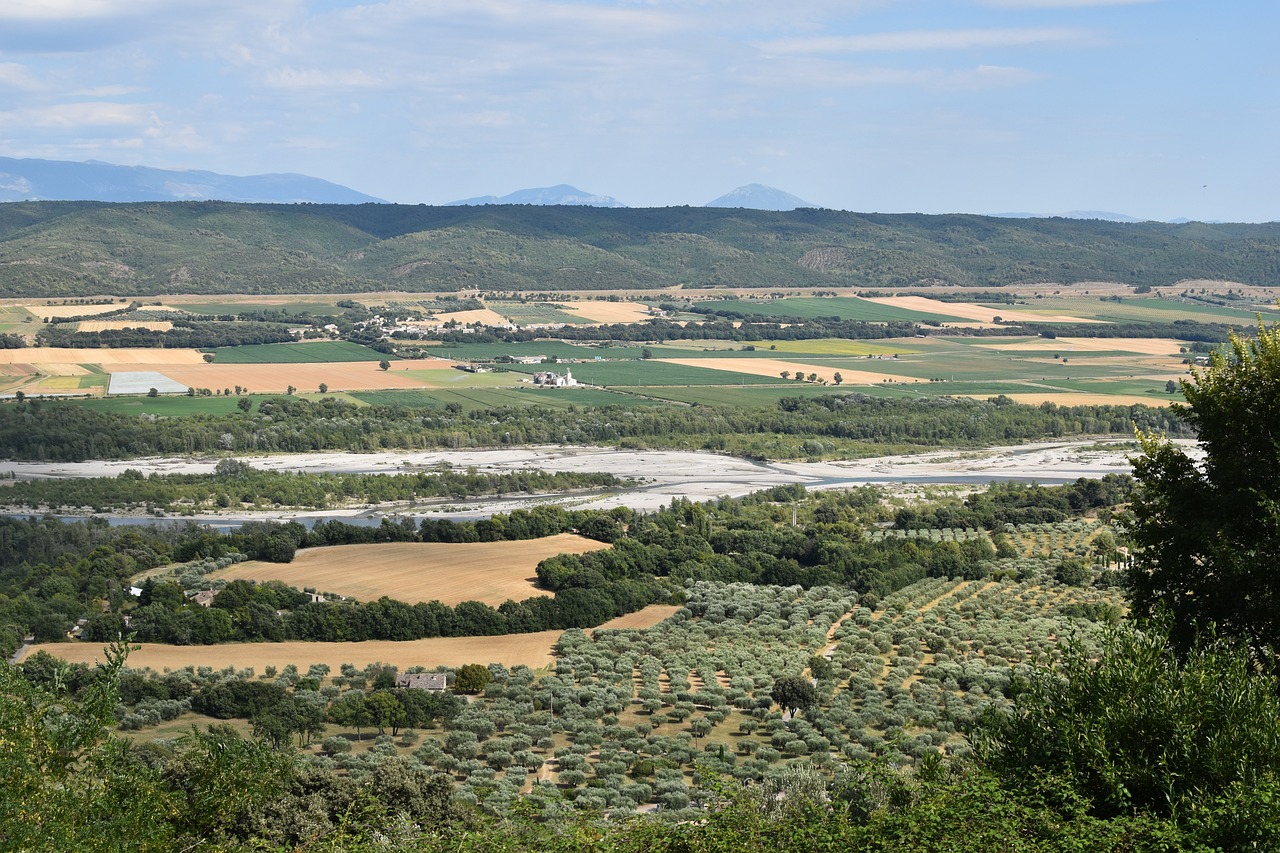
Beyond the named towns, the true soul of the Rhône Delta lies in its étangs – shallow lagoons – and marshlands: Étang de Vaccarès, Étang de l’Impérial, Étang de Fangassier, and countless smaller basins and channels.
Most travelers only encounter them as backdrops from the car, but it’s worth seeking out designated trails and bird hides. The Étang de Vaccarès, in particular, has several observation points where you can watch flamingos, herons, egrets, and raptors with minimal disturbance.
On a still winter afternoon in 2024, I watched a marsh harrier quarter low over the reeds while a group of local birders shared flasks of coffee and passed around binoculars. The conversation drifted from migration patterns to rice harvests and the slow encroachment of saltwater as sea levels rise – a sobering reminder that this landscape is beautiful but fragile.
9. Salins du Midi – Pink Salt Seas
The Salins du Midi near Aigues-Mortes are among the Rhône Delta’s most photogenic landscapes: pink-hued basins, white salt mounds, and narrow dykes threading between them. The color comes from halophilic micro-algae and brine shrimp; flamingos feast on the shrimp, which helps tint their feathers.
Tours run by little open trains or on foot let you climb a salt mound, taste different grades of salt (including the famed Fleur de Sel de Camargue), and learn about the centuries-old techniques of salt harvesting. It’s more compelling than it sounds on paper, and kids, in particular, love the slightly otherworldly scenery.
Tip: For photography, go on a late-afternoon tour in spring or autumn when the sun is lower; in midsummer midday light, the glare can be intense.
10. Parc Ornithologique de Pont de Gau – Accessible Wildlife
Pont de Gau is one of the Rhône Delta’s most popular attractions, and with reason. It offers a rare combination of accessibility and genuine wildlife: easy boardwalks, hides, explanatory signs, and a density of birds that rarely fails to impress.
I’ve visited on blazing August afternoons, in misty January light, and during April migrations; each season brings different species and moods. The flamingos are the main draw, but look also for night herons, glossy ibis, avocets, and a host of ducks and waders.
Family-friendly: Very. Paths are stroller-friendly, and there are plenty of benches and shaded spots. Bring binoculars if you have them; kids enjoy “spotting” different species.
11. Phare de la Gacholle & Coastal Dunes
The Phare de la Gacholle sits lonely amid dunes and low scrub, accessible only by unpaved tracks used by cyclists and walkers. It’s part of a protected stretch of coast where dune restoration and habitat conservation are priorities.
The ride or walk out to the lighthouse – especially from Saintes-Maries-de-la-Mer – is one of my favorite half-day excursions. You leave behind the bustle of town and enter a landscape of wind-twisted shrubs, sand drifts, and wide horizons. On one November ride, I didn’t see another human for an hour, just a fox, a handful of horses, and a sky full of migrating cranes.
Note: In 2026, some sections of the track may be temporarily rerouted for dune restoration; check the latest info at the tourism office.
12. Plage de Piémanson – The Long Wild Beach
Piémanson is more than a beach; it’s a symbol of the Rhône Delta’s ongoing negotiation between freedom and regulation. For years, it was famous (or infamous) for free camping on the sand, a sort of lawless summer settlement. Environmental damage and safety concerns led to a crackdown, and since the mid-2010s, camping has been tightly controlled or banned.
What remains is still a glorious expanse of untamed sand, dunes, and sea, backed by salt pans and accessible via a long, sometimes rutted road from Salin-de-Giraud. On windy days, it’s a playground for kite surfers; on calm evenings, it can feel like the edge of the world.
Tip: There are no shade structures; bring your own sun protection and plenty of water. Respect dune fencing – these fragile systems are crucial to protecting the coast from erosion.
13. Plage de Beauduc – Off-Grid Escape
If Piémanson feels remote, Beauduc feels like another planet. Reached by miles of rough track (conditions vary with weather), this is a place for those who enjoy the journey as much as the destination. The beach is vast and shallow, popular with serious kite surfers and those seeking an off-grid atmosphere.
I’ve only gone out here with a local friend who knows the tracks well and drives a high-clearance vehicle; I wouldn’t attempt it alone in a low-slung rental. There are still vanlifers and long-term campers around, but regulations are increasingly enforced to protect the site.
Best for: Very experienced drivers, kite surfers, and those comfortable with minimal facilities. Not ideal for first-time visitors or those on tight schedules.
14. Étang de Vaccarès – Heart of the Camargue
The Étang de Vaccarès is the largest lagoon in the Camargue, a broad, shallow expanse that mirrors the sky. It’s central to the region’s ecology, acting as a buffer between the Rhône’s freshwater and the sea’s saltwater. Around its edges, you’ll find reed beds, grazing land, and scattered mas.
There are no major towns here, just a few roads, observation points, and the occasional farm or guesthouse. It’s a place to drive slowly, stop often, and listen. At dusk, the sky often fills with birds heading to roost, and the water turns shades of silver and violet.
Tip: Check wind forecasts; in a strong Mistral, being out on the exposed embankments can be unpleasant. In calm conditions, it’s sublime.
15. Vauvert & Aigues-Vives – Bull Culture & Village Life
On the northern fringe of the Petite Camargue, villages like Vauvert and Aigues-Vives embody the region’s bull culture. Here, the course camarguaise – a bloodless bull game focused on agility rather than killing – is central to local identity. In summer, streets are barricaded for abrivados, when bulls run through town accompanied by mounted gardians.
I’ve attended several such fêtes over the years, always as an observer at a safe distance. They are noisy, joyful, and deeply rooted in local tradition; even those uneasy with bull-related events can appreciate the community aspect and the horsemanship on display.
Etiquette: If you attend, follow local guidance about safe viewing areas, never taunt animals or riders, and be mindful that for locals, this is culture, not spectacle.
16. Domaine de Méjanes – Ranch, Train & Family Fun
On the northwestern shore of Étang de Vaccarès lies the Domaine de Méjanes, a large estate with a petit train, riding stables, restaurant, and walking trails. It was once owned by the industrialist Paul Ricard (of pastis fame) and remains geared towards visitors, but in a way that still respects the landscape.
Families, in particular, love it: you can take the little train around the lagoon edge, spot birds and bulls, then enjoy a simple lunch on the terrace. I’ve brought friends with young children here when the idea of a long walk in the wind would have been a hard sell; everyone left flushed and happy.
17. Phare de la Faraman & Eastern Marshes
On the far eastern side of the delta, near Port-Saint-Louis-du-Rhône, the Phare de la Faraman stands as a lonely sentinel amid salt-laden winds and low vegetation. The surrounding area is less visited than the central delta, with a more industrial edge due to nearby ports and factories, but it has its own stark beauty.
Birdwatchers and photographers who don’t mind a grittier backdrop will find plenty to appreciate here. For most travelers, though, it’s an add-on stop rather than a core destination.
18. Plage de l’Espiguette – Dunes & Open Sea
The Plage de l’Espiguette near Port-Camargue is one of the most impressive dune systems on the French Mediterranean: kilometers of wide sand, rolling dunes, and relatively little construction immediately behind the beach.
It’s patrolled and partially serviced in high season, making it a good compromise between wild and accessible. Walk far enough, and you can still find a sense of solitude, especially at sunrise or in the shoulder seasons.
Best for: Families (near the main access points) and couples or solo travelers who like long beach walks.
Regional Cuisine & Where to Taste It in the Rhône Delta
The Rhône Delta sits at a crossroads: seafood from the Mediterranean, rice from the paddies, bulls from the manades, and herbs from the garrigue. Add in influences from Provence, Languedoc, Italy, and North Africa, and you get a cuisine that is robust, garlicky, and honest.
Signature Dishes
- Gardianne de taureau – Slow-cooked bull stew, marinated in red wine and herbs, served over Camargue red rice.
- Tellines – Tiny wedge-shaped clams, usually sautéed with garlic and parsley. A must-try with a glass of chilled white.
- Brandade de morue – Creamy salt cod purée, often served with toast or potatoes.
- Rouille & fish soups – Spicy garlic-saffron sauce served with fish soups and croutons.
- Rice-based dishes – From simple pilafs to rice salads with vegetables and seafood.
- Fougasse d’Aigues-Mortes – Sweet, fluffy bread scented with orange blossom, typically eaten as dessert or breakfast.
Where to Eat
In Saintes-Maries-de-la-Mer, look for small, family-run auberges one or two streets back from the seafront. Some mas just outside town offer table d’hôtes dinners for guests, often the best meals I’ve had in the region: soup, a main of bull or fish, cheese, dessert, and wine for a reasonable fixed price.
In Aigues-Mortes, the streets just off the main square hide more inventive kitchens doing refined takes on local ingredients: think gardianne served in smaller portions with elegant vegetable sides, or creative seafood starters with local herbs and citrus.
In Arles, you’ll find everything from budget-friendly bistros to destination dining. For a multi-town trip, I often plan one “splurge” meal in Arles to contrast with simpler, rustic meals in the marsh.
Markets & Farm-Stays
The best way to taste local food in Rhône Delta is to self-cater part of the time using markets and farm shops. Look for:
- Arles Saturday Market – Huge, overflowing with produce, cheese, cured meats, olives, and prepared foods.
- Aigues-Mortes Markets – Smaller but atmospheric, with good local produce and occasional rice/olive vendors.
- Roadside stands – Selling rice, honey, seasonal vegetables, and sometimes wine directly from farms.
Agriturismi-style stays (here usually called gîtes à la ferme or chambres d’hôtes on working farms) are increasingly common. I’ve stayed at a rice farm where breakfast included rice pudding made from their own harvest, and at a horse ranch where dinner featured beef from their neighbor’s herd and vegetables from the kitchen garden.
Evenings in the Rhône Delta
Evenings in the Rhône Delta are quieter than in big cities, but that’s part of the charm. After dark, the wind often drops, insects take over as the loudest soundtrack, and the sky fills with stars.
Small-Town Squares & Seafronts
In Saintes-Maries-de-la-Mer, evenings revolve around the seafront and the lanes radiating from the church. Families stroll with gelato, teenagers cluster on low walls, and older couples nurse pastis at pavement tables. Street musicians appear in high season; in shoulder seasons, the soundtrack is more likely the clink of cutlery and low conversation.
In Aigues-Mortes, the main square glows with café terraces under plane trees. It feels more intimate, more enclosed than the seafront towns; I often linger here over digestifs, watching kids chase each other around the statue and locals greeting one another with the customary southern bises.
Sunset Viewpoints
- Church rooftop in Saintes-Maries – Last entry before sunset, when offered, is magical in summer.
- Étang d’Impérial embankments – For wide, watery skies and flamingos silhouetted against the light.
- Plage de l’Espiguette – Dunes and reflected light on wet sand.
Seasonal Celebrations
From May to October, nearly every town and village has some kind of fête: bull runs, music nights, food stalls, and fireworks. In 2026–2027, look for:
- Fêtes votives in villages like Vauvert, Aigues-Vives, and Le Grau-du-Roi – usually week-long celebrations in summer.
- Roma pilgrimages in Saintes-Maries-de-la-Mer in late May and October – intense, crowded, and deeply moving.
- Harvest festivals related to rice (September–October) and wine (September) in various villages.
Events & Festivals in the Rhône Delta (2026–2027)
While specific dates shift slightly year to year, here are major events expected in 2026–2027 (always verify closer to travel dates):
- May 24–26, 2026 – Pèlerinage des Gitans, Saintes-Maries-de-la-Mer – Roma pilgrimage honoring Sara la Kali. Expect processions to the sea, music, and huge crowds.
- October 2026 – Autumn Pilgrimage, Saintes-Maries-de-la-Mer – Smaller but still significant religious gathering.
- Summer 2026 – Fêtes votives (various villages) – Local festivals with bull runs, music, and dancing.
- July–September 2026 – Rencontres d’Arles – Photography festival with exhibitions touching on environmental themes and the delta’s changing landscape.
- September–October 2026 – Rice Harvest Events – Some farms and villages host open days and tastings.
In 2026, the Parc naturel régional de Camargue is also launching new guided walks and bike circuits focused on climate adaptation and wetland restoration; check their official site for details.
Day Trips & Nearby Attractions from the Rhône Delta
The Rhône Delta makes an excellent base for day trips into surrounding regions:
- Nîmes – About 1–1.5 hours by car depending on your base. Superb Roman amphitheatre, Maison Carrée temple, and Jardins de la Fontaine. Trains from Le Grau-du-Roi/Aigues-Mortes.
- Avignon – Around 1.5 hours from the delta; Papal Palace, bridge, and lively old town.
- Les Baux-de-Provence & Alpilles – Hilltop villages, olive groves, and the Carrières des Lumières immersive art show.
- Montpellier – Young, vibrant city with great food and culture, about 1–1.5 hours away.
These make sense if you have 6 or 7 days in Rhône Delta and want a bit of urban or hill-country contrast without changing bases.
Cultural Etiquette & Local Customs
The Rhône Delta is relaxed, but a few cultural nuances will help you connect more deeply and avoid missteps.
Greetings & Politeness
- Always start interactions with a “Bonjour, Monsieur/Madame”; it sets a respectful tone.
- In shops, say “Bonjour” on entering and “Merci, au revoir” when leaving, even if you don’t buy anything.
- Bise (cheek kisses) are for friends and acquaintances, not for new acquaintances; a handshake is fine.
Restaurant Customs
- Lunch is typically 12:00–14:00; dinner from 19:30 or later. Outside those times, full meals may be hard to find.
- It’s normal to linger over a meal; you usually have to ask for the bill (“L’addition, s’il vous plaît”).
- Service is included, but rounding up or leaving 5–10% for good service is appreciated.
Respecting Nature & Working Land
- Many tracks cross private land; stick to marked trails and respect “Propriété privée” signs.
- Do not approach or feed horses and bulls unless invited by their owners.
- Take rubbish with you, especially from beaches and remote areas.
Bull Culture & Roma Traditions
Both bull-related events and Roma pilgrimages are deeply meaningful to locals. Observing with respect means not treating them as purely exotic spectacles.
- Ask permission before photographing individuals at close range, especially during religious moments.
- Avoid loud commentary or intrusive behavior near shrines or during processions.
- Understand that debates about bull culture and animal welfare are nuanced and ongoing; listen more than you lecture.
Practical Travel Advice for the Rhône Delta (2026)
Getting There
- By air: Nearest airports are Montpellier (MPL), Nîmes (FNI), Marseille (MRS). From there, rent a car or connect by train to Arles/Nîmes and onward by bus.
- By train: TGV to Arles, Nîmes, Avignon, Montpellier, then regional connections or buses to Aigues-Mortes, Le Grau-du-Roi, Saintes-Maries-de-la-Mer.
- By car: A car remains the most flexible way to explore the multi-town Rhône Delta region, especially if you want to reach wild beaches and small farms.
Getting Around – Car vs Public Transport
Car: Ideal for covering the spread-out wetlands and less-served beaches.
- Driving distances: Arles–Saintes-Maries (~35 km, 40–45 min), Saintes-Maries–Aigues-Mortes (~35–40 km, 45–60 min), Aigues-Mortes–Le Grau-du-Roi (~7 km, 10–15 min), Arles–Salin-de-Giraud (~40 km, 45–50 min).
- Parking: Often free at beach edges and in smaller villages, but paid or limited inside historic centers (Aigues-Mortes, Arles). Use designated lots.
- Historic centers: Avoid driving into walled towns unless your accommodation provides clear instructions; streets can be very narrow.
Public Transport:
- Bus connections exist between Arles and Saintes-Maries-de-la-Mer, and between Nîmes, Aigues-Mortes, and Le Grau-du-Roi, but frequencies are not high, especially on Sundays.
- Trains run to Aigues-Mortes and Le Grau-du-Roi from Nîmes; from there you can bike or use local buses/taxis.
Cycling: Increasingly viable for those who enjoy slow travel, with canal-side paths and relatively flat terrain. Not a replacement for all car journeys, but excellent for day loops.
Car Rental & Driving Licenses
- Car rental: Best options at airports (MPL, MRS, Nîmes) and major stations (Arles, Nîmes, Avignon, Montpellier).
- Foreign licenses: Visitors from the EU/EEA can drive with their national license. Many other nationalities can drive on their home license for up to 12 months; an International Driving Permit (IDP) is recommended if your license is not in French or English.
- France drives on the right; speed limits are strictly enforced, including by cameras.
SIM Cards & Connectivity
- Major providers: Orange, SFR, Bouygues, Free. Prepaid SIMs available at airports, supermarkets, and phone shops.
- Coverage: Generally good in towns and along main roads; some dead spots in deep marshes and near remote beaches.
- EU visitors can usually roam on their home plans; non-EU travelers often save money by buying a local SIM or eSIM.
Money-Saving Tips
- Travel in shoulder seasons (late April–early June, September–October) for lower accommodation prices and fewer crowds.
- Stay in self-catering apartments or gîtes and cook some meals with market produce.
- Use picnics for lunches on hiking or cycling days; buy Camargue rice, tomatoes, cheese, and fruit from markets.
- Choose 1–2 paid attractions (e.g., Pont de Gau, Salins du Midi) and balance them with free nature experiences.
- Refuel in larger towns where petrol is often cheaper than at motorway stations.
Visas & Entry Requirements
- France is in the Schengen Area. Many nationalities can enter visa-free for up to 90 days in any 180-day period; always check current rules for your passport.
- From 2026, the ETIAS travel authorization is expected for some visa-exempt travelers; apply online before arrival.
Best Seasons & What They’re Good For
- Spring (April–June): Wildflowers, bird migrations, milder temperatures, fewer crowds. Ideal for cycling and birdwatching.
- Summer (July–August): Beach weather, warm sea, longest days, and most festivals. Also the busiest and windiest; book early and expect heat.
- Autumn (September–October): Rice and grape harvests, warm sea, softer light, good for photography and food-focused trips.
- Winter (November–March): Quiet, often windy, with some closures. Magical light and great for serious birders and those who enjoy solitude, but not beach weather.
Health & Safety
- Bring sun protection (hat, high-SPF sunscreen) and windproof layers; the combination of sun and Mistral can be deceptive.
- Mosquitoes can be intense in warm months, especially at dusk; pack effective repellent and light long sleeves.
- Tap water is safe to drink in towns; bring a reusable bottle.
Summary & Final Recommendations
The Rhône Delta is not a place you “do” in a day; it’s a landscape to inhabit for a while, letting its rhythms seep into you. Flamingos and white horses might draw you in, but it’s the evening stillness over rice paddies, the taste of briny tellines, the slow curve of a canal under a big sky that will stay with you.
For most travelers, I recommend at least a 4 day itinerary for Rhône Delta focused on Saintes-Maries-de-la-Mer, Aigues-Mortes, and the main wetlands. If you can stretch to a 5, 6, or 7 day itinerary for Rhône Delta, you’ll gain the luxury of unstructured days: time to follow a track just to see where it goes, linger in a village café, or return to a favorite beach at a different hour.
Best seasons to visit Rhône Delta:
- April–June and September–October for a balanced mix of wildlife, weather, and manageable crowds.
- July–August if your priority is beach time and festivals, and you don’t mind heat and people.
- Winter if you’re a photographer or birder seeking stark beauty and solitude.
Whatever your season or itinerary length, anchor your trip in a few good bases (Saintes-Maries, Aigues-Mortes, or a rural mas), slow your pace, and let the delta’s water, wind, and light do the rest. In 2026, with new trails, cultural events, and a growing focus on sustainable tourism, there has rarely been a better moment to get to know this singular corner of France in depth.